
Introduction
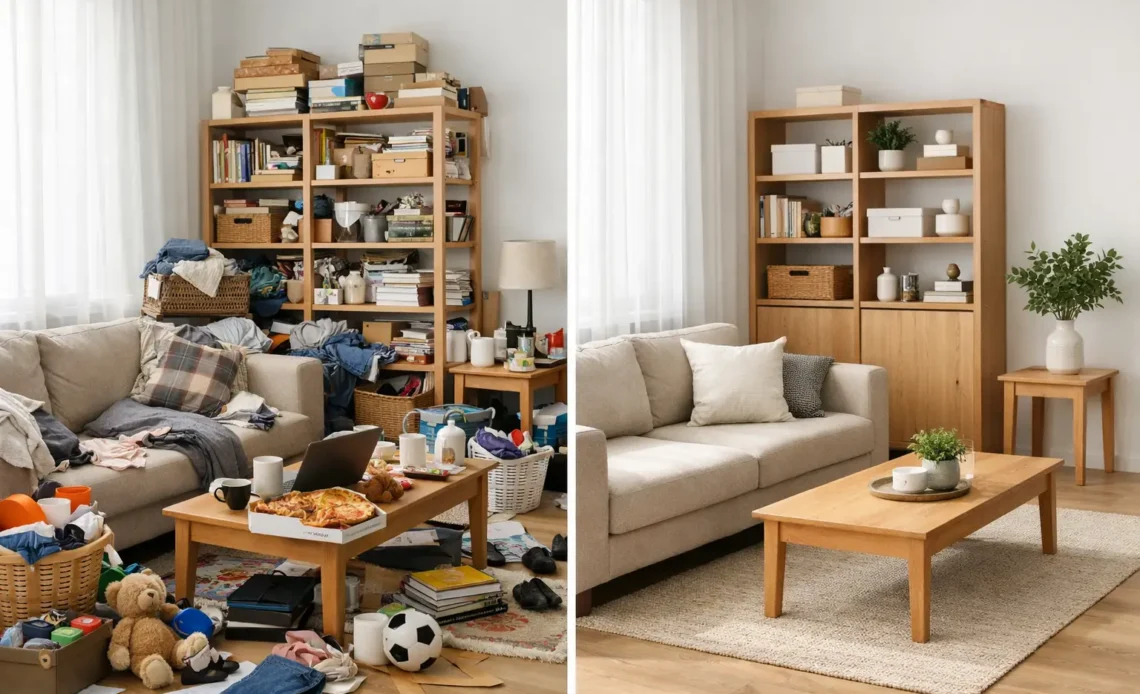
There comes a point in every home when the drawers stop closing, the counters disappear under piles, and walking through a room feels more like an obstacle course than a comfortable experience. If that sounds familiar, you are not alone. Millions of people live in homes packed with items they no longer use, need, or even remember buying. The good news is that a well-structured home declutter checklist can change everything, not just how your home looks, but how you feel inside it.
Start With the Four Box Method Before Anything Else
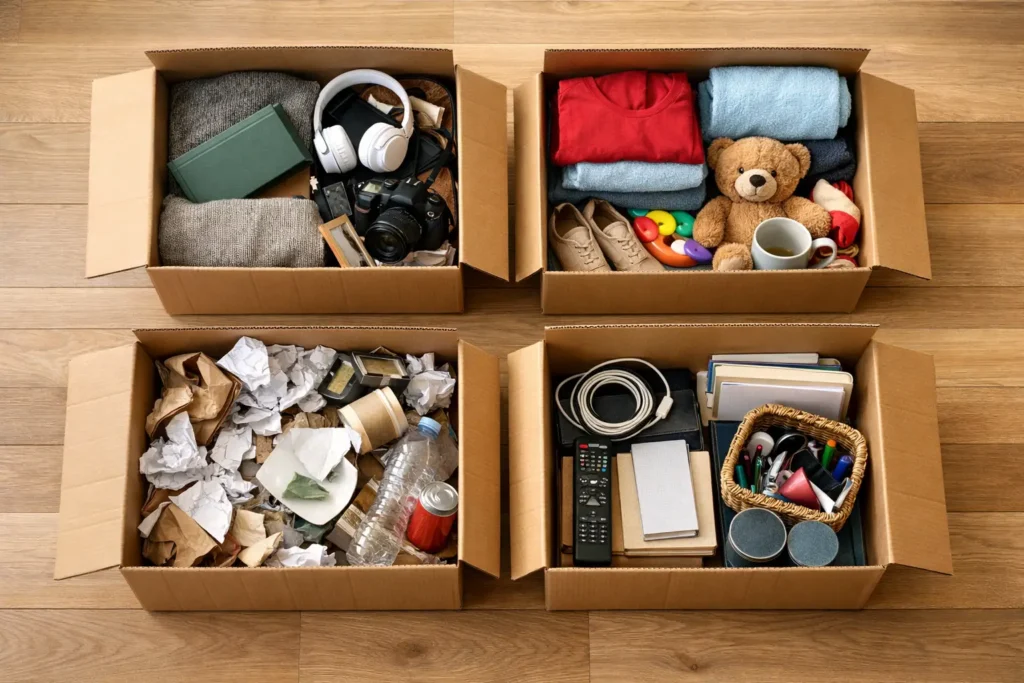
Before you touch a single drawer, set up four boxes or bags labeled Keep, Donate, Trash, and Relocate. This system removes the mental back-and-forth that causes most people to abandon decluttering halfway through. Every item you pick up gets placed in one of those four categories without exception.
Kitchen Countertops and Cabinet Checklist

The kitchen is often the most cluttered room in the home because it serves so many functions. Begin by clearing countertops completely. Remove appliances you use fewer than once a month. Open every cabinet and pull out duplicate tools, mismatched containers without lids, expired pantry items, and gadgets that only perform one function. Expired pantry items, snacks, and baking ingredients are among the easiest things to clear out immediately for noticeable results.
Bathroom Declutter Checklist
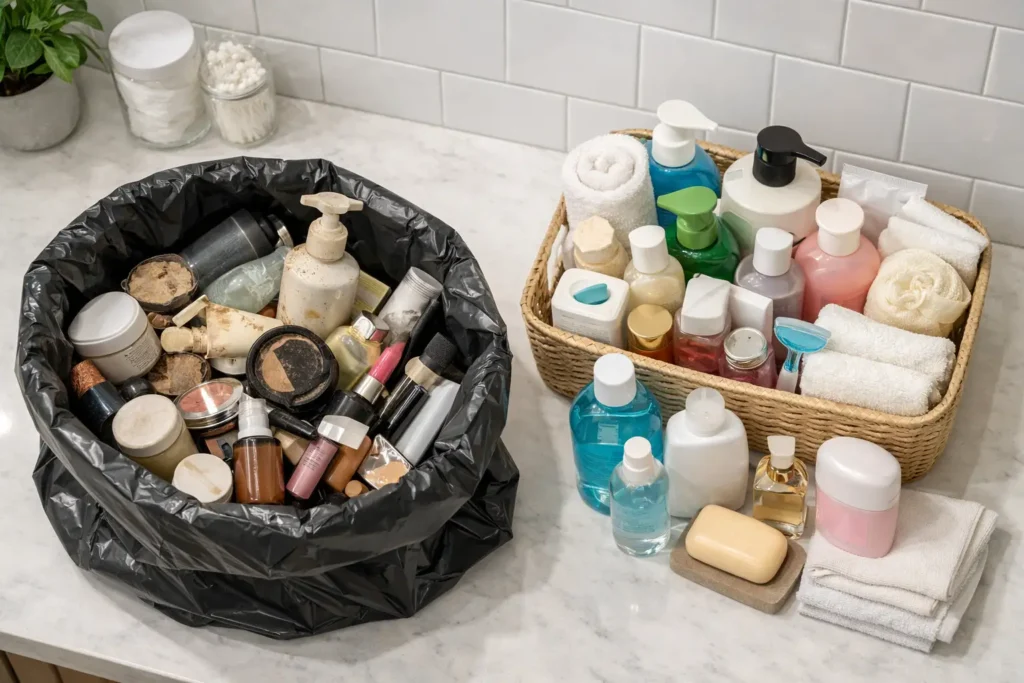
Bathrooms accumulate clutter quietly. Products get pushed to the back of shelves and forgotten for years. Check expiration dates on medications, skincare, and cosmetics. It is recommended that cosmetics be replaced after six months, so checking expiration dates in the bathroom is a meaningful first step. Toss hotel miniatures, sample-size products, and duplicate toiletries you realistically will not use.
Bedroom Closet Cleanout Checklist

Pull everything out of your closet and only return what you have actually worn in the past year. If an item no longer fits, is damaged, or belongs to a version of your life that no longer exists, it is time to let it go. Donating what does not fit or has not been worn in a year, then reorganizing by type and season, is one of the most effective closet declutter strategies.
Living Room Checklist
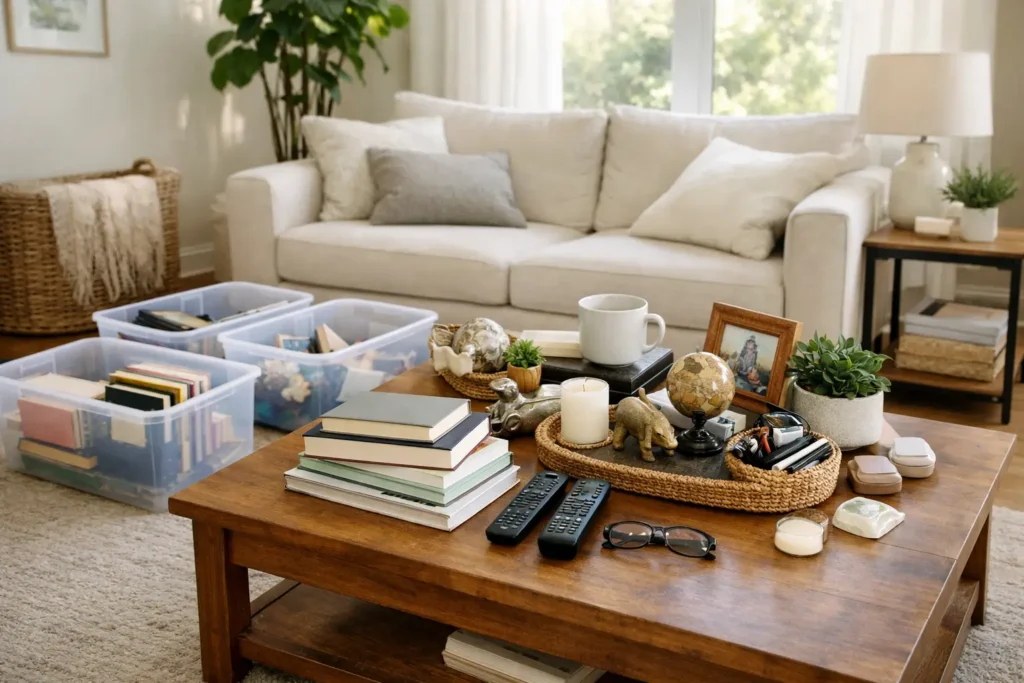
The living room can quickly become a magnet for clutter, and reclaiming it requires going through books, décor, remotes, and any items that belong in other rooms. Limit decorative surfaces to one or two meaningful display items. Rotate seasonal décor into storage rather than letting it pile up year-round.
Sort Books, Magazines, and Paper Clutter

Paper clutter is one of the most stubborn categories. Go through every magazine, catalog, and stack of mail. Keep only what requires action or holds genuine sentimental value. Recycle the rest. For books, keep what you love or plan to read. Donate the rest to a library or community center.
Electronics and Cable Management Checklist
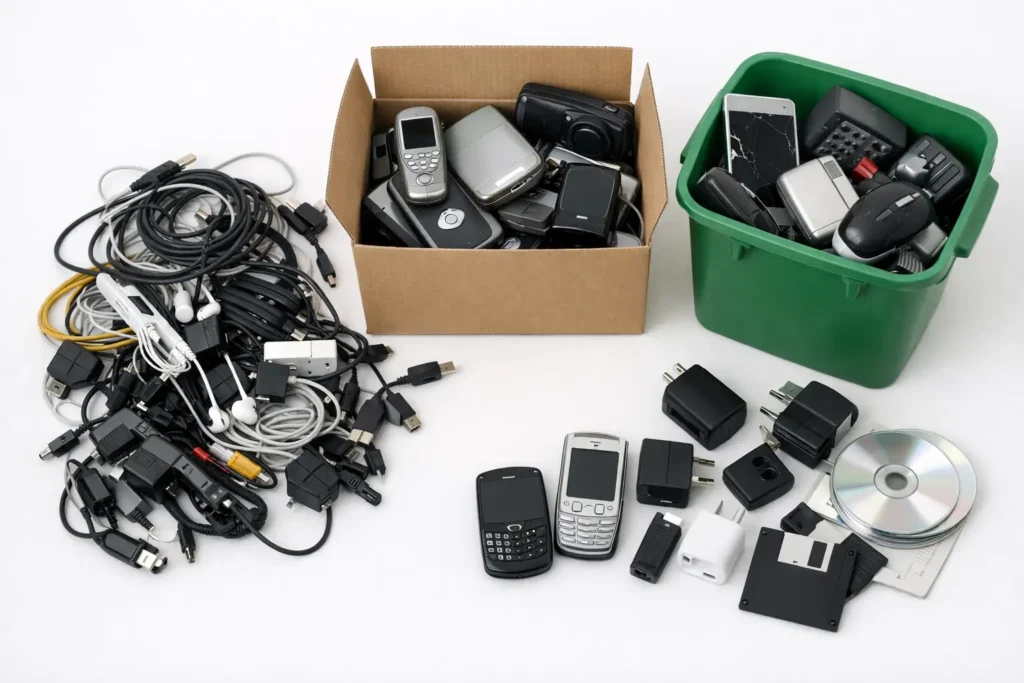
Gather every charger, cable, old phone, and unused gadget. Untangle cords, label them, and donate or recycle gadgets that have not been used in the past year. Outdated technology sitting in drawers serves no purpose and takes up space that could be used for things you actually need.
Apply the 12-12-12 Rule to Any Room
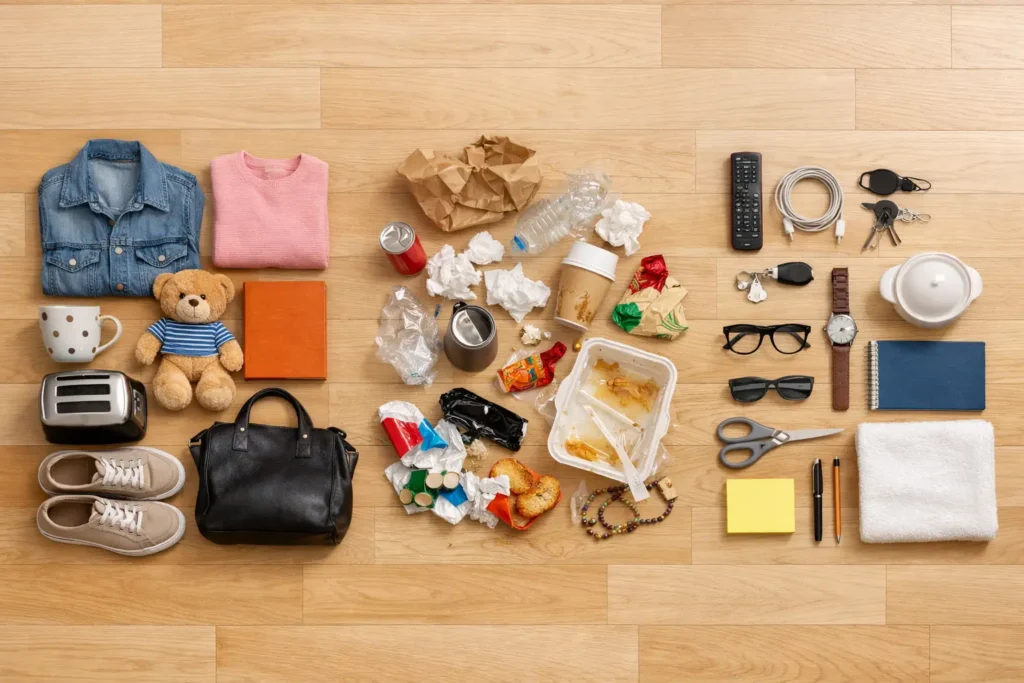
The 12-12-12 rule involves going through your home and finding 36 items total: 12 to donate, 12 to throw away, and 12 to return to their rightful spot. This approach works particularly well for smaller spaces like closets, bathrooms, or kitchen cabinets where the task feels manageable and the results are immediately visible.
Garage and Storage Room Checklist
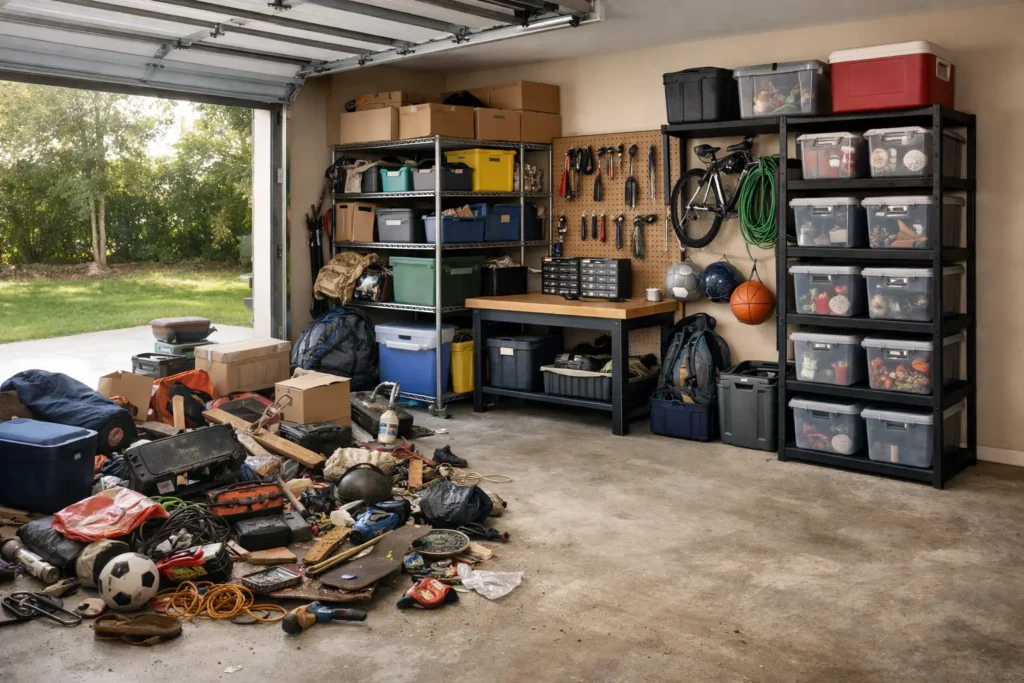
The garage tends to collect large items that never get evaluated because they are out of sight. The garage accumulates stuff because it is a big space not right in front of your face like the interior of the home, making it especially important to address large items taking up significant room. Create clear zones for tools, seasonal gear, and sports equipment. Anything broken or unused in two years should go.
Kids Room and Toy Checklist
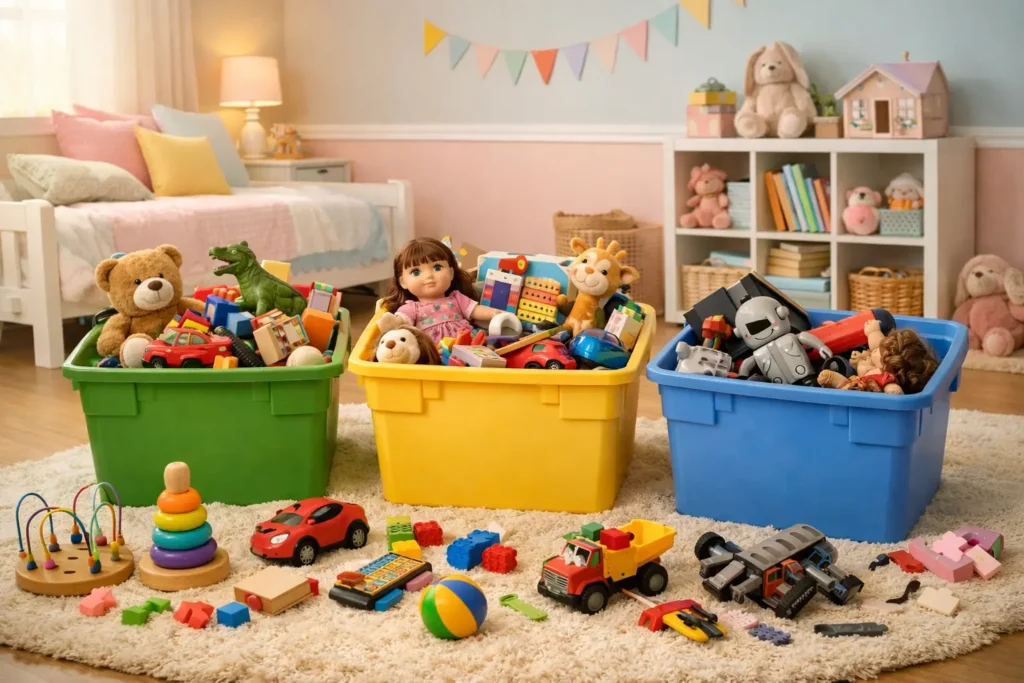
Involve children in this process where possible. Sort toys into categories and remove anything broken, missing pieces, or outgrown. As children grow their preferences change, so adding tossed-aside toys to your declutter checklist is a natural part of the process. Donate usable toys to shelters, community centers, or younger family members.
Home Office Declutter Checklist
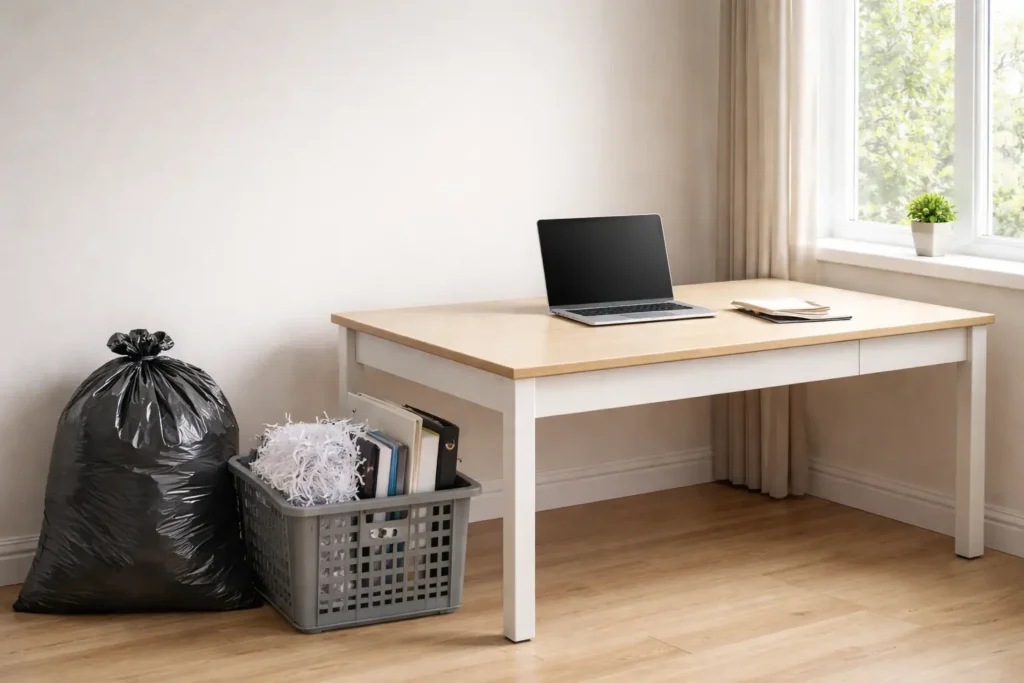
A cluttered workspace affects focus and productivity directly. Clear your desk surface completely. File or shred papers, remove old office supplies, and recycle anything that belongs to old projects. Keep only what relates to current work.
Dining Room Table and Linen Closet Checklist
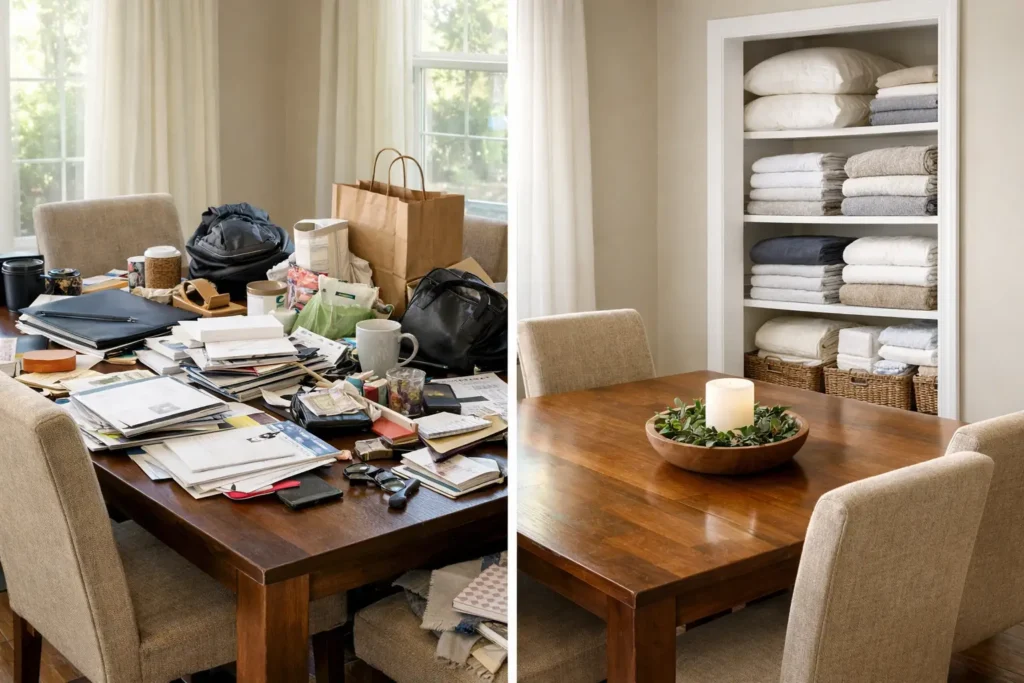
The dining room table often becomes a landing zone for homework, mail, and laundry rather than a gathering space. Reclaim it by creating a rule that nothing lives on the table except what belongs during a meal. For linen closets, keep two sets of sheets per bed and donate the rest.
Apply the Five-Year Rule Consistently
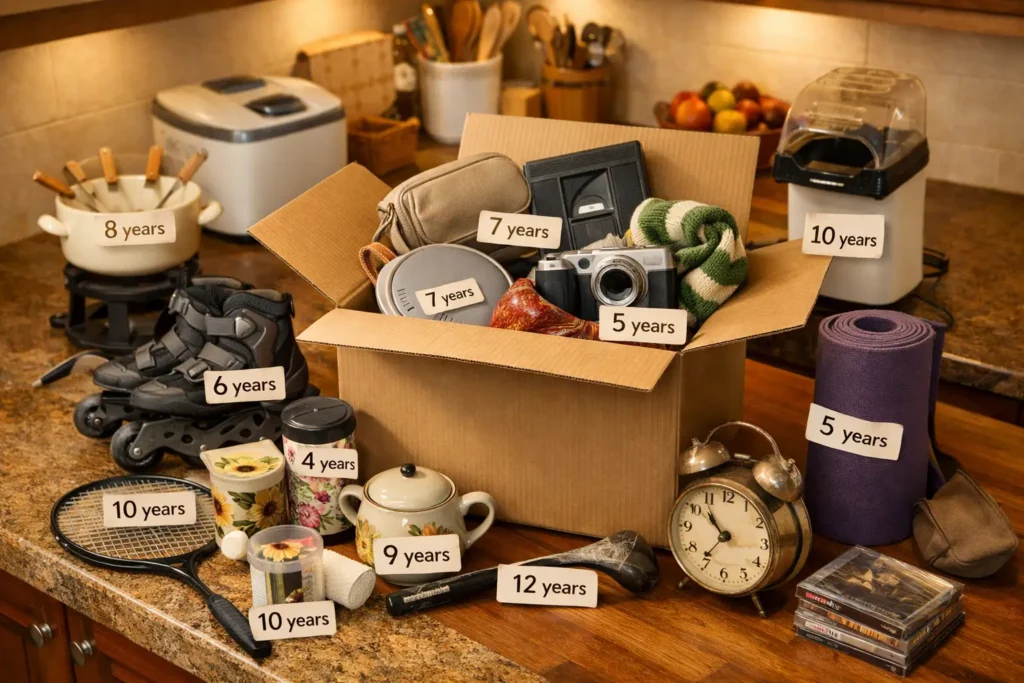
The five-year decluttering rule says that if you have not used an item in five years, you probably do not need to keep it. While keepsakes and heirlooms are exceptions, this rule works well for clothing, kitchen tools, hobby equipment, and household items.
Seasonal Decoration Checklist
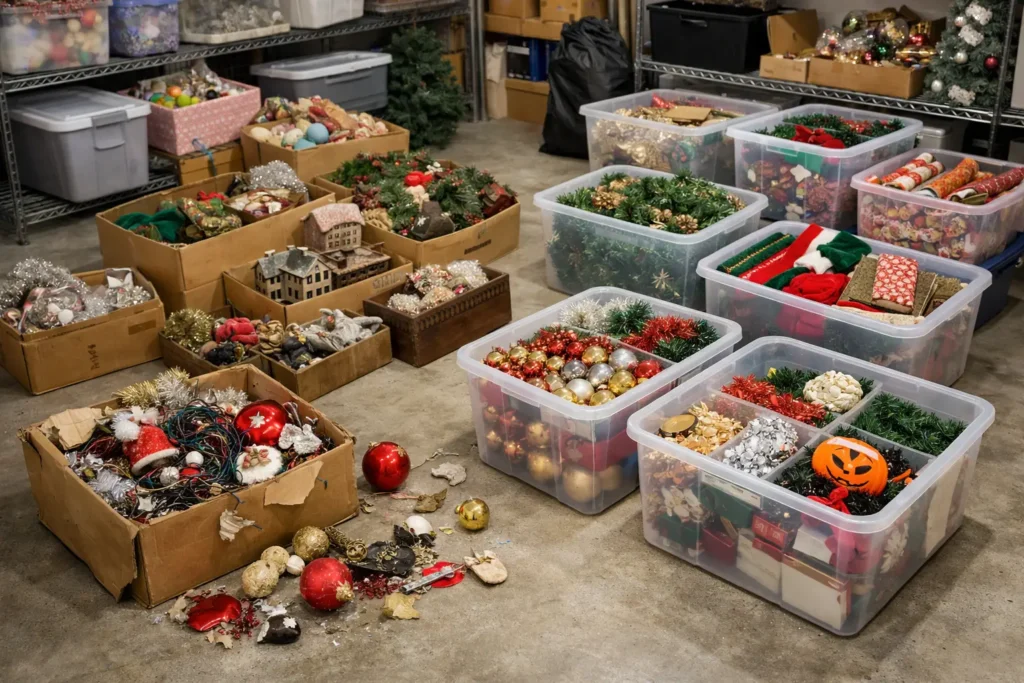
Holiday and seasonal decorations are often kept far beyond their usefulness. Go through every box of decorations and remove duplicates, damaged items, and decorations from themes or phases you no longer relate to. Store what remains in clearly labeled bins.
Entryway and Coat Closet Checklist

The entryway is the first thing you see when you walk in and unfortunately the first place clutter tends to land. Remove shoes worn fewer than five times a week to a bedroom closet. Clear bags, coats, and accessories that do not belong in daily rotation.
Digital Clutter Counts Too

Decluttering your physical home is powerful, but digital clutter adds mental weight as well. Delete unused apps, unsubscribe from email lists, clear your desktop, and organize your photo library. A clutter-free digital space supports the same calm feeling you are creating in your physical home.
Use the Core 4 Method for Stubborn Spaces
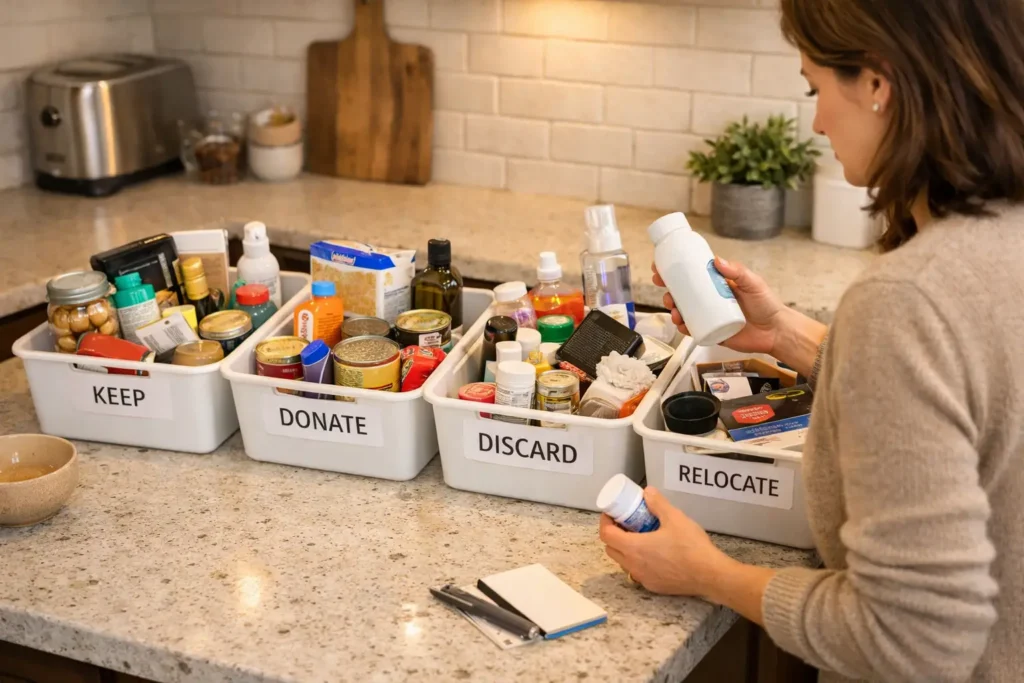
The Core 4 method breaks decluttering into four steps: clean out, categorize, cut out, and contain. This works especially well for areas like the pantry, bathroom cabinets, or home office where items naturally fall into clear categories. Moving through each step deliberately prevents the overwhelm that derails most attempts.
Create a Donate Bag System That Stays Active
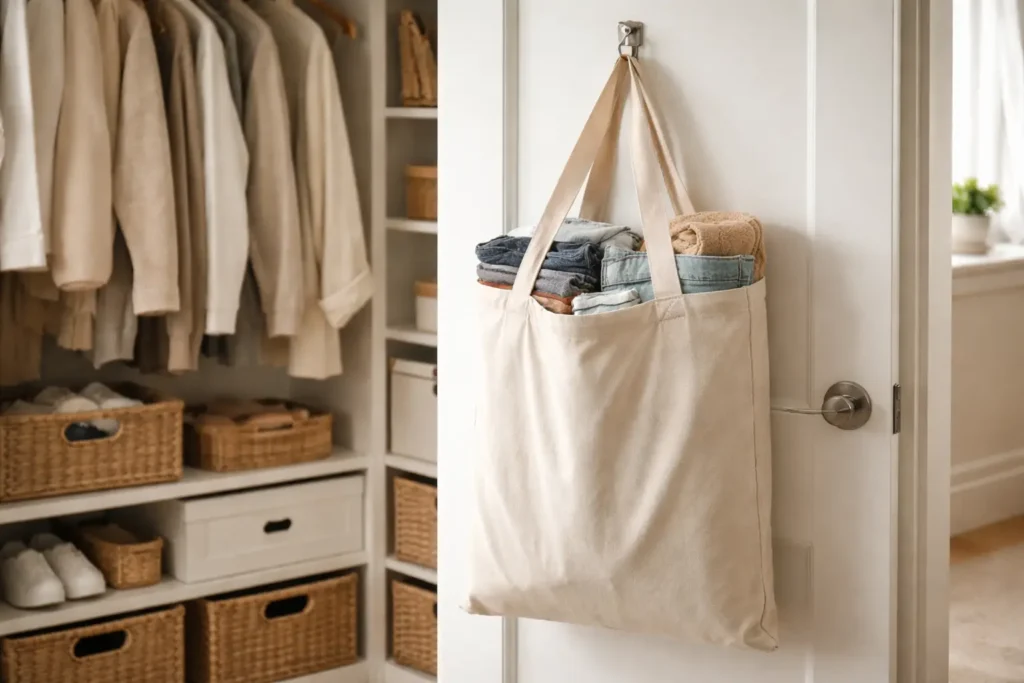
Rather than decluttering once and stopping, keep a dedicated donation bag somewhere visible. When something no longer serves you, it goes directly into the bag. Once it is full, drop it off. This turns decluttering from a one-time event into a sustainable habit.
Take Before and After Photos for Motivation

Choosing one part of your home, like a kitchen counter, and taking a before photo before quickly clearing it and photographing the result makes it easier to start decluttering more of your home. Visual proof of progress is one of the most underused but effective motivators in the decluttering process.
Schedule a Monthly Reset Using Your Checklist

Decluttering is not a single event but an ongoing practice. At the end of each month, spend 20 to 30 minutes walking through high-traffic areas with your checklist. This prevents the slow accumulation that leads to full-scale overwhelm and keeps your home consistently manageable.
Conclusion
A thoughtful home declutter checklist removes the guesswork and replaces it with clear, doable action. You do not need to overhaul your entire home in a weekend. Starting with one drawer, one shelf, or one room and moving steadily forward is how lasting change actually happens. The 20 checklist ideas in this article give you a complete framework to work from, room by room and habit by habit. Begin today, stay consistent, and you will find that a calmer, more organized home is well within reach.
You can may also like this:20 Pantry Organization Ideas: Habits That Saves Time, Money, and Sanity
Frequently Asked Questions
Q.1 How long does it take to fully declutter a home?
It depends on the size of your home and how much you own. A small apartment can be done in a weekend with focused effort, while a larger home realistically takes several weeks to a month when working room by room.
Q.2 What is the hardest room to declutter and why?
Most people find the bedroom closet and garage the most challenging because both hold items tied to identity, past seasons of life, or the idea of future use. Having a clear decision rule like the one-year or five-year guideline helps significantly.
Q.3 Should I declutter before organizing?
Always declutter before organizing. Organizing clutter just means neatly storing things you do not need. Removing what does not belong first ensures that your organizing system is built around what you actually use.
Q.4 What do I do with items I cannot decide about?
Place undecided items in a box, seal it, and set a 30-day reminder. If you have not opened the box or thought about those items by the end of the month, donate the box without reopening it.
Q.5 How do I keep my home from getting cluttered again?
Adopt a one-in-one-out rule. Every time something new enters your home, one item leaves. Combined with a monthly reset using your home declutter checklist, this habit keeps accumulation from creeping back in.