
Introduction
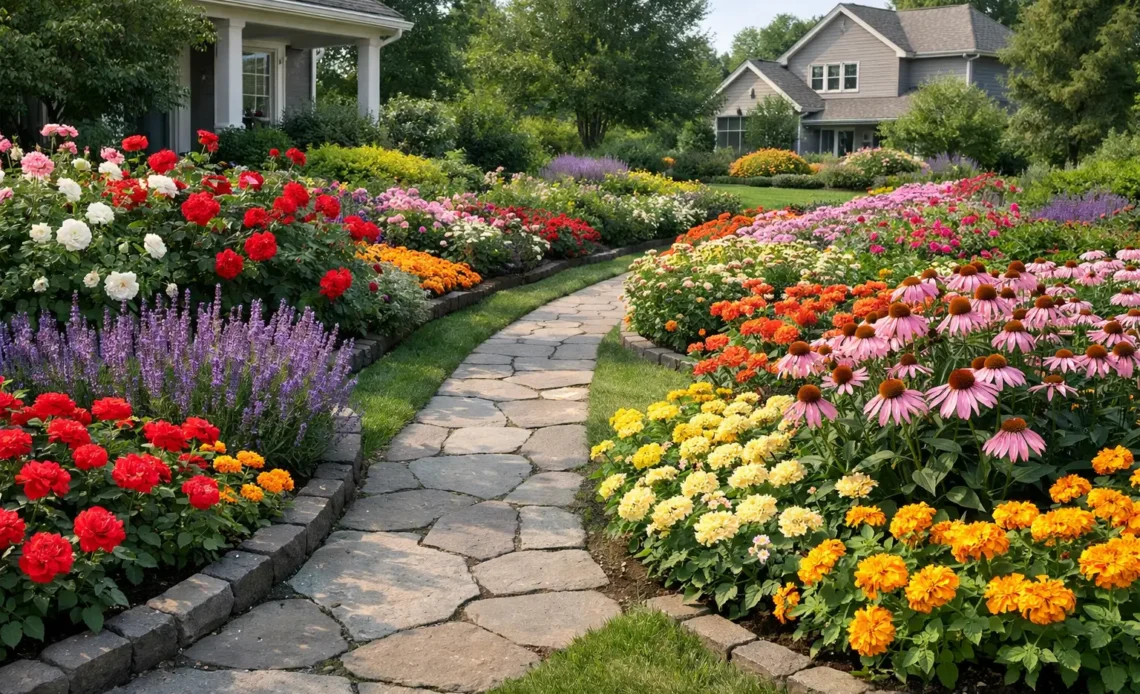
A well-designed flower bed has the power to completely transform the way your home looks and feels from the outside. Whether you have a sprawling backyard or a modest patch of soil near your front door, the right flower bed ideas can turn an ordinary outdoor space into a living, breathing work of art. Over the past decade of writing about landscaping and garden design, I have seen firsthand how a thoughtfully planted flower bed can boost curb appeal, attract wildlife, and bring personal joy every single day. This article brings together 20 of the most creative, practical, and visually stunning flower bed ideas to help you design a landscape that stands out in every season.
Classic Cottage Garden Flower Bed
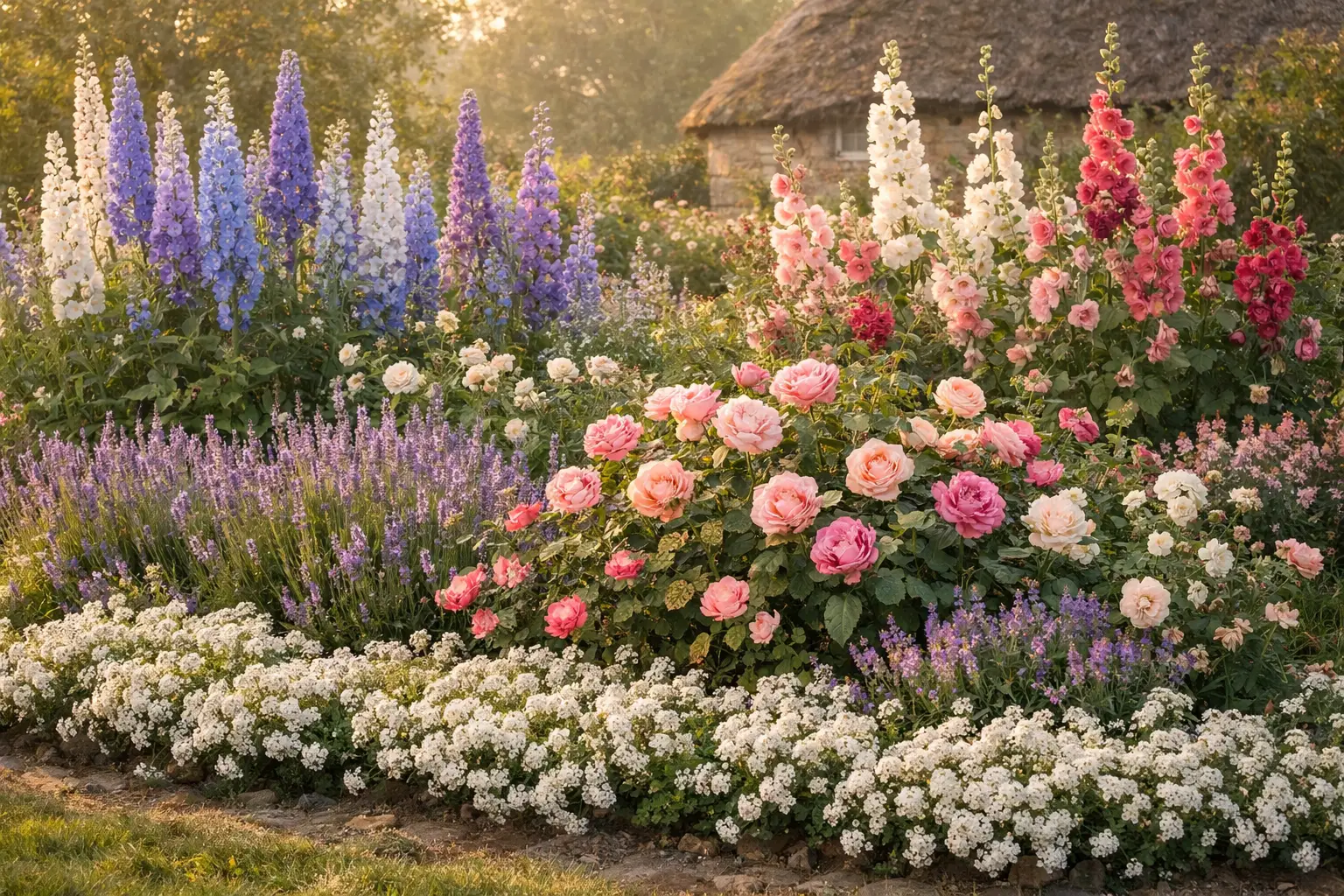
The cottage garden style is timeless. Layer tall plants like delphiniums and hollyhocks at the back, medium growers like lavender and roses in the middle, and low creeping plants like sweet alyssum at the front. The result is a lush, romantic bed that feels both wild and carefully planned. Mix perennials with annuals to keep the color going from early spring through late fall.
Raised Flower Bed for Better Drainage
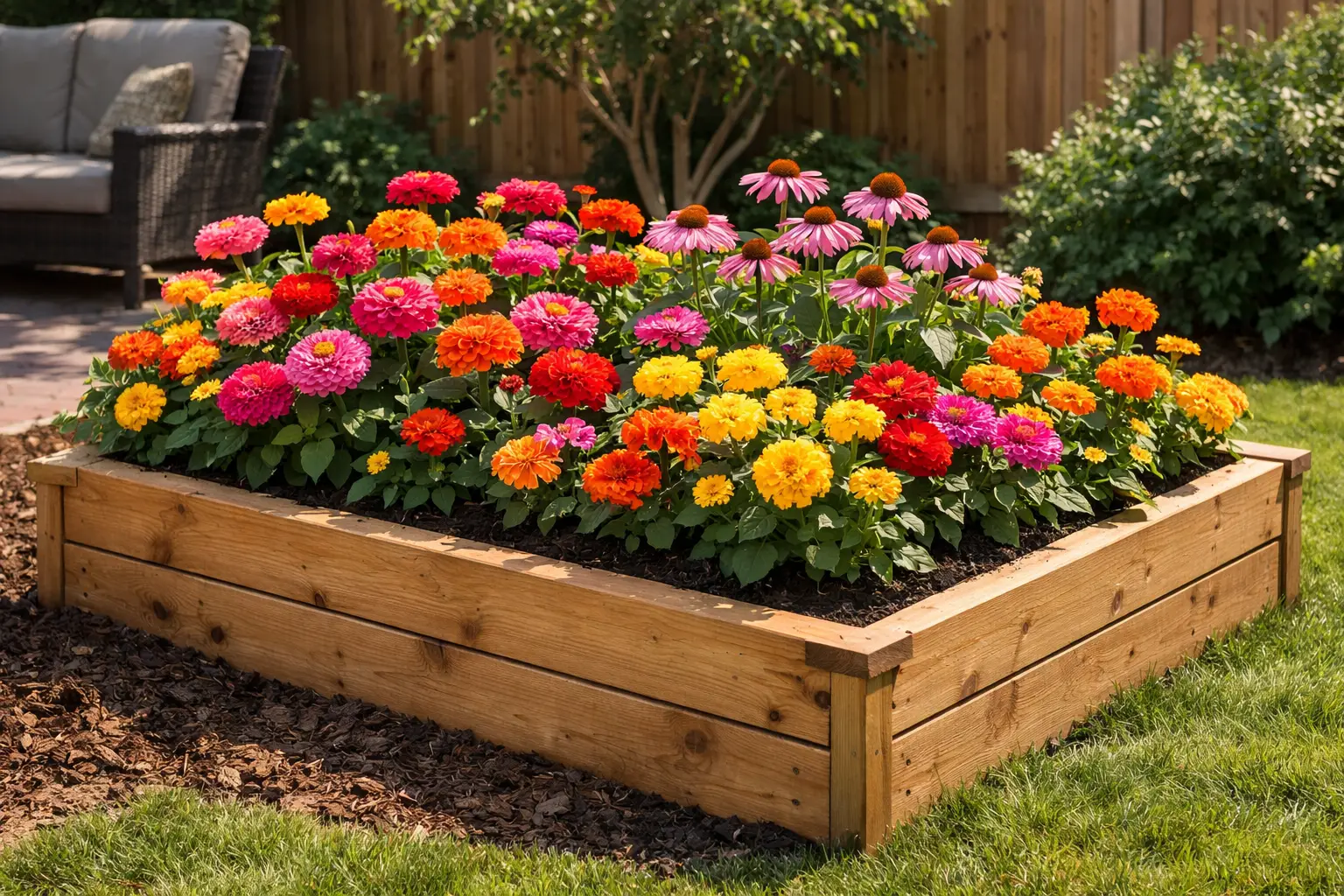
Raised flower beds are among the most practical flower bed ideas available today. They give you full control over soil quality, improve drainage, and make maintenance far easier on your back. Build a simple frame from timber or stone, fill it with quality potting mix, and plant a combination of zinnias, marigolds, and coneflowers for a vibrant seasonal display.
Front Yard Border Bed Along the Walkway
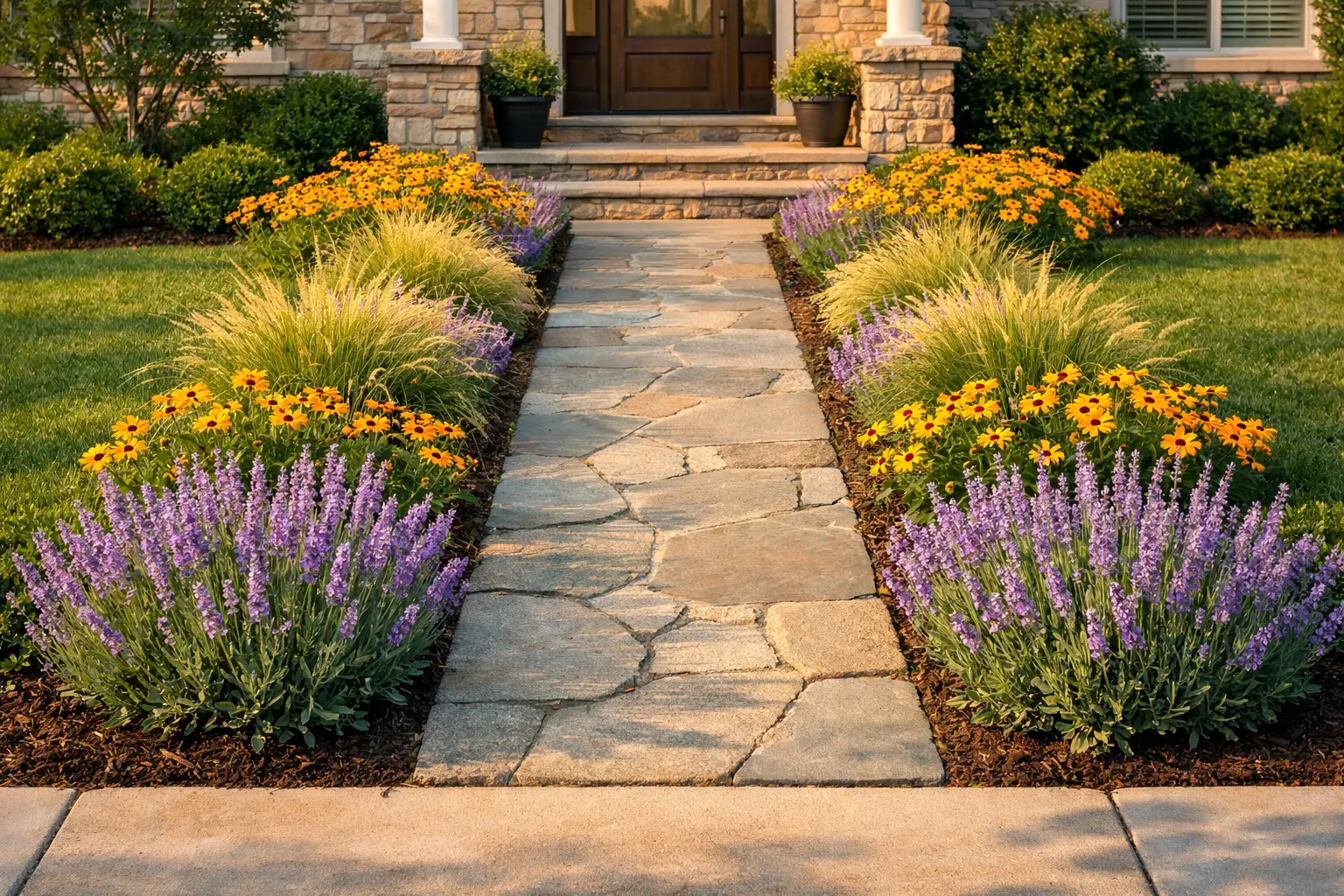
A narrow flower bed running along your front walkway creates an immediate impression. Plant in drifts of three to five of the same variety for a polished look. Lavender, ornamental grasses, and black-eyed Susans work beautifully here. Keep plant heights lower at the front and taller near the house to maintain visual balance.
Pollinator Flower Bed to Attract Bees and Butterflies
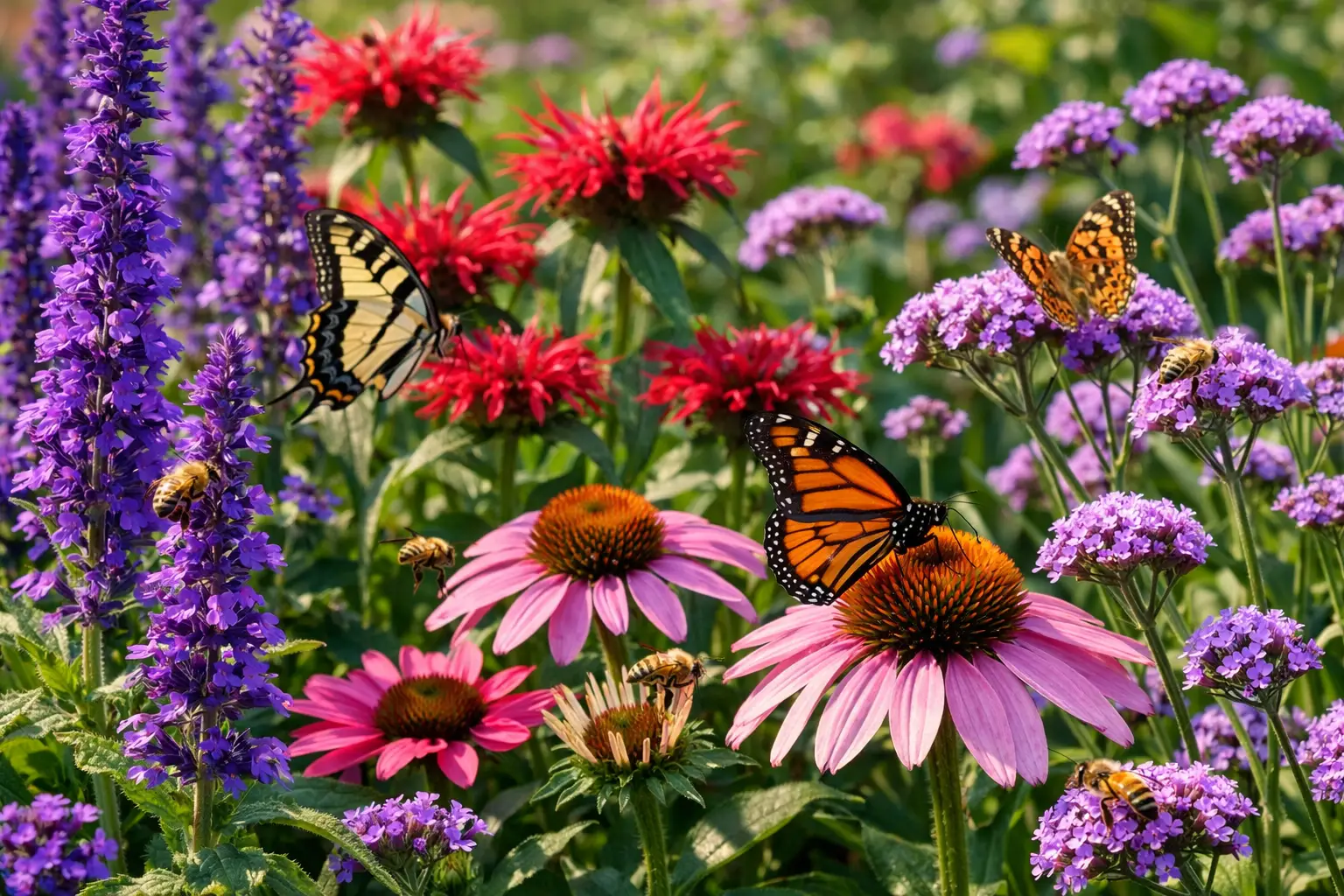
A pollinator garden is one of the most meaningful flower bed ideas you can bring to life. Choose nectar-rich plants such as salvia, echinacea, bee balm, and verbena. Plant in clusters so pollinators can easily find and return to them. Not only does this type of bed look stunning, but it also supports local ecosystems in a very real way.
Circular Island Bed as a Lawn Focal Point
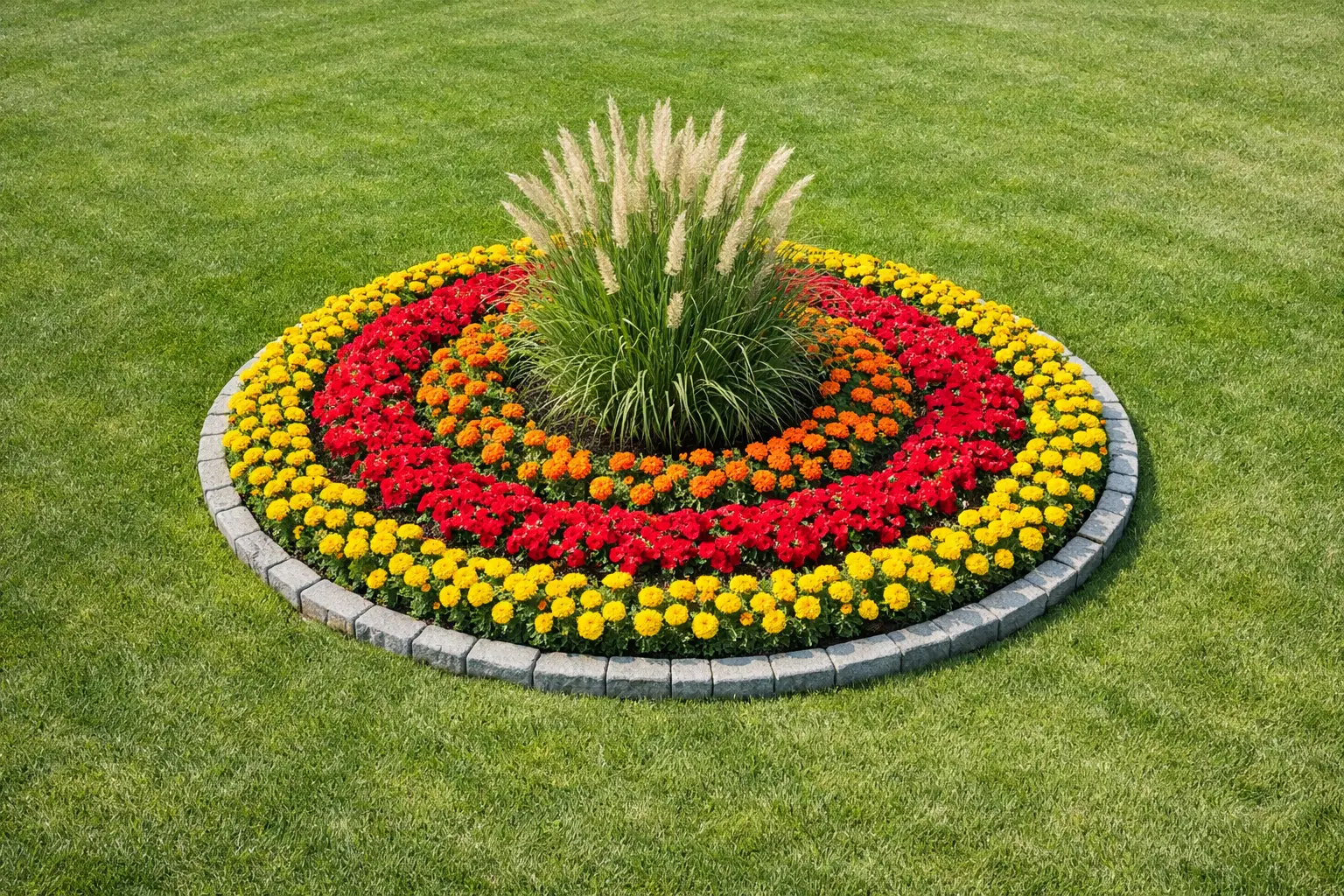
Place a circular flower bed in the center of your lawn for a dramatic focal point. Use taller plants in the center, such as ornamental grasses or rudbeckia, and surround them with shorter annuals like petunias and marigolds. A clearly defined stone or brick border gives this design a clean, intentional finish.
Shade Garden Flower Bed Under Trees
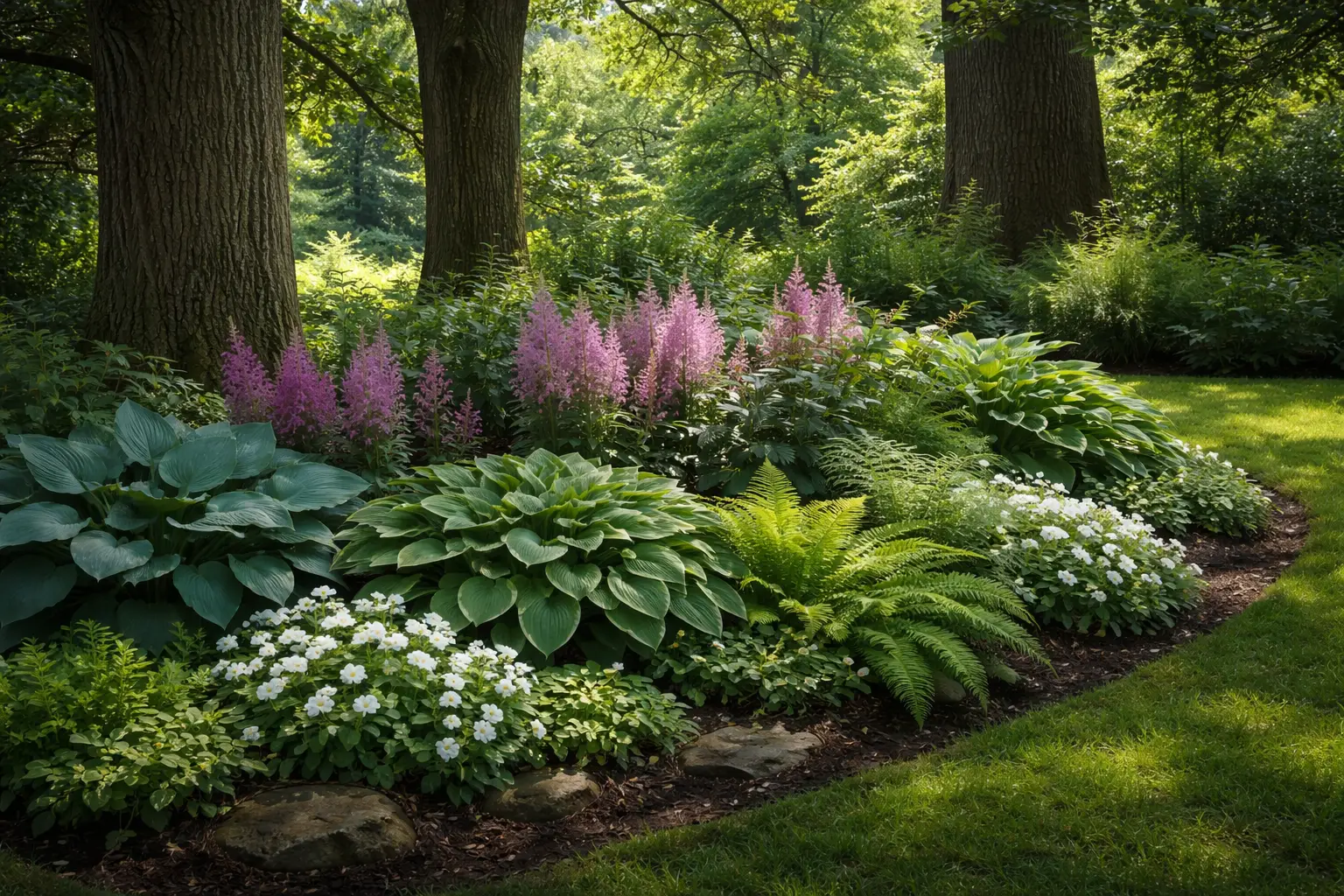
Many gardeners overlook shaded areas, but these spots offer rich opportunities. Hostas, impatiens, astilbe, and ferns thrive beautifully in low light conditions. Layer different textures and leaf shapes to create visual interest even without a riot of color. A shade flower bed adds life and greenery to areas that would otherwise go bare.
Sloped Garden Bed with Tiered Stone Walls
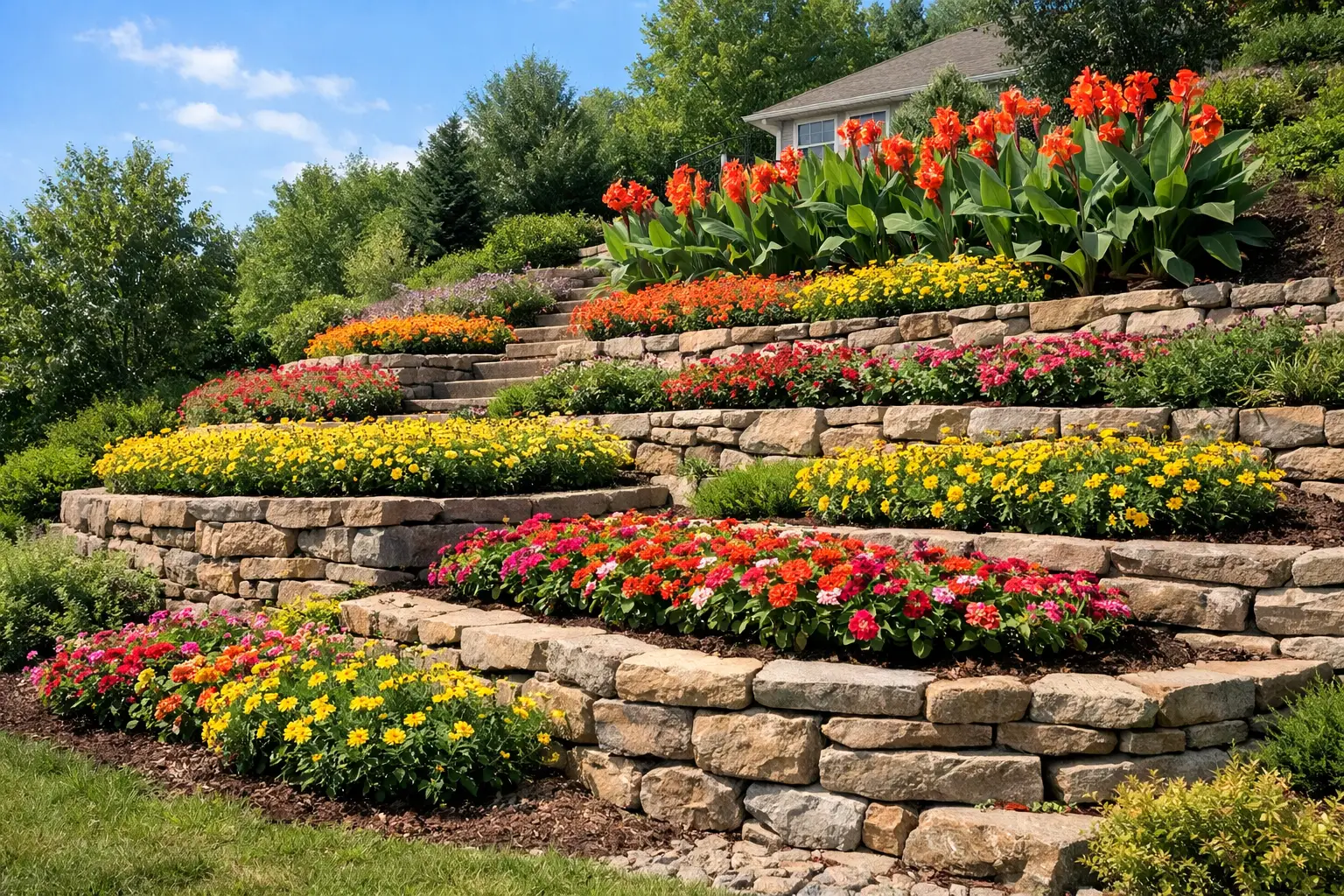
If your yard has a slope, use it to your advantage. Build tiered retaining walls from natural stone or concrete blocks to create flat planting levels. Plant sun-loving flowers like canna lilies, dwarf zinnias, and coreopsis across the tiers. This approach prevents soil erosion while delivering a striking multi-level display.
Monochromatic Color Scheme Bed
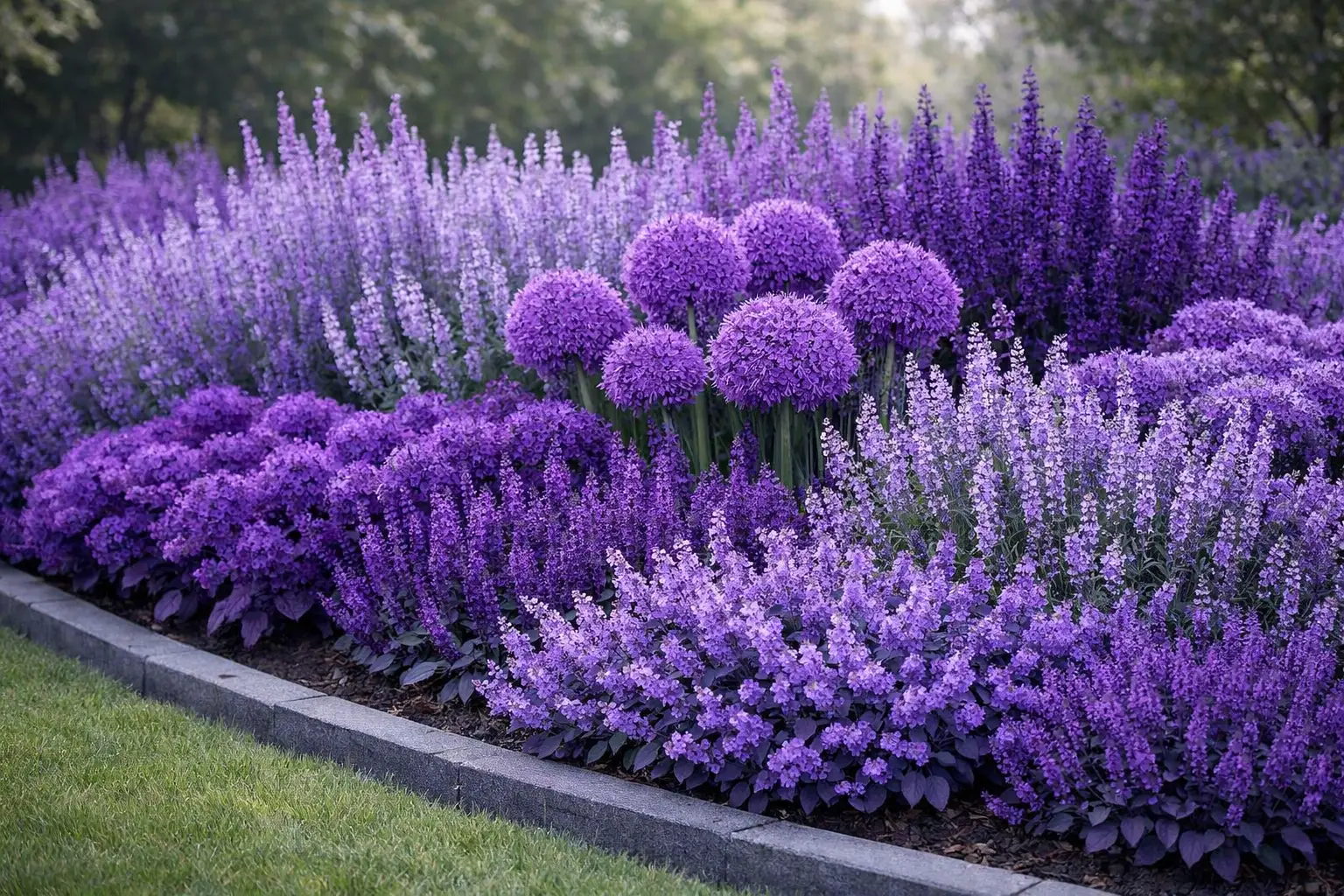
Choosing a single color family for your flower bed creates a sophisticated, gallery-worthy look. An all-white garden using white roses, white echinacea, and white salvia feels elegant and calming. An all-purple bed with lavender, allium, and catmint projects richness and drama. This is one of those flower bed ideas that looks deceptively simple but requires thoughtful plant selection.
Native Plant Flower Bed for Low Maintenance
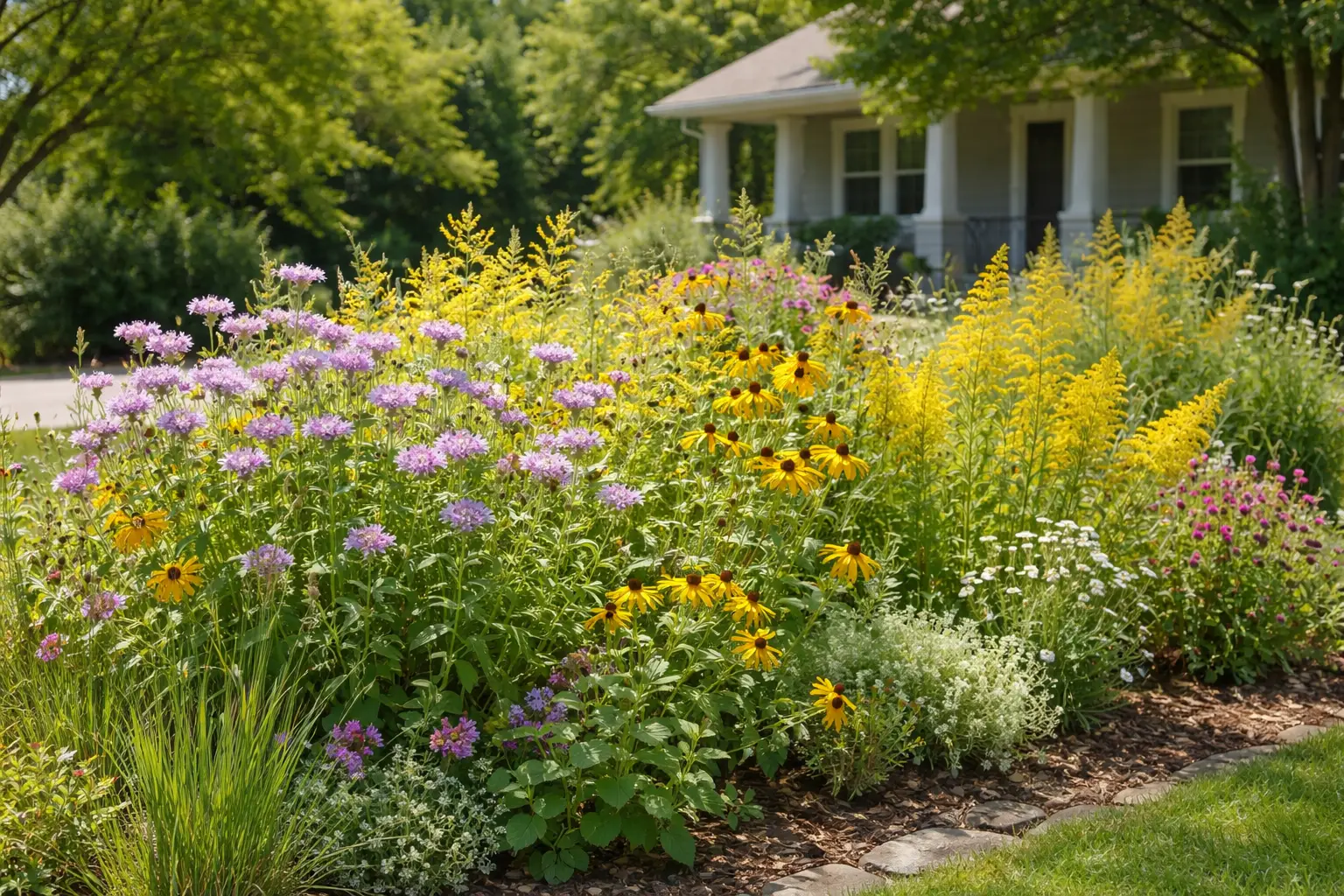
Native plants are adapted to your local climate and soil, meaning they require far less water, fertilizer, and care than exotic varieties. Research which wildflowers and perennials are indigenous to your region and build an entire bed around them. You will spend less time maintaining the garden and more time enjoying it.
Seasonal Bulb Bed for Year-Round Interest
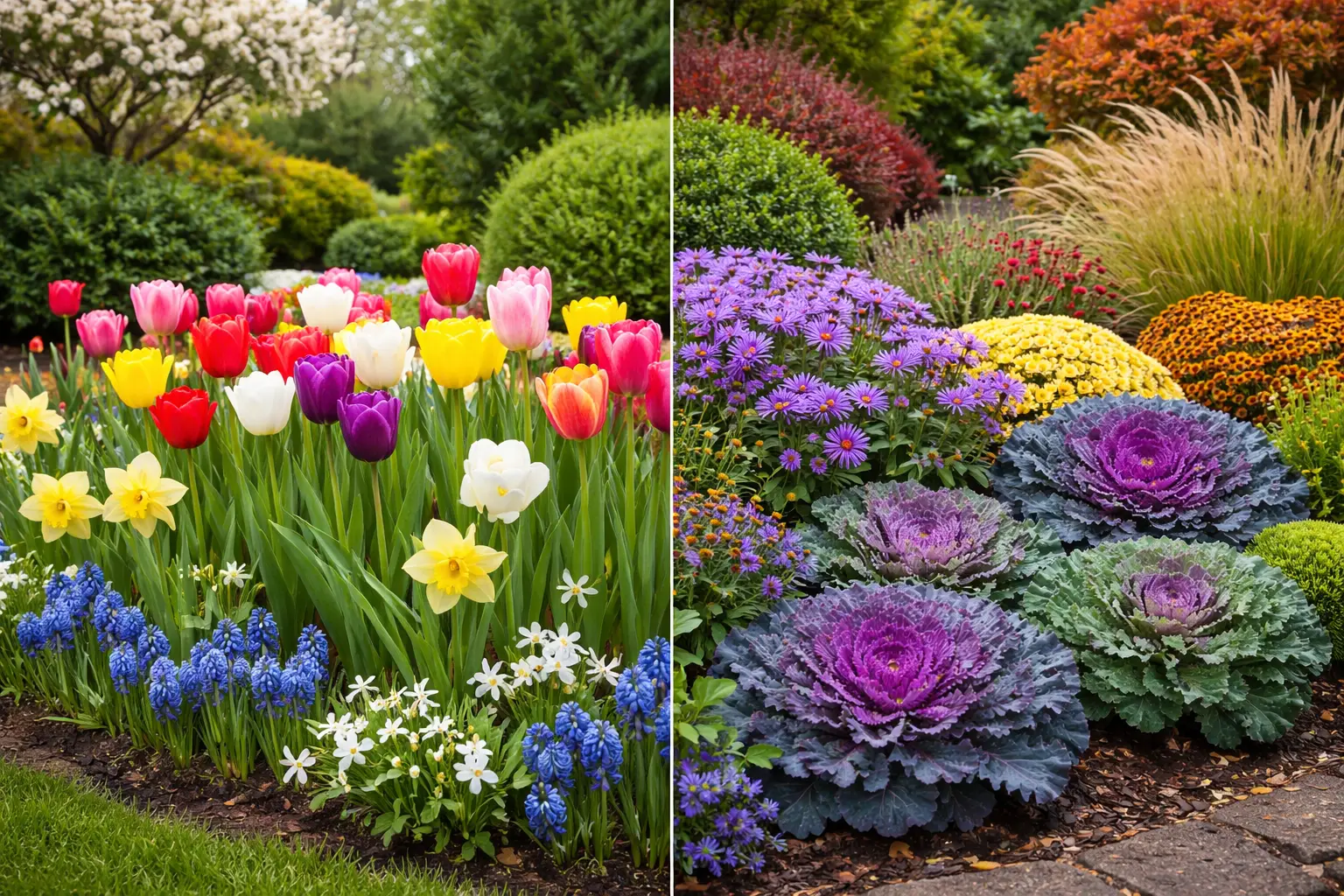
Plan your flower bed so something is always blooming. Plant spring bulbs like tulips and daffodils, followed by summer perennials like daylilies and coneflowers, and finish with late-season asters and ornamental kale. Layer the bulbs at different depths so they emerge in sequence and the bed never looks empty.
Cottage-Style Herb and Flower Mix Bed
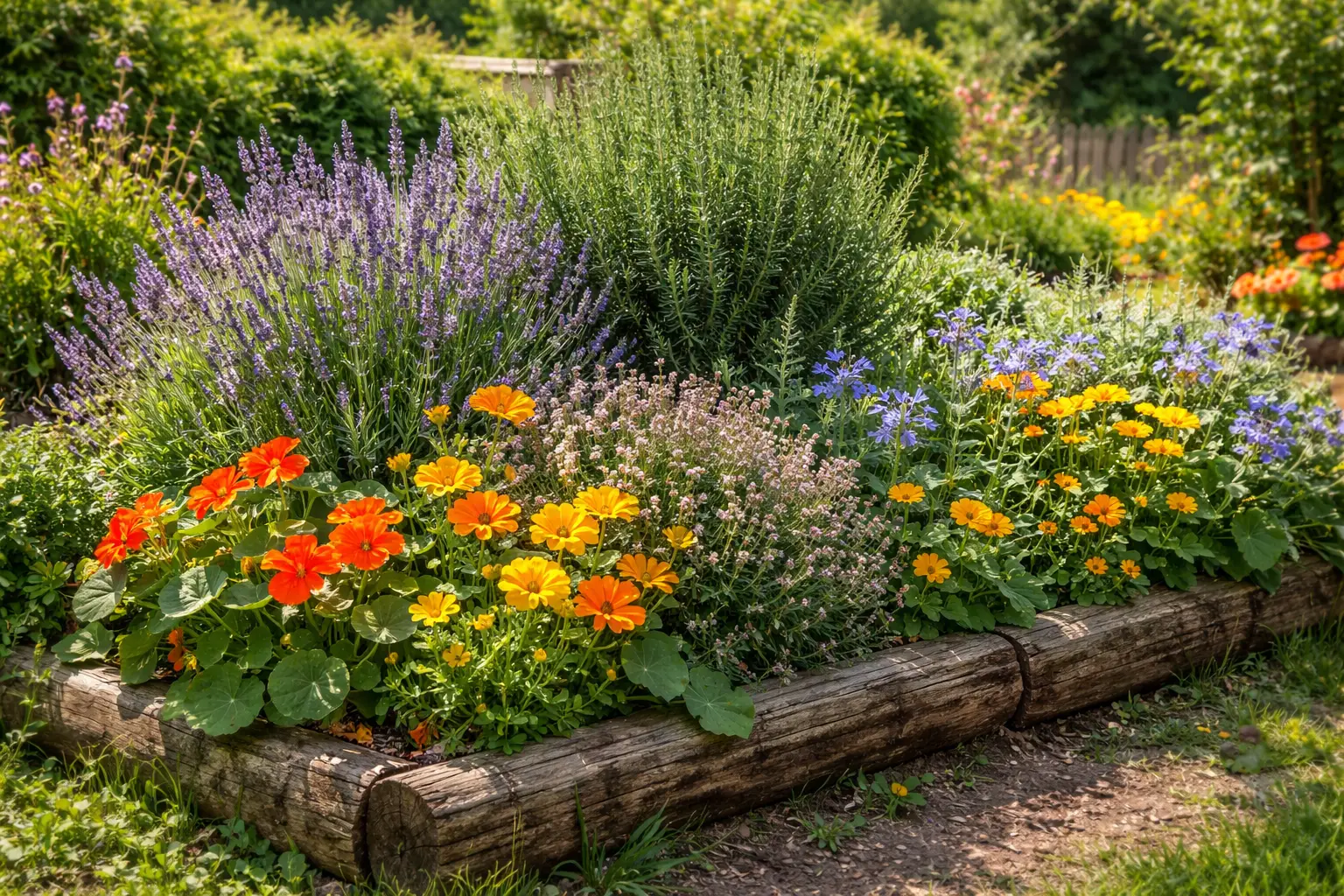
Blend edible herbs with flowering plants for a bed that is both beautiful and useful. Combine lavender, rosemary, thyme, and basil with colorful companions like nasturtiums, borage, and calendula. These combinations attract pollinators, produce a lovely fragrance, and supply fresh herbs right from your garden.
Raised Rock Garden Flower Bed
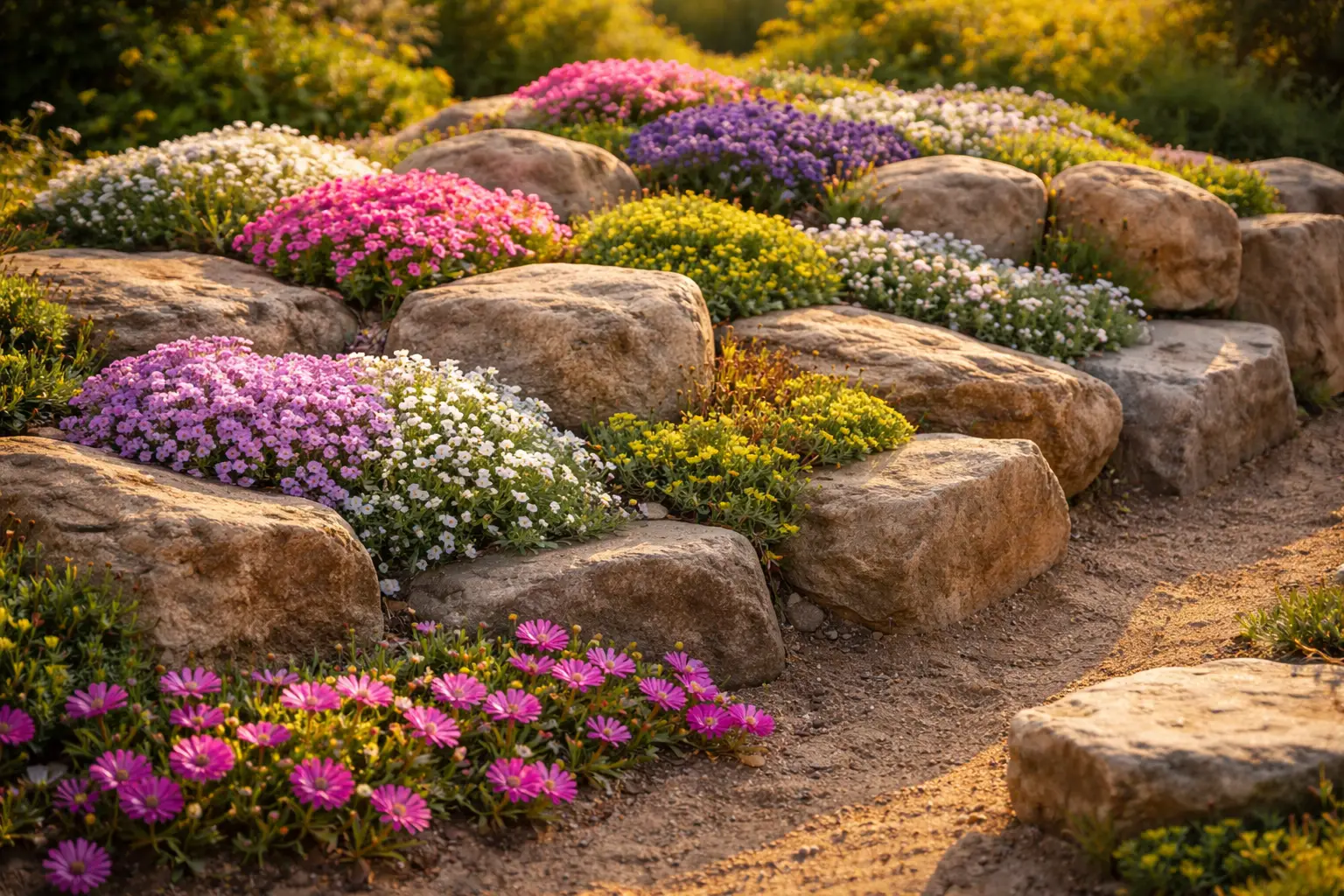
A rock garden flower bed works exceptionally well in dry, sunny areas. Arrange large and medium stones throughout the bed and plant drought-tolerant species between them, including sedums, creeping phlox, thyme, and ice plant. The stones retain heat, support root development, and give the entire bed a natural, rugged character.
Recycled Container and Upcycled Object Flower Bed
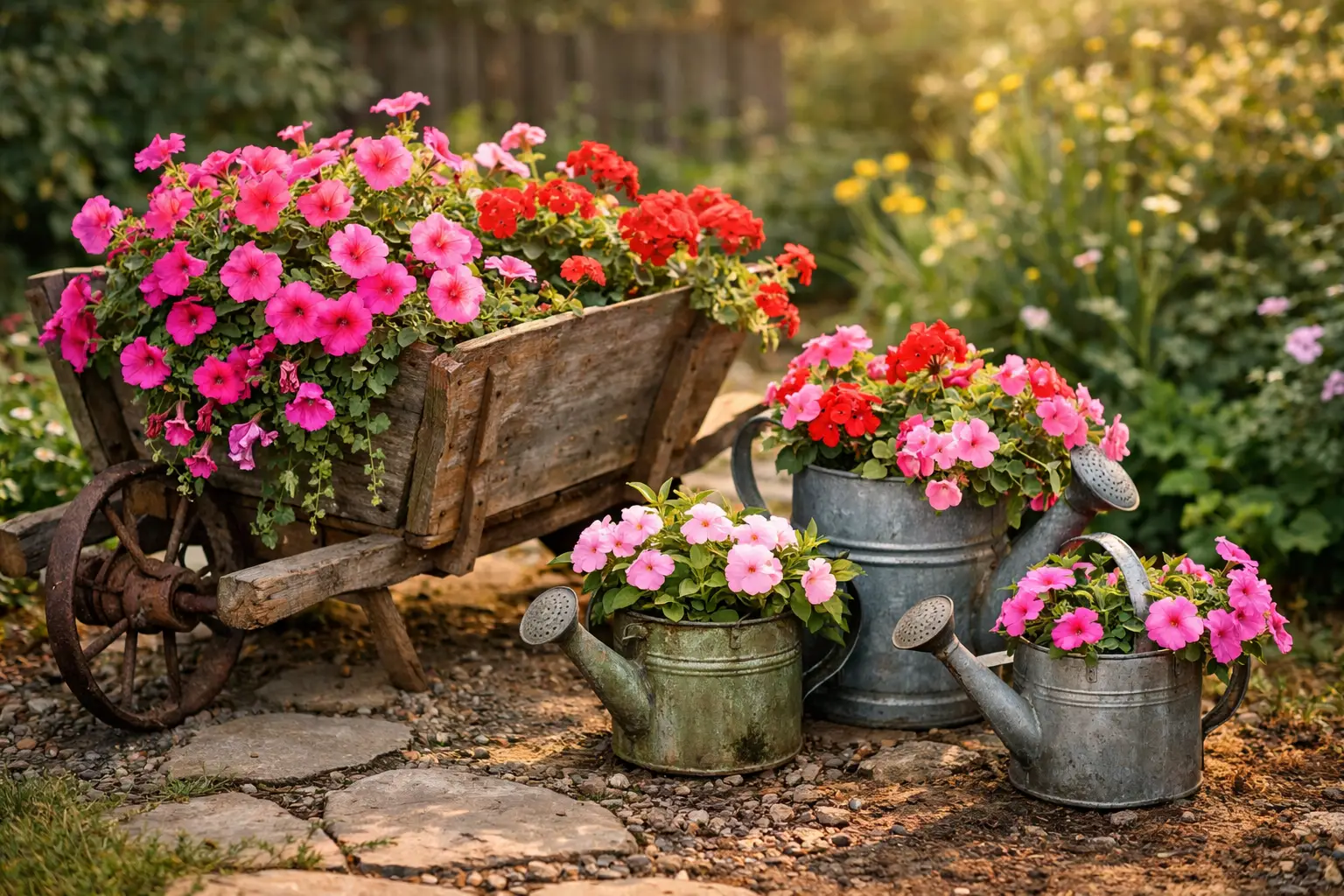
Old wheelbarrows, wooden crates, watering cans, and even vintage furniture can be repurposed as charming flower bed containers. Fill them with trailing petunias, geraniums, or impatiens and group them together for a quirky, personalized display. This is one of the most budget-friendly flower bed ideas that also delivers serious visual character.
Symmetrical Formal Flower Bed Design
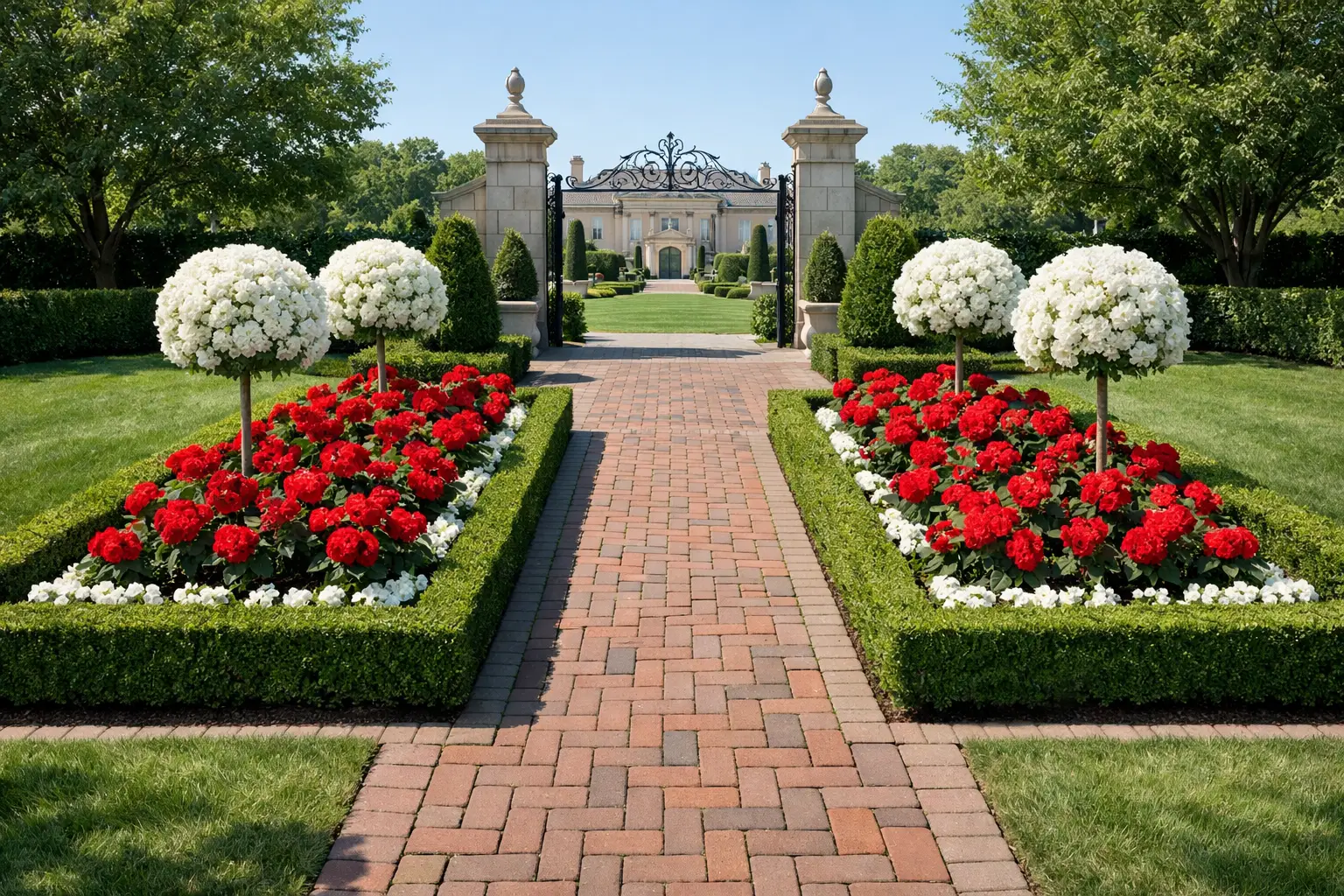
Symmetry appeals to the eye naturally. Create two matching rectangular or oval flower beds on either side of your front door or driveway entrance. Plant identical specimens in each bed and use crisp edging to maintain the formal lines. Boxwood hedges, roses, and standard topiaries work well in this classic style.
Wildflower Meadow Bed
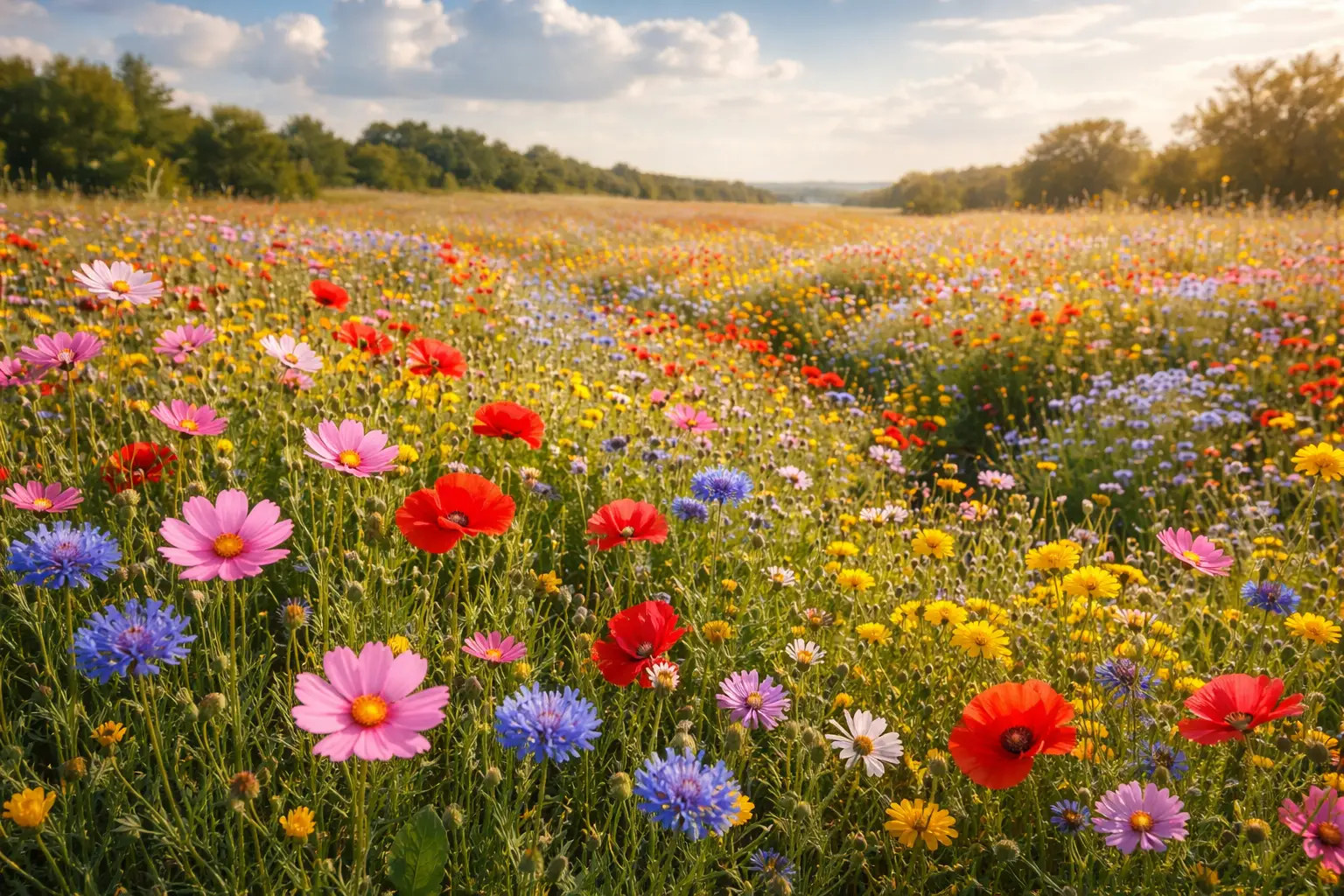
Scatter a mix of annual and perennial wildflower seeds across a defined area and let nature take its course. Cosmos, poppies, cornflowers, and bachelor’s buttons create a loose, joyful display that requires almost no maintenance once established. This approach works beautifully in large open sections of the yard and supports wildlife in abundance.
Vertical Flower Bed with Climbing Plants
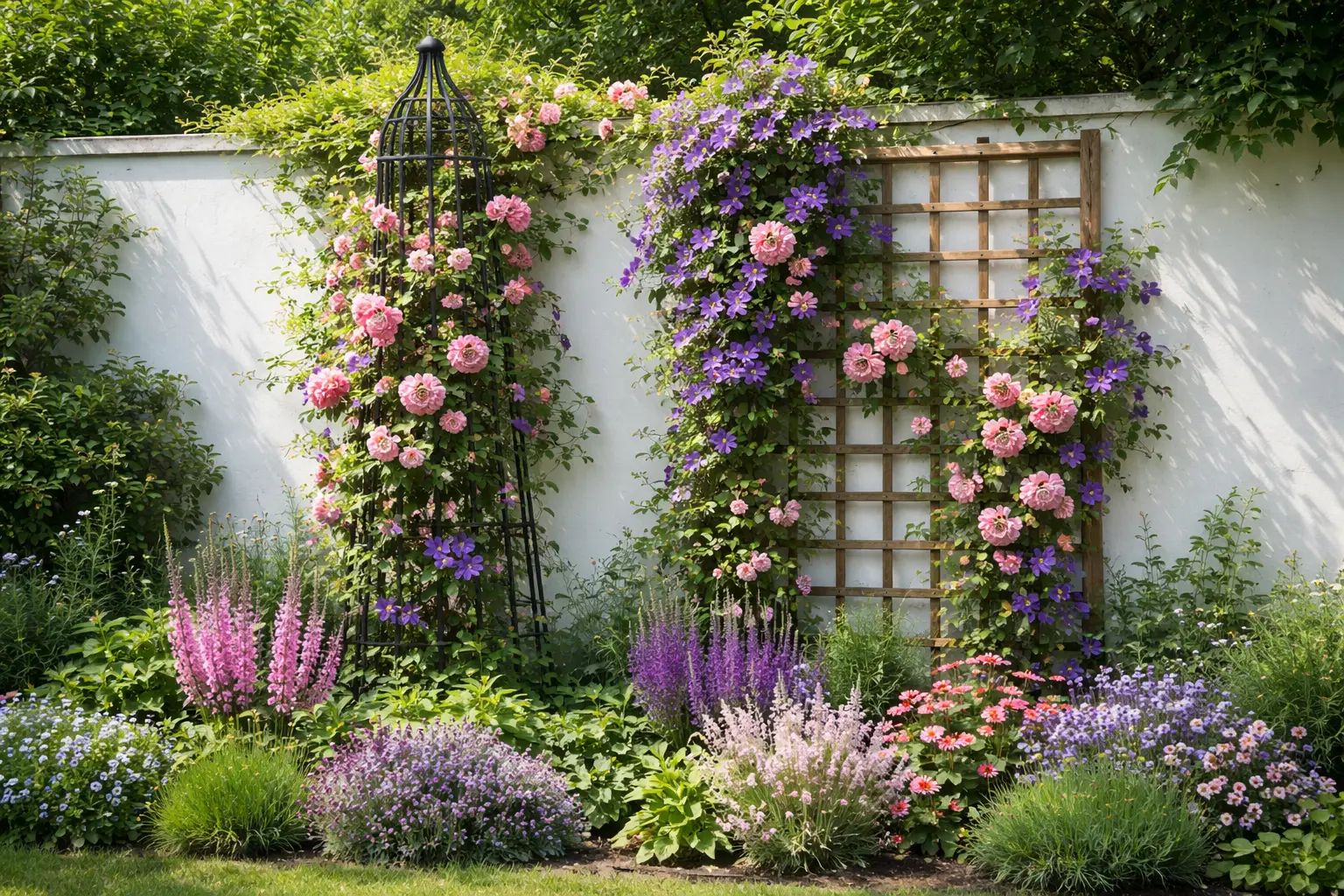
Install a trellis, obelisk, or wooden arch within your flower bed and train climbing roses, clematis, or sweet peas to grow upward. This adds significant height and drama to what might otherwise be a flat, ground-level design. Vertical interest draws the eye upward and makes even a small bed feel layered and full.
Tropical-Inspired Flower Bed for Bold Color
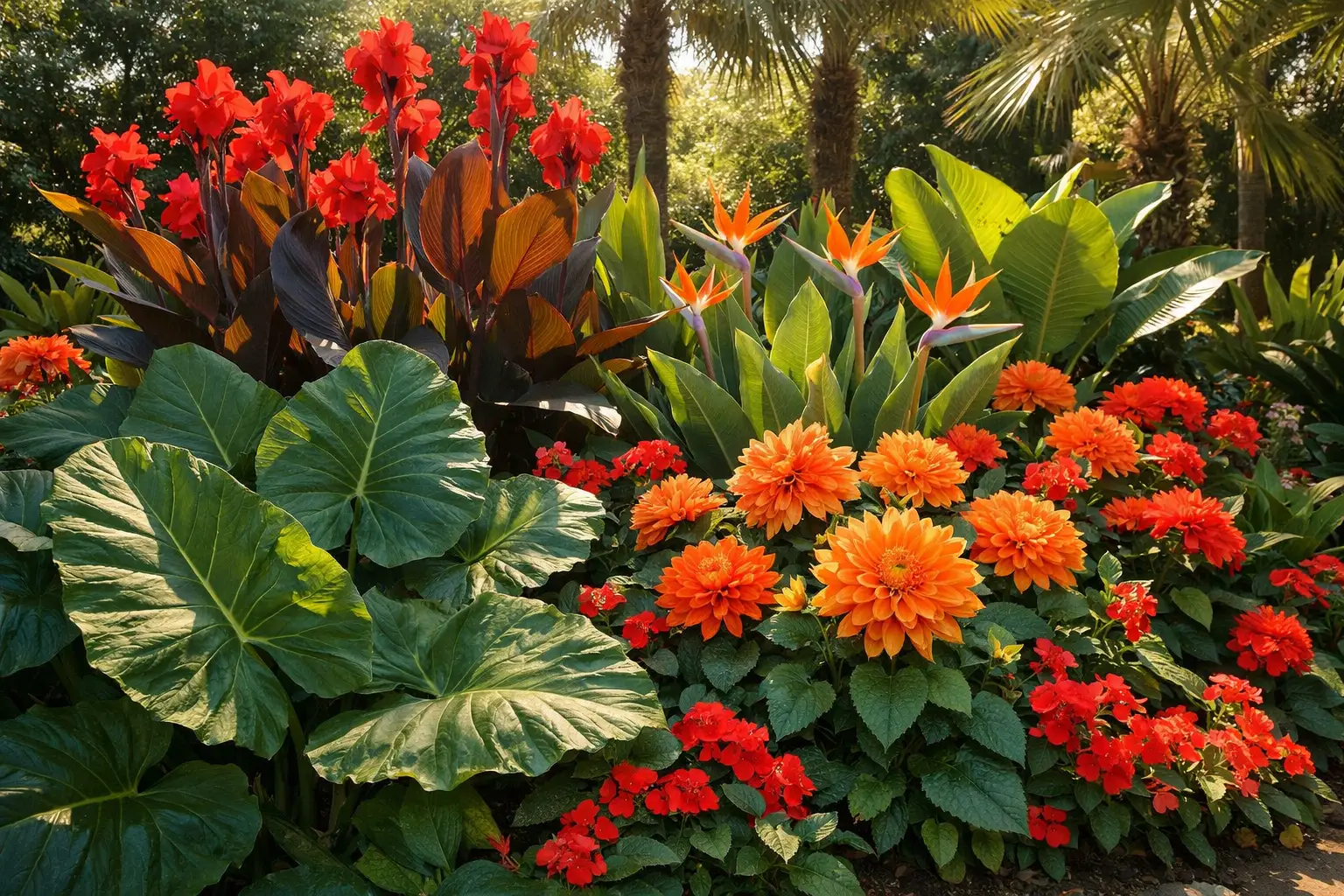
For homeowners who love bold, warm palettes, a tropical-style flower bed delivers unforgettable impact. Plant canna lilies, dahlias, elephant ears, and bird of paradise in deep reds, oranges, and yellows. These dramatic plants grow quickly, reach impressive heights, and turn any garden corner into a lush, vacation-worthy retreat.
Edged Garden Bed with Decorative Borders
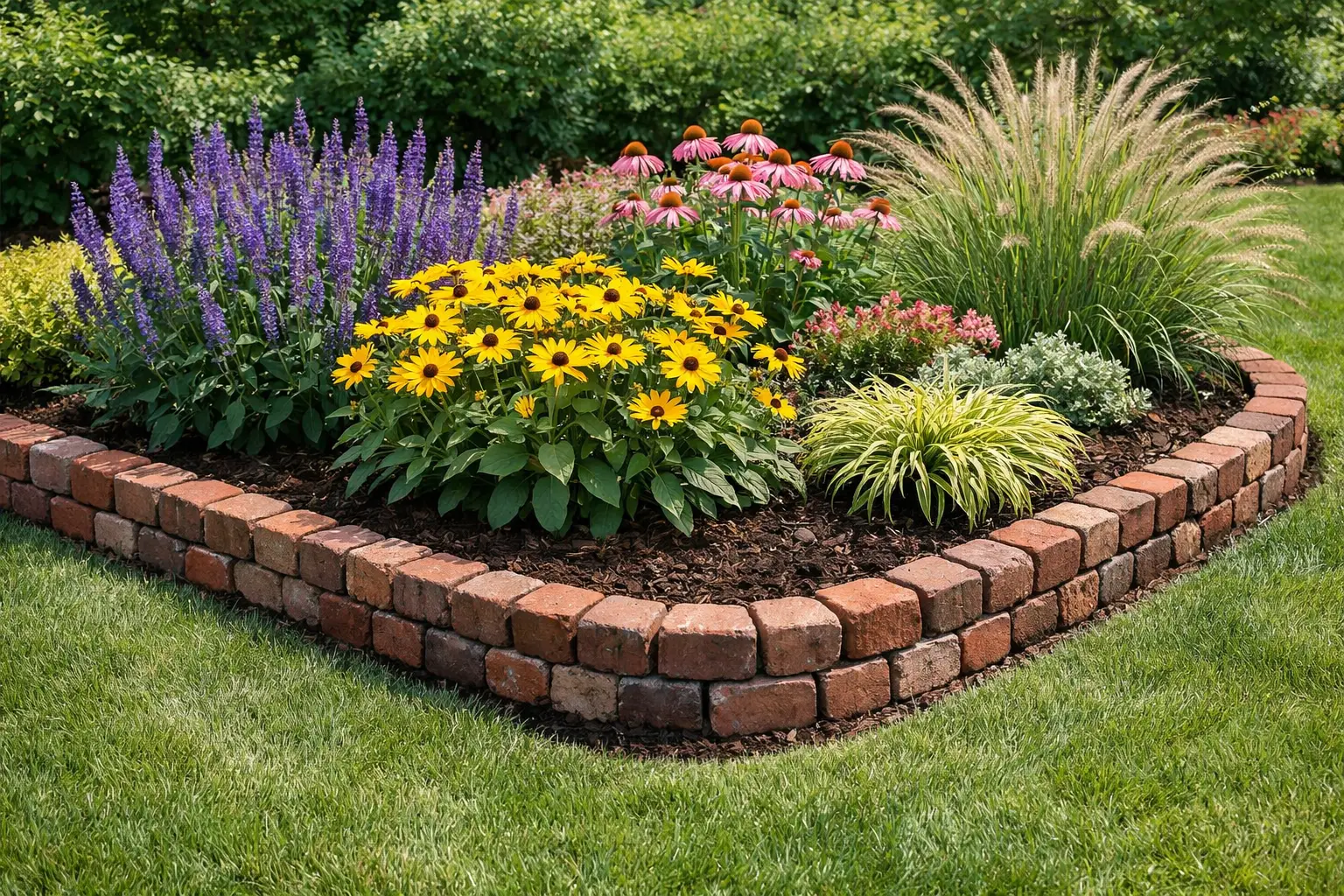
The edging you choose defines and elevates the entire flower bed design. Options include natural stone, reclaimed brick, wooden logs, ornamental metal strips, and even low-growing hedge plants. A well-edged bed looks intentional, organized, and professional. It also makes mowing and weeding easier by creating a clean boundary.
Perennial Border Bed Along a Fence or Wall
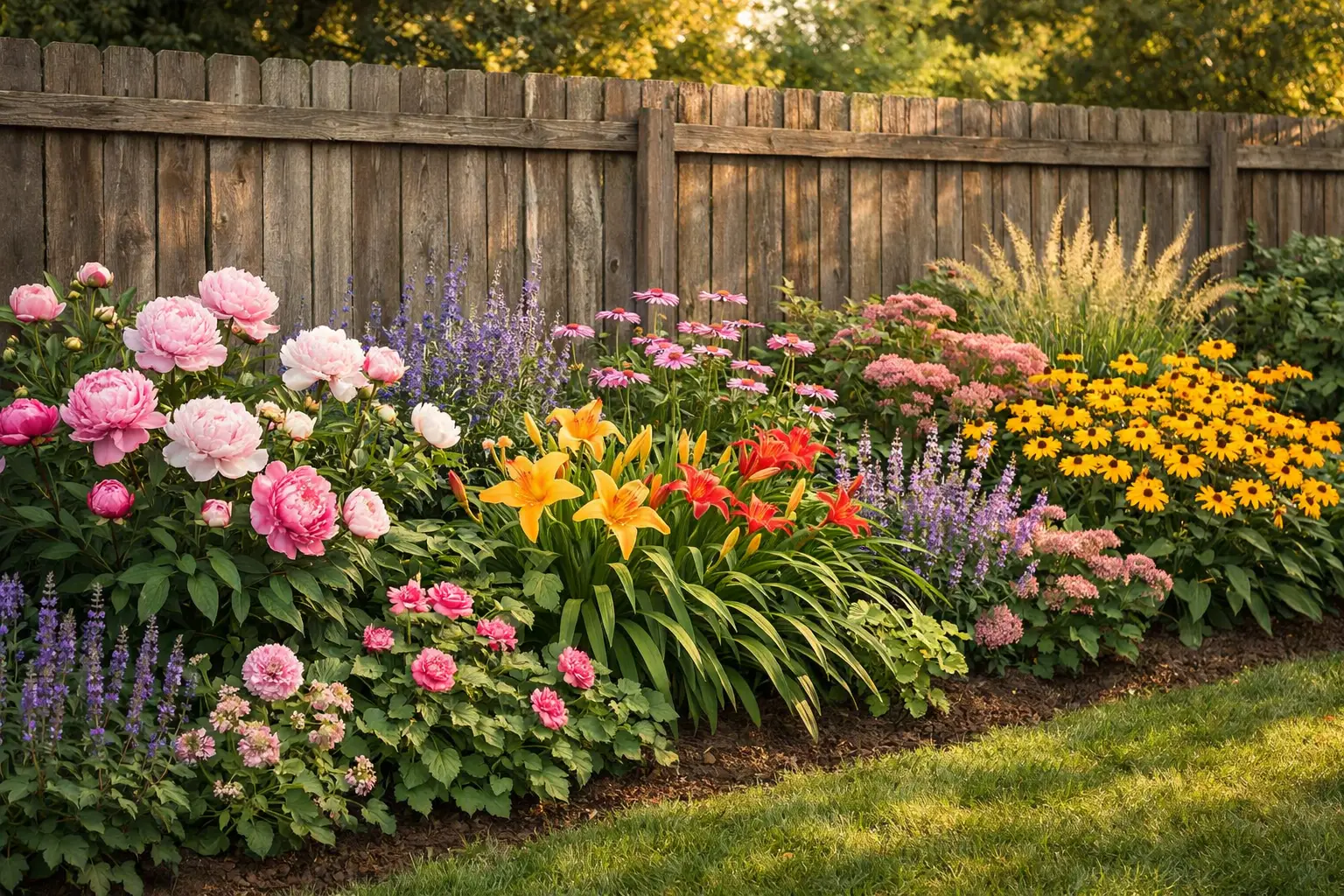
A long, narrow perennial border planted along a fence or garden wall gives structure to the entire landscape. Choose plants that bloom at different times of year, such as peonies in spring, daylilies in summer, and rudbeckia in fall, so the border always has something to offer. Arrange plants by height with taller growers against the fence.
Night-Friendly Flower Bed with White and Light-Colored Blooms
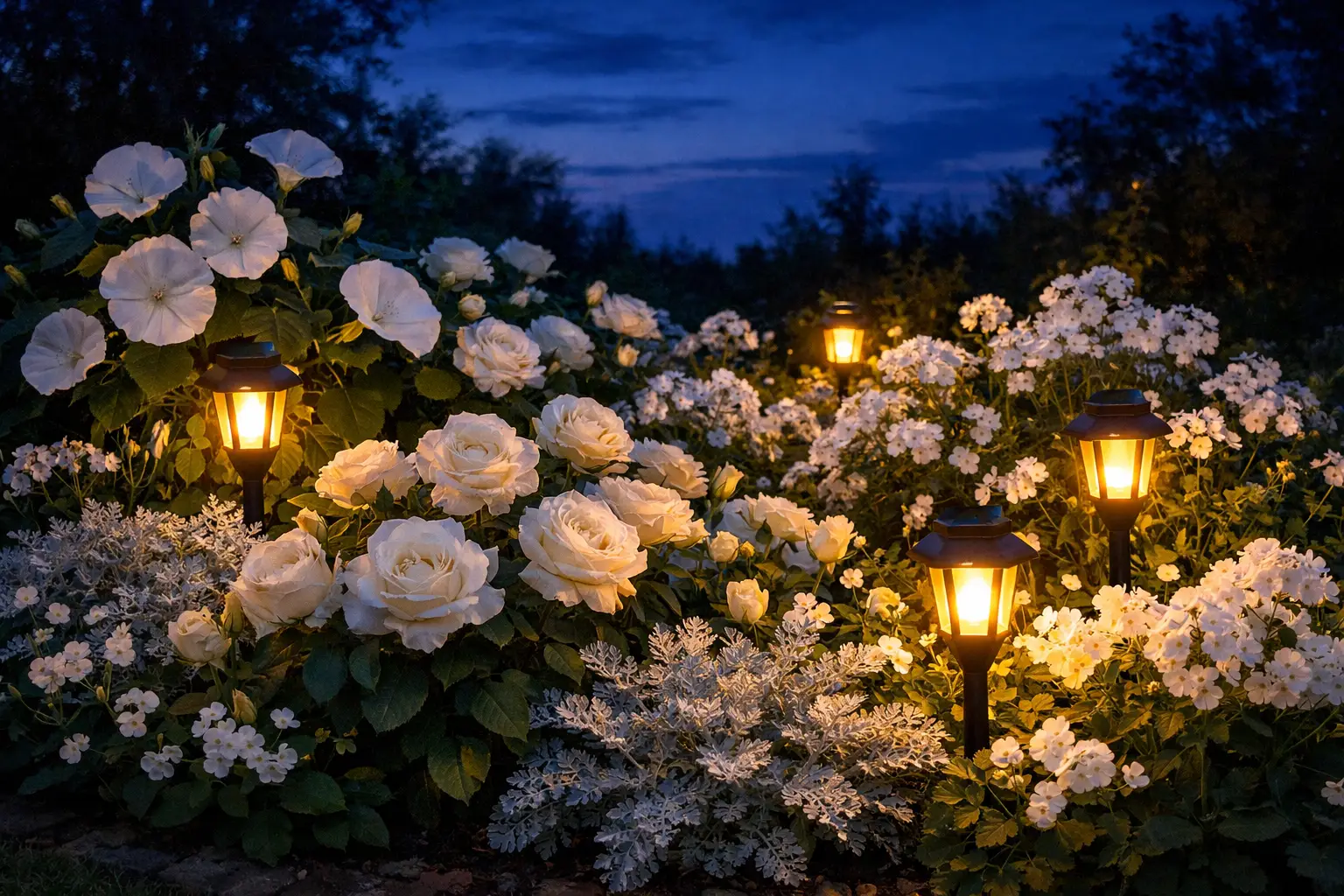
A bed planted with white, pale yellow, and silver foliage plants glows beautifully in the evening. White roses, moonflower vines, silver dusty miller, and white phlox reflect available light and remain visible well after sunset. Add a few solar garden lights and you create an enchanting nighttime display that extends your outdoor enjoyment after dark.
Conclusion
A flower bed is far more than a patch of soil and plants. It is a personal statement about how you see your outdoor space and what you want it to offer. Whether you choose a formal symmetrical design, a free-spirited wildflower meadow, or a practical raised bed, the key is to plan with purpose, plant with knowledge, and maintain with consistency. Start with one idea from this list, observe how it grows and changes through the seasons, and let it inspire you to keep building. The most beautiful landscapes are never truly finished; they simply keep getting better with time.
You may also like this: 18 Luxurious Outdoor Jacuzzi Design Ideas for a Relaxing Backyard Retreat
Frequently Asked Questions (FAQ)
1. What are the best flowers to plant in a flower bed for beginners?
Beginners should start with easy-to-grow varieties such as marigolds, zinnias, black-eyed Susans, coneflowers, and petunias. These plants are forgiving, widely available, and produce reliable color throughout the growing season with minimal care.
2. How do I prepare soil before planting a flower bed?
Begin by removing all weeds and debris from the area. Turn the soil to a depth of at least 30 centimeters, break up large clumps, and incorporate compost or organic matter to improve fertility and drainage. Testing the soil pH can also help you choose the right plants or make necessary amendments.
3. What is the difference between annuals and perennials in flower beds?
Annuals complete their entire life cycle in one growing season and must be replanted each year. Perennials return year after year from the same root system. A combination of both gives you reliable long-term structure from perennials and flexible seasonal color from annuals.
4. How do I keep weeds out of my flower beds?
The most effective method is applying a 5 to 8 centimeter layer of mulch over the soil surface after planting. Mulch suppresses weed growth, retains moisture, and gradually improves soil quality as it breaks down. Regular hand weeding in the early stages also prevents weeds from becoming established.
5. How many plants do I need for a flower bed?
The number of plants depends on the size of your bed and the mature spread of each plant. As a general rule, calculate the square footage of your bed and divide by the recommended spacing for each plant variety. Planting slightly closer together at the start creates a fuller look, but avoid overcrowding, which can lead to poor air circulation and disease.