
Introduction
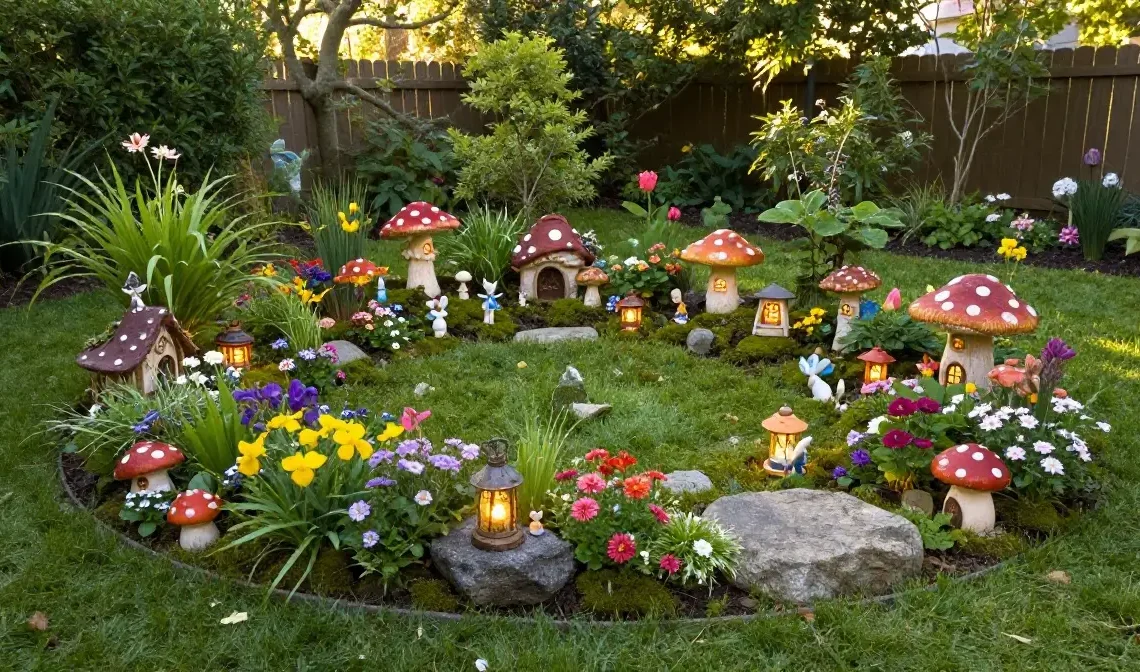
There is something genuinely timeless about a fairy garden. Whether you are six years old or sixty, the sight of a tiny world tucked into a mossy corner of the backyard brings an instant smile. Fairy gardens have moved far beyond simple plastic figurines dropped into a pot of soil. Today, they are thoughtfully designed miniature landscapes that blend creativity, plant knowledge, and personal style into one charming outdoor feature. If you have been looking for a way to add a touch of wonder to your yard, patio, or garden bed, this guide covers 18 of the most creative and enchanting fairy garden ideas to get you started.
Start with a Broken or Stacked Terra Cotta Pot Garden
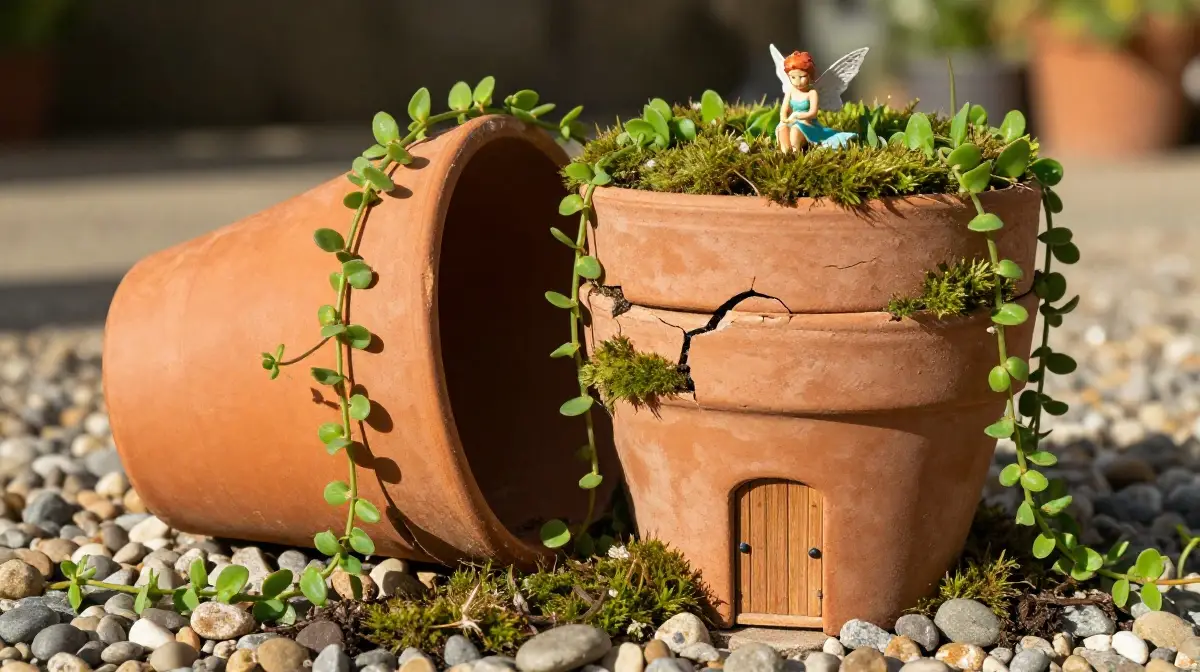
One of the most popular and visually striking fairy garden ideas involves using a cracked or intentionally broken terra cotta pot. Lay the pot on its side, stack the broken pieces like natural steps, and fill each level with soil and trailing plants. Moss tucked between the layers gives it an aged, woodland feel. Add a tiny fairy figurine at the top and a miniature door at the base for a complete story.
Use a Wheelbarrow as Your Fairy Garden Base
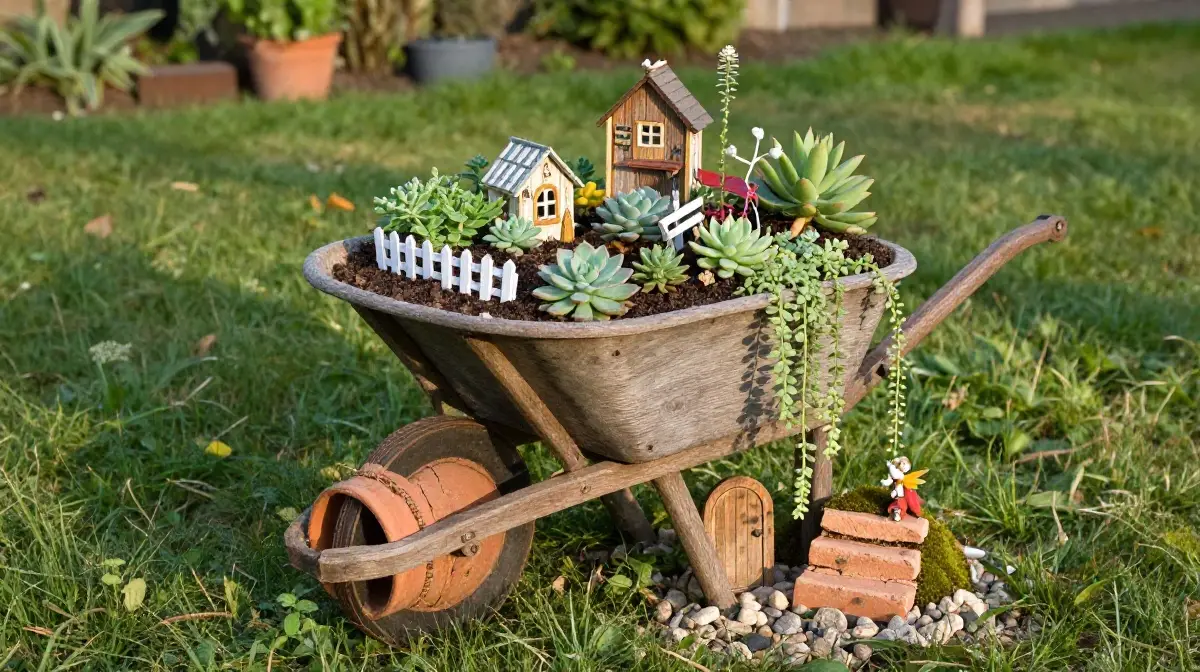
Old wheelbarrows make surprisingly perfect fairy garden containers. Their shape naturally creates a scene, and their size gives you plenty of room to layer plants, pathways, and accessories. Fill yours with rich potting soil, plant low-growing herbs or succulents, and arrange miniature farm animals, tiny fences, and a small fairy cottage for a pastoral charm that draws attention from every guest.
Build a Fairy Door into a Tree Trunk
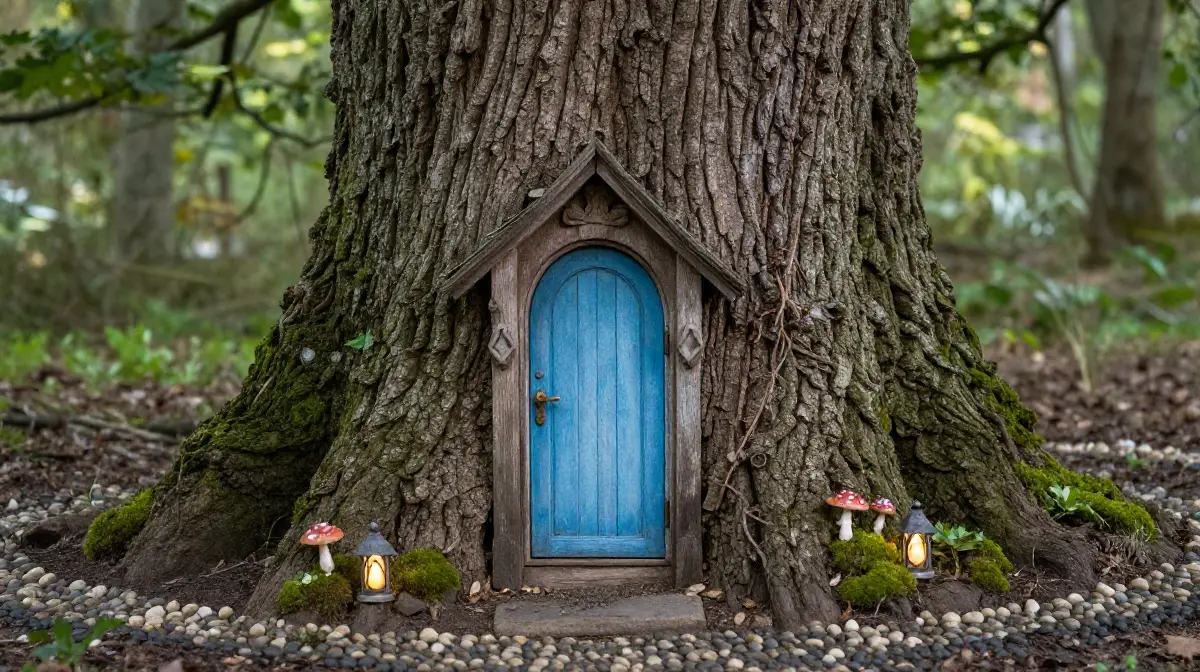
If you have a mature tree in your yard, attach a small fairy door to the base of the trunk. This simple addition transforms an ordinary tree into the entrance to an invisible fairy home. Surround the base with pebbles, moss, tiny lanterns, and miniature mushrooms. The effect is subtle but completely magical and requires very little upkeep once set up.
Create a Terrarium Fairy Garden Indoors
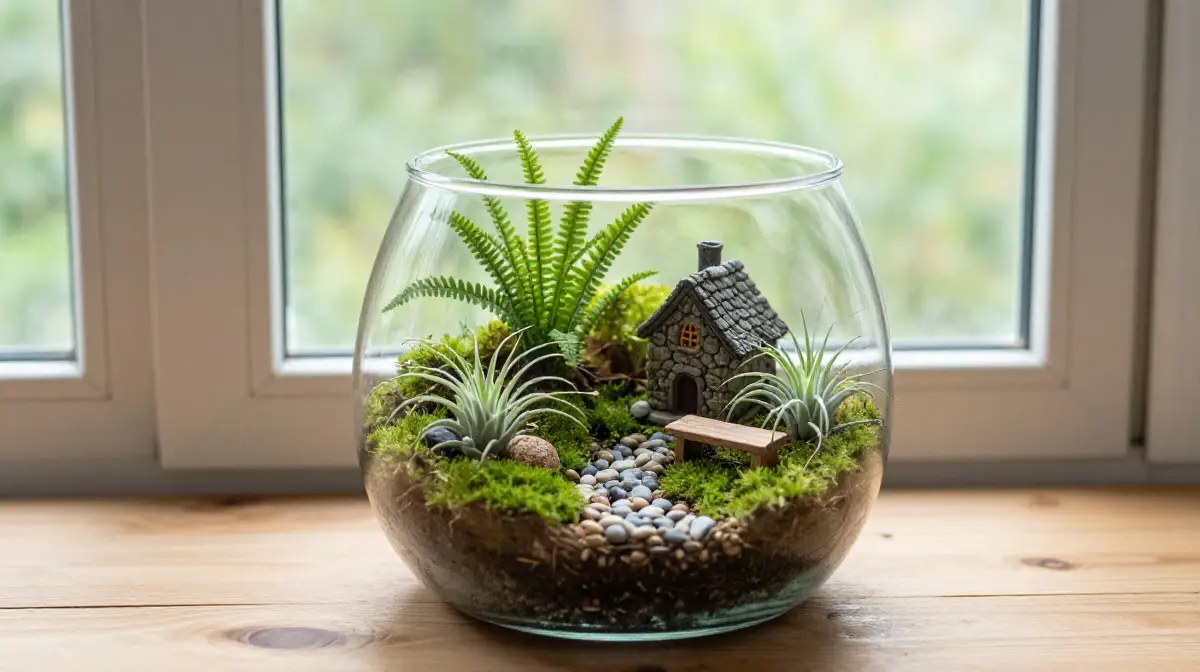
For those who prefer an indoor setting, a glass terrarium makes a beautiful fairy garden container. Air plants, moss, and small ferns thrive in enclosed glass environments and rarely need watering. Add a tiny resin cottage, a pebble pathway, and a miniature bench to complete the scene. Terrariums sit beautifully on windowsills, bookshelves, or dining tables.
Design a Fairy Garden in a Hollowed Tree Stump
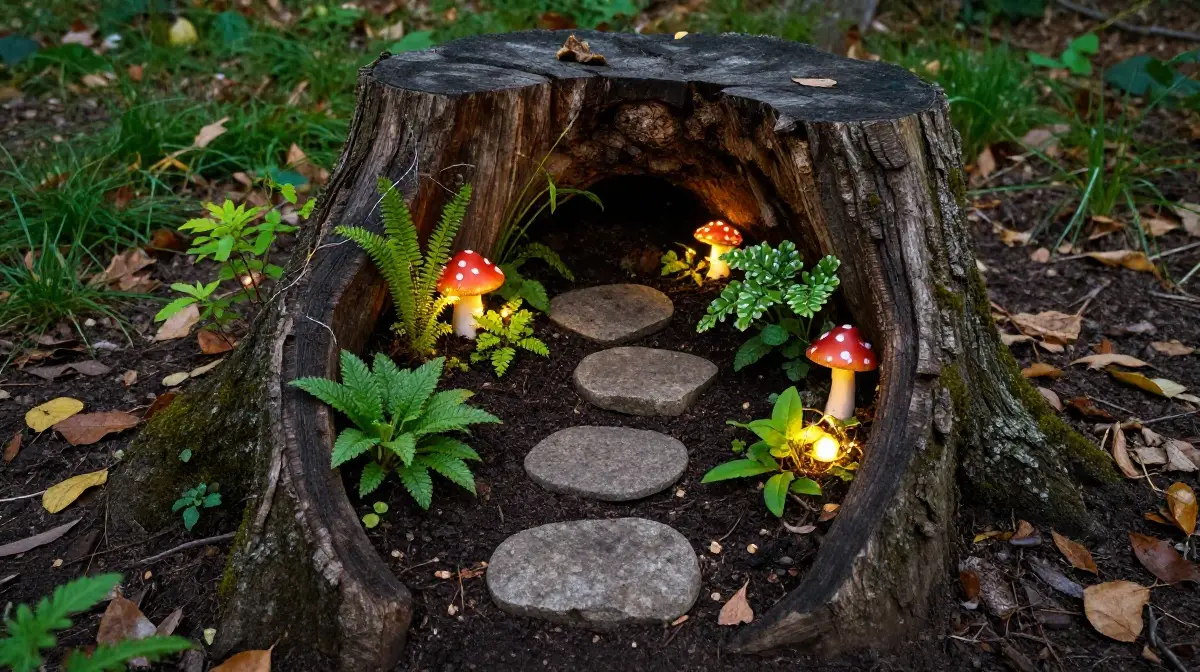
A hollowed tree stump left in the garden is not a problem. It is an opportunity. Fill the hollow with rich soil, plant shade-friendly miniature plants, and arrange tiny accessories inside. The natural texture of the stump adds a genuine woodland atmosphere that no store-bought planter can replicate.
Try a Beach-Themed Fairy Garden
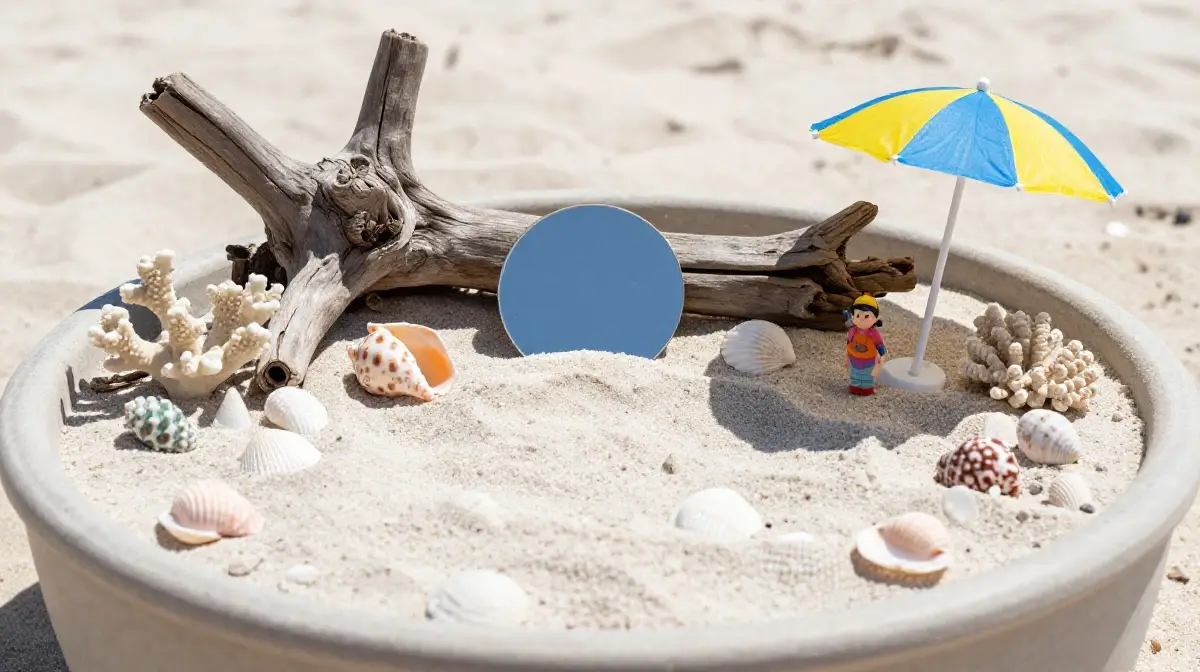
Not every fairy garden has to look like a forest. A beach-themed version uses fine sand, tiny seashells, small pieces of driftwood, and aquarium accessories to create a coastal fairy world. A small blue bowl or piece of mirror can serve as a fairy ocean. This theme is particularly popular with children and works beautifully in shallow wide containers.
Repurpose a Vintage Suitcase
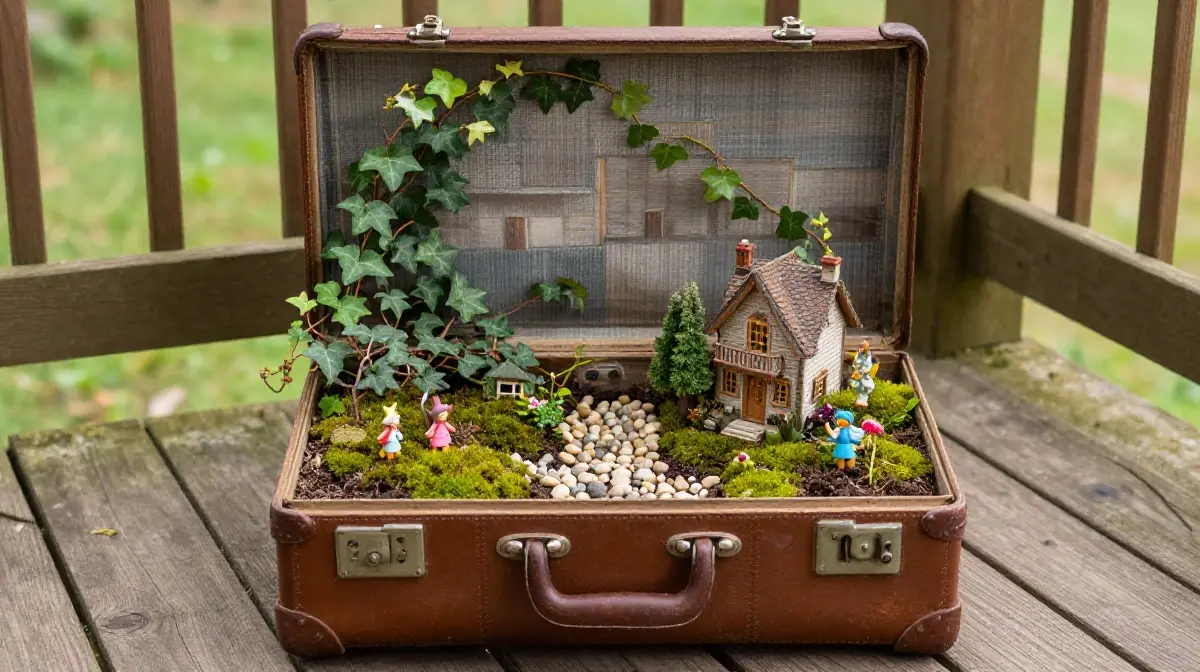
An old, worn suitcase opened flat becomes an unexpected and charming fairy garden base. Line it with a plastic sheet, fill it with soil and moss, and create a miniature world inside. The story practically tells itself. This idea works both indoors and outdoors and makes a wonderful conversation piece on a covered porch.
Add Solar Fairy Lights for Nighttime Magic
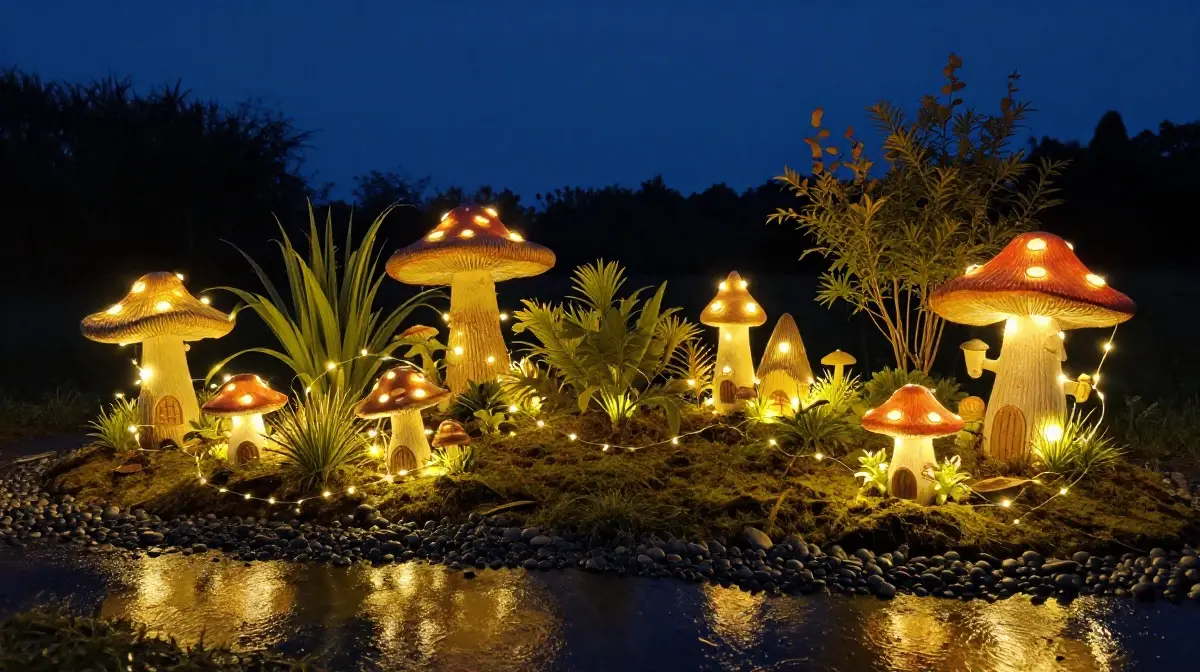
No fairy garden feels complete without a little glow after dark. Solar-powered fairy lights wound through the plants and around miniature houses create a soft, dreamy atmosphere in the evening. Look for lights specifically designed for outdoor use and check that they are rated weatherproof before installing them in your garden.
Use Popsicle Sticks for DIY Fences and Bridges
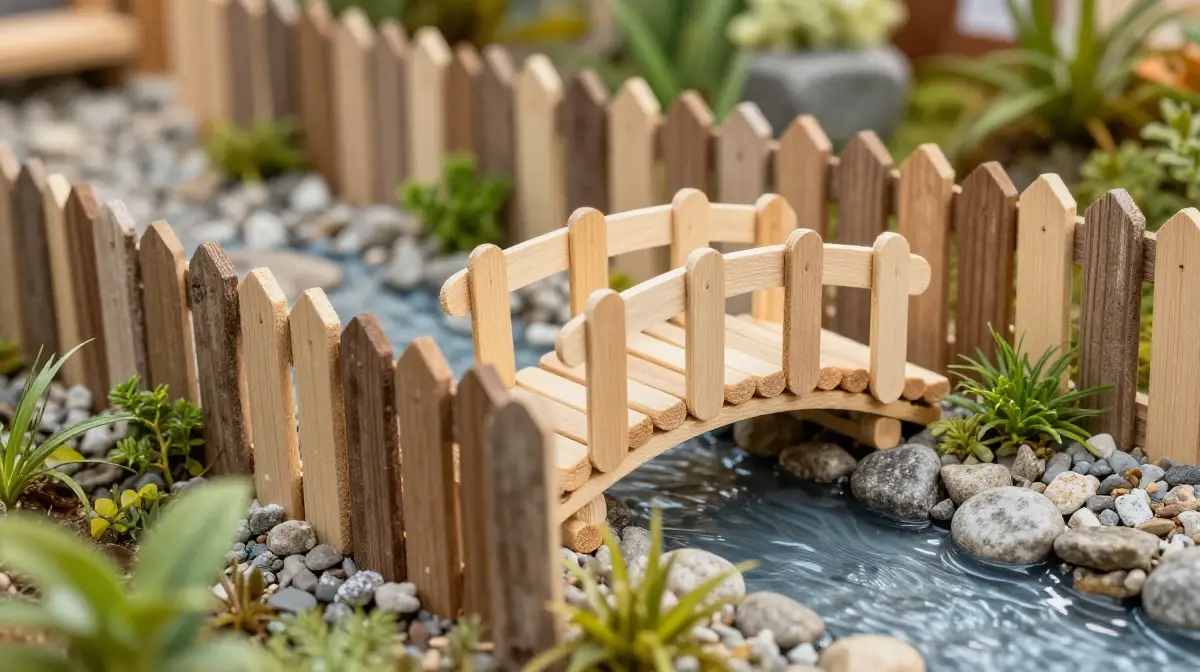
Craft store popsicle sticks are among the most versatile and inexpensive materials for building fairy garden accessories. Glue them together to form rustic fences, tiny bridges over pebble streams, or even small cottage frames. Sand them lightly and stain them with a wood finish for a realistic look that holds up well outdoors when sealed properly.
Plant a Fairy Herb Garden
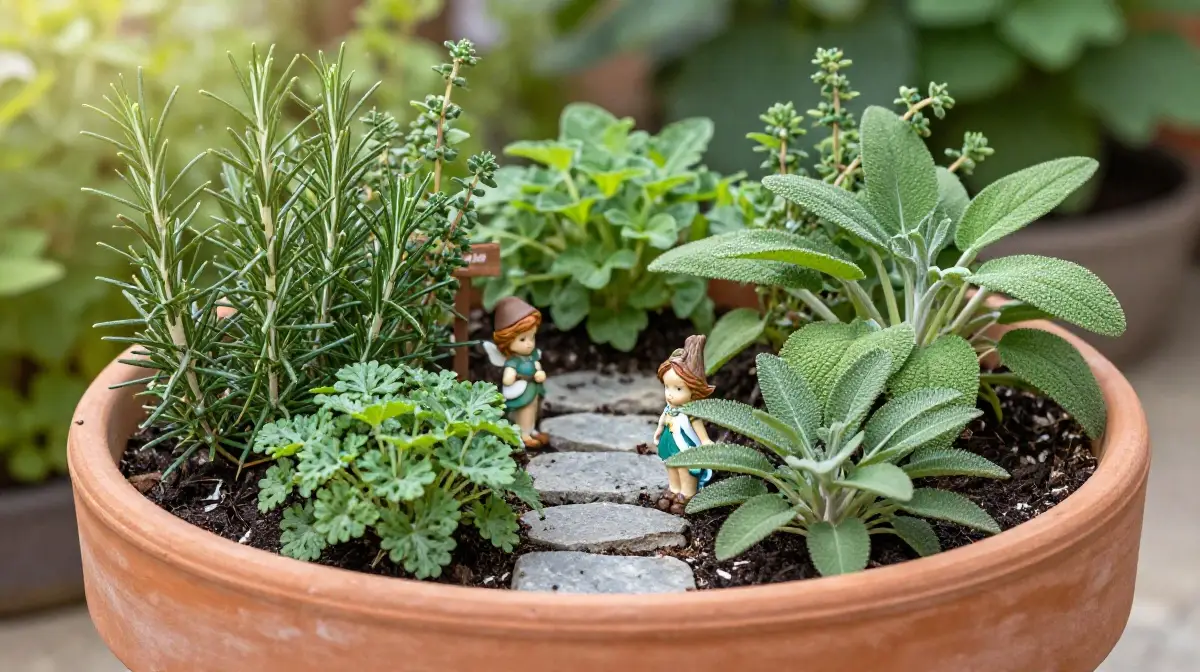
Herbs like thyme, sage, and rosemary grow in compact, low forms that scale perfectly with miniature fairy accessories. An herb fairy garden is not only beautiful but functional. Tuck tiny fairy figurines between the herb plants, add a miniature stone pathway, and your garden serves double duty as both a magical display and a fresh herb source for the kitchen.
Create a Fairy Garden Around a Water Feature
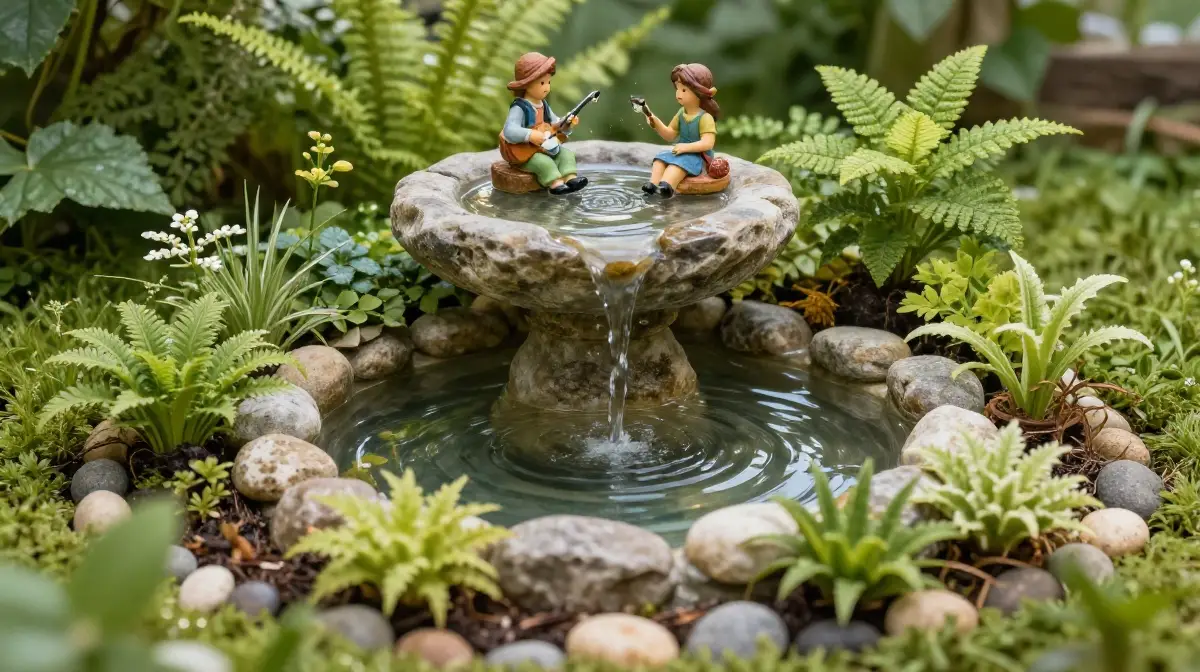
If your yard has a small birdbath, fountain, or even a decorative bowl filled with water, you have the perfect center point for a fairy garden. Arrange plants, pebbles, and figurines around the water feature to suggest fairies bathing, fishing, or resting beside a pond. The addition of water brings movement and life to the scene.
Try a Gnome Village Theme
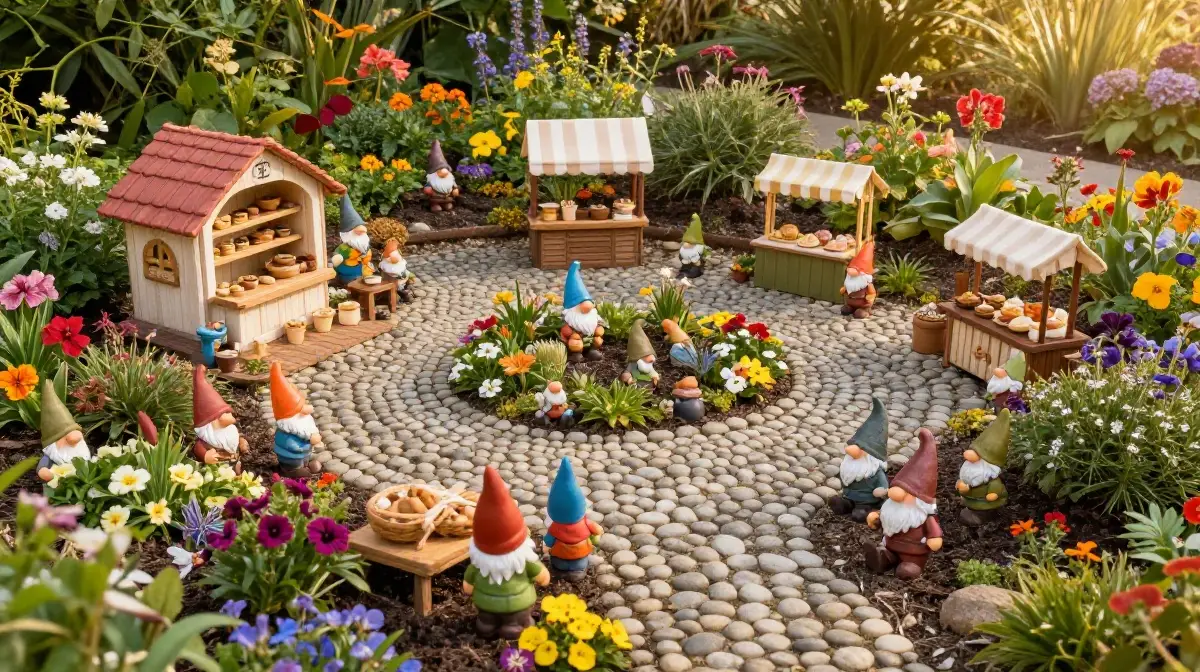
Gnomes and fairies share the same whimsical world, and combining them creates a richer, more layered miniature landscape. A gnome village theme works especially well in garden beds where you have more room to spread out. Create separate sections for a gnome bakery, a tiny market, and a little home surrounded by flowering plants. Stone pathways cut from flat pebbles connect each section naturally.
Build a Fairy Garden Inside a Hanging Basket
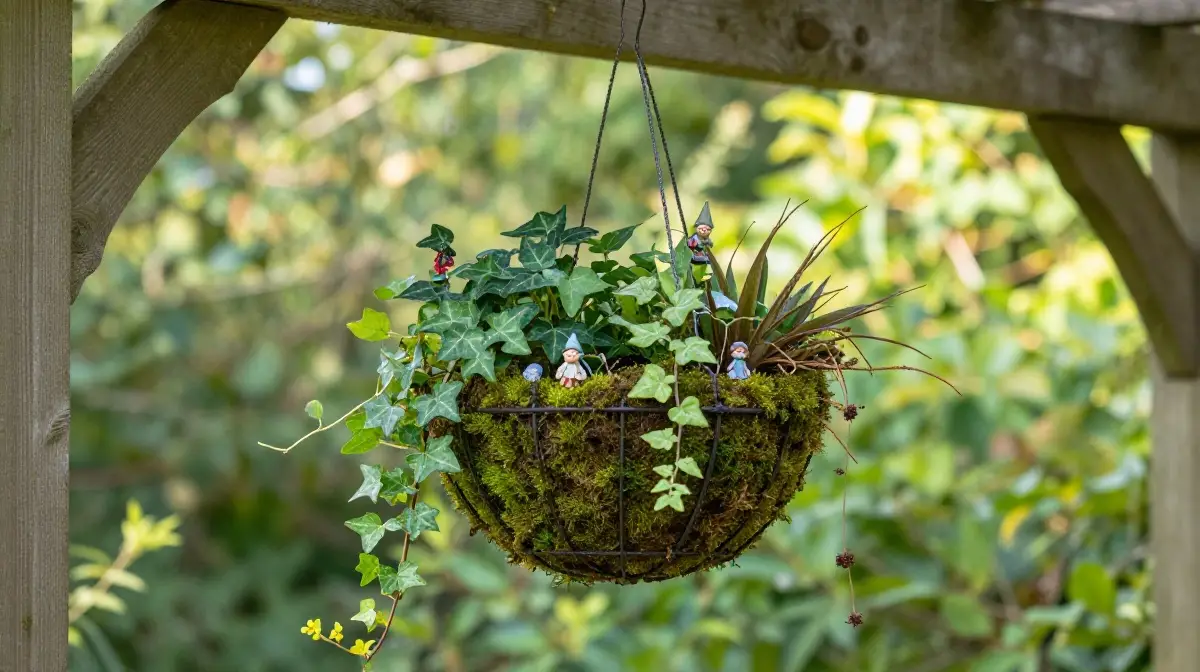
Wire hanging baskets lined with moss are already halfway to becoming a fairy garden. Add trailing plants like ivy or creeping Jenny, tuck in miniature accessories among the foliage, and hang the basket from a porch beam or garden pergola at eye level. This approach saves ground space and creates a floating, dreamlike effect.
Upcycle an Old Colander or Kitchen Item
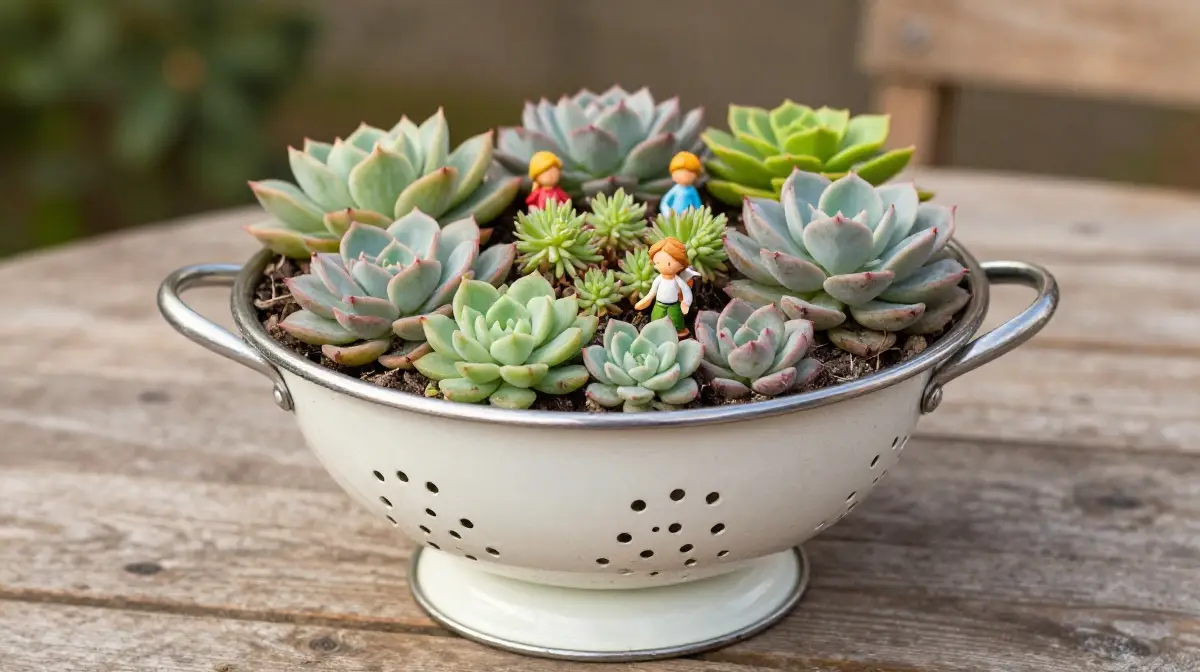
Colanders, enamel pots, antique teapots, and even old boots make wonderfully quirky fairy garden containers. Their unusual forms add personality and humor to the garden. Drill drainage holes if needed, fill with appropriate soil, plant small succulents or sedums, and let the container itself tell part of the story.
Design a Fairy Garden with a Woodland Theme
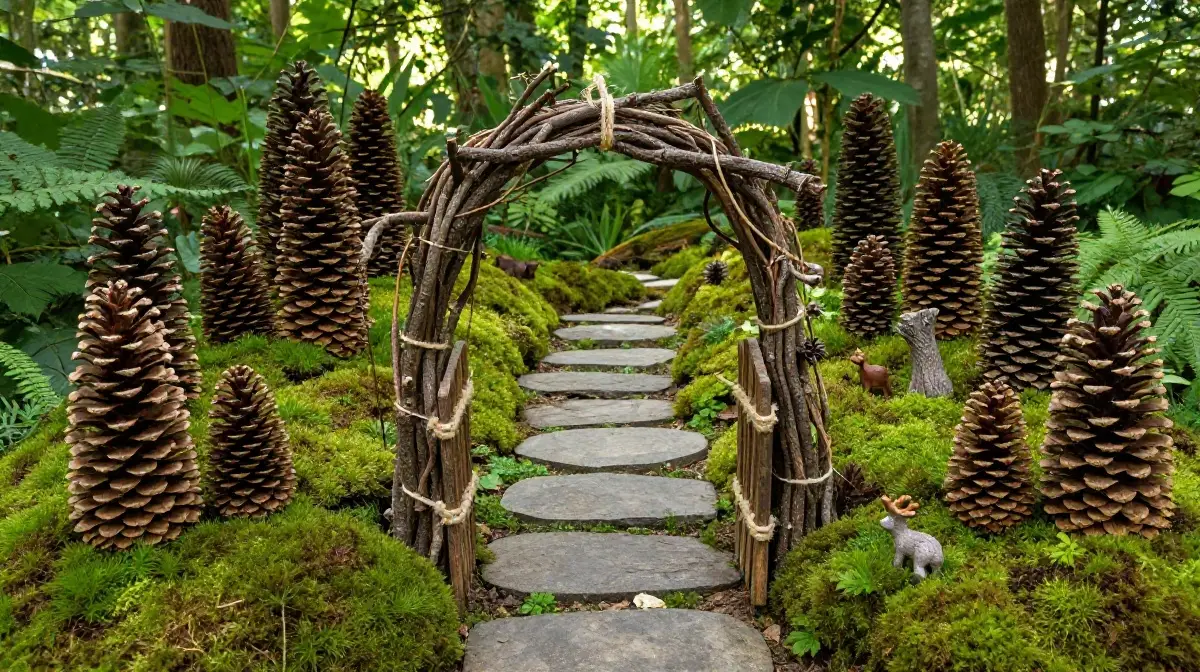
A woodland fairy garden uses natural materials almost exclusively. Think pinecones used as trees, flat stones for pathways, twigs bent and tied into tiny arched gateways, and dense moss as ground cover. This theme requires the least amount of purchased accessories and is incredibly satisfying to build using only what nature provides from your yard.
Use a Raised Garden Bed Section
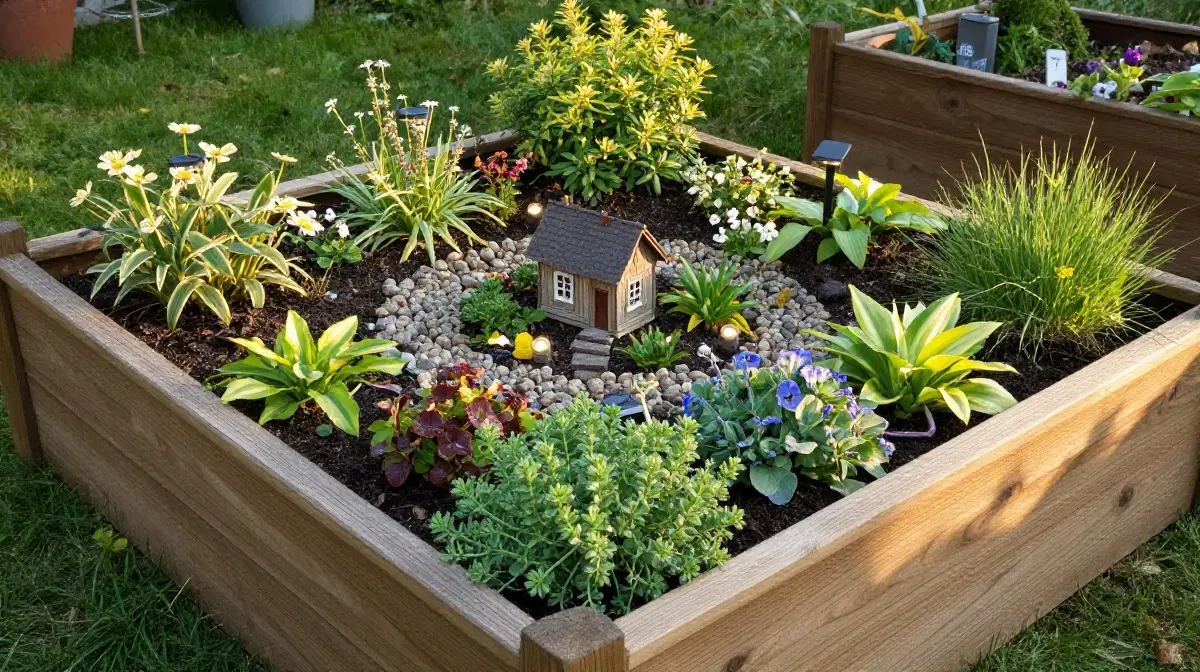
If you have a raised garden bed with some unused space at the edge, dedicate a corner of it to a permanent fairy garden installation. This gives fairies a more established, rooted home within the broader garden. Plant low-growing perennials around the fairy features so the garden evolves beautifully from season to season without needing to be rebuilt.
Create a Fairy Garden with a Seasonal Theme
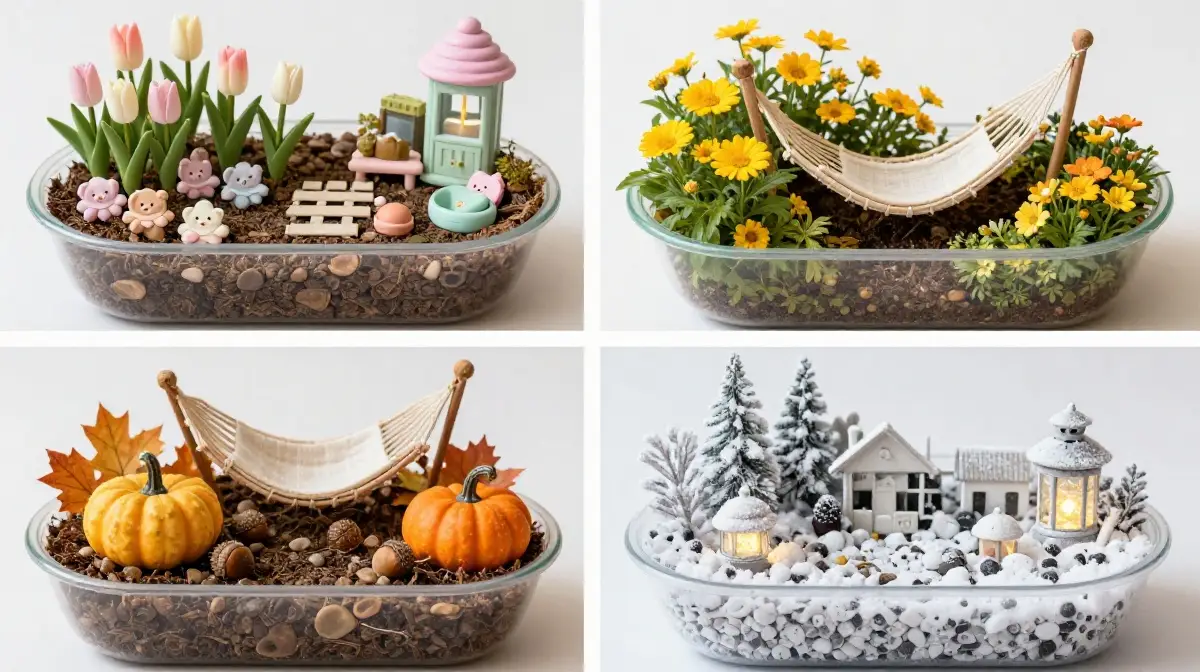
Change your fairy garden with the seasons to keep it fresh and interesting throughout the year. In spring, add tiny tulip figurines and miniature Easter baskets. In summer, bring in bright floral accessories and a tiny hammock. Autumn calls for miniature pumpkins, acorns, and fallen leaf arrangements, while winter versions look stunning with frosted glass pebbles and tiny LED lanterns.
Let Children Design Their Own Fairy Corner
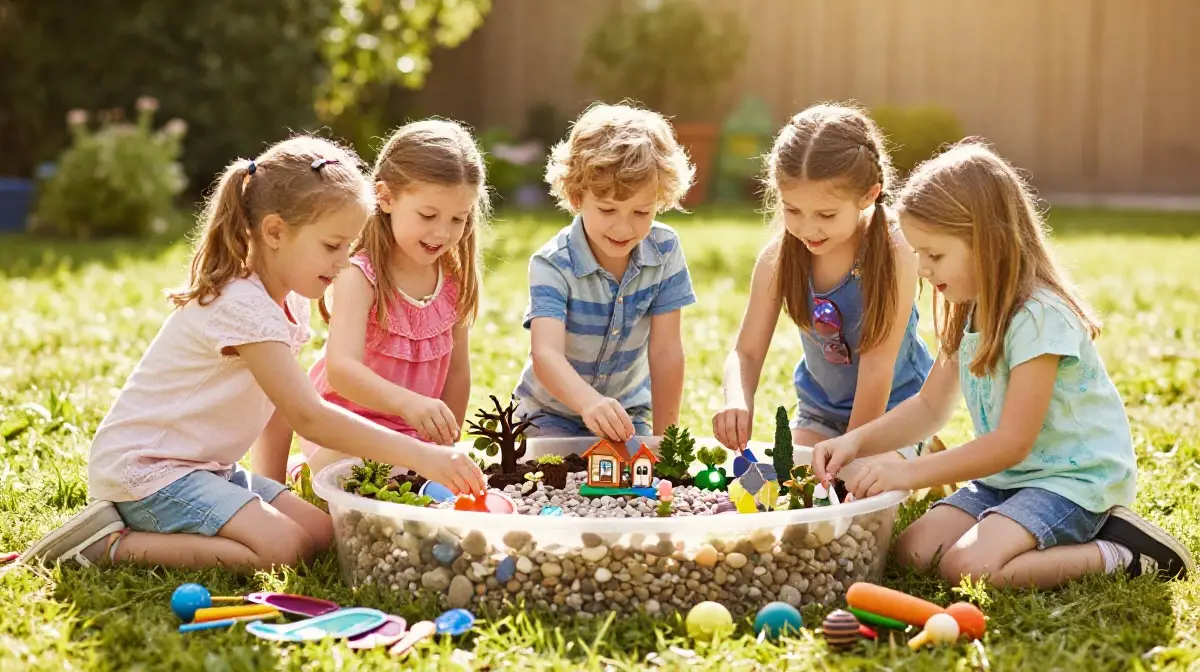
Perhaps the most rewarding of all fairy garden ideas is handing the project over to a child. Give them a container, some soil, a few small plants, and a selection of miniature accessories, then step back and let them build their own version. Children approach these gardens with zero rules and endless imagination, often creating scenes that adults would never think to try. The result is a garden that carries genuine personal meaning.
Conclusion
A fairy garden is one of those rare projects that rewards creativity at every level of skill and budget. Whether you invest in high-quality resin cottages and solar lighting or build everything from popsicle sticks and stones gathered from the yard, the magic comes from the intention behind it. Start small, choose a theme that genuinely appeals to you, select plants suited to your light conditions, and add accessories gradually over time. The best fairy gardens are never finished. They grow, evolve, and keep surprising you season after season.
You may also like this:20 Creative DIY Swing Set Projects for a Safe and Stylish Outdoor Play Area
Frequently Asked Questions (FAQ)
FAQ 1. What is a fairy garden and how do I start one?
A fairy garden is a miniature outdoor or indoor landscape designed to look like a tiny world where fairies might live. To start, choose a container or garden spot, add potting soil, plant small-scale plants, and decorate with miniature accessories like tiny houses, pathways, and figurines.
FAQ 2. What are the best plants for a fairy garden?
Low-growing herbs like thyme and sage, succulents, moss, miniature ferns, creeping Jenny, and dwarf mondo grass all work beautifully. The key is choosing plants that stay small and match the same light and water requirements since they will share the same container or space.
FAQ 3. Can fairy gardens be kept indoors?
Yes, absolutely. Indoor fairy gardens work well in terrariums, wide shallow pots, old fish tanks, or even suitcases. Choose low-light plants like air plants, moss, or small ferns and place the garden near a bright window for best results.
FAQ 4. How do I maintain a fairy garden throughout the year?
Water container gardens regularly, especially during hot months. Trim plants when they grow too large. Replace seasonal accessories to keep the scene looking intentional. In colder climates, bring container gardens indoors during frost or choose cold-hardy plants for permanent in-ground installations.
FAQ 5. What materials can I use to make DIY fairy garden accessories?
Popsicle sticks, small pebbles, twigs, pinecones, air-dry clay, painted rocks, wooden beads, and old keys are all excellent DIY materials. Seal any wooden or clay items with waterproof varnish before placing them outdoors to extend their life through rain and humidity.

1 Comment