
Introduction
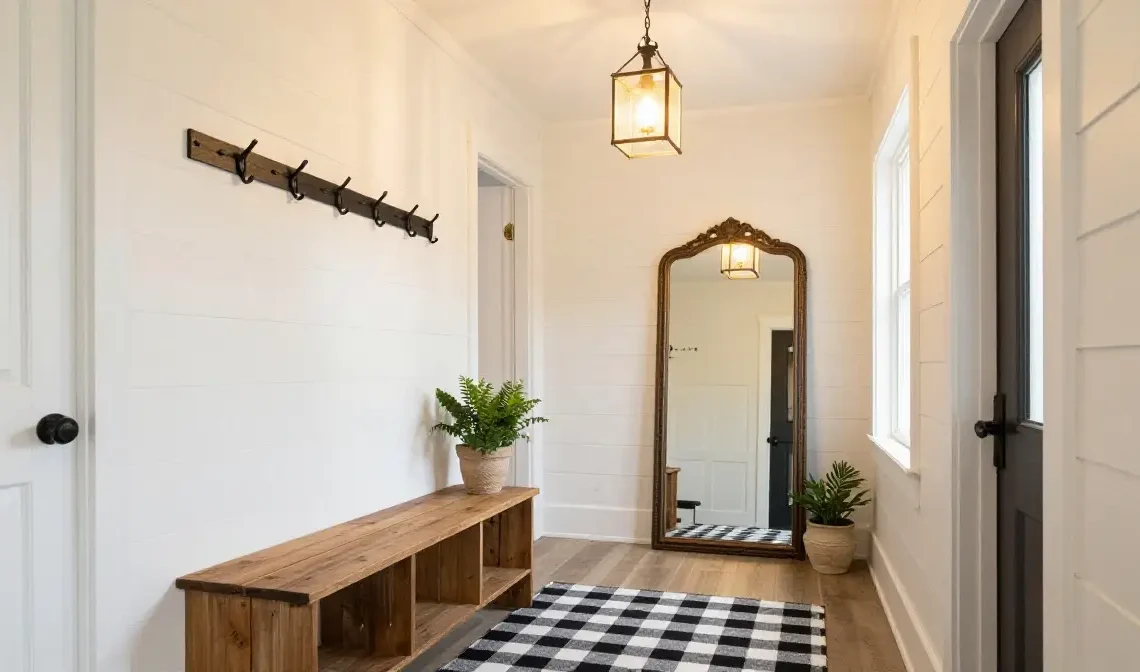
There is something about walking into a home and immediately feeling at ease. The entryway sets that tone before a single word is spoken. If yours feels cluttered, cold, or just plain forgettable, you are not alone. Most people focus all their decorating energy on living rooms and kitchens, leaving the front entrance as an afterthought.
But here is the truth: a well-designed farmhouse entryway does not need to be large or expensive. It just needs the right combination of warmth, function, and character. Whether you are working with a small foyer or an open mudroom space, farmhouse entryway design gives you a style framework that is both forgiving and genuinely beautiful.
This guide covers 22 real, practical ideas that work in actual homes, not just in magazine photoshoots.
Shiplap Accent Wall That Sets the Tone
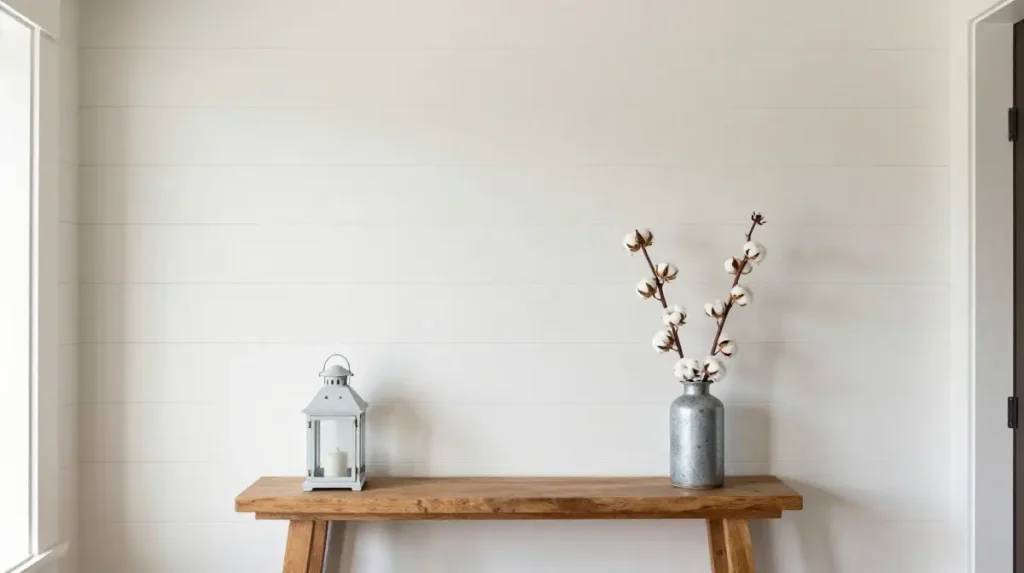
A shiplap accent wall is one of the most recognized elements of farmhouse entryway design. The horizontal wood panels add texture without feeling heavy, and they work equally well painted white or left in a natural wood tone. You do not need to cover all four walls. One featured wall behind a bench or console table is enough to create that signature farmhouse look.
If you are renting or on a budget, peel-and-stick shiplap panels exist and are surprisingly convincing.
Sliding Barn Door for Style and Function
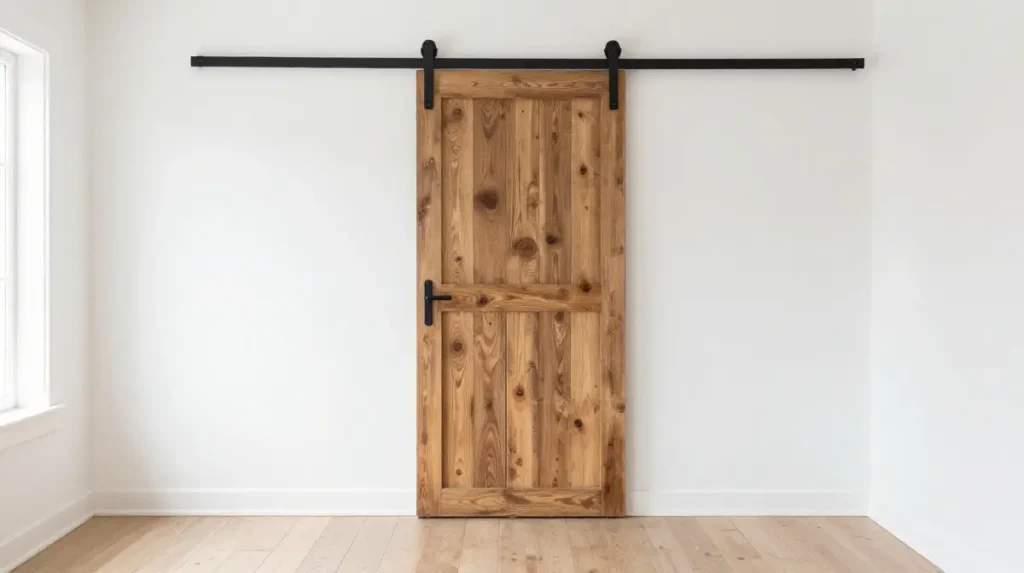
A sliding barn door is one of those design choices that looks purely decorative but actually solves real problems. It separates the entryway from a hallway or closet without swinging into your space. Black iron hardware against whitewashed wood is a classic farmhouse combination.
The door itself becomes a focal point, so you do not need much else on that wall. If you have a small entryway, this detail alone can completely change how the space feels.
Wooden Storage Bench With Hidden Compartments
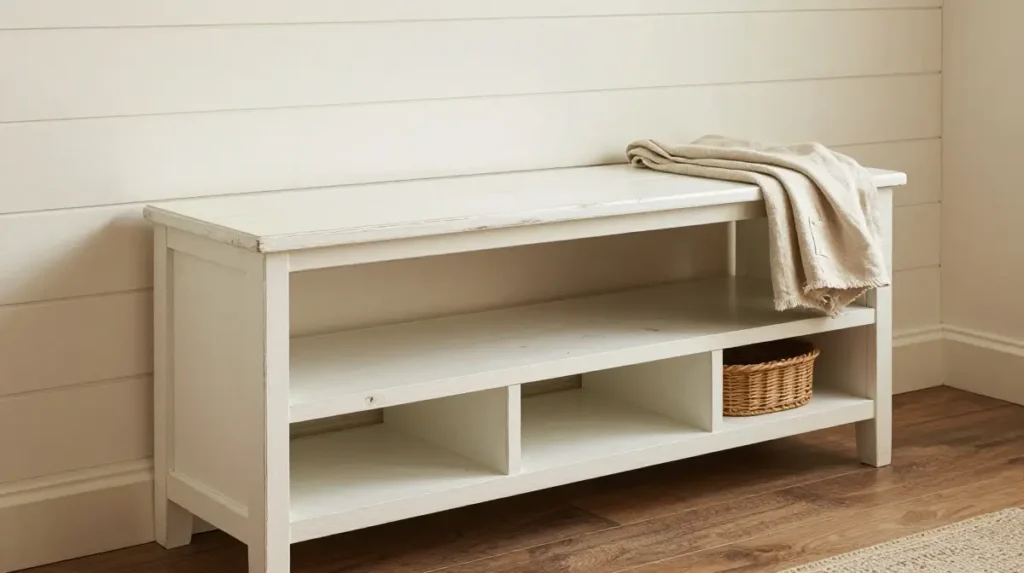
Every farmhouse foyer needs a place to sit when pulling off boots and a place to store them once they are off. A wooden bench with a lift-up seat or lower cubbies handles both. Look for distressed wood finishes or painted pieces in white and soft grey.
Add a folded linen throw across one end and a small woven basket underneath, and the bench goes from purely practical to genuinely styled.
Hook Rail for Everyday Coat Storage
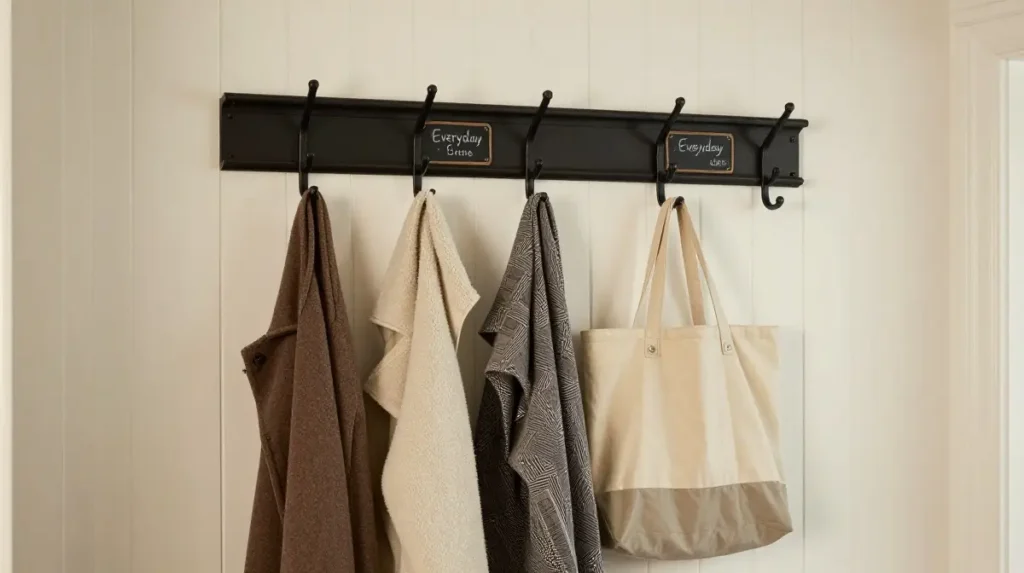
A simple hook rail mounted at the right height solves so much. Choose black iron hooks for an authentic farmhouse feel, or go with antique brass if your palette leans warmer. Mount the rail on shiplap or beadboard for extra visual depth.
Label hooks with names or use small chalkboard signs above each one if you have children. It keeps things organized without requiring a full mudroom buildout.
Buffalo Check Rug to Anchor the Space
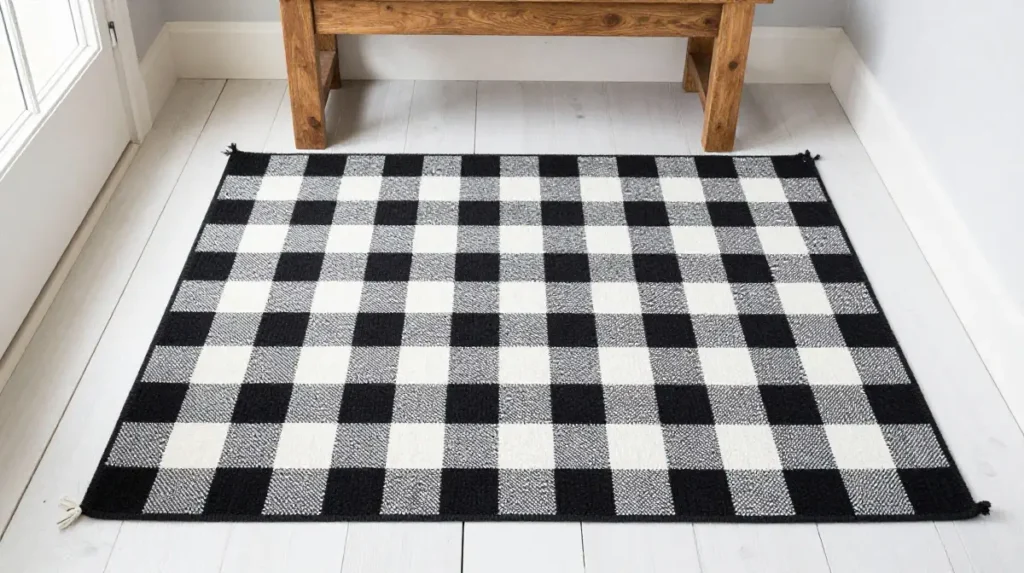
Rug placement matters more than most people realize. In a farmhouse entryway design, a buffalo check rug in black and white or navy and cream immediately grounds the space and signals the style clearly. Choose a rug that is large enough to sit under the front legs of your bench.
A rug that is too small looks awkward and makes the space feel disconnected. Flat-weave styles hold up better in high-traffic entryways than plush options.
Antique Mirror for Light and Depth
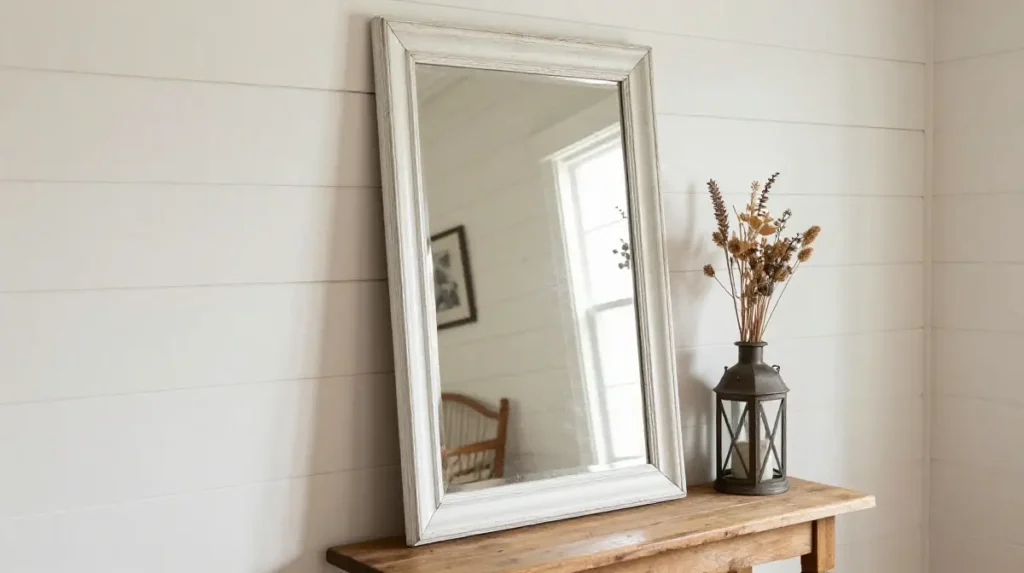
A large antique mirror leaned against a wall or hung above a console table does two things at once. It reflects light back into what is often one of the darker spots in a home, and it adds the kind of aged character that farmhouse style depends on.
Look for mirrors with distressed wood frames, chippy white paint, or simple black iron borders. Thrift stores and estate sales are excellent sources for affordable versions with genuine patina.
Lantern-Style Lighting That Feels Collected
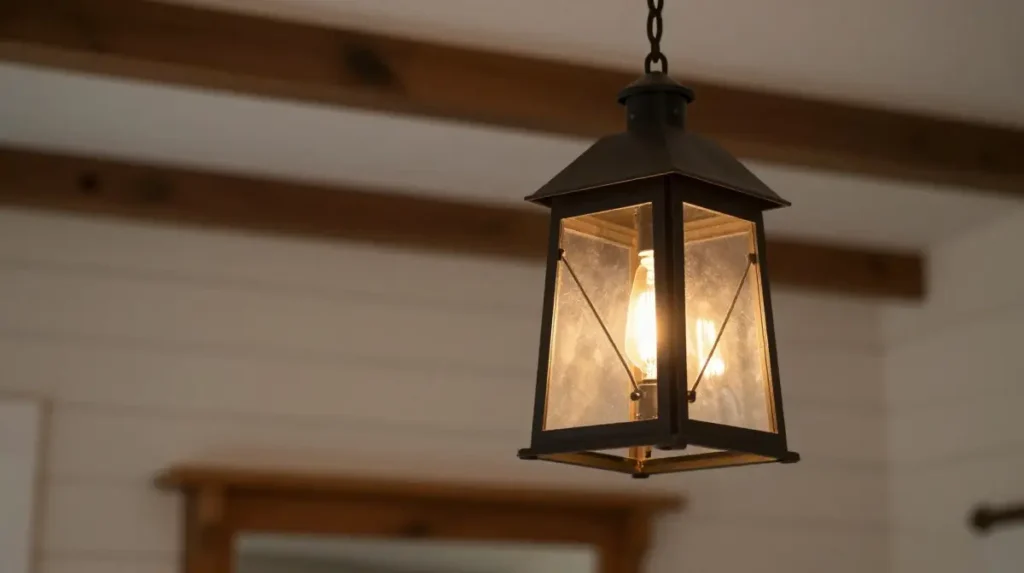
Overhead lighting in a farmhouse entryway should feel like it has always been there. Lantern-style pendant lights or a small farmhouse chandelier with candle bulbs creates that warm, gathered atmosphere. Avoid anything too sleek or modern.
The goal is lighting that looks like it came from somewhere meaningful, even if it came from a home goods store. Warm-toned bulbs (around 2700K) make a significant difference in how inviting the space feels after dark.
Wainscoting or Beadboard for Classic Wall Character
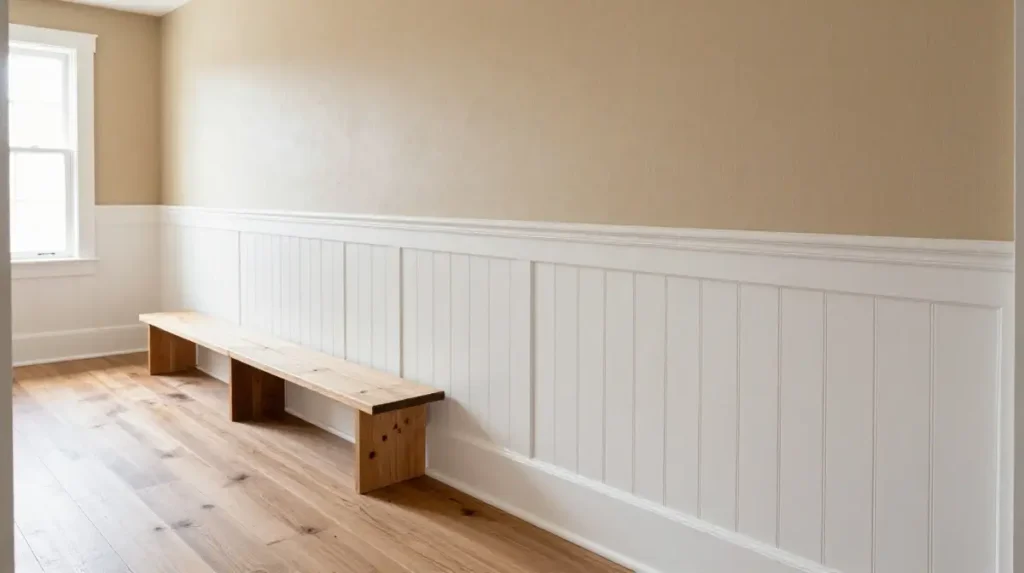
Wainscoting brings architectural detail to an entryway without requiring a full renovation. White beadboard paneling installed on the lower half of the walls is a traditional farmhouse interior move that adds texture, protects walls from scuffs, and makes ceilings feel taller.
Paint the upper wall in a soft warm white or a muted linen tone for a finished look. This works beautifully in both narrow hallways and wider foyer spaces.
Reclaimed Wood Floating Shelf for Display
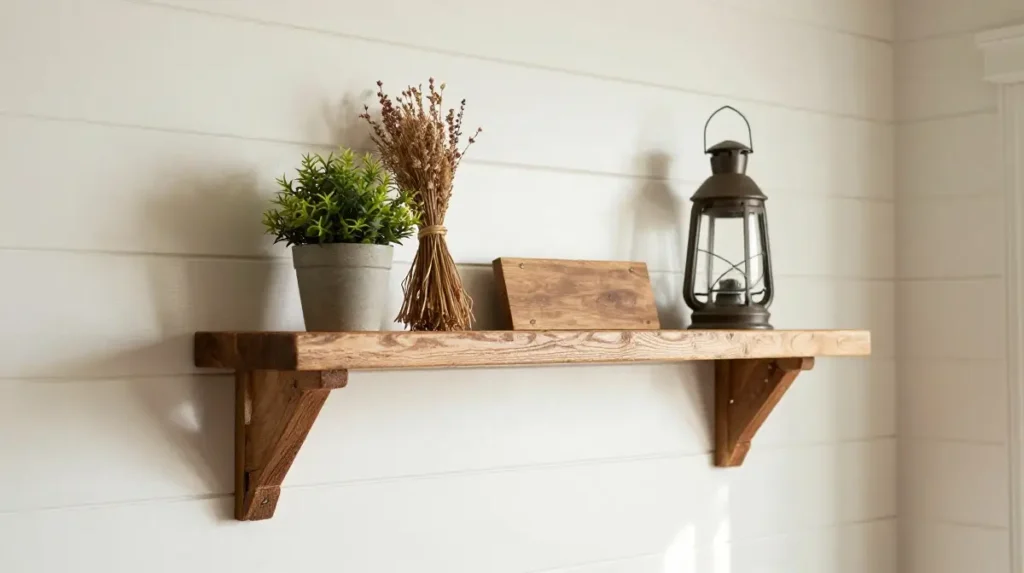
A single reclaimed wood shelf mounted above a bench or console table gives you a dedicated spot for seasonal decorating.
In autumn, style it with small pumpkins and dried botanicals. In winter, a few pine branches and a simple wooden sign. The shelf itself should have visible grain, knots, or rough edges. That imperfection is part of what makes farmhouse style feel lived-in rather than staged.
Quick Comparison Table: Farmhouse Entryway Elements at a Glance
| Element | Best For | Material | Budget Range | Skill Level |
|---|---|---|---|---|
| Shiplap wall | Visual impact | Wood or MDF | Low to Medium | Beginner |
| Storage bench | Function and style | Wood with cushion | Medium | None needed |
| Hook rail | Daily organization | Iron or brass | Low | Beginner |
| Barn door | Space saving | Reclaimed wood | Medium to High | Intermediate |
| Lantern pendant | Ambiance | Metal and glass | Low to Medium | Beginner |
| Buffalo check rug | Anchoring space | Cotton or wool | Low | None needed |
| Antique mirror | Light and depth | Wood or iron frame | Low (thrifted) | None needed |
Console Table With Gathered Styling
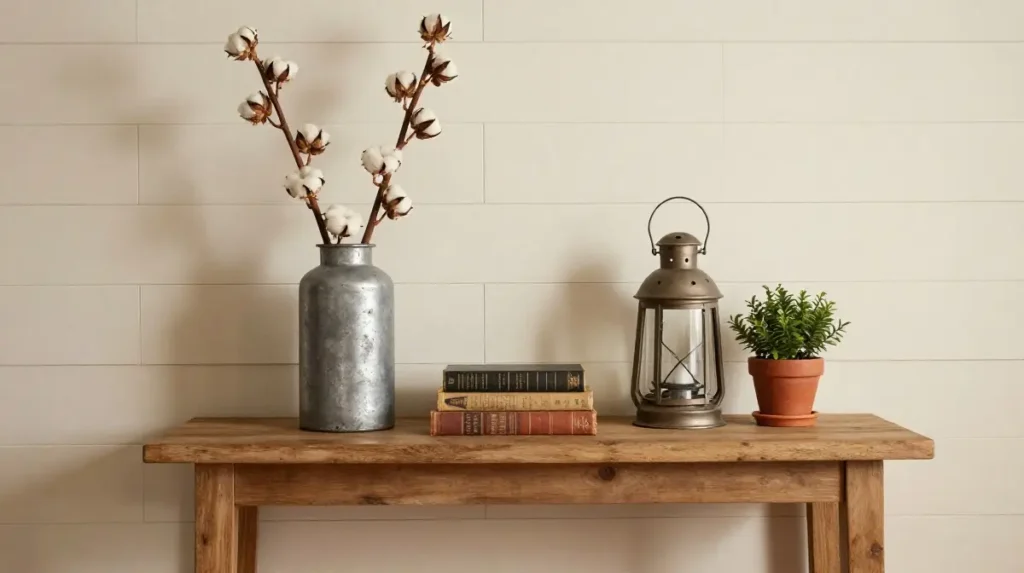
A narrow console table works well in entryways where floor space is limited. Style the top with a mix of heights: a tall vase with cotton stems or dried botanicals, a small stack of books, a lantern, and a small potted plant.
The key is layering without crowding. Leave some breathing room on the tabletop. A galvanized metal bucket or a wooden crate underneath adds storage and texture at the same time.
Chalkboard Sign for Personal Touches

A chalkboard sign propped against a wall or hung above a hook rail adds a warm, personal element to a farmhouse entryway.
Write a seasonal greeting, a family motto, or simply the house number in chalk lettering. It is one of the easiest and most budget-friendly ways to make an entryway feel genuinely personal rather than catalog-styled. Change the message with the seasons to keep the space feeling fresh.
Potted Plants to Bring the Outdoors In
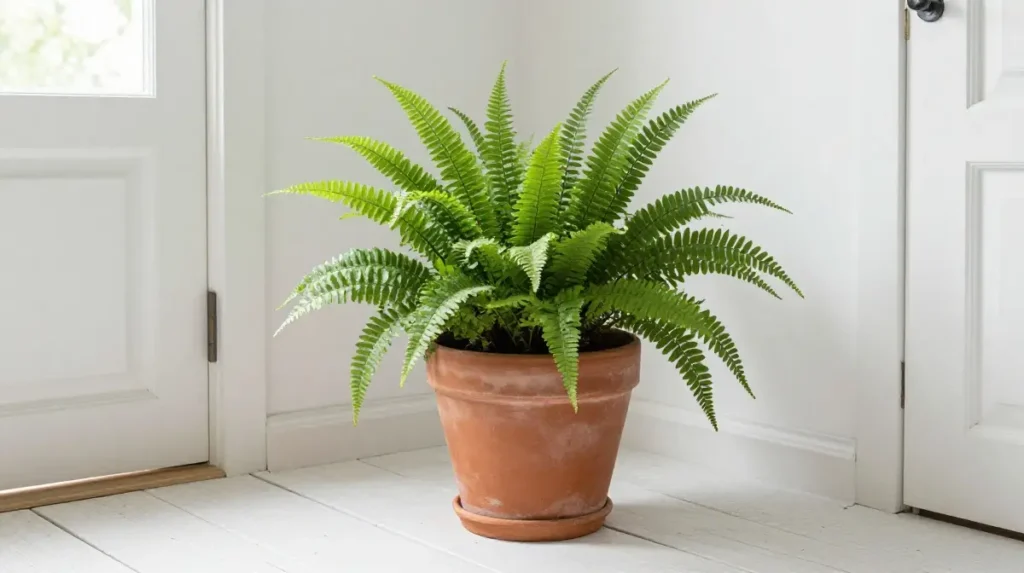
A single well-chosen plant near the entryway door adds life without requiring much maintenance. A large potted fern, a trailing pothos, or a simple olive tree in a terracotta pot all work well with farmhouse aesthetics.
If natural light is limited in your entryway, choose low-light varieties and rotate them with plants from other rooms occasionally to keep them healthy.
Whitewashed Wood Floors or Painted Concrete
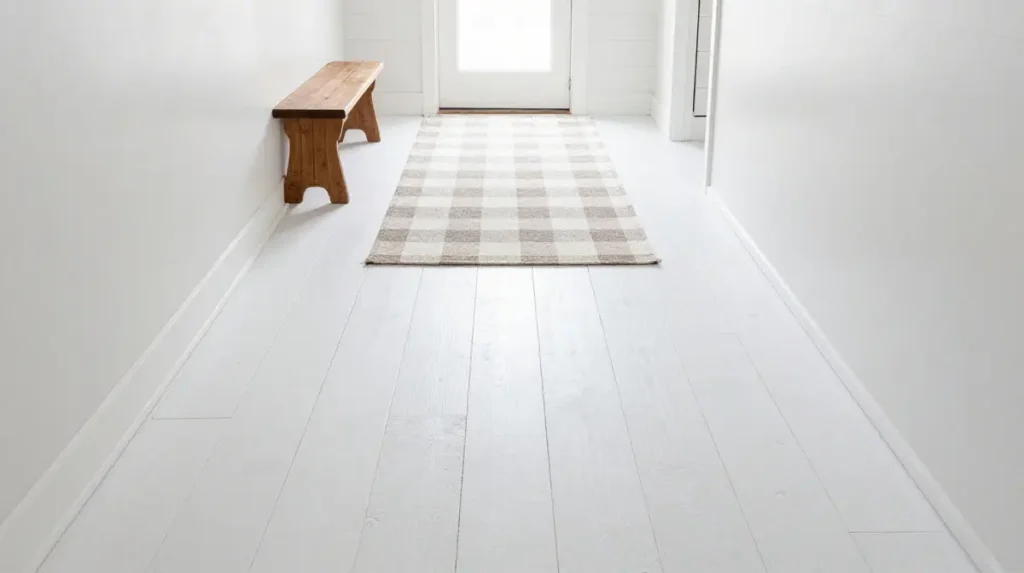
If you have the option to update your entryway flooring, whitewashed wood planks or painted concrete in a muted stone tone read as classically farmhouse.
Both finishes hide dirt well between cleanings, which matters in a high-traffic space. If full floor replacement is not possible, a well-placed rug and clean baseboards can do most of the visual work for you.
Exposed Brick Wall for Instant Texture
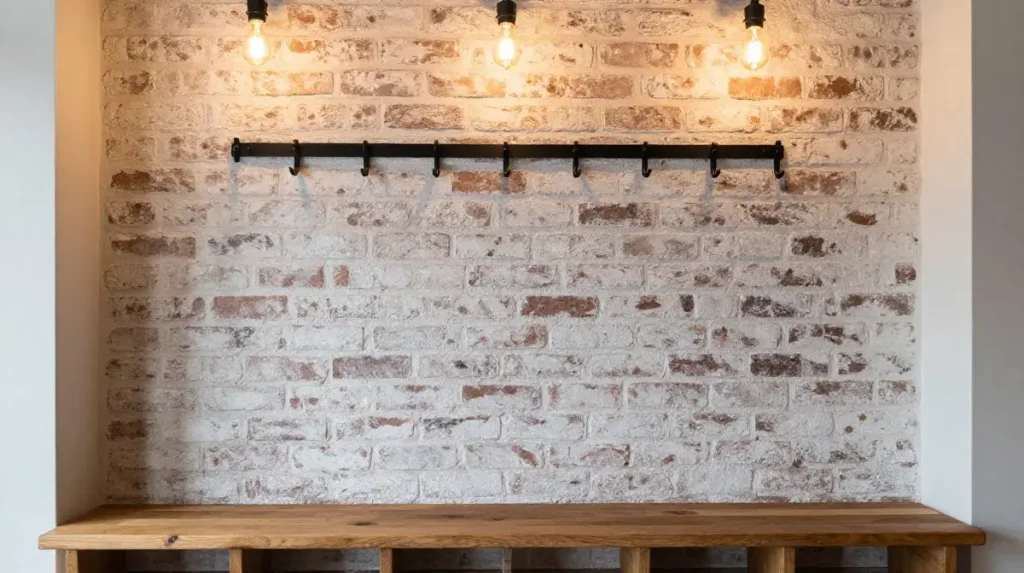
Not every home has exposed brick, but if yours does, let it breathe in the entryway. Leave it unsealed for a raw, rustic feel, or apply a light whitewash to soften it while keeping the texture visible. Pair exposed brick with simple iron fixtures and minimal decoration.
The brick does the heavy lifting on its own.
Galvanized Metal Accents for Authenticity
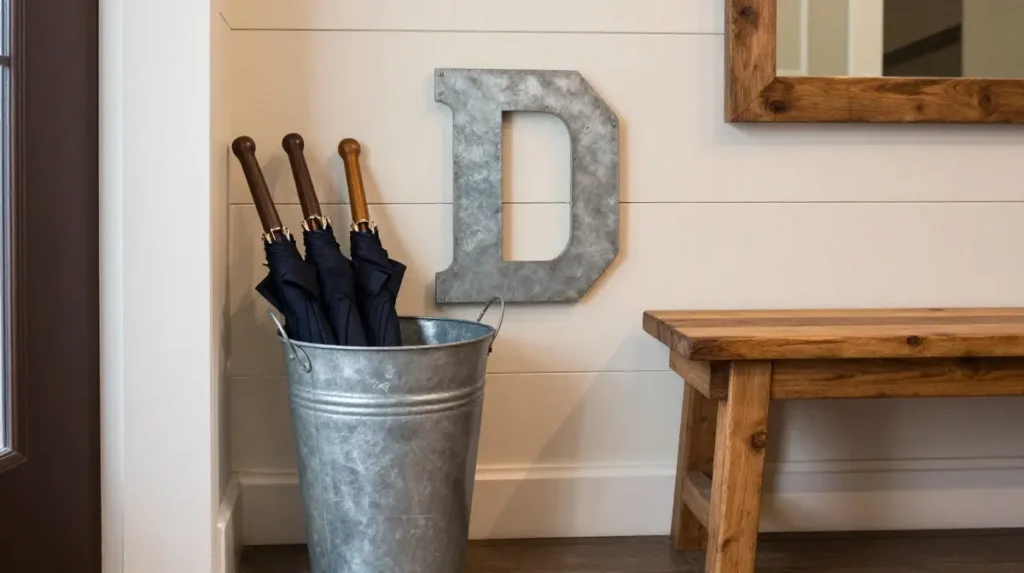
Galvanized metal is one of those materials that signals farmhouse style immediately. Use it in small doses: a galvanized bucket holding umbrellas by the door, a metal letter or house number on the wall, or galvanized planters on a shelf.
It pairs especially well with warm wood tones and softens the look when placed next to natural linen or cotton textiles.
Vintage Window Frame as Wall Decor
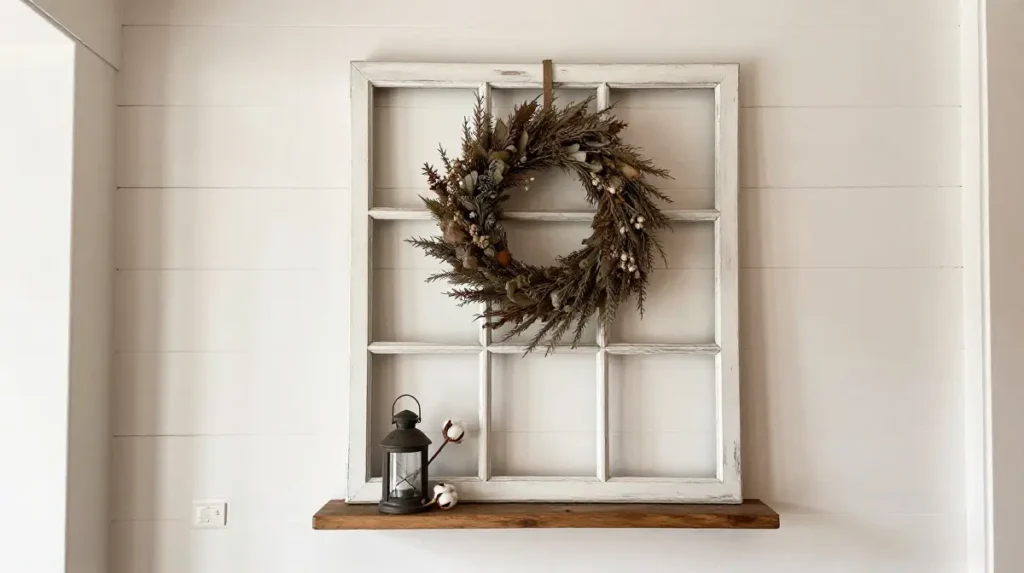
An old window frame hung on the wall like artwork is a creative and cost-effective farmhouse decor move. It adds architectural character without taking up floor space. Find them at antique markets, architectural salvage shops, or even curbside.
Leave them as found, or paint them in a matte black or distressed white finish. They work especially well on shiplap or beadboard walls.
Linen and Burlap Textiles for Softness
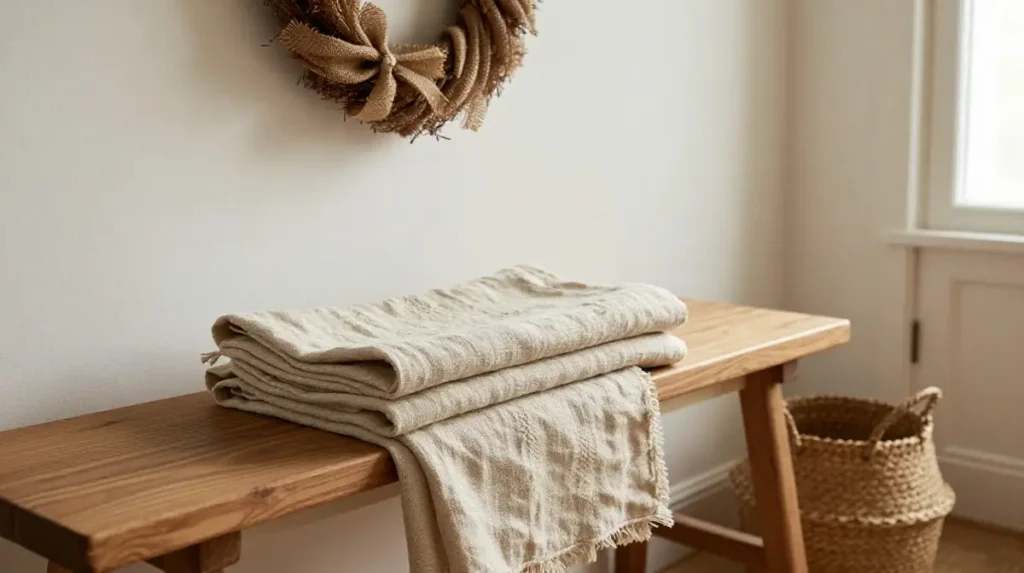
Hard surfaces dominate most entryways, so textiles become important for balance. A linen curtain panel over a side window, a burlap accent on a wreath, or a simple cotton throw folded over the bench arm all add softness without visual clutter.
Stick to neutral tones like oatmeal, ivory, warm grey, and natural tan to keep the palette cohesive.
Seasonal Wreath on the Front Door
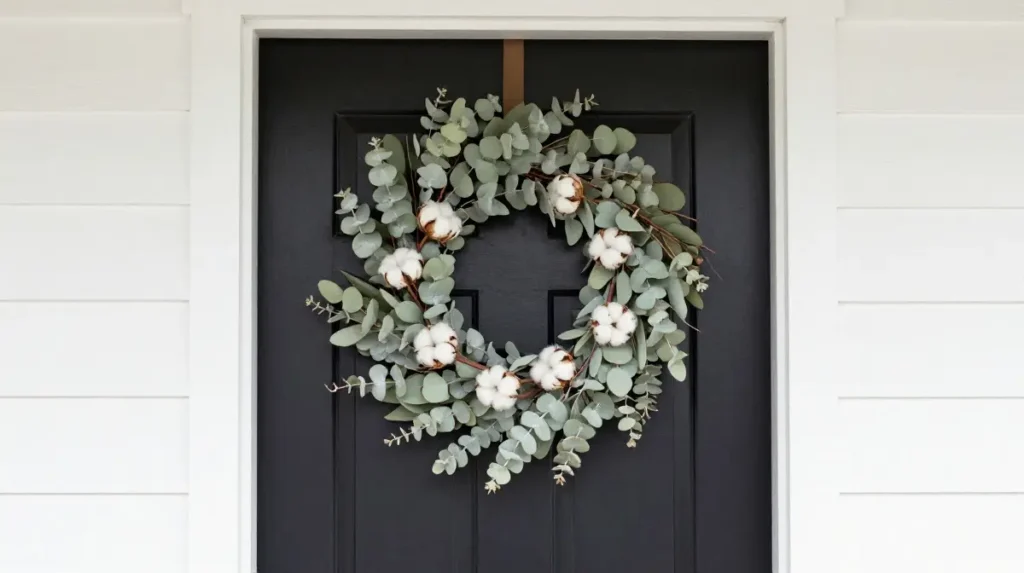
The front door is technically the beginning of your entryway, so it earns a spot in this list. A well-made wreath signals the season and sets expectations before a guest even steps inside.
Use dried botanicals, cotton stems, or eucalyptus for year-round options that hold up in various weather conditions. Avoid anything overly glossy or artificial-looking. Organic textures always photograph better and feel more genuine.
Rope and Woven Basket Storage
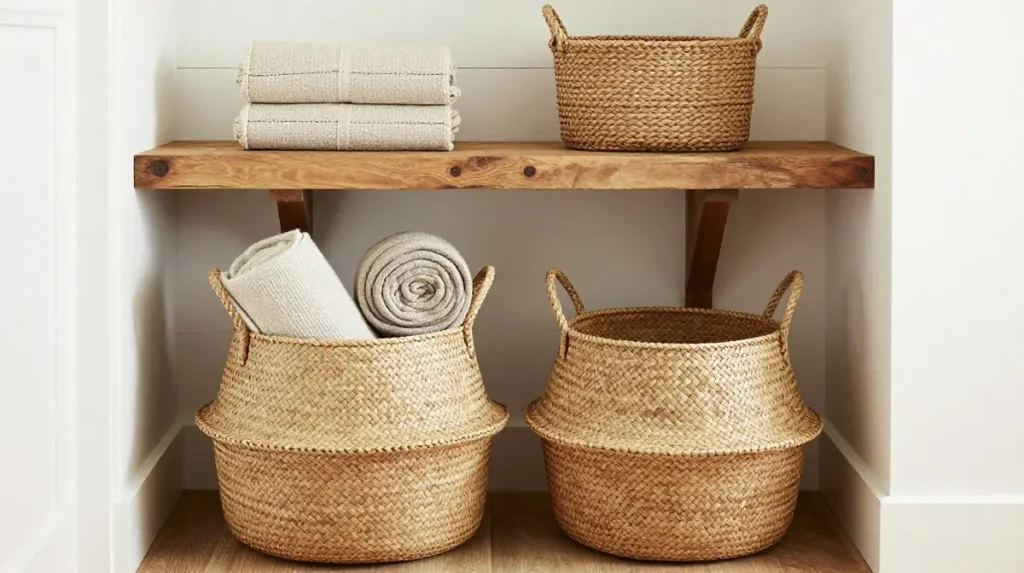
Woven baskets and rope accents are practical and decorative at the same time. A large woven basket near the door holds blankets or dog leashes.
Smaller baskets on a shelf store sunglasses, keys, or mail. Rope drawer pulls on a painted dresser add texture to utilitarian furniture. These small material choices collectively build the warm, gathered feeling that makes farmhouse style so appealing.
Open Shelving Unit for a Mudroom Feel
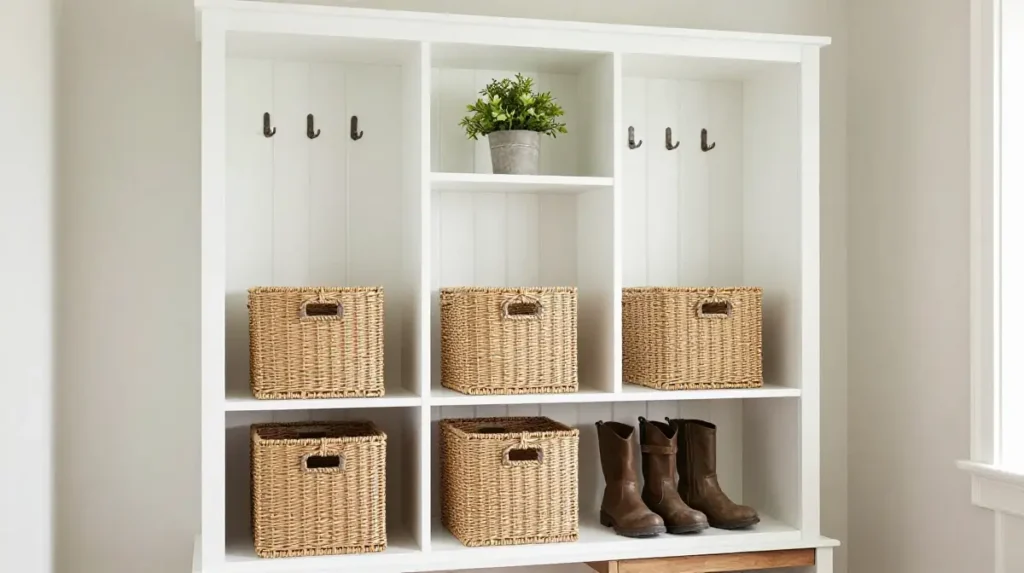
If your entryway connects to a laundry room or back hallway, an open shelving unit can create the feeling of a proper mudroom without requiring construction.
Style the shelves with labeled bins, folded baskets, and small hooks on the sides. Keep the top shelf for decorative items and the lower shelves for function. Paint the unit the same color as the wall for a built-in appearance.
Stone or Tile Flooring With a Warm Rug Layer
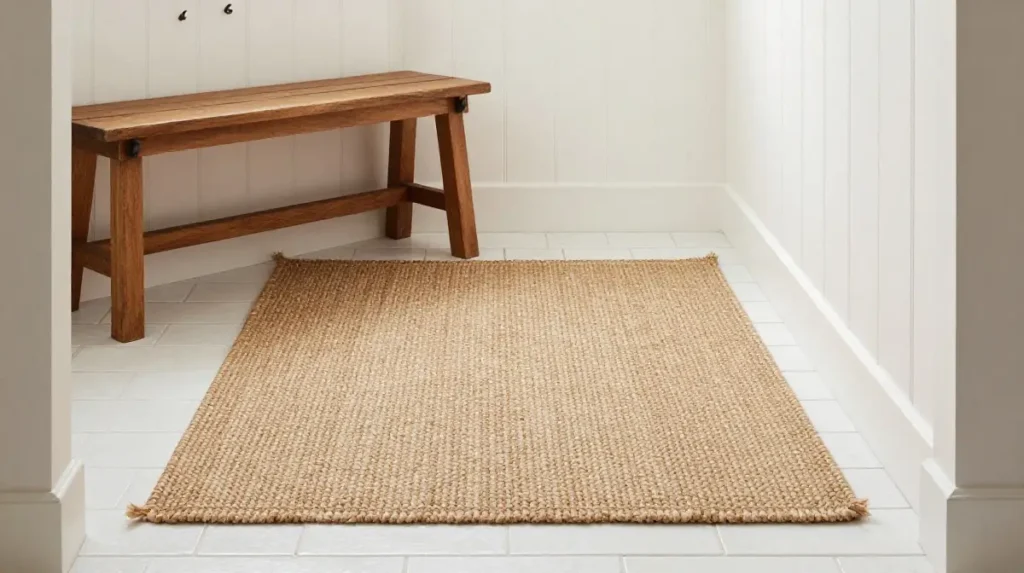
Stone flooring in the entryway is both durable and naturally beautiful. Slate, travertine, or simple white subway tile laid in a classic pattern all work within a farmhouse context.
The stone can feel cold on its own, so layer a warm-toned runner or area rug over it. This combination handles heavy foot traffic while keeping the space visually grounded.
Personalized Wood Sign or Family Name Display
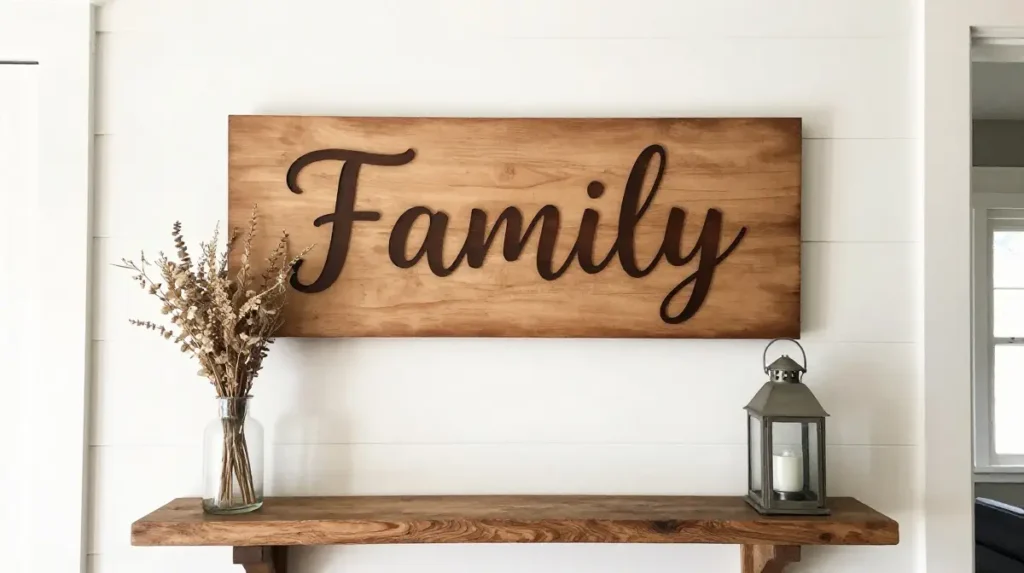
A wooden sign with the family name, a meaningful phrase, or a simple word like “Welcome” or “Home” adds personality without requiring much space.
Hang it above the door frame, lean it against the wall on a shelf, or prop it beside the bench. Look for signs with hand-lettered or burned lettering rather than mass-produced fonts. The slight imperfection makes them feel handcrafted rather than manufactured.
Conclusion
A farmhouse entryway design does not ask for perfection. It asks for warmth, purpose, and a sense that real people live in the home. Whether you start with a simple hook rail and a buffalo check rug, or you take on a full shiplap wall and barn door installation, every choice you make should serve both function and feeling.
Start with what bothers you most about your current entryway, whether that is clutter, poor lighting, or a lack of character, and solve that first. Layer in the decorative elements once the basics are covered. That approach leads to spaces that feel genuinely welcoming rather than just styled for photographs.
The best farmhouse entryways look like they came together over time, not all at once. Give yourself permission to build slowly, shop secondhand, and let the space reflect your family rather than a trend.
You may also like this: 22 Farmhouse Laundry Room Styling Ideas for Functional Beauty
Frequently Asked Questions
FAQ 1: What is the most important element in a farmhouse entryway design?
Function comes first. A good hook rail, storage bench, and rug solve the daily problems of clutter and mess. Once those are in place, decorative elements like mirrors, plants, and signs make the space feel complete.
FAQ 2: How do I make a small entryway feel more farmhouse without major renovation?
Start with a shiplap peel-and-stick panel on one wall, a narrow wooden bench, and a set of black iron hooks. Add a buffalo check rug and a simple lantern. Those five changes cost little but shift the entire feel of the space.
FAQ 3: What colors work best for farmhouse entryway walls?
Warm whites, soft creams, muted greys, and natural linen tones are most common. Avoid stark cool whites, which can feel clinical. Benjamin Moore White Dove and Sherwin-Williams Alabaster are popular choices among farmhouse decorators.
FAQ 4: Where do I find affordable farmhouse entryway furniture?
Thrift stores, Facebook Marketplace, estate sales, and antique markets are ideal for finding pieces with genuine character at low prices. Many pieces can be painted or refinished to fit your palette. IKEA and Target both carry budget-friendly options that photograph well with the right styling.
FAQ 5: How do I keep a farmhouse entryway organized with kids or pets?
Labeled baskets, dedicated hooks at child height, and a boot tray near the door handle most of the daily chaos. A chalkboard sign near the hooks with simple rules like “shoes off, bags hung” helps reinforce habits without looking institutional.