
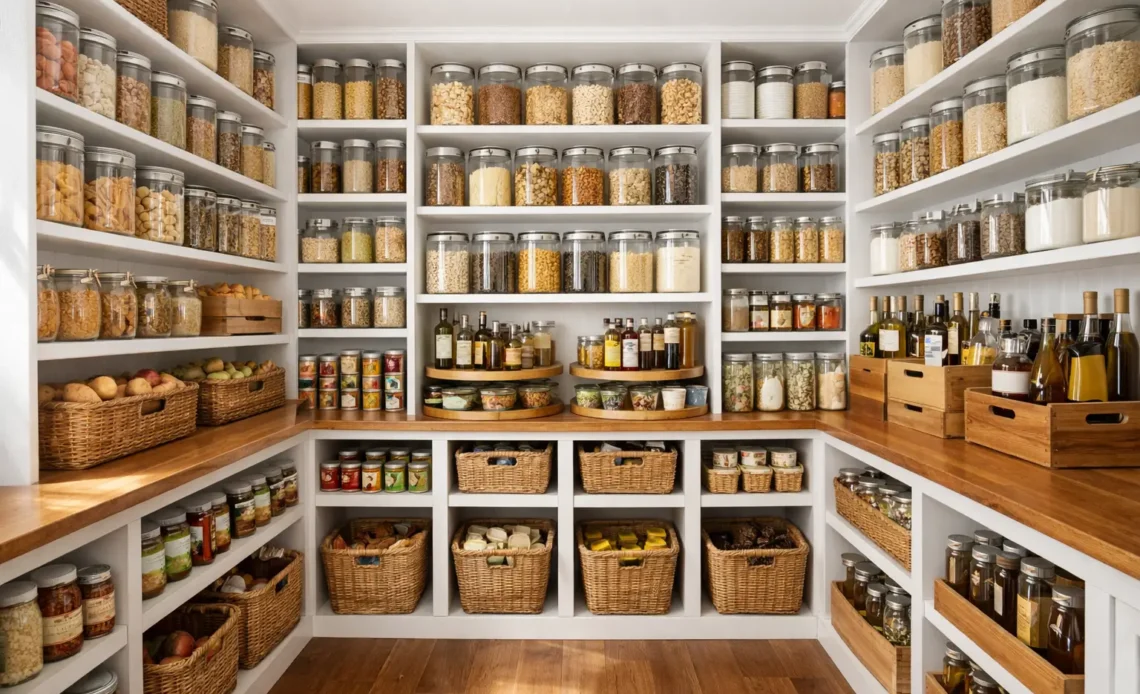
Why Pantry Organization Changes Everything
Most people underestimate what a disorganized pantry quietly costs them. It costs money when you buy a second can of tomatoes because you could not find the first one. It costs time when you rummage through shelves every evening trying to piece together a meal. And it costs mental energy when the space you depend on most feels like controlled chaos.
A well-organized pantry is not about making things look pretty for social media. It is about building a functional system that works every single day without demanding constant effort. The 20 ideas below are practical, tested, and built around real kitchen habits. Whether you have a large walk-in pantry or a narrow closet with a few wire shelves, these strategies will transform the way you cook, shop, and live.
Start by Emptying and Auditing Your Pantry Completely
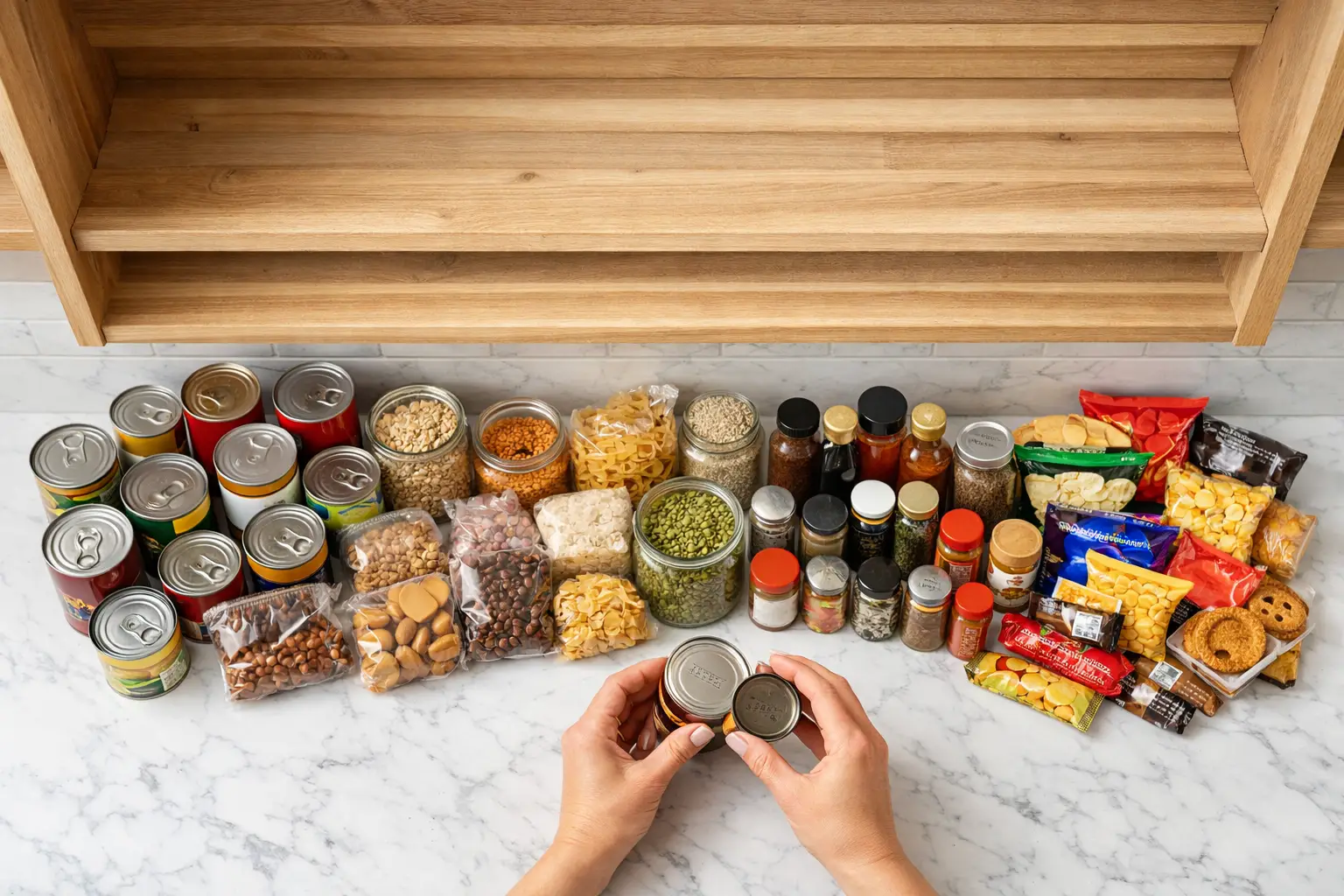
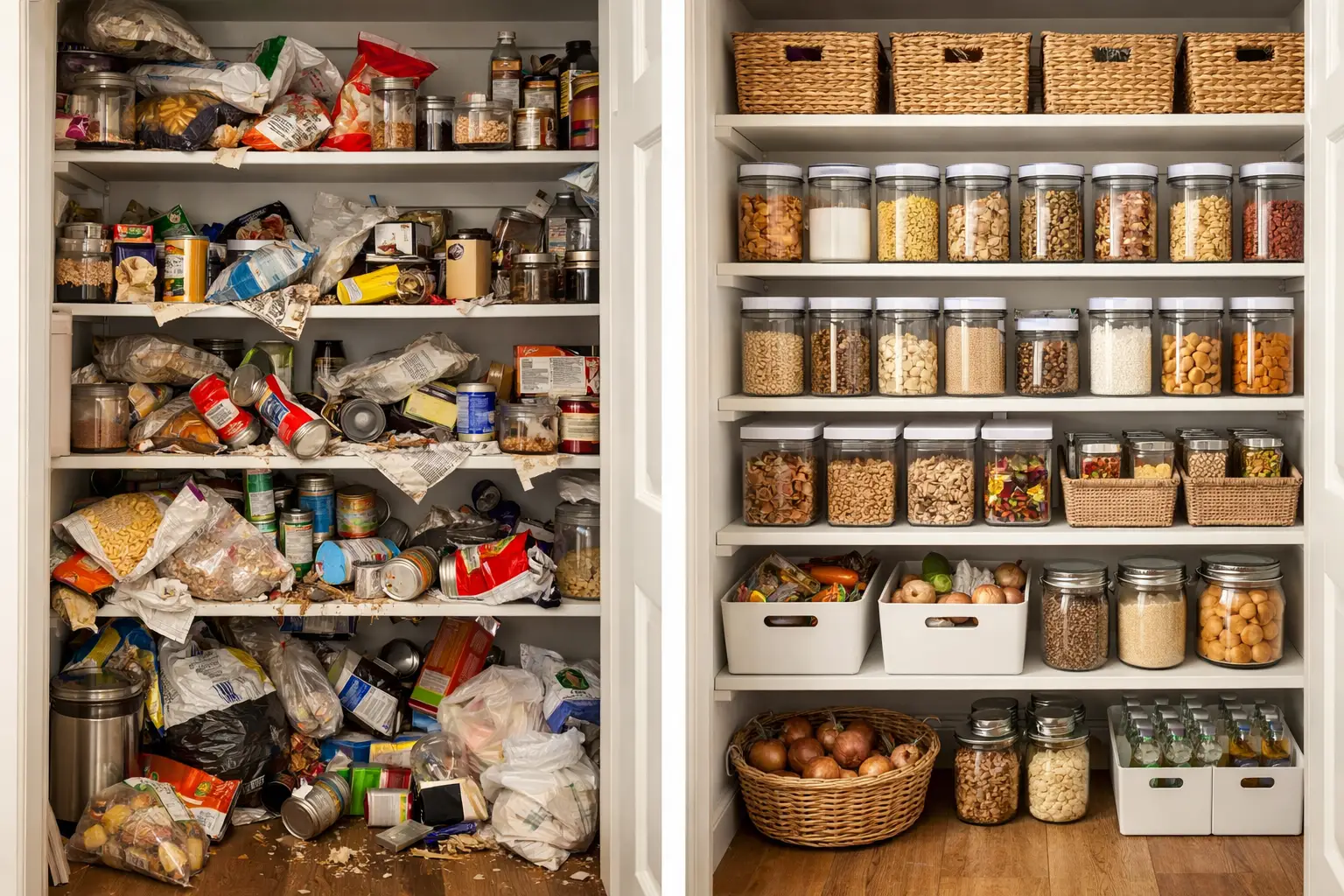
Before anything else, take everything out. Every can, every bag, every forgotten spice jar that expired two years ago. This step feels tedious, but it is the most important one. Take it all out, sort through your inventory, and start with a clean slate before putting a single item back.
Check expiration dates ruthlessly. Donate unexpired items you will not realistically use. Wipe down every shelf. This audit phase tells you exactly what you have, what you need, and what space you are actually working with.
Organize Your Pantry into Clear Zones
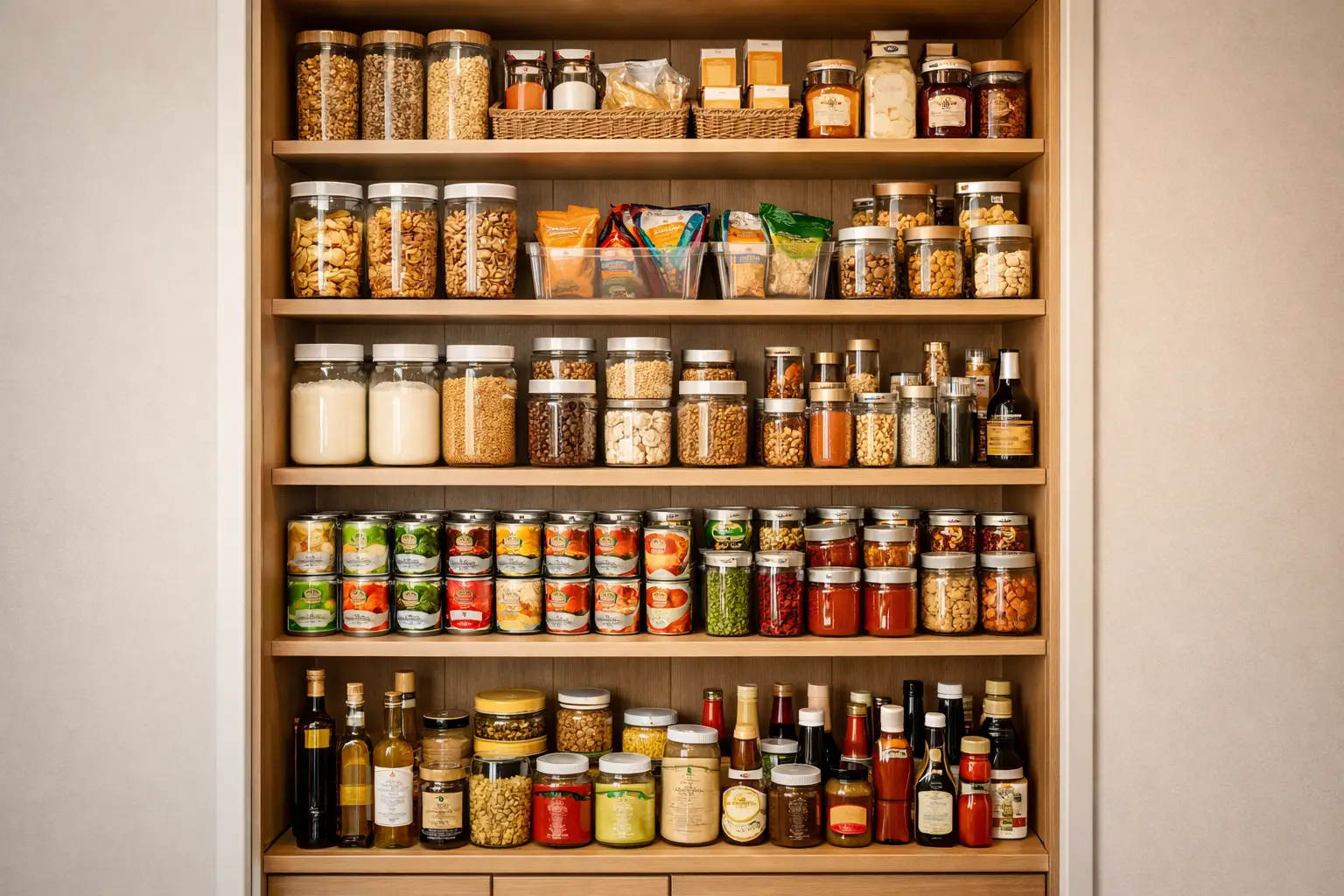
A well-zoned pantry divides your space into sections such as breakfast, snacks, meals, baking, sweets, condiments, and backstock. Each zone has a purpose, and every item in your pantry belongs to exactly one of those zones.
Use Clear Airtight Containers for Dry Goods
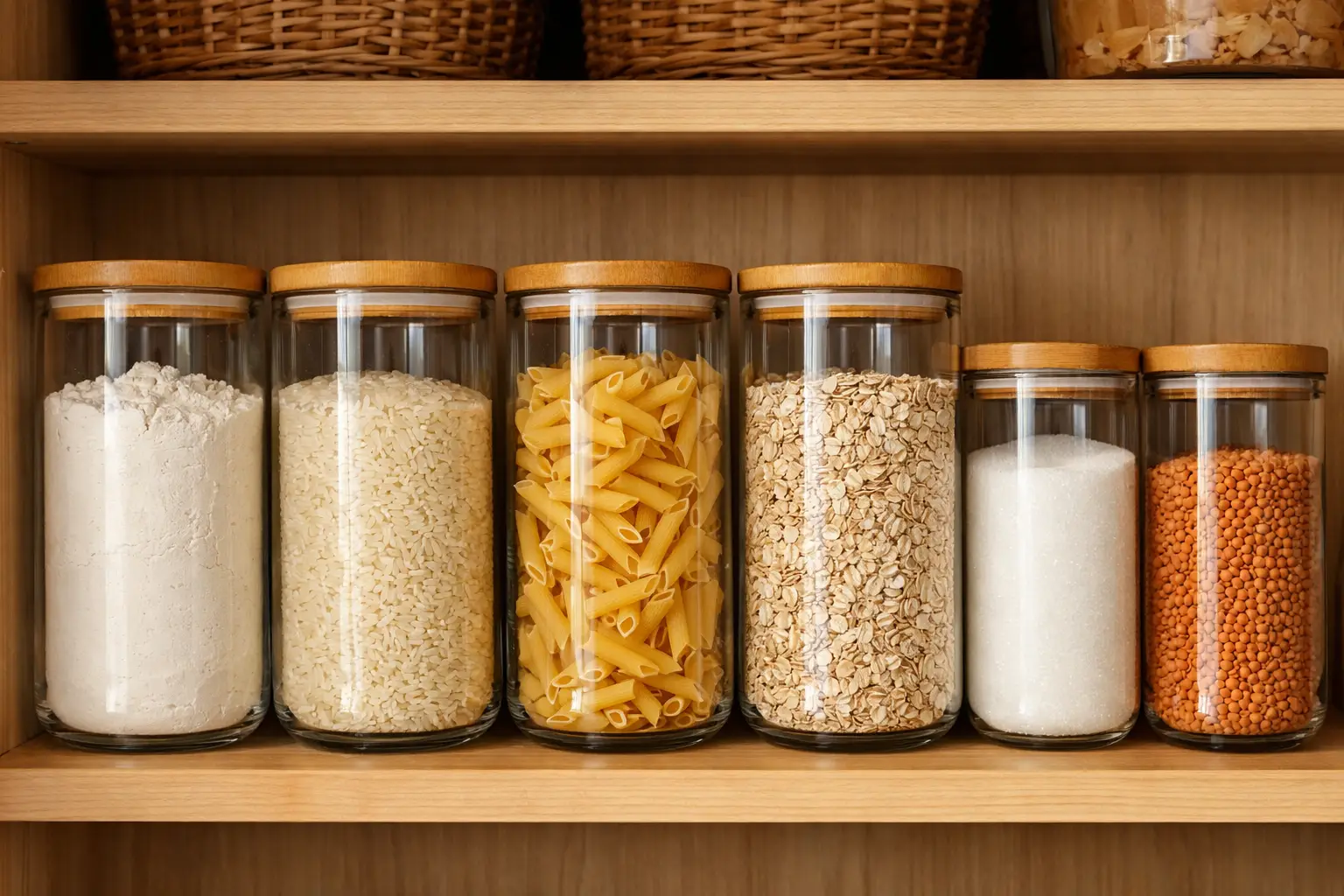
Transferring dry goods like flour, sugar, pasta, and cereal into clear, airtight containers with labels keeps the pantry tidy and lets you easily see when supplies are running low. This single habit eliminates half-open bags, stale ingredients, and the guesswork of wondering what is inside a generic packaging.
Glass jars work particularly well because they are durable, stackable, and visually clean. You are more likely to use an ingredient when you can see it, and that visibility also reduces the habit of buying duplicates.
Label Every Container and Shelf
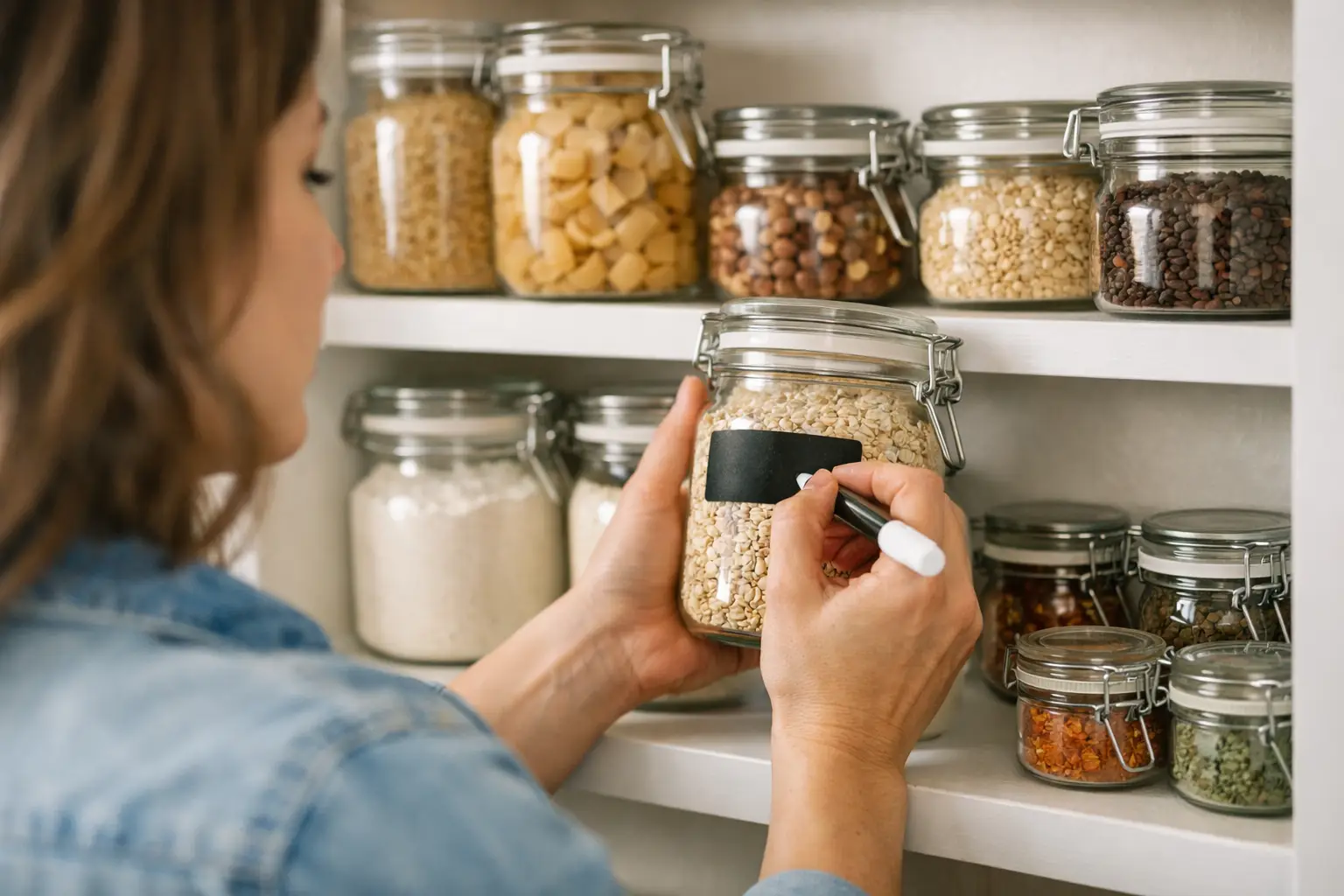
Labels are the glue that holds an organized pantry together. Without them, even the best storage system breaks down within weeks. Use a label maker, chalk labels, or printed stickers depending on your preference. Chalk labels are ideal for frequently changing items since the markings wipe off cleanly when something changes, such as when kids switch snack preferences or you swap between grain types.
Apply the FIFO Method to Avoid Wasted Food
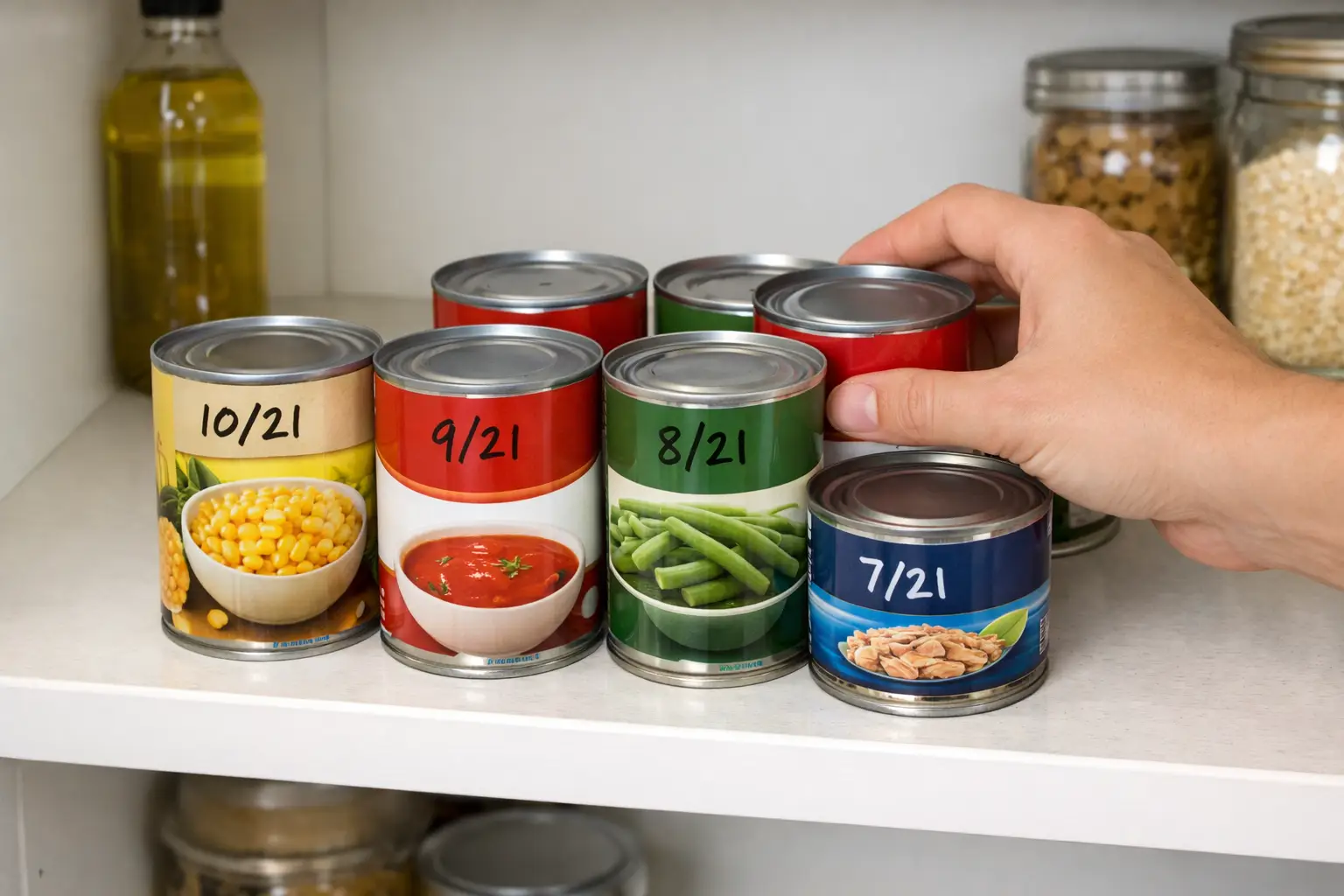
FIFO stands for First In, First Out. When you bring home new groceries, move older items to the front and place newer ones behind them. This simple rotation habit prevents food from expiring quietly at the back of the shelf and is the same method used in professional kitchens and grocery stores.
Maximize Vertical Space with Tiered Shelving
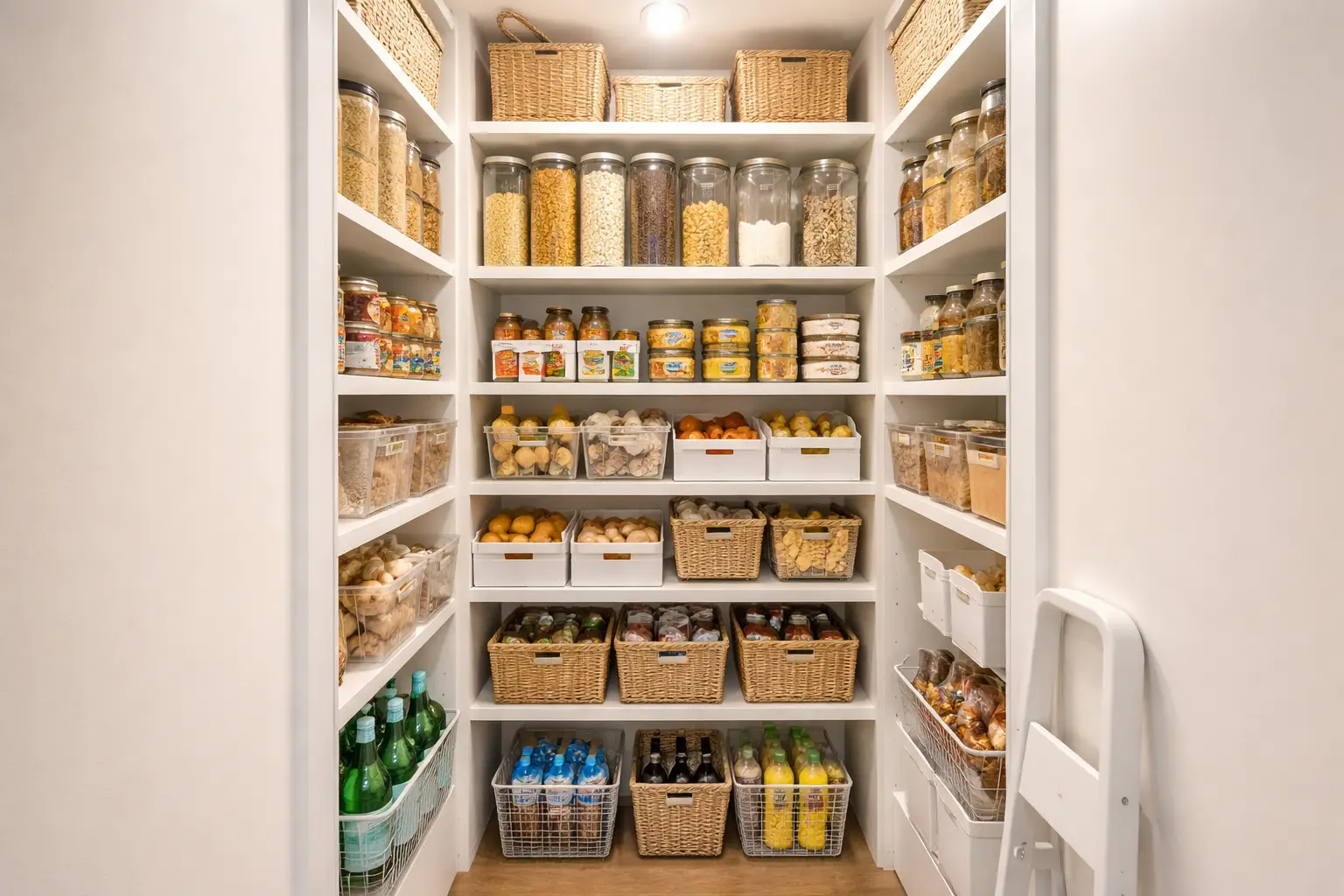
Installing adjustable shelving or using stackable storage solutions lets you take advantage of vertical space from floor to ceiling. Most pantries waste enormous amounts of vertical room by allowing too much air between shelves.
Use Lazy Susans in Corners and Deep Shelves
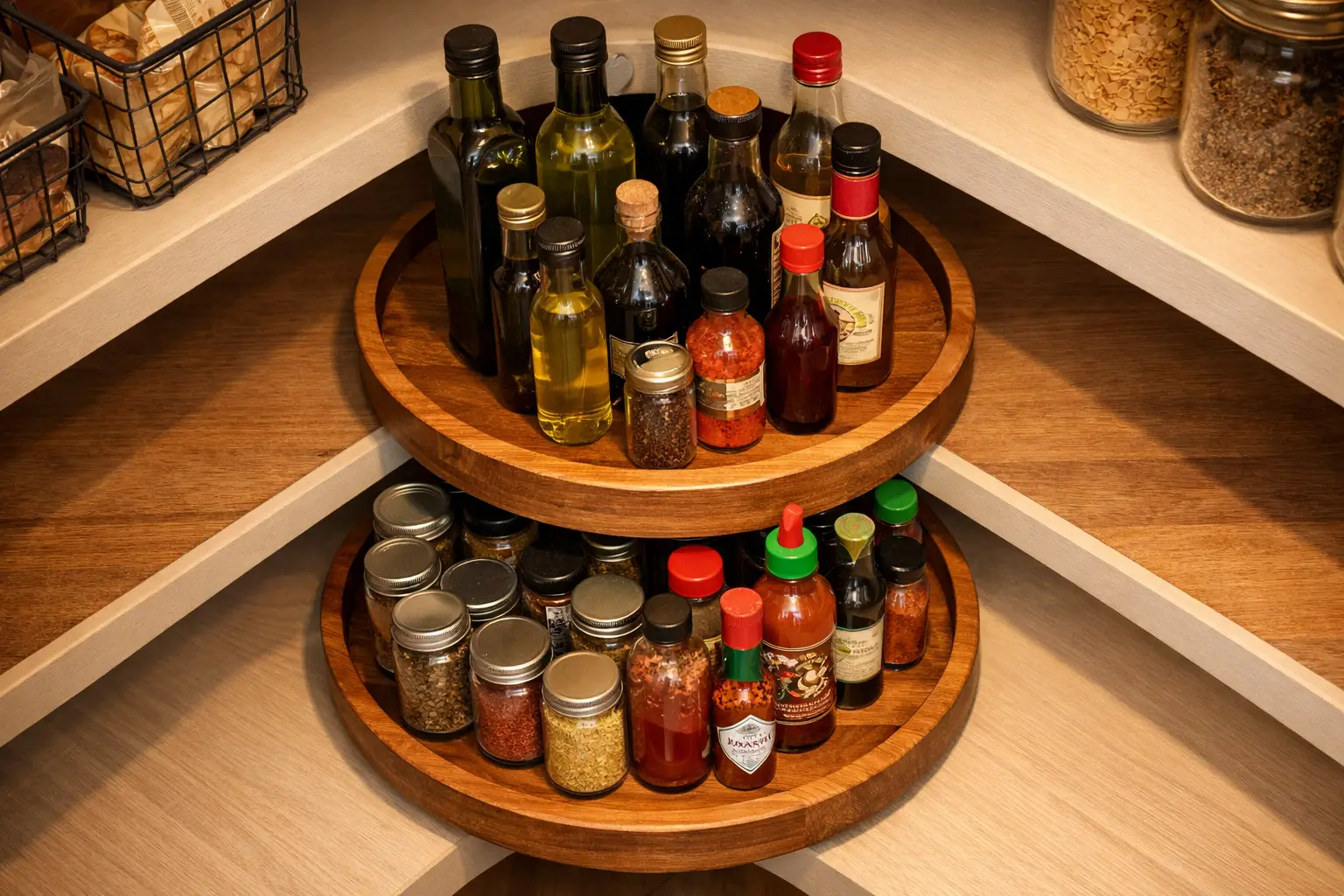
Corners are the most wasted space in any pantry. Using lazy susans in corners prevents items from being shoved in and forgotten. A simple spin brings everything into reach within seconds. They work especially well for oils, vinegars, condiments, and spice jars that tend to get buried.
Utilize the Back of the Pantry Door
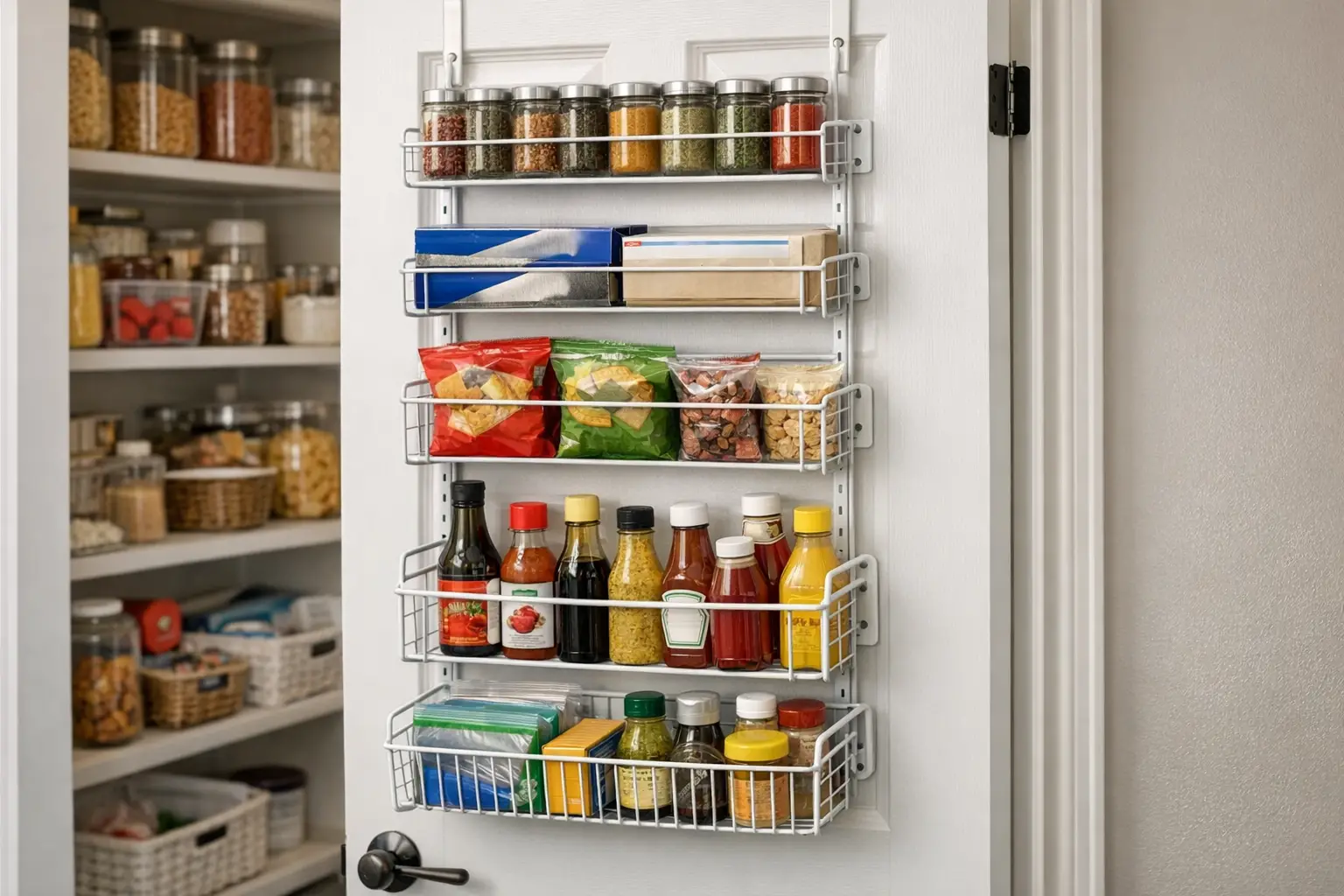
The back of the pantry door is free space that often goes unused, and hanging shelving systems there can hold a considerable amount without reducing shelf space inside. Over-the-door organizers come in various sizes and materials and can store spices, small condiment bottles, snack bags, or even foil and wrap rolls.
Group Canned Goods with Pull-Out Drawers or Risers
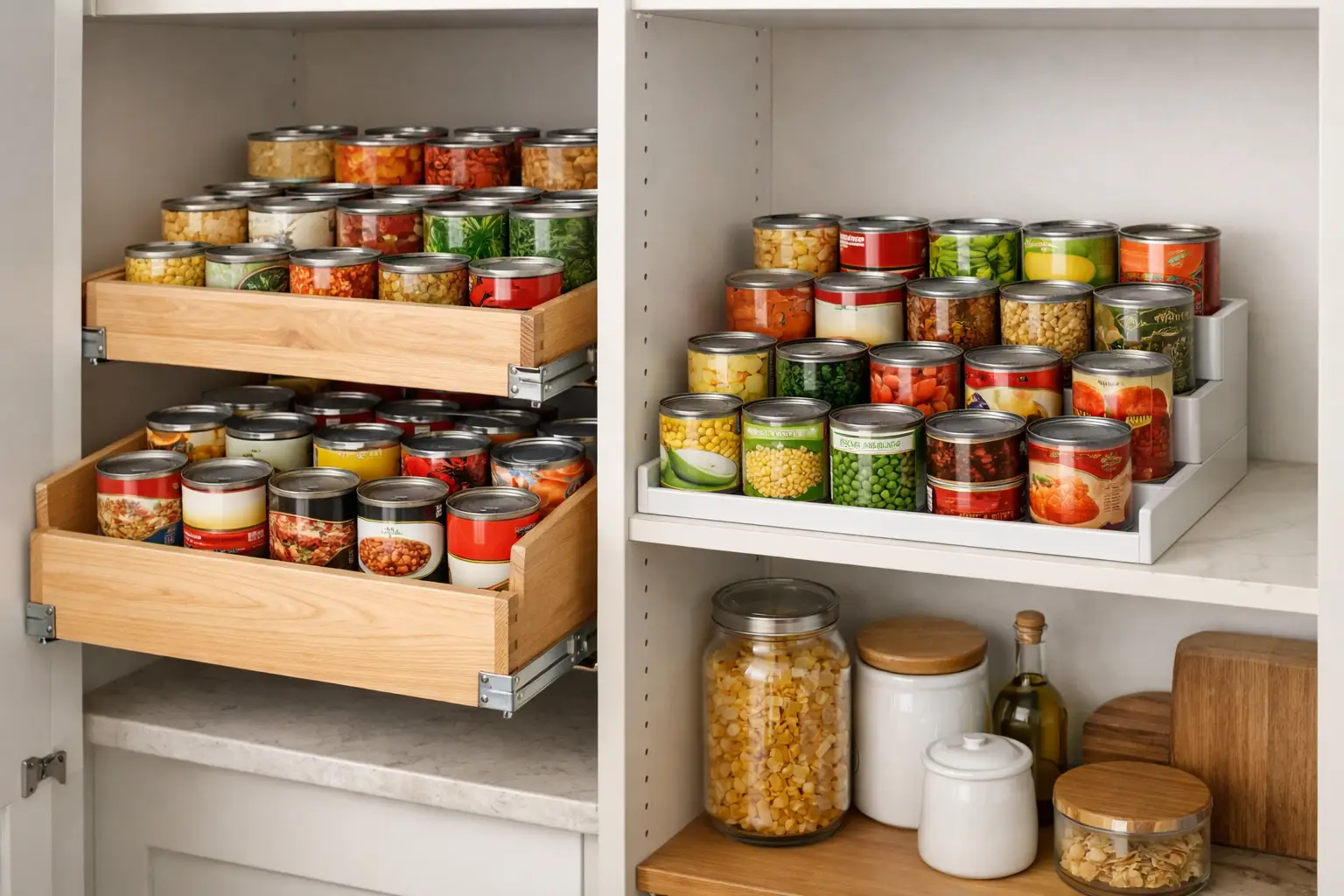
Deep shelves and canned goods are a frustrating combination. Cans get pushed to the back and forgotten. Pull-out drawers or sliding shelves solve the deep-shelf problem by bringing everything forward with one motion. If pull-out systems are not an option, simple tiered can risers at least make labels visible at a glance.
Create a Dedicated Snack Bin for Easy Access
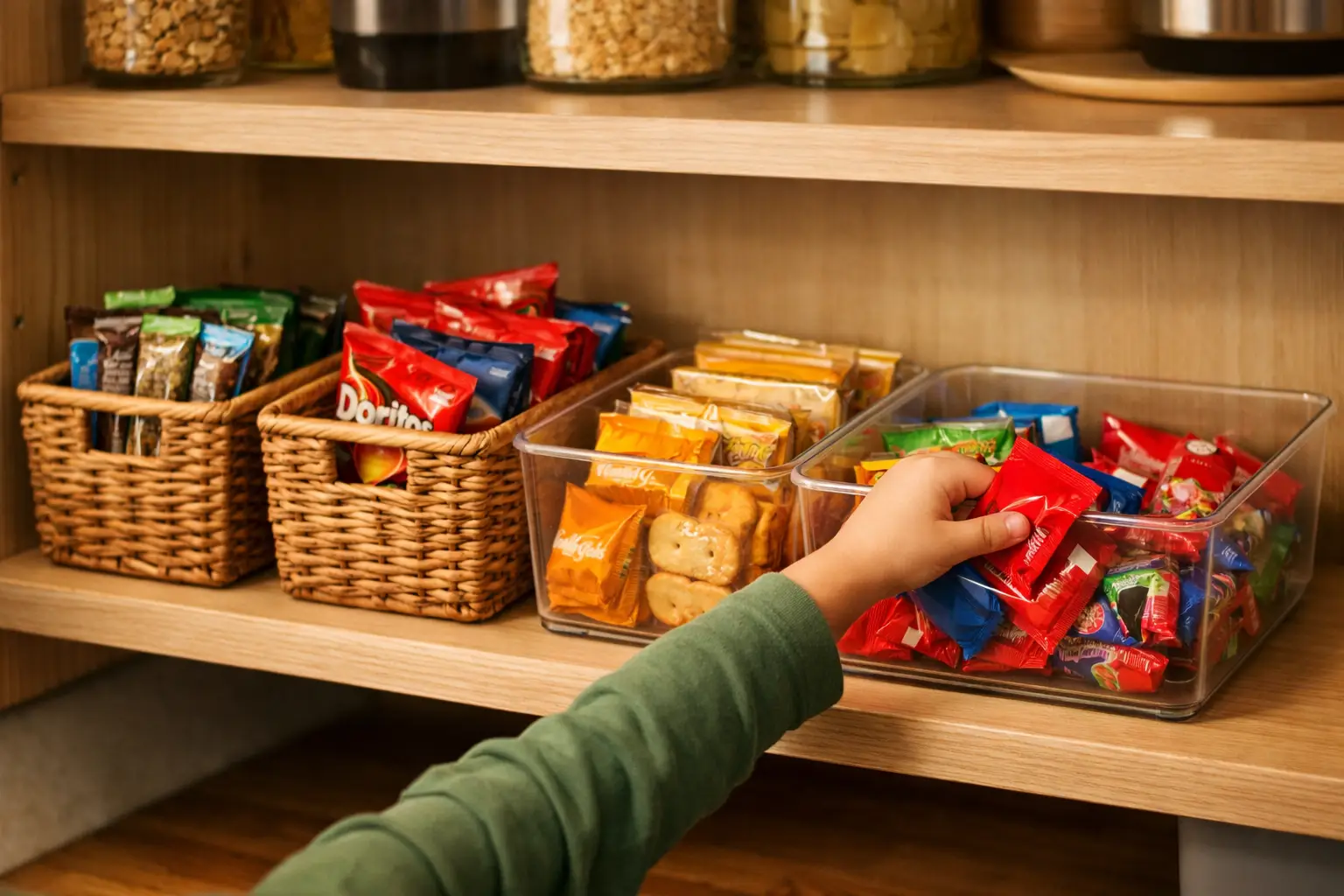
The top snack storage principle is accessibility, making it easy to grab what you want and equally easy to restock. Open-top bins or baskets work well for snack bags, granola bars, and chips. Place snack bins at a height that matches whoever reaches for them most, which may mean a lower shelf if children are frequent snackers.
Store Spices Separately and Intentionally
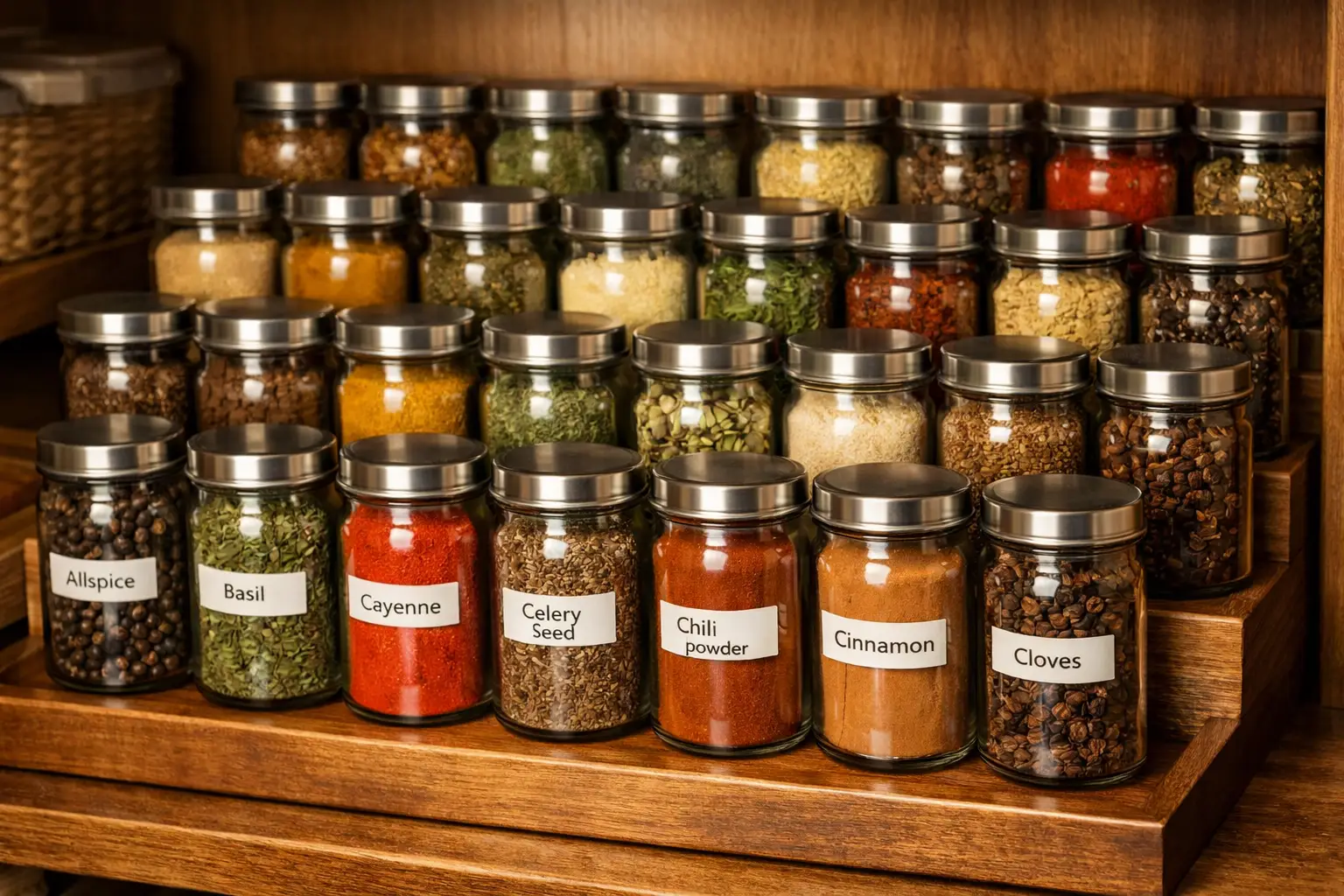
Spices deserve their own dedicated section. A drawer insert, a tiered spice shelf, or a wall-mounted magnetic rack all work well depending on your space. The key is keeping them visible and accessible, not buried behind taller items. Alphabetizing spices is one approach, but grouping by cuisine type works better for many cooks.
Keep Baking Supplies Together as One Unit
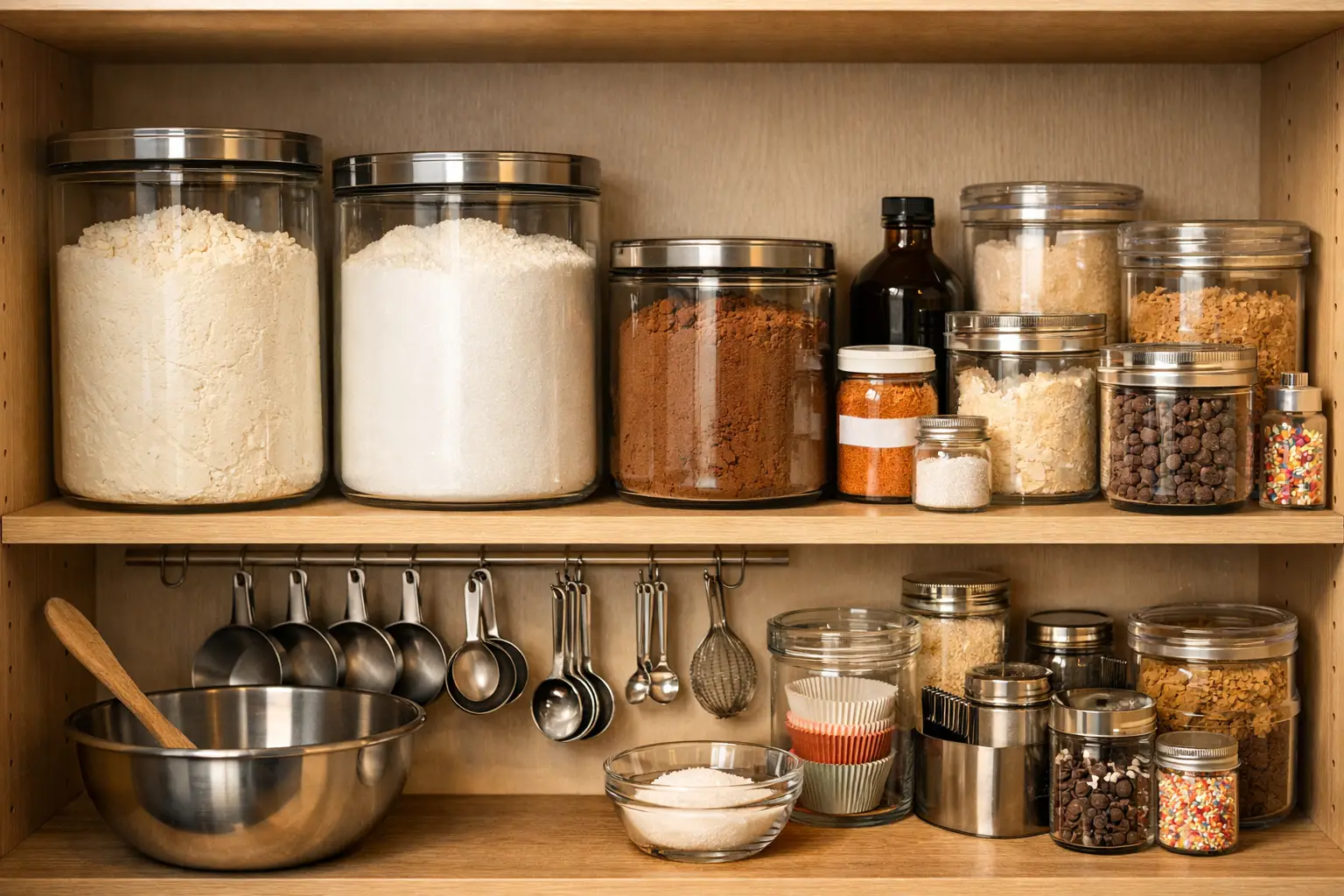
Bakers benefit greatly from keeping all baking supplies in one zone. Flour, sugar, baking soda, baking powder, cocoa powder, extracts, and measuring tools all belong together. When a recipe calls for multiple baking ingredients, you should be able to gather everything in one trip to the pantry, not three.
Establish a Backstock Area for Bulk Purchases
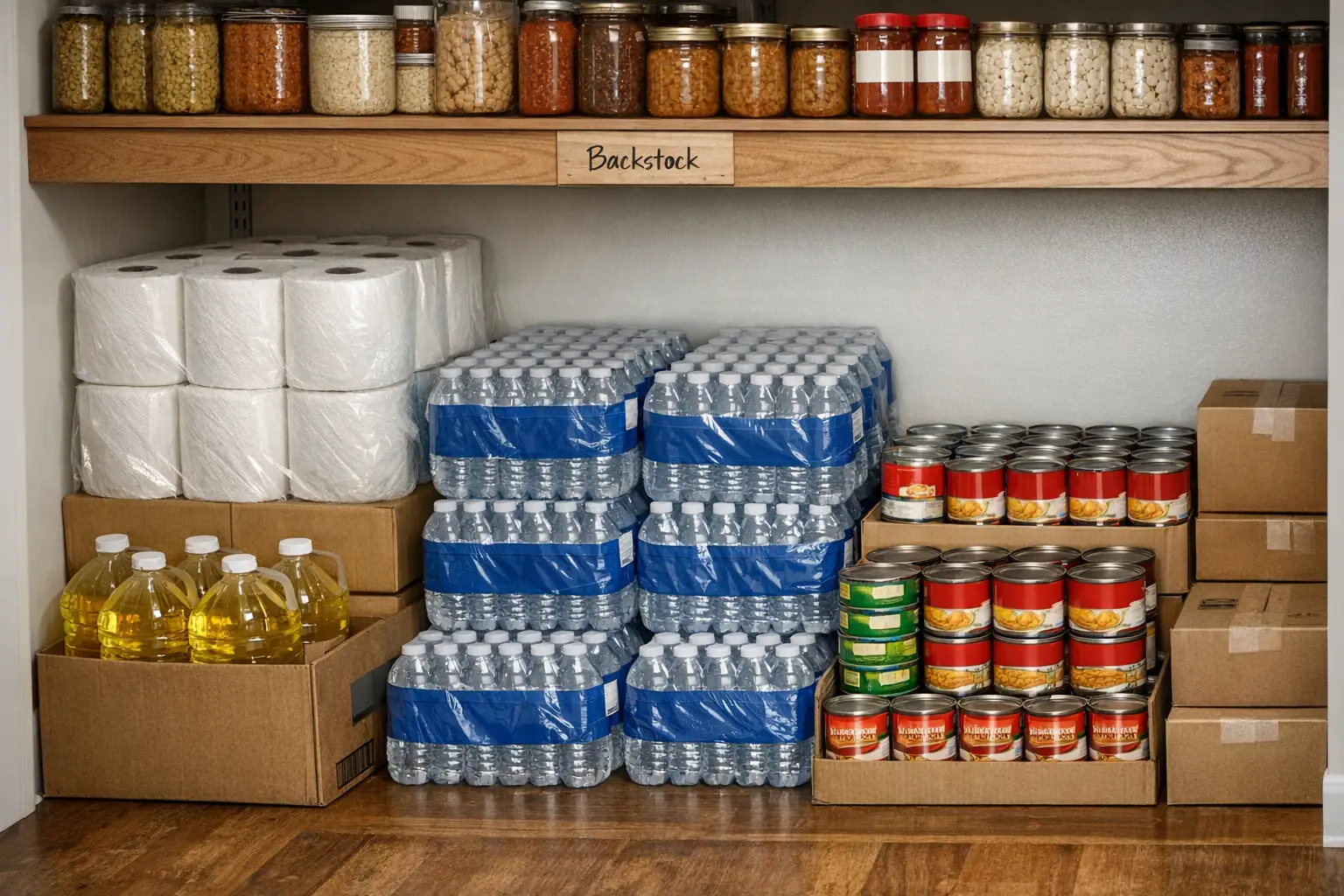
A backstock zone holds extras of frequently used items like bottled beverages, cooking oil, and paper towels. This area is not for daily use. It is a replenishment reserve, and it should be clearly separated from your active cooking zones. When the front line runs out, you restock from backstock. This habit eliminates emergency grocery runs.
Keep a Running Inventory or Grocery List Nearby
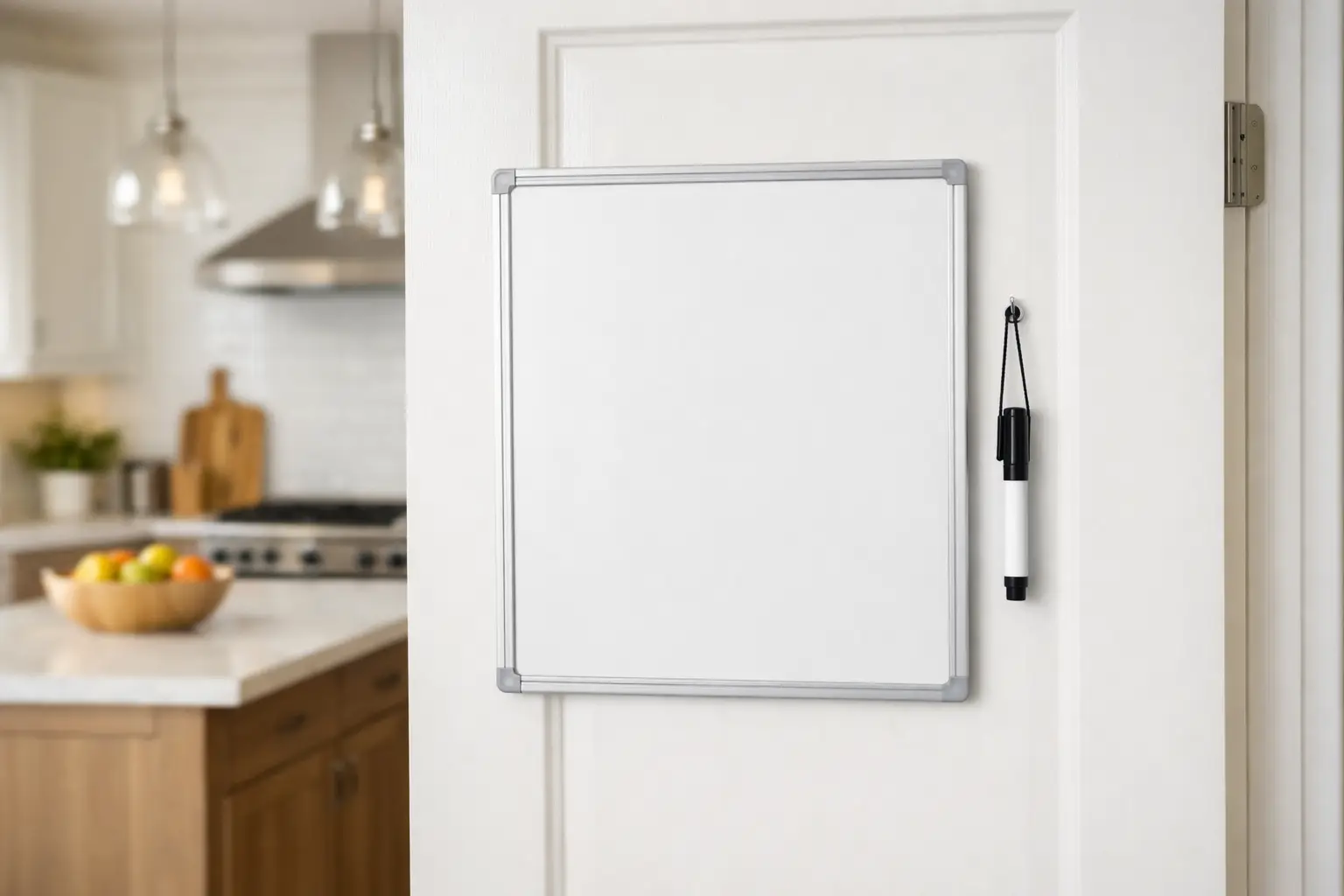
Tape a small notepad inside the pantry door or use a magnetic whiteboard on the exterior. When something runs out or drops to its last unit, write it down immediately. This prevents the habit of discovering an empty jar mid-recipe and removes the mental load of trying to remember what needs restocking before a shopping trip.
Do Not Store Non-Food Items in the Pantry
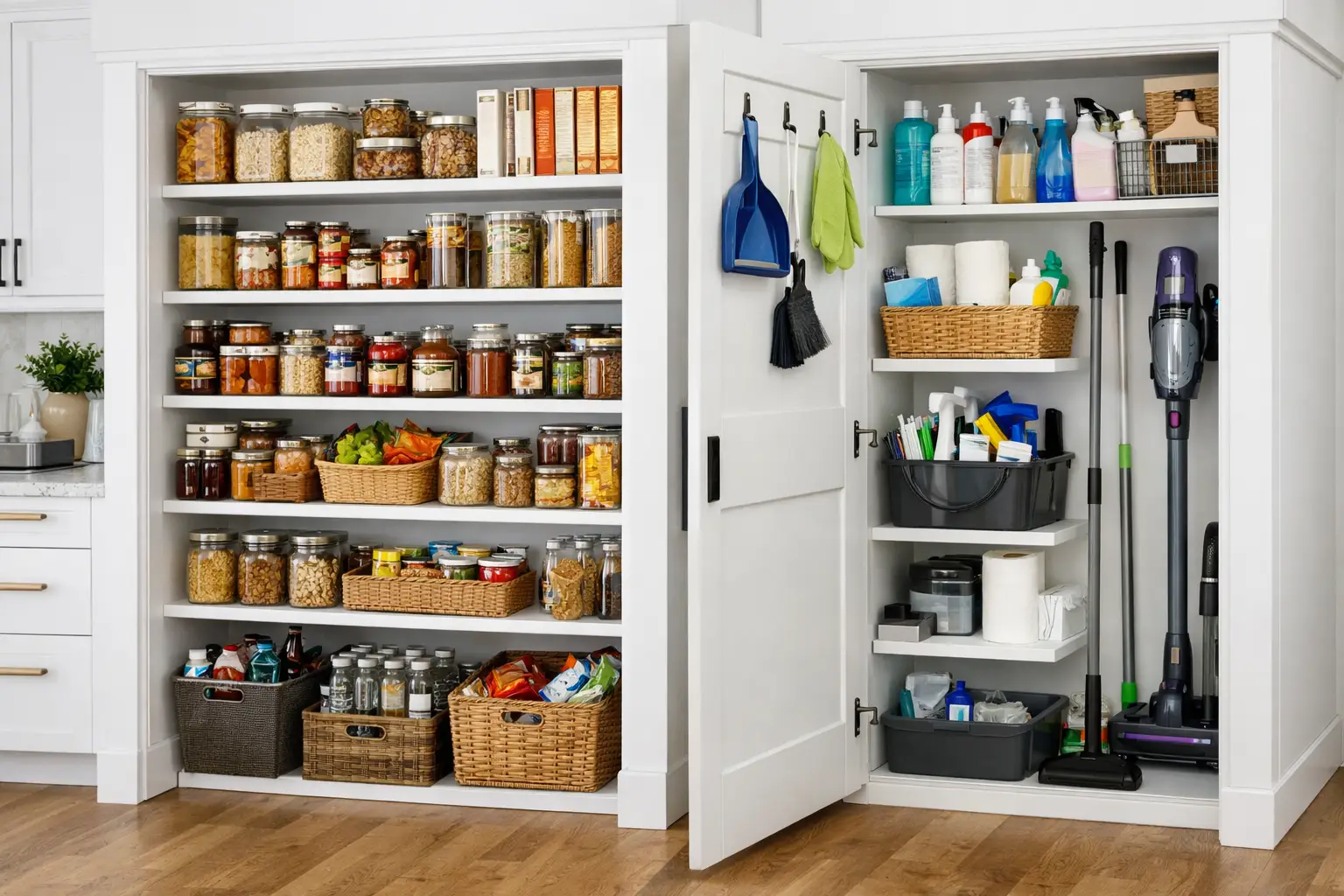
When space is limited, every inch must work hard, which means clearing out anything that does not belong, such as unused appliances or non-kitchen items that have drifted in over time. A DVD player in the pantry is an extreme example, but cleaning supplies, random tools, and craft supplies are common space thieves that belong elsewhere.
Store Produce Correctly to Prevent Early Spoilage
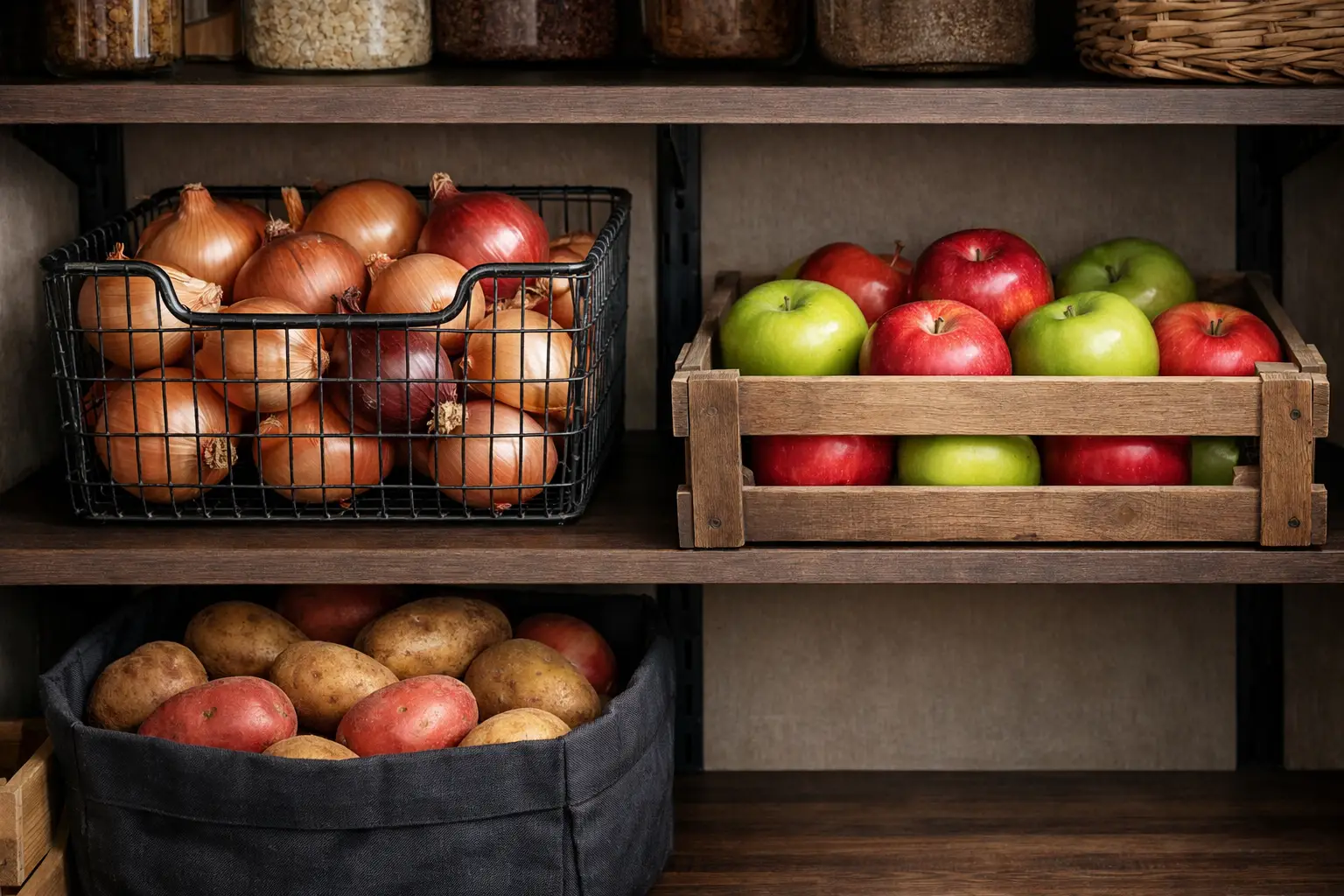
Some produce items are not compatible neighbors. Apples and potatoes should never be stored together, and potatoes and onions are best kept separated. Storing them incorrectly accelerates spoilage and costs money. A cool, dark, well-ventilated section of the pantry is ideal for most root vegetables and onions.
Schedule a Monthly Pantry Reset
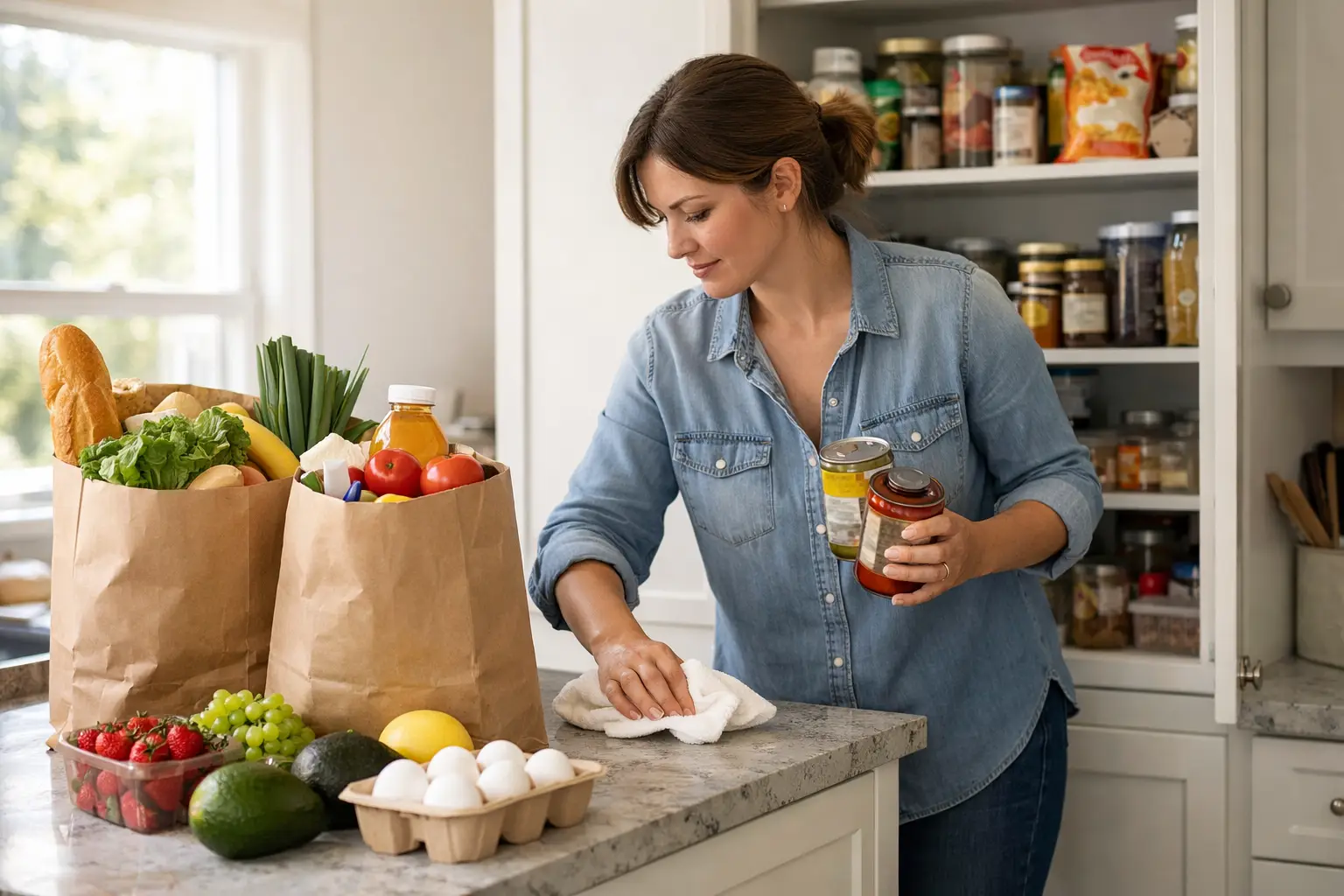
Schedule a monthly check to remove expired items, reorganize if necessary, and wipe down surfaces. This brief reset takes fifteen to twenty minutes and prevents the slow drift toward chaos that happens in even the most carefully organized pantries. Think of it as routine maintenance, not a full overhaul.
Match Storage Solutions to Your Actual Habits
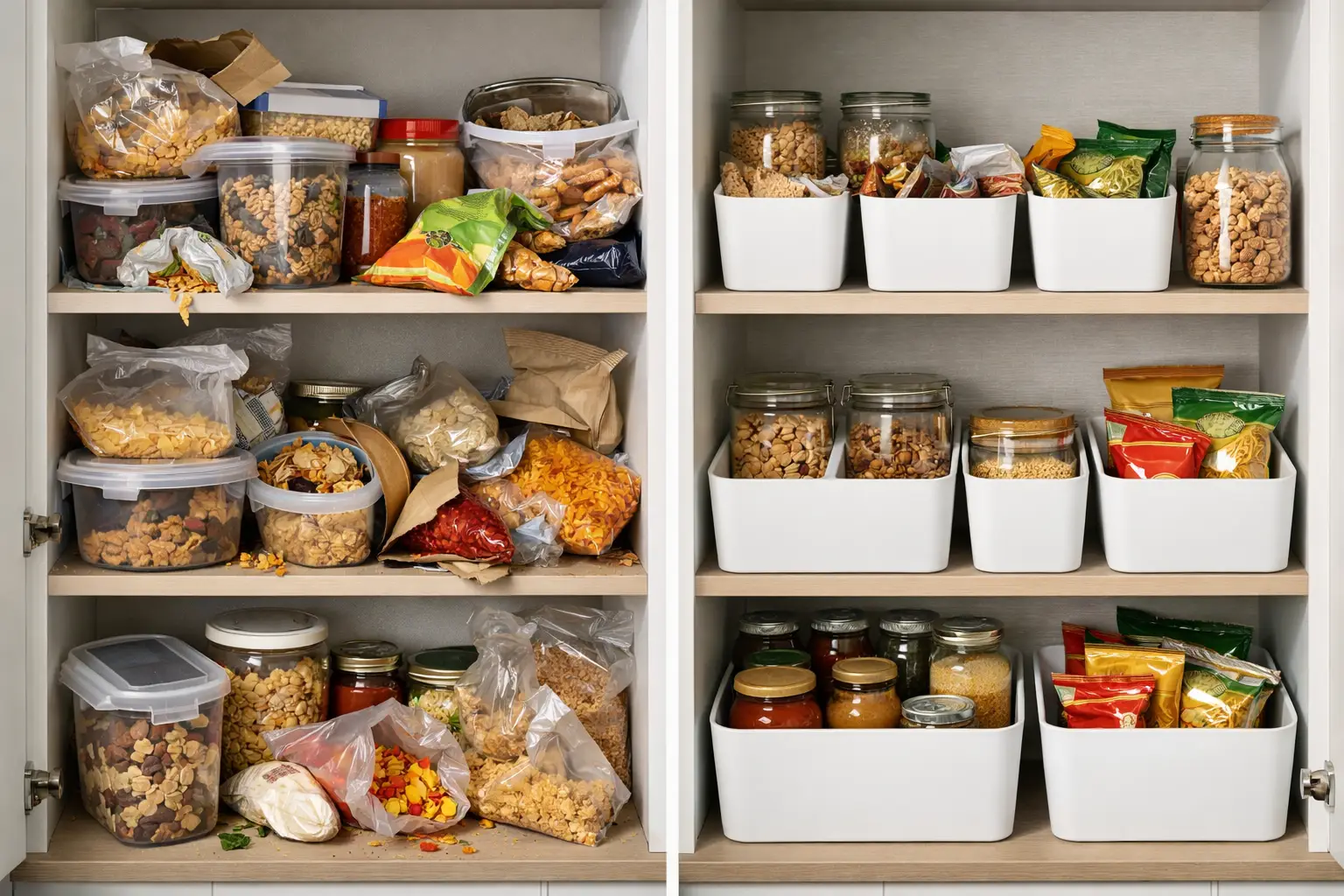
The most beautiful pantry system will fail if it does not match how you actually behave. If you rarely fold bags closed, use containers with lids. If you forget to check expiration dates, write them in marker on the front of containers before discarding original packaging. The best approach is to observe how you actually use your space before investing in storage products.
Plan Before You Purchase Any Organizers

Do not run out and buy containers hoping they will fit. Take time to plan, measure, and understand how you use your pantry before spending a single dollar on organization products. Many people end up with bins and baskets that are the wrong size, the wrong shape, or simply unnecessary for their actual needs. Measure shelves, count items per category, and then buy with intention.
Conclusion:
A pantry that works is worth far more than a pantry that simply looks good. The habits described in this article are not about achieving a perfect photograph-ready space. They are about reducing the small daily frictions that accumulate into real stress and financial waste over time.
Start with one or two changes, whether that is creating clear zones, investing in airtight containers, or establishing a monthly reset habit. Over time, these small decisions compound into a pantry that genuinely makes your life easier every single day. When your pantry works for you, cooking becomes faster, grocery shopping becomes smarter, and the kitchen becomes a calmer place to be.
You can may also like this:How to Create an 16 Earthy Bedroom Retreat ideas
Frequently Asked Questions
Q1. How often should I organize my pantry?
A full pantry overhaul every three to six months is reasonable for most households. A brief monthly reset of fifteen to twenty minutes keeps things from drifting into disorder between deep cleans.
Q2. What are the best containers for pantry organization?
Clear airtight containers in glass or BPA-free plastic work best for dry goods. Open-top bins suit snacks, and stackable canisters work well for baking staples. The right container depends on what you store and how frequently you reach for it.
Q3. How do I keep my pantry organized if I have a small space?
Focus on vertical storage, over-the-door organizers, and under-shelf baskets. Be strict about what belongs in the pantry and avoid storing non-food or rarely used items there. Every shelf should earn its place.
Q4. Does pantry organization really save money?
Yes, directly. When you can see everything you own, you stop buying duplicates. When food is stored correctly and rotated with the FIFO method, less food expires and gets thrown away. Many organized households report a noticeable drop in weekly grocery spending.
Q5. Should I label everything in my pantry?
Label anything that could be confused with something else or that changes contents over time, such as flour versus cornstarch, or seasonal snack bins. You do not need to label every single item, but labels on containers and zone sections prevent the gradual disorder that comes from items drifting out of place.