
Introduction
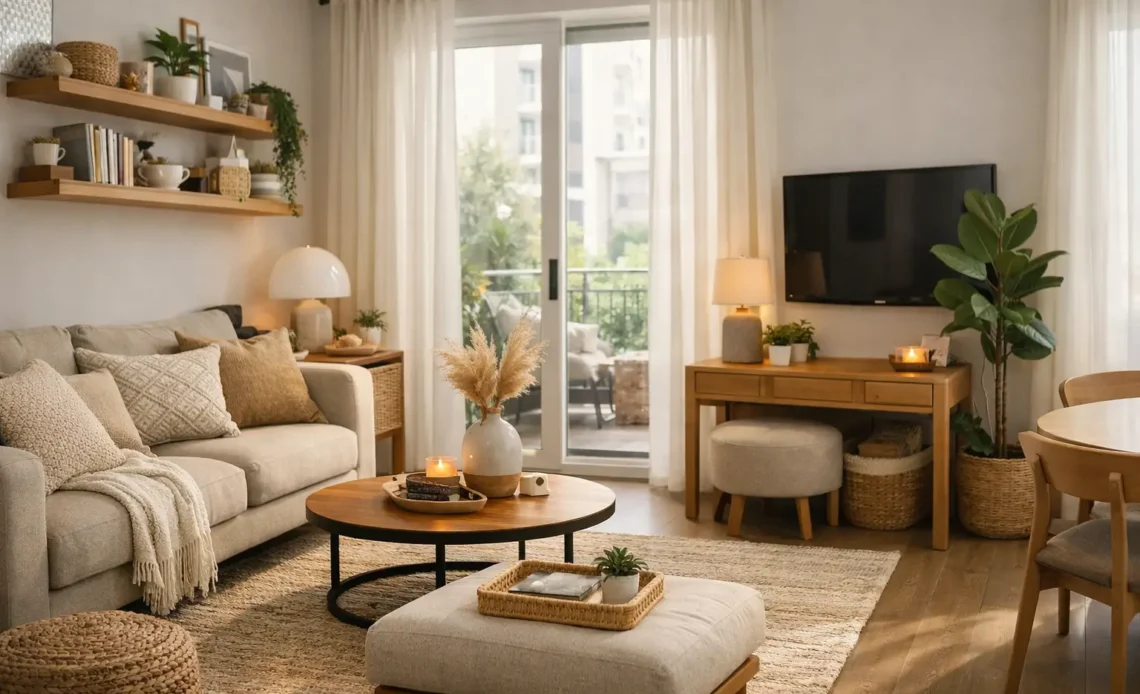
Moving into an apartment often comes with a familiar set of challenges: limited square footage, restrictions from landlords, oddly shaped rooms, and the constant pressure to make a rented space feel like it genuinely belongs to you. The good news is that none of these challenges are as limiting as they first appear. With the right apartment decorating tips, even the smallest, most forgettable unit can become a space you are proud to call home. Whether you are a first-time renter or simply ready to give your current place a fresh start, these 20 practical and proven strategies will help you decorate with intention, personality, and style.
Start With a Clear Vision Before You Buy Anything
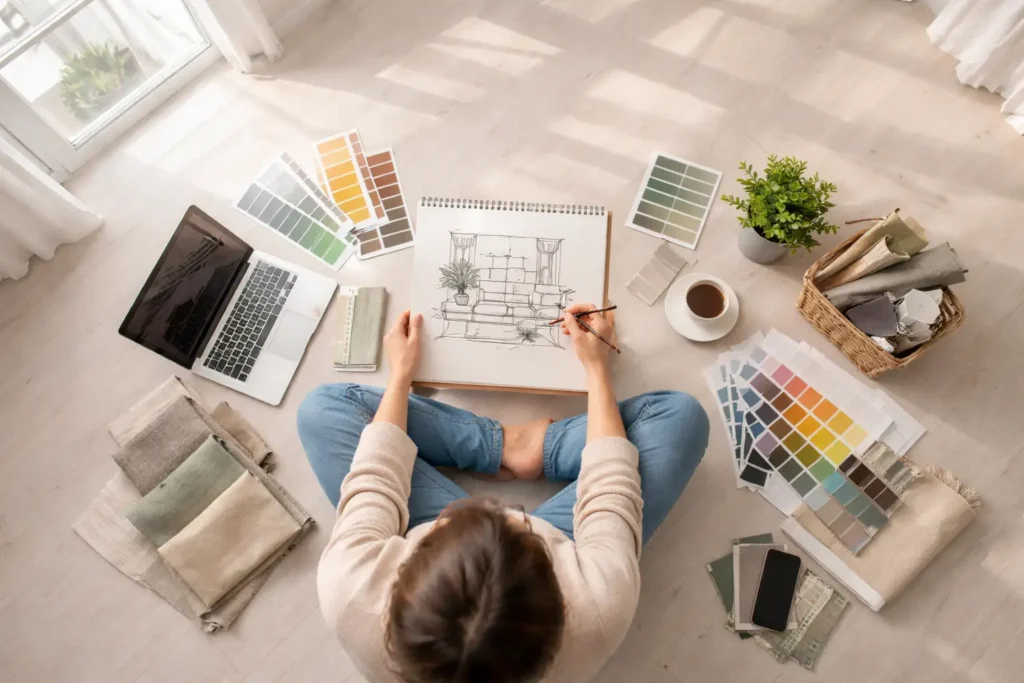
The single biggest decorating mistake people make is rushing out to buy furniture and accessories the moment they get their keys. Before spending a single dollar, spend a few days living in the space. Walk through it at different times of day. Notice where the light falls in the morning, how the rooms feel in the evening, and which areas naturally draw your attention. This awareness will save you from costly impulse purchases that do not serve the space. Sketch a loose floor plan, identify your priorities, and establish a color direction before anything else.
Choose a Neutral Base and Build From There
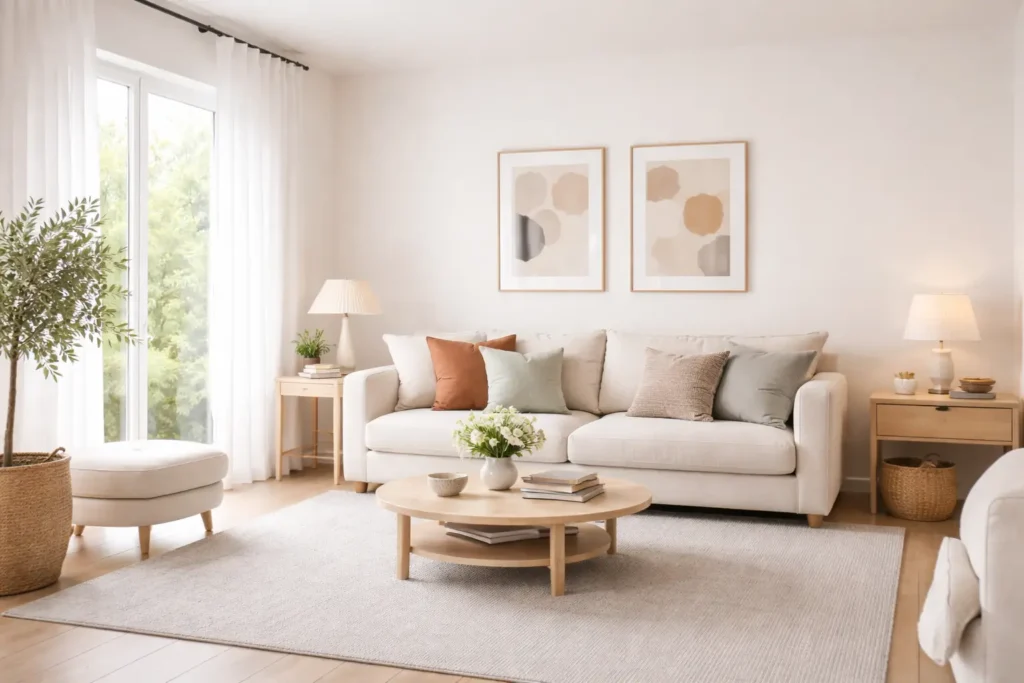
A neutral color palette forms the foundation of nearly every well-decorated apartment. Shades of white, warm beige, soft gray, and muted taupe work on walls, large furniture pieces, and flooring because they create a calm, cohesive backdrop that makes a space feel larger and more open. Once your base is established, layering in color through cushions, throws, artwork, and accessories becomes much easier and far less risky. Neutrals also photograph beautifully, which matters more than most renters realize.
Use Mirrors to Expand Every Room
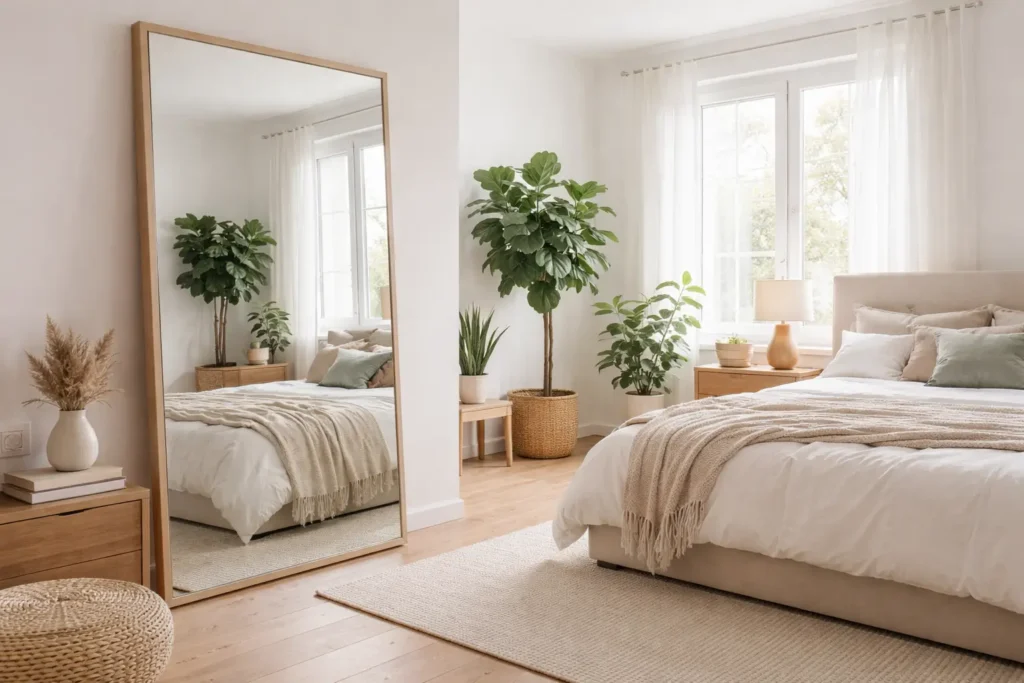
Mirrors are one of the most underrated tools in apartment decorating. A large mirror placed opposite a window can effectively double the amount of natural light in a room while making the space feel significantly more expansive. A floor-length mirror in a narrow hallway or bedroom eliminates the claustrophobic feeling that tight spaces often carry. Grouped smaller mirrors used as wall art add depth and visual interest without taking up any floor space at all.
Invest in Multi-Functional Furniture
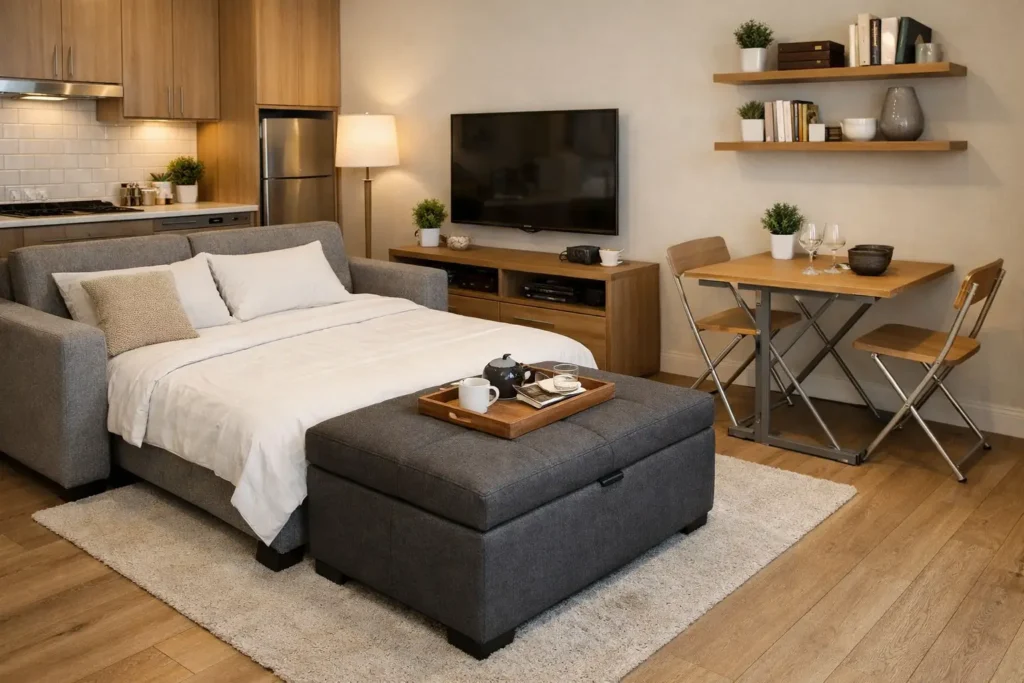
In a small apartment, every piece of furniture should earn its place by serving more than one purpose. A storage ottoman doubles as a coffee table and hidden organization solution. A sofa bed handles both lounging and guest sleeping. A dining table with folding leaves works for daily meals and larger dinner parties alike. A bed frame with built-in drawers eliminates the need for a separate dresser. Choosing furniture this way allows you to live comfortably without overcrowding your square footage.
Define Zones With Area Rugs
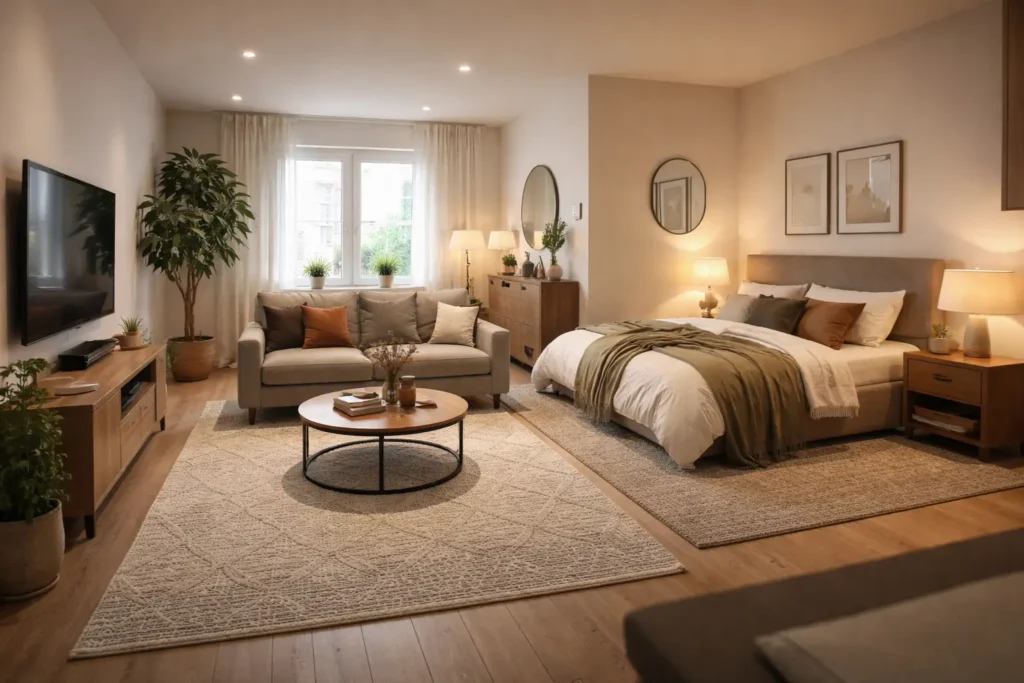
Open-plan apartments can feel shapeless without some visual separation between living, dining, and sleeping areas. Area rugs are the simplest and most affordable way to establish these zones without building walls or making permanent changes. Place a rug under your sofa and coffee table to anchor the living area. Use a different rug under the dining table to set that zone apart. In a studio apartment, a rug beneath the bed creates a clear boundary between your sleeping and living spaces. Choose rugs that complement each other in tone but vary slightly in pattern or texture for a layered, designer look.
Maximize Vertical Space With Shelving
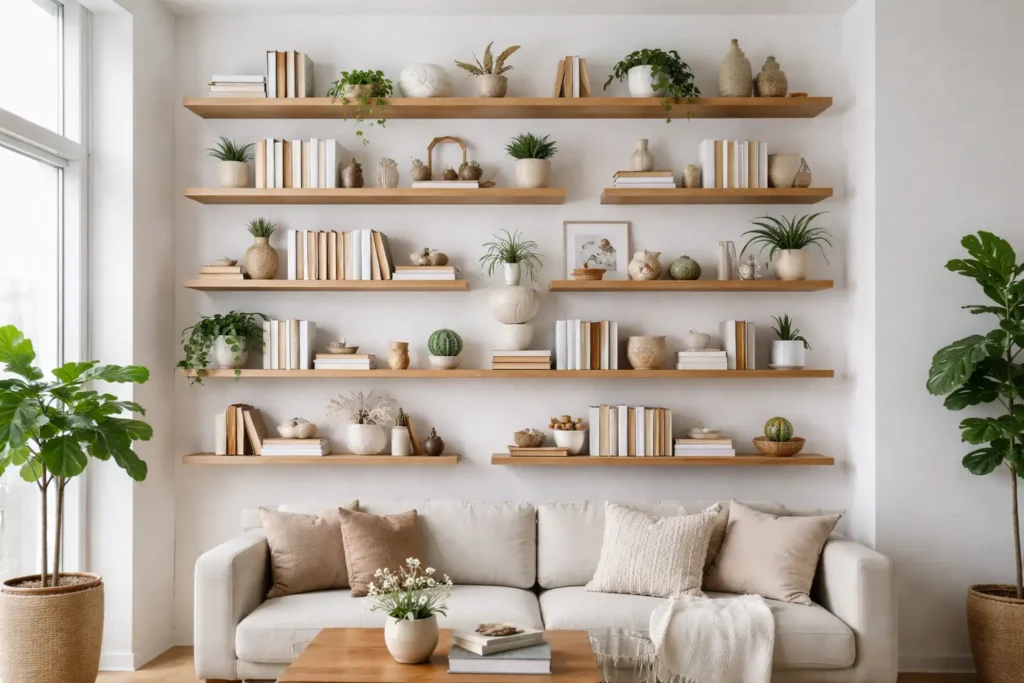
Most renters think horizontally when it comes to storage and display, which means they leave enormous amounts of usable wall space completely empty. Installing floating shelves high on the walls draws the eye upward, making ceilings feel taller, and provides valuable real estate for books, plants, decorative objects, and everyday items. Tall bookcases serve the same purpose while adding architectural interest. In kitchens, open wall shelving above counters can hold dishes, glassware, and pantry staples with both function and style.
Layer Your Lighting for Depth and Warmth
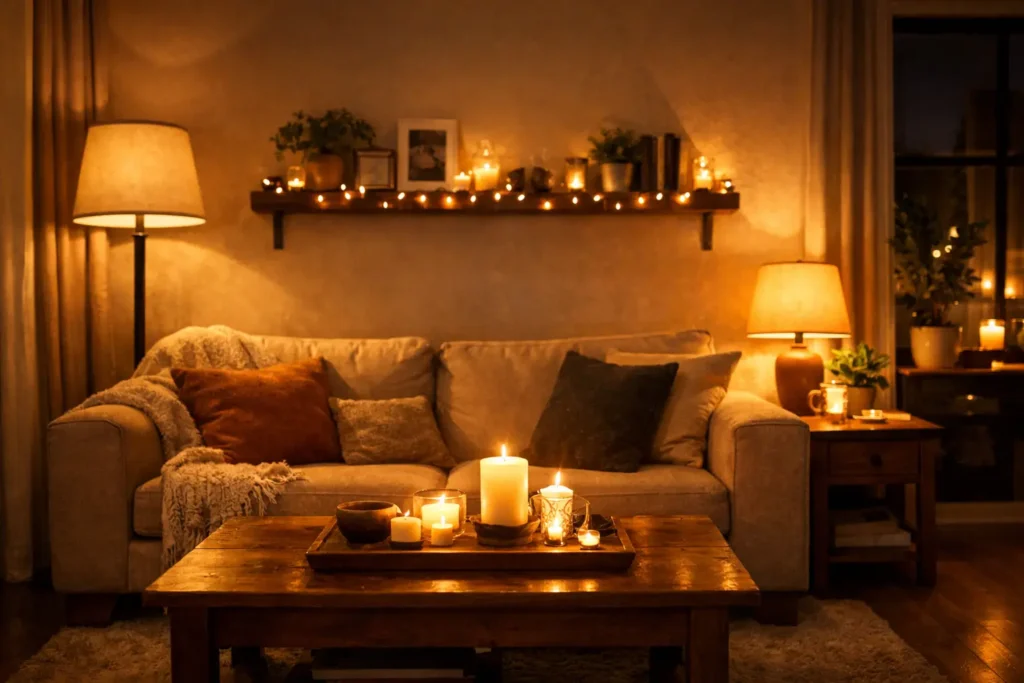
Overhead lighting alone creates flat, unflattering illumination that makes apartments feel more like offices than homes. The key to creating warmth and depth is layering multiple light sources at different heights. Table lamps on side tables and consoles provide soft, ambient light at eye level. Floor lamps in corners illuminate dark pockets of the room. Under-cabinet lighting in kitchens adds both functionality and mood. Candles and fairy lights introduce an intimate glow that transforms the entire atmosphere of a space, especially in the evenings.
Hang Curtains High and Wide
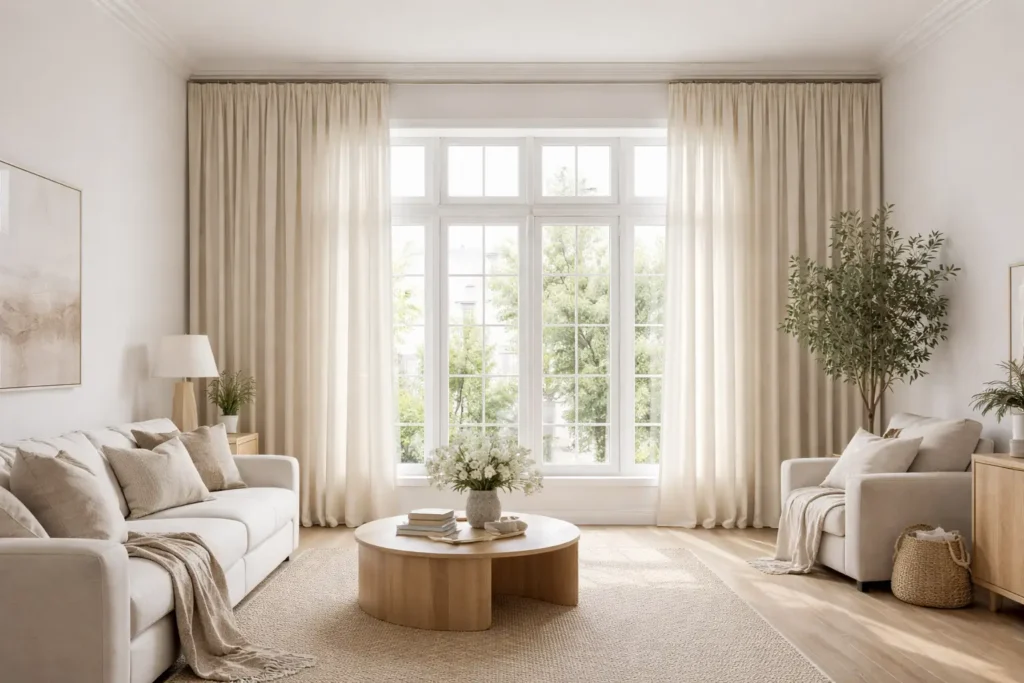
One of the most transformative and least expensive decorating tricks available is to hang curtains well above the actual window frame, ideally close to the ceiling, and to extend the curtain rod several inches beyond each side of the window. When the curtains are drawn open, they frame the window without covering the glass, allowing maximum light in. When closed, they create the illusion of much taller, wider windows. This single adjustment can make an average-sized room feel genuinely grand.
Create a Gallery Wall for Personality
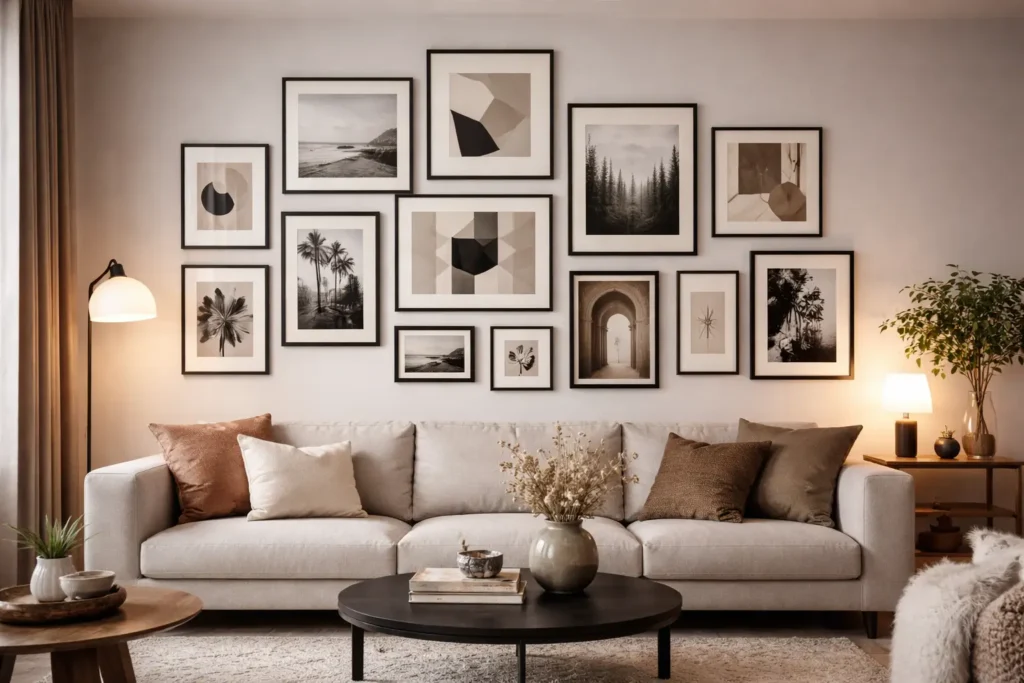
Blank walls are one of the most common complaints in apartment living, and a gallery wall is the most rewarding solution. Grouping a collection of artwork, photographs, prints, and even decorative objects together on one wall creates a strong focal point that communicates personality and thoughtfulness. The key is to lay everything out on the floor first, experiment with arrangements until the grouping feels balanced, and then commit to hanging everything together as a cohesive composition rather than adding pieces one at a time.
Use Peel-and-Stick Wallpaper for Impact
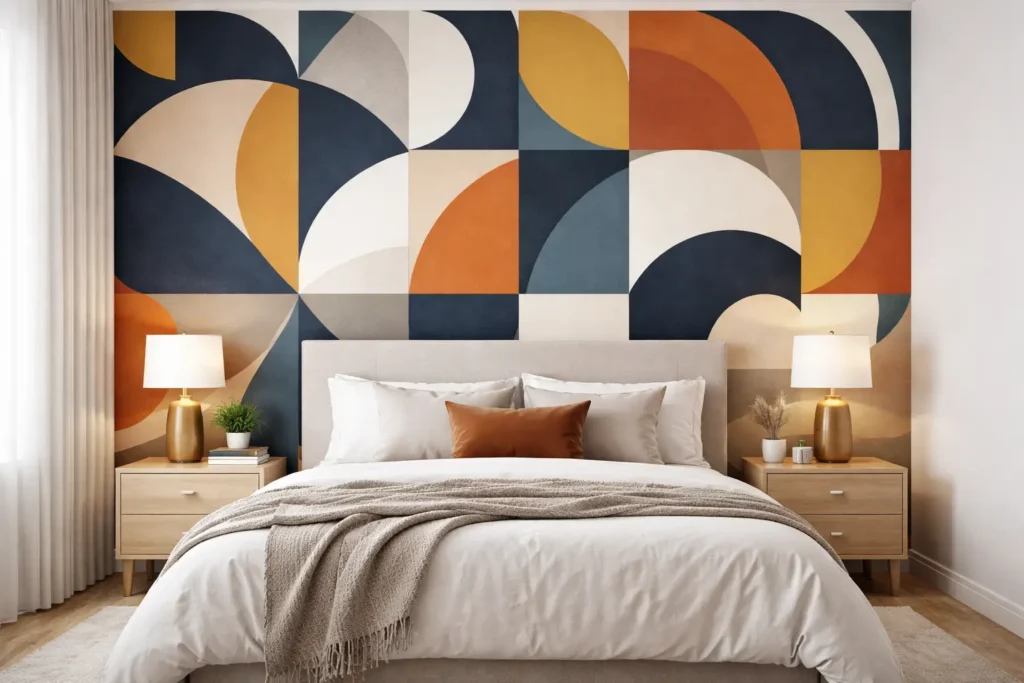
Traditional wallpaper is typically off-limits in rental apartments because of the damage it causes to walls. Peel-and-stick wallpaper solves this problem entirely. It applies cleanly, removes without leaving residue, and comes in thousands of patterns ranging from subtle linen textures to bold geometric prints. A single accent wall behind a bed or sofa with a striking peel-and-stick pattern can completely transform the visual identity of a room with minimal effort and zero commitment.
Bring the Outdoors In With Plants
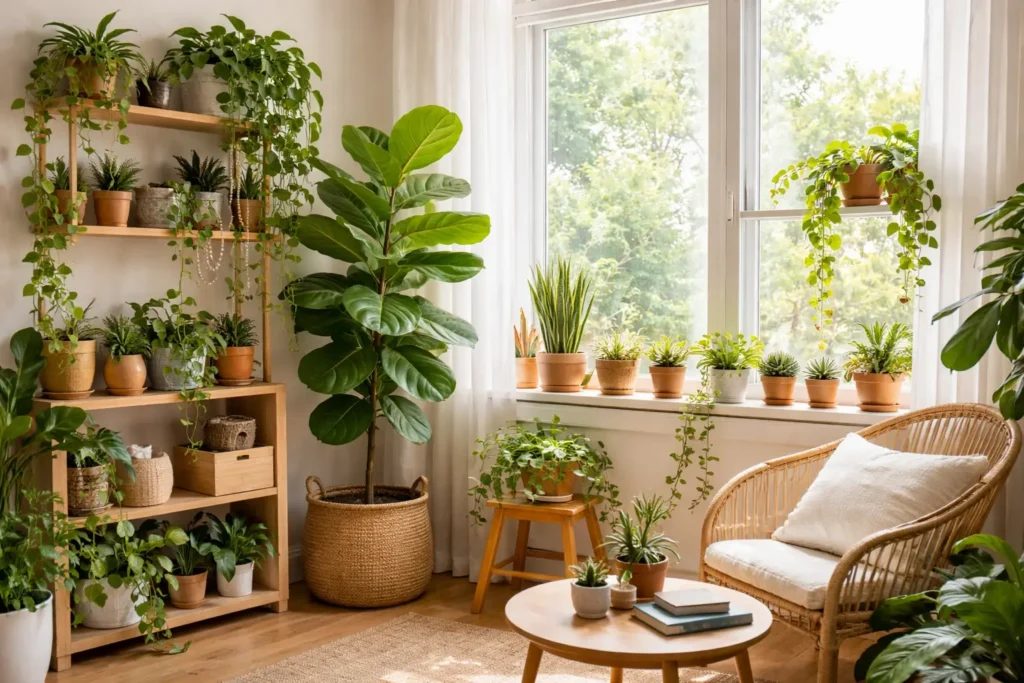
Indoor plants do more for an apartment than any single piece of decor. They introduce color, texture, organic shapes, and life into spaces that would otherwise feel static and manufactured. A large fiddle-leaf fig or monstera in a living room corner creates a dramatic focal point. Trailing pothos on high shelves adds softness and movement. A collection of small succulents on a windowsill brings charm without demanding much care. Even if you do not consider yourself a plant person, starting with one or two low-maintenance varieties can shift the entire energy of your home.
Declutter Before You Decorate
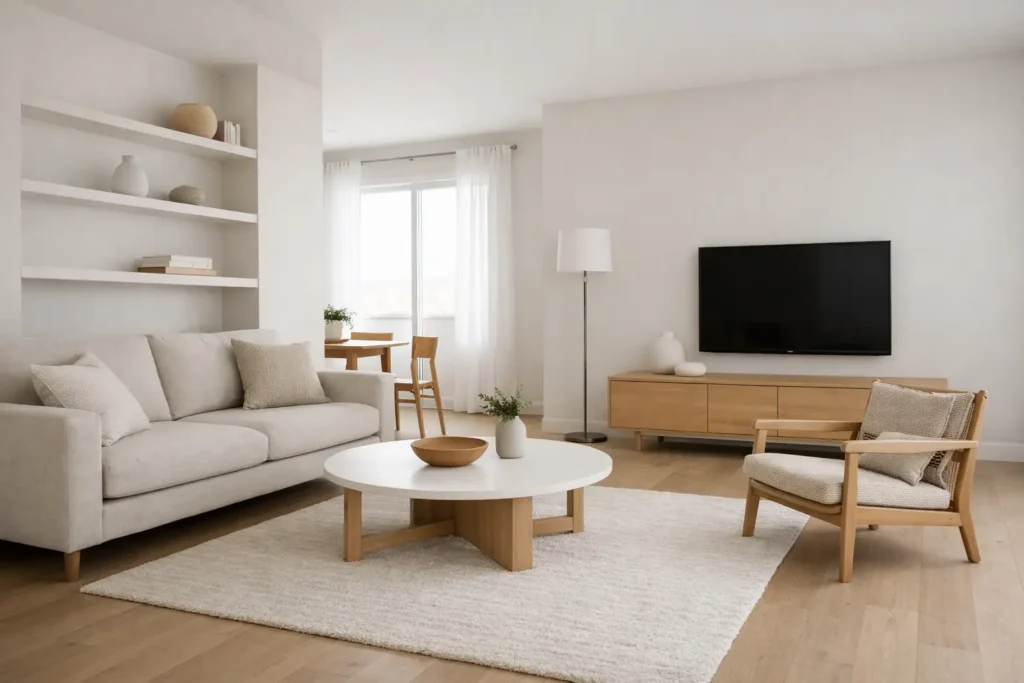
No decorating tip in the world will work inside a cluttered space. Before adding anything new, commit to removing everything that does not serve a purpose or bring genuine satisfaction. This includes furniture that is too large for the room, decor that was purchased without thought, and objects that simply accumulate over time. A lean, intentional space is dramatically easier to decorate well than one filled with excess. Decluttering also forces you to identify exactly what you actually need, which makes future purchasing decisions far more purposeful.
Add Texture Through Textiles
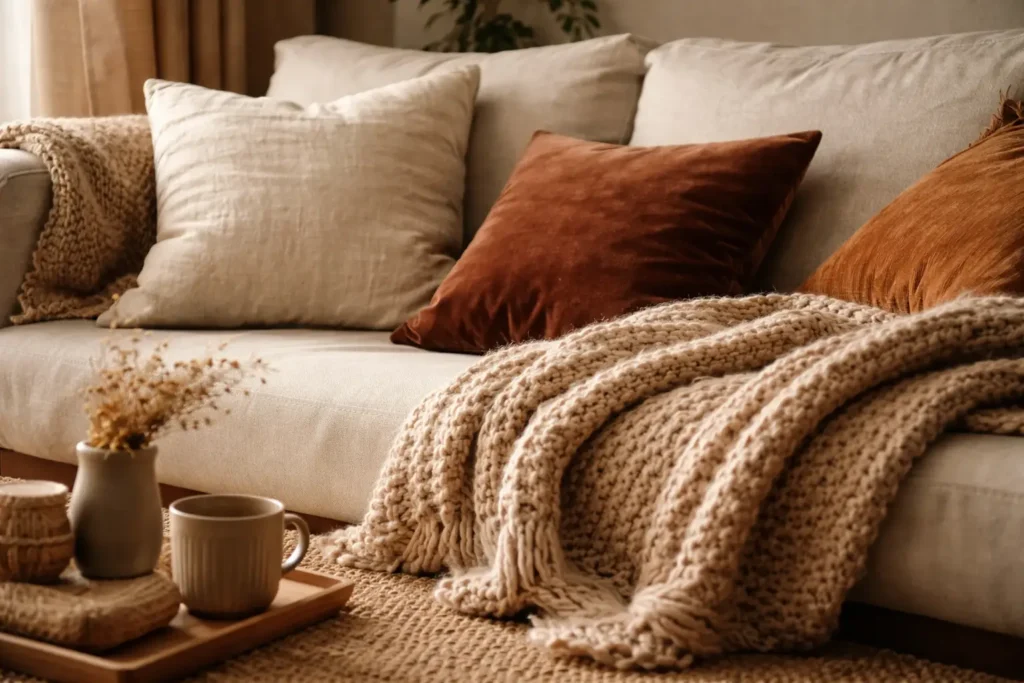
When working with a neutral color palette, texture becomes the primary way to add visual richness without introducing complexity. Layer different fabric types throughout your space, such as a linen sofa, a chunky knit throw blanket, velvet cushions, a jute rug, and linen curtains. Each material catches light differently, creates contrast, and adds warmth that paint colors and furniture shapes alone cannot achieve. Textiles are also among the most affordable and easily swapped decorating elements, making them ideal for renters who want flexibility.
Make Use of Every Corner
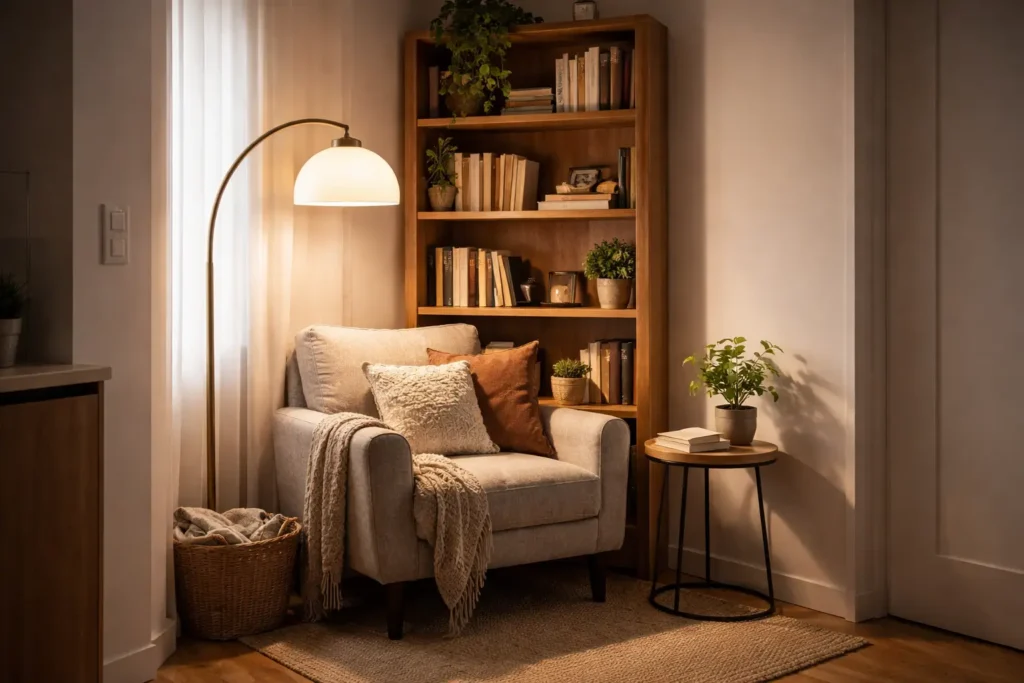
Corners are frequently wasted in apartments, treated as dead space where nothing can go. In reality, corners are opportunities. A tall corner shelf turns an awkward angle into a display and storage hub. A floor lamp placed in a corner brightens a dark spot while making the room feel complete. A small armchair and a side table create a reading nook out of space that would otherwise go entirely unused. Training yourself to see corners as assets rather than problems unlocks a significant amount of decorating potential.
Upgrade Your Lighting Fixtures Within Reason
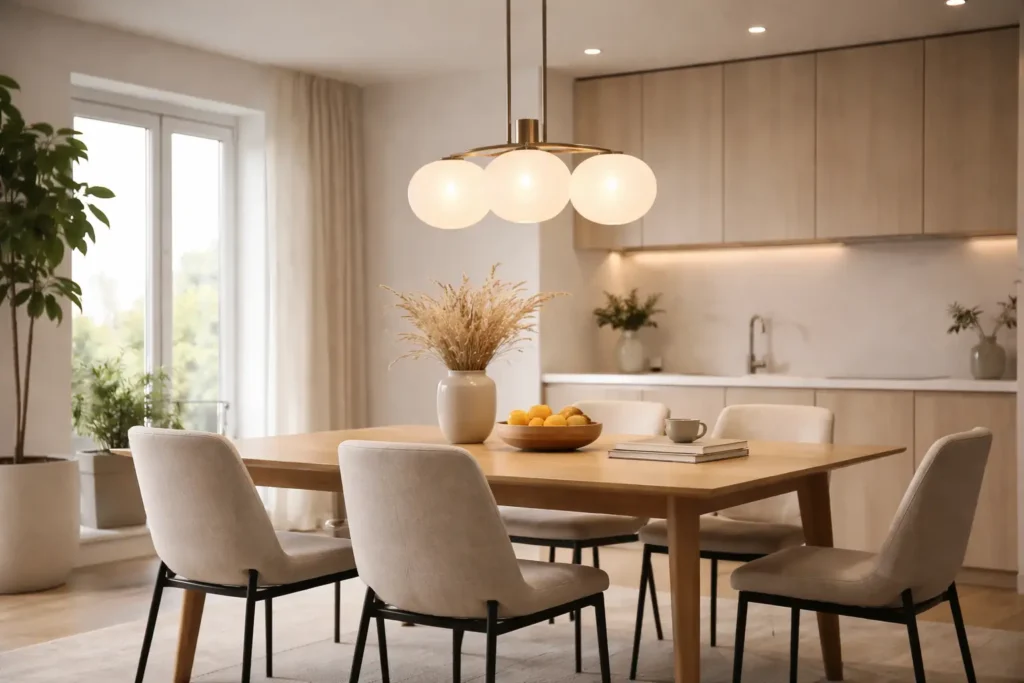
Many apartments come with basic, builder-grade light fixtures that do nothing to enhance the aesthetic of a space. In most cases, landlords will allow tenants to swap out fixtures as long as the originals are stored safely and reinstalled before moving out. Replacing a generic overhead light with a pendant or a stylish semi-flush fixture can elevate a room dramatically. The same applies to bathroom vanity lights, which are often the most outdated fixtures in an apartment and among the easiest to swap.
Use Contact Paper to Transform Surfaces
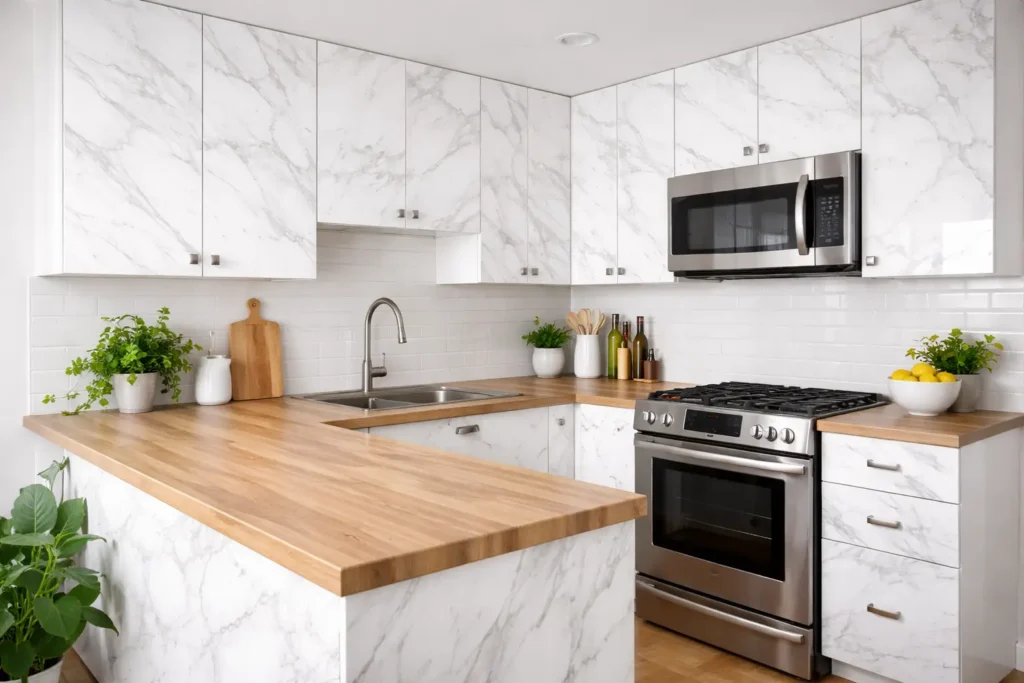
Contact paper is a renter’s best-kept secret. It can be applied to kitchen cabinet fronts, bathroom countertops, furniture surfaces, and even refrigerator doors to create the appearance of new materials at a fraction of the cost. Marble-print contact paper on a plain countertop looks genuinely sophisticated. Wood-grain contact paper on basic shelving adds warmth and character. It peels off cleanly and requires no professional installation. For renters who feel stuck with surfaces they dislike, contact paper is a completely reversible and highly effective solution.
Style Your Bookshelves With Intention
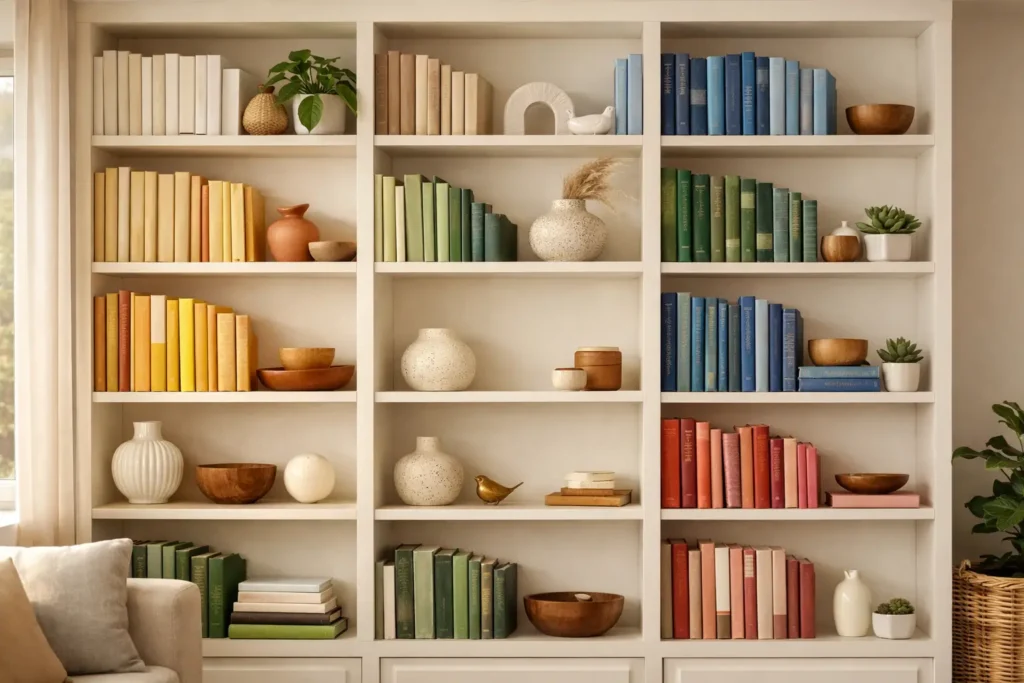
Bookshelves that are simply stuffed with books without any thought to arrangement read as messy rather than intellectual. Styling a bookshelf intentionally involves mixing vertical stacks of books with horizontal ones, incorporating decorative objects at varying heights, adding small plants, and leaving some areas deliberately open. Color-coding books is a popular approach that creates a visually satisfying and organized look. The goal is a bookshelf that feels curated rather than accumulated.
Incorporate Personal Collections as Decor
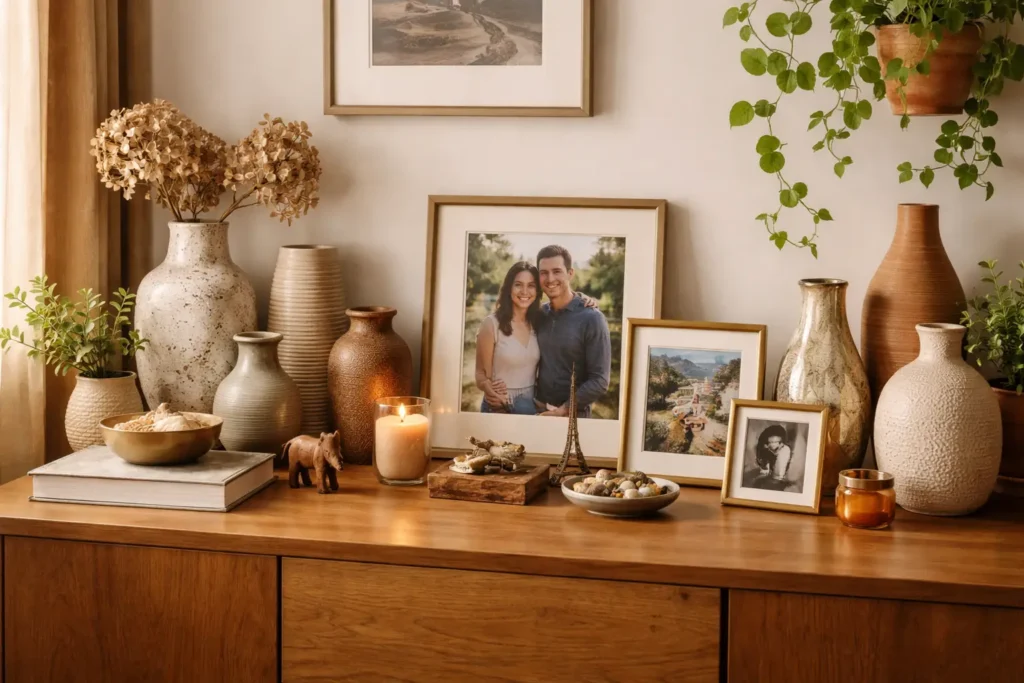
One of the most overlooked apartment decorating tips is the power of personal collections displayed thoughtfully. Vintage cameras, ceramic vessels, travel souvenirs, vinyl records, or any objects you genuinely love can become decorative focal points when grouped together with intention. Collections tell the story of who lives in a space and create a level of authenticity that no staged or purchased decor can replicate. The key is to display them in a way that feels organized and deliberate rather than scattered and random.
Scent and Sound Complete the Experience
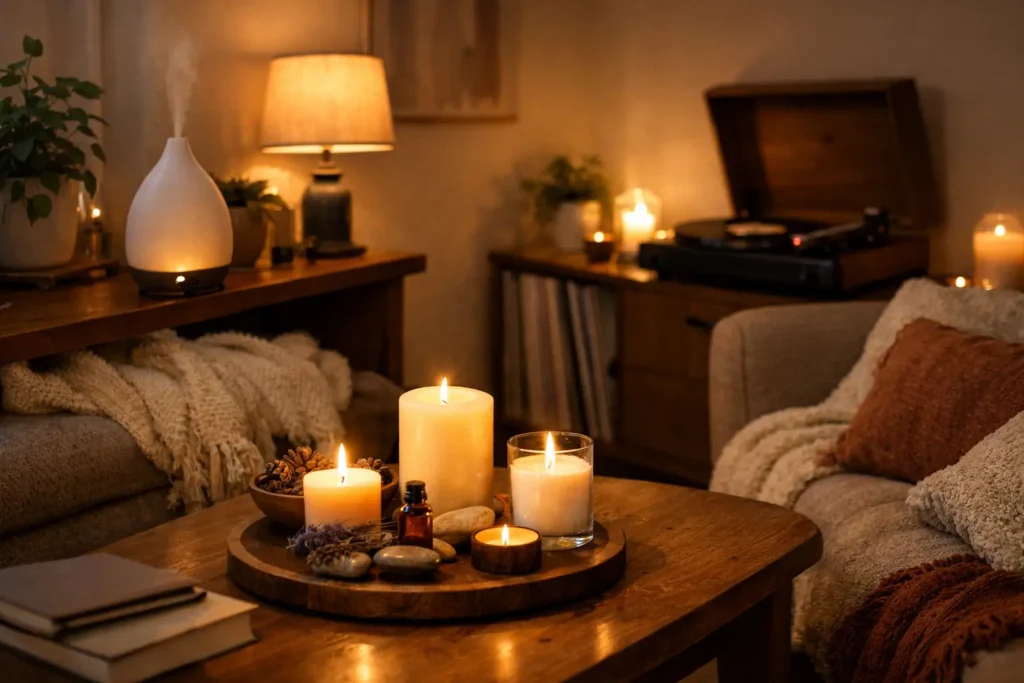
A beautifully decorated apartment still feels incomplete if it does not engage the senses beyond the visual. Candles, diffusers, and room sprays introduce scent, which is one of the most powerful triggers of comfort and memory. A curated playlist playing softly in the background adds an auditory dimension to a space that photographs alone cannot capture. These sensory layers are what transform a well-styled apartment from a space that looks good to a space that genuinely feels like home.
Take Your Time and Trust the Process
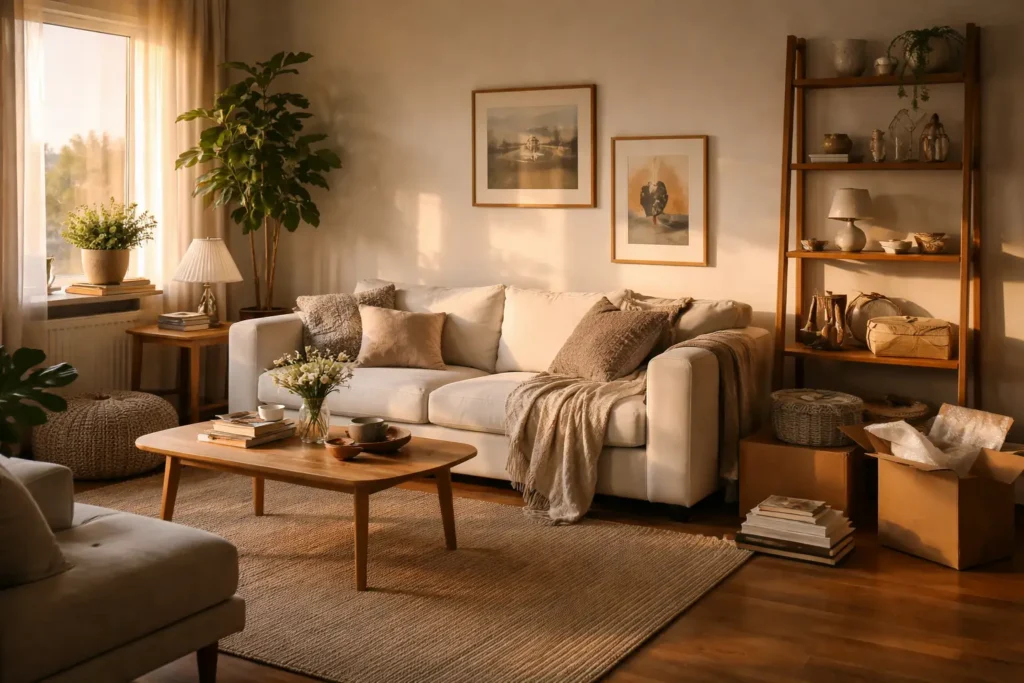
The most important of all apartment decorating tips is to resist the urge to complete your space immediately. Great apartments are built gradually over months and years as you discover your true preferences, find pieces you genuinely love, and understand how your daily life actually interacts with the space around you. Rushing leads to regret, wasted money, and a space that feels assembled rather than considered. The best-decorated apartments are always the result of patience, experimentation, and a willingness to let the space evolve naturally over time.
Conclusion
Decorating an apartment is not about achieving a magazine-worthy result in a weekend. It is about creating a space that reflects who you are, supports how you live, and makes you feel genuinely at ease every time you walk through the door. Use these tips as a framework rather than a rigid checklist, and allow your own instincts and personality to guide the details. The result will be a home that no one else could have created, because it will be entirely, unmistakably yours.
You can may also like this: 18 Spring Home Refresh Ideas That Makes Your Space Feel New
Frequently Asked Questions
1. How do I decorate an apartment on a tight budget?
Focus on high-impact, low-cost changes first. Rearranging existing furniture, adding mirrors, layering cushions and throws, and introducing plants can dramatically change a space without significant spending. Thrift stores and online marketplaces are excellent sources for affordable, unique pieces.
2. Can I decorate a rented apartment without losing my security deposit?
Yes. Peel-and-stick wallpaper, removable wall strips for hanging art, contact paper for surfaces, tension rods for curtains, and freestanding furniture all allow you to personalize a rental without making permanent changes to the walls or structure.
3. What is the best color palette for a small apartment?
Light, neutral tones such as white, soft beige, warm gray, and pale cream work best in small apartments because they reflect light and make spaces feel more open. You can layer in color through accessories and textiles without committing to a bold wall color.
4. How do I make a studio apartment feel less cramped?
Use area rugs to define separate zones for sleeping, living, and dining. Choose multi-functional furniture to reduce clutter. Hang curtains high and wide, use mirrors to reflect light, and avoid overcrowding the space with too many pieces of furniture.
5. Where should I start when decorating a new apartment?
Begin by living in the space for a few days before purchasing anything. Observe how light moves through the rooms, identify what bothers you most about the space, and set a clear budget and color direction before making any decisions. Starting with intention prevents costly mistakes.