
Introduction
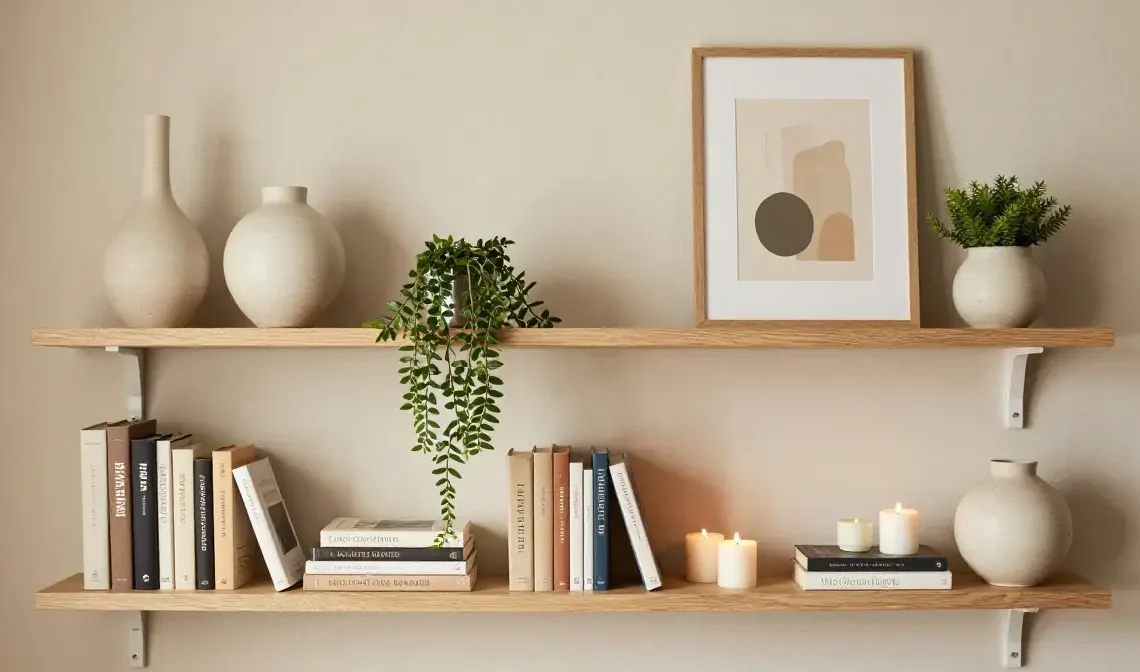
Shelves are one of the most powerful and often underestimated design tools in any home. Whether you have a simple floating shelf in your hallway or a grand built-in bookcase in your living room, the way you decorate those shelves can completely transform the look and feel of your space. A well-styled shelf does not just hold objects. It tells a story, reflects your personality, and adds layers of visual depth to a room. The good news is that mastering shelf decor does not require a professional interior designer or a large budget. With the right ideas, a little creativity, and an understanding of basic styling principles, anyone can turn an ordinary shelf into a stunning focal point. This article walks you through 22 shelf decor ideas that will help you style your space beautifully, no matter your taste or interior style.
Use a Consistent Color Palette to Anchor Your Display
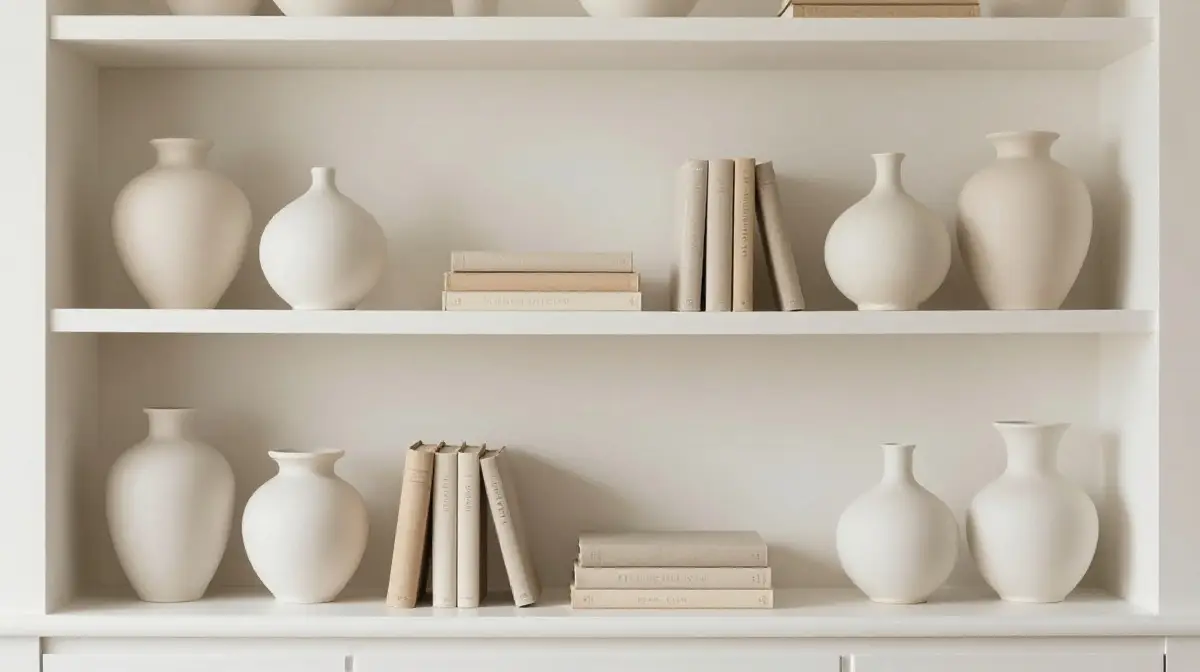
One of the most important foundations of great shelf styling is choosing a consistent color palette before placing a single item on the shelf. When colors are random and uncoordinated, even beautiful individual pieces can look chaotic together. A focused palette of two to three colors creates an instant sense of order and sophistication. For a calm and elegant look, work with neutrals like white, cream, beige, and soft gray. For a bolder approach, pick one accent color such as deep green, terracotta, or navy and repeat it across different objects throughout the shelf. Repeating color is what creates visual flow and makes your eye travel naturally from one end of the shelf to the other. Even if your decorative items vary in shape and size, a shared color story ties everything together and gives the display a professionally curated feel.
Layer Items at Different Heights for Visual Interest
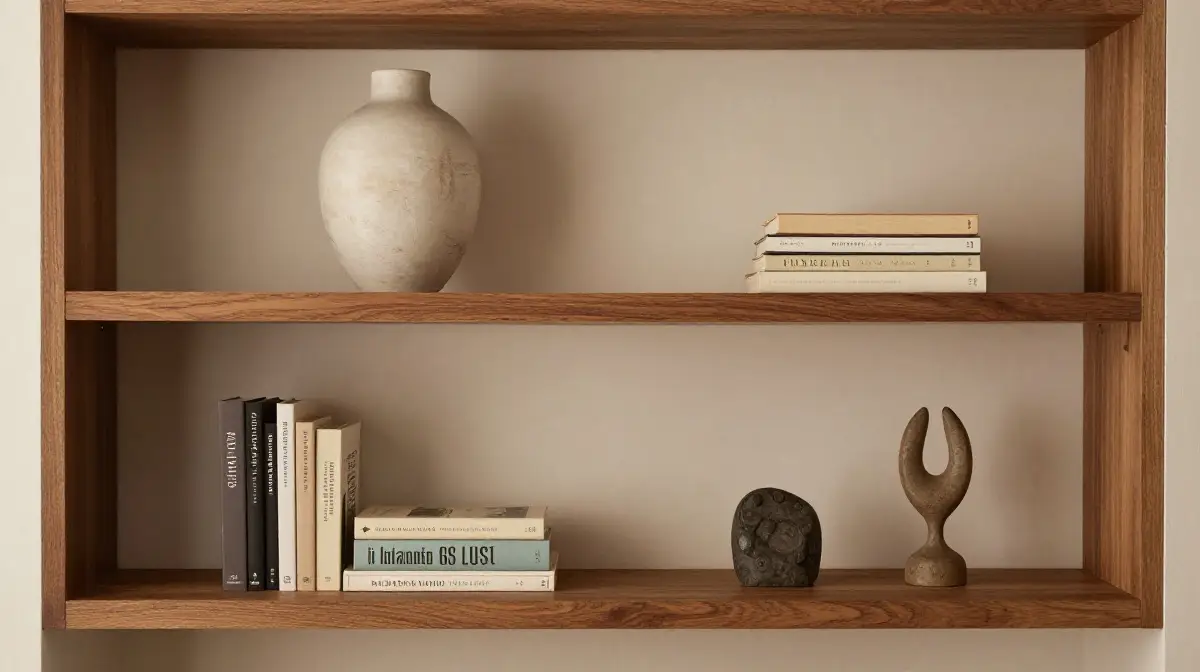
Flat, same-height arrangements are one of the most common shelf styling mistakes. When everything sits at the same level, the display looks dull and one-dimensional. The solution is to layer items at varying heights so the eye has something interesting to follow. Place tall items such as vases, framed art, or candlesticks at the back of the shelf to create a backdrop. Then layer medium-sized objects in front and finish with smaller pieces toward the front edge. This creates a sense of depth and dimension that transforms a flat shelf into a rich, engaging display. You can also stack books horizontally and place a decorative object on top to instantly gain height. Think of shelf styling the same way a painter thinks about composition. Every level and every layer adds something meaningful to the overall picture.
Mix Textures to Add Warmth and Dimension
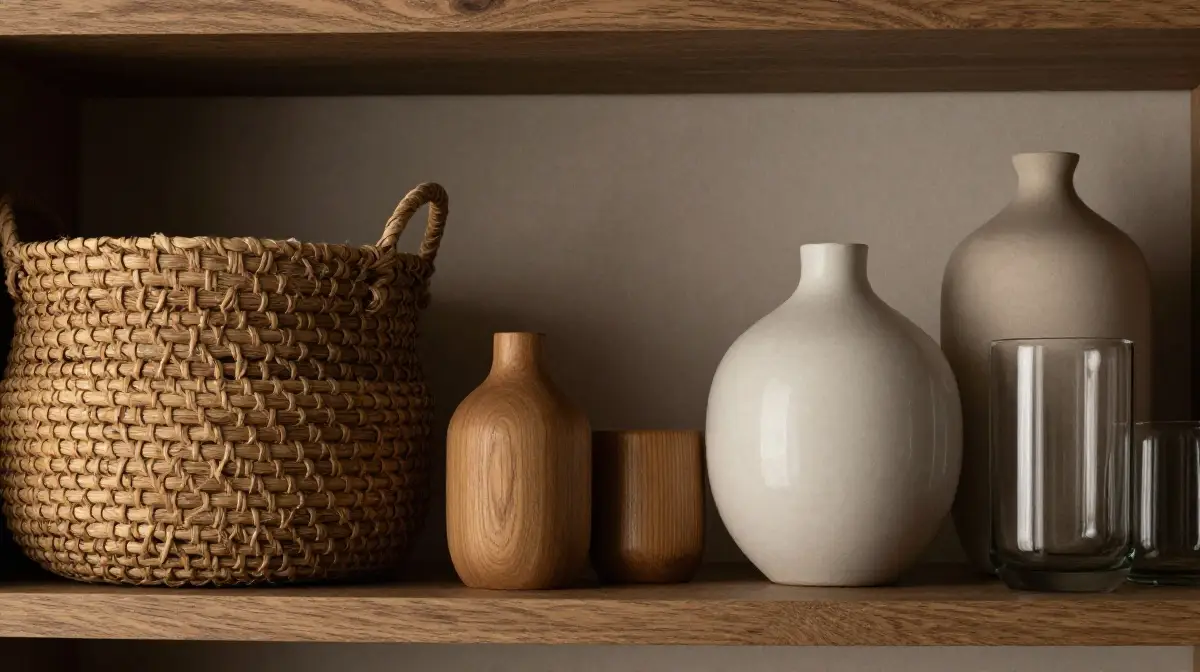
A visually compelling shelf is never made up of objects that all feel the same. Mixing textures is what gives a display warmth, depth, and a lived-in quality that feels genuinely beautiful rather than sterile. Combine smooth ceramic vases with rough woven baskets, matte wooden objects alongside glossy glass, and soft linen books next to metallic candleholders. Each texture contrast draws the eye and creates a sense of richness that a single-texture display simply cannot achieve. Interior designers consistently point to texture mixing as one of the most reliable ways to elevate any shelf arrangement. When you combine something matte with something shiny, or something natural with something refined, the result is a display that feels layered and intentional. The key is balance. You do not need many different textures. Three or four contrasting ones are enough to make a powerful visual statement.
Add Greenery to Bring Life and Softness
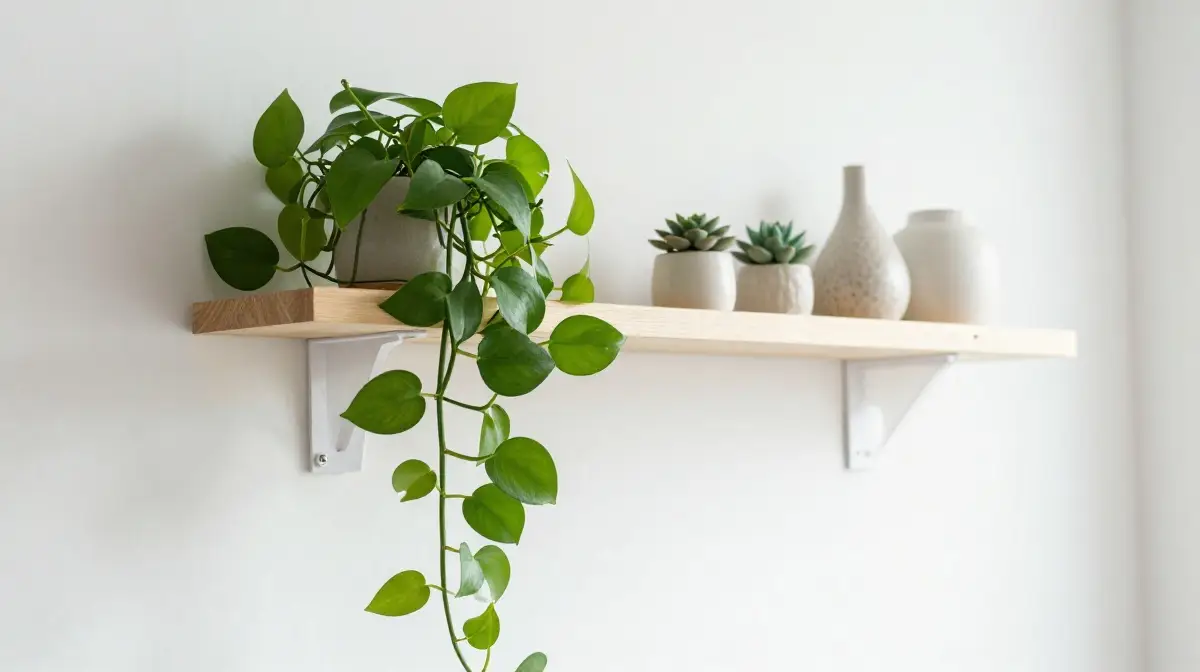
Plants are among the most effective and accessible shelf decor ideas available. A touch of greenery instantly softens the hard edges of shelves and furniture, adds a natural, organic quality to the display, and makes any space feel more alive. Trailing plants like pothos or string of pearls work beautifully on floating shelves, gently cascading over the edge and adding movement. Compact succulents and small potted herbs are perfect for smaller shelves where space is limited. For shelves that do not receive much natural light, high-quality artificial greenery is an excellent alternative that delivers the same visual benefit without maintenance concerns. Whether real or faux, the impact is the same. Greenery breaks up rigid lines, introduces color, and creates a sense of freshness that no other decorative item can replicate quite as naturally or effortlessly.
Style Shelves in Odd Numbers for a Natural Look
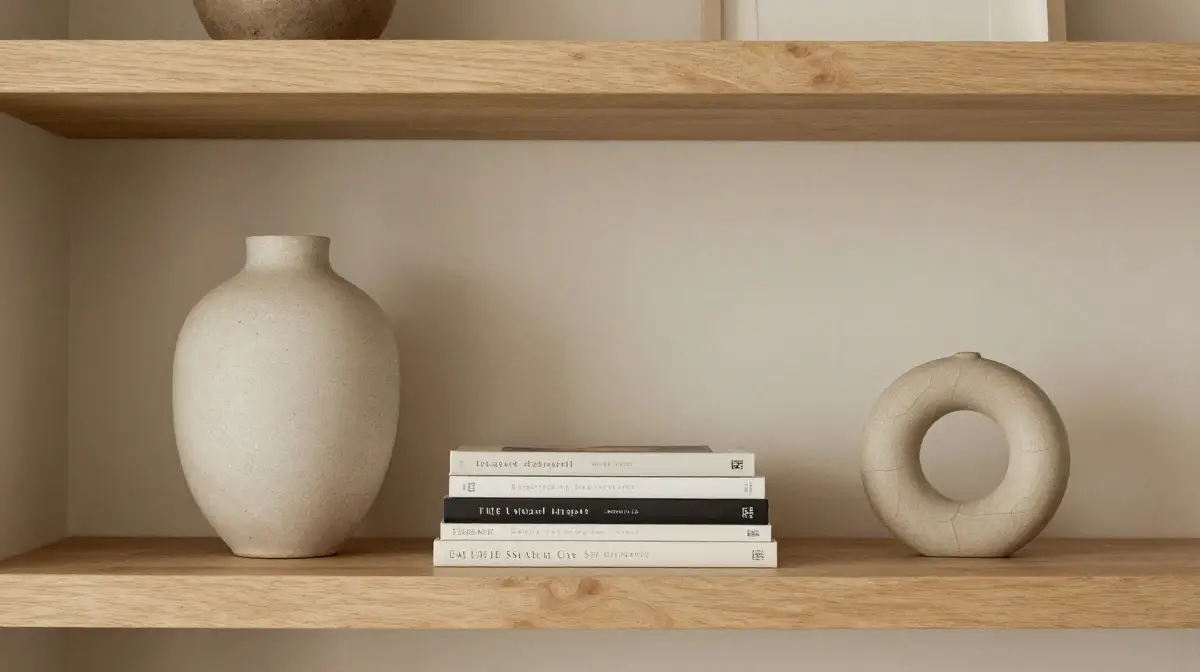
Professional stylists and interior designers have long relied on the rule of odd numbers, and for good reason. Grouping items in threes or fives creates a natural, organic rhythm that feels more pleasing to the eye than even-numbered arrangements. When you place two items together, the display feels static and balanced in a rigid way. Three items, on the other hand, create a triangle of visual interest where the eye can move around freely. Try grouping a tall vase, a medium-sized book stack, and a small sculptural object together on one section of your shelf. This trio approach can be repeated along the length of the shelf, with breathing room between each group. The spaces between groupings are just as important as the objects themselves. Negative space prevents the shelf from feeling cluttered and gives each group of items the visual breathing room it needs to shine.
Use Books as Both Function and Decor
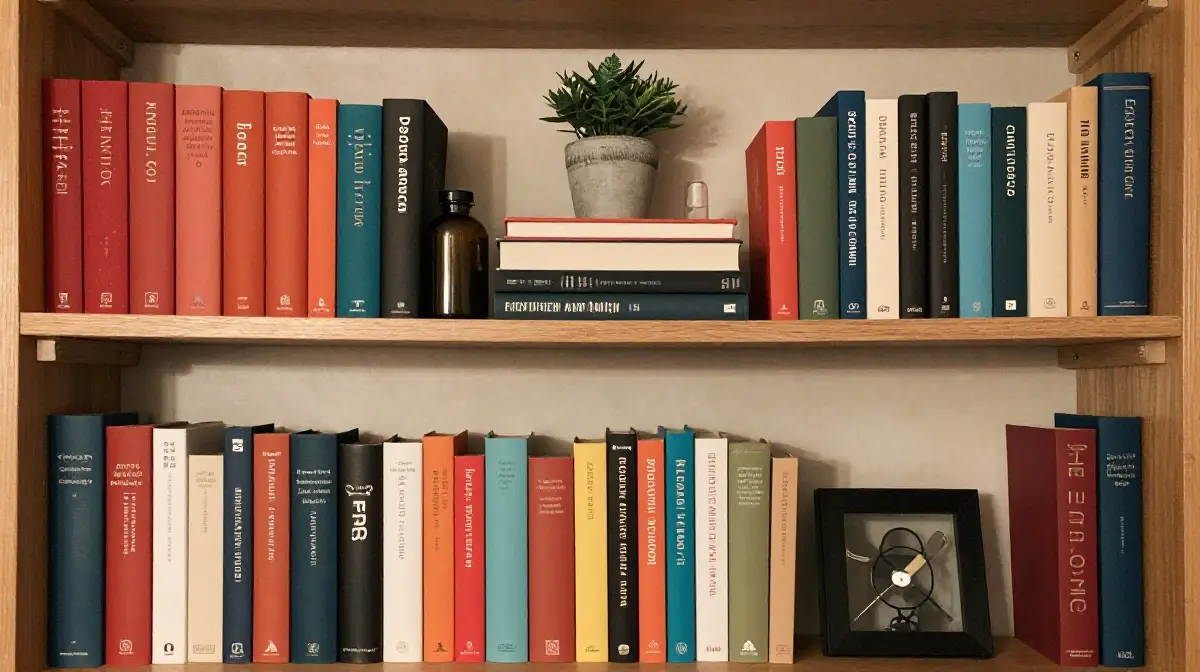
Books are one of the most versatile and stylish shelf decor tools available, and they should never be overlooked. Beyond their intellectual value, books add color, texture, and structure to any shelf arrangement. Stack books both vertically and horizontally to create variation and height. Remove dust jackets from books with interesting spines to reveal beautiful typography and color underneath. Arrange books by color to create a gradient effect that is visually striking and highly organized. You can also turn certain books spine-inward for a soft, tonal, uniform look that feels calm and considered. Books are also practical props. Stack three or four horizontally and place a plant, a candle, or a small sculpture on top to instantly create an elevated display platform. A shelf that combines books with decorative objects always feels more layered, personal, and interesting than a shelf filled with objects alone.
Incorporate Personal Items to Tell Your Story
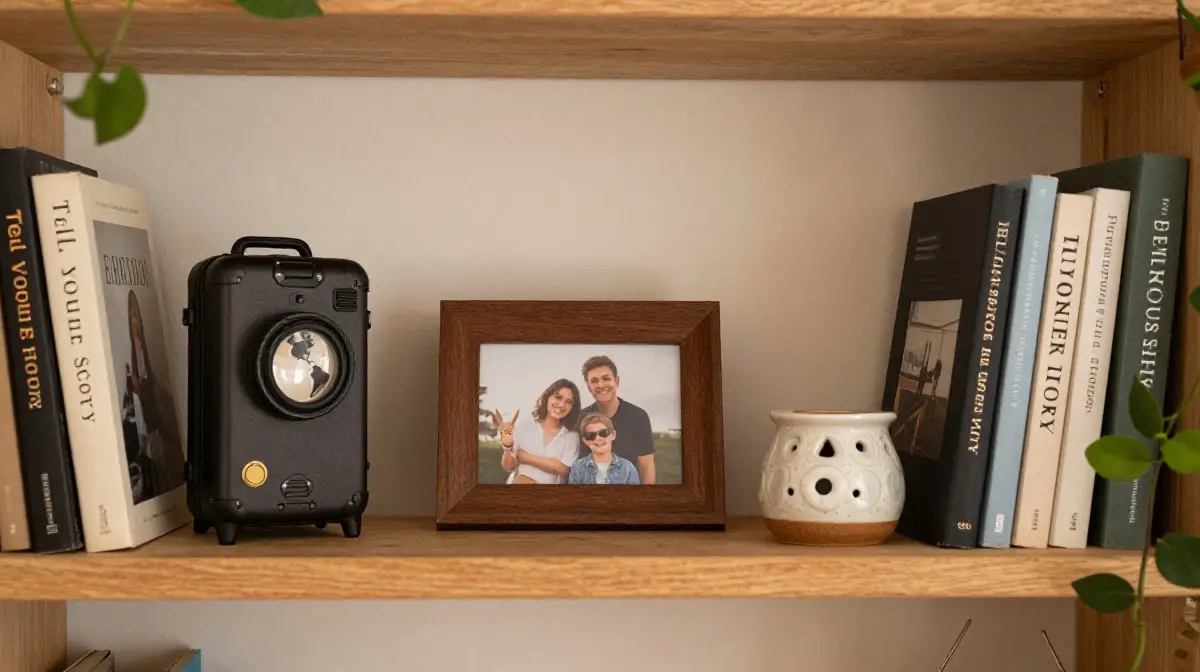
The shelves that feel most beautiful are not the ones filled with the most expensive objects. They are the ones that tell a personal story. Incorporating items that hold meaning, such as travel souvenirs, family photographs, handmade ceramics, or inherited objects, makes a shelf feel warm, authentic, and uniquely yours. A small sculpture picked up on a trip abroad, a framed photograph from a meaningful moment, or a piece of pottery made by a friend all add a layer of soul to a display that no store-bought item can replicate. The goal is not to fill every inch with sentimental objects but to weave in a few meaningful pieces among your broader decor. This contrast between purely decorative items and personally significant ones is what gives a shelf real character. Homes that feel most alive always have shelves that reflect the people who live in them.
Create Balanced Vignettes Across Each Shelf
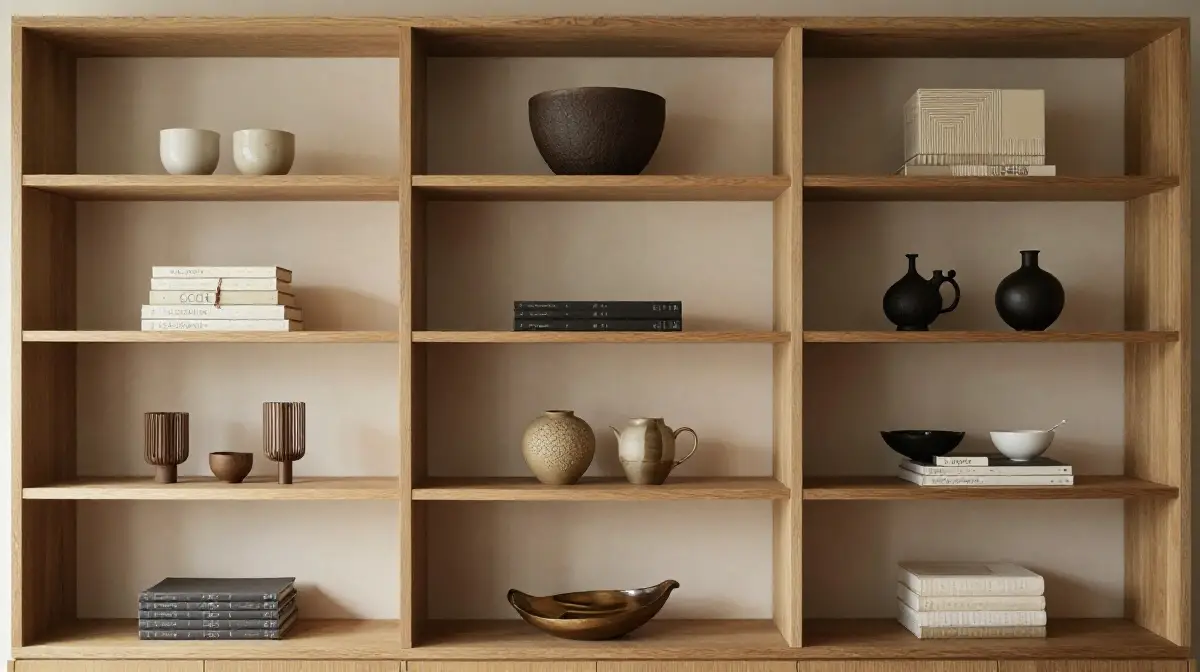
A vignette is a small, carefully composed arrangement of objects that work together to create a mini scene. Great shelf styling is essentially a series of well-composed vignettes placed across different sections of the shelving unit. Each vignette should have a clear focal point, usually the tallest or most visually dominant item, surrounded by supporting pieces that complement it without competing for attention. Balance is the underlying principle. If one side of a shelf has a tall, heavy object, balance it with something of visual weight on the opposite side, even if that weight comes from a cluster of smaller items rather than a single tall piece. Well-composed vignettes make a shelf look thoughtful and designed rather than randomly filled. Take time to step back and assess your arrangement from a few feet away. What you see from a distance is what your guests will notice first.
Use Candles and Lighting to Create Atmosphere
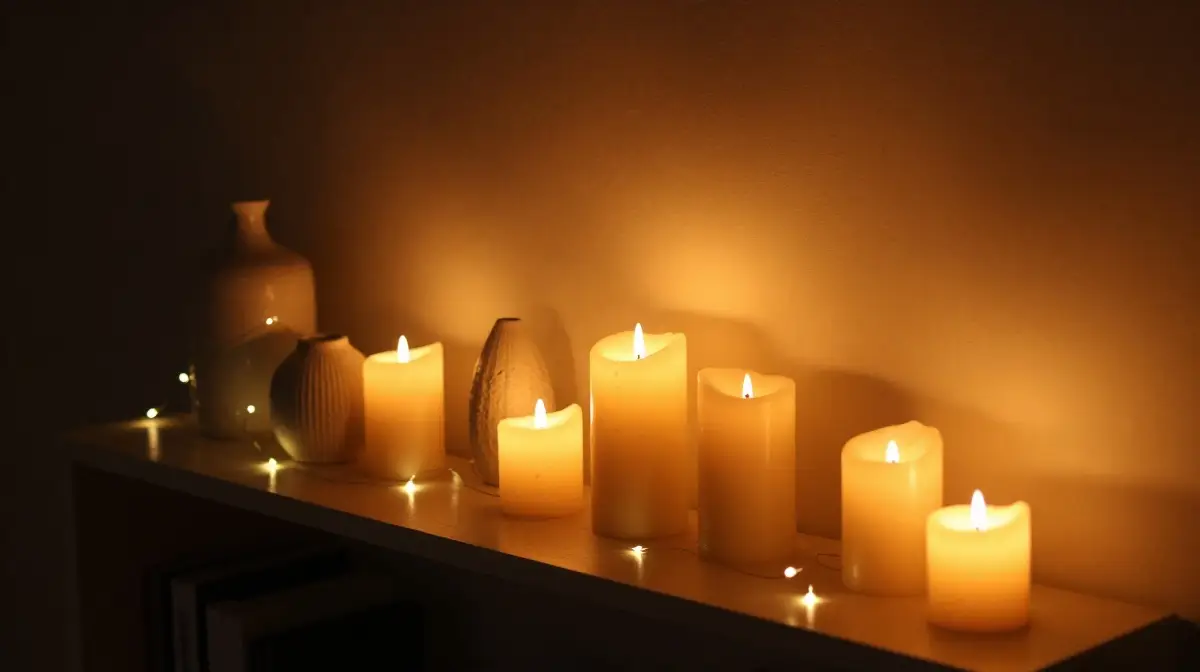
Candles are one of the most underused shelf decor ideas, and yet they are extraordinarily effective at transforming the mood of a display. A cluster of pillar candles in varying heights adds warmth, romance, and a sense of ritual to any shelf. Taper candles in elegant holders bring a refined, elevated quality. Even battery-operated candles or fairy lights tucked into a display can create a soft, glowing ambiance that makes a shelf feel magical in the evening. Lighting changes everything about how a shelf looks and feels. If your shelving unit has built-in lighting or you can add a small picture light above it, the additional illumination will bring the display to life and highlight your favorite objects beautifully. Consider the atmosphere you want to create, quiet and intimate or warm and welcoming, and let your lighting choices on and around the shelf reflect that intention.
Style Kitchen Shelves with Function and Beauty Together
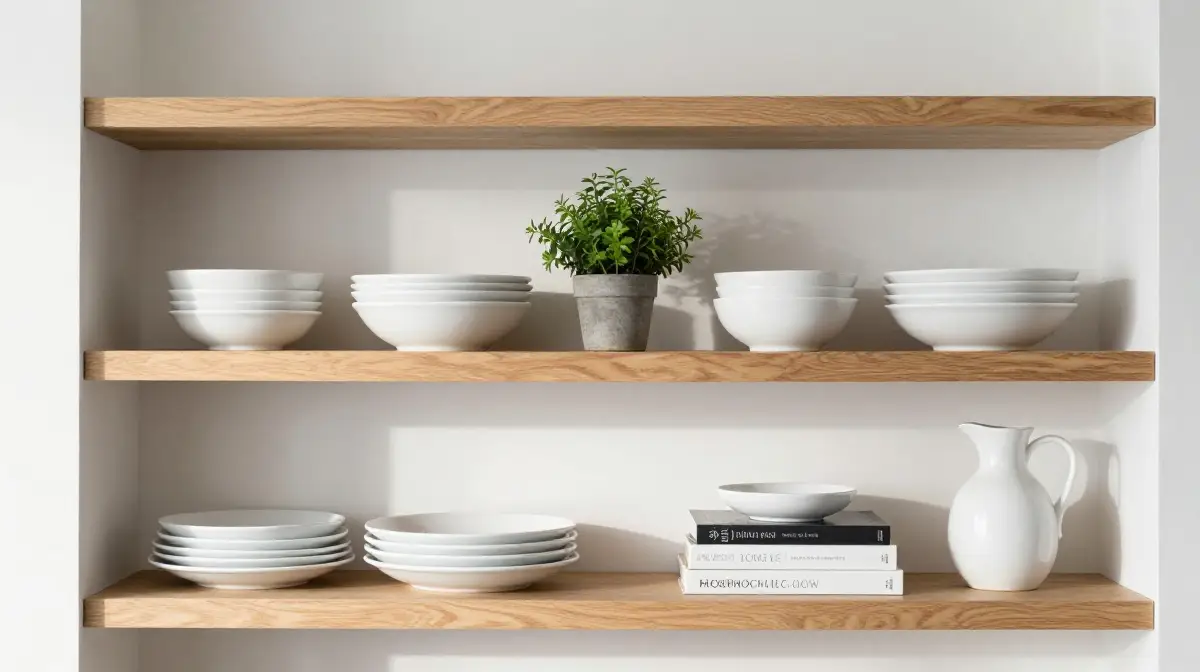
Open kitchen shelves present a unique styling opportunity where function and beauty must work together equally. Every item on a kitchen shelf is potentially on display, so thoughtful choices matter here more than in any other room. Start by selecting dishes, bowls, and serveware in a coordinated color palette, such as all-white ceramics, earthy stoneware, or a mix of natural wood and neutral tones. Display only the items you actually use regularly so the shelf stays both practical and attractive. Add a few purely decorative touches, such as a small plant, a beautiful ceramic jug, or a stack of attractive cookbooks, to bring personality to what is otherwise a functional zone. Basket storage at the lower levels keeps less attractive essentials tucked away while maintaining the overall visual order. A well-styled kitchen shelf makes cooking feel like a pleasure and the entire kitchen feel more considered.
Style Bedroom Shelves for Calm and Comfort
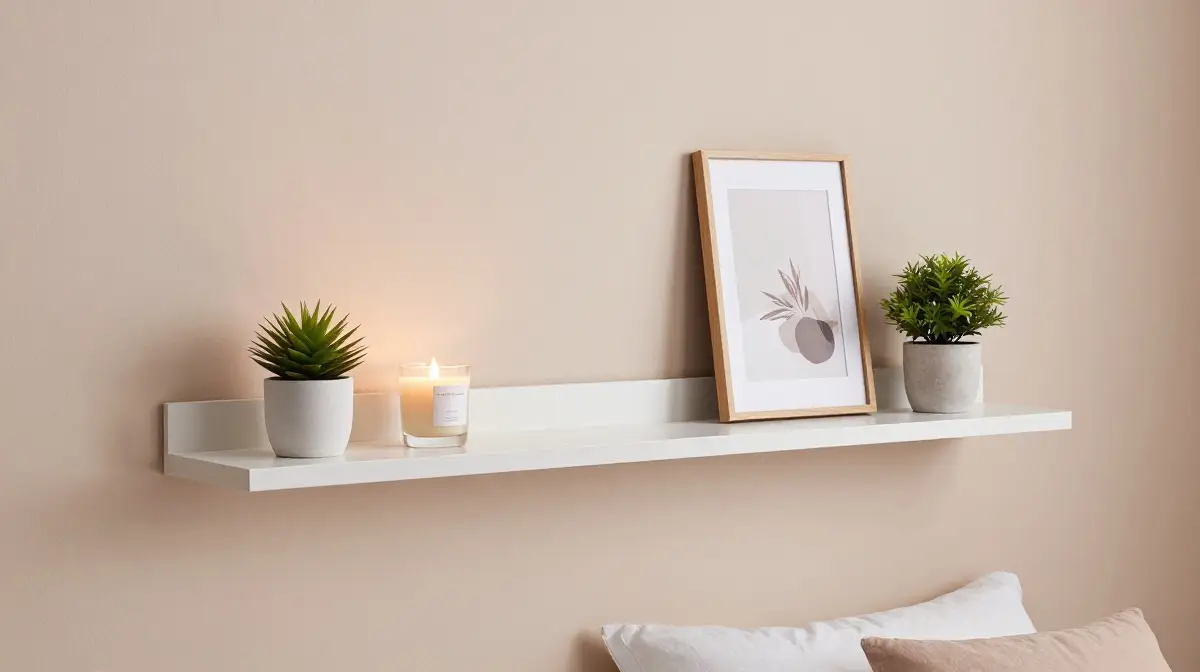
Bedroom shelves call for a softer, more personal approach than those in public-facing rooms. The goal in a bedroom is to create a display that feels calming, intimate, and reflective of who you are. Stick to a soft, neutral palette of whites, creams, warm grays, and blush tones to maintain a restful atmosphere. Incorporate items that have genuine personal meaning, such as a favorite book, a scented candle, a small photograph, or a cherished ceramic piece. Avoid overcrowding bedroom shelves, as visual clutter in a sleeping space can undermine the sense of rest and relaxation you are trying to create. Small potted plants, soft-toned art prints leaned against the wall, and beautiful objects chosen with care will make your bedroom shelf feel like a curated, peaceful corner of the room. A thoughtfully styled bedroom shelf contributes directly to the overall calm of the space.
Try a Minimalist Approach for a Clean, Modern Look
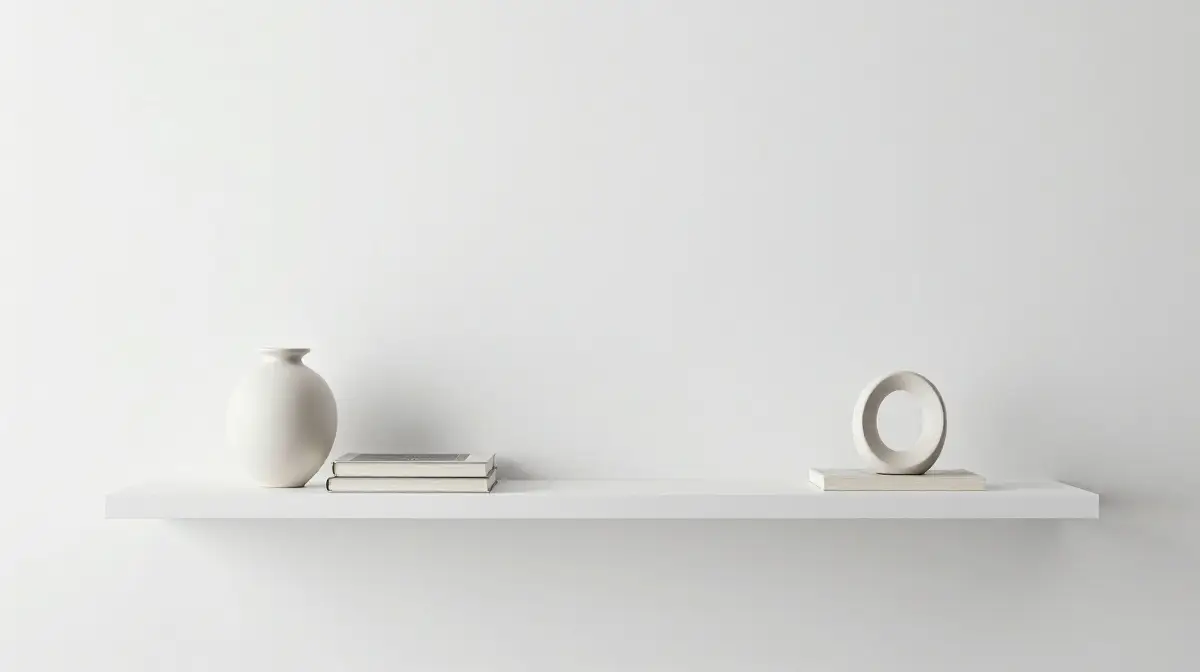
Minimalist shelf styling is one of the most enduringly popular approaches, and it is especially effective in modern and contemporary interiors. The principle is simple: choose fewer items, give each one breathing room, and let the quality and form of individual pieces speak for themselves. A single architectural vase, one beautifully bound book, and a small sculpture can create a more powerful display than a shelf packed with twenty objects. Restraint is the skill here. Edit ruthlessly, removing anything that does not serve the overall composition visually. Clean lines, geometric shapes, and a limited palette of two or three colors reinforce the minimalist aesthetic. Empty space on a shelf is not wasted space. It is intentional negative space that makes the objects you have chosen look more significant, more considered, and more beautiful. If your home leans modern and uncluttered, minimalist shelf styling is your natural home.
Introduce Metallic Accents for a Luxurious Touch
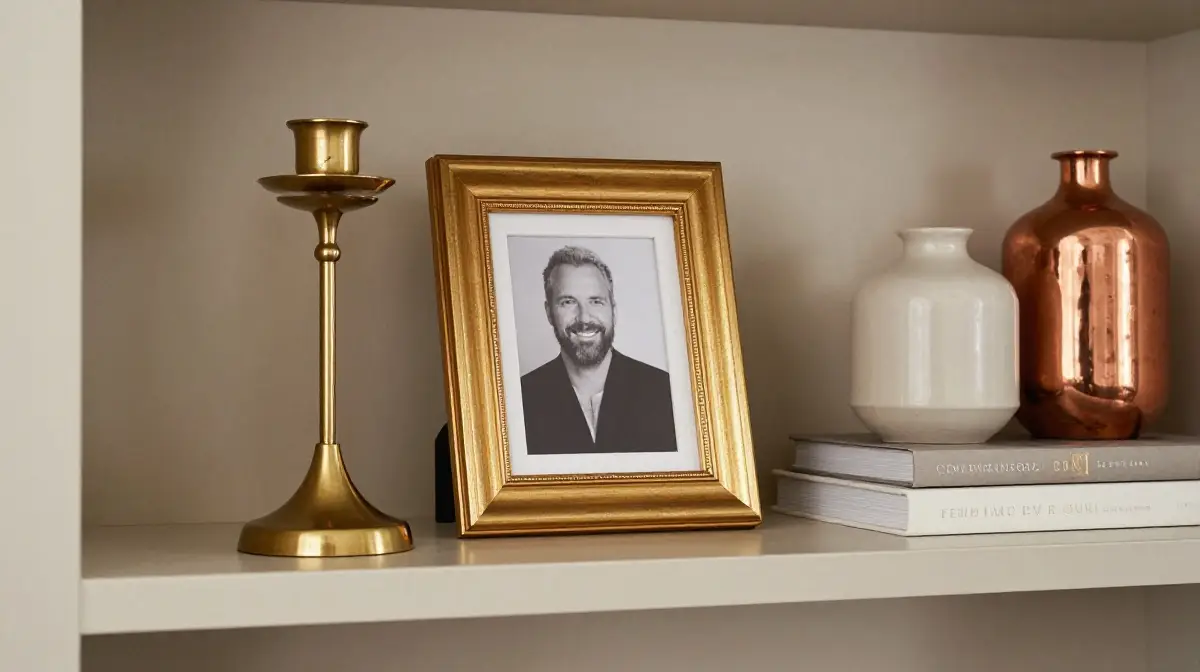
Metallic objects are among the easiest ways to introduce a sense of luxury and glamour into a shelf display without making dramatic changes. Gold, brass, copper, and silver accents catch the light and add a warmth and sophistication that other materials simply cannot replicate. A brass candleholder, a gold-framed photograph, a copper vase, or a silver sculptural object can elevate even the simplest shelf arrangement into something that feels genuinely considered and high-end. The key with metallics is restraint. One or two metallic accents are elegant. Too many can feel busy and overwhelming. Use metallics as punctuation within your display rather than the main subject. Place them where the light naturally falls on the shelf so they can do their reflective work most effectively. When combined with natural textures like wood, linen, and ceramics, metallic accents create a beautiful tension between the refined and the organic.
Use Artwork and Frames to Add Color and Personality
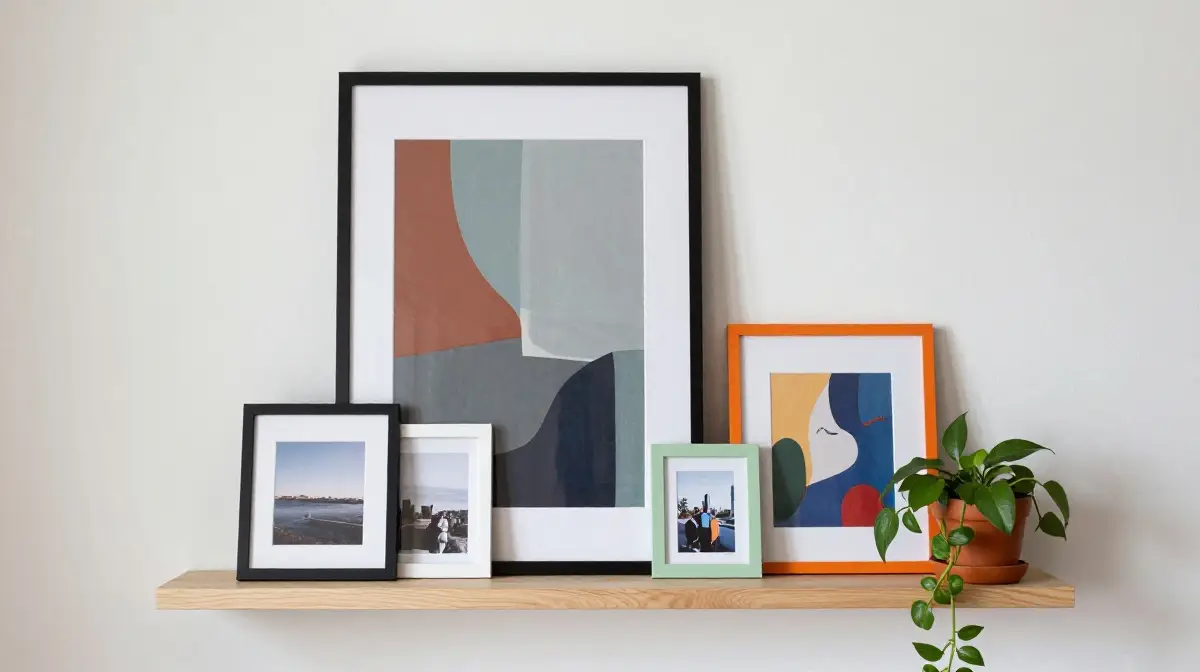
Leaning framed artwork or prints against the back of a shelf is one of the simplest and most effective shelf decor ideas for adding color, pattern, and personality to a display. Unlike hanging art on a wall, leaned frames have a relaxed, modern quality that feels casual and current. Choose prints or artworks whose colors complement your shelf palette and whose subject matter reflects your tastes and interests. You can layer frames of different sizes in front of each other for added depth, or simply lean one beautiful large print at the back of a shelf to serve as a backdrop for the objects in front. Photographs are another beautiful option, particularly in the bedroom or living room, where personal connections matter most. Mixing art with books, plants, and sculptural objects creates a display that has multiple layers of interest and makes the shelf feel like a true reflection of the person who styled it.
Style Floating Shelves with Focus and Intention
Floating shelves have become a staple of modern interior design because of their clean, seamless appearance and their versatility in virtually any room. But because they are small and isolated, they require a more focused approach than larger shelving units. Each floating shelf is essentially a standalone vignette, so everything on it must work together as a cohesive composition. Choose a single focal object and build the arrangement around it. Avoid the temptation to fill the entire shelf. Two or three well-chosen objects with breathing room between them will always look better than six or seven items crammed in. Consider the relationship between the shelf and the wall space around it. A floating shelf surrounded by intentional negative space on the wall feels deliberate and designed. One that fills a wall entirely without breathing room can feel cluttered even before the decorating begins.
Update Shelves Seasonally to Keep Them Fresh
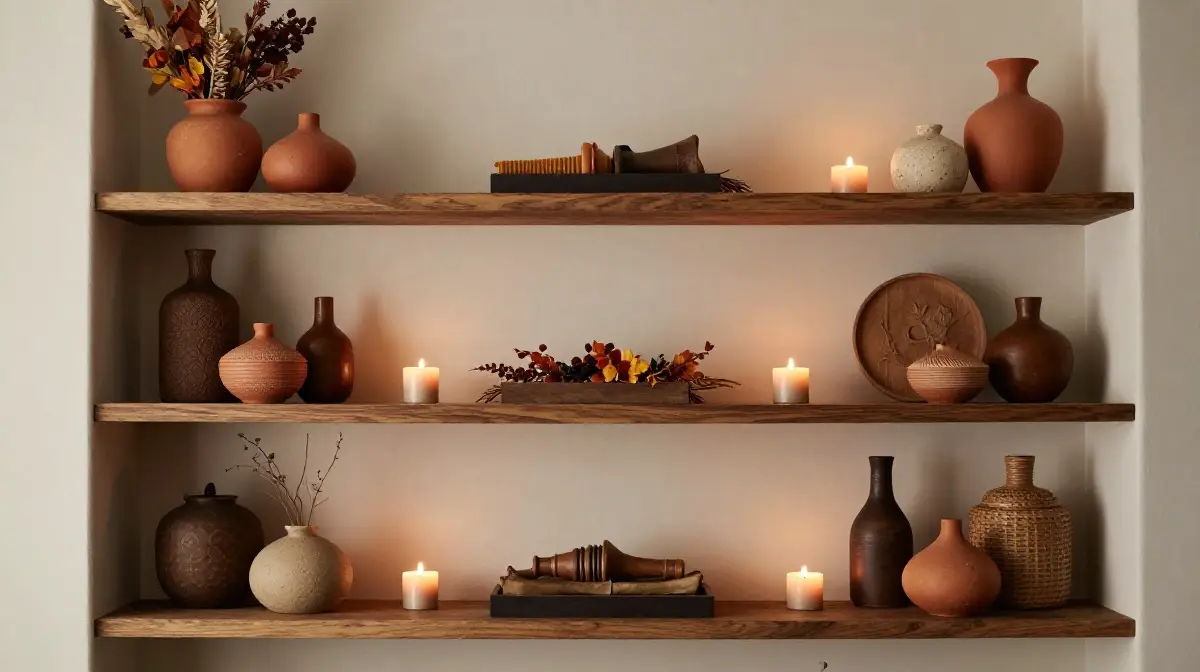
One of the most enjoyable and low-cost shelf decor ideas is rotating your display with the seasons. Seasonal updates prevent your shelves from feeling stale and give you a regular opportunity to refresh the room without any major changes or expense. In spring, introduce fresh flowers, light-toned ceramics, and objects in soft greens and blush tones. In summer, lean toward natural textures, woven baskets, and warm yellows. Autumn calls for deeper tones, warm terracotta, dried botanicals, and textured objects that evoke coziness. Winter shelves work beautifully with candles, evergreen sprigs, soft lighting, and objects in white, silver, and deep green. You do not need to replace everything. Even swapping two or three key items on each shelf is enough to shift the seasonal mood of the space. This approach keeps your interiors feeling current, alive, and genuinely connected to the time of year.
Use Baskets and Boxes for Stylish Hidden Storage
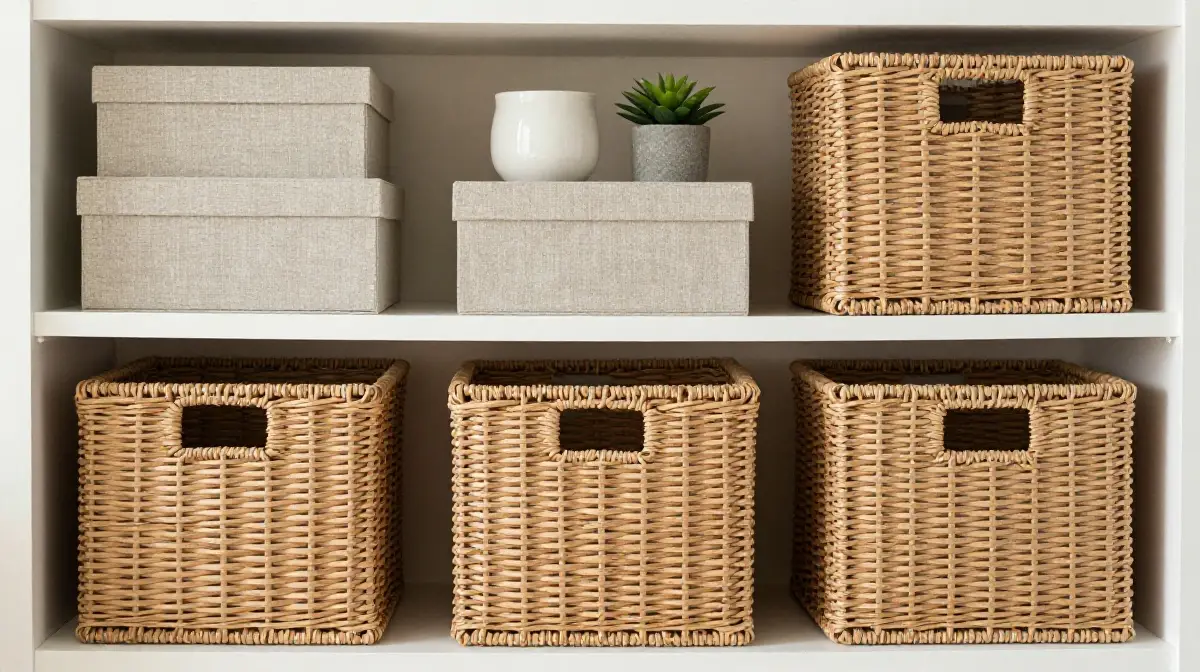
Not every shelf needs to be purely decorative. Incorporating stylish baskets and storage boxes into your shelf arrangement allows you to keep the space organized while maintaining a beautiful overall look. Woven rattan baskets, linen-covered boxes, and wooden crates can all serve as hidden storage for small, unsightly items while also contributing to the visual texture of the display. Place larger baskets on lower shelves to anchor the arrangement and store bulkier items out of sight. Smaller boxes and containers on upper shelves can hold items you need occasional access to without disrupting the overall aesthetic. Choose storage pieces whose materials and colors align with your broader shelf palette so they feel like intentional decor choices rather than practical afterthoughts. The best shelf displays are always a balance between what is shown and what is cleverly concealed.
Work with Architectural Details Like Alcoves and Built-Ins
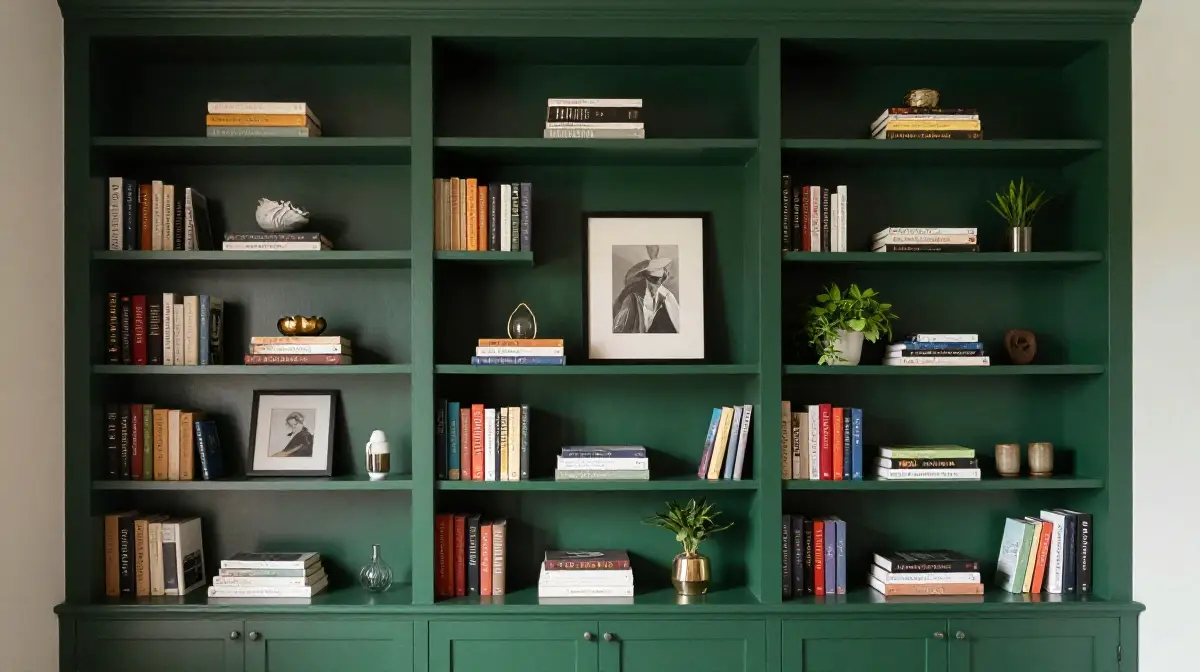
If your home has alcove shelving or built-in bookcases, you have a natural advantage in shelf styling because the architecture itself provides the framework. The key with built-ins is to treat the entire unit as one large composition rather than styling each shelf in isolation. Step back and think about the whole wall before placing anything. Aim for a balanced distribution of color, texture, height, and visual weight across the entire unit. Keep books on some shelves, decorative objects on others, and leave some areas with intentional open space to prevent the display from looking overwhelming. Paint the interior back of built-in shelves in a contrasting color or a deep, rich tone to add drama and make the objects in front pop visually. This single detail, painting the back of the shelves, is a designer trick that instantly elevates any built-in from ordinary storage to an architectural feature.
Style Bathroom Shelves for a Spa-Like Feel
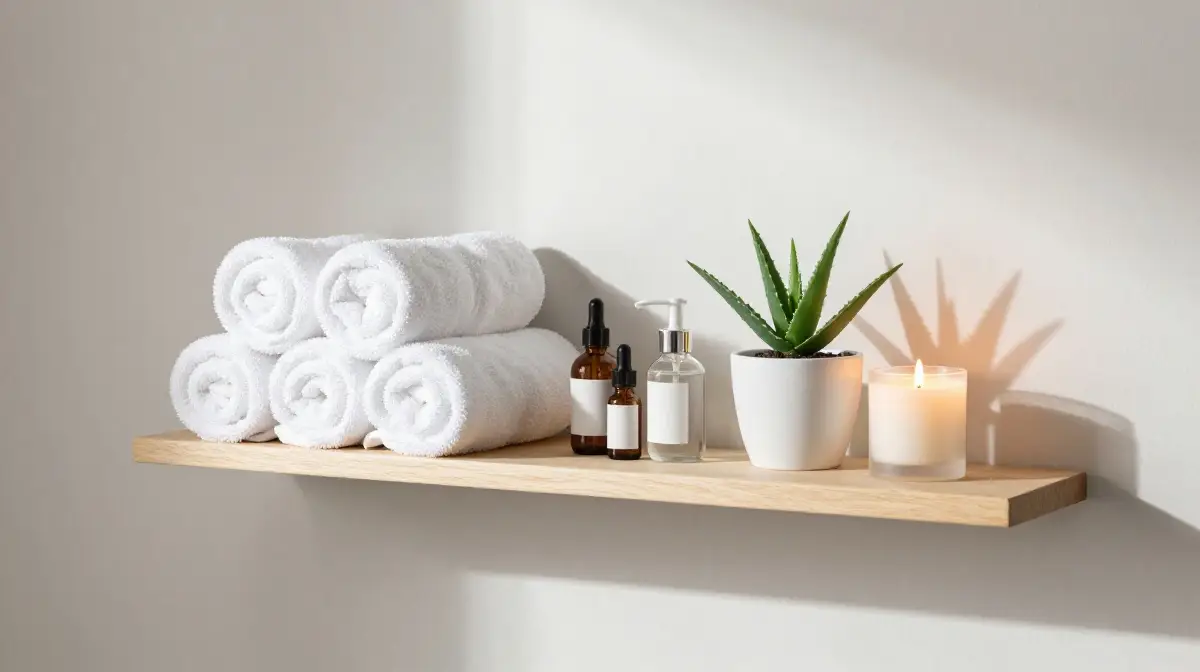
Bathroom shelves offer a wonderful opportunity to create a calm, spa-inspired aesthetic that makes your daily routine feel more luxurious. The approach here is minimal and curated. Display only what you genuinely use and love. Roll fresh white towels and stack them neatly on lower shelves. Arrange your most beautiful skincare bottles and products by height. Add a small potted plant such as aloe vera or a small fern, both of which thrive in the humid bathroom environment. Include a scented candle or a small reed diffuser to engage the senses. Use coordinating containers and decanting items like cotton pads, bath salts, and soaps into matching ceramic or glass vessels creates a polished, unified look. Keep the overall palette calm and consistent, white, natural wood, soft gray, and muted green work beautifully together. A thoughtfully styled bathroom shelf signals care and attention to every detail.
Display Collections in a Curated, Cohesive Way
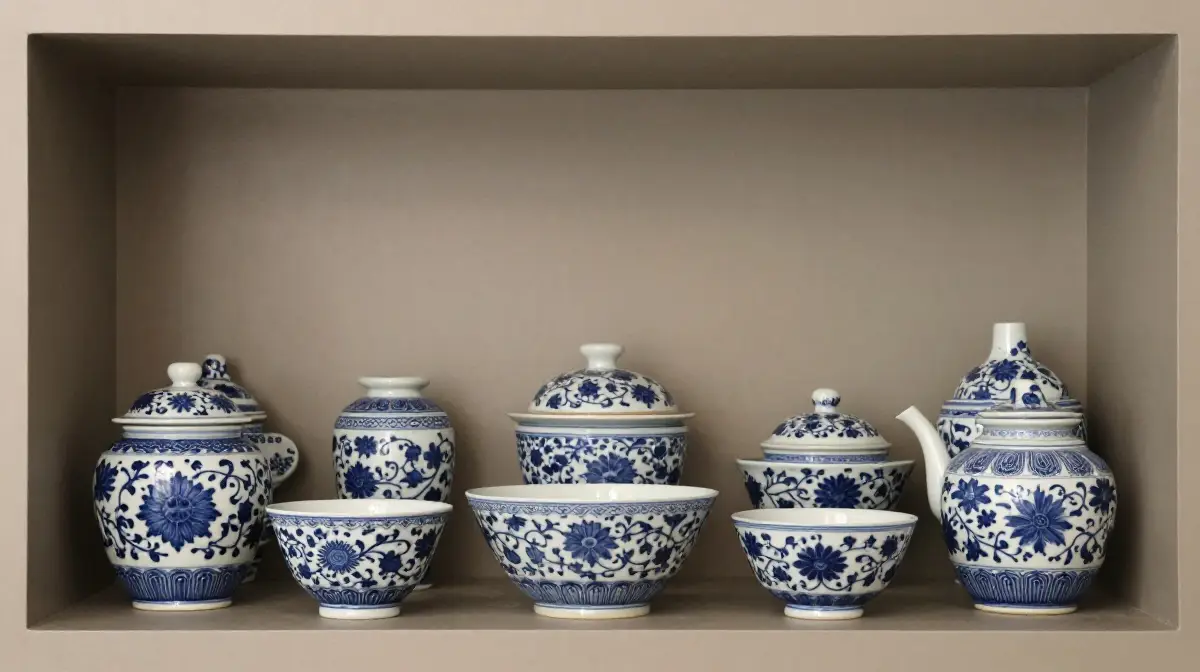
Collectors often struggle with shelf decor because their collections are varied and potentially overwhelming. The secret to displaying a collection beautifully is to edit and group items with intention. Rather than spreading items randomly across multiple shelves, group them together by type, color, or material so the collection reads as a unified statement. A collection of blue and white ceramics arranged together on one shelf, for example, looks far more deliberate and beautiful than the same pieces scattered throughout the room. Leave enough space between items within the collection so each piece can be appreciated individually. If the collection is large, consider rotating which pieces are displayed seasonally rather than showing everything at once. A curated selection of your favorite pieces will always have more impact than a comprehensive display of everything you own. Collections styled with restraint become genuine focal points rather than visual noise.
Apply the One-Third Rule for a Balanced Shelf
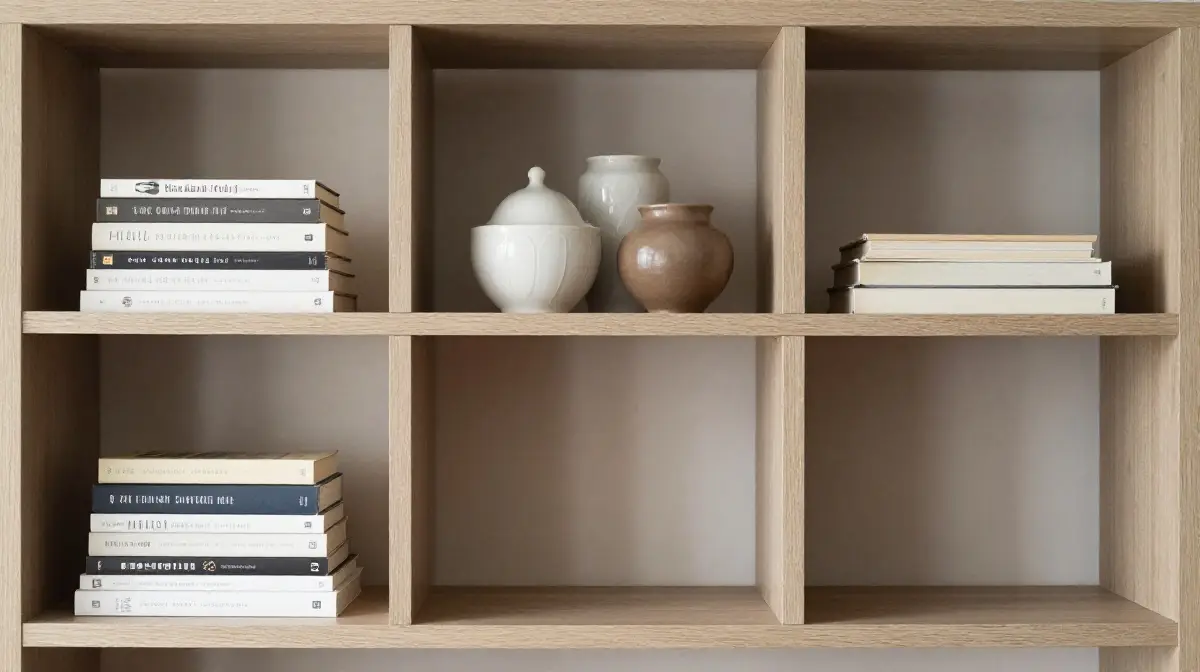
Interior design professionals often use the one-third rule as a guide for shelf styling, and it is one of the most practical ideas you can apply immediately. The principle divides each shelf into three roughly equal portions: one-third books or stacked items, one-third decorative objects, and one-third intentional empty space. This ratio ensures that no single category dominates the shelf and that there is always visual breathing room within the display. It prevents overcrowding, which is the most common shelf styling mistake, and it ensures that functional items and purely decorative ones coexist in a balanced, harmonious way. You do not need to apply this rule with mathematical precision. Think of it as a guiding principle rather than a strict formula. When in doubt, remove items rather than adding more. A shelf that breathes is always more beautiful than one that is packed to the edges.
Refresh Your Shelf by Starting from Scratch
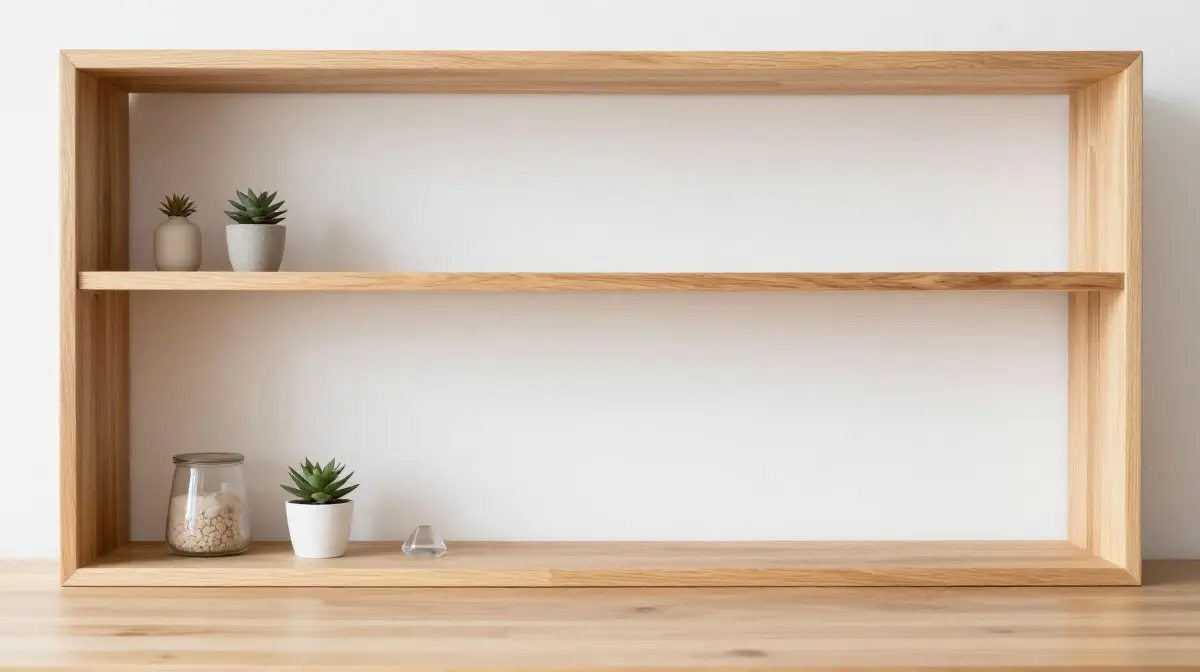
Sometimes the most effective shelf decor idea is the simplest one: clear everything off and start again. When a shelf has been gradually accumulating objects over months or years, it can be very difficult to see it with fresh eyes. Removing everything completely gives you a blank canvas and allows you to reimagine the space without the influence of what was already there. Lay all of your objects out on a table or the floor and look at them honestly. Which pieces do you genuinely love? Which ones have simply stayed because you never thought to remove them? Choose only your favorites and your most visually compelling items to return to the shelf, and style them with intention. Starting from scratch is not about buying new things. It is about seeing what you already own with clarity and placing it with purpose. This reset process often reveals that you already have everything you need for a beautifully styled shelf.
Conclusion
Styling shelves beautifully is about far more than filling empty space with objects. It is about composition, intention, balance, and personal expression. The 22 shelf decor ideas shared in this article cover everything from foundational principles like color palette and layering to specific room-by-room approaches for living rooms, bedrooms, kitchens, and bathrooms. The most important thing to remember is that the best-styled shelves are the ones that reflect the people who live with them. There is no single right way to decorate a shelf. There is only what feels right, looks balanced, and brings genuine joy each time you walk into the room. Start with one shelf, apply a few of these ideas, and give yourself permission to experiment. The beauty of shelf styling is that nothing is permanent. You can always rearrange, swap, and refresh as your tastes and your spaces evolve. Great shelves are never truly finished. They grow with you.
You may also like this:22 Exterior Color Scheme Ideas for a Stylish Home Look
Frequently Asked Questions
FAQ 1. What are the best items to use for shelf decor?
The best shelf decor items include a mix of books, small plants or greenery, candles, ceramic vases, framed artwork, sculptural objects, and woven baskets. The goal is to combine objects of varying heights, textures, and shapes to create a display that feels layered and visually interesting. Always choose items that reflect your personal style and that you genuinely love looking at every day.
FAQ 2. How do I stop my shelves from looking cluttered?
The most effective way to prevent clutter on shelves is to leave intentional empty space between groupings of objects. Follow the one-third rule: one-third books or stacked items, one-third decorative objects, and one-third open space. Stick to a consistent color palette and remove anything that does not contribute meaningfully to the overall composition. Fewer, better-chosen items always look more beautiful than many random ones.
FAQ 3. How many items should I put on a shelf?
There is no fixed number, but a general guideline is to group items in odd numbers, typically threes or fives, and to leave clear breathing room between groups. For a standard floating shelf, two to four items is usually ideal. For larger built-in shelving units, each individual shelf can hold more, but the overall unit should still feel balanced and avoid looking overwhelmed or overcrowded.
FAQ 4. How do I make my shelf look more expensive?
To make shelves look more luxurious and expensive, focus on quality over quantity. Incorporate one or two metallic accents like brass or gold, choose objects with clean lines and interesting forms, use a restricted color palette, and ensure every item on the shelf has enough space around it to be properly appreciated. Painting the interior back of built-in shelves in a bold or contrasting color is also a high-impact designer trick that costs very little.
FAQ 5. How often should I update my shelf decor?
Updating shelf decor seasonally, roughly every three to four months, is a great way to keep your interiors feeling fresh and connected to the time of year without significant cost or effort. Even swapping two or three key items per shelf is enough to shift the mood of the space. Beyond seasonal changes, you might also refresh a shelf whenever you acquire a new piece you love or when the current display simply stops inspiring you.

1 Comment