Introduction
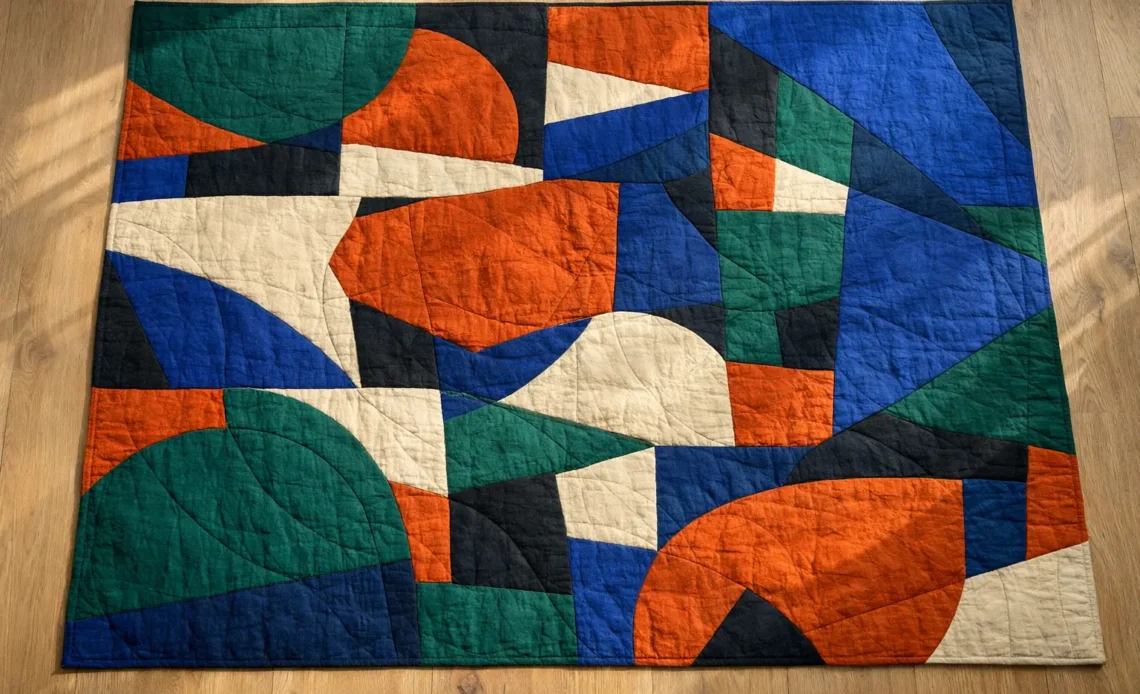
There is something deeply satisfying about creating a quilt that follows no rulebook. Abstract quilt designs invite makers of every skill level to move beyond rigid patterns, explore color freely, and let instinct guide each cut and stitch. Whether you are a seasoned quilter or just picking up a rotary cutter for the first time, abstract quilting offers a creative freedom that traditional block patterns simply cannot match. This article walks you through 20 remarkable design ideas, along with practical guidance, so your next project becomes a true expression of your artistic voice.
Color Blocking with Bold Solids
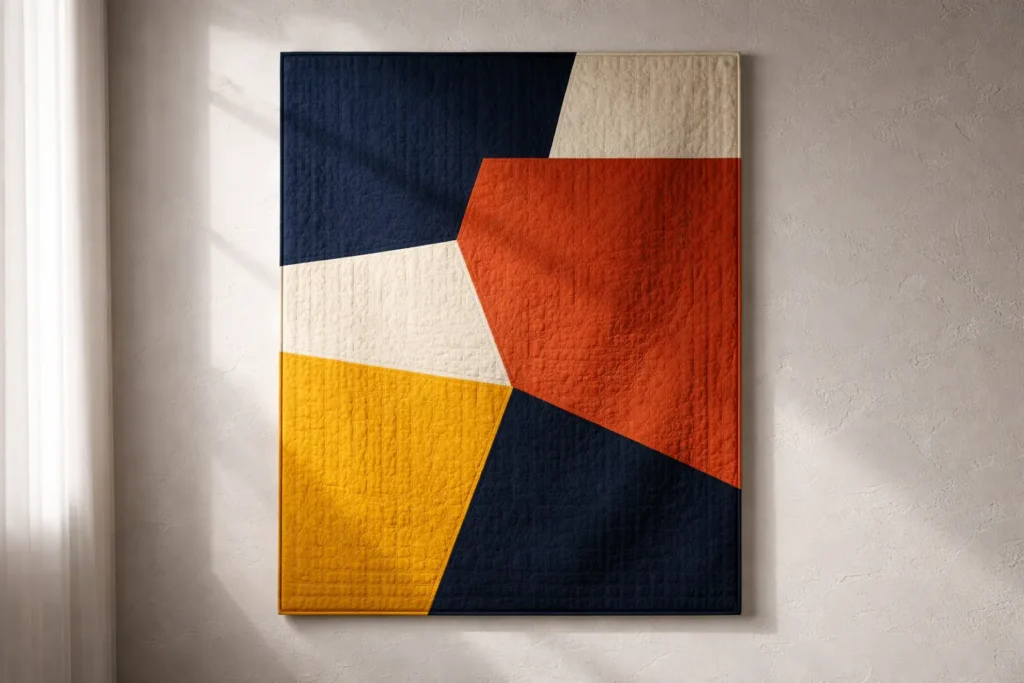
Color blocking is one of the simplest ways to create an abstract quilt. Choose three to five solid fabrics in contrasting colors. Cut large irregular shapes and arrange them across the quilt top. The contrast between light and dark areas creates strong visual impact without complicated piecing.
Improv Slice and Dice
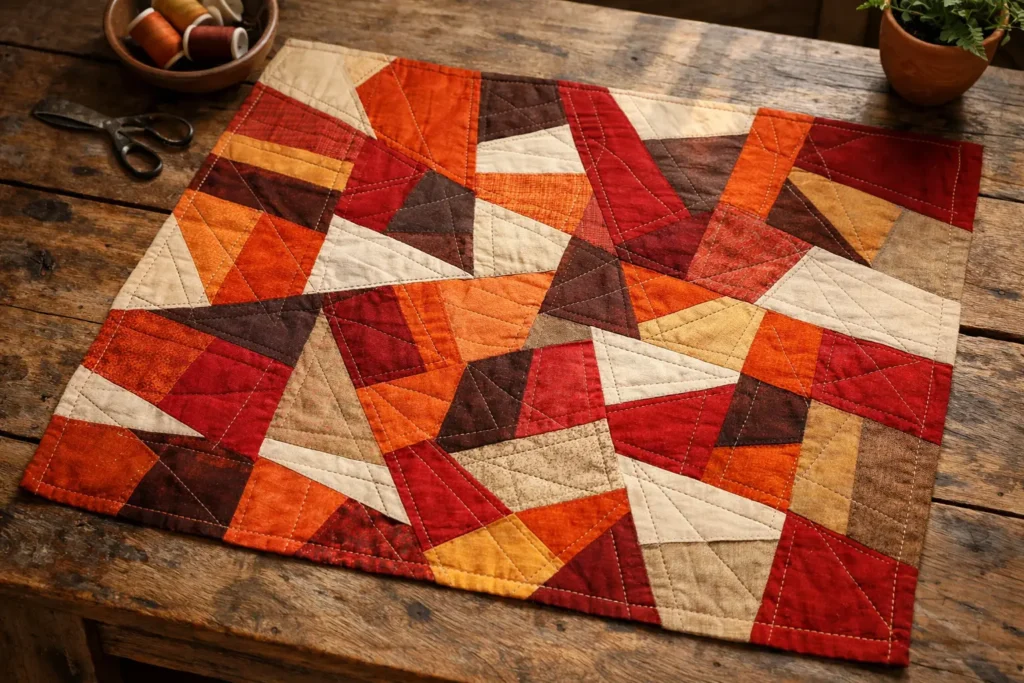
This technique involves stacking fabrics, cutting them at random angles, and sewing them back together in a new order. The result is a spontaneous composition with unexpected color combinations. This method works well for quilters who enjoy experimentation and creative freedom.
Curved Piecing Without Templates
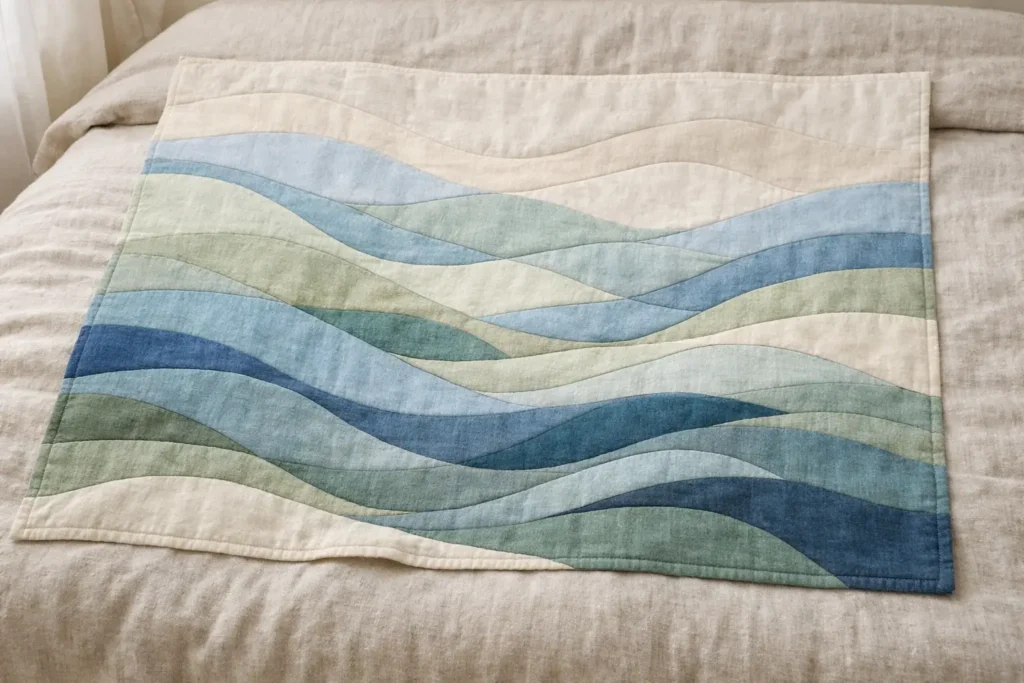
Freehand curved piecing creates soft, flowing lines. Cut gentle curves without using templates and sew them together slowly. Slight imperfections add character and movement. This style gives the quilt a painterly and organic appearance.
Landscape-Inspired Fabric Gradients
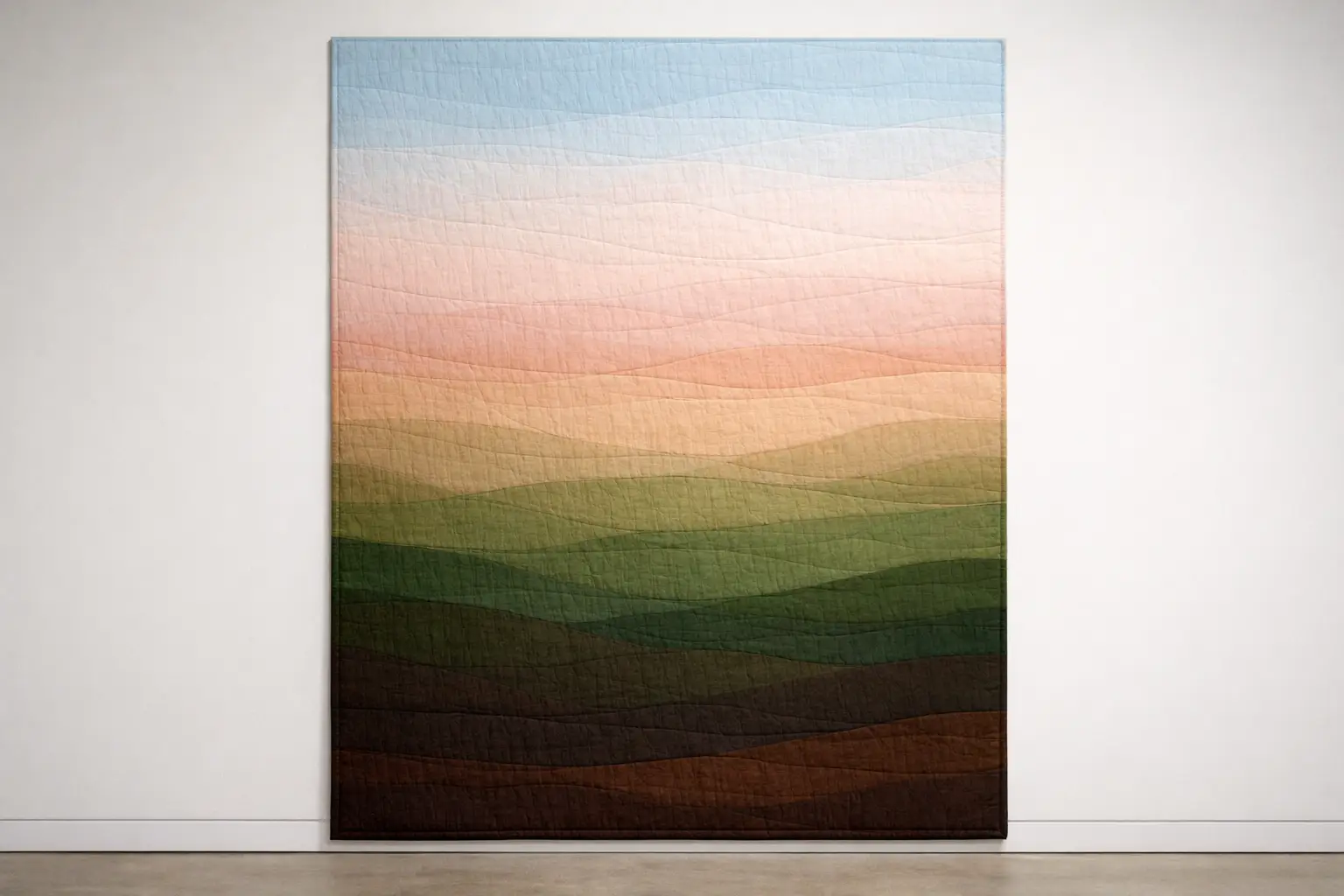
Create a gradient using fabrics that transition from dark to light. Arrange deep tones at the bottom and lighter shades toward the top. This technique suggests a horizon or atmosphere without showing a literal landscape. The effect is calm and visually balanced.
Negative Space as a Design Element
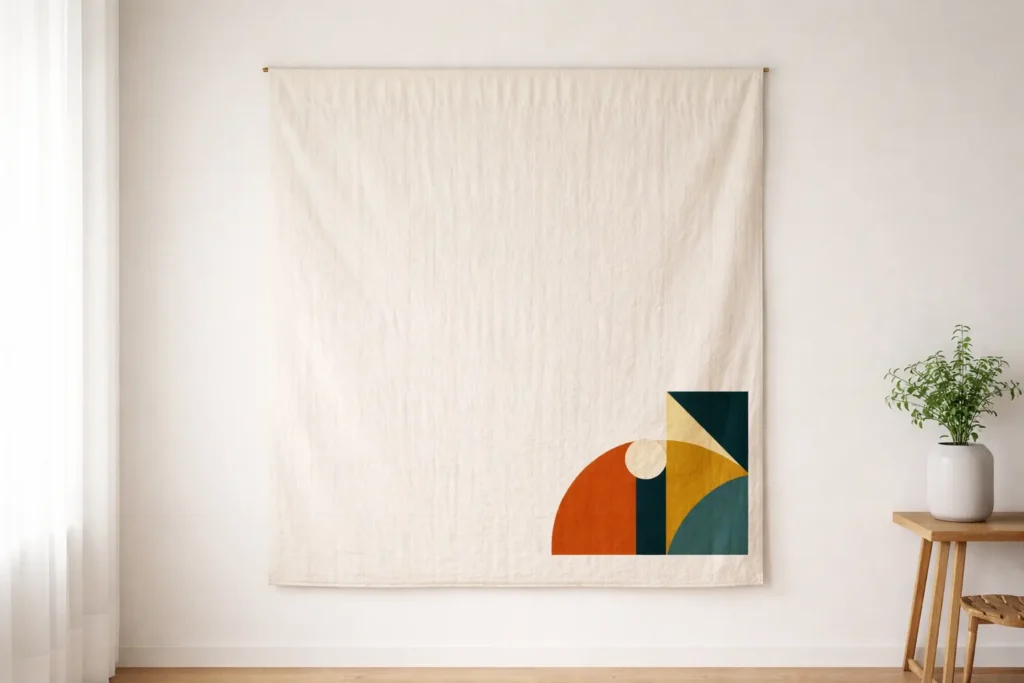
Use large areas of a single fabric to highlight smaller color sections. Negative space allows the eye to rest and makes bold shapes stand out. This minimalist approach is popular in modern abstract quilting.
Deconstructed Log Cabin Blocks
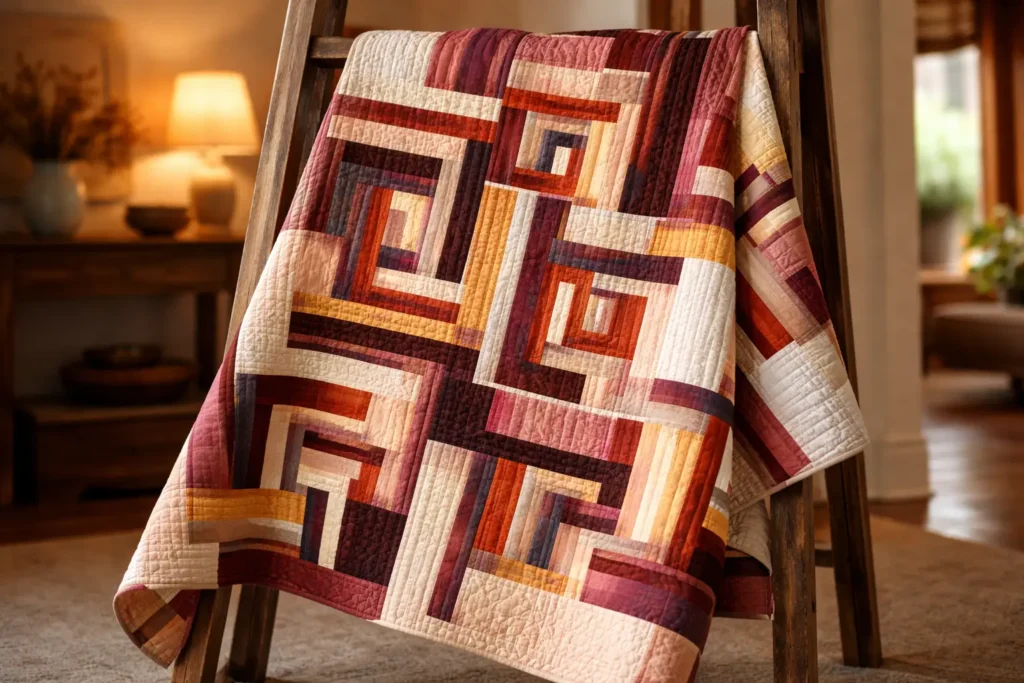
Take the traditional log cabin block and vary the strip widths. Start with the classic log cabin idea but change strip sizes and placement. Use uneven widths and rotate blocks randomly. This removes symmetry and creates an abstract version of a traditional pattern. It blends classic quilting with modern creativity.Rotate blocks and change colors freely. This breaks the symmetry and creates a contemporary abstract look while still referencing classic quilting.
Triptych Designs Across Three Panels
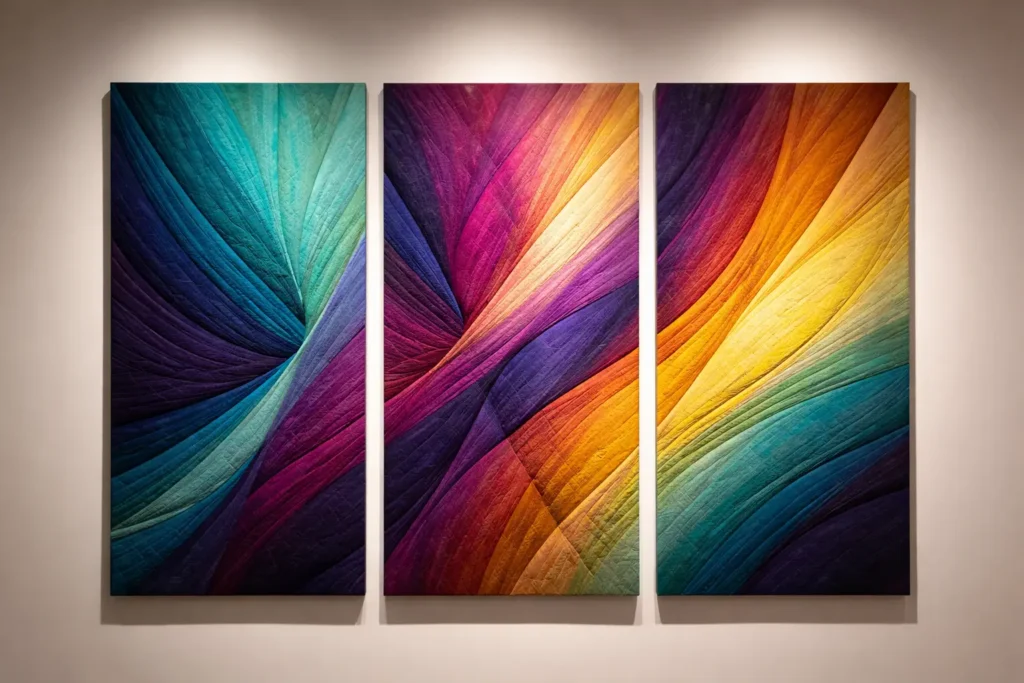
Divide the quilt into three panels that connect visually. Divide your quilt into three connected panels. Continue colors or shapes from one panel to another. When displayed together, they form one large composition. Each panel can also stand alone. This style is ideal for wall art.Colors and shapes can flow from one panel to another. The panels can be displayed together or separately. This approach works well for wall art.
Mosaic of Mixed Fabric Textures
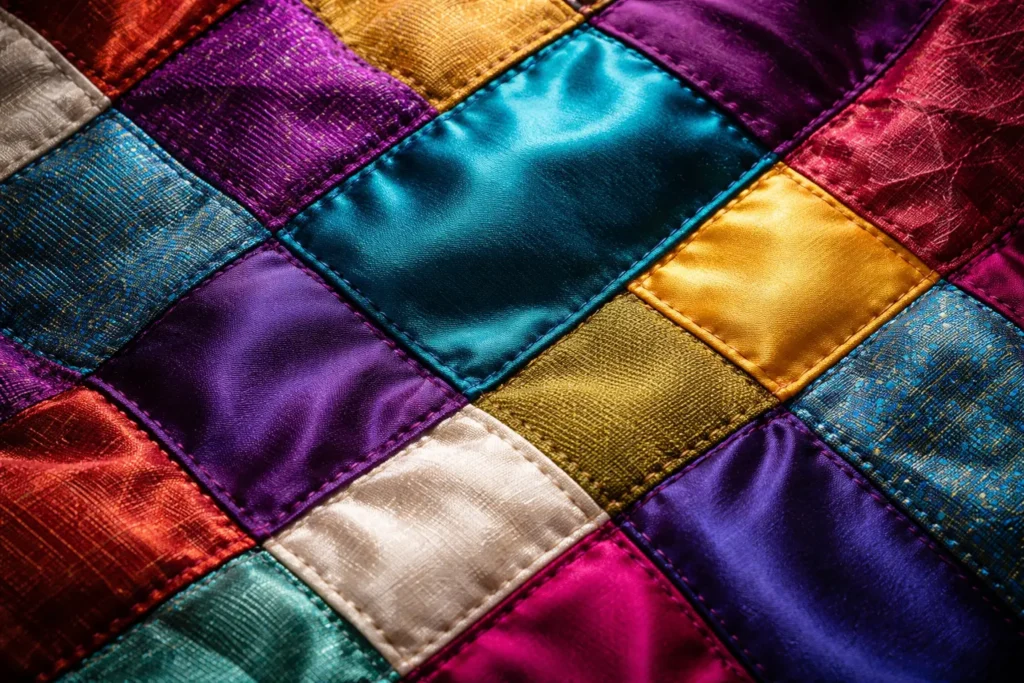
Combine different fabric types such as cotton, linen, and silk. Combine different fabrics like cotton, linen, and silk. The mix of textures adds visual depth. Light reflects differently on each material. This creates a layered and artistic appearance.The mix of textures adds depth and interest. Light reflects differently on each fabric, creating a dimensional look.
Photographic Abstraction
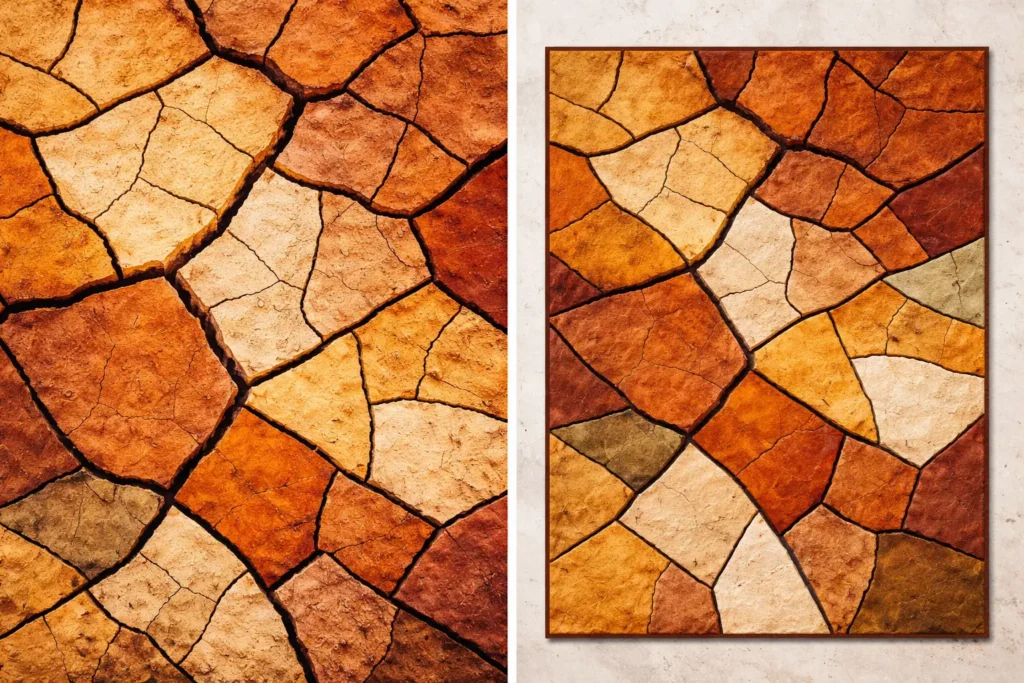
Use a photograph as inspiration for colors and shapes. Choose a photograph for inspiration. Focus on colors and shapes instead of copying details. Cut fabric pieces that reflect the main forms. This approach turns real-life inspiration into abstract textile art.Instead of copying the image, translate its main forms into fabric pieces. This creates a quilt that feels artistic and expressive.
Scrappy Improv with a Unified Palette
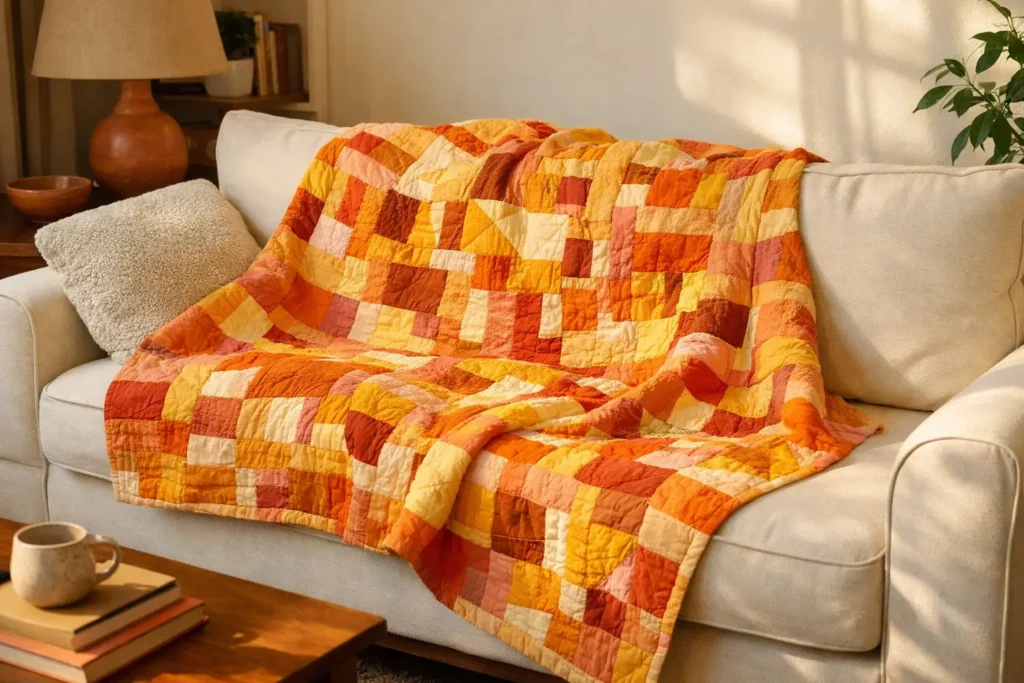
Use leftover fabric scraps but keep them within one color family. Use leftover fabric scraps in one color family. Sew pieces together randomly. Even though shapes vary, the shared palette keeps everything balanced. This method is great for using stash fabrics creatively.Sew pieces together in random sizes. The shared palette keeps the quilt cohesive while still looking dynamic.
Diagonal Energy Lines
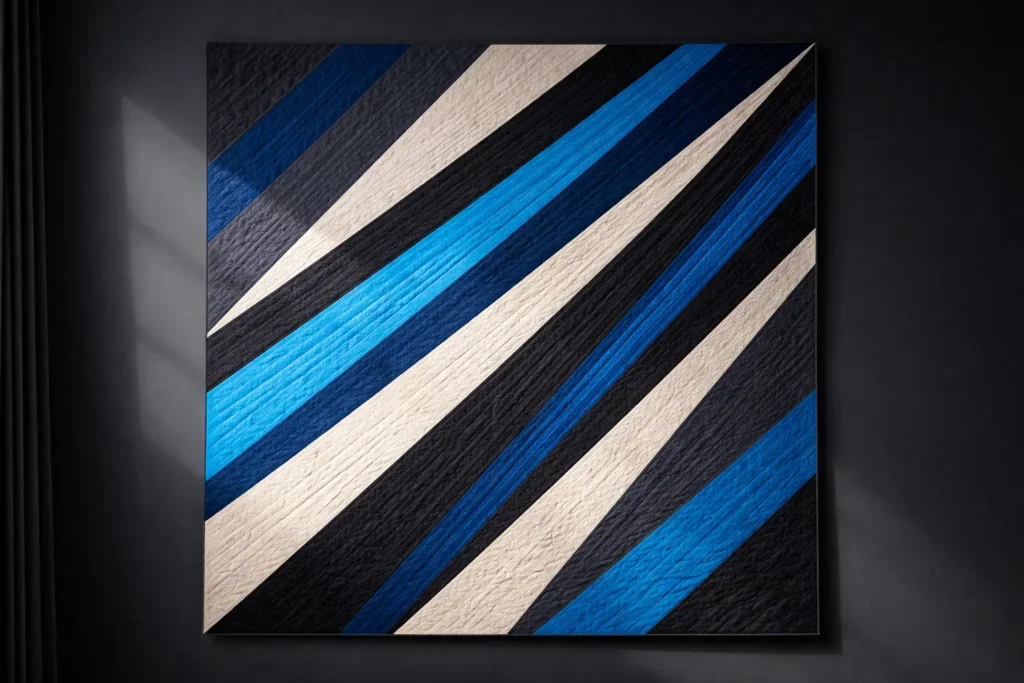
Cut long diagonal strips and sew them across the quilt. Cut long diagonal strips across the quilt. Use different widths for variety. Sew them together to create motion. This layout gives the quilt a dynamic and modern feel.Vary the width of each strip. This creates movement and direction. The finished quilt appears energetic and modern.
Half-Square Triangle Abstractions
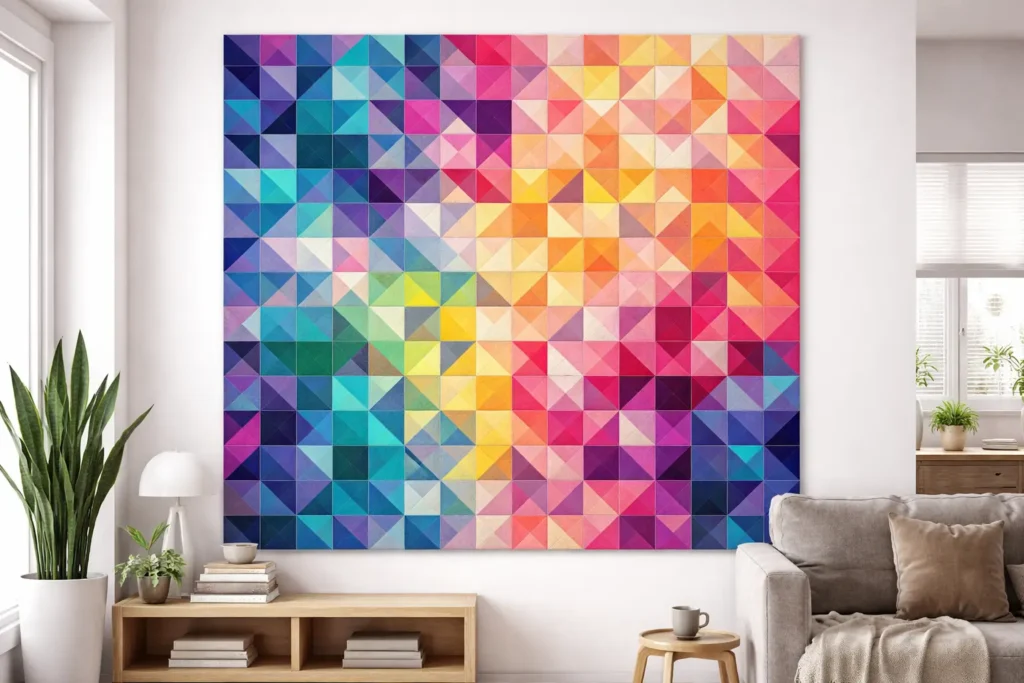
Use half-square triangles but arrange them in non-repeating patterns. Make half-square triangles and place them in random directions. Avoid repeating patterns. This turns a traditional quilting unit into an abstract design. Mixing colors adds extra interest.Rotate triangles in different directions. This transforms a traditional block into an abstract composition.
Color Value Exploration
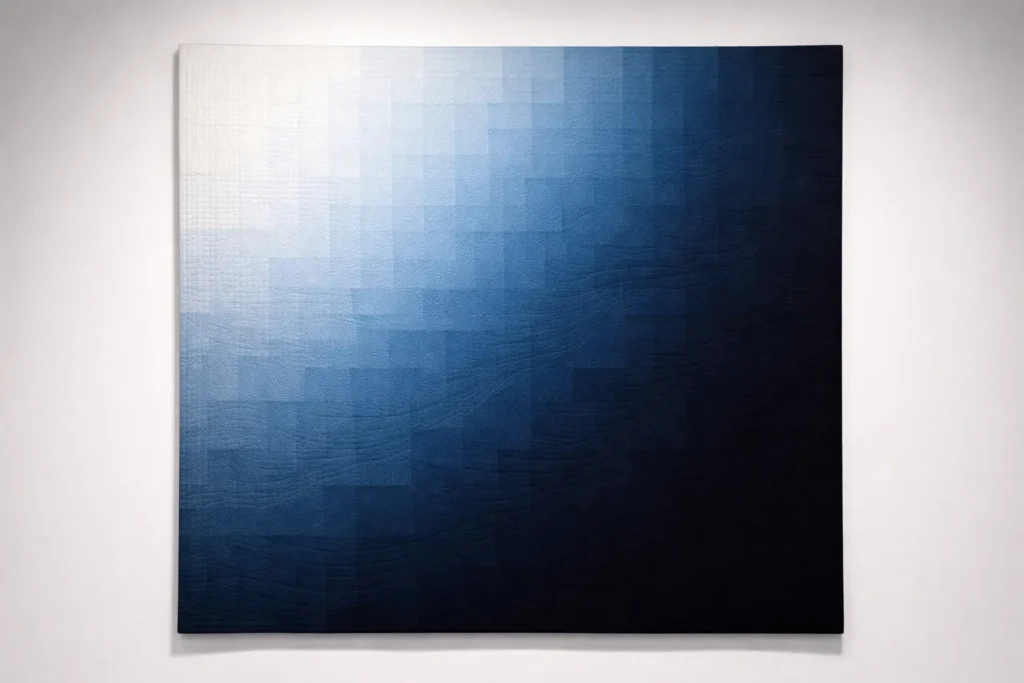
Work within one color family but vary the shades. Include light, medium, and dark tones. Choose one color and work with multiple shades. Include very light and very dark tones. This monochromatic approach creates subtle contrast. It produces a sophisticated and balanced design.This monochromatic approach creates subtle contrast and a sophisticated look.
Organic Shape Applique
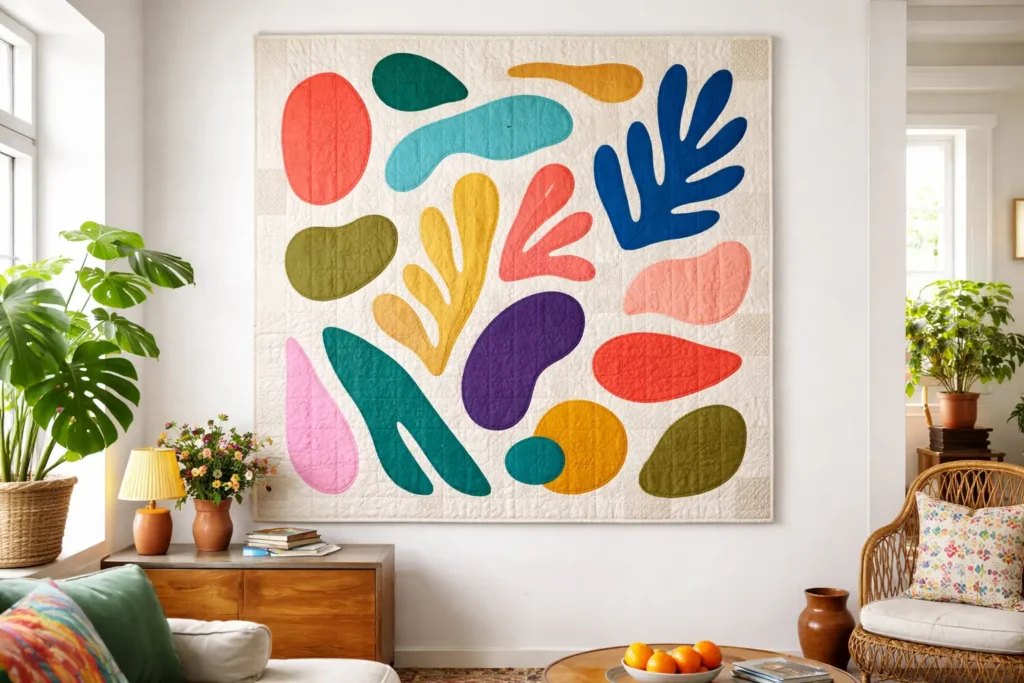
Cut freehand shapes and applique them onto a background.Cut freehand shapes such as curves, blobs, or irregular forms. Applique them onto a background fabric. The contrast between shapes and background adds interest. This technique feels expressive and artistic.Shapes can be irregular and asymmetrical. This technique adds layered interest and visual contrast.
Woven Fabric Strips
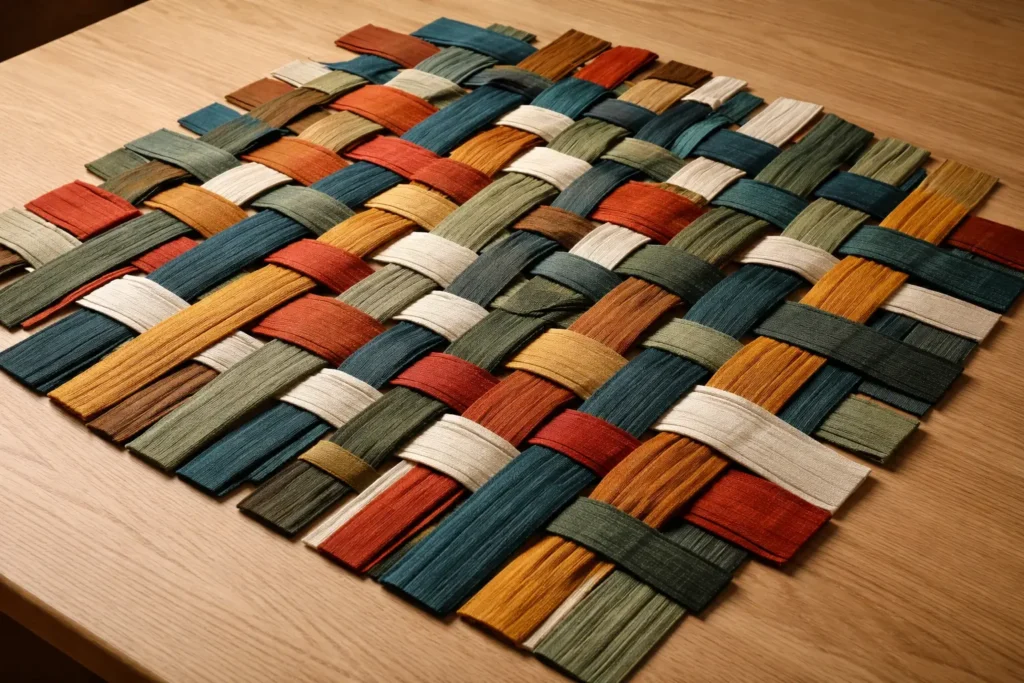
Cut strips and weave them over and under each other. Cut strips of different widths and weave them together. Place the woven section onto backing fabric and stitch. The woven look creates texture and depth. It is a unique abstract style.Secure the woven layout to backing fabric. This creates texture and a unique abstract pattern.
Asymmetrical Medallion Layout
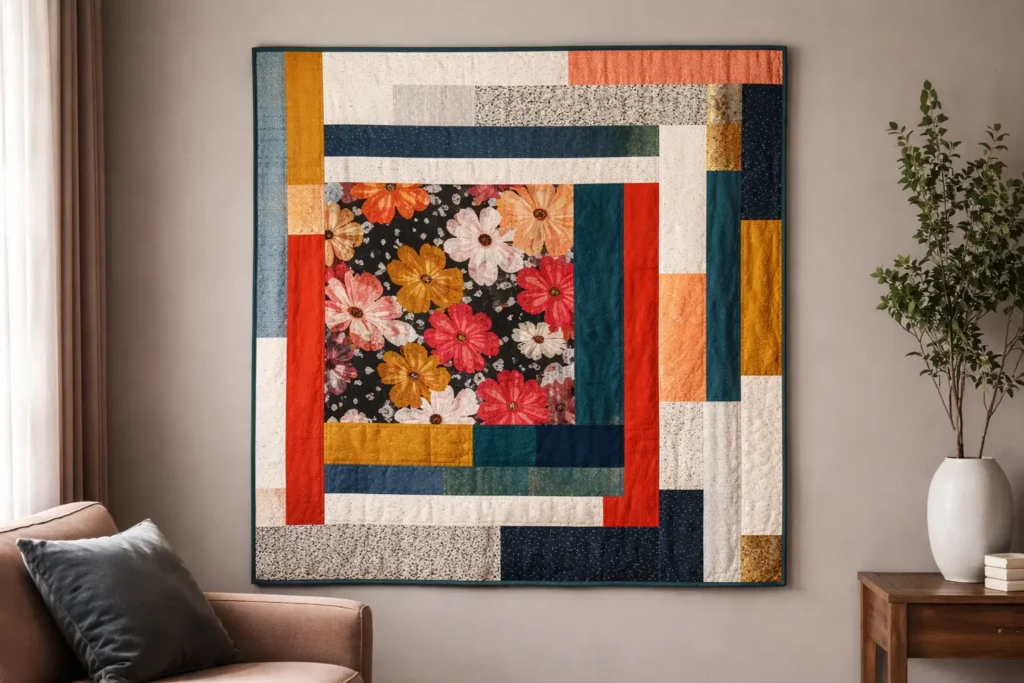
Place a focal point off-center instead of in the middle. Place a focal point off-center. Add strips and borders around it unevenly. This creates a modern asymmetrical design. The layout feels intentional and visually interesting.Build outward using uneven borders and strips. This asymmetrical design feels modern and artistic.
Raw Edge Collage Style
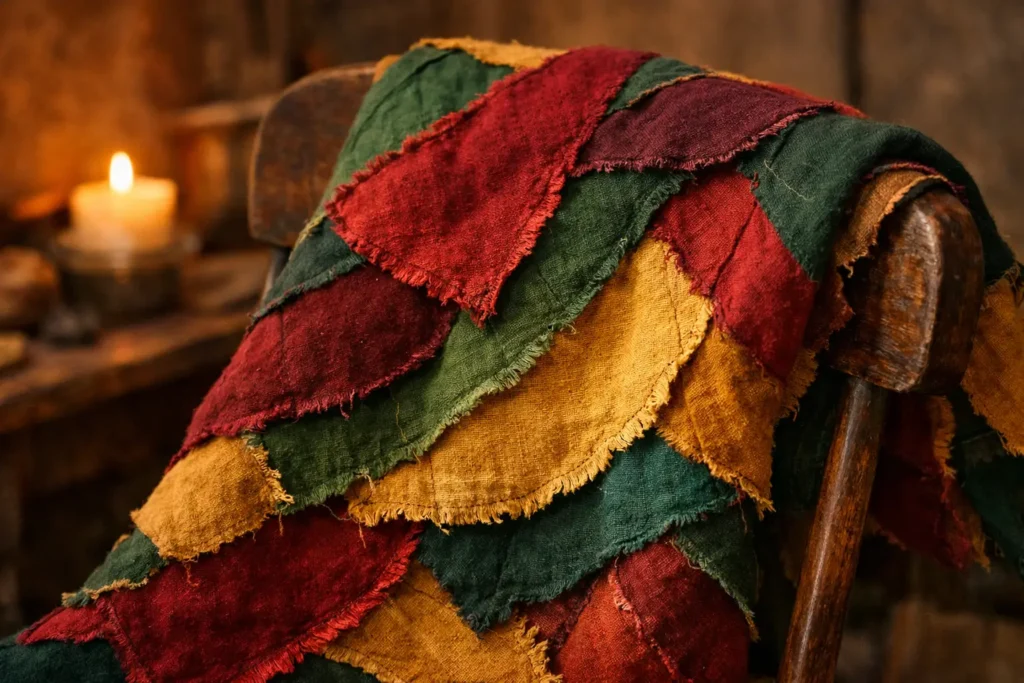
Layer fabric pieces without turning edges under.Layer fabric pieces without folding edges. Stitch them down directly. Over time, edges may fray slightly. This creates texture and a soft collage effect. Allow raw edges to remain exposed and fray slightly over time. This approach borrows from collage art and produces quilts with a wonderfully tactile, lived-in quality.
Painted Fabric Integration
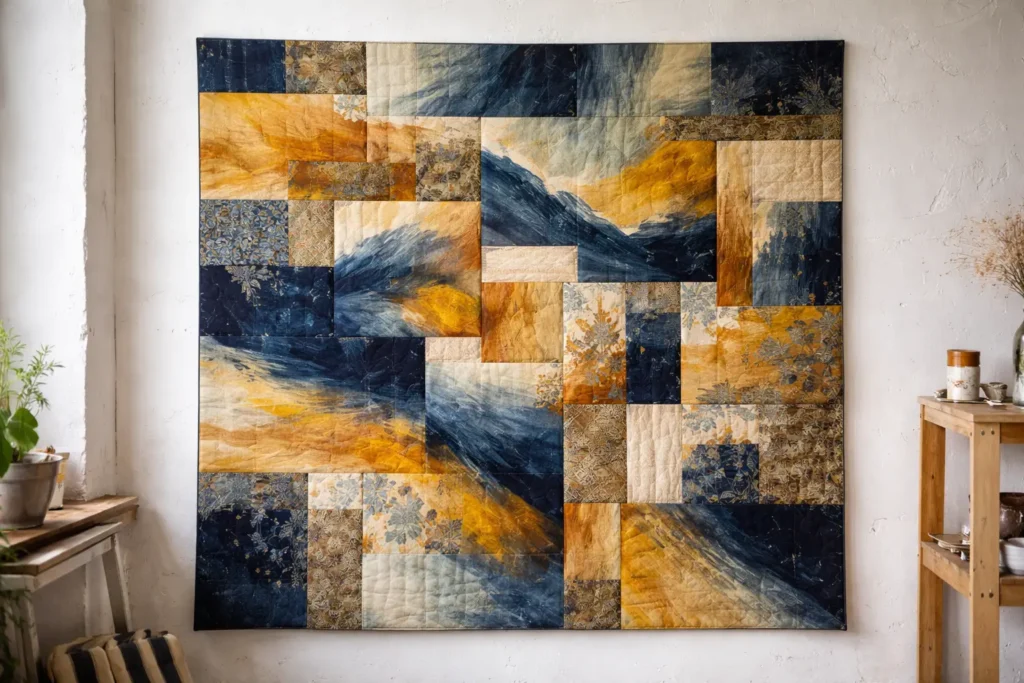
Paint directly onto fabric with textile paint or dye, then cut and piece those painted sections alongside commercial fabrics. Paint fabric using textile paint or dye. After drying, cut it into shapes. Combine painted pieces with regular fabrics. This adds unique patterns and artistic detail.The painted areas introduce marks, gradients, and textures unavailable in any fabric store.
Structured Grid with Chaotic Fills
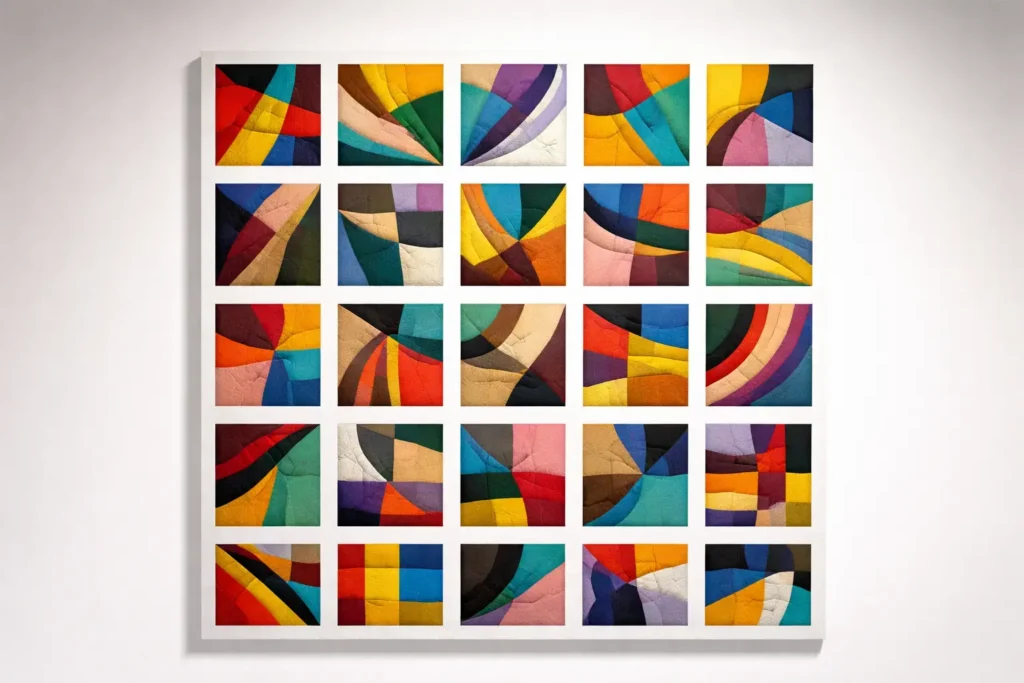
Divide your quilt into a strict grid using sashing, then fill each grid section with a completely different improvisational composition. Divide the quilt into a grid using sashing. Fill each section with different abstract patterns. The structured layout balances the random designs. This creates harmony within variety.The contrast between the orderly structure and the chaotic fills creates a fascinating dialogue between order and freedom.
Inspired by the Gee’s Bend Tradition
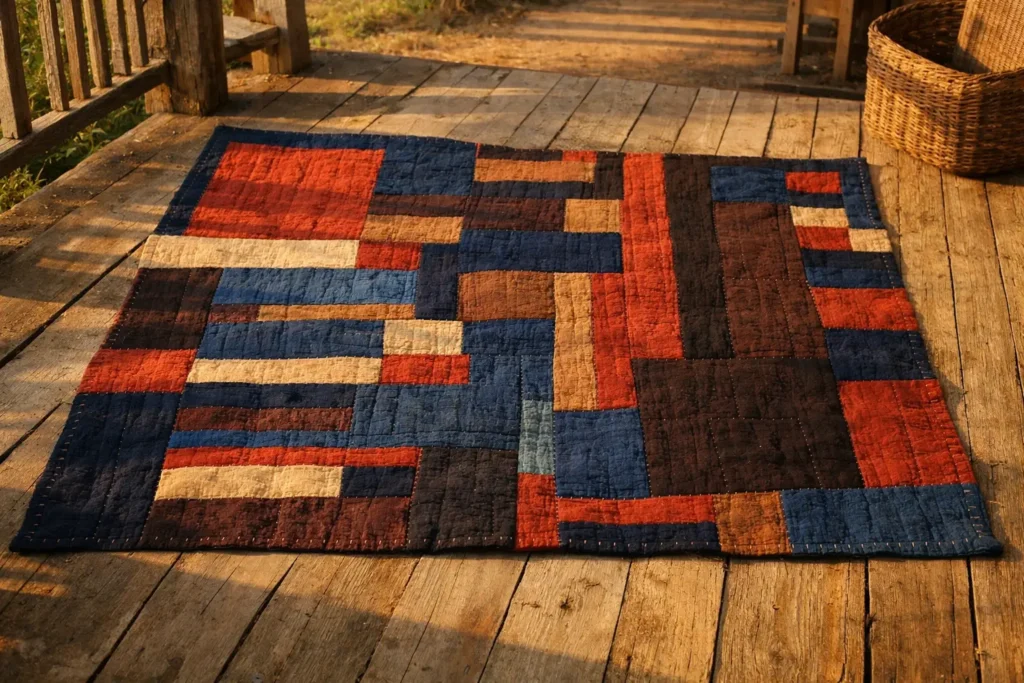
The quilters of Gee’s Bend, Alabama, created some of the most celebrated abstract textile art in American history using simple materials and improvised techniques. Study their use of bold color, unconventional block placement, and rhythm over symmetry. Let their work remind you that great abstract quilting needs no expensive fabric or elaborate planning, only an honest creative instinct.
You can may also like this:18 Christmas Village Display Ideas for Magical Decor
Conclusion
Designs are one of the most rewarding creative territories a maker can explore. They ask you to trust your instincts, respond to what is in front of you, and accept happy accidents as part of the process. Whether you choose to work with bold color blocks, organic curves, improvisational piecing, or a combination of all these ideas, the twenty approaches outlined here offer a genuine starting point. Pick the one that excites you most, gather your fabrics, and begin. The quilt you make will be unlike anything anyone has made before, and that is exactly the point.
Frequently Asked Questions
1. What is an abstract quilt design?
An abstract quilt design is a textile composition that uses color, shape, line, and texture as its primary language rather than depicting recognizable objects or following repeated geometric blocks. The goal is to create visual interest and emotional response through arrangement and contrast.
2. Do I need special skills to make an abstract quilt?
No special skills are required beyond basic sewing ability. Abstract quilting actually welcomes imperfection and spontaneity, making it a wonderful practice for beginners who feel intimidated by precise traditional patterns. The more you trust your instincts, the better your work tends to become.
3. What fabrics work best for abstract quilt designs?
Solid fabrics and low-volume prints work exceptionally well because they allow color and shape to speak without visual noise. However, mixing textures such as cotton, linen, and silk adds a dimensional richness that purely commercial fabric collections cannot replicate.
4. How do I plan an abstract quilt without a pattern?
Start with a color palette of three to five values and choose a general composition approach such as diagonal lines, color blocking, or curved piecing. Work on a design wall and step back frequently to evaluate what the composition needs. The plan evolves as you work rather than being fixed in advance.
5. Can abstract quilts be used as wall art?
Absolutely. Abstract quilts are among the most compelling forms of textile wall art available. Their scale, texture, and color depth give them a presence that printed artwork cannot replicate, and they bring warmth and visual complexity to any interior space.