
Introduction
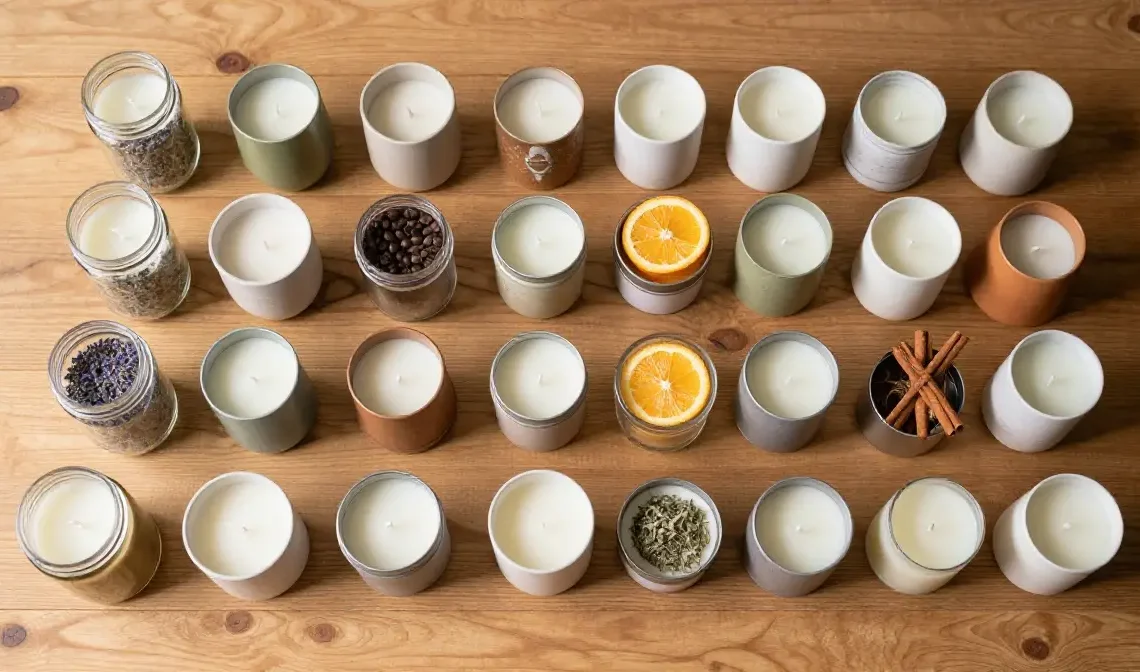
There is something quietly powerful about a candle burning in a room. The soft flicker of light, the slow release of fragrance, and the warmth that seems to settle into every corner of the space create an atmosphere that no air freshener or overhead lamp can replicate. That feeling, the one that makes a house feel like a home, is exactly what DIY scented candles are designed to deliver.
Making your own scented candles is not just a craft project. It is a way to take complete control over what fills the air you breathe, the scents that greet you when you walk through the door, and the mood of every room in your home. Store-bought candles, while convenient, are often made with synthetic fragrances and paraffin wax that can release harmful compounds into the air. When you make candles yourself, you choose natural wax, pure essential oils, and clean-burning wicks.
Classic Lavender and Honey Soy Candle
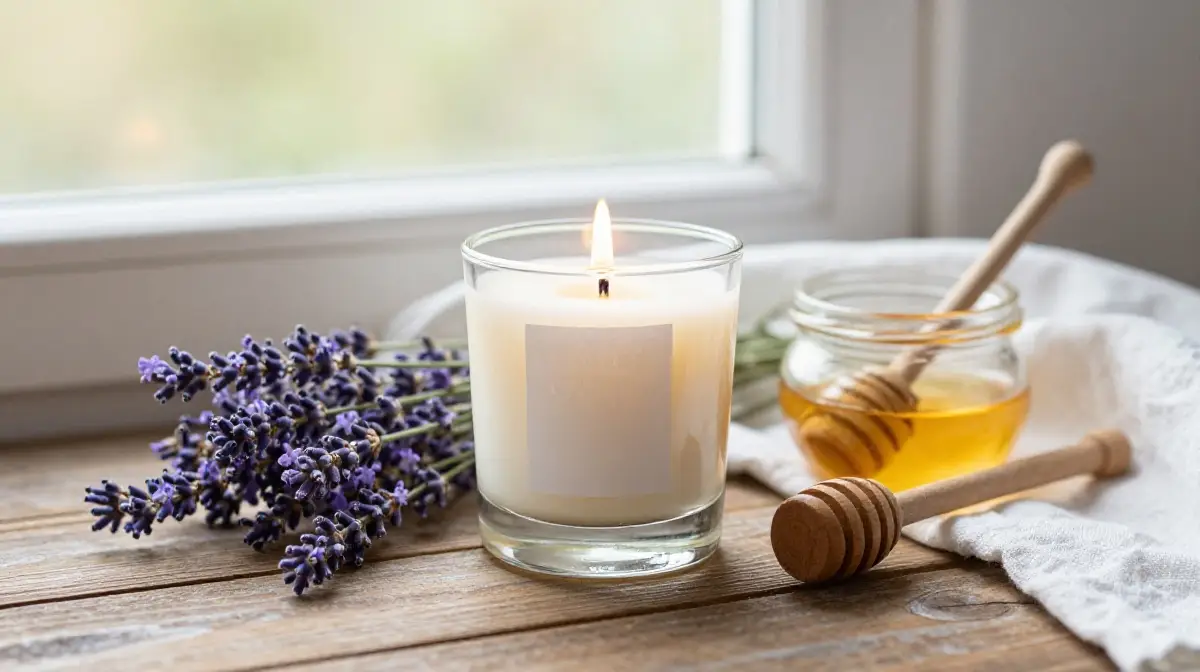
Combine lavender essential oil with a small drop of honey fragrance in soy wax for a candle that is calming, floral, and slightly sweet. This scent works beautifully in bedrooms or reading nooks where you want to unwind at the end of the day.
Eucalyptus and Peppermint Spa Candle
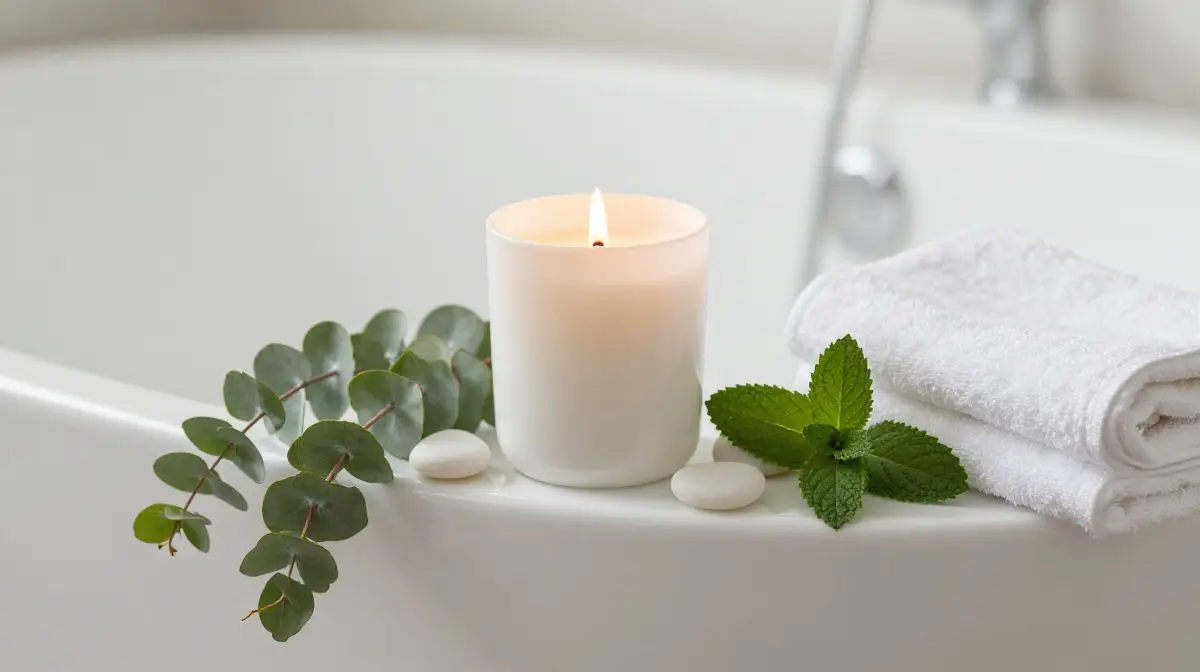
This invigorating combination turns any bathroom into a personal spa. Eucalyptus clears the sinuses while peppermint provides a cool, refreshing lift. Use a clean white jar or a ceramic cup for an elegant finish.
Coffee Bean and Vanilla Mug Candle
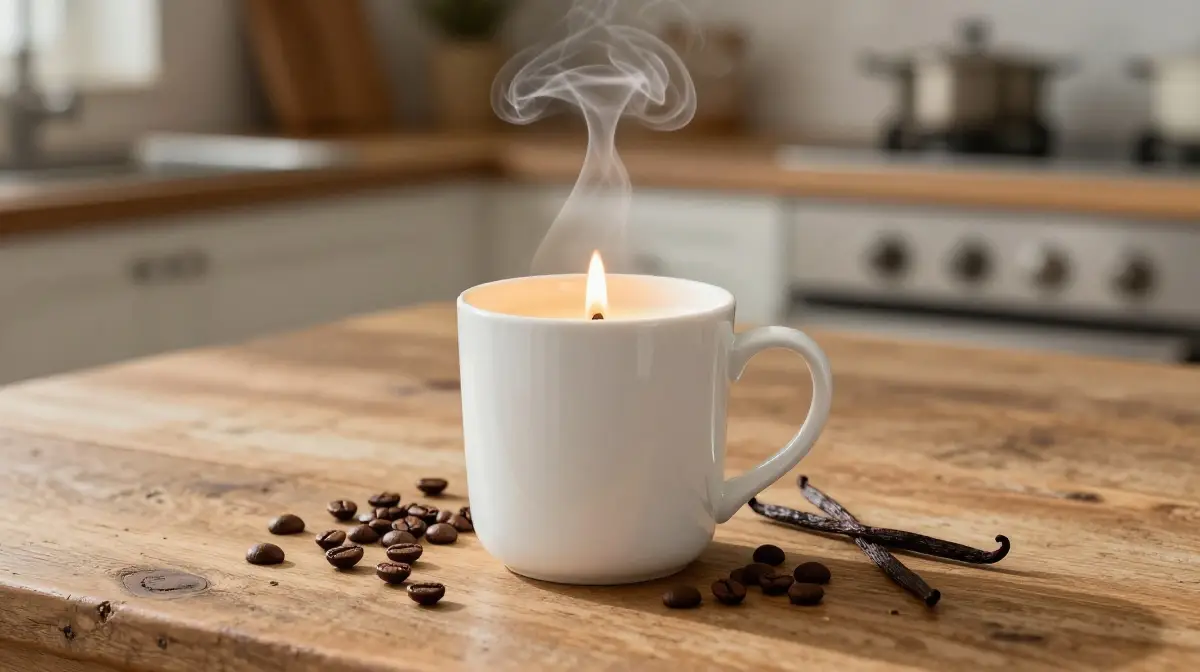
Pour your wax blend into an old ceramic mug and add coffee fragrance oil with a hint of vanilla. Place a few whole coffee beans on the surface before the wax sets for a visually stunning candle that smells exactly like a freshly brewed morning cup.
Lemon and Rosemary Kitchen Candle
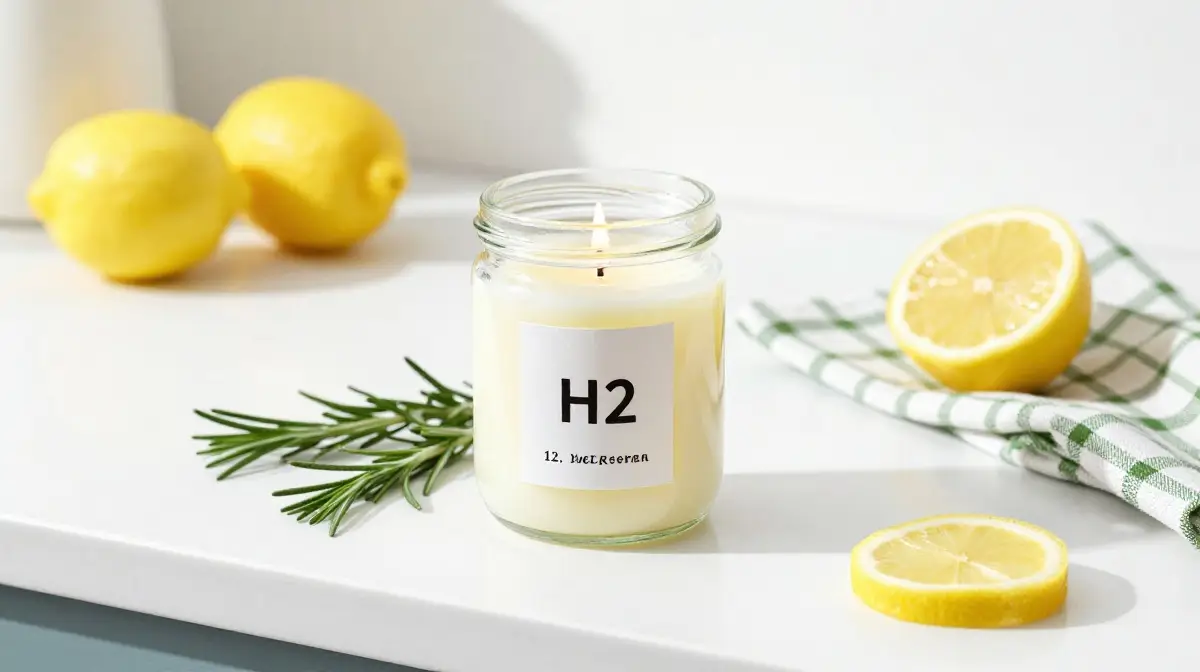
This bright, herbal blend is ideal for the kitchen. Lemon cuts through cooking odours while rosemary adds an earthy freshness. Use a small jam jar and add a sprig of dried rosemary to the surface for a rustic, farmhouse look.
Pine and Frankincense Winter Candle
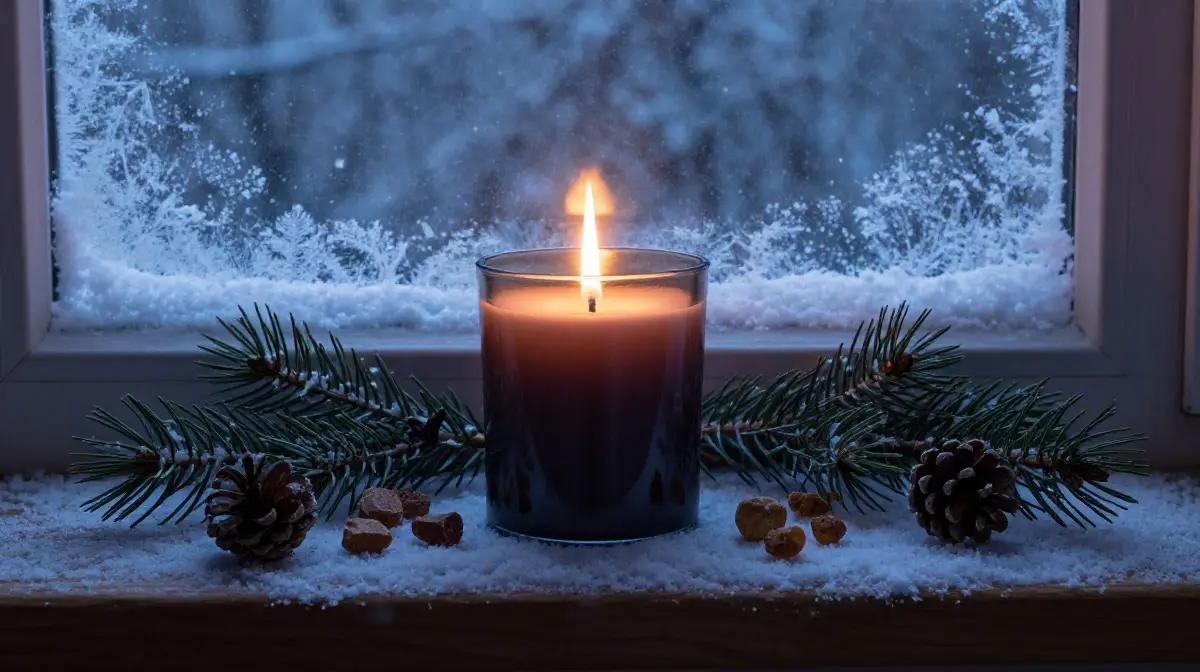
Few scent combinations evoke winter more effectively than pine and frankincense. These two oils blend into something deeply woodsy and slightly ceremonial, making this candle ideal for the holiday season or cold evenings by the window.
Bergamot and Lavender Relaxation Candle
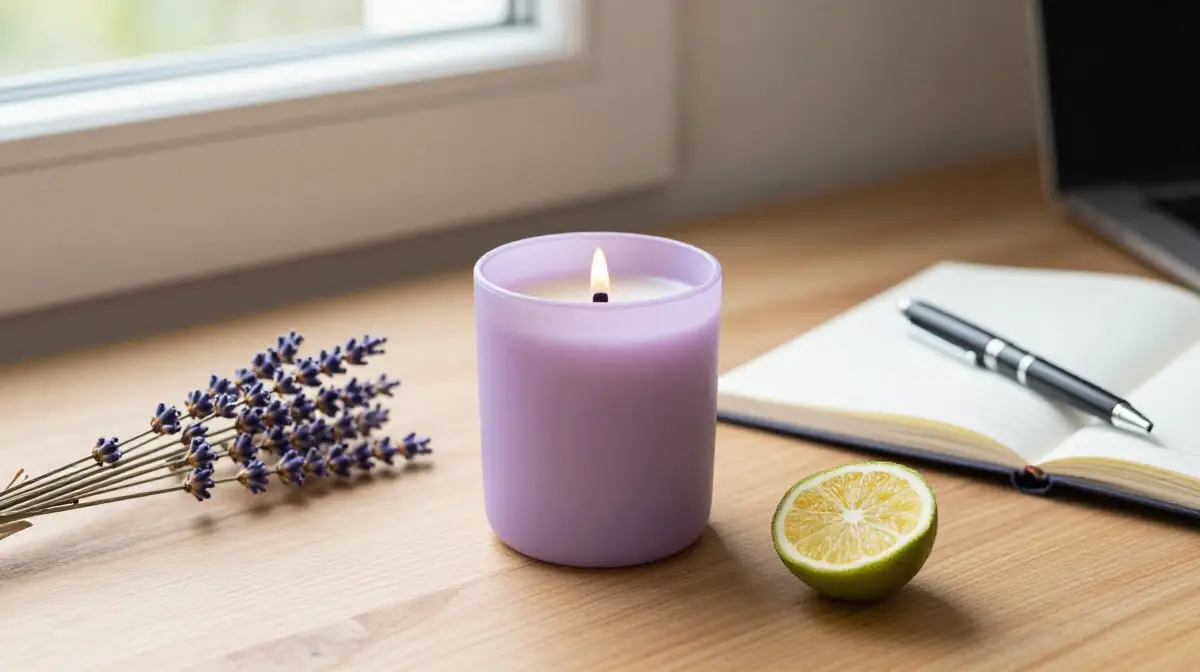
Bergamot is a citrus oil with a floral undertone that pairs naturally with lavender. Together, they create a balanced, sophisticated fragrance that reduces anxiety and supports mental clarity. This is a great candle for home offices or meditation spaces.
Rose and Ylang Ylang Romance Candle
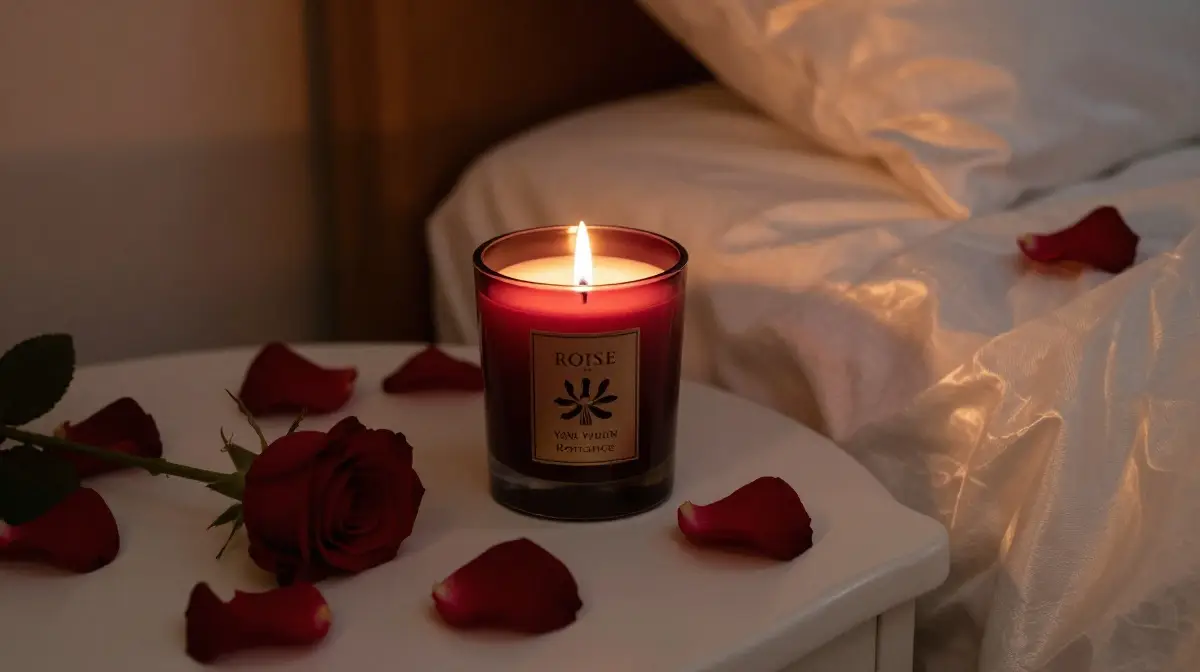
Pour this blend into a dark glass vessel for a romantic, luxurious candle. Rose fragrance oil blended with ylang ylang creates a heady floral scent that is associated with feelings of warmth and affection.
Sandalwood and Amber Evening Candle
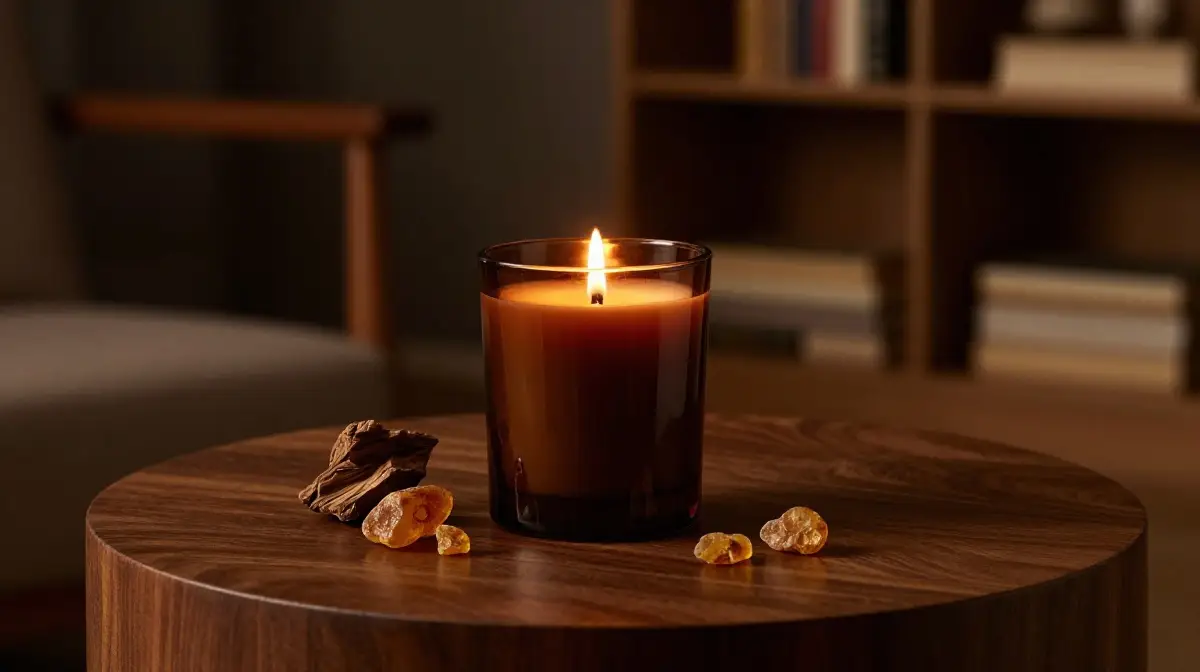
Sandalwood is rich, smooth, and slightly creamy. Paired with amber fragrance oil, it creates a deeply warm candle that is best burned during evening hours. The scent settles into a room slowly and lingers beautifully long after the flame is out.
Lemon Rind and Sea Salt Coastal Candle
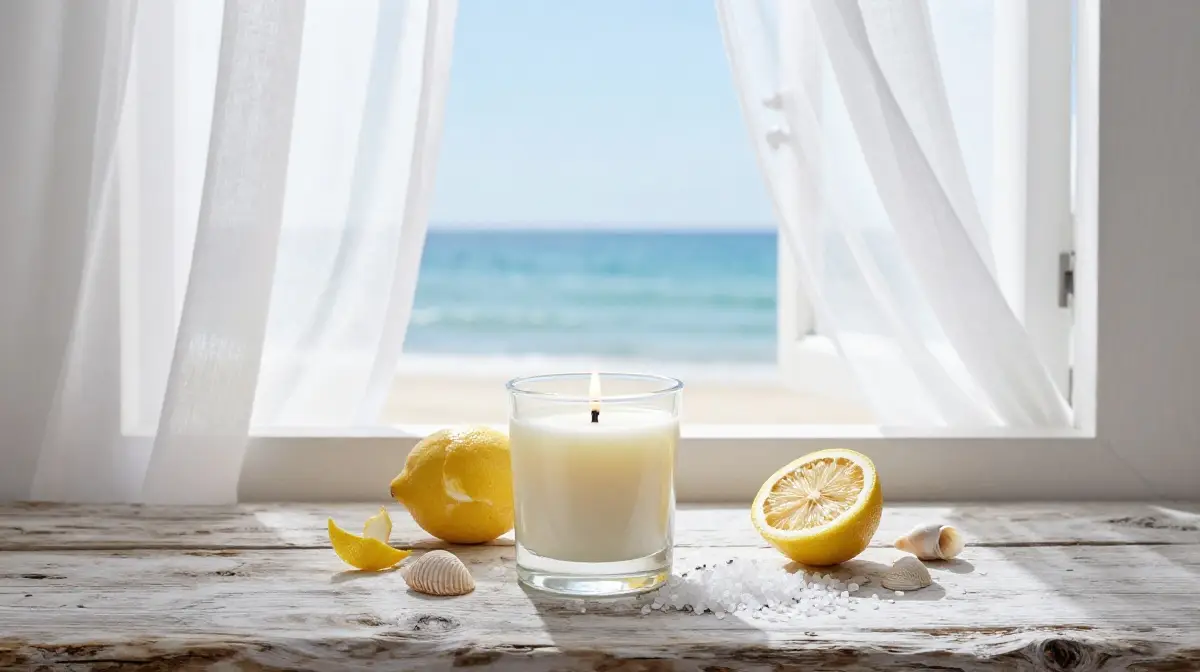
If you love the feeling of being near the ocean, this blend is for you. Lemon rind combined with a sea salt fragrance oil produces a clean, airy scent that brightens any room and makes a small space feel more open.
Grapefruit and Mint Morning Candle
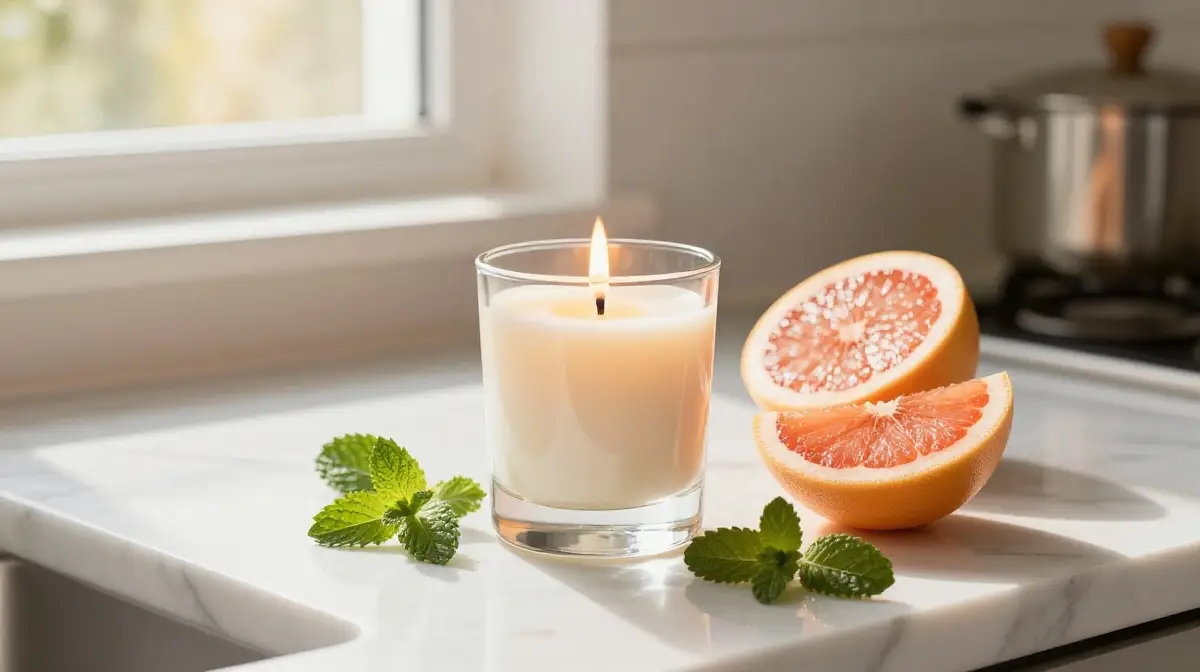
This is the ideal candle to light first thing in the morning. Grapefruit is energising and mood-lifting, while mint adds a crisp freshness that helps clear mental fog. Use a clear glass jar so the light passes through and adds a cheerful glow to your morning routine.
Chamomile and Vanilla Bedtime Candle
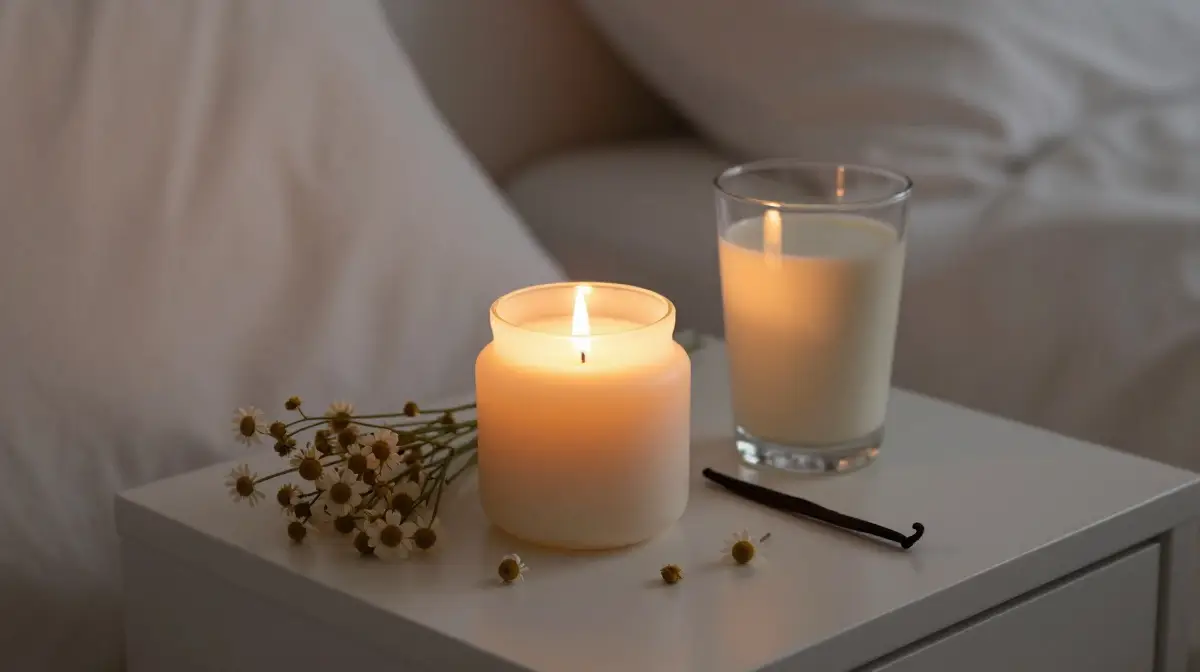
Chamomile is one of the gentlest, most soothing scents in aromatherapy. When blended with vanilla, it creates a soft, calming fragrance that prepares the mind and body for sleep. Burn this in your bedroom about an hour before you plan to rest.
Cinnamon and Orange Festive Candle
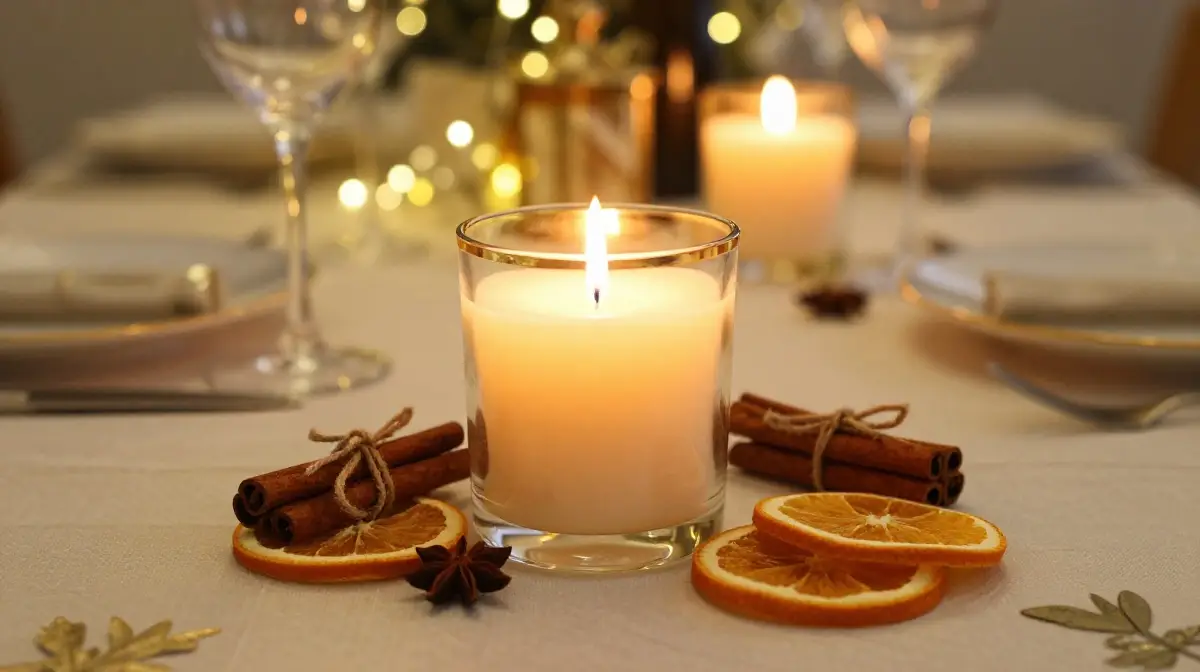
This classic pairing feels celebratory and warming. The bright citrus note of orange lifts the spicy weight of cinnamon, resulting in a festive candle that suits Christmas, Eid gatherings, dinner parties, or any occasion where you want the home to feel welcoming.
Beeswax and Honey Taper Candle
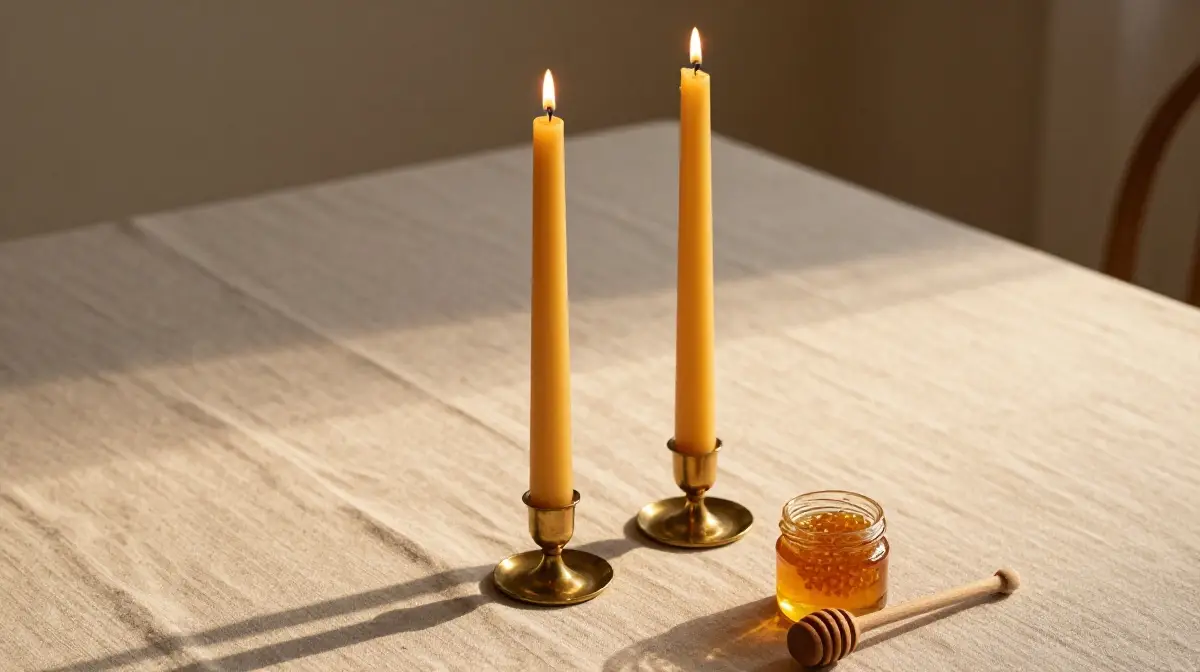
Beeswax naturally carries the subtle scent of honey, making these tapers beautifully fragrant without needing additional oils. Melt pure beeswax and pour it into taper moulds for an elegant, natural candle that burns slowly and cleanly.
Jasmine and Green Tea Candle
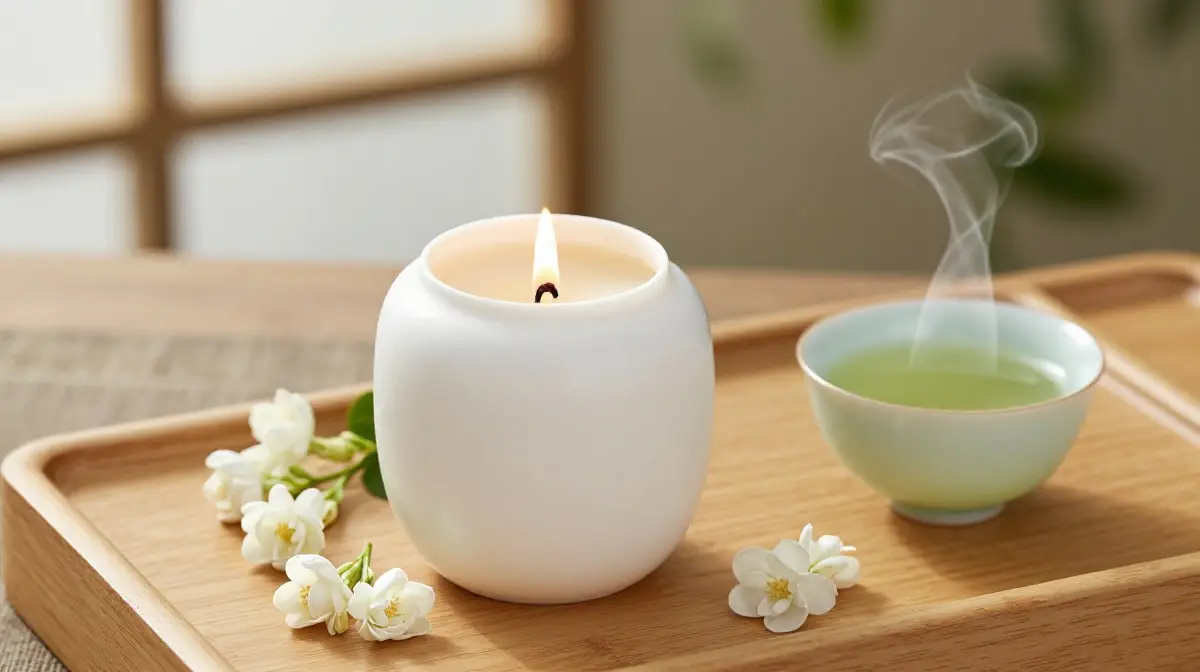
Jasmine is exotic and slightly sweet, while green tea adds a clean, understated earthiness. Together they create a sophisticated fragrance that works well in living rooms, dining rooms, or as a thoughtful handmade gift.
Lemongrass and Eucalyptus Clean-Air Candle
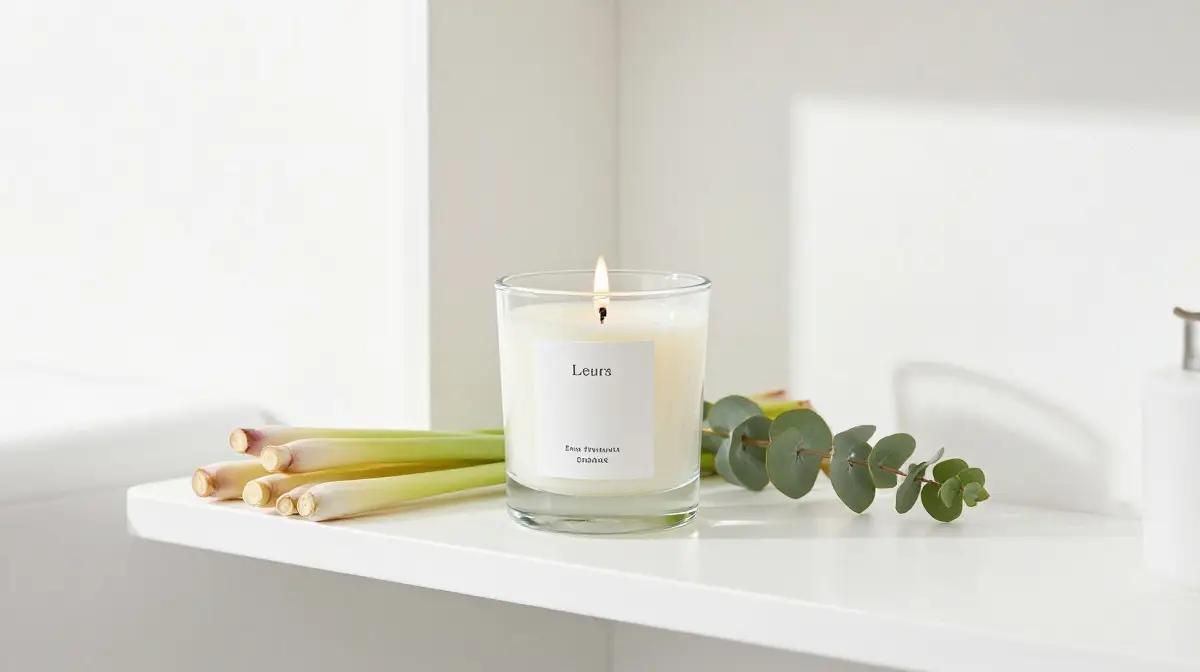
This combination smells exactly like a deep-cleaned, freshly aired-out home. It is bright, herbal, and purifying. It is particularly good for spaces that need a lift, such as home gyms, mudrooms, or smaller apartments.
Frankincense and Myrrh Meditation Candle
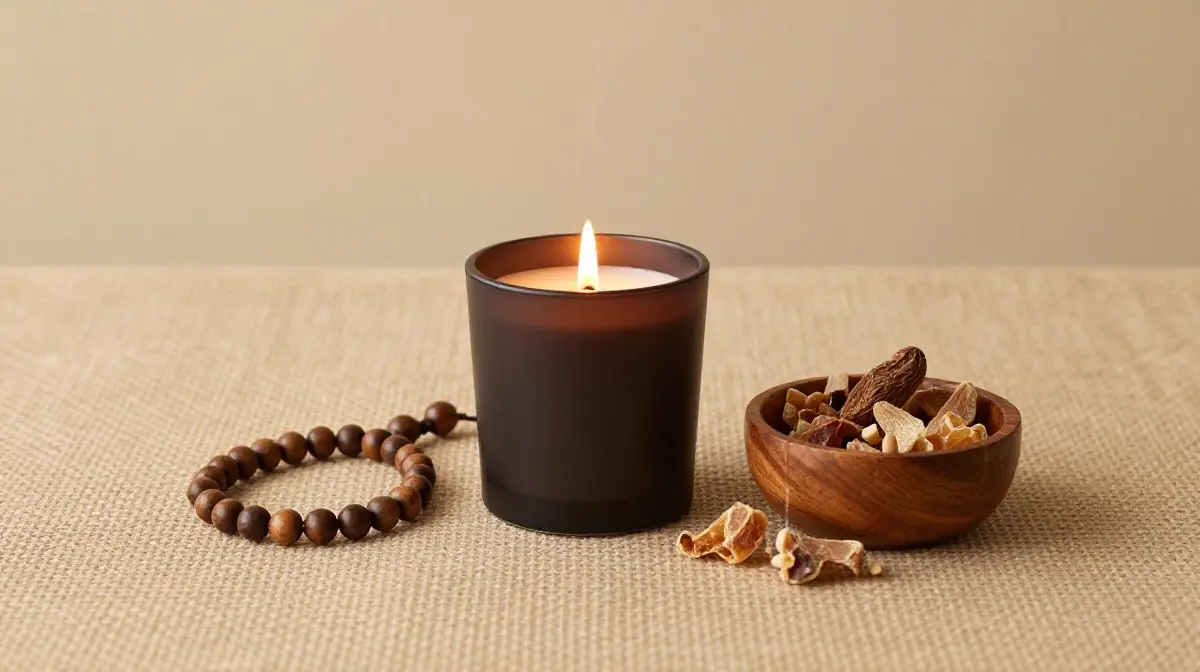
These two ancient resins have been used in spiritual practices for thousands of years. Their deep, earthy, slightly sweet scent creates a grounding atmosphere ideal for yoga, meditation, journaling, or simply sitting in quiet reflection.
Clove and Cedarwood Study Candle
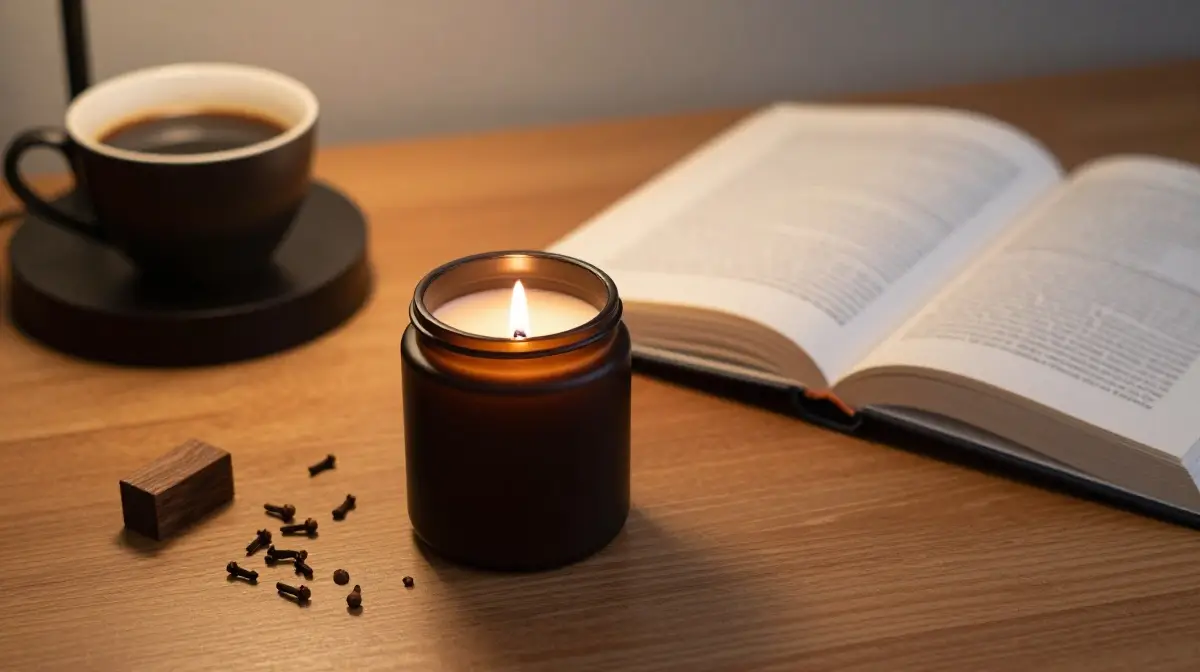
Clove is sharp and warming, while cedarwood is steady and grounding. The combination promotes mental focus and stamina, making this an excellent candle to burn while studying, working from home, or tackling a long creative project.
Coconut and Lime Summer Candle
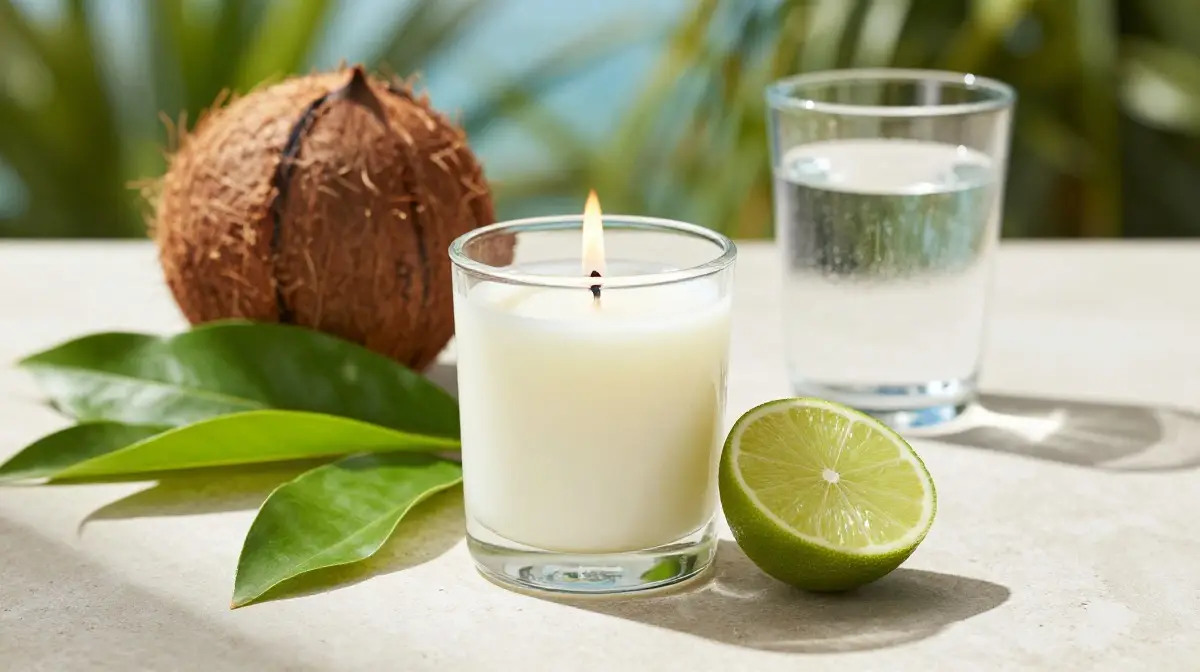
Pour coconut wax into a small glass jar and blend in lime and coconut fragrance oils. The result is a bright, tropical candle that instantly evokes long summer days. This makes a wonderful gift and is one of the most crowd-pleasing DIY scented candle ideas on this list.
Tips for Better Candles Every Time
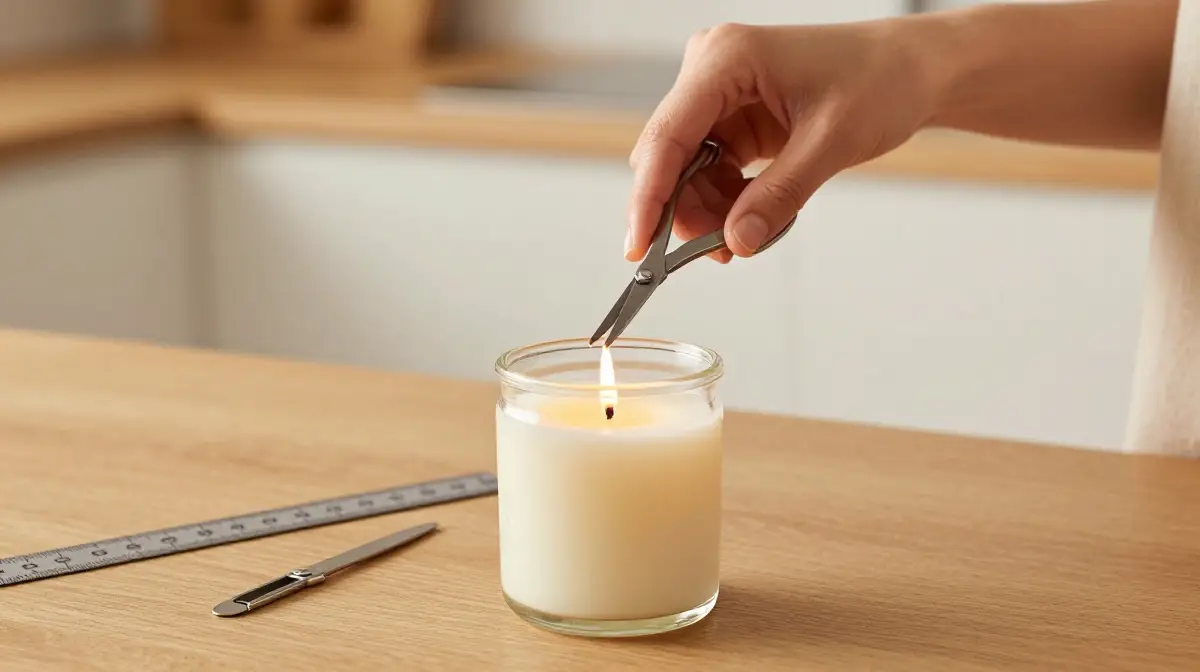
Always allow your candles to cure for at least 48 hours before burning them. Curing gives the wax time to fully bind with the fragrance oils, resulting in a stronger and more consistent scent throw. When burning your candle for the first time, let it burn until the wax pool reaches all edges of the container. This prevents tunneling and ensures the candle burns evenly throughout its life. Keep your wick trimmed to approximately 6mm before each use to avoid soot and maintain a steady flame.
The Art of Making Your Home Smell Like Comfort
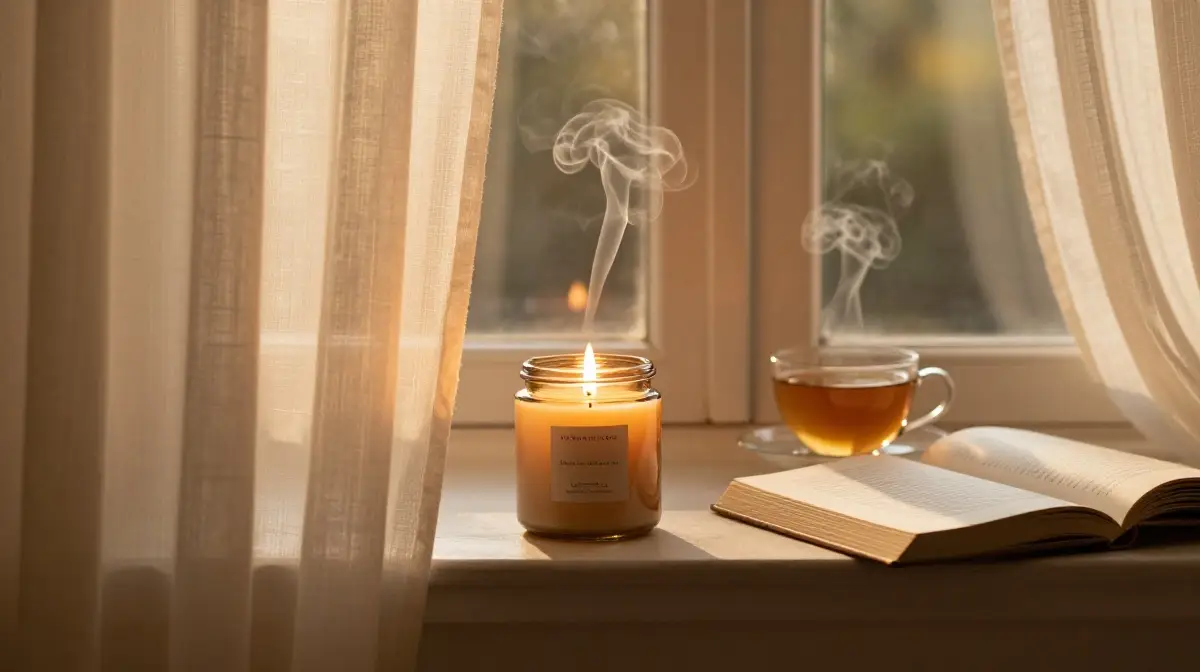
DIY scented candles are far more than a hobby. They are a practical, affordable, and deeply personal way to shape the atmosphere of your home. Whether you want a bedroom that smells of lavender and honey, a kitchen brightened by lemon and rosemary, or a living room warmed by sandalwood and amber, the power to create that experience is entirely in your hands. With the 20 ideas in this guide, you have everything you need to begin making candles that are genuinely meaningful, beautifully crafted, and worthy of every room in your home.
Conclusion
There is a reason people have burned candles in their homes for thousands of years. Long before electric lights and synthetic air fresheners existed, a simple flame and a natural fragrance were enough to transform a space into somewhere safe, warm, and deeply personal. That tradition has not disappeared. It has simply evolved into something you can now create entirely on your own terms.The 20 DIY scented candles ideas covered in this guide give you a complete starting point. Whether you are drawn to the calming softness of lavender and honey, the festive warmth of cinnamon and orange, the grounding depth of sandalwood and amber, or the spa-like freshness of eucalyptus and peppermint, there is a candle on this list that belongs in your home. More importantly, there is a candle on this list that you are fully capable of making yourself.
You may also like this:20 DIY Garden Fountain Ideas You’ll Love to Try
Frequently Asked Questions
FAQ 1. What type of wax is best for DIY scented candles?
Soy wax is the most recommended wax for beginners and experienced makers alike. It burns cleanly, holds fragrance well, and is made from a renewable resource. Beeswax is an excellent premium alternative, while coconut wax offers a superior scent throw. Paraffin wax is the least recommended due to the toxins it can release when burned.
FAQ 2. How many drops of essential oil do I need per candle?
A general guideline is approximately 80 to 100 drops of essential oil per 8 ounces of wax. For fragrance oils, a ratio of one ounce of fragrance oil per pound of wax is the standard starting point. Always adjust based on how potent the oil is and how strong you want the scent.
FAQ 3. Why does my homemade candle not smell strong enough when burning?
Weak scent throw is usually caused by adding the fragrance oil when the wax is too hot, not allowing the candle to cure for long enough, or using too little fragrance. Add oils at the correct temperature recommended for your wax type, allow at least 48 hours of curing time, and ensure your fragrance load is sufficient for the volume of wax you are using.
FAQ 4. What containers can I use for DIY scented candles?
Glass jars, ceramic mugs, tin containers, and old teacups all work well for container candles. Avoid any container that can melt, crack under heat, or release chemicals, such as plastic. Mason jars are among the most popular options because they are widely available, affordable, and create a beautiful rustic look.
FAQ 5. Are DIY scented candles safe to burn indoors?
Yes, provided you use natural wax such as soy or beeswax, pure essential oils or quality fragrance oils, and properly sized cotton or hemp wicks. Always burn candles in a well-ventilated room, keep them away from flammable materials, never leave them unattended, and trim the wick before each use to prevent excessive soot or flame flare-ups.