
Introduction
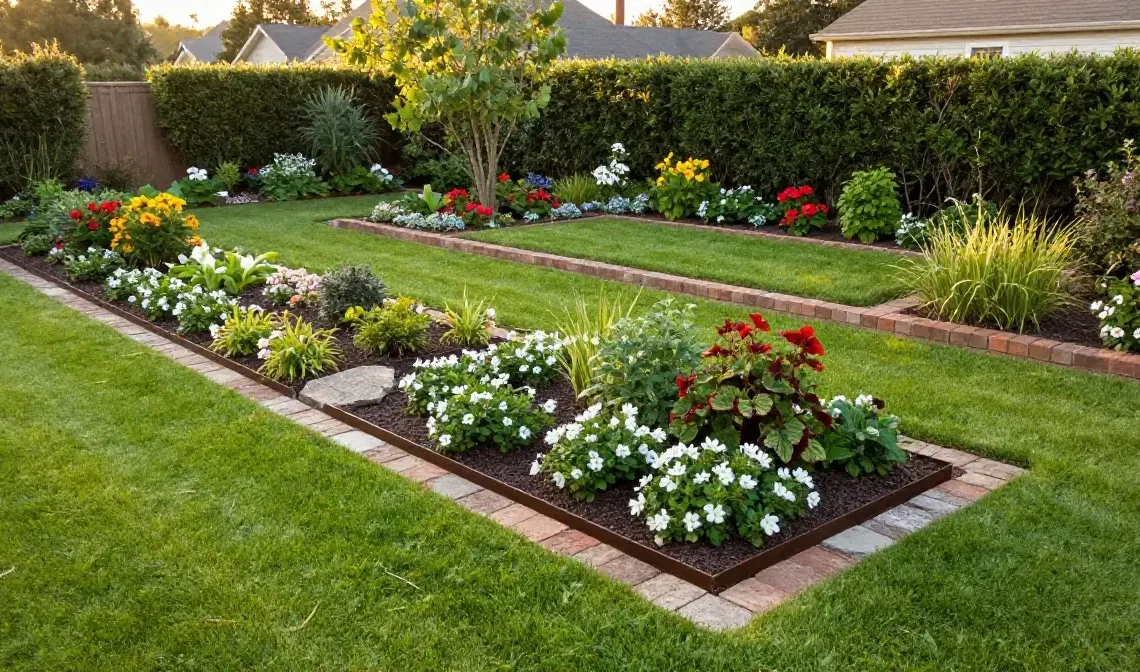
A garden without clearly defined edges is like a painting without a frame. No matter how much care goes into selecting plants, arranging flower beds, or laying out pathways, the final result always looks unfinished without a proper border holding everything together. Garden edging is one of the most practical and visually rewarding improvements you can make to any outdoor space. It creates a sharp separation between your lawn and planting areas, keeps grass from creeping into flower beds, contains mulch where it belongs, and gives the entire garden a polished, intentional appearance. The good news is that edging ideas exist for every budget, every garden size, and every personal style. Here are 20 garden edging ideas that genuinely upgrade your outdoor space from the ground up.
Classic Brick Garden Edging
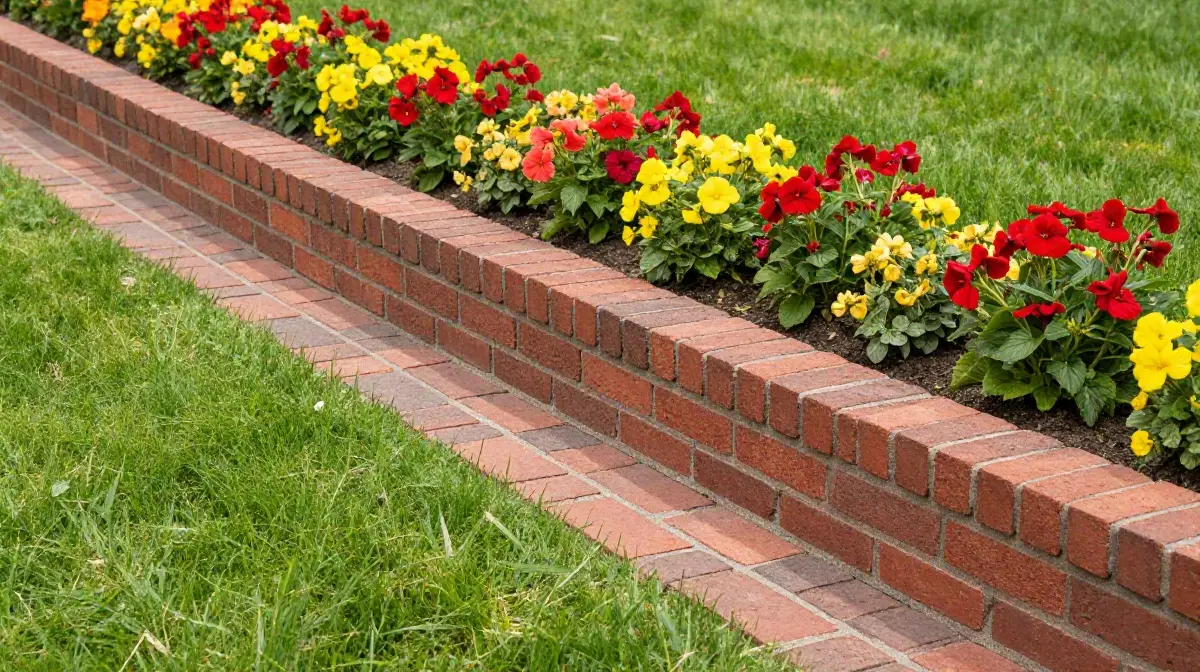
Brick edging is a tried and tested garden border solution that has remained popular for generations. Its warm, earthy tone complements almost every garden style, from traditional cottage gardens to more structured formal landscapes. Bricks can be laid flat for a subtle, low-profile border, set upright in a straight line for a neat dividing wall, or arranged at an angle in a decorative sawtooth pattern. Setting them on a compacted base of sand prevents movement after heavy rain and keeps the line level and consistent throughout the season.
Natural Stone Border
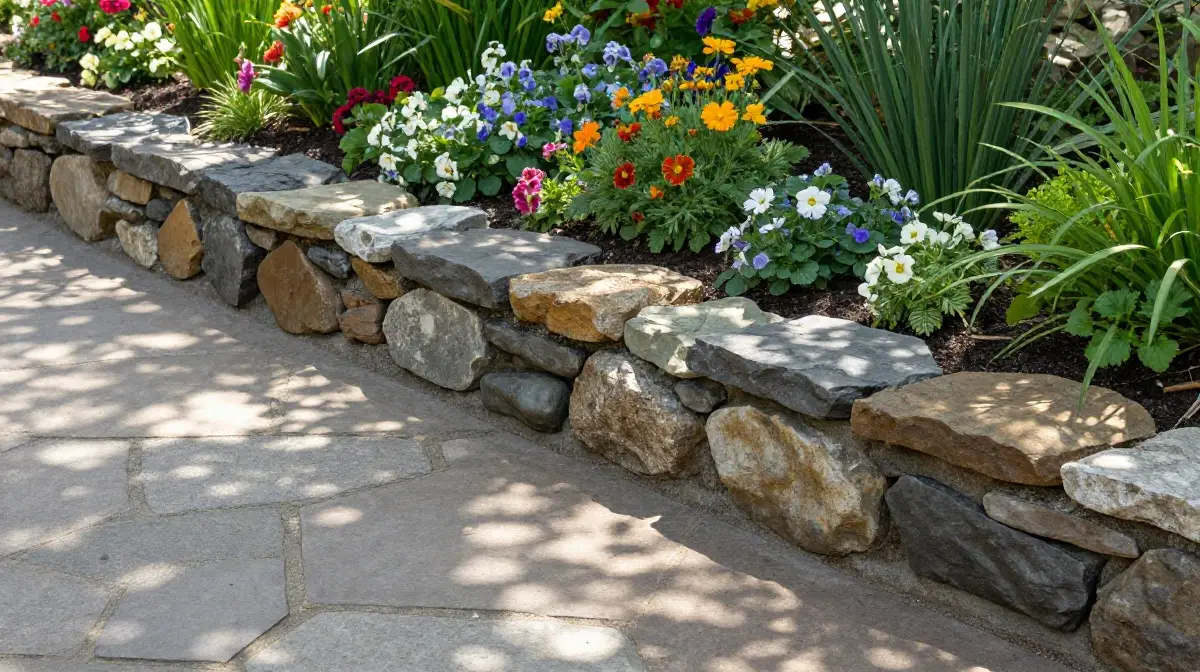
Natural stone brings an organic, timeless quality to garden edging that manufactured materials struggle to replicate. Fieldstones, river rocks, flagstones, and slate slabs all work effectively as garden borders, each offering a different texture and visual weight. Larger stones create bold, rustic borders suited to informal and cottage-style gardens, while flat-cut stone pieces produce a cleaner, more refined edge for formal planting schemes. Sourcing stone locally is both cost-effective and environmentally sensible, and locally quarried stone naturally complements the regional landscape.
Steel Garden Edging
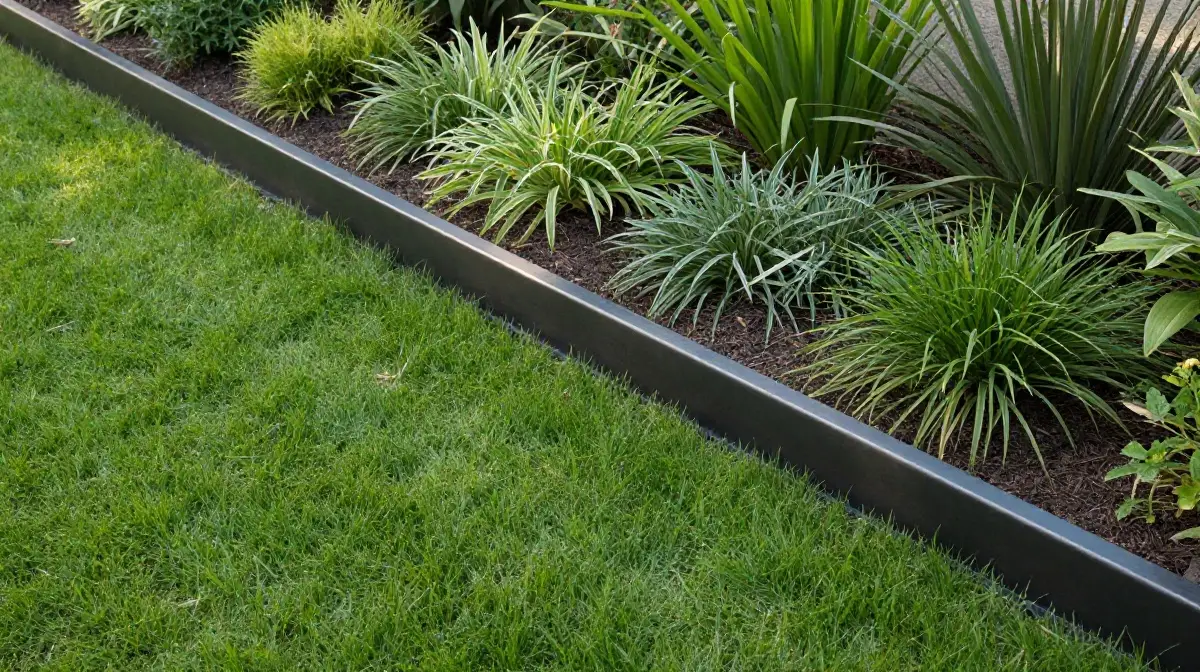
Steel edging has become a favorite among landscape designers and serious gardeners because of the precision and longevity it delivers. The sharp, slim profile of steel creates a clean separation between lawn and garden that is very difficult to achieve with softer materials. Cor-ten weathering steel develops a rich amber patina over time that adds warmth and character to the border. Flexible steel edging strips can be shaped into smooth curves, making them suitable for freeform garden bed layouts as well as strict geometric designs.
Concrete Mow Strip
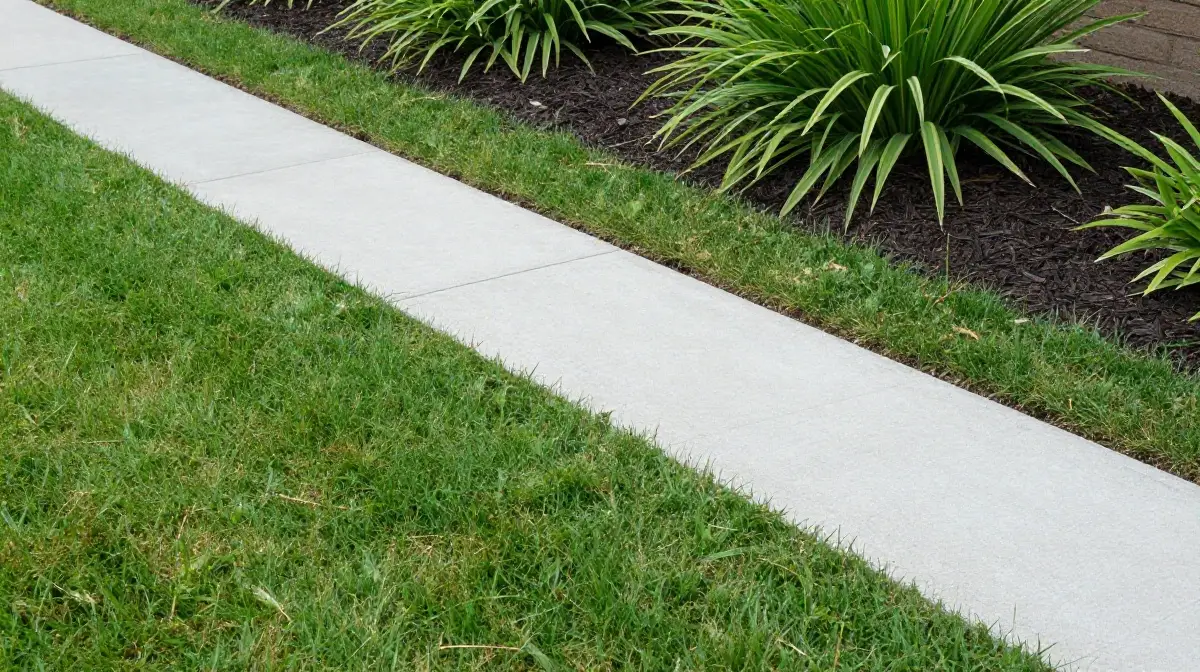
A concrete mow strip installed flush with the lawn surface is one of the most functional garden edging solutions available. It creates a firm, level surface for the wheels of a lawnmower to run along, making it easy to cut the grass right to the garden bed edge without any trimming. Poured concrete mow strips can be formed into any shape during installation, allowing for both straight lines and sweeping curves. For a more decorative version, stamped concrete can mimic the appearance of stone or brick while retaining all the structural advantages of concrete.
Gravel and Pebble Edging
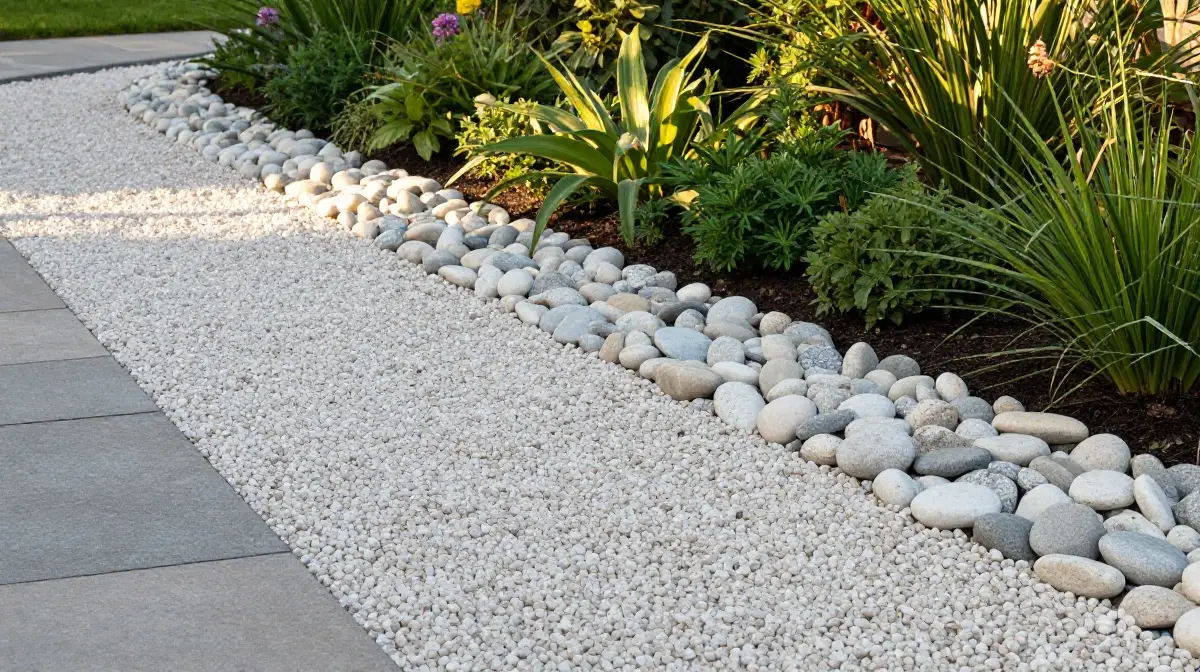
A border of decorative gravel or pebbles creates a low-maintenance garden edge that also delivers practical benefits. Gravel suppresses weed growth, retains moisture around plant roots, and defines the garden boundary clearly without requiring any installation tools or specialist knowledge. White pea gravel, dark slate chips, and warm terracotta pebbles each create a distinct visual effect. This type of edging works particularly well along pathways, driveways, and the edges of garden beds in Mediterranean or dry garden styles.
Timber Sleeper Edging
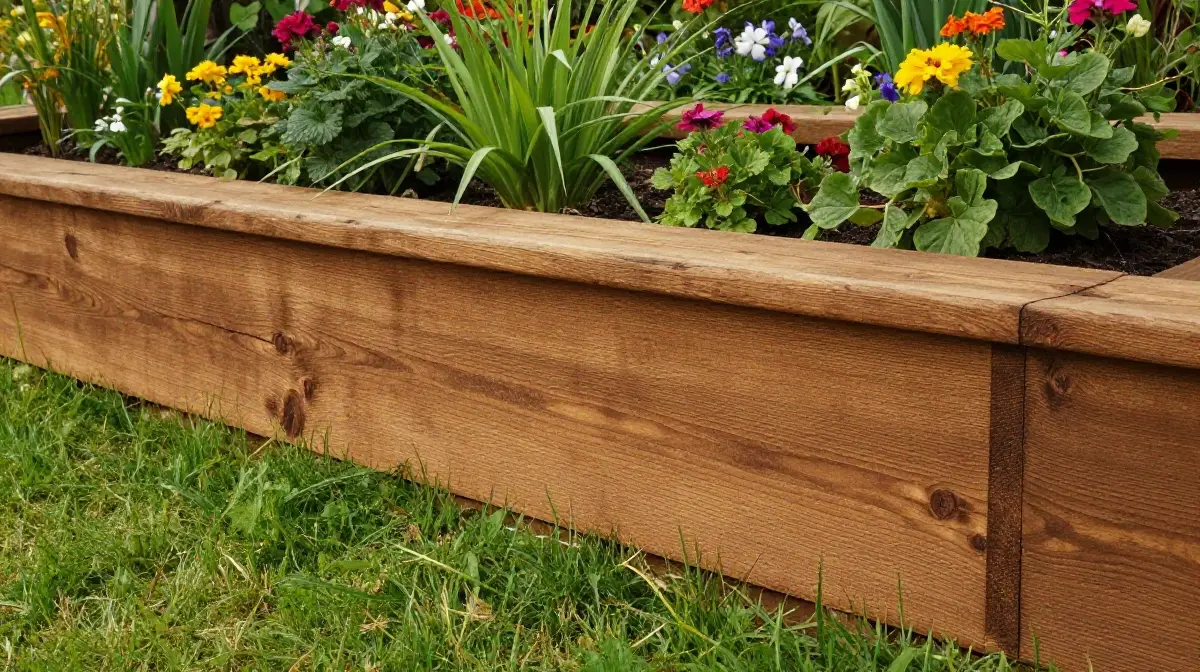
Reclaimed or new timber sleepers are one of the most robust and visually substantial garden edging options available. Laid horizontally along the bed edge, sleepers create a strong, clearly defined border that doubles as a low retaining wall on sloped ground. Their solid presence makes them especially effective in large garden spaces where lighter edging materials might look lost. Always select timber that has been treated for outdoor use to ensure it holds up against moisture, soil contact, and seasonal temperature changes without rotting prematurely.
Raised Bed Edging
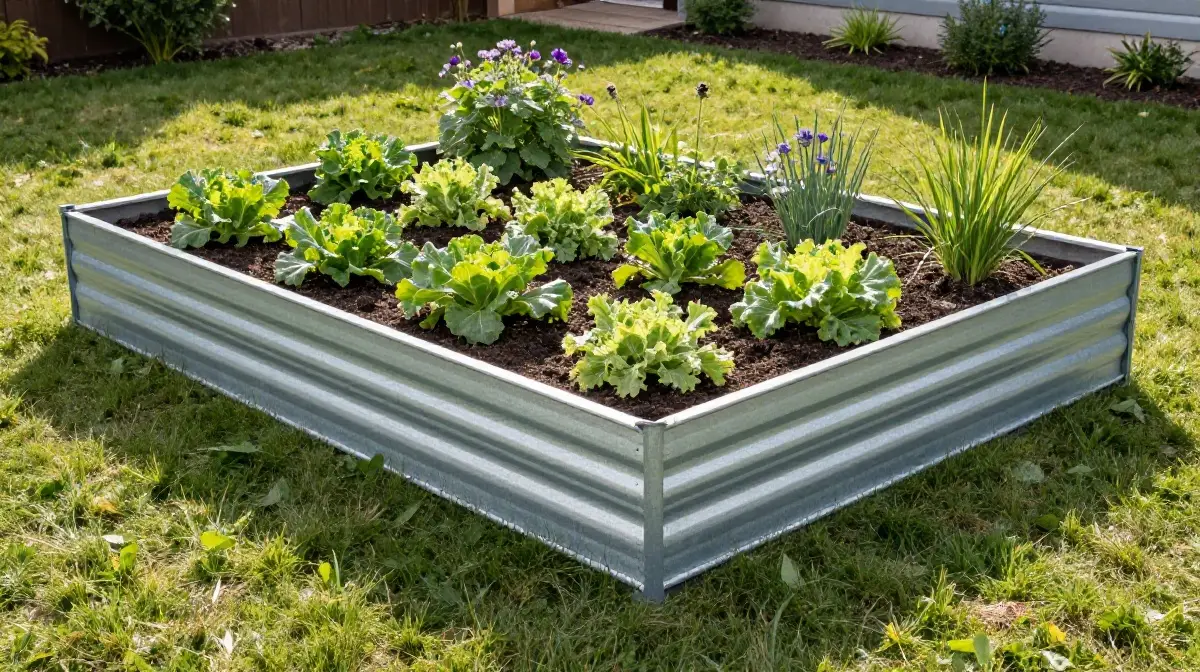
Raised bed edging lifts the planting area above ground level, creating a bold, defined border that is both practical and visually impressive. The height of a raised bed edge makes planting and weeding significantly more comfortable and improves soil drainage in gardens with compacted or heavy ground. Raised beds can be constructed from brick, timber, stone, galvanized steel, or composite materials. The material choice shapes the overall aesthetic, from rustic timber frames to sleek galvanized steel planters in contemporary gardens.
Corrugated Metal Edging
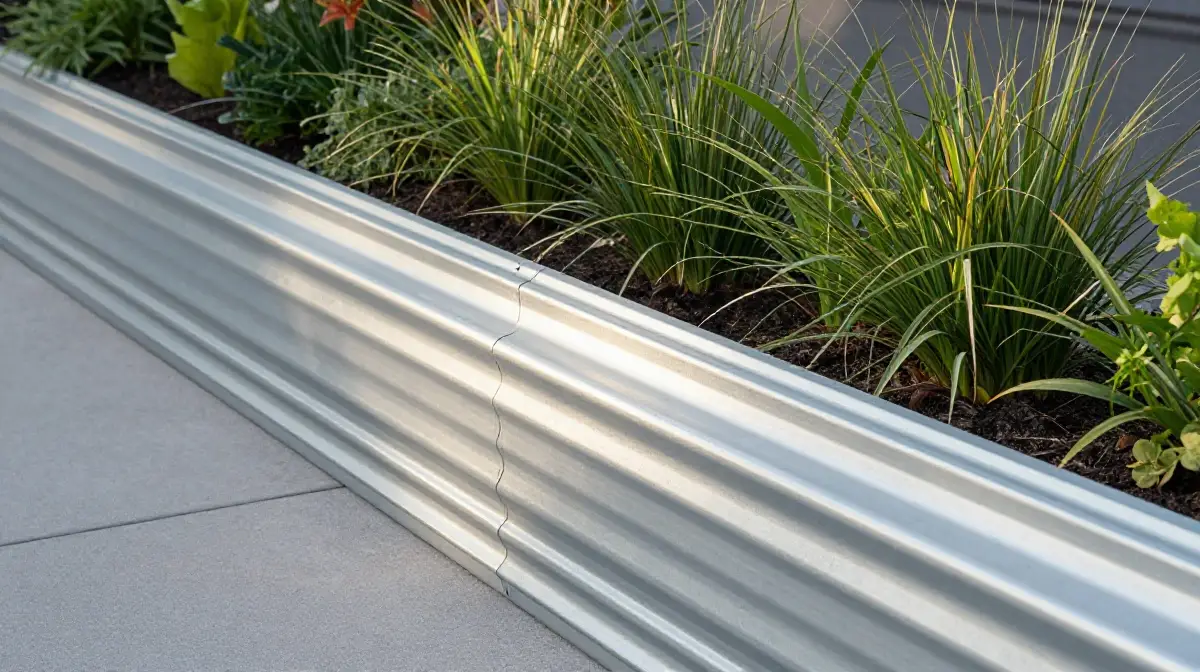
Corrugated metal strips cut into edging sections offer an industrial, textured alternative to smooth metal edging. The corrugated surface catches light differently throughout the day, adding subtle visual interest to what is often a purely functional element. This material is lightweight, affordable, and easy to work with using basic hand tools. Left to weather naturally, corrugated metal develops a surface patina that integrates well into naturalistic garden designs. It is particularly well suited to urban gardens, rooftop terraces, and modern outdoor spaces.
Woven Willow Hurdle Edging
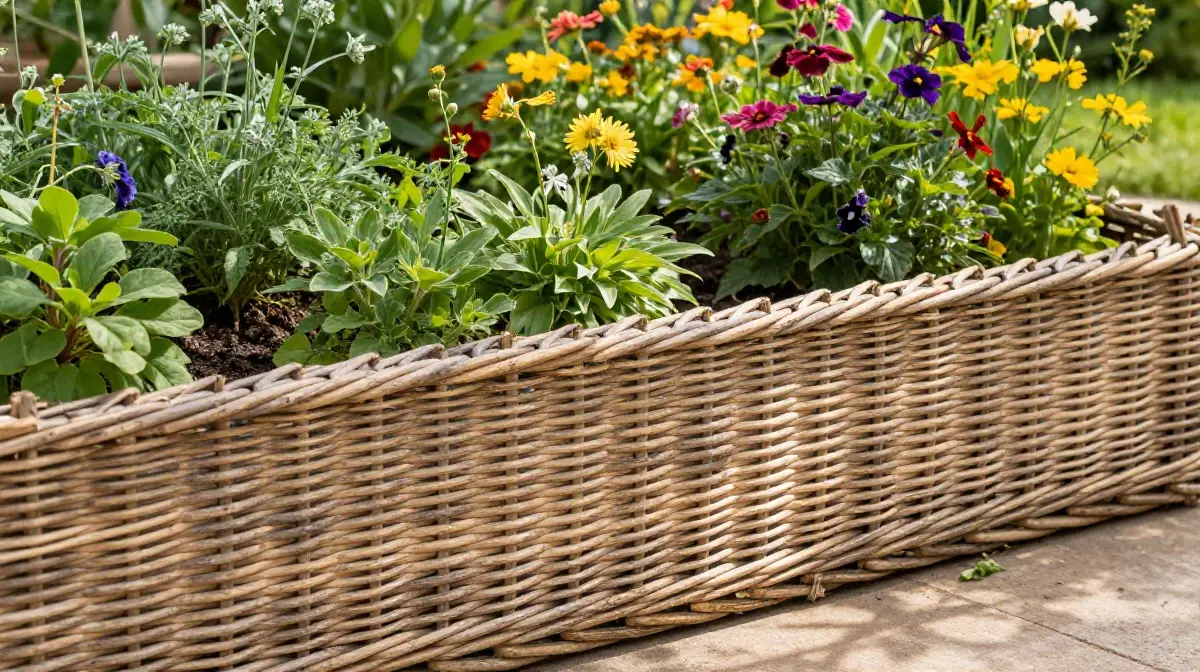
Woven willow hurdle panels installed as low garden borders bring a handcrafted, rustic quality that suits cottage gardens, herb plots, and kitchen gardens particularly well. The natural texture of woven willow introduces warmth and organic character to the garden edge, and the material is fully biodegradable. Willow hurdle edging typically lasts several seasons before needing replacement, making it a short to medium term edging option that is best suited to gardeners who enjoy updating and refreshing their outdoor spaces regularly.
Cobblestone Sett Border
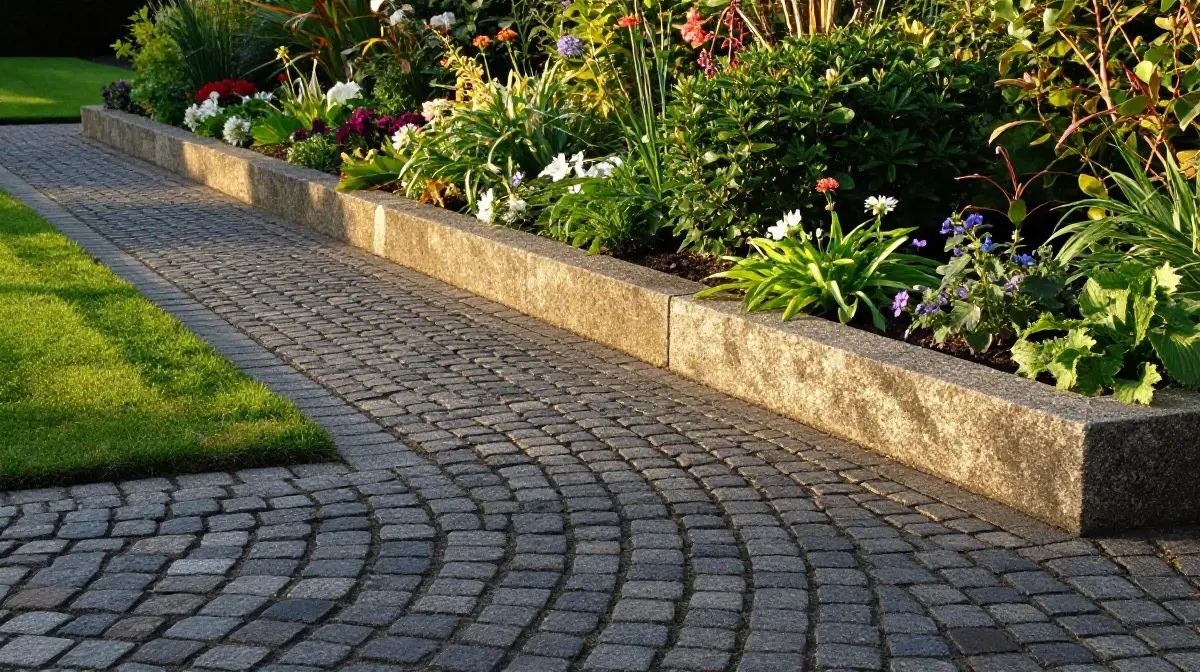
Cobblestones and granite setts produce one of the most durable and visually distinctive garden borders available. These dense, hard-wearing stones are virtually impervious to weathering and retain their appearance with almost no maintenance for decades. A cobblestone border along a garden bed, driveway edge, or pathway creates a strong sense of permanence and craftsmanship. This style is particularly well suited to period properties, heritage gardens, and landscapes with a formal European character.
Terracotta Tile Edging
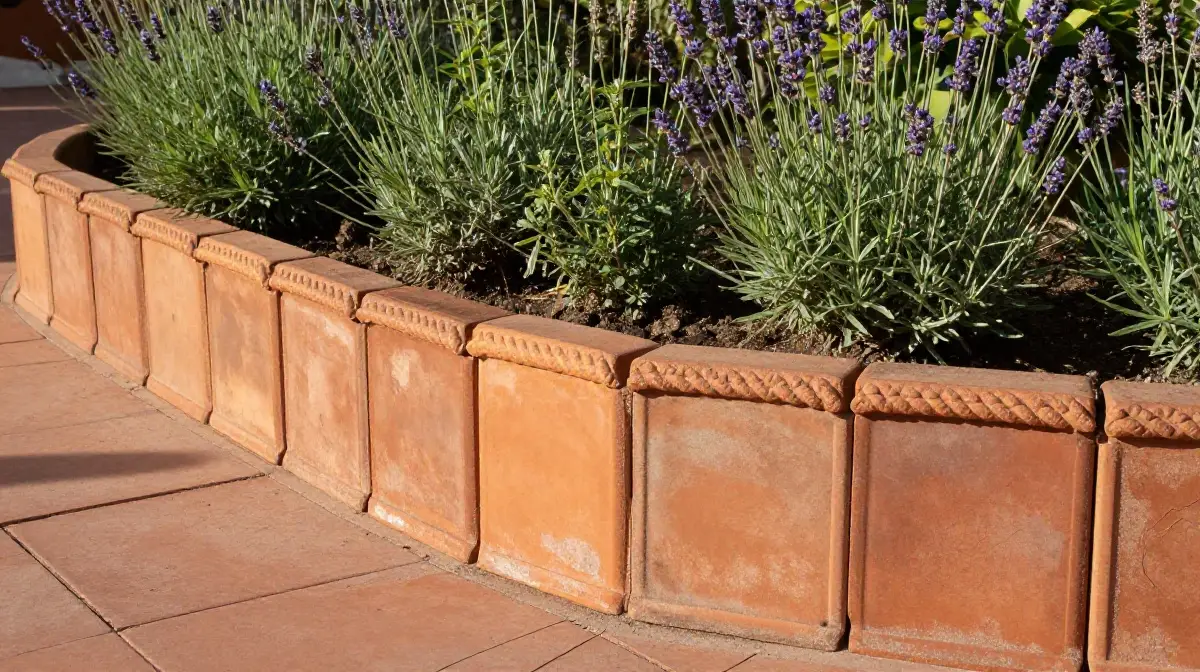
Terracotta tiles set vertically into the soil create a decorative border with a warm, Mediterranean quality that suits herb gardens, formal flower beds, and kitchen garden plots. Victorian rope-top terracotta edging is a classic choice for period-style gardens and heritage restorations. The warm reddish tone of terracotta complements green foliage and flowering plants beautifully, and the material ages gracefully, developing a weathered character that only improves over time.
Gabion Stone Basket Edging
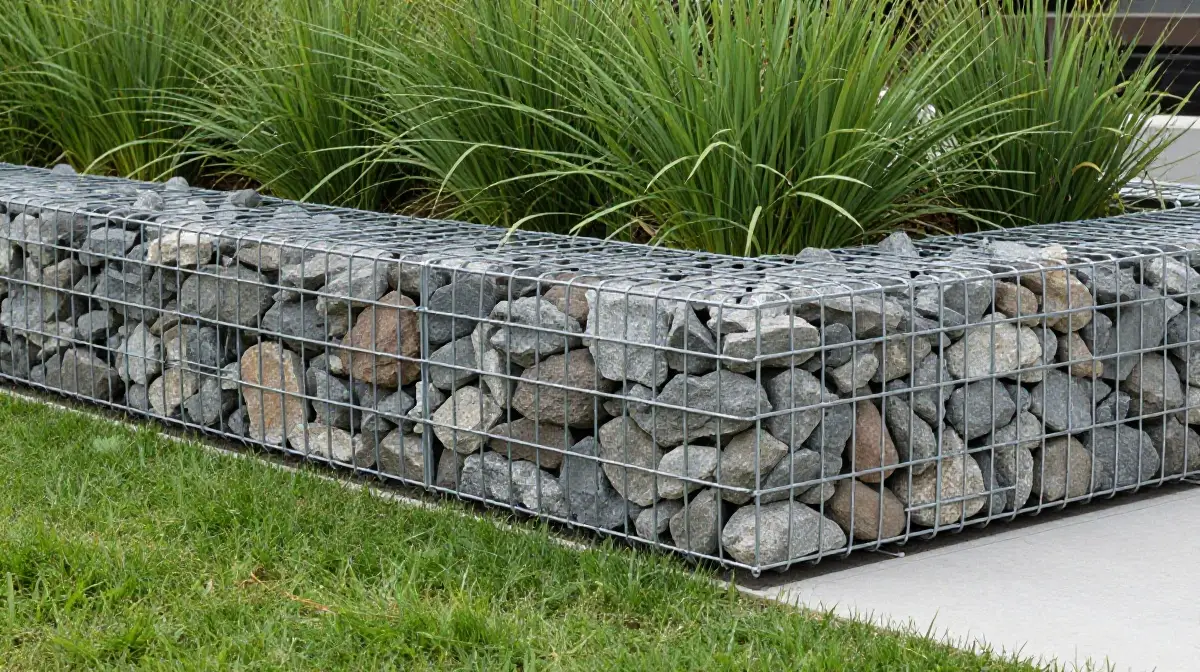
Gabion baskets filled with stones or pebbles create a bold, structural garden border that is both visually striking and exceptionally strong. Originally an engineering solution for retaining walls, gabions have found a creative place in modern garden design as dramatic edging features along sloped beds, patio borders, and lawn boundaries. The stone fill can be chosen to complement surrounding materials, and the wire mesh frame gives the edging a modern, architectural quality that suits contemporary outdoor spaces.
Lavender and Plant Hedge Edging
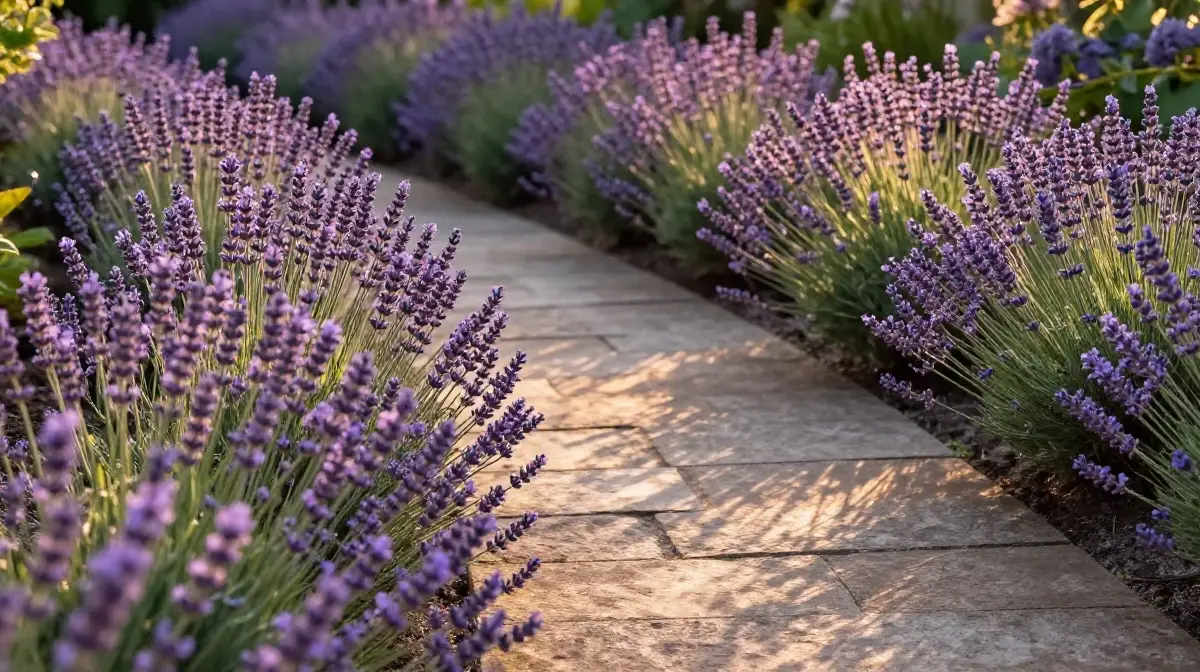
Living plant borders offer a completely different approach to garden edging that introduces fragrance, color, and seasonal change to the boundary. A low hedge of lavender planted along a pathway or flower bed creates a soft, aromatic border that performs beautifully across the growing season. Dwarf box, catmint, ornamental grasses, and creeping thyme are equally effective as living edging options. The key is selecting a compact, slow-growing variety that stays tidy without demanding constant attention.
Aluminum Powder-Coated Edging
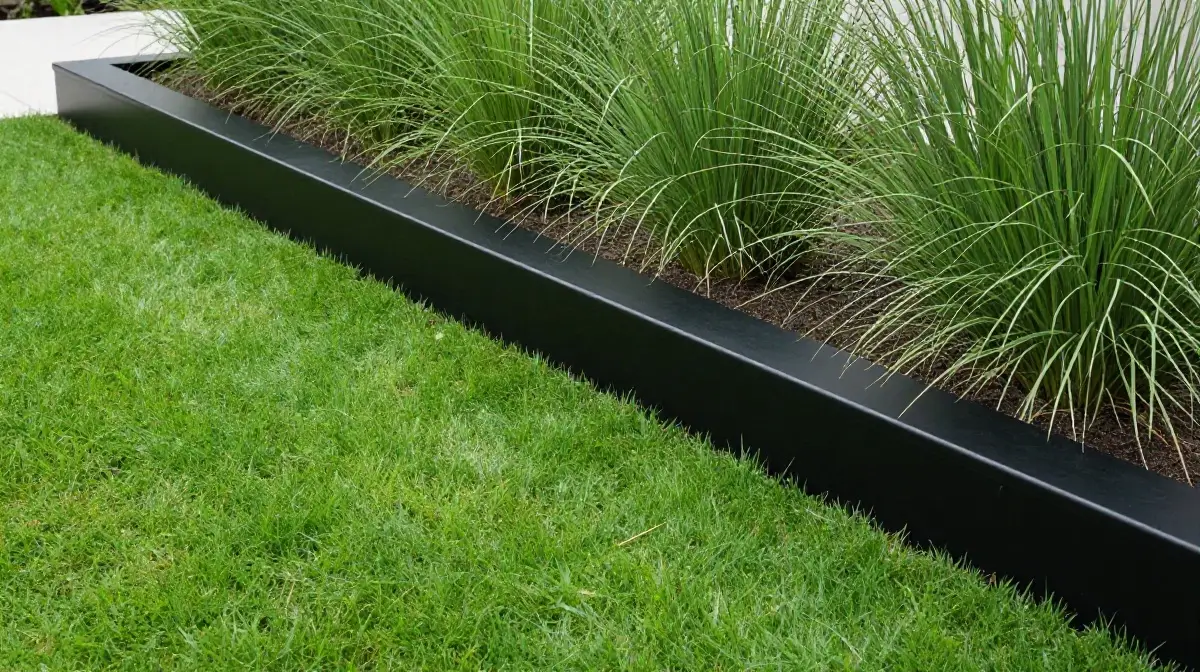
Powder-coated aluminum edging combines the precision of metal borders with the convenience of a lightweight, rust-proof material. It is available in a wide range of colors, with matte black being the most popular choice in contemporary garden design for the bold contrast it creates against green lawn and soil. Aluminum edging is flexible enough to form smooth curves and is easy to cut and install without specialist tools, making it a practical option for confident DIY gardeners seeking a professional looking result.
Recycled Glass Bottle Edging

Embedding glass bottles upside-down in the soil along a garden bed edge creates a colorful, light-catching border that is entirely unique and completely free if bottles are saved rather than recycled. The rounded bottle bases create a smooth, decorative edge that works particularly well in informal, creative garden spaces. This is one of the most personal and expressive garden edging ideas available, and the effect changes beautifully throughout the day as sunlight hits the glass at different angles.
Cut Soil Trench Edging
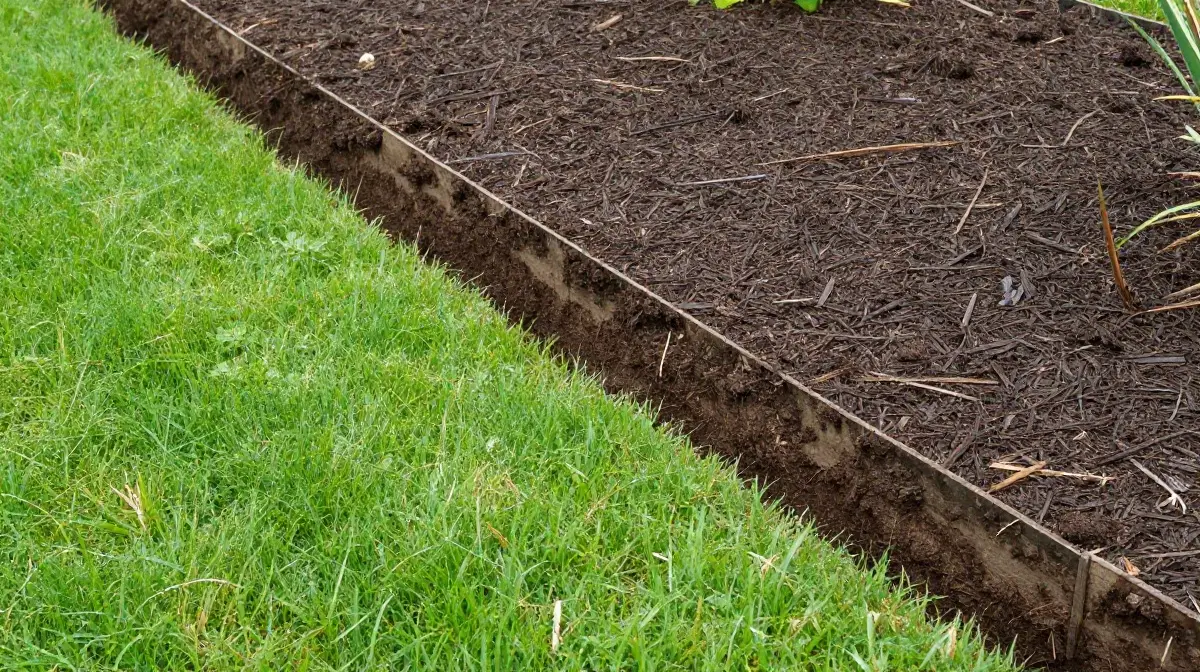
Cut soil edging is the simplest, most cost-effective garden edging technique of all and requires nothing more than a sharp spade or half-moon edging tool. A clean vertical cut along the boundary between lawn and garden bed creates a neat V-shaped channel that separates the two areas clearly and effectively. The result looks crisp and intentional when freshly cut and improves the overall appearance of the garden immediately. This method requires periodic recutting throughout the growing season to maintain its sharpness.
Composite Bender Board
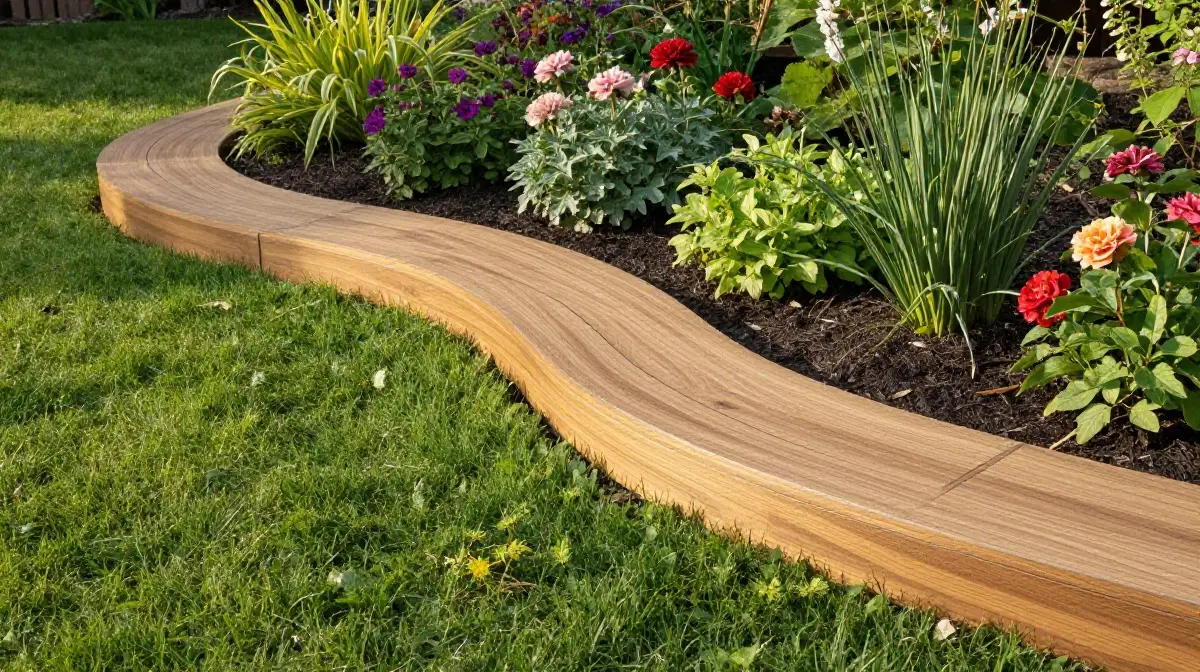
Composite bender board is a manufactured edging product made from recycled wood fiber and plastic that delivers the appearance of timber without any of the maintenance demands. It does not warp, crack, rot, or splinter, making it one of the most durable edging materials available for long-term outdoor use. The material is flexible enough to create smooth, freeform curves around irregular garden bed shapes, and its low profile keeps it discreet at ground level. This is an excellent choice for gardeners who want reliable, lasting edging with minimal ongoing effort.
Paving Slab Pathway Edging
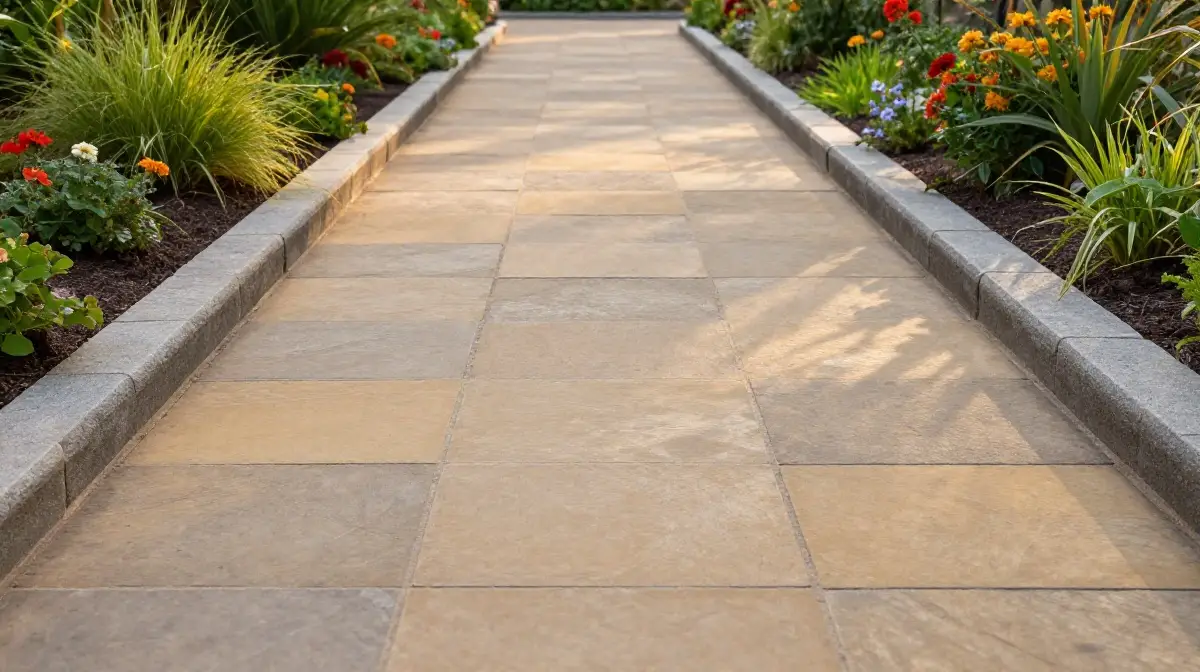
Using flat paving slabs as edging along garden pathways creates a generous mow strip that simplifies lawn maintenance while framing the path in a structured, visually pleasing way. Large format paving stones laid flat along the pathway edge allow lawnmower wheels to track along a firm surface, eliminating the need for manual edging along the path. Mixing different stone tones or sizes in the edging slabs adds a decorative dimension that elevates the overall appearance of the garden path significantly.
Illuminated LED Strip Edging
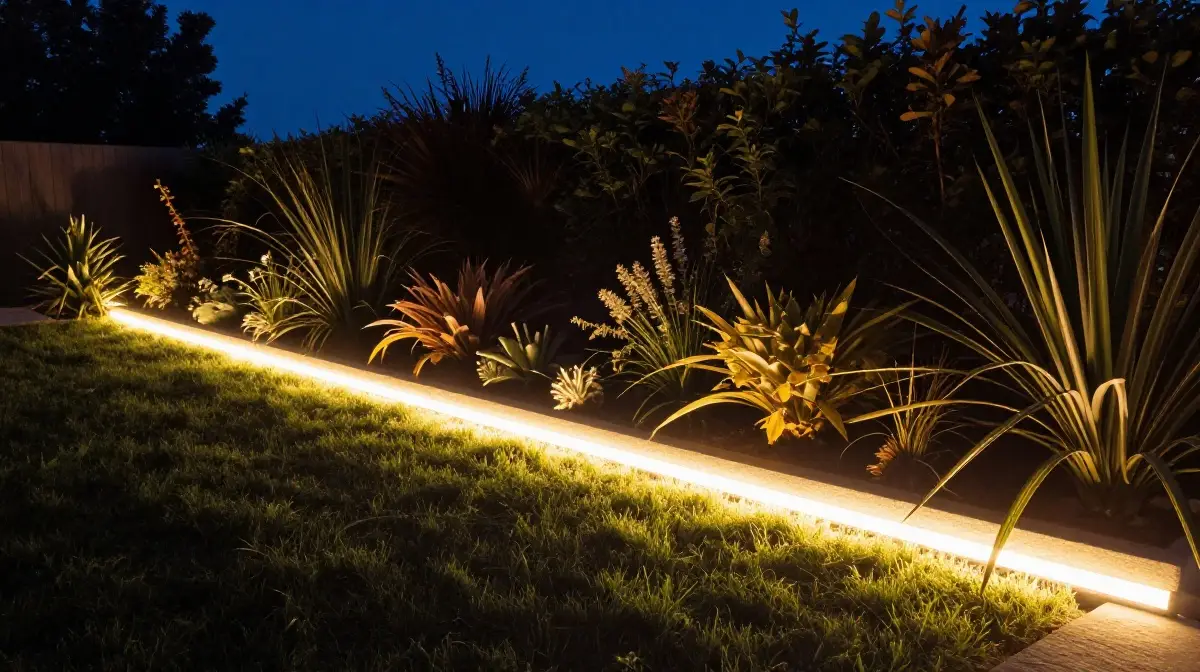
Integrating low-voltage LED lighting into garden edging transforms the outdoor space after dark in a dramatic and practical way. Recessed LED strip lights embedded along deck boards, paving edges, or purpose-built illuminated edging channels define the garden boundary at night while creating a warm ambient glow that makes the space inviting long after sunset. Solar-powered LED edging options require no electrical wiring and can be installed quickly and simply anywhere in the garden regardless of proximity to a power source.
Upcycled Material Creative Edging
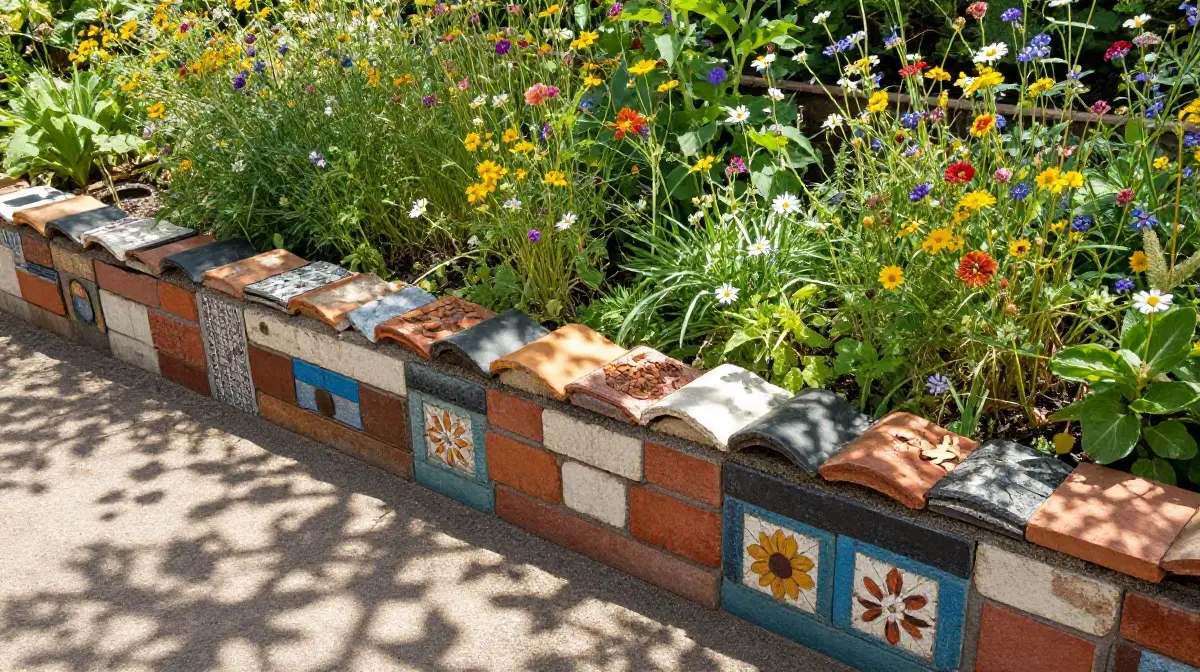
Using salvaged and repurposed materials for garden edging is both an environmentally responsible choice and an opportunity for genuine creative expression. Old roofing tiles set on edge, reclaimed bricks arranged in decorative patterns, salvaged metal pipes lined along a bed border, and even old tools fixed into the soil as quirky border markers all create edging that is completely personal and full of character. This approach costs almost nothing, diverts materials from landfill, and produces a garden edge that nobody else in the neighborhood will have.
Conclusion
Garden edging does far more than simply separate one area of the garden from another. It shapes how the entire outdoor space is perceived, defines the character of your landscaping, reduces ongoing maintenance, and delivers a level of visual polish that transforms even the most modest garden into something that looks genuinely cared for and considered. The twenty ideas covered here offer a genuine range of options across every style, material, and budget, ensuring that there is a workable solution for every type of outdoor space. Choose the edging that speaks to your garden’s personality, install it with care, and maintain it regularly. The result will be a garden that looks as good at the edges as it does at its heart.
You may also like this:20 Under Tree Landscaping Ideas for Beautiful Gardens
Frequently Asked Questions
1. What is the most durable garden edging material?
Steel, concrete, cobblestone, and brick are among the most durable garden edging materials available. Steel edging in particular can last for decades without significant deterioration when installed correctly. Concrete mow strips are also extremely long-lasting once cured and set in place. For most homeowners, the right balance of durability and visual appeal makes brick or steel the most practical long-term investment.
2. How do I choose the right garden edging for my style?
Start by identifying the overall aesthetic of your garden. Formal and structured gardens suit brick, stone, or clean-lined metal edging. Cottage and informal gardens work well with natural stone, woven willow, or lavender hedge borders. Modern and contemporary spaces benefit from steel, aluminum, or concrete edging with precise, minimal profiles. Matching the edging material to materials already used elsewhere in the garden, such as paving or fencing, creates a cohesive and intentional overall look.
3. Is garden edging difficult to install yourself?
Most garden edging options are well within the capability of a competent DIY gardener. Cut soil edging, gravel borders, brick edging, and composite bender board are among the easiest to install with basic tools. Steel and aluminum edging require slightly more preparation but remain manageable without specialist help. Heavy materials such as large stone, timber sleepers, or gabion baskets may require assistance due to the weight involved, and in some cases professional installation is worth considering for the best result.
4. How does garden edging help with weed control?
Garden edging creates a physical barrier that prevents grass and weeds from spreading laterally from the lawn into planting beds. This barrier significantly reduces the amount of hand weeding required along bed boundaries. When combined with a layer of mulch inside the bed and a weed-suppressing membrane beneath the soil surface, edging contributes to a comprehensive weed control strategy that keeps maintenance to a minimum throughout the growing season.
5. How often does garden edging need to be maintained?
Maintenance frequency depends on the material used. Cut soil edges need recutting two to four times per growing season to stay sharp. Brick, stone, and concrete edging should be inspected annually for any shifting or settling and releveled as needed. Metal edging is largely maintenance-free beyond occasional cleaning. Living plant edges such as lavender or box hedging need trimming at least once or twice a year to maintain their shape. Composite and plastic edging requires only occasional cleaning with water to look its best.