
Introduction
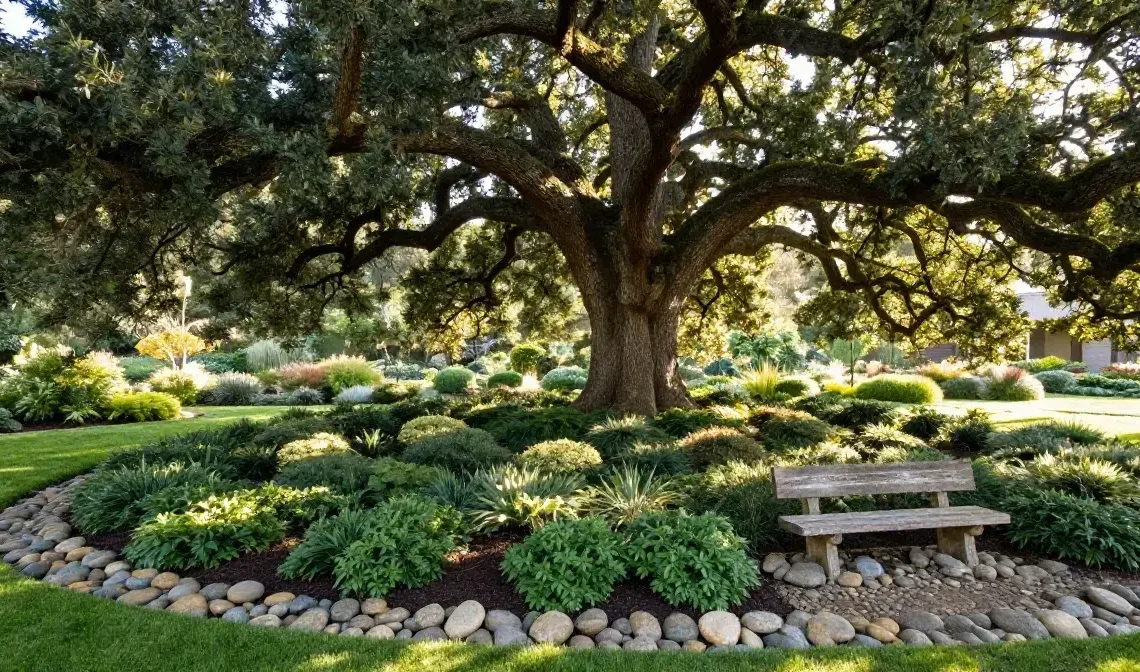
Most homeowners walk past the shaded space beneath their trees every single day without giving it a second thought. That bare patch of soil, struggling grass, and exposed roots often becomes the most neglected corner of an otherwise well-kept garden. The truth is, the space under a tree holds tremendous potential. With the right under tree landscaping ideas, you can transform that overlooked area into one of the most visually striking features of your outdoor space. Whether you are working with a large oak, a graceful maple, or a modest ornamental tree, the ideas below will help you create something truly beautiful without fighting against nature.
What to Know Before You Start Landscaping Under a Tree
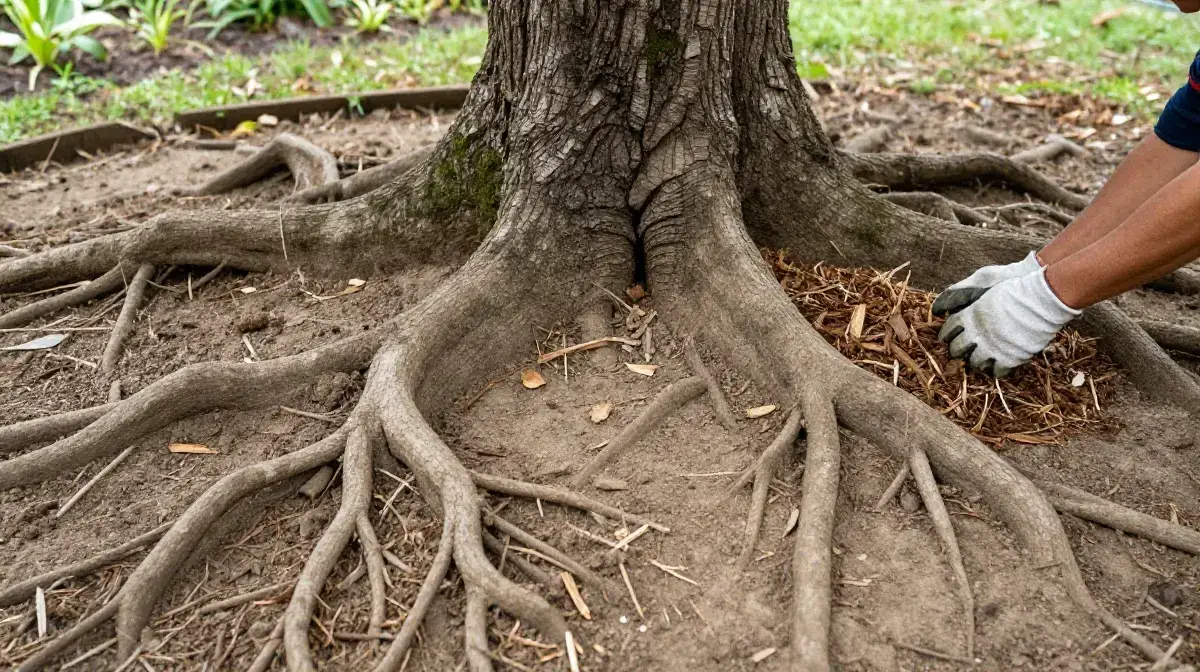
Before diving into design ideas, a few foundational principles will save you time, money, and frustration. The space beneath a tree presents unique challenges including deep shade, dry compacted soil, and a network of surface roots competing for nutrients and moisture. Never pile thick soil directly over tree roots, as this suffocates the root system and can slowly kill the tree. Avoid what landscapers call volcano mulching, which means piling mulch right up against the trunk. Always keep mulch a few inches away from the base. Work with the natural conditions rather than against them, and your results will last for years.
Create a Classic Mulch Ring
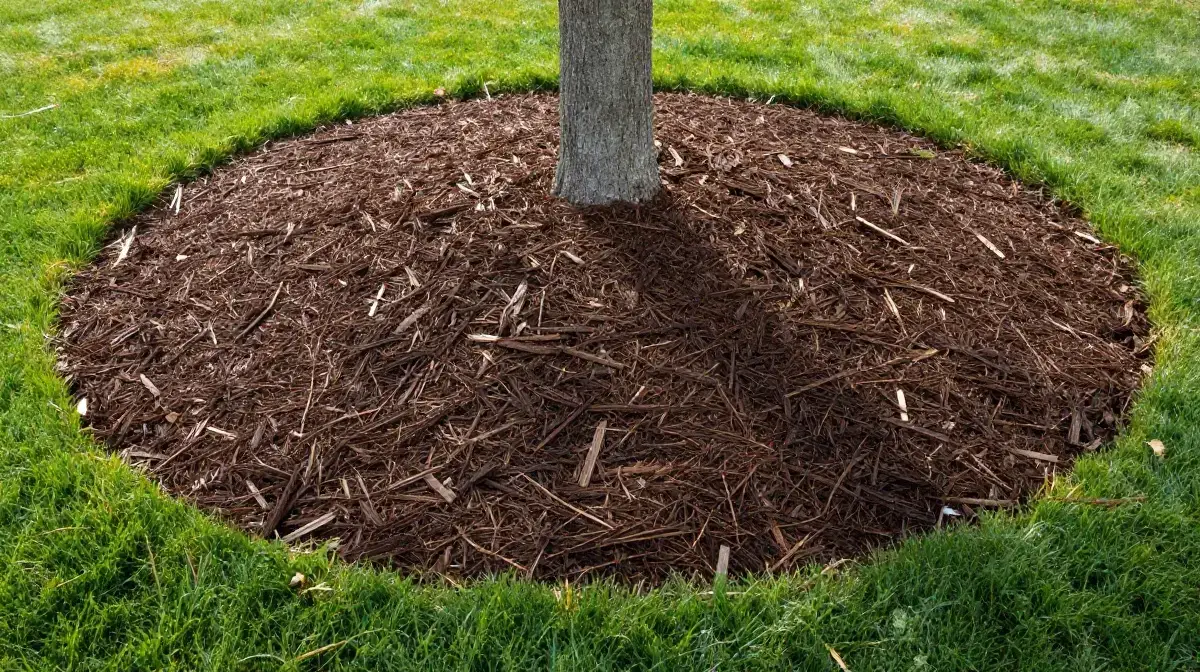
One of the simplest and most effective under tree landscaping ideas is forming a clean mulch ring around the base of the tree. Spread organic mulch such as wood chips or shredded bark about two to three inches deep in a circle extending out to the drip line of the canopy. This suppresses weeds, retains soil moisture, protects surface roots, and gives the tree base a neat, finished appearance. Replenish the mulch annually to maintain its effectiveness.
Plant a Shade Garden with Hostas
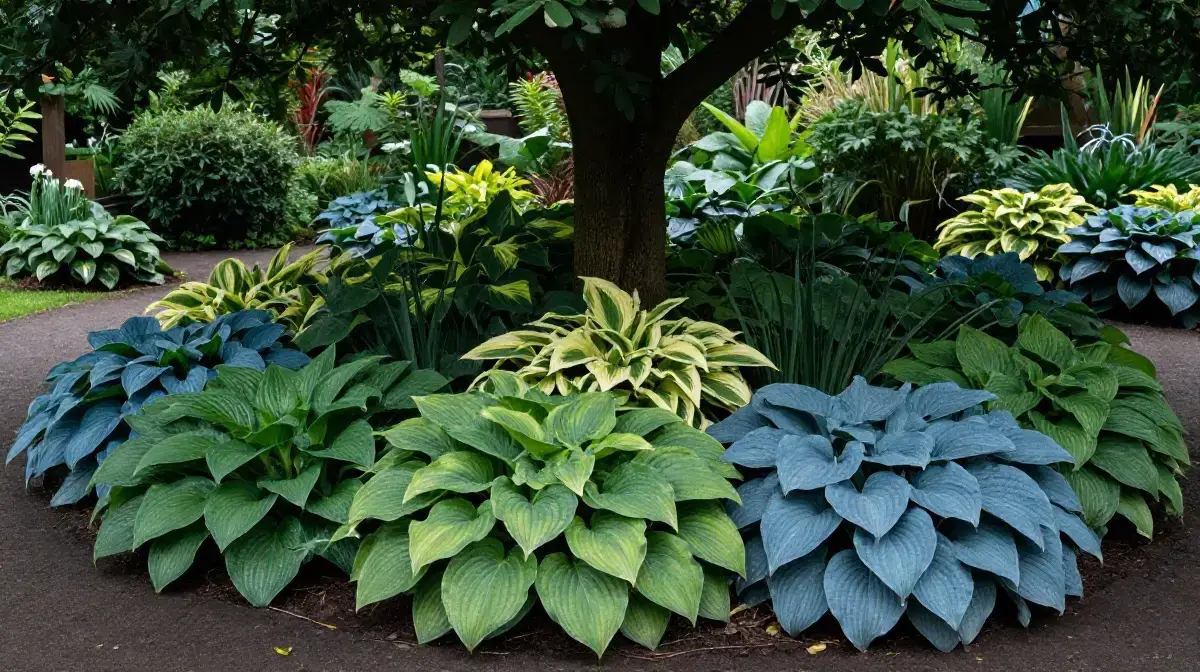
Hostas are among the most reliable shade-tolerant perennials available to gardeners. Their bold, textured foliage in shades of green, blue-green, and variegated gold adds instant visual interest beneath a canopy where sunlight barely reaches. Plant them in clusters for a layered, lush effect. They return every year with minimal care, making them a practical and attractive ground-level solution.
Introduce Ferns for a Woodland Feel
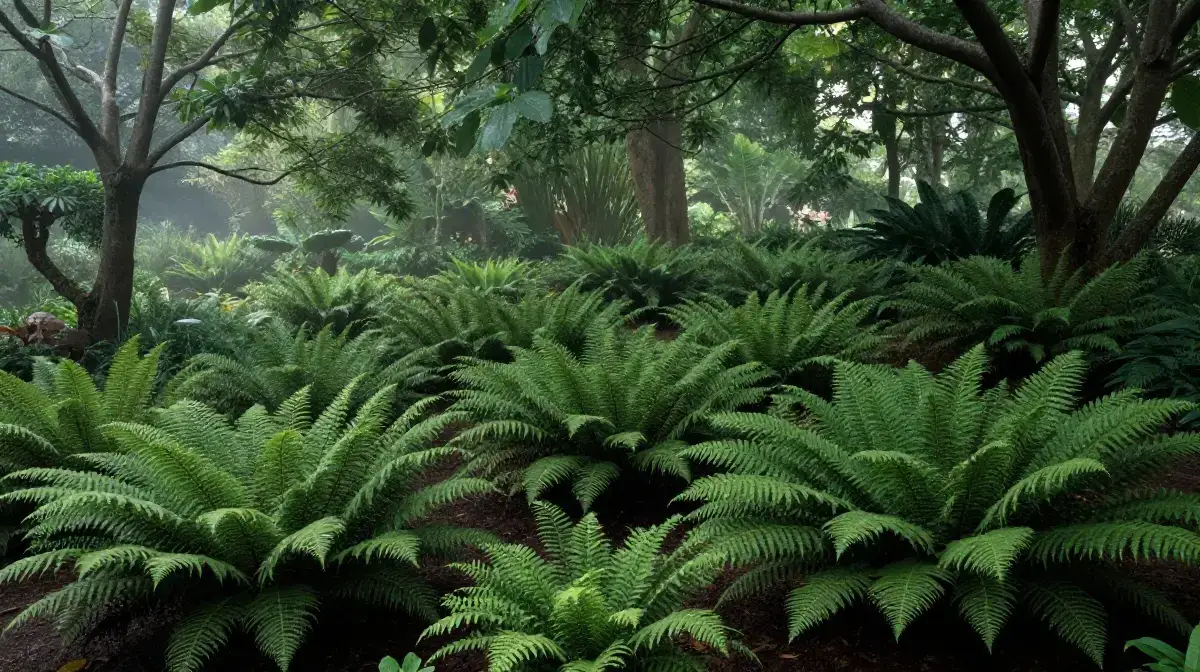
Ferns thrive in the exact conditions that challenge most other plants. They love filtered light, cool soil, and natural humidity. Planting ferns under your tree creates a woodland garden atmosphere that feels both intentional and organic. Varieties like ostrich fern and Japanese painted fern bring movement and softness to the space.
Use Creeping Ground Covers
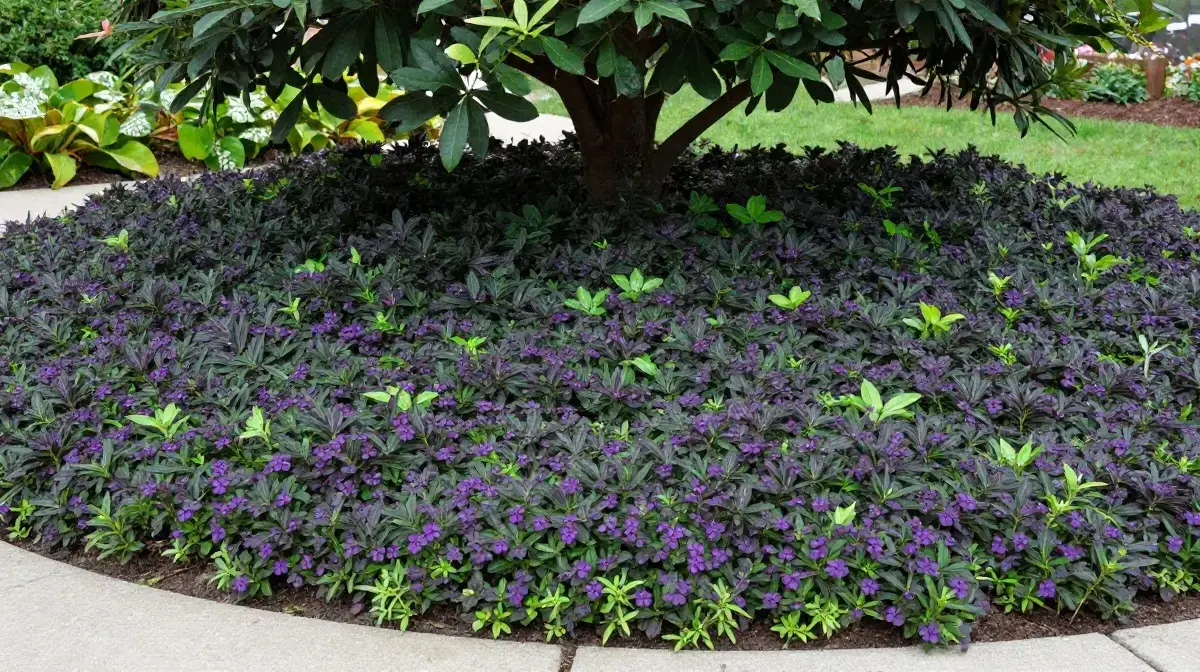
Ground cover plants are ideal for filling bare soil under trees quickly and efficiently. Plants such as ajuga, vinca minor, sweet woodruff, and creeping thyme spread naturally to form a dense carpet that prevents weeds and reduces erosion. They require very little maintenance once established and provide year-round coverage that keeps the area looking tidy and alive.
Add a Stone or Brick Tree Ring
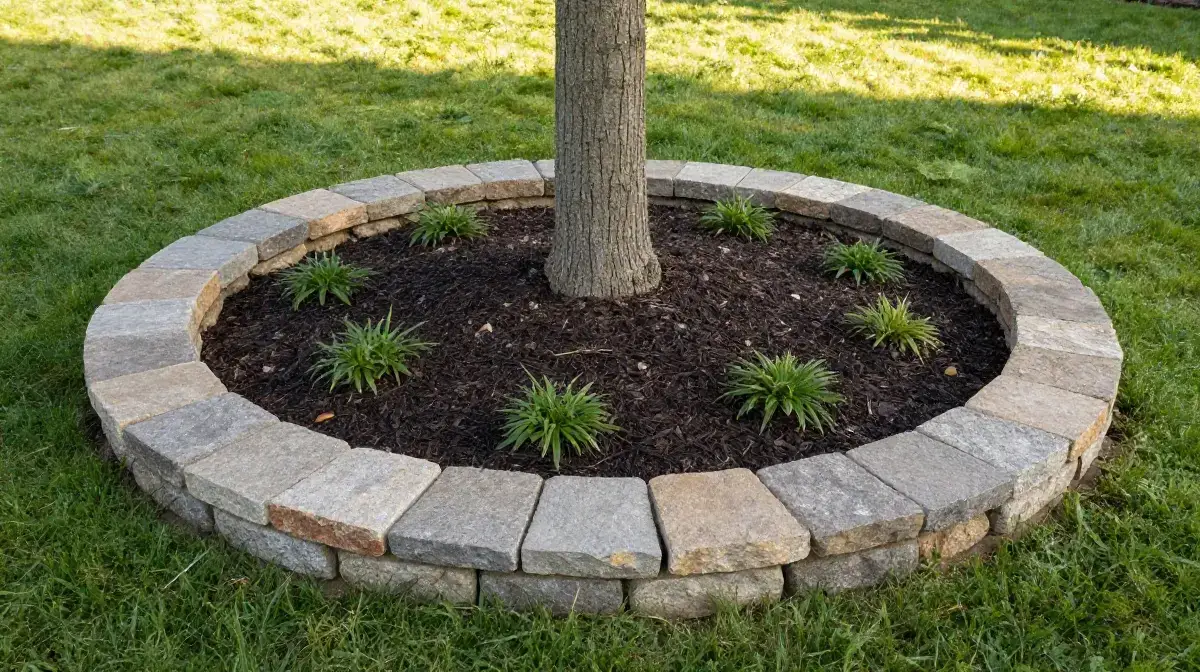
Defining the space around your tree with a ring of flat stones, bricks, or decorative pavers creates a clear visual boundary and adds structure to the landscape. Dig a shallow trench first to seat the stones evenly. Inside the ring, fill with mulch or shade plants. This simple touch elevates the entire look of your yard and keeps lawn edges clean.
Plant Spring Bulbs for Seasonal Color
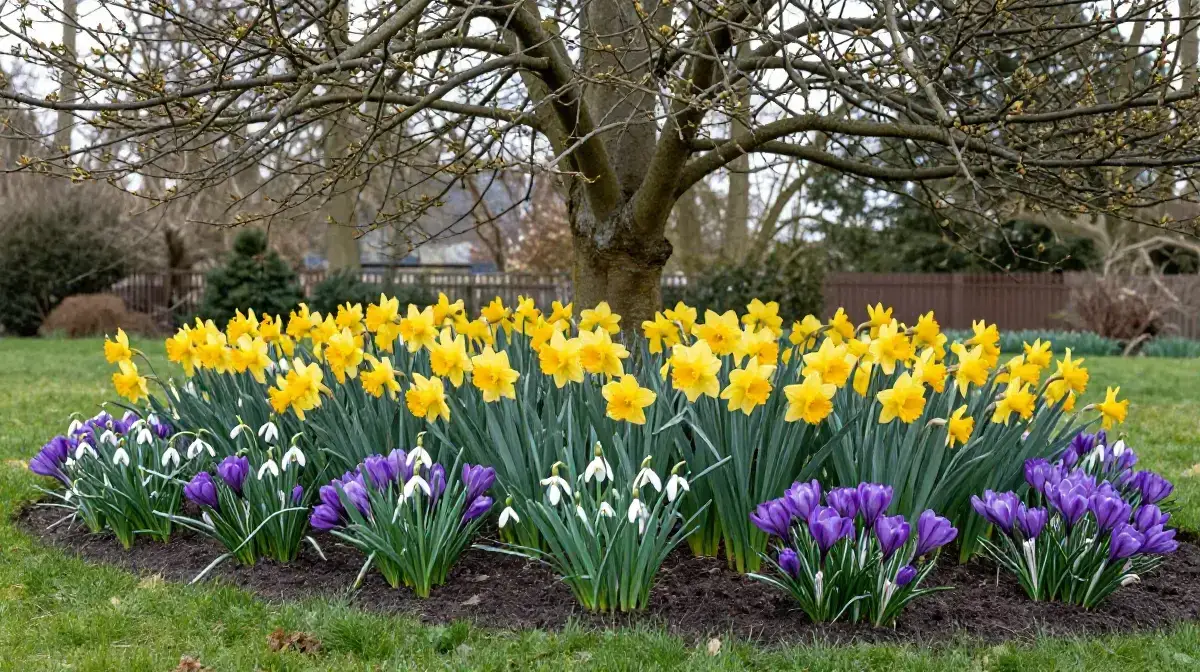
Bulbs such as snowdrops, crocuses, and daffodils are an excellent way to bring color to the under-tree area during early spring before the tree canopy fills in and blocks light. Plant them in autumn at the recommended depth, and they will reward you with cheerful blooms just when the garden needs them most.
Build a Shade-Loving Flower Bed
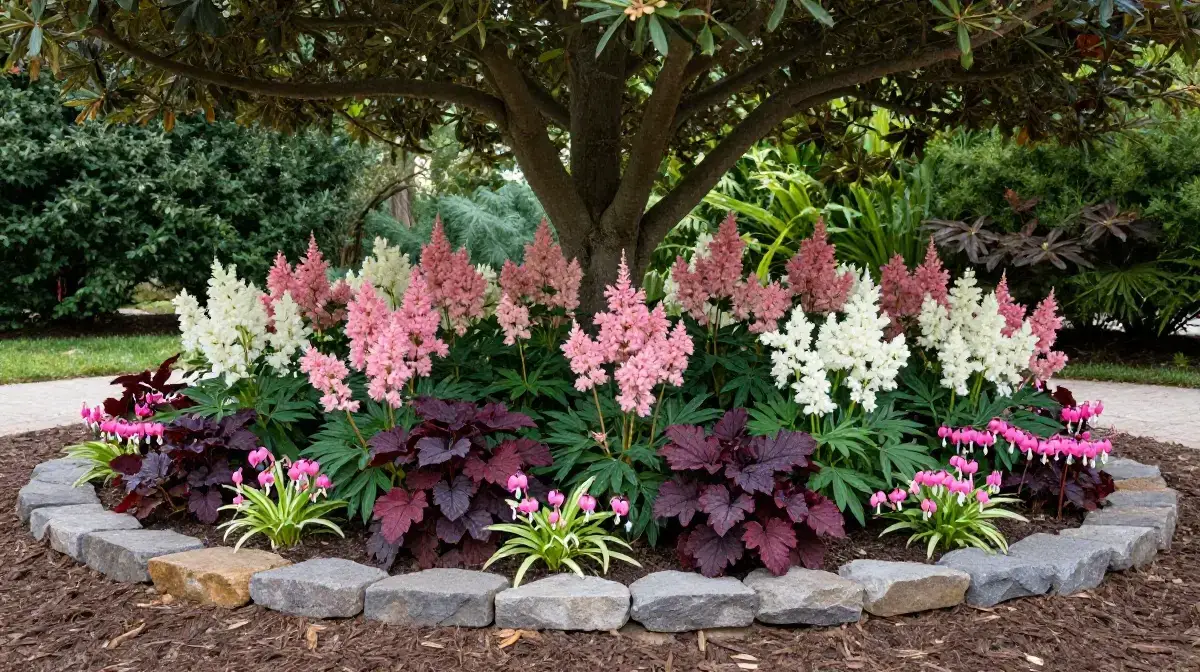
A defined flower bed beneath your tree filled with shade-loving perennials such as astilbe, heuchera (coral bells), and bleeding heart adds structure, color, and seasonal interest. Edge the bed with stones or a metal garden border to keep it crisp. Choose perennials so the bed fills out and returns naturally each year without replanting.
Install a Seating Area or Garden Bench
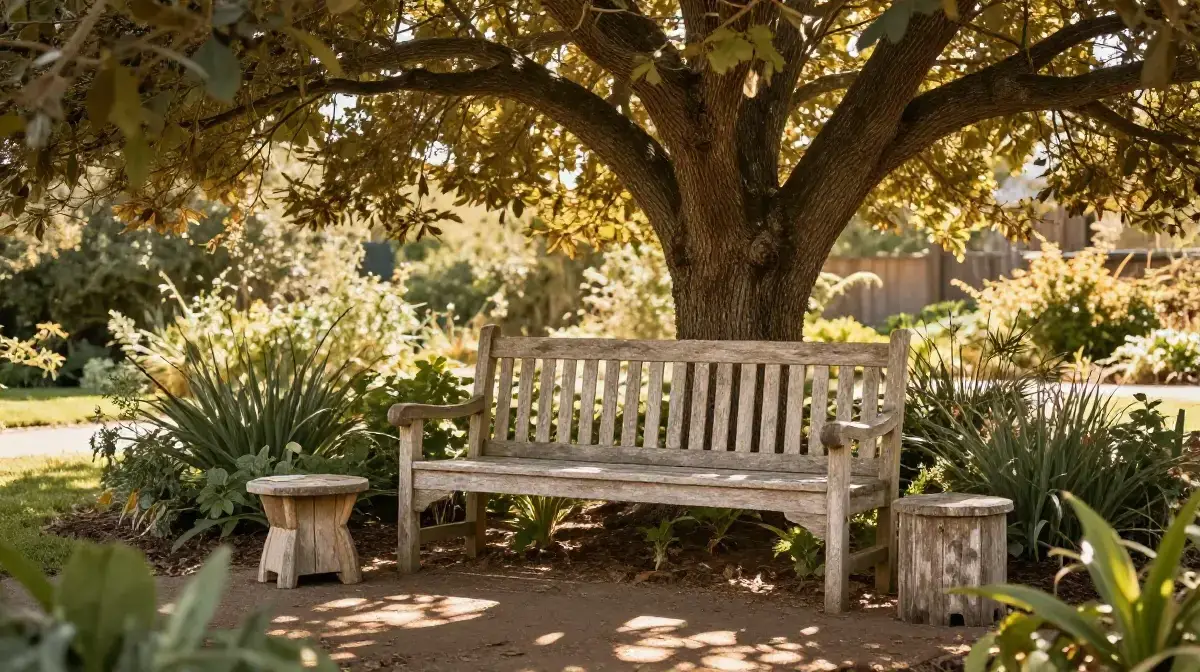
The shade under a mature tree is one of the most naturally comfortable spots in any garden. Place a well-crafted wooden bench, a pair of chairs with a small table, or a rustic swing beneath the branches to create an inviting retreat. This transforms a neglected zone into a functional outdoor living space where you actually want to spend time.
Lay Decorative Gravel or Pebbles
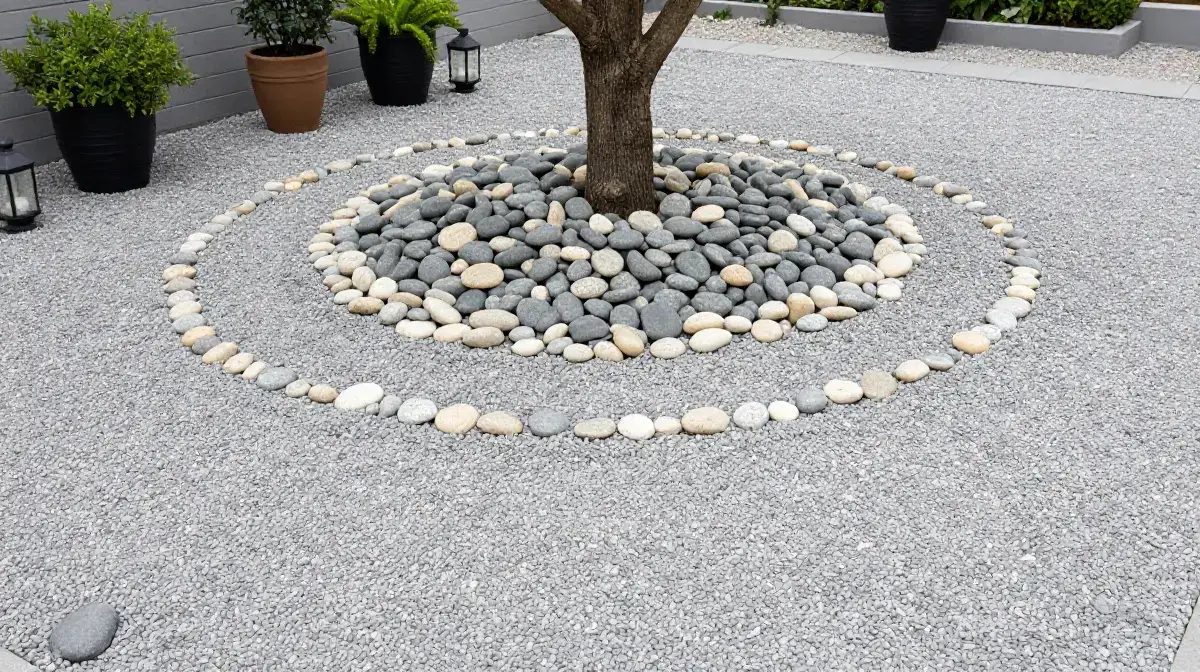
For a clean, low-maintenance solution, cover the ground beneath the tree with decorative gravel, smooth river pebbles, or crushed stone. This approach works particularly well in modern or minimalist garden styles. The stones allow water to pass through to the roots while keeping the space weed-free and visually appealing throughout all seasons.
Add a Small Water Feature
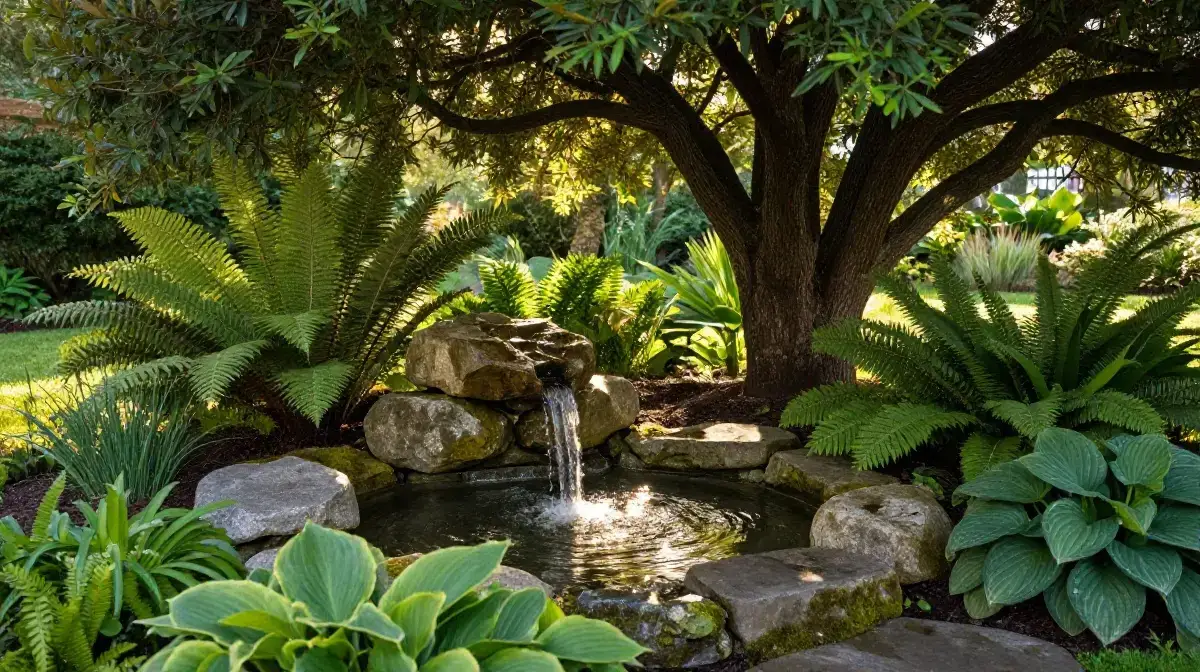
Placing a compact fountain or bubbling stone feature beneath a shaded tree creates an atmosphere of calm and sophistication. The sound of moving water enhances the peaceful quality of the space and pairs beautifully with surrounding plantings. A solar-powered fountain requires no electrical wiring and fits easily into most garden sizes.
Use Heuchera for Year-Round Color
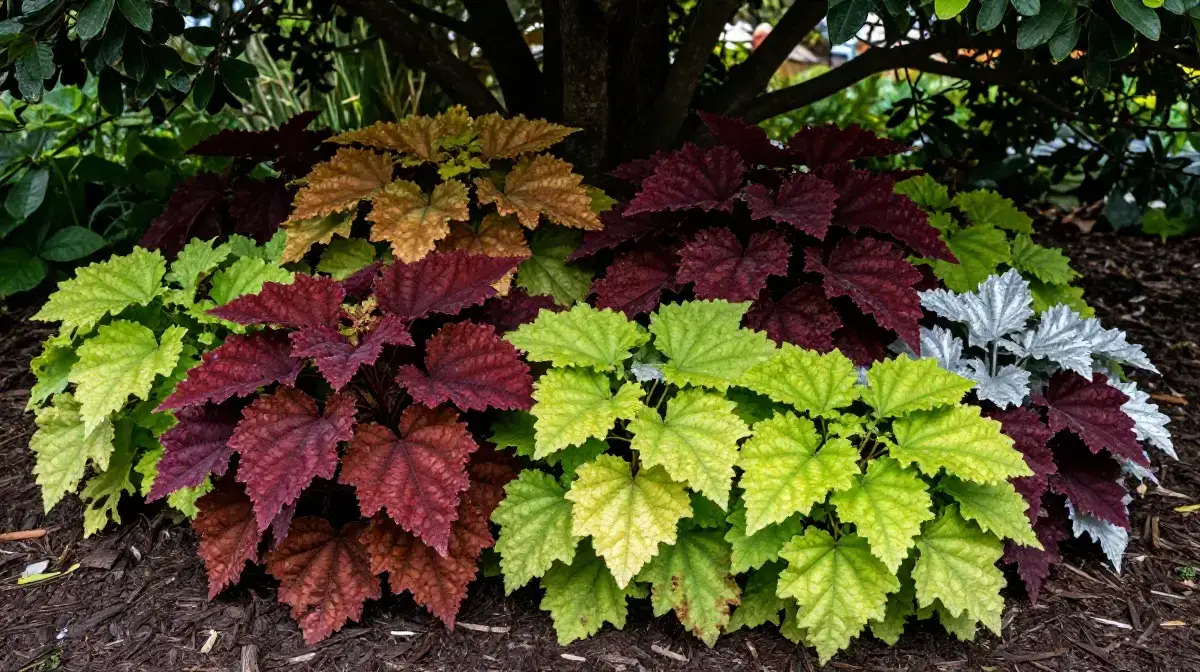
Heuchera, also known as coral bells, offers some of the most striking foliage available for shade gardens. Available in deep burgundy, lime green, copper, and silver, these plants hold their color through multiple seasons and complement nearly any garden style. They are exceptionally well-suited to the dry, shaded conditions found under established trees.
Create a Woodland Wildflower Planting
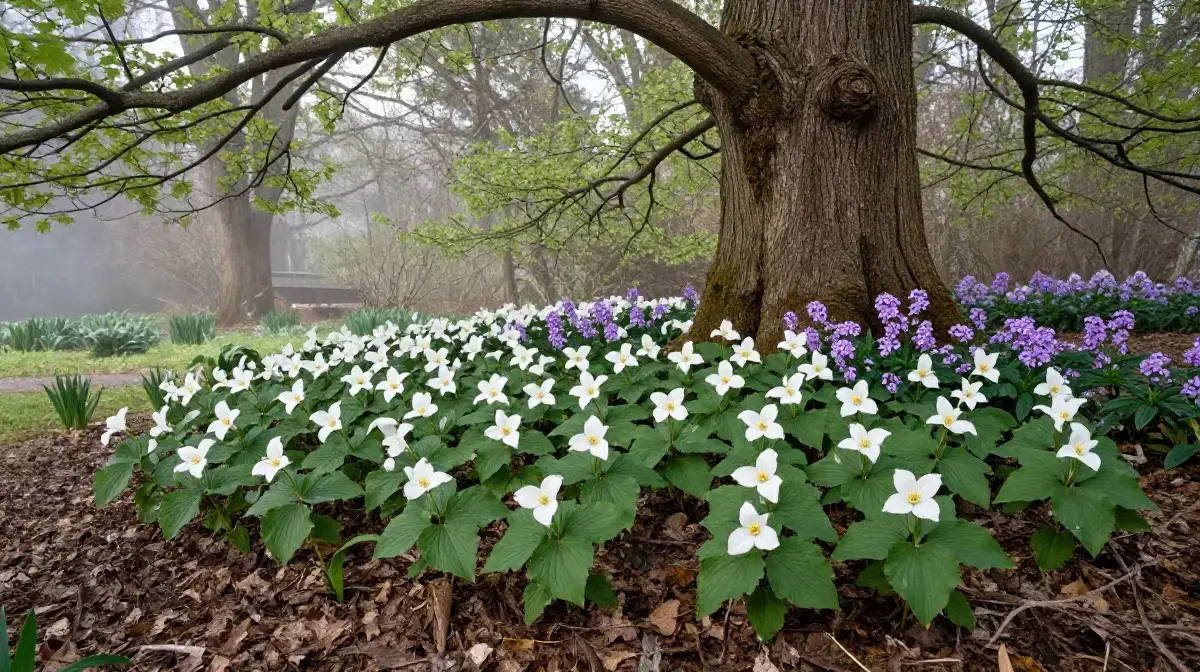
Native wildflowers such as trilliums, wild ginger, and woodland phlox are perfectly adapted to life beneath a tree canopy. They require little water once established, support local pollinators, and create a garden that feels naturally connected to the surrounding landscape. This approach is both ecologically responsible and genuinely beautiful.
Install Garden Lighting
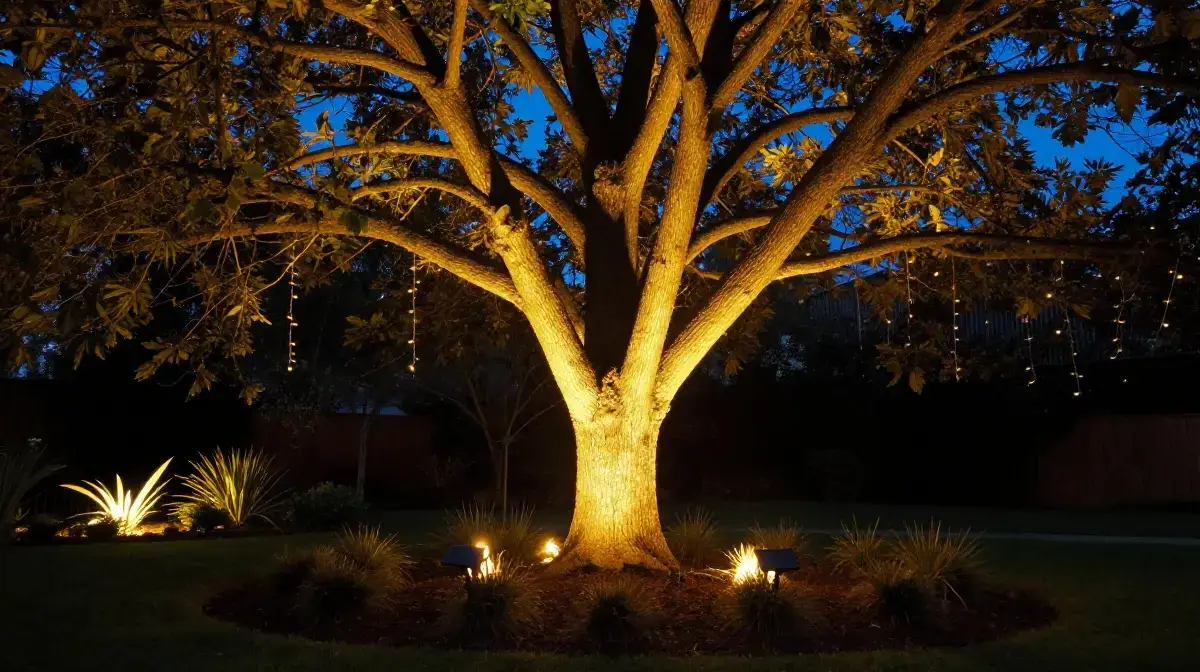
Subtle lighting beneath a tree extends the usability of your outdoor space well into the evening. Solar-powered uplights placed at the base of the trunk create dramatic shadows through the branches. String lights draped through lower limbs add warmth and a sense of occasion. Lighting transforms the tree from a daytime feature into a stunning focal point after dark.
Place Decorative Containers
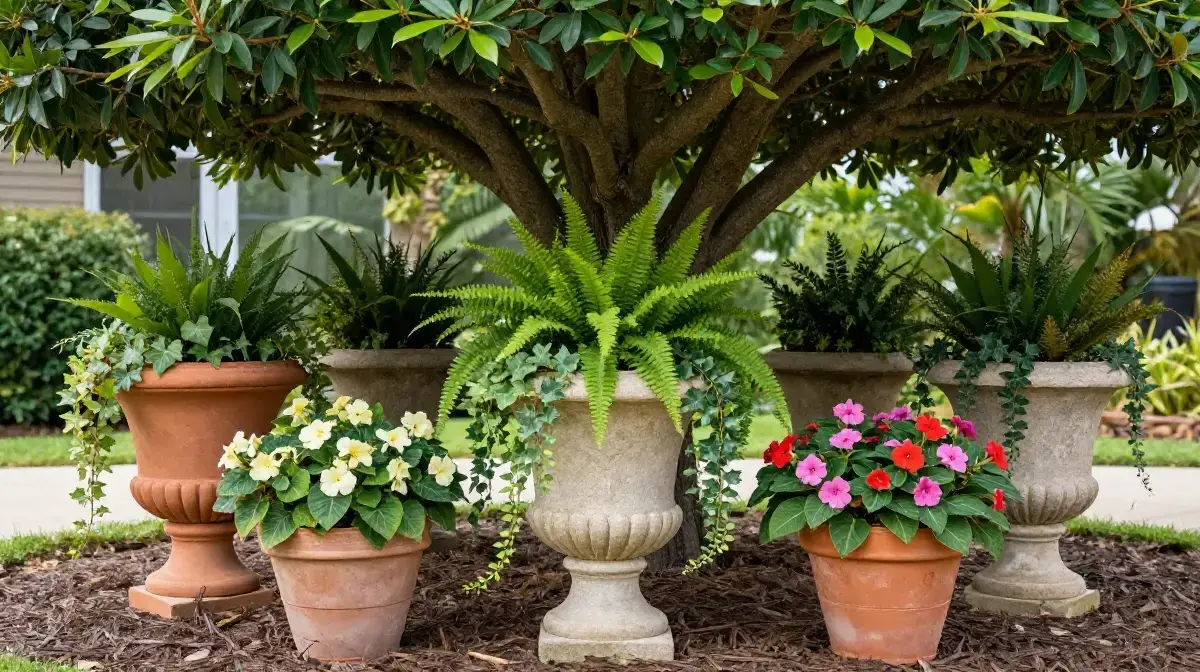
If the tree roots make in-ground planting difficult, use decorative containers filled with shade-tolerant plants positioned around the base. This approach allows you to introduce color and variety without disturbing the root system at all. Rotate container plants seasonally to keep the display fresh and interesting throughout the year.
Build a Raised Planting Bed
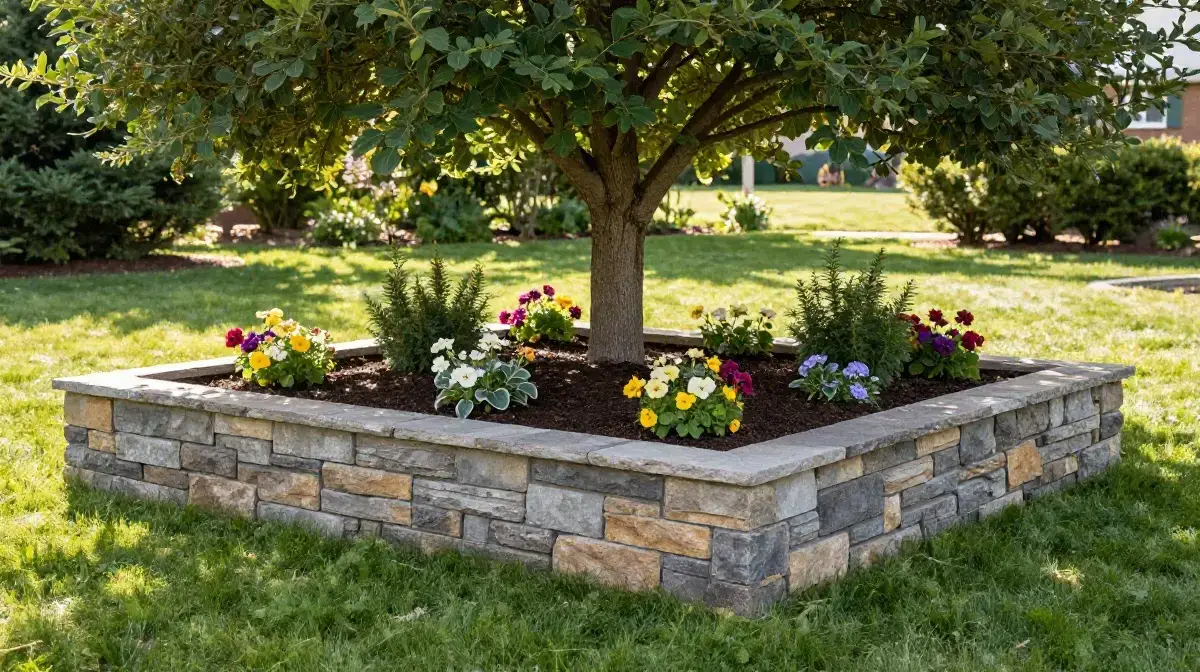
A low raised bed constructed around the outer drip line of the tree, well away from the main trunk, allows you to grow a wider range of plants without disturbing the roots directly. Use natural stone or timber to frame the bed and fill it with quality compost-enriched soil. This creates a defined garden zone that adds depth and structure to the landscape.
Incorporate Ornamental Grasses
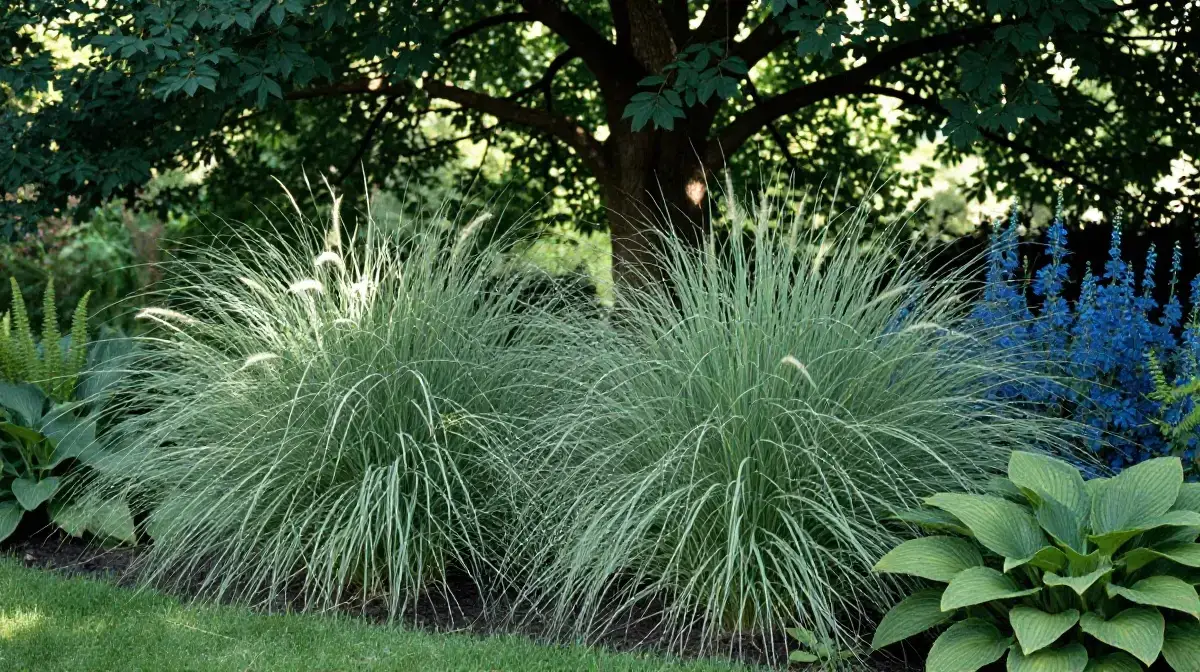
Ornamental grasses such as Japanese forest grass or blue fescue provide graceful movement and textural contrast in shaded conditions. They blend naturally with hostas and ferns, adding height variation and a flowing quality that makes the space feel dynamic rather than static.
Design a Meditation or Reading Nook
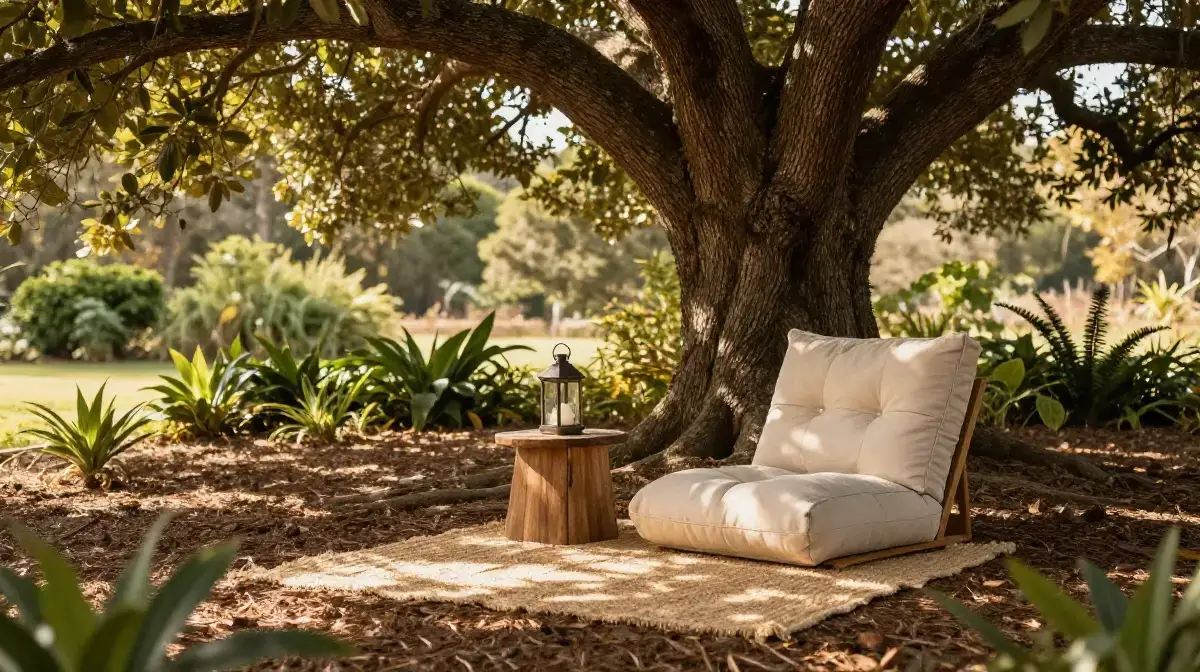
Take the seating concept further by designing a dedicated nook beneath the tree. Add a small outdoor rug, a comfortable chair, a side table, and perhaps a lantern or two. Surround the space with low plantings and soft lighting. The result is a private, shaded retreat that serves as both a garden feature and a personal sanctuary.
Plant Native Shrubs Around the Perimeter
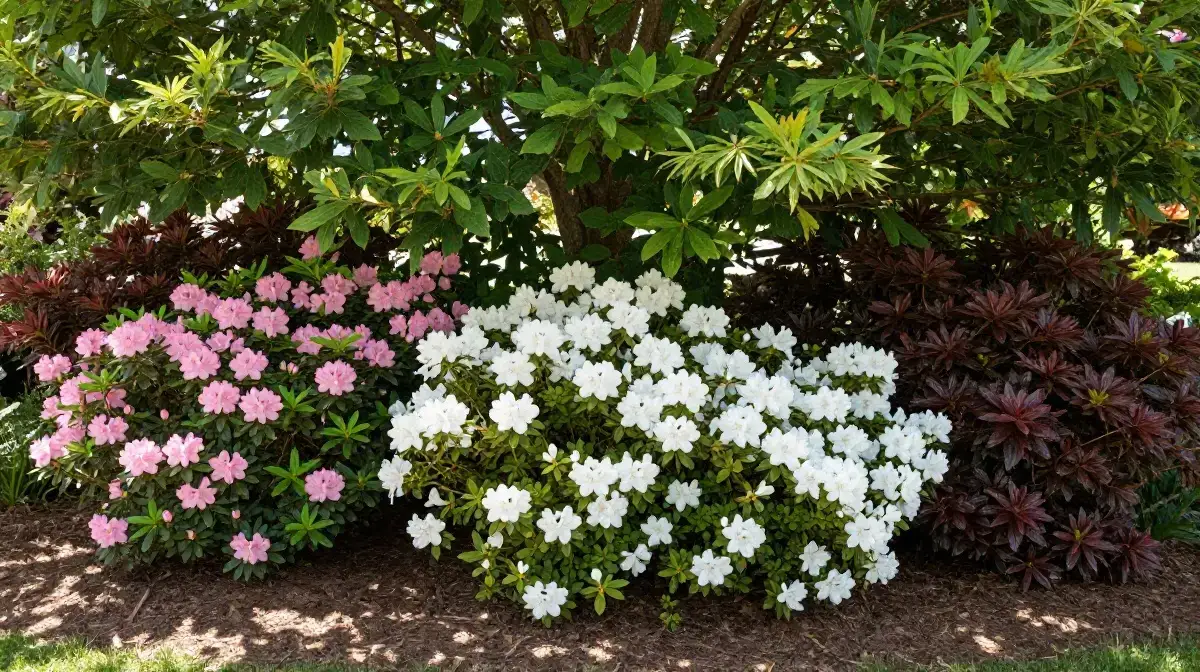
Low-growing native shrubs planted at the outer edges of the tree canopy add structure and seasonal interest without competing aggressively with the tree. Varieties such as native azalea or leucothoe thrive in partial shade and bring reliable blooms and attractive foliage to the space each year.
Embrace the Natural Woodland Approach
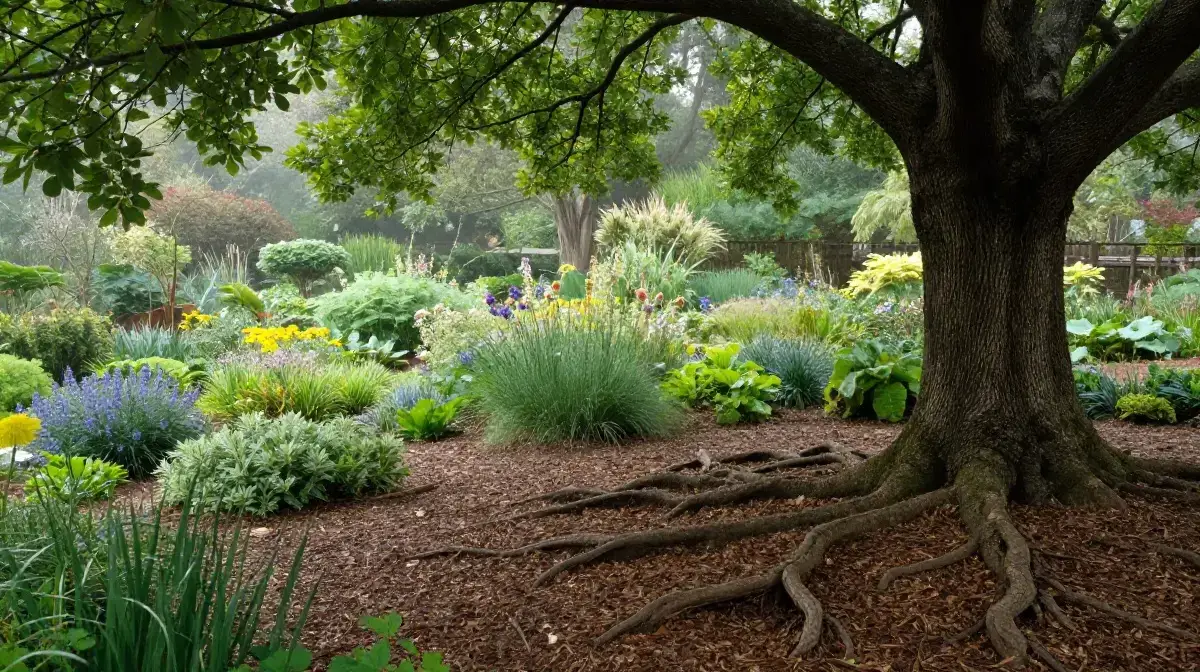
Sometimes the most beautiful solution is also the most straightforward. Allow a layer of shredded leaves or wood chips to cover the ground naturally. Introduce a few self-sustaining native plants and let them spread over time. This low-intervention approach creates a landscape that looks genuinely at home beneath the tree while requiring almost no ongoing maintenance.
Conclusion
The space beneath your trees does not have to remain a bare, overlooked corner of the garden. With the right under tree landscaping ideas, it can become one of the most thoughtfully designed and visually rewarding areas of your entire outdoor space. Whether you choose to plant a lush shade garden, install a quiet seating area, or simply lay a clean ring of mulch, the key is to work with the natural conditions the tree provides rather than against them. Start with one or two ideas that suit your style and budget, and build from there. The result will be a garden that feels complete, balanced, and genuinely beautiful in every season.
You may also like this:20 Deck Paint Colors Ideas to Refresh Your Outdoor Space
FAQ 1. What plants grow best under trees in deep shade?
Hostas, ferns, ajuga, vinca minor, heuchera, and sweet woodruff are among the most reliable choices for deep shade conditions. These plants are naturally adapted to low light and will establish comfortably in the dry, root-filled soil typically found beneath a mature tree canopy.
FAQ 2. Is it safe to add soil under a tree for planting?
Adding a thick layer of soil directly over tree roots can suffocate them and cause long-term damage to the tree. If you need to build up the ground level slightly, use a very thin layer of compost mixed with mulch and keep it well away from the trunk. For deeper planting beds, work only at the outer edges of the canopy.
FAQ 3. How deep should mulch be around a tree?
Mulch should be applied at a depth of two to three inches and should extend outward to at least the drip line of the tree canopy. Never allow mulch to touch the trunk directly, as this creates moisture buildup that can lead to rot and disease. Replenish the mulch layer once a year to maintain its benefits.
FAQ 4. Can I install a seating area under a tree without harming its roots?
Yes, with careful planning. Avoid deep digging or laying concrete foundations over the root zone. Opt for lightweight furniture, gravel surfacing, or outdoor rugs placed directly on mulch. These options allow water and oxygen to continue reaching the roots while creating a comfortable and attractive seating space.
FAQ 5. How do I prevent weeds from growing under my tree?
A combination of ground cover plants, organic mulch, and landscape fabric placed beneath gravel or stone is the most effective approach to weed control under a tree. Ground covers spread to fill bare soil naturally, while a two to three inch mulch layer blocks sunlight from reaching weed seeds and suppresses germination without harming the tree.