
Introduction
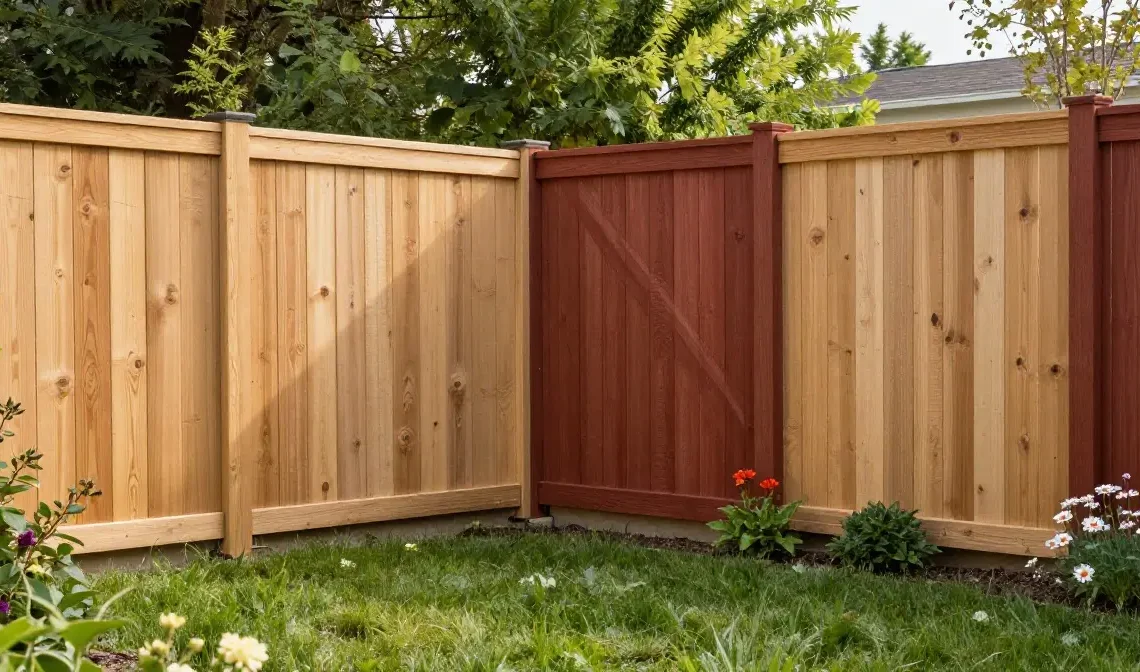
Choosing the right wood for your fence is one of the most important decisions you will make as a homeowner. The wood you select will determine how long your fence lasts, how much maintenance it demands, and how attractive your backyard looks year after year. With so many timber species and treatment options available today, the selection process can feel overwhelming. Some woods are naturally tough and pest-resistant, while others need chemical treatments to survive outdoor conditions. This guide covers 22 smart wood choice for fence ideas, giving you a clear picture of each option so you can match the right material to your climate, budget, and design goals.
Western Red Cedar The All-Around Favorite for Lasting Fences
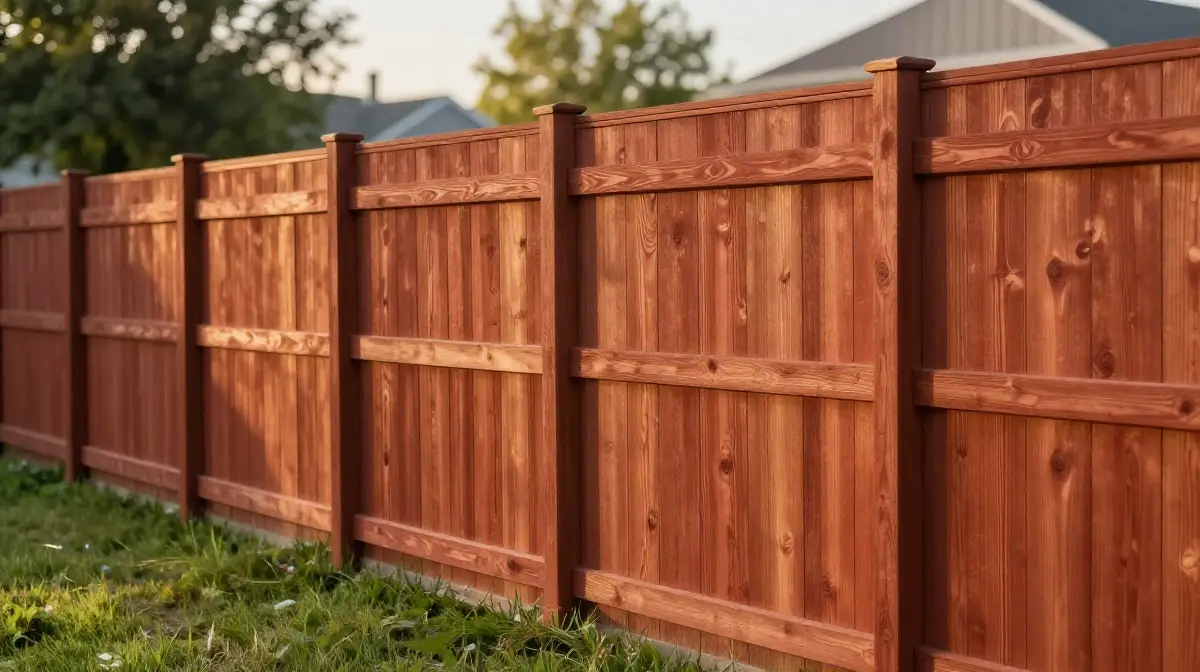
Western Red Cedar consistently ranks as the number one wood choice for fence projects across North America, and the reasons are easy to understand. It contains natural oils and tannins that act as built-in preservatives, defending the wood against moisture, rot, and insect damage without any chemical treatment. This makes it an excellent choice for wet climates where other softwoods would quickly deteriorate. A well-maintained Western Red Cedar fence can last up to 30 years, delivering strong value over time. Its rich reddish-brown color adds warmth to any backyard landscape, and it accepts stain, paint, or a clear sealant beautifully. Cedar is also lightweight, making installation straightforward for both professionals and confident DIYers.
Redwood Premium Quality and Exceptional Durability for Your Yard
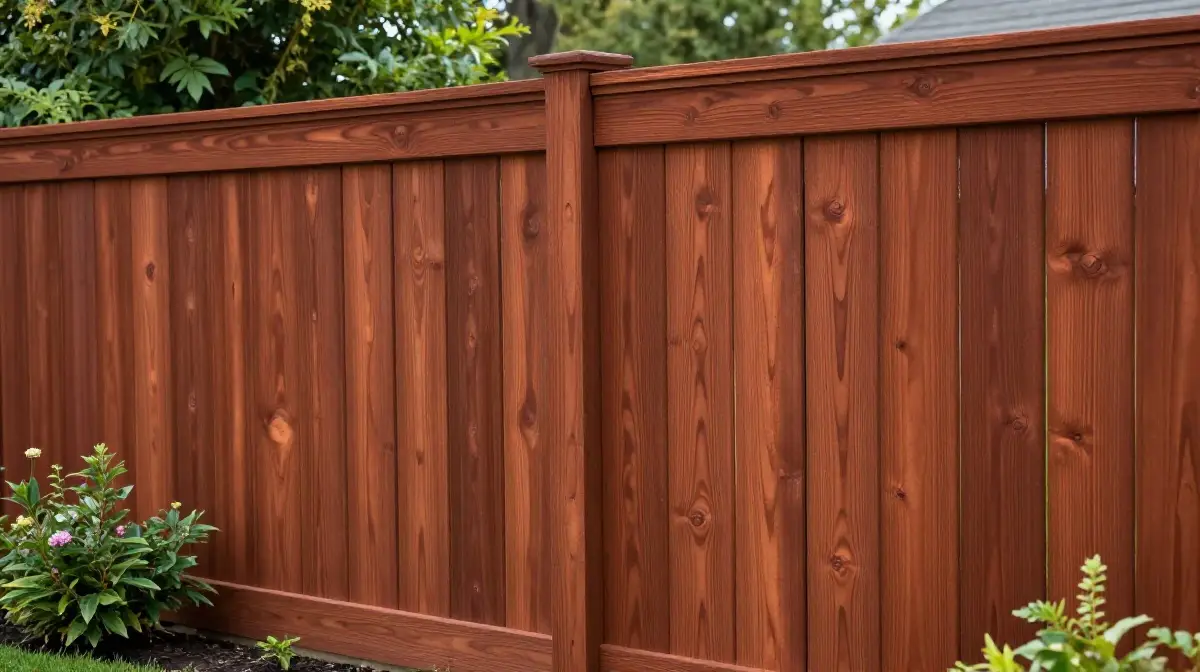
Redwood is widely regarded as one of the finest materials for any wood choice for fence project, prized for its extraordinary durability and stunning natural beauty. The wood contains tannins and natural resins that offer outstanding resistance to rot, insects, and warping, making it reliable in humid and rainy environments. Redwood fences can last well beyond 20 years with proper sealing and maintenance. Its deep, rich color and fine grain give it a premium appearance that enhances curb appeal significantly. The main drawback is cost, as redwood tends to be more expensive than other options and is primarily harvested in California. For homeowners who can invest upfront, redwood is a top-tier choice that pays off in longevity and low maintenance.
Pressure-Treated Pine The Budget-Friendly and Dependable Option
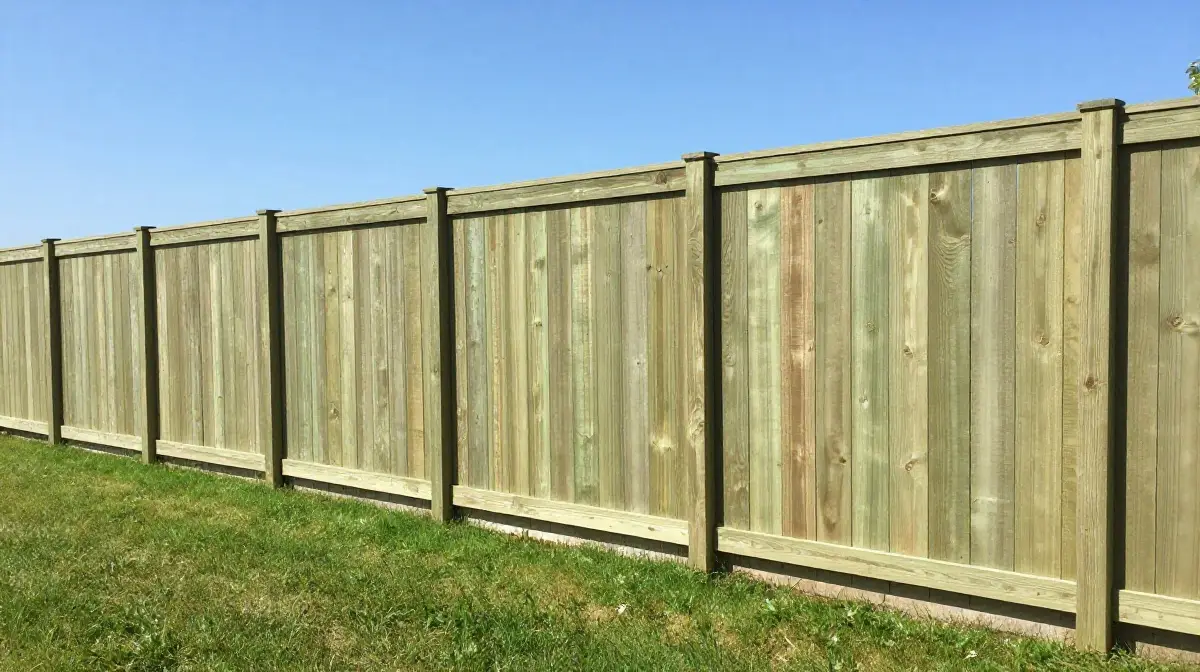
Pressure-treated pine is one of the most widely used materials in residential fencing because it combines affordability with improved durability. During the treatment process, chemical preservatives are forced deep into the wood fibers, dramatically improving its resistance to rot, insects, and fungal decay. This makes it far more suitable for outdoor use than untreated pine, which would break down quickly when exposed to soil and moisture. Pressure-treated pine fences typically last 15 to 20 years when properly maintained with stain and sealant. The wood does take on a greenish tint initially from the treatment chemicals, but this fades naturally over time. For homeowners working within a budget, it remains one of the strongest practical choices on the market.
Cypress The Southern Classic with Natural Rot Resistance Built In
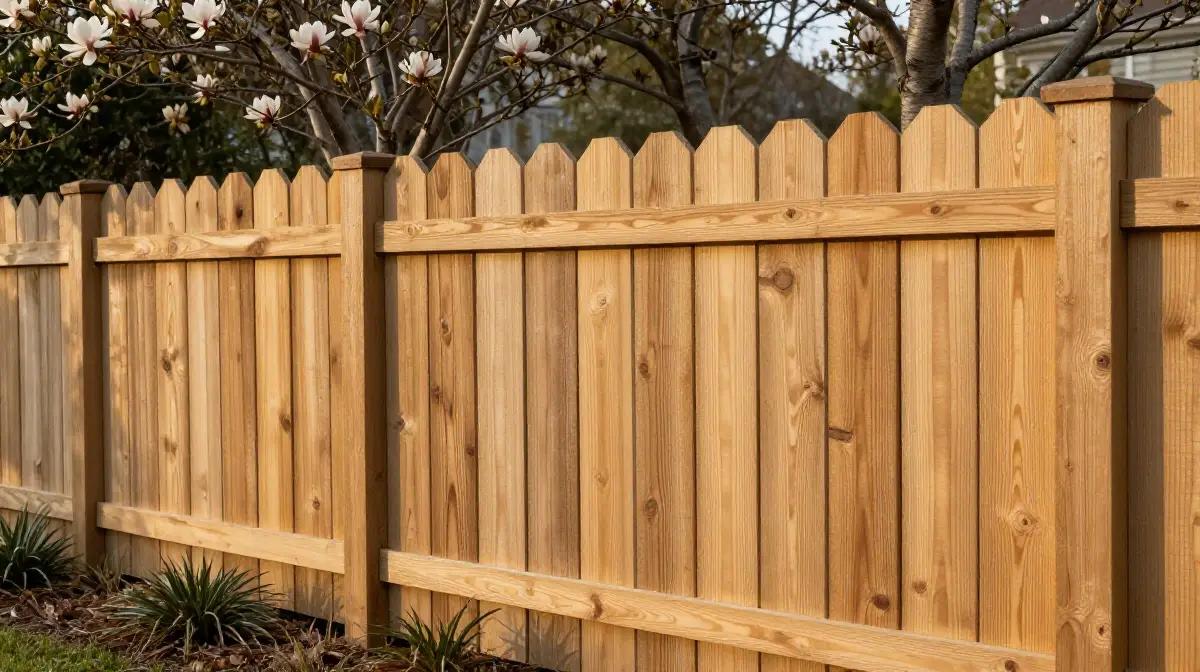
Cypress is a hardworking wood that deserves far more attention in discussions about the best wood choice for fence installations. Native to the southeastern United States, this wood contains a natural compound called cypretine, which makes it remarkably resistant to insects, rot, and decay. Cypress behaves similarly to cedar and redwood in outdoor environments, maintaining its integrity even in wet, humid conditions where other woods would fail quickly. It has a pleasant, subtle aroma and a tight grain structure that gives it a clean, attractive finish. While cypress may be more expensive in regions where it must be imported, its natural properties reduce the need for chemical treatments, making it a wise long-term investment for Southern homeowners especially.
Douglas Fir A Strong and Versatile Softwood for Fence Structures
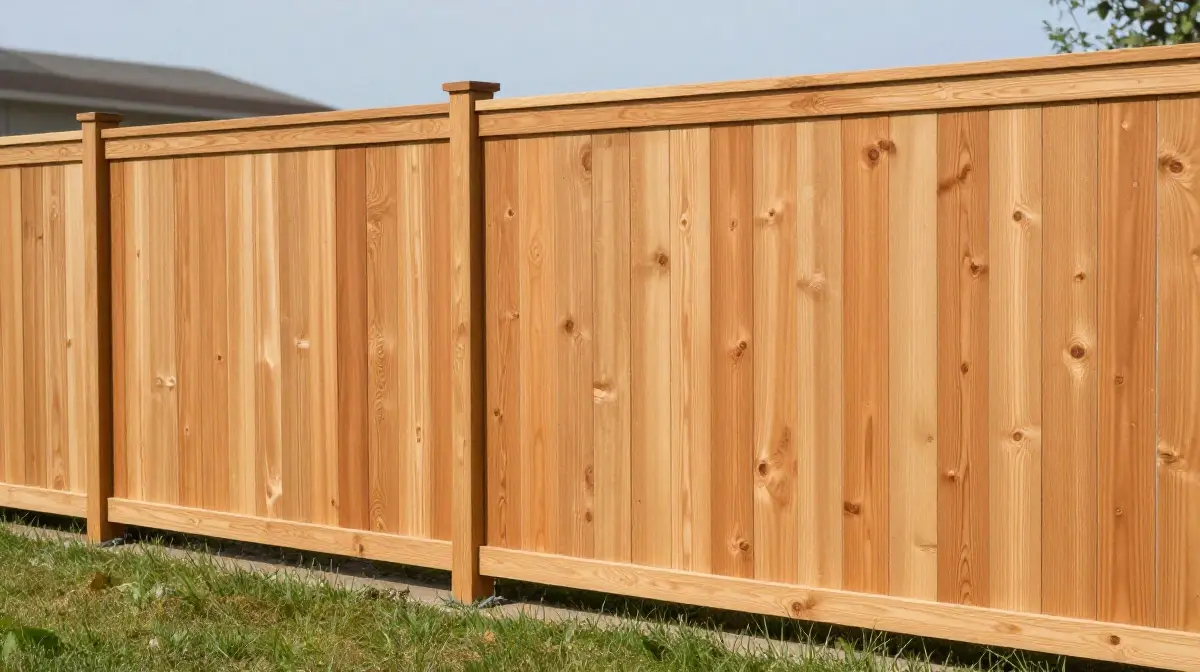
Douglas Fir is a popular softwood that offers excellent strength and structural integrity, making it a reliable wood choice for fence rails, posts, and framing elements. It is heavier and stronger than many other softwoods, which gives the overall fence structure a solid, sturdy feel. However, Douglas Fir is not naturally resistant to rot or insects, so it must be pressure-treated or regularly sealed to perform well outdoors. When properly maintained, it can deliver a fence lifespan of 10 to 20 years depending on climate conditions. Its straight grain and relatively smooth surface make it easy to paint or stain, allowing homeowners to achieve almost any finish they desire. It is widely available and reasonably priced across most regions.
Southern Yellow Pine Known for Strength and Wide Availability
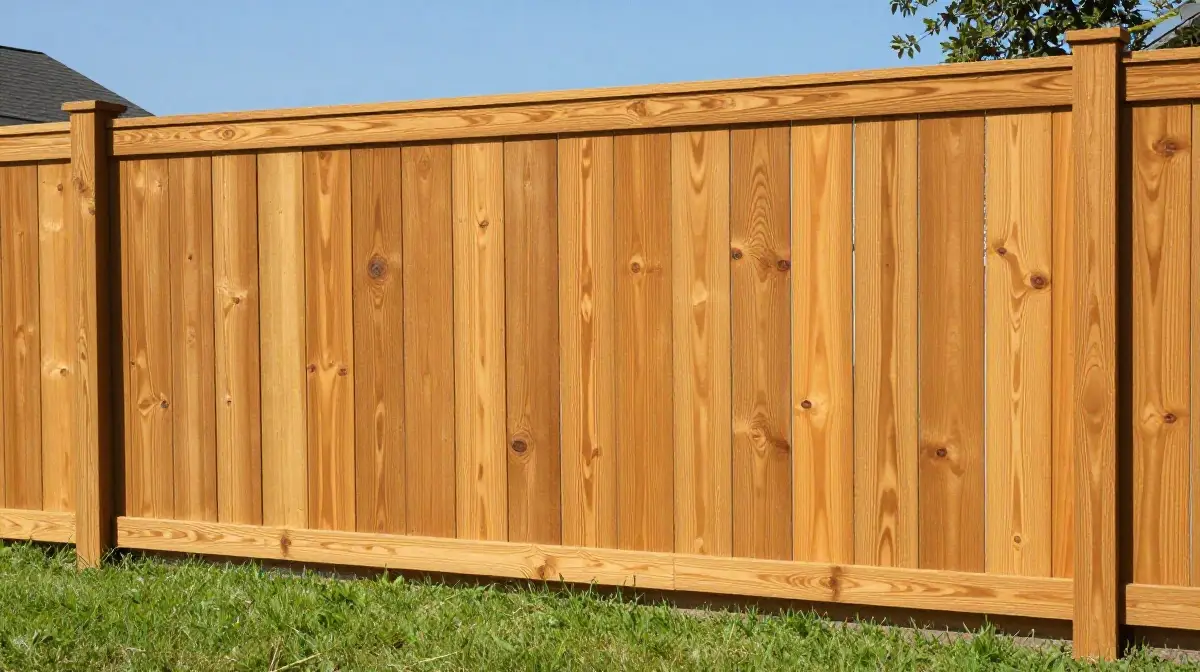
Southern Yellow Pine is one of the densest and strongest softwoods used in fencing, making it a go-to material in many parts of the southern and eastern United States. When pressure-treated, it becomes highly resistant to rot, insects, and the general wear of outdoor exposure. Its strength makes it particularly well-suited for fence posts and structural components that need to bear heavy loads or withstand wind pressure. Southern Yellow Pine takes stain and paint well, allowing homeowners to customize the look of their fence with ease. The wood does tend to shrink and check slightly as it dries, so allowing it to acclimate before installation is a good practice. Overall, it represents a cost-effective and sturdy choice for durable backyard fencing.
Eastern White Pine A Lightweight Option for Rustic Fence Styles
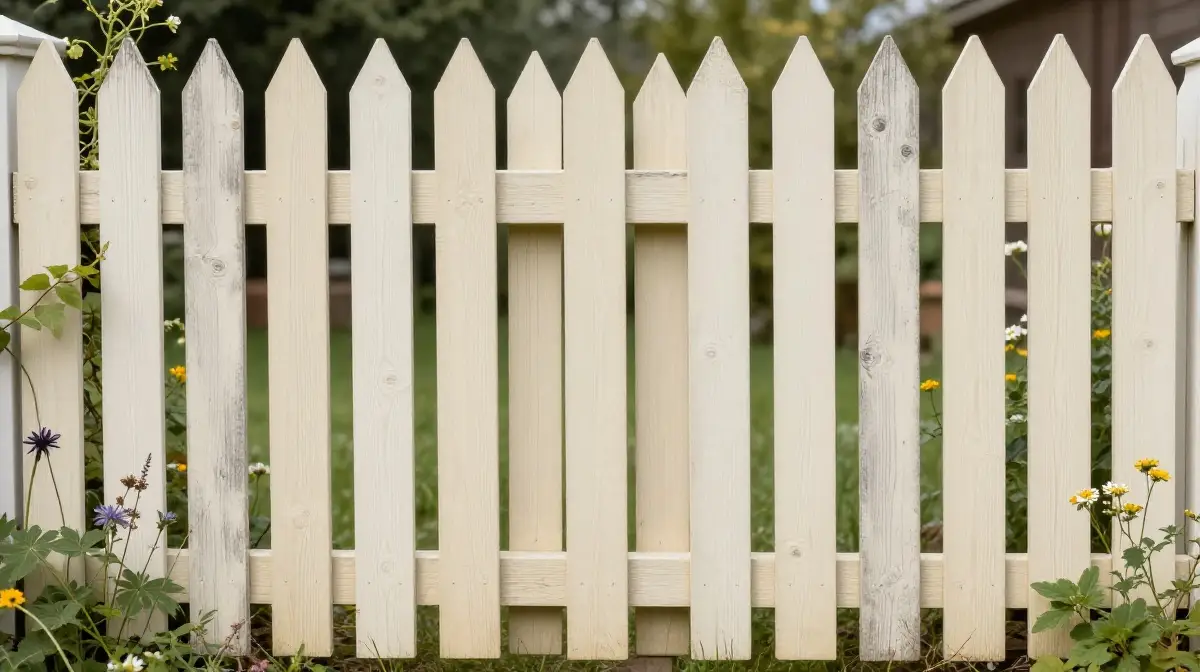
Eastern White Pine is a lighter, softer pine species often chosen for its clean appearance and ease of workability. It is frequently left untreated to achieve a rustic, weathered gray look that many homeowners find charming and visually appealing in naturalistic garden settings. However, because it lacks natural rot resistance, Eastern White Pine requires regular sealing or painting to hold up against the elements when used outdoors. Its pale, consistent color makes it one of the easiest woods to paint, and a single coat of quality exterior paint can dramatically extend its service life. This wood is best suited to drier climates or areas where the fence will not be in direct contact with soil for extended periods. It is budget-friendly and widely available at most lumber suppliers.
Spruce The Cost-Effective Choice for Short-Term Fencing Projects
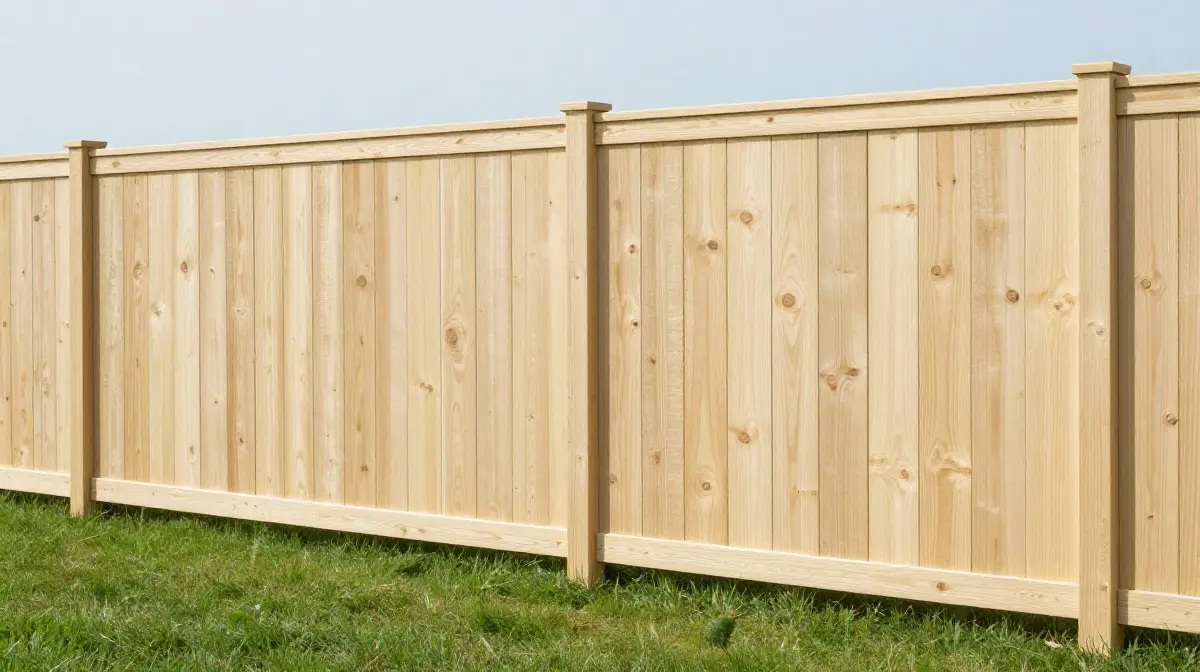
Spruce is a lightweight, affordable softwood that appeals to homeowners and DIY enthusiasts looking for a cost-effective wood choice for fence installations. Its pale, smooth appearance lends a clean, natural look to basic fence designs, and it is one of the easiest woods to work with during construction. The main limitation of spruce is its lower natural durability compared to cedar or redwood. Without proper treatment and regular maintenance, spruce is susceptible to rot and insect damage, particularly in wetter climates. It is best suited for drier regions or as a short-term fencing solution where replacement or renovation is anticipated within a decade. When properly sealed and maintained, spruce can still deliver a solid and attractive fence at a very accessible price point.
White Oak A Durable Hardwood with a Beautiful Natural Grain
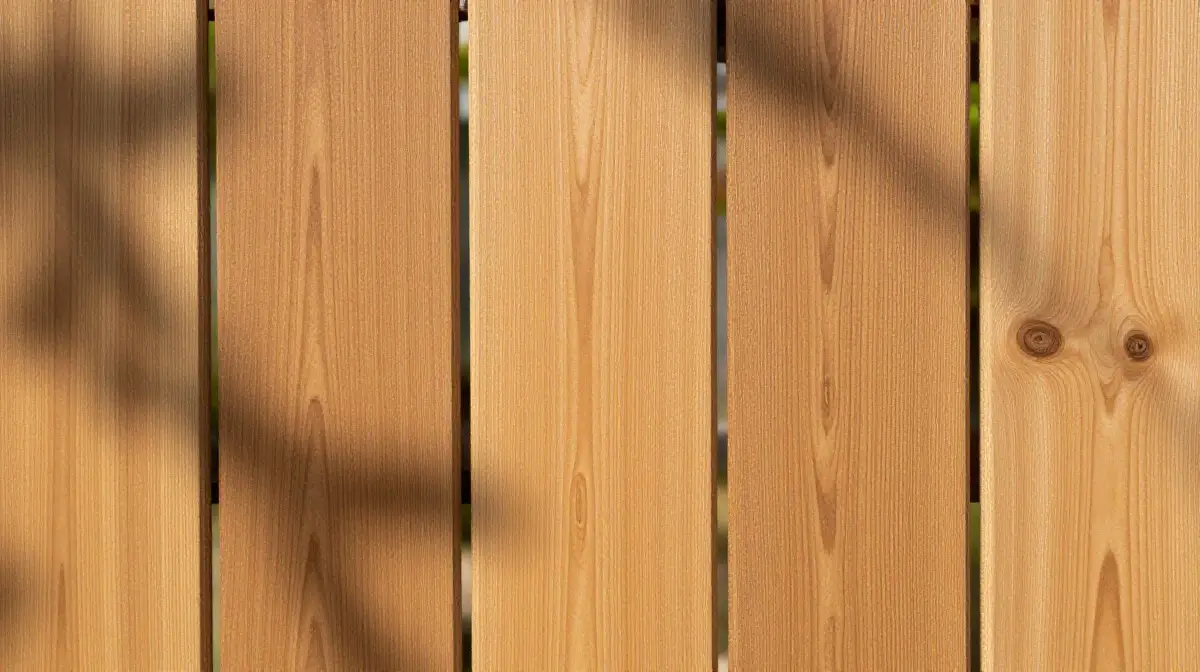
White Oak is one of the most durable hardwoods available for residential fencing, offering a lifespan of up to 20 years or more even in challenging outdoor conditions. Its closed-cell structure naturally resists moisture absorption, giving it a distinct advantage over other oak varieties when used outdoors. The wood’s prominent grain pattern and warm tan color create a visually striking fence that stands apart from more common softwood options. White Oak also contains natural oils that help repel insects, making it a particularly attractive option in areas where termites or wood-boring beetles are a concern. The trade-off is cost and weight, as hardwoods like White Oak are heavier to work with and more expensive than most softwoods. For premium installations, however, the investment is well justified.
Black Locust One of Nature’s Hardest and Most Weather-Resistant Woods
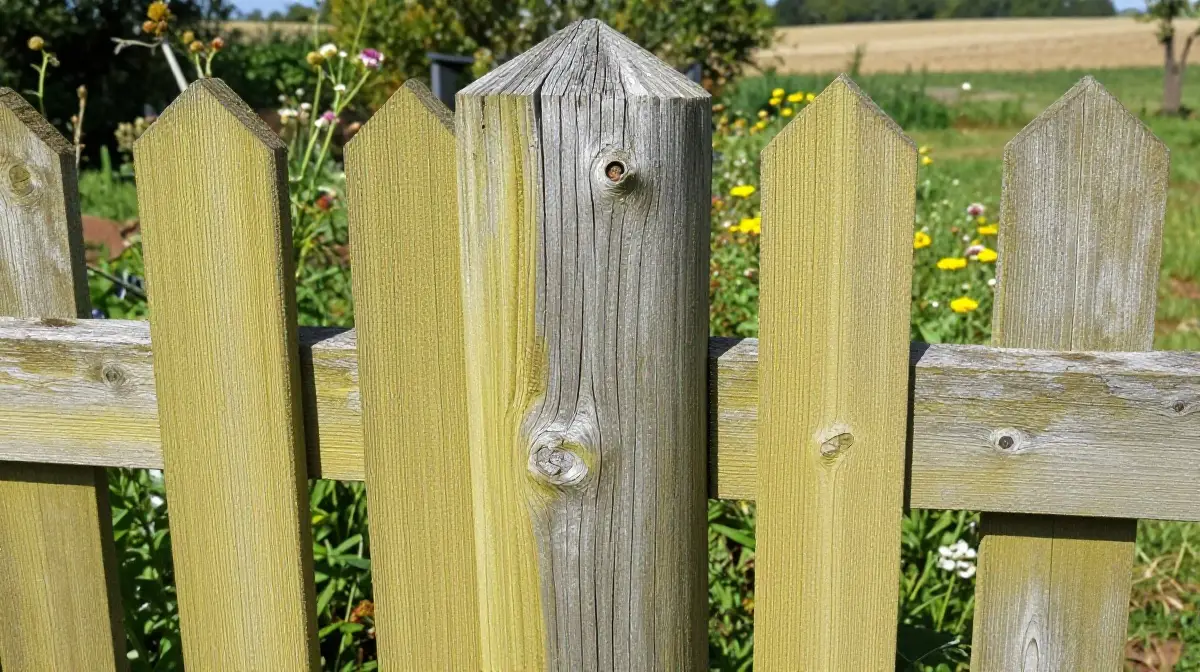
Black Locust is a remarkably dense and hard North American hardwood that is often overlooked in mainstream fencing discussions, yet it outperforms many popular species in outdoor durability. It is naturally resistant to rot, insects, and decay, with an untreated lifespan that can exceed 25 to 30 years in direct soil contact. This makes Black Locust one of the rare woods that can be used for fence posts without pressure treatment, reducing both cost and chemical exposure. The wood has a yellowish-green hue when freshly cut that weathers to an attractive silver-gray over time. Its density makes it harder to cut and work with than softwoods, but the payoff in longevity is exceptional. Black Locust is an outstanding choice for homeowners who prioritize long-term performance over ease of installation.
Teak The Luxury Hardwood Built for Outdoor Endurance
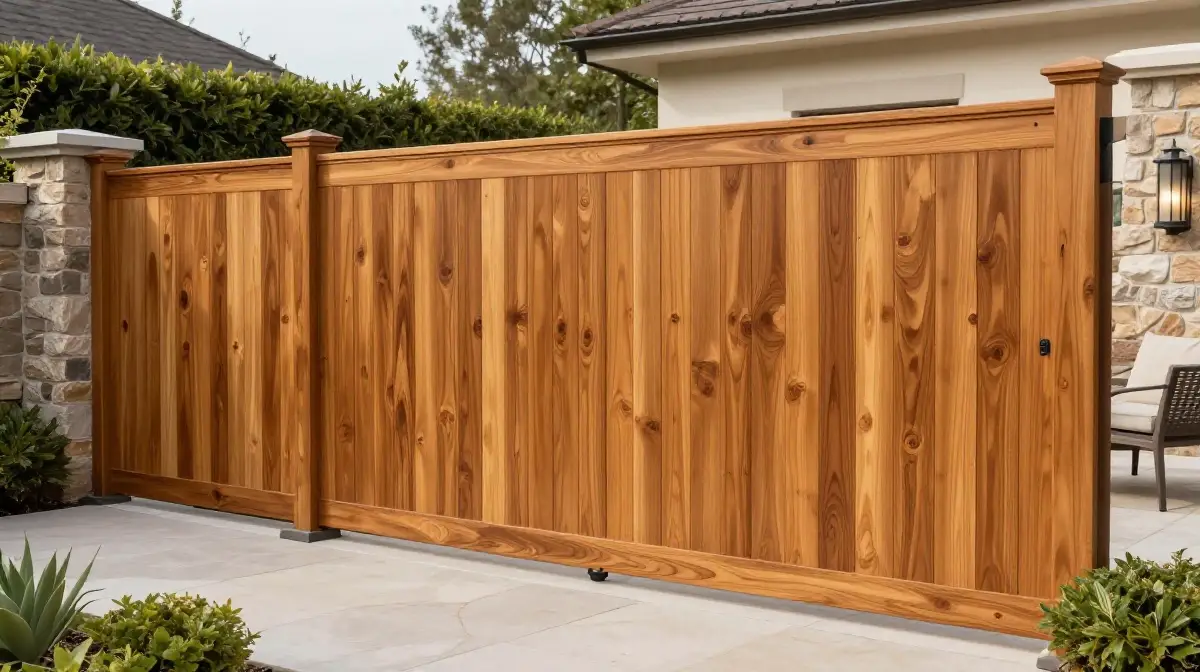
Teak is a tropical hardwood renowned worldwide for its incredible natural durability and resistance to almost every form of outdoor degradation. Its high oil and silica content makes it virtually impervious to rot, insects, water damage, and the shrinking and swelling caused by seasonal temperature changes. Teak fences require very little maintenance to remain in excellent condition for decades, which is why the wood is so often associated with high-end outdoor furniture and marine applications. The wood’s warm golden-brown color is visually stunning and ages gracefully to a distinguished silver-gray if left untreated. The primary barrier to widespread use is its significant cost, as teak is among the most expensive fencing materials available. For homeowners seeking the ultimate in low-maintenance luxury fencing, however, teak delivers unmatched performance.
Ipe The Brazilian Hardwood That Outlasts Almost Everything
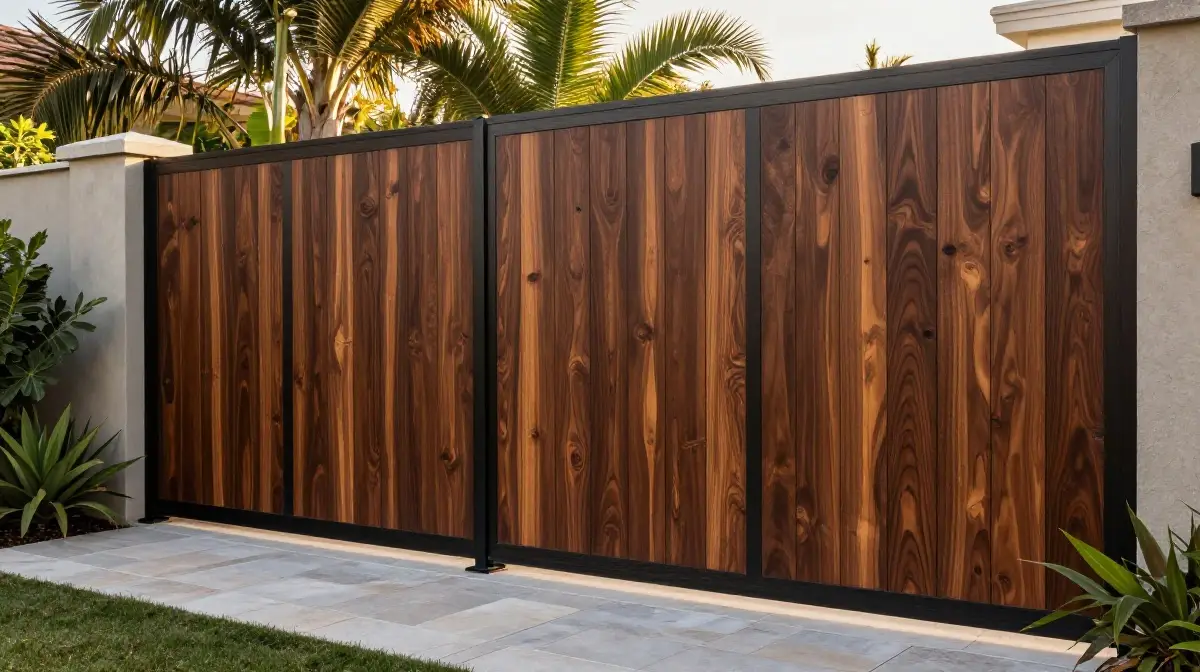
Ipe, also known as Brazilian Walnut, is one of the densest and most durable wood species available on the global market, making it an extraordinary wood choice for fence installations where maximum longevity is the goal. Its density gives it a Class A fire rating and exceptional resistance to rot, insects, mold, and weathering without any chemical treatment. An Ipe fence installed with quality hardware and proper techniques can realistically last 40 to 50 years, far exceeding almost every other wood option. The wood has a rich, dark brown color with attractive grain patterns that give any fence a sophisticated, high-end appearance. Working with Ipe requires carbide-tipped tools and pre-drilling for fasteners, which adds to installation time and labor cost. For those who view fencing as a permanent investment, Ipe is a compelling and logical choice.
Bamboo The Sustainable and Eco-Friendly Alternative to Traditional Wood
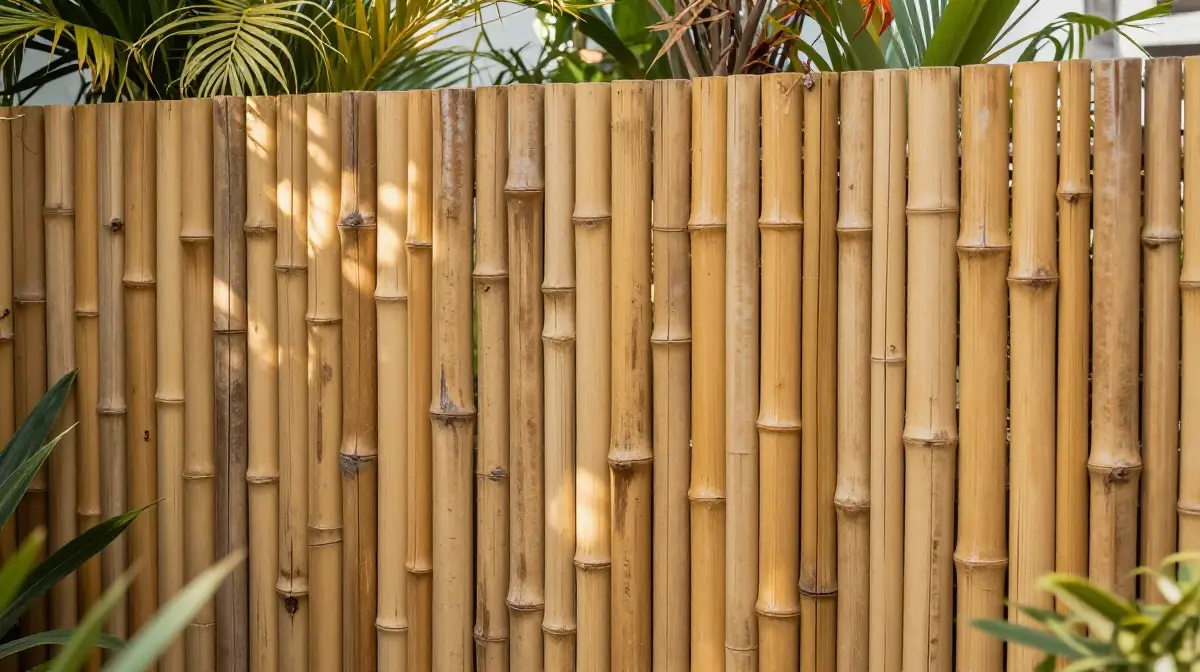
Bamboo is technically a grass, but it performs exceptionally well as a fencing material and deserves a prominent place in any wood choice for fence discussion. It is one of the fastest-growing natural materials on Earth, making it a highly sustainable option for environmentally conscious homeowners. Thermally treated bamboo is particularly durable, as the heat treatment process removes moisture and sugars from the fibers, dramatically improving its resistance to rot and insects. Bamboo fences create a striking, modern aesthetic that works beautifully in contemporary garden designs and tropical-themed outdoor spaces. In its natural form, bamboo can be prone to cracking in very dry climates, so selecting pre-treated panels is strongly recommended for outdoor use. Properly maintained bamboo fencing can deliver a lifespan of 15 to 20 years.
Composite Wood The Low-Maintenance Modern Solution for Busy Homeowners
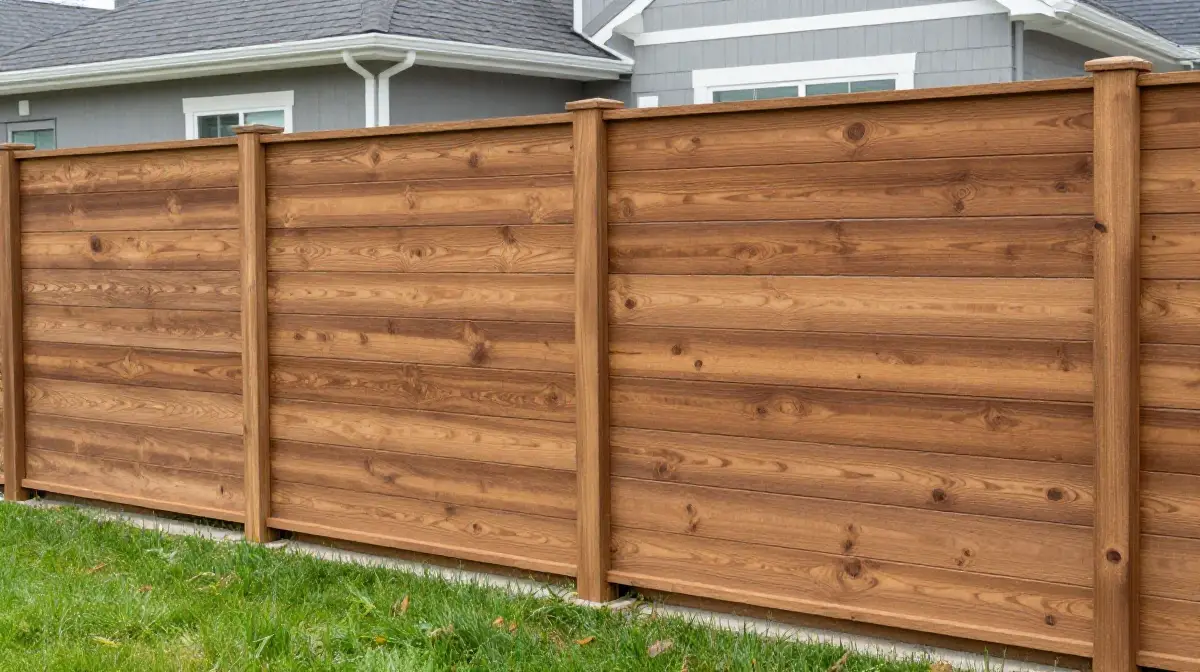
Composite wood, made from a blend of recycled wood fibers and plastic material, has rapidly grown in popularity as a fencing material that eliminates many of the maintenance challenges associated with natural wood. Because it contains a significant percentage of plastic, composite fencing does not rot, warp, crack, or attract insects, making it one of the most stable and resilient options available. It does not need staining, sealing, or painting to maintain its appearance, which saves homeowners considerable time and money over the fence’s lifetime. Composite fencing comes in a wide variety of colors and textures, including finishes that convincingly replicate the look of natural wood grain. The upfront cost is higher than many natural wood options, but the near-zero maintenance requirements often make it the most cost-effective choice over a 20 to 25 year lifespan.
Balau and Batu Hardwoods Dense Tropical Species for High-End Installations
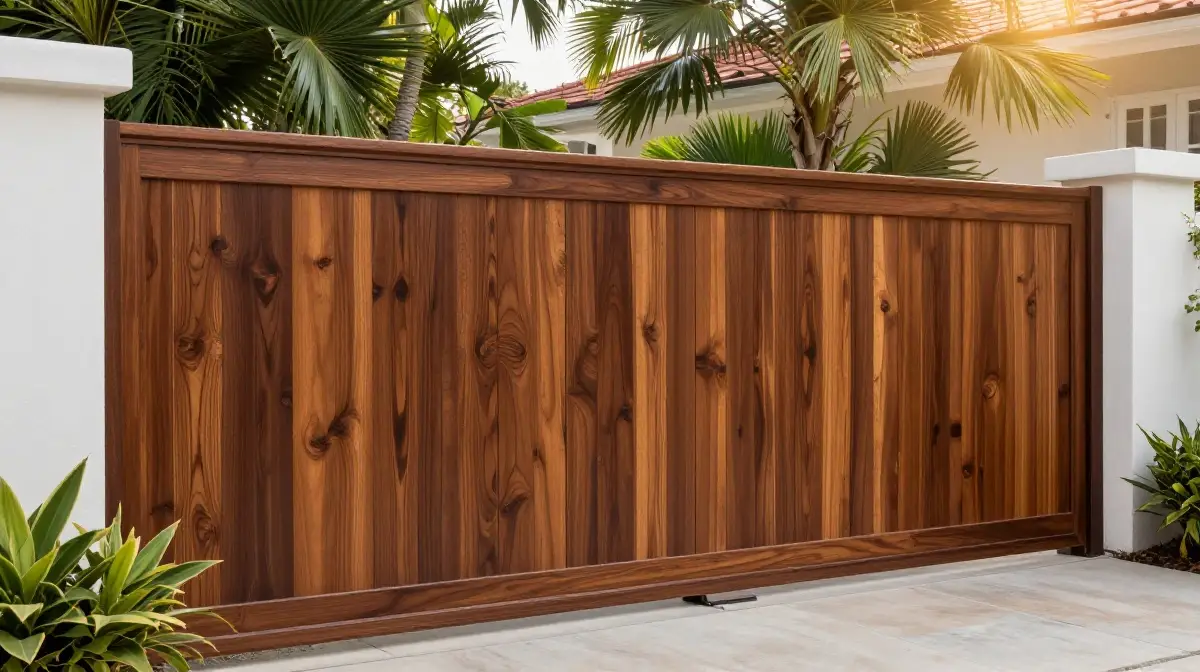
Balau and Batu are tropical hardwoods originating from Southeast Asia that are gaining recognition among homeowners and contractors seeking premium-grade fencing materials. Both species are exceptionally dense, naturally resistant to rot and insect damage, and capable of withstanding heavy rainfall and intense heat without deteriorating. Their rich, deep coloring and complex grain patterns give them a visual depth and elegance that few other wood species can match. These woods are particularly well suited to upscale residential properties where the fence is intended to serve as a feature element as much as a functional boundary. Installation requires pre-drilling due to the density of the wood, and the material cost is at the higher end of the market. When sourced from certified, sustainable forestry operations, Balau and Batu represent a responsible and lasting investment.
Pine Picket The Timeless Classic That Defines Backyard Charm
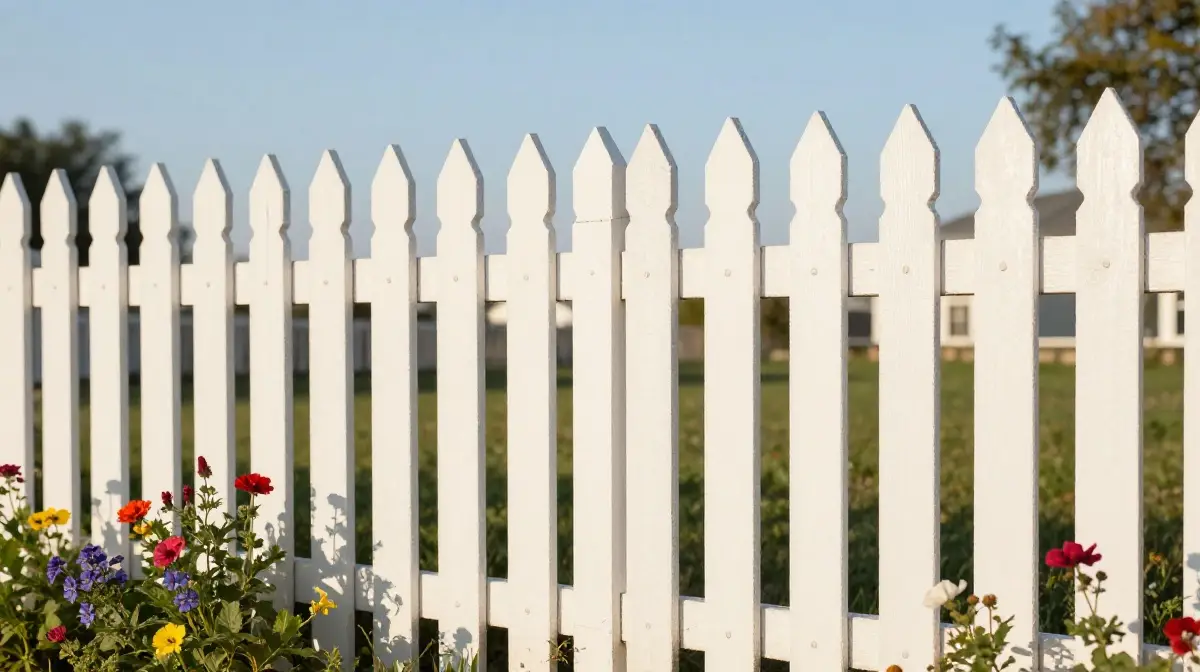
The pine picket fence remains one of the most iconic fencing styles in residential landscaping, and it continues to be a beloved wood choice for fence projects across the country. Typically constructed from pressure-treated or painted pine boards, picket fences deliver a clean, welcoming appearance that suits traditional, cottage, and farmhouse-style homes particularly well. While pine is not the most durable wood in its untreated form, the picket style’s design, with individual boards and good air circulation, actually helps the wood dry more quickly after rain, which slows the onset of rot. Regular painting every three to five years keeps a pine picket fence looking fresh and extends its service life considerably. This style works well as a decorative boundary or to create a safe enclosure for children and pets in the front or back yard.
Board-on-Board Cedar Maximum Privacy with a Professional Finish
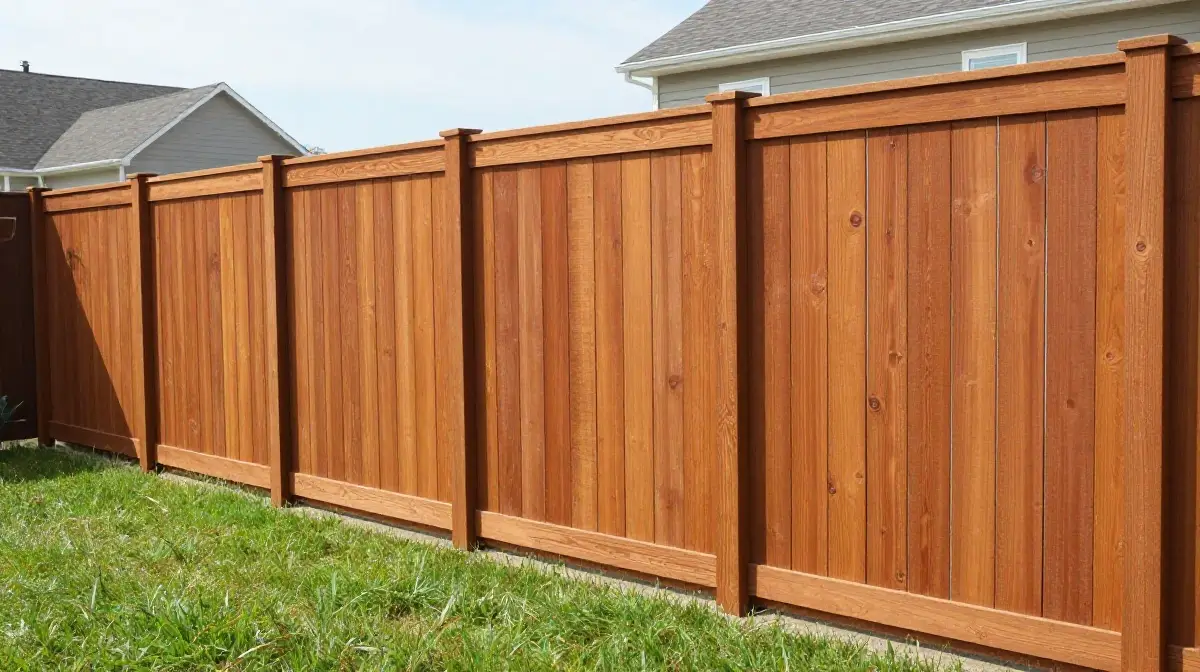
The board-on-board style using cedar lumber is one of the most practical and attractive solutions for homeowners who want both privacy and natural beauty in their backyard fencing. In this design, cedar boards are overlapped alternately on both sides of the fence rail, creating a solid barrier with no gaps while still allowing some air circulation to prevent moisture buildup. This construction method also provides a neat, uniform appearance from both sides of the fence, which is particularly beneficial when the fence borders a neighbor’s property. Cedar’s natural resistance to rot and insects makes it an ideal material for this densely constructed style, as the overlapping boards can trap moisture in less durable wood species. A board-on-board cedar fence installed at six feet or taller offers excellent visual privacy and a refined, professional look that holds up well for decades.
Horizontal Slat Fencing The Modern Style That Showcases Premium Wood
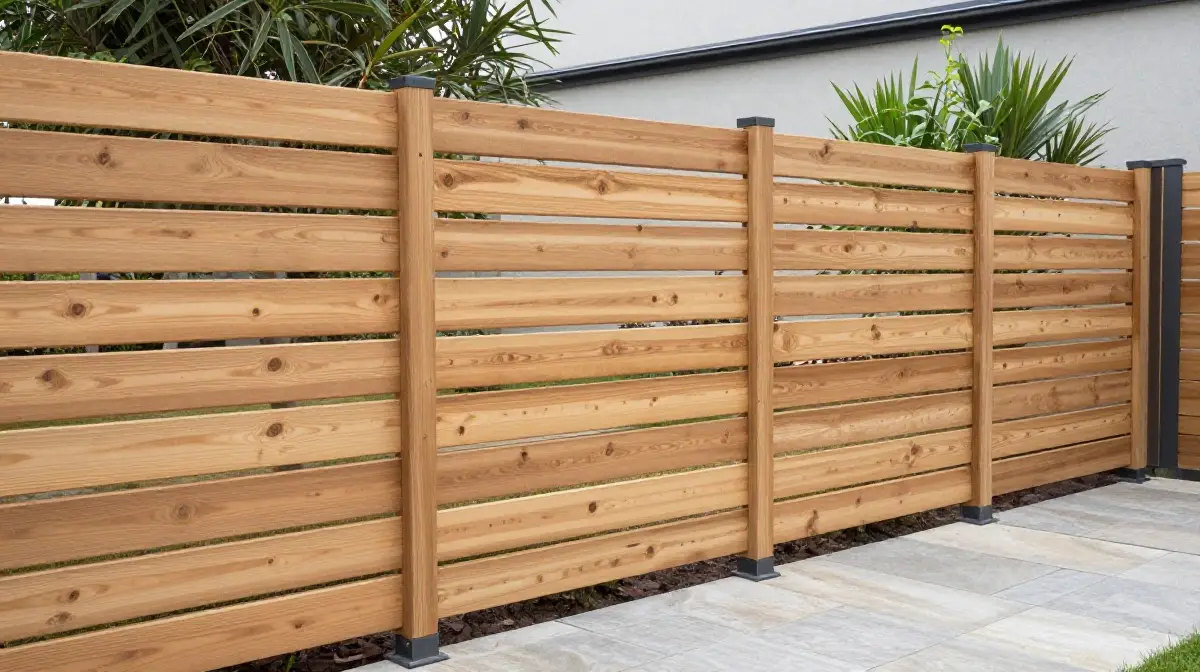
Horizontal slat fencing has become one of the most sought-after design trends in contemporary residential landscaping, and choosing the right wood for this style is essential to achieving the sleek, modern aesthetic it is known for. Cedar and redwood are the most popular wood choices for horizontal slat fences because their natural durability and beauty are showcased by the clean, linear presentation of this style. The boards are typically installed with uniform spacing, allowing controlled light and air movement while maintaining a strong sense of privacy. One important consideration with horizontal slat fences is wood movement. As the wood expands and contracts with seasonal changes in humidity, horizontal boards may bow or warp more noticeably than vertical ones, so selecting kiln-dried, straight-grained lumber is strongly recommended. Metal posts are often used with this style to ensure the structural straightness that makes horizontal fencing so visually striking.
Split Rail Fencing The Rural Classic with Timeless Natural Appeal
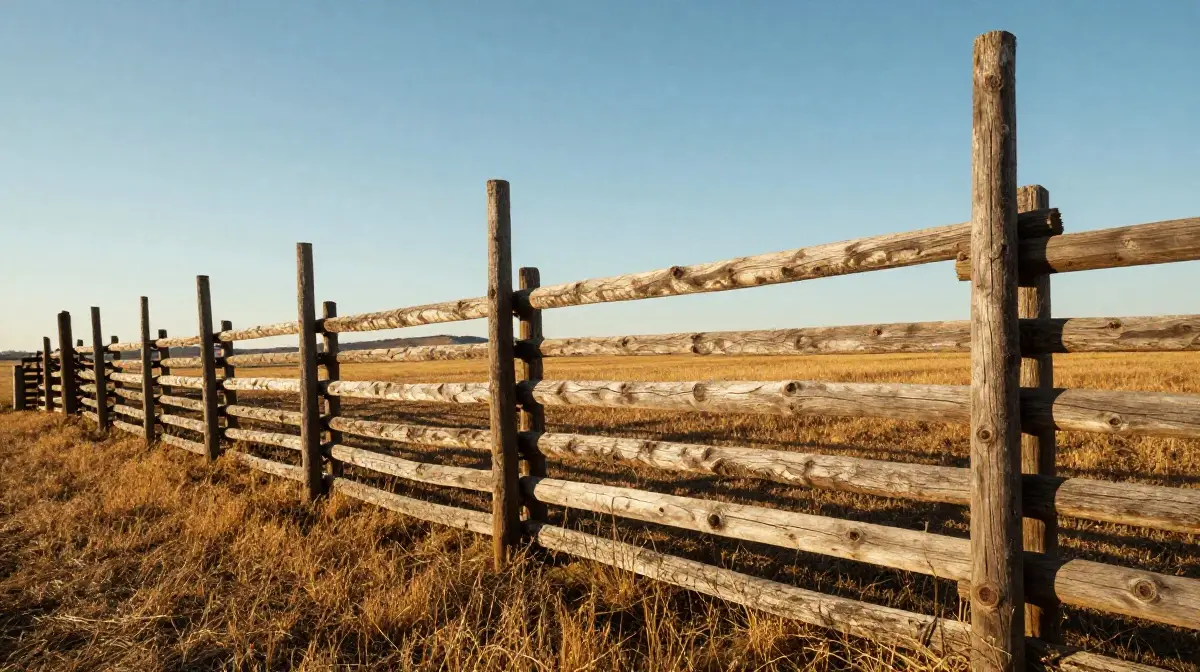
Split rail fencing is one of the most traditional and historically significant fence styles in American landscaping, and it relies on rustic, roughly split timber to create its characteristic open, pastoral look. Cedar is the most commonly used wood for this style, as its natural resistance to decay allows it to perform well even when the rails rest on or near the soil. Locust wood is another excellent choice for split rail installations, offering even greater natural durability due to its exceptional hardness and rot resistance. Split rail fences are not designed for privacy, instead serving as a boundary marker, a decorative element, or a gentle enclosure for larger properties and rural landscapes. The open design allows wind to pass through freely, which reduces structural stress and can extend the fence’s lifespan compared to solid panel designs. This style requires minimal installation skill, making it a popular choice for DIY fence projects.
Stockade Style Using Pressure-Treated Pine Solid Privacy on a Budget
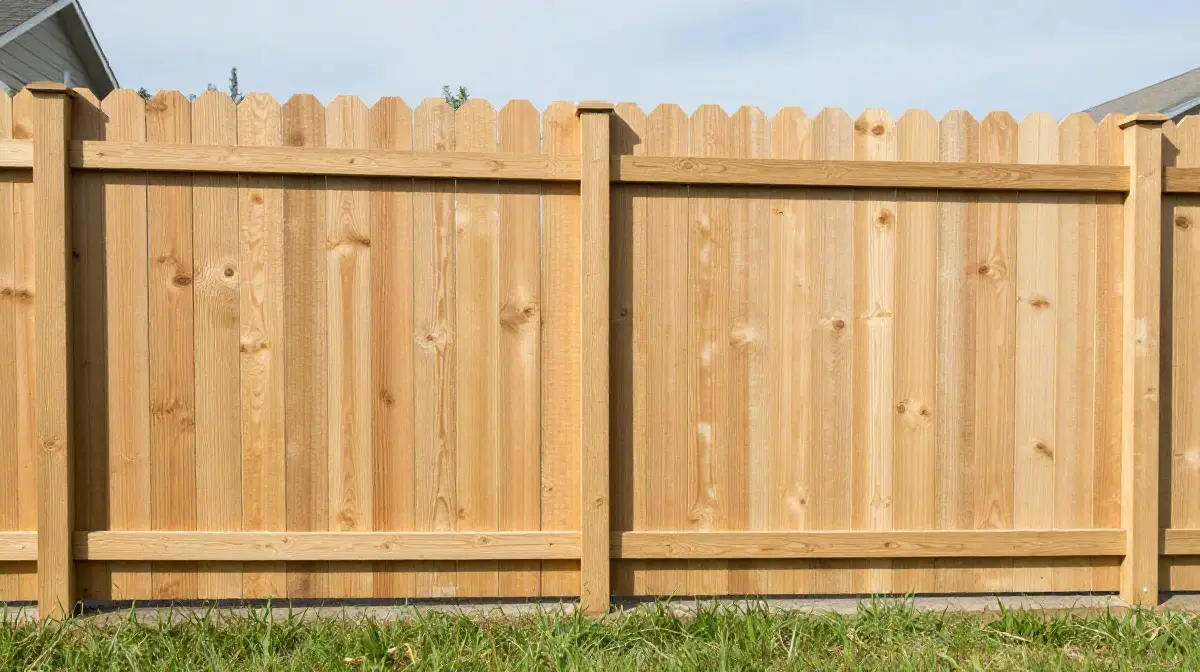
The stockade fence design, featuring tightly packed vertical boards pointed at the top, is one of the most effective privacy fencing options available, and pressure-treated pine is the most common wood choice for this style due to its affordability and wide availability. The boards are installed side by side with no gaps, creating a solid barrier that blocks sightlines completely and reduces noise from neighboring properties. Pressure treatment ensures the pine can withstand outdoor conditions for 15 to 20 years with proper maintenance, including periodic staining or sealing to protect the surface from UV damage and moisture. The pointed tops of traditional stockade fencing also provide a modest deterrent to intrusion, adding a functional security element alongside the privacy benefits. For budget-conscious homeowners who need a practical, no-frills privacy solution, a pressure-treated pine stockade fence delivers reliable performance.
Shadowbox Cedar Fencing Neighborly Design with Dual-Side Appeal
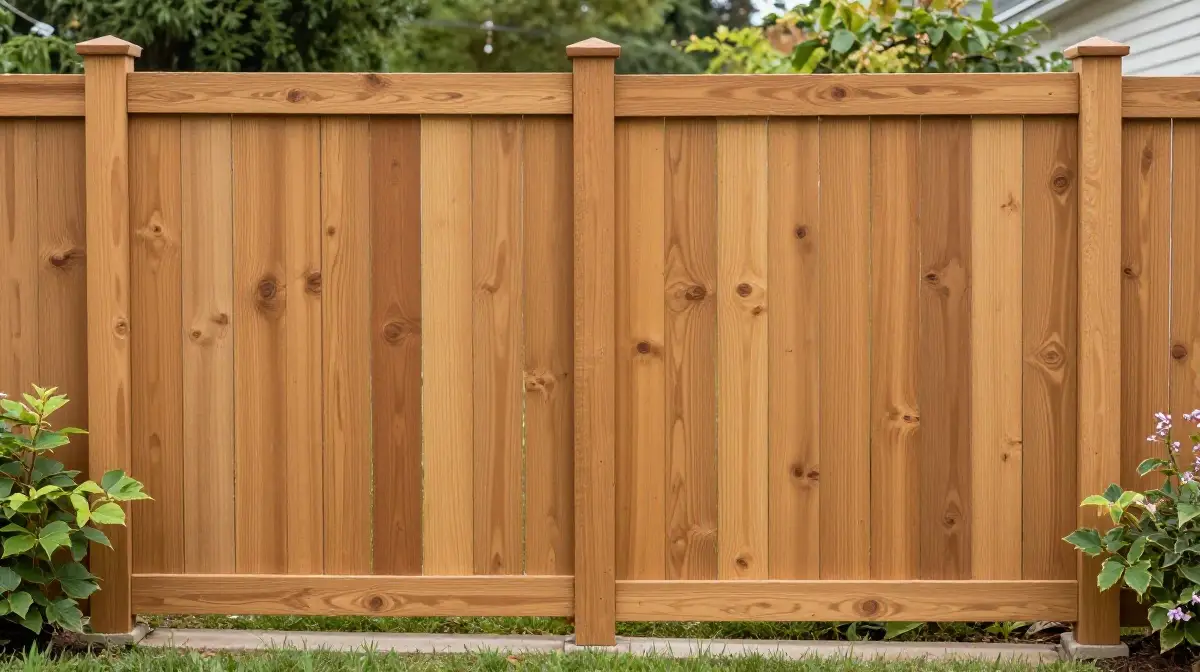
The shadowbox cedar fence is an elegant variation on the traditional privacy fence that offers an attractive appearance from both sides of the boundary, making it a particularly considerate choice in neighborhoods where fence aesthetics matter to all parties involved. In this design, boards are alternated on either side of a center rail, creating a slight shadow effect and a visually interesting pattern while still providing excellent privacy. The gaps between boards allow some air flow, which actually helps the cedar dry more quickly after rain and reduces the risk of moisture-related deterioration. Cedar’s natural beauty is especially well showcased in the shadowbox style, as the visible grain and warm color of the wood create a sophisticated, finished appearance on both the interior and exterior faces. This fence style is equally popular in front and back yards and represents one of the most balanced choices in residential fencing.
Lattice-Top Wood Fencing Decorative Elegance with Practical Boundaries
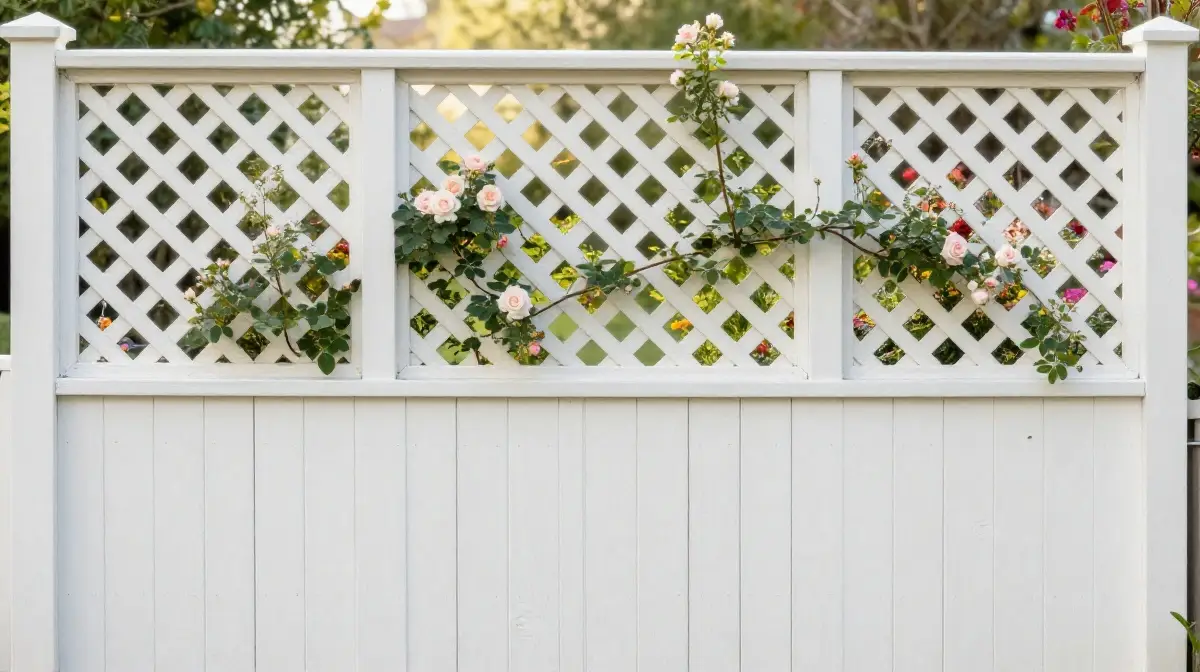
Lattice-top fencing combines a solid lower panel with an open lattice grid across the upper portion, creating a fence design that is both functional and decorative. This style works beautifully with cedar, redwood, or treated pine, as the solid base panel provides privacy and security while the lattice section above adds visual interest and allows light and air to pass through. The lattice top creates an ideal framework for climbing plants such as roses, jasmine, or ivy, making this style especially popular in cottage and English garden-inspired backyard designs. The combination of solid and open sections gives the fence a lighter, more elegant appearance than a full privacy panel while still maintaining a clear boundary. Lattice-top fences are a wonderful choice for side yards, garden borders, or decorative garden room divisions where full privacy is less important than creating a charming, inviting atmosphere.
Conclusion
Making the right wood choice for fence installation is about far more than aesthetics. It is a decision that affects your home’s security, your backyard’s visual character, and the amount of time and money you will spend on maintenance for years to come. Whether you choose the natural durability of cedar and redwood, the budget-friendly reliability of pressure-treated pine, the sustainable appeal of bamboo, or the premium endurance of tropical hardwoods like Ipe and Teak, each wood species offers a distinct combination of qualities worth evaluating carefully. Consider your local climate, your long-term budget, your preferred design style, and how much maintenance you are realistically prepared to commit to. By matching the wood to your specific needs, you will build a fence that serves your home beautifully for decades.
You may also like this:22 Flower Arrangements Ideas for Beautiful Home Decor
Frequently Asked Questions
1. What is the most durable wood choice for fence installations that last for decades?
Cedar, redwood, and tropical hardwoods such as Ipe and Teak are considered the most durable options. These woods contain natural oils and compounds that resist rot, insects, and moisture without heavy chemical treatment. With proper maintenance, they can last 25 to 50 years depending on the species and local climate conditions.
2. What is the best low-maintenance wood choice for fence projects in wet climates?
Western Red Cedar and Cypress are the top choices for wet climates due to their natural resistance to moisture and rot. Both woods can handle high humidity and frequent rainfall without deteriorating quickly. Applying a quality sealant every two to three years helps preserve their appearance and extends the fence’s service life significantly.
3. What is the most affordable wood choice for fence building on a tight budget?
Spruce and pressure-treated pine are the most budget-friendly wood choices for fencing. Spruce costs less upfront but has a shorter lifespan, particularly in wet conditions. Pressure-treated pine offers a better balance of cost and durability, making it the recommended option for budget-conscious homeowners who still want a fence that will last 15 or more years.
4. How often does a wood fence need to be sealed or stained to maintain its condition?
Most wood fences benefit from resealing or restaining every two to three years, depending on the wood species and local weather conditions. Harder, more naturally resistant woods like cedar and redwood can often go longer between treatments, while softer woods like pine and spruce require more frequent attention to prevent moisture damage and premature aging.
5. Is composite wood a better long-term investment than natural wood for backyard fencing?
For homeowners who want minimal maintenance, composite wood is often the better long-term investment despite its higher upfront cost. It does not rot, warp, or require regular staining, saving significant time and expense over its 20 to 25 year lifespan. However, natural woods like cedar and redwood remain preferred for those who value an authentic, organic appearance in their backyard landscape.

1 Comment