
Introduction
You spent real time and money on your deck. The boards look solid, the railing is exactly what you wanted, and the outdoor furniture ties everything together nicely. But then someone glances down — and there it is.
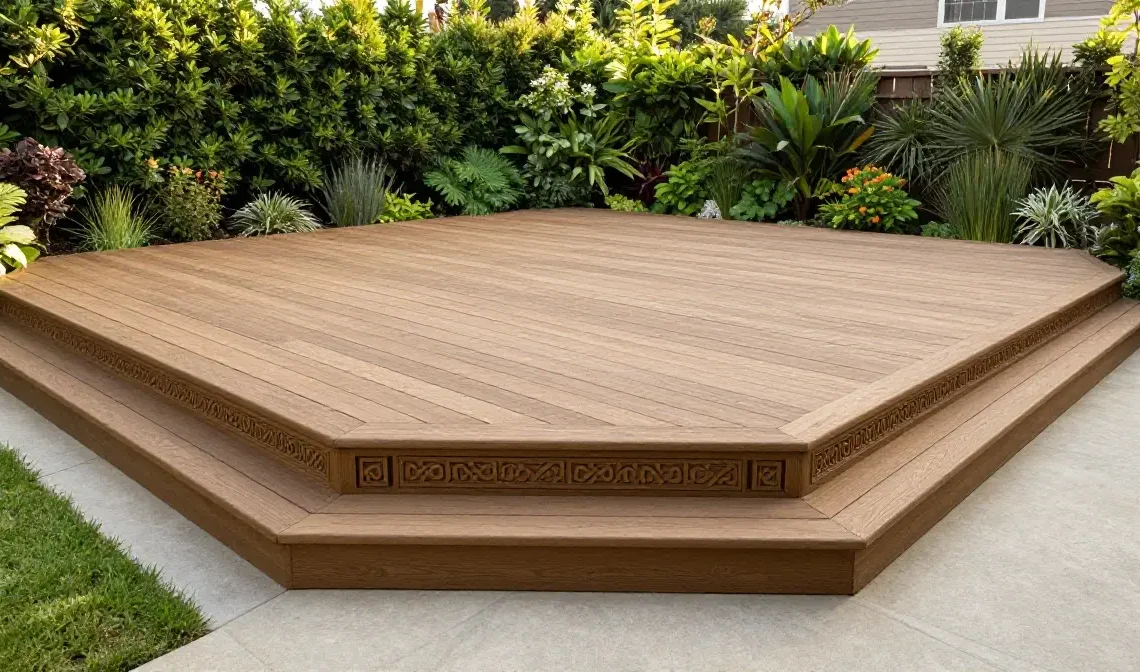
That unfinished open gap between the deck floor and the ground. Exposed beams, bare soil, maybe some old garden tools shoved underneath. It pulls attention away from everything you worked hard to create.Deck skirting covers the open space under your deck. It hides structural elements, keeps pests out, gives you a chance to create hidden storage, and most importantly, makes your entire outdoor space look finished and intentional. A well-chosen skirt pulls the whole design together from the ground up.
The good news is you have a lot of options. Whether your style leans rustic, modern, coastal, or natural, there is a skirting idea that fits your deck, your budget, and your home. Here are 22 ideas to help you choose.
Classic Lattice Deck Skirting
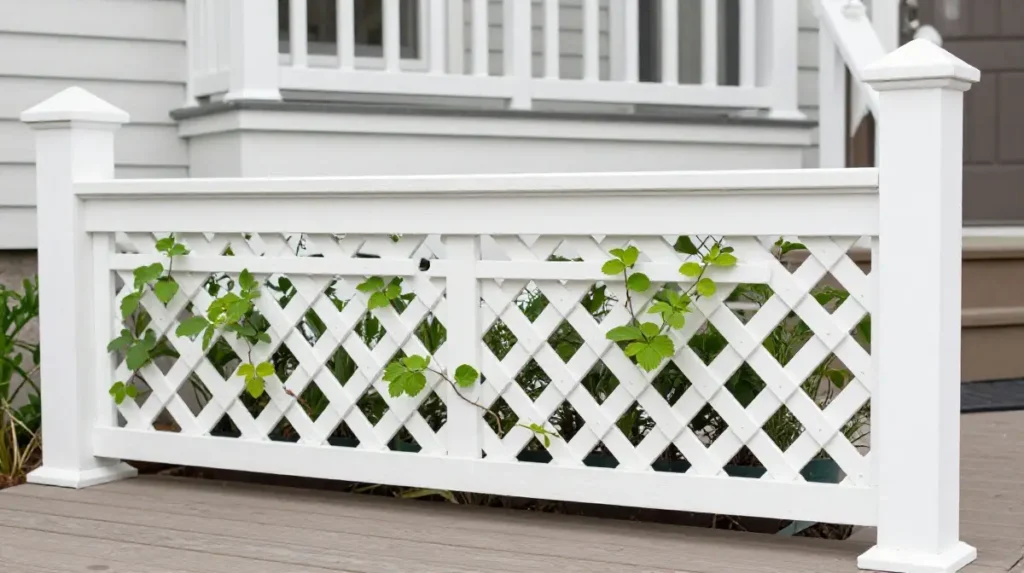
Lattice is the most recognized option for under deck skirting, and it has stayed popular for good reason. The crisscross pattern allows air to move freely underneath the deck, which helps prevent moisture buildup and wood rot over time. Wood, composite, and vinyl lattice are all readily available, and they come in square or diamond grid patterns to suit different aesthetics.
Black vinyl lattice has become especially popular in recent years for creating sharp contrast against light-colored decks. It is affordable, beginner-friendly, and one of the easiest deck skirting panels to install without professional help. If you want climbing plants like jasmine or ivy to grow along the skirt over time, lattice is the perfect base for that too.
Horizontal Wood Plank Skirting
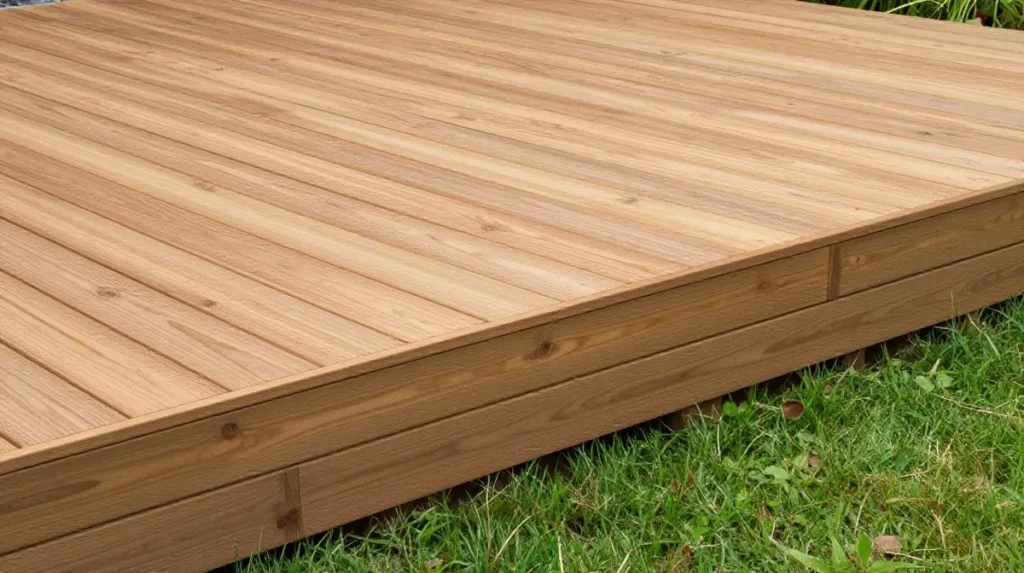
Horizontal skirting uses long boards installed side by side across the base of your deck. The result is a sleek, modern look with clean lines that pair well with contemporary outdoor spaces and horizontal deck layouts.
Leave small gaps between the planks to allow proper deck skirting ventilation. Stained wood skirting in a warm cedar or walnut tone adds depth and matches naturally with surrounding landscaping. This is one of the most requested deck skirting styles right now, particularly for newer builds where homeowners want everything to feel cohesive from top to bottom.
Vertical Board Skirting
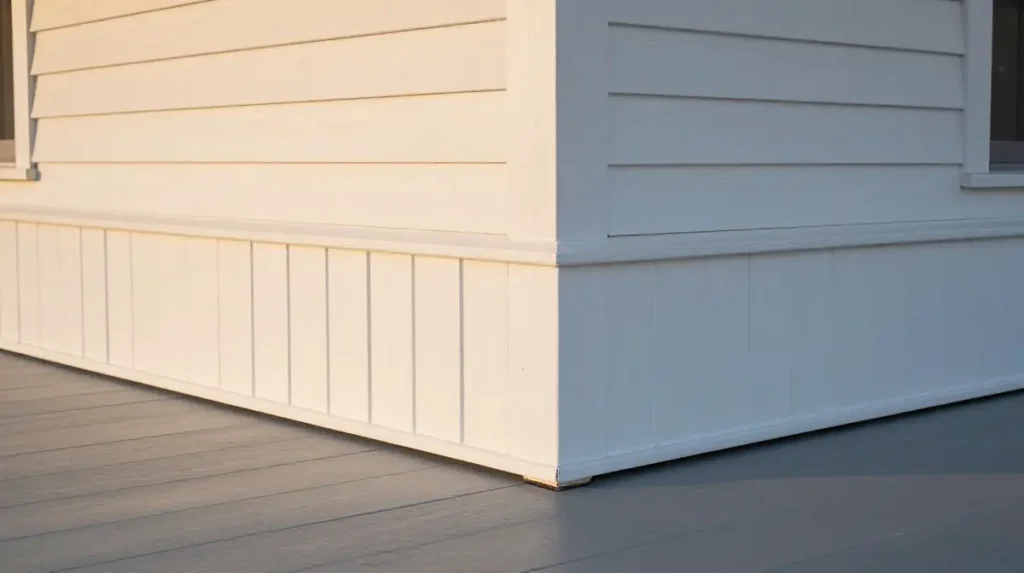
Vertical boards give your deck a taller, more structured look. This style works well with traditional home exteriors or covered porches that already use vertical siding. If you have a low deck that feels squat from a distance, vertical deck skirting creates the visual impression of more height.
Use pressure treated skirting boards for longevity, and stain them to match or complement the main deck surface. This is also a strong choice for raised deck skirting where the skirt is highly visible and needs to look intentional rather than like an afterthought.
Board and Batten Skirting
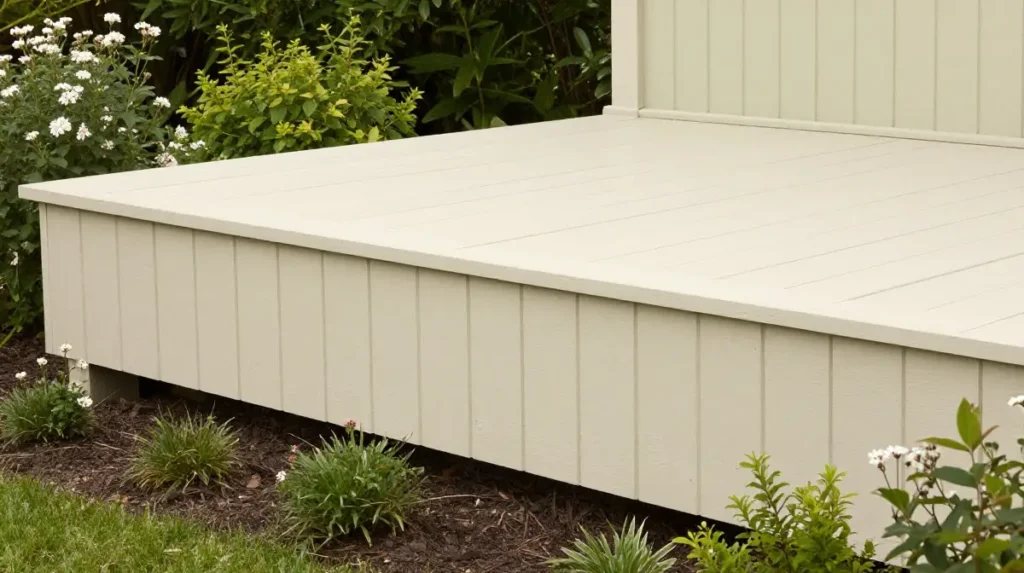
Board and batten is a farmhouse-inspired design that alternates wide vertical boards with narrow strips — called battens — that cover the seams between them. It creates a rhythmic, dimensional texture that adds character without feeling too busy or overdone.
This deck skirting style works especially well on elevated decks with a lot of visible height. It is sturdy, timeless, and fits naturally into rustic or farmhouse deck aesthetics. You can leave it natural, paint it white for a crisp cottage look, or stain it dark for a more grounded, earthy feel.
Composite Deck Skirting
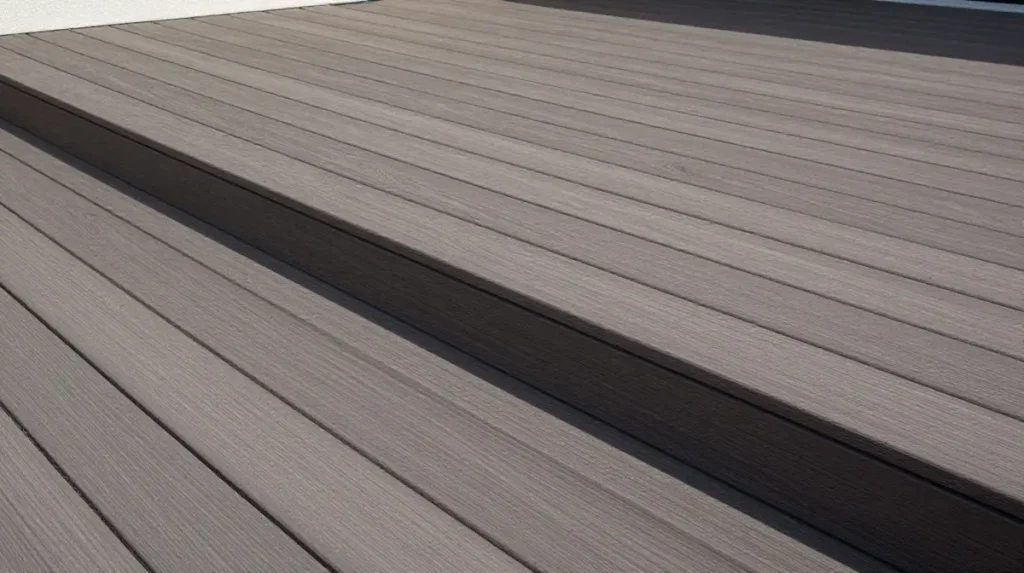
Composite skirting combines wood fibers and plastic to deliver the look of wood without the ongoing upkeep. It resists rot, insects, and fading — making it one of the most durable long-term choices for outdoor deck skirting, especially in climates with heavy rain or humidity.
Many homeowners choose to use the same composite brand for both the deck surface and the skirting to create a uniform, cohesive appearance. It is available in a wide range of colors and textures, and it requires very little attention once installed.
Vinyl / PVC Deck Skirting
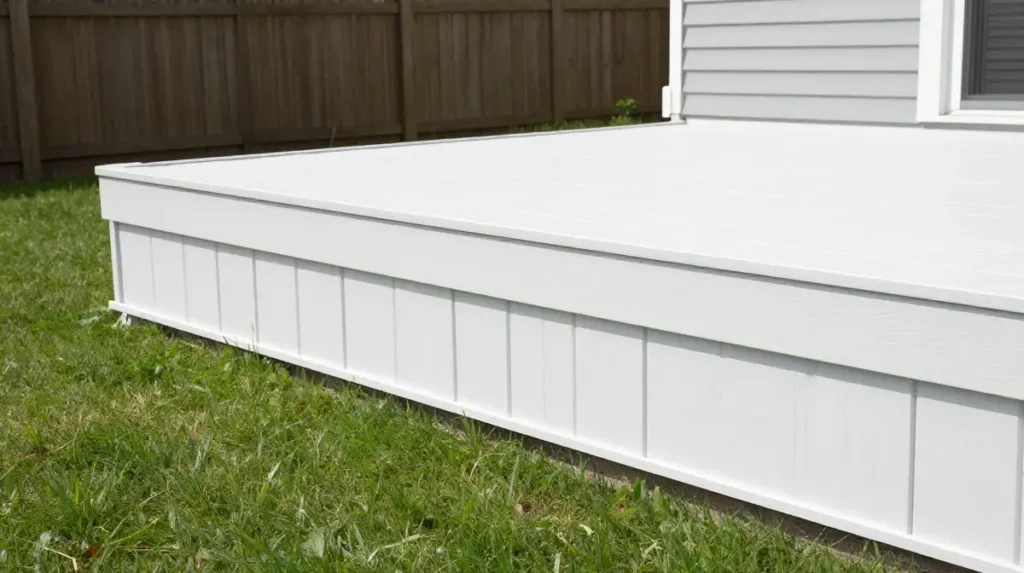
Vinyl and PVC deck skirting are practical, low-maintenance options that hold up well against moisture and insects. Unlike wood, PVC does not warp, rot, or need painting or sealing. It is available in many styles, including profiles that mimic the look of natural wood grain.
For busy homeowners who want a clean, finished look without committing to regular maintenance, vinyl deck skirting is a straightforward and reliable choice. It is also one of the more budget-friendly options on this list.
Cedar Deck Skirting
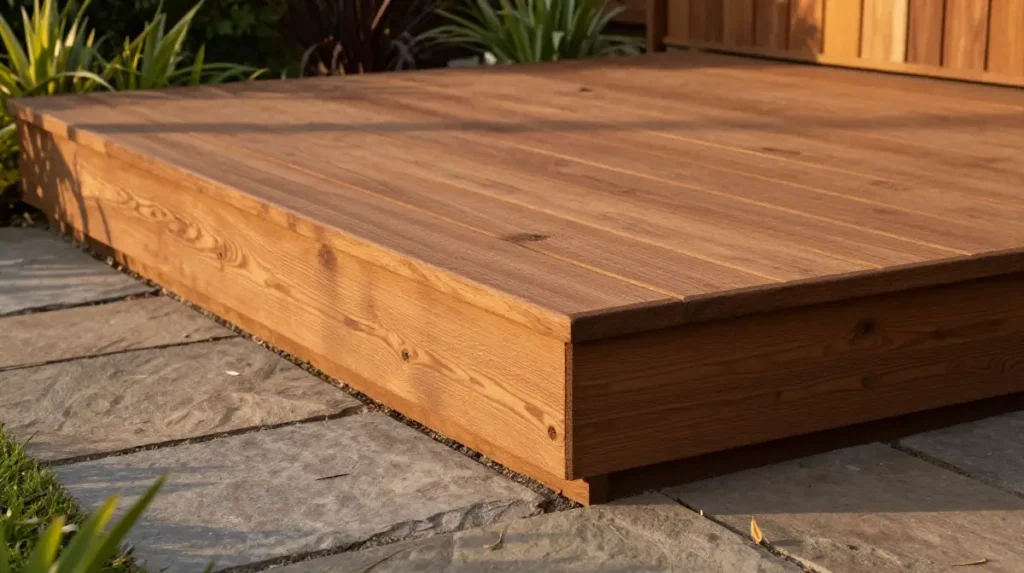
Cedar is naturally resistant to rot and insects, which makes it a strong material choice for wooden deck skirting. It has a warm, reddish tone that ages gracefully over time and pairs well with a wide range of deck stains and exterior paint colors.
Cedar deck skirting can be left to weather naturally, stained to match the deck, or painted to complement the house. It costs a bit more than pine upfront but tends to last longer with less attention, making it a worthwhile investment for a deck you plan to keep for years.
Diagonal Lattice Skirting
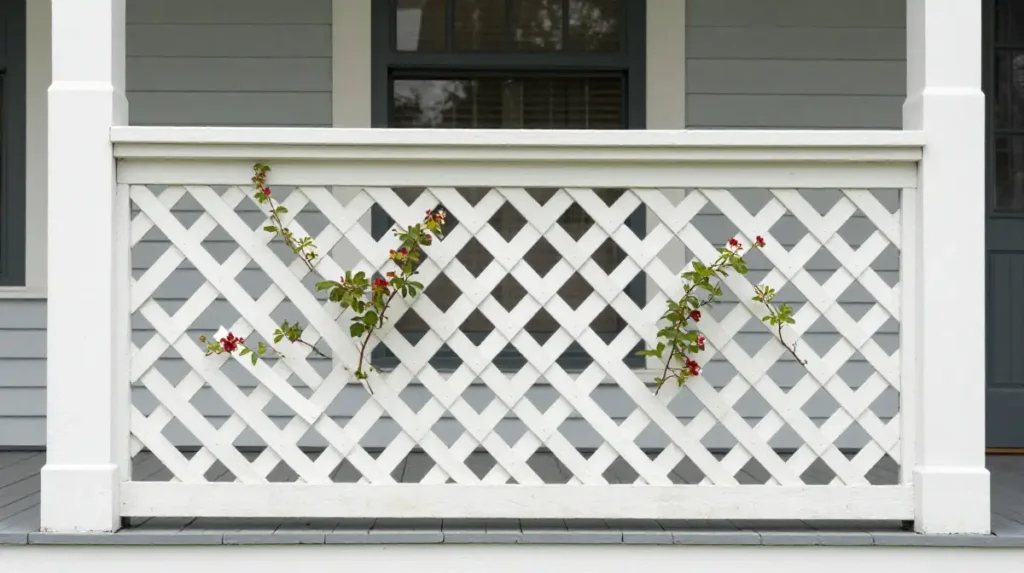
Diagonal lattice creates a more visually dynamic look than square lattice. The angled pattern adds movement and works well if you want something slightly more decorative without stepping into custom or expensive territory.
That said, it is worth noting that diagonal lattice has become somewhat dated in recent years. If you prefer the lattice look, square grid patterns tend to feel more current and clean. Diagonal is still a solid option for cottage-style or traditional homes where it feels natural rather than out of place.
Corrugated Metal Skirting
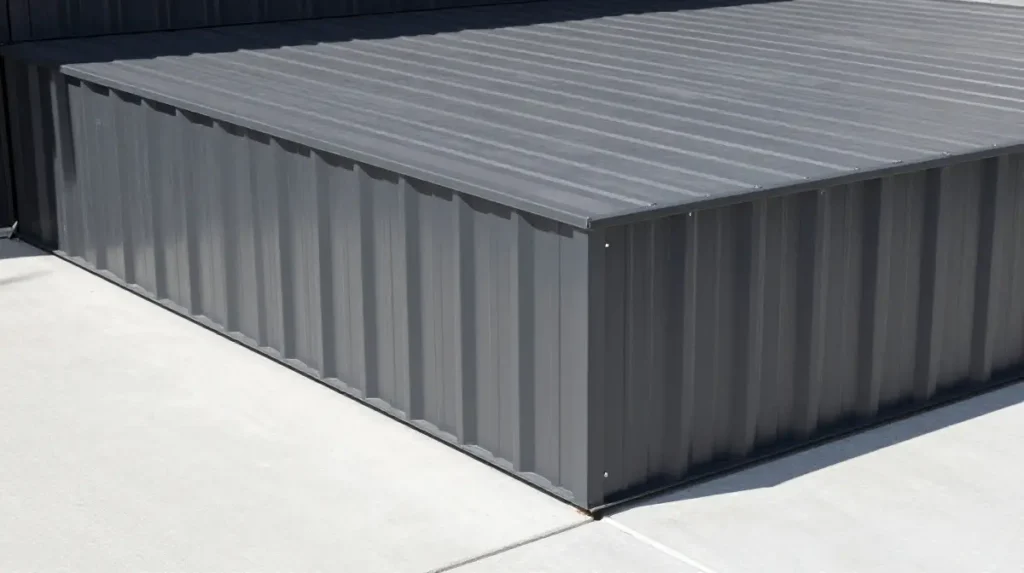
Corrugated metal skirting has a strong industrial character that stands out in the best way. It is easy to cut, straightforward to install, and gives the deck a raw, modern edge that pairs well with steel railings, concrete elements, or dark-toned composite boards.
When using solid metal panels, make sure to include ventilation holes or leave gaps at the top and bottom to allow air movement. Powder-coated options in charcoal, matte black, or rust-toned finishes are more durable and weather-resistant. This is an excellent choice for contemporary outdoor living spaces where standard wood options feel too predictable.
Stone Veneer Skirting
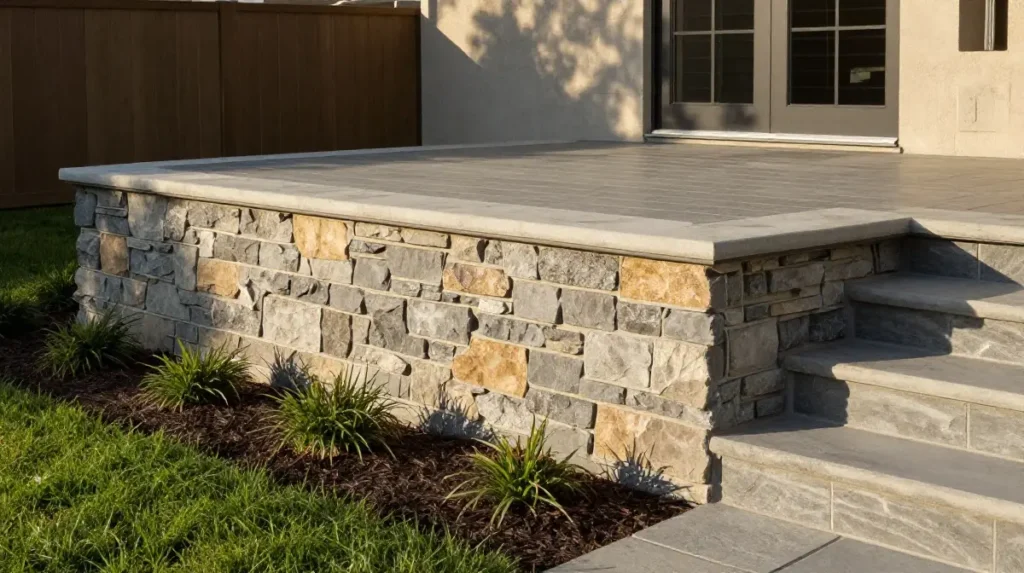
Stone skirting adds a sense of permanence and luxury to any deck. Real stone is expensive and typically requires professional installation, but faux stone panels offer a nearly identical appearance at a fraction of the cost and can be installed by a confident DIYer.
Deck skirting with stone works especially well on homes that already have stone or brick exterior elements. It creates a seamless, grounded look that ties the deck into the architecture of the house rather than making it feel like a separate addition.
Brick Skirting
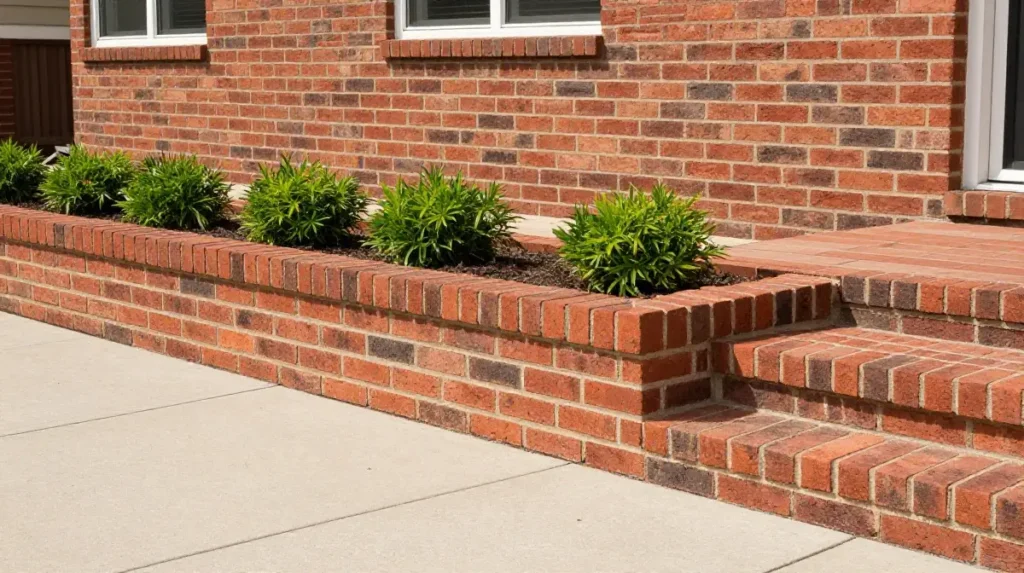
If your home has brick siding, brick deck skirting can create a seamless transition between the house and the deck. The warm, earthy tones also look great alongside garden beds, raised planters, and greenery.
Installing real brick requires a mason and a solid footing, which adds to the cost. A more accessible alternative is brick veneer, which mimics the look at a lower price point and with simpler installation. You can also combine brick corner elements with wood lattice panels between them for a more subtle and affordable interpretation of this style.
Decorative Metal Panel Skirting
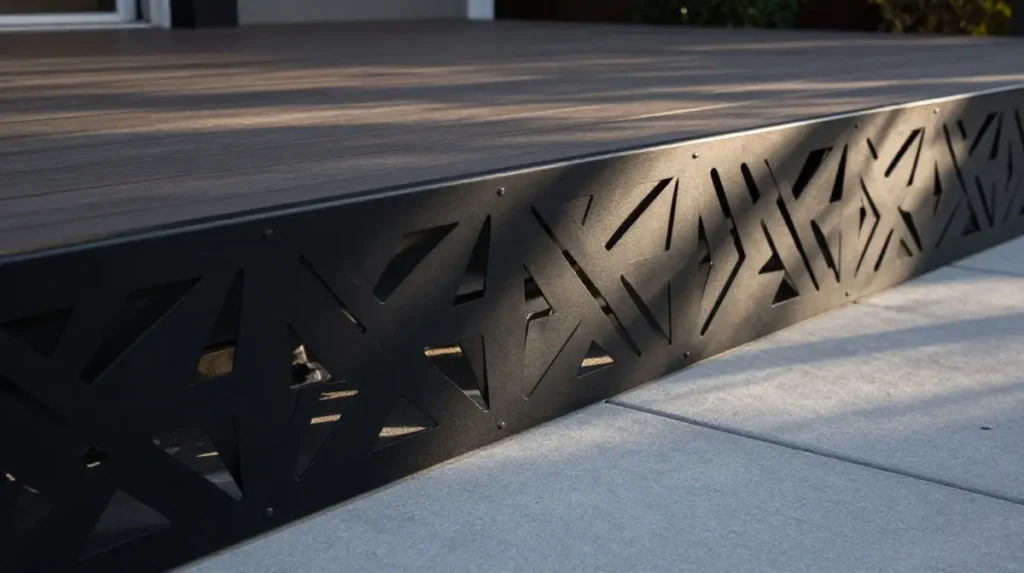
Laser-cut or decorative metal panels are one of the most distinctive options in deck skirt designs. These panels come in geometric patterns, floral cutouts, or entirely custom designs and add a genuine artistic quality to the base of the deck.
They are available in metal or in PVC deck skirting versions, which are lighter and easier to work with. Decorative panels work best on modern or contemporary decks where visual detail matters and where you want the skirting to be noticed rather than blended in.
Horizontal Metal Slat Skirting
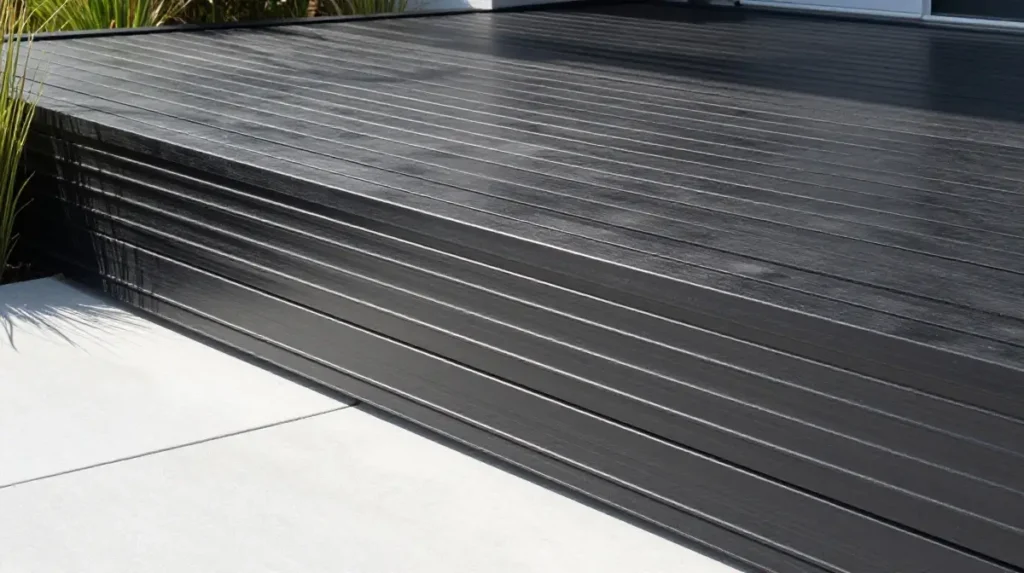
Metal slats installed horizontally offer a clean, architectural look with excellent built-in airflow. The spacing between slats keeps pests out while allowing air to circulate underneath — which is essential for the long-term health of the framing and substructure.
Powder-coated steel or aluminum in dark tones looks particularly refined on modern outdoor deck skirting. This style also pairs naturally with horizontal deck boards on the surface, creating a top-to-bottom visual consistency that feels thoughtfully designed.
Slatted Composite Skirting
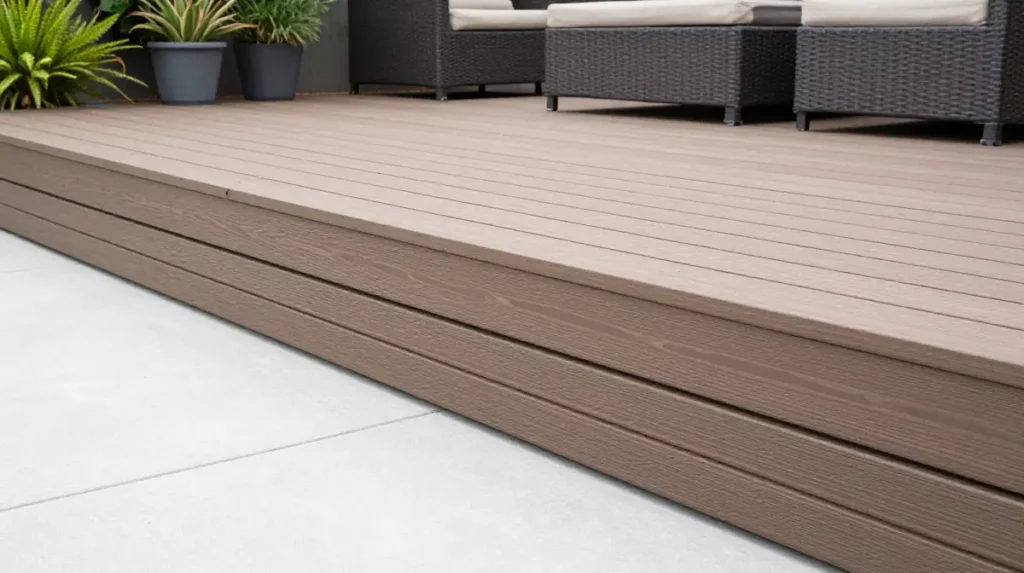
Slatted skirting uses evenly spaced composite or hardwood strips to create a contemporary, finished look. The spacing is narrow enough to block visibility from outside and deter animals but wide enough to maintain proper air movement.
This is a great middle ground between fully enclosed solid skirting and open lattice. It looks polished, works in most climates, fits a range of design styles from modern to transitional, and requires very little maintenance after installation.
Bamboo Deck Skirting
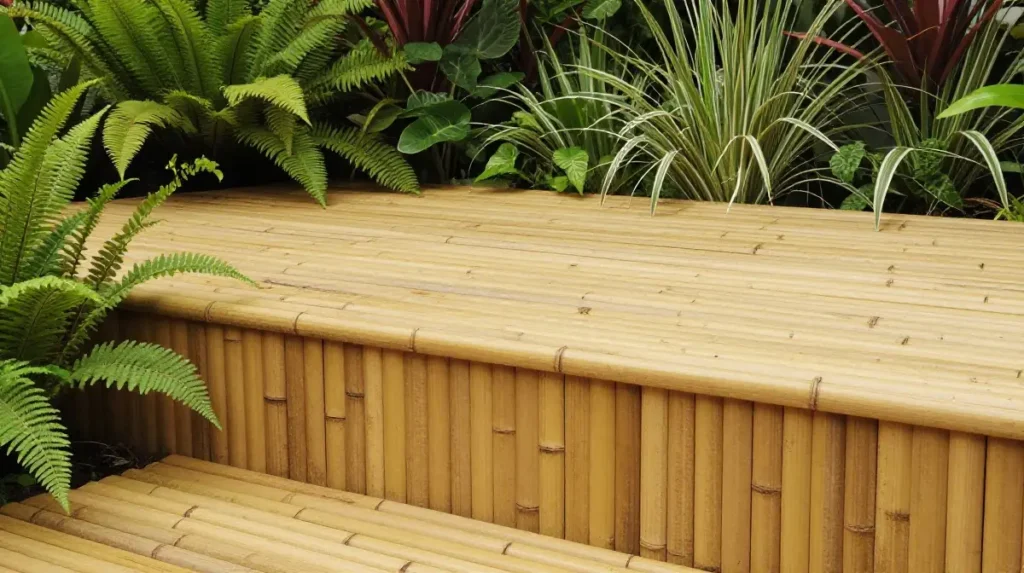
Bamboo skirting brings a natural, tropical warmth to outdoor spaces. It is a sustainable material that adds texture and character, and it pairs beautifully with garden-heavy landscapes or homes with a more organic, nature-inspired aesthetic.
Bamboo performs best in drier climates. In wet or humid areas, it can deteriorate more quickly and may require sealing. For low or floating decks close to the ground, bamboo panels or rolled bamboo fencing make a simple, affordable deck base covering that looks anything but cheap.
Skirting with a Built-In Storage Door
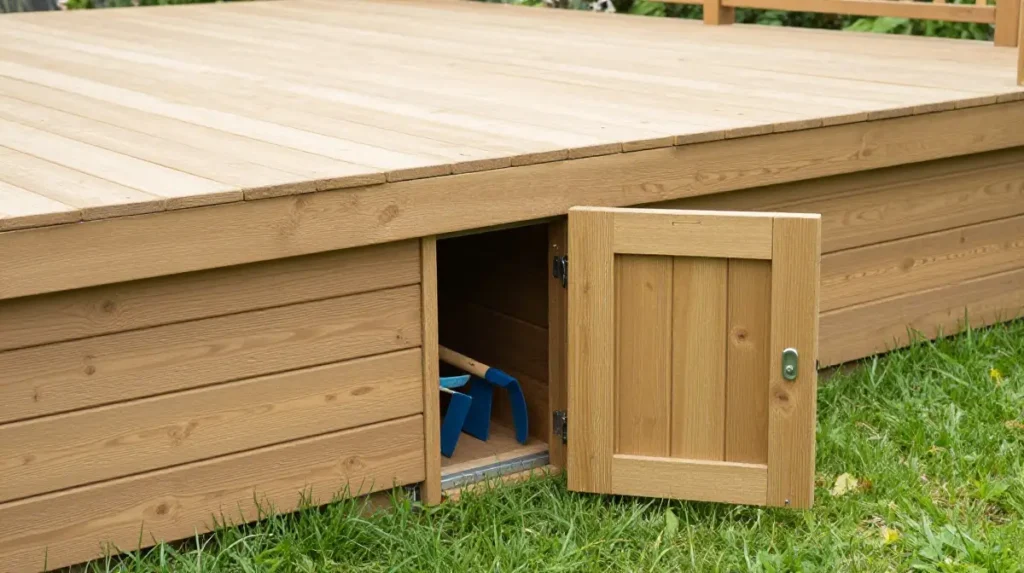
This idea is less about the material and more about function. Adding a door to your deck skirting turns the space underneath into an accessible storage area — ideal for garden tools, outdoor cushions, a hose, or seasonal items you do not need year-round.
This works best on decks that sit at least four feet off the ground. You can use virtually any skirting material and simply frame in a hinged door. It is one of the most practical deck renovation ideas for homeowners who want extra outdoor storage without building a separate shed.
Shiplap Deck Skirting
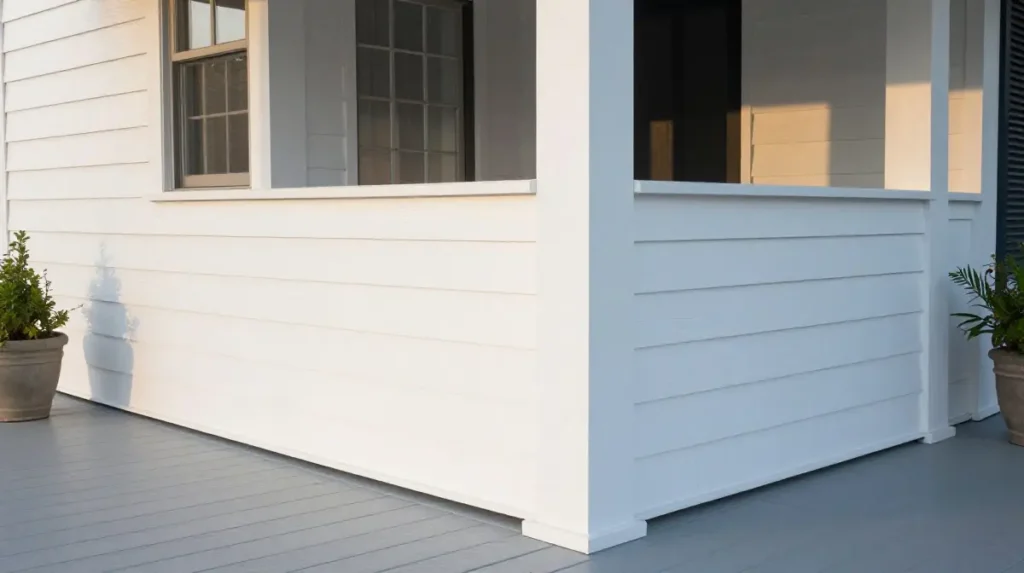
Shiplap gives your deck a clean, farmhouse-style finish that looks polished from a distance. The overlapping boards fit tightly together and create a smooth, continuous surface that works well on covered porches and outdoor entertaining areas.
One thing to keep in mind: shiplap can restrict airflow if installed without gaps, especially in humid climates. Adding dedicated vents or leaving a slight gap at the top and bottom of the panel helps manage moisture and protects the substructure over time.
Stacked Stone Skirting
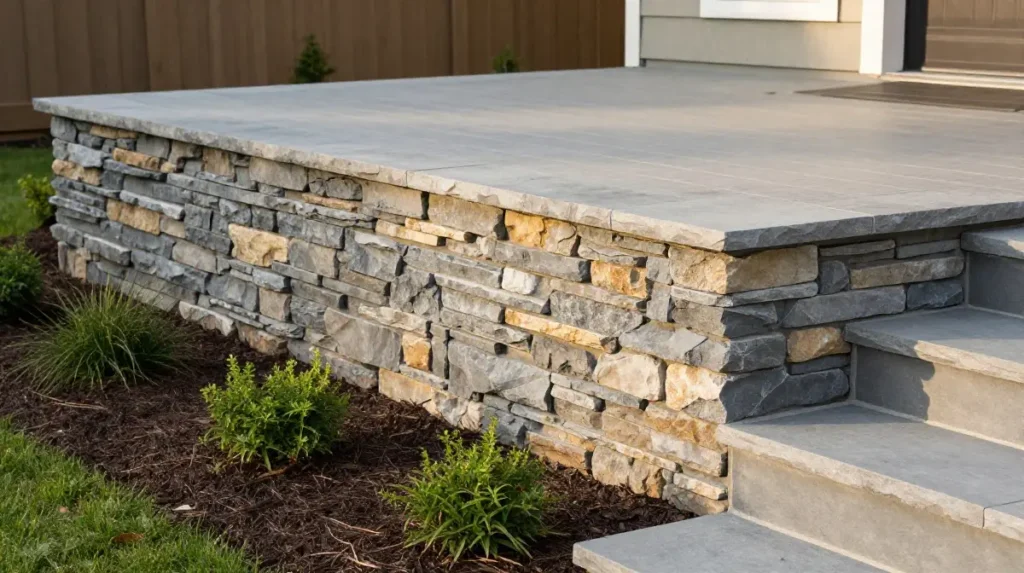
Stacked stone panels create a layered, textured look that feels natural and high-end without requiring masonry skills. Unlike mortar-laid stone, these panels are manageable for an experienced DIYer and do not require a special foundation.
They work well as a deck foundation cover for raised decks attached to stone or stucco homes. Paired with surrounding garden beds and structural plantings, stacked stone skirting creates a grounded, landscaped appearance that feels like part of the yard rather than an afterthought.
Skirting That Matches the House Siding
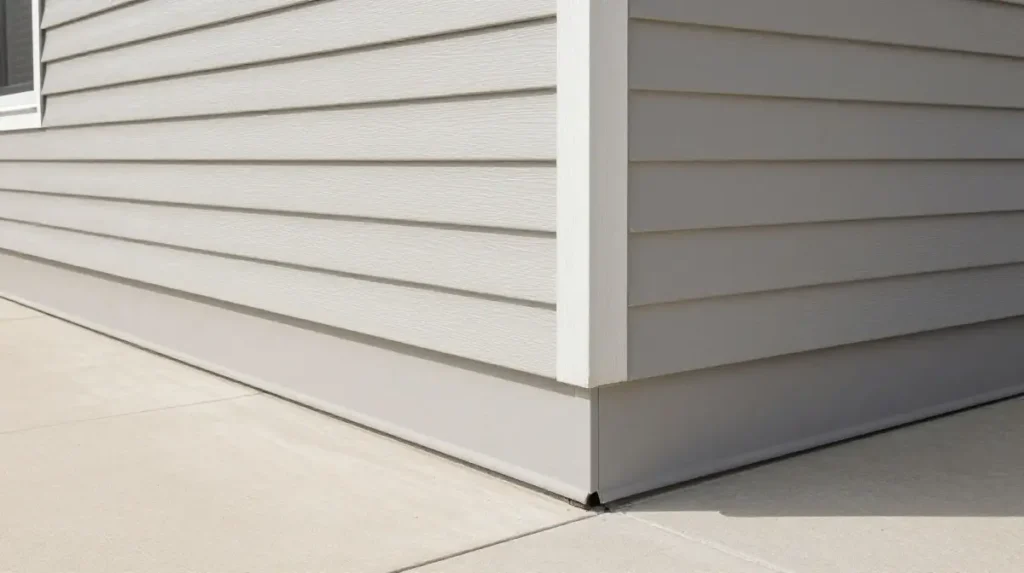
One of the most underrated decorative deck skirting choices is matching the skirting material directly to the home’s exterior siding. If your house has horizontal fiber cement or vinyl siding, repeating that same pattern on the deck skirt creates a seamless, intentional look that feels like the deck was always part of the original design.
This approach works especially well for decks attached directly to the house, where continuity between the structure and the skirting makes the biggest visual difference. It also tends to be cost-effective since you are working with materials already used elsewhere on the property.
Natural Planting as Skirting
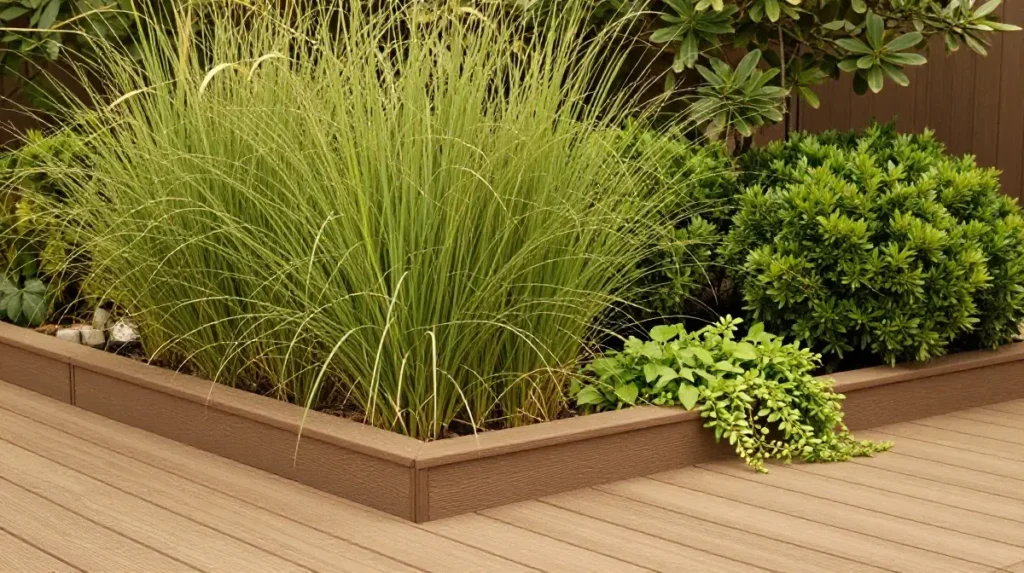
Not every deck needs a hard skirting material. For low decks or floating decks close to the ground, dense plantings of ornamental grasses, shrubs, boxwood, or trailing ground cover can soften the edge and fill the visual gap naturally.
This is the most budget-friendly deck skirting idea on this list. It does require some upkeep as plants grow and spread, and it will not keep determined animals out the way solid panels will. But for homeowners who want a low-key, garden-integrated finish, it is a genuinely attractive solution.
Painted Wood Skirting in a Contrasting Color
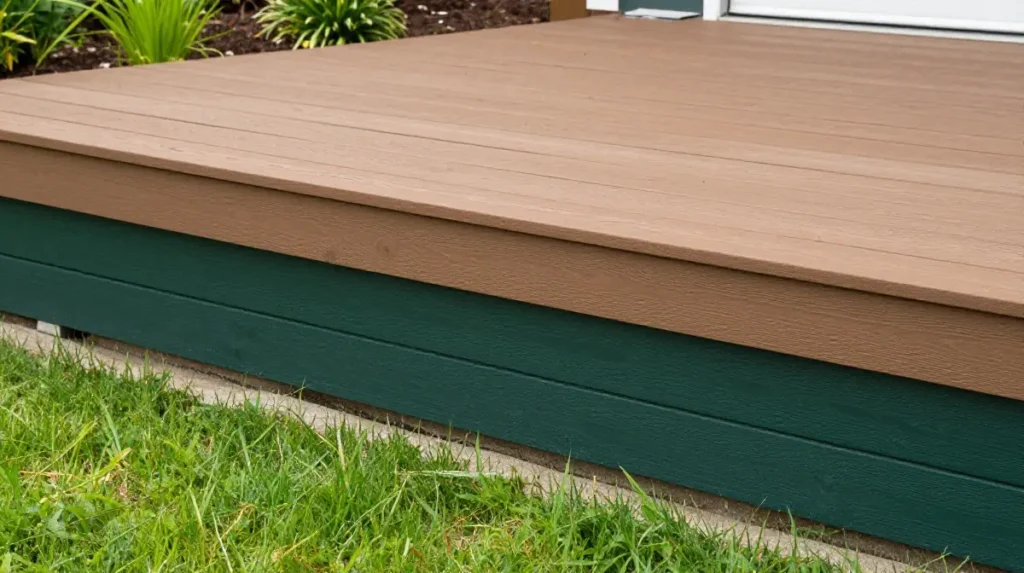
Using a contrasting paint color on your deck skirting is a simple way to add visual interest and define the base of the structure. If your deck boards are a warm brown, a deep charcoal, forest green, or navy on the skirting adds a layered, intentional look.
This works particularly well for low deck skirting where the skirt acts like a visual trim element at ground level. Use exterior-grade paint rated for outdoor exposure and plan to refresh it every two to three years depending on your climate.
Mixed Material Skirting
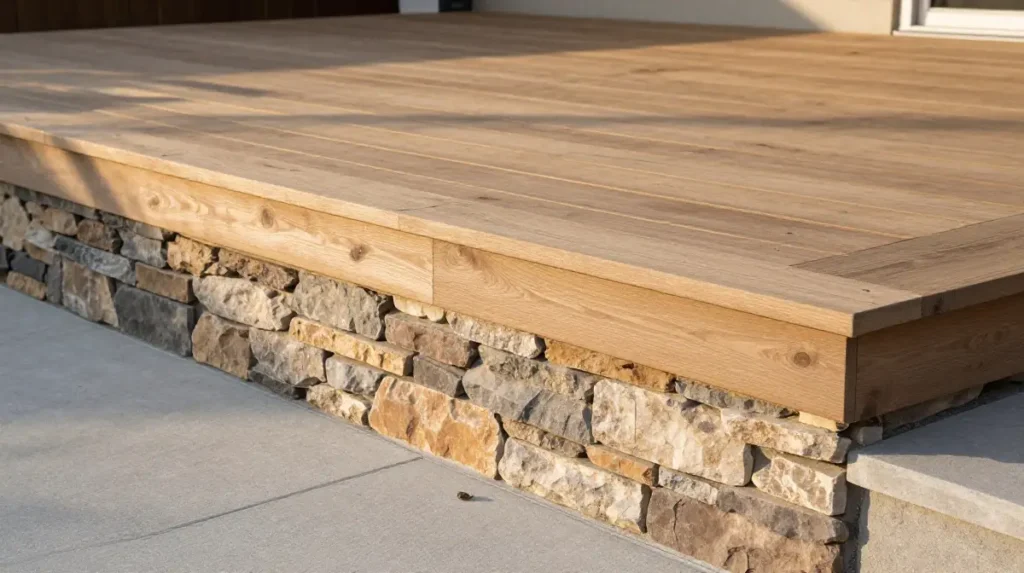
Combining two materials creates a custom, layered look that feels thoughtfully designed without requiring a full renovation budget. Common combinations include stone veneer at the base with horizontal wood planks above, lattice panels within a solid wood frame, or composite boards with stone corner accents.
Mixed material deck skirting is a great way to add depth and visual personality to your outdoor living space. It also gives you flexibility — you can use a more affordable material for the larger surface area and save the premium option for accent sections where it makes the most impact.
Conclusion
Deck skirting is one of those finishing touches that makes a bigger difference than most people expect. It pulls the whole design together, protects the space underneath from weather and wildlife, and gives your outdoor area a polished, complete appearance.
Whether you go with simple lattice panels, sleek horizontal boards, a stone veneer finish, or a custom mix of materials, the right skirting makes your deck look like it was always supposed to look that way. Take a step back, look at your deck from the yard, consider your home’s style and your budget, and choose the option that fits naturally into what you already have.
The best deck skirting is the one that makes you stop noticing the gap — because it looks like it was never there.
You may also like this:22 Outdoor Kitchen Layout Ideas for Stylish Backyard Living
Frequently Asked Questions
Q1. Do I actually need deck skirting?
Not strictly, but it helps. Deck skirting improves appearance, blocks pests, protects the substructure, and can create useful storage space underneath. For elevated or raised decks especially, leaving the underside completely open tends to look unfinished and can attract nesting animals.
Q2. What is the cheapest deck skirting option?
Wood lattice panels are typically the most affordable choice, often running $1 to $4 per square foot. Dense ornamental plantings around a low deck are an even less expensive option if you prefer a natural, garden-style finish.
Q3. How do I keep animals from getting under my deck?
Use solid skirting panels with a buried footer, or attach galvanized mesh below the soil line around the perimeter. Animals often dig rather than push through, so securing the bottom edge of the skirting into the ground is the most effective step you can take.
Q4. Can I install deck skirting myself?
Yes — most options are DIY-friendly. Lattice panels, horizontal planks, vertical boards, shiplap, and composite skirting panels are all manageable with basic carpentry tools. Stone and real brick are the exceptions, as those typically require professional installation and a proper footing.
Q5. How do I make sure my skirting has proper ventilation?
Leave small gaps between boards (roughly half an inch to one inch), use lattice or slatted designs, or install dedicated louvered deck vents into solid skirting panels. Proper airflow underneath the deck prevents moisture buildup and extends the life of the framing, joists, and posts that hold the whole structure together.

1 Comment