
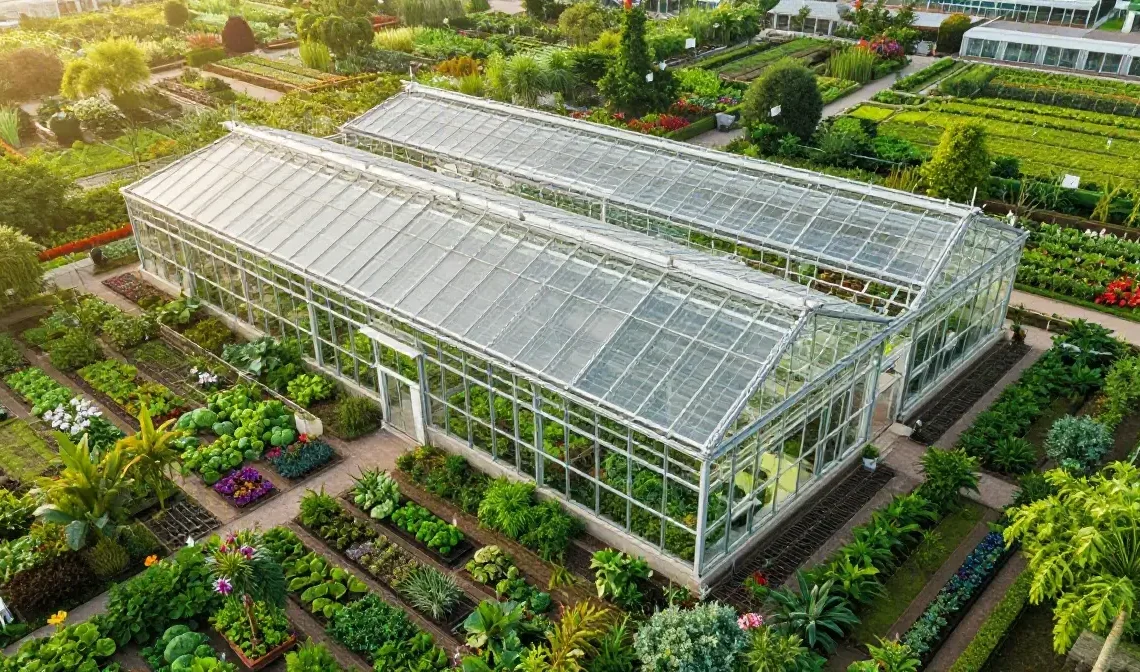
Introduction
The Classic Center-Aisle Layout That Never Goes Out of Style
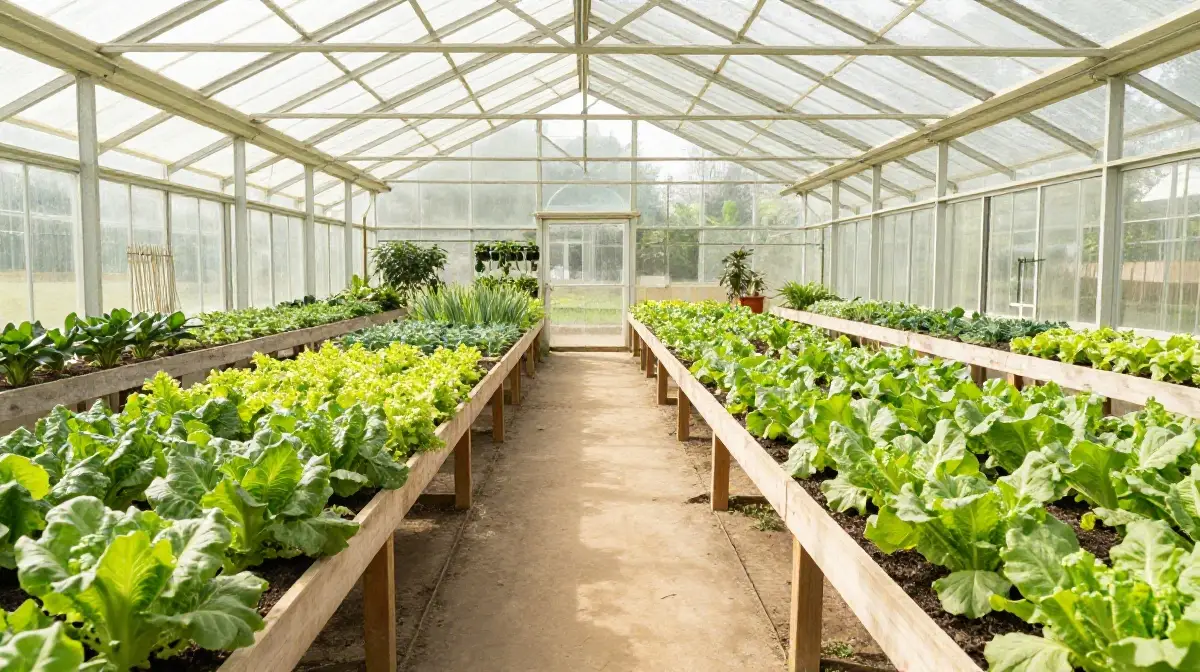
The center-aisle layout is the most widely used green house layout for a very simple reason: it works exceptionally well. This design places a single walkway running down the middle of the greenhouse with plant benches or growing beds positioned on either side, creating a balanced and symmetrical growing environment. Every plant receives nearly equal access to natural light filtering through overhead glazing panels, which promotes uniform and consistent growth across all your crops. Gardeners can reach both sides of the structure comfortably without bending awkwardly, stepping over pots, or navigating cluttered pathways during daily maintenance tasks.
This design is particularly well-suited to hobbyists and beginners because it requires minimal planning to set up and sustain over time. Adding tiered shelves above the main benches multiplies the growing area without requiring any structural changes. It is a timeless and logical starting point for anyone designing their greenhouse interior for the very first time.
Perimeter Bed Layout for Maximum Light Exposure
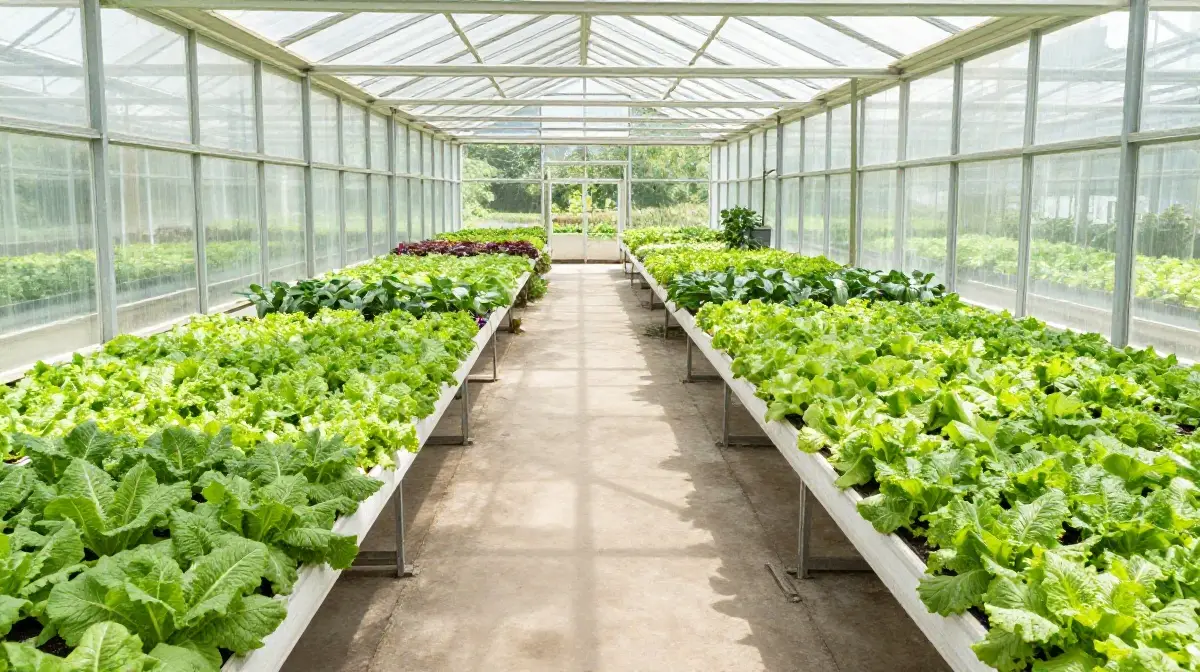
In a perimeter bed layout, all growing beds or benches are positioned along the outer walls of the greenhouse, leaving the central floor area open and freely accessible throughout the day. This arrangement ensures that every plant sits as close as possible to the glazed walls, where natural light intensity is at its strongest during morning and afternoon hours. The open center space allows gardeners to move freely with wheelbarrows, set up temporary potting stations, or give taller potted plants the height clearance they need to thrive without obstruction.
This layout works particularly well in wider greenhouse structures where a center walkway would waste valuable growing real estate and reduce overall plant capacity. Sunlight penetrates deeper into the growing area, reducing the risk of shading on lower plants placed further from the walls. The perimeter approach is an excellent choice for fruiting crops and flowering plants that demand consistent direct light exposure throughout the entire growing cycle.
Vertical Growing Layout to Multiply Your Available Space
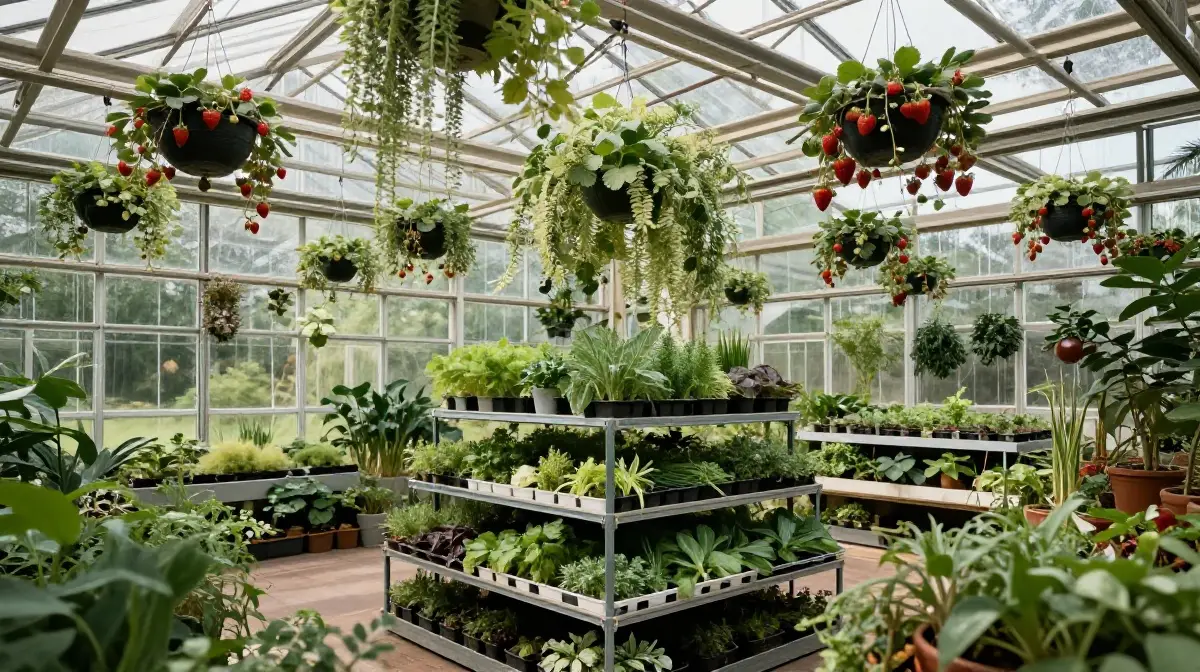
Vertical growing is one of the most effective strategies in any green house layout, particularly when floor space is limited and every square foot counts toward your total yield. By installing wall-mounted planters, tiered shelving units, hanging baskets, and vertical growing panels, gardeners can dramatically expand their total growing capacity without adding a single square foot to the greenhouse footprint or overall structure. Trailing plants like strawberries, cherry tomatoes, and aromatic herbs thrive in hanging containers suspended from overhead beams or horizontal rails running the length of the structure.
Tiered shelving creates multiple growing layers in spaces that would otherwise remain completely unused and underproductive throughout the season. This approach also improves air circulation throughout the greenhouse, reducing the risk of fungal disease and humidity-related problems that commonly affect densely packed growing areas. When designing a vertical layout, place taller structures near the north wall so they do not cast shade on shorter plants positioned below them.
Zoned Layout for Different Plant Types and Growing Conditions
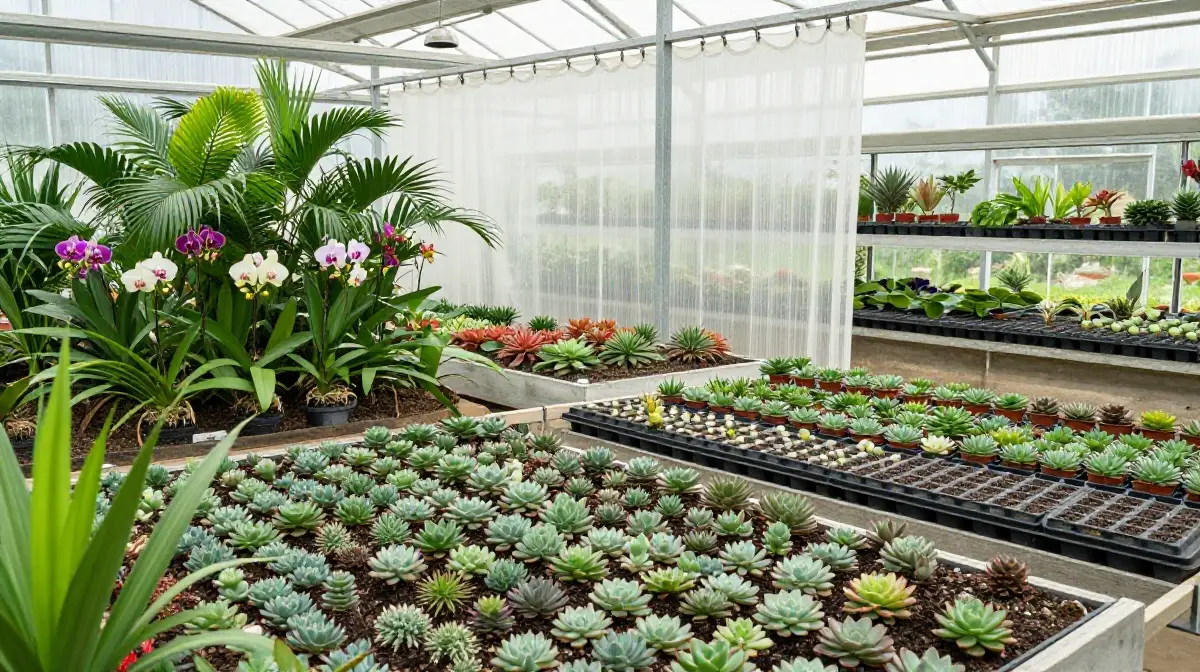
A zoned green house layout divides the interior space into dedicated areas based on the specific environmental needs of different plant groups growing simultaneously within the same structure. One zone might be kept warm and humid for tropical plants like orchids and ferns, while an adjacent zone maintains drier and cooler conditions for cacti, succulents, and Mediterranean herbs that prefer lower moisture levels. A third area can serve as a dedicated propagation station with consistent bottom heat for seed starting, root cuttings, and early-season seedling development. Zoning prevents plants with incompatible care requirements from competing for the same growing conditions, which leads to noticeably healthier growth across the entire greenhouse without the constant need for adjustment.
Low partitions, curtain dividers, or the strategic placement of benches can establish these zones without major construction or additional expense. This approach is ideal for enthusiastic gardeners who grow a wide variety of plant species throughout the year and need flexibility in their daily management routines.
U-Shape Layout That Keeps Everything Within Easy Reach
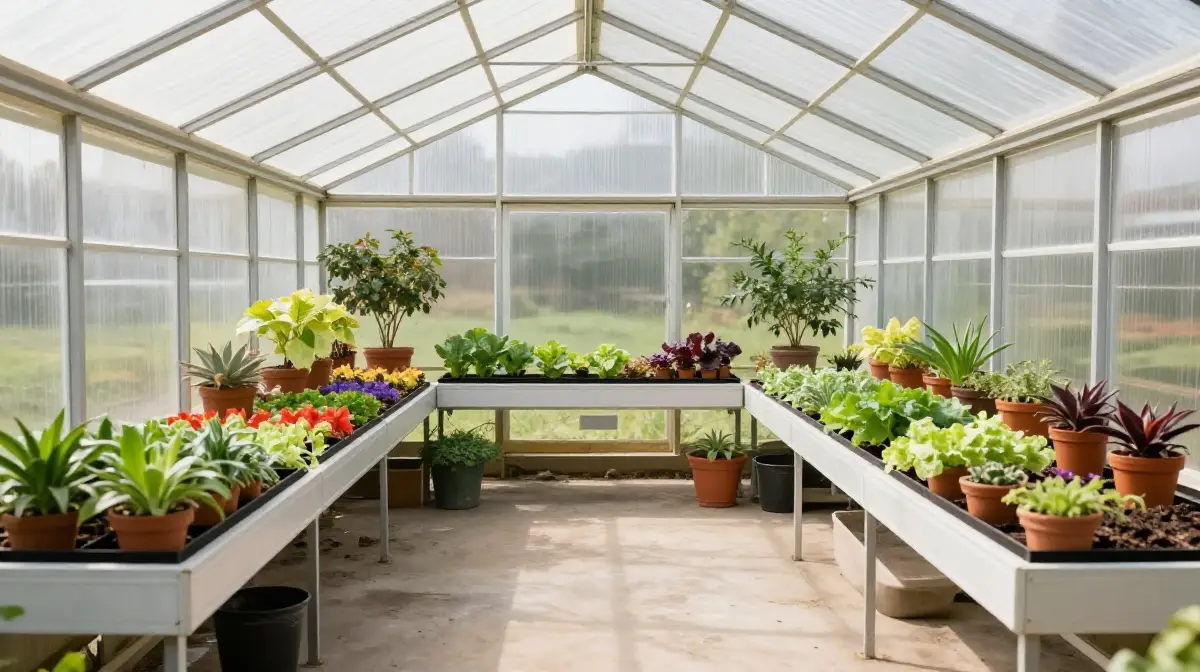
The U-shape layout arranges growing beds or benches along three walls of the greenhouse, forming a horseshoe configuration that wraps comfortably around the gardener working at its center. This design keeps virtually every plant within easy arm’s reach, which is a significant practical advantage during regular maintenance tasks such as watering, deadheading, repotting, and applying foliar treatments or organic pest controls. The open end of the U typically faces the main entrance, allowing smooth and unobstructed access to the entire growing area without squeezing past benches or navigating tight corners.
This layout is especially popular in smaller greenhouses where making full use of every available wall surface is essential to achieving satisfying yields. The U-shape also creates a natural focal point at the center of the working area where a potting bench, compost station, or decorative centerpiece can be placed to enhance both function and visual appeal throughout the space.
L-Shape Layout for Corner Greenhouses and Odd Spaces
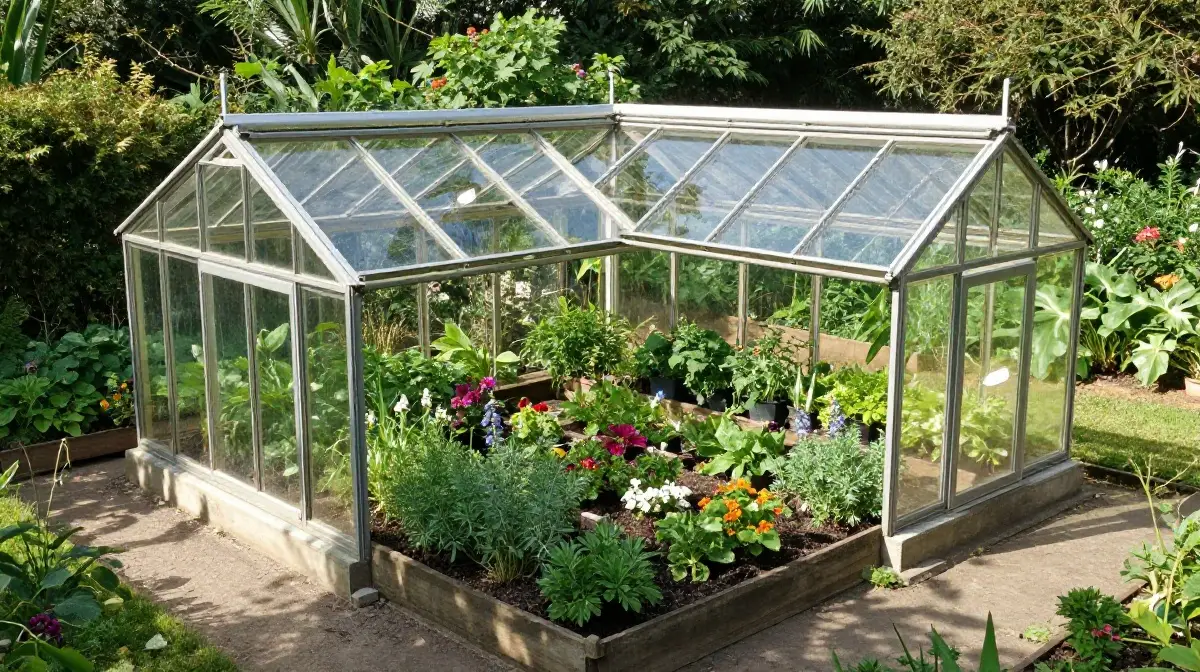
The L-shape layout is specifically designed for greenhouses that are positioned against a wall, nestled into a corner of a garden, or built into an odd-shaped outdoor space that does not lend itself to a traditional rectangular arrangement. Growing beds follow two adjoining walls at right angles, creating an L-shaped growing zone that keeps all plants accessible from the interior without requiring long stretches of walkway between them. This arrangement is highly efficient in terms of the ratio between usable growing area and total floor space, making it an excellent option for gardeners working with limited room.
The open area inside the L provides a comfortable workspace for potting, sorting harvested crops, and storing essential tools and supplies. Corner placements also benefit from sunlight entering through two different wall panels at varying angles throughout the day, which can reduce the need for supplemental artificial lighting during winter months in temperate climates.
Multi-Bed Layout for Seasonal Crop Rotation
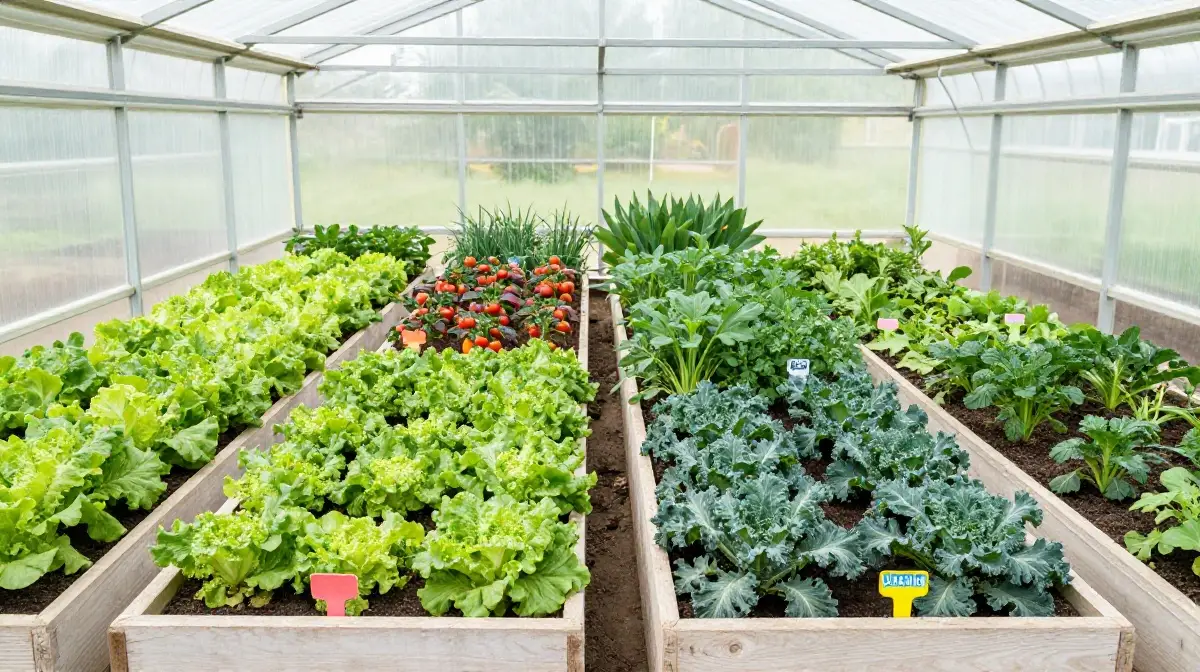
A multi-bed green house layout creates several distinct growing beds within the same structure, each of which can be managed independently according to the specific seasonal planting schedule it follows throughout the year. One bed can host cool-season crops like lettuce, spinach, and kale during early spring when outdoor temperatures remain too low for reliable germination. Another bed transitions to warm-season vegetables such as tomatoes, cucumbers, and peppers during the long summer months when maximum heat and light are available.
A third bed can accommodate fall greens or overwintering herbs that provide fresh harvests during the coldest part of the year. This rotation prevents soil nutrient depletion, reduces the buildup of crop-specific pests and diseases, and ensures that the greenhouse remains productive and useful in every season. Using small garden markers or color-coded tags in each bed helps keep rotations organized and prevents confusion during busy planting periods when multiple crops are being managed simultaneously.
Raised Bed Layout for Better Drainage and Soil Control
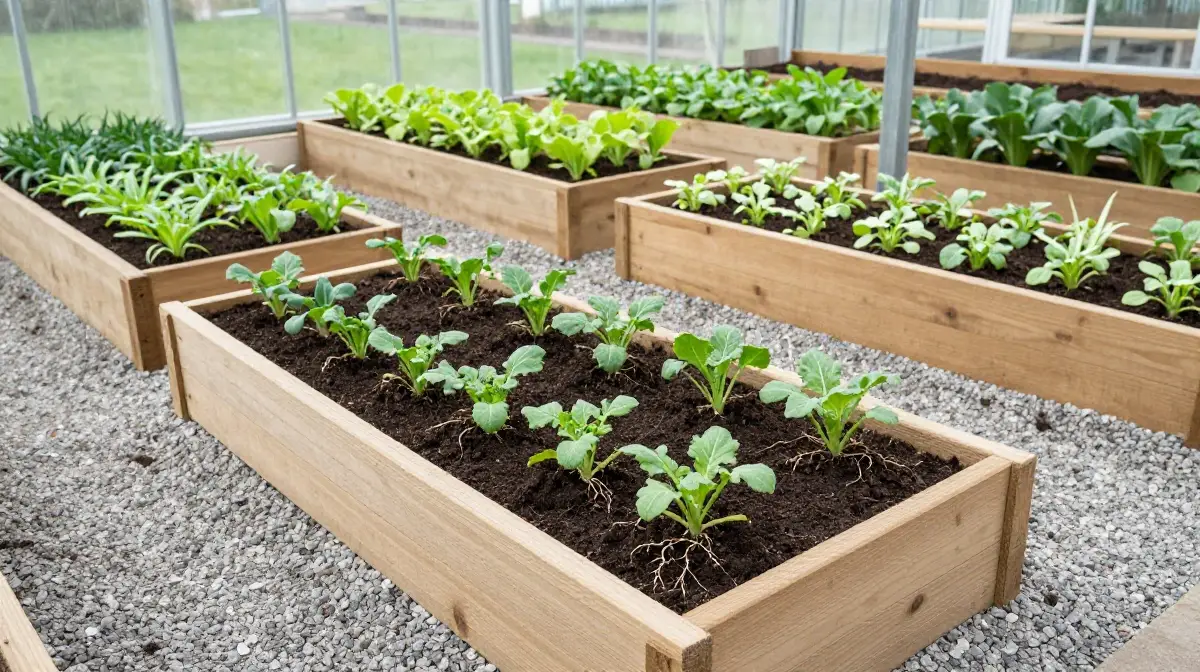
Raised beds are among the most practical and popular features of any well-designed green house layout because they offer the gardener precise control over soil composition, drainage characteristics, and the overall root environment for each individual crop. By elevating the growing surface 30 to 45 centimeters above the ground level, raised beds drain excess water more effectively than in-ground beds, which dramatically reduces the risk of root rot and waterlogging in crops sensitive to standing moisture.
Gardeners can fill each bed with a custom soil mix tailored to the specific needs of the crops they are growing, rather than relying on whatever native soil the site provides. The elevated working height also reduces physical strain on the back and knees during extended gardening sessions, making the greenhouse more comfortable and accessible for gardeners of all ages and physical abilities. Raised beds constructed from untreated timber, galvanized metal, or composite materials add a clean and organized visual quality to the overall interior design of the space.
Potting Zone Layout to Keep Your Workspace Organized
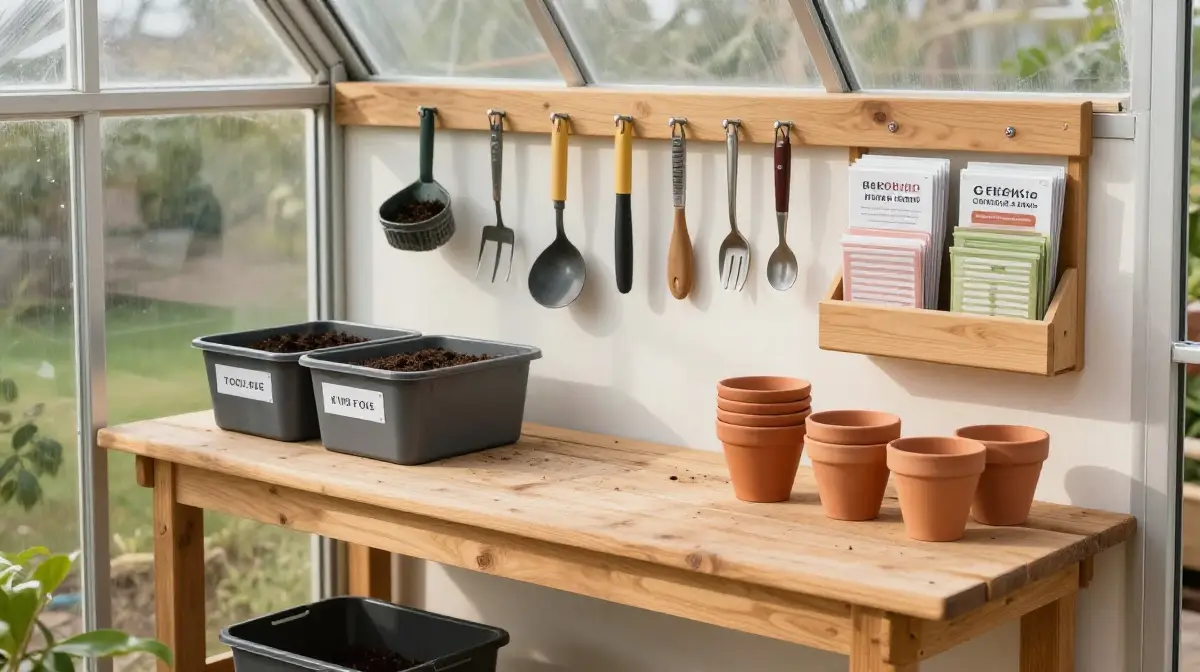
Designating one dedicated end of the greenhouse as a potting zone is a simple but transformative decision that significantly improves the daily workflow and overall cleanliness of the entire growing space. This area should contain a comfortable potting bench at a practical working height, clearly labeled bins for different types of growing media and amendments, a sink or water source if plumbing is available, and organized storage for hand tools, labels, twine, and propagation equipment. Keeping all messy tasks like repotting, seed sowing, and soil mixing contained in one specific zone prevents dirt and debris from spreading throughout the growing area and contaminating established crops.
The potting zone also serves as a logical transition point between the outside garden and the more controlled greenhouse environment, allowing gardeners to clean hands and tools before moving into the growing area. A well-organized potting zone reduces the time spent searching for equipment and helps maintain the overall efficiency and enjoyment of working within the greenhouse structure.
Propagation Station Layout for Starting New Plants Efficiently
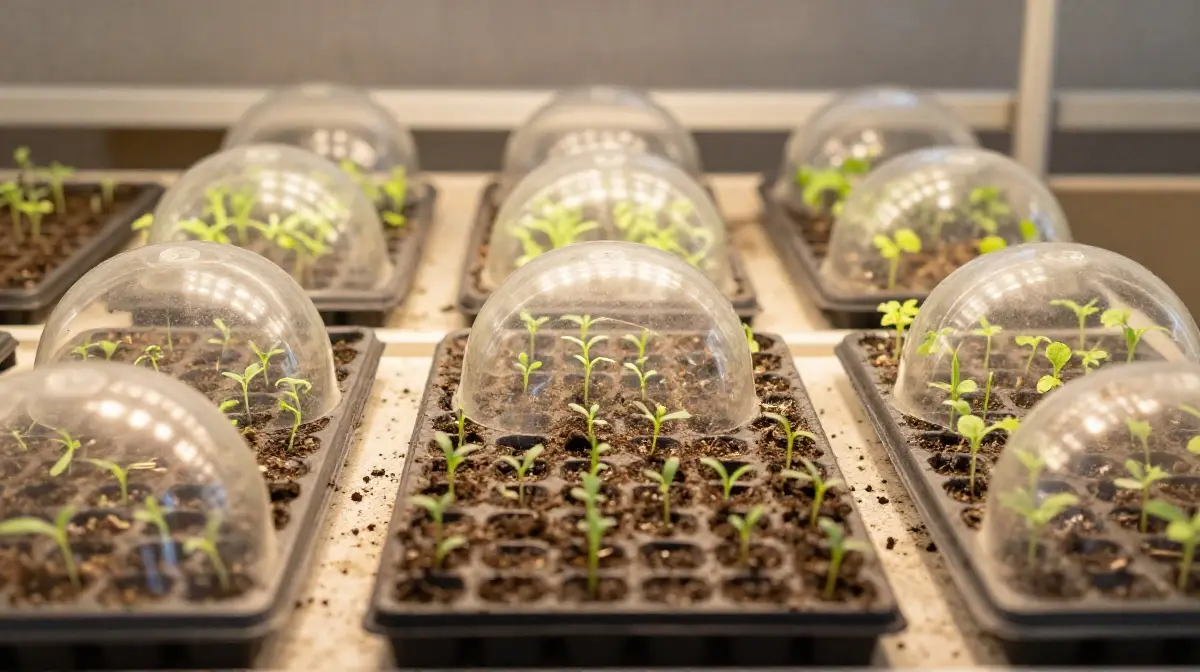
A dedicated propagation station within the green house layout creates an optimized environment for seed germination, rooting cuttings, and nurturing young seedlings through their most vulnerable early developmental stages. This section of the greenhouse should be positioned to receive consistent warmth, ideally supplemented by a heated propagation mat that maintains soil temperatures between 18 and 24 degrees Celsius for reliable and rapid germination of a wide range of vegetable and flower species. Humidity domes, small misting systems, and supplemental grow lights can be incorporated into this zone to provide the consistently moist and bright conditions that young plants require before they are robust enough to tolerate the more variable conditions of the main growing area.
Organizing propagation trays on dedicated shelving within this station keeps young plants separated from mature crops that might compete for light or introduce pest pressure. A well-equipped propagation station extends the productive season by allowing gardeners to start plants weeks earlier than outdoor conditions would normally permit.
Hydroponic Layout for Soil-Free High-Yield Growing
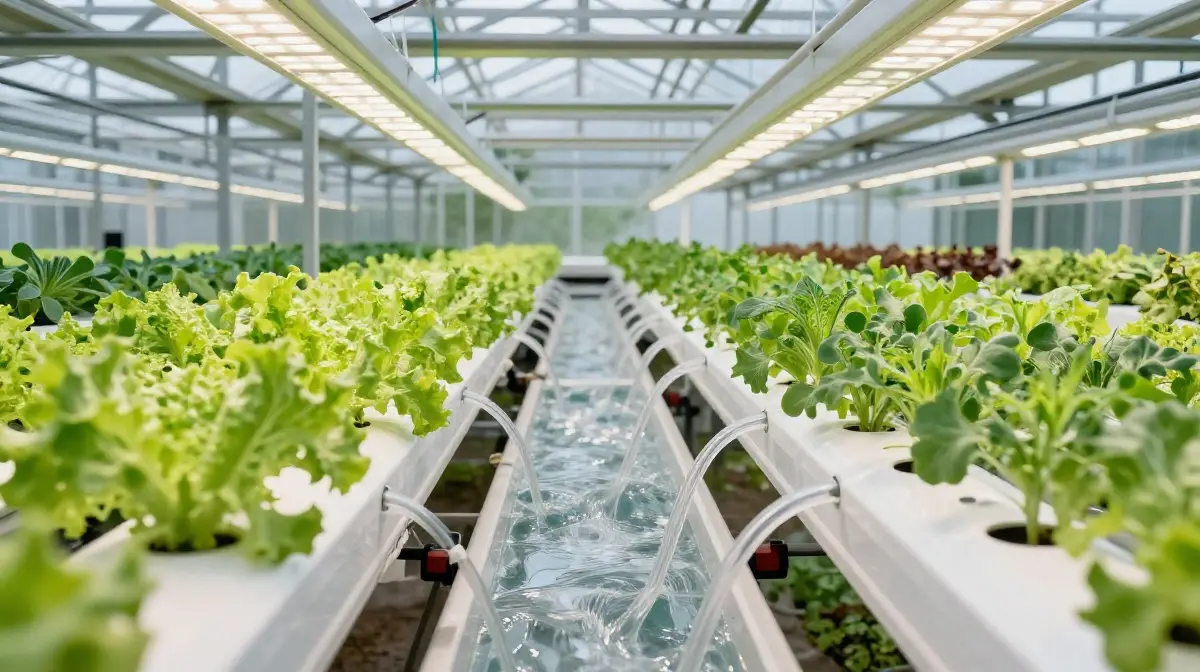
Incorporating a hydroponic growing system into the green house layout is an increasingly popular choice for gardeners who want to maximize their yields in the minimum amount of space while using significantly less water than traditional soil-based growing methods require. Nutrient film technique channels, deep water culture tanks, and vertical tower systems can all be installed within an existing greenhouse structure with relatively modest modifications to the existing layout. Hydroponic systems eliminate the need for heavy soil beds, which reduces the structural load on greenhouse benching and allows more flexibility in how the interior space is arranged and reconfigured over time.
Plants grown hydroponically in a greenhouse environment often grow faster and produce higher yields than their soil-grown counterparts because nutrients are delivered directly and continuously to the root zone without any of the inefficiencies associated with soil absorption and nutrient binding. This layout option is particularly well-suited to commercial or semi-commercial growers who prioritize production efficiency above all other considerations in their greenhouse planning.
Cold Frame Integration Layout for Season Extension
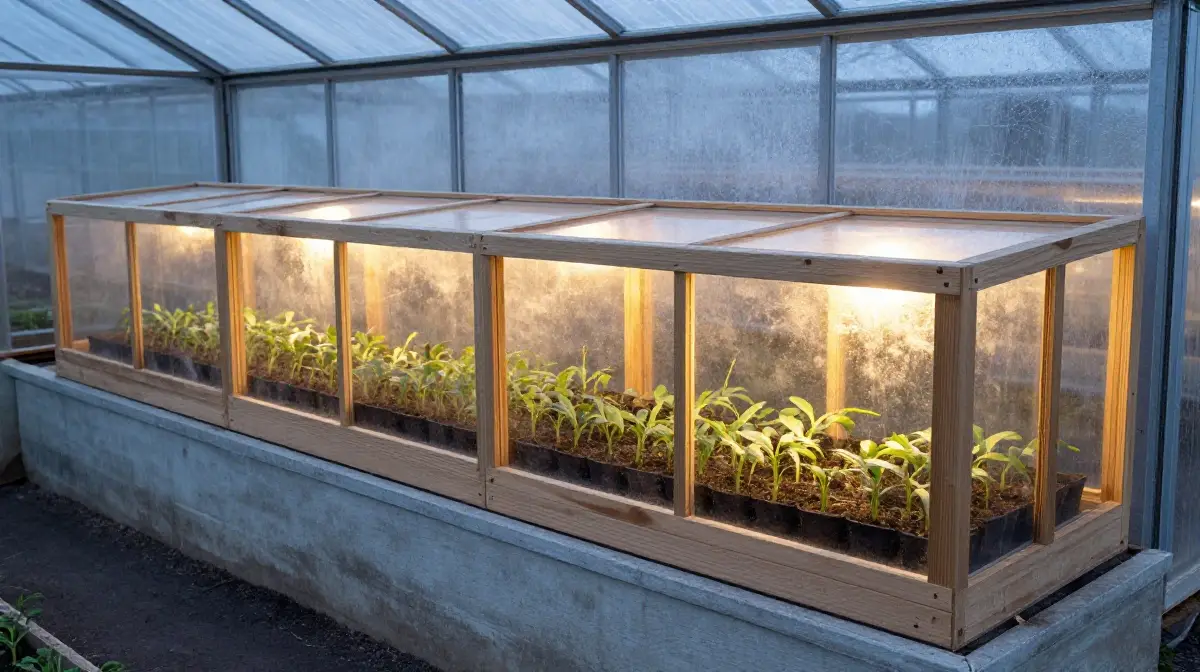
Integrating cold frames directly into the green house layout provides an additional layer of thermal protection for young plants and cold-sensitive crops during the transitional periods of early spring and late autumn when temperature fluctuations are most unpredictable and potentially damaging to vulnerable plant material. Cold frames positioned along the south-facing wall of the greenhouse capture maximum solar radiation during the day and retain warmth overnight, creating a microclimate that is several degrees warmer than the main greenhouse interior. This arrangement is particularly valuable for hardening off seedlings that were started indoors before being gradually exposed to outdoor temperature and light conditions over a period of seven to fourteen days.
Cold frames can also be used to overwinter marginally hardy perennials, bulbs, and root vegetables that would struggle to survive full outdoor winter exposure in cooler temperate climates. The integration of cold frames into the greenhouse footprint makes the overall growing facility more versatile and extends its productive usefulness throughout the year without requiring significant additional investment in heating infrastructure.
Hanging Basket Layout for Flowers and Trailing Plants
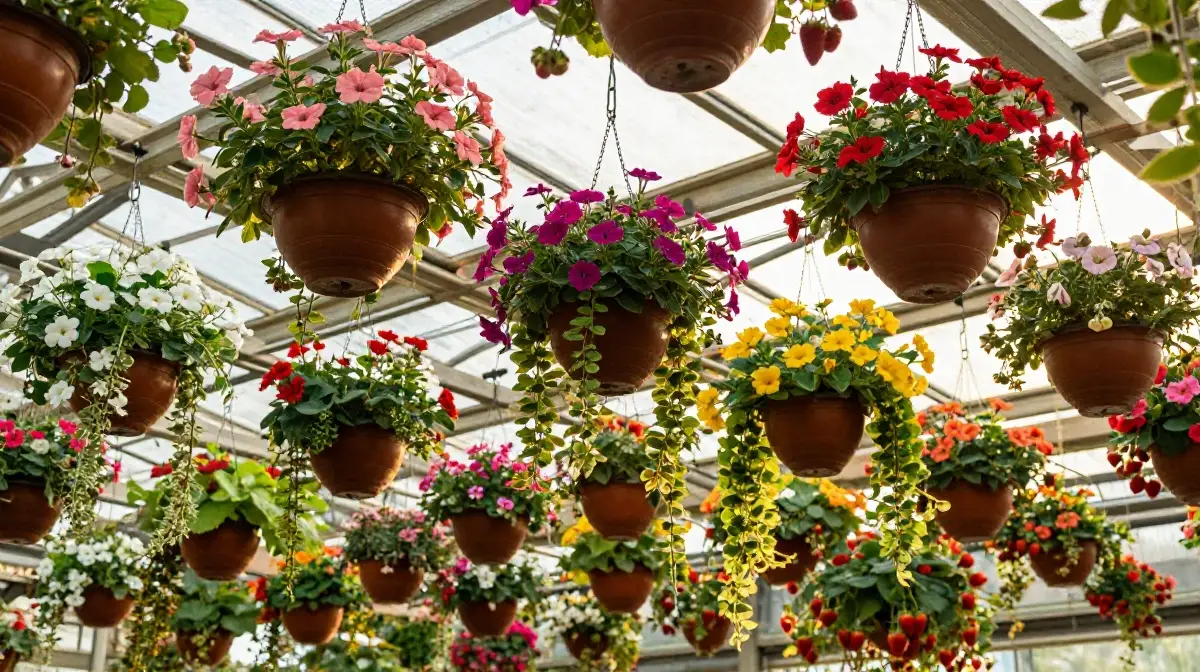
A greenhouse layout designed around hanging baskets creates a visually stunning and highly efficient growing environment that makes full use of the vertical airspace above the main bench level, which is often left completely unused in more conventional greenhouse designs. Chains, hooks, and overhead rails allow dozens of hanging containers to be positioned at varying heights throughout the interior, creating multiple staggered layers of growing space that dramatically increase the total number of plants the greenhouse can accommodate at any given time. Trailing plants such as fuchsias, begonias, nasturtiums, strawberries, and sweet potato vines are particularly well-suited to hanging cultivation because their natural growth habit directs foliage and flowers downward rather than upward, creating a cascading effect that is both beautiful and productive.
The overhead positioning of hanging baskets also means that the heat rising naturally toward the greenhouse roof is put to productive use rather than being wasted on empty space. Drip irrigation systems can be threaded through overhead rails to provide consistent watering to hanging containers without requiring daily manual attention from the gardener.
Aquaponic Layout Combining Fish and Plant Production
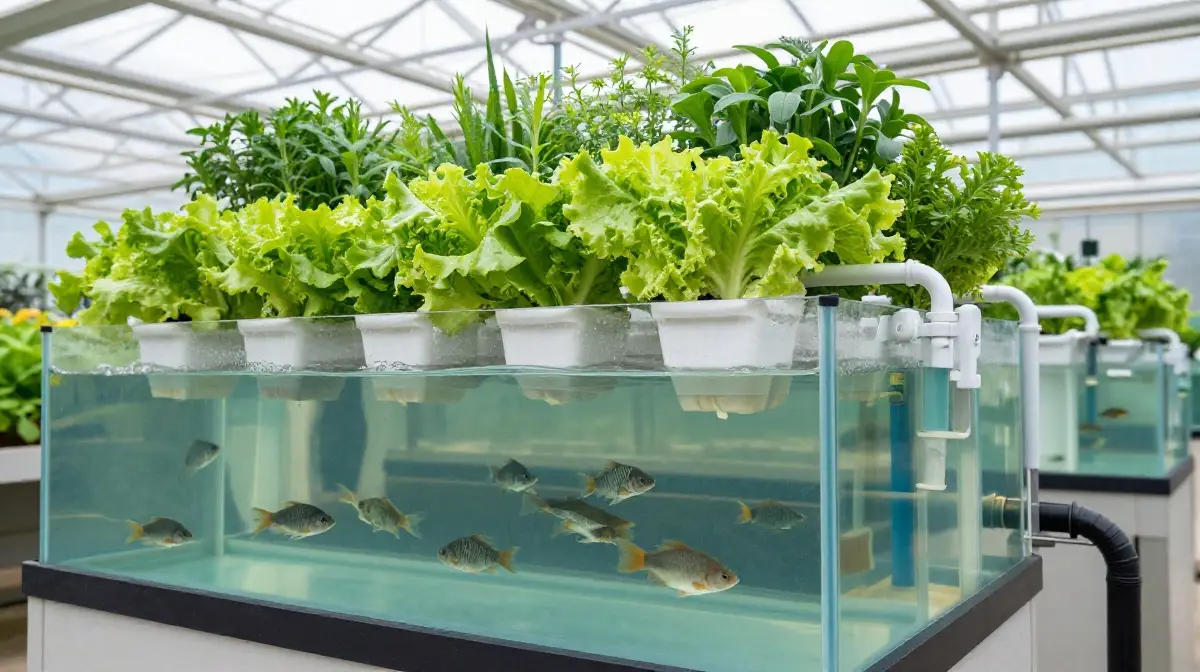
An aquaponic green house layout integrates fish cultivation with plant production in a closed-loop system where fish waste provides natural nutrients for plants and the plants in turn filter and clean the water that returns to the fish tanks. This innovative approach to greenhouse design creates a highly productive and largely self-sustaining growing environment that generates two distinct food products from a single water and energy input. Tilapia, trout, and perch are among the most popular fish species used in aquaponic greenhouse systems because they tolerate the water temperatures and density levels associated with intensive indoor cultivation.
Leafy greens like lettuce, kale, swiss chard, and herbs grow particularly well in aquaponic systems because they thrive in the nutrient-rich water that the fish produce as a natural byproduct of their daily feeding. While the initial setup cost for an aquaponic greenhouse layout is higher than conventional soil-based approaches, the long-term productivity, water efficiency, and reduced need for synthetic fertilizers make it an increasingly attractive option for forward-thinking growers.
Shade House Layout for Heat-Sensitive Crops
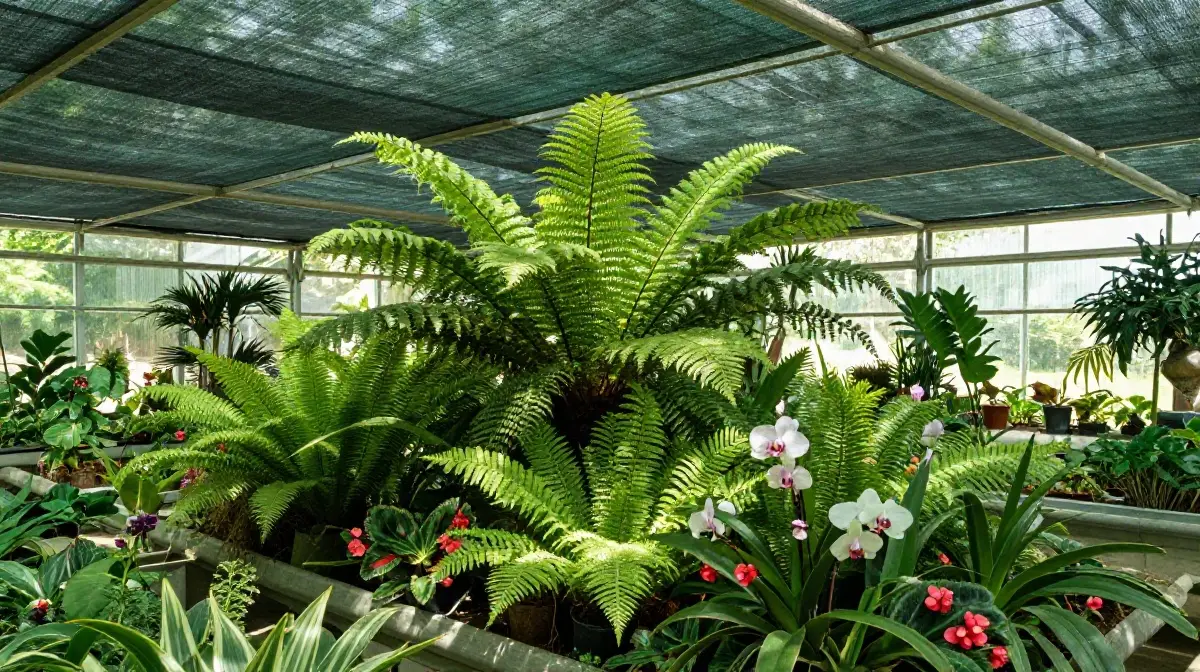
Not all greenhouse plants thrive in full and unrestricted sunlight throughout the entire growing day, which is why incorporating a dedicated shade house section into the overall green house layout is an important consideration for gardeners growing a diverse range of species with varying light requirements. Shade cloth panels rated at 30 to 50 percent light reduction can be hung from overhead frames or attached to dedicated side sections of the greenhouse to create filtered light conditions suitable for ferns, hostas, orchids, begonias, and many culinary herbs that prefer indirect or diffused light throughout the hottest parts of the summer day.
A shade house section also provides a valuable refuge for newly potted plants and recently divided perennials that need a period of reduced light stress while they are establishing new root systems. In climates with intense summer sun, shading also protects the main growing area from overheating, which reduces the need for mechanical ventilation and lowers the overall operating cost of the greenhouse during the warmest months of the year.
Lean-To Layout for Attaching a Greenhouse to an Existing Building
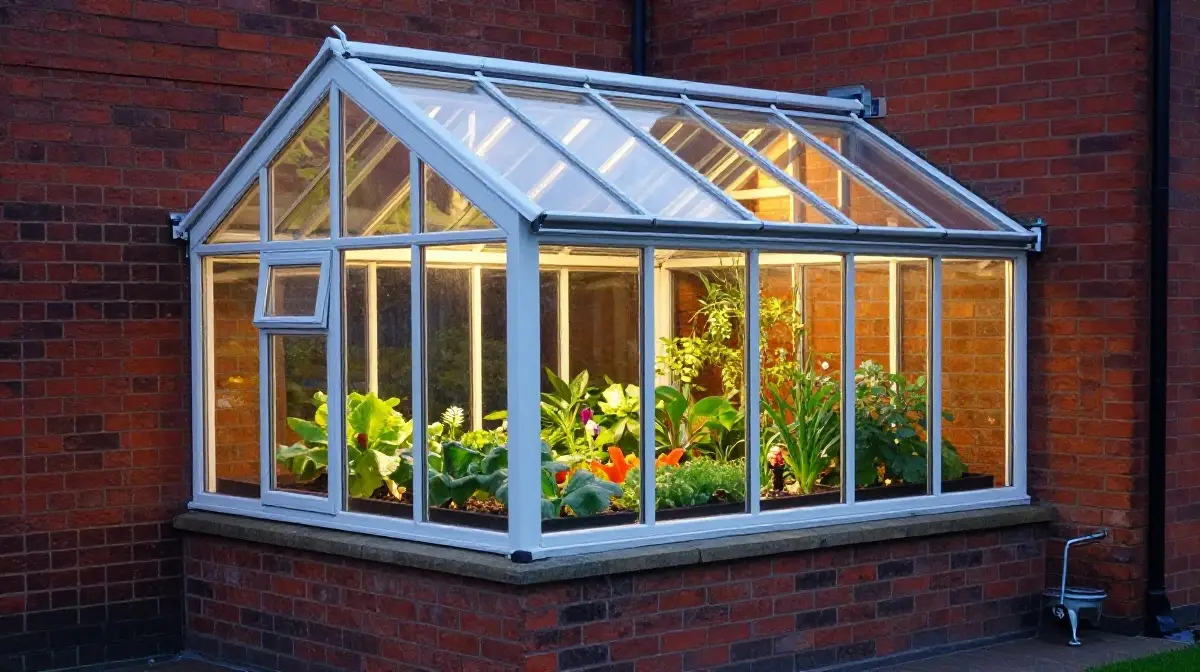
A lean-to green house layout is built against an existing wall of a house, garage, or outbuilding, which provides a built-in thermal advantage because the adjoining wall absorbs heat during the day and releases it slowly overnight, reducing heating costs significantly during cold weather. This compact and practical design makes efficient use of otherwise underutilized wall space and is particularly popular in urban and suburban gardens where available outdoor space is at a premium. The shared wall also provides structural support for shelving, irrigation pipework, and electrical conduit without requiring additional freestanding framework to be installed.
Growing beds can be arranged in a single row along the front glazed wall, with vertical shelving mounted on the shared back wall to maximize the depth of the available growing area. A well-designed lean-to greenhouse with proper ventilation, a reliable heating source, and quality glazing can provide year-round growing capability that rivals much larger freestanding greenhouse structures in terms of overall productivity per square metre of occupied garden space.
Gothic Arch Layout for Improved Ventilation and Snow Load
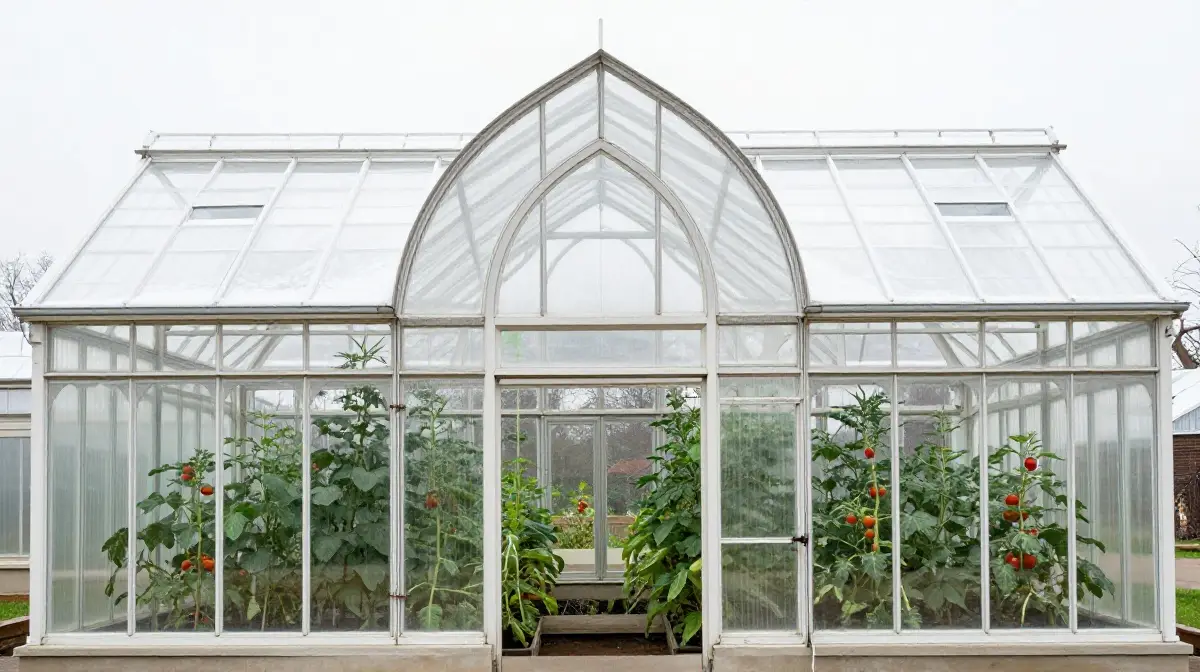
The gothic arch green house layout features a distinctive pointed roof profile that offers several practical advantages over the traditional rounded or peaked designs commonly used in residential and hobby greenhouse construction. The steep angle of the gothic arch encourages rain and snow to slide off the glazing panels quickly and efficiently, preventing the accumulation of heavy snow loads that can stress and ultimately damage the greenhouse structure during severe winter weather events. The tall interior volume created by the gothic arch design also improves natural air circulation throughout the growing area, reducing humidity buildup and creating a more stable temperature environment for sensitive crops during both summer and winter growing periods.
The increased headroom at the center ridge of a gothic arch greenhouse makes it possible to grow tall crops like indeterminate tomatoes, climbing beans, and espalier fruit trees within the structure without the plants coming into contact with the glazing panels. This layout style is popular with serious gardeners who prioritize structural durability and long-term performance over purely aesthetic considerations in their greenhouse design choices.
Herb Garden Layout for Culinary and Medicinal Plants
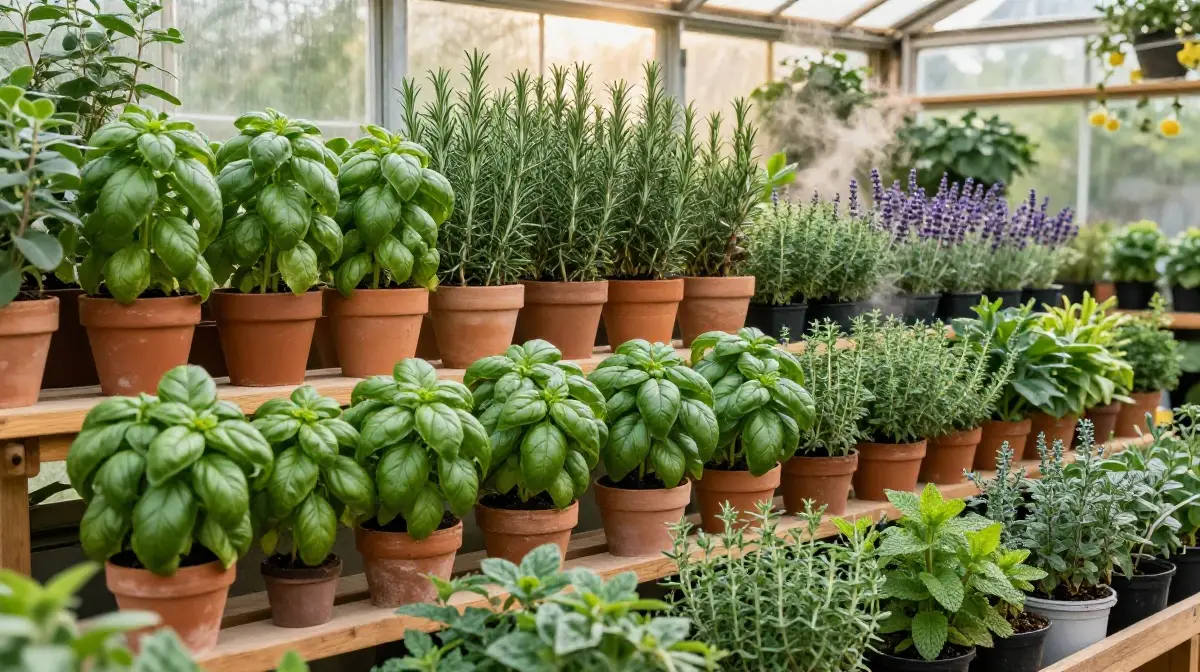
A green house layout dedicated primarily to herbs creates a highly aromatic and intensely practical growing space that provides a continuous supply of fresh culinary and medicinal plants throughout the year regardless of the outdoor growing season or prevailing weather conditions. Compact herbs like basil, coriander, parsley, chives, and mint grow well in small containers or narrow raised beds that can be arranged on tiered shelving to maximize the number of individual plants accommodated within the available floor and bench space. Mediterranean herbs like rosemary, thyme, lavender, and sage prefer drier conditions and excellent drainage, making them ideal candidates for raised beds or terracotta pots positioned near the south-facing wall where sunlight is most intense and consistent throughout the growing day.
Medicinal herbs including echinacea, valerian, lemon balm, and chamomile can be grown in dedicated sections of the greenhouse and harvested regularly to maintain vigorous growth and high essential oil content in the harvested material. A well-planned herb greenhouse provides enormous practical value relative to its modest space requirements.
Tropical Plant Layout for Exotic Collections
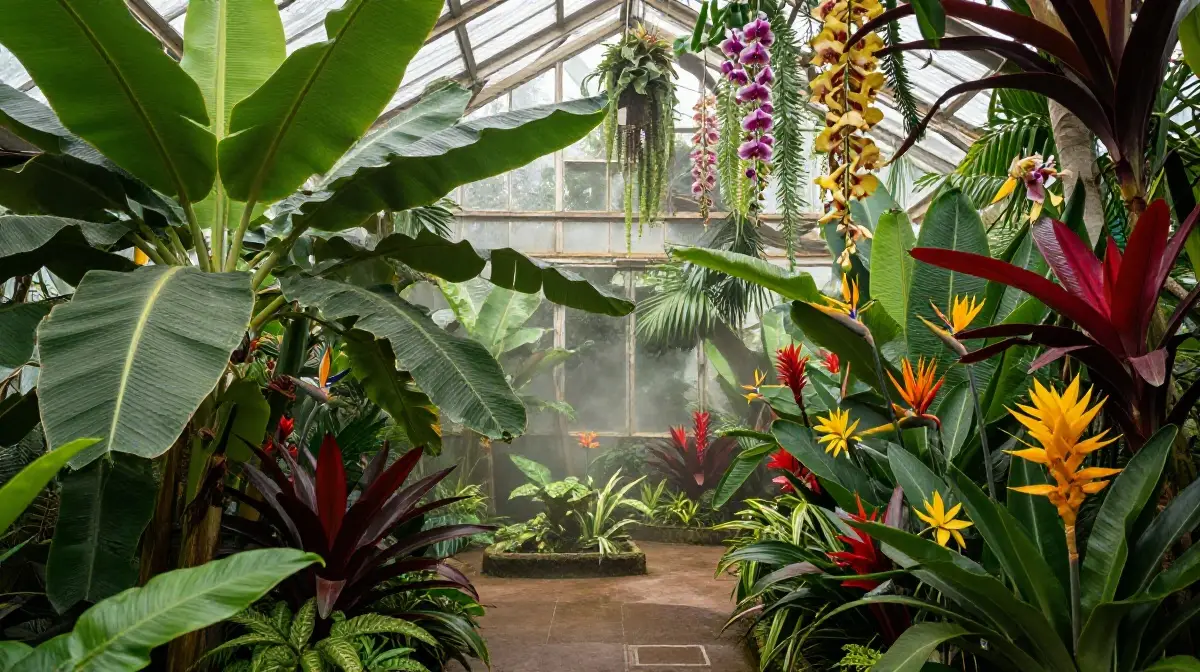
A tropical-themed green house layout transforms the interior into a lush and immersive growing environment that replicates the warm, humid, and light-rich conditions found in equatorial and subtropical regions around the world. This type of layout requires maintaining higher ambient temperatures, typically between 18 and 28 degrees Celsius, and elevated humidity levels of 60 to 80 percent throughout the year to support the healthy growth of species like bananas, bird of paradise, heliconia, bromeliads, and exotic orchid varieties. Larger specimen plants can be positioned on the greenhouse floor in oversized containers, while smaller epiphytic orchids and bromeliads are mounted on bark panels or displayed on dedicated shelving units that allow air movement around their roots.
A water feature or small indoor pond incorporated into the layout adds both visual drama and natural humidity to the growing environment while providing an attractive focal point for visitors. Tropical greenhouse layouts require more careful temperature and humidity management than temperate designs, but the spectacular growing results they produce make the additional investment in climate control fully worthwhile for dedicated enthusiasts.
Cutting Garden Layout for Flower Production
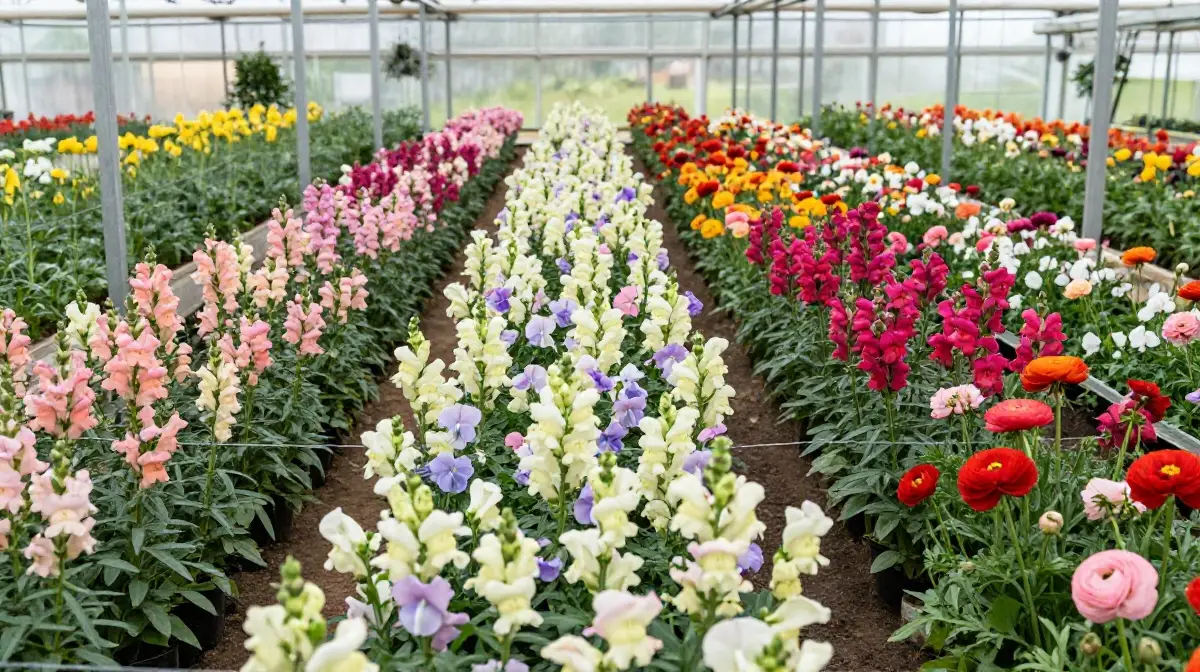
A cutting garden green house layout is specifically designed to produce a continuous and high-quality supply of fresh cut flowers for home decoration, gifts, or small-scale commercial sale throughout the year when outdoor growing conditions make flower production difficult or impossible. Long narrow growing beds arranged in parallel rows allow efficient planting and harvesting of flowering stems, with each bed dedicated to a different species or colour palette to simplify the process of assembling attractive arrangements. Annuals like lisianthus, snapdragons, sweet peas, and ranunculus perform exceptionally well in greenhouse conditions and can be succession-planted every three to four weeks to ensure a continuous supply of fresh blooms rather than a single large flush that overwhelms production capacity.
Vertical support systems using horizontal wire strands or mesh netting prevent tall flowering stems from falling over and becoming damaged before they can be harvested at the peak of their quality. A well-managed cutting garden greenhouse can supply fresh flowers for home use and local markets throughout virtually the entire calendar year with careful planning and consistent crop management.
Automated Irrigation Layout for Low-Maintenance Growing
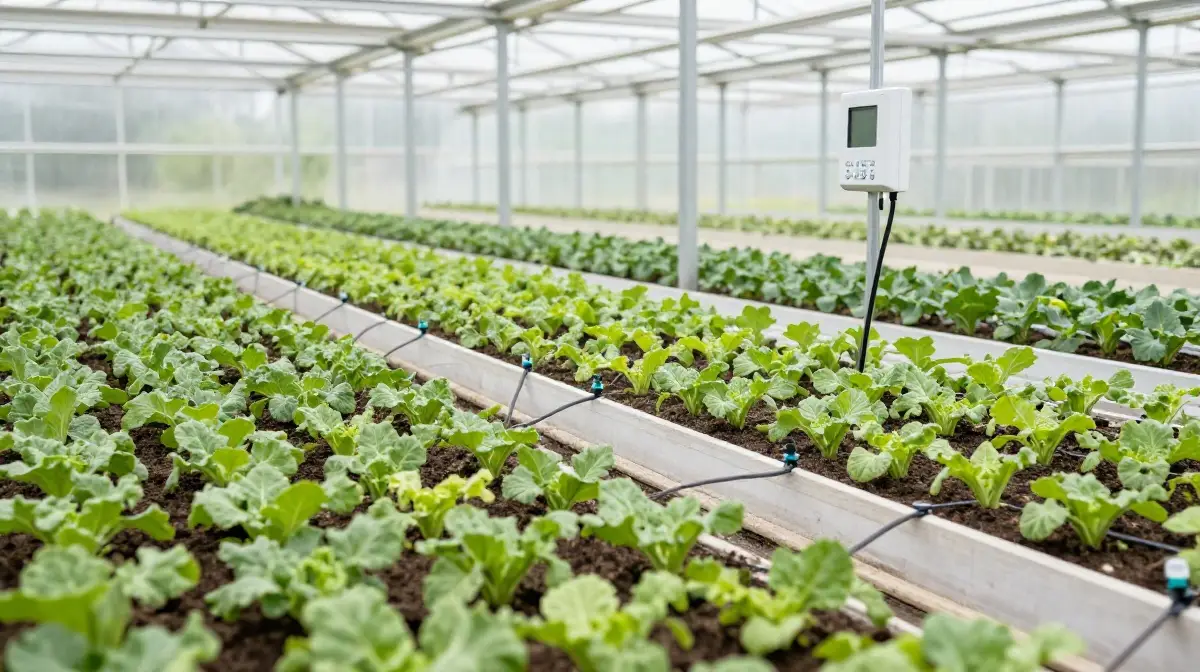
Incorporating an automated irrigation system into the green house layout from the outset of the design process transforms the daily management workload and makes it genuinely possible to maintain a productive greenhouse without being physically present every single day to water plants by hand. Drip irrigation systems deliver precise amounts of water directly to the root zone of individual plants on a programmable schedule, eliminating both the watering inconsistency caused by manual application and the water wastage associated with overhead sprinkler systems that wet foliage and pathways indiscriminately.
Soil moisture sensors can be integrated with the irrigation controller to ensure that water is only applied when plants actually need it rather than on a fixed timer that ignores prevailing weather conditions and seasonal variation in plant water demand. Zone-based irrigation design divides the greenhouse into separate irrigation circuits, each programmed with different watering schedules and durations to match the specific moisture requirements of the different plant groups growing within each distinct area of the structure. This level of automation significantly reduces the time commitment required to maintain a productive greenhouse while simultaneously improving the growing results achieved.
Sustainable Layout with Rainwater Harvesting and Solar Power
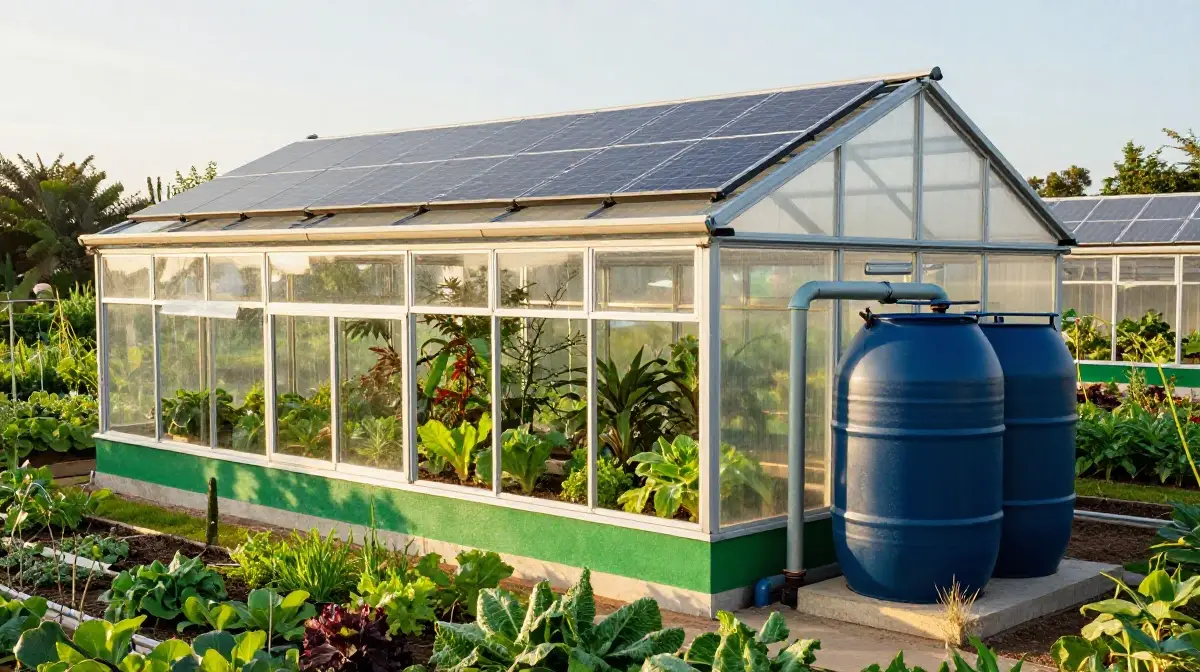
A sustainable green house layout integrates rainwater harvesting systems, solar-powered ventilation fans, and energy-efficient LED grow lights to reduce the environmental footprint and ongoing operating costs of the greenhouse to the lowest practical level achievable with current technology. Rainwater collection from the greenhouse roof can be channeled into underground or above-ground storage tanks and used for irrigation throughout the growing season, significantly reducing reliance on mains water supplies and the associated costs. Solar panels mounted on adjacent structures or integrated into the greenhouse roof itself can generate sufficient electricity to power circulation fans, heating thermostats, grow lights, and automated irrigation controllers without drawing from the grid during peak sunlight hours.
Thermal mass elements such as large water-filled containers or brick walls within the greenhouse absorb heat during the day and release it gradually overnight, reducing the temperature fluctuations that stress plants and increase heating energy consumption. A thoughtfully designed sustainable greenhouse layout demonstrates that high productivity and environmental responsibility are entirely compatible goals that reinforce rather than conflict with each other in practice.
Conclusion
The right green house layout is not a single fixed design but a thoughtful and flexible system tailored to your specific plants, available space, budget, and gardening ambitions. Whether you are drawn to the simplicity of a classic center-aisle arrangement, the productivity of a hydroponic system, or the self-sufficiency of a sustainable rainwater-powered setup, every layout choice you make will directly influence the quality and quantity of what you grow throughout the year.
Take the time before building or reorganizing your greenhouse to sketch out your preferred arrangement on paper, considering the movement of light, the flow of air, the efficiency of your daily maintenance routine, and the specific requirements of the crops you intend to grow. Revisit and refine your layout as your skills and plant collection evolve over time. A greenhouse that is intelligently designed from the beginning will reward every hour of effort you invest in it with abundance, health, and growing satisfaction throughout every season of the year.
You may also like this:22 Terra Cotta Pot Painting Ideas You’ll Love to Try
Frequently Asked Questions
1. What is the best green house layout for a beginner?
The classic center-aisle layout is the best choice for beginners because it is simple to set up, easy to maintain, and provides equal light access to plants on both sides. It requires minimal planning and can be adapted and expanded as your experience and confidence as a grower develop over time.
2. How can I maximize space in a small greenhouse?
Use vertical growing strategies including tiered shelving, wall-mounted planters, and hanging baskets to multiply your growing area without expanding the physical footprint of the structure. Combining vertical systems with raised beds and a dedicated potting zone keeps the space organized and highly productive even in a compact greenhouse of six square metres or less.
3. How do I choose between a perimeter and center-aisle layout?
Choose a perimeter layout if your greenhouse is wide and you want maximum light exposure for all plants, or if you need a large open central space for working with tall crops and equipment. Choose a center-aisle layout if your greenhouse is long and narrow and you want even and symmetrical access to plants on both sides of the structure throughout every growing session.
4. Can I combine multiple layout ideas in one greenhouse?
Yes, combining multiple layout ideas is not only possible but strongly recommended for achieving the best results. A single greenhouse can successfully incorporate a propagation station at one end, a zoned growing area in the middle, a vertical hanging basket system overhead, and a potting bench at the opposite end. Planning each zone carefully before installation ensures all areas work together efficiently without creating bottlenecks in the daily workflow.
5. How does layout affect plant health and growth?
Layout directly determines how much light each plant receives, how efficiently air circulates around foliage, how consistently plants are watered and fed, and how quickly problems like pests and disease can be identified and addressed during routine inspections. A well-planned layout reduces stress on plants, improves overall growing conditions, and leads to measurably better yields and healthier growth throughout the entire growing season.

1 Comment