
Introduction
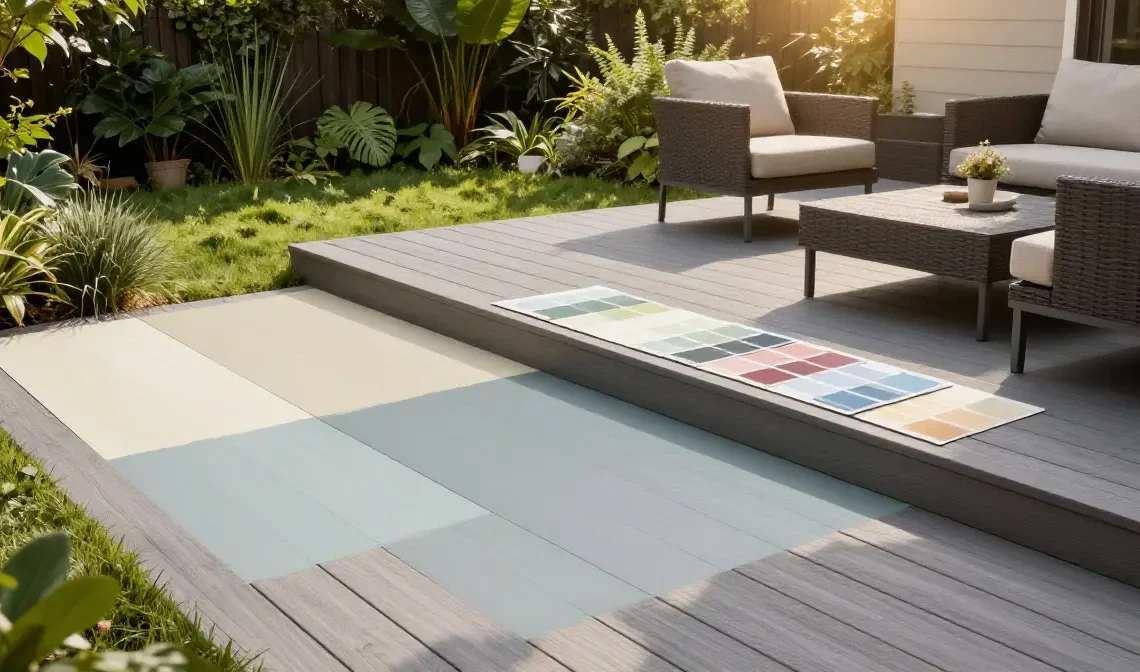
Your deck is one of the first things people notice about your home. It is not just a platform of wood or concrete sitting outside your back door. It is an outdoor room, a place where families gather, friends relax, and summer memories are made. The condition and color of your deck speak volumes about your home’s overall style and personality. If your outdoor space feels dull, outdated, or simply tired, a fresh coat of paint in the right color can completely transform it. Choosing the right deck paint colors is one of the most effective and budget-friendly ways to breathe new life into your backyard. In this guide, you will find 20 inspiring ideas to help you refresh your outdoor space with confidence.
Warm Brown
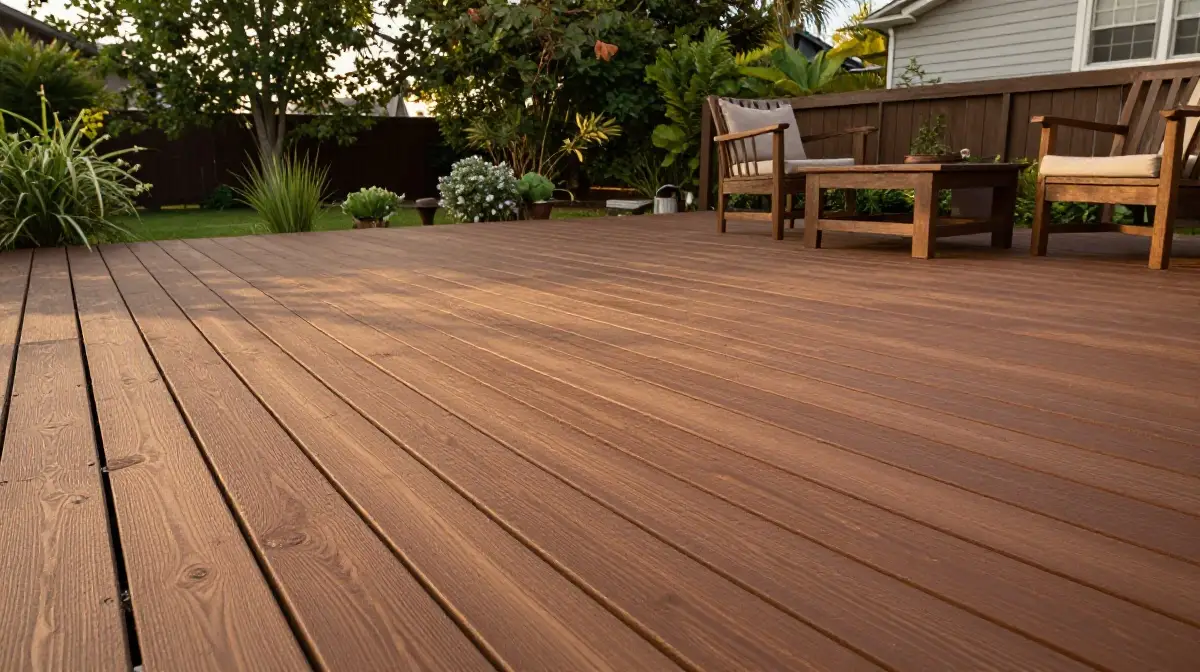
Warm brown is the most timeless choice in deck paint colors. It evokes the natural beauty of wood, blends effortlessly with surrounding greenery, and gives any outdoor space a grounded, welcoming feel. Whether you choose a rich chocolate tone or a lighter caramel shade, brown connects your deck to its natural setting. Darker brown shades also do an excellent job of hiding dirt and minor surface imperfections, which makes them a practical choice for high-traffic family decks.
Honey Oak and Golden Tones
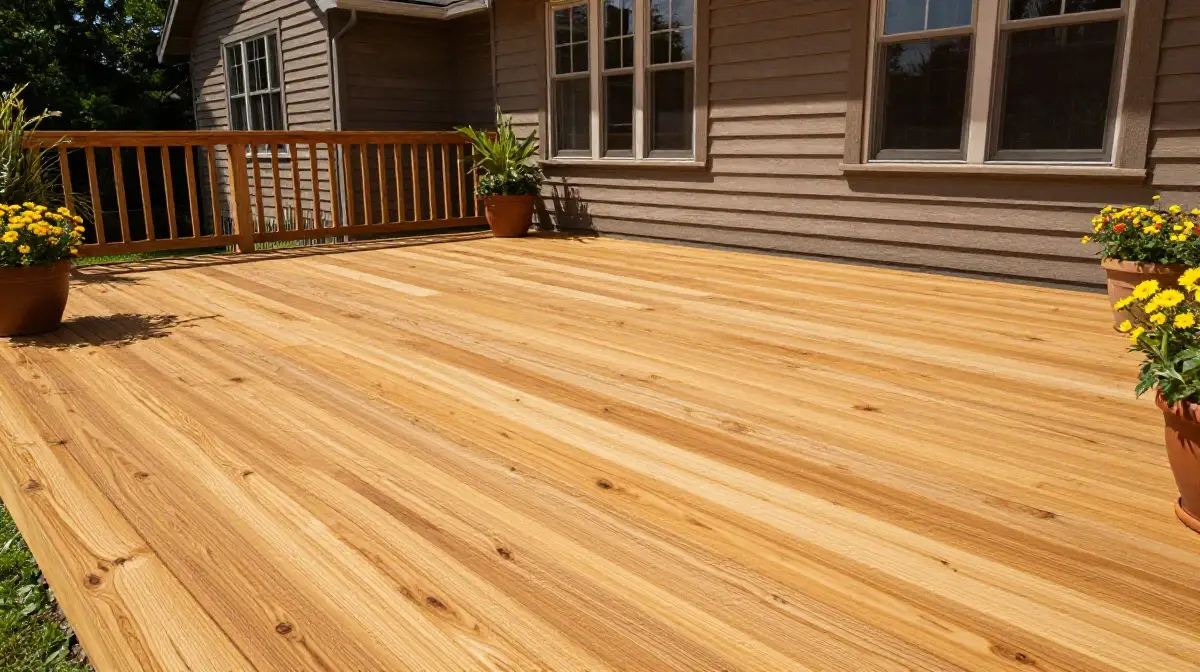
Golden oak or honey-toned stains and paints have been popular for decades and show no signs of fading. These warm, golden hues work beautifully on cedar, redwood, and pressure-treated wood. They add a cheerful, inviting warmth to outdoor spaces and pair well with nearly any home exterior color palette. If you want your deck to feel sun-kissed and welcoming, a honey or golden oak shade is a reliable, classic choice.
Whitewash and Off-White
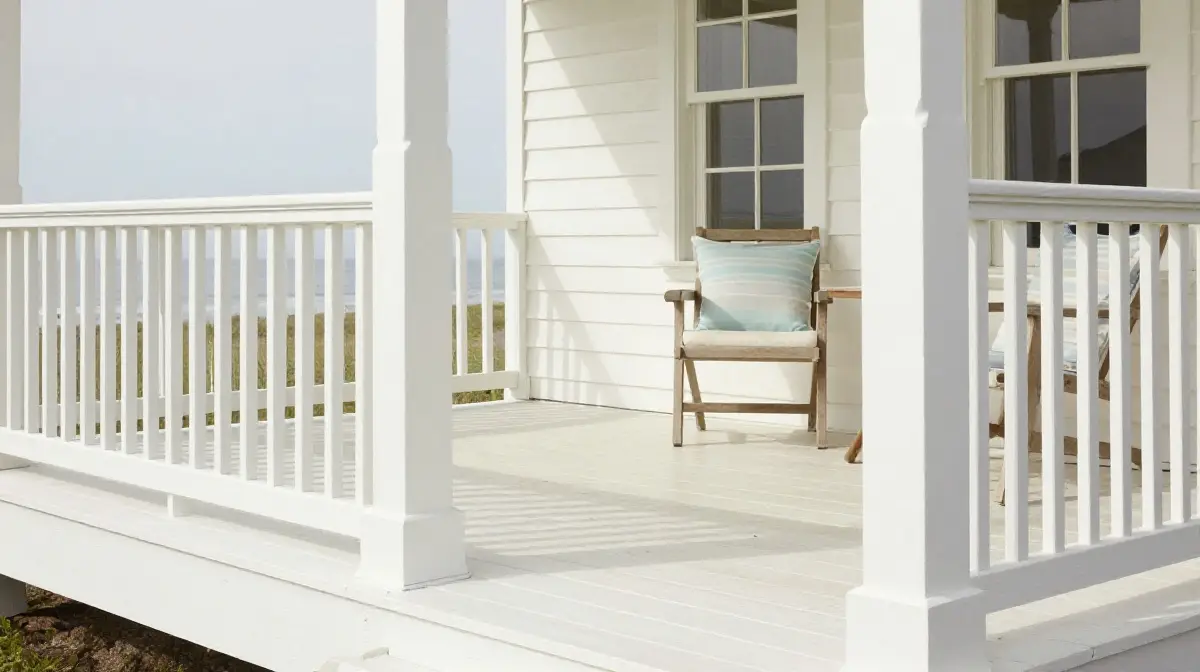
A whitewashed deck brings a touch of elegance and a clean, airy quality to outdoor spaces. The technique adds a vintage texture while keeping the surface bright and light. Off-white tones work especially well for coastal and farmhouse-style homes, creating a relaxed, refined atmosphere. Keep in mind that lighter shades require a bit more cleaning to maintain their fresh appearance over time.
Redwood Tones
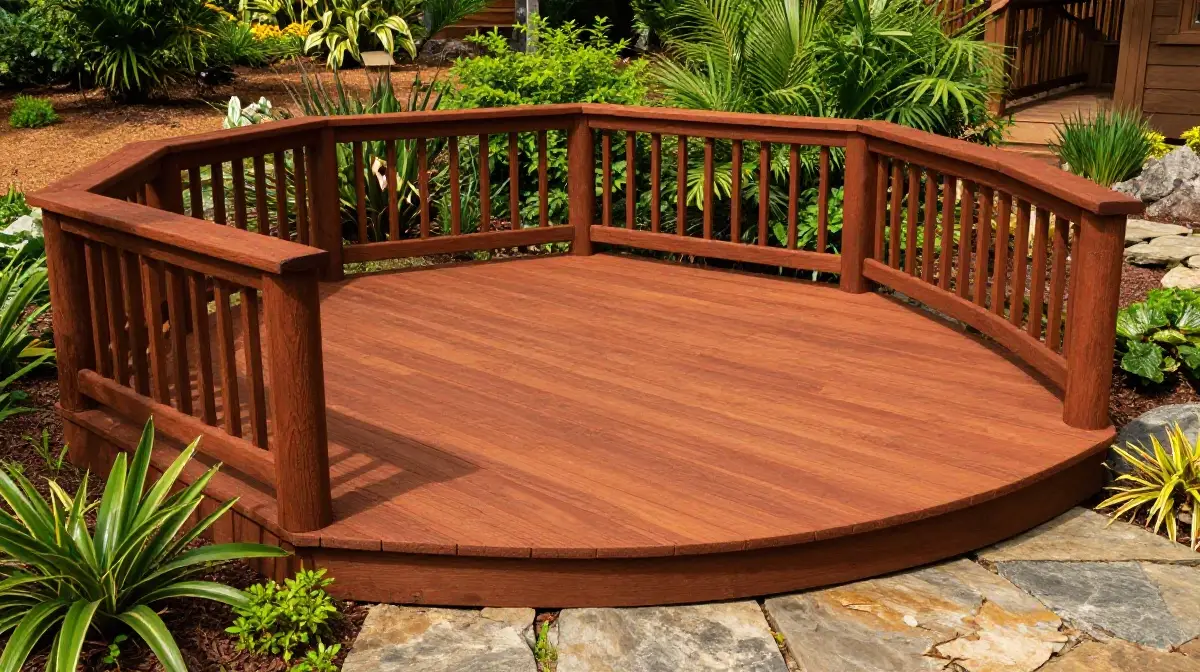
Redwood-toned deck paints offer a rich amber color that pairs beautifully with vibrant garden greenery. This shade carries a natural warmth and a rustic character that works well with stone pathways, wooden railings, and earthy landscaping. It is a particularly fitting choice for wooded surroundings where you want the deck to feel like a natural part of the landscape.
Light Gray
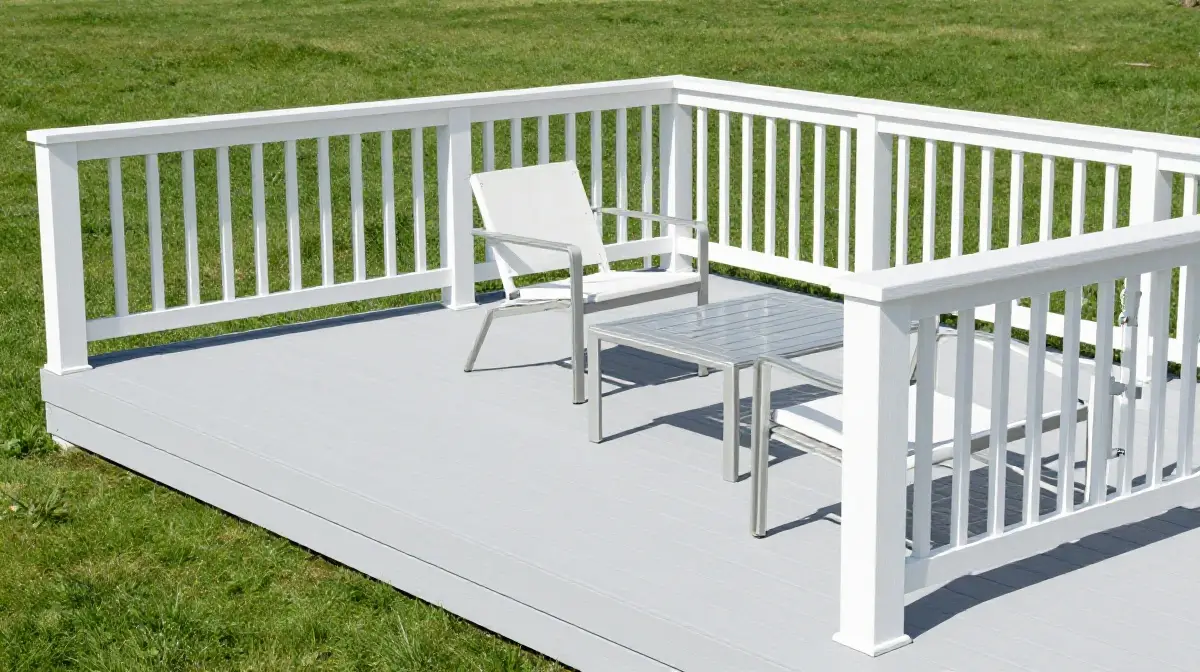
Light gray is currently one of the most popular deck paint colors in modern home design. It provides a clean, fresh, and contemporary backdrop without competing with outdoor furniture or garden plantings. A pale gray also reflects sunlight reasonably well, helping to keep the surface cooler on sunny days. It pairs particularly well with white trim, black railings, and silver metal accents.
Warm Greige
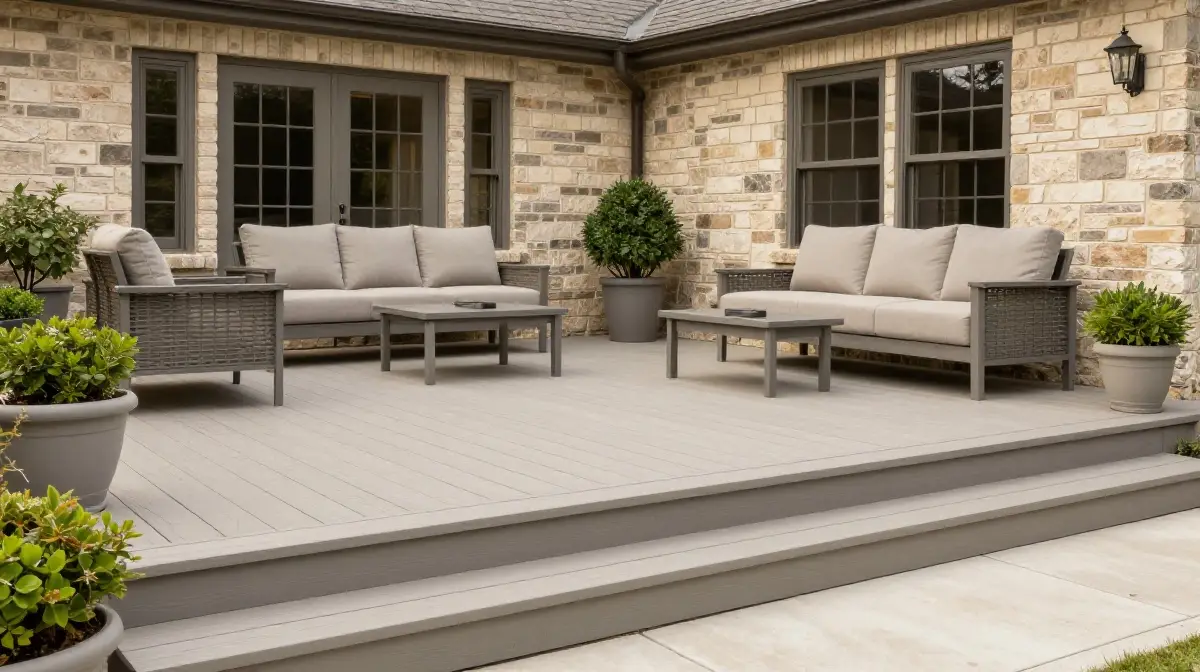
Greige, which is a blend of gray and beige, strikes a perfect balance between cool and warm tones. It suits a wide range of architectural styles, from traditional to modern, and coordinates beautifully with stone, brick, and painted siding. Warm greige is an especially versatile choice for homeowners who want a neutral tone without committing to a stark gray.
Charcoal Gray
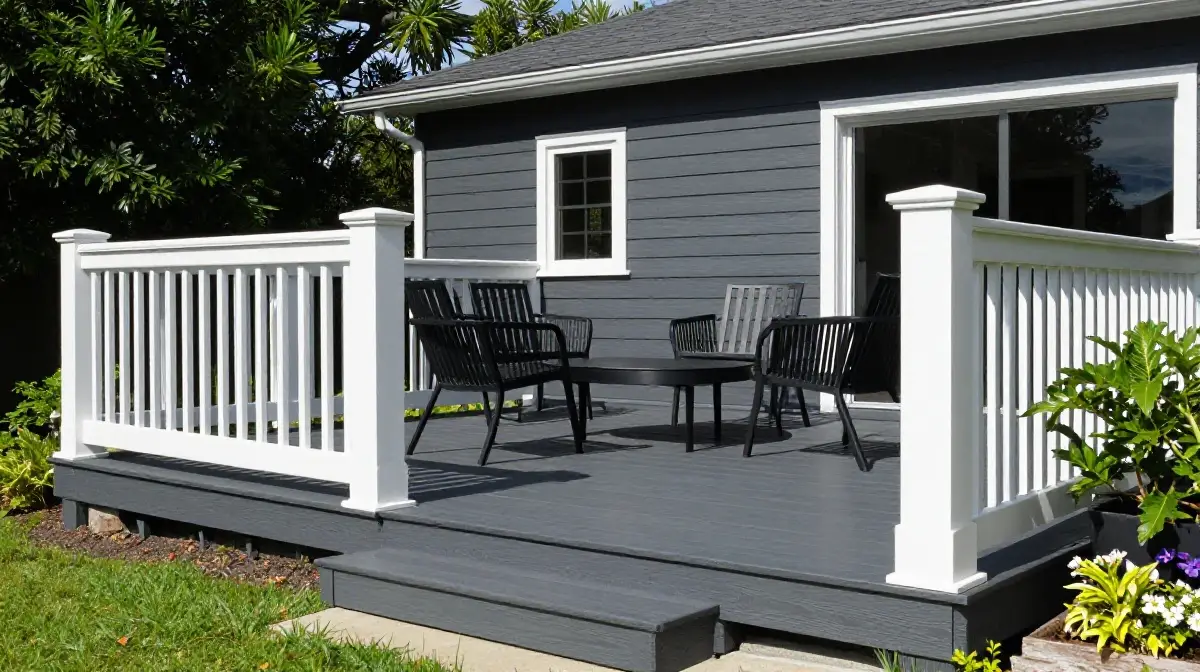
For a bold, dramatic statement, charcoal gray is a stunning choice. It delivers a sleek, sophisticated look that is popular in modern and minimalist outdoor designs. Charcoal pairs beautifully with crisp white trim, natural wood furniture, and bright accent plants. It does absorb more heat than lighter shades, so it is best suited to decks with some shade coverage.
Coastal Gray
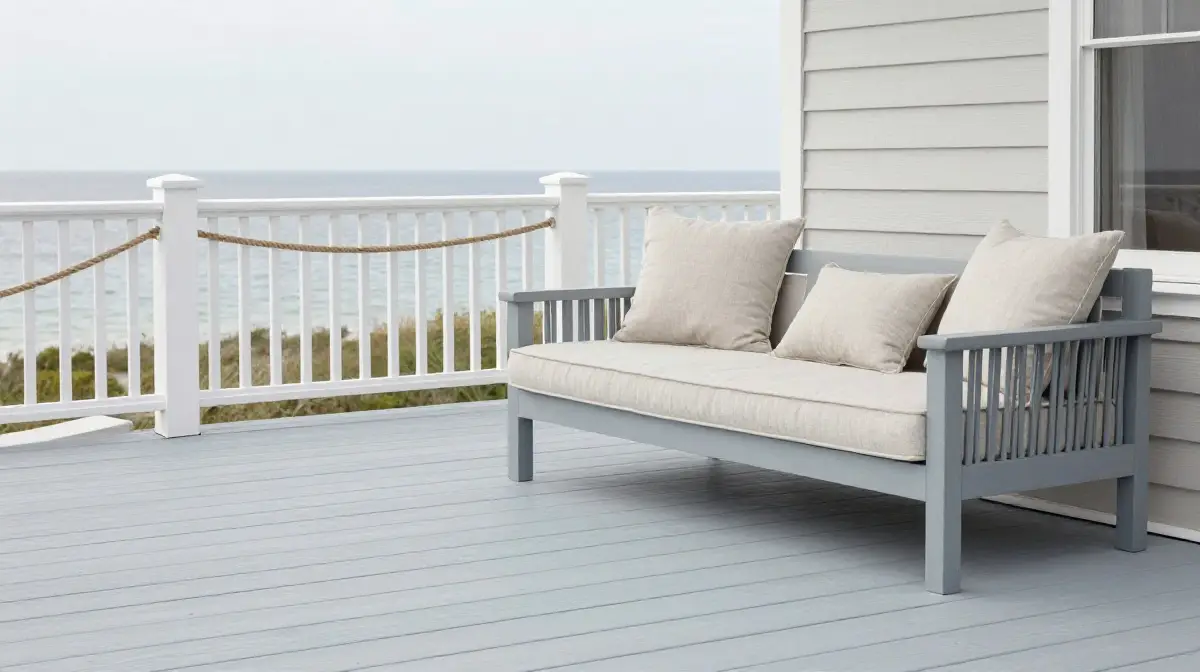
Coastal gray has soft blue undertones that evoke a relaxed, beachside atmosphere. It is a calming color that works exceptionally well for homes near the water or for homeowners who want to bring a seaside feel to their backyard. Paired with white railings and natural rope accents, coastal gray creates a genuinely serene outdoor retreat.
Classic Black
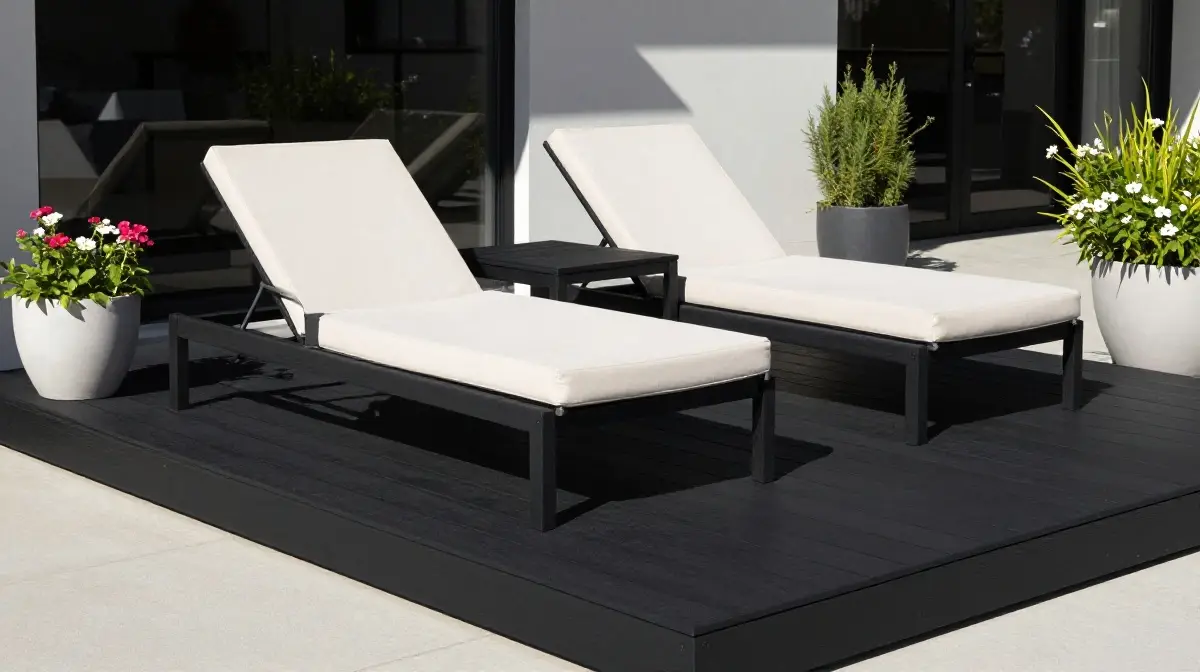
Black decking has become an increasingly popular choice for modern homes. It delivers an ultra-sleek, high-contrast look that turns a simple deck into a design statement. To prevent the space from feeling too dark or heavy, pair a black deck with light-colored outdoor furniture, potted plants, and bright accessories. One practical note: black surfaces do absorb significant heat, so area rugs and footwear are a good idea during summer.
Navy Blue
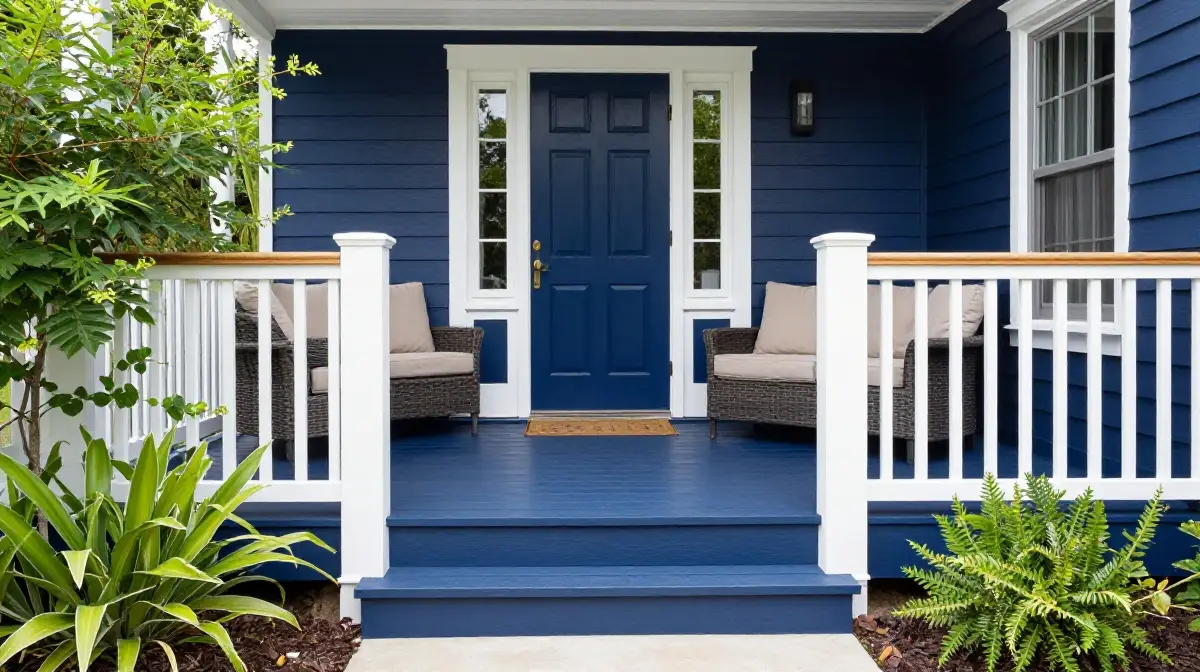
Navy blue is a bold yet sophisticated color that works exceptionally well on both traditional and contemporary homes. It adds a sense of depth and elegance to outdoor spaces and pairs beautifully with white trim and natural wood accents. A navy deck creates a strong visual anchor in the yard without feeling overwhelming, especially when softened by surrounding greenery.
Deep Slate Blue
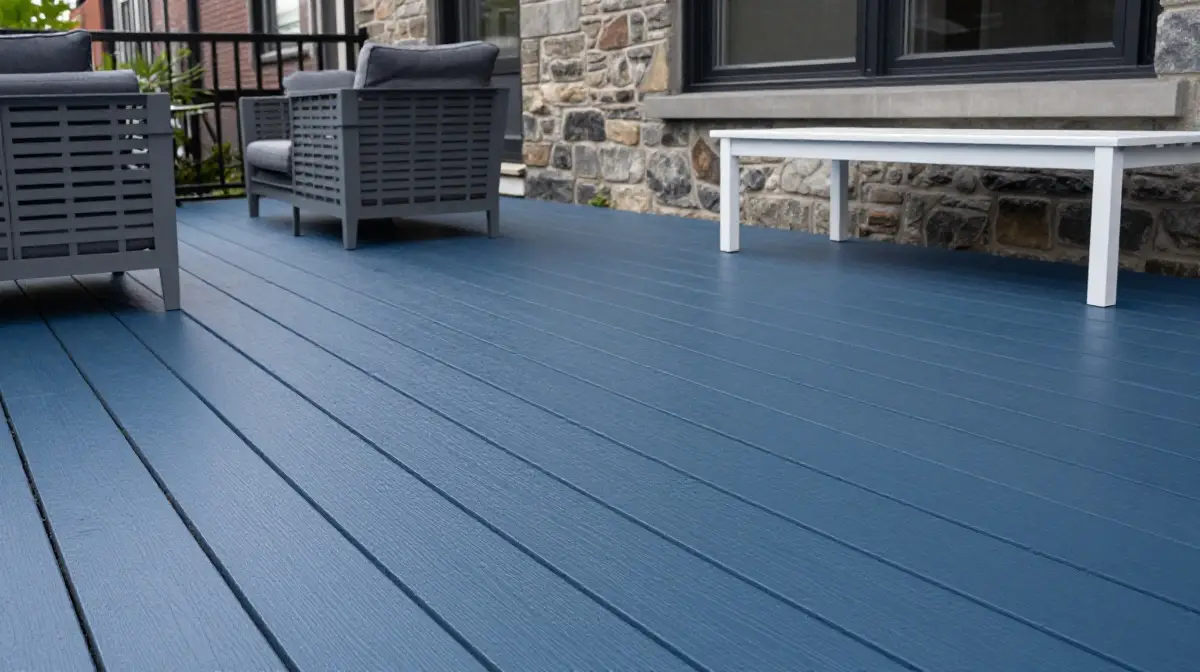
Similar to navy but with cooler, more muted undertones, deep slate blue gives a deck a polished, almost architectural quality. It works well in urban settings and complements homes with stone or painted brick exteriors. This shade bridges the gap between gray and blue, offering the versatility of both.
Forest Green
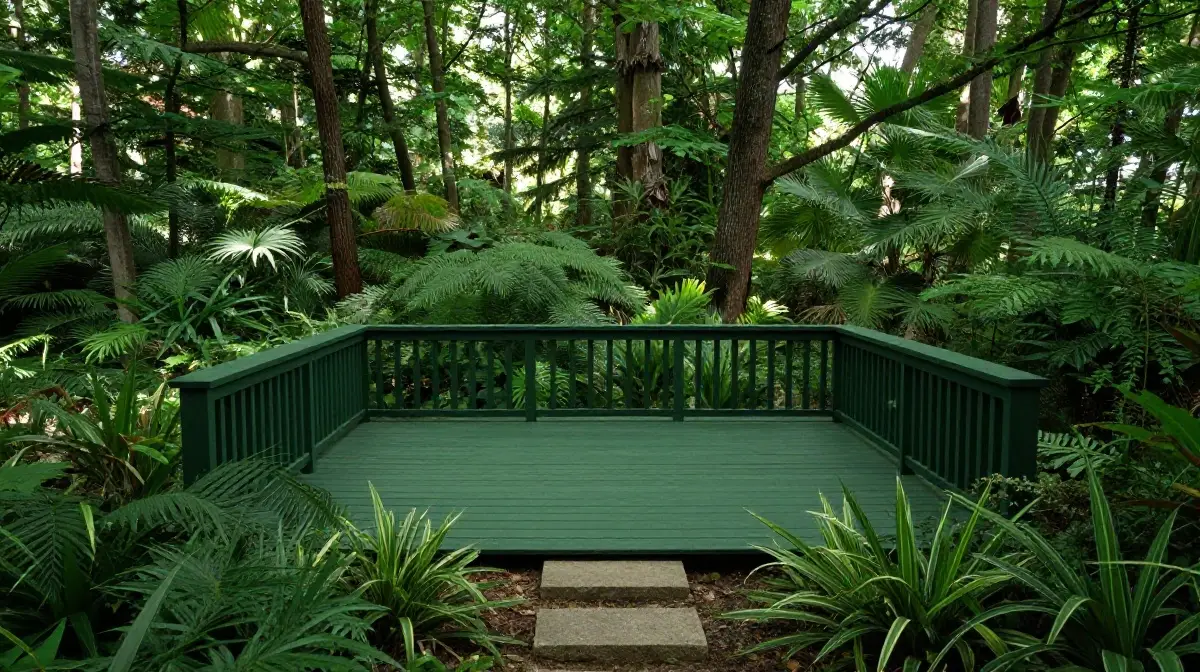
Earthy sage and forest green shades have been trending strongly in recent years. These colors blend seamlessly with natural surroundings, creating a deck that feels like an organic extension of the garden. Forest green works particularly well for decks surrounded by trees or lush plantings, reinforcing the connection between the built structure and the natural environment.
Terracotta
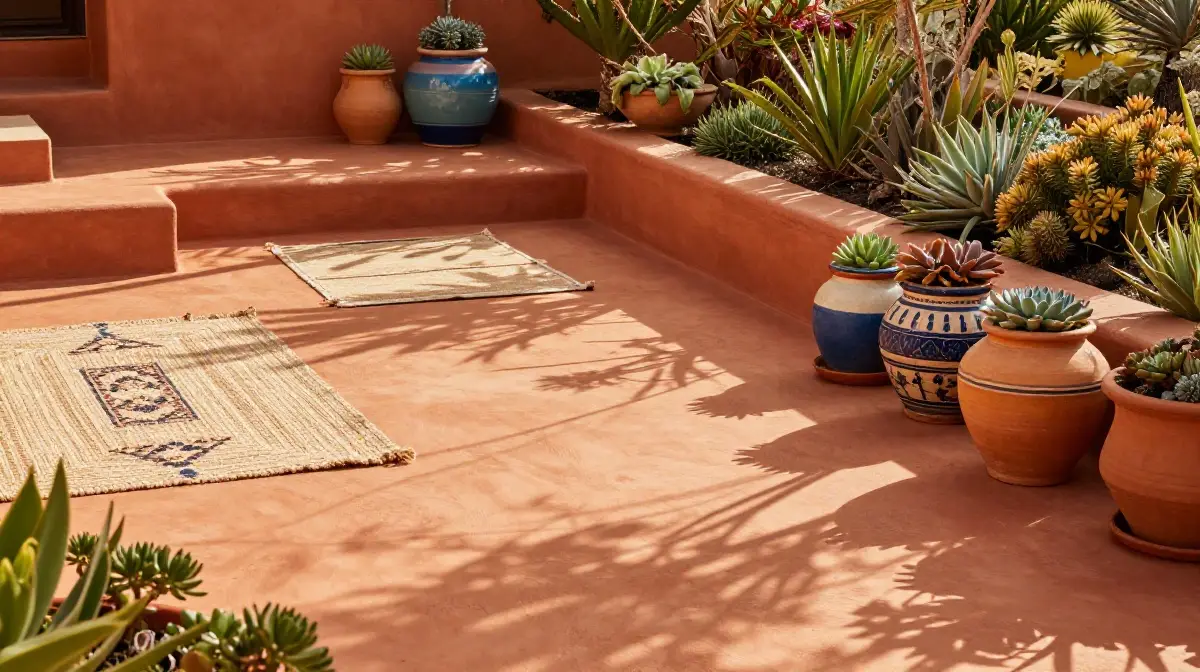
Terracotta has made a strong comeback in outdoor design. This warm, clay-inspired tone adds a Mediterranean or Southwestern character to a deck space and pairs beautifully with warm-toned furniture, ceramic planters, and woven textiles. Terracotta is a particularly good choice for sun-drenched outdoor spaces where you want the deck to radiate warmth and personality.
Tan and Beige
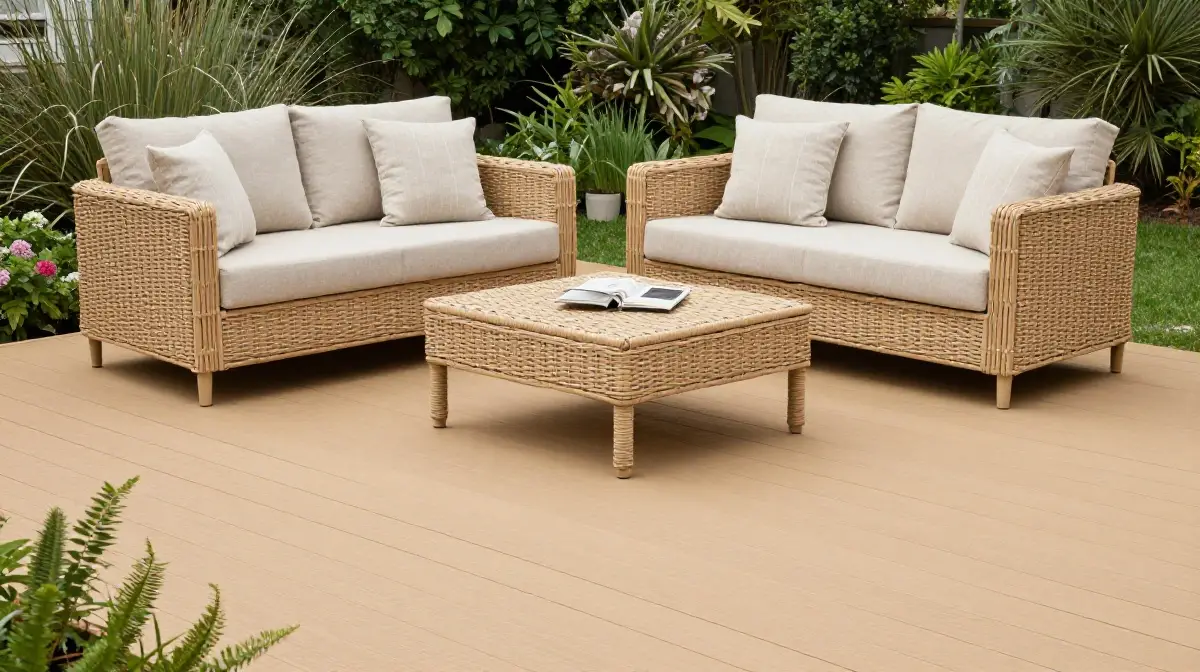
Tan and beige are perhaps the most versatile of all deck paint colors. They work like a neutral canvas, complementing virtually any outdoor furniture style, garden palette, or home exterior. Beige is also a smart choice from a resale perspective since it appeals to a wide range of buyers. If you prefer something slightly cooler, a pale taupe offers similar versatility with a hint of gray.
Cordovan Brown
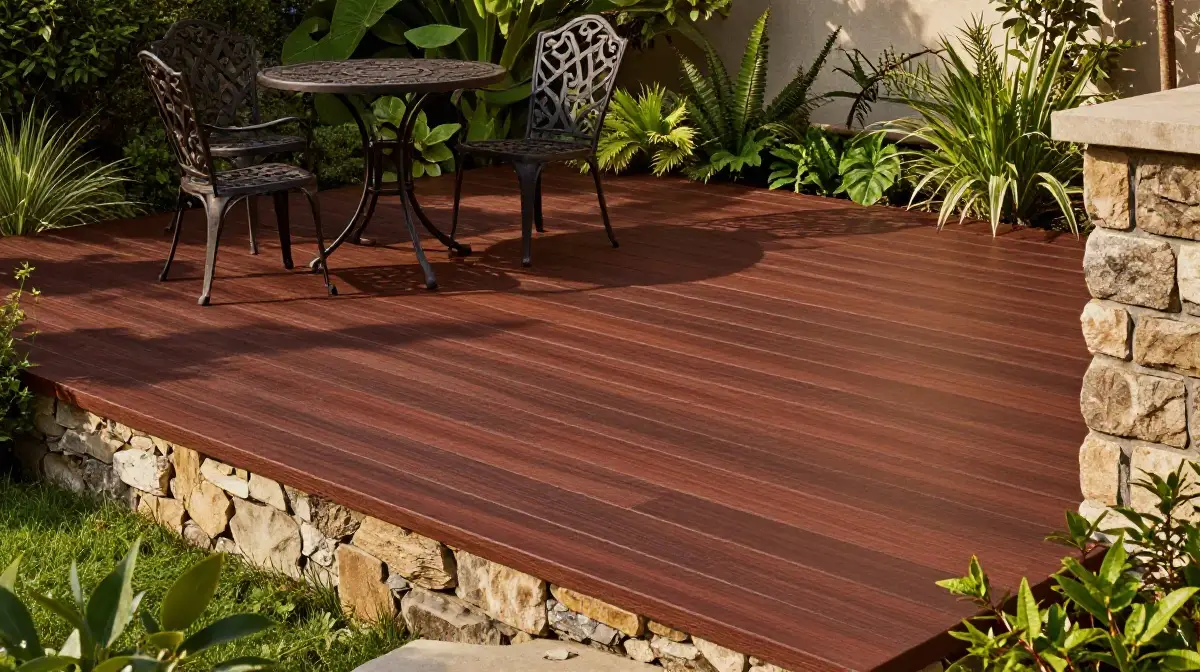
This deep, rich brown with subtle red undertones adds a layer of luxury and warmth to any deck. It is particularly effective on large decks where you want the surface to feel grounded and intimate. Cordovan brown pairs well with natural stone, wrought iron furniture, and lush green plantings.
Fairview Taupe
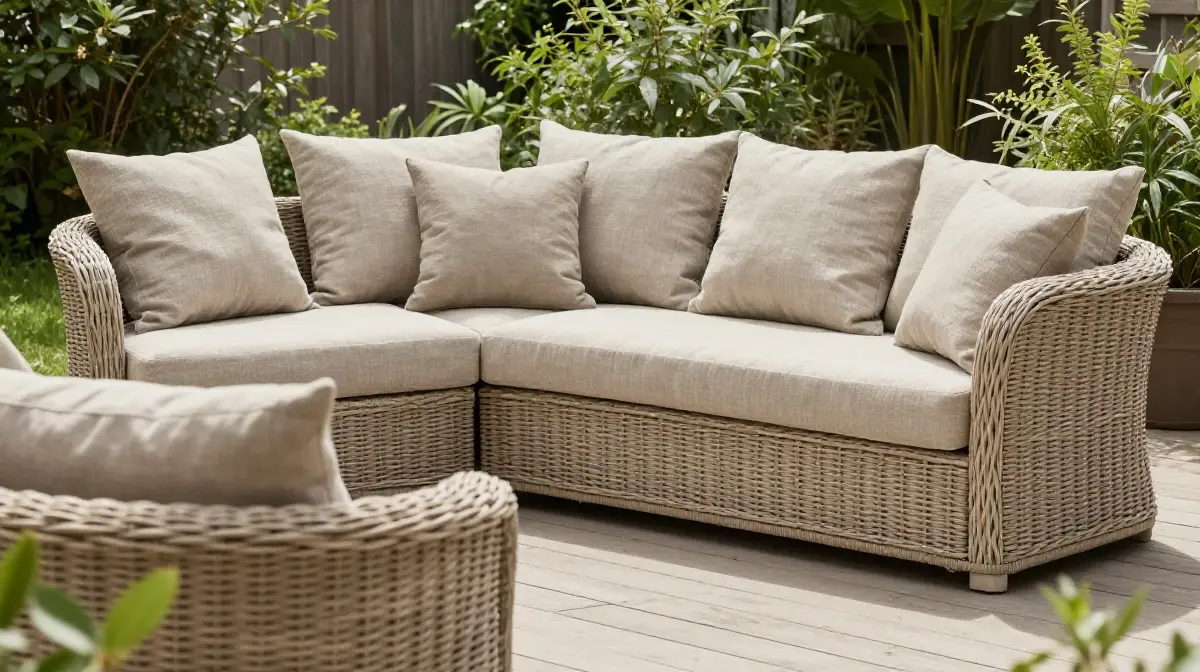
Fairview taupe is a light, earthy tone that keeps outdoor spaces feeling cool and comfortable even during summer. It has a breezy, summery quality that works well for relaxed, casual outdoor living spaces. Paired with natural linen cushions and wicker furniture, this shade creates an effortlessly inviting deck environment.
Bold Red
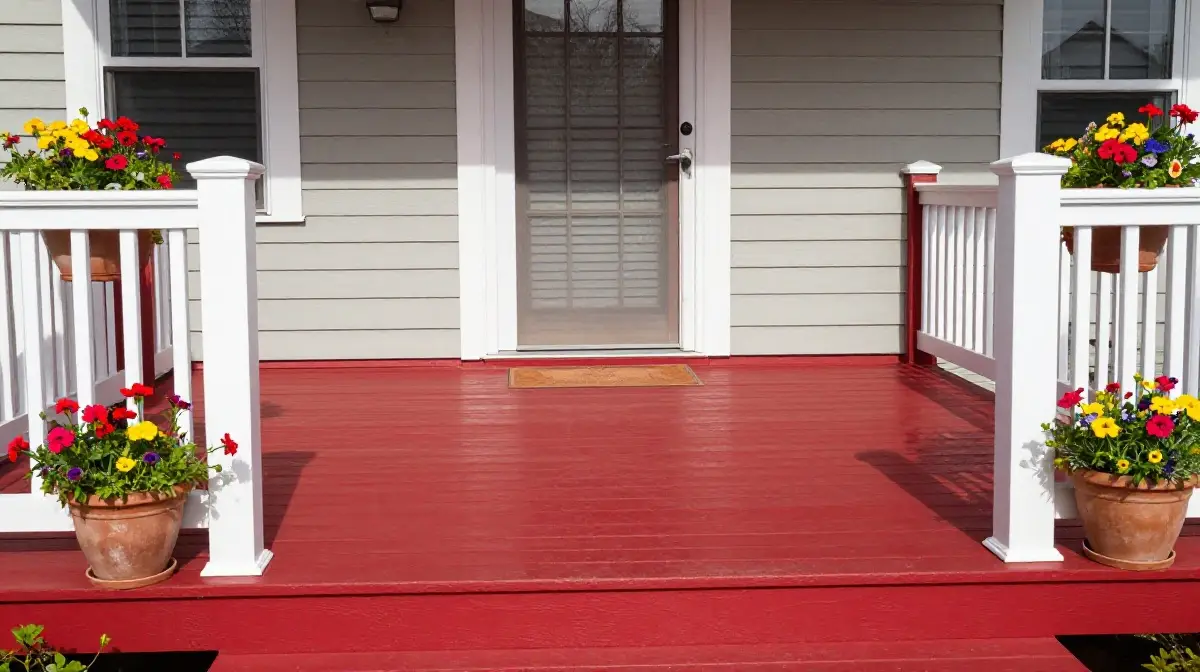
Red is a commanding color choice for those who love personality in their outdoor spaces. It draws the eye, creates energy, and gives a deck an undeniably welcoming character. All shades of red, from deep burgundy to bright barn red, have a timeless quality that works for both traditional and eclectic home styles. Bold red is best paired with neutral home exteriors to avoid visual overload.
Weathered Cedar
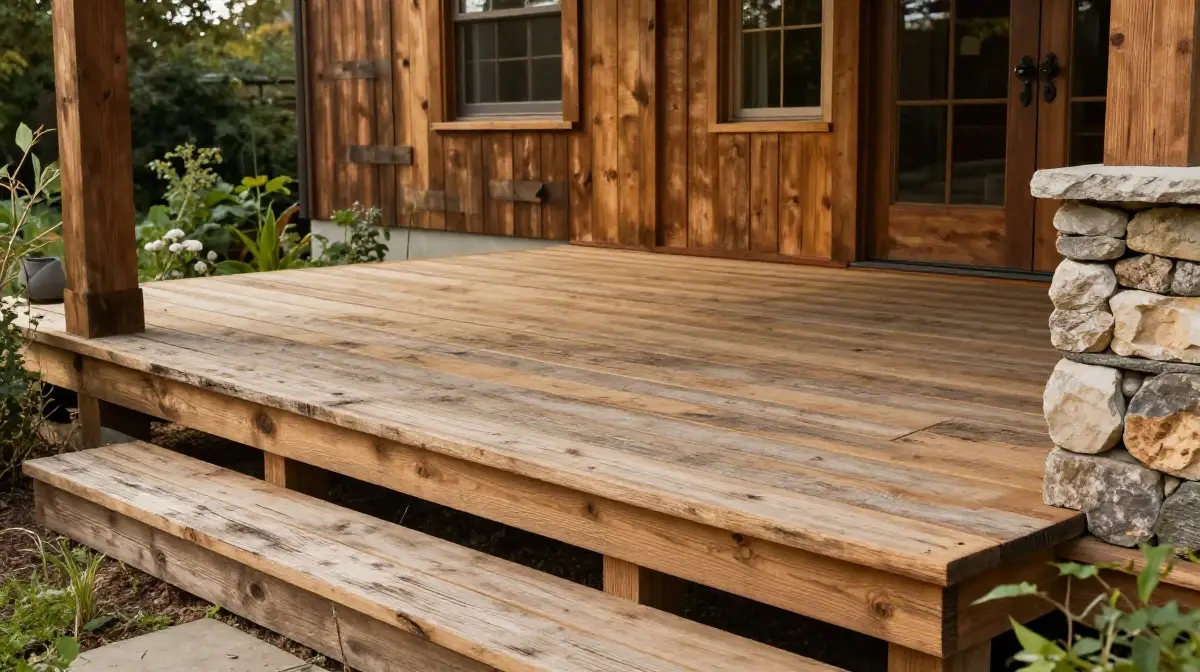
Weathered cedar tones capture the beauty of naturally aged wood without requiring you to leave your deck unprotected. This warm, rustic shade works beautifully with natural stone, exposed wood beams, and organic garden textures. It is an excellent choice for homes with a craftsman, cabin, or farmhouse architectural style.
Two-Tone and Contrasting Color Combinations
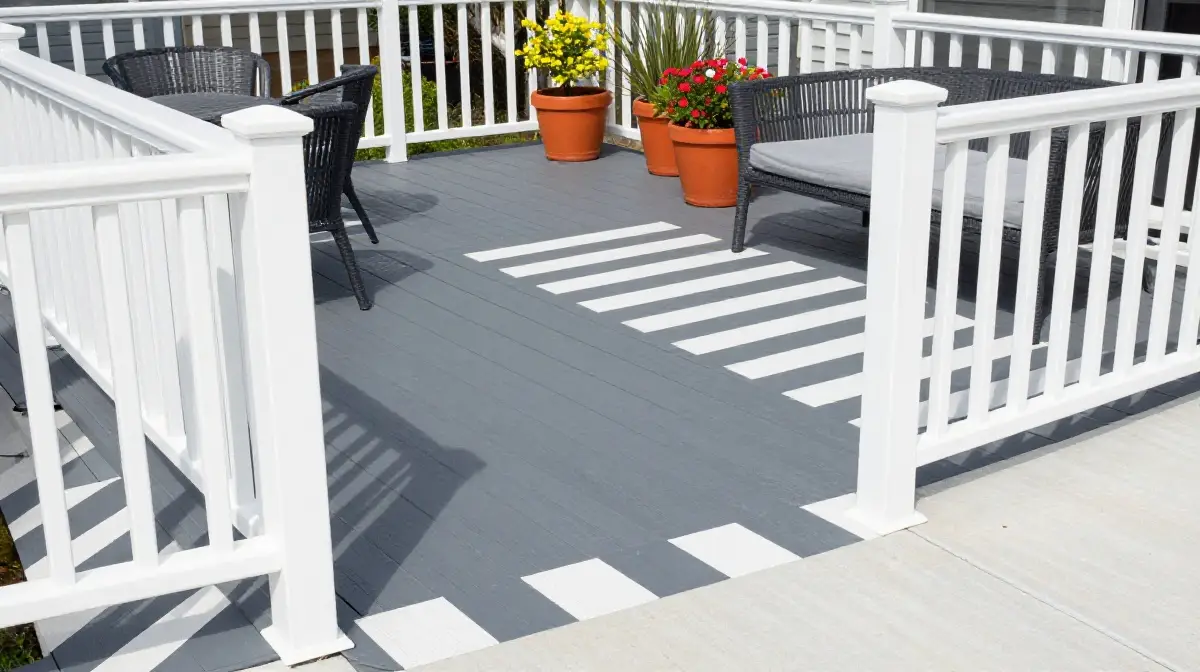
One of the more creative approaches to deck paint colors is using two complementary shades to define different zones. For example, painting the deck floor in charcoal and the railings in crisp white creates a bold visual contrast. Alternating tones in a striped or geometric pattern can add depth and visual interest, turning your deck into an intentional design feature rather than just a functional surface.
Sage Green
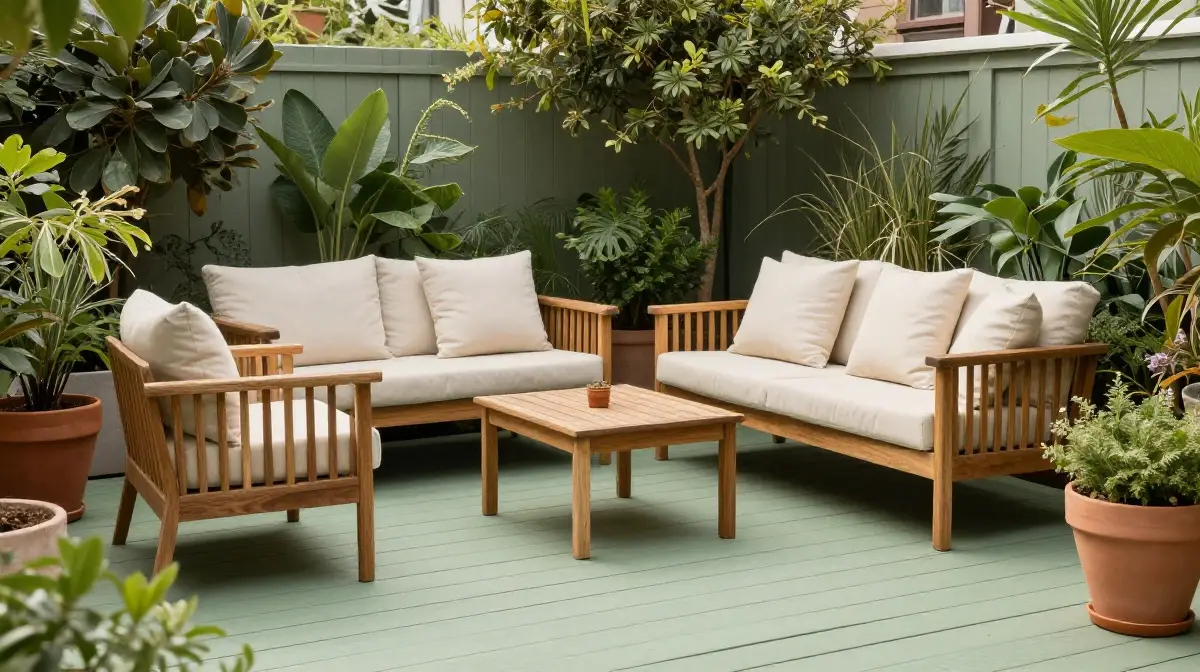
Sage green rounds out this list as a color that has become a genuine favorite among homeowners and designers alike. It is soft enough to feel calming yet distinct enough to give the deck a clear identity. Sage pairs beautifully with warm wood tones, cream-colored furniture, and terracotta accents. It works in both contemporary and traditional settings and connects naturally with garden plantings.
Conclusion
Refreshing your deck with a new coat of paint is one of the most rewarding home improvement projects you can undertake. The right deck paint color does more than improve appearance. It protects the surface, defines your outdoor living space, and reflects your personal style to everyone who visits. Whether you lean toward the timeless appeal of warm brown, the modern edge of charcoal gray, the bold personality of navy blue, or the organic warmth of sage green, there is a perfect shade waiting to transform your outdoor space. Take the time to explore your options, test samples in natural light, and choose a color that you will love for years to come.
You may also like this:20 Mimosa Bar Ideas for Stylish Party Setups
Frequently Asked Questions (FAQ)
FAQ 1. What are the most popular deck paint colors right now?
Gray shades, including light gray, warm greige, and charcoal, are currently the most popular deck paint colors. Navy blue, sage green, and terracotta are also trending strongly, while classic brown and tan remain timeless favorites across all home styles.
FAQ 2. Is it better to paint or stain a deck?
Paint offers a broader range of color choices and creates a protective film on the surface, making it a strong option for covered decks and older wood. Stain penetrates the wood and allows it to breathe, which tends to work better for newer decks and pressure-treated lumber. Your choice depends on the condition of your deck and the finish you prefer.
FAQ 3. What deck paint color is best for hiding dirt and wear?
Darker shades such as deep brown, charcoal, and dark gray are the best deck paint colors for concealing dirt, dust, and minor surface wear. Matte or low-sheen finishes also hide smudges and imperfections better than high-gloss options.
FAQ 4. How often should you repaint a deck?
Most decks need to be repainted or restained every two to five years, depending on the quality of the paint used, the level of foot traffic, and the local climate. Decks in harsh weather conditions or with heavy use may need attention more frequently.
FAQ 5. Can dark deck paint colors make the surface too hot to walk on?
Yes, dark deck paint colors absorb more sunlight and can make the surface noticeably hotter, particularly in direct sunlight during summer. If your deck receives full sun, choosing a lighter shade or placing outdoor rugs in high-traffic areas can help manage surface temperature comfortably.