
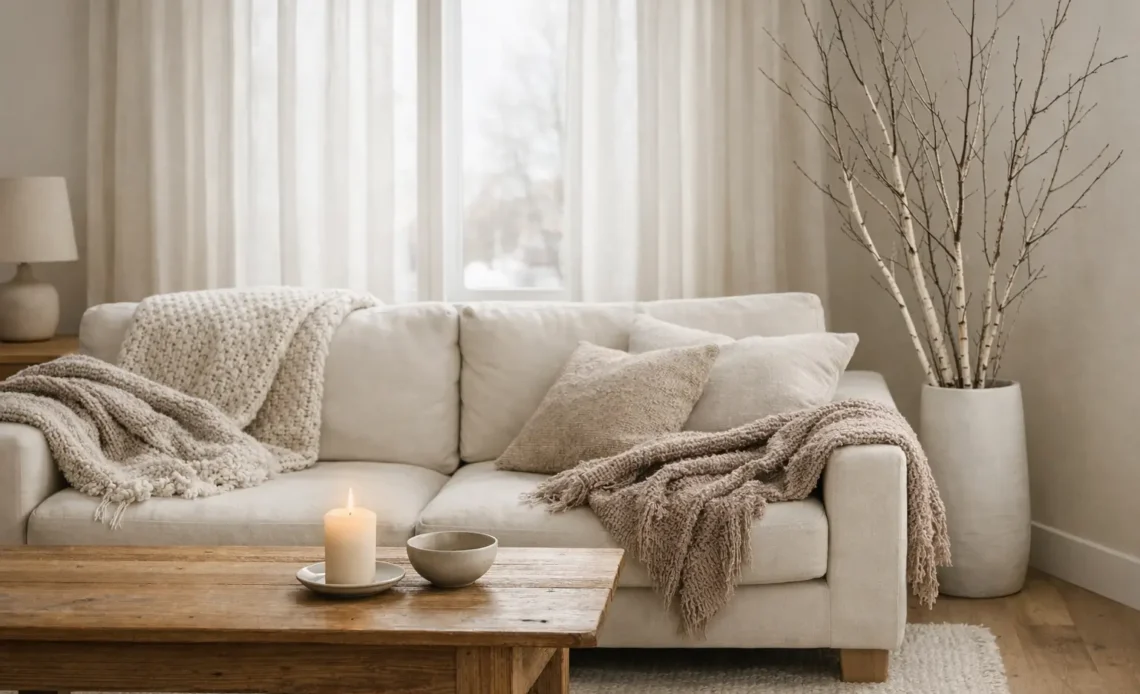
The moment Christmas ends, a familiar feeling sets in. The ornaments come down, the tree disappears, and suddenly the living room feels emptier than it has all year. That post-holiday hollowness is real, and it catches most people off guard. The good news is that making your home cozy after Christmas does not require buying new things, stacking up seasonal decor, or spending hours rearranging furniture. With a few thoughtful, intentional choices, you can carry warmth and comfort all the way through January and into February without a single bit of clutter.
This guide walks you through 16 practical, beautiful ideas to keep your home feeling like a peaceful retreat long after the holiday season wraps up.
Start by Decluttering Before You Decorate Anything

Before adding a single winter element, remove everything that is distinctly Christmas. Santa figurines, red-and-green garlands, ornaments, stockings, nutcrackers, and themed signage all need to go. Clear surfaces down to a clean base so you are working with a blank canvas. This single step makes the biggest difference. A home that feels stripped back to its bones is far easier to layer with calm, intentional warmth than one still half-decorated for the holidays. Pack everything neatly into labeled bins, and while you are at it, donate any pieces you did not use this season.
Choose a Warm Neutral Color Palette

After the reds, greens, and golds of Christmas, shifting to a quieter color palette creates immediate calm. Soft creams, warm beiges, taupes, and warm grays work beautifully for the post-holiday months. These tones reflect whatever natural light comes through windows on short winter days, making rooms feel more spacious and serene. For subtle depth, introduce small touches of charcoal, muted forest green, or dusty navy through cushion covers or a throw blanket. Keep the overall mood soft and unhurried.
Layer Textures Instead of Adding More Things

One of the most effective winter decorating strategies is building coziness through texture rather than volume. Chunky knit throws, velvet pillow covers, faux fur rugs, wool blankets, and linen drapes all add visual warmth without contributing clutter. Drape a sheepskin over a chair arm. Fold a thick knit throw over the back of the sofa. Place a soft area rug on a cold hardwood floor. The goal is for the room to feel tactile and inviting, as if every surface is something you want to touch.
Switch to Warm, Layered Lighting

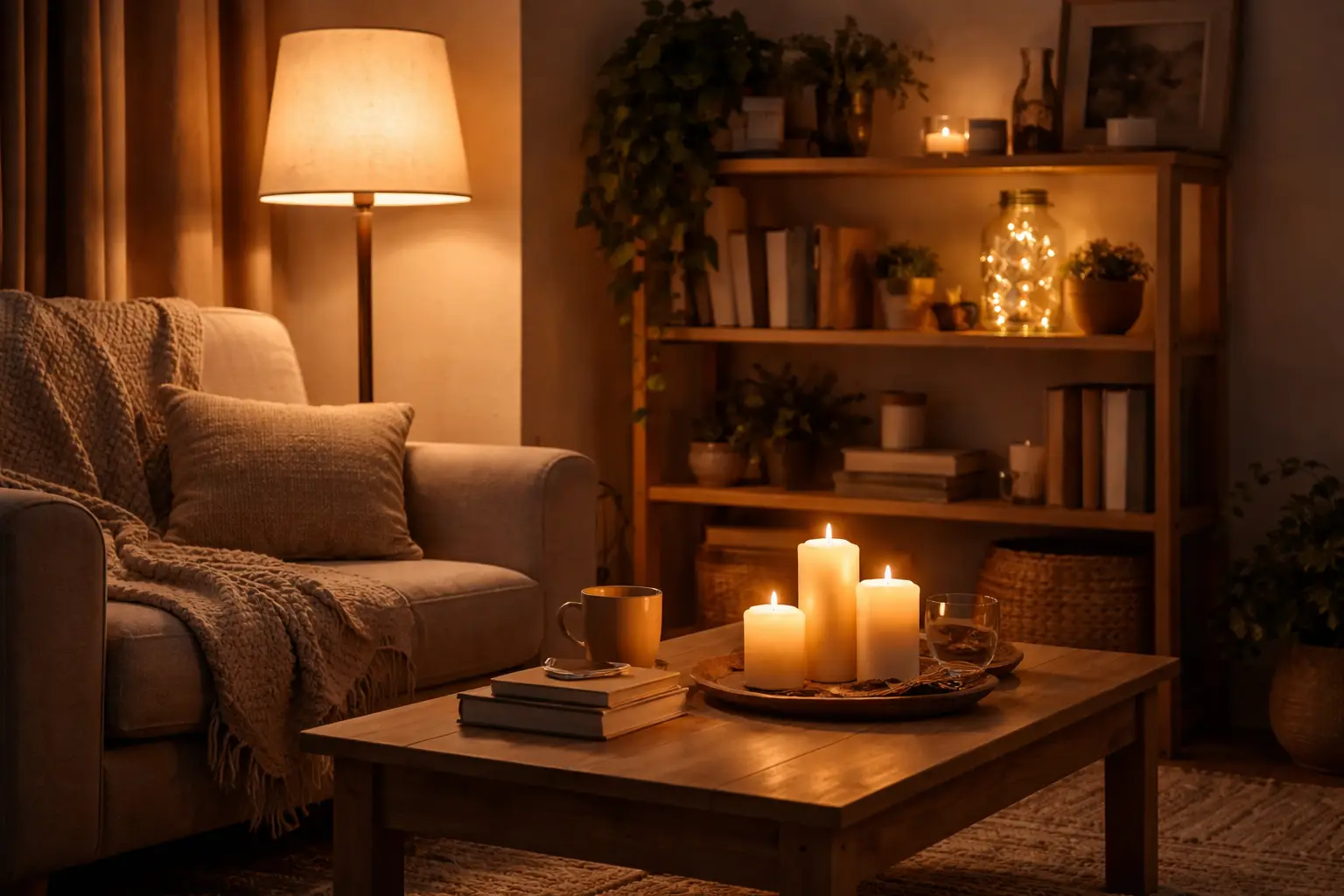
Overhead lighting is the enemy of a cozy January evening. Switch it off and reach instead for table lamps, floor lamps, and candles grouped in clusters on shelves and coffee tables. Pillar candles in neutral wax tones look especially good on stone or wooden surfaces. A handful of taper candles at different heights on a dining table creates an instant atmosphere that no ceiling fixture can replicate.
There is no rule that says string lights belong only at Christmas. Battery-operated fairy lights coiled inside glass jars, lanterns, or tucked along a bookshelf cast a soft golden glow that feels cozy through the coldest months. Keep them running after the tree comes down. They cost nothing extra and dramatically change the mood of a room at night.
Bring in Natural Elements
Nature provides the best post-Christmas decor and most of it is free or very inexpensive. A basket of pinecones on a coffee table, a vase of bare birch branches, a bowl of smooth river stones, or a bundle of dried eucalyptus stems on a bookshelf all bring organic warmth into a space. These elements do not belong to any particular holiday and can stay in place comfortably from January well into March. They also age gracefully, which means you are not rushing to swap them out every few weeks.
Keep Greenery, Just Change It
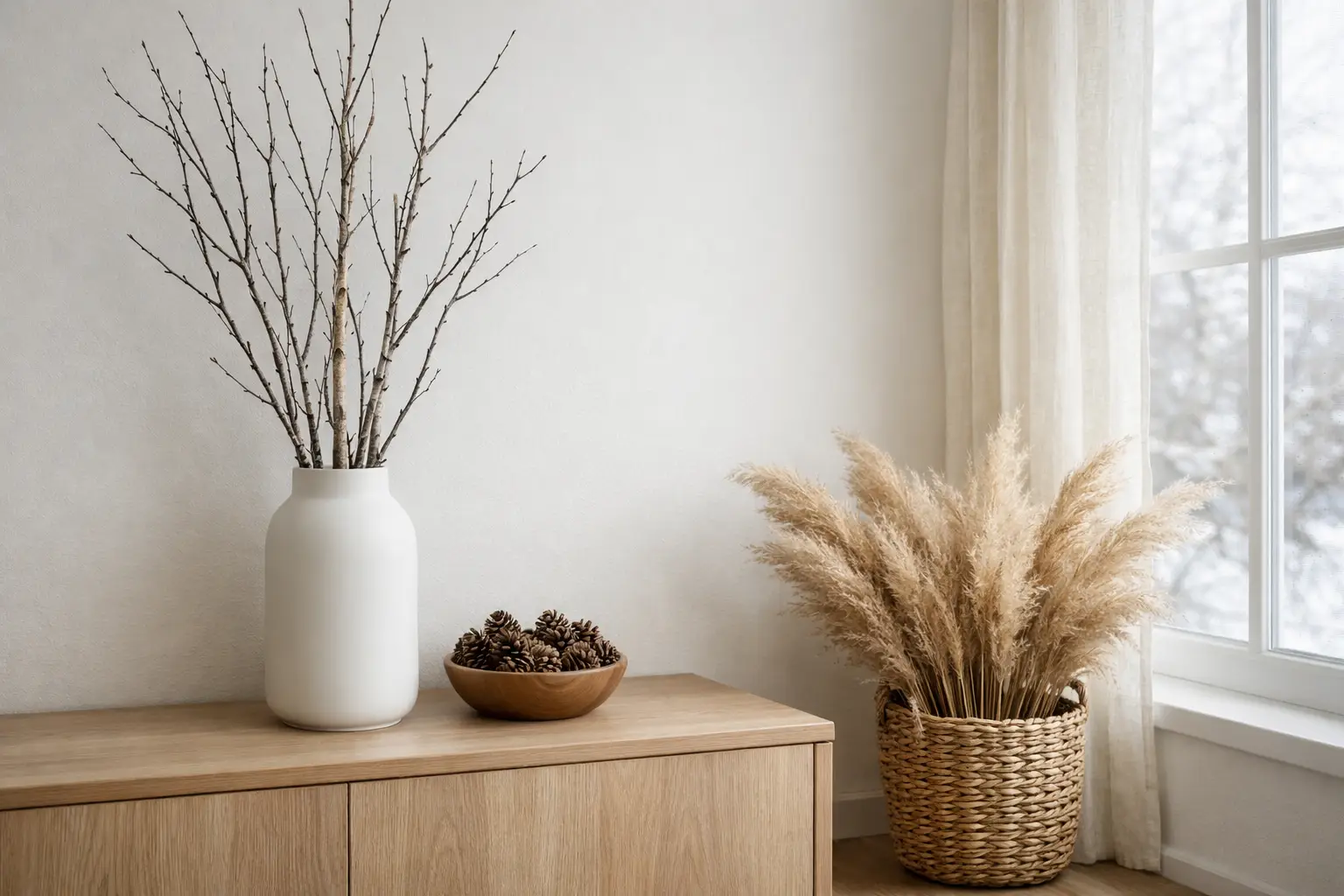
Removing every trace of green from a home in January tends to make rooms feel cold and sterile. Instead of clearing greenery entirely, simply replace Christmas-specific pieces with more neutral options. Swap out flocked or heavily decorated garlands for simple eucalyptus stems, cedar branches, or dried botanicals. Potted plants like snake plants, pothos, or a small olive tree maintain life and color without reading as festive. If you have an evergreen wreath on the front door, remove any red ribbons or ornaments and the wreath itself becomes a clean, neutral winter accent.
Refresh Your Mantel Without Overcrowding It

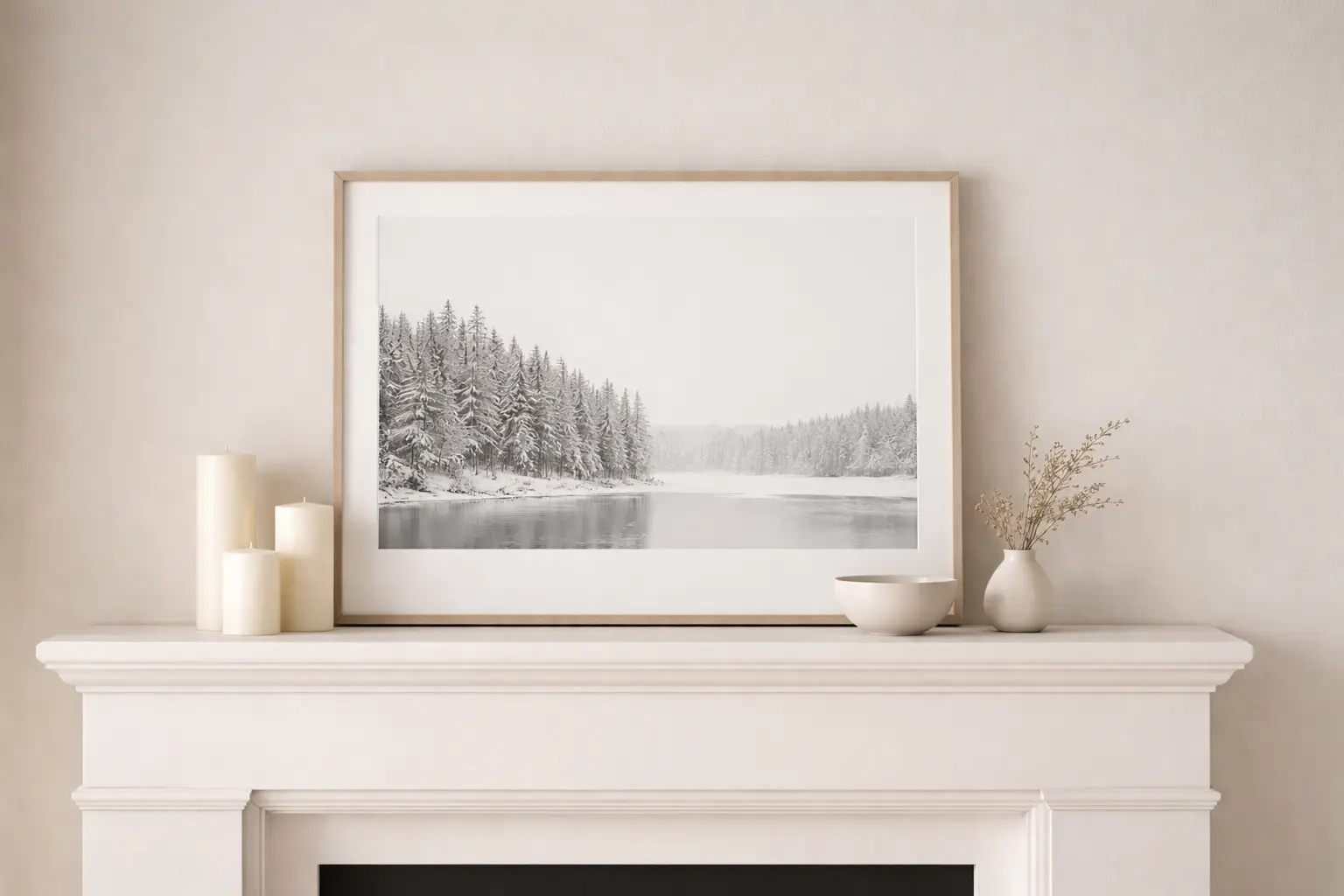
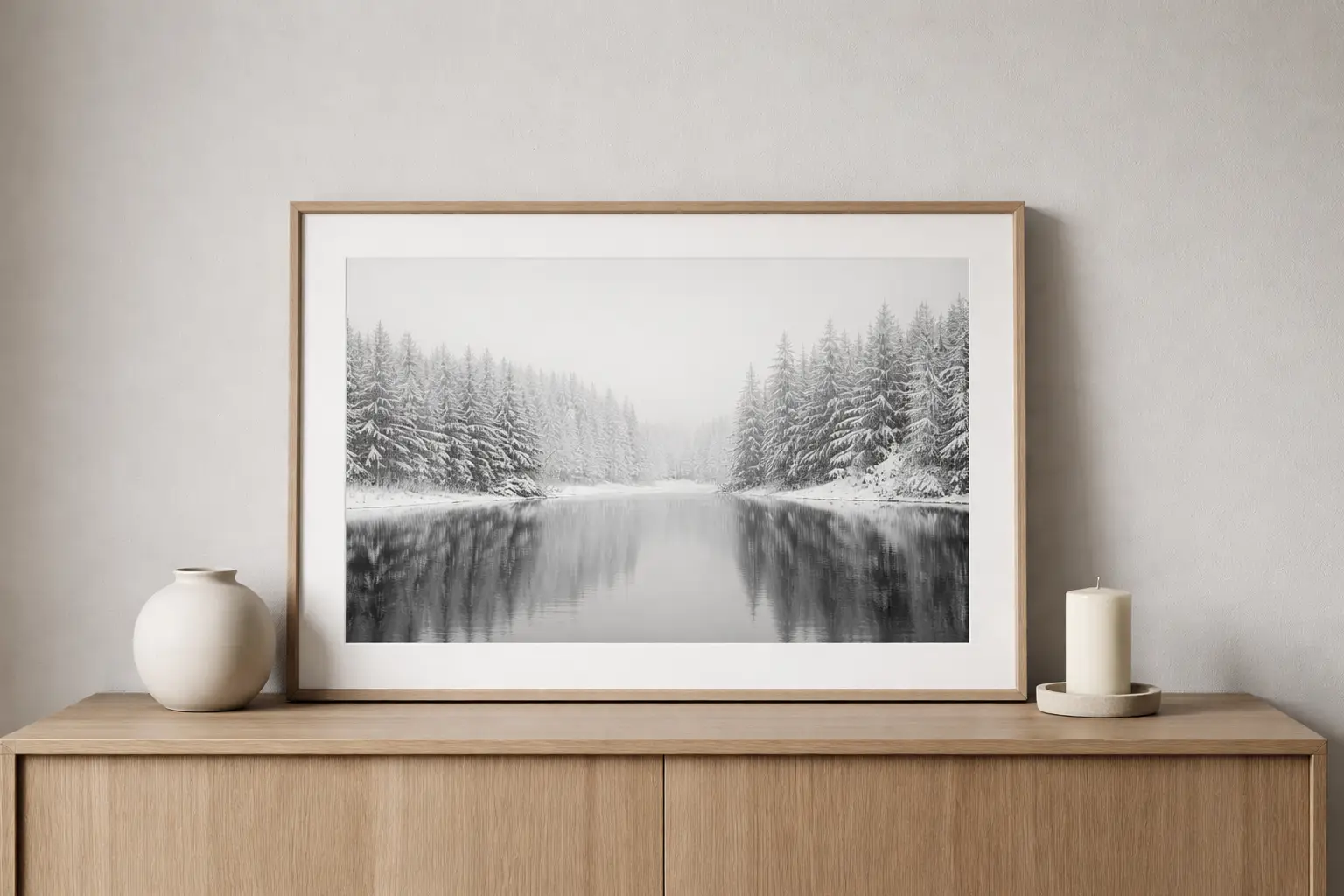
The mantel is often the visual centerpiece of a living room, and it deserves a thoughtful winter reset. Lean a large piece of winter-themed artwork or a simple black-and-white landscape print against the wall as a backdrop. In front of it, arrange a few pillar candles at varying heights, a small ceramic bowl, and perhaps a sprig of dried botanicals. That is enough. Resist the urge to fill every inch. A partially empty mantel with a few intentional objects will always look more polished than one crowded with mismatched pieces.
Create a Cozy Reading Corner
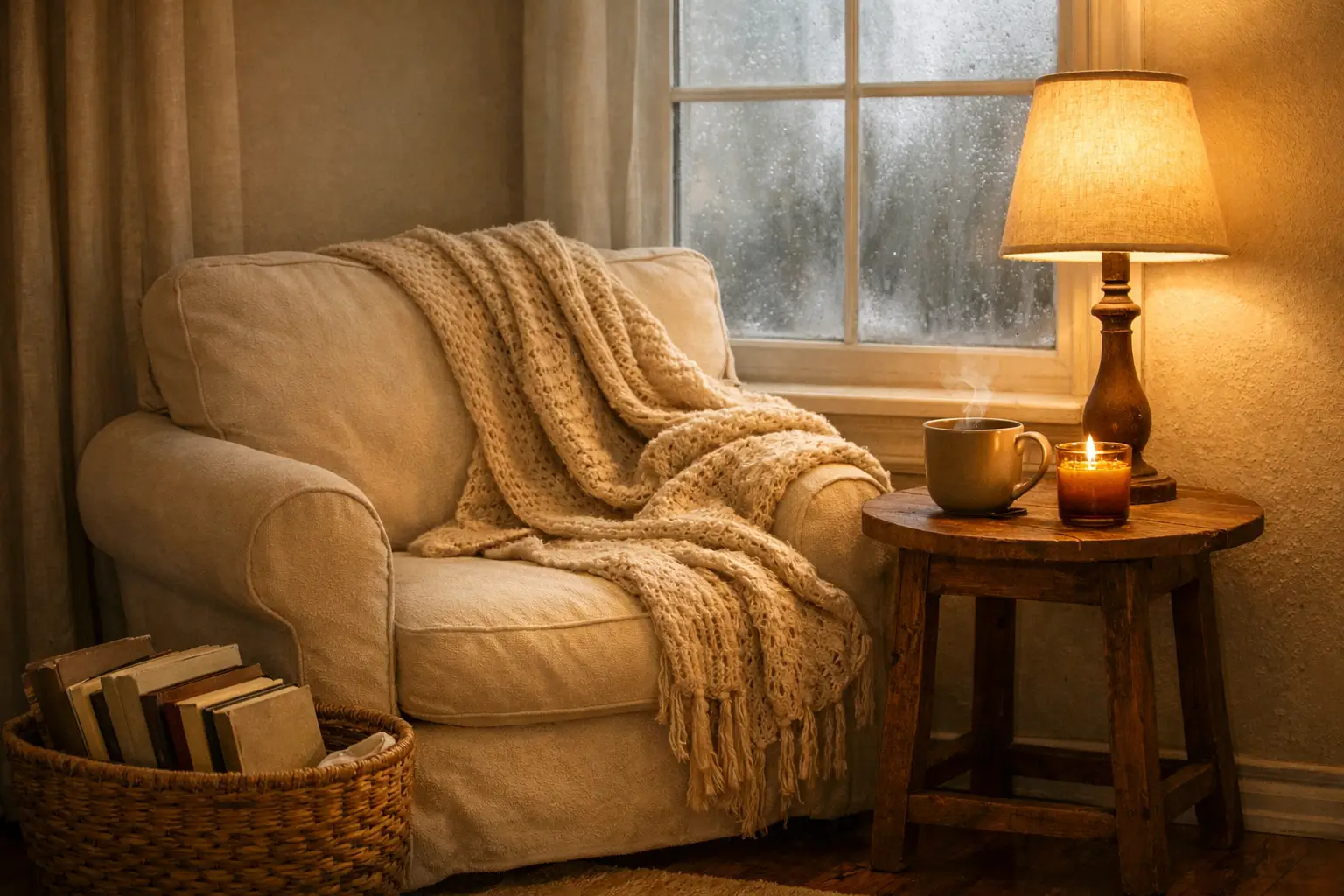
January is the ideal month for reading, and a dedicated cozy corner makes the whole season feel like a deliberate retreat rather than an empty stretch after the holidays. Pull a comfortable armchair toward a window or beside a lamp. Layer it with a soft throw and a couple of pillows. Add a small side table with a candle and a hot drink. Place a basket of books within arm’s reach. The corner does not need to be large. Even a single well-styled chair in a quiet part of the room creates a sanctuary that makes the home feel thoughtfully lived in.
Update Your Bedding for Deep Winter Comfort
The bedroom is where coziness matters most in winter, and bedding is the easiest place to make an immediate impact. Layer heavier duvets or quilts, add flannel pillowcases, and fold a thick throw blanket across the foot of the bed. Neutral tones in cream, oatmeal, or soft gray keep the look clean and calm. A pair of warm slippers and soft pajamas within reach completes the picture. This is one of the most affordable ways to transform how your home feels during the bleakest winter weeks.
Style Your Entryway for a Calm First Impression

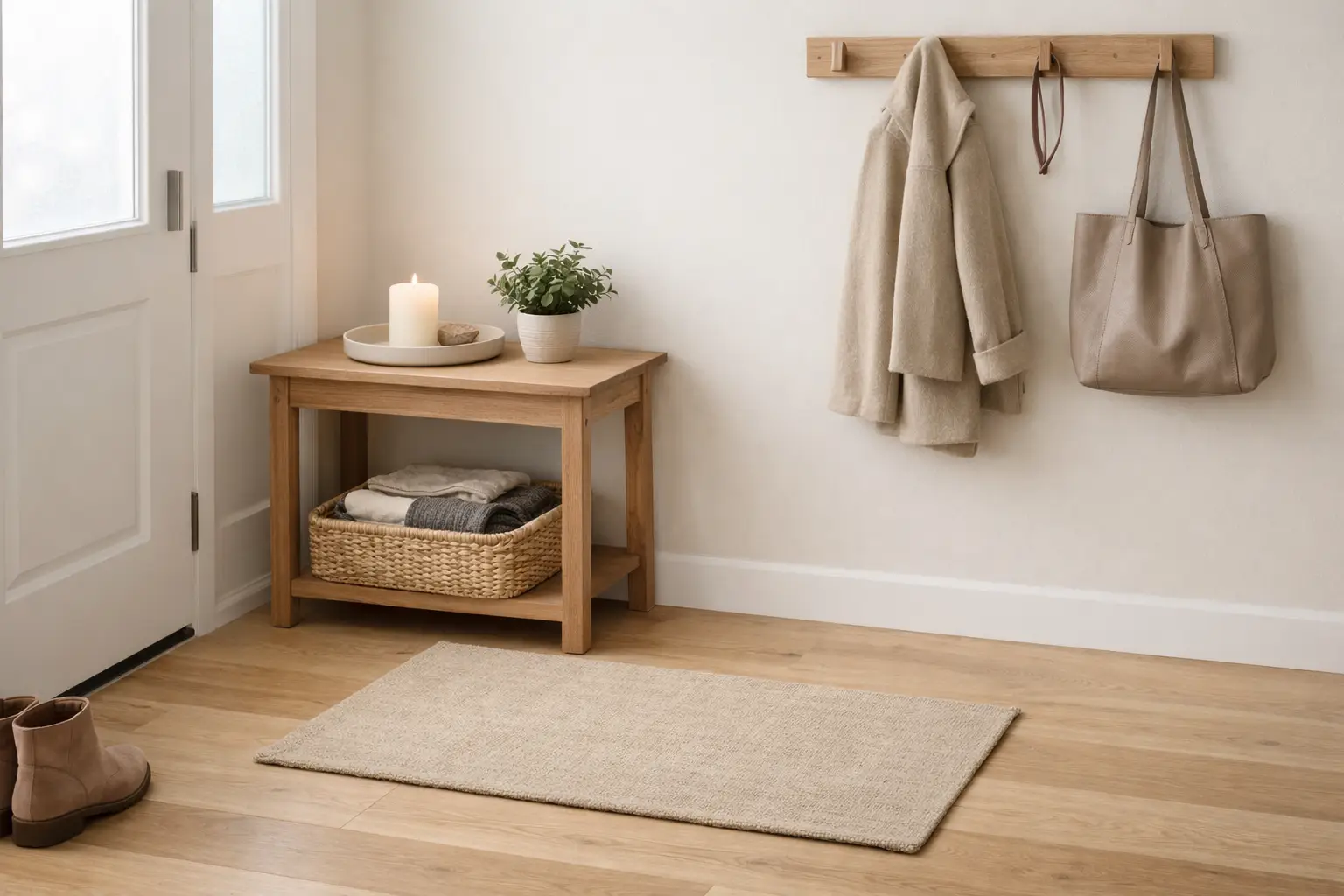
The entry of a home sets the emotional tone for everything that follows. After Christmas, clear it completely and rebuild it simply. A neutral winter doormat, a small tray for keys, a woven basket for scarves and gloves, and a single candle or small potted plant is all you need. The entryway should feel organized and welcoming rather than busy. A calm, tidy entry instantly makes the whole home feel more restful.
Add Winter Artwork or Photography
Wall art is one of the most underused tools in seasonal decorating. Swapping in a winter landscape print, a black-and-white nature photograph, or even a simple abstract piece in muted tones can shift the entire atmosphere of a room without adding any physical clutter. Prop prints against the wall rather than hanging them permanently and the whole display becomes easy to update as seasons change.
Use Scent to Make Warmth Felt Immediately
Coziness is as much about how a home smells as how it looks. After the cinnamon and pine of Christmas fade, replace them with softer winter scents. Cedar, sandalwood, vanilla, amber, or warm woods all signal comfort and calm without the overt holiday association. A diffuser, a quality soy candle, or a pot of simmering spices on the stove can make a home feel warmer the moment someone walks through the door.
Tackle a Small Home Project

One of the most satisfying ways to make a home feel refreshed after Christmas is to complete a small improvement project. Reorganize a closet, install a peg rail in the kitchen, repaint one wall, or rearrange the furniture in a room that has felt stale. Keep the scope manageable, something that can realistically be finished in a weekend. Small wins like these generate a sense of renewal that no amount of decorating can fully replicate, and they give the home a quietly new energy heading into the new year.
Style Open Shelves with Intention

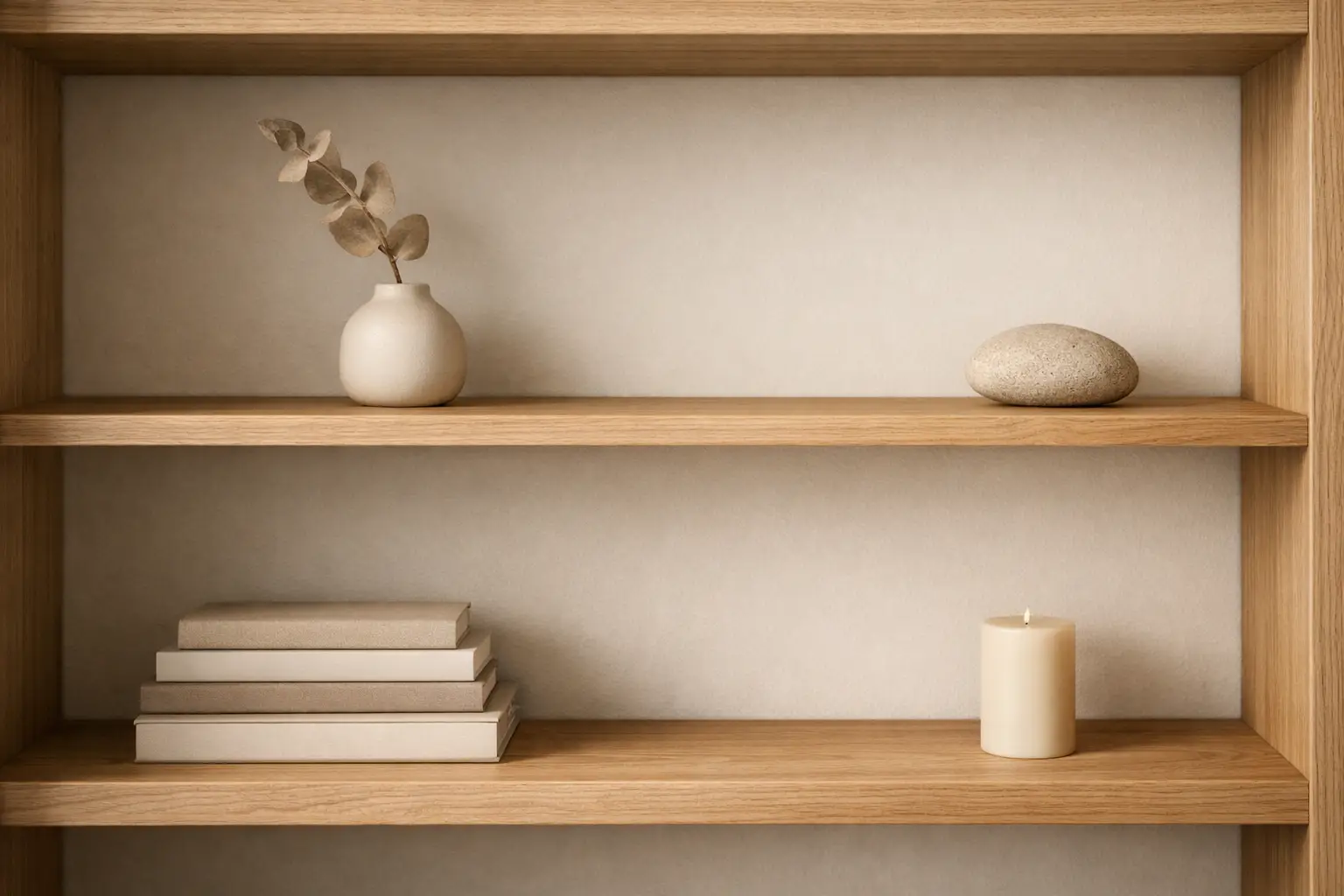
Bookshelves and open kitchen shelves tend to collect holiday overflow. Once Christmas items are removed, resist the urge to fill the gaps immediately. Edit down to the pieces that genuinely belong: stacked neutral books, a small ceramic vase, a single candle, perhaps one dried botanical stem. Negative space on a shelf is not emptiness, it is breathing room. Shelves that are two-thirds full almost always look better than shelves that are completely packed.
Set the Dining Table for Slow Winter Mornings
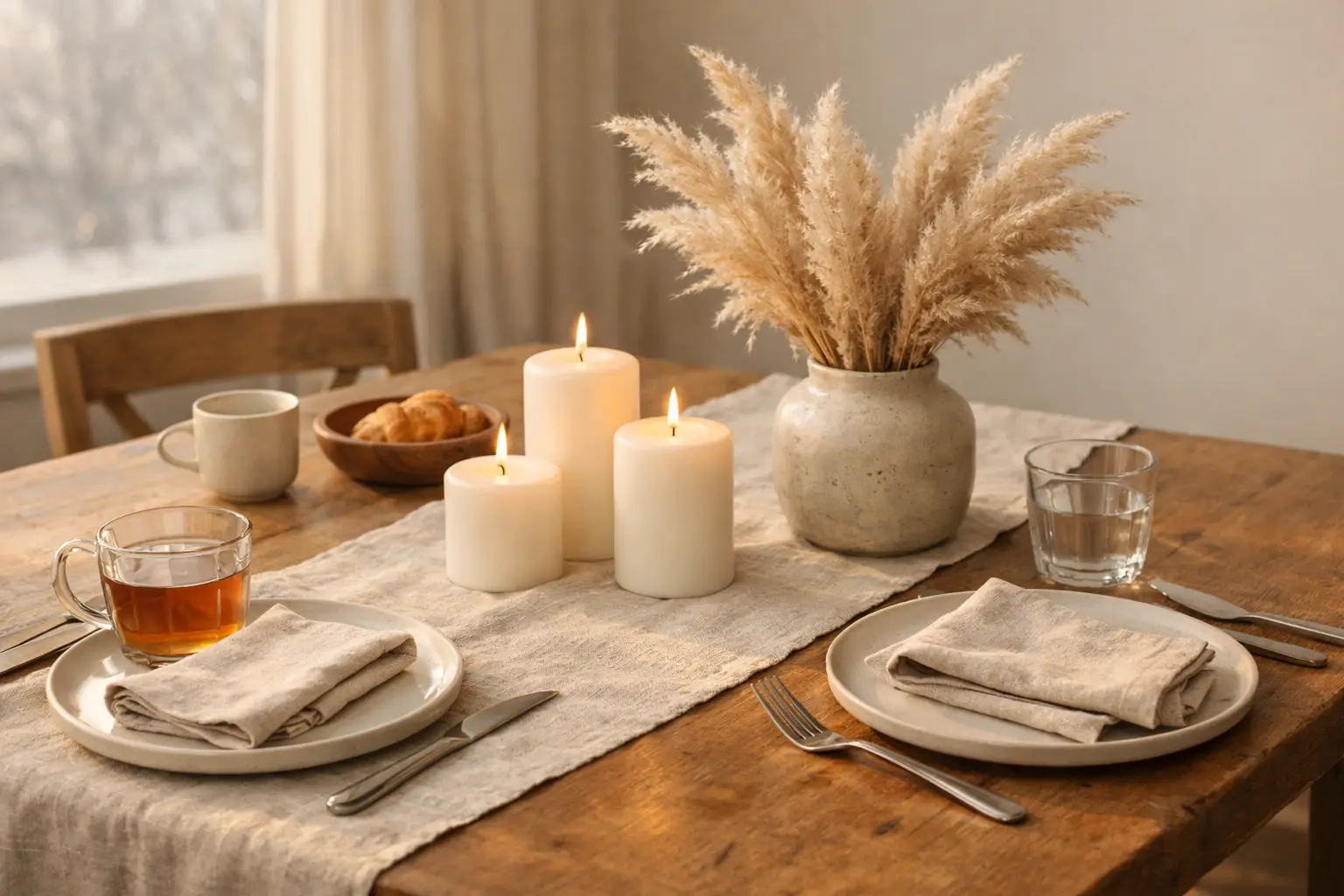
A simply set dining table communicates that the home is a place where people slow down and gather. After Christmas, clear the table entirely and rebuild it with a linen runner, a small cluster of white pillar candles, and a low vase of dried flowers or eucalyptus. Stack a few neutral mugs nearby. The goal is to make breakfast feel like something worth sitting down for rather than something grabbed on the way out the door.
Embrace the Concept of Hygge
The Danish concept of Hygge, which means cultivating warmth, comfort, and togetherness in everyday moments, is the perfect philosophy for the post-Christmas months. Hygge is not about a specific style or a set of purchases. It is about creating conditions for ease: soft light, warm drinks, comfortable seating, good company, and a home that feels safe and unhurried. When you approach the weeks after Christmas through this lens, every small choice, which candle to light, which blanket to fold out, which corner to settle into, becomes part of building a genuinely cozy life rather than just a decorated room.
Making your home cozy after Christmas is one of the most rewarding parts of the winter season. Without the pressure of the holidays, January and February offer a quieter chance to shape a home that feels genuinely warm and personal. The ideas above are not about spending more or adding more. They are about choosing thoughtfully, editing generously, and letting the natural texture of winter do the rest.
You may also like this: Create an Effortless 16 Ralph Lauren Christmas ideas Look this. Holiday
Frequently asked questions
How do I keep my home feeling warm after Christmas without buying new decor?
Use what you already have. Rearrange throw blankets and pillows, layer textures, bring out candles, and repurpose neutral items from your Christmas decor like pinecones, greenery, and warm-toned textiles. A decluttered, thoughtfully styled space feels warmer than a crowded one regardless of what is in it.
What colors work best for a cozy home in January?
Warm neutrals are the safest and most effective choice. Think cream, oatmeal, warm beige, soft taupe, and light wood tones. Small accents in charcoal, muted navy, or forest green add depth without making the space feel heavy or festive.
Can I leave some Christmas decor up after the holidays?
Yes, but selectively. Neutral pieces like undecorated evergreen garlands, pinecones, plain birch logs, white string lights, and wooden accents can stay up through winter without reading as Christmas decor. Remove anything red, green, or overtly holiday-themed.
What is the best lighting for a cozy home after Christmas?
Avoid harsh overhead lighting. Layer warmth with table lamps, floor lamps, grouped candles, and battery-operated fairy lights. Warm-toned bulbs make a significant difference. The goal is to eliminate flat, bright light in favor of soft, directional glow.
How long should I keep winter decor up after Christmas?
Most people find that a simple winter aesthetic works comfortably from late December through mid-February. After that, early signs of spring like dried botanicals swapped for fresh stems or lighter textiles can ease the transition naturally without a dramatic overhaul.