
Introduction
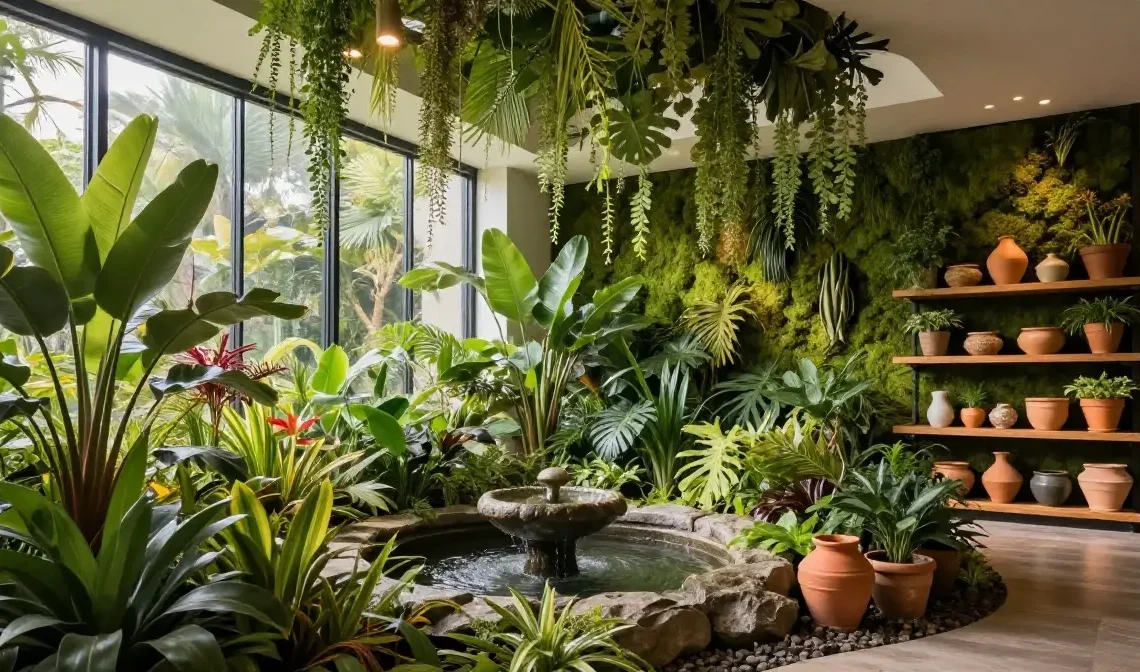
An indoor garden oasis is no longer a luxury reserved for large homes or professional designers. With the right approach, anyone can transform a living room, bedroom, bathroom, or apartment corner into a thriving green sanctuary. Whether you are a seasoned plant parent or just getting started, these 20 practical and creative ways to create an indoor garden oasis will give you everything you need to bring nature indoors and make it stay. The results are not just beautiful but deeply calming, health-supporting, and deeply personal.
Choose the Right Plants for Your Space
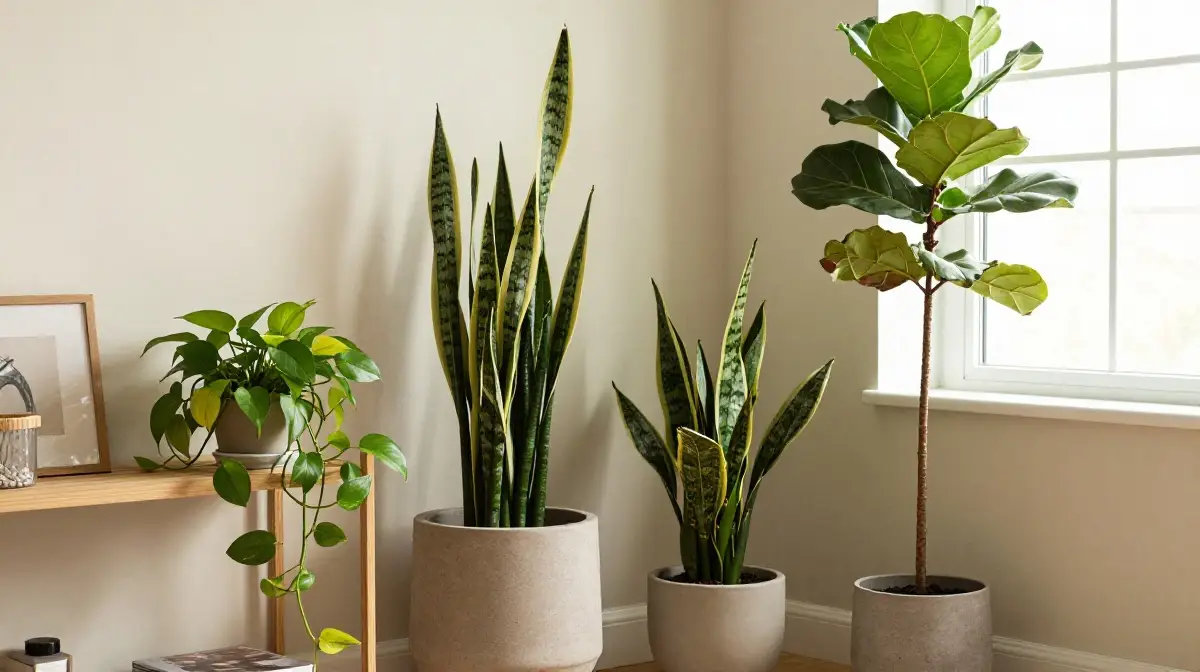
Before buying anything, assess your space honestly. How much natural light does the room receive? What is the average humidity level? These answers will determine which plants will thrive and which will struggle. For low-light spaces, snake plants, pothos, and ZZ plants are reliable choices. For bright rooms, fiddle leaf figs, bird of paradise, and succulents perform beautifully. Matching plants to their environment is the foundation of every successful indoor garden oasis.
Build a Vertical Garden Wall
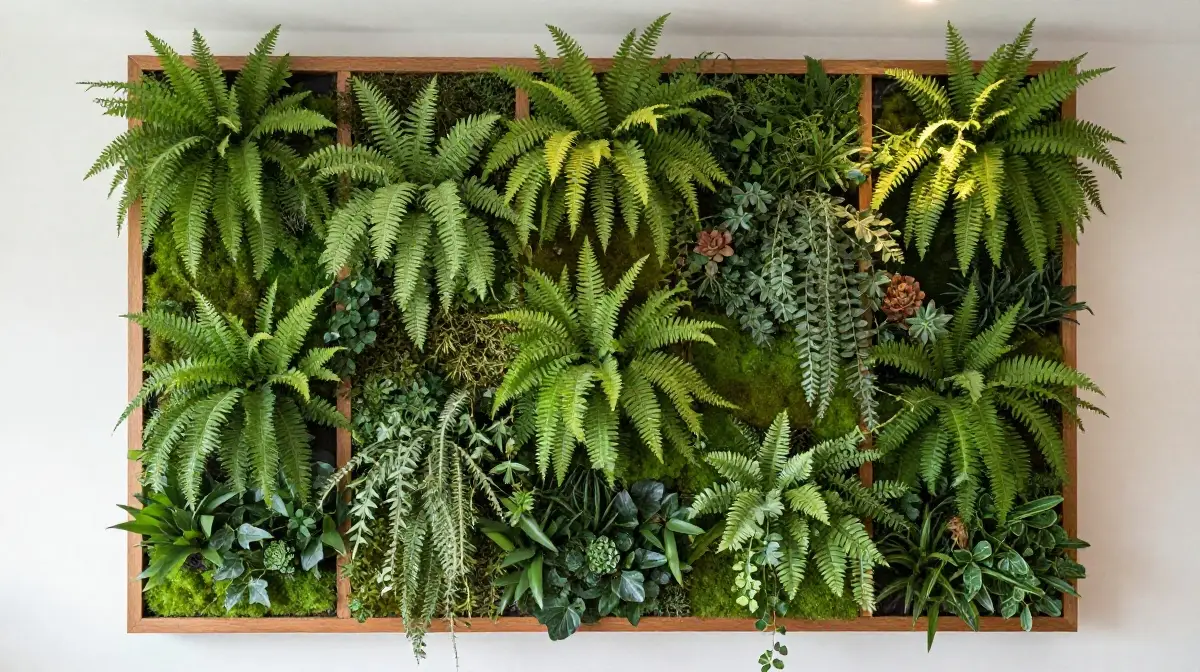
One of the most dramatic ways to create an indoor garden oasis is to go vertical. Wall-mounted planters filled with trailing ivy, ferns, or small succulents instantly transform a bare wall into a living work of art. Vertical gardens are especially useful in small apartments where floor space is limited. You can use modular wall panels, repurposed wooden pallets, or picture frames fitted with moss backing to get the look without major renovations.
Use Floating Shelves for Layered Greenery
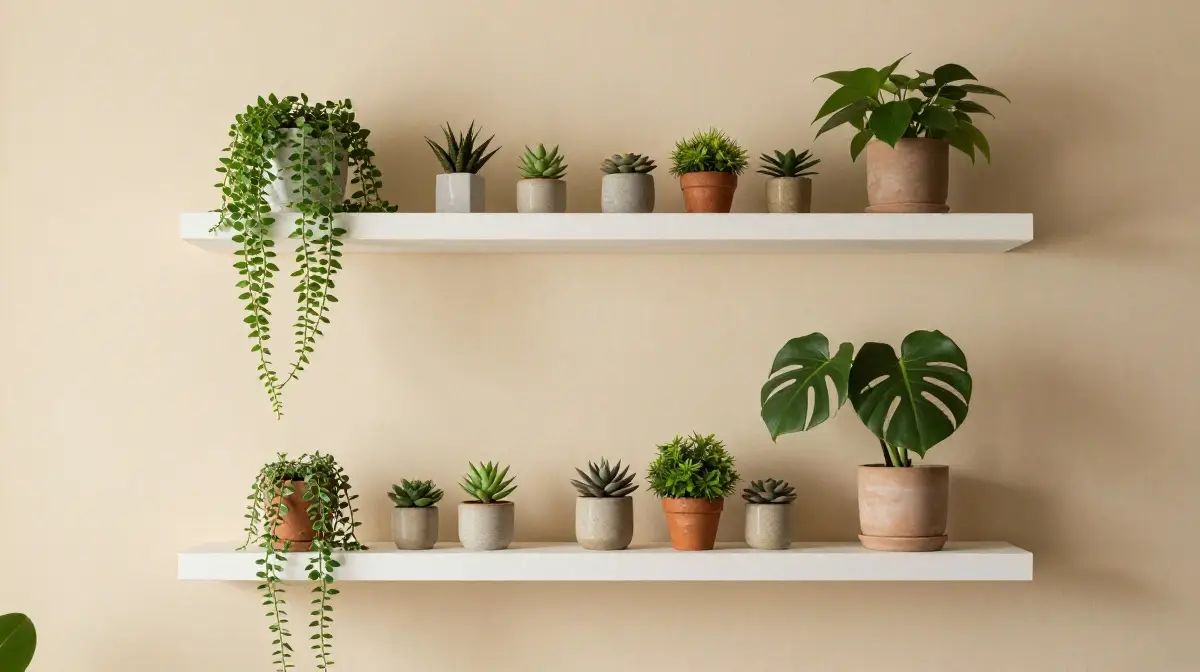
Floating shelves allow you to display plants at multiple heights, creating visual depth and a layered botanical feel. Arrange taller plants on lower shelves and cascading varieties like string of pearls or pothos on upper shelves so they trail downward naturally. Mixing pot sizes, textures, and plant shapes on the same shelf adds variety and keeps the display from looking flat or repetitive.
Add a Tabletop Water Feature
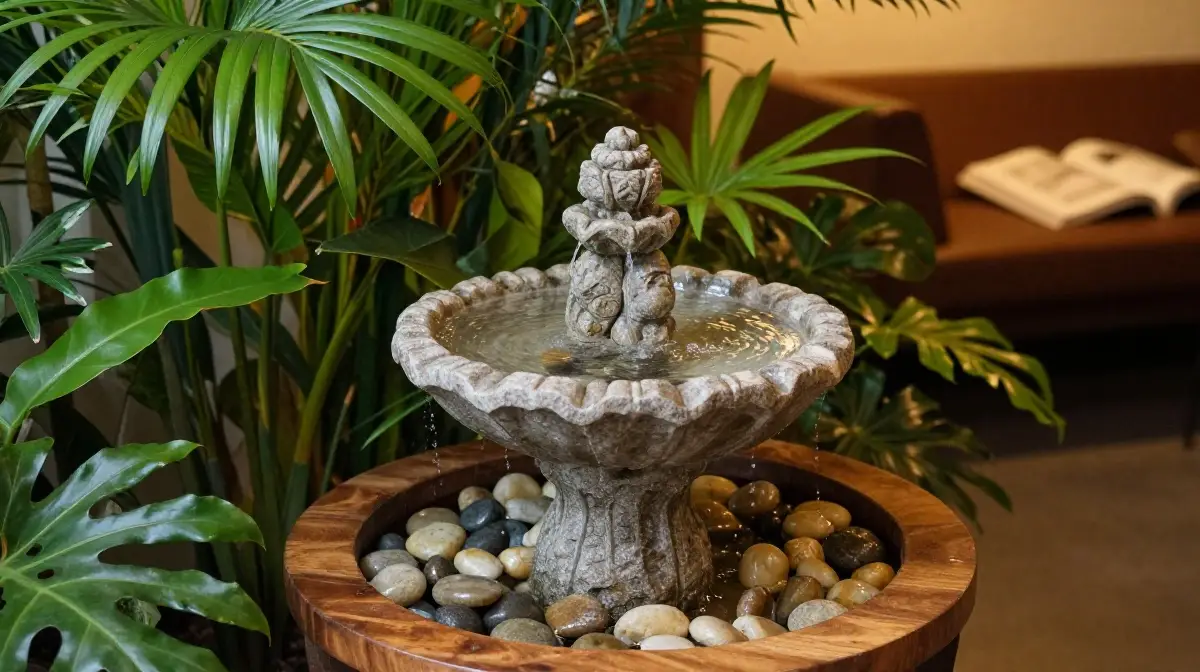
Sound plays a powerful role in how a space feels. A small tabletop fountain adds the gentle sound of flowing water, which immediately signals relaxation and calm. Placed near a reading chair or meditation corner, a mini water feature becomes a sensory anchor for your indoor oasis. It also increases local humidity, which many tropical houseplants genuinely appreciate throughout the year.
Create a Dedicated Plant Corner
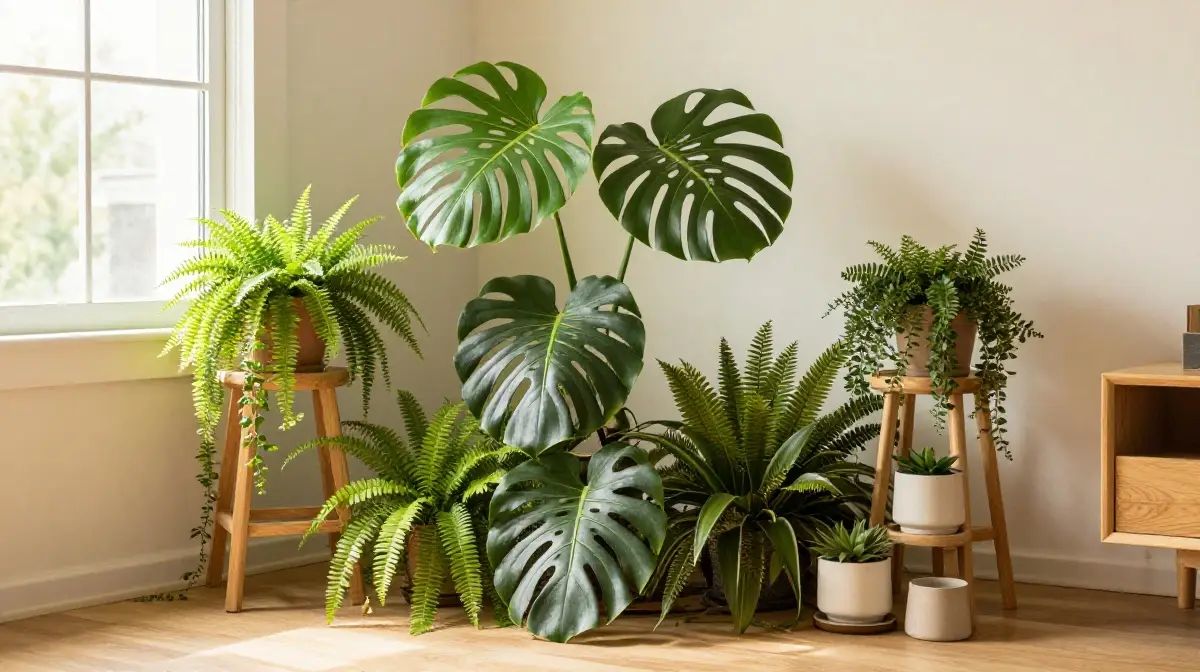
Choose one corner of a room and commit to turning it into a dense, layered green zone. Use a tall floor plant like a monstera or rubber plant as the anchor, then surround it with medium and small plants at varying heights using plant stands and stools. Grouping plants together not only looks intentional and lush but also creates a shared microclimate with slightly higher humidity, which benefits all the plants involved.
Install Grow Lights for Year-Round Growth
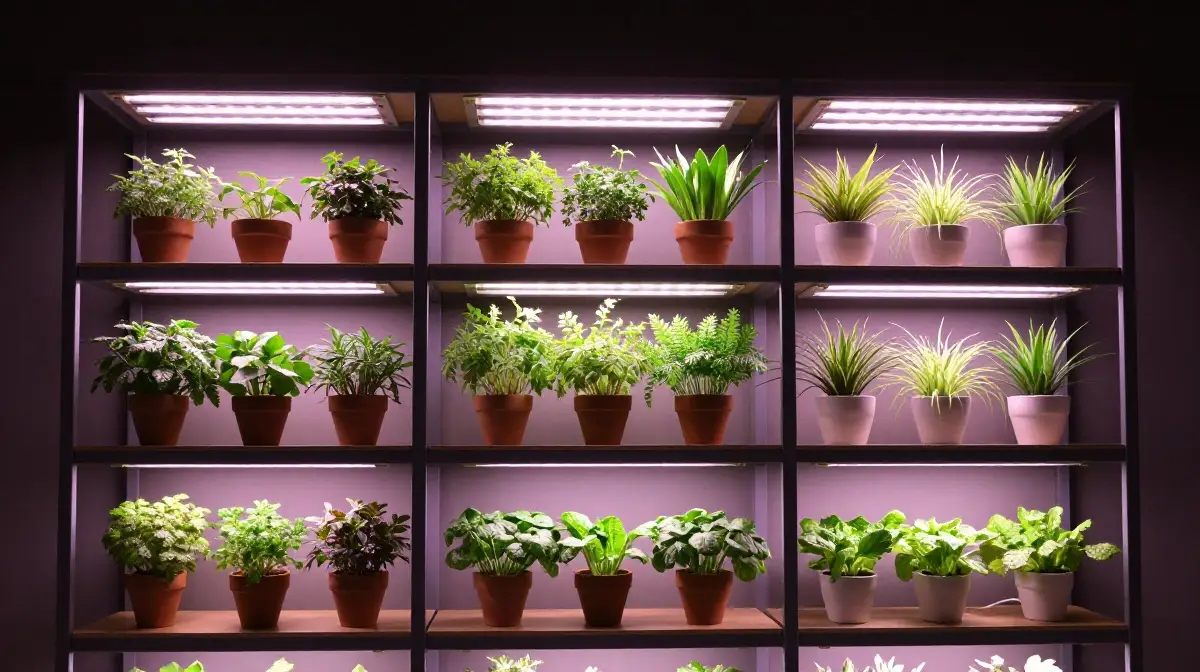
Natural light is ideal but not always available, especially during winter months or in north-facing rooms. LED grow lights have become affordable, stylish, and highly effective. Mount them underneath floating shelves or use clip-on varieties to supplement light exactly where it is needed. With the right grow light setup, you can grow herbs, tropical plants, and even small vegetables indoors throughout the entire year.
Build a Kitchen Herb Garden
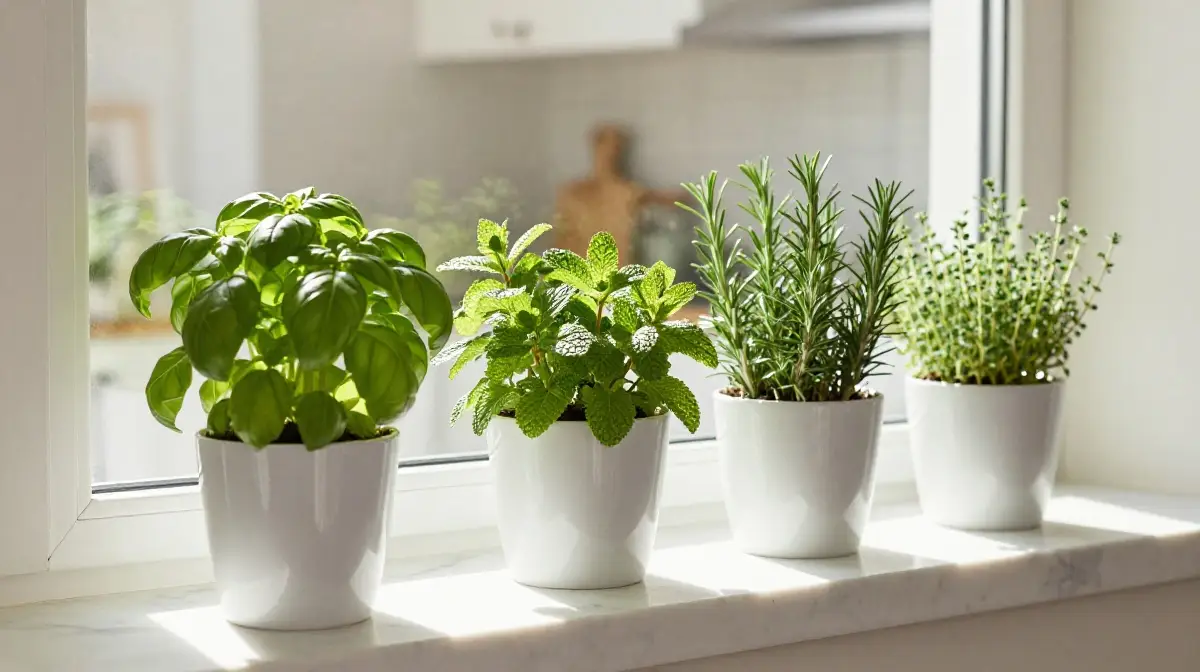
A kitchen herb garden is one of the most practical and rewarding ways to create an indoor garden oasis. A simple windowsill arrangement of basil, mint, rosemary, thyme, and chives gives you fresh ingredients within arm’s reach while adding living greenery to the most-used room in the house. Use matching ceramic pots to keep the display cohesive, and your kitchen instantly feels fresher and more alive.
Design a Terrarium or Glass Garden
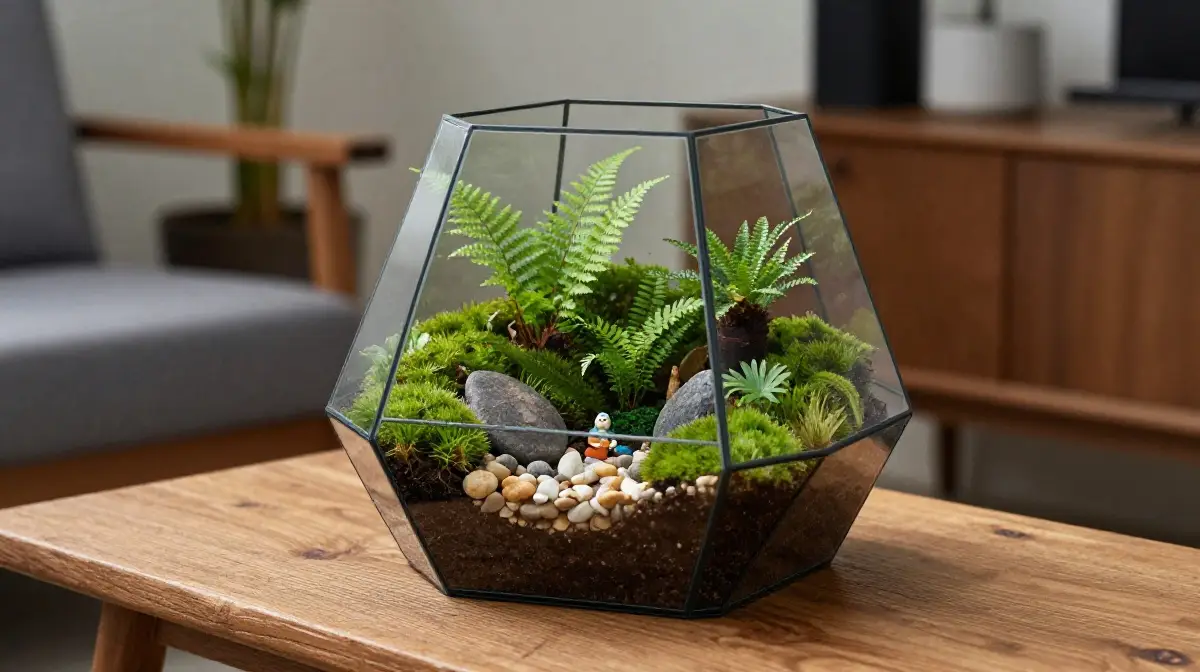
Terrariums are miniature ecosystems that thrive with minimal care. A large glass container filled with moss, small ferns, pebbles, and figurines creates a tiny world you can display on a coffee table or bookshelf. Closed terrariums retain moisture and are ideal for tropical plants, while open terrariums suit succulents and cacti that prefer dry conditions. They make striking conversation pieces while requiring very little maintenance from you.
Hang Plants from the Ceiling
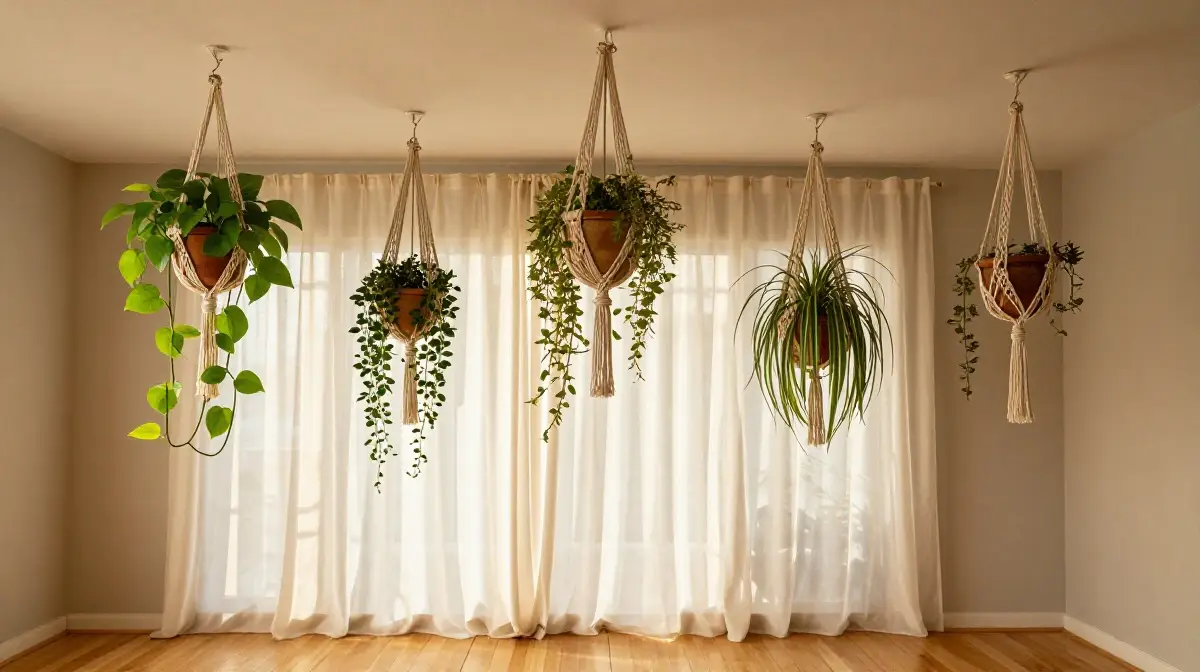
Ceiling-hung planters free up valuable floor and shelf space while drawing the eye upward, making rooms feel taller and more dramatic. Macrame hangers holding trailing pothos, string of hearts, or spider plants work particularly well in living rooms and bedrooms. Position them near windows where they can receive indirect light, and allow the trailing vines to grow long for a truly jungle-like atmosphere inside your home.
Group Plants by Care Needs
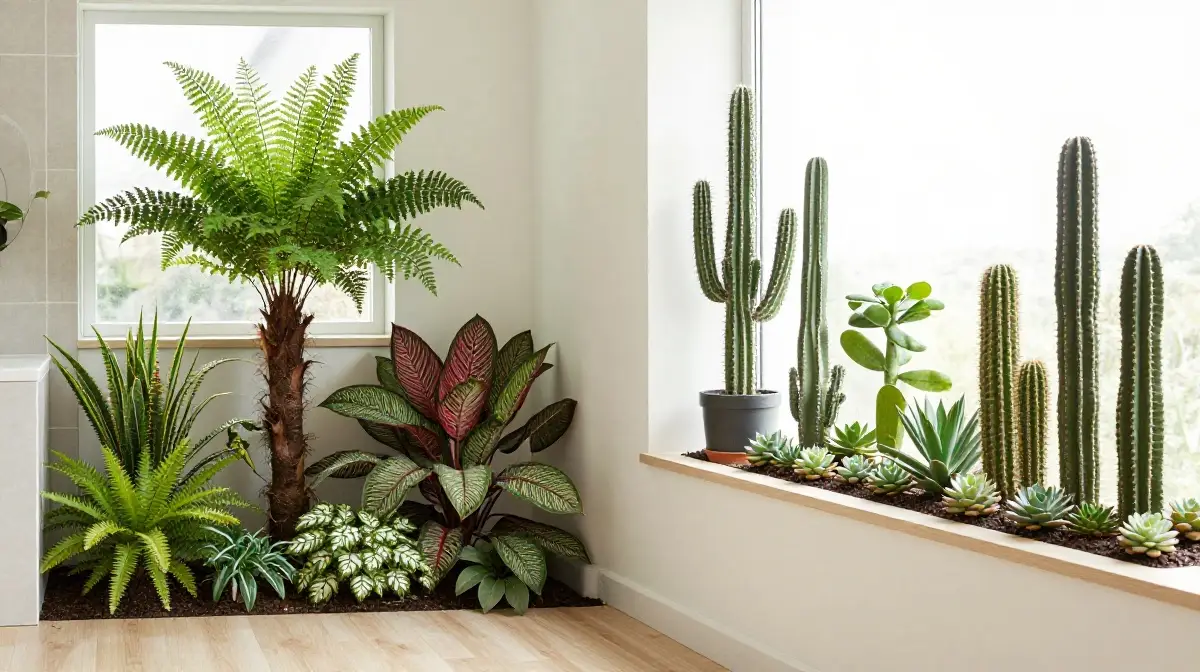
Organizing plants by their care requirements makes maintenance easier and improves overall plant health. Place all moisture-loving plants together in a bathroom or kitchen where humidity is naturally higher. Keep succulents and cacti near the brightest, driest window in the home. This thoughtful grouping ensures every plant gets the environment it needs while creating distinct green zones within your indoor garden oasis.
Incorporate Natural Materials and Textures
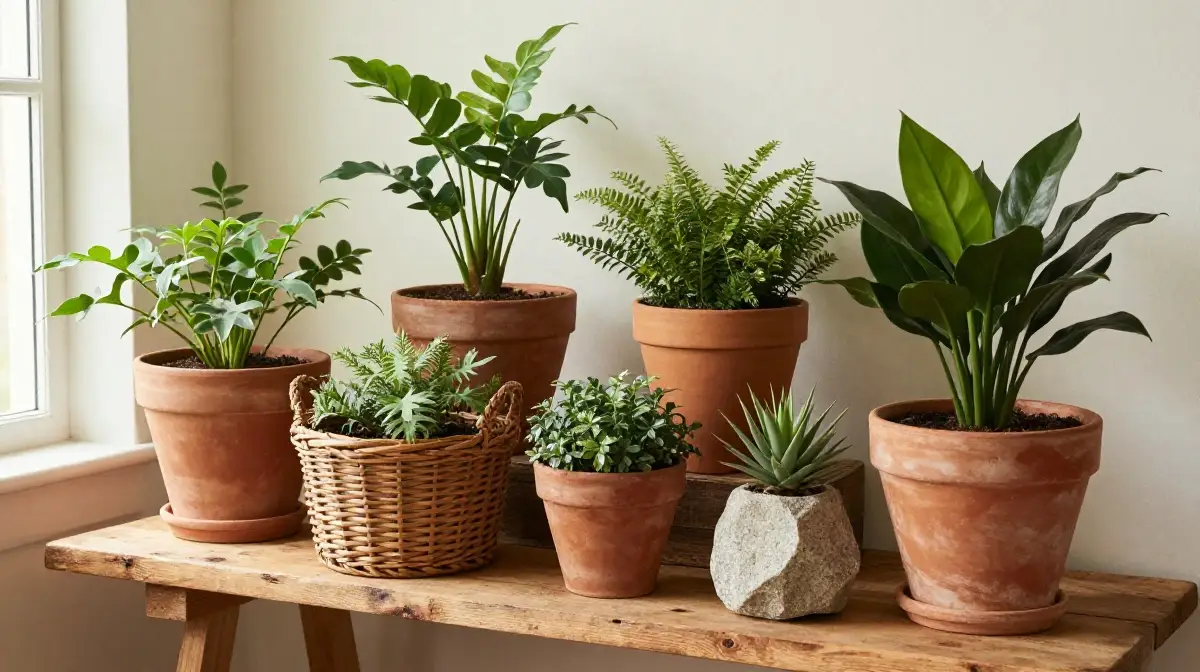
An indoor garden oasis is not just about plants. The materials surrounding them matter too. Use wooden plant stands, wicker baskets, terracotta pots, stone trays, and jute rope to introduce natural textures that complement the greenery. These elements connect the indoor space to the natural world and give your oasis a warm, organic feel rather than a clinical or overly modern appearance throughout the room.
Create a Reading Nook Surrounded by Plants
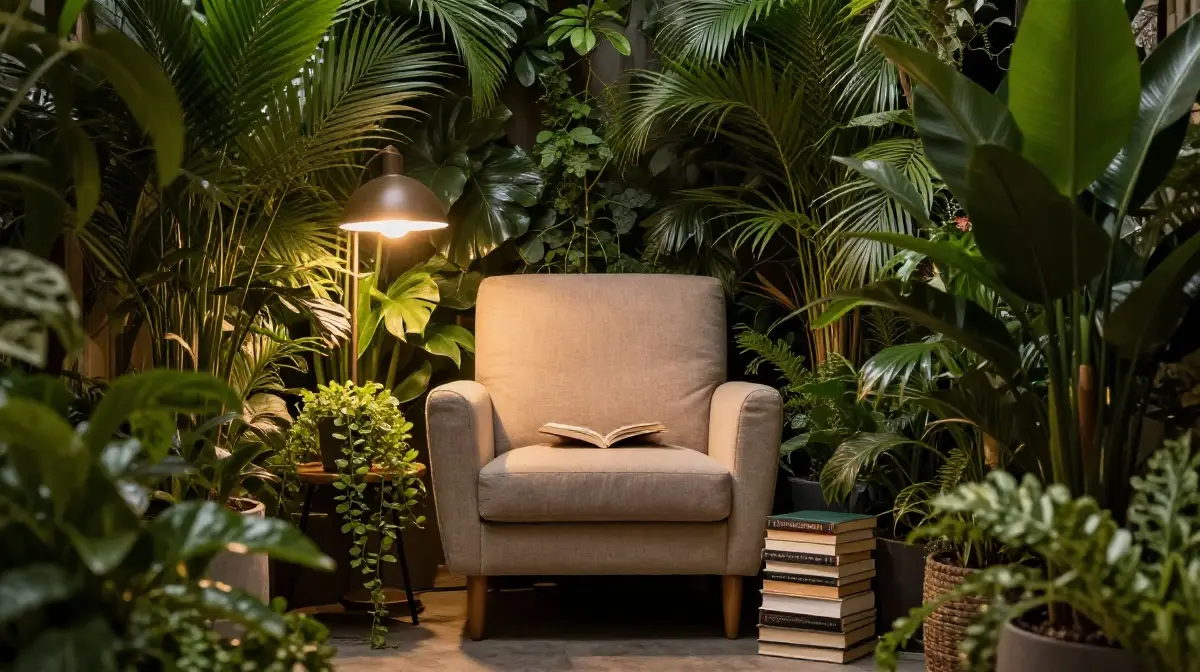
Turning a cozy corner into a plant-filled reading nook is one of the most personal and rewarding ways to enjoy your indoor garden. Place a comfortable armchair near a window, surround it with tall plants for a sense of enclosure, add a small side table with a trailing plant, and position a grow light overhead. This becomes a retreat within your home where you can read, relax, and feel genuinely surrounded by nature.
Use the Bathroom as a Tropical Retreat
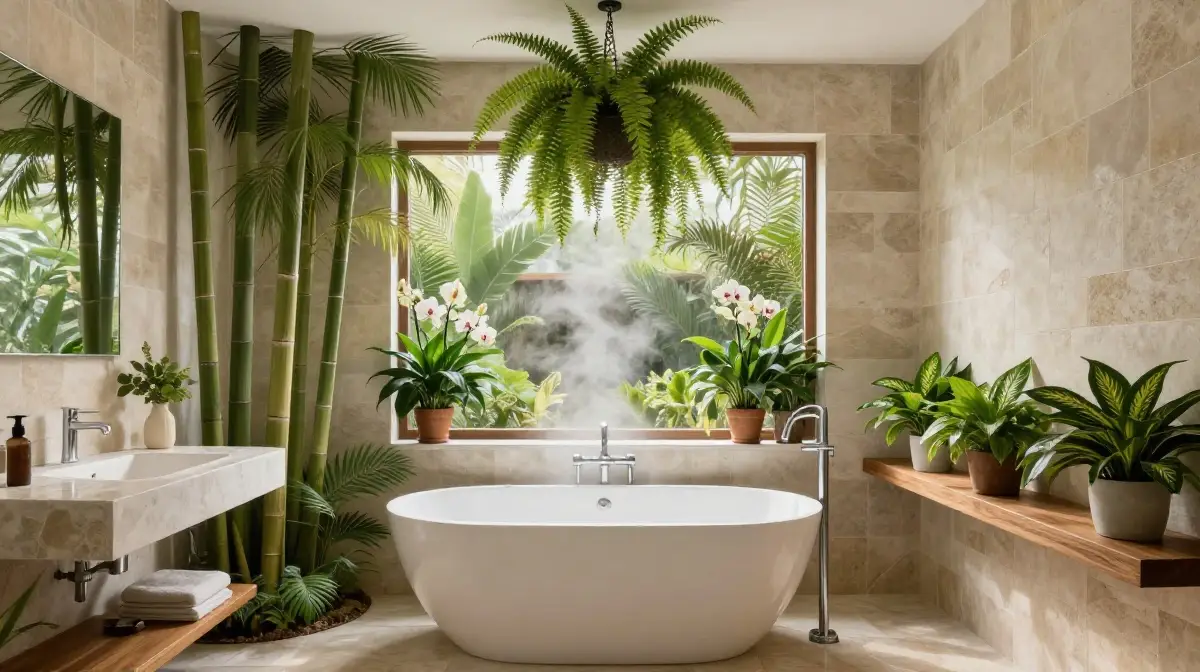
Bathrooms offer naturally high humidity and warmth, making them ideal for tropical plants that would otherwise require extra care. Peace lilies, calatheas, orchids, and ferns all thrive in bathroom conditions. A few well-placed plants on a windowsill, a hanging planter above the shower, or a tall bamboo in the corner can transform a functional bathroom into a spa-like tropical escape every single day.
Display Plants on a Ladder Shelf
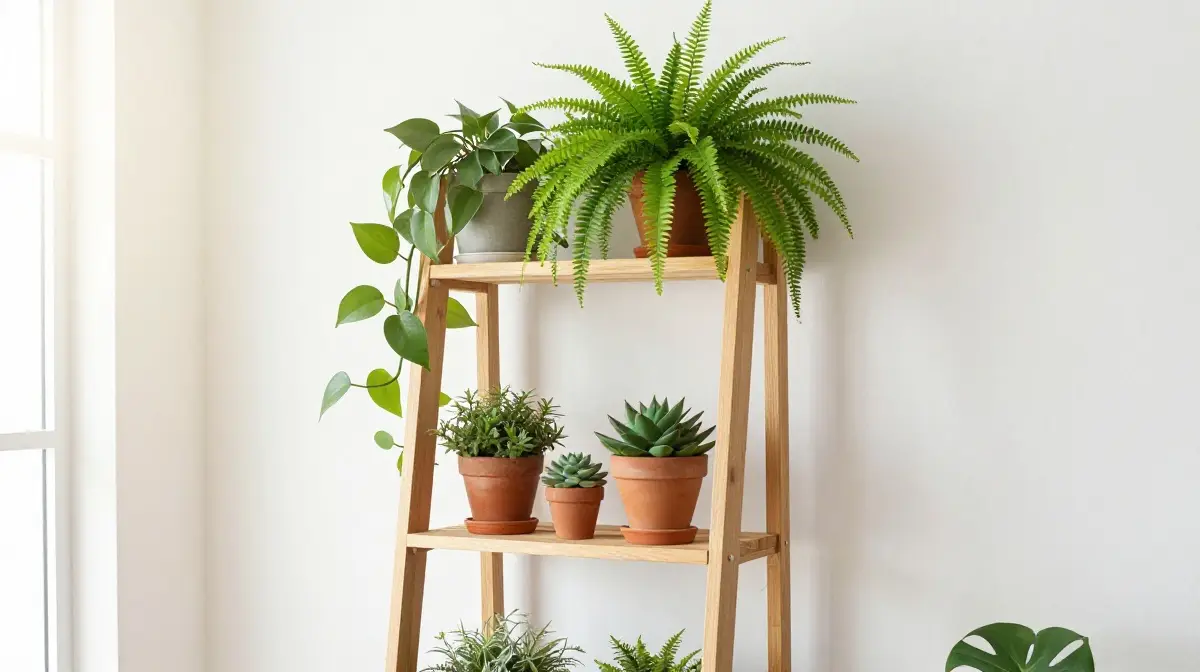
A freestanding ladder shelf offers multiple tiers of display space without requiring any wall mounting. Style each rung with a combination of trailing, upright, and bushy plants to create a cascading effect from top to bottom. Ladder shelves work well in living rooms, bedrooms, and home offices and can be rearranged easily as your plant collection grows and your taste evolves over time.
Build a Windowsill Garden
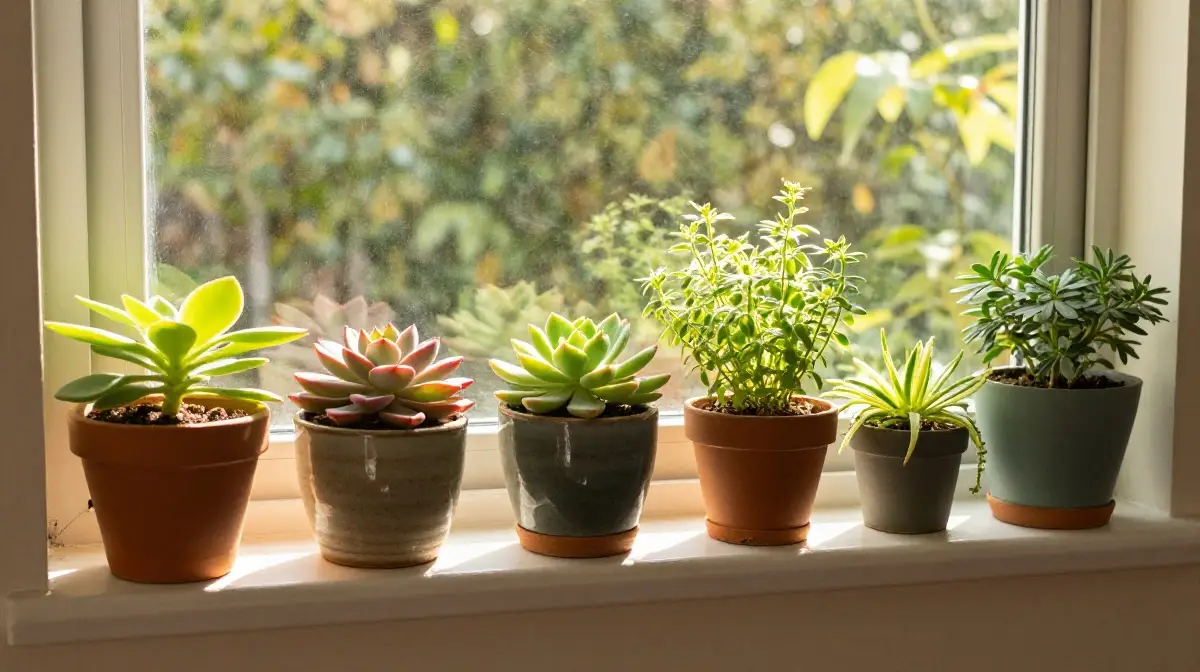
Windowsills are some of the most underused real estate in any home. A well-planned windowsill garden with a row of succulents, herbs, or small flowering plants is both beautiful and space-efficient. Use a mix of pot heights and plant varieties to create visual interest, and consider adding a narrow shelf just above the windowsill to double your growing space without taking up any floor area at all.
Introduce Air-Purifying Plants
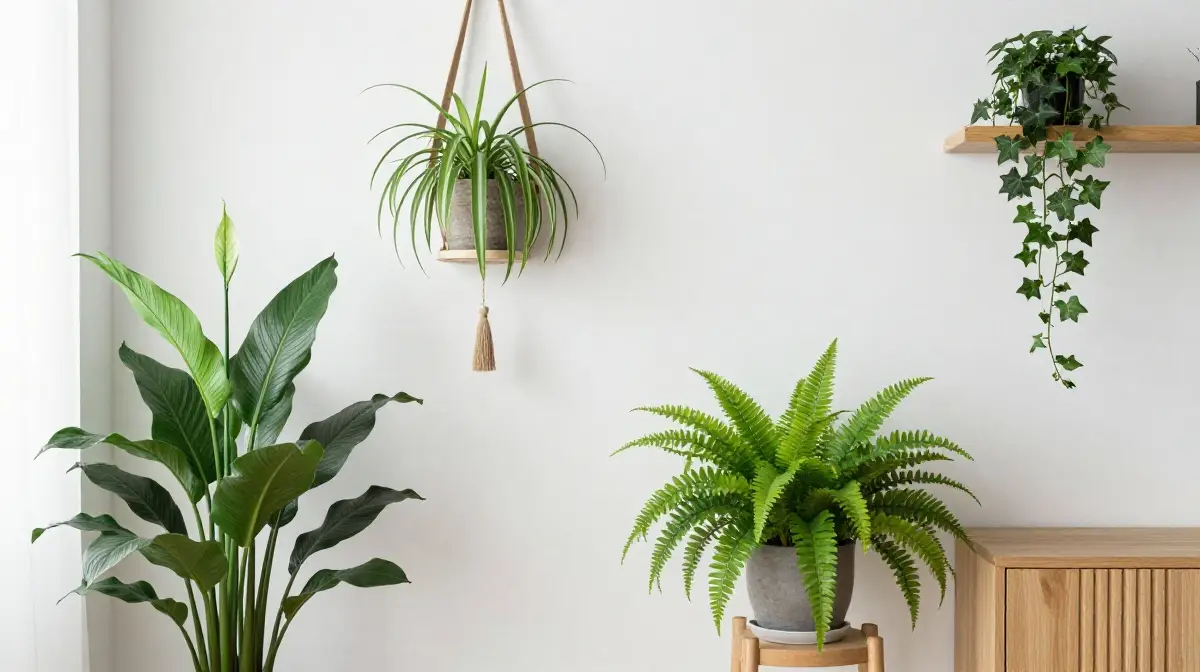
Beyond aesthetics, many houseplants actively improve indoor air quality. Plants such as peace lilies, spider plants, English ivy, and Boston ferns filter common airborne pollutants and release clean oxygen. Building your indoor garden oasis around air-purifying varieties means your space looks beautiful and supports your health at the same time. Aim for at least one medium to large plant per 100 square feet of living space for noticeable results.
Use Decorative Pots and Planters as Design Elements
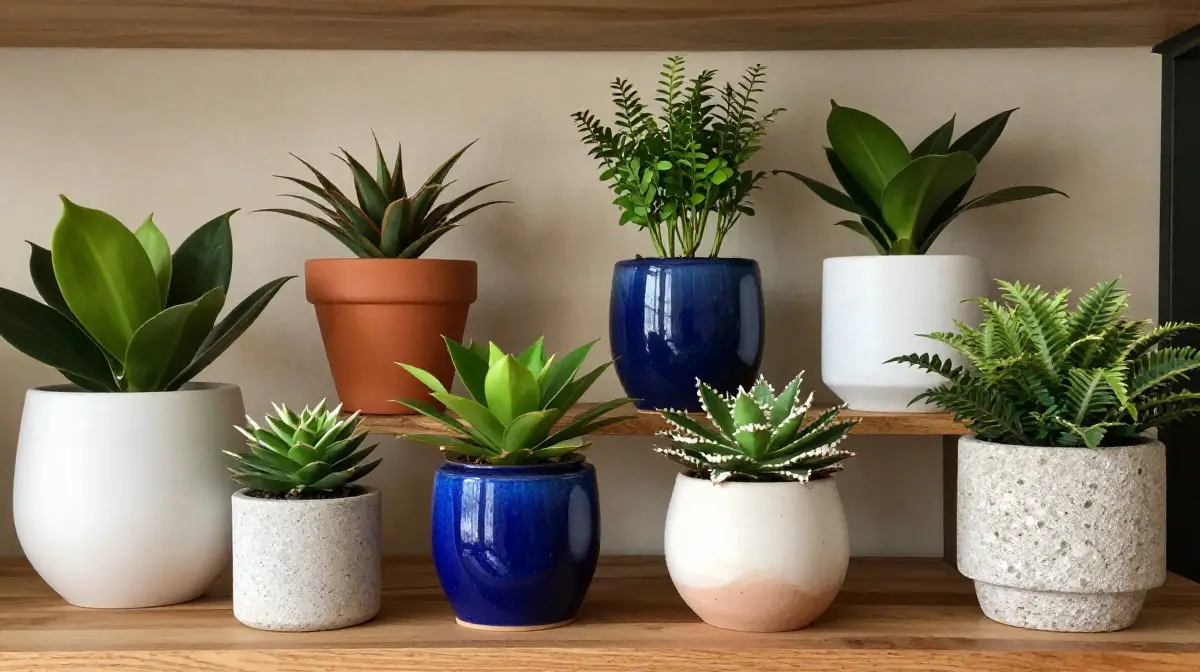
The containers your plants live in are just as important as the plants themselves. Coordinated pots in a consistent color palette create a sense of order and style, while mismatched vintage pots add character and warmth. Choose planters that reflect your personal taste, whether that is minimalist white ceramic, bold colored glazed pottery, or rustic terracotta, and let them become part of the visual identity of your indoor oasis.
Add Moss Walls or Preserved Moss Art
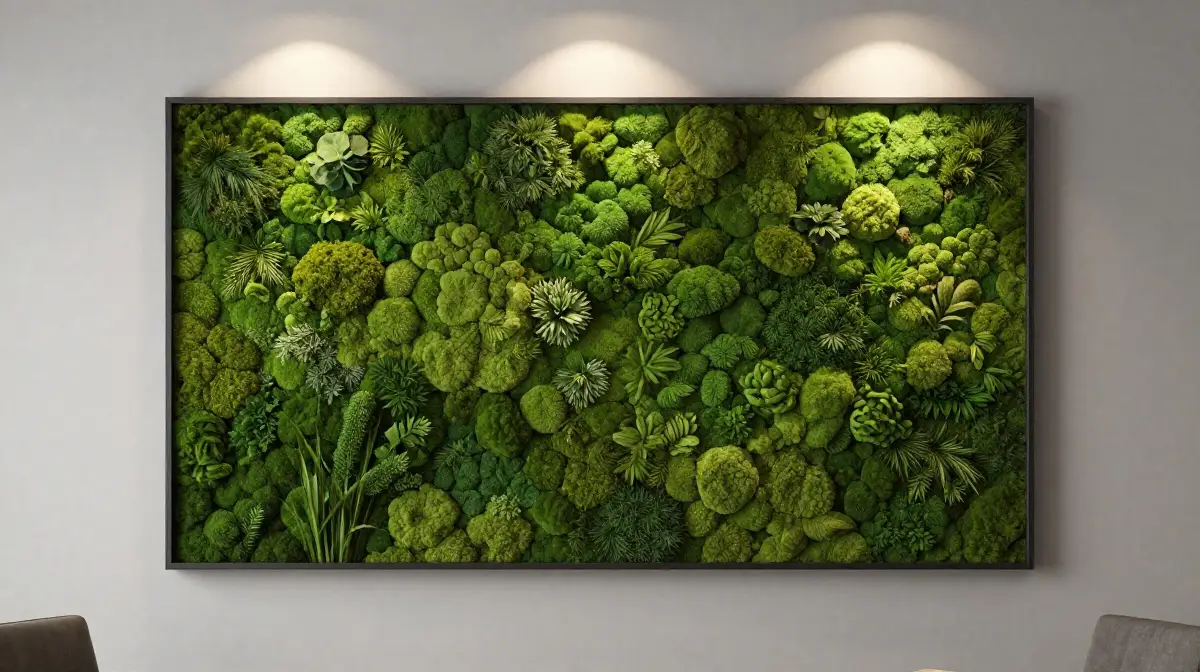
Preserved moss walls and framed moss art panels offer the beauty of greenery with virtually zero maintenance. Unlike living plants, preserved moss requires no watering, no soil, and no light. It simply exists as a lush, textural, deeply calming piece of wall decor. Available in a range of green tones and configurations, moss walls are ideal for offices, hallways, and spaces where living plants would be difficult to maintain regularly.
Mist and Maintain a Humidity Zone
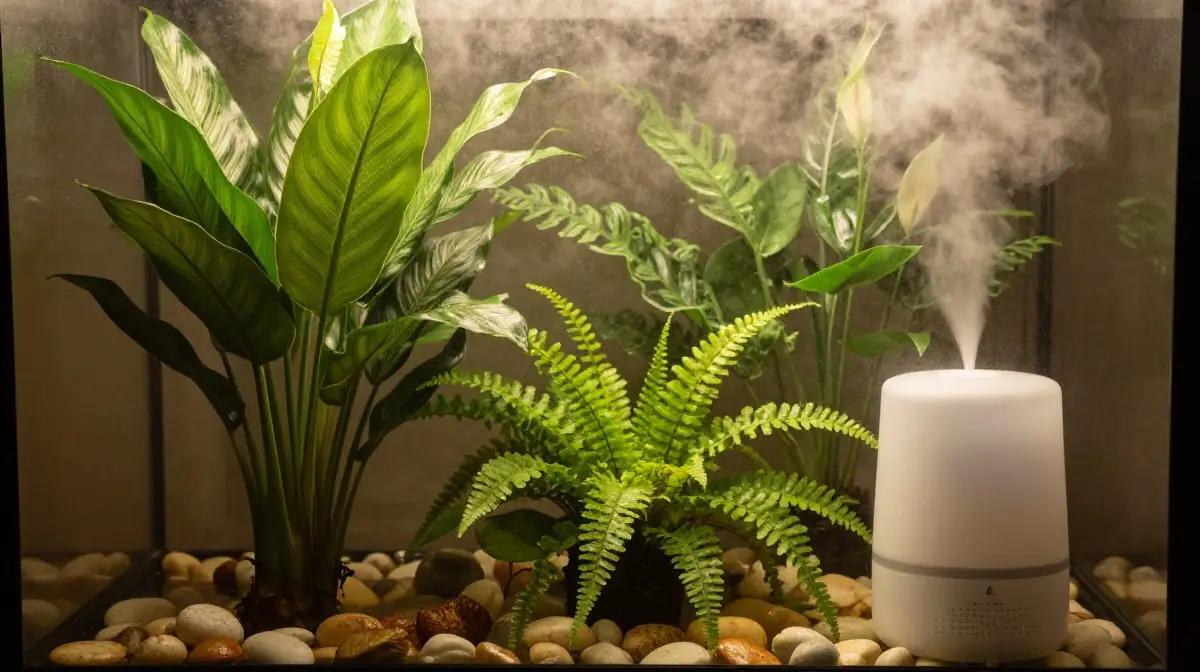
Many popular houseplants come from tropical climates and need higher humidity than the average home provides, particularly during winter when central heating dries the air. Creating a dedicated humidity zone using a small humidifier, a tray of pebbles and water, or by simply grouping moisture-loving plants together will keep foliage looking healthy, glossy, and vibrant. Regular misting also adds a satisfying ritual to your daily plant care routine.
Rotate and Refresh Your Collection Seasonally
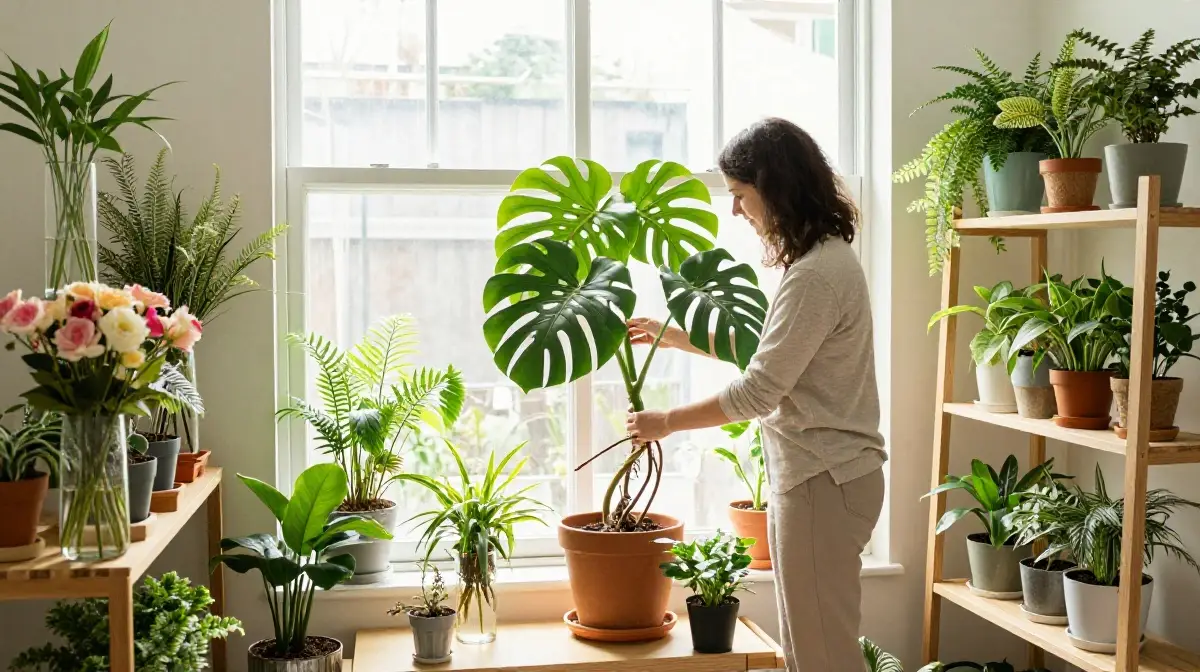
A thriving indoor garden oasis is not static. Rotating plants to ensure even light exposure, replacing seasonal bloomers, and introducing new varieties as your confidence grows will keep your space feeling fresh and alive throughout the year. Visit local nurseries for inspiration, swap cuttings with other plant enthusiasts, and allow your oasis to evolve naturally over time. The joy of an indoor garden is that it is never truly finished.
Conclusion
Creating an indoor garden oasis is one of the most rewarding investments you can make in your living space and your wellbeing. It does not require a large budget, a spacious home, or years of gardening experience. It requires observation, a little planning, and the willingness to start. Begin with one idea from this list, whether that is a kitchen herb garden, a hanging planter, or a single statement plant in a beautiful pot, and build from there. Nature has a way of taking over beautifully once you give it the space to grow.
You may also like this:20 Garden Crafts Ideas for Creative Outdoor Decor
Frequently Asked Questions
1. What are the easiest plants to start with when creating an indoor garden oasis?
Snake plants, pothos, spider plants, and ZZ plants are among the easiest to grow indoors. They tolerate low light, irregular watering, and a range of temperatures, making them ideal for beginners who are just starting to build their indoor garden oasis.
2. How do I increase humidity for my indoor plants without a humidifier?
Group moisture-loving plants together to create a natural microclimate with slightly higher humidity. You can also place pots on trays filled with pebbles and water so that evaporation adds moisture to the surrounding air, or mist your plants lightly on a regular basis.
3. Can I create an indoor garden oasis in a small apartment?
Absolutely. Vertical gardens, hanging planters, windowsill gardens, and ladder shelves are all designed to maximize greenery within a limited footprint. Even a single well-styled corner with a few plants and natural materials can create the feeling of a full oasis in the smallest of spaces.
4. How much light do indoor plants really need?
This depends entirely on the plant. Succulents and cacti need several hours of direct light each day, while shade-tolerant plants like pothos and peace lilies thrive in indirect light. For rooms with insufficient natural light, LED grow lights are a practical and affordable solution that supports healthy growth year-round.
5. How often should I water the plants in my indoor garden oasis?
There is no single answer because watering frequency depends on the plant type, pot size, soil, and season. A general rule is to water when the top inch of soil feels dry to the touch. Overwatering is the most common cause of houseplant failure, so when in doubt, water less rather than more.