
Introduction
Ornamental grasses have earned a permanent place in the world of garden design, and for very good reason. These remarkable plants bring texture, movement, color, and structure to outdoor spaces in a way that few other plant groups can match. Whether you are designing a grand country estate or a modest suburban garden, ornamental grasses offer solutions that are both beautiful and practical. They thrive in a wide range of soil types and climates, require very little ongoing care, and deliver genuine visual interest across all four seasons. From the soft feathery plumes of Fountain Grass catching the late afternoon sun to the bold upright columns of Karl Foerster standing firm through a winter frost, these plants are genuinely extraordinary. This guide presents 22 inspired ideas for incorporating ornamental grasses into your garden design, giving you everything you need to create an outdoor space that looks thoughtfully crafted and naturally stunning throughout the entire year.
Use Tall Grasses as Natural Privacy Screens
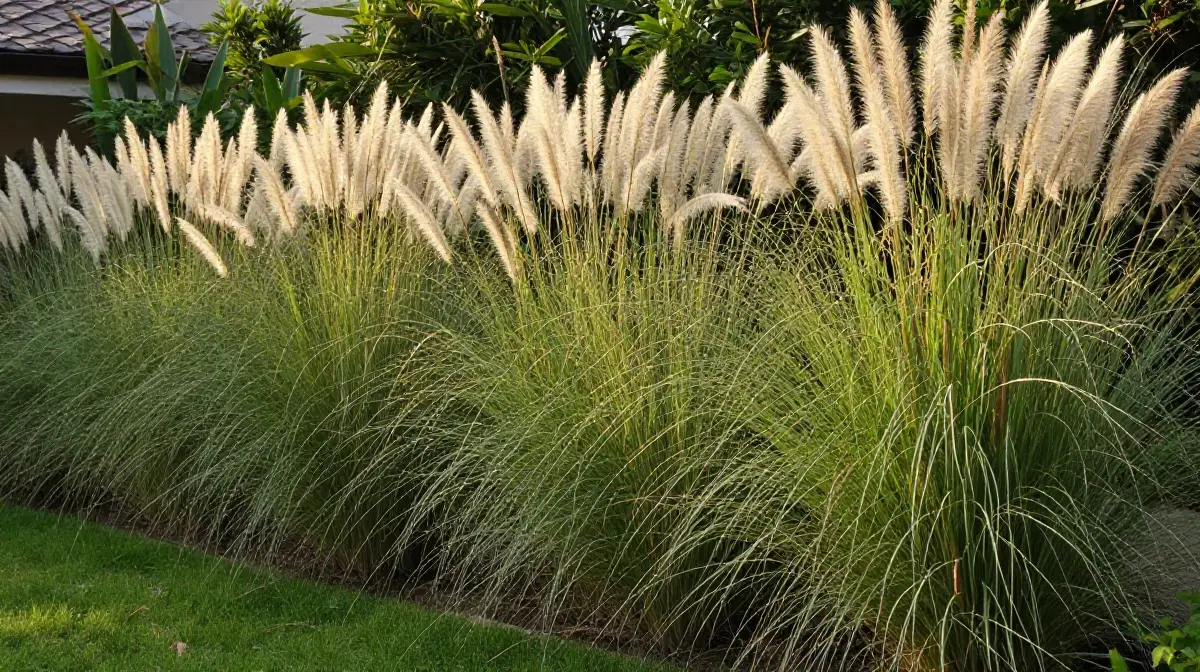
One of the most effective and visually elegant uses of ornamental grasses in garden design is as a living privacy screen. Tall varieties such as Miscanthus sinensis and Karl Foerster Feather Reed Grass can reach impressive heights of five to seven feet, creating a dense, swaying barrier that separates spaces far more gracefully than any timber fence or brick wall ever could. These grasses establish relatively quickly and fill out generously within a couple of growing seasons, making them a practical and fast-acting solution for gardens that require screening from neighboring properties, busy roads, or unsightly views. Unlike rigid hedging plants that can feel heavy and formal, tall ornamental grasses move naturally with every breeze, creating a living, breathing boundary that feels welcoming rather than defensive. Planted in a continuous row or in a slightly staggered arrangement, they create a sense of enclosure that still feels open, airy, and completely in keeping with the natural garden environment.
Mass Plant for Bold Visual Impact
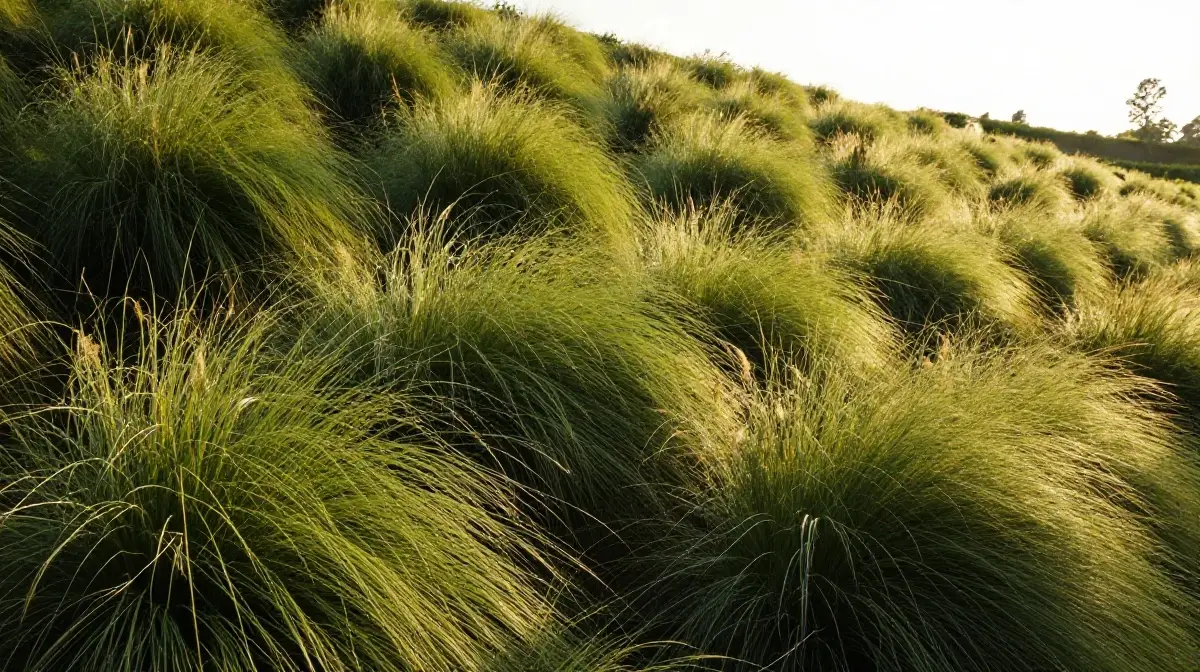
When it comes to ornamental grasses, planting in generous masses is one of the most powerful design principles a gardener can apply. A single specimen of any grass variety, however beautiful, rarely achieves the dramatic effect that a bold sweep or drift of the same plant can deliver. Mass plantings create a cohesive, unified appearance that gives the garden a sense of purpose and intention, turning what might be a scattered collection of individual plants into a genuinely designed landscape. This approach is particularly effective on large slopes, in expansive garden borders, or across open areas where the sheer scale of the planting makes an immediate impression. A wide drift of Pink Muhly Grass flowering in autumn, for instance, becomes a breathtaking cloud of soft rose-pink that catches the eye from every corner of the garden. Beyond the visual reward, mass plantings of ornamental grasses also provide excellent weed suppression, reducing the amount of time spent on routine garden maintenance considerably.
Edge Pathways with Low-Growing Grass Varieties
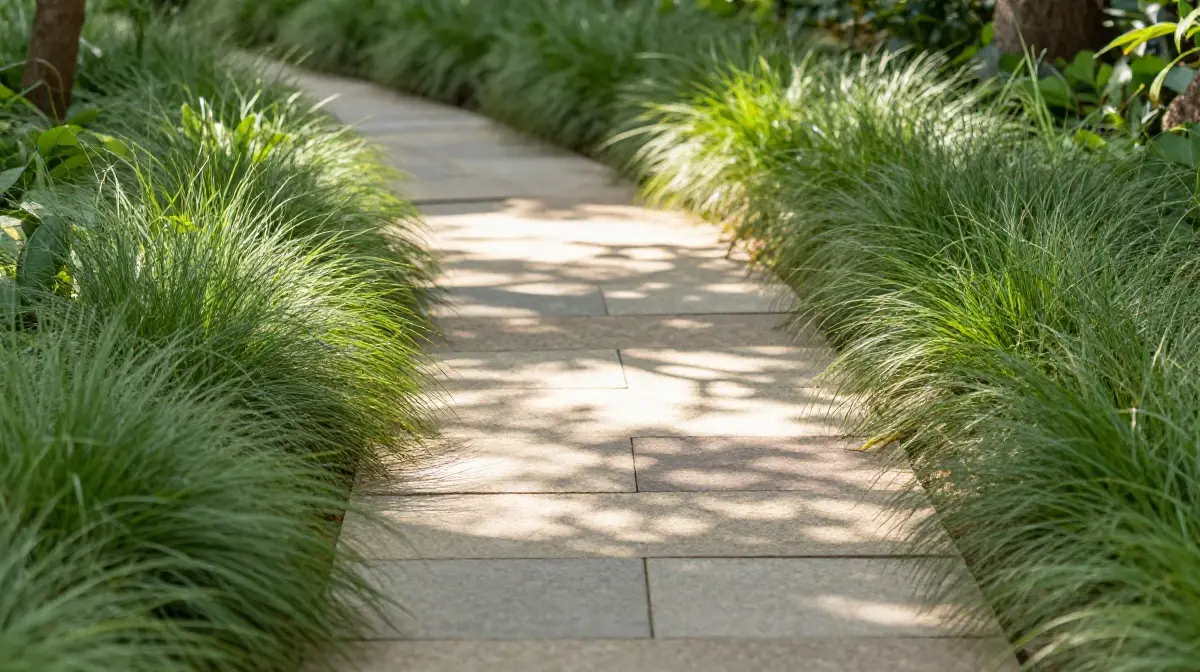
Low-growing ornamental grasses are among the finest plants available for softening the hard edges of garden pathways, driveways, and stone borders. Varieties such as Dwarf Mondo Grass, compact Sedge cultivars, and Liriope spill gently over paving edges in a way that creates that effortlessly relaxed, well-considered look that is the hallmark of a beautifully designed garden. This technique works particularly well in contemporary garden styles where clean geometric lines are the dominant aesthetic but where a degree of softness is needed to prevent the space from feeling too rigid, cold, or clinical. These low-growing grasses stay tidy and compact without constant trimming, rarely exceeding ten to twelve inches in height, and they require very little ongoing attention once they have established themselves comfortably in the soil. Planted at regular intervals along a path, they create a natural rhythm that draws the eye gently forward and gives the entire garden a sense of flow and movement.
Create Drama with Purple Fountain Grass
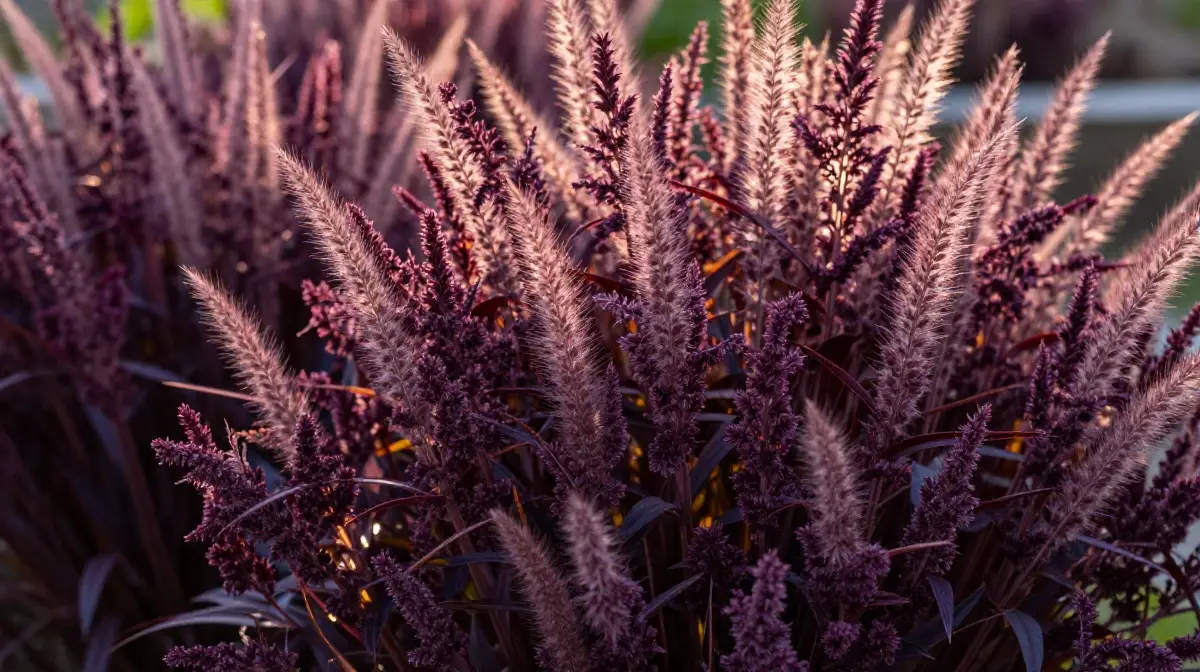
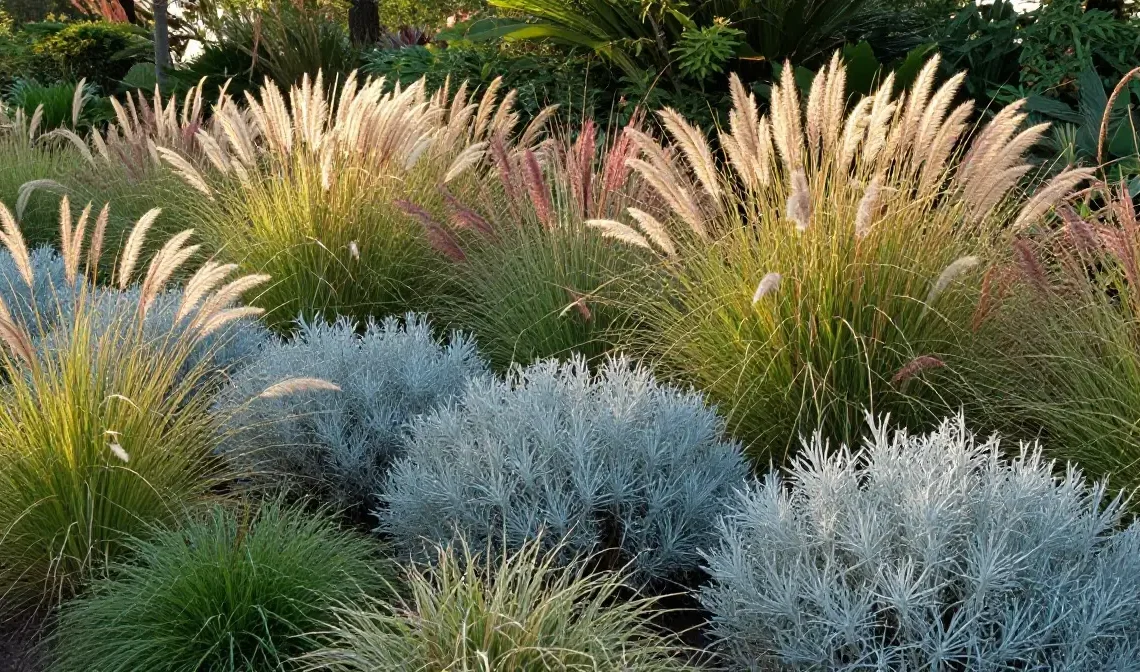
Purple Fountain Grass, known botanically as Pennisetum setaceum Rubrum, is one of the most visually striking ornamental grasses that any gardener can add to a planting scheme. Its deep, rich burgundy-purple foliage cascades in long, elegantly arching stems that are topped throughout summer and well into autumn by soft, feathery flower plumes in a beautiful dusky rose-mauve. These plumes catch low evening sunlight in a truly spectacular way, creating a warm, glowing effect that is difficult to replicate with any other plant. Growing to around four feet tall and three feet wide, it works as a bold centerpiece in a mixed border, a standout specimen in a generously sized container, or a repeated planting element used in drifts along a sunny slope or bank. In cooler climates it is best grown as an annual and replaced each spring, but in warmer regions it returns reliably year after year, growing stronger and more impressive with each passing season.
Plant Blue Fescue for Cool-Toned Texture
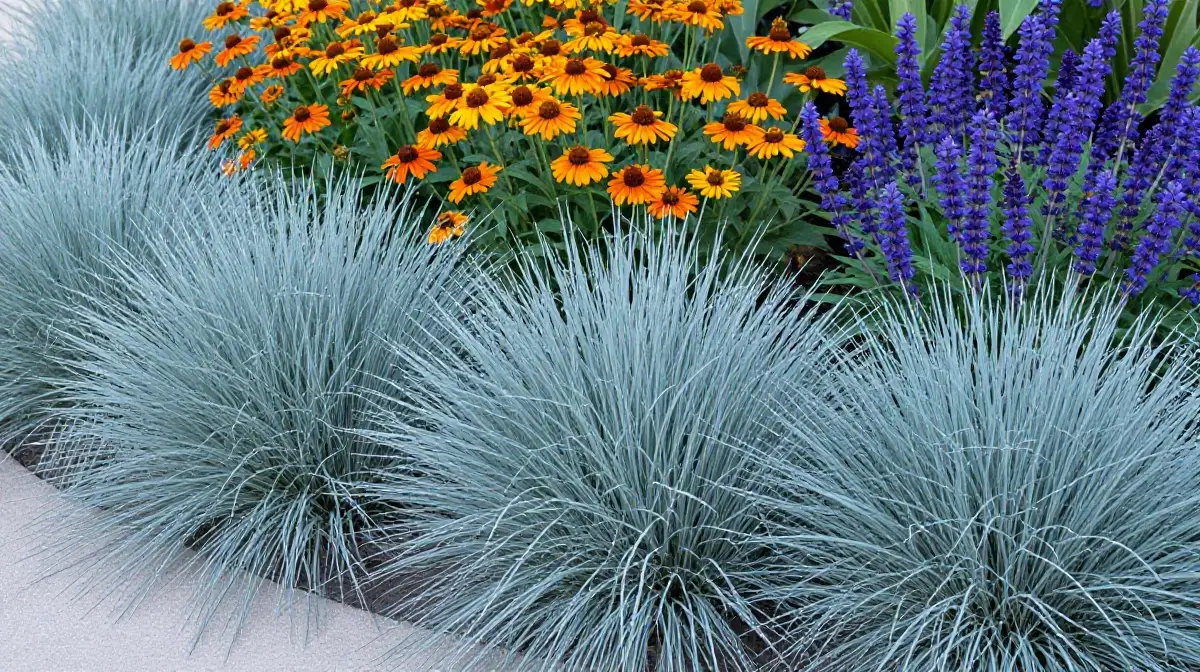
Blue Fescue, or Festuca glauca, is a compact mounding grass with a distinctively cool silver-blue coloring that makes it one of the most useful and eye-catching varieties available to gardeners working with smaller spaces or tighter planting schemes. Growing to around twelve inches tall and equally wide, it forms a neat, rounded cushion of fine-textured foliage that provides a strong architectural element at the front of a border, along a pathway edge, or within a rock garden composition. The striking blue-silver tone pairs beautifully with warm companion colors such as burnt orange Helenium, golden Rudbeckia, and deep purple Salvia, creating bold and deliberately designed color combinations that hold their appeal from late spring through to autumn. Blue Fescue thrives in full sun and well-drained soil, handles drought conditions with ease once established, and makes an outstanding choice for low-water garden schemes where visual impact needs to be maintained without heavy irrigation.
Bring Year-Round Interest with Karl Foerster Grass
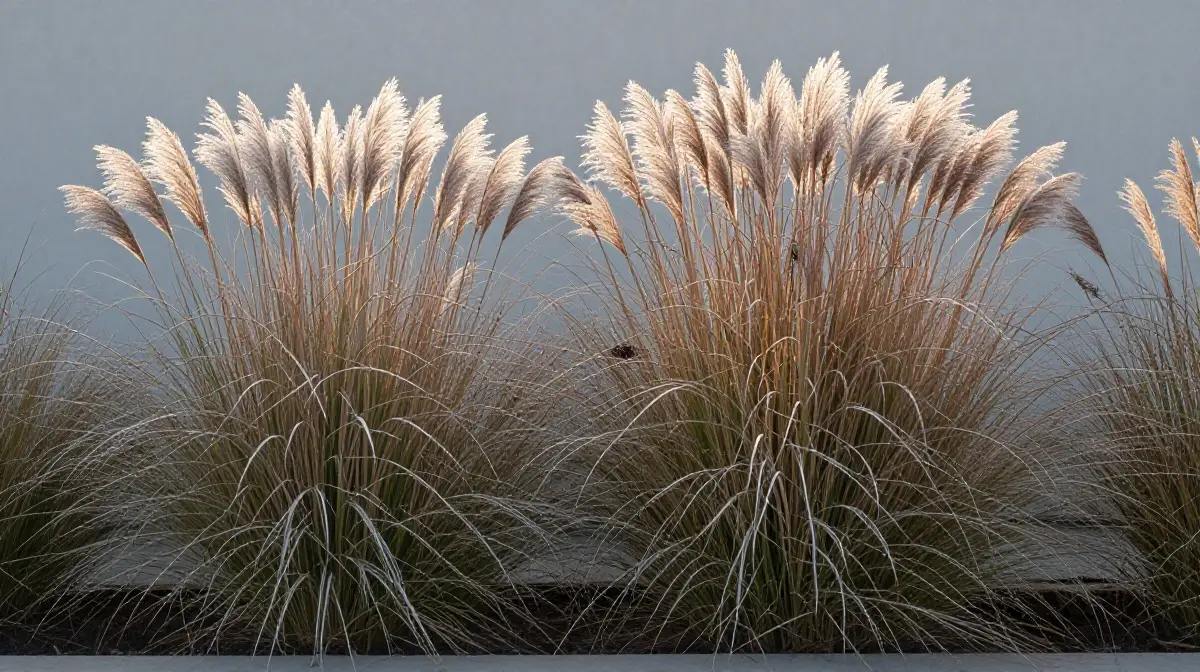
Karl Foerster Feather Reed Grass is widely regarded as one of the finest all-round ornamental grasses available to gardeners, and it thoroughly deserves that reputation. This tall, upright variety grows to around five feet in height and holds its elegant narrow form throughout the year, making it equally valuable as a structural plant in a winter garden as it is a lush green presence during the warmer months. In late spring it produces feathery, pinkish-bronze flower plumes that gradually fade to a warm buff-gold color by midsummer, and these seed heads persist beautifully through autumn and winter, providing texture and vertical interest during the months when most other plants have completely disappeared from view. It tolerates a wide range of soil conditions, including heavier clay soils that defeat many other ornamental grasses, and it performs well in both full sun and partial shade, making it one of the most adaptable and reliable plants in the entire ornamental grass family.
Soften Garden Structures with Cascading Grasses
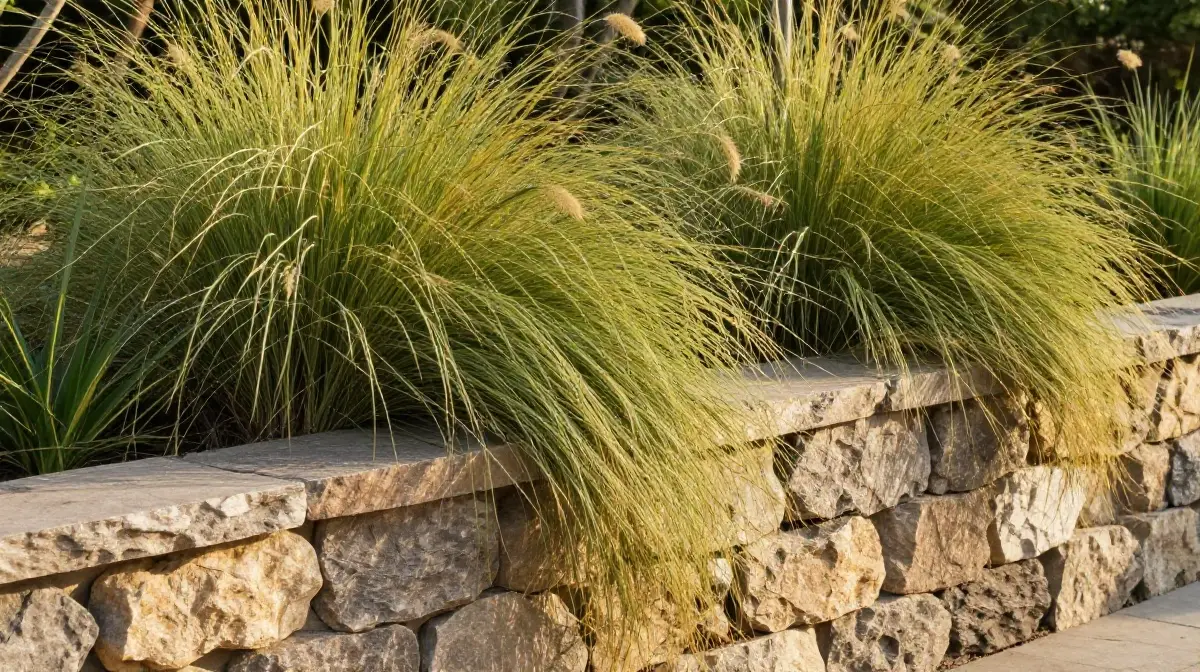
Retaining walls, raised bed edges, stone steps, and timber garden structures can sometimes feel overly hard and unnatural within a garden setting, particularly when they are newly built and have not yet had time to weather and soften. Ornamental grasses with a naturally cascading or arching growth habit are the perfect solution for introducing softness and organic movement around these hard landscape features. Japanese Forest Grass planted at the top of a retaining wall will spill gracefully downward over the edge, creating a beautiful waterfall effect that integrates the structure into the surrounding planting in a completely natural way. Pendulous Sedge varieties and compact Miscanthus selections work similarly well along the edges of raised beds, their arching foliage bridging the visual gap between the hard structure and the soft planting around it. This technique is one of the most effective ways to make hard landscaping look as though it belongs naturally in the garden rather than having been recently imposed upon it.
Choose Muhly Grass for Spectacular Autumn Color
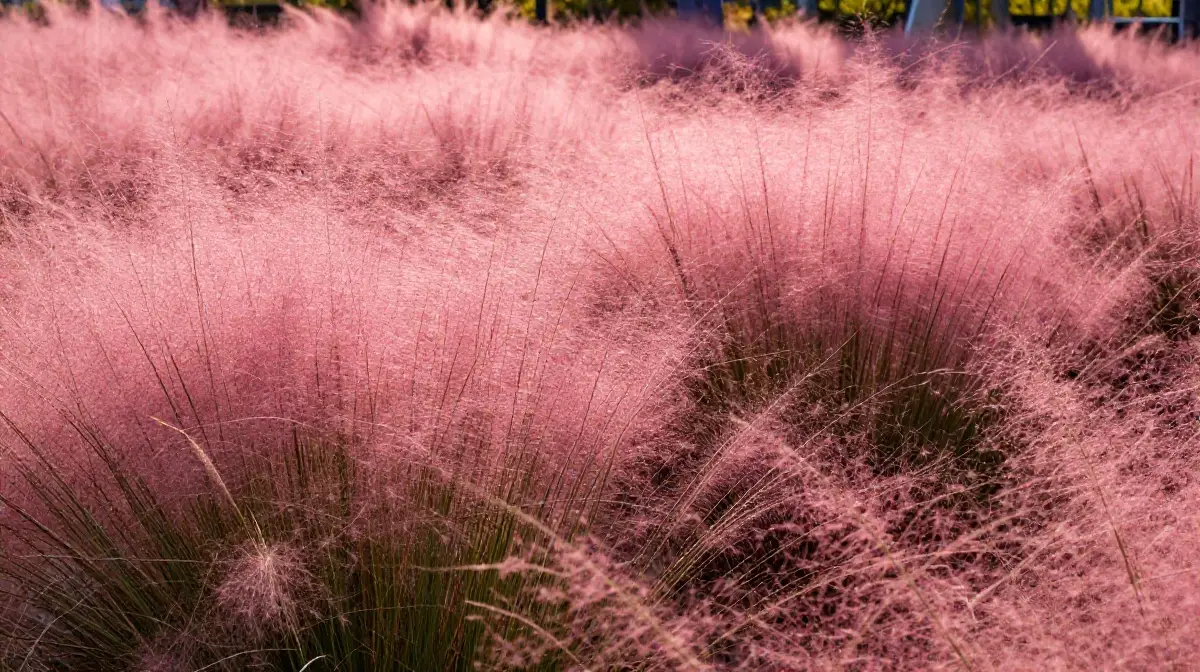
Pink Muhly Grass, known botanically as Muhlenbergia capillaris, is one of those plants that stops garden visitors in their tracks when it reaches its autumn peak. From late summer through to the first frosts, this mid-sized native grass produces billowing masses of hair-fine, bright pink flower heads that create an effect reminiscent of a soft, rosy cloud hovering just above the foliage. When planted in a generous drift and backlit by the low-angled light of the late afternoon autumn sun, the display is genuinely breathtaking, producing a level of visual impact that few other garden plants can match at that time of year. Growing to around three feet tall, it is well suited to borders, slopes, and naturalistic meadow-style plantings. Beyond its spectacular flowering display, Muhly Grass is also impressively tough, tolerating drought, heat, and poor soils with remarkable ease, making it as practical as it is beautiful.
Use Ornamental Grasses in Containers
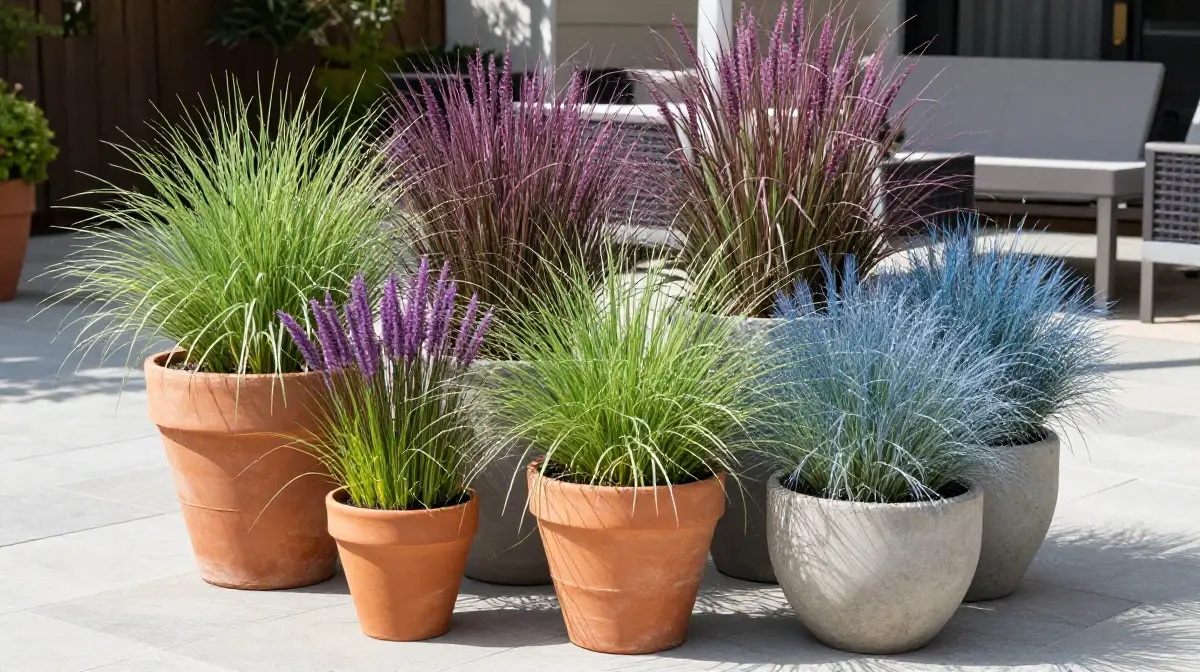
Ornamental grasses are a surprisingly effective and often underused choice for container planting on patios, balconies, roof terraces, and entranceways where garden space is limited or in-ground planting is simply not possible. A single tall specimen such as Purple Fountain Grass or Japanese Forest Grass planted alone in a generously sized pot makes an immediate and impressive statement, bringing height, color, and graceful movement to spaces that might otherwise lack any real sense of drama or structure. Smaller varieties including Blue Fescue and compact Sedge selections can be combined with trailing flowering plants and seasonal annuals to create layered, complex arrangements that change in character throughout the growing year. The key to growing ornamental grasses successfully in containers is selecting pots that are large enough to accommodate the root system properly, ensuring that drainage is excellent, and watering more regularly than would be necessary for the same plant grown in open ground.
Stabilize Slopes with Deep-Rooted Grass Varieties
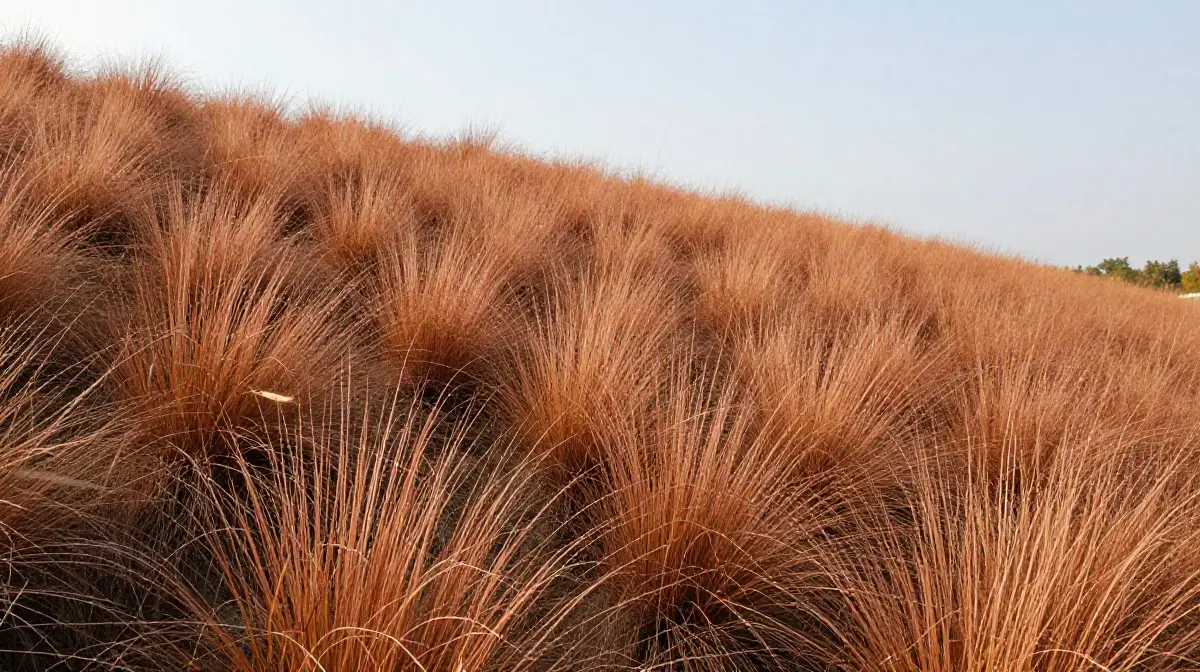
Sloping ground and hillsides present some of the most persistent challenges in garden design and management, as they are susceptible to soil erosion, difficult to plant effectively, and often hard to maintain in a tidy and attractive condition. Ornamental grasses, with their fibrous and often deep-reaching root systems, are exceptionally well equipped to tackle these problems in a way that is both practically effective and visually rewarding. Native varieties such as Prairie Dropseed, Switchgrass, and Little Bluestem are particularly well suited to this role, binding the soil firmly against erosion while providing attractive, season-changing foliage that requires almost no maintenance once it has established. Unlike flat ground-cover plants that can look dull and uniform across a slope, ornamental grasses create a dynamic, layered, and naturally varied appearance that changes genuinely with the seasons and responds beautifully to the movement of wind across the hillside.
Create a Naturalistic Prairie-Style Border
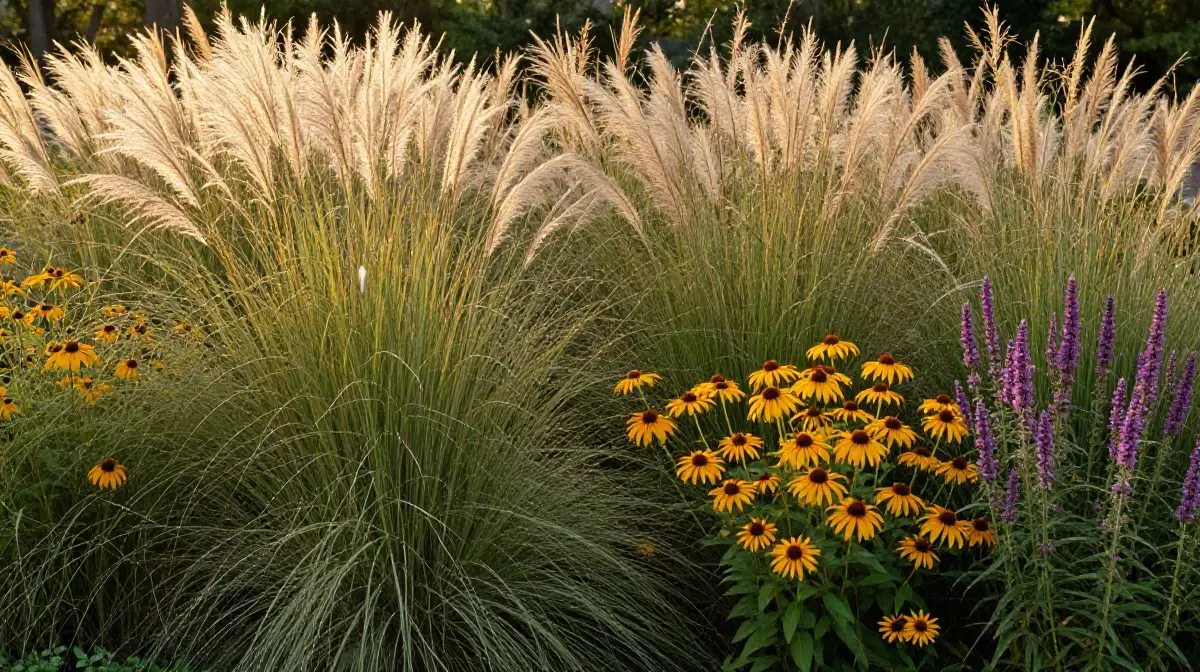
The prairie-style planting approach, inspired by the great natural grasslands of North America and popularized by influential garden designers, is one of the most compelling and enduring garden design trends of recent decades. This style combines ornamental grasses with bold flowering perennials in a way that mimics the relaxed, layered, and species-rich character of a natural meadow, creating a planting that feels simultaneously designed and completely wild. Tall grasses such as Miscanthus or Switchgrass provide the structural backbone of the border, while flowering companions including Echinacea, Rudbeckia, Agastache, and Verbena bonariensis weave through them in naturally irregular patterns. The result is a border that is rich in texture, color, and movement throughout the growing season and that provides outstanding ecological value for pollinators and other beneficial garden wildlife. This approach also tends to require considerably less maintenance than a traditional formal border once the plants are properly established.
Illuminate Shaded Areas with Japanese Forest Grass
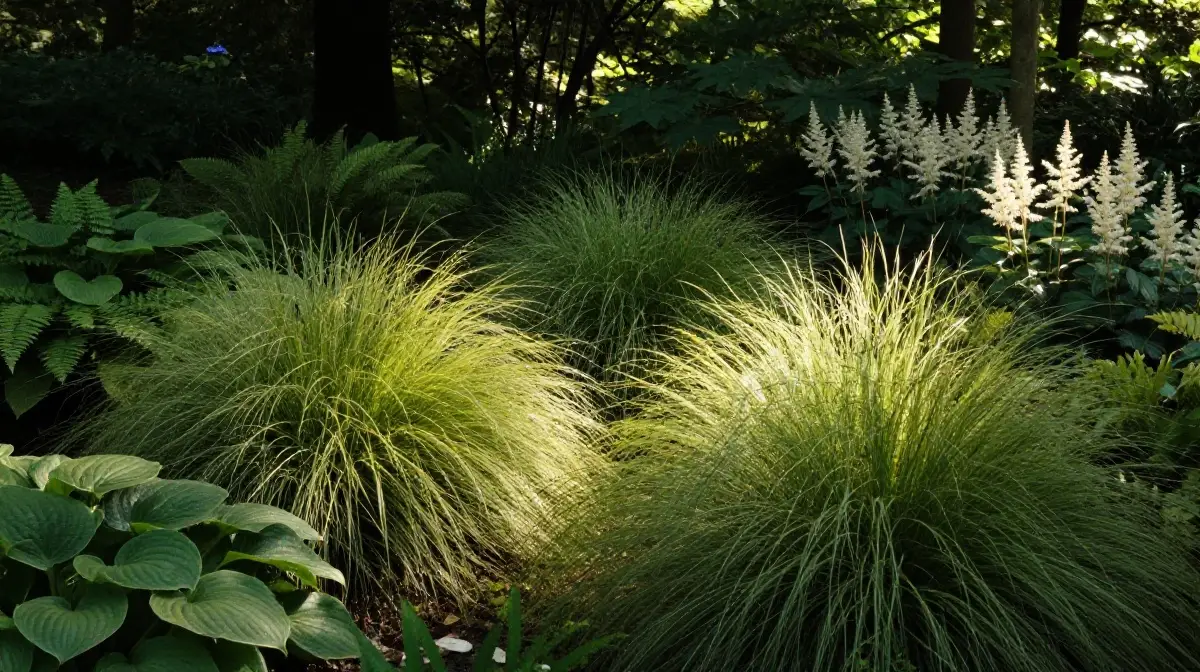
Shaded garden areas are among the most challenging spaces to plant attractively, as the range of plants that genuinely thrive in low light conditions is considerably more restricted than in a sunny border. Japanese Forest Grass, or Hakonechloa macra, stands out as one of the very finest solutions for exactly this problem. Its graceful, cascading mounds of bright golden-green or variegated foliage have a natural luminosity that genuinely seems to glow in shaded conditions, bringing warmth and light to corners of the garden that might otherwise feel dark, dull, and neglected. Growing to around twelve to eighteen inches tall, it spreads slowly in soft, waterfall-like clumps that are beautiful in every season, from the fresh spring emergence of new growth through to the warm copper tones it develops as autumn advances. Paired with Hostas, ferns, and Astilbe in a woodland-style planting scheme, it creates a shaded border of genuine beauty and sophistication.
Incorporate Native Grasses for Wildlife and Ecology
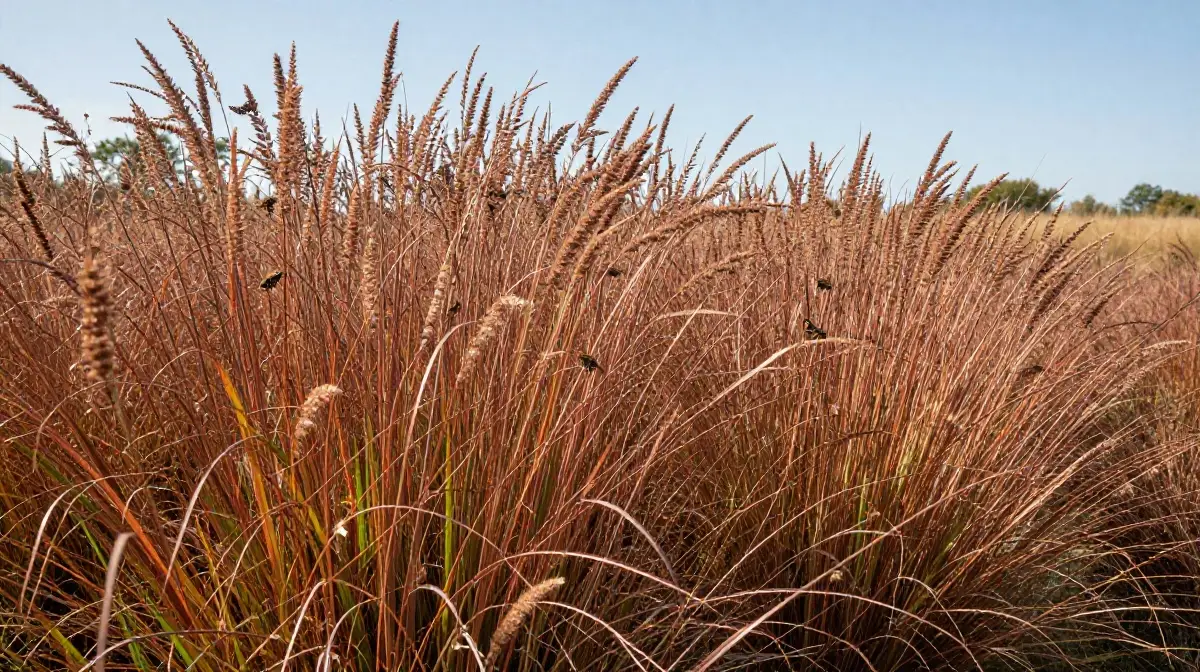
Selecting native ornamental grass varieties is one of the most ecologically responsible and genuinely rewarding choices a gardener can make, and the results in terms of both wildlife value and visual beauty are outstanding. Native grasses are perfectly matched to their local growing conditions, meaning they require no supplementary fertilizer, very little additional watering beyond natural rainfall, and almost no ongoing care once they are properly established in the garden. More importantly, they provide essential habitat and food sources for a wide range of native insects, birds, and small mammals that depend on indigenous plant species to complete their natural life cycles. Little Bluestem, Prairie Dropseed, Switchgrass, and Pink Muhly Grass are among the most beautiful and ecologically valuable native ornamental grasses widely available to gardeners in temperate regions. These plants deliver genuine wildlife benefit while also producing spectacular seasonal displays of color and texture that reward the garden visitor throughout the year.
Design a Low-Water Garden with Drought-Tolerant Grasses
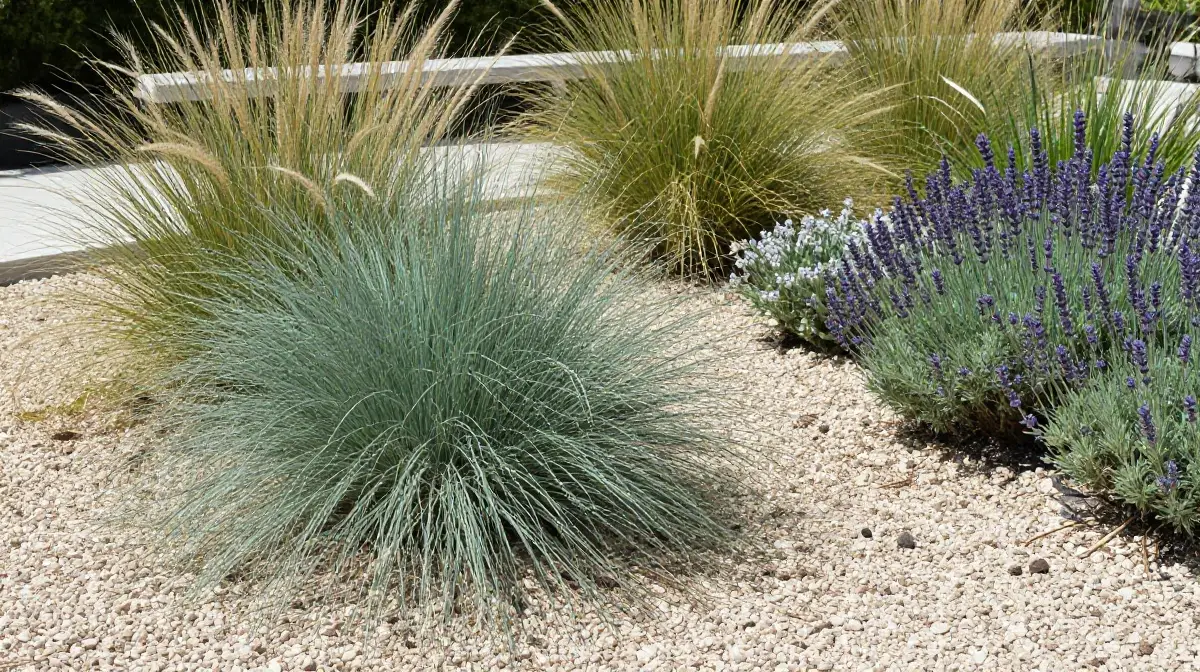
Water-wise garden design has become increasingly important as gardeners across the world respond to changing climate conditions and increasing pressure to use water more responsibly in the outdoor environment. Ornamental grasses are ideal plants for low-water garden schemes because the vast majority of established varieties are genuinely drought-tolerant, having evolved in natural habitats where rainfall is irregular and moisture is not always reliably available. Blue Fescue, Blue Oat Grass, Little Bluestem, and Feather Grass are among the finest choices for a drought-resistant planting scheme, thriving in free-draining soils and handling extended dry periods with remarkable resilience. Combined with other drought-tolerant plants such as Lavender, Sedum, Salvia, and Echinacea, they create garden compositions that are full of color, texture, and interest throughout the growing season while demanding very little supplementary water and virtually no fertilizer input.
Add Winter Structure with Evergreen Grass Varieties
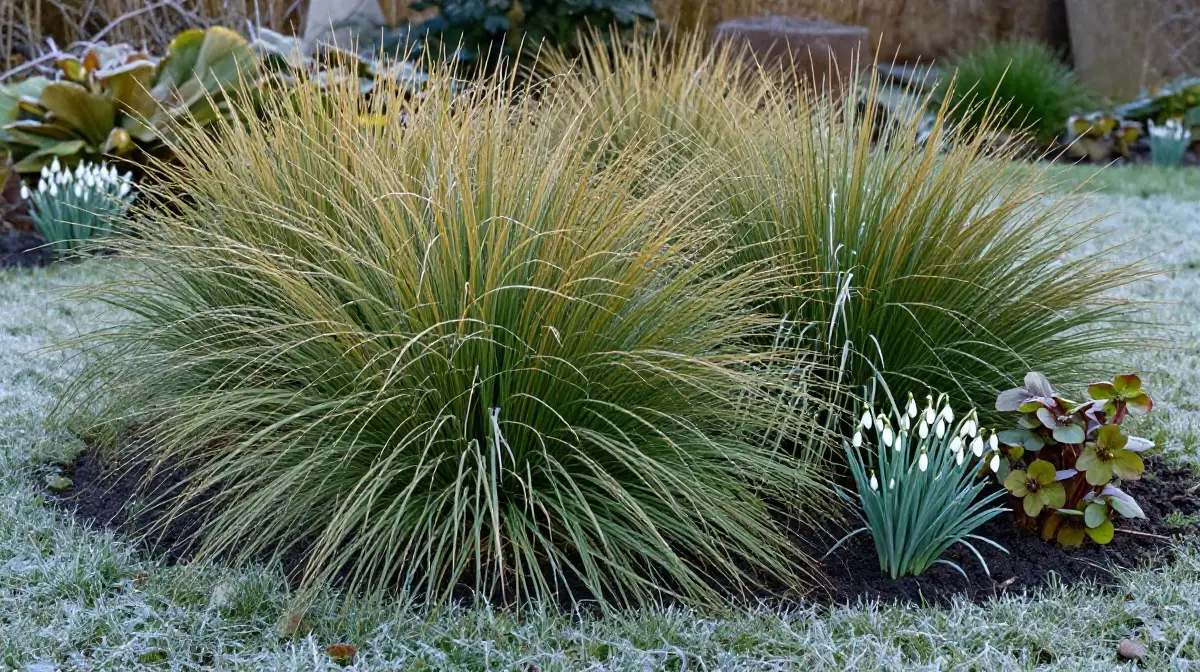
While many ornamental grasses die back to the ground during the colder months, a useful selection of evergreen varieties retains its foliage throughout winter, providing genuine structure and color during the season when most of the garden is at its most bare and unrewarding. Sedge varieties, Mondo Grass, and certain Liriope cultivars maintain attractive foliage in shades ranging from deep green to warm gold and variegated cream throughout the winter period, giving the garden a sense of life and continuity even during the coldest weeks. These evergreen grasses are particularly valuable in smaller gardens where every square foot of planted space needs to earn its place across all seasons, and they work extremely well combined with winter-flowering plants such as Hellebores, Cyclamen, and early bulbs to create a planting that offers genuine interest even in the depths of winter.
Frame Water Features with Ornamental Grasses
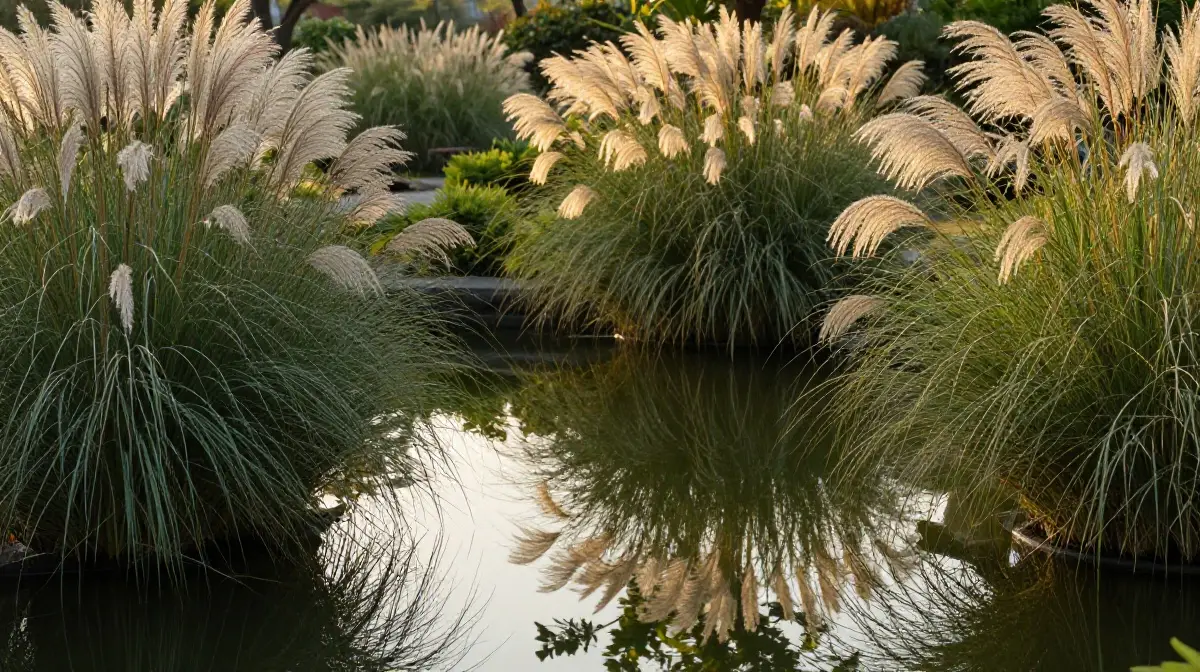
Ornamental grasses and water features are natural companions in garden design, and combining the two creates compositions of exceptional beauty and tranquility. The soft, swaying movement of grass foliage reflected in still water, or the gentle sound of grass stems rustling in a breeze alongside the sound of moving water, creates a sensory experience that is deeply calming and completely in harmony with the natural garden environment. Tall Miscanthus varieties planted behind a garden pond create a magnificent backdrop of arching foliage and feathery plumes that frame the water feature without overpowering it. Sedge and Sweet Flag planted at the water’s edge soften the transition between land and water beautifully, while compact Blue Fescue used in surrounding gravel or paving creates a cohesive, water-wise design that ties the entire composition together with understated elegance.
Use Variegated Grasses to Brighten Dull Borders
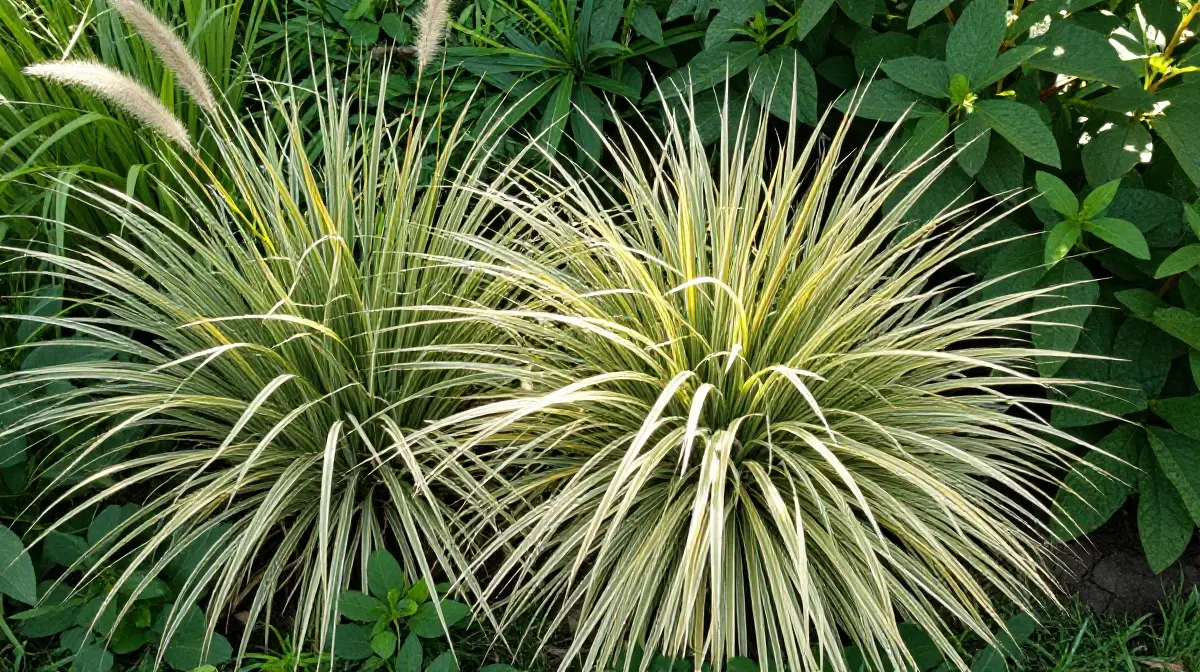
Variegated ornamental grasses, those with two or more colors in their foliage, are outstanding tools for brightening areas of the garden that tend to look flat, monotonous, or lacking in visual interest. The striped or edged foliage of varieties such as Zebra Grass, with its distinctive horizontal gold banding, or Silvergrass with its creamy white leaf margins, introduces a natural patterning and light-reflecting quality that lifts the surrounding planting and draws the eye immediately. These grasses work particularly well in borders dominated by green-foliaged plants, where their variegation provides a visual break and introduces a sense of depth and layering that a single-colored planting cannot achieve. They are also remarkably effective when used in partially shaded areas, where the lighter portions of the variegated leaf reflect and amplify whatever ambient light is available, creating a brightening effect that is genuinely valuable in darker garden situations.
Plant in Drifts for a Flowing, Naturalistic Effect
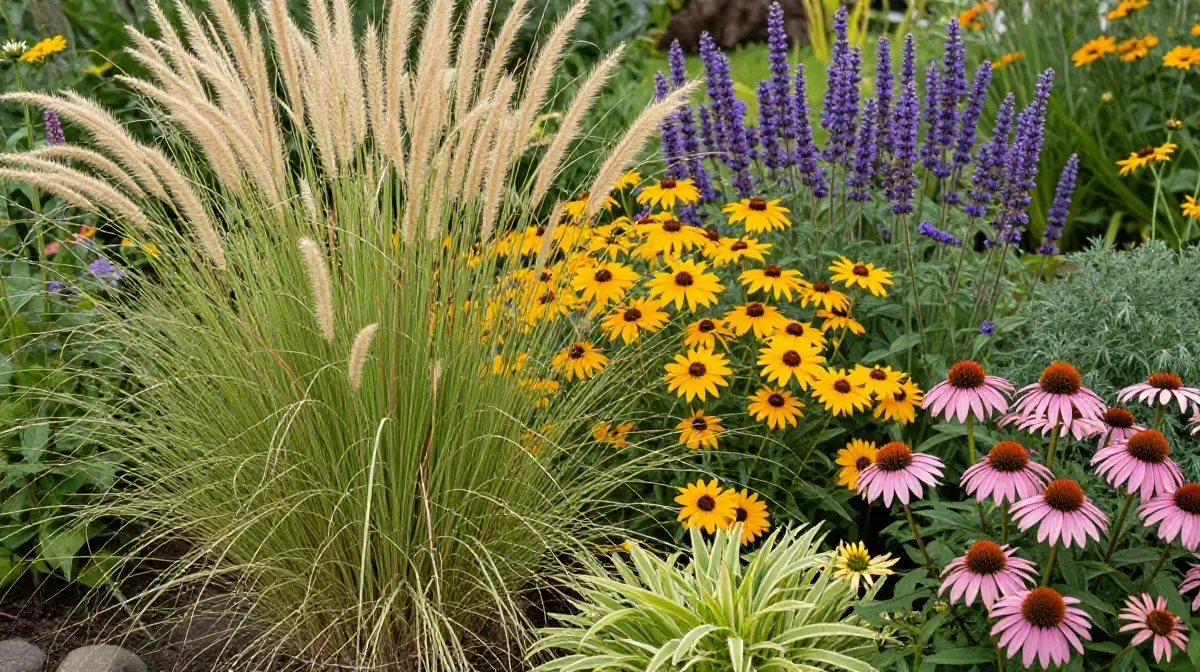
Planting ornamental grasses in long, flowing drifts rather than in rigid blocks or straight rows is one of the most effective techniques for achieving a naturalistic, designed-yet-relaxed aesthetic that has become the defining quality of the finest contemporary garden planting. Drifts of grass weave through a border in organic, irregular shapes that mirror the way plants naturally colonize an open landscape, creating a sense of movement and flow that no formal arrangement can replicate. This technique works especially well in large borders where several varieties of varying height and texture are planted in overlapping drifts, so that the eye moves continuously through the planting without settling on any single dominant element for too long. The flowing, layered quality of drift planting also means that as one variety peaks in seasonal interest, another in an adjacent drift is beginning to develop, ensuring that the border remains visually engaging from early spring right through to late winter.
Combine Grasses with Flowering Perennials for Rich Texture
The combination of ornamental grasses with well-chosen flowering perennials is one of the most consistently rewarding approaches in all of garden design, producing borders that are rich in texture, color, and seasonal interest across a very long growing period. The grasses bring structure, movement, and a fine or bold texture that provides a calming counterpoint to the more assertive shapes of flowering plants, creating a sense of balance and harmony within the border that a purely floral planting rarely achieves. Classic and highly effective combinations include the upright columns of Karl Foerster paired with the warm golden daisies of Rudbeckia and the soft purple spikes of Agastache, or the cascading gold of Japanese Forest Grass combined with the deeply colored foliage of Heuchera and the elegant blue flowers of Brunnera in a shaded woodland border. These combinations reward careful observation across every season and continue to improve and develop in character as the plants mature over successive years.
Design a Modern Minimalist Garden with Structural Grasses

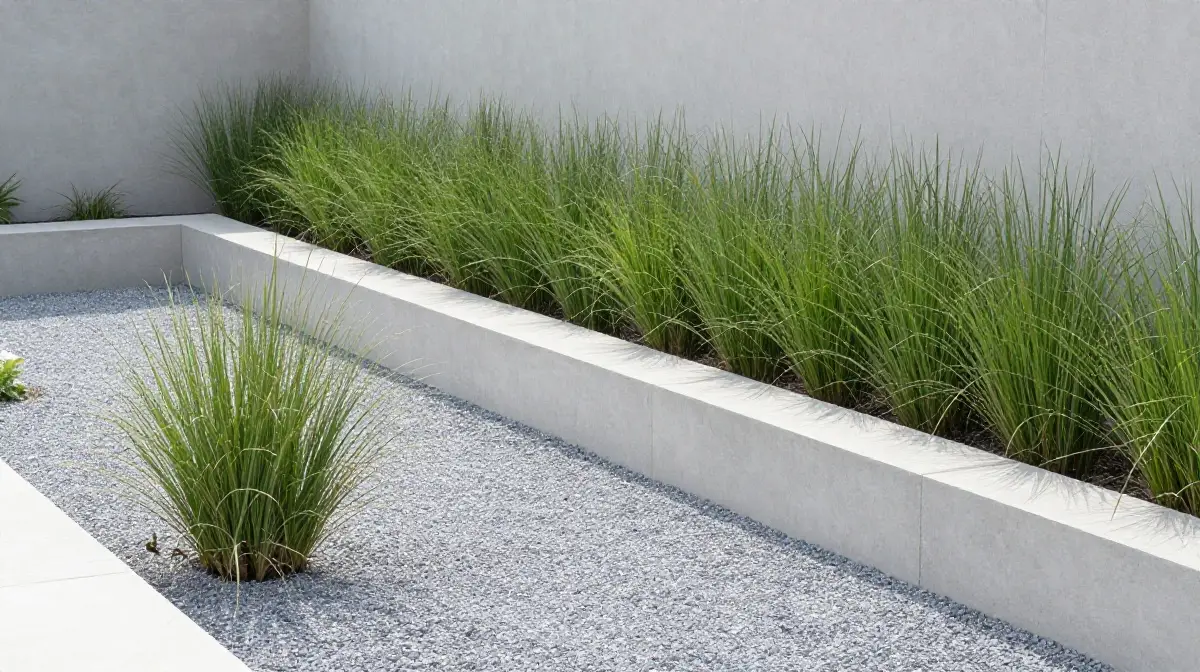
The clean, considered aesthetic of modern minimalist garden design is one of the styles that benefits most immediately and most completely from the inclusion of well-chosen ornamental grasses. In a design vocabulary that values simplicity, repetition, and the careful balance of hard and soft elements, ornamental grasses occupy a uniquely important role. A single bold specimen of Blue Oat Grass or Karl Foerster placed within a geometric bed of fine gravel, or a repeated row of compact Sedge contained within a clean-edged raised bed, delivers exactly the right combination of structural precision and organic softness that minimalist design demands. These grasses introduce movement and seasonal change into what might otherwise feel like a static, overly controlled composition, bringing the garden to life while respecting the restrained design principles that give the minimalist style its distinctive visual power and sense of calm.
Grow Ornamental Grasses for Cut Flower and Dried Arrangements
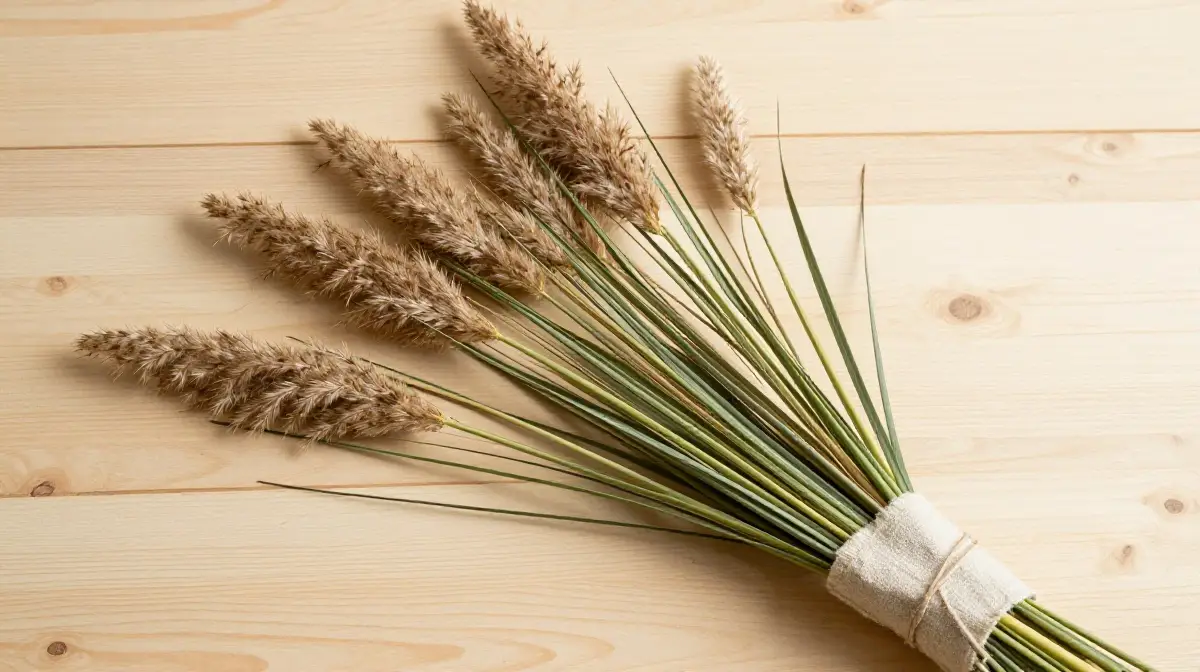
Beyond their considerable value in the garden itself, many ornamental grasses produce flower heads, seed heads, and foliage that are genuinely beautiful when cut and used in floral arrangements, both fresh and dried. The feathery plumes of Pampas Grass, the elegant seed heads of Miscanthus, the fine airy flowers of Stipa or Feather Grass, and the compact spikes of Blue Fescue all translate exceptionally well into vase arrangements and dried botanical displays. Cutting grass stems for indoor use also has the practical benefit of encouraging the plant to produce fresh new growth, keeping the outdoor specimen looking vigorous and well-maintained throughout the growing season. Dried ornamental grass arrangements have seen a significant resurgence in popularity in recent years as part of the broader trend toward natural, botanical interior styling, and growing your own supply in the garden is both economical and deeply satisfying.
Care for Your Ornamental Grasses Through Every Season
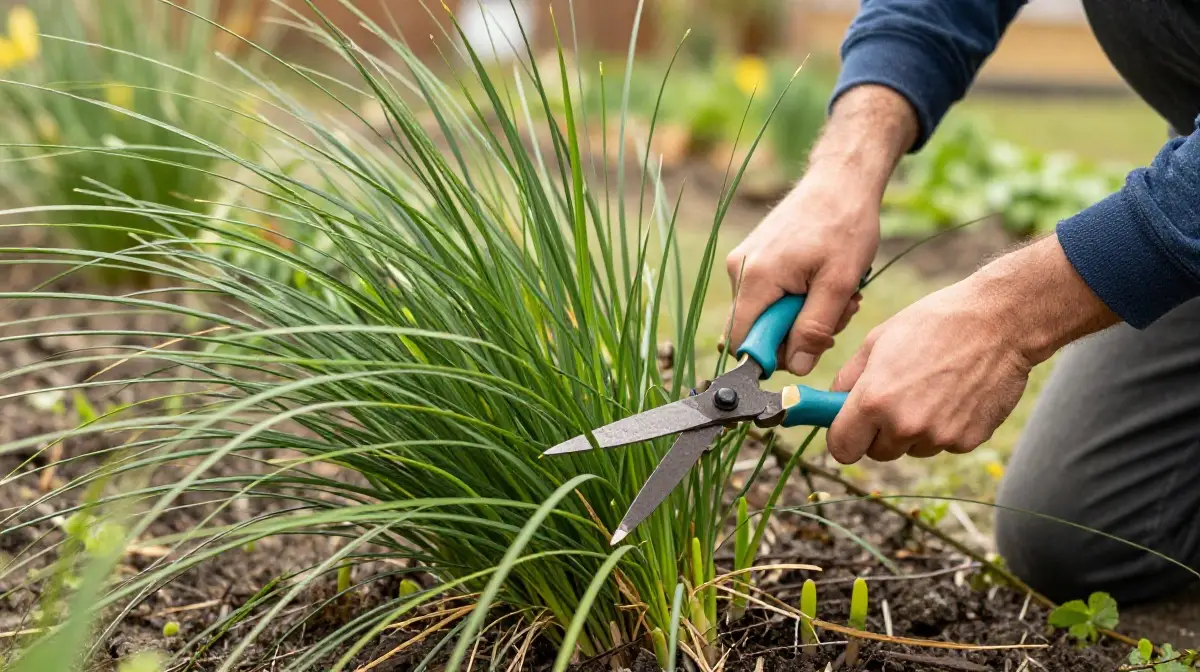
Understanding the relatively simple seasonal care requirements of ornamental grasses is the final piece of the puzzle for any gardener who wants to enjoy these plants at their absolute best year after year. The single most important task is the annual cut-back, which should be carried out in late winter or very early spring, just before the first new growth begins to emerge from the base of the plant. Cutting the previous year’s growth back to around four to six inches from the ground removes dead and weathered material cleanly and allows the fresh new season’s growth to develop without competition or obstruction. Division every three to five years rejuvenates older clumps that begin to die out in the center, and this is most successfully done in spring when the plant is actively growing. During the first growing season after planting, regular deep watering is important to establish a strong and resilient root system, after which the vast majority of ornamental grass varieties will thrive with minimal additional attention, rewarding the gardener with outstanding beauty for many years to come.
Conclusion
Ornamental grasses are far more than just background plants in a garden. As these 22 ideas clearly demonstrate, they are genuinely versatile, ecologically valuable, and visually extraordinary plants that deserve a central role in any thoughtfully designed outdoor space. Whether you are drawn to the bold drama of Purple Fountain Grass, the cool architectural precision of Blue Fescue, the naturalistic sweep of a prairie-style border, or the quiet elegance of Japanese Forest Grass glowing in a shaded corner, there is an ornamental grass variety perfectly suited to your garden style, your climate, and your level of available time for maintenance.What makes ornamental grasses truly special is their ability to deliver beauty across every single season without demanding constant attention in return. They move with the wind, change with the light, shift in color through the seasons, and stand with quiet dignity even through the harshest winter conditions. They support wildlife, stabilize soil, soften hard structures, frame water features, and bring life to spaces that other plants simply cannot reach. Few plant groups offer that breadth of practical value alongside such consistent and genuine visual reward.
You may also like this:22 How to Get Rid of Ants in the House Ideas
Frequently Asked Questions
1. What are the best ornamental grasses for a low-maintenance garden?
Karl Foerster Feather Reed Grass, Blue Fescue, Little Bluestem, and Prairie Dropseed are among the most outstanding low-maintenance choices available. All are highly adaptable to a wide range of soil conditions, genuinely drought-tolerant once established, and require nothing more than a single annual cut-back in late winter to remain healthy, vigorous, and attractive throughout the entire growing year.
2. Can ornamental grasses grow well in shaded garden areas?
Yes, a number of ornamental grass varieties perform very well in partial or even full shade. Japanese Forest Grass is one of the finest shade-tolerant options available, bringing warm, luminous golden foliage to darker corners. Sedge varieties, Northern Sea Oats, and Dwarf Mondo Grass are also reliable performers in shaded conditions, thriving where many other plants would simply struggle to survive.
3. When is the correct time to cut back ornamental grasses?
The ideal time to cut back the great majority of ornamental grasses is in late winter or at the very beginning of spring, just before new growth begins to push up from the base of the plant. Waiting until this point allows the gardener to enjoy the attractive structure and texture of the dried foliage and seed heads throughout the winter months, which provide both visual interest and important habitat for garden wildlife.
4. Are ornamental grasses suitable for growing in containers and pots?
Absolutely, and they can be highly effective in this role. Purple Fountain Grass, Japanese Forest Grass, and Blue Fescue are particularly well suited to container cultivation, thriving in generously sized pots with excellent drainage. Containers give gardeners in cooler climates the additional advantage of being able to move slightly tender grass varieties under cover during the winter months, protecting them from frost damage.
5. How frequently should ornamental grasses be divided?
Most established ornamental grasses benefit from division approximately every three to five years, particularly once the center of the clump begins to look sparse, hollow, or lacking in vigor. Division is most successfully carried out in spring when the plant is in active growth. The process reinvigorates the plant, stimulates strong new growth from the divided sections, and conveniently provides additional plants that can be used to extend the planting into other areas of the garden.

1 Comment