
Introduction
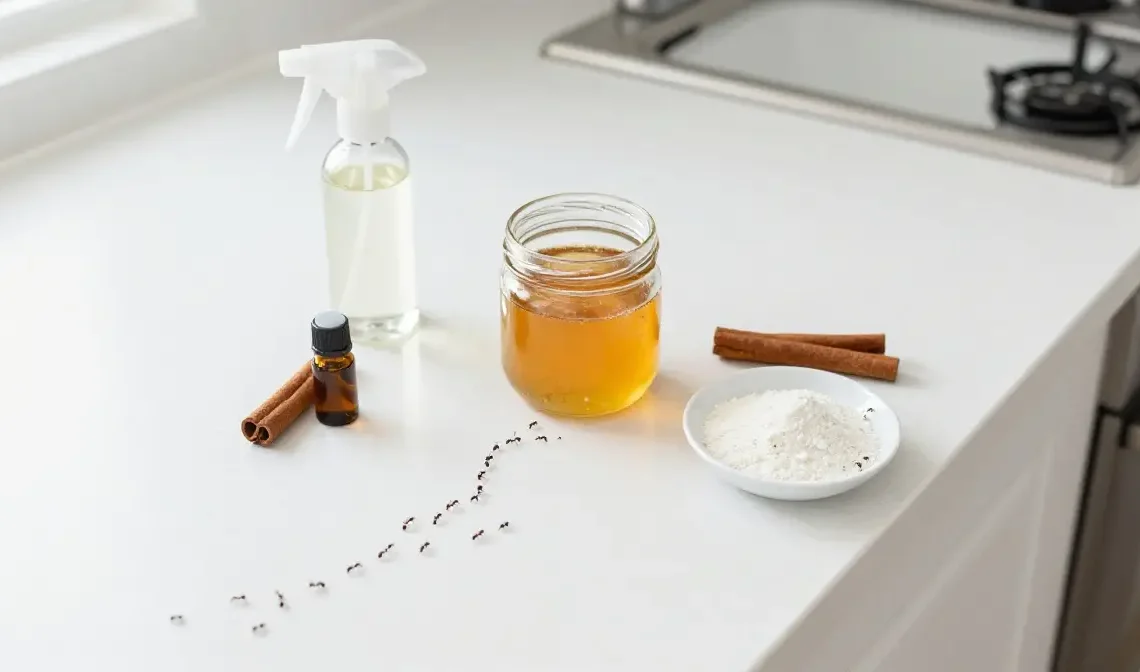
Finding ants marching through your kitchen or bathroom is one of the most frustrating household problems. These tiny insects are persistent, well-organized, and surprisingly difficult to eliminate once they settle in. Whether you are dealing with a small trail near your sink or a full-blown infestation behind your walls, knowing exactly how to get rid of ants in the house gives you a real advantage. This guide covers 22 practical, proven ideas, from everyday household remedies to professional solutions, so you can take back your home quickly and effectively.
Identify the Ant Species You Are Dealing With
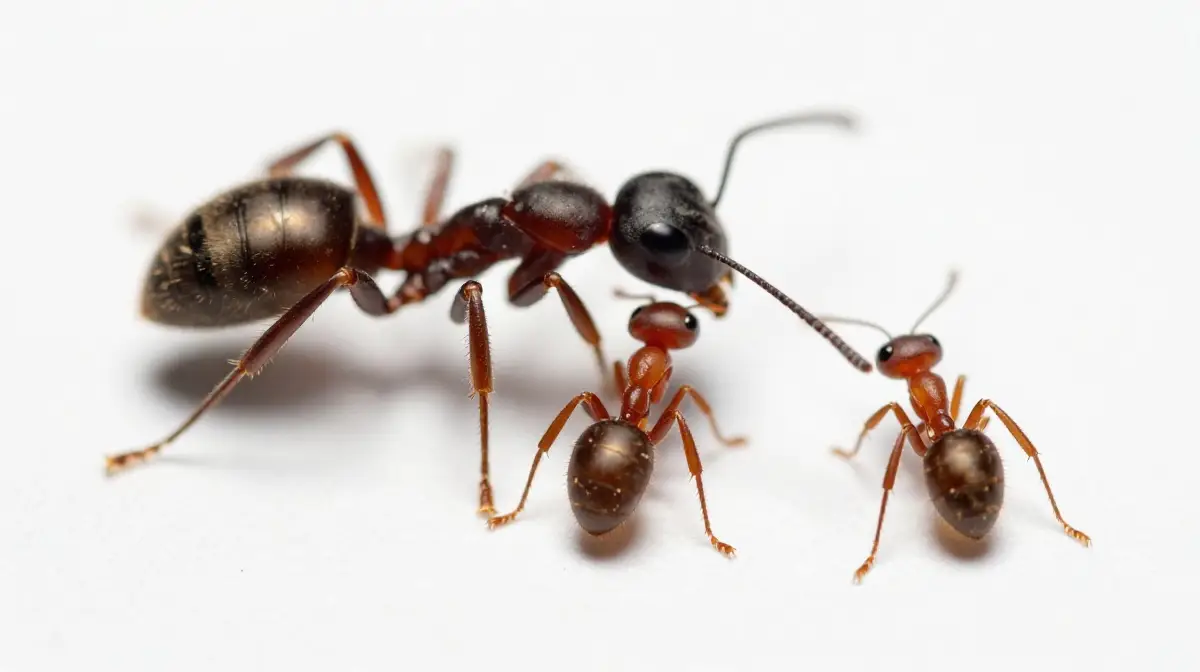
Before you reach for any spray or bait, take a moment to identify which type of ant has invaded your home. Common household ants include odorous house ants, carpenter ants, Pharaoh ants, and fire ants. Each species responds differently to treatment. For example, odorous house ants are drawn to sweet foods, while carpenter ants prefer moist wood. Misidentifying the species can actually make an infestation worse. A clear photograph and a quick online search can help you confirm the type, which will guide every step that follows and prevent you from wasting time on ineffective methods.
Use White Vinegar to Destroy Scent Trails
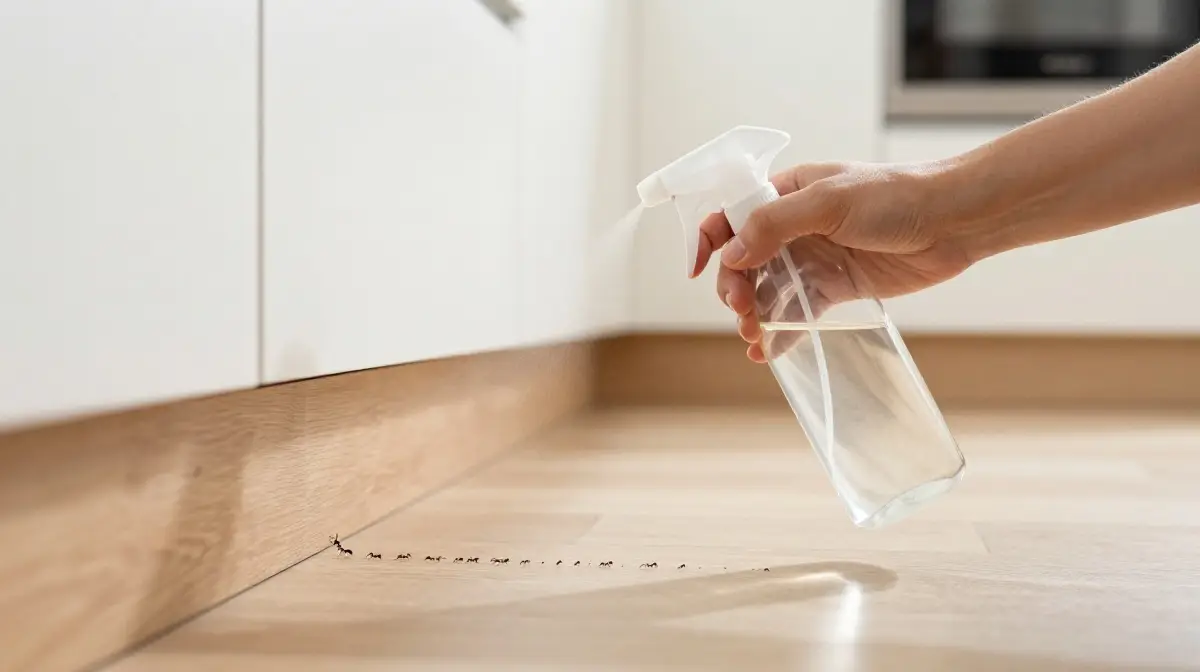
Ants navigate using invisible chemical highways called pheromone trails. Once a scout ant finds food, it lays a scent trail for the rest of the colony to follow. White vinegar is one of the simplest and most accessible ways to break these trails. Mix equal parts water and white vinegar in a spray bottle, then apply it along baseboards, countertops, and any visible ant paths. The acidic smell completely disrupts the ants’ communication system, causing them to lose direction. Wipe down the area after spraying and repeat daily for best results, especially after mopping or heavy rain when trails can reappear.
Apply Borax Bait to Target the Entire Colony
Unlike surface sprays that only kill the ants you can see, borax bait works by reaching deep into the colony. Worker ants carry the borax mixture back to their nest, where it eventually eliminates the queen and collapses the entire colony. Mix one part borax with three parts sugar or peanut butter, depending on what the ants in your home prefer, and place small amounts near active trails. Be patient. This method can take a few days to a week, but it is far more thorough than any contact-kill method. Keep borax bait away from children and pets by placing it inside tamper-resistant bait stations.
Seal Every Crack and Entry Point in Your Home
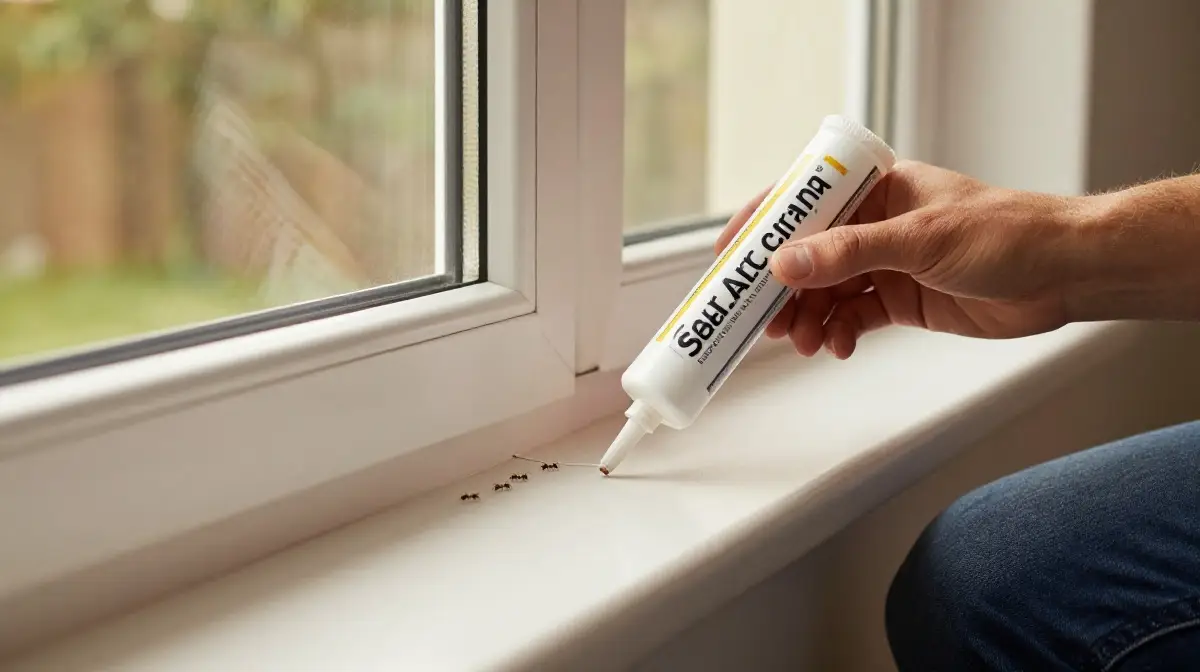
Ants are extraordinary at finding even the smallest gaps in your home’s structure. They enter through cracks around window frames, gaps in door seals, holes around utility pipes, and openings in the foundation. A thorough inspection of your home’s exterior is essential. Use caulk to seal cracks in walls and around windows, weatherstripping to close gaps under doors, and steel wool for larger holes near plumbing. Addressing entry points is not just a reactive measure. It is the most effective long-term prevention strategy available. Even the most powerful pest control treatment will fail if ants can still walk right in through unprotected openings.
Sprinkle Diatomaceous Earth Along Ant Pathways
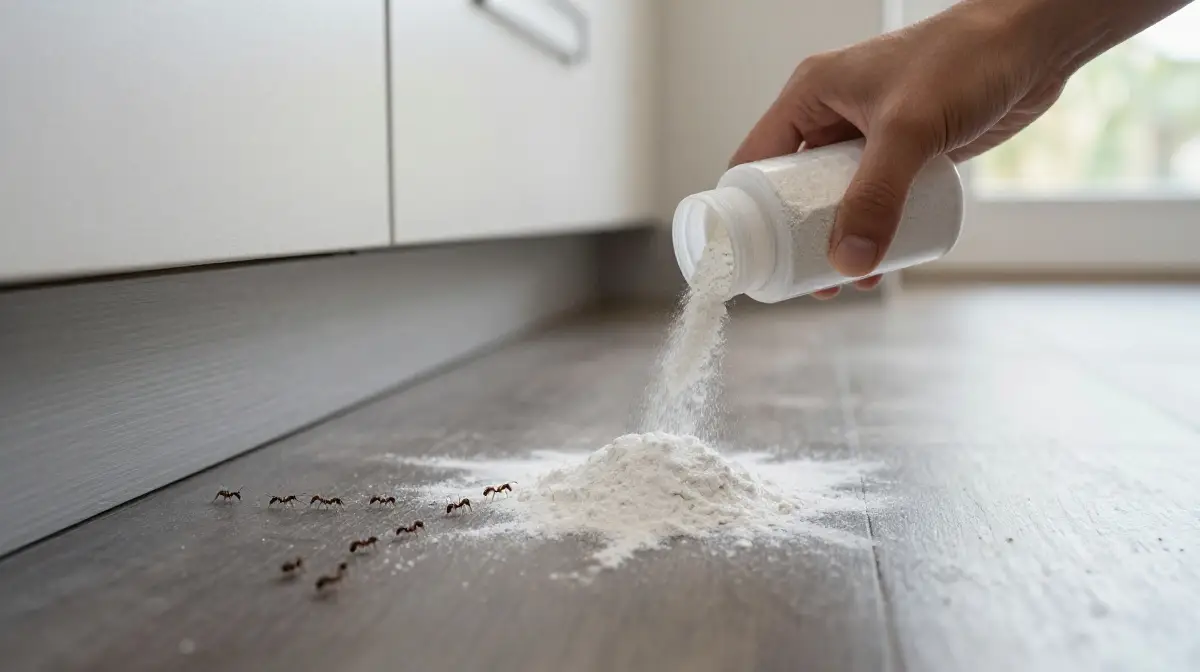
Food-grade diatomaceous earth is a naturally occurring powder made from fossilized algae. While completely harmless to humans and pets, it is lethal to ants. The microscopic sharp edges of the powder cut through an ant’s exoskeleton, causing it to dehydrate and die within hours. Sprinkle a thin layer along baseboards, behind appliances, in cabinets, and around entry points. It works best in dry conditions, so reapply after cleaning or in humid weather. Because it kills through physical contact rather than chemical toxicity, ants cannot develop resistance to it, making diatomaceous earth one of the most reliable long-term tools in your pest control toolkit.
Use Peppermint Oil as a Natural Ant Repellent
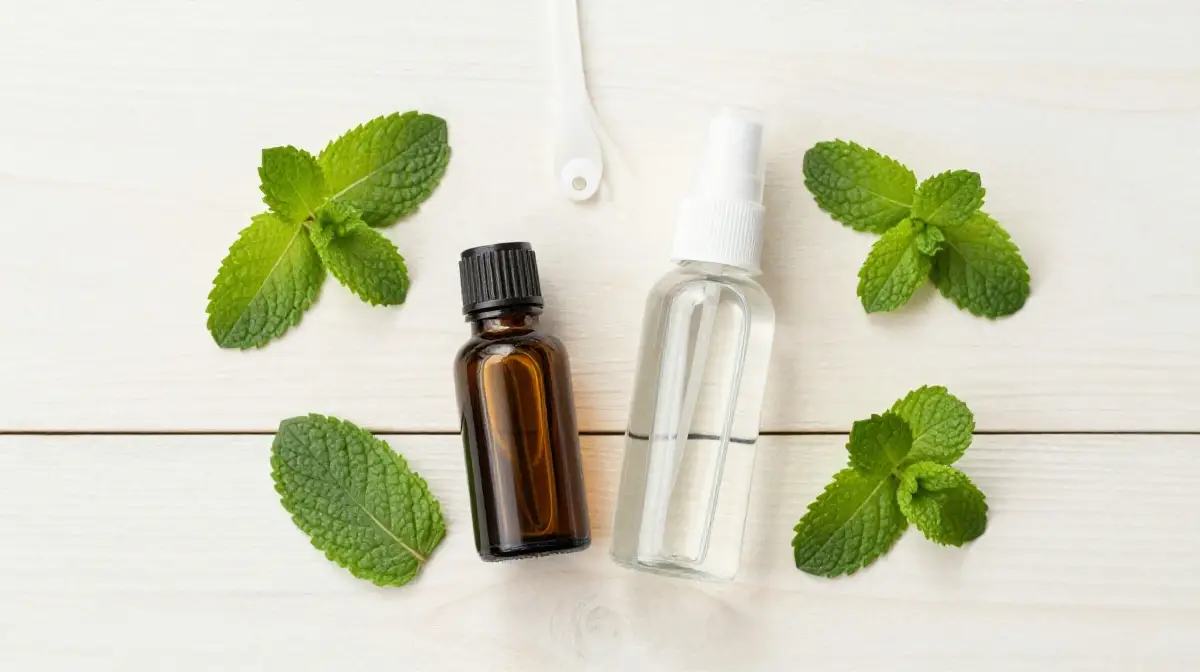
Essential oils, particularly peppermint, are highly effective at deterring ants without introducing harsh chemicals into your living space. Ants rely heavily on their sense of smell, and the intense menthol scent of peppermint oil overwhelms and repels them. Add 15 to 20 drops of peppermint essential oil to two cups of water in a spray bottle and apply it generously around windows, doorways, and areas where ants have been spotted. Refresh the application every two to three days. Tea tree oil and eucalyptus oil work similarly well. These natural repellents are especially valuable in homes with young children or pets where chemical pesticides are not ideal.
Place Commercial Ant Bait Stations Strategically
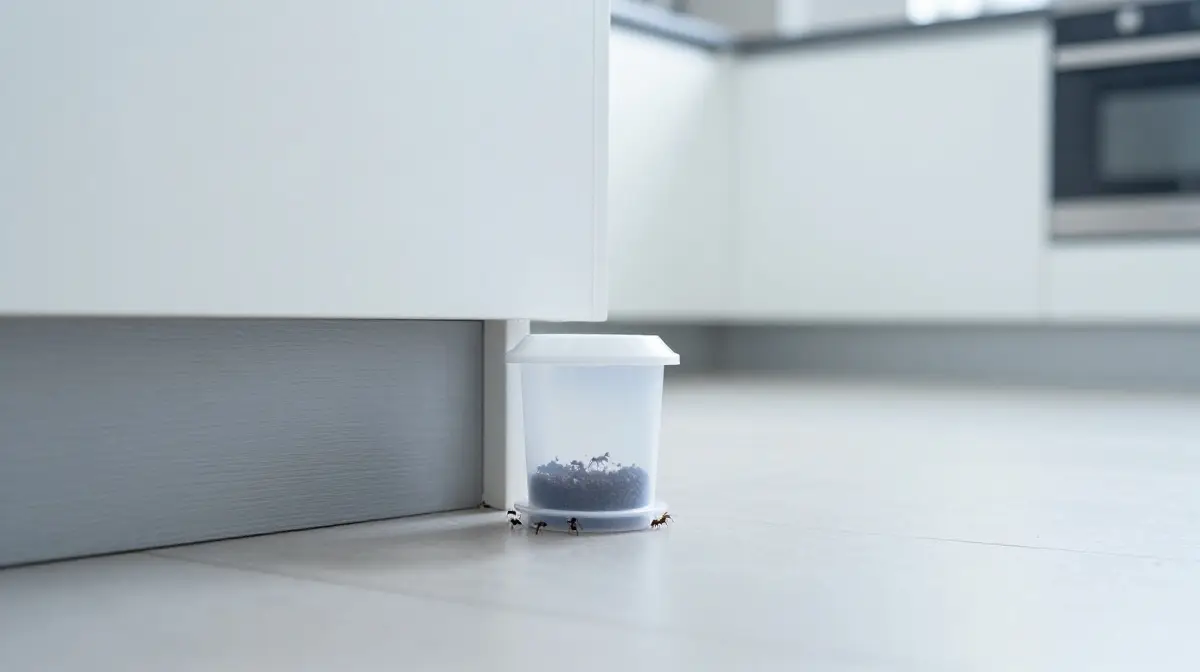
Store-bought ant bait stations are among the most highly recommended solutions by pest control professionals. These small enclosed traps contain a slow-acting poison mixed with an attractant that lures ants inside. The key to success is placement. Position bait stations directly on or very close to active ant trails, near food sources, and along walls where ants travel. Resist the urge to spray other pesticides nearby, as this will scare the ants away from the bait before they can carry it back to the colony. Try several brands if the first one does not attract activity, since different ant species respond to different attractants.
Clean Your Kitchen Thoroughly and Remove Food Sources
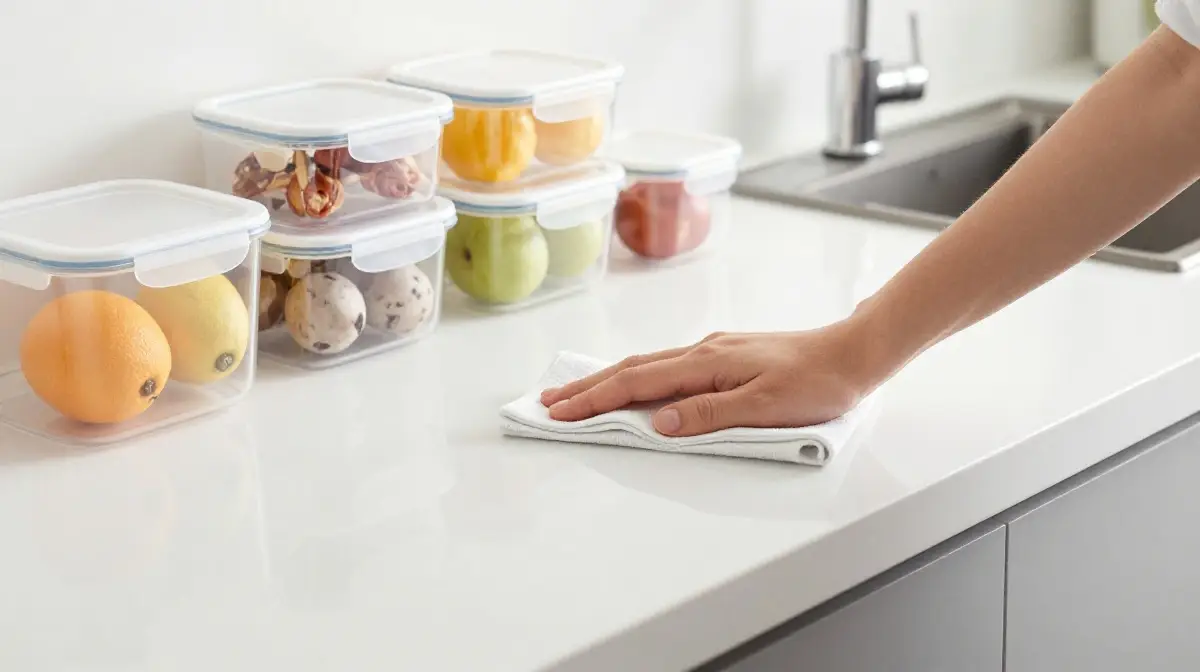
Ants are almost always searching for food. A kitchen with crumbs on the counter, sticky residue near the stove, or an uncovered fruit bowl is an open invitation for an infestation. Wipe down all surfaces after cooking, store food in airtight containers, rinse dishes immediately after use, and empty your garbage regularly. Do not forget pet food bowls, which are a surprisingly common attractant. Even a thin layer of cooking grease on the backsplash can sustain an ant colony for weeks. Consistent kitchen hygiene does not just discourage ants, it eliminates the primary reason they are inside your home in the first place.
Sprinkle Ground Cinnamon to Block Ant Trails
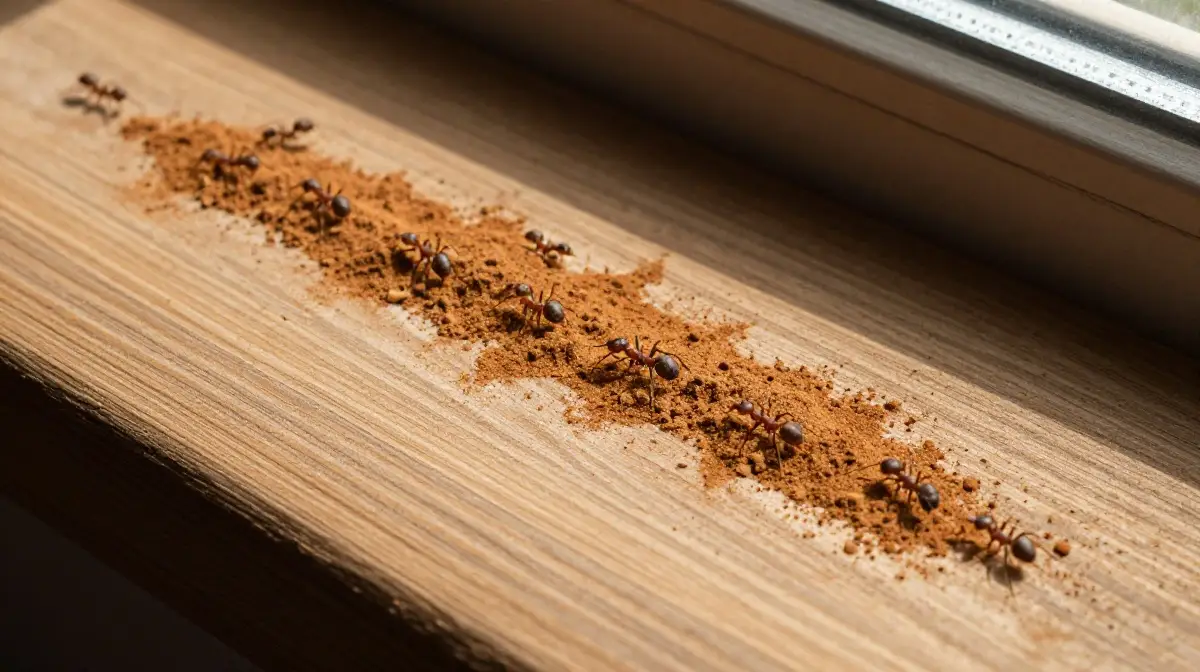
Cinnamon is a practical, affordable, and completely non-toxic option for disrupting ant activity in the home. The strong aromatic compounds in cinnamon interfere with the ants’ scent trails, confusing them and discouraging them from following established paths. Sprinkle ground cinnamon generously along windowsills, doorways, and any areas where you have seen consistent ant traffic. Cinnamon sticks placed near entry points also provide a longer-lasting barrier. While cinnamon alone will not eliminate a large colony, it is an excellent complementary measure alongside borax bait or diatomaceous earth, and it leaves your home smelling considerably better than chemical treatments.
Deploy Dish Soap and Water Spray for Immediate Control
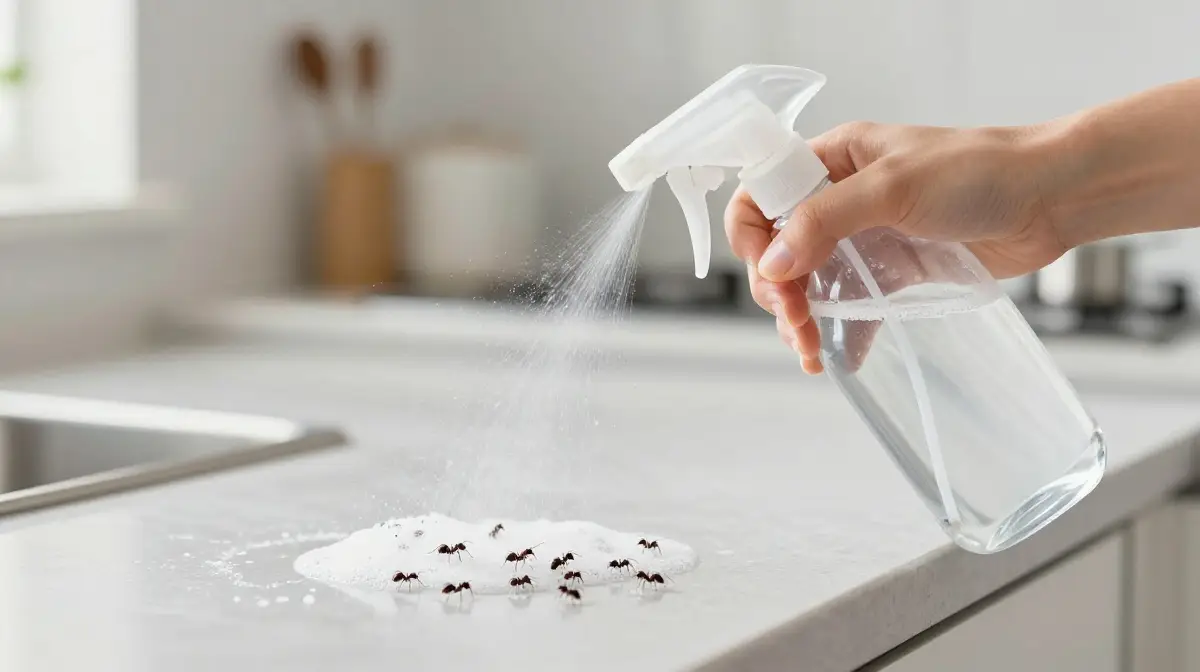
When you need a fast, in-the-moment solution, a mixture of liquid dish soap and water in a spray bottle is remarkably effective. The soap breaks down the waxy coating on an ant’s exoskeleton, causing it to dehydrate almost instantly. It also disrupts the pheromone trails left behind on surfaces. Spray directly onto visible ants and then wipe the area clean with a damp cloth. This method works best as a first-response measure while you set up longer-term treatments like bait stations or diatomaceous earth. It is entirely safe around food preparation surfaces and requires no special equipment or products from the store.
Use Coffee Grounds to Repel Ants Naturally
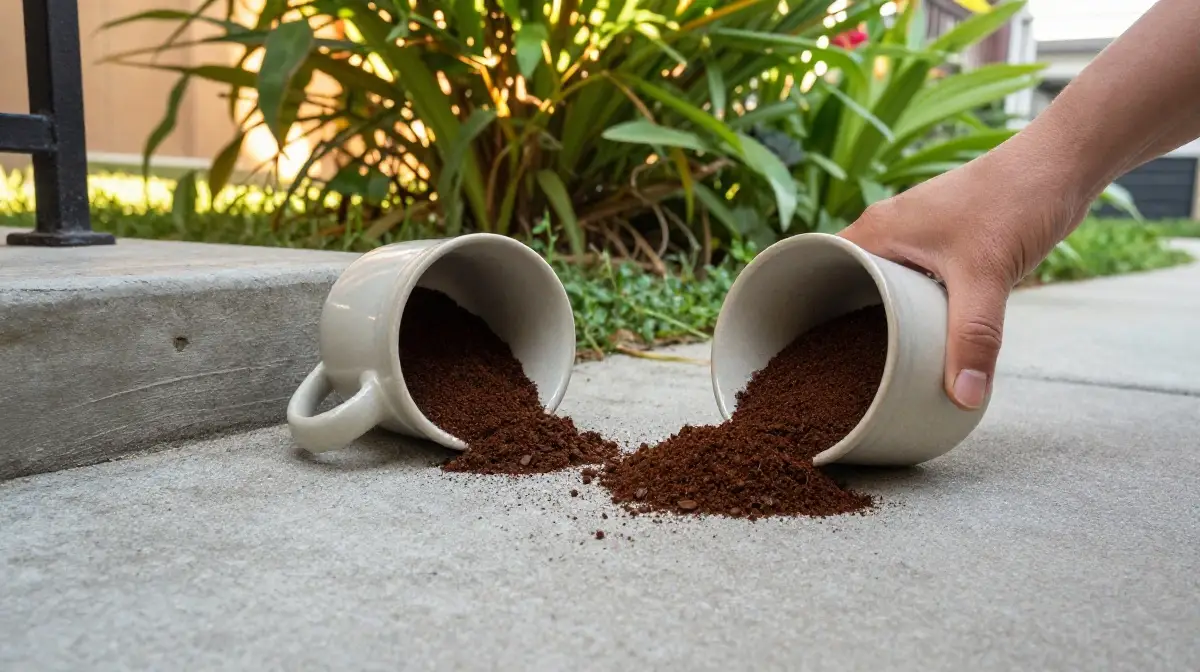
Used coffee grounds are a resourceful, zero-waste method for deterring ants around your home. Research has confirmed that the strong smell of coffee repels several species of household ants by masking the pheromone trails they depend on. Spread spent coffee grounds along the perimeter of your home, around garden beds bordering the house, and near interior entry points like window ledges. Replace the grounds every few days as the scent fades. This method is especially useful outdoors, where it also enriches soil. It is a simple way to recycle a daily kitchen byproduct into a meaningful part of your ant prevention routine without spending a single extra rupee.
Trim Trees and Shrubs That Touch Your Home’s Exterior
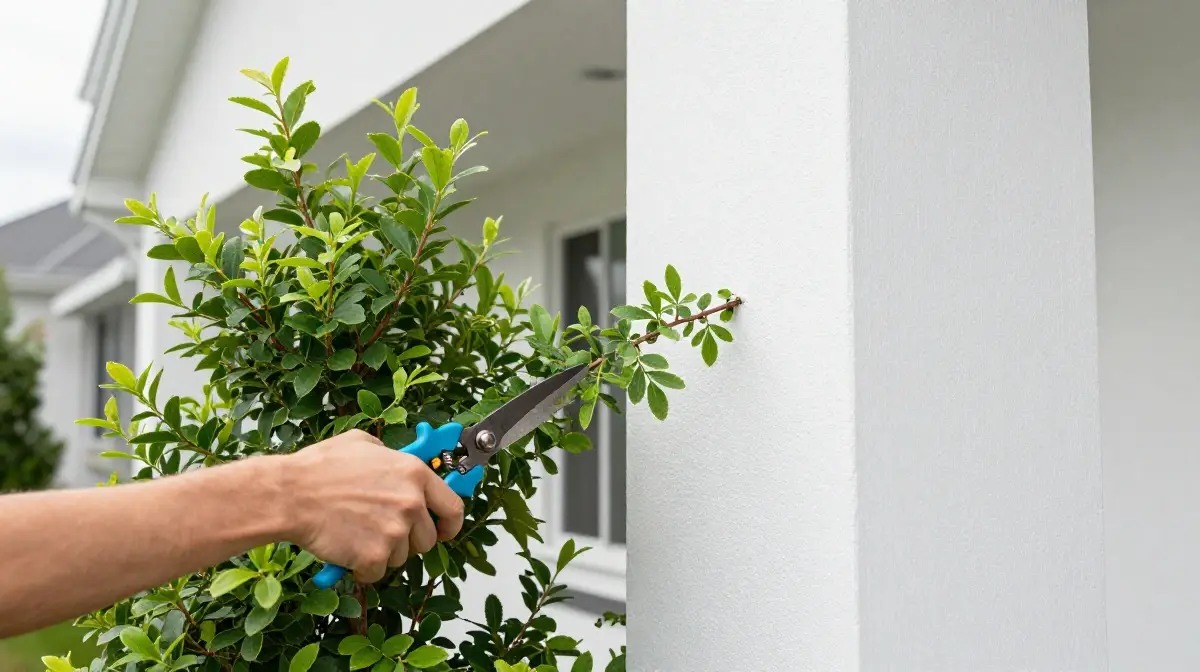
Many homeowners overlook the outdoor environment when tackling an ant problem, yet it is often where the issue begins. Tree branches, shrubs, and climbing vines that touch or overhang the roof and walls of your home act as natural bridges, allowing ant colonies to enter from the outside without ever touching the ground. Regularly trim all vegetation so that it sits at least 30 centimeters away from your home’s exterior walls and roof line. Remove mulch or leaf litter piled against the foundation, as these create ideal nesting habitats. Addressing the outdoor environment alongside indoor treatments dramatically increases the speed and completeness of your results.
Fix Moisture Problems to Eliminate Carpenter Ants
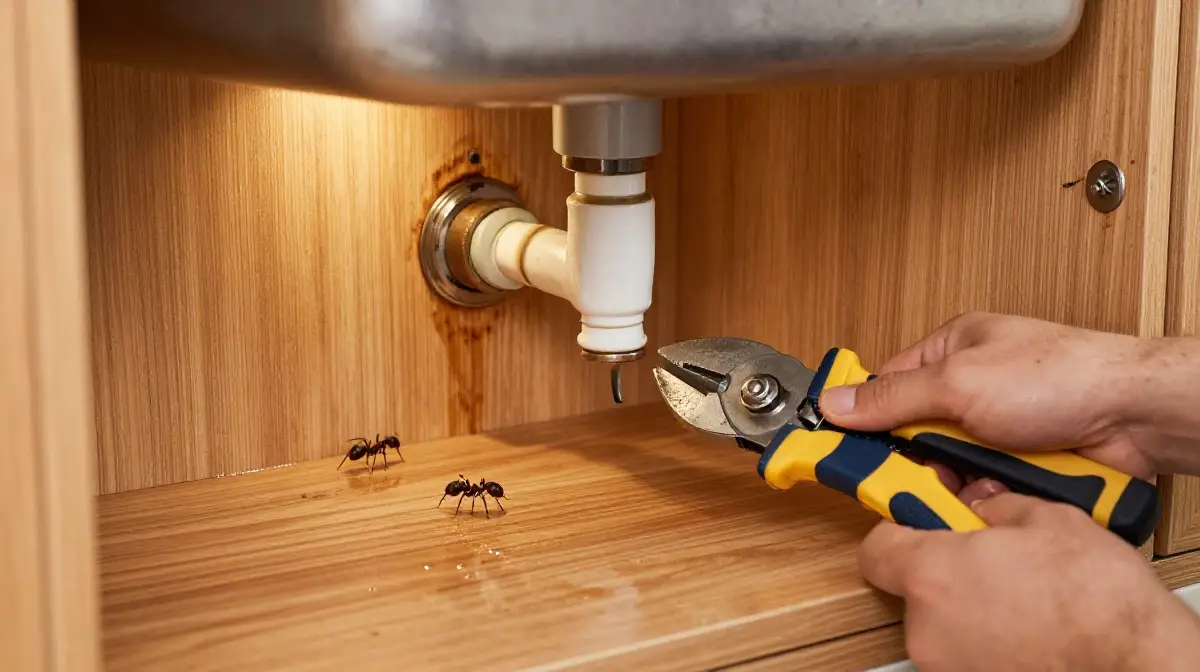
Carpenter ants are one of the most destructive species that can invade a home, and unlike other ants, they are not primarily motivated by food. They seek out damp, soft wood where they can excavate tunnels and establish their nests. Leaking pipes under sinks, water-damaged roof timbers, damp basement walls, and poorly sealed bathroom tiles all create exactly the environment carpenter ants look for. Repairing plumbing leaks, improving ventilation in damp areas, replacing water-damaged wood, and ensuring gutters drain water well away from the foundation are all essential steps. Eliminating moisture makes your home structurally inhospitable to this particularly destructive species.
Try Cornmeal as a Long-Term Colony Disruption Method
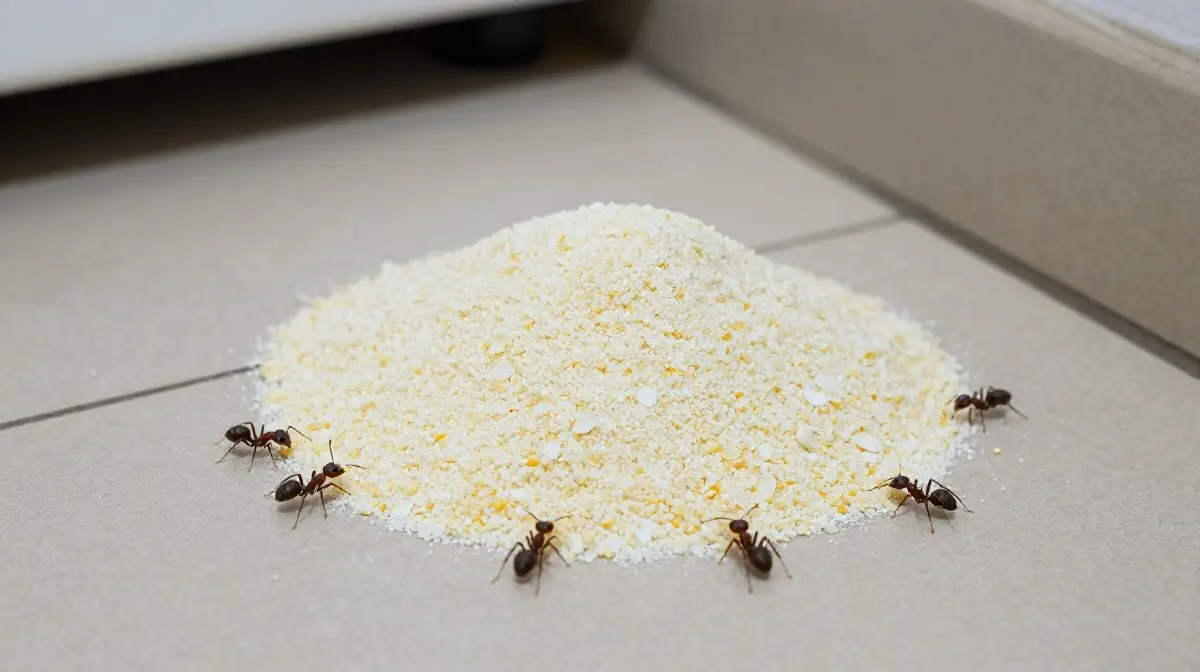
Cornmeal is a gentler but surprisingly effective long-term method for reducing ant populations inside the home. Worker ants are attracted to cornmeal and carry it back to the colony as a food source. However, ants cannot properly digest the fine cornmeal particles, which disrupts the colony’s nutrition over time. Place small piles of cornmeal near established ant trails, particularly in areas where you cannot use chemical treatments, such as near a baby’s room or pet feeding area. While this method works slowly and will not produce overnight results, it is one of the safest options available for households that need to avoid any chemical or acidic substances entirely.
Apply Clove Oil in Cracks and Hidden Nesting Areas
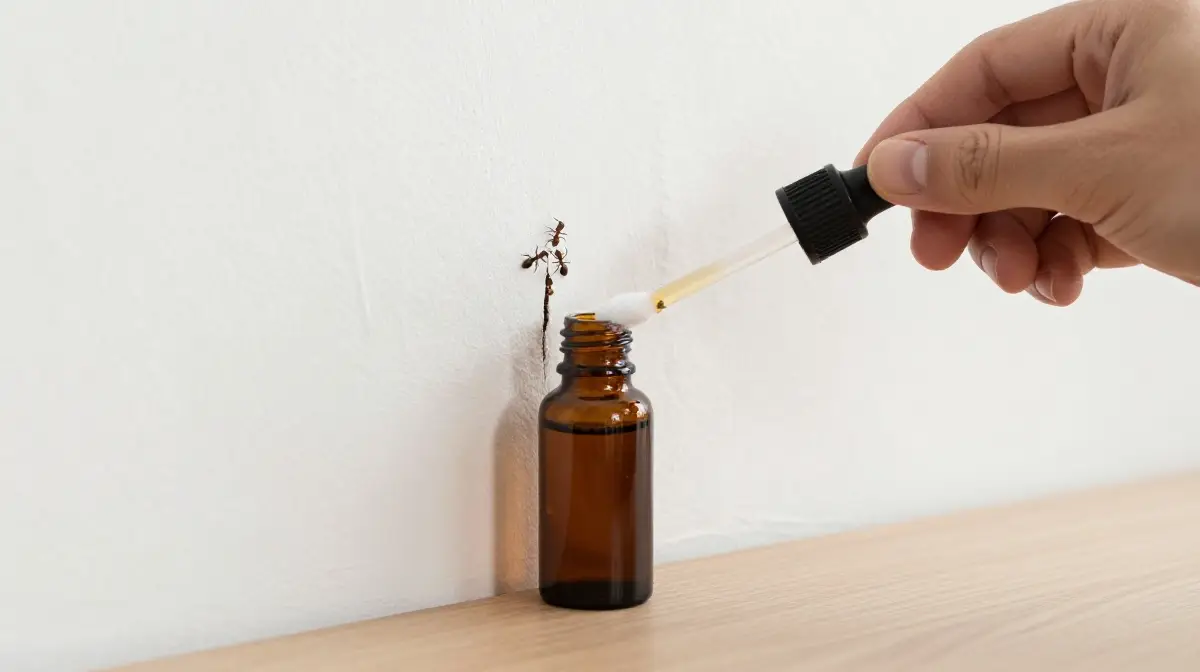
Clove essential oil contains eugenol, a compound known to have strong insecticidal properties against many household pests, including ants. Dilute clove oil in water and spray it into cracks in walls, behind kitchen cabinets, under bathroom vanities, and anywhere ants may be nesting or traveling out of sight. Unlike surface treatments, clove oil can penetrate slightly into narrow gaps, making it useful for addressing hidden activity. The strong scent also acts as a deterrent that persists for several days. Used regularly alongside bait treatments, clove oil can significantly reduce the number of foraging ants you encounter and slow the activity of established colonies within your walls.
Keep Outdoor Trash Cans Sealed and Positioned Away From the House
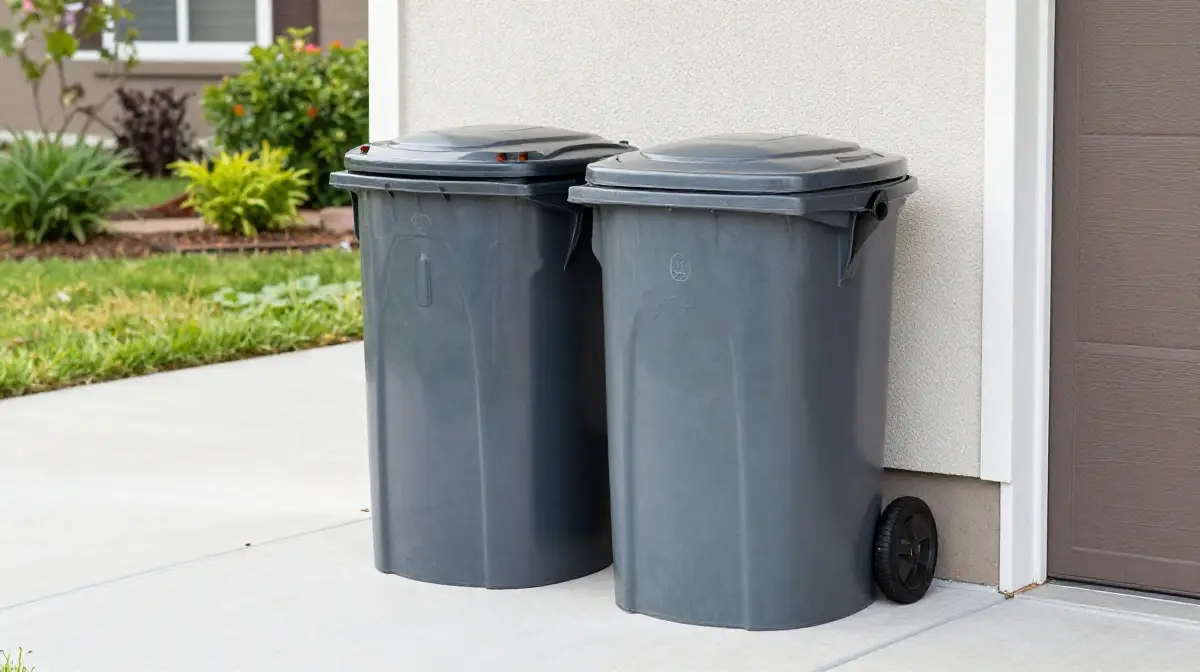
Outdoor garbage bins are one of the most overlooked sources of ant attraction. Food waste, especially sweet residue from beverages and sugary packaging, draws ants in large numbers. Once a colony establishes its foraging activity around your garbage area, it is a very short journey into your kitchen. Always use bins with tight-fitting lids, rinse the interior of bins regularly to remove sticky residue, and position them at least two meters away from your home’s exterior walls. If possible, elevate bins on stands or place them on smooth surfaces that are harder for ant scouts to climb. These small adjustments can dramatically reduce the ant pressure on your home.
Use Lemon Juice to Disrupt Pheromone Pathways
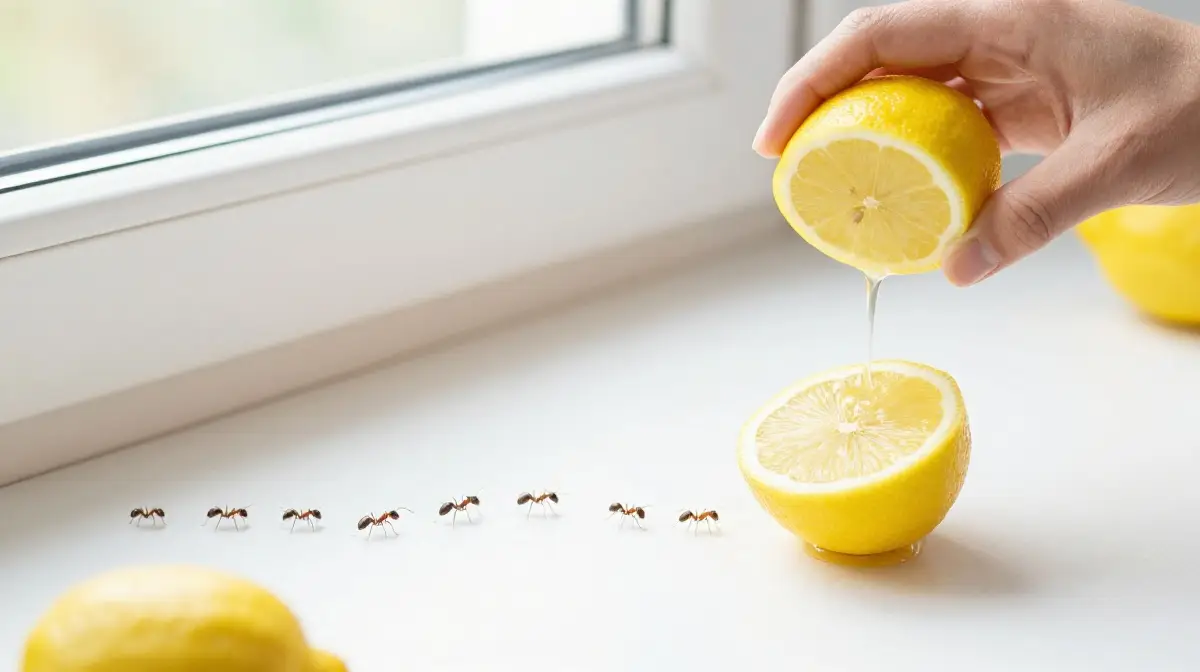
Lemon juice works in a very similar way to white vinegar by masking the chemical trails ants use to navigate. The acidic nature of lemon juice neutralizes pheromone deposits on surfaces, effectively wiping out the map ants use to find their way to food. Squeeze fresh lemon juice along countertops, windowsills, and doorways, or dilute it in a spray bottle for wider coverage. You can also place lemon peels near entry points for a slower-releasing deterrent. Lemon juice is a particularly good choice for kitchens because it leaves a fresh, clean scent and is completely safe around food preparation areas, cutting boards, and children’s play surfaces.
Store Firewood Away From the Home’s Foundation
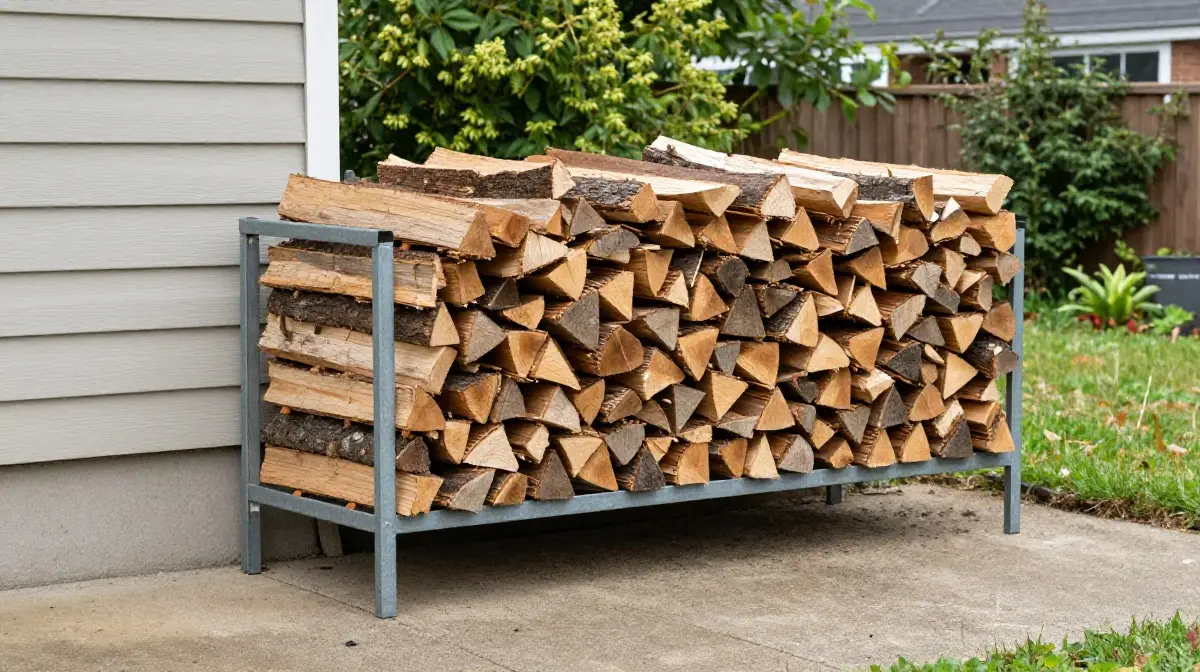
Stacks of firewood stored directly against the exterior walls of your home are a well-known breeding ground for ant colonies, particularly carpenter ants and fire ants. The wood provides shelter, moisture, and nesting material all in one convenient location right next to your home. Move firewood storage to a dedicated area at least five to ten meters from the house, ideally elevated on a rack to improve airflow and reduce ground moisture. Inspect logs before bringing them indoors, as ant colonies can travel inside on individual pieces of wood. This simple habit eliminates one of the most common reasons ants successfully colonize the area directly surrounding residential buildings.
Use Gel Ant Baits for Hard to Reach Indoor Infestations
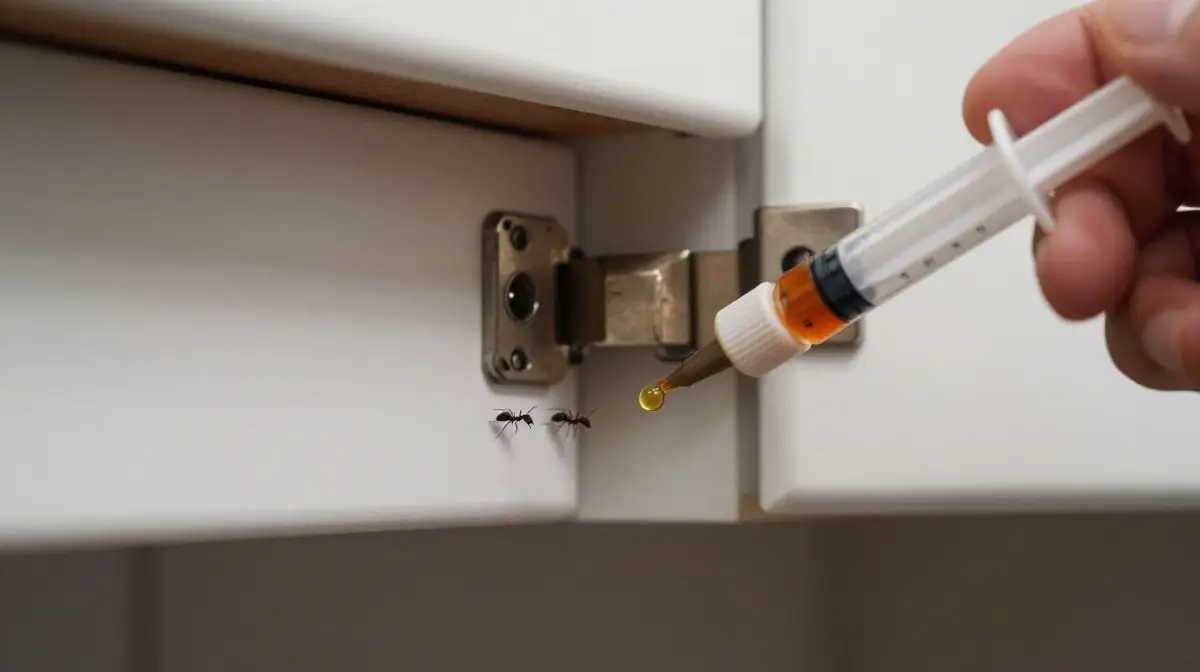
Gel-based ant baits are a professional-grade solution now widely available for home use. They come in syringe applicators that allow precise placement in narrow gaps, behind appliances, inside cabinet hinges, and along tight wall junctions where liquid or solid baits cannot reach effectively. The gel formula remains attractive to ants for extended periods and is highly palatable to a wide range of species. Apply small dots of gel in areas of high ant activity and check regularly, refreshing the bait as it is consumed. Gel baits are especially effective in apartment settings where access to the building’s exterior and foundation is limited or not possible.
Consult a Licensed Pest Control Professional for Severe Cases

When a home infestation has spread beyond what household treatments can manage, involving a licensed pest control professional is not just advisable, it is often necessary. Professionals carry out a thorough inspection to identify the species, locate hidden nesting sites, and apply targeted treatments that are not available over the counter. They can also advise on structural repairs and preventive measures specific to your home’s construction and location. Attempting to manage a severe infestation with DIY methods alone can waste weeks of effort and allow the colony to grow larger. A professional intervention, particularly for carpenter ants or Pharaoh ants, is frequently the fastest and most cost-effective long-term solution.
Create a Homemade Ant Trap Using Boric Acid and Honey
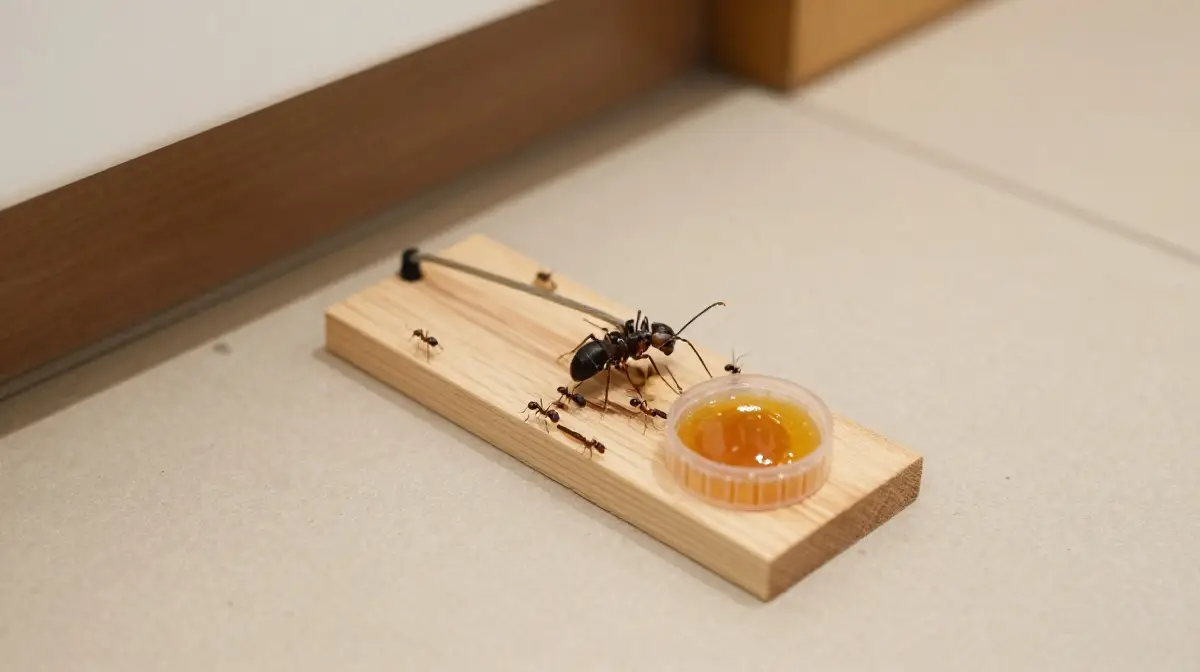
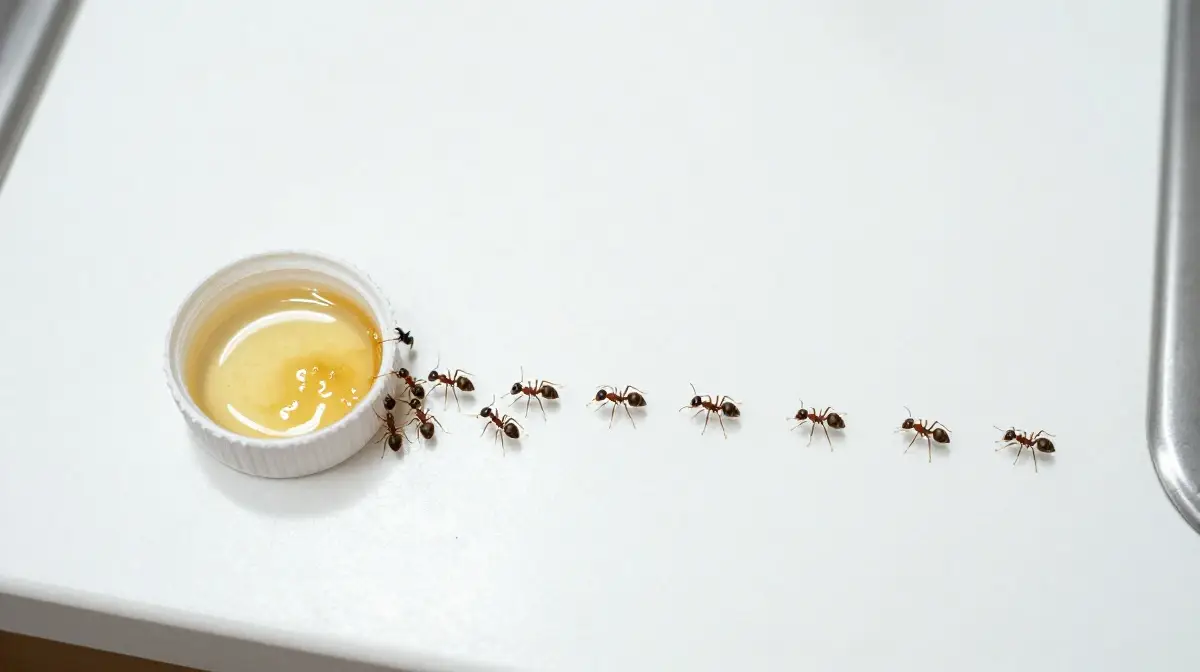
A simple homemade trap using boric acid mixed with honey or maple syrup is one of the most effective DIY ant elimination methods available. The sweetness lures ants to feed on the mixture and carry it back to their colony, while the boric acid acts as a slow-acting poison that gradually eliminates the population from within. Use a very low concentration of boric acid, approximately one part to ten parts of the sweet bait, so the ants survive long enough to reach the queen before dying. Place the mixture in small bottle caps or shallow lids near active trails. Check and refresh the bait every couple of days until ant activity noticeably declines.
Maintain Consistent Prevention Habits After Elimination
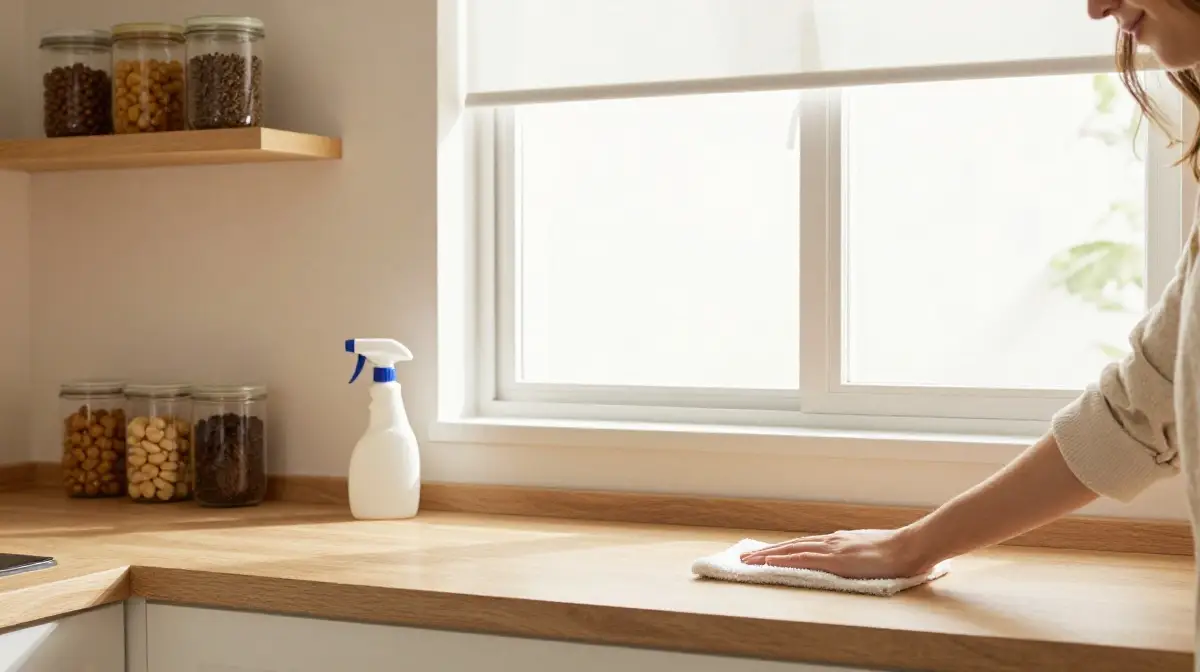
Successfully eliminating an ant infestation is only half the battle. The real challenge is preventing the next one. Ants are highly opportunistic insects that will return the moment conditions become favorable again. Establish a consistent cleaning routine that includes wiping down surfaces daily, checking for new cracks or moisture issues monthly, refreshing natural deterrents like essential oils or cinnamon every few days, and inspecting the outdoor perimeter of your home at the start of each warm season. Keeping your home ant-free requires ongoing vigilance rather than a single treatment. The homeowners who rarely deal with recurring infestations are those who treat pest prevention as a regular household maintenance habit rather than a crisis response.
Conclusion
Frequently Asked Questions
1. What is the fastest way to get rid of ants in the house?
The fastest immediate method is a dish soap and water spray, which kills ants on contact by breaking down their exoskeleton. For complete elimination, combine this with borax bait stations to target the entire colony within a few days.
2. Why do ants keep coming back even after treatment?
Ants return when entry points remain unsealed or when food and moisture sources are still available inside. Surface treatments kill visible ants but do not reach the queen. Consistent cleaning, sealing of cracks, and colony-targeted baits are required for lasting results.
3. Is borax safe to use around children and pets?
Borax is low in toxicity but should still be kept away from children and pets. Place borax bait inside enclosed tamper-resistant stations rather than open dishes. Always wash hands after handling and follow product label instructions carefully.
4. How do I stop ants from entering my kitchen specifically?
Store all food in airtight containers, wipe counters daily, and fix any leaking pipes under the sink. Apply a peppermint oil or vinegar spray along baseboards and the underside of cabinet doors to create a consistent scent barrier that discourages foraging ants from entering the kitchen area.
5. When should I call a pest control professional for ants?
Call a professional if you notice large carpenter ants, if the infestation spreads to multiple rooms, if DIY methods have failed for more than two weeks, or if you suspect nesting inside walls or under flooring. Professionals can locate hidden colonies and apply targeted treatments that over-the-counter products cannot reach.

1 Comment