
Introduction
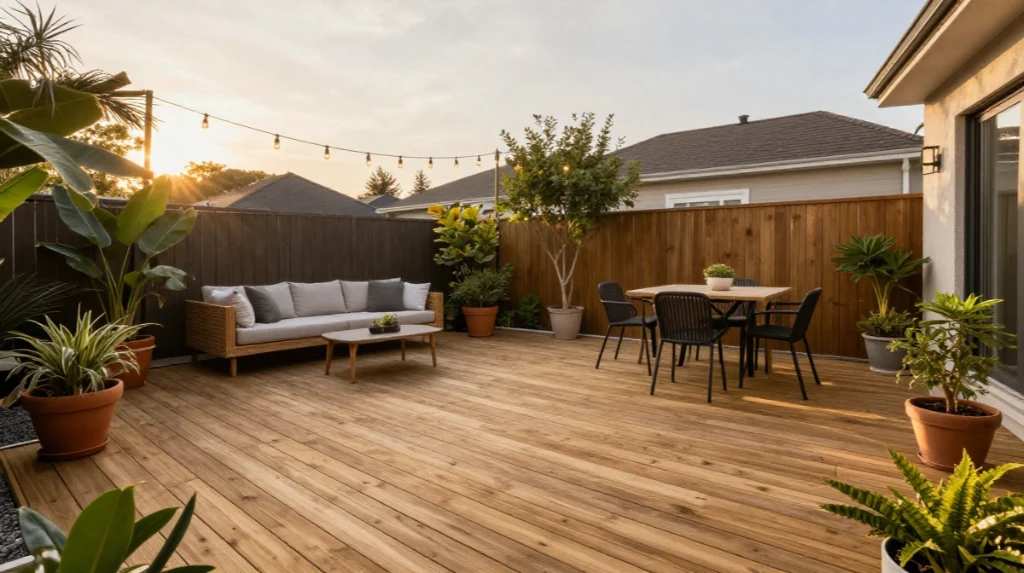
A deck should do more than sit behind your house looking nice in photos. It should actually earn its keep. When you step outside, it should feel like an extension of your home, a place where morning coffee, weekend dinners, and lazy afternoons all have a natural spot to happen.
The problem is that most decks get built without much thought beyond size and budget. Boards go down, a railing goes up, and a few chairs get placed wherever there’s room. Months later, the space feels awkward, underused, or just plain uncomfortable. That’s not a material problem. That’s a planning problem.
This guide walks through 22 ideas for building a deck with real purpose behind every choice. From layout and materials to lighting, privacy, and storage, each section gives you practical guidance you can actually use, whether you’re planning a new build or reworking an existing space.
Start With a Clear Purpose for Your Deck
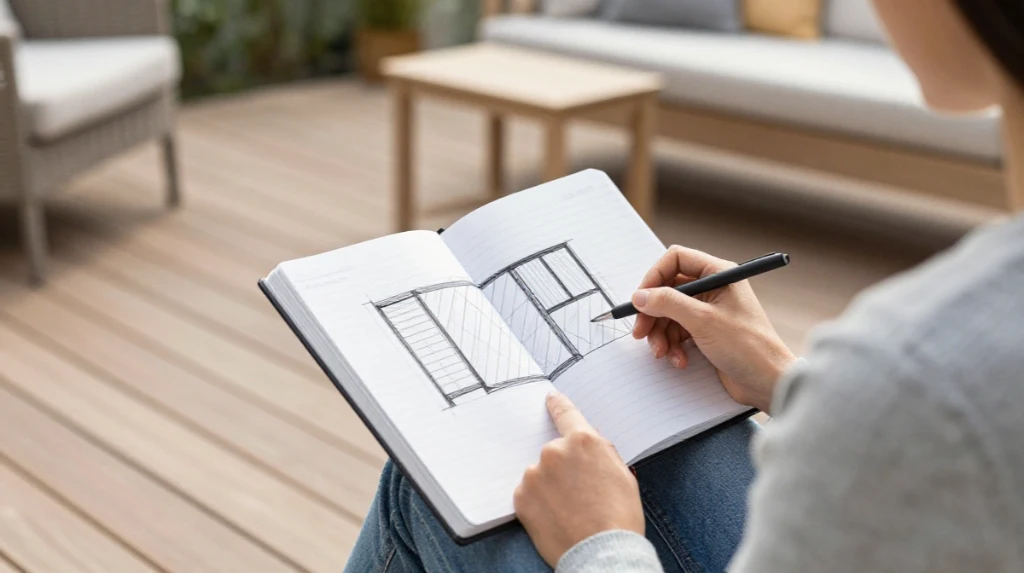
Before choosing a single board or railing style, decide what you actually want your deck to do. Is it mainly for quiet mornings with coffee, big weekend cookouts, or a mix of both? This one decision shapes almost everything else, from square footage to furniture placement.
Skipping this step is the most common mistake homeowners make. They end up with a deck that looks fine but doesn’t match how they actually live. Write down your top three uses before you plan anything else, and let those priorities guide every later decision.
Zoning Your Deck for Different Activities
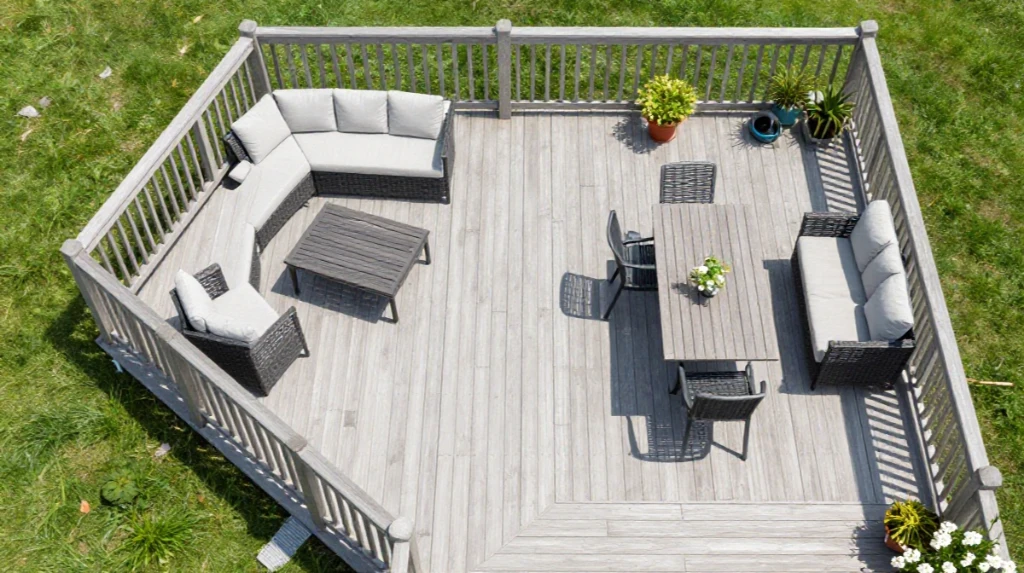
Just like rooms inside a house, a well-planned deck benefits from clear zones. One area for dining, another for lounging, maybe a smaller corner for a reading nook or a grilling station. This kind of space planning keeps a deck from feeling like one big, undefined slab.
Use furniture groupings, rugs, or subtle changes in decking direction to signal where one zone ends and another begins. Even a small deck can feel more organized with two or three loosely defined areas instead of one open stretch of space.
Choosing the Right Deck Material for Your Climate
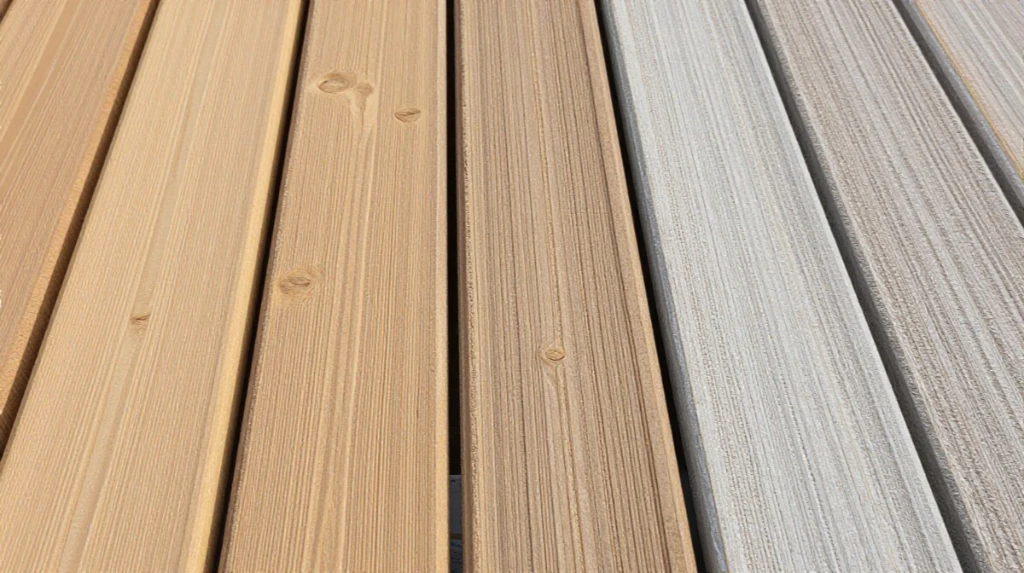
Material choice affects everything from comfort underfoot to how much upkeep you’ll deal with each year. Pressure treated wood is affordable and widely available, but it needs regular staining and sealing. Cedar decking has a warmer, natural look and resists rot fairly well on its own.
If low maintenance matters more to you than upfront cost, composite decking is worth a serious look. It holds up better against moisture and sun exposure over time, which matters if you live somewhere with harsh winters or intense summer heat.
Wood Versus Composite Decking
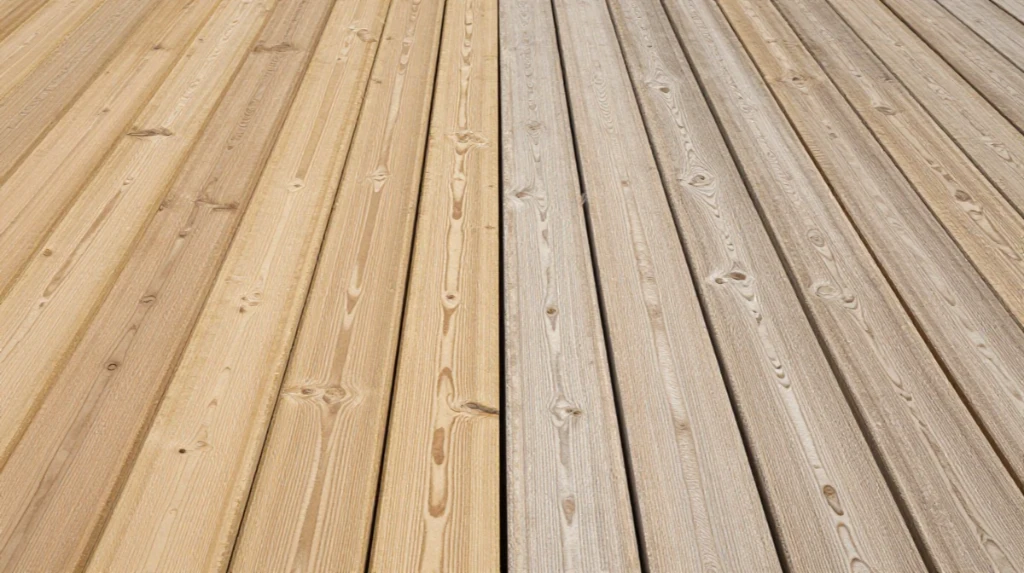
Wood decks bring warmth, natural grain, and a classic look that many homeowners love. The tradeoff is upkeep. Wood needs periodic staining, sealing, and occasional board replacement as it ages and reacts to weather.
Composite decking, including options like Trex decking, costs more upfront but requires far less ongoing care. No staining, no sealing, and better resistance to fading and moisture. If you want to spend weekends relaxing on your deck instead of maintaining it, composite is usually the smarter long-term choice.
Deck Layout and Traffic Flow Planning
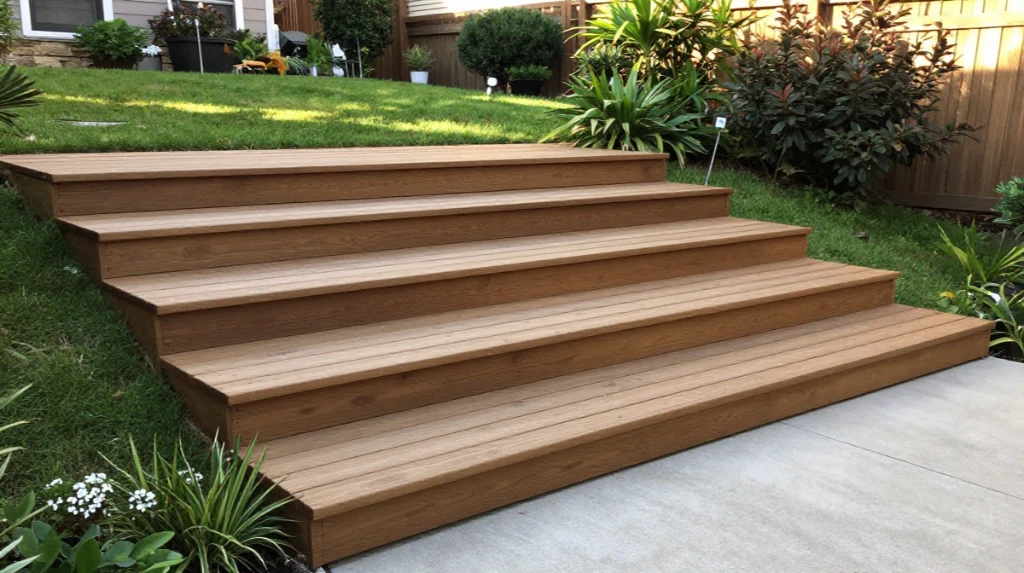
Good traffic flow means people can move naturally from the door to the seating area, to the grill, and back inside without squeezing past furniture or crossing through a dining zone. Think about how people will actually walk through the space before finalizing furniture placement.
Leave at least three feet of clear walking space around major furniture pieces. This small detail makes a huge difference in how comfortable and open a deck feels, even if the total square footage is modest.
Multilevel Deck Design for Sloped Yards
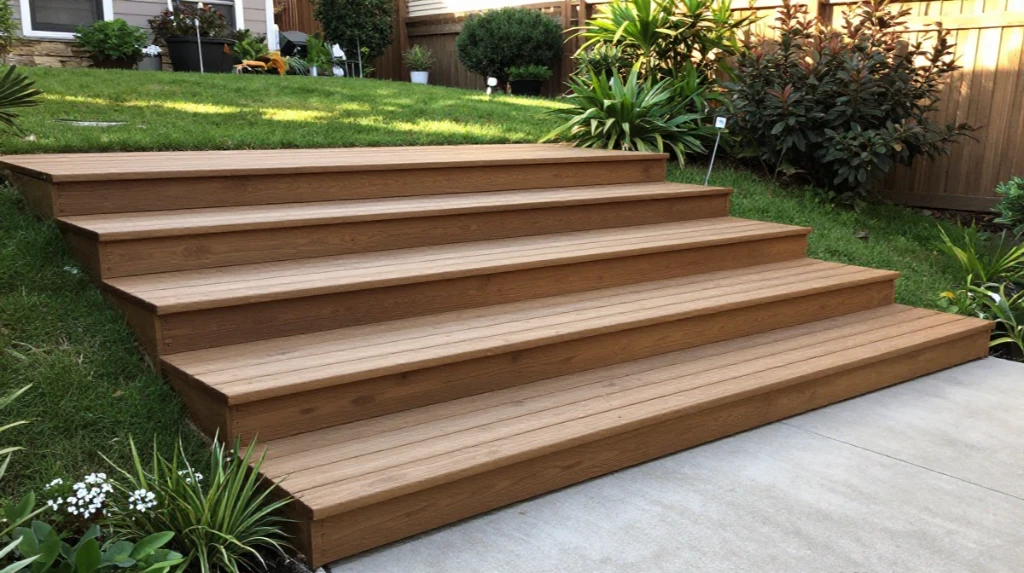
If your yard has any kind of slope, a multilevel deck can turn a tricky lot into an asset instead of a limitation. Different levels naturally separate activities, with one tier for dining and another slightly lower or higher for lounging or a fire feature.
Steps between levels don’t have to be purely functional either. Wide, shallow steps can double as extra seating during larger gatherings, which adds function without taking up additional square footage.
Wraparound Deck Ideas for Larger Homes
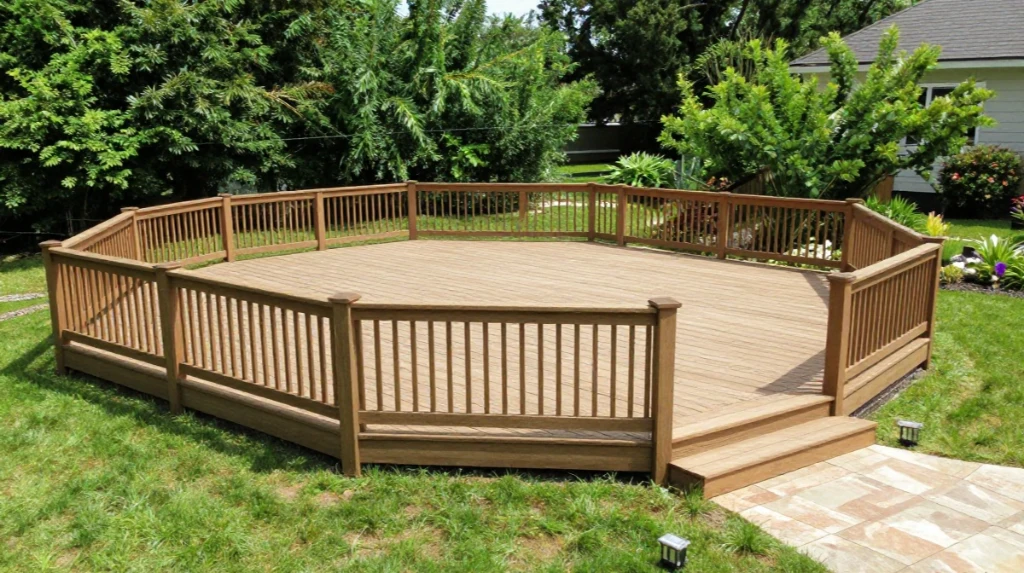
A wraparound deck works especially well on larger properties or homes with multiple outdoor-facing rooms. It lets you create separate zones on different sides of the house, maybe a quiet morning spot near the kitchen and a livelier entertaining area near the backyard.
Because wraparound decks cover more ground, plan your railing and shade solutions early. Consistent materials and finishes around the whole perimeter keep the design feeling cohesive rather than like several unrelated additions stitched together.
Creating a Cozy Seating Area

A comfortable seating arrangement is the heart of most decks. Deep-seated outdoor sofas, a couple of armchairs, and a low table give people a reason to linger instead of just passing through. Weather-resistant cushions make a real difference in comfort without sacrificing durability.
Position seating to take advantage of views, whether that’s a garden, sunset direction, or simply a quiet corner of the yard. A small side table within reach of every seat is a detail that gets overlooked often but is genuinely appreciated.
Adding a Dining Zone to Your Deck
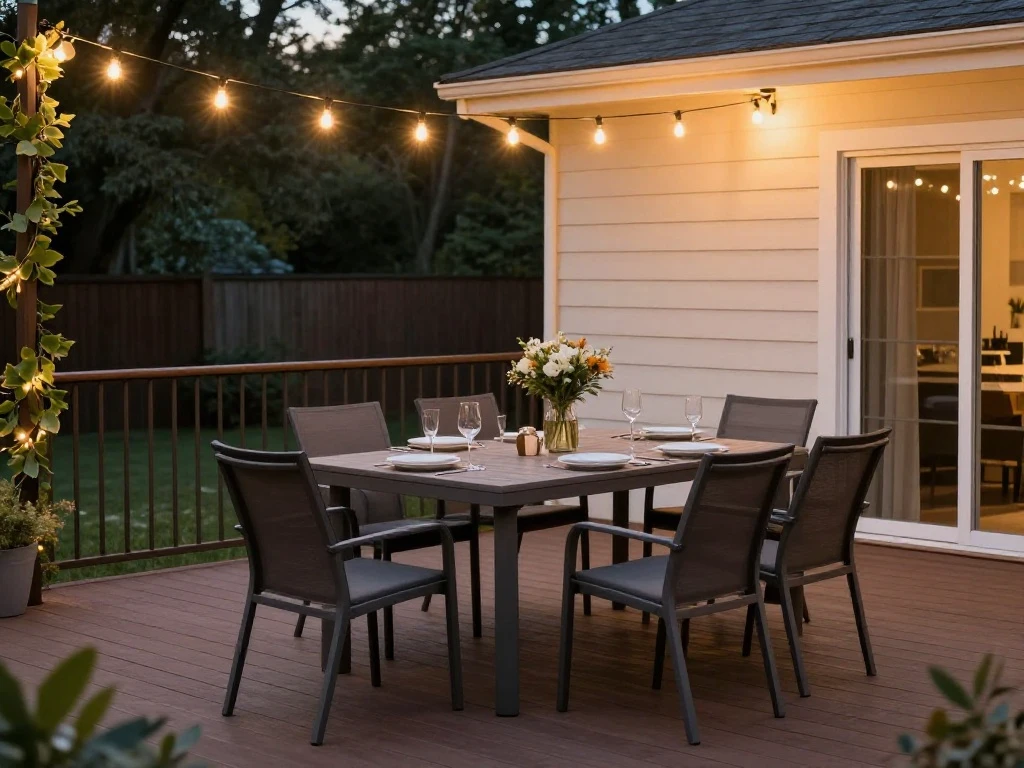
Outdoor dining works best when it feels a little separate from the lounging area, even on a smaller deck. A simple table with four to six chairs is usually enough for most households, and it opens the door to regular meals outside during warmer months.
Choose a table surface that handles weather well, such as sealed wood or metal with a rust-resistant finish. Adding an umbrella or overhead shade nearby keeps the dining zone usable even during the hottest part of the day.
Outdoor Kitchen and Grilling Station Setup
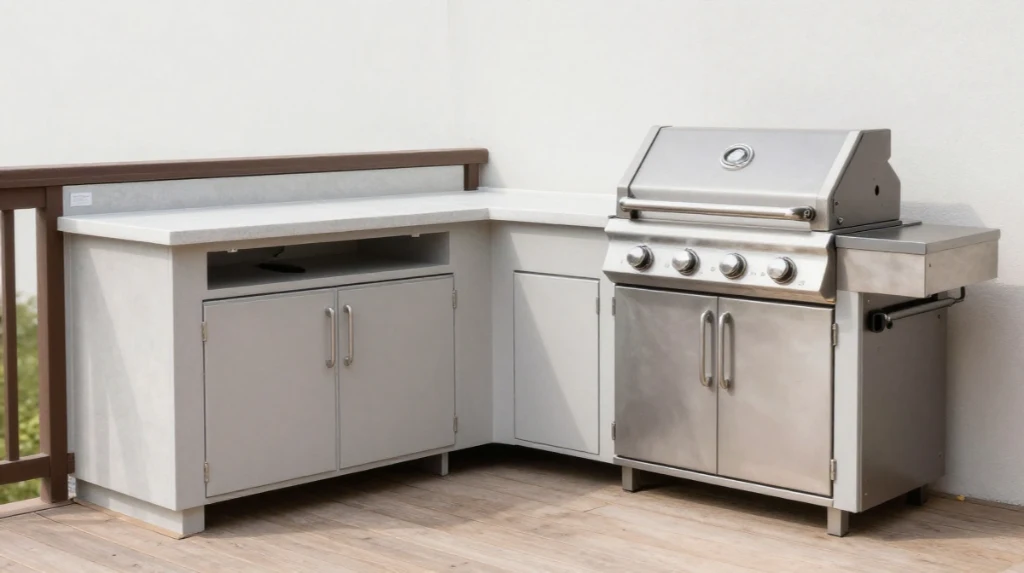
A dedicated grilling station keeps cooking smells and mess away from the main lounging or dining areas. Even a simple setup, a grill, a small counter, and a bit of storage for tools, makes a noticeable difference in how organized the whole deck feels.
If space and budget allow, a small outdoor kitchen with a mini fridge or prep counter takes things further. This kind of built-in feature turns casual grilling into a proper part of your entertaining routine.
Building in a Bar Area
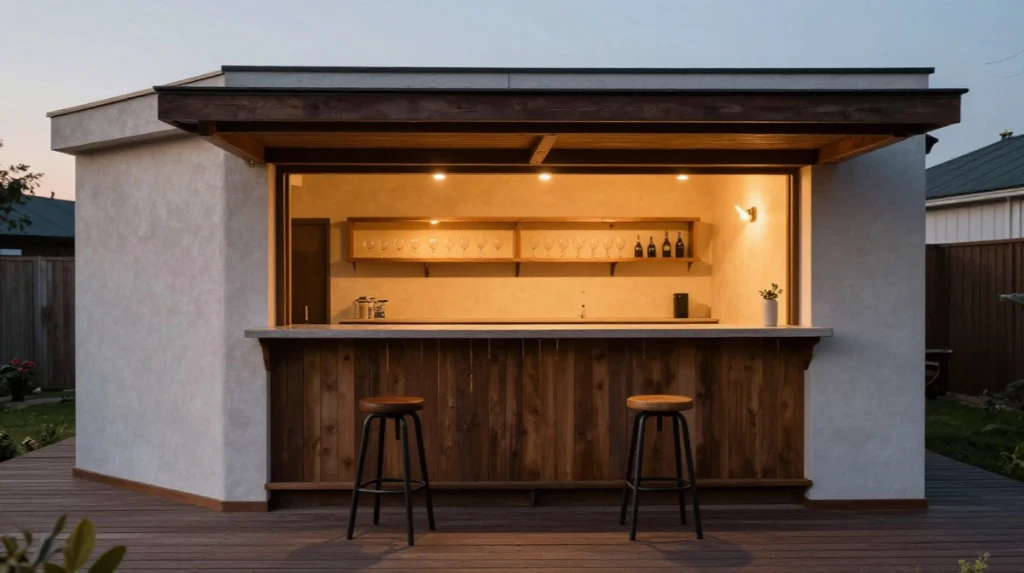
A small bar area gives guests a natural gathering spot that’s separate from the main dining or lounging zones. This can be as simple as a narrow counter with a couple of stools, or something more built-in with shelving underneath for glasses and bottles.
Keep the bar area close enough to the kitchen door for easy restocking, but not directly in the main walking path. This keeps traffic flow smooth during larger gatherings.
Deck Lighting for Ambiance and Safety
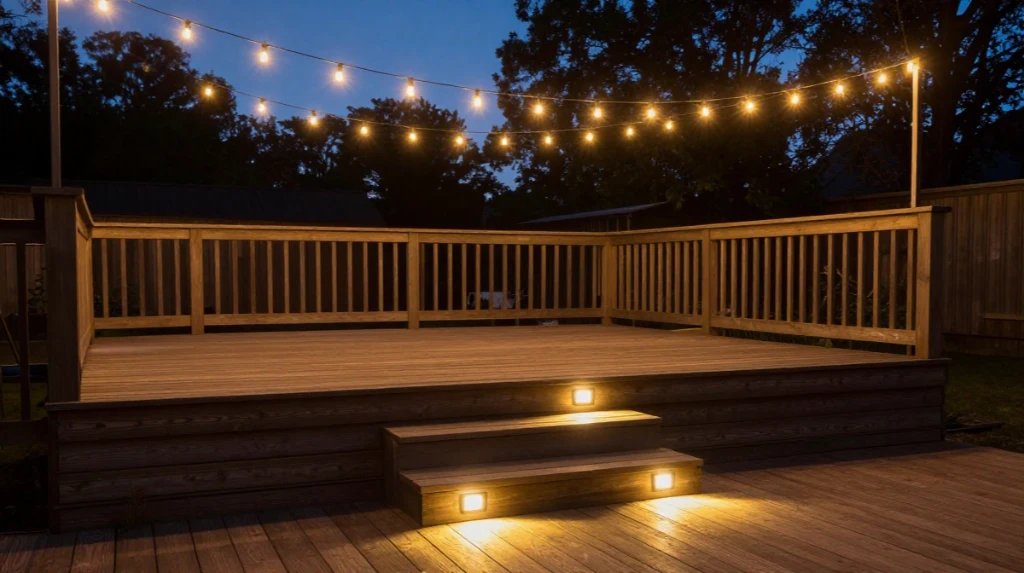
Good deck lighting does two jobs at once: it sets the mood in the evening and keeps stairs, railings, and edges safe after dark. String lights overhead create ambient outdoor lighting for gatherings, while small step lights handle the practical safety side.
Mix a few lighting types rather than relying on just one. A combination of overhead string lights, low path lighting, and a lantern or two on the table creates layered lighting that feels warm rather than harsh.
Pergolas and Shade Structures
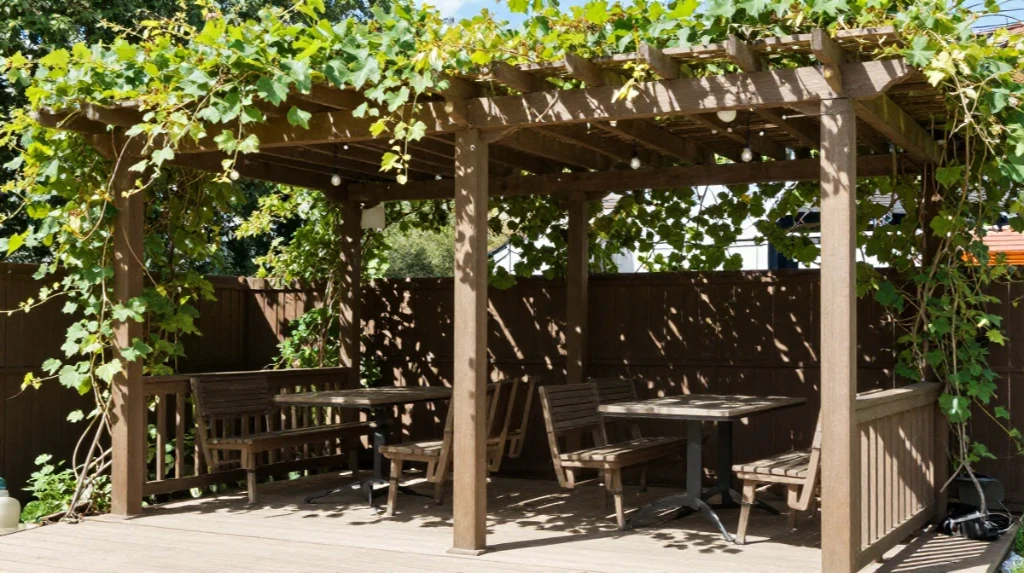
A pergola adds structure, visual height, and much-needed shade to an otherwise open deck. It also creates a natural frame for string lights, hanging planters, or climbing vines if you want a softer, more garden-like feel.
If a full pergola isn’t in the budget, a retractable canopy or a few strategically placed umbrellas achieve a similar shade effect for less cost. Either option makes a deck usable for more hours of the day, especially during peak summer heat.
Deck Privacy Screening Ideas
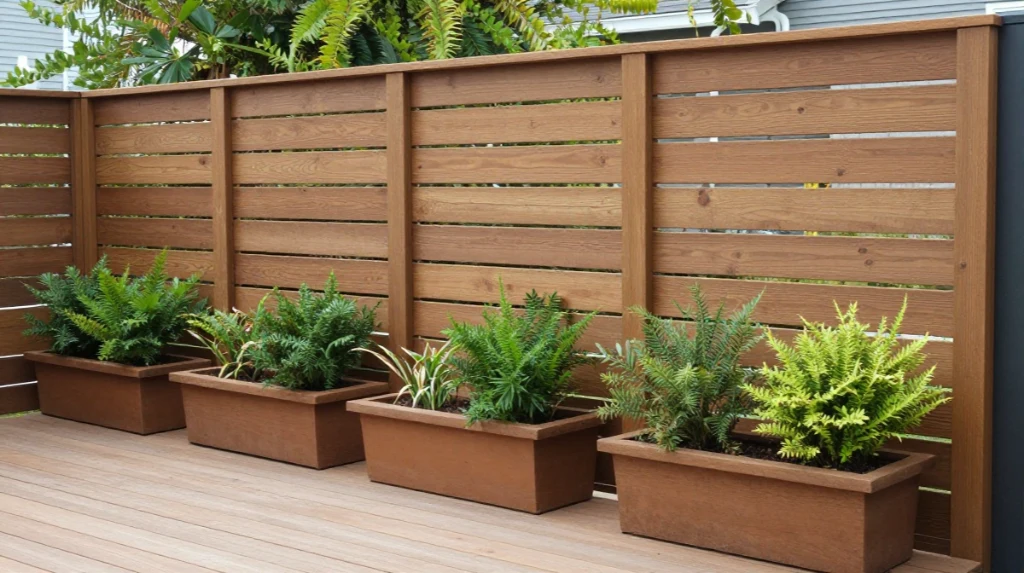
Privacy matters more than people expect, especially for decks close to neighboring yards. Lattice panels, tall planters with dense greenery, or slatted wood screens all soften sightlines without making the space feel closed in.
Vertical garden integration is a particularly nice option here. A living privacy wall does double duty, blocking views while adding greenery and texture to the overall design.
Fire Feature Integration
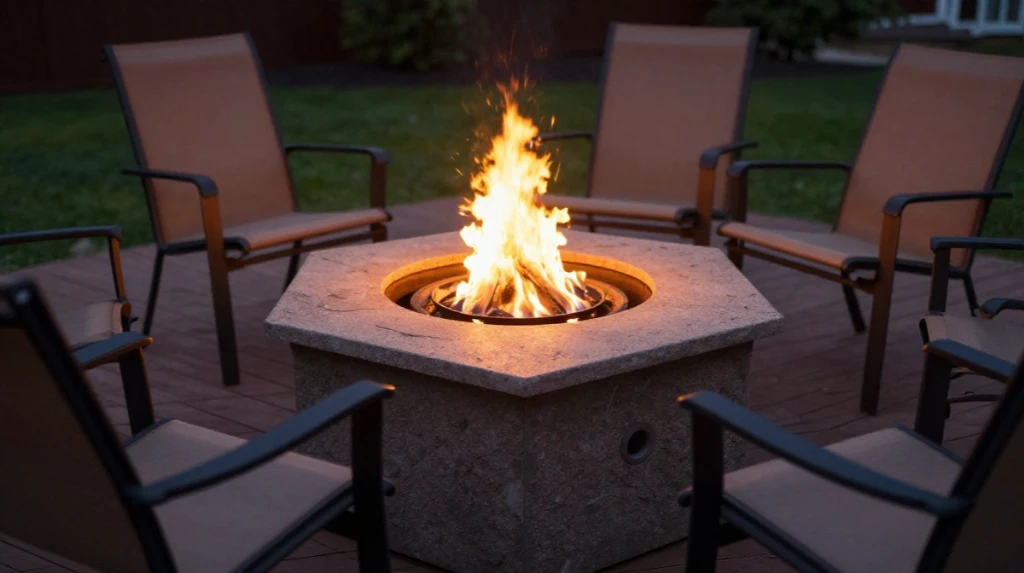
A fire pit or fire table extends deck usability well into the cooler months and gives people a natural reason to gather around after the sun goes down. Even a simple portable fire bowl adds warmth and a focal point to a lounging area.
Always check local codes and clearance requirements before adding a fire feature to a wood deck. Composite and stone-topped surfaces near the fire area handle heat exposure better than untreated wood.
Deck with a Hot Tub or Pool
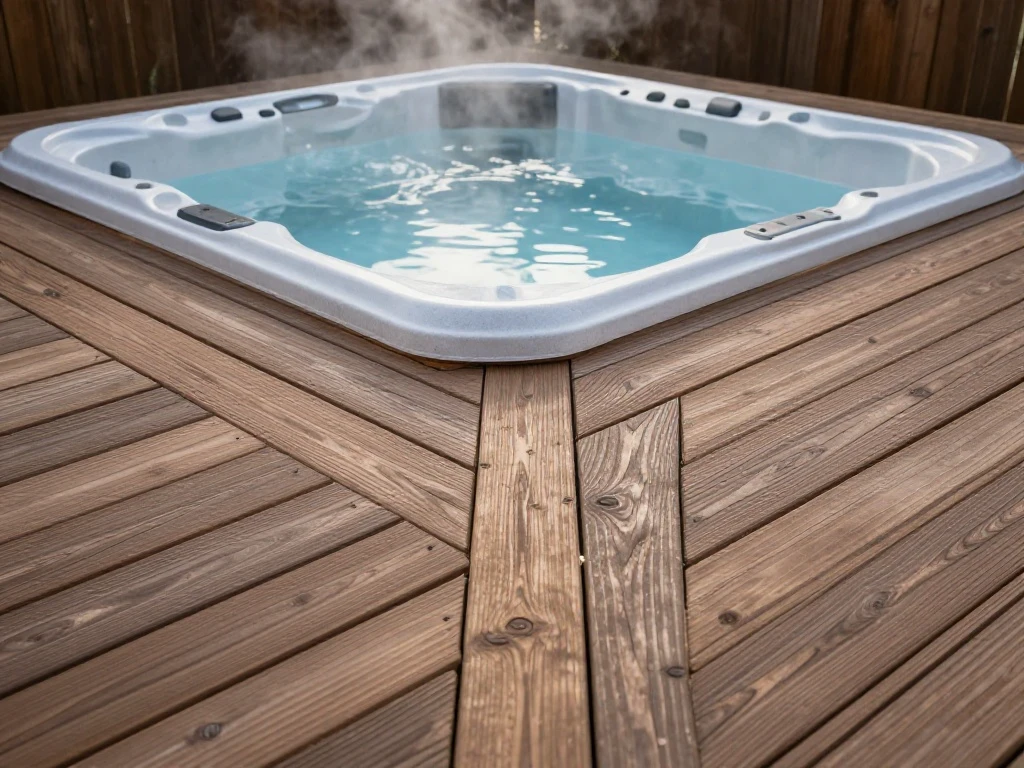
Building a deck around a hot tub or pool takes some extra planning, particularly around structural support and moisture control. The framing needs to handle the added weight, and proper drainage keeps water from pooling on the surrounding boards.
Slip-resistant surfaces are especially important in this area since the decking will regularly get wet. Composite materials or textured wood finishes reduce slipping risk far better than smooth, sealed boards.
Storage Solutions Built Into Your Deck
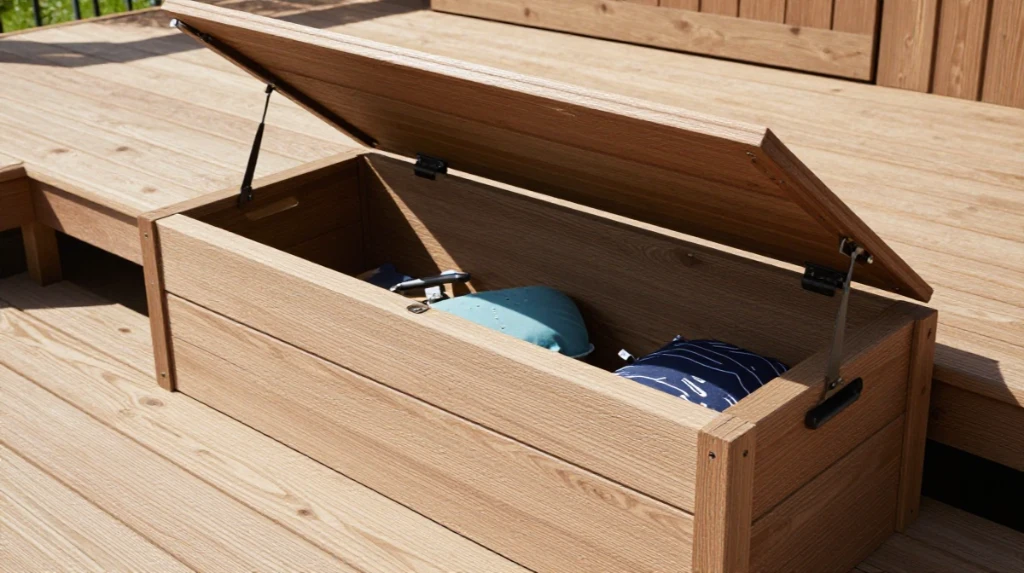
Built-in storage solutions keep cushions, tools, and outdoor games out of sight without needing a separate shed. Bench seating with hinged tops is one of the most practical options, giving you seating and storage in a single footprint.
Under-deck storage is another option worth considering, particularly for raised decks. It’s a smart way to reclaim otherwise wasted space beneath the structure for bins, garden tools, or seasonal decor.
Planters, Container Gardens, and Vertical Greenery
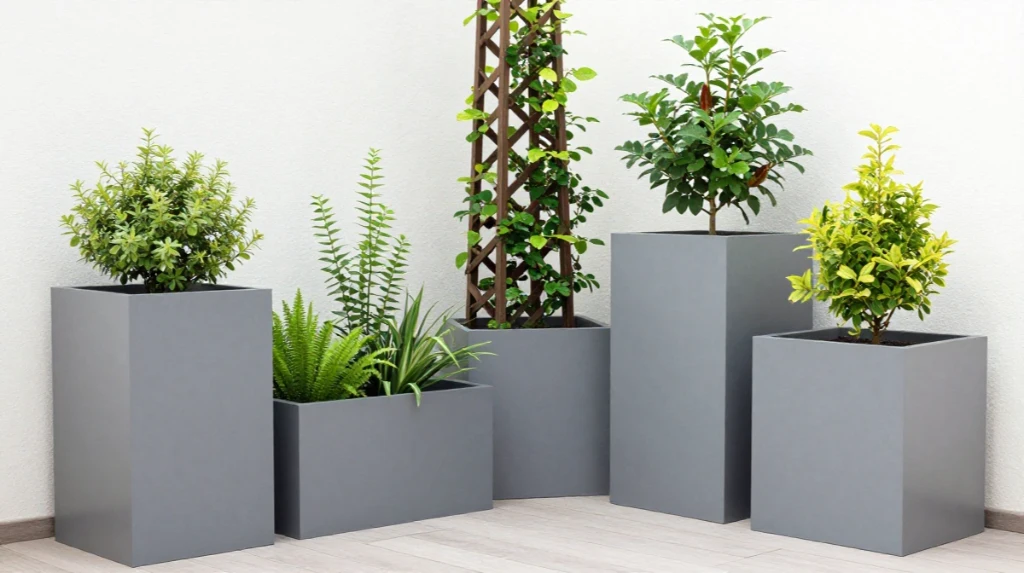
Planter boxes and container gardening bring life and color to a deck without requiring a full backyard garden. Group a few different plant heights together for visual interest, mixing trailing plants with taller, upright varieties.
Vertical planters or a small trellis are great options if floor space is limited. They add greenery without eating into your walking or seating areas, which matters a lot on smaller decks.
Deck Railing Styles That Add Character
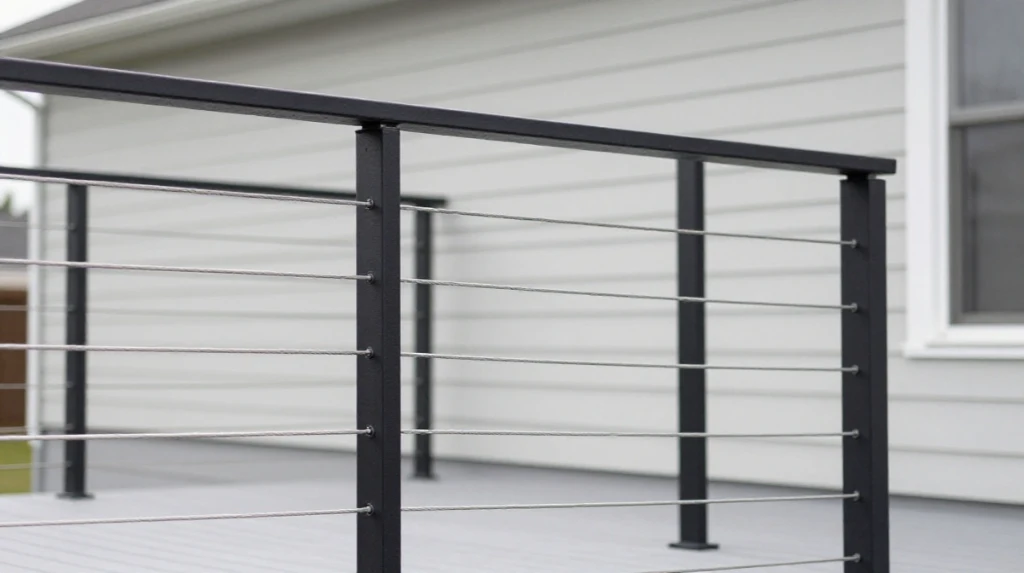
Railings are often treated as an afterthought, but they play a big role in the overall style of a deck. Cable railings give a modern, open feel with minimal visual bulk, while classic wood balusters lean more rustic and traditional.
Match your railing style to the overall theme of your home rather than choosing based on cost alone. A cohesive design theme between the house exterior and the deck railing makes the whole outdoor space feel more intentional.
Deck Stairs and Access Points
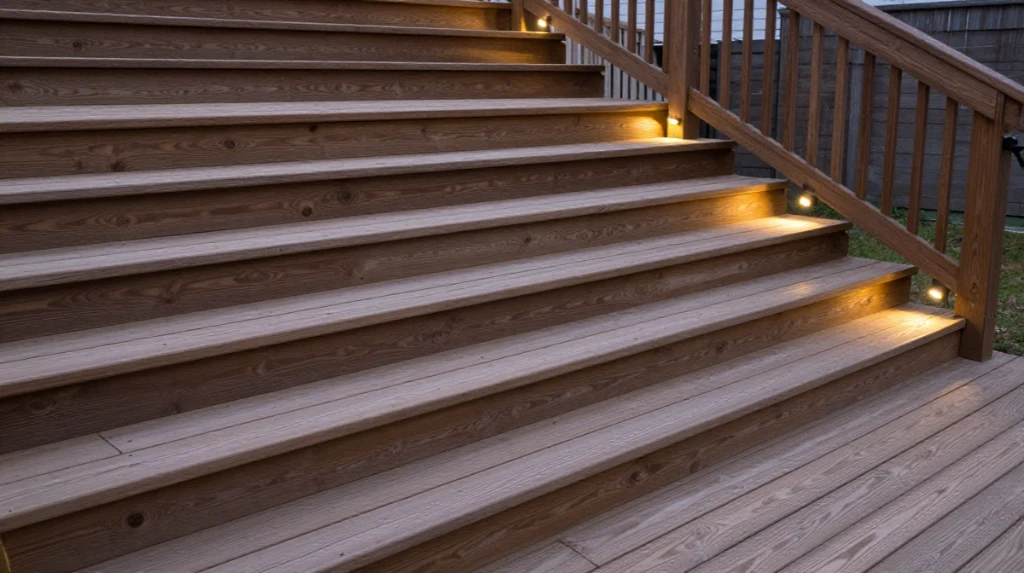
Stairs and access points deserve more thought than they usually get. Wide, gently sloped stairs feel more inviting than steep, narrow ones, and they double as extra perching space during gatherings.
Good lighting along stairs is a safety essential, not just a style choice. Simple recessed lights along the stair risers make a noticeable difference for nighttime use.
Pet-Friendly and Kid-Friendly Deck Features
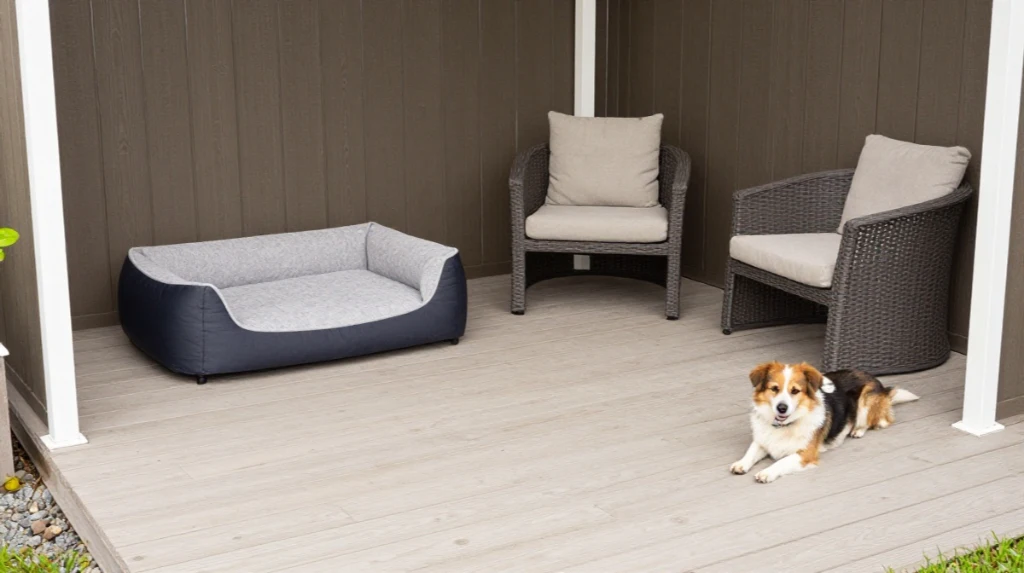
If pets or kids use the deck regularly, a few small adjustments go a long way. Slip-resistant flooring, rounded furniture edges, and railing gaps narrow enough to prevent small pets from squeezing through all matter more than they might seem.
A small designated play area or a shaded corner with a pet bed adds function for the whole family. These details make a deck feel genuinely livable rather than just a display space for adults.
Deck Maintenance for Long-Term Durability
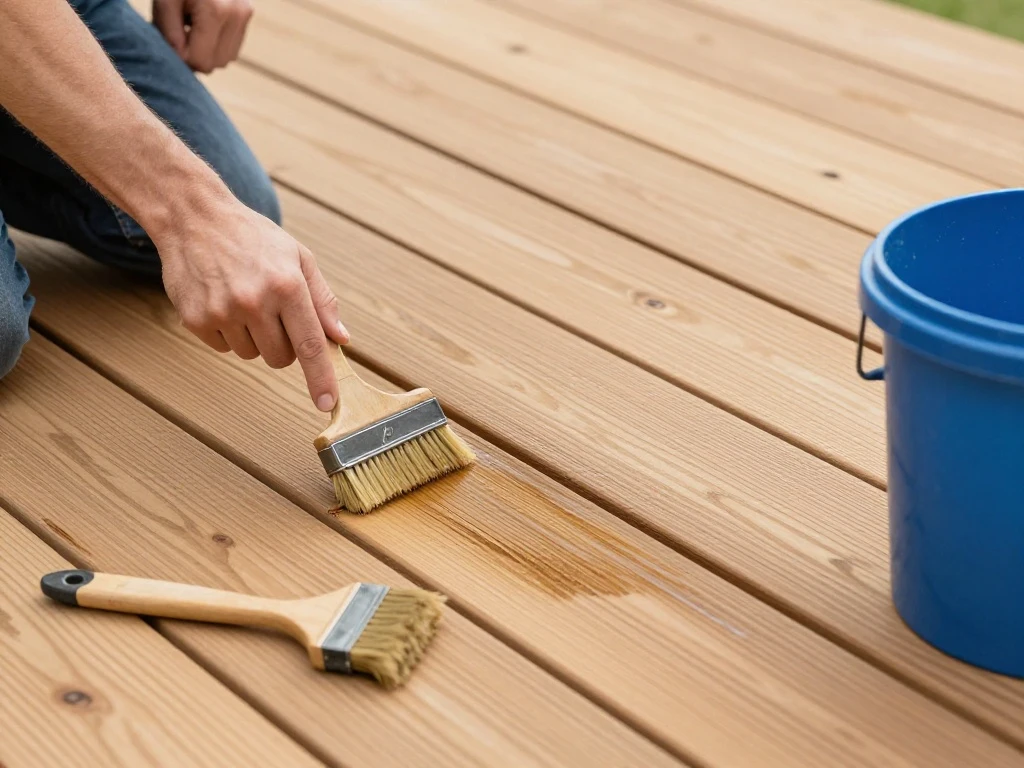
Regular maintenance is what keeps any deck design looking good years down the line. Wood decks need restaining every one to three years depending on climate exposure, while composite decking mainly needs occasional washing to remove dirt and mildew.
Check for loose boards, protruding nails, and signs of moisture damage each season. Catching small repair needs early prevents bigger, more expensive structural problems later on.
Quick Comparison Table: Deck Design Elements at a Glance
| Design Element | Best For | Maintenance Level | Approximate Cost | Key Benefit |
|---|---|---|---|---|
| Pressure Treated Wood | Budget builds | High | Low | Affordable and available |
| Composite Decking | Low upkeep homes | Low | High | Long-term durability |
| Pergola | Shade and structure | Medium | Medium | Adds shade and style |
| Built-In Storage | Small decks | Low | Medium | Saves space, reduces clutter |
| Fire Pit | Extended seasons | Medium | Medium | Warmth and gathering spot |
| Privacy Screening | Close neighboring yards | Low | Low-Medium | Adds privacy and greenery |
Conclusion
A deck built with intention feels different from one that was simply installed and left to figure itself out. When every zone has a purpose, when materials match your lifestyle, and when small details like lighting and storage are planned rather than added as an afterthought, the whole space works harder for you.
You don’t need every idea on this list to build a deck that feels complete. Pick the few that match how you actually plan to use the space, whether that’s quiet mornings, big family dinners, or everything in between, and build outward from there. A little planning upfront turns an ordinary backyard structure into a space you’ll actually want to spend time in for years to come.
You may also like this: 22 Outdoor Jacuzzi Design Ideas for Luxury Backyard Spaces
Frequently Asked Questions
1. What is intentional deck design?
It means planning each part of your deck, from layout to materials to lighting, around how you actually plan to use the space, rather than adding features randomly.
2. Is composite decking worth the extra cost compared to wood?
For most homeowners, yes. Composite decking costs more upfront but saves significant time and money on maintenance over the years, especially in wetter or sun-heavy climates.
3. How do I make a small deck feel more functional?
Focus on zoning, even loosely, using furniture groupings and vertical storage or planters. Multi-functional furniture also helps small decks feel more usable without adding clutter.
4. What’s the best way to add privacy to a deck?
Lattice panels, tall planters with dense greenery, or slatted wood screens are all effective, low-cost ways to block sightlines without making the space feel closed off.
5. How often should a wood deck be maintained?
Most wood decks need restaining or resealing every one to three years, depending on climate and sun exposure. Regular inspections each season help catch small issues before they become costly repairs.