Introduction
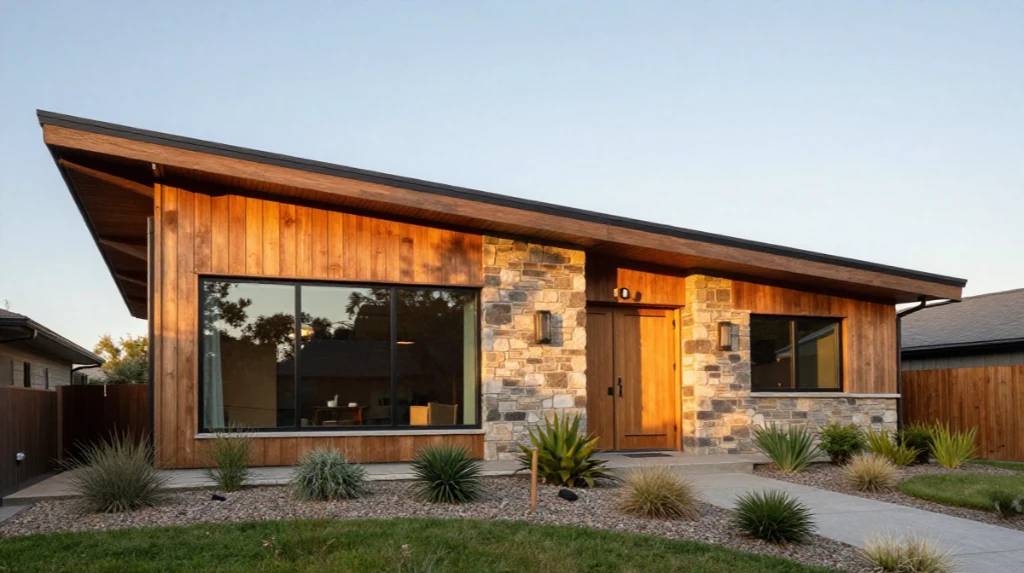
There is something about a mid-century modern house exterior design that feels both nostalgic and fresh at the same time. Maybe it is the clean lines, or maybe it is the way these homes seem to sit so naturally within their surroundings. Whatever the reason, this style has held its appeal for decades, and homeowners today are still drawn to it for good reason.
If you already own a home from this era, you might be wondering how to update the exterior while keeping its original character intact. If you are building new or renovating an existing property, you might simply love the look and want to bring some of that atomic age charm into your own space. Either way, you are not alone. Retro house design has quietly become one of the most requested architectural styles again.
This guide walks through 22 mid-century modern house exterior design ideas that work for real homes and real budgets. From rooflines to landscaping, each idea includes practical context so you can figure out what actually fits your property, not just what looks good on a mood board.
Flat and Low-Slope Roofline
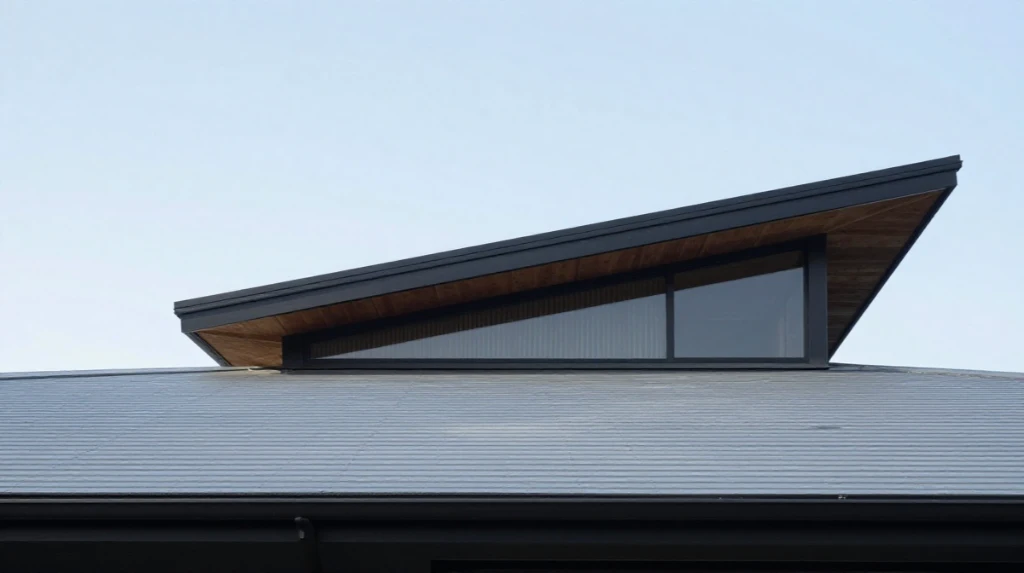
One of the clearest markers of mid-century modern architecture is a flat or low-slope roof. This design choice creates the horizontal lines that define the style and gives the whole house a grounded, quiet presence rather than a tall or dramatic one. It pairs naturally with wide overhangs, which help shield windows from direct sun.
If you are working with an existing flat roof, proper drainage and regular inspection matter more than they would with a pitched roof. Have a roofer check the membrane every couple of years, especially before rainy seasons. For new builds, a slight low-slope angle instead of a completely flat surface can make water runoff easier without changing the visual effect much at all.
Horizontal Wood Siding
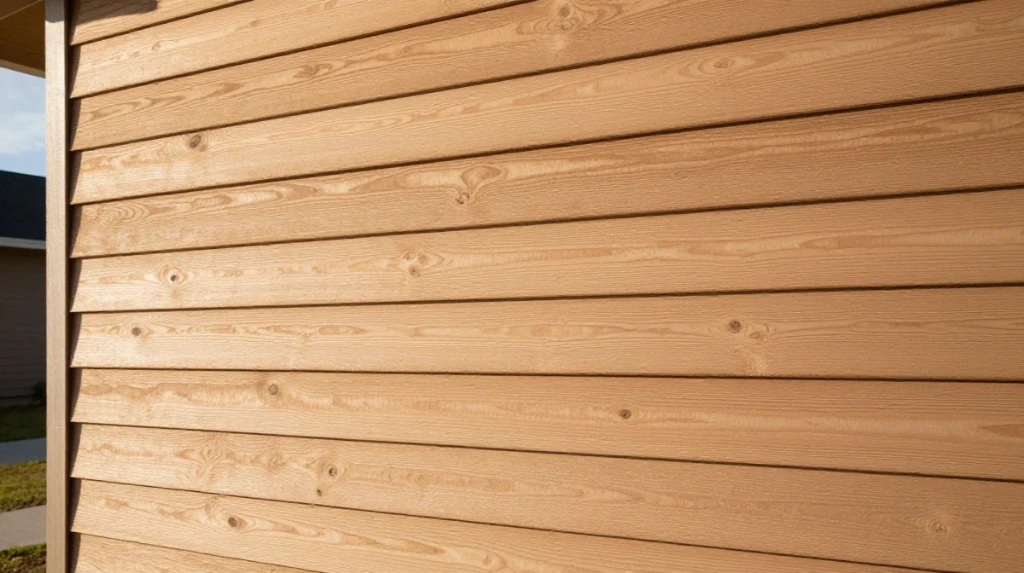
Horizontal wood siding is practically synonymous with post-war residential design. The long, straight boards echo the same horizontal lines found in the roofline, creating a cohesive look from top to bottom. Cedar and redwood are common choices because they age well and develop a warm patina over time.
If you want the look without the higher maintenance of real wood, fiber cement siding milled to mimic wood grain is a solid budget-friendly alternative. It resists rot and pests while still giving you that warm wood tone appearance. Either way, a semi-transparent stain rather than solid paint tends to keep the natural texture visible.
Floor to Ceiling Windows
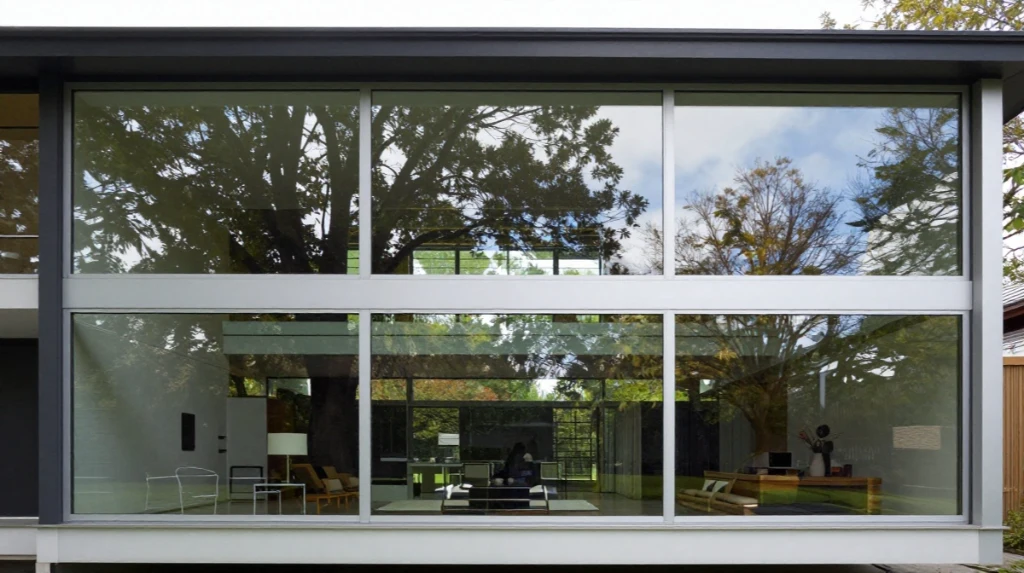
Large picture windows and floor to ceiling glass are core to the mid-century modern aesthetic. These homes were designed around the idea of blending indoor and outdoor living, and oversized windows are the most direct way to achieve that connection. They also flood interior rooms with natural light throughout the day.
When planning large windows, think about orientation first. South and west facing glass can bring in a lot of heat, so pairing them with a deep roof overhang or exterior shading helps keep energy costs reasonable. Triple-pane or low-E glass is worth the investment if you live somewhere with hot summers or cold winters.
Stone Veneer Accent Walls
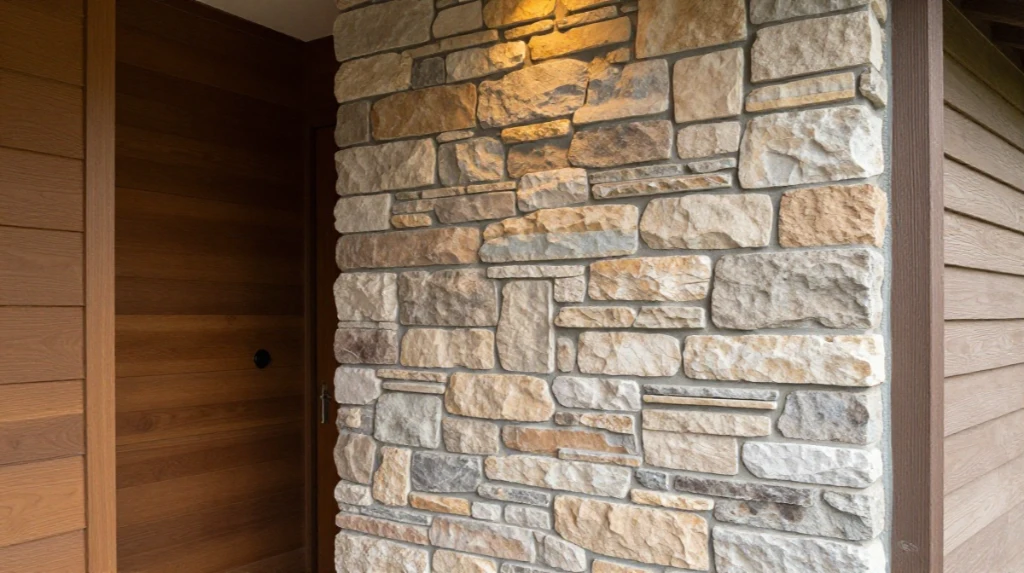
A stone veneer accent wall near the entry or along one section of the facade adds texture and grounds the home visually. This detail was common in original mid-century builds and remains one of the easiest ways to add depth to an otherwise flat, minimalist facade. Fieldstone and ledgestone are the two most popular veneer choices for this look.
Keep the stone contained to one or two focal areas rather than covering the entire exterior, since the style works best with restraint. Pairing stone with wood siding on the same wall creates a layered, natural material palette that feels intentional rather than busy.
Board and Batten Siding
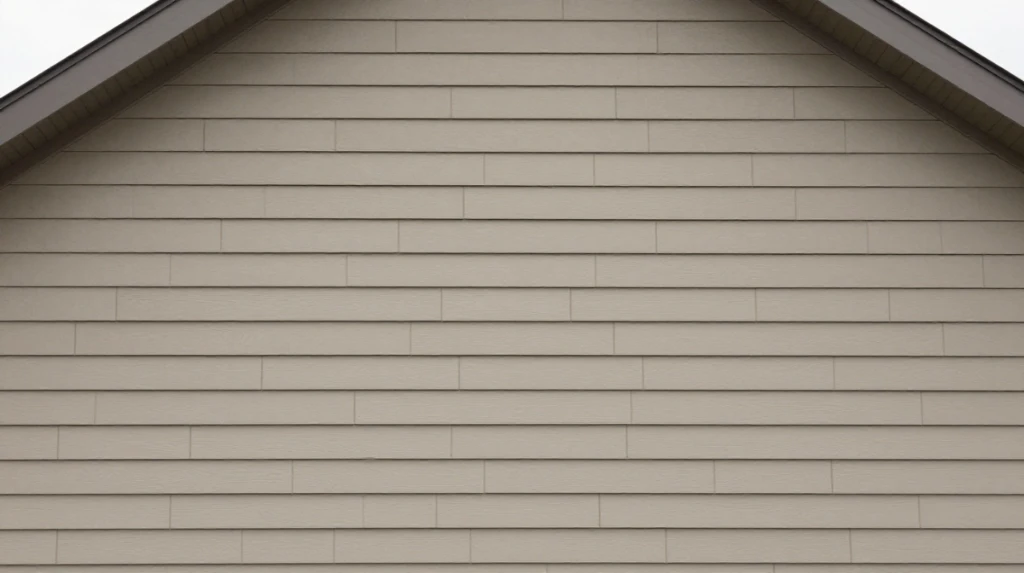
Board and batten siding offers a slightly different texture than horizontal boards while still keeping clean, simple lines. The vertical strips covering the seams between wide boards add subtle rhythm to the facade without disrupting the overall minimalist feel. It works particularly well on gable ends or as an accent alongside horizontal siding elsewhere.
This siding style holds up well in most climates, but the vertical seams do need occasional caulking checks to prevent moisture from getting behind the boards. A muted, earthy paint color keeps the look period-appropriate rather than overly modern or stark.
Warm Wood Front Door
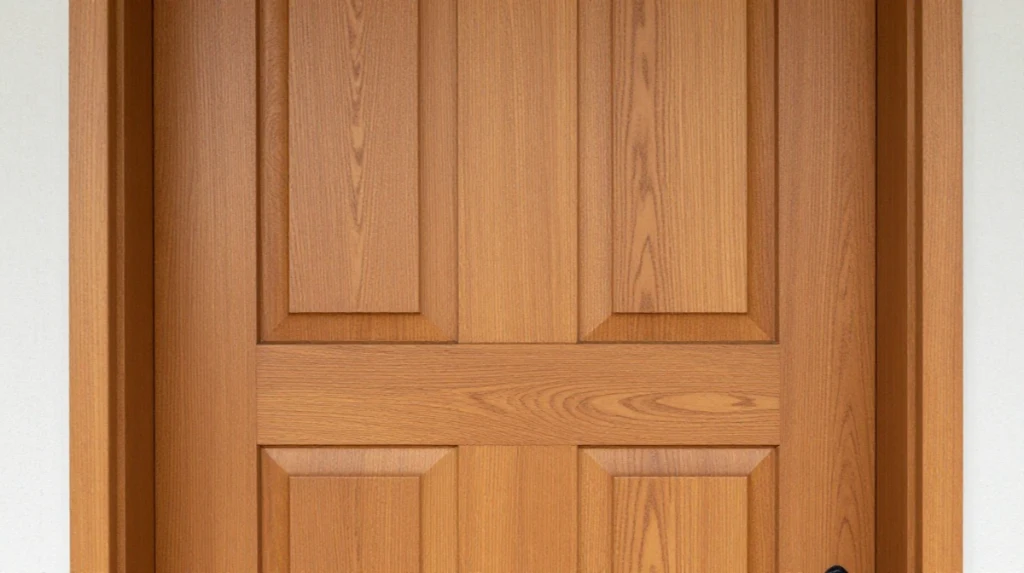
The front door on a mid-century modern home often uses warm wood tones rather than painted finishes, echoing the natural materials used throughout the exterior. A solid wood door with simple, geometric paneling or a narrow vertical window strip captures the era’s design language well.
If you already have a painted door and want to switch back to a wood finish, stripping and refinishing an existing solid wood door is usually more affordable than full replacement. Teak, mahogany, and white oak are common choices that develop richer color over time with occasional oiling.
Attached Carport Design
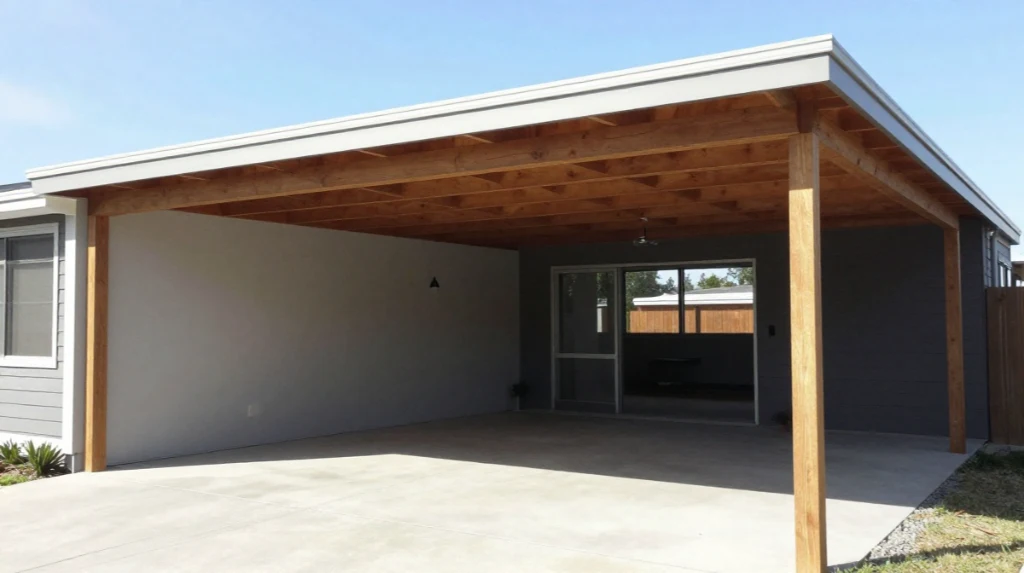
Rather than a fully enclosed garage, many mid-century homes feature an open carport supported by simple posts or a slim overhang. This design keeps sightlines open and reinforces the horizontal, low-profile silhouette of the house. It also tends to feel more casual and welcoming than a closed-off garage door.
If security or weather protection is a concern, a carport with a partial side wall or slatted wood screen offers some coverage while still keeping the open, airy feel. Adding a matching roofline to the main house ties the structure together visually.
Butterfly Roof Style
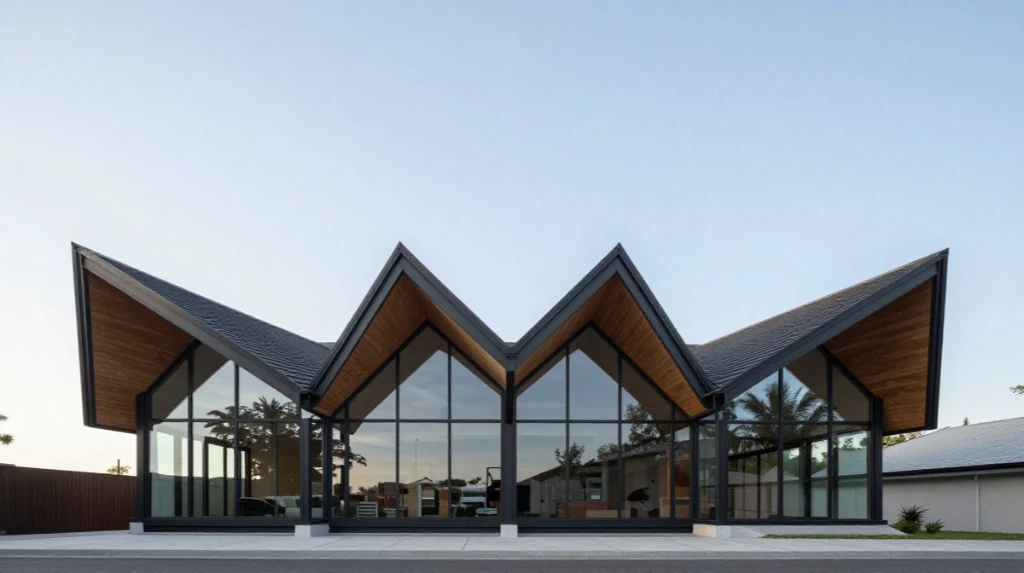
The butterfly roof, with its two sides sloping upward and meeting in a low center point, is one of the more distinctive rooflines associated with mid-century architecture. It creates a striking silhouette while also allowing for taller windows along the outer walls where the roof peaks. This style tends to work best on homes with a more architecturally adventurous budget.
Because the center valley collects rainwater, proper drainage planning is essential before committing to this roofline. A qualified structural engineer should be involved in any butterfly roof project, whether new construction or a major renovation.
Neutral and Earth Tone Color Palette
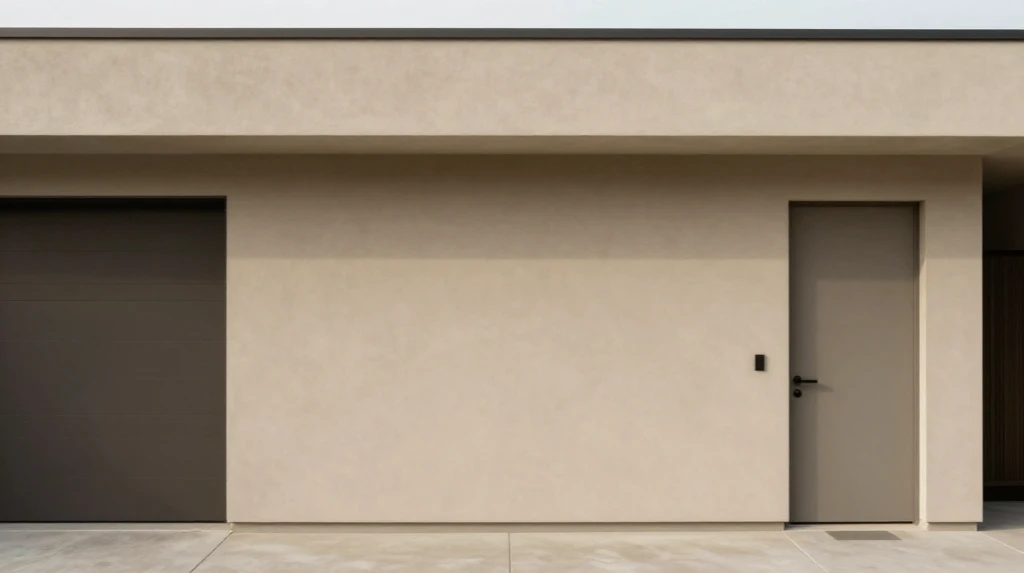
Mid-century modern exteriors typically rely on a neutral color palette, using earth tones like warm beige, soft olive, muted terracotta, or charcoal gray as the base. These colors let the architecture and natural materials do the visual work rather than relying on bright paint choices. It is a look built around calm confidence rather than bold statements.
When choosing exterior paint, test large swatches directly on the house and view them at different times of day, since earth tones shift depending on lighting. Pairing a neutral wall color with one slightly darker trim shade adds subtle contrast without breaking the overall palette.
Bold Front Door Color
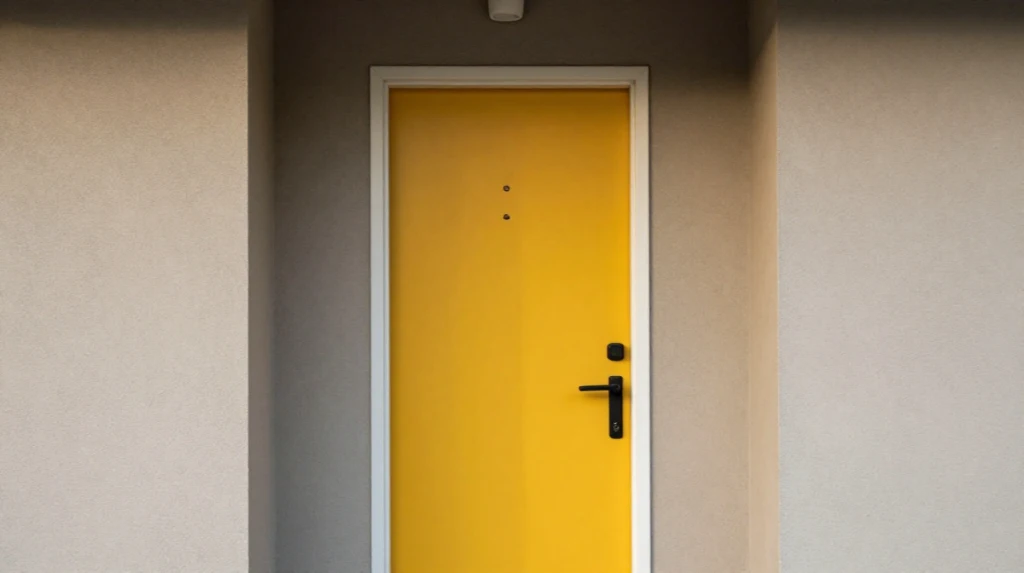
While the rest of the exterior tends to stay neutral, the front door is where many mid-century modern homes introduce a pop of color. Mustard yellow, burnt orange, avocado green, and deep teal are all period-accurate choices that instantly add personality to an otherwise understated facade.
This is one of the most budget-friendly updates on this entire list. A single gallon of exterior paint and a weekend afternoon can completely change how the entryway feels, without touching anything structural.
Breezeway Entryway
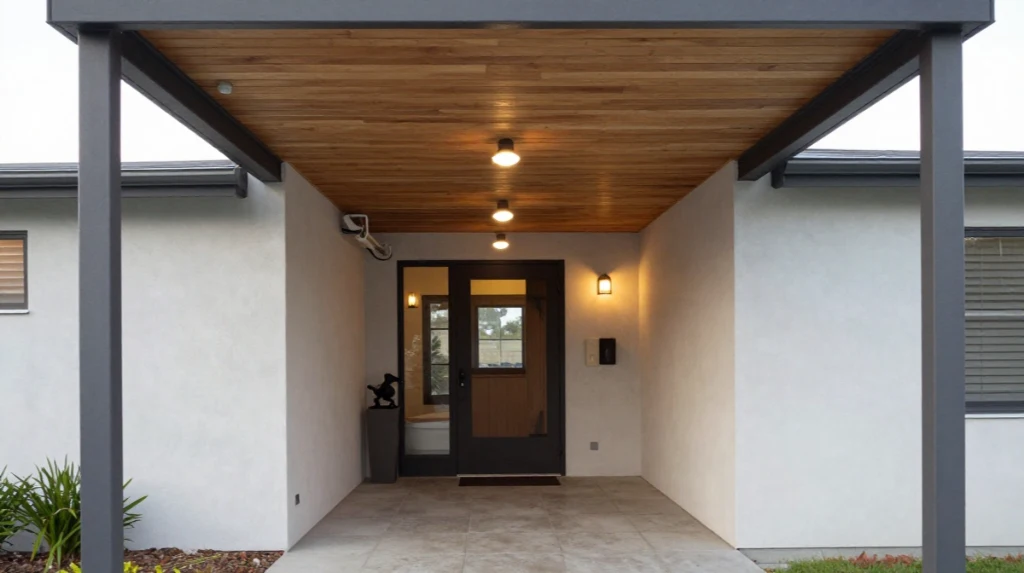
A covered breezeway connecting the carport or garage to the main entry is a functional and stylish feature common in this architectural style. It keeps you dry while walking between spaces and adds an interesting architectural transition between outdoor and indoor areas.
Open slat wood ceilings or exposed beam detailing inside the breezeway reinforce the natural material theme found throughout the rest of the house. Adding simple pendant lighting along the walkway improves both function and evening curb appeal.
Asymmetrical Facade Layout
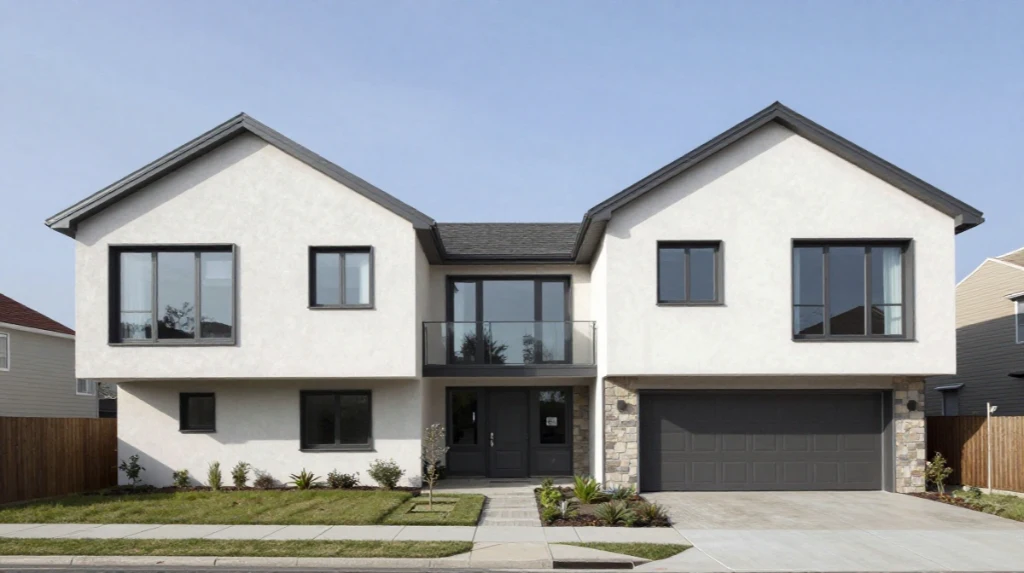
Unlike more traditional symmetrical home designs, mid-century modern architecture often embraces an asymmetrical facade. Windows, doors, and rooflines are placed based on interior function rather than mirrored balance, which gives these homes a more relaxed, organic feel.
If you are renovating and want to introduce more asymmetry, consider how window placement affects the interior layout before making exterior changes. Working with an architect familiar with this style helps ensure the changes feel intentional rather than random.
Geometric Window Shapes
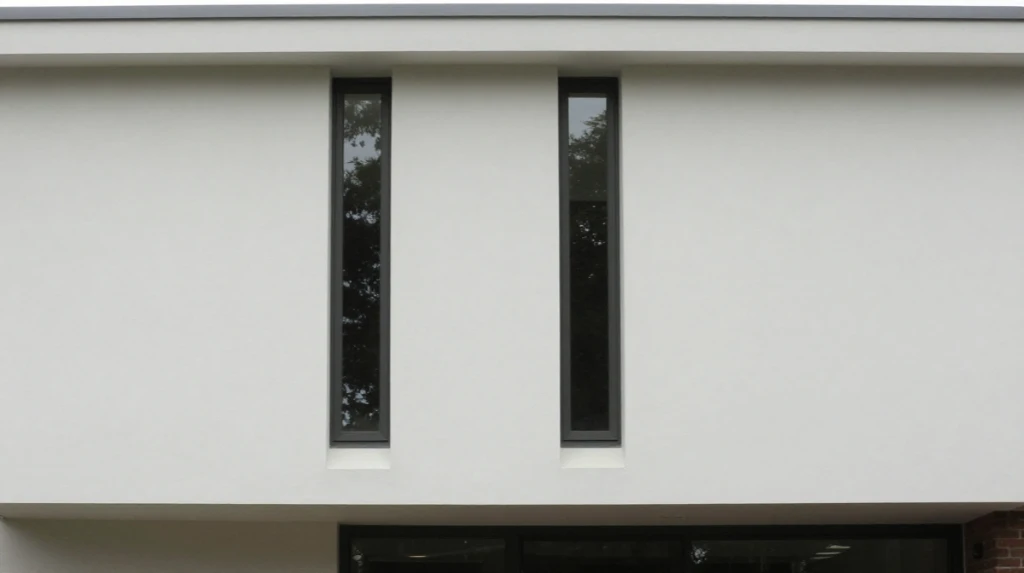
Beyond standard rectangular windows, many mid-century homes use geometric shapes like clerestory strips, diamond accents, or narrow vertical panels to add visual interest. These shapes often appear near entryways or along stairwells where natural light is needed without sacrificing privacy.
When adding geometric window details to an existing home, keep the shapes consistent with the era rather than overly ornate. Simple, clean geometry works better than intricate patterns, which can feel out of place against the minimalist backdrop.
Exterior Lighting Fixtures
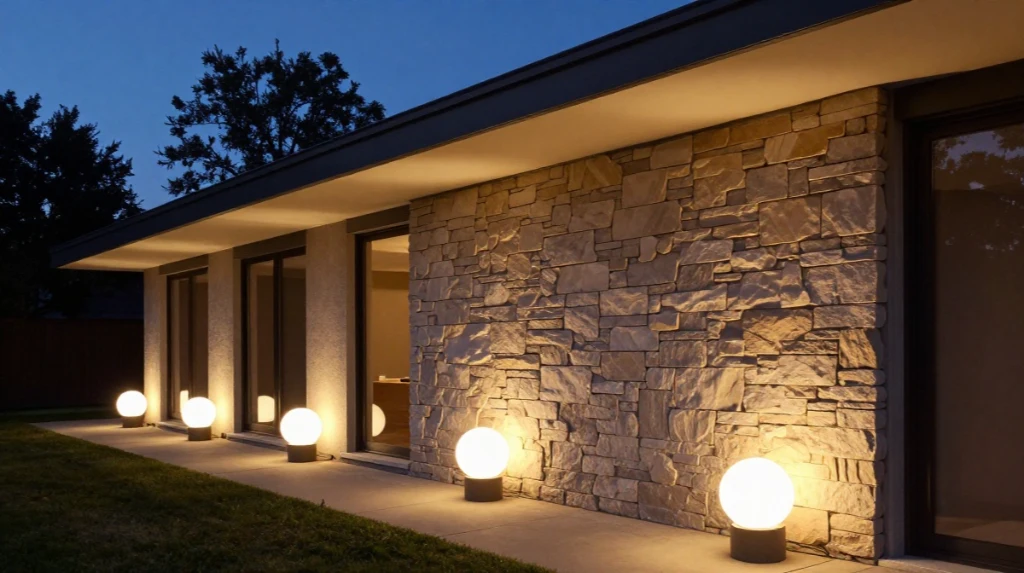
Exterior lighting on these homes tends to favor simple, sculptural fixtures over ornate designs. Globe lights, sconces with clean lines, and low-profile path lighting all fit naturally within the aesthetic. Lighting should highlight architectural features rather than compete with them.
Warm-toned LED bulbs mimic the glow of original incandescent fixtures while using far less energy. Placing a few uplights along stone accent walls or beneath roof overhangs adds dimension to the exterior after dark without much extra cost.
Gravel and Native Plant Landscaping
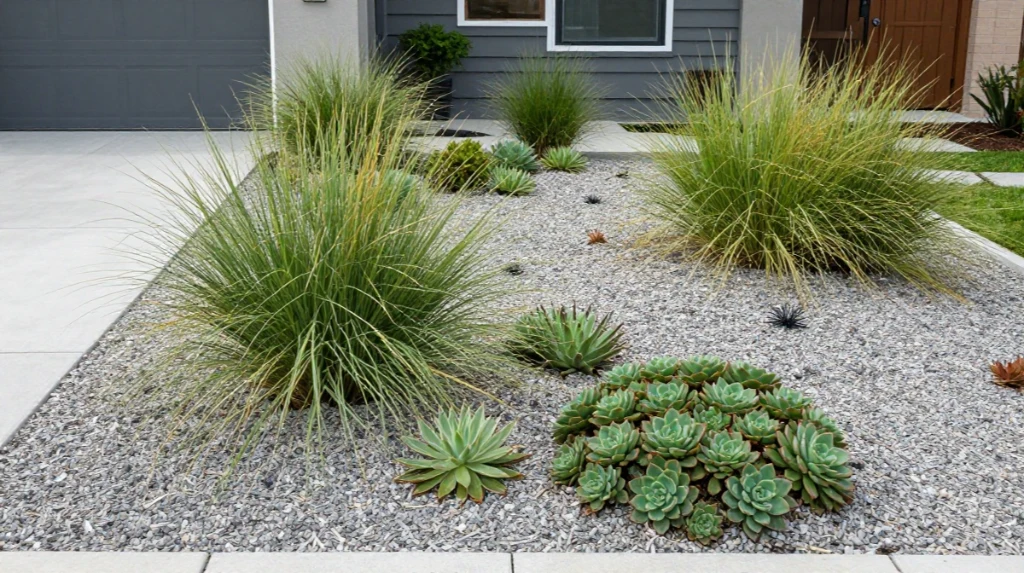
Landscaping around mid-century modern homes usually favors gravel beds, native plants, and structured greenery over manicured lawns. This approach fits the organic architecture philosophy of working with the natural landscape rather than against it, and it also happens to be far more water-efficient.
Drought resistant landscaping using ornamental grasses, succulents, and low shrubs keeps maintenance manageable throughout the year. Grouping plants by height and texture rather than color creates the layered, natural look these homes are known for.
Concrete Pathway Design
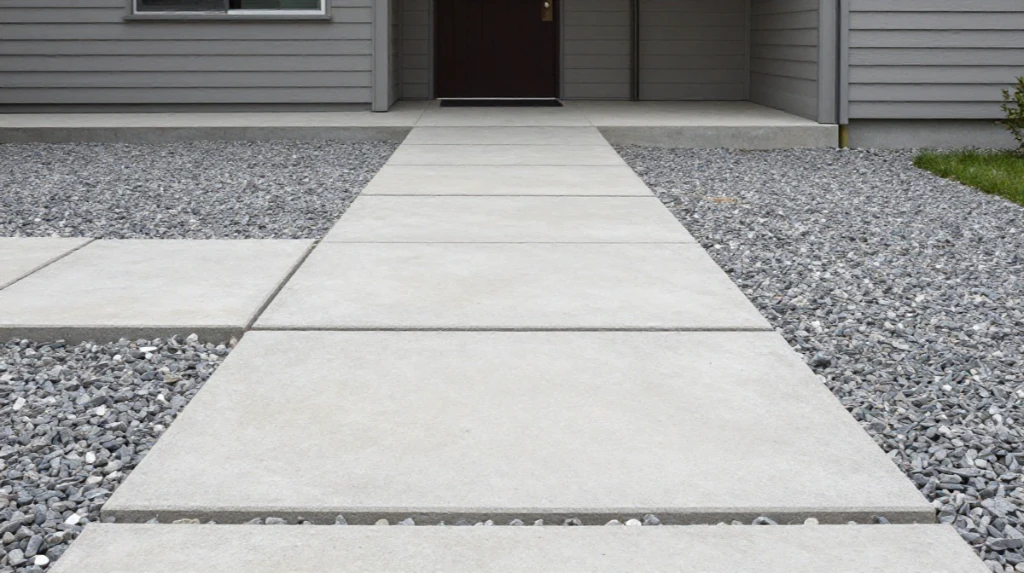
A simple concrete pathway, sometimes broken into geometric pavers with gravel or grass between the sections, complements the clean architectural lines of the house. This detail extends the horizontal design language from the building right into the yard.
For a period-accurate look, keep the pathway design simple rather than ornate. Wide, flat pavers spaced evenly with gravel fill are both practical and visually consistent with the rest of the exterior.
Metal Roofing Accents
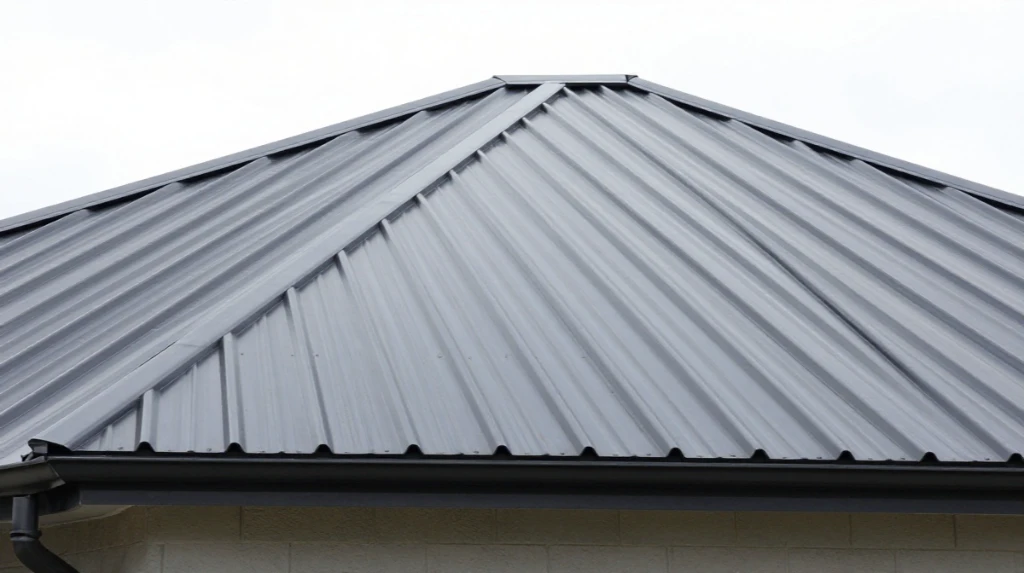
Standing seam metal roofing is a popular choice for mid-century modern homes, particularly on lower-slope sections or carport coverings. It offers a clean, modern finish while holding up well against weather over many decades. Metal roofing also complements the geometric, structured feel of the architecture.
If you are replacing an existing roof, matte or low-sheen metal finishes read as more period-appropriate than highly reflective options. Dark charcoal or bronze tones tend to blend especially well with warm wood siding.
Stucco Finish Walls
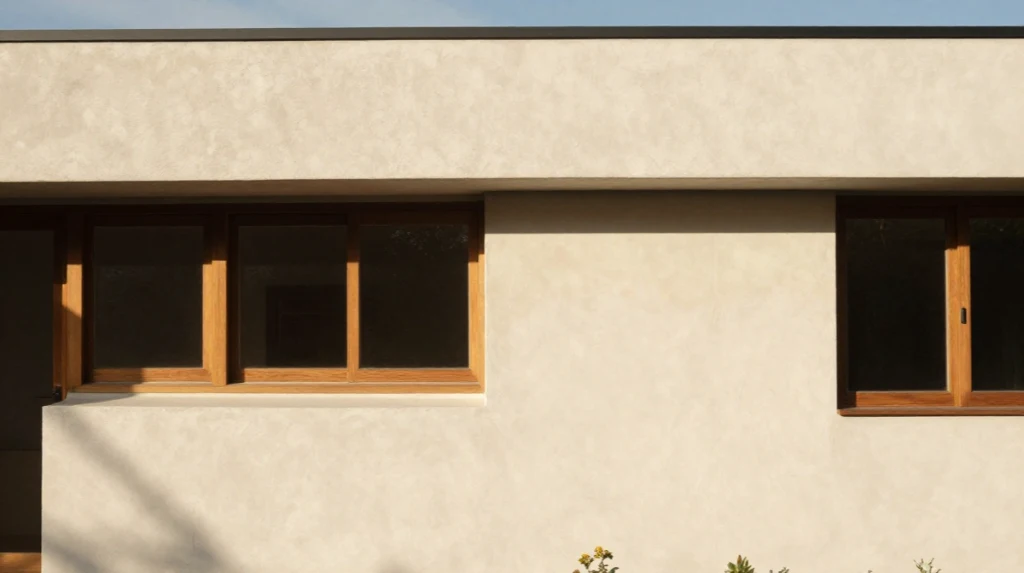
Smooth stucco is another common exterior finish, particularly in desert modernism and warmer climate variations of this style. It provides a clean, minimalist backdrop that pairs well with wood accents, stone details, and large window sections.
Regular inspection for hairline cracks helps prevent moisture issues over time, especially in areas with temperature swings. A smooth or lightly textured finish, rather than a heavily textured one, keeps the look consistent with the style’s minimalist facade approach.
Indoor Outdoor Patio Connection
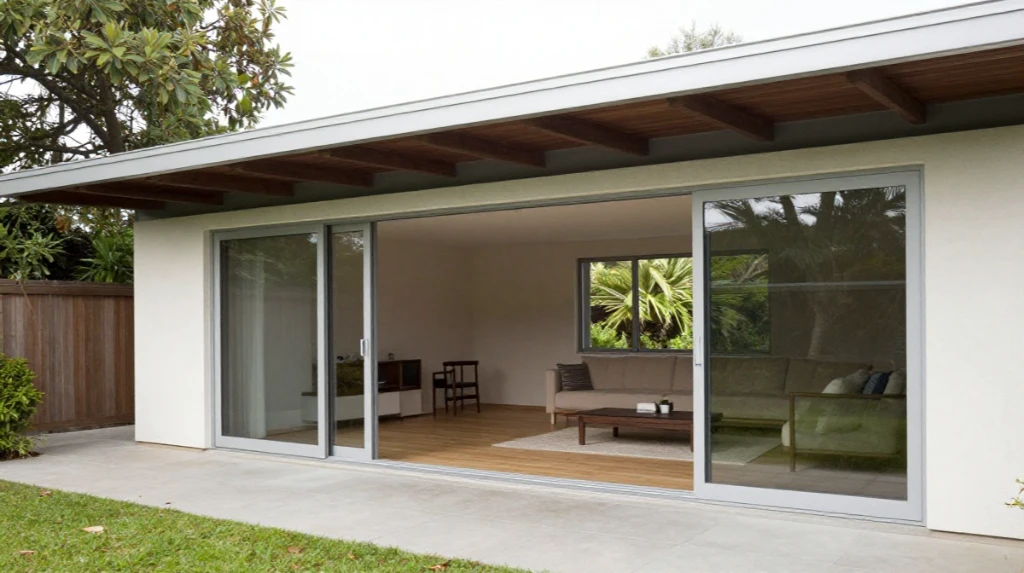
Patios that extend directly from the main living space, often through sliding or folding glass doors, are a defining feature of this architectural style. The goal is to blur the line between inside and outside as much as possible, creating one continuous living area.
Matching or complementary flooring materials between the interior and patio strengthen this visual connection. Simple, low furniture with clean lines keeps the outdoor space feeling like a natural extension of the house rather than a separate area.
Brick Exterior Accents
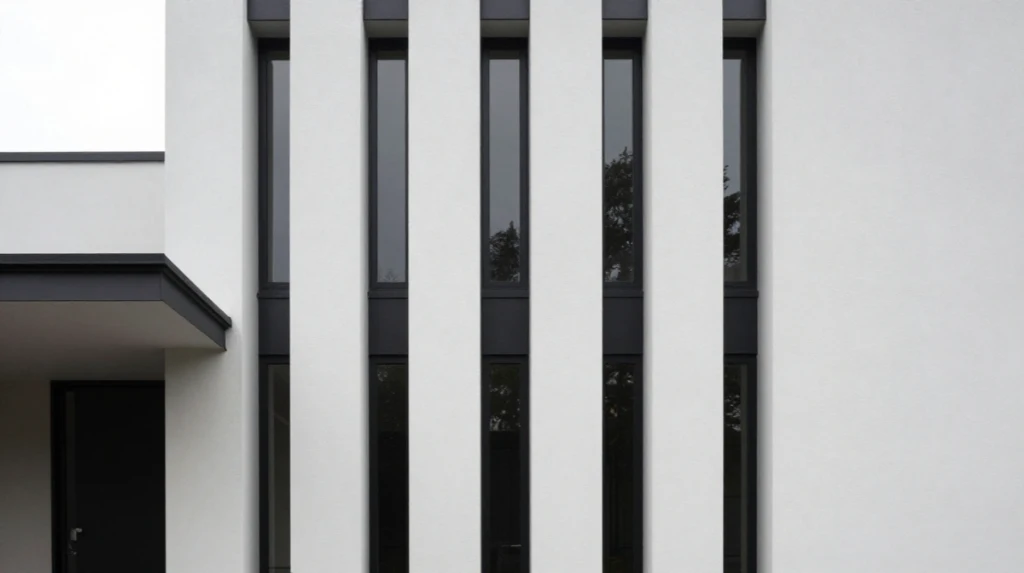
While wood and stone tend to dominate this style, brick still appears as an accent material on many mid-century homes, particularly around chimneys or foundation sections. Its warm, earthy tone works well alongside the neutral color palette used elsewhere on the exterior.
Thin brick veneer offers a lighter, more budget-friendly way to add this detail to an existing home without a full masonry project. Keeping the brick to a single accent area, rather than spreading it across the whole facade, maintains the minimalist balance central to the style.
Split-Level House Design
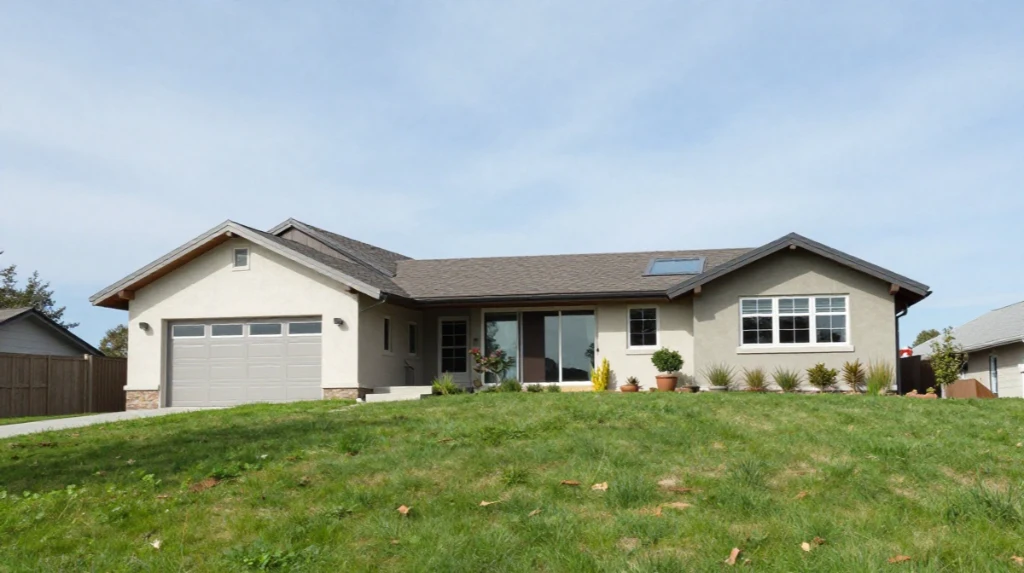
The split-level layout, where different sections of the home sit at staggered elevations, is closely tied to mid-century residential design. This layout allows the exterior to follow the natural slope of a lot rather than requiring extensive grading, which also reduces construction costs on sloped properties.
If you own a split-level home, emphasizing the staggered rooflines and varied window heights during any exterior update helps highlight this architectural feature rather than disguise it. Consistent siding and color choices across the different levels keep the design feeling unified.
Overhang Roof Details
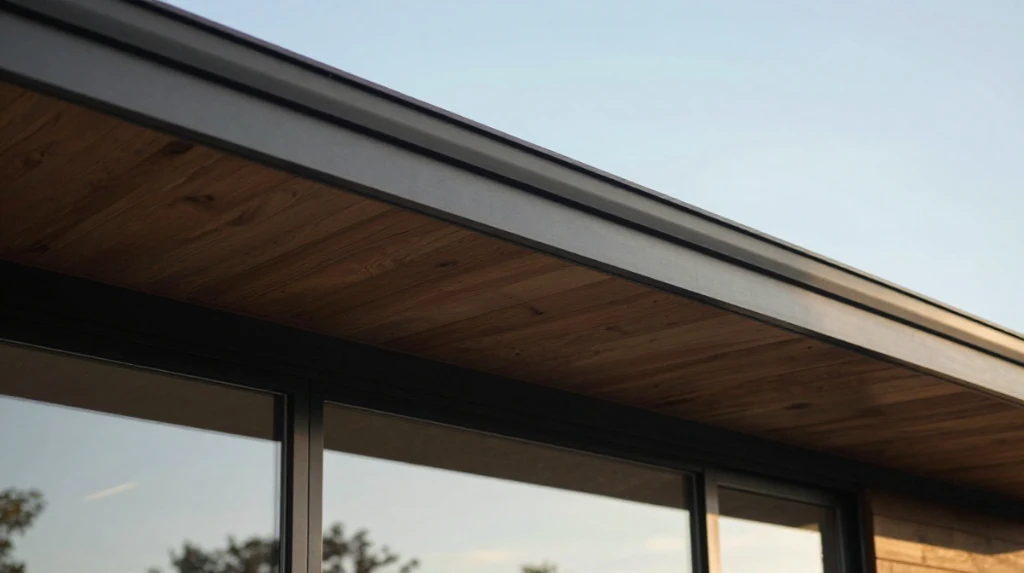
Deep roof overhangs are more than a style choice. They provide real shade benefits, protecting large windows from direct sun and reducing interior heat gain during warmer months. Exposed rafter tails or beam ends beneath the overhang add another layer of natural material detail.
When adding or extending overhangs on an existing home, check with a contractor about structural support requirements first. A well-proportioned overhang should feel substantial without overwhelming the rest of the facade.
Quick Comparison Table
| Feature | Best For | Maintenance Level | Approximate Cost Range | Style Impact |
|---|---|---|---|---|
| Flat Roofline | New builds and renovations | Medium | Moderate to high | Defines silhouette |
| Horizontal Wood Siding | Full exterior refresh | Medium | Moderate | Strong horizontal lines |
| Stone Veneer Accent | Entryways and focal walls | Low | Low to moderate | Adds texture |
| Bold Front Door Color | Budget updates | Low | Low | Instant personality |
| Gravel Native Landscaping | Water-conscious yards | Low | Low to moderate | Organic curb appeal |
| Metal Roofing | Long-term roof replacement | Low | Moderate to high | Clean modern finish |
| Floor to Ceiling Windows | Light and openness | Medium | High | Indoor outdoor connection |
Conclusion
A mid-century modern house exterior design is really about balance. It combines clean architectural lines with warm, natural materials, and it favors quiet confidence over flashy statements. Whether you are working on a full renovation or making a few smaller updates, the details covered here all work together to build that same sense of calm, grounded style.
You do not need to tackle every idea at once. Start with something manageable, like a new front door color or updated landscaping, and let the bigger projects follow as your budget allows. What matters most is respecting the character of the style while still making the space feel like your own.
You may also like this: 22 Mid-Century Modern Bathroom Design Ideas for a Sleek Makeover
Frequently Asked Questions
What makes a house exterior mid-century modern?
Clean horizontal lines, flat or low-slope rooflines, natural materials like wood and stone, large windows, and a neutral color palette with occasional bold accents are the defining features of this architectural style.
Is it expensive to update a home to a mid-century modern exterior?
Not necessarily. Smaller changes like a new front door color, updated exterior lighting, or landscaping adjustments can make a noticeable difference without a large budget, while bigger changes like roofline work cost more.
What colors work best for a mid-century modern exterior?
Neutral earth tones such as beige, olive, charcoal, and warm browns work well as base colors, with a single bold accent color, often on the front door, added for contrast.
Can older homes be updated to this style without losing their original character?
Yes. Many original mid-century homes already have the underlying architecture in place, so updates like refinishing wood siding, adjusting the color palette, or updating landscaping can enhance the style without major structural changes.
What landscaping style pairs best with mid-century modern homes?
Gravel beds, native plants, and structured greenery generally work better than traditional lawns, since they reflect the organic, low-maintenance approach associated with this architectural style.