
Introduction
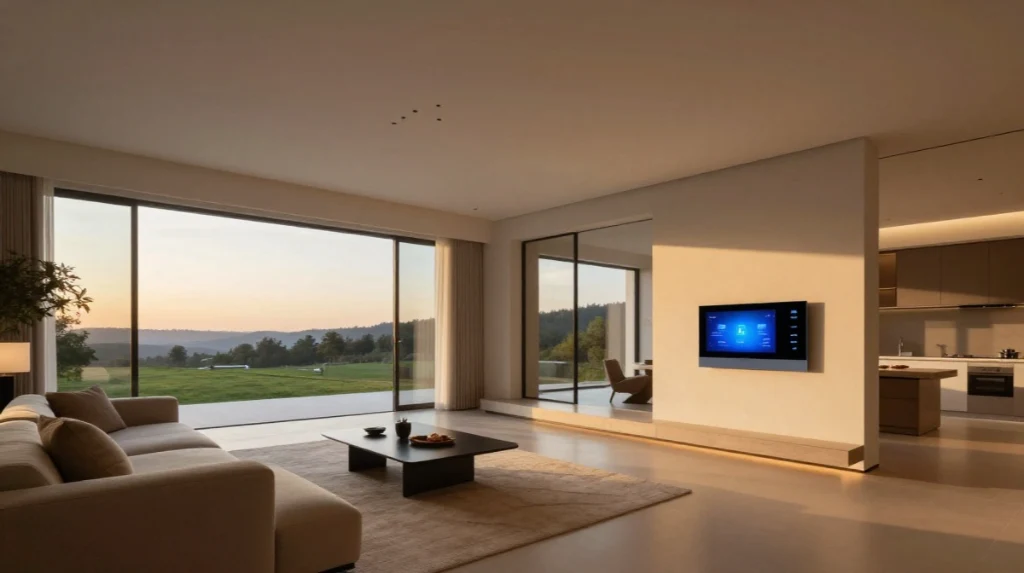
Imagine walking into your home and everything just works. The lights adjust automatically. The temperature feels perfect without you touching anything. Your kitchen knows your morning routine. This is not a movie scene. This is what future home design looks like right now, and it is closer to everyday life than most people realize.
Whether you are building a new house, renovating an old one, or simply dreaming about what your next home could look like, this guide gives you real, practical ideas to think about. From smart lighting systems to eco-friendly smart homes, these concepts are changing the way people live, relax, and connect with their spaces.
Let us explore 22 ideas that blend modern home automation with beautiful, functional design.
Voice Controlled Lighting That Sets the Mood
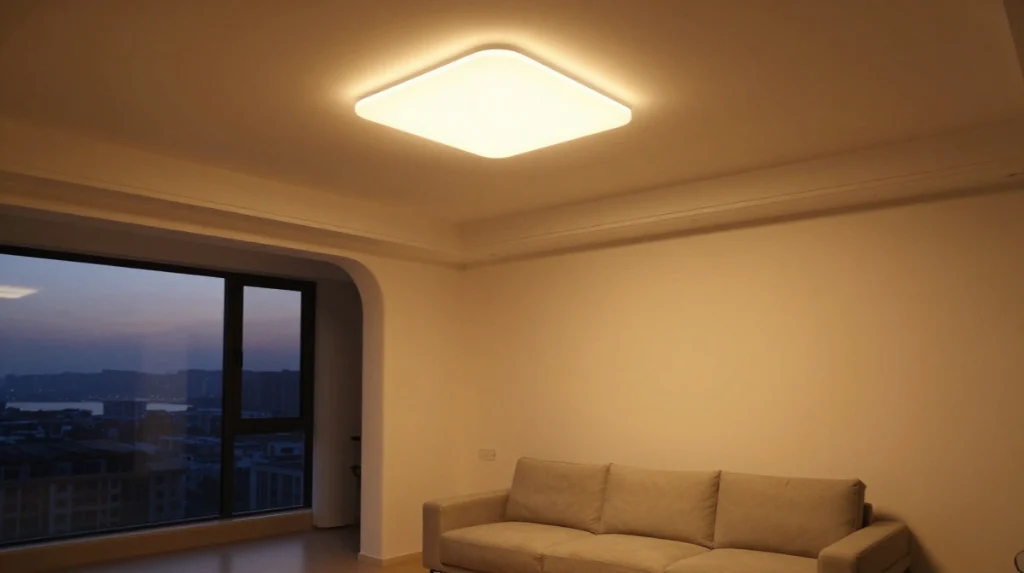
Smart lighting systems are one of the easiest ways to bring future home design into your everyday life. Instead of walking to a switch, you simply speak or tap your phone to change the brightness, color, or warmth of any room.
These systems work with voice assistants and can be scheduled to match your daily routine. Warm light in the morning, bright white during work hours, and soft amber in the evening. It sounds simple, but it genuinely changes how a room feels.
For beginners, starting with a few smart bulbs in the living room or bedroom is a low-cost way to test the experience before investing in a full automated lighting control setup.
Smart Thermostats That Learn Your Habits
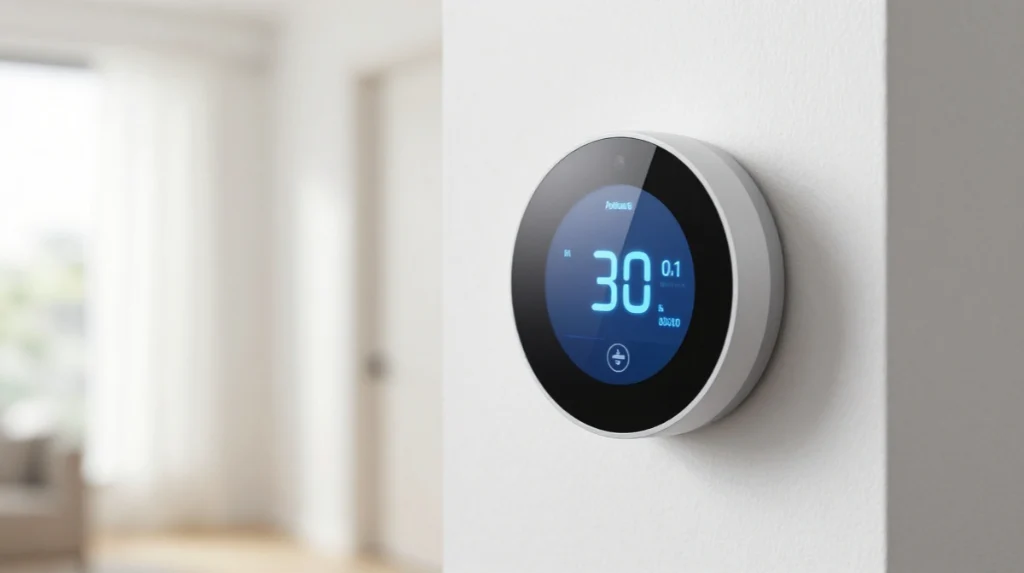
A smart thermostat design does more than control temperature. It tracks your schedule, learns your preferences, and adjusts on its own over time. Some models even detect when you leave the house and reduce energy use automatically.
This is one of the most practical pieces of modern home automation because it directly lowers utility bills while keeping your home comfortable. Many homeowners see a noticeable difference in monthly costs within the first few months of use.
If you are new to home control technology, a smart thermostat is a great starting point because installation is straightforward and the interface is usually very user-friendly.
Open Floor Plans Designed for Flexible Living
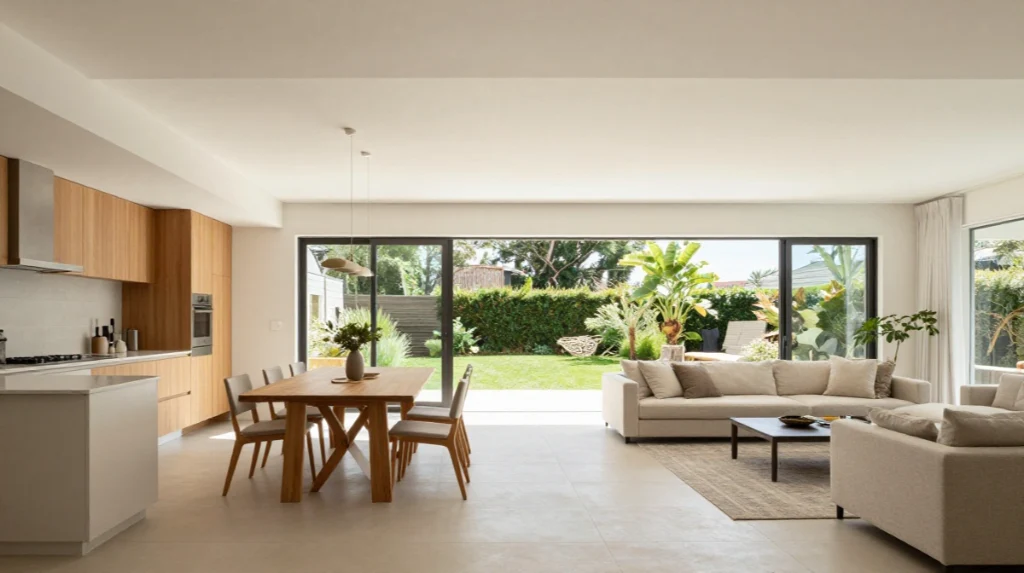
One of the most consistent home design trends in modern residential design is the open floor plan. Walls between the kitchen, dining, and living areas are removed to create one connected, flowing space.
This layout works especially well for families who want to stay connected while doing different activities. It also makes smaller homes feel larger and allows natural light to travel across the entire space.
Open floor plans pair beautifully with connected home devices and smart appliances integration because everything is visible and accessible from one central zone.
Futuristic Kitchen Design With Smart Appliances
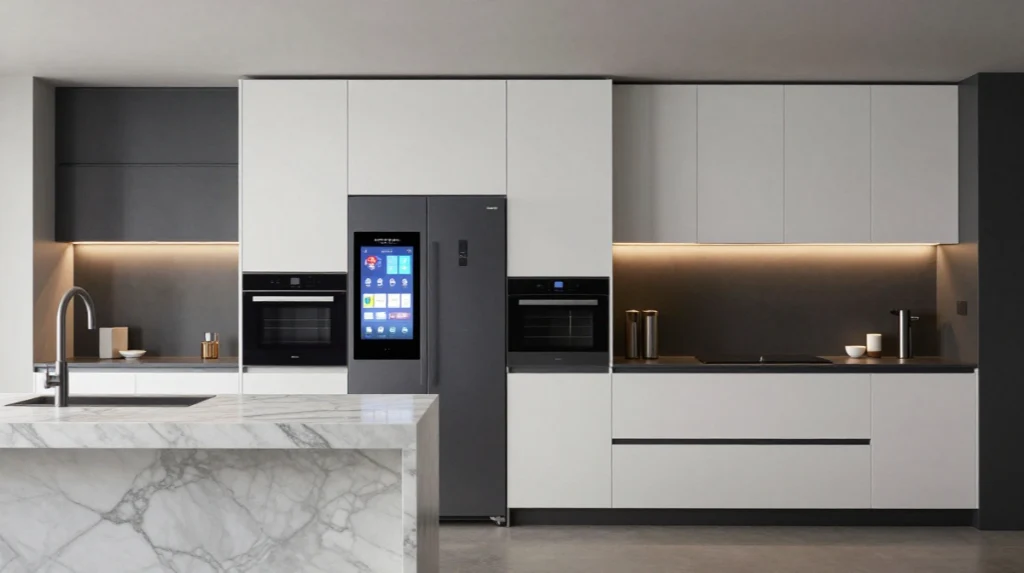
The kitchen is one of the most exciting areas in future home design ideas. Smart refrigerators can track what groceries you have and suggest meals. Ovens can be preheated remotely. Faucets can dispense precise amounts of water at the right temperature.
Futuristic kitchen design is not just about gadgets, though. It is also about layout. Clean surfaces, hidden storage, integrated appliances, and minimalist smart design principles make the space feel both functional and visually calm.
A practical tip: when planning a smart kitchen, focus on appliances that connect to a central home control system so everything can be managed from one app or device.
Smart Bathroom Features for Daily Comfort
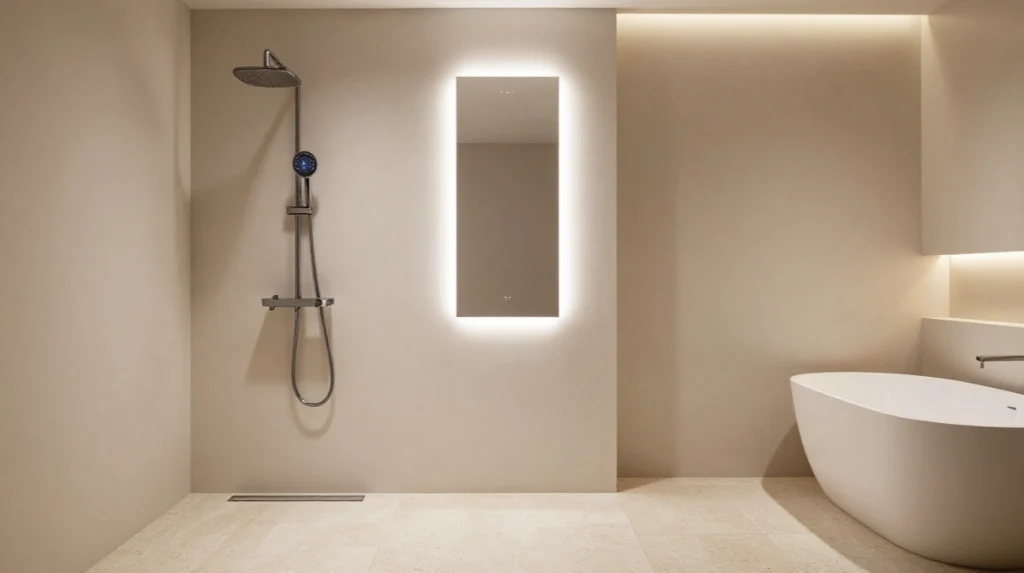
Modern bedroom technology often gets attention, but the bathroom is where smart home innovation is making some of the most meaningful differences. Heated floors, digital shower controls, smart mirrors with built-in displays, and automated ventilation all contribute to a more comfortable daily routine.
Smart bathroom features are especially useful for older adults or individuals with mobility needs. Touchless faucets, sensor-activated lights, and programmable shower temperatures reduce effort and improve safety.
Even small changes, like adding a smart exhaust fan that detects humidity, can make a real difference in air quality and comfort.
Integrated Home Security Systems
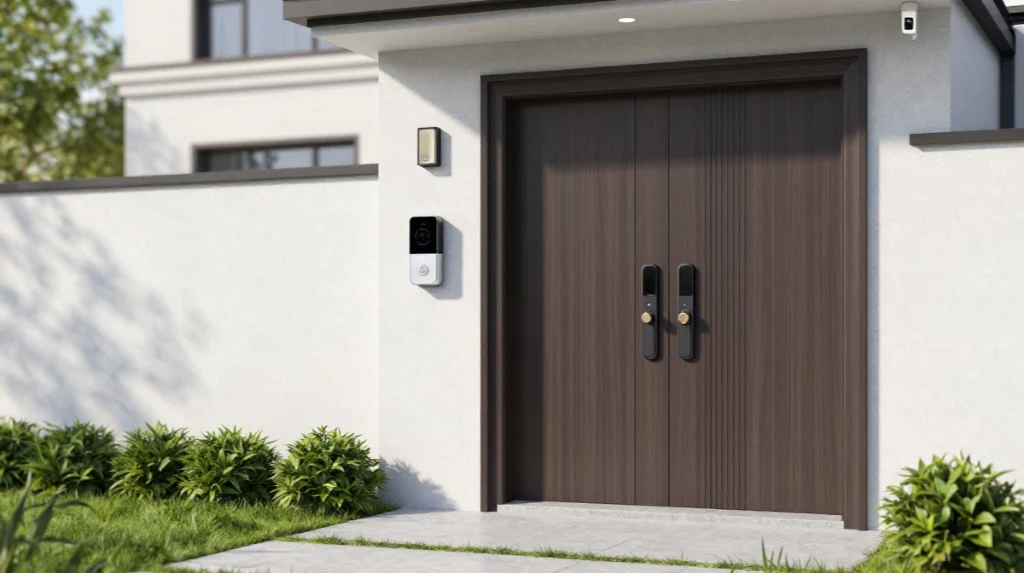
Smart security systems have moved far beyond the basic alarm. Today, you can monitor every corner of your home from your phone, receive alerts when someone approaches your front door, and even speak to visitors remotely through a video doorbell.
Home monitoring systems now include AI-powered cameras that can distinguish between a person, a pet, and a delivery package. This reduces false alerts and makes the overall experience much more reliable.
For families with children or anyone who travels frequently, integrated home systems for security provide genuine peace of mind without requiring constant attention.
Energy Management and Solar Integration
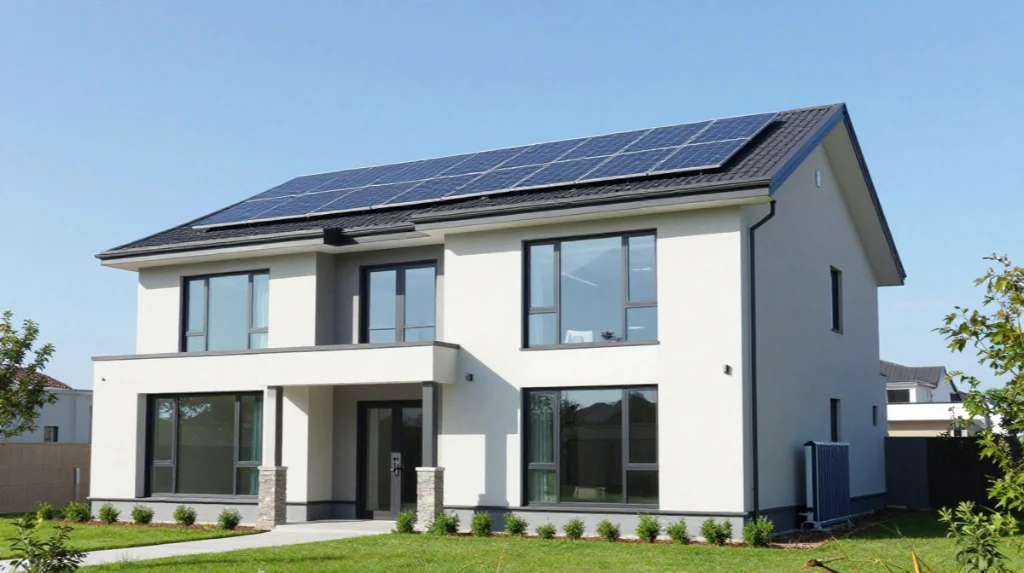
Energy efficient homes are not just good for the environment. They save money every single month. Home energy management systems track how much electricity each appliance uses and suggest ways to reduce waste.
Combined with solar panels, battery storage, and smart window technology that adjusts tint based on sunlight, a home can generate and manage its own energy with minimal input from the owner.
Eco friendly smart homes are increasingly becoming the standard in new construction because both buyers and builders see the long-term financial and environmental value.
Smart Floor Plans That Adapt to Your Life
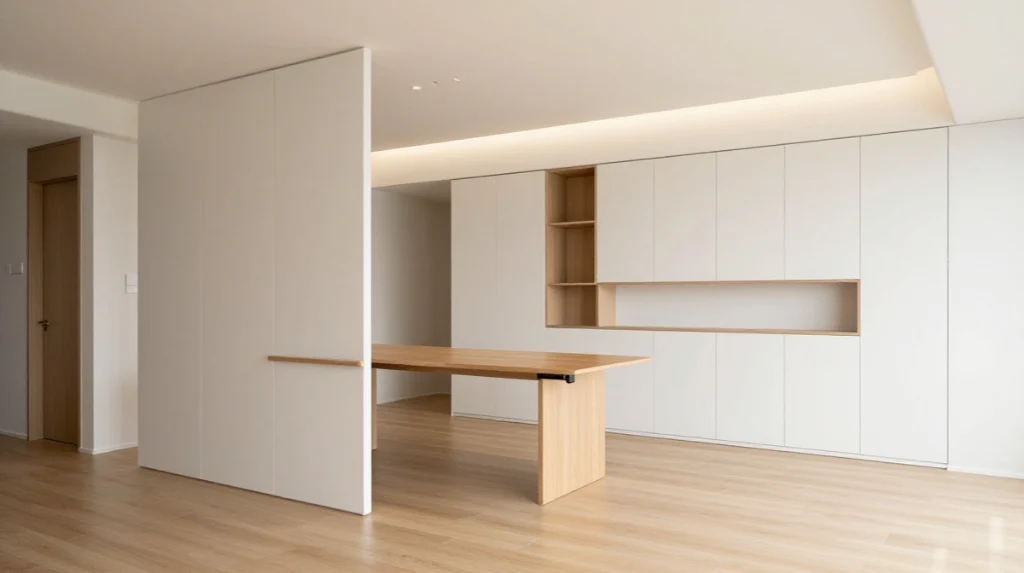
Traditional floor plans are fixed. Future home design concepts increasingly include modular or adaptable spaces. Movable walls, foldable furniture, and rooms that serve multiple purposes throughout the day are becoming more common in modern house concepts.
Space saving smart design is especially relevant in urban areas where square footage is limited. A home office that converts to a guest room, or a dining area that expands for entertaining, gives a home far more flexibility than a conventional layout.
Smart floor plans also account for where technology needs to live. Power outlets, wireless connectivity, and lighting are planned from the beginning rather than added later as an afterthought.
Ambient Home Technology for Atmosphere
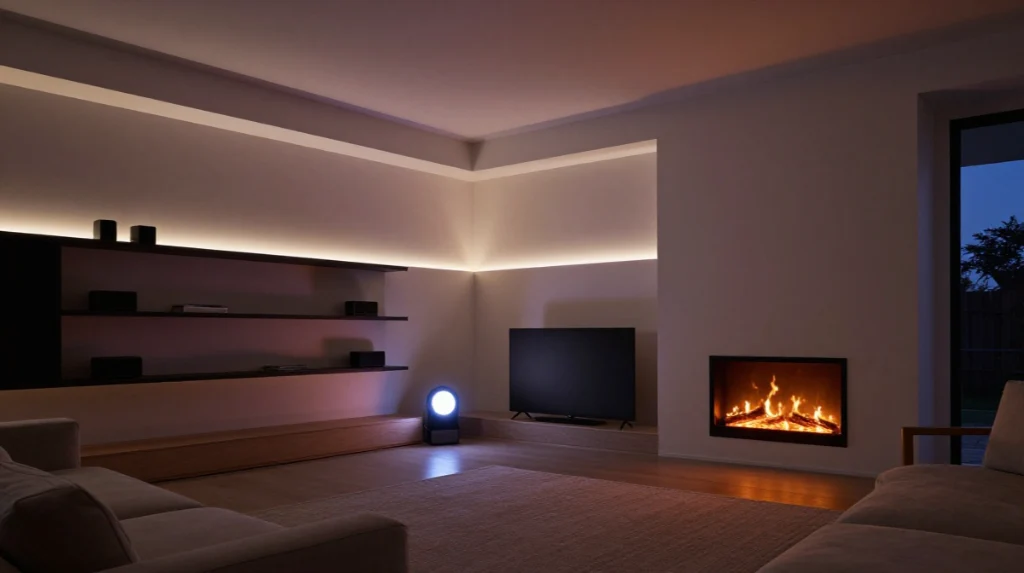
Ambient home technology refers to the subtle systems that create atmosphere without being obvious. Think of soft lighting that shifts automatically at sunset, background music that fades as you enter a different room, or a gentle alert that lets you know dinner is ready without any sound at all.
These details make a home feel responsive and alive in a way that is hard to explain but easy to experience. Digital living spaces that use ambient technology tend to feel calmer, more intentional, and more enjoyable to spend time in.
The key is to design these systems to work quietly in the background. If you notice the technology too much, it is working against the experience rather than supporting it.
Modern Bedroom Technology for Better Sleep
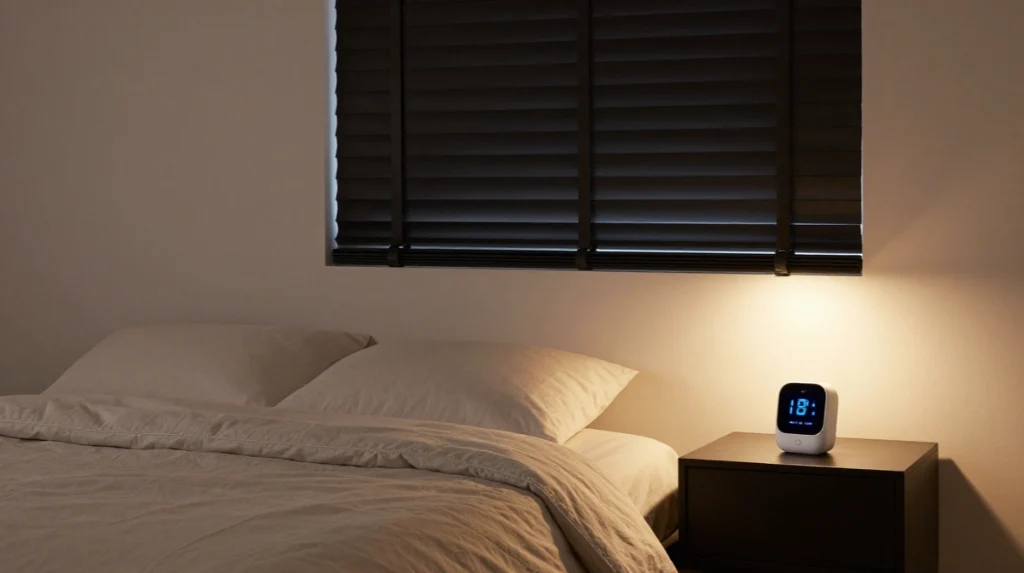
Sleep is one of the most important factors in daily health, and modern bedroom technology is designed to support it. Smart blinds that block light automatically, mattresses with built-in sensors, white noise systems, and air quality monitors all contribute to a better sleep environment.
Some systems can track your sleep patterns and gently adjust lighting or temperature to help you wake up more naturally. Instead of a jarring alarm, the room slowly brightens and warms a few minutes before your target wake time.
These are not luxury accessories anymore. Many of these products are available at accessible price points and are worth considering even for those on a tighter budget.
Home Entertainment Systems That Disappear When Not in Use
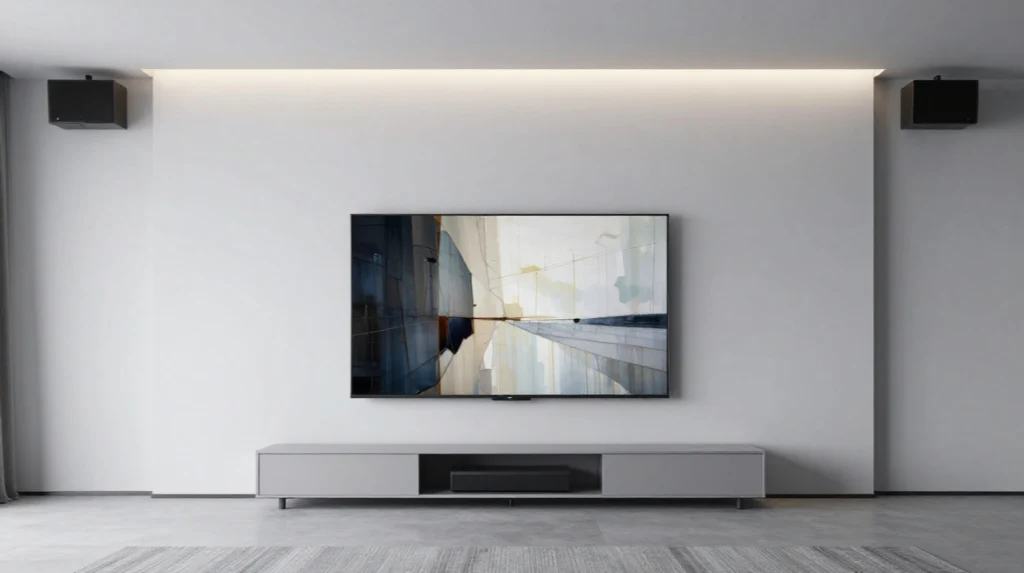
Home entertainment systems have become incredibly sophisticated, but the best ones are designed to be invisible when you are not using them. Televisions that look like artwork when switched off, speakers hidden behind walls or ceilings, and projection systems that fold away keep the living room looking clean and uncluttered.
Residential technology in this space is evolving quickly. Wireless speakers, streaming integration, and multi-room audio allow you to move through your home without interrupting what you are listening to or watching.
A minimalist smart design approach works best here. Choose fewer, better components rather than filling a room with visible equipment.
Smart Window Technology and Natural Light Control
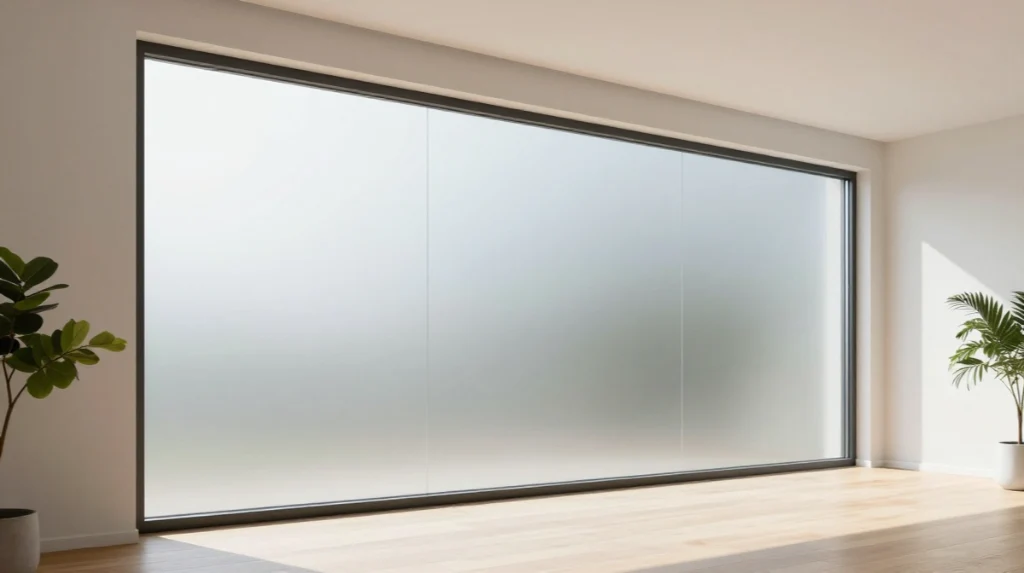
Windows play a huge role in how a room feels, and smart window technology is making it possible to control light, heat, and privacy with precision. Electrochromic glass can shift from clear to frosted at the touch of a button. Smart blinds adjust automatically based on time of day or weather conditions.
This kind of automated home system reduces glare, manages indoor temperature, and adds a layer of privacy without the need for curtains or manual adjustment.
For anyone designing a home from scratch, planning for smart windows early in the process is far easier and more cost effective than retrofitting them later.
Wireless Home Technology and Hidden Infrastructure
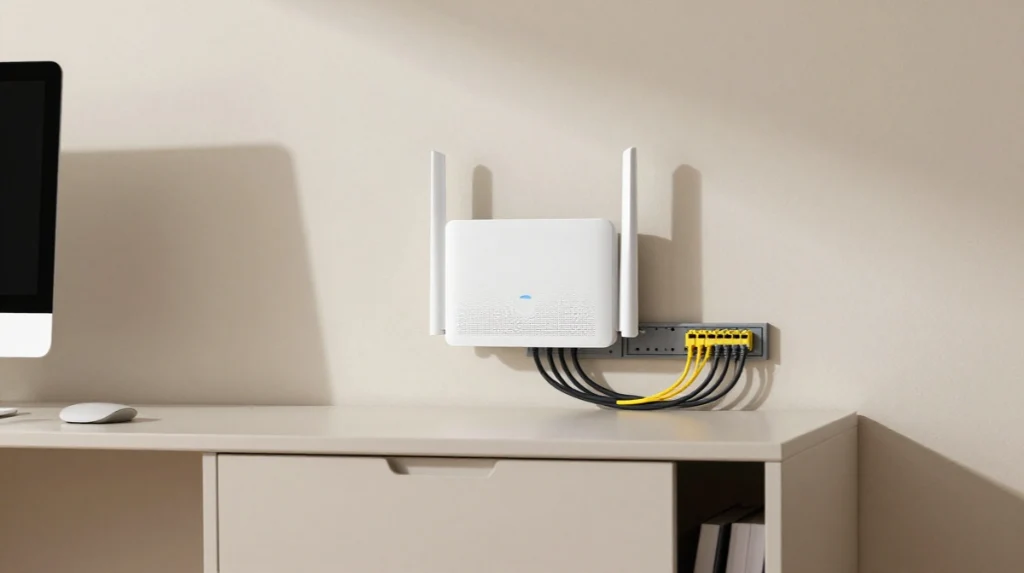
One of the most underrated aspects of future proof home design is what happens behind the walls. Wireless home technology still relies on strong, consistent connectivity, and that means planning your internet infrastructure carefully.
Mesh Wi-Fi systems, wired ethernet backbones in key rooms, and centrally located routers all contribute to a home where technology works reliably. Nothing undermines smart home confidence like a device that drops connection at the wrong moment.
When building or renovating, working with a contractor who understands digital home integration ensures that the infrastructure supports the technology you plan to use now and in the future.
Sustainable Materials in Modern Home Architecture
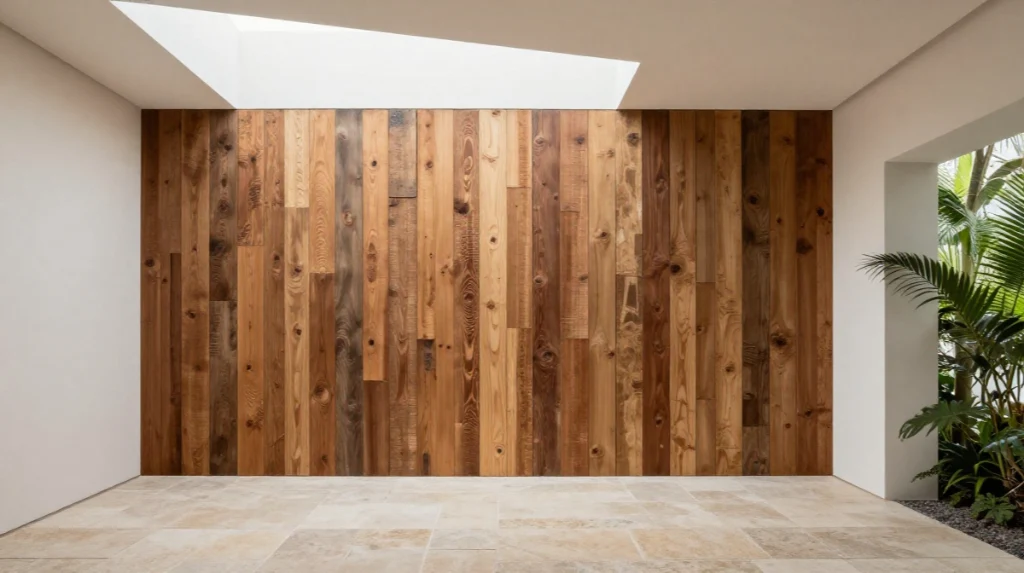
Architectural innovation in residential design is not only about technology. The materials used in construction and interiors are also changing. Reclaimed wood, recycled metals, low-emission paints, and sustainably sourced stone are becoming standard choices in eco smart home design.
These materials often look better than conventional alternatives and carry a story with them. A reclaimed wood dining table or a wall finished with natural clay plaster adds texture and warmth that factory-made materials struggle to replicate.
Sustainable home design is also about longevity. Choosing materials that age well and require minimal maintenance reduces the long-term cost of homeownership.
Luxury Home Technology With a Human Touch
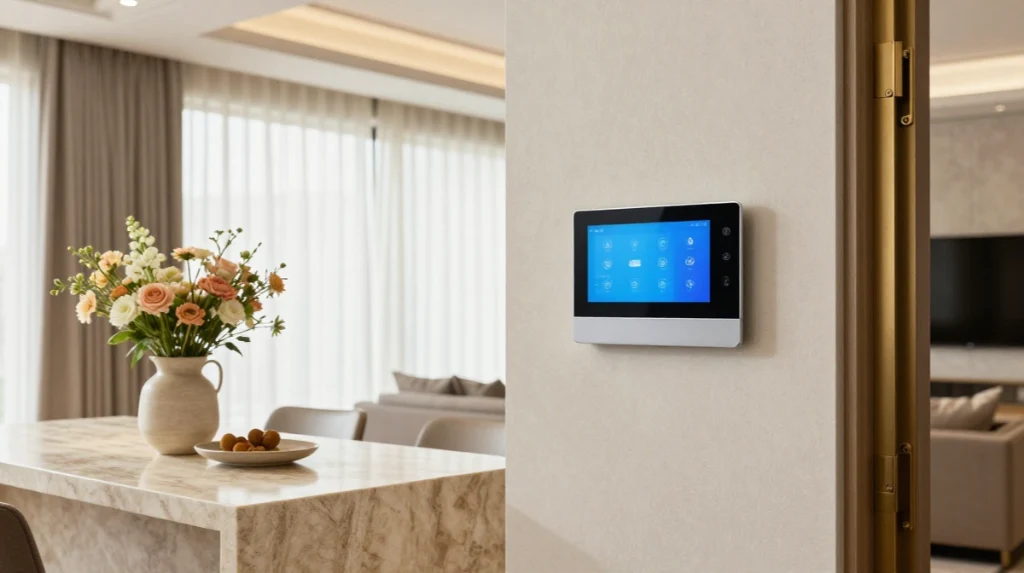
Luxury smart homes are sometimes criticized for feeling cold or overly technical. The best ones, however, balance advanced technology with warmth, texture, and personality. A marble kitchen countertop paired with smart appliances integration. A handmade ceramic tile bathroom with an intelligent shower system. Natural linen curtains controlled by an automated home system.
The goal is to make technology serve the design rather than define it. When that balance is achieved, the result is a home that feels both deeply personal and incredibly functional.
You do not have to spend an enormous amount to achieve this. Thoughtful choices at every level of budget can create a home that feels premium without looking like a showroom.
Home Automation Ideas for Everyday Routines
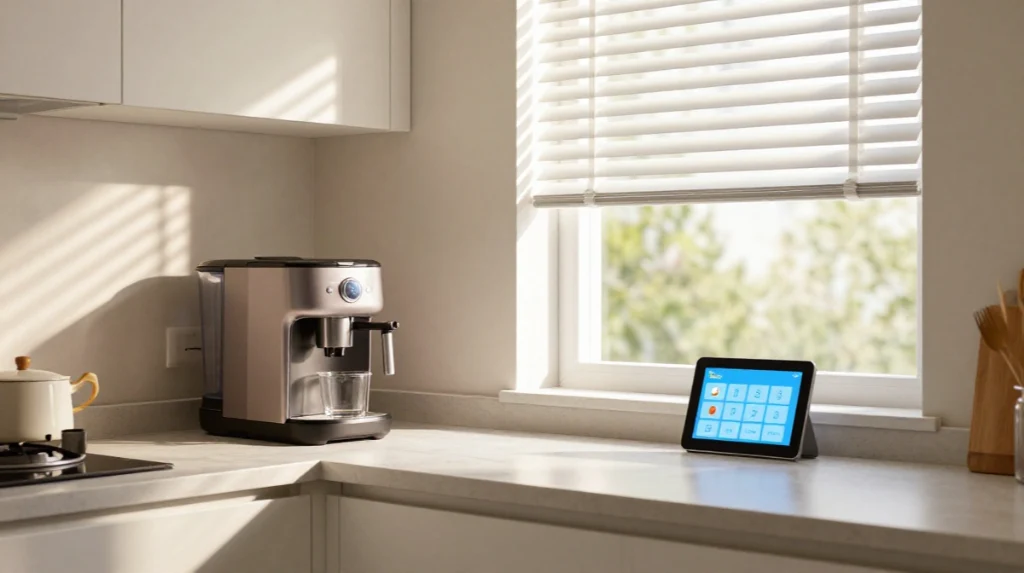
Home automation ideas work best when they are tied to real habits. A morning routine that starts the coffee maker, raises the blinds, and plays the news. An evening routine that dims the lights, locks the doors, and sets the thermostat for sleep.
These routines are easy to set up with most smart home platforms and take only a few minutes to configure. Once they are running, they remove small decisions from your day and make your home feel like it is working with you.
Automated home living is not about removing human experience from the home. It is about giving you more time and energy to focus on what actually matters.
AI Home Integration for Smarter Decisions
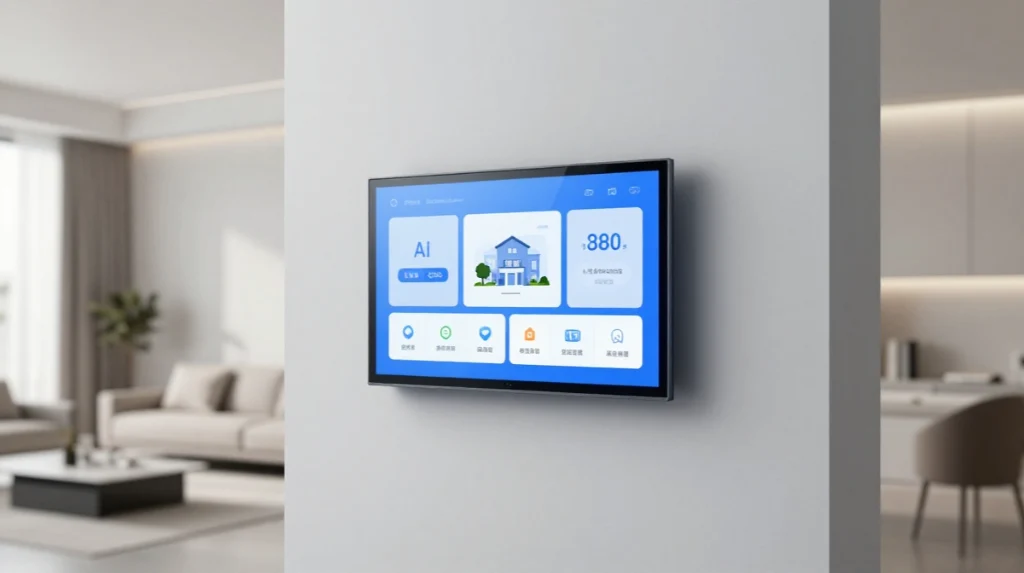
AI powered home systems go beyond simple scheduling. They analyze patterns, predict needs, and make adjustments before you even realize something needs to change. An AI thermostat might notice that you always feel warm on Tuesday evenings and begin adjusting automatically.
AI home integration is still developing, but the direction is clear. Homes will become better at understanding their occupants over time. This is the core idea behind intelligent living spaces, and it is already happening in homes around the world.
The practical benefit is a home that requires less management. Things work without constant input, which frees up mental space for more important things.
Connected Home Design for Families
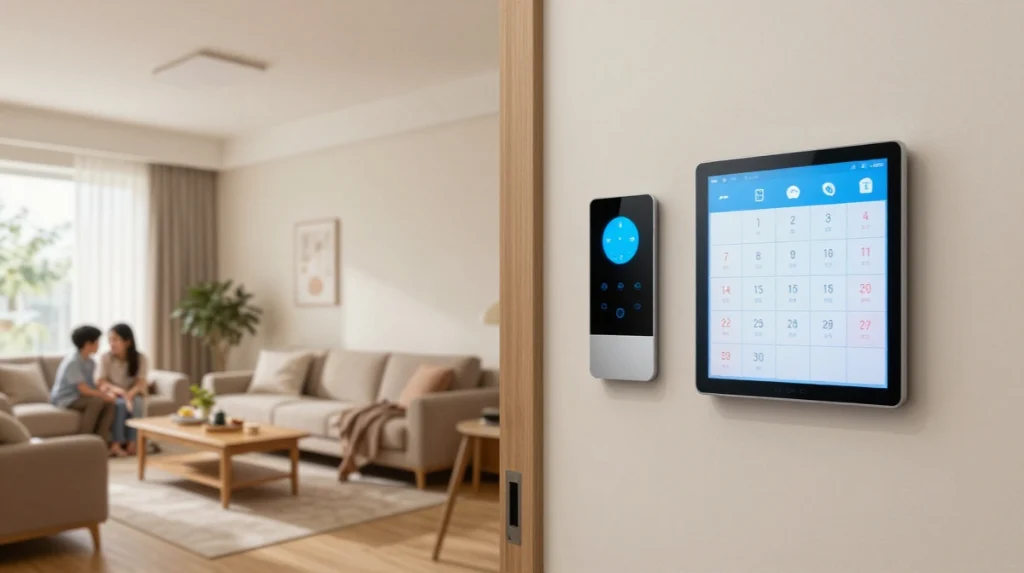
Connected home technology can be especially valuable for families with different needs and schedules. Parents can check in on younger children through home monitoring systems. Older family members can use voice controlled features to manage their environment without navigating complex interfaces.
Connected living solutions also make communication within the home easier. Intercoms, shared calendars, and synchronized routines help everyone stay on the same page without relying on phones or shouting across the house.
The key to making connected home design work for families is choosing systems that are genuinely easy for everyone to use, not just the most tech-savvy person in the household.
Minimalist Smart Design for a Calmer Space
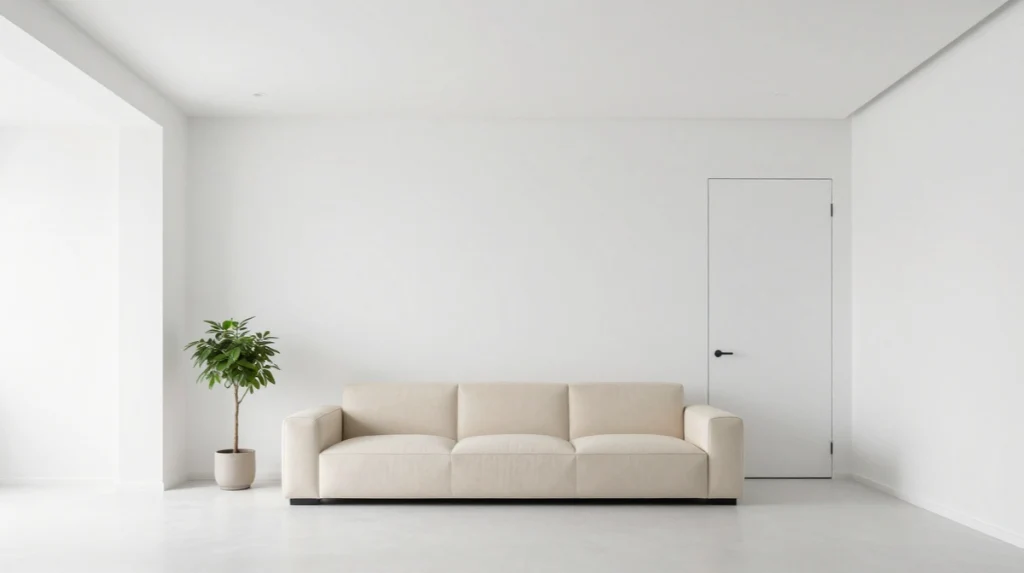
Minimalist smart design is about removing everything that does not serve a purpose. Fewer objects, cleaner surfaces, hidden storage, and neutral palettes create a visual calm that makes coming home feel like a genuine reset.
When combined with ambient home technology and intelligent living design, a minimalist home becomes a place where everything you see and touch has been chosen deliberately.
This approach requires discipline during the design process but pays off in a home that is easier to maintain, less stressful to live in, and more adaptable over time.
Smart Home Planning for Future Needs
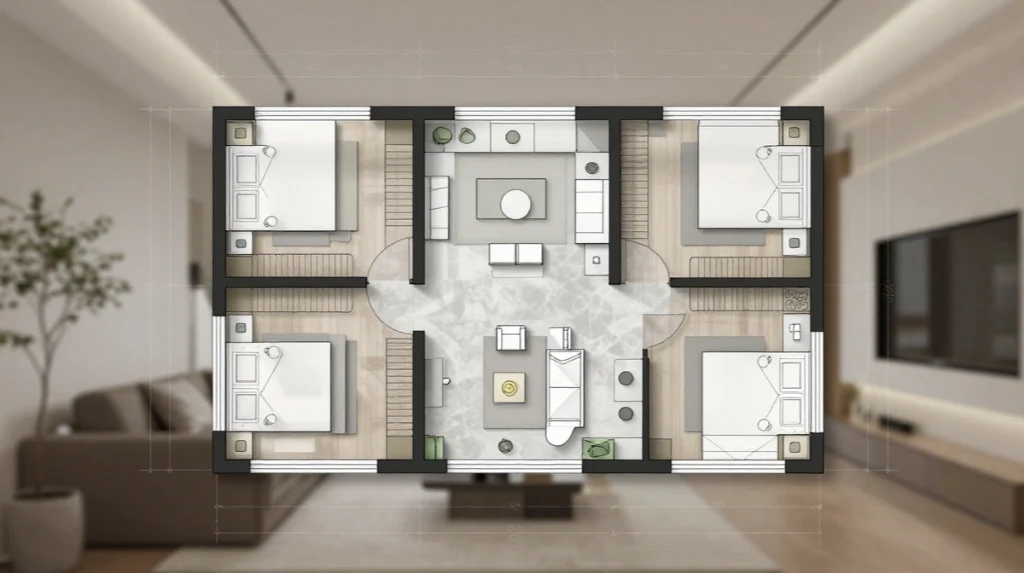
Future ready home design means thinking beyond what you need today. Planning for aging in place, potential family changes, remote work, or technology upgrades that have not yet been invented requires a flexible approach to layout, infrastructure, and material choices.
Smart home planning at this level involves conversations with architects, builders, and technology consultants early in the process. The decisions made during initial design are far easier to get right than changes made after the walls are closed.
Investing in adaptable infrastructure now means your home can grow and change with you rather than requiring expensive renovations every few years.
Home Design Inspiration From Nature
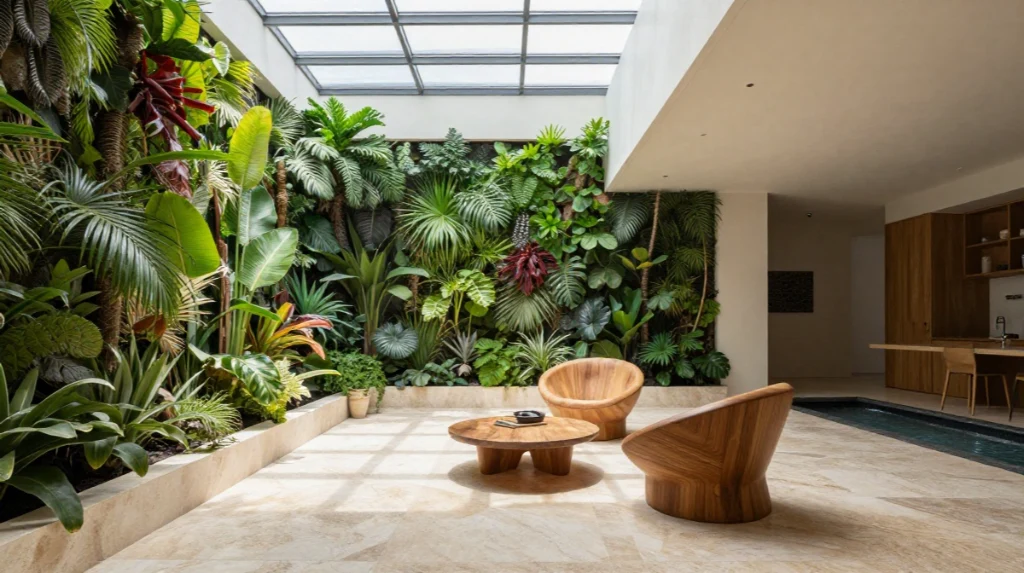
Some of the strongest home design inspiration comes from the natural world. Biophilic design, which incorporates plants, natural materials, water features, and outdoor views into interior spaces, has been shown to reduce stress and improve wellbeing.
Future home design increasingly blends nature with technology. A living plant wall managed by an automated irrigation system. A skylight controlled by smart window technology. An outdoor terrace connected to indoor climate systems so the transition between spaces feels effortless.
This combination of natural beauty and residential tech trends produces homes that feel both modern and deeply human.
Space Saving Smart Design for Smaller Homes
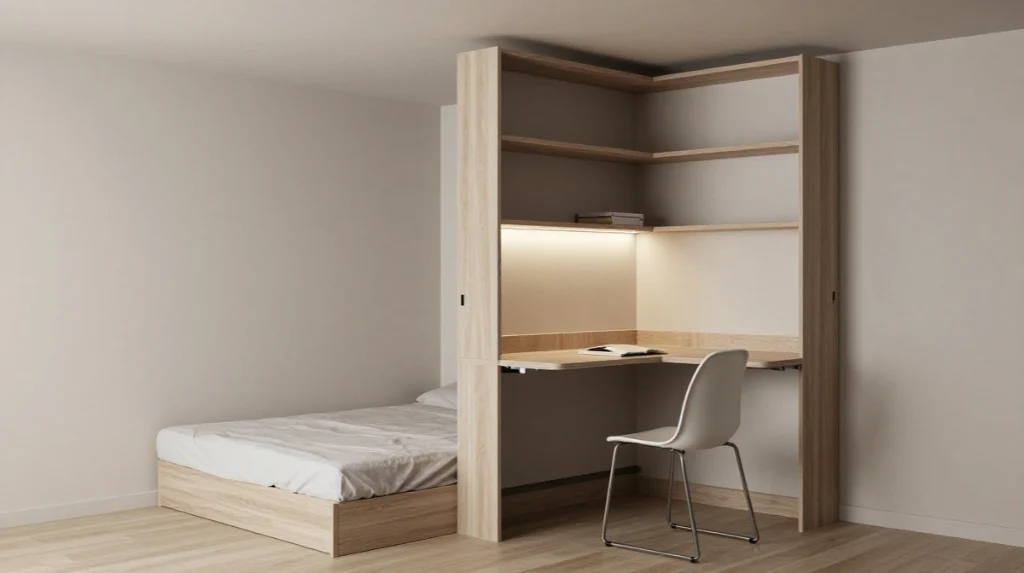
Not every home is large, and some of the most exciting modern smart house ideas are specifically designed for smaller spaces. Murphy beds with integrated lighting and storage, fold-down desks, expandable dining tables, and modular furniture systems make compact homes feel generous.
Space saving smart design also benefits from connected home technology. When every square foot is visible and accessible from a central app, managing a small home becomes much easier.
Smaller homes with smart infrastructure often cost less to run, are easier to maintain, and can feel just as comfortable as much larger properties when the design is done thoughtfully.
Quick Comparison Table: Smart Home Features at a Glance
| Feature | Best For | Difficulty to Install | Average Cost Range | Energy Savings |
|---|---|---|---|---|
| Smart Lighting System | All home types | Easy | Low | Moderate |
| Smart Thermostat | Families, remote workers | Easy | Low to Medium | High |
| Home Security System | Families, frequent travelers | Medium | Medium | None |
| Smart Window Technology | New builds, renovations | Hard | High | High |
| AI Home Integration | Tech-forward homeowners | Medium | Medium to High | Moderate |
| Solar with Energy Management | Eco-conscious homeowners | Hard | High | Very High |
| Voice Control System | All home types | Easy | Low | Low |
Conclusion
Future home design is not a distant concept reserved for wealthy tech enthusiasts. It is a practical, accessible, and deeply personal way of thinking about how your living space can work better for you and the people you share it with.
Whether you start with a single smart bulb or plan an entirely connected home from the ground up, each step toward modern smart living brings genuine benefits. Better comfort, lower energy costs, stronger security, and a space that feels intentional are all within reach.
The ideas covered here span a wide range of budgets, home sizes, and lifestyles. Some are simple upgrades you can make this weekend. Others require planning and investment over time. The important thing is to start with what makes sense for your life right now and build from there.
Your home should work for you, not the other way around. That is what smart home ideas 2025 and beyond are really about.
You may also like this: 22 Moody Living Room Design Ideas for Cozy Elegant Spaces
Frequently Asked Questions
1. What is the most important feature of future home design?
There is no single most important feature, but connectivity and flexibility are central to most future-focused designs. A home that can adapt to changing needs, integrate new technology, and manage energy efficiently will serve its owners well for many years.
2. How much does it cost to build a smart home from scratch?
Costs vary widely depending on the size of the home and the level of automation. Basic smart home upgrades can be done for a few hundred dollars. A fully integrated system with solar, AI controls, and premium appliances can reach tens of thousands. Most homeowners start small and expand over time.
3. Can older homes be converted to smart homes?
Yes, most smart home features can be added to existing homes without major structural changes. Wireless systems, smart plugs, and retrofit lighting solutions make it possible to modernize an older property gradually and at a manageable cost.
4. Is smart home technology difficult to manage daily?
Modern smart home systems are designed to be simple. Most use smartphone apps or voice commands, and many features run automatically once set up. The learning curve is usually short, and most people find daily management much easier than expected.
5. Are smart homes more energy efficient than traditional homes?
Generally, yes. Smart thermostats, automated lighting, energy monitoring systems, and solar integration all contribute to lower energy consumption. Many homeowners see a meaningful reduction in utility bills within the first year of using these systems.