
Introduction
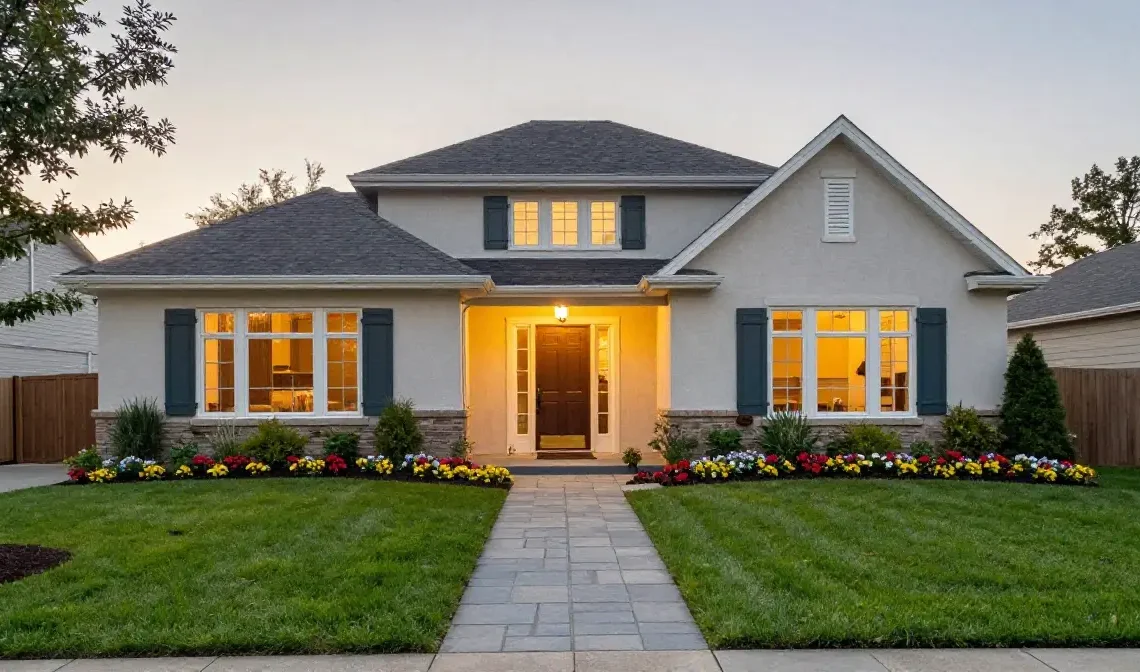
Your front yard is the very first thing the world sees when it looks at your home. Before anyone steps through your front door, your yard has already made a statement. A well-thought-out front yard design does far more than just make your property look pretty. It reflects your personality, increases your home’s market value, and creates a warm, welcoming atmosphere for everyone who passes by. Whether you are starting from scratch or simply refreshing an existing layout, the right design choices can transform an ordinary outdoor space into a stunning showcase. In this article, you will find 22 practical and inspiring front yard design ideas that cover everything from plant selection to hardscaping, lighting, and sustainable choices, giving your home the curb appeal it truly deserves.
Start with a Clear Design Vision and Layout Plan
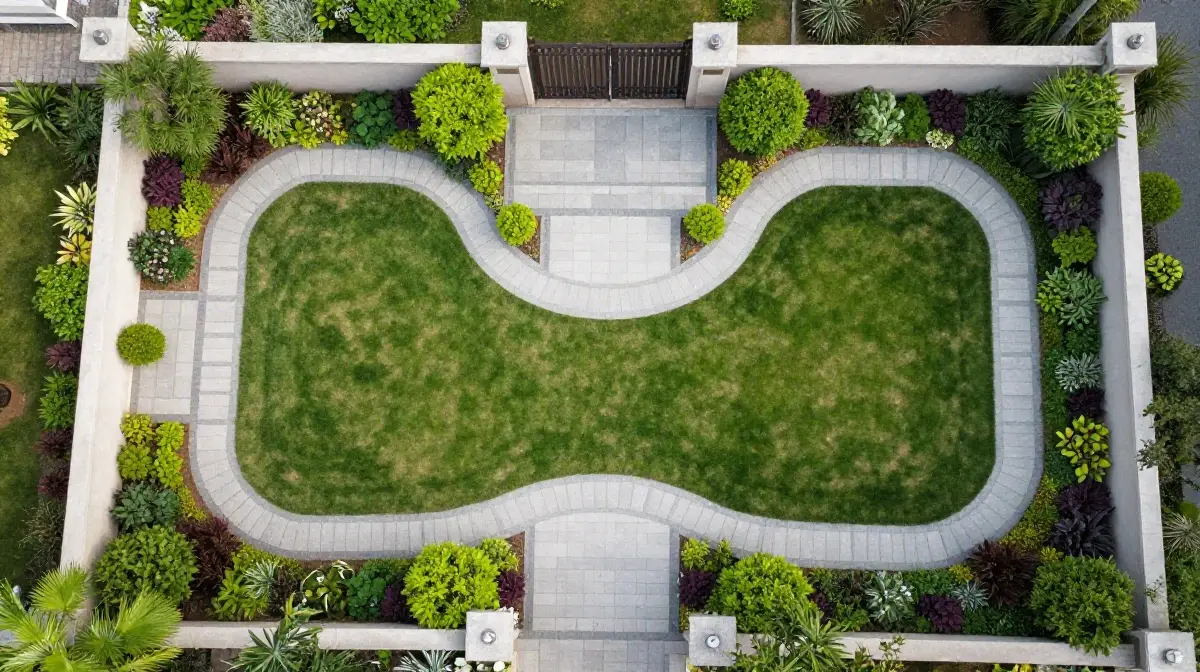
Before planting a single flower or laying a single stone, the most important step in any front yard design project is establishing a clear vision. Think about the overall style you want to achieve. Do you prefer a formal, symmetrical layout with manicured hedges and straight pathways? Or are you drawn to something more relaxed and cottage-inspired, with loose plantings and winding garden paths? Defining this early saves time, money, and a great deal of unnecessary effort down the road.A good layout plan also considers the practical elements of your space. Think about foot traffic patterns, how water drains across your yard, the direction sunlight travels throughout the day, and how your design will look across all four seasons. Sketch it out on paper or use a simple garden planning tool before committing to anything permanent. This foundational step ensures every decision you make afterward works in harmony with the rest of your design.
Choose a Welcoming and Stylish Front Pathway
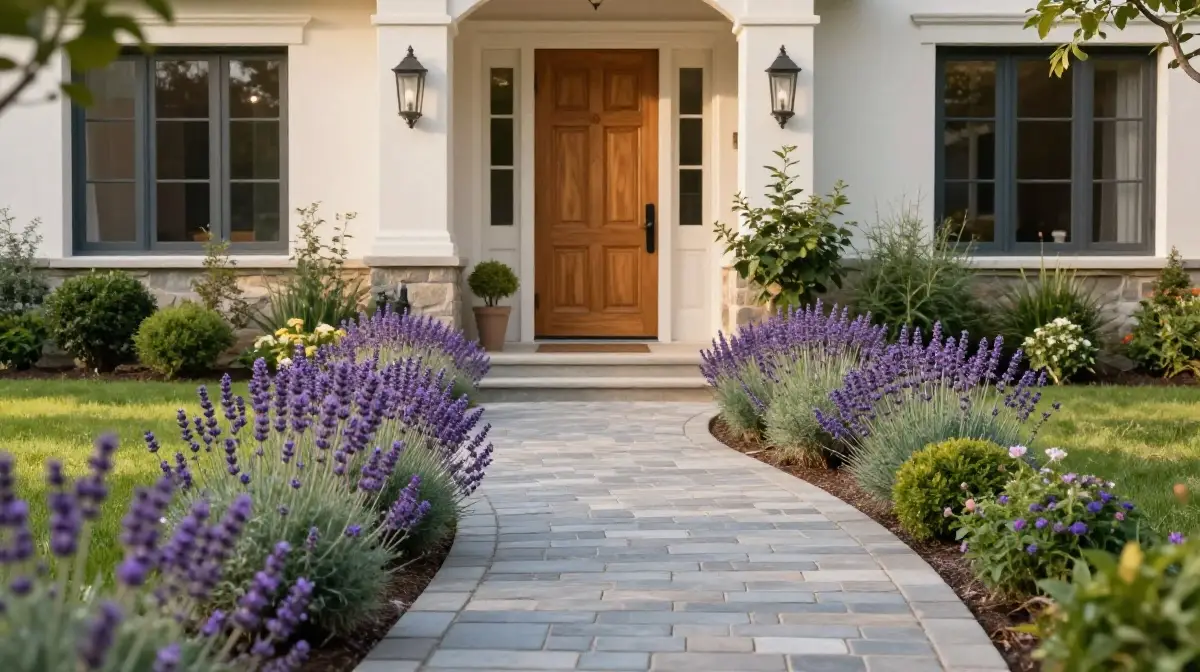
A well-designed pathway does much more than connect your street to your front door. It sets the tone for your entire property and guides visitors through your landscape in a purposeful and elegant way. Natural materials such as flagstone, brick, exposed aggregate, and cobblestone are among the most popular choices because they blend beautifully with almost any architectural style while adding texture and warmth to the overall look.Consider the shape of your pathway as well. A straight path communicates formality and confidence, while a gently curved walkway feels more relaxed and organic. Wider pathways are more welcoming and allow two people to walk side by side comfortably. Framing your pathway with low-growing plants, ornamental grasses, or flowering borders adds a finishing touch that makes the approach to your home feel truly special.
Plant Native Plants and Drought-Resistant Greenery
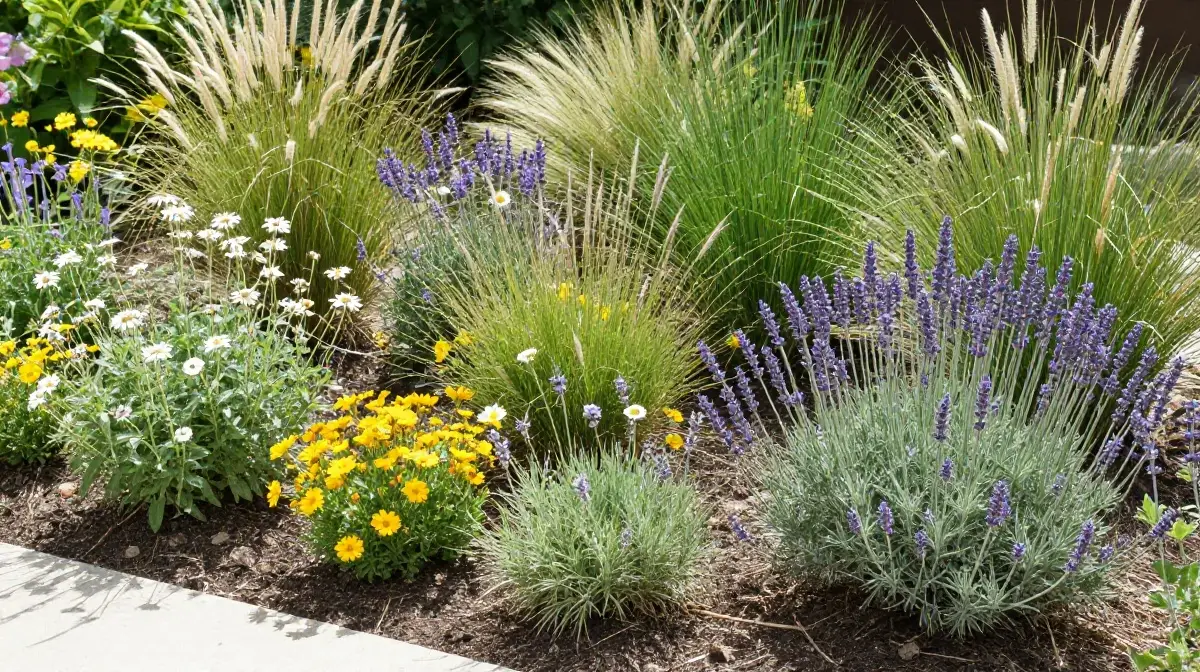
One of the smartest and most sustainable front yard design choices you can make is incorporating native plants into your landscape. Native plants are naturally adapted to your local climate, which means they require significantly less water, fertilizer, and maintenance compared to exotic species. They also support local pollinators like bees and butterflies, contributing to a healthier ecosystem right in your own front yard.Drought-resistant plants such as lavender, salvia, ornamental grasses, and sedum are excellent choices that deliver beautiful color and texture without demanding constant attention. These plants tend to look their best even during dry summer months when other landscapes begin to look tired and stressed. Choosing the right plants for your region is one of the most impactful decisions you can make for both beauty and long-term sustainability.
Add Layers of Color with Seasonal Flowering Plants
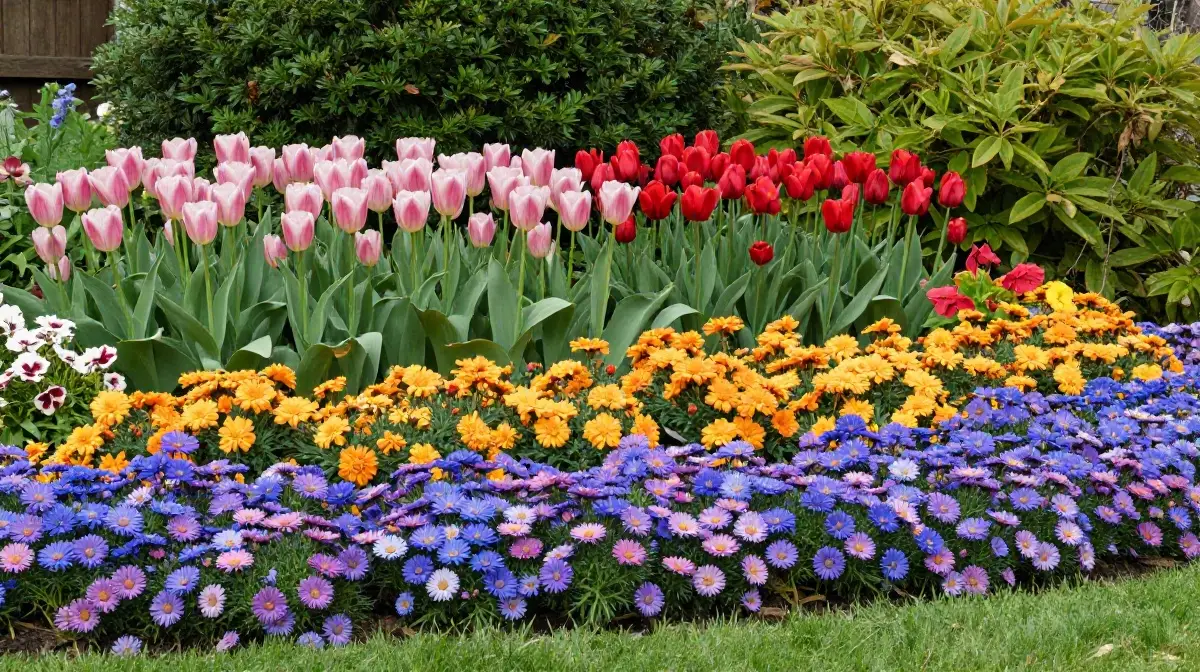
Color is one of the most powerful tools in front yard design. A thoughtfully layered planting scheme that includes spring bulbs, summer perennials, and fall-blooming varieties ensures your yard looks vibrant and alive throughout the entire growing season. The key is to plan your plantings so that as one group of flowers fades, another takes center stage.Consider using a consistent color palette to create visual harmony. For example, a combination of white, purple, and soft blue tones creates an elegant and calming look, while warm reds, oranges, and yellows feel energetic and bold. Mixing annuals and perennials gives you both reliability and the flexibility to change things up from year to year, keeping your front yard design fresh and interesting.
Frame Your Home with Foundation Plantings
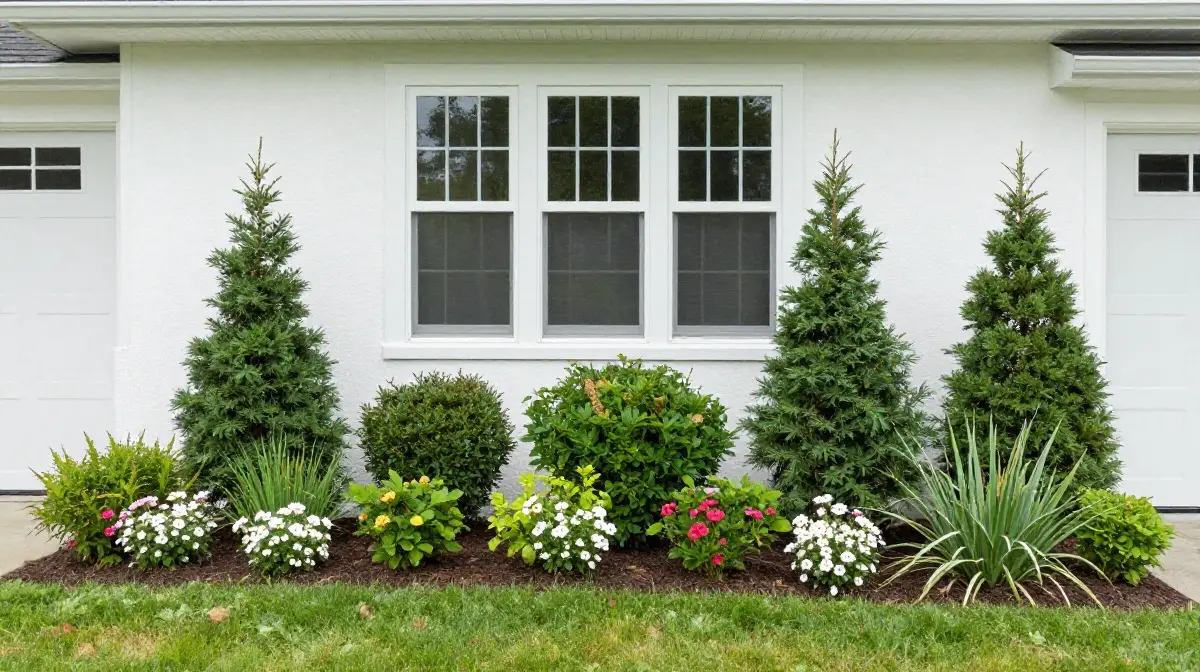
Foundation plantings are the shrubs, grasses, and plants placed directly along the base of your home, and they play a critical role in tying your house to the landscape. Without them, even a beautiful home can look as though it is simply sitting on top of the ground rather than growing naturally out of it. Well-chosen foundation plants soften harsh architectural lines and add depth, color, and structure to your front yard.When selecting foundation plants, pay attention to their mature size. Many homeowners make the mistake of choosing plants that eventually outgrow their space and end up blocking windows or crowding pathways. Opt for a mix of evergreen shrubs for year-round structure, accented by flowering perennials or ornamental grasses that add seasonal interest and movement. Keep foundation plantings well-trimmed to maintain a polished and intentional appearance.
Install Outdoor Lighting to Enhance Evening Appeal
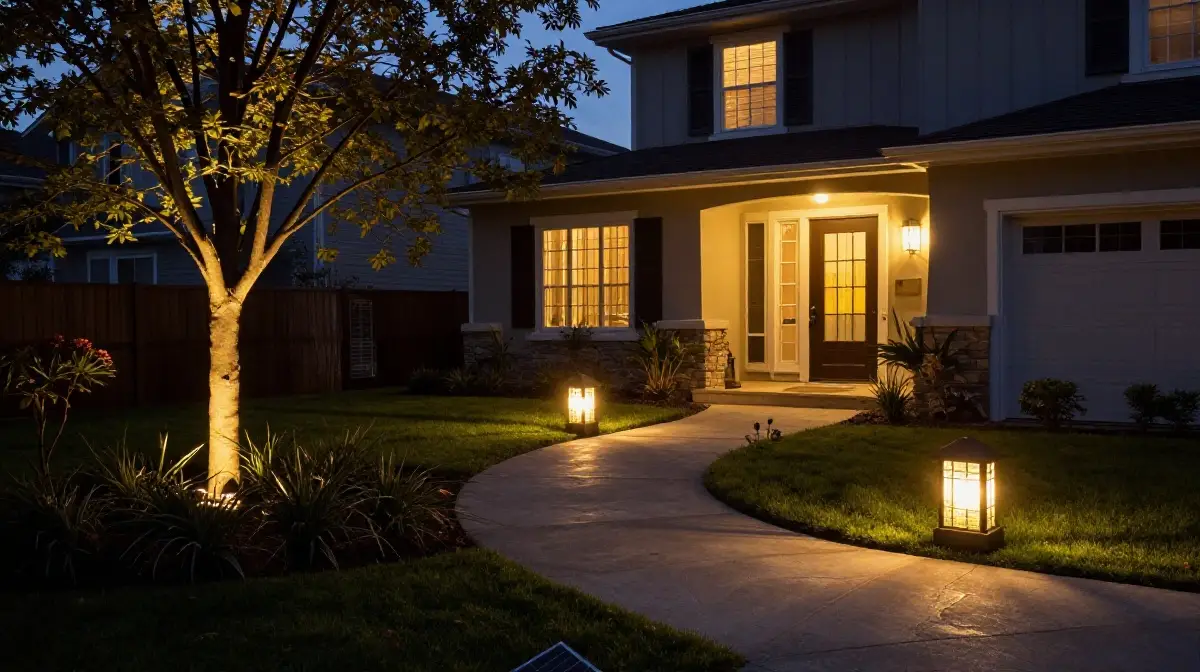
Outdoor lighting transforms your front yard from a daytime showcase into a nighttime masterpiece. Thoughtfully placed lights not only add beauty and drama to your landscape after dark but also serve important practical purposes, including improved safety, security, and visibility for guests arriving in the evening. The right lighting plan can make your home look absolutely breathtaking from the street.Use a combination of pathway lights, uplighting for trees and architectural features, and soft ambient lights near the entrance to create a layered and inviting effect. Solar-powered fixtures are an excellent choice because they are energy-efficient and require no wiring. LED landscape lighting lasts longer and consumes far less electricity than traditional bulbs. When choosing fixtures, select styles that complement your home’s architecture so the lights feel like a natural part of the overall design.
Create a Defined and Beautiful Front Entrance
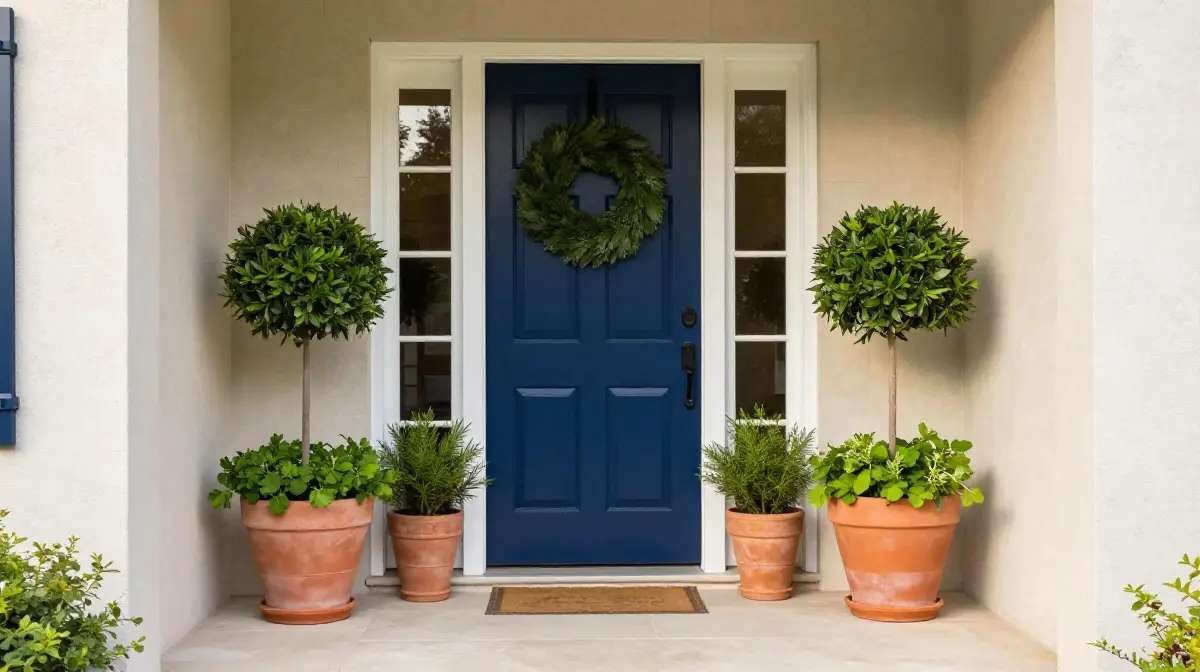
Your front entrance is the focal point of your entire front yard design. Everything else in your landscape should support and draw attention toward this central feature. A well-designed entrance includes more than just a front door. It encompasses the surrounding architectural details, the porch or stoop, potted plants or urns flanking the entry, and any decorative elements that make the space feel curated and welcoming.One of the most impactful things you can do is paint your front door a bold, distinctive color that complements your home’s exterior palette. Rich navy blue, deep forest green, classic red, and warm saffron yellow are all popular choices that instantly elevate a home’s curb appeal. Add a quality doormat, a wreath or seasonal decoration, and a pair of matching planters filled with lush greenery or seasonal flowers to complete the look.
Use Hardscaping Elements to Add Structure and Style
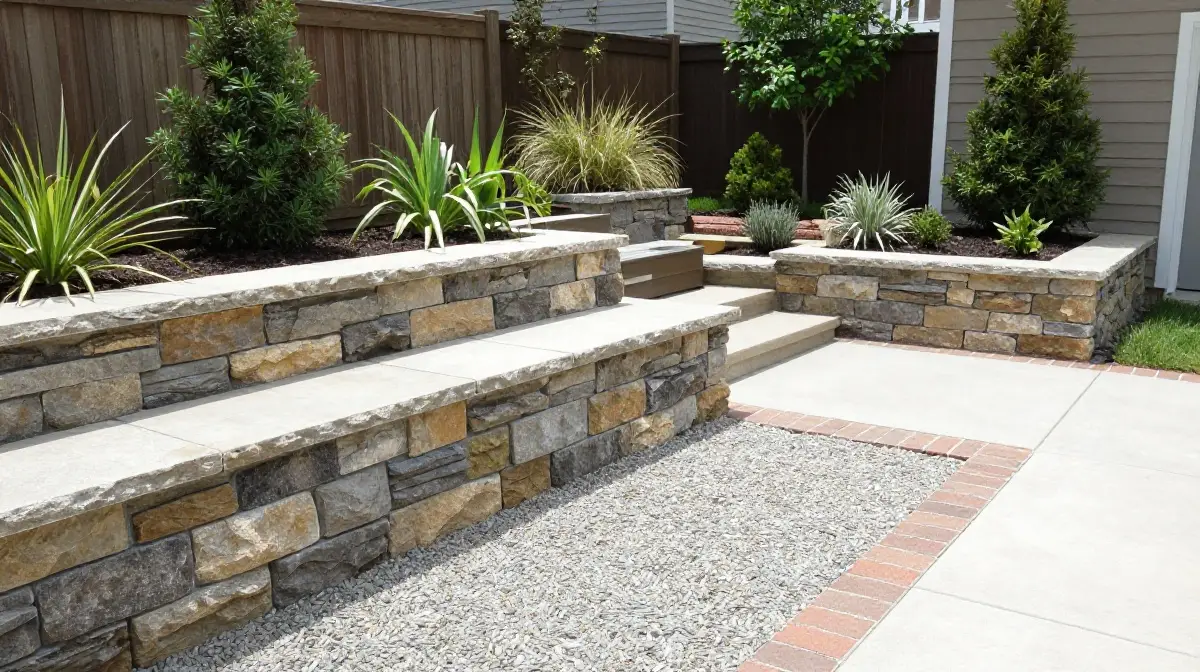
Hardscaping refers to the non-plant elements of your front yard design, including pathways, retaining walls, edging, steps, driveways, and decorative stone features. These elements provide the structural backbone of your landscape and ensure your yard looks organized, intentional, and polished even during the winter months when plants are dormant or less visible.Materials like natural stone, brick, concrete pavers, and gravel each bring their own character and texture to a landscape. A low stone retaining wall can add a sophisticated architectural element while also solving drainage or slope challenges on your property. Decorative edging between lawn areas and planting beds creates clean, defined lines that make the entire yard look more professionally designed and well-maintained.
Incorporate a Charming Garden Bed Along the Walkway
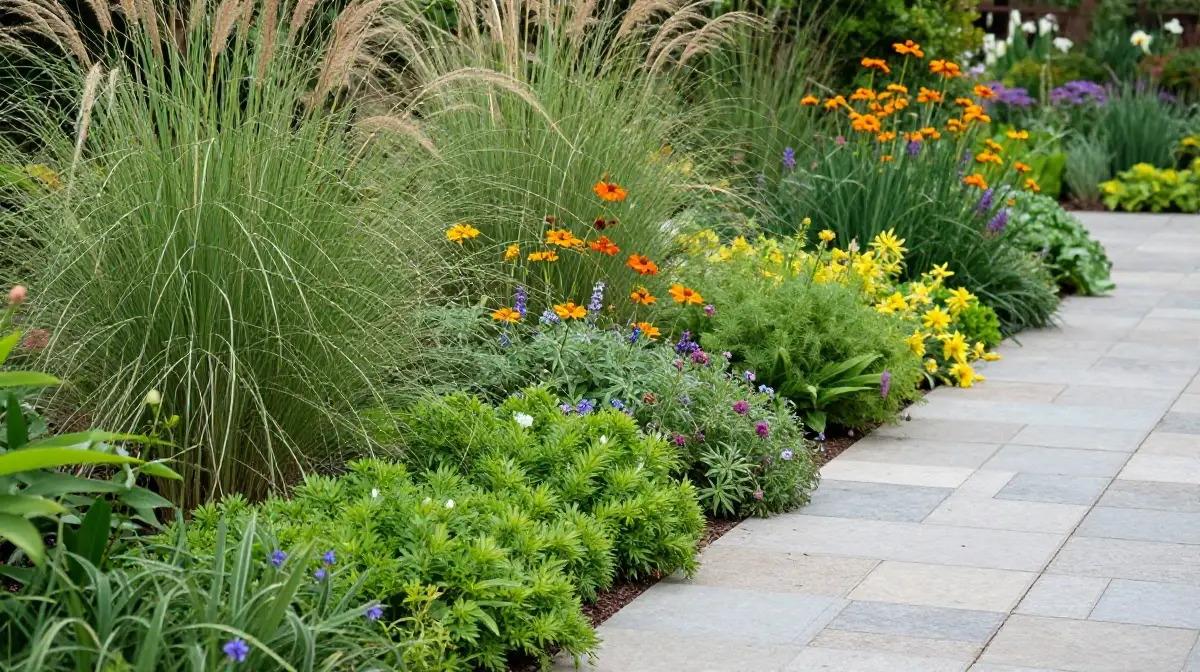
Walkway garden beds are one of the most visually impactful features you can add to a front yard design. Positioned on one or both sides of your pathway, these beds frame the approach to your home and fill the space with color, texture, and fragrance. They transform a simple walkway into a garden journey and make even a short path feel like an experience worth remembering.For best results, choose plants of varying heights to create a layered effect. Place taller plants at the back, medium-height plants in the middle, and low-growing ground covers or edging plants at the front. Consider including fragrant varieties such as lavender, catmint, or sweet alyssum along walkways where visitors will brush past them and enjoy the scent. Consistent, simple planting combinations tend to look more sophisticated than overly complex arrangements.
Replace or Redesign Your Lawn for a Modern Look
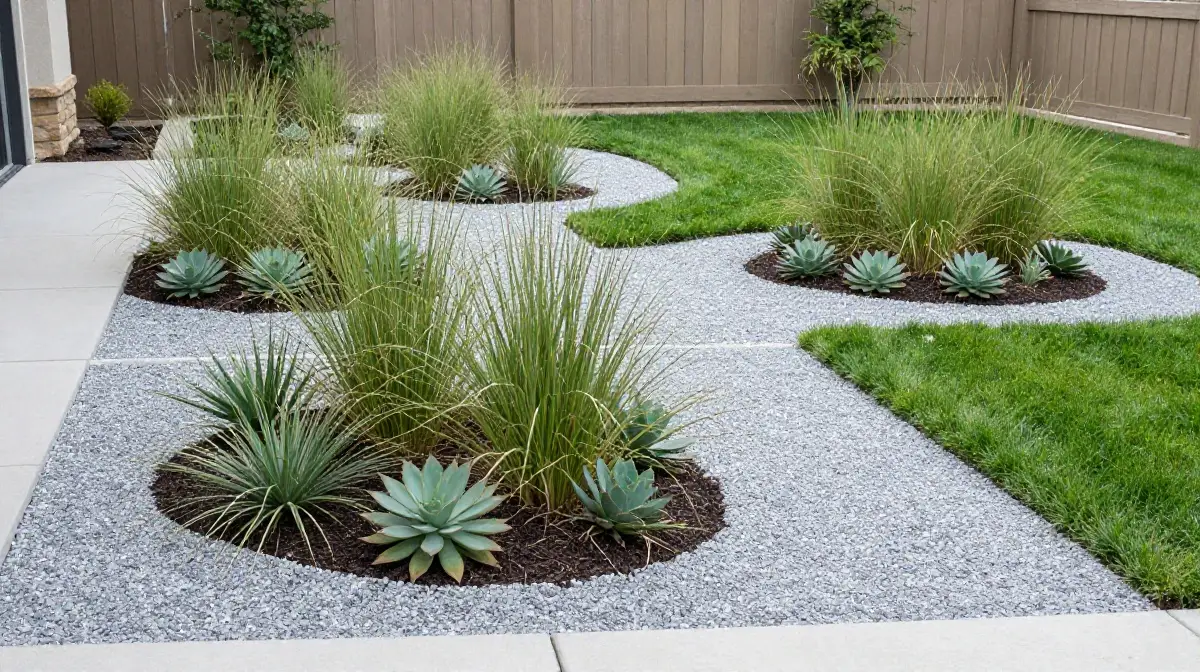
The traditional all-grass front lawn is no longer the only option, and for many homeowners, it is not even the most desirable one. Water restrictions, rising maintenance costs, and a growing interest in sustainability have inspired countless people to rethink what a front yard can look like. Replacing all or part of your lawn with alternative ground covers, gravel gardens, or planted beds can result in a front yard that is both stunning and far easier to care for.Low-growing ground covers such as creeping thyme, clover, or moss create a lush, carpet-like effect without the need for regular mowing. A gravel or decomposed granite surface paired with strategically placed ornamental grasses and drought-tolerant shrubs creates a contemporary, low-maintenance landscape that looks elegant and well-designed. These alternatives also absorb less water, reduce chemical use, and are far more environmentally responsible than a traditional turfgrass lawn.
Add a Focal Point with a Statement Tree or Large Shrub
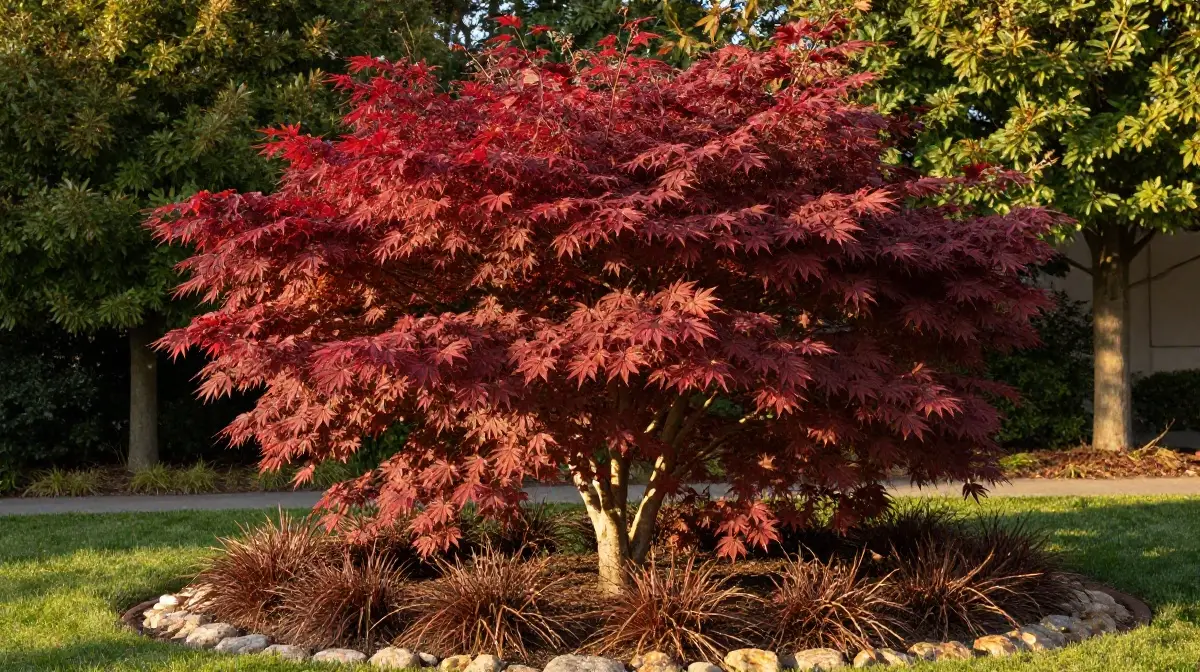
Every great front yard design benefits from at least one strong focal point, and a well-chosen statement tree or large ornamental shrub is one of the most effective ways to create that visual anchor. A single, beautifully shaped Japanese maple, a blossoming cherry tree, or an architecturally interesting olive tree can completely transform the personality of a front yard and give it a distinctive, memorable character.When choosing a statement tree, consider its mature size, growth rate, seasonal interest, and how it will look in winter when leaves have fallen. Trees that offer multiple seasons of interest, such as flowering in spring, dense shade in summer, brilliant color in fall, and attractive bark or structure in winter, deliver exceptional long-term value in a front yard setting. Position your focal point tree where it can be clearly seen from the street for maximum impact.
Build a Low Decorative Fence or Garden Border
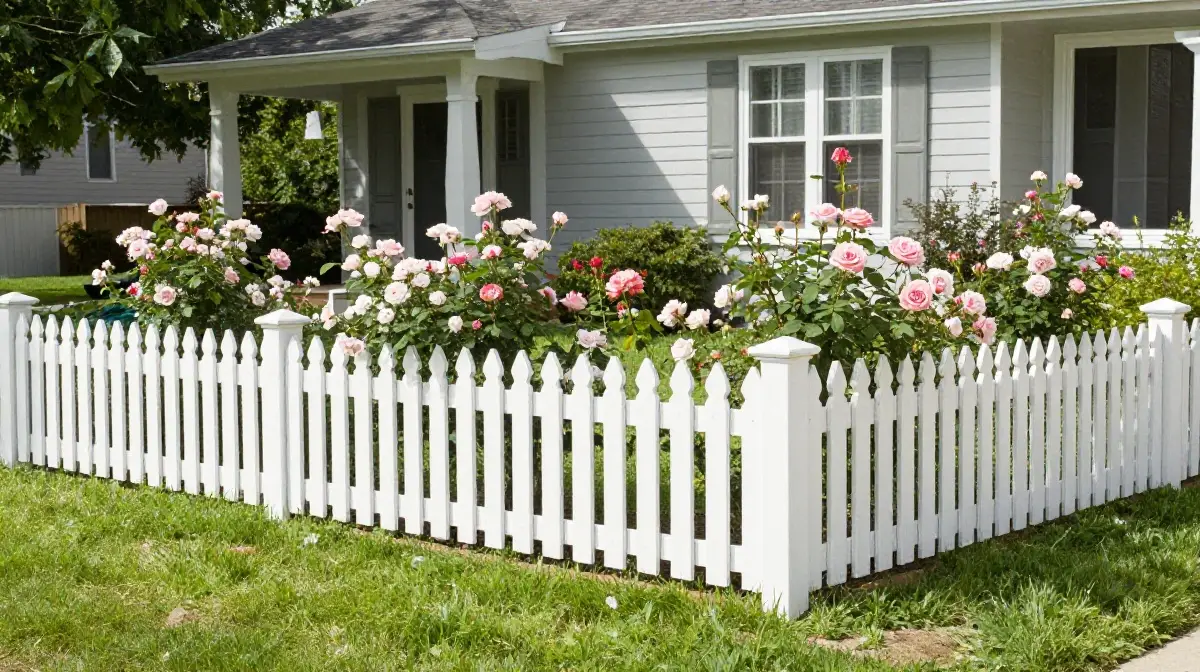
A low decorative fence or garden border adds an immediate sense of definition and elegance to a front yard design. Even a modest picket fence, a simple iron rail, or a low stone wall can make a property feel more finished, private, and intentional. Fencing also creates a natural boundary that separates your landscape from the street while still maintaining an open and inviting appearance.When selecting fence materials and styles, consider how they complement your home’s architecture. A white picket fence suits a cottage or farmhouse style beautifully, while sleek horizontal wood planks feel more contemporary and modern. Ornamental iron fencing suits formal or traditional homes with elegance and durability. Whatever style you choose, make sure the fence height and design remain welcoming rather than closed-off or fortress-like in appearance.
Use Ornamental Grasses for Texture and Movement
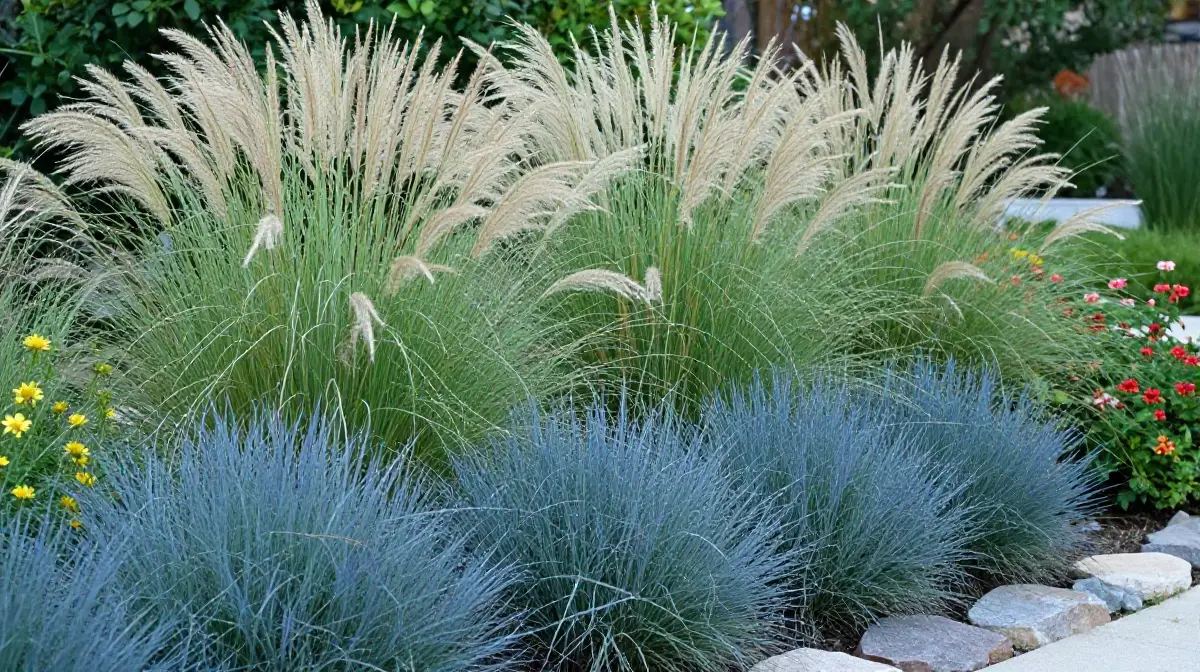
Ornamental grasses are among the most underused yet most effective plants available for front yard design. They bring a sense of movement, softness, and natural elegance to any landscape. Unlike flowering plants that come and go with the seasons, many ornamental grasses look attractive for the majority of the year and require very little maintenance once they are established in the right location.Varieties such as feather reed grass, blue fescue, maiden grass, and Mexican feather grass each offer a unique texture and growth habit that can complement both formal and informal garden styles. Place taller ornamental grasses as background anchors or focal points, and use smaller varieties as edging plants or ground covers. In winter, the dried seed heads and tan foliage of ornamental grasses add beautiful structure and visual interest to an otherwise quiet landscape.
Install a Water Feature for a Distinctive Touch
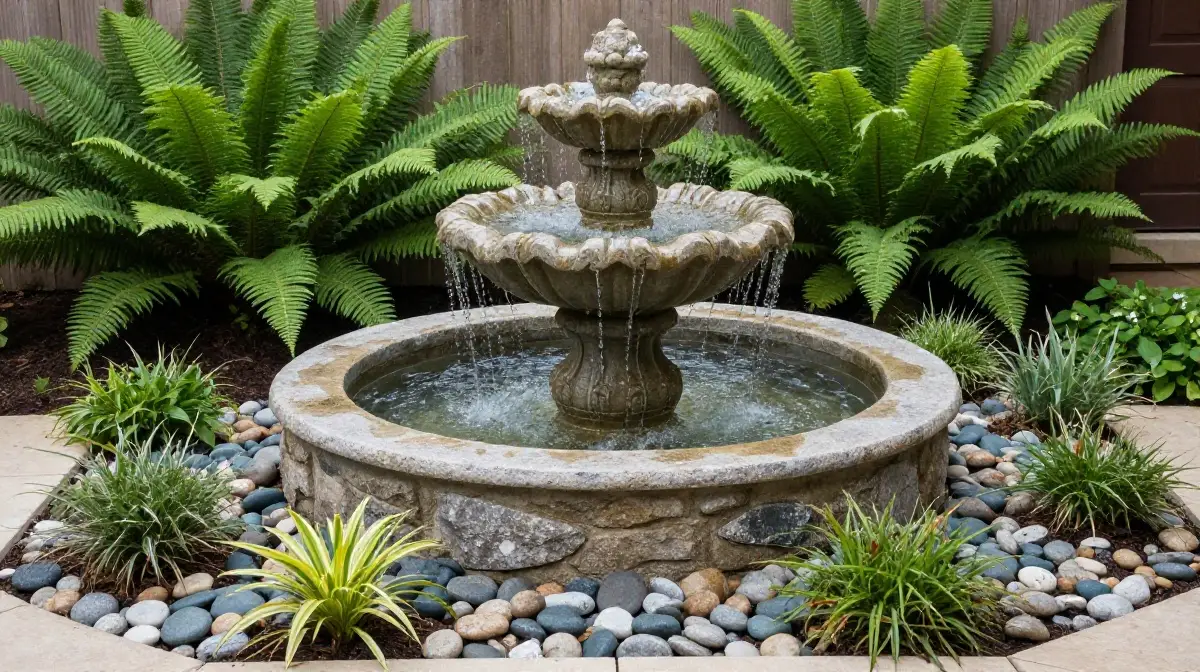
A water feature, even a modest one, can bring a sense of calm, sophistication, and uniqueness to a front yard design. The gentle sound of moving water is deeply pleasant and creates an atmosphere that feels both relaxing and refined. A small fountain, a bubbling urn, a simple reflecting pool, or even a naturalistic stream running alongside a pathway can become the defining feature of your entire front landscape.Water features also attract birds and beneficial wildlife, which adds another layer of life and activity to your garden. When choosing a water feature for a front yard, consider scale carefully. A feature that is too large can overwhelm a small space, while one that is too small may go unnoticed. Choose a size and style that feels proportionate to your home and landscaping, and position it where it can be seen and heard from key vantage points such as the front pathway or the street.
Design for Year-Round Interest and Seasonal Color
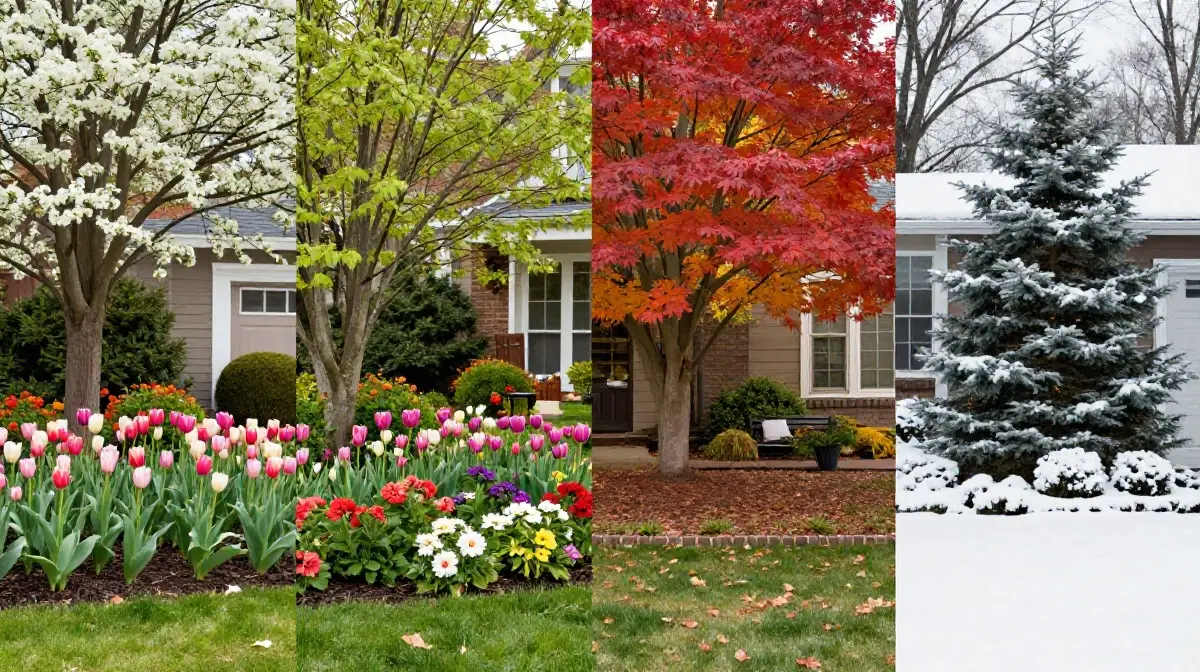
One of the most common mistakes in front yard design is planting for one season only. A yard that looks spectacular in summer but bare and lifeless in winter suggests a lack of planning and leaves your home looking neglected for months at a time. A truly well-designed front yard delivers beauty and interest across all four seasons through a thoughtful combination of plant types and structural elements.Evergreen shrubs and trees provide structure and green color throughout the year, even when deciduous plants are dormant. Spring bulbs like tulips and daffodils bring early color after a long winter. Summer perennials fill the space with lush growth and continuous bloom. Fall-blooming asters, ornamental grasses with feathery plumes, and trees with brilliant autumn foliage ensure the yard remains beautiful well into the colder months. This layered, seasonal approach is the hallmark of a truly professional landscape design.
Apply Fresh Mulch to Planting Beds for a Polished Finish
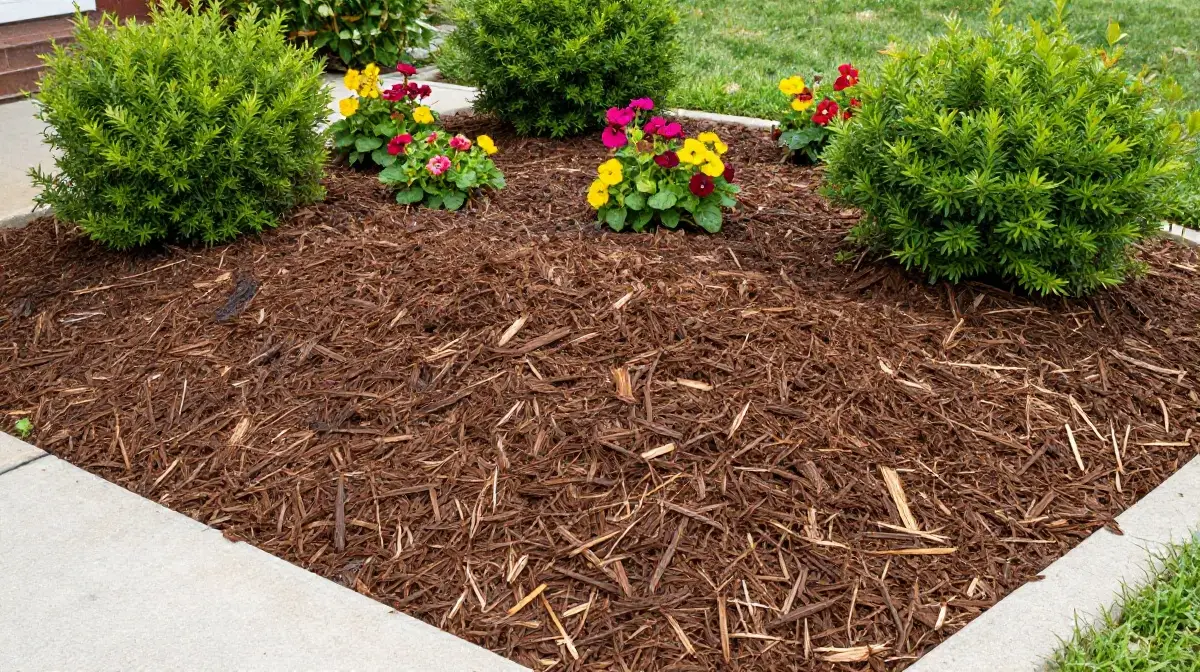
Few improvements in front yard design offer as much visual impact for as little investment as a fresh layer of mulch. Mulch instantly makes planting beds look clean, defined, and professionally maintained. It suppresses weed growth, retains soil moisture, moderates soil temperature, and gradually breaks down to improve soil quality over time. In short, it is one of the most practical and attractive materials available to any homeowner.Organic mulches such as shredded bark, wood chips, or composted leaves are the most popular choices because they improve soil health as they decompose. Inorganic options like gravel or decorative stone suit contemporary landscapes and never need to be replaced. Choose a mulch color and texture that contrasts attractively with your plants. Dark brown or black mulch tends to make green foliage and colorful flowers pop with extraordinary visual clarity and depth.
Incorporate Edible Plants and Herb Gardens Creatively
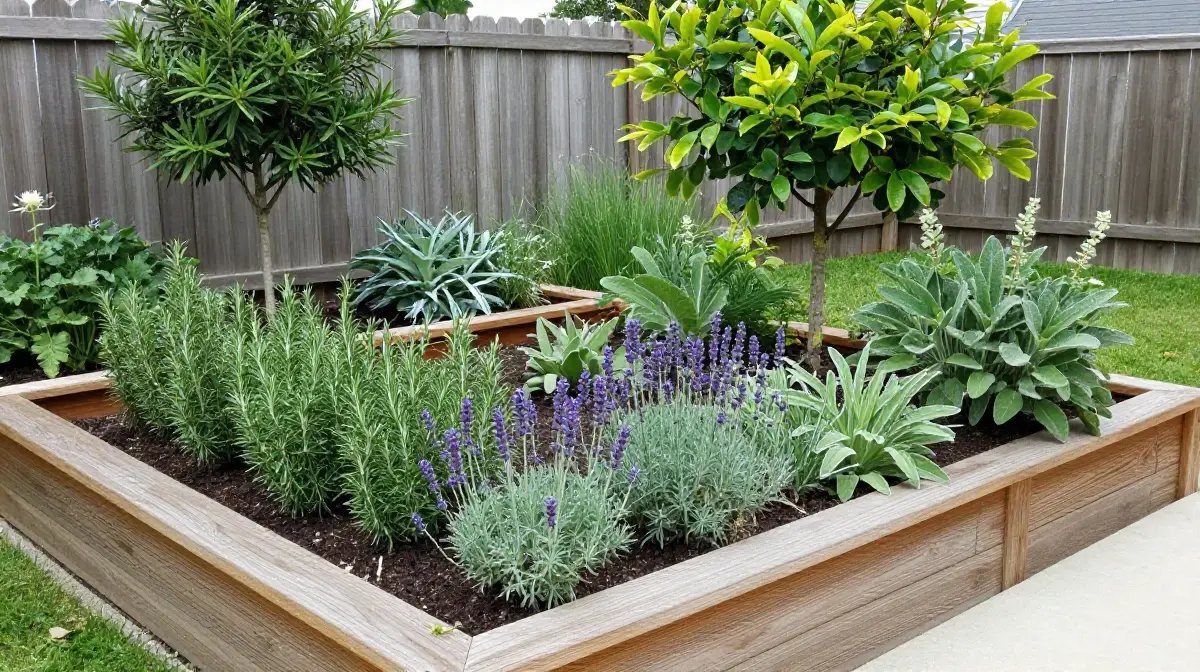
Growing edible plants in your front yard design is a trend that continues to grow in popularity, and for good reason. Raised beds filled with vegetables, neatly bordered herb gardens, and dwarf fruit trees can be just as beautiful as purely ornamental plantings while also delivering the practical bonus of fresh food for your household. The key is to design your edible garden with the same care and intention you would apply to any ornamental bed.Use raised beds with attractive timber, stone, or metal frames to create structure and definition. Arrange plants by height and color just as you would in a flower garden. Herbs like rosemary, lavender, and sage are particularly well-suited to front yard placement because they are fragrant, drought-tolerant, and genuinely beautiful. Flowering edibles such as nasturtiums and borage add color while attracting pollinators and contributing to a garden that is as lovely as it is productive.
Paint or Update Your Driveway and Hardscape Surfaces
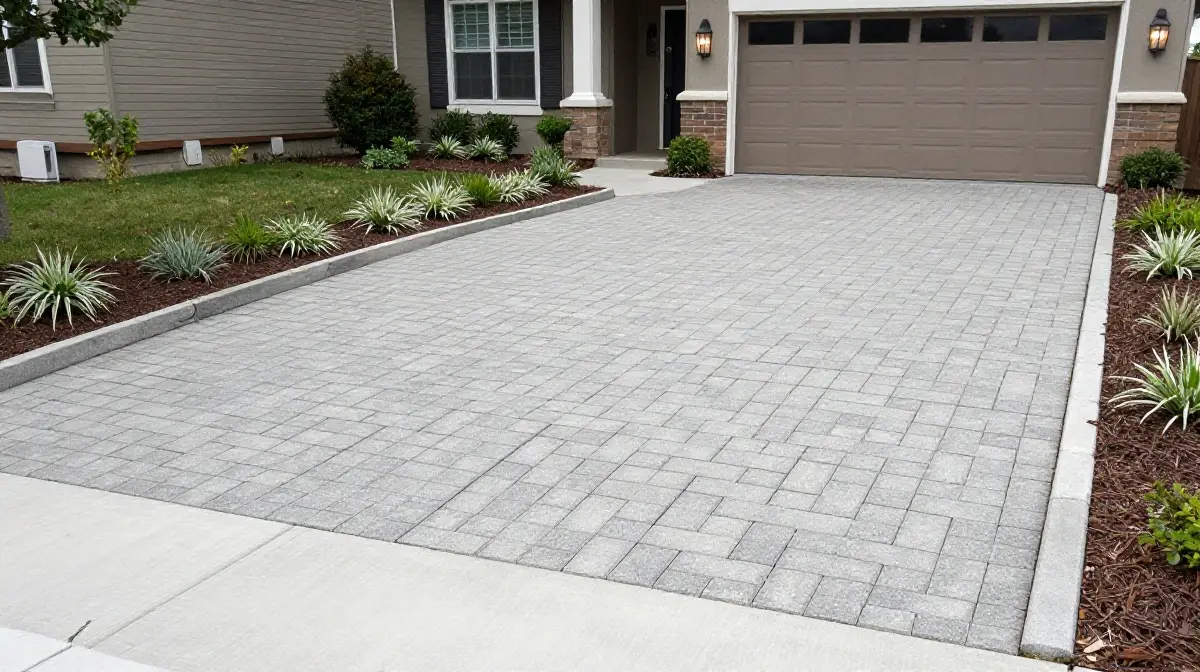
Your driveway occupies a significant portion of your front yard’s visual space, and yet it is one of the most overlooked elements in curb appeal conversations. A cracked, stained, or dated driveway can undermine even the most beautifully planted landscape. Updating or refreshing this surface is one of the highest-impact improvements you can make to your home’s overall appearance from the street.Options for driveway improvement range from simple pressure washing and crack sealing to more involved projects like resurfacing with concrete, installing pavers, or adding a decorative border of contrasting materials. A driveway edged with low plantings or bordered by attractive pavers immediately looks more intentional and designed. Even something as simple as cleaning your driveway thoroughly and sealing it with a quality product can make an enormous difference to the overall impression your home makes from the street.
Use Containers and Planters to Add Instant Color and Flexibility
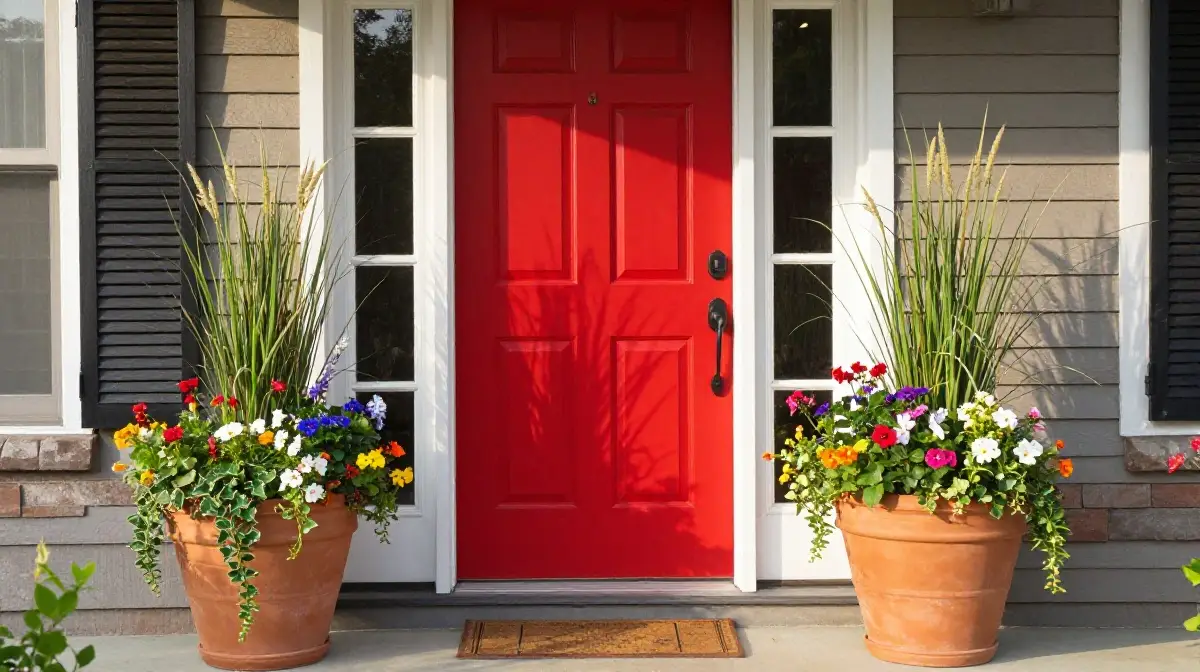
Container plantings are one of the most flexible and immediately impactful tools available in front yard design. Large planters or decorative urns filled with seasonal flowers, trailing vines, and upright grasses can transform a plain porch, dull entry, or bare driveway into a vibrant and polished space almost instantly. Because containers can be rearranged or replanted with new varieties each season, they offer a level of flexibility that in-ground planting simply cannot match.Choose container sizes that are proportionate to your space. A single large statement planter on each side of a front door creates a symmetrical, formal look, while an asymmetric grouping of containers in varying sizes feels more relaxed and creative. Select container materials that complement your home’s exterior, such as terracotta for a Mediterranean or rustic feel, or sleek concrete and metal for a more modern aesthetic. Always ensure containers have adequate drainage to keep plants healthy and thriving.
Add Symmetry and Balance for a Timeless Appearance
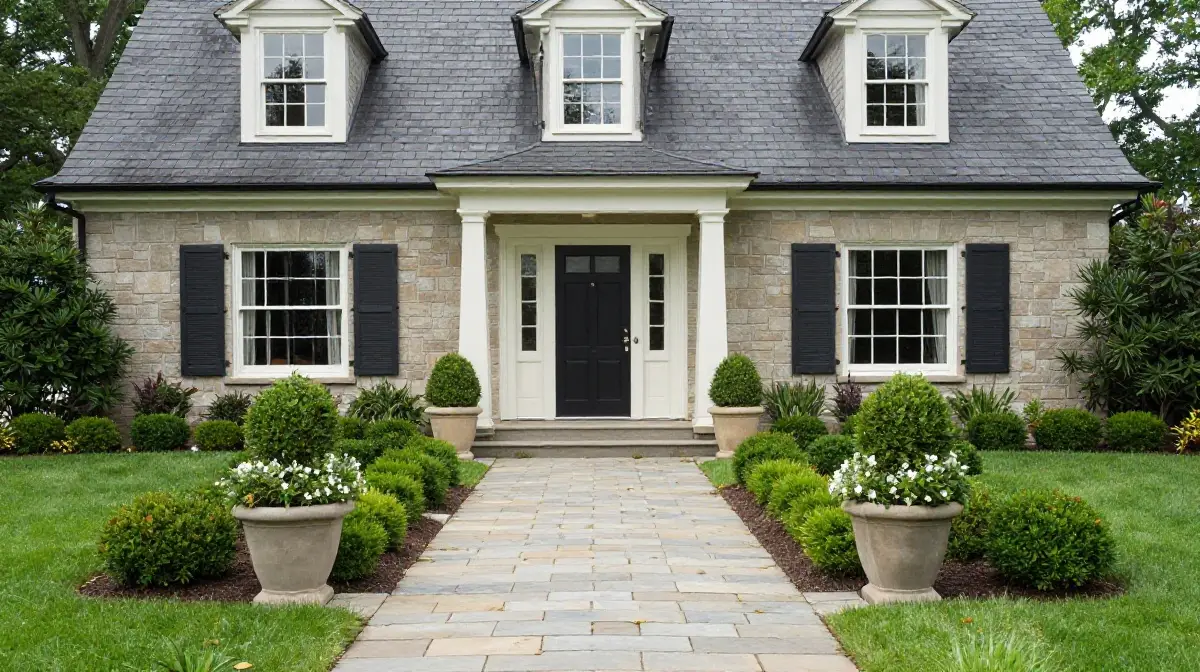
Symmetry is one of the most reliable design principles available for creating a front yard that feels balanced, intentional, and visually satisfying. Matching planters on either side of your front door, identical shrubs flanking your pathway, or mirror-image planting beds on both sides of your entrance all create that sense of order and calm that makes a home feel well-designed and composed. Symmetry communicates care and attention, and it never goes out of style.That said, perfect symmetry is not always possible or even desirable, particularly in yards where trees, slopes, or existing architectural features create natural imbalances. In these cases, visual balance rather than strict symmetry is the goal. This means placing plantings of similar visual weight on either side of a central axis, even if the actual plants or features are not identical. The result is a landscape that feels harmonious and intentional without appearing rigid or overly formal.
Consider Privacy Screening Without Sacrificing Style
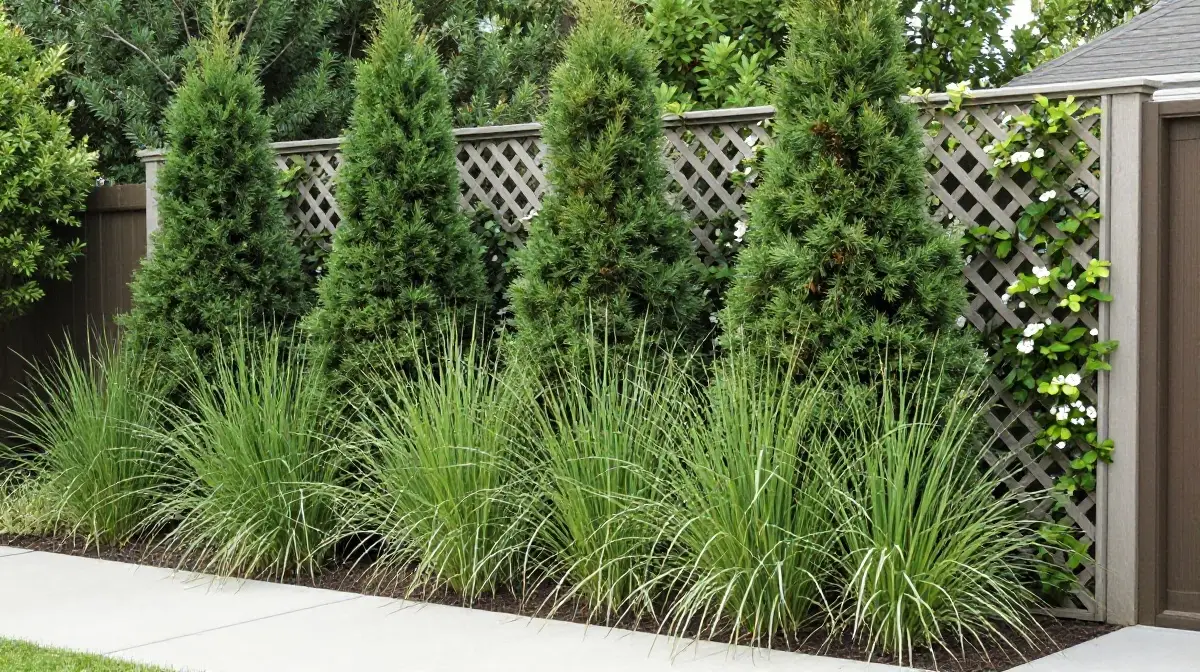
Privacy is a growing priority for many homeowners when planning their front yard design, particularly in neighborhoods where houses sit close together or roads carry heavy foot traffic. Fortunately, achieving privacy does not have to mean installing an unattractive fence or blocking all views with dense hedging. With the right approach, privacy screening can actually enhance your front yard’s beauty and character while making the space feel more comfortable and sheltered.Tall ornamental grasses, columnar evergreen trees, and dense flowering shrubs can all be used to create natural screens that look beautiful while providing a meaningful sense of separation from the street. Bamboo planted in attractive containers creates a bold, tropical privacy screen that can be moved as needed. Lattice panels covered in climbing roses or jasmine combine privacy with charm and fragrance. The goal is always to create a front yard that feels both inviting and comfortably private at the same time.
Keep Your Front Yard Design Well-Maintained and Consistent
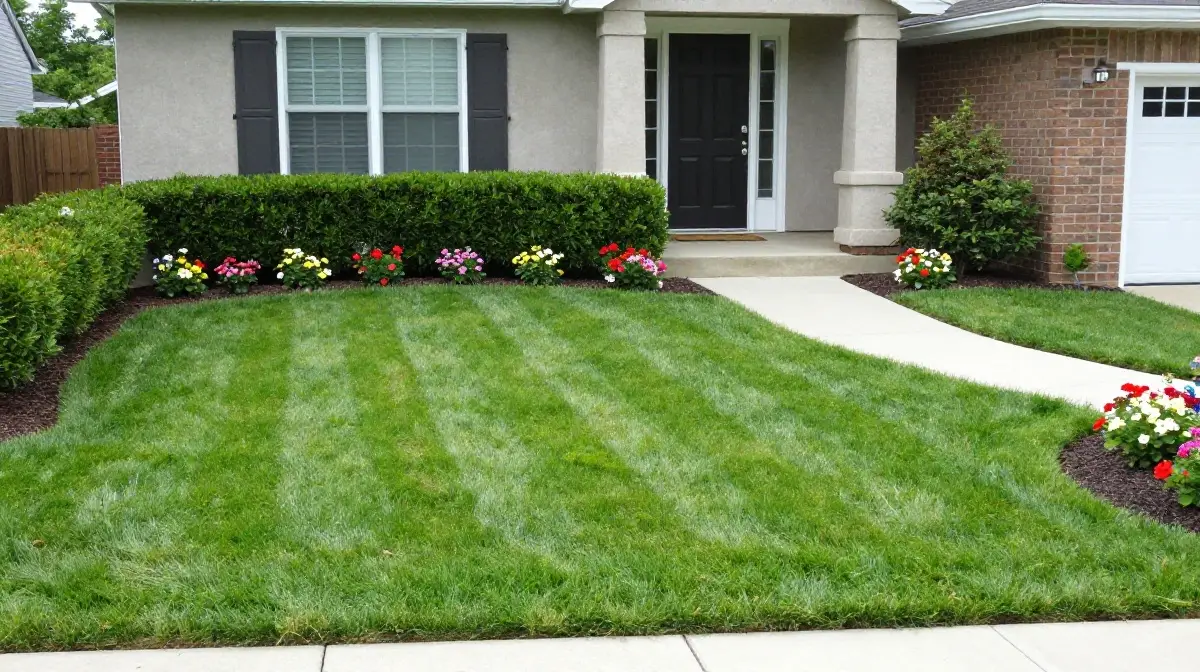
The most beautifully designed front yard will quickly lose its impact if it is not maintained with consistency and care. Regular upkeep, including mowing, edging, weeding, pruning, and seasonal planting updates, is what separates a truly impressive landscape from one that simply had a good start. Maintenance is not just about keeping things alive. It is about preserving the intentional look and feel of your original design vision over time.Establish a simple but regular maintenance routine that fits your schedule and skill level. If you have designed your front yard with low-maintenance plants and materials in mind, the time required to keep things looking their best should be manageable for most homeowners. The investment you put into keeping your front yard well-maintained pays consistent dividends in the form of improved property value, neighborhood pride, and the personal satisfaction of coming home to a space that truly represents the best version of your home.
Conclusion
A stunning front yard does not happen by accident. It is the result of thoughtful planning, well-chosen materials, the right plants for your climate and lifestyle, and consistent care over time. The 22 front yard design ideas explored in this article represent a wide range of approaches, from simple and budget-friendly updates to more ambitious landscaping transformations. What they all have in common is the power to dramatically improve the way your home looks and feels from the street.You do not need to implement every idea at once. Start with the changes that will have the greatest immediate impact on your specific situation, whether that is adding outdoor lighting, refreshing your pathway, or planting a statement tree, and build from there over time. With patience, creativity, and the right design principles guiding your choices, your front yard can become the most admired space on the block and a place that brings you genuine pride every time you arrive home.
You may also like this:22 Gift Basket Ideas for Every Occasion You’ll Love
Frequently Asked Questions (FAQ)
1. What is the most important element of a good front yard design?
A clear, well-thought-out plan is the single most important element. Before choosing plants or materials, define your style goals, understand your site’s conditions such as sun and drainage, and design with both beauty and practicality in mind. A strong plan ensures every choice works together cohesively.
2. How can I improve my front yard curb appeal on a tight budget?
Some of the most impactful improvements cost very little. Fresh mulch in planting beds, a newly painted front door, pressure-washed pathways, trimmed shrubs, and a few well-placed container plants can collectively transform the look of your front yard without requiring a large financial investment.
3. What are the best low-maintenance plants for a front yard?
Native plants, ornamental grasses, lavender, sedum, salvia, and evergreen shrubs are all excellent low-maintenance choices for most climates. These plants require minimal watering once established, resist pests naturally, and provide attractive color and texture throughout the growing season with very little intervention.
4. How do I add privacy to my front yard without blocking the whole view?
Use layered plantings rather than solid screening. Columnar trees, tall ornamental grasses, and flowering shrubs placed strategically can create a sense of privacy and shelter while still keeping your yard open and welcoming from the street. Lattice panels with climbing plants are another elegant option.
5. How often should I update or refresh my front yard design?
Major structural elements like trees, hardscaping, and foundation shrubs should be planted with long-term permanence in mind. Seasonal updates through container plantings, annual flowers, and fresh mulch can be done once or twice a year to keep the yard looking vibrant and current without requiring a full redesign every season.

1 Comment