
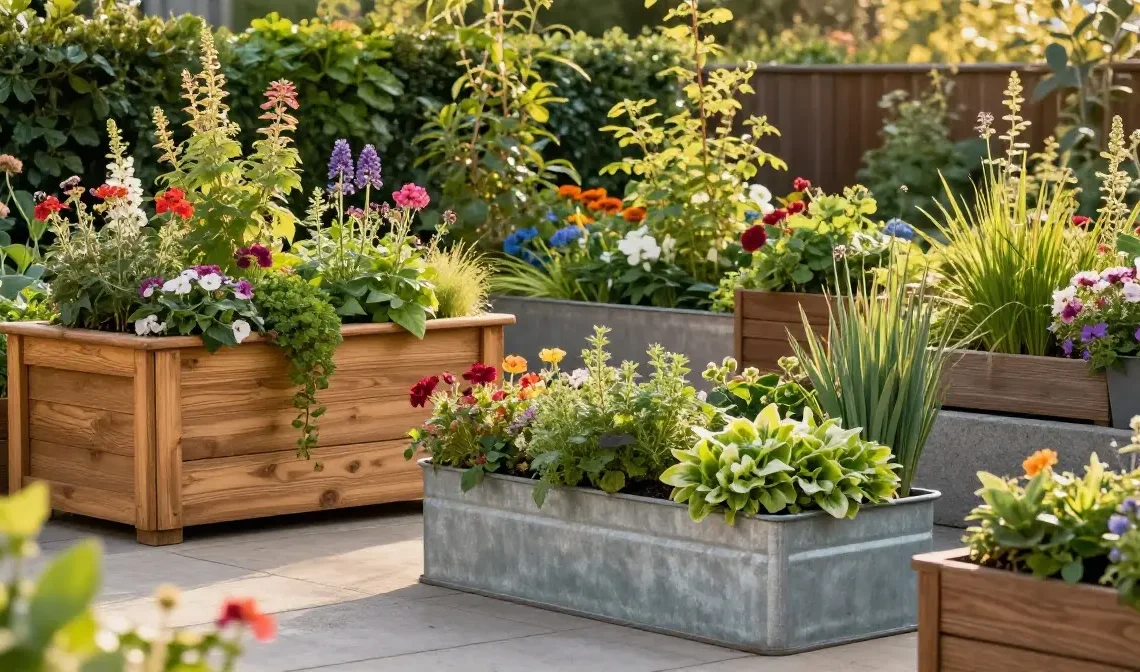
Introduction
Classic Cedar Raised Planter Boxes
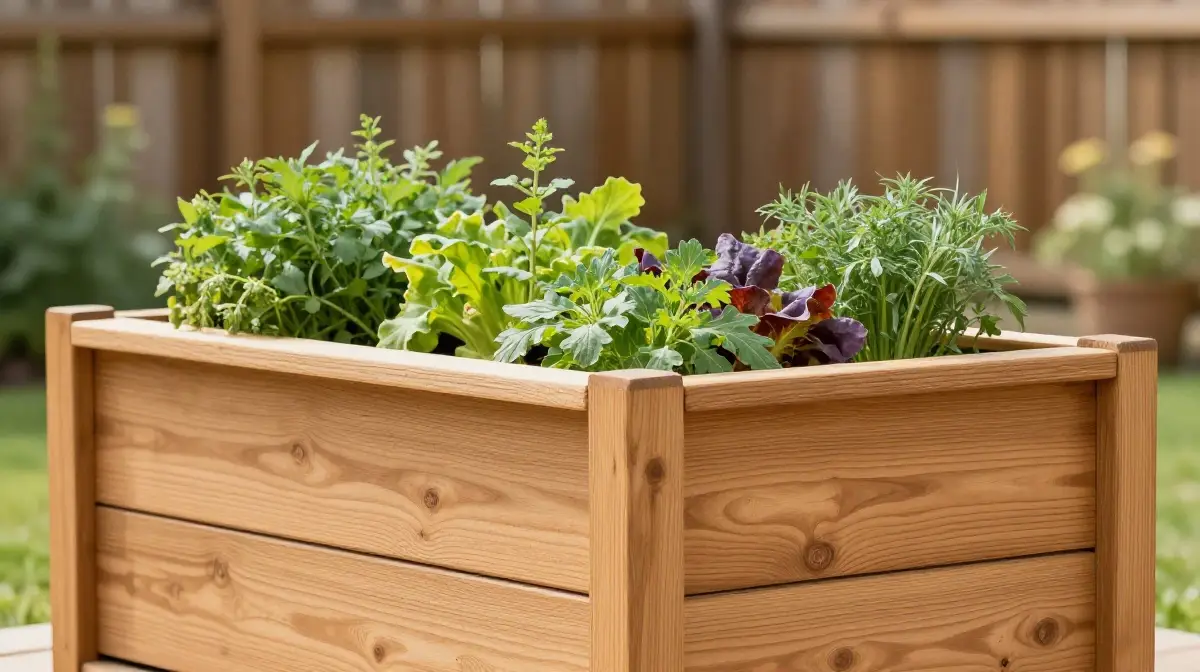
Cedar has been the gold standard material for outdoor planter boxes for good reason. Its natural oils resist rot, insects, and moisture without any chemical treatment, making it a safe and long-lasting choice for growing vegetables and herbs. A classic cedar raised planter box placed along a sunny fence line instantly creates a productive growing zone while adding warm, natural texture to your yard. Cedar weathers to a beautiful silver-gray over time, meaning the box only grows more handsome with age. For best results, fill it with a rich blend of compost, topsoil, and perlite to give plant roots the drainage and nutrition they need throughout the season.
Galvanized Metal Raised Bed Planters
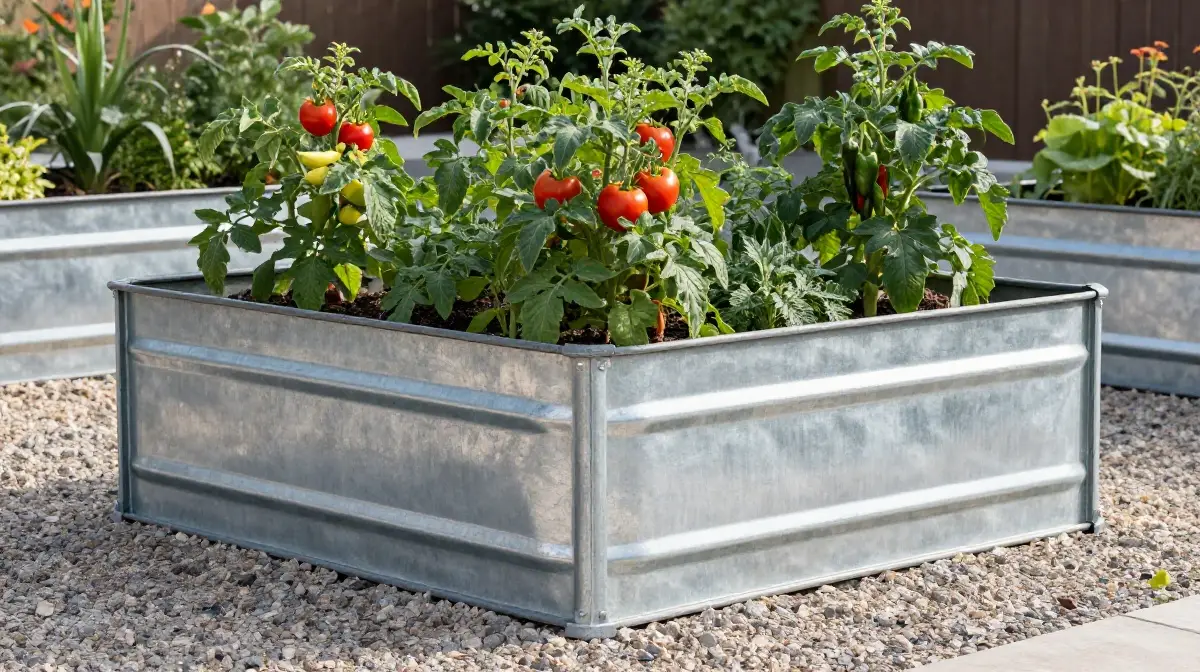
Galvanized steel planter boxes have surged in popularity among modern gardeners because they combine industrial good looks with exceptional durability. A large galvanized raised bed, particularly one standing at least 24 inches tall, reduces bending while providing deep root space ideal for tomatoes, peppers, and carrots. The reinforced corners resist the bowing that affects many lesser metal beds after a season or two of soil pressure. These planters heat up quickly in spring, extending the growing season by warming soil faster than wood alternatives. Pair a matte black galvanized planter with ornamental grasses or flowering kale for a striking contemporary look on any patio or deck.
Window Box Planters for Curb Appeal
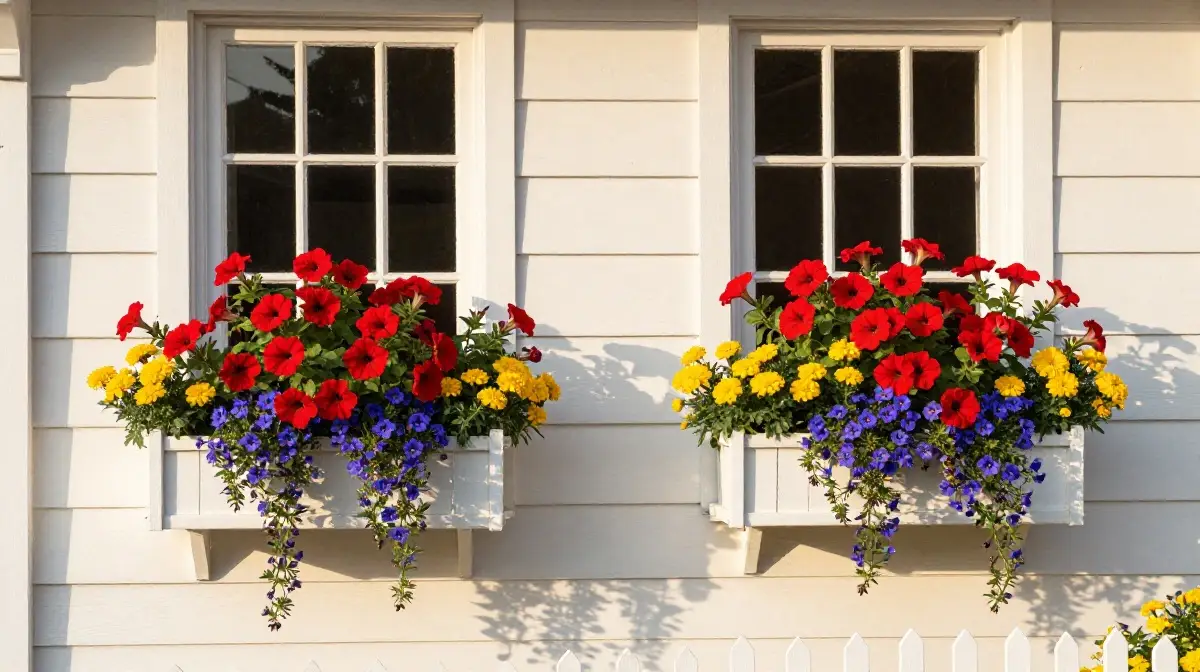
Few additions deliver curb appeal as effortlessly as a well-planted window box. Mounted beneath a front window or along a porch railing, a window box planter frames your home with seasonal color and instantly gives it a cottage or European character. Adjustable bracket systems allow renters and homeowners alike to install window boxes without drilling into masonry. Fill spring boxes with pansies and sweet alyssum, switch to trailing petunias and bacopa in summer, then transition to ornamental kale and evergreen sprigs in autumn. The layered effect of a thriller, filler, and spiller plant combination keeps window box planters looking full and professionally styled throughout every season.
Wheeled Mobile Planter Boxes
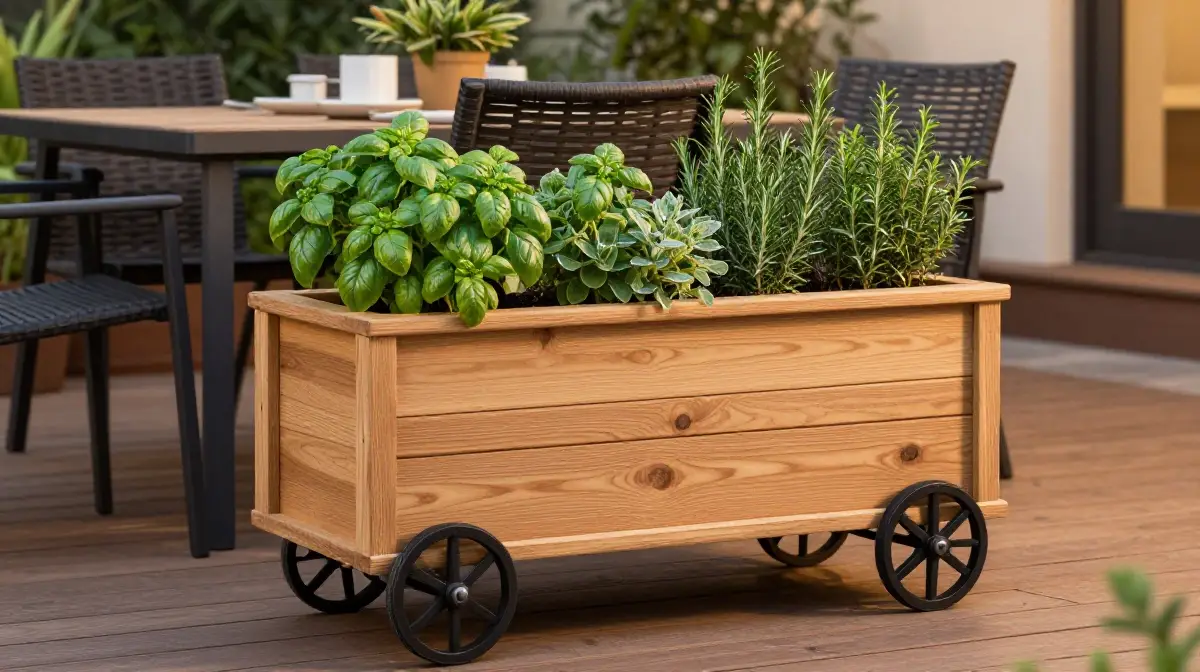
A planter box on wheels is one of the most practical investments a gardener can make, particularly in a small outdoor space. Wheeled planters allow you to chase sunlight throughout the day, repositioning herbs beside the grill during a summer cookout or rolling flowering boxes to define a temporary seating zone when guests arrive. The raised base also improves drainage by keeping the bottom of the planter off damp concrete or wood decking. Galvanized metal trash cans on casters make excellent budget-friendly wheeled planters, while purpose-built cedar or composite boxes with locking wheels offer a more polished look. Either approach gives you a flexible green space that adapts to how you actually use your outdoor area.
Vertical Tiered Planter Box Systems
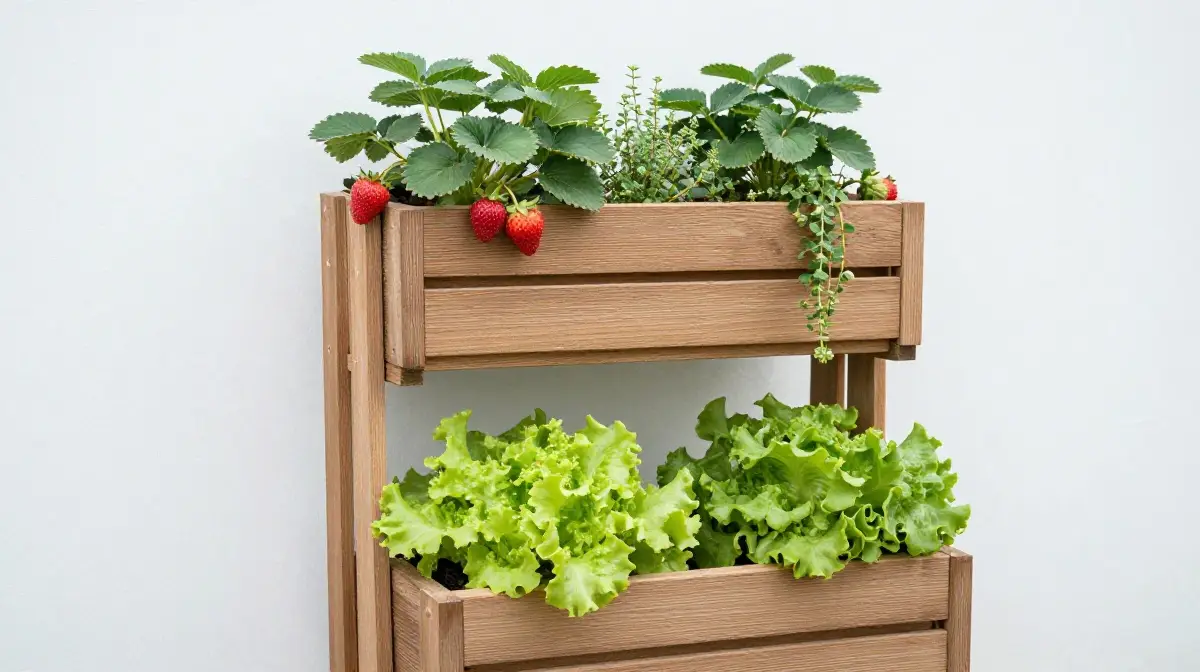
When ground space is limited, growing upward is the smartest solution available. Vertical tiered planter boxes stack growing areas on top of each other, multiplying your planting capacity without expanding the footprint. Freestanding tiered systems work beautifully on balconies, beside entryways, or along a narrow side yard passage. A three-tier cedar planter can comfortably hold strawberries on the top level, trailing herbs in the middle, and compact lettuces at the base. Wall-mounted versions attach directly to fences or exterior walls, transforming blank surfaces into living green backdrops. These systems are also an excellent choice for renters who need a portable garden solution that moves with them at the end of a lease.
Planter Box and Bench Combos
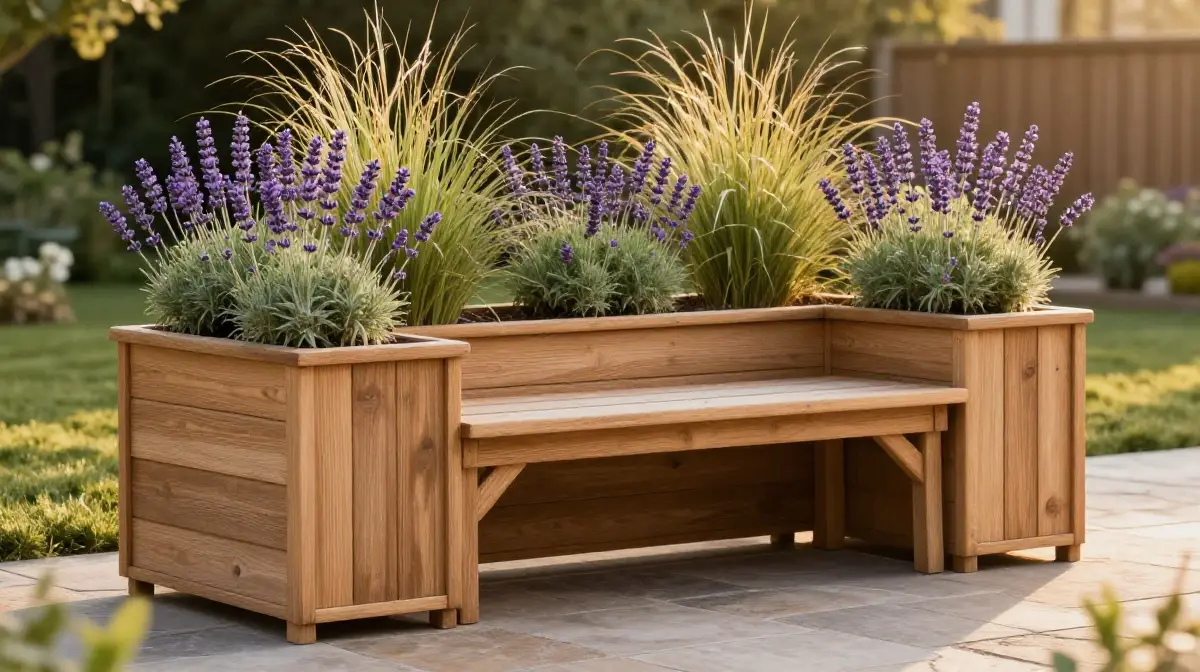
Combining a planter box with outdoor seating is one of the most elegant space-saving strategies available to any homeowner. A built-in bench with flanking planter boxes creates a cohesive garden nook that functions as a seating area, a garden feature, and a natural border all at once. This design works particularly well on decks, around fire pits, or along the perimeter of a patio to define the outdoor living zone. Standard exterior-grade lumber sealed with a quality wood stain will last for many seasons and can be built over a single weekend with basic tools. Plant the boxes with ornamental grasses or lavender for sensory appeal that guests will appreciate even before they sit down.
Self-Watering Planter Boxes for Low Maintenance Gardening
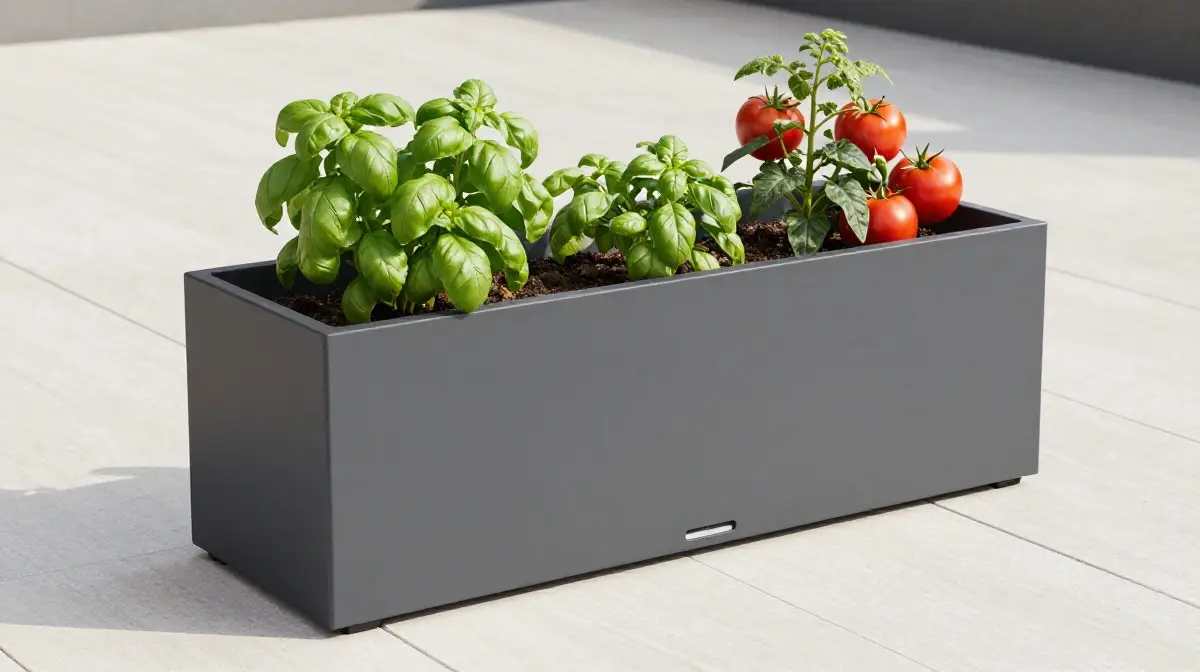
For gardeners who travel frequently or simply want to reduce watering chores, self-watering planter boxes are a genuinely life-changing upgrade. These planters feature a built-in reservoir at the base that delivers moisture directly to plant roots through a wicking system, eliminating the cycle of overwatering and underwatering that kills most container plants. Self-watering boxes are ideal for edible gardens where consistent moisture is critical, particularly for tomatoes, peppers, and basil that suffer stress when soil dries out unevenly. Many contemporary self-watering designs are attractive enough to serve as focal points on a deck or patio, available in sleek resin, powder-coated metal, and natural wood finishes that complement any outdoor aesthetic.
Pallet Wood Upcycled Planter Boxes
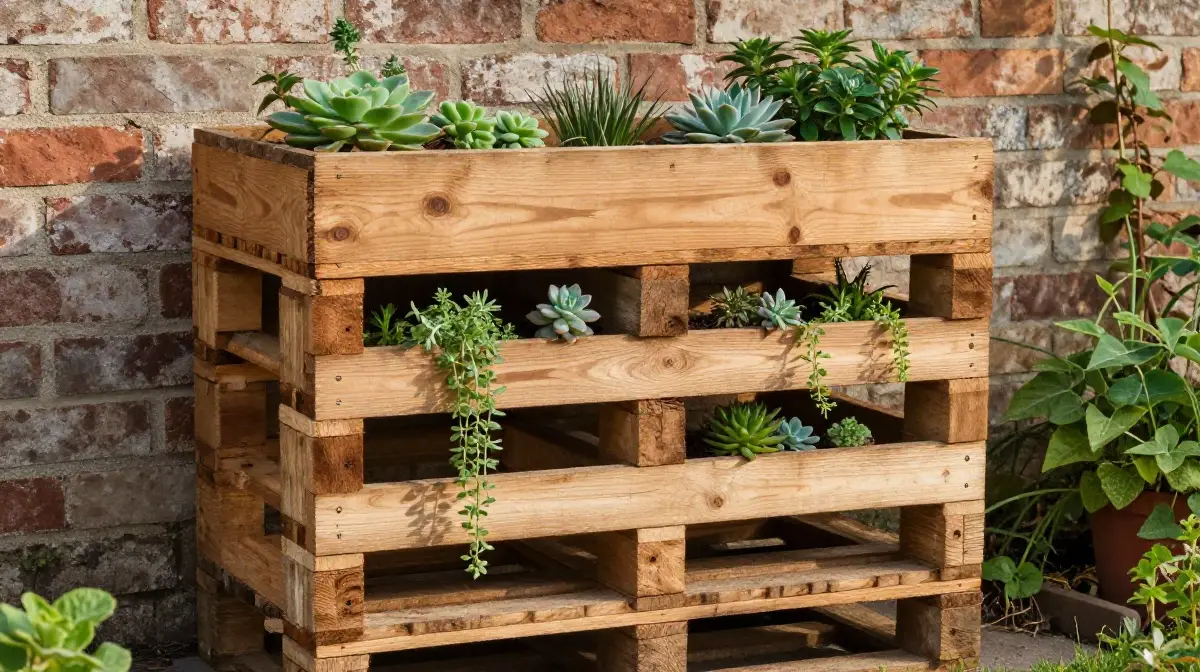
Repurposing wooden shipping pallets into planter boxes is one of the most budget-conscious and visually interesting approaches to container gardening. Heat-treated pallets, identified by an HT stamp, are safe for growing food and can be found for free or nearly free at hardware stores, garden centers, and furniture retailers. Standing a pallet upright and stapling landscape fabric to the back creates an instant vertical planter perfect for succulents, herbs, and trailing flowers. Laid flat and fitted with a liner, a pallet becomes a low raised bed suitable for lettuces and strawberries. Paint the wood in bright tropical colors or a muted earth tone to give the finished planter a custom, intentional look that belies its recycled origins.
Trellis-Attached Planter Boxes for Climbing Plants
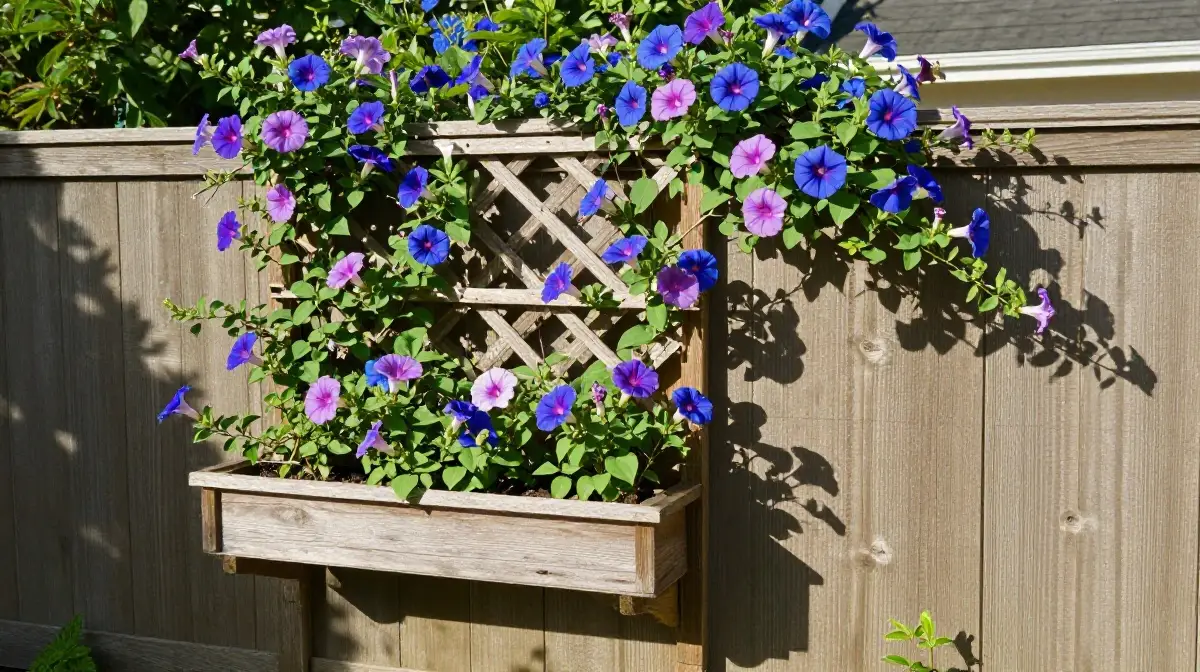
Adding a trellis directly to a planter box multiplies its gardening potential by opening up vertical growing space for climbing and vining plants. A planter with an integrated trellis is ideal for climbing roses, sweet peas, pole beans, cucumbers, and morning glories, all of which produce dramatically more when given vertical support. Placed strategically, a trellis planter also acts as a natural privacy screen, softening a view of a neighboring fence or blocking an unattractive utility area with a curtain of green foliage. Cedar or powder-coated steel trellis planters tend to be the most durable choices for year-round outdoor use. Position them where they receive at least six hours of direct sunlight daily to support vigorous climbing growth.
Railing-Mounted Planter Boxes for Decks and Balconies
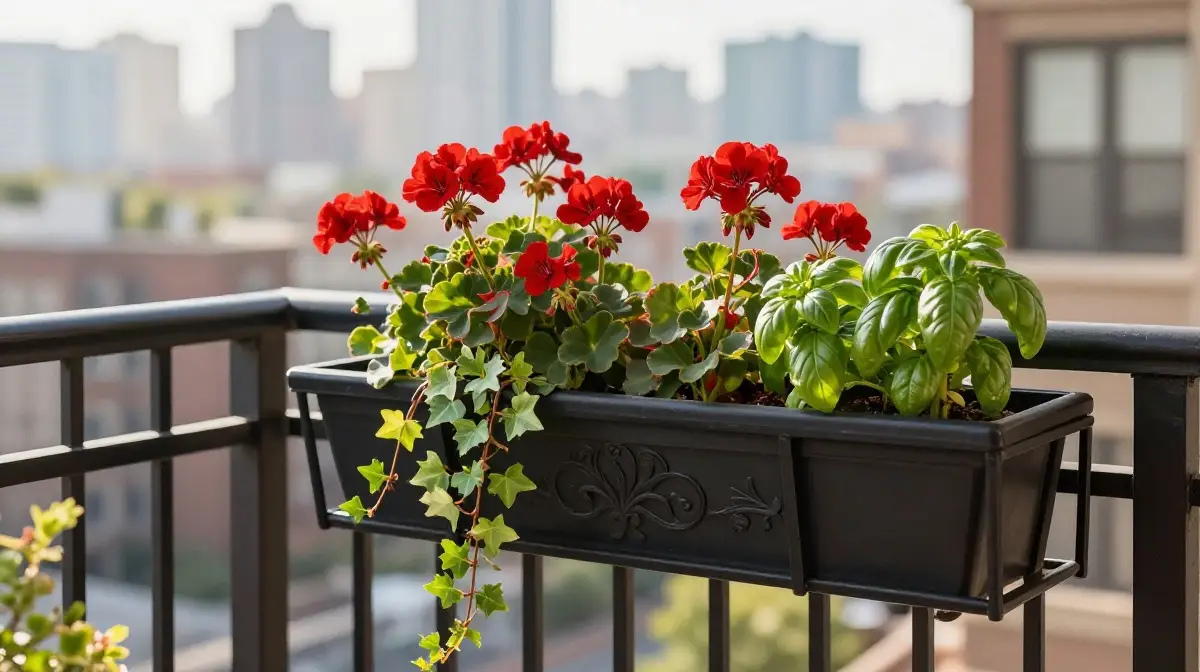
Deck railing planter boxes make productive use of space that would otherwise go completely unused. Bracket-mounted boxes attach securely to flat-top, round, or square railings without any permanent hardware, making them ideal for apartment balconies, rental properties, and decks where drilling is restricted. These compact planters are perfect for shallow-rooted herbs such as basil, thyme, mint, and chives, giving cooks easy access to fresh ingredients right beside the outdoor dining area. Decorative laser-cut metal railing planters with fabric liners provide both excellent drainage and genuine visual impact, turning an ordinary balcony railing into a colorful garden feature visible from the street below.
Corten Steel Weathered Planter Boxes
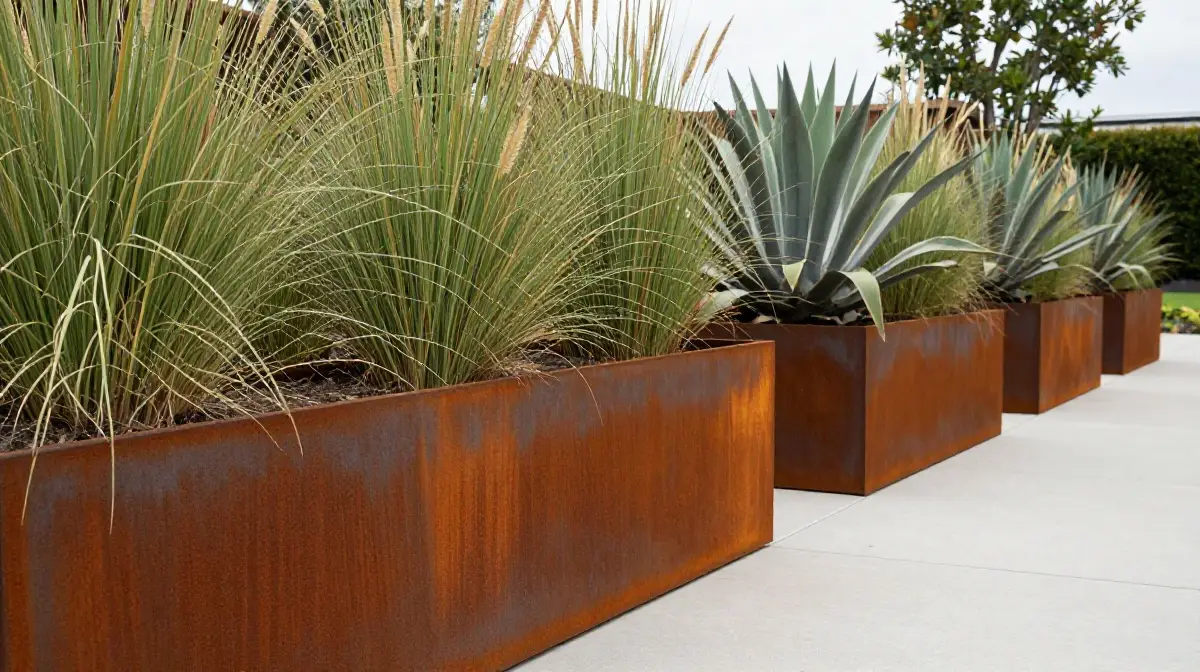
Corten steel, the same material used in modern architectural and landscaping projects worldwide, develops a distinctive rust-colored patina that actually protects the metal beneath from further corrosion. Outdoor planter boxes made from Corten steel require zero maintenance once installed and develop their characteristic amber and copper tones naturally over the first few months of outdoor exposure. These planters look exceptional in contemporary landscape designs, particularly when paired with ornamental grasses, agave, or drought-tolerant succulents that complement the warm earthy tones of the steel. Property designers often use a series of Corten planter boxes along a back fence line to create planting space while the patina surface adds sophisticated color and texture to an otherwise plain boundary.
Herb Garden Planter Boxes for Kitchen Gardeners
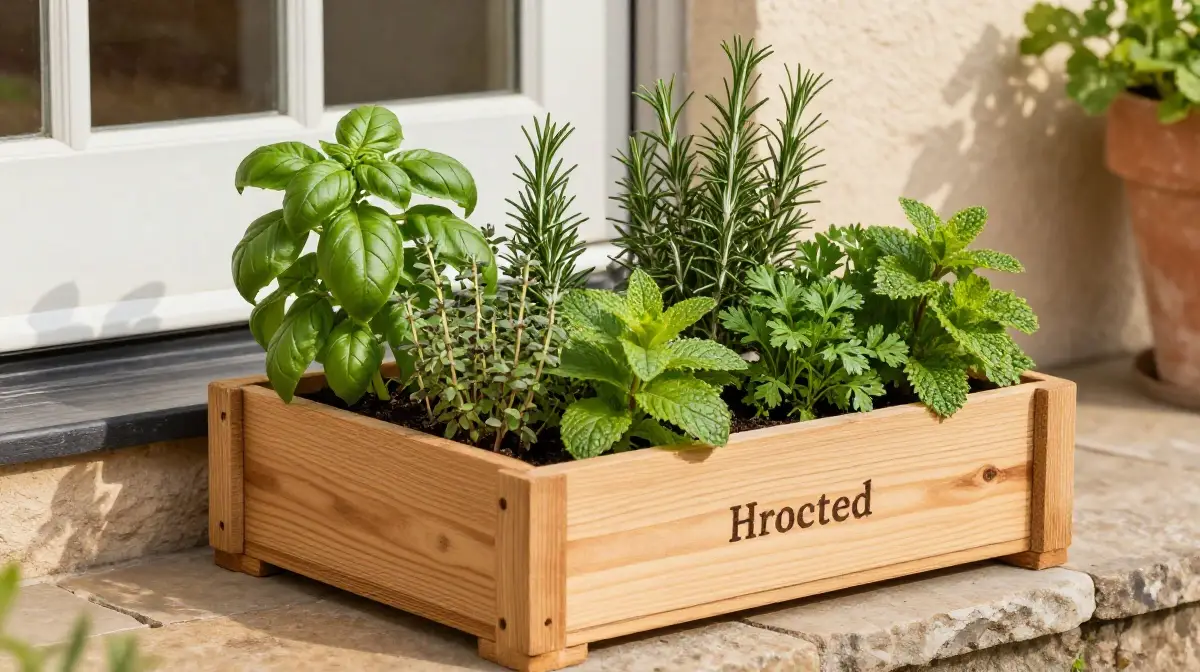
A dedicated herb garden planter box positioned near the kitchen door is one of the most practical outdoor additions any home cook can make. Compact rectangular planter boxes divided into separate compartments allow you to grow a full culinary herb collection including basil, rosemary, thyme, oregano, parsley, and mint without any plant spreading out of control. Cedar or redwood boxes are particularly well-suited for herb gardens because neither material leaches chemicals into the soil. Elevating the herb planter to counter height on a custom stand reduces bending while keeping leaves at a convenient harvesting level. Label each section clearly and replant cool-season herbs like cilantro and dill in succession throughout the growing season to maintain a continuous harvest.
Oversized Statement Planter Boxes as Focal Points
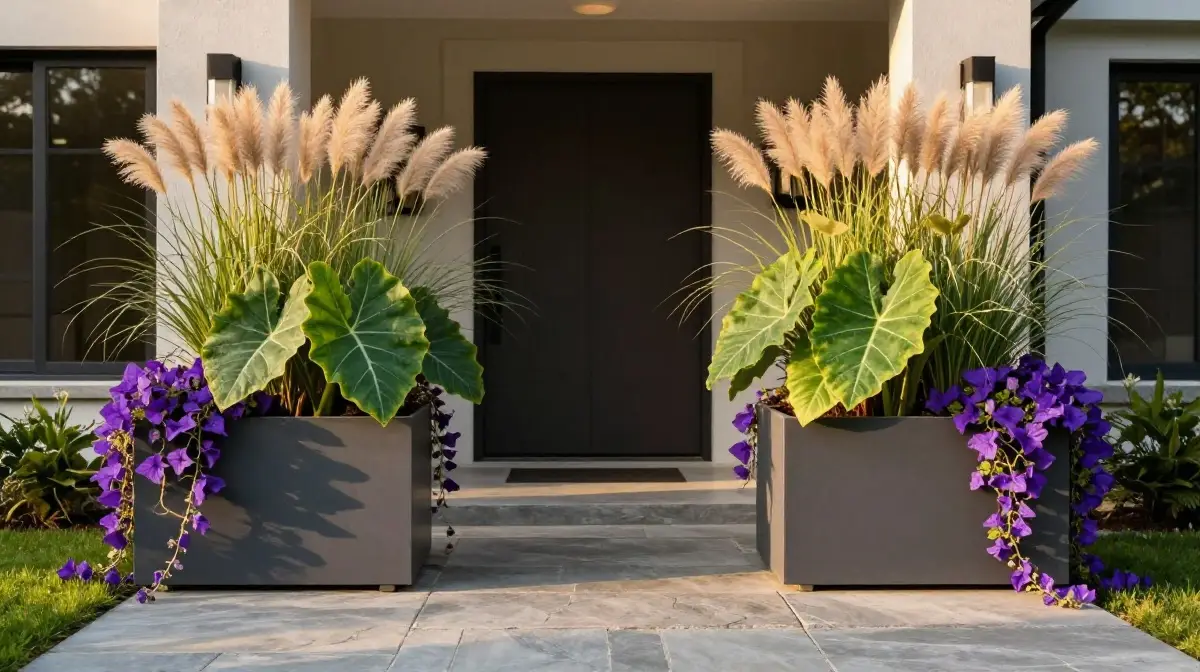
When a garden or patio needs a strong visual anchor, an oversized planter box delivers that impact with minimal effort. Large rectangular planter boxes positioned at the entrance to a patio, at the end of a garden path, or flanking a front door create a sense of permanence and intentional design that smaller containers simply cannot achieve. Fill oversized planters with a dramatic combination of tall ornamental grasses, bold-leafed tropical plants, and cascading vines for a layered display that draws the eye immediately. Fiberstone and concrete planter boxes offer the visual weight of stone at a fraction of the actual weight, making them practical even on elevated decks and rooftop terraces where heavy planters would pose structural concerns.
Planter Boxes as Natural Privacy Screens
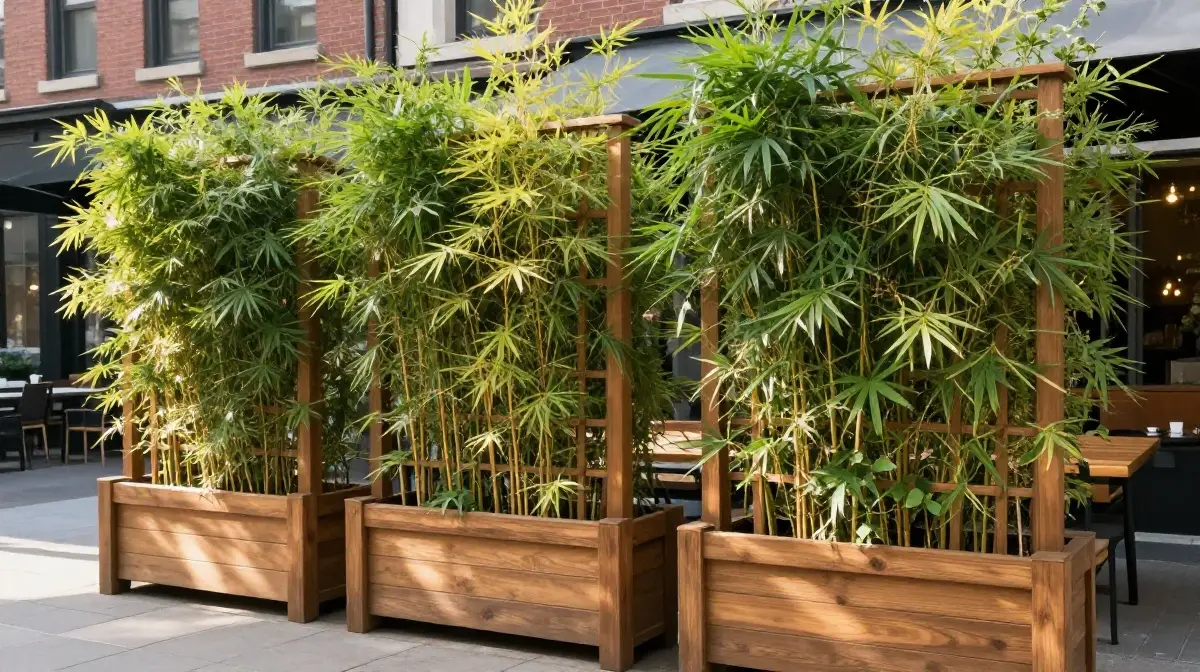
One of the most functional applications for outdoor planter boxes is using them as living privacy screens that replace solid fencing with a softer, greener alternative. A row of tall planter boxes filled with bamboo, arborvitae, ornamental grasses, or climbing vines on a trellis creates an effective visual barrier that also absorbs sound and softens harsh afternoon sunlight. This approach works particularly well on urban patios and compact yards where neighbors are close and privacy is limited. Unlike a fixed fence, planter box privacy screens can be rearranged as your outdoor layout evolves, giving you a flexible solution that improves with each growing season as plants fill out and mature.
Raised Corner Planter Boxes for Garden Edges
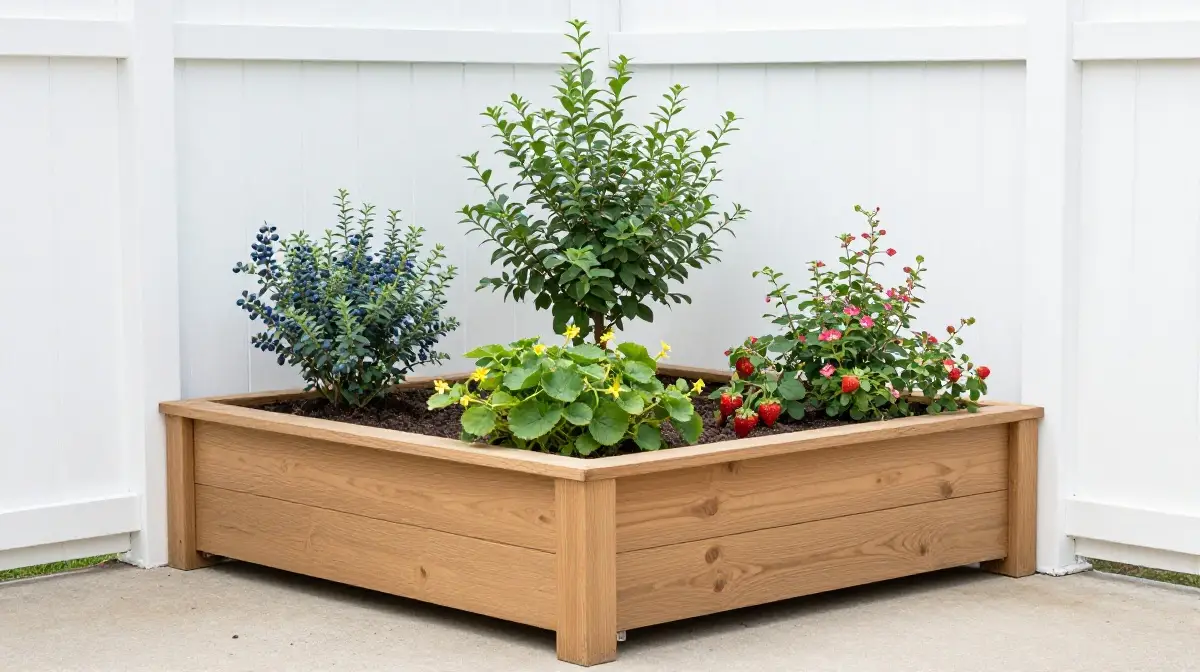
Corner planter boxes are purpose-built to make productive use of the awkward corner spaces that most outdoor layouts leave empty. An L-shaped or triangular corner planter fits flush against two converging walls or fence lines, transforming dead space into a thriving garden zone. These planters work especially well for compact ornamental displays featuring seasonal annuals, perennial shrubs, and trailing plants that soften hard architectural angles. In a vegetable garden context, a corner raised bed is an excellent location for compact fruiting plants like dwarf blueberry bushes, strawberry runners, and determinate tomato varieties that stay contained within a defined space while producing generously throughout the summer.
Painted and Decorated Planter Boxes for Personality
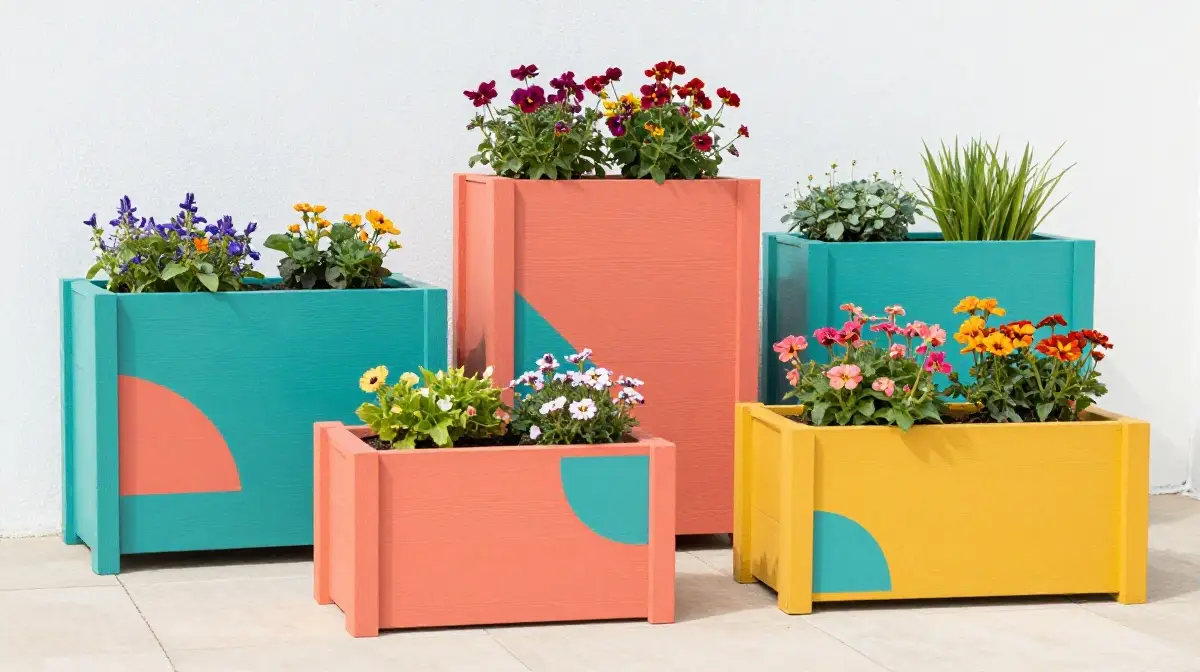
A coat of exterior paint is one of the fastest and most affordable ways to elevate the look of a plain wooden planter box. Bold geometric patterns, color-blocked designs, and hand-painted botanical illustrations turn simple cedar or pine boxes into genuine garden art pieces. Exterior-grade acrylic paint adheres well to wood, metal, concrete, and terracotta, giving you creative freedom across multiple planter materials. A monochromatic approach using two shades of the same color creates a sophisticated, modern look, while bright contrasting colors produce a playful, vibrant garden personality. This idea works especially well for community garden plots and children’s garden areas where visual energy and personal expression are part of the appeal.
Planter Boxes with Integrated Lighting
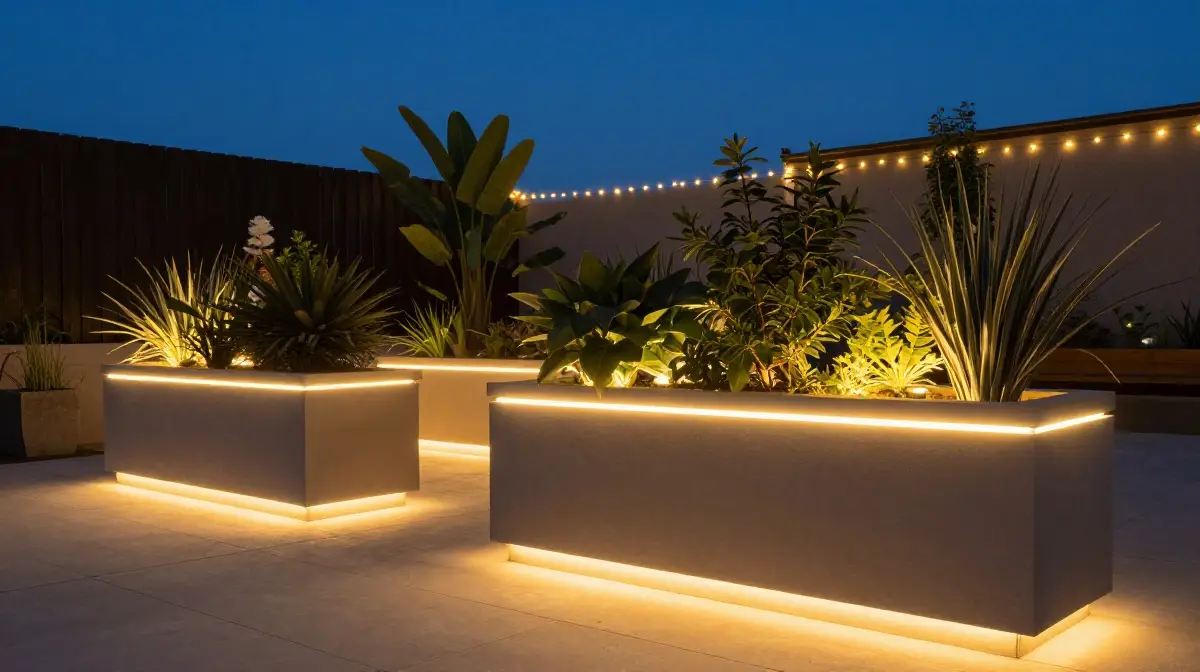
Outdoor planter boxes fitted with integrated lighting extend the visual impact of your garden well into the evening hours while improving safety on steps, pathways, and entertaining areas. Solar-powered LED strips tucked beneath the lip of a planter box cast a warm ambient glow that highlights the plants above while illuminating the ground below. Waterproof LED rope lights threaded through lattice panels attached to planter boxes create a striking nighttime display perfect for outdoor dining areas and entertainment spaces. This approach is entirely practical for security as well, defining the edges of steps and raised beds that could otherwise be difficult to see after dark during outdoor gatherings.
Modular Interlocking Planter Box Systems
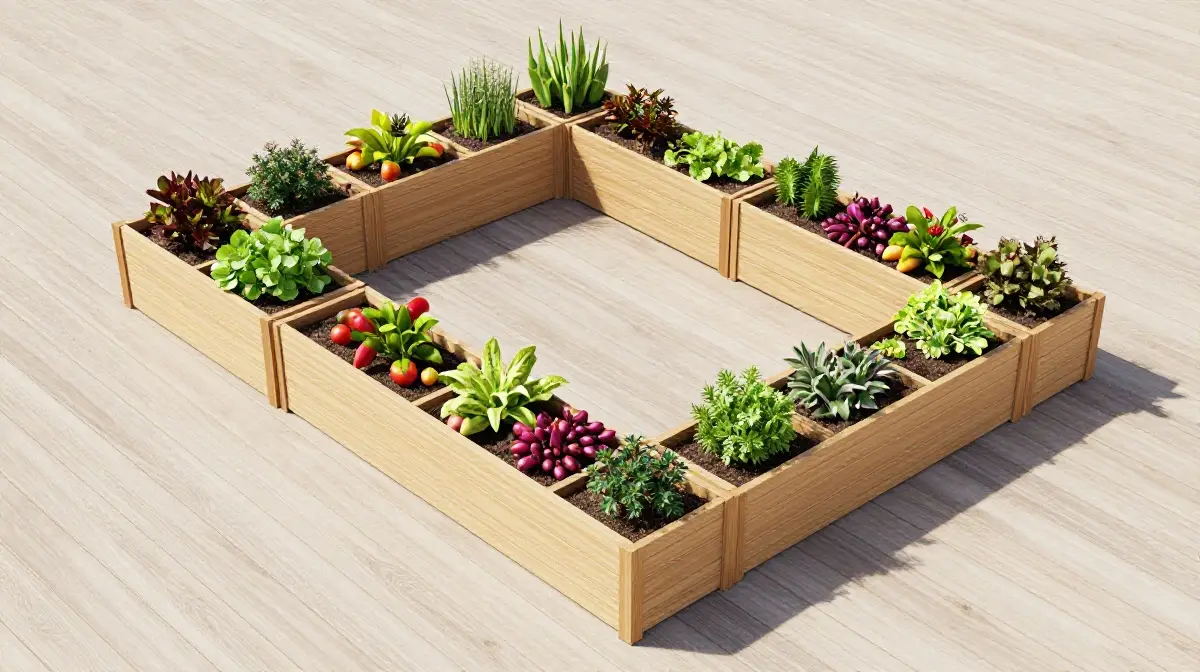
Modular planter boxes that connect and reconfigure into different shapes and layouts are an ideal solution for gardeners who like to change their outdoor arrangement seasonally. These systems typically use a tongue and groove or bracket connection that allows individual boxes to link into long rectangular runs, L-shapes, U-shapes, or enclosed square arrangements without any permanent fasteners. The flexibility is particularly valuable for renters, first-time homeowners, and gardeners who are still experimenting with how they want to use their outdoor space. Most modular systems are manufactured from composite wood, galvanized steel, or durable resin that resists weathering and UV fading, meaning the investment holds its appearance for many seasons of reconfiguration.
Edible Flower and Pollinator Planter Boxes
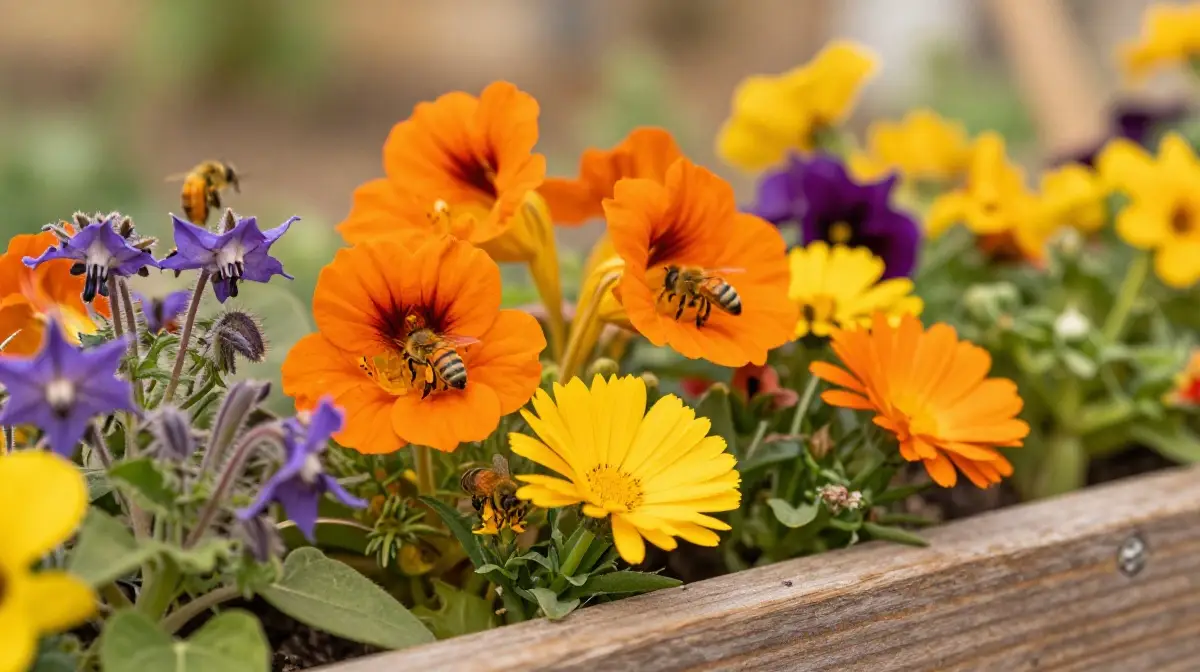
Dedicating one or more outdoor planter boxes to edible flowers and pollinator-friendly plants serves both practical and ecological purposes in any garden. Nasturtiums, borage, calendula, and violas all produce edible blooms that add color to salads and desserts while attracting beneficial bees and butterflies to your outdoor space. A well-planted pollinator planter box positioned near a vegetable garden will measurably improve fruit set on nearby tomatoes, squash, and beans by increasing the number of pollinators visiting the area. Choose a mix of early, mid, and late-season flowering species to ensure the planter provides continuous bloom from spring through autumn, supporting pollinator populations throughout their most active period.
Strawberry Tower Planter Boxes
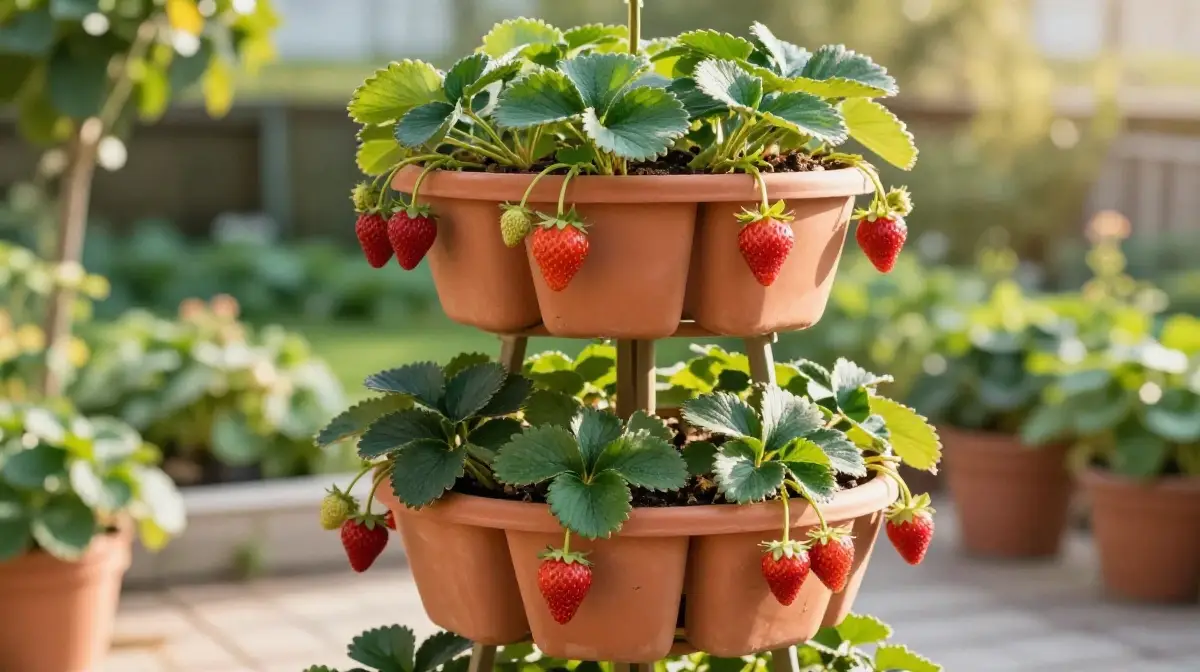
Tower-style planter boxes with multiple side pockets are purpose-built for growing strawberries and trailing herbs in a compact vertical column that maximizes fruit production per square foot of floor space. A single strawberry tower planter measuring just 18 inches in diameter can comfortably host 20 to 30 individual strawberry plants, producing a substantial harvest in a space that a traditional flat bed would never accommodate. Position the tower where it receives full sun for at least six hours daily and rotate it quarterly to ensure every side of the planter receives even light exposure. This design also works exceptionally well for growing a collection of different thyme varieties, compact oregano, and alpine strawberries in a single, visually attractive garden feature.
Concrete and Stone Finish Planter Boxes
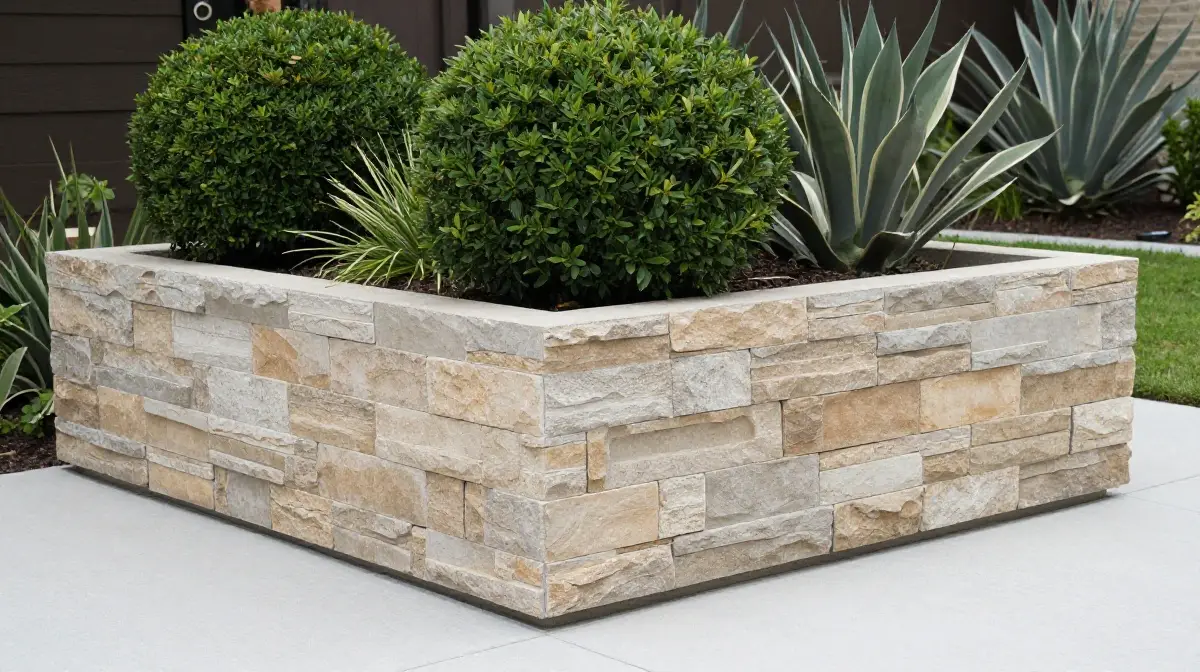
Planter boxes with a concrete or stone appearance bring a sense of permanence and architectural weight to any garden or patio without necessarily requiring the actual mass of solid stone. Lightweight fiberstone and faux concrete planter boxes replicate the texture and color of natural stone while remaining light enough for a single person to reposition on a rooftop terrace or upper-level deck. These planters age beautifully in outdoor conditions, developing a weathered patina that blends seamlessly with natural landscape elements like gravel paths, flagstone patios, and rendered garden walls. They pair particularly well with architectural plants including clipped boxwood spheres, ornamental agave, and columnar conifers that echo the structured, formal quality of the planter material itself.
Themed Seasonal Planter Boxes
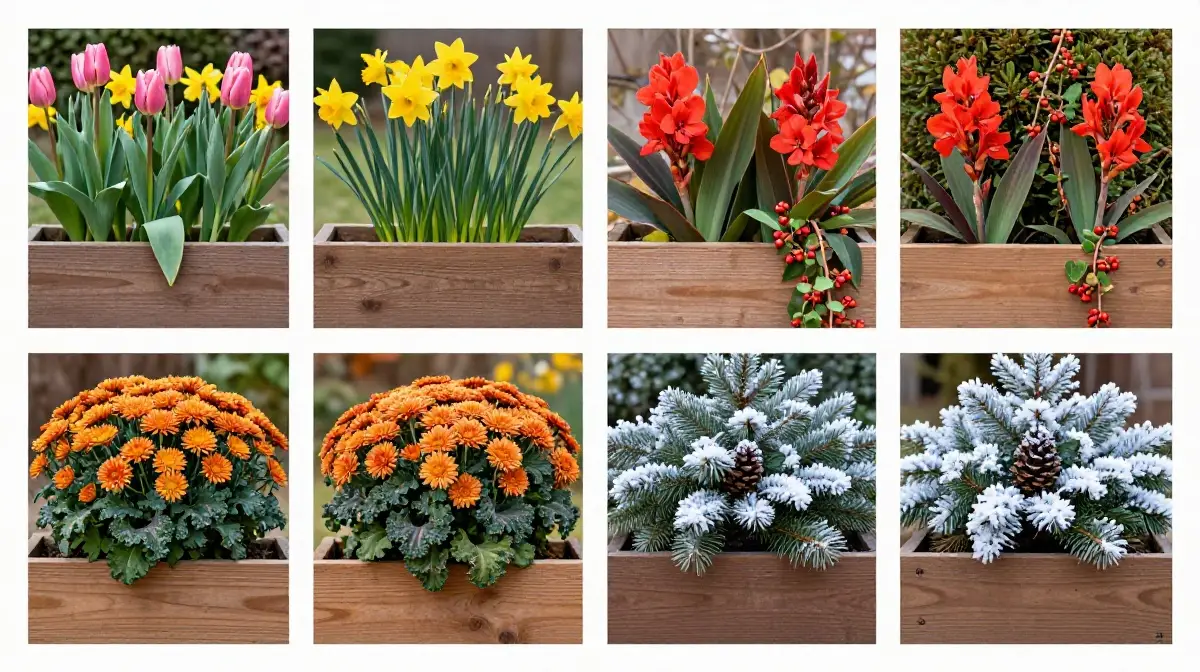
Rotating your outdoor planter boxes through seasonal themes is one of the most rewarding practices in container gardening because it keeps your outdoor space feeling fresh and intentionally designed throughout the entire year. Spring boxes lean into pastels with tulips, hyacinths, pansies, and violas that celebrate the return of color after winter. Summer calls for bold tropical combinations featuring cannas, elephant ears, mandevilla, and trailing sweet potato vine in vivid oranges, reds, and purples. Autumn transitions naturally to ornamental kale, mums, dusty miller, and small pumpkins nestled among the foliage. Winter boxes filled with evergreen branches, red-twig dogwood stems, and pine cones maintain visual interest even after the last frost arrives and the growing season officially closes.
Conclusion
Outdoor planter boxes are far more than simple containers for plants. They are versatile design tools that can define the character of your garden, maximise the productivity of a small space, add privacy, create ambience, and express your personal style. Whether you prefer the warmth of natural cedar, the industrial edge of galvanised steel, the practicality of a self-watering system, or the satisfaction of a recycled pallet build, there is an outdoor planter box idea in this collection that will suit your vision perfectly. The key to getting the most from your planter boxes lies in choosing the right material for your climate, matching the scale to your space, and selecting plants that will genuinely thrive in container conditions. Start with one or two boxes, establish what works for your garden, and build from there. A well-planted outdoor space filled with thoughtfully chosen planter boxes is one of the most satisfying achievements a gardener can accomplish.

1 Comment