
Introduction
If your bathroom feels flat, outdated, or just plain boring, you are not alone. So many homes have bathrooms that were built for function alone, with no personality and no warmth. It is one of the most used rooms in the house, yet it often gets the least design attention.
Mid-century modern bathroom design fixes that problem in a way that feels both fresh and familiar. It brings together warm wood tones, bold color accents, clean lines, and organic shapes to create a space that feels calm, stylish, and lived-in. It is a style that works whether you are doing a full renovation or just swapping out a few key pieces.
This list walks through 22 practical mid-century modern bathroom design ideas, each with real styling advice you can actually use. Whether you are working with a small powder room or a full master bath, there is something here that fits your space and your budget.
Warm Wood Vanity Cabinets
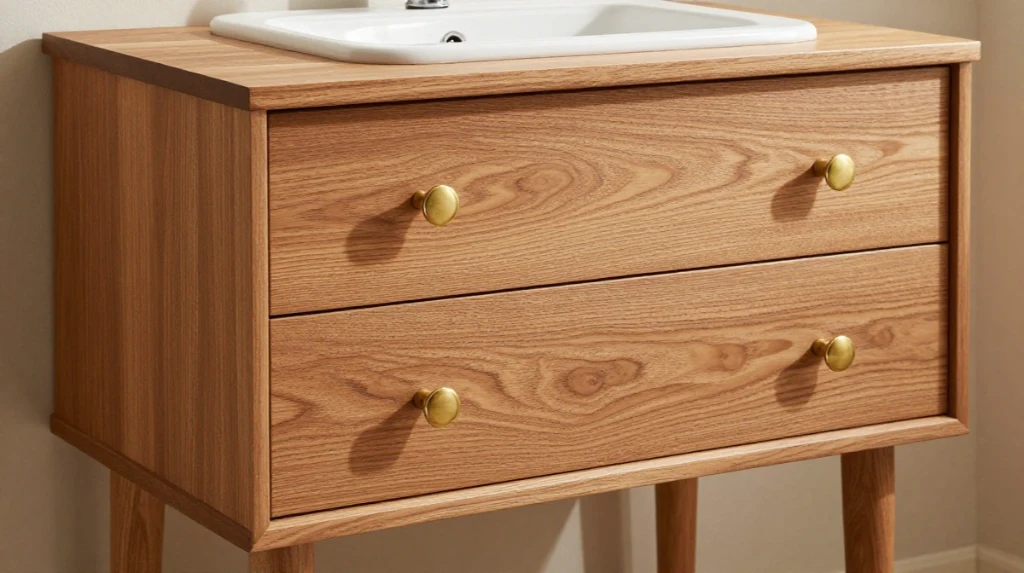
Teak and walnut wood vanities are at the heart of almost every mid-century modern bathroom. The warm, honey-toned grain adds instant character to a space that might otherwise feel cold or clinical. These cabinets usually have simple, tapered legs and clean lines instead of ornate detailing.
If you are working with an existing vanity, consider refinishing it rather than replacing it completely. A light sanding and a natural wood stain can bring back that classic warmth. Pair the wood tone with brass or matte black hardware for a finished, cohesive look.
Terrazzo Flooring Ideas
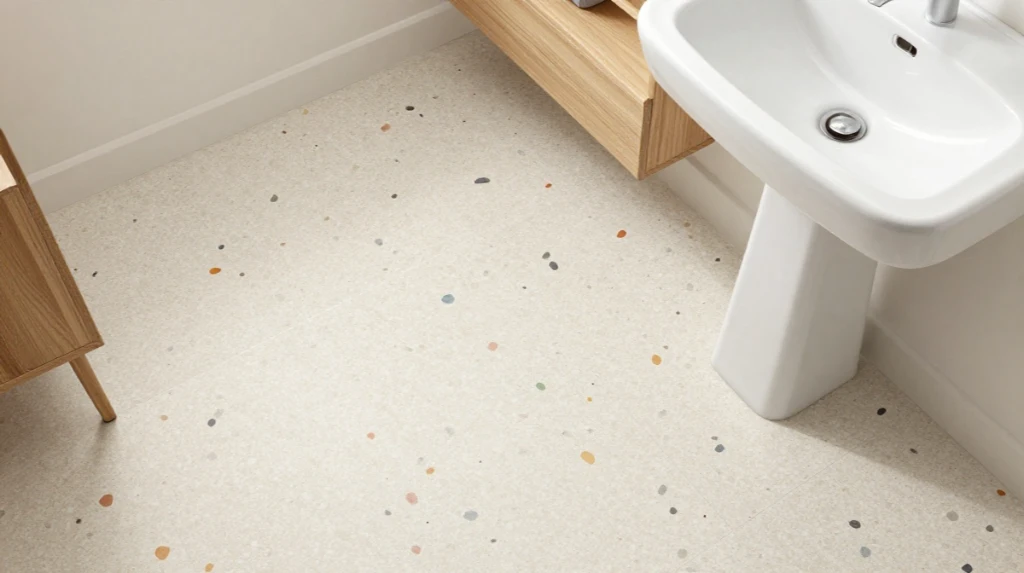
Terrazzo flooring is one of the easiest ways to bring authentic atomic age charm into a bathroom. The speckled mix of stone chips set in a solid base gives the floor texture and visual interest without competing with the rest of the room. It works in both neutral and colorful variations.
For smaller bathrooms, a lighter terrazzo base keeps the space feeling open. If you want more personality, look for terrazzo tile with flecks of orange, green, or gold to tie into a retro color scheme. It pairs beautifully with wood vanities and simple white walls.
Geometric Tile Patterns
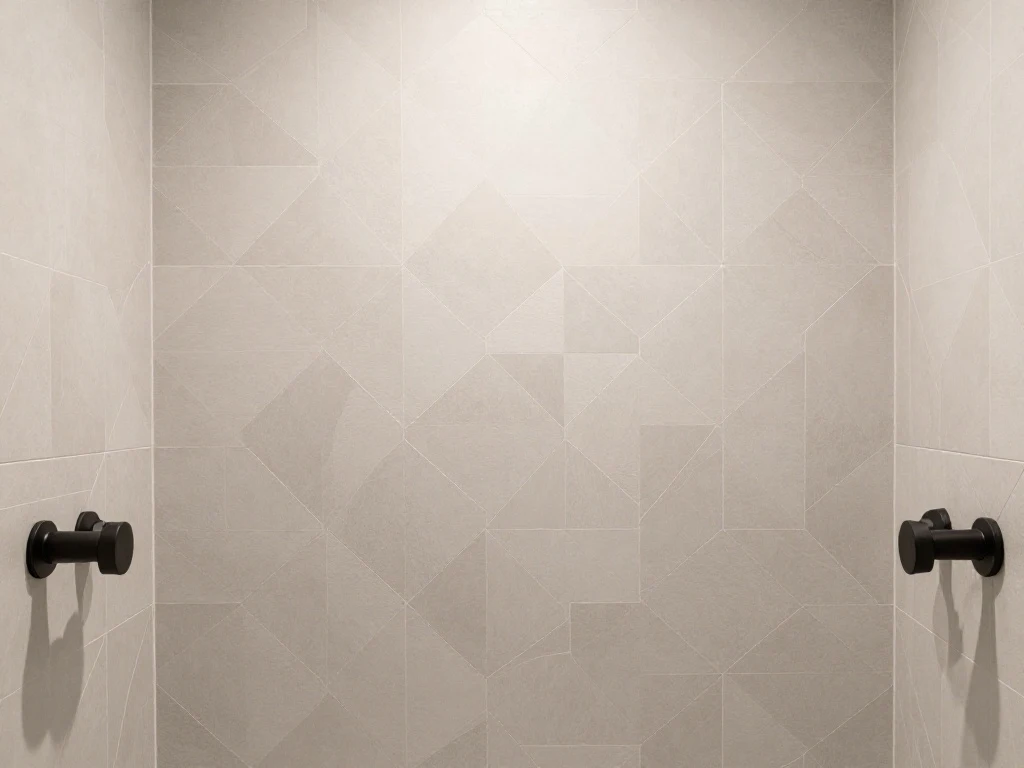
Geometric tile is a signature feature of mid-century modern bathroom design. Think hexagons, diamonds, and repeating shapes that create rhythm across a wall or floor. These patterns add depth to a room without relying on bright colors alone.
A good approach is to use geometric tile as an accent rather than covering the entire room. A tiled shower wall or a small backsplash behind the vanity gives you that retro visual impact while keeping the rest of the space simple and easy to maintain.
Avocado Green Color Palette
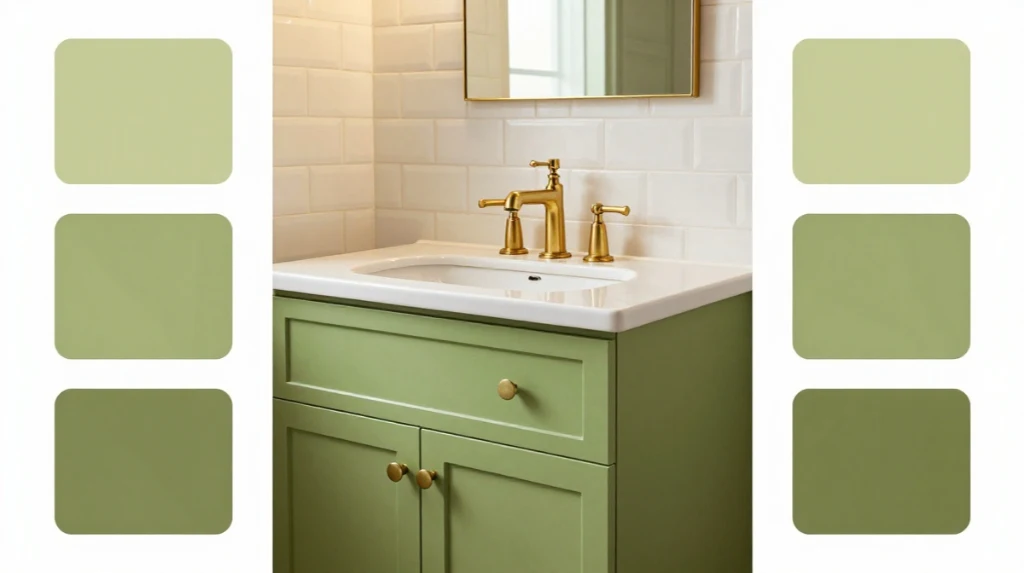
Avocado green was a defining color of mid-century homes, and it is making a strong return in modern bathrooms. This earthy, muted green pairs beautifully with wood tones and brass fixtures, creating a calm and grounded feel.
If painting an entire bathroom green feels like too much, start small. A green vanity, a set of towels, or a single accent wall can introduce the color without overwhelming the space. It is an easy way to test the trend before committing fully.
Mustard Yellow Accents
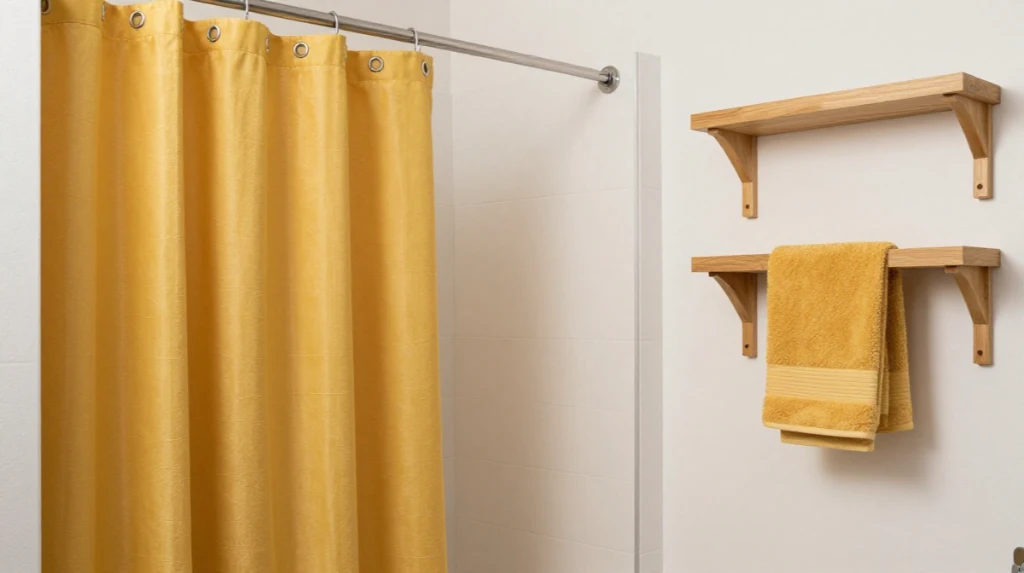
Mustard yellow brings warmth and energy to a bathroom without feeling too bold. It was a popular shade in mid-century interiors and still feels fresh today when paired with neutral tile and natural wood.
Use mustard yellow in smaller doses, such as a shower curtain, a set of hand towels, or a painted door. This keeps the look playful and easy to update later if your taste changes.
Burnt Orange Details
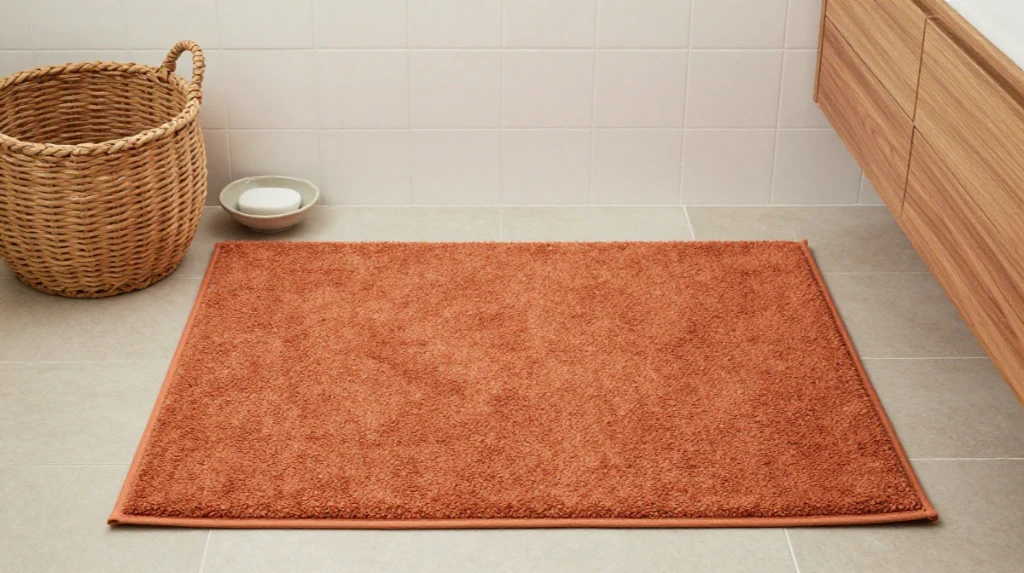
Burnt orange is another classic retro shade that adds richness to a bathroom color scheme. It works especially well alongside white tile and wood accents, creating a warm contrast that feels inviting rather than harsh.
A good starting point is a burnt orange rug, a woven basket, or a ceramic soap dish. These small touches let you experiment with the color before deciding whether to use it on a larger surface like a wall or vanity.
Pastel Color Schemes
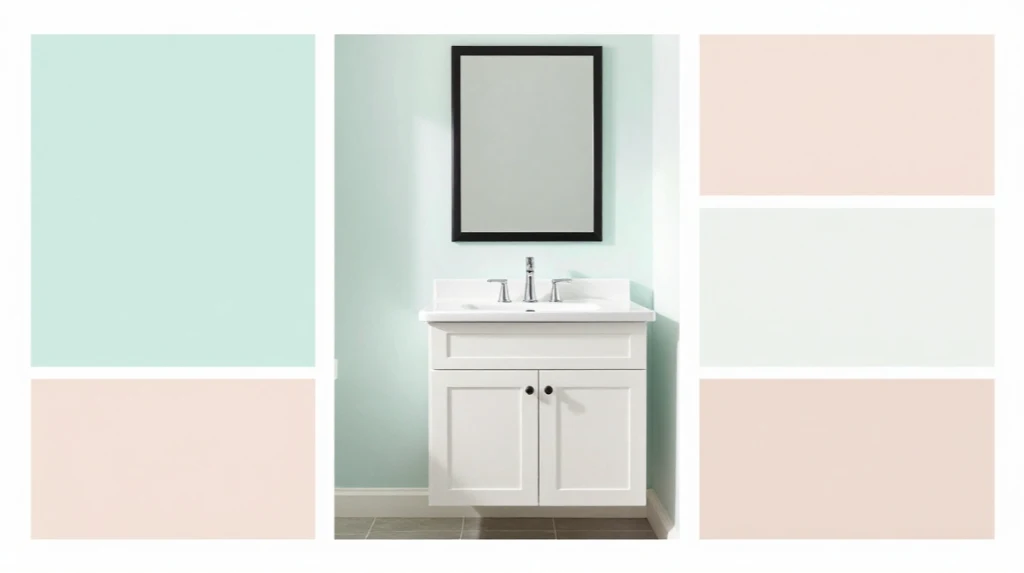
Soft pastel tones, like mint, blush, and powder blue, were common in bathrooms from the 1950s and continue to feel charming today. These colors soften a space and pair nicely with white fixtures and simple tile work.
When using pastels, balance them with a few darker or warmer accents so the room does not feel too soft or flat. A black-framed mirror or a wood shelf adds just enough contrast to keep the palette from feeling washed out.
Statement Sunburst Mirrors
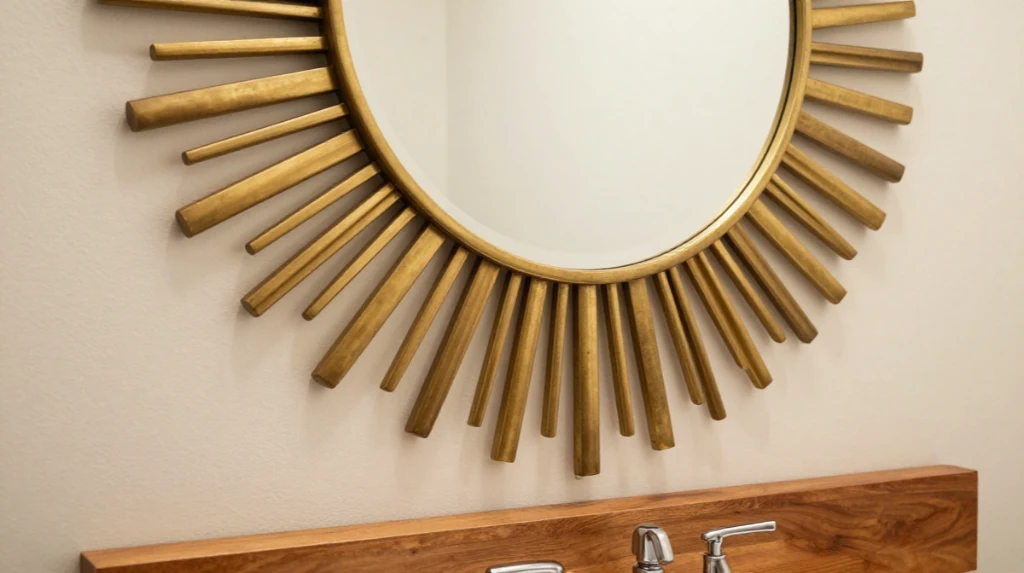
A sunburst mirror is one of the most recognizable mid-century design pieces, and it makes a wonderful focal point above a bathroom sink. The radiating spokes add visual movement and a bit of drama without taking up much physical space.
Choose a mirror finish that complements your existing hardware, whether that is brass, gold, or matte black. A sunburst mirror works especially well in a bathroom with otherwise simple, understated decor, since it naturally becomes the centerpiece.
Vessel Sink Styles
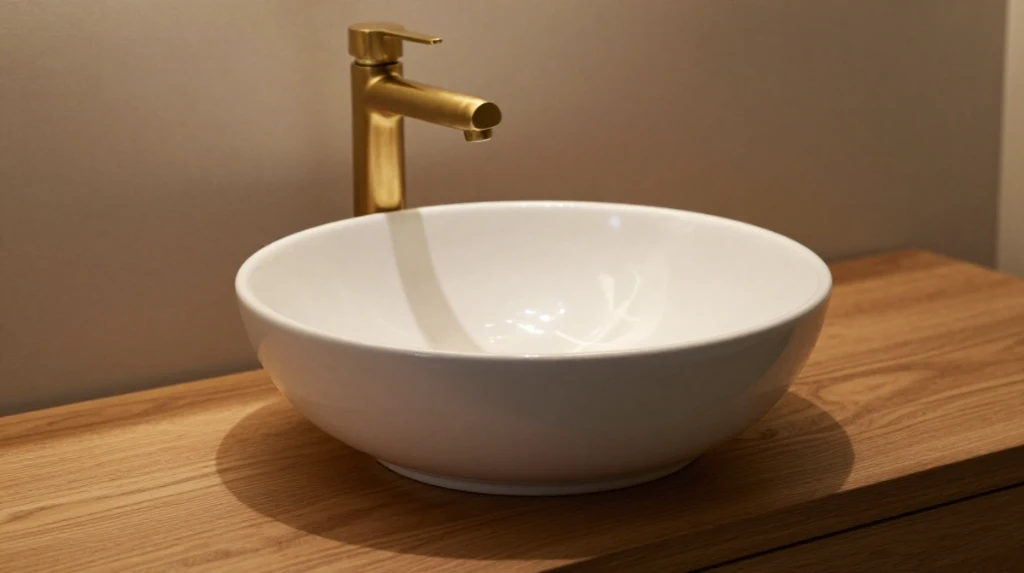
Vessel sinks sit on top of the counter rather than being recessed into it, giving the bathroom a sculptural, artistic quality. Many mid-century inspired vessel sinks come in ceramic, stone, or glass, each adding a different texture to the vanity area.
Because vessel sinks sit higher than standard sinks, pair them with a slightly shorter faucet to keep the proportions balanced. This style works particularly well on floating or open-leg vanities where the sink itself becomes part of the visual design.
Pedestal Sink Charm
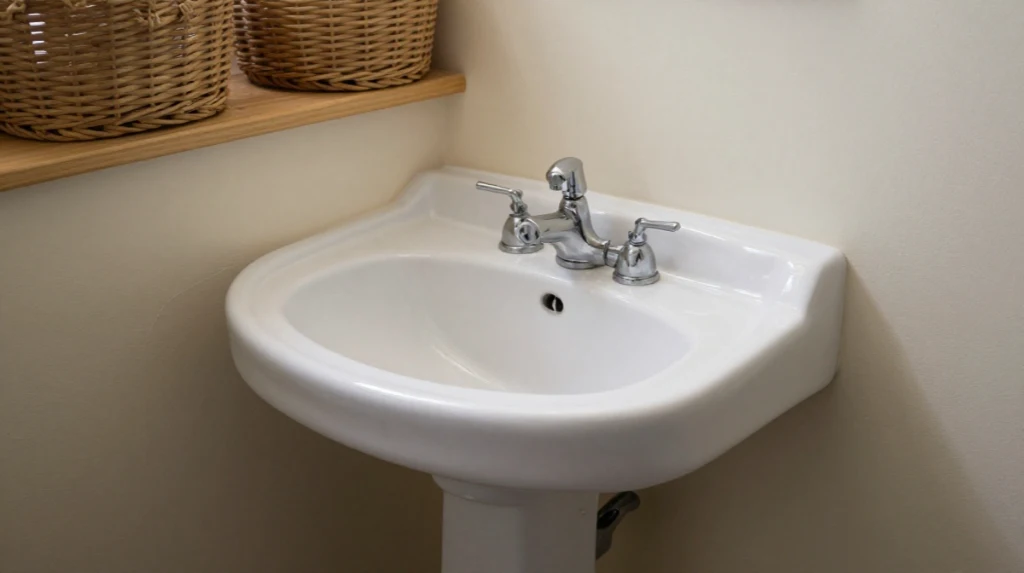
For smaller bathrooms, a vintage-style pedestal sink offers that retro charm without taking up much floor space. The simple, rounded silhouette fits naturally into a mid-century modern layout and keeps the room feeling open.
Pedestal sinks work best when paired with open shelving or a nearby cabinet for storage, since they do not offer any built-in space underneath. A woven basket or a small wall shelf nearby solves this practical issue easily.
Floating Vanity Design
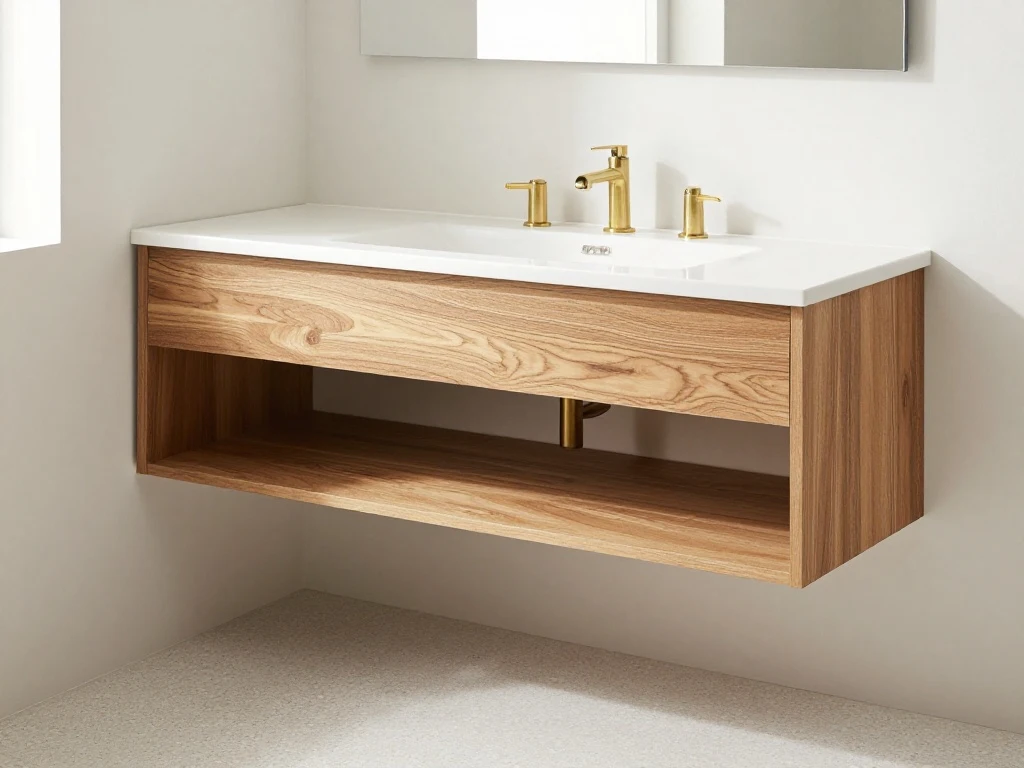
Floating vanities are mounted to the wall rather than sitting on the floor, which creates a lighter, more open feel in the bathroom. This design choice is closely tied to mid-century modern style, which favors clean lines and a sense of visual space.
This style also makes cleaning easier, since there is no gap between the cabinet and the floor to collect dust. It works especially well in smaller bathrooms where every bit of visual openness matters.
Brass Fixture Hardware
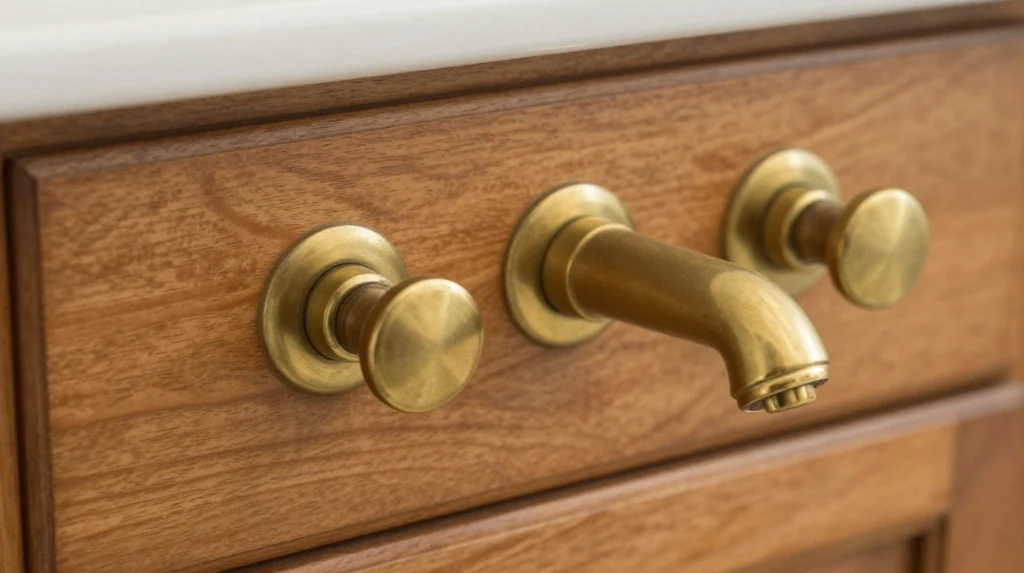
Brass fixtures bring warmth and a soft metallic shine that pairs beautifully with wood tones and earthy color palettes. From faucets to drawer pulls, brass hardware is one of the easiest ways to tie a mid-century modern bathroom together.
Over time, unlacquered brass develops a natural patina, which many homeowners actually prefer for the authentic vintage look. If you want to keep the shine consistent, choose a lacquered finish instead, which resists tarnishing.
Matte Black Faucets
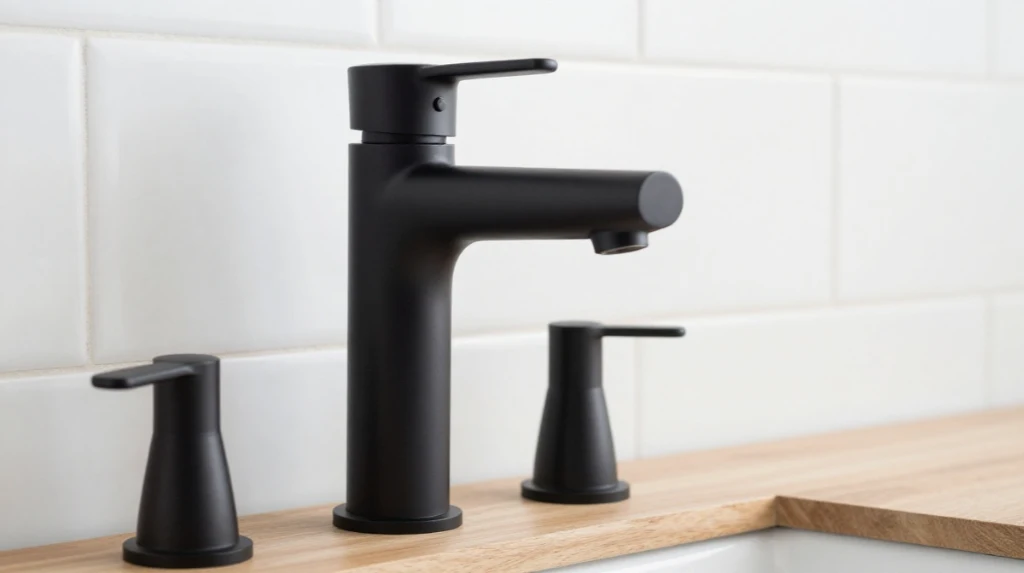
Matte black faucets offer a more modern, slightly bolder take on the retro bathroom look. The dark finish creates strong contrast against white tile, wood vanities, and lighter wall colors, giving the space a bit of edge.
This finish also tends to hide water spots and fingerprints better than polished chrome, which makes daily cleaning a little easier. Pairing matte black faucets with brass mirror frames or light fixtures adds nice contrast without clashing.
Pendant Bathroom Lighting
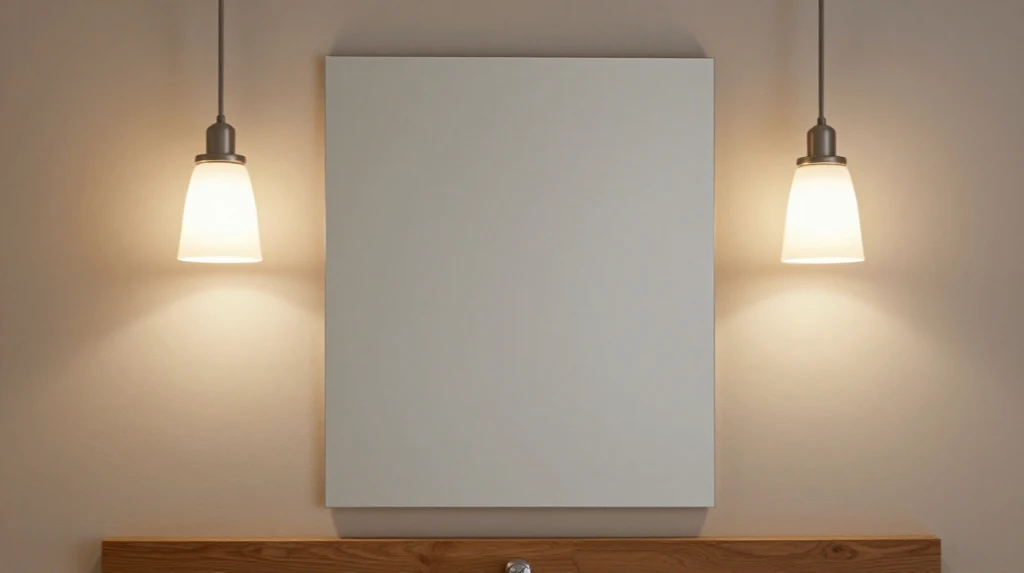
Pendant lights hanging on either side of a mirror add both function and style to a mid-century modern bathroom. They provide better, more even lighting for grooming tasks compared to a single overhead fixture.
Choose pendants with warm-toned bulbs to match the cozy feel of the style. Glass or frosted shades work particularly well, softening the light while still allowing that classic silhouette to show through.
Globe Light Fixtures
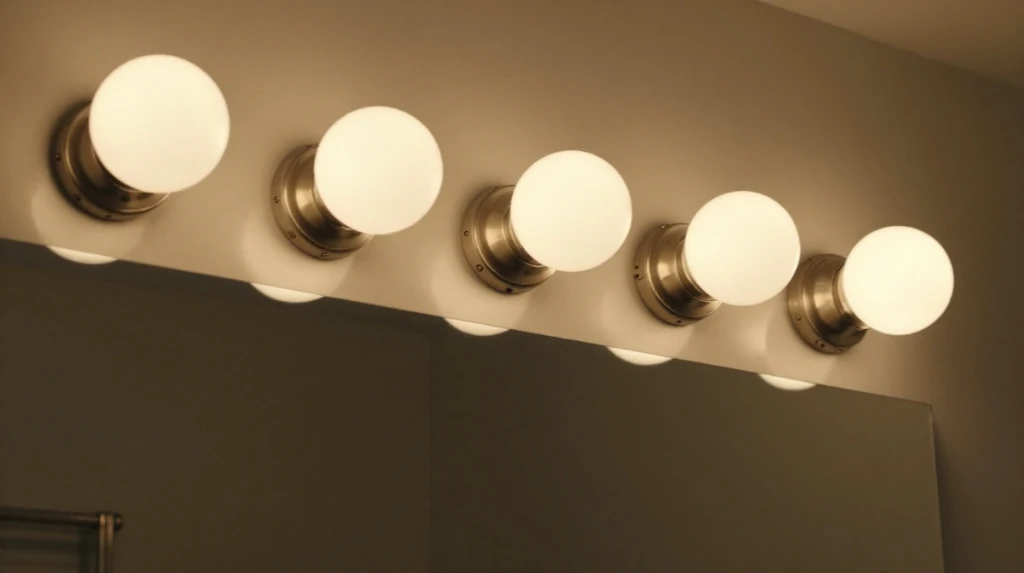
Globe lights are a simple, rounded lighting choice that fits naturally into a retro modern bathroom. Their clean, unfussy shape complements the geometric and organic elements found throughout this design style.
These fixtures work well both as a single statement piece above the mirror or as a row of smaller globes for a more layered lighting effect. Either way, they add a soft, welcoming glow to the space.
Sputnik Chandelier Accents
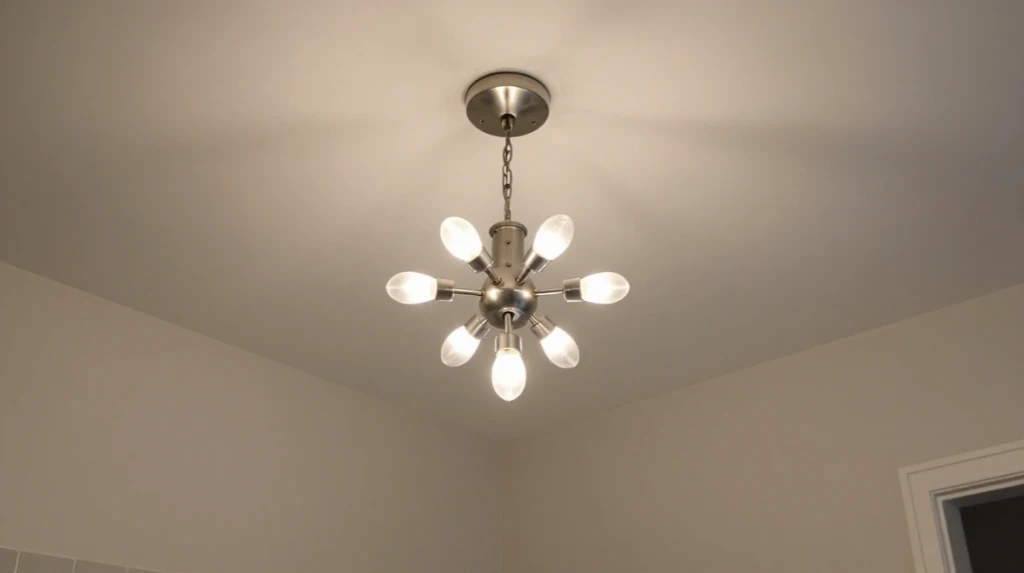
For bathrooms with a little more space, a small sputnik chandelier adds a playful, sculptural element overhead. The starburst arrangement of bulbs is instantly recognizable as a mid-century design detail.
Keep the rest of the lighting simple if you choose a sputnik fixture as your statement piece, since it already draws plenty of attention on its own. This works especially well in larger primary bathrooms with higher ceilings.
Rattan and Wicker Storage
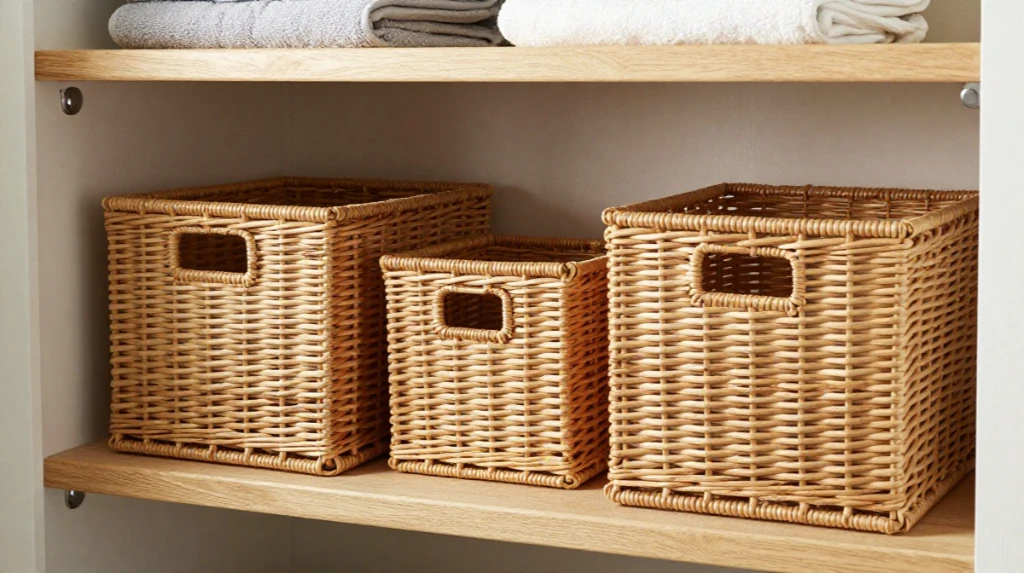
Rattan and wicker baskets bring natural texture into the bathroom while offering practical storage for towels, toiletries, and extra supplies. These materials are closely tied to the organic, nature-inspired side of mid-century design.
Use a few varying sizes of woven baskets to organize items both on open shelving and on the floor. This keeps the room tidy while adding warmth and texture that pairs beautifully with wood and tile.
Indoor Plants and Greenery
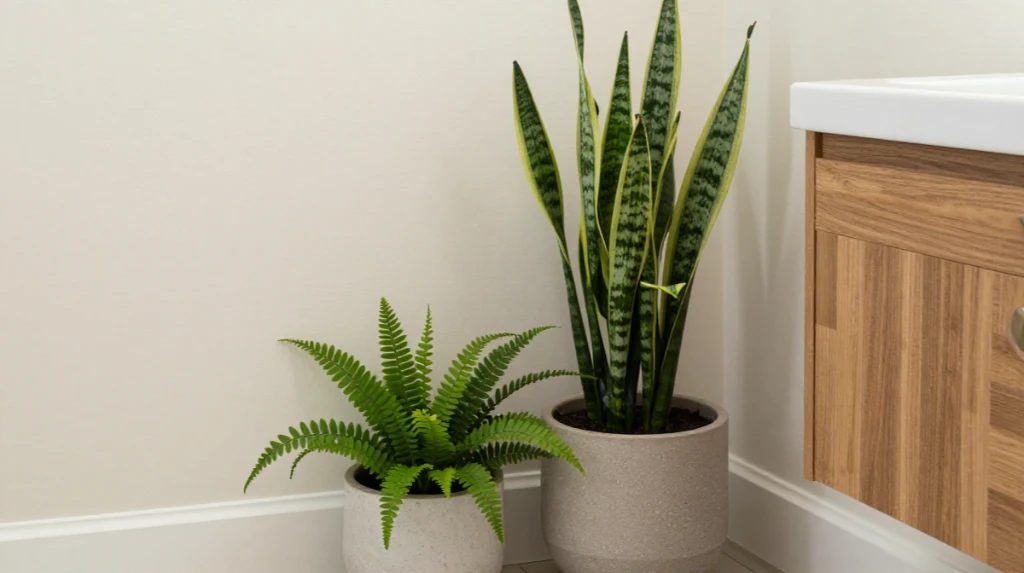
Adding a few plants to a bathroom brings life and softness to what can otherwise feel like a very hard, tiled space. Mid-century interiors often included greenery to balance out geometric patterns and bold colors.
Choose plants that tolerate humidity well, such as pothos, snake plants, or ferns. A simple ceramic or woven planter keeps the look consistent with the rest of your retro modern styling.
Hexagon Floor Tiles
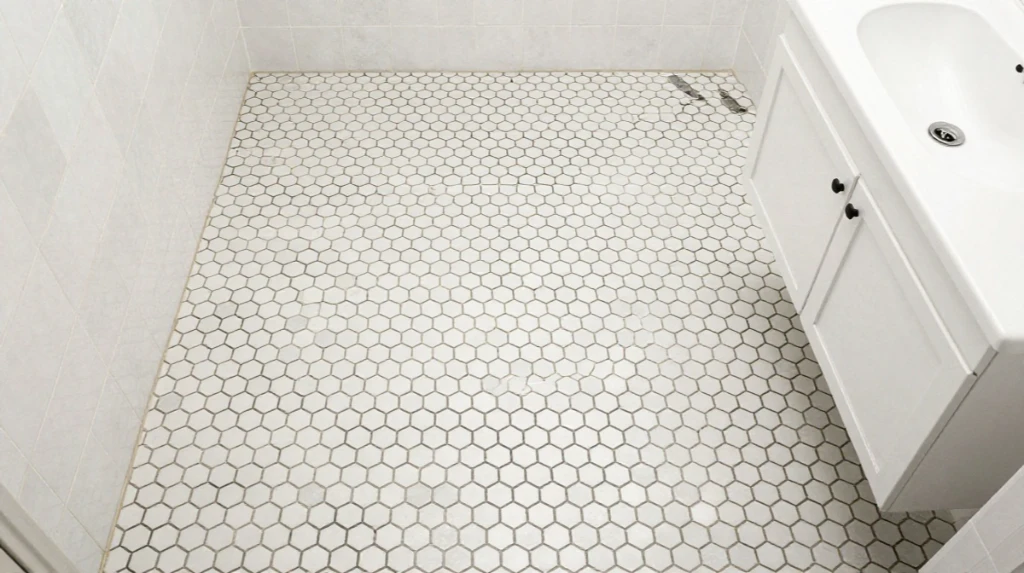
Hexagon tiles are a classic vintage bathroom tile shape that has remained popular for decades. The repeating pattern adds subtle visual interest to the floor without overwhelming the rest of the room’s design.
Black and white hexagon combinations feel especially true to the mid-century era, while colored hexagon tile offers a more playful, modern twist. Either option pairs nicely with a simple white or wood vanity.
Subway Tile Walls
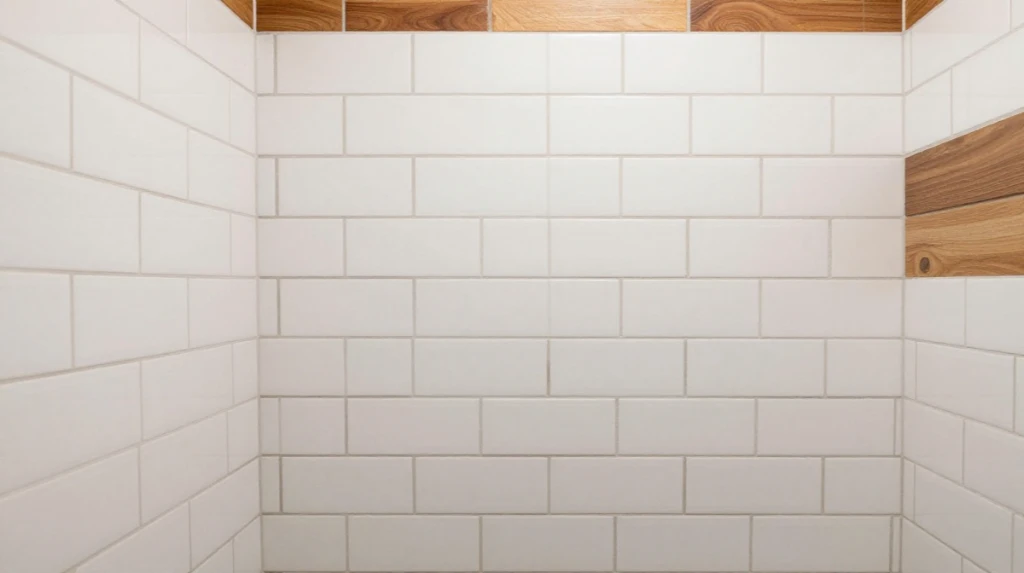
Subway tile is a timeless choice that works well in a mid-century modern bathroom, especially when laid in a slightly different pattern than the standard brick layout. A herringbone or vertical stack pattern adds a fresh twist to a familiar material.
Pair subway tile with a colored grout for extra personality, or keep it classic with white grout for a cleaner finish. It is a budget-friendly option that still delivers plenty of visual texture.
Open Shelving Solutions
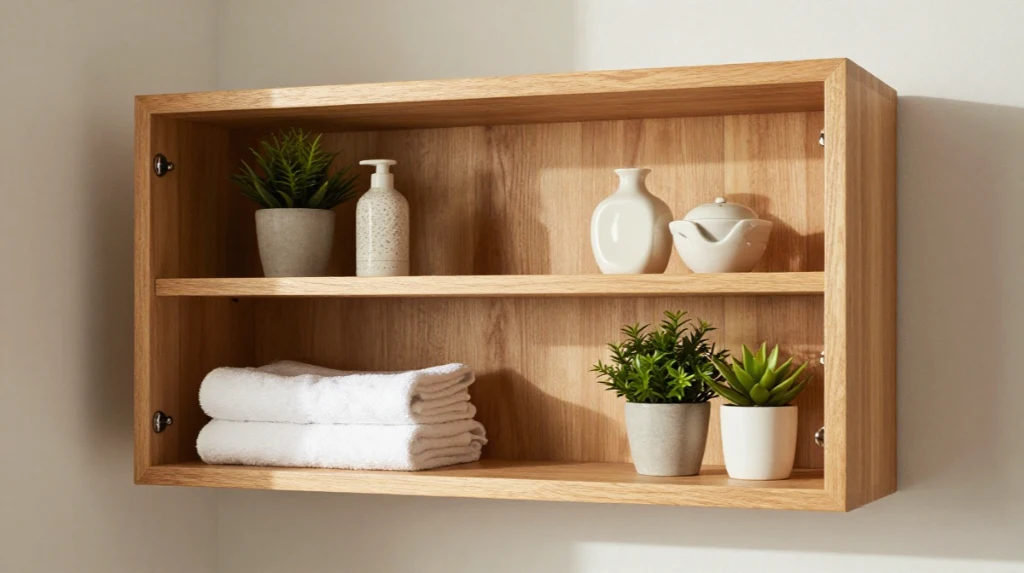
Open shelves, often made from the same warm wood used in the vanity, offer both storage and display space. This is a simple way to keep everyday items accessible while adding a sense of openness to the room.
Style open shelves with a mix of folded towels, small plants, and a few decorative pieces rather than packing them with clutter. This keeps the look intentional and prevents the shelves from feeling messy.
Freestanding Bathtubs
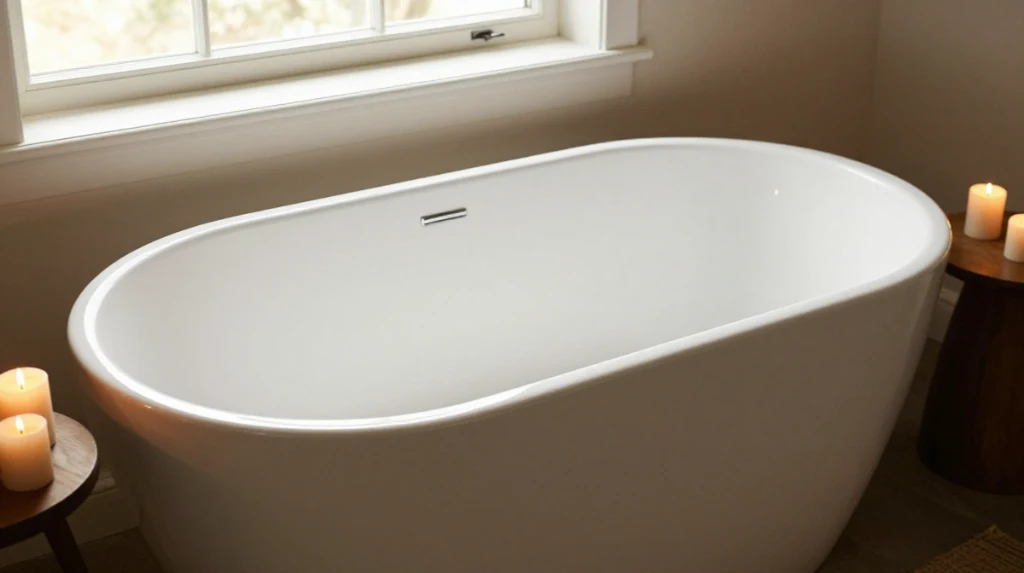
A freestanding tub with soft, rounded edges captures the organic shapes that define mid-century modern style. Unlike built-in tubs, a freestanding option becomes a sculptural centerpiece in the room.
Position the tub so it has room to breathe, ideally with a small side table nearby for candles, books, or a drink. This creates a relaxing, spa-like feel that fits naturally into the overall retro modern aesthetic.
Quick Comparison Table
| Feature | Style Element | Maintenance Level | Best For | Recommended Finish |
|---|---|---|---|---|
| Vanity | Teak or walnut wood | Low | Warmth and texture | Natural wood stain |
| Flooring | Terrazzo | Low | Small or large bathrooms | Neutral or colorful base |
| Sink | Vessel or pedestal | Medium | Statement or small spaces | Ceramic or stone |
| Faucet | Brass or matte black | Low | Fixture pairing | Lacquered or unlacquered |
| Lighting | Globe or sputnik | Low | Ambient glow | Warm-toned bulbs |
| Tile | Hexagon or subway | Medium | Floors and accent walls | Colored or white grout |
| Storage | Rattan and wicker | Low | Organization and texture | Natural woven fiber |
Conclusion
Mid-century modern bathroom design works because it blends warmth, color, and function in a way that feels genuinely comfortable to live with. It is not about copying a showroom photo exactly. It is about picking the elements, whether that is a wood vanity, a sunburst mirror, or a bold color accent, that fit your space and your daily routine.
You do not need to change everything at once. Start with one or two pieces, like a new faucet finish or a set of woven baskets, and build from there. Over time, these small, thoughtful choices come together to create a bathroom that feels both stylish and genuinely yours.
You may also like this: 22 Mid-Century Modern Kitchen Design Ideas That Never Go Out of Style
Frequently Asked Questions
1. What defines mid-century modern bathroom design?
It combines clean lines, organic shapes, warm wood tones, and bold retro colors like avocado green or mustard yellow, paired with simple, functional fixtures.
2. Is mid-century modern style good for small bathrooms?
Yes. Floating vanities, pedestal sinks, and light terrazzo flooring all help small bathrooms feel open while still capturing the retro modern look.
3. What colors work best in a mid-century modern bathroom?
Earthy and warm tones like avocado green, mustard yellow, and burnt orange work well, especially when balanced with white tile and natural wood.
4. Are brass fixtures still popular for this style?
Yes. Brass hardware remains a top choice because it pairs naturally with wood tones and adds warmth without feeling overly shiny or modern.
5. How can I update my bathroom on a budget?
Start with smaller changes like a statement mirror, new hardware, woven storage baskets, or a few plants before committing to a full tile or vanity replacement.

2 Comments