
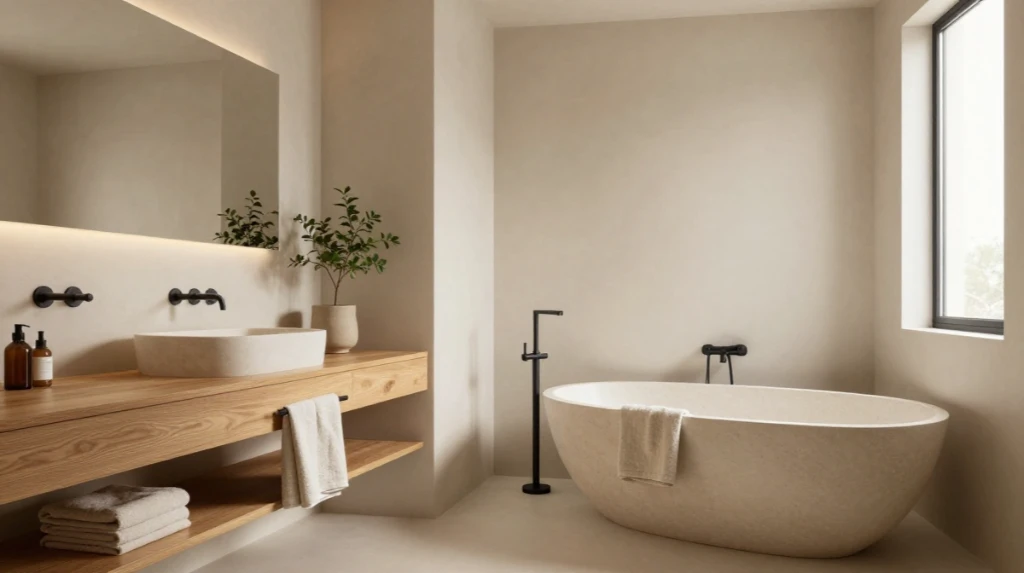
Introduction
There is something quietly comforting about walking into a bathroom that feels calm instead of chaotic. If your current bathroom feels cluttered, cold, or a little too busy, you are not alone. Many people are drawn to Japandi bathroom design because it solves exactly that problem, offering a space that feels grounded, warm, and easy to live in every single day.
Japandi bathroom decor takes the best parts of two design cultures and brings them together. From Japan, it borrows quiet simplicity and respect for natural materials. From Scandinavia, it borrows warmth, coziness, and a love of function over excess. The result is a japandi style home that feels personal rather than showroom-perfect, with rough edges and imperfections that are allowed to stay visible instead of hidden away.
This guide walks through 22 practical ideas for bringing this minimalist bathroom design into your own space, whether you are planning a full renovation or simply want to update a few details. Each idea includes real advice you can actually use, not just inspiration to scroll past.
What Is Japandi Bathroom Design
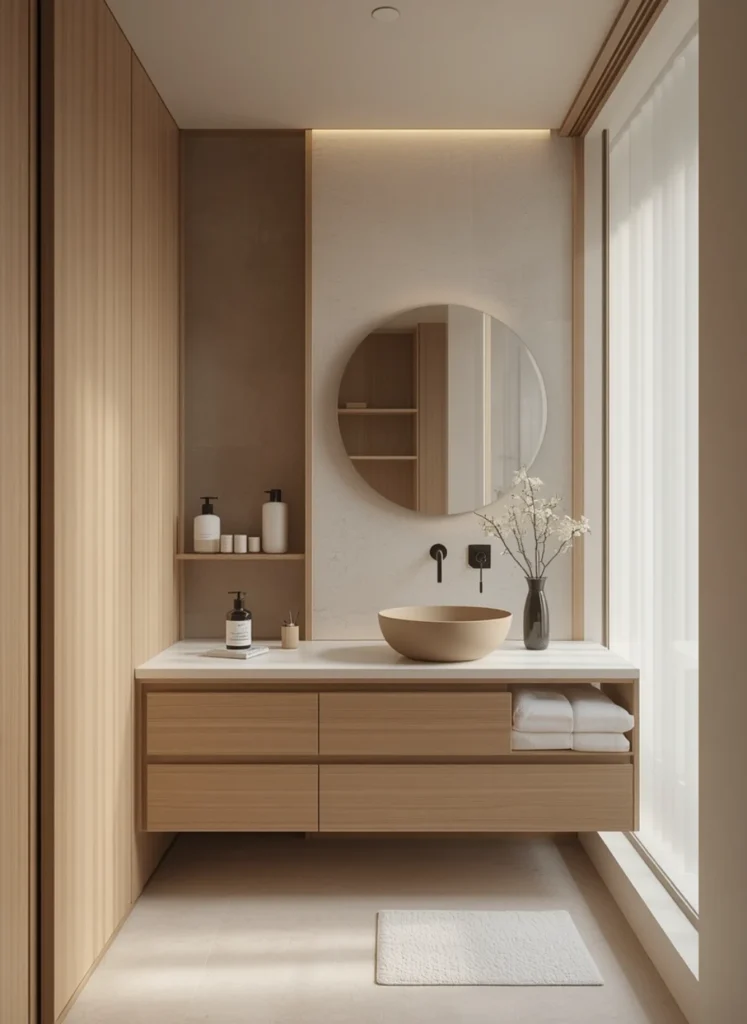
At its core, this style is a blend of Japanese and Scandinavian design philosophies that share more in common than people expect. Both cultures value simplicity, natural light, and materials that age gracefully over time. When applied to a bathroom, this means fewer decorative objects, more breathing room, and a focus on textures you actually want to touch.
You do not need to gut your entire bathroom to bring this look to life. Start by removing anything that feels purely decorative and does not serve a purpose. A minimalist design philosophy does not mean bare or cold. It means every object earns its place, and that alone can make a small bathroom feel noticeably calmer.
The Japandi Color Palette
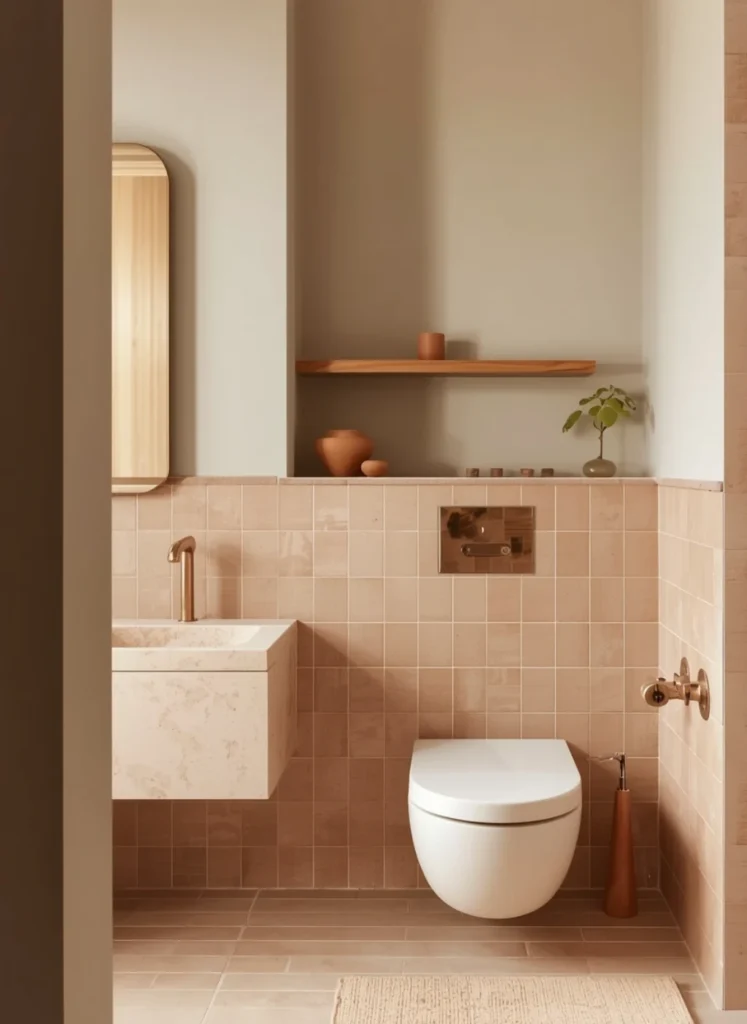
The japandi color palette leans heavily on soft, neutral earthy color tones like warm beige, soft clay, off-white, and muted charcoal. These shades work together because none of them compete for attention. The goal is a serene bathroom atmosphere where the eye can rest instead of jumping from one bold color to another.
If you are unsure where to start, pick one dominant neutral for your walls and tiles, then layer in one or two warmer accent tones through towels or a wooden stool. Avoid pure white, which can feel clinical in this style. A slightly warmer off-white or sand tone almost always looks more inviting.
Natural Wood Vanities
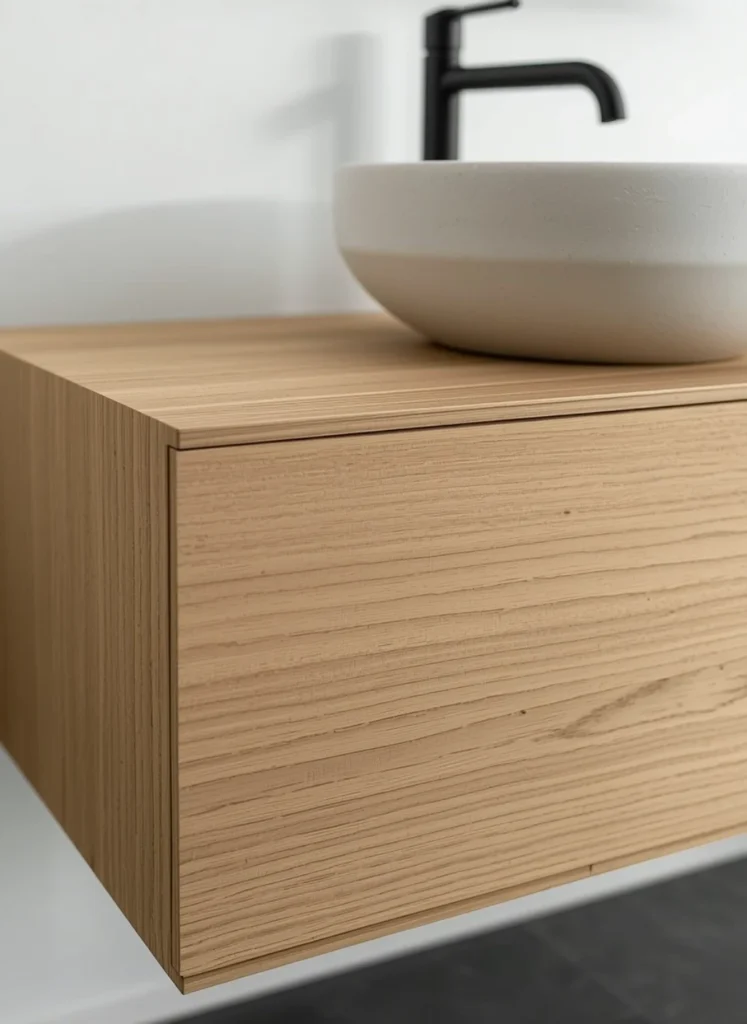
Wooden bathroom elements are one of the fastest ways to bring warmth into an otherwise minimal space. A japandi vanity ideas approach usually means floating wood cabinetry with clean lines, no ornate handles, and a natural or lightly stained finish that shows the grain of the wood.
Oak, walnut, and teak are common choices because they hold up reasonably well in humid environments when properly sealed. If you are working with a smaller bathroom, a floating vanity also has the added benefit of making the floor space feel more open, which helps the whole room breathe.
Stone and Concrete Textures
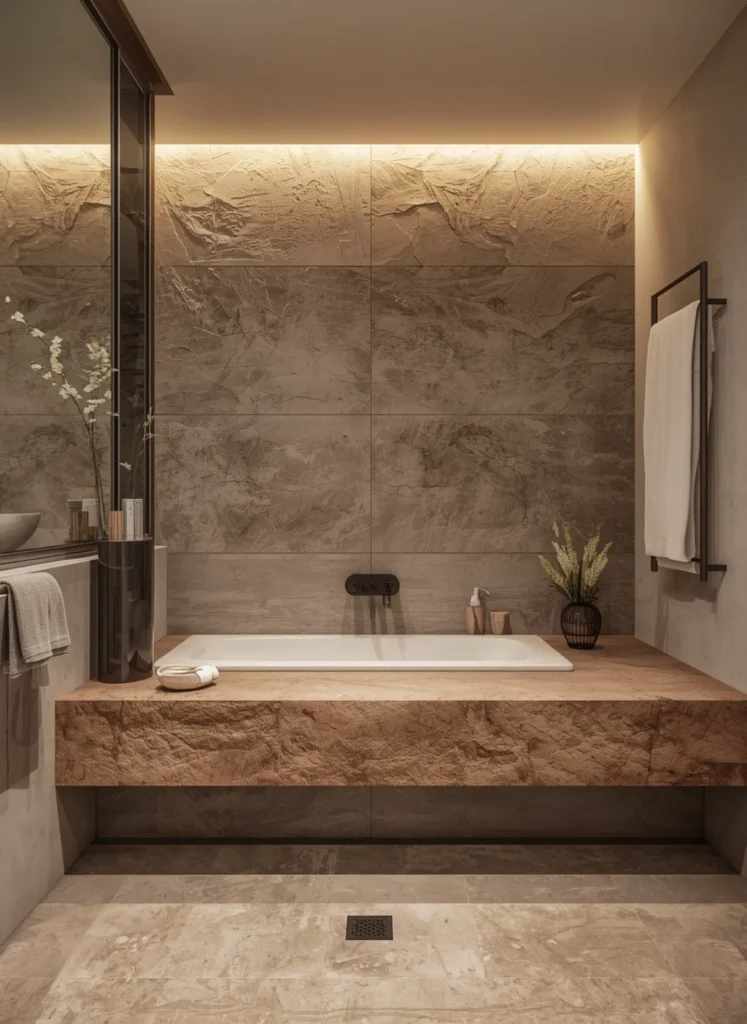
Stone bathroom design elements add a raw material bathroom feel that pairs beautifully with wood. Think honed stone countertops, concrete basins, or a stone accent wall behind the tub. These materials carry a natural texture that feels grounded rather than sterile.
One thing to keep in mind is sealing. Natural stone and concrete are porous, so they need periodic sealing to resist water stains and keep their appearance over the years. Ask your supplier how often resealing is recommended for the specific material you choose.
Freestanding Soaking Tubs
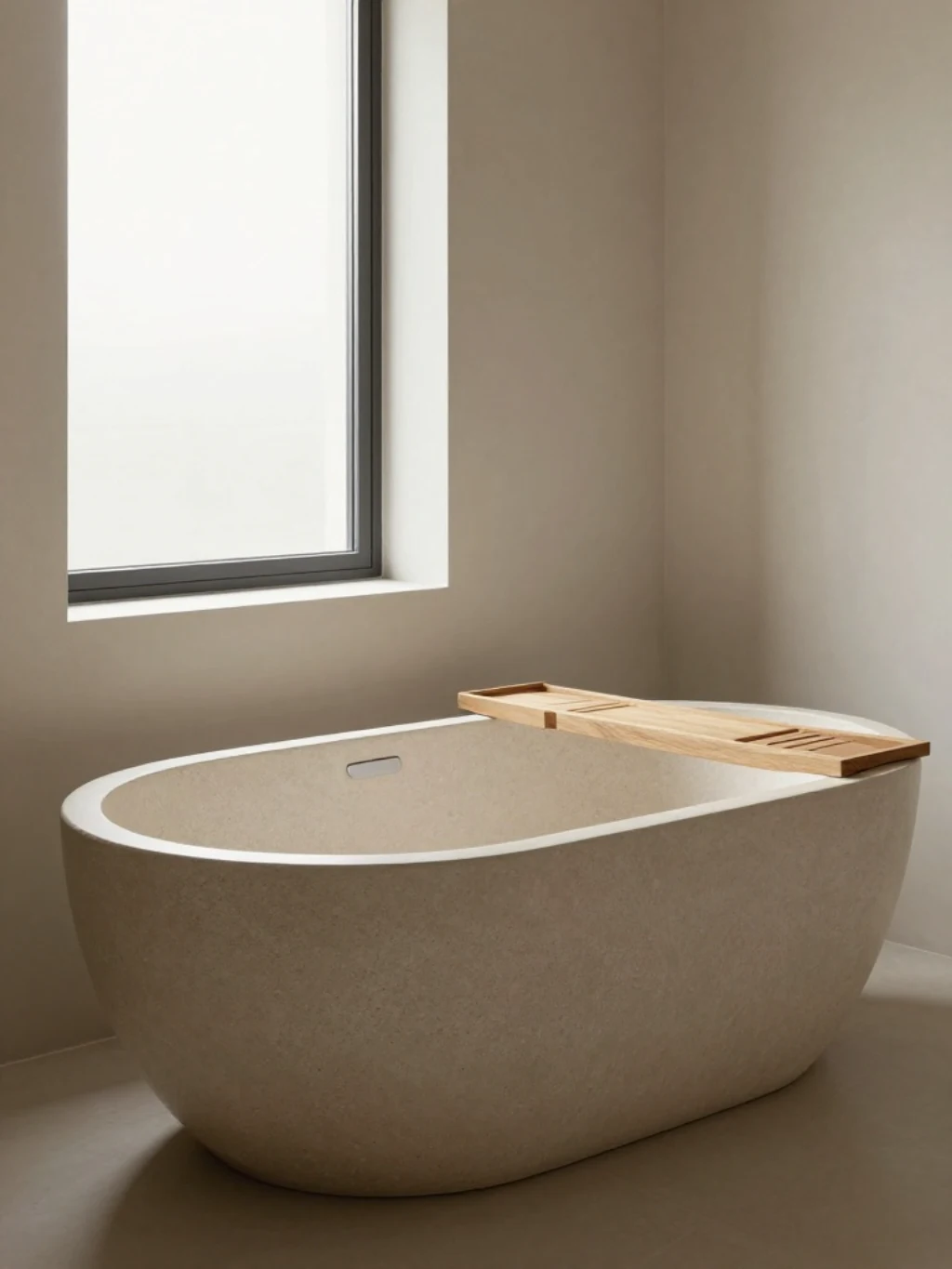
A freestanding bathtub japandi setup is often the centerpiece of this style. Soaking tub design draws directly from Japanese ofuro bathing traditions, where the tub is deep and compact, meant for relaxing rather than lying flat. Placed near a window or a simple stone backdrop, it becomes a genuine focal point.
If a full soaking tub is not practical for your space or budget, a deep alcove tub in a similar shape can offer a similar feeling without the same cost. Pair it with a simple wooden bath tray for a small, authentic touch.
Minimalist Bathroom Fixtures
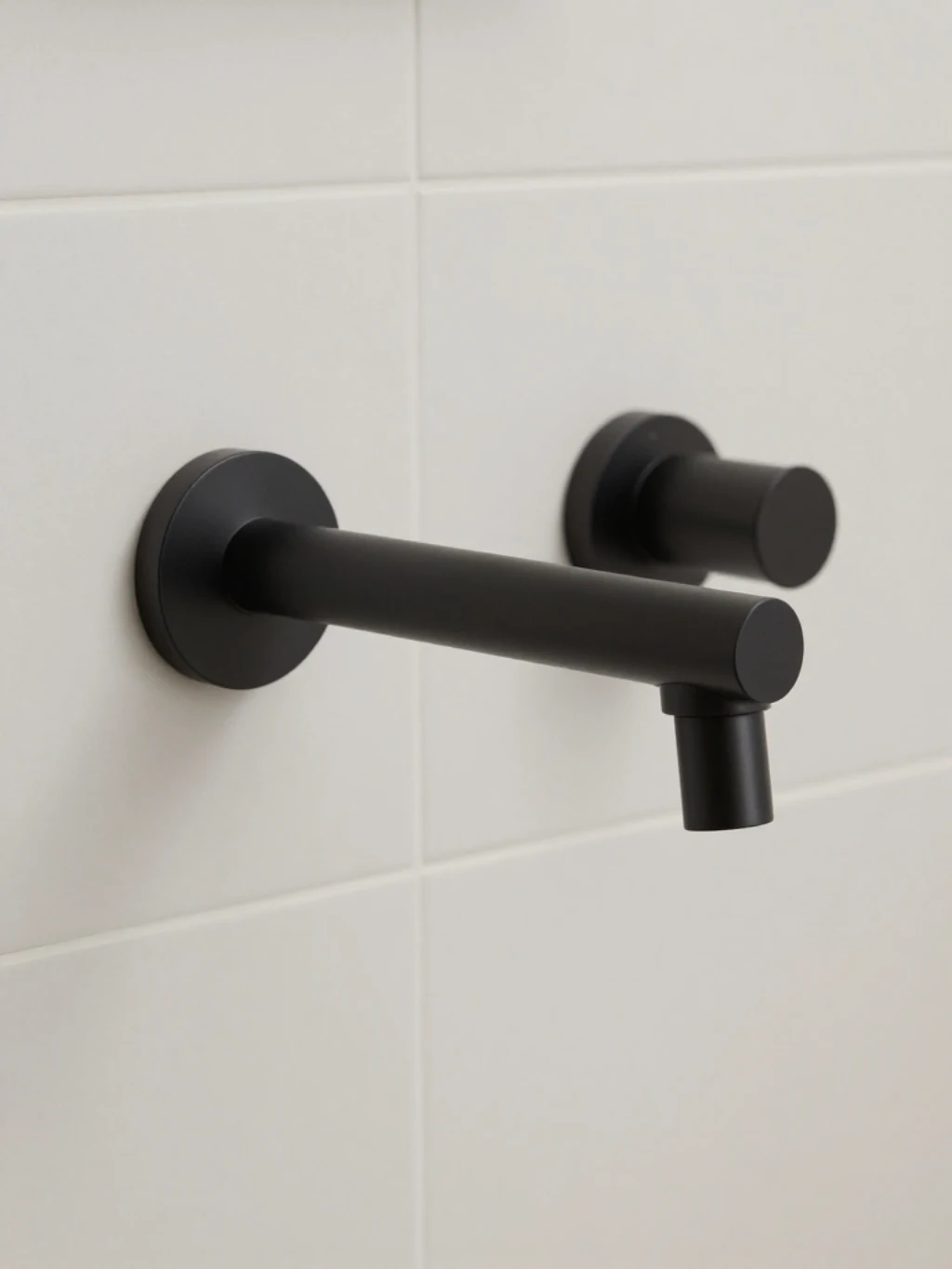
Minimalist bathroom fixtures are chosen for their clean geometry rather than decorative flourish. Round or slightly angular faucets in matte finishes work well, as do wall-mounted fixtures that reduce visual clutter around the sink and floor.
When shopping for fixtures, resist the urge to mix too many finishes. Sticking to one metal tone throughout the room, whether that is matte black, brushed nickel, or aged brass, keeps the space feeling intentional rather than mismatched.
Japandi Bathroom Tiles
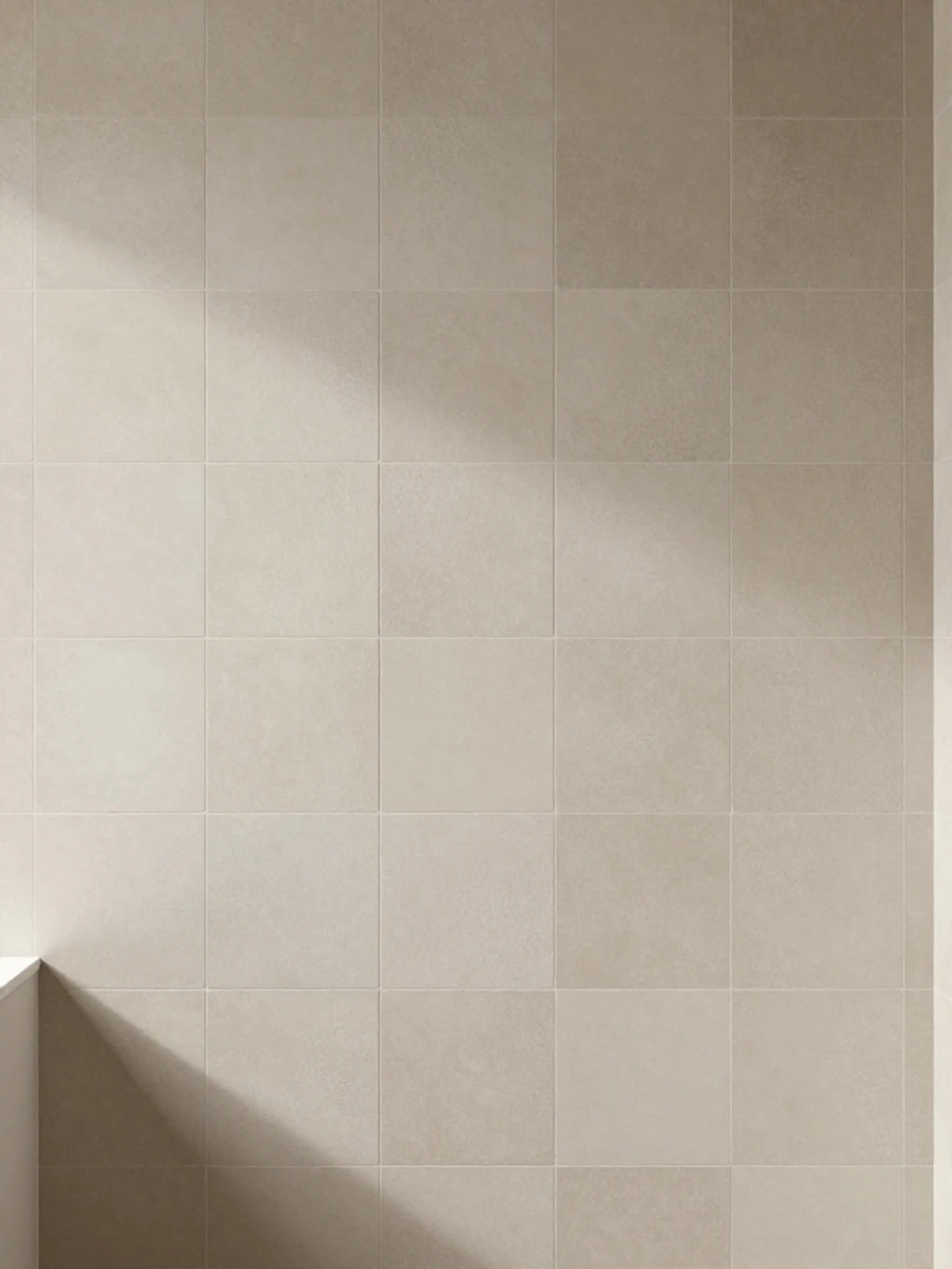
Japandi bathroom tiles typically favor matte, textured, or subtly imperfect surfaces over glossy, uniform ones. Handmade-look zellige tiles, large-format stone-effect tiles, and simple square tiles in warm neutrals are all common choices that support the overall aesthetic.
If budget is a concern, you do not need to tile the entire bathroom. A tiled accent wall behind the tub or shower, paired with simpler wall paint elsewhere, can achieve a similar effect for a fraction of the cost.
Warm Lighting Ideas
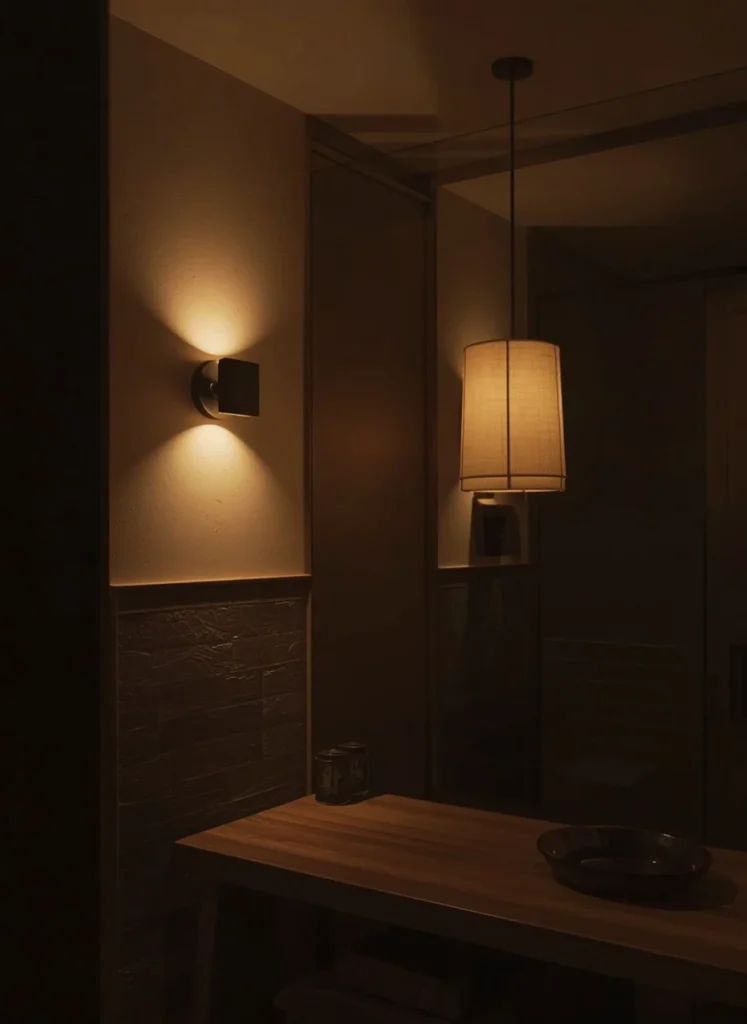
Japandi lighting ideas favor soft, warm-toned light over harsh overhead fixtures. Wall sconces, pendant lights with paper or linen shades, and dimmable fixtures all help create a calm bathroom atmosphere rather than a bright, clinical one.
Natural light matters just as much here. If your bathroom has a window, keep the window treatment simple, using a linen shade or frosted glass instead of heavy curtains that block light and add visual weight to the room.
Bamboo Accessories
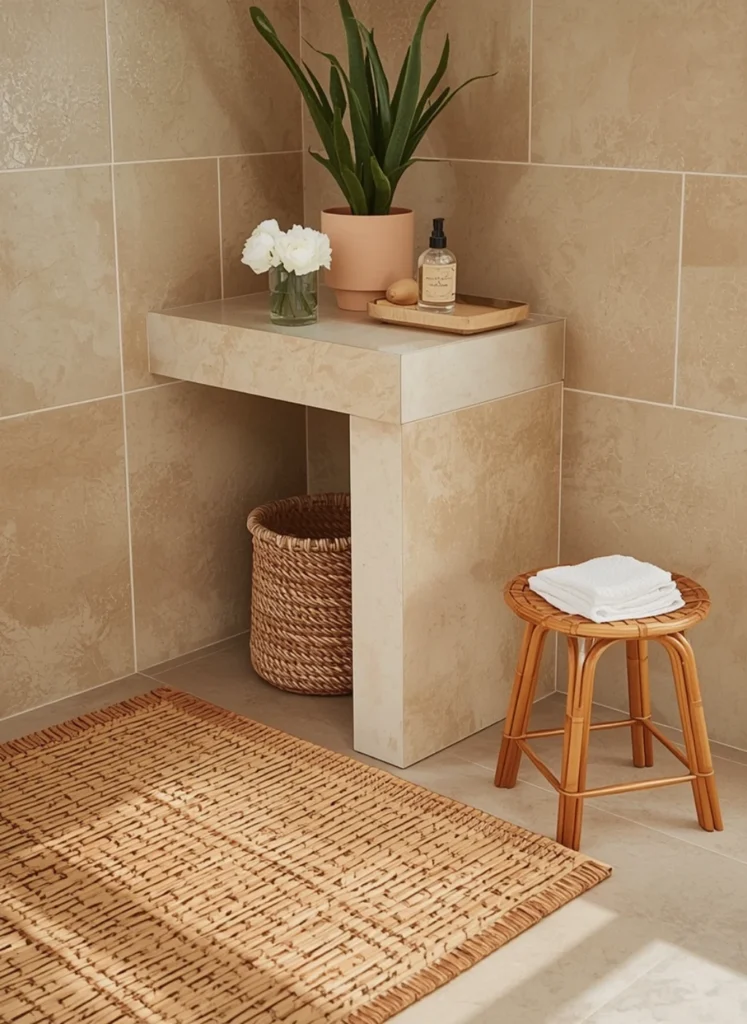
Bamboo bathroom accessories are an easy, affordable way to bring texture into the space without a full renovation. Bamboo bath mats, storage baskets, and small stools add warmth and a slightly organic feel that fits naturally into this style.
Bamboo does need some care in humid bathrooms. Wipe it dry after use and keep it away from constant standing water to prevent warping or mildew over time.
Linen and Natural Fiber Textiles
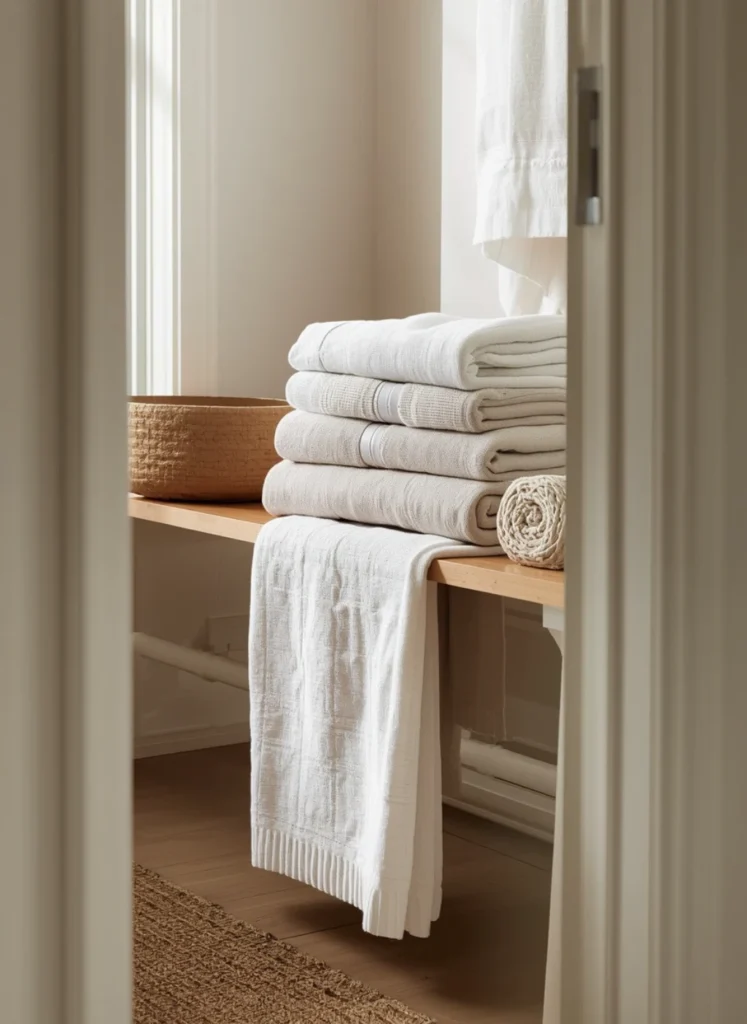
Linen bathroom textiles and other natural fiber bathroom materials, like cotton waffle towels or jute bath mats, add softness to a room that is otherwise full of hard surfaces like tile and stone. These textiles also age well, softening with each wash rather than wearing out.
Stick to muted, natural dye colors for towels and mats rather than bright patterns. This keeps the layered textures feeling cohesive instead of competing with the calm base palette of the room.
Wabi-Sabi Imperfection
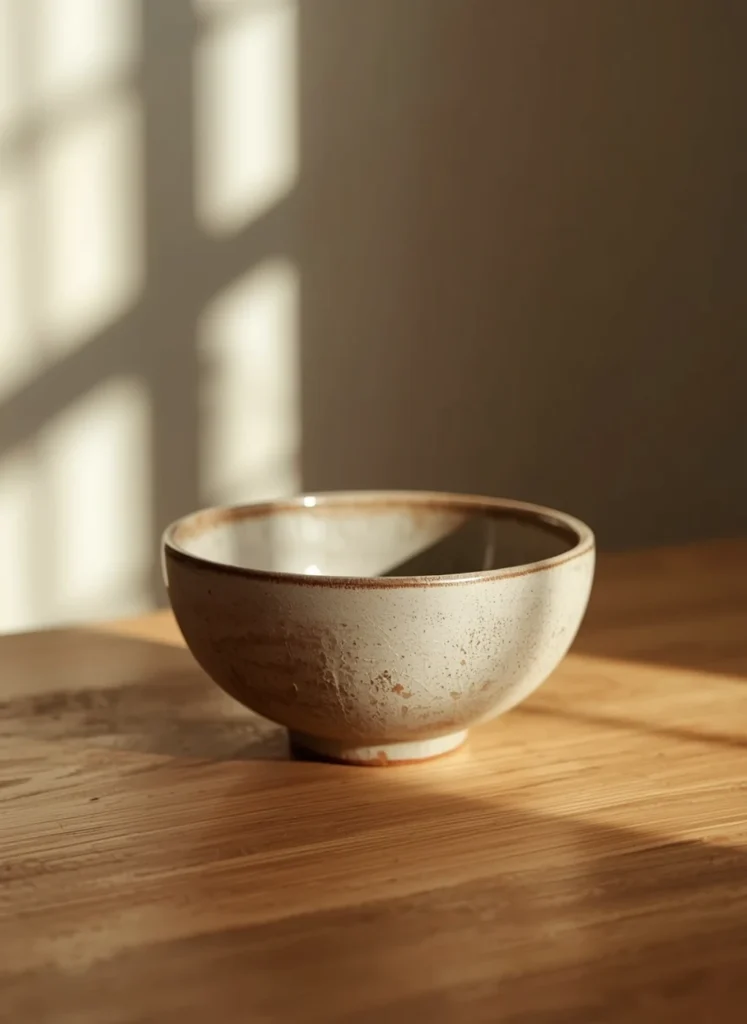
The wabi-sabi imperfection concept is central to this design style. Rather than chasing a flawless, showroom look, wabi-sabi celebrates natural wear, handmade irregularities, and materials that show their age honestly, like a slightly uneven ceramic bowl or a wood surface with visible grain.
This mindset can actually save you money during a renovation. Instead of stressing over a perfectly uniform tile job or flawless plaster finish, you can embrace small imperfections as part of the room’s character rather than something to hide.
Indoor Plants in the Bathroom
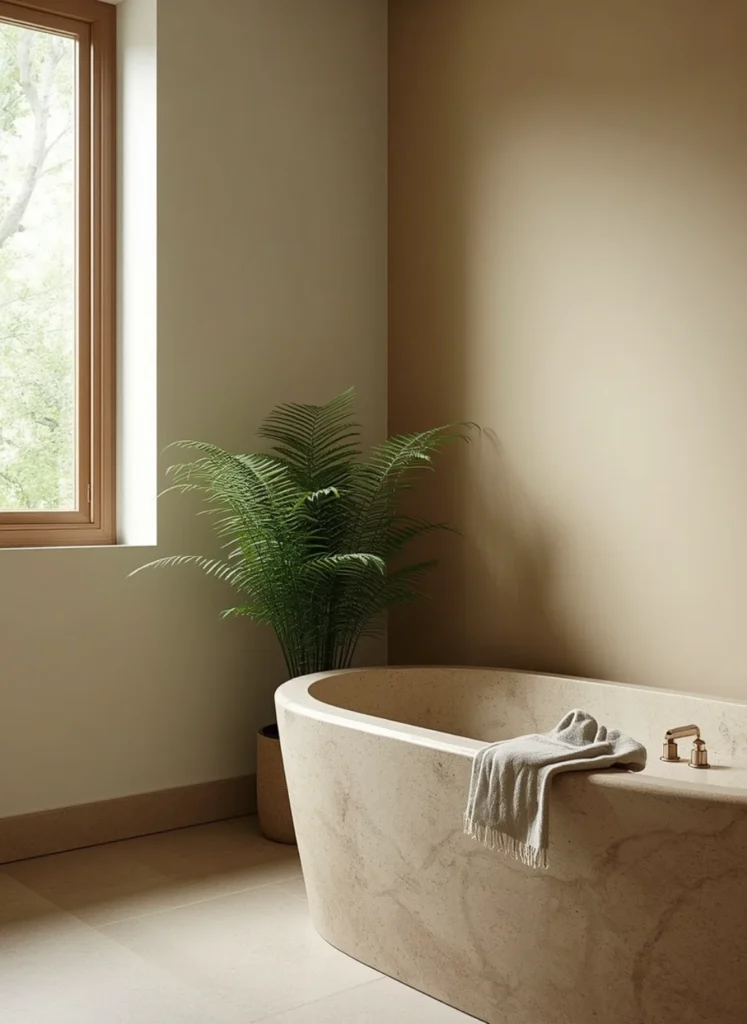
Indoor plant bathroom decor brings a biophilic bathroom design concept into the room, connecting the space to nature even without a view outside. Humidity-loving plants like ferns, pothos, or peace lilies tend to do especially well in bathroom conditions.
Choose one or two plants rather than filling every surface. A single plant on the windowsill or floor beside the tub often has more visual impact than a cluttered collection of smaller pots.
Japandi Bathroom Storage
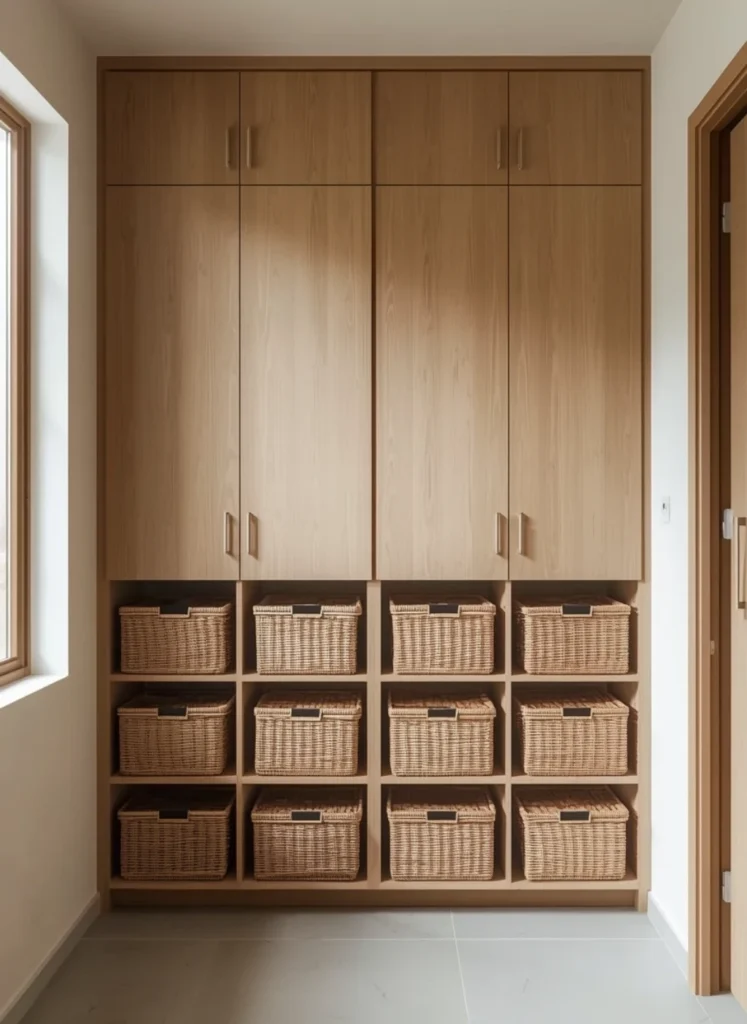
Japandi bathroom storage favors closed storage over open shelving whenever possible, since a clutter-free bathroom environment is central to the whole aesthetic. Simple wooden cabinets, woven baskets with lids, and built-in niches all keep everyday items out of sight.
If you do want some open storage, limit it to a few curated items, like a stack of folded towels or a single ceramic dish for soap. The goal is intentional display, not simply hiding the fact that things are out.
Pebble and Stone Flooring
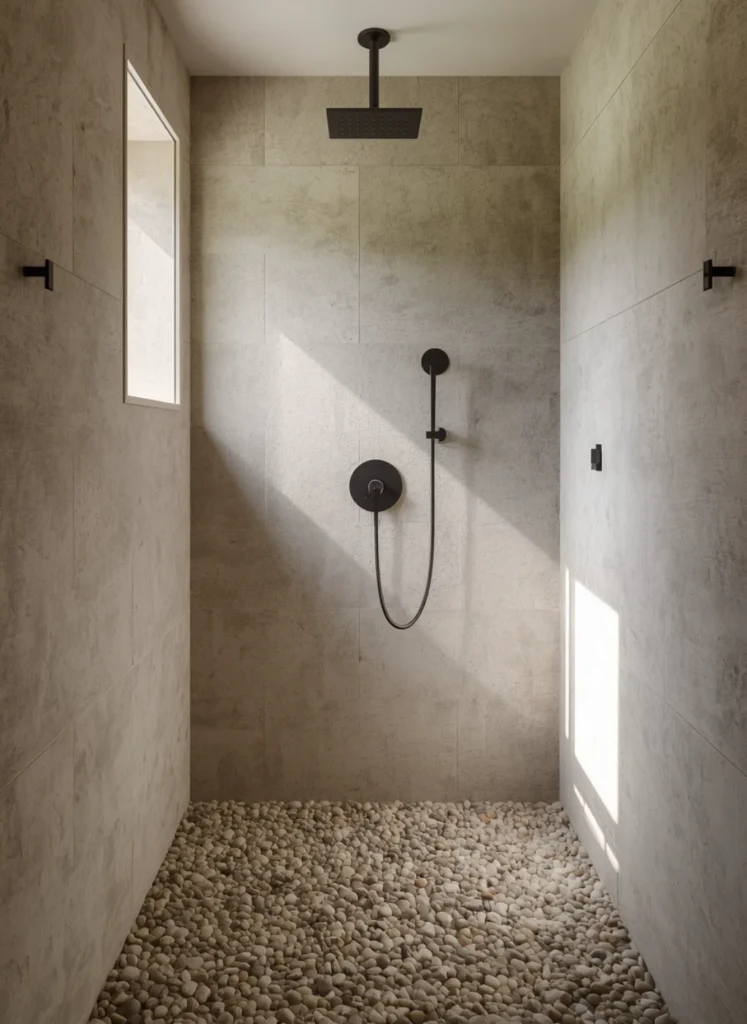
Pebble bathroom floor designs, often used in the shower area, add texture underfoot and a subtle spa-like quality that feels closer to nature than standard tile. This detail works particularly well in walk-in showers without a traditional glass enclosure.
Pebble flooring can feel uneven for some people, so it is worth testing a sample area before committing to a full shower floor. Some homeowners choose to use it only as a decorative border rather than the entire surface.
Matte Black and Brass Fixtures
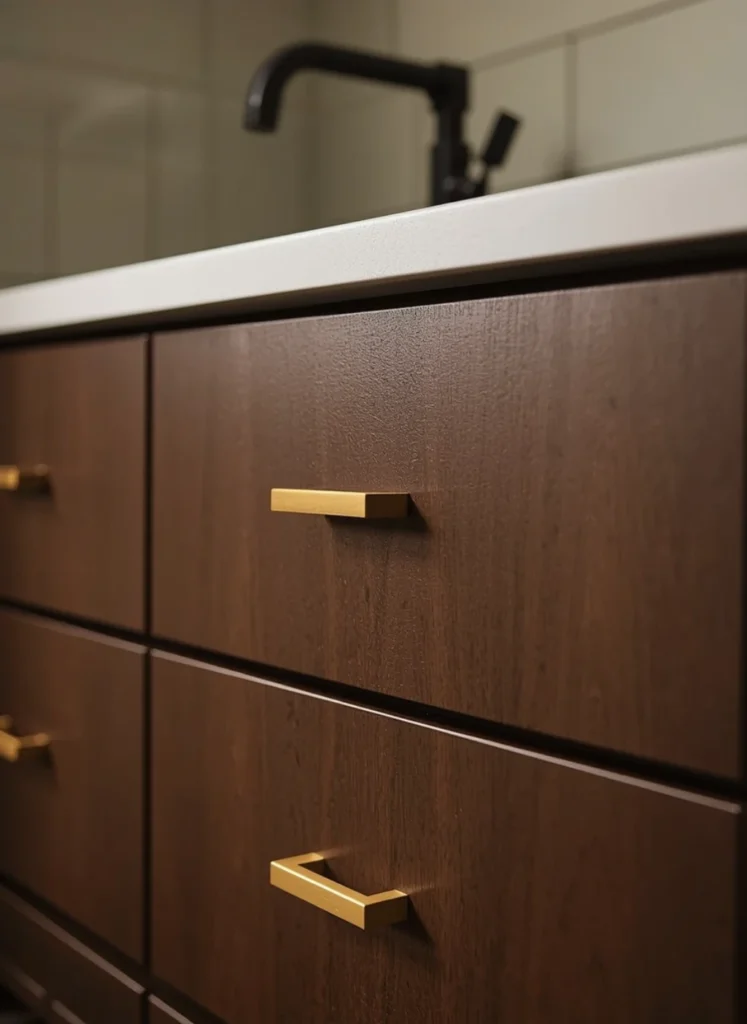
Matte black hardware paired with warm brass accents has become a signature combination in this style, offering contrast without feeling loud. Matte finish bathroom fixtures generally photograph and wear better than glossy chrome, since they hide water spots more effectively.
If you are on a budget, updating just the faucet and cabinet hardware to a matte finish can shift the entire feel of an existing bathroom without a full renovation.
Handcrafted Ceramic Details
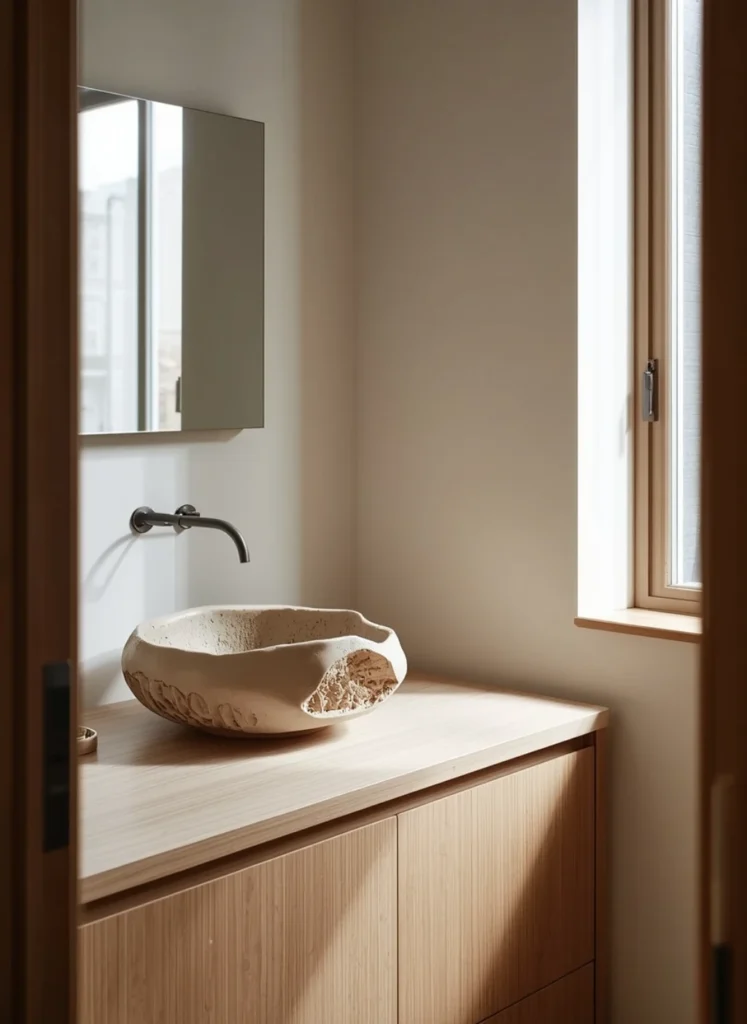
Handcrafted bathroom elements, like a hand-thrown ceramic soap dish or an irregularly shaped vessel sink, bring artisan craftsmanship in design into small everyday details. These pieces often become quiet focal points precisely because they are not mass-produced.
Look for local potters or small studios if you want a piece with real character. Even one handmade item on a bathroom counter can shift the whole room from generic to personal.
Japandi Shower Design
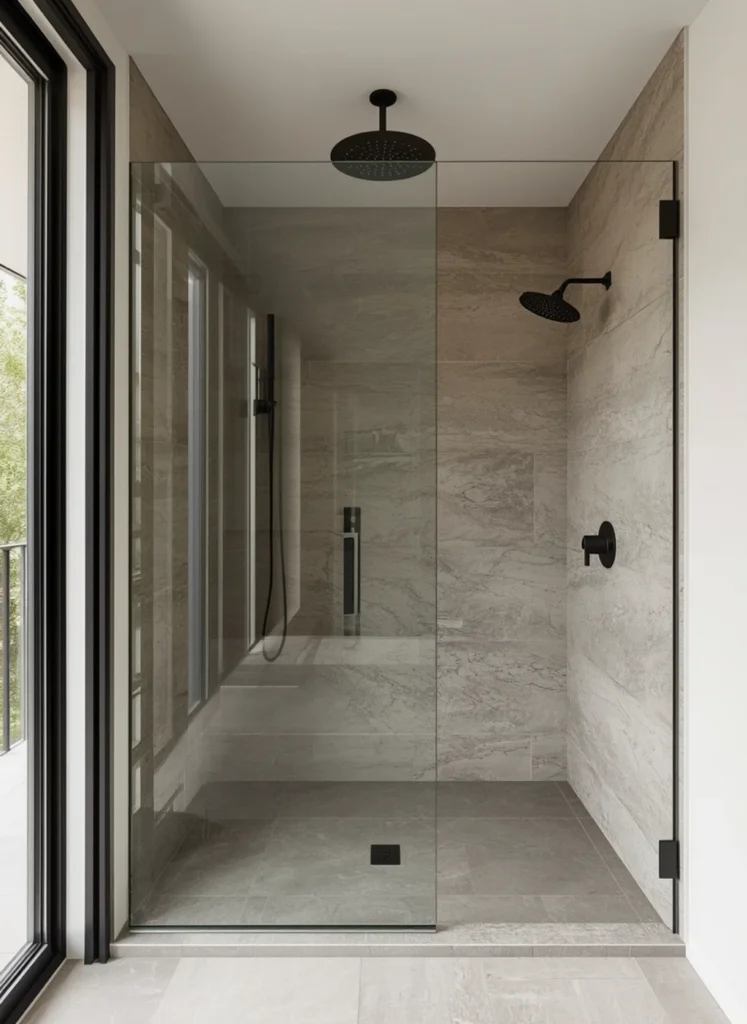
Japandi shower ideas typically favor open, curbless showers with minimal glass framing, letting the natural materials of the walls and floor carry the design instead of heavy fixtures. A rainfall showerhead in a matte finish is a common choice for its clean look and gentle water flow.
If a full curbless shower is not possible due to plumbing or budget constraints, a simple frameless glass panel with a slim black or wood-toned frame can still achieve a similar visual effect.
Neutral Wall Finishes
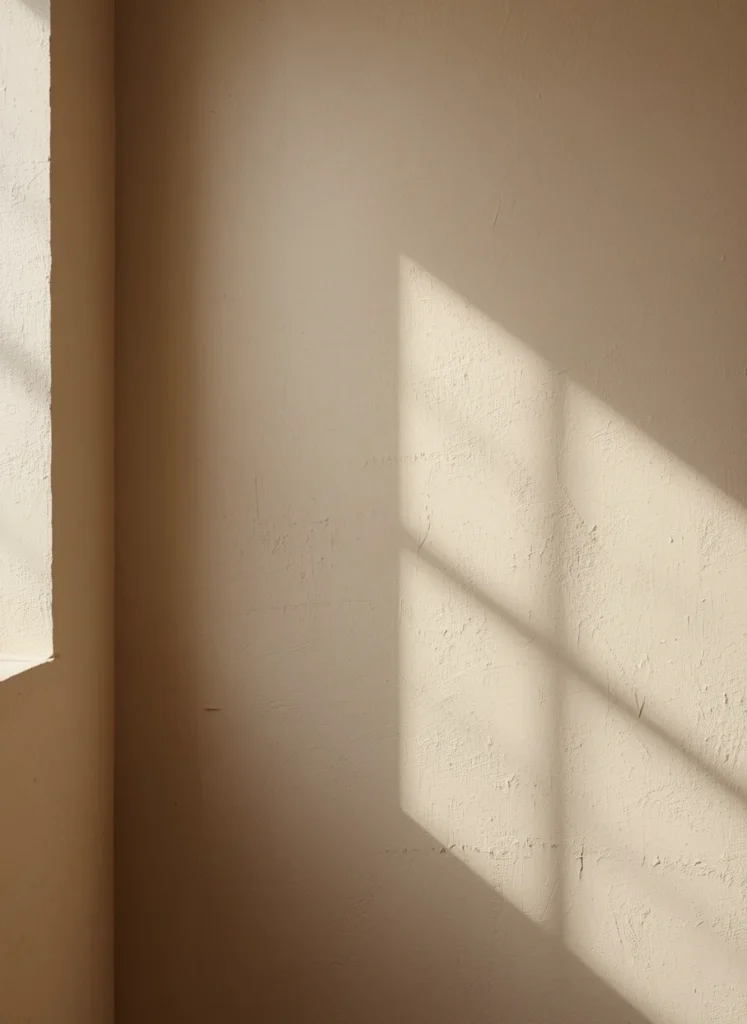
Plaster, limewash, and matte paint in soft neutral tones are popular japandi aesthetic interior choices for bathroom walls. These finishes have a slightly textured, handmade quality that flat paint simply cannot replicate.
Limewash in particular needs a bit of patience during application, as it develops subtle variations in tone as it dries. This variation is part of its charm, so try to resist the urge to touch up small imperfections once it has cured.
Layered Textures for Warmth
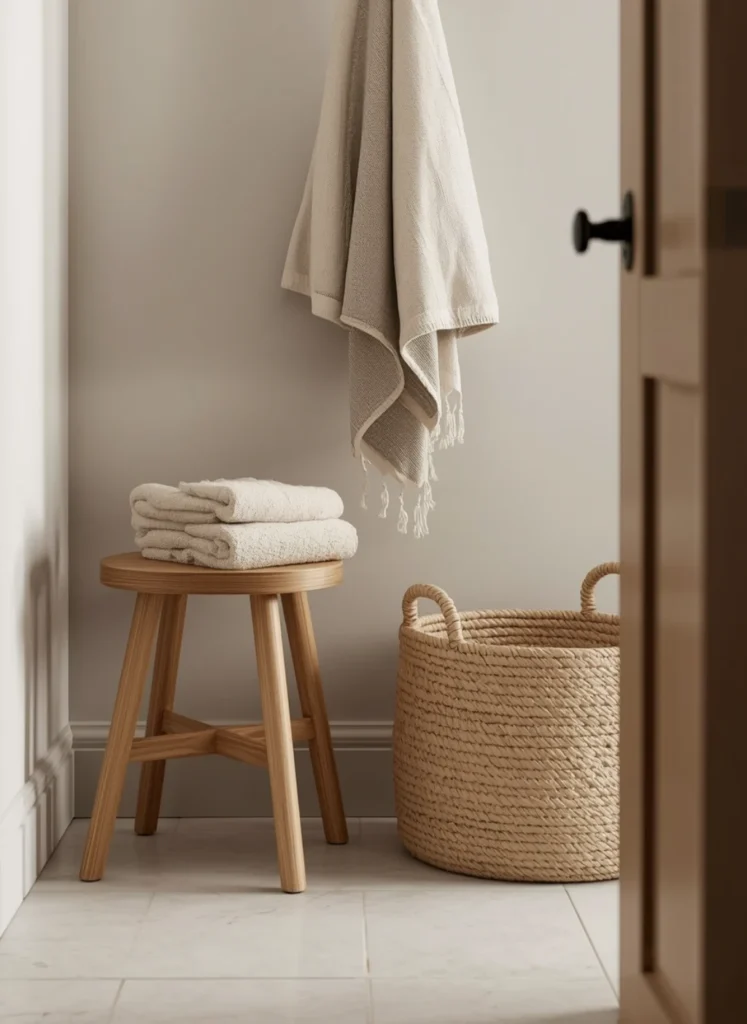
Layered neutral bathroom tones work because they combine multiple textures within a similar color family, rather than relying on color contrast for visual interest. A wood vanity, a woven basket, a linen towel, and a matte tile floor can all sit in the same tonal range while still feeling rich and varied.
When layering textures, try to include at least one soft material, like textiles, alongside harder materials like stone and wood. This balance keeps the room from feeling too rigid or too soft.
Sustainable and Natural Materials
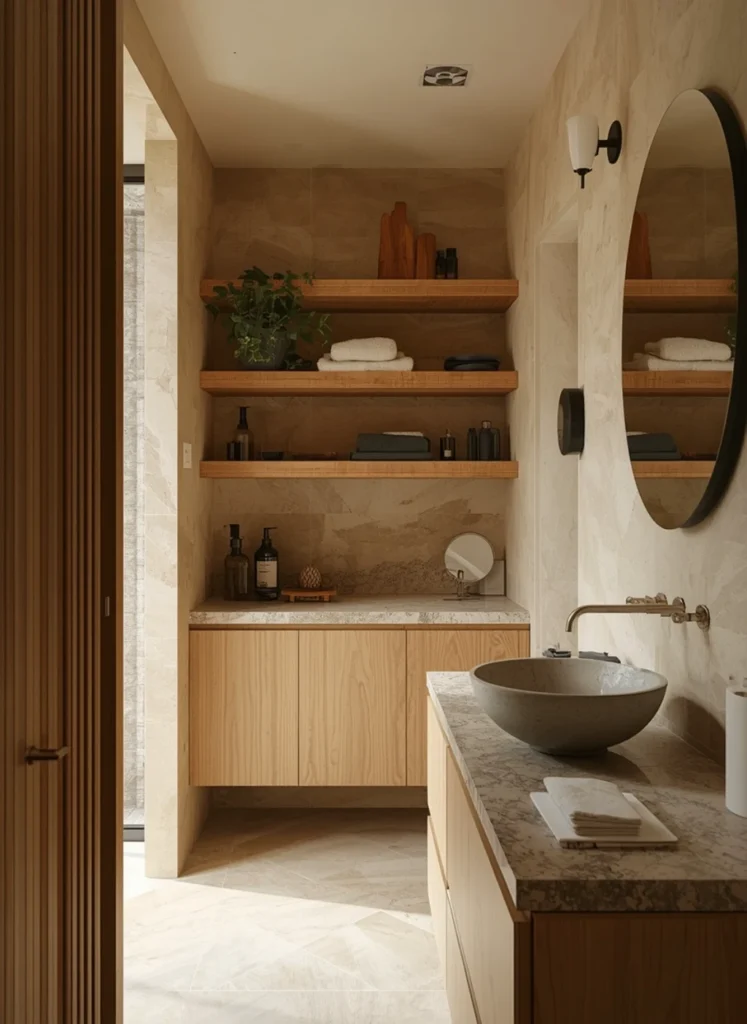
Sustainable bathroom materials are a natural fit for this style, since it already favors wood, stone, clay, and natural fibers over synthetic alternatives. Choosing FSC-certified wood or reclaimed materials adds an extra layer of thoughtfulness to the design without changing the overall look.
If sustainability is a priority for you, ask suppliers directly about sourcing. Many smaller manufacturers are happy to share details about where their materials come from, which can also help you find pieces with more character.
Small Bathroom Japandi Ideas
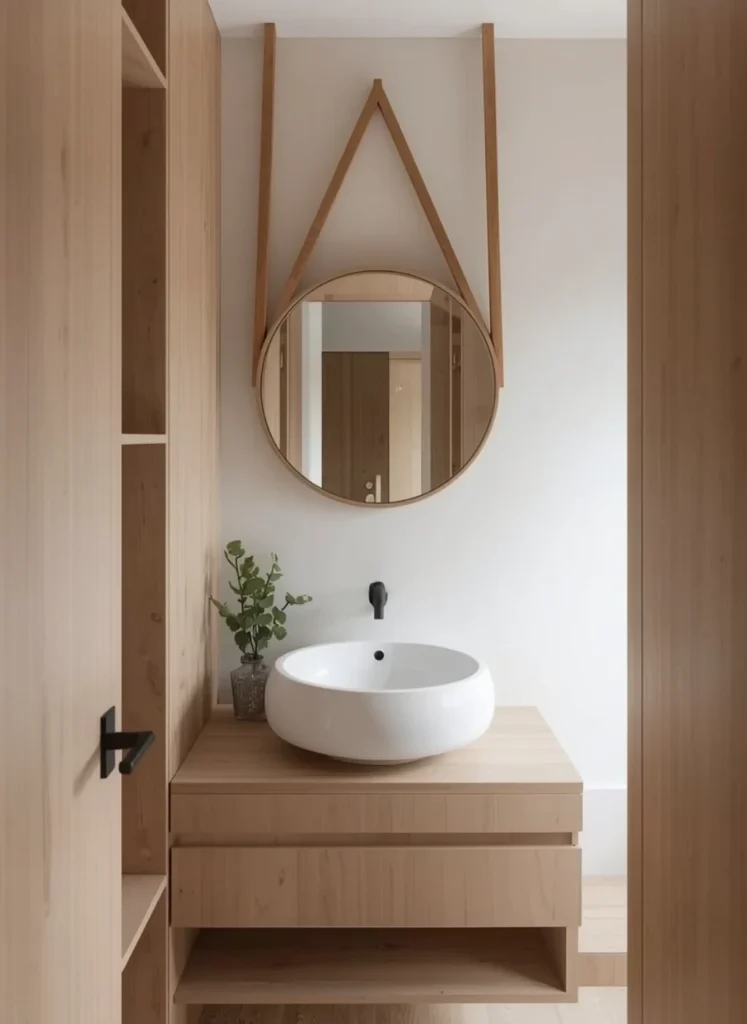
This style translates surprisingly well into smaller spaces because its minimalist bathroom design foundation naturally avoids clutter. Light wood tones, a pale neutral palette, and closed storage all help a compact bathroom feel more open than it actually is.
Mirrors also play an important role in small bathrooms. A simple round or organically shaped mirror with a wood or matte black frame reflects light without adding visual heaviness to the walls.
Budget-Friendly Japandi Updates
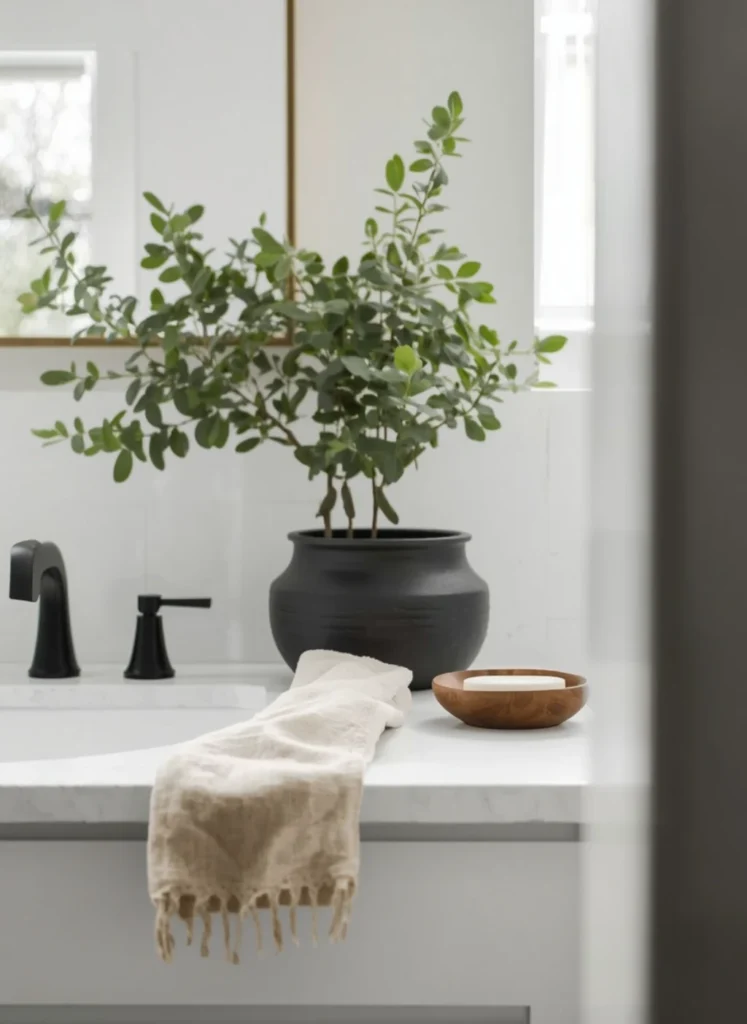
You do not need a full japandi bathroom renovation to bring this look into your home. Swapping hardware, adding a wooden stool, changing towels to natural linen, and introducing one handmade ceramic piece can shift the entire feel of a bathroom for a modest cost.
Focus your budget on the items you touch and see most often, like faucets and towels, before spending on larger changes like tile or flooring. Small, consistent updates often make a bigger difference than one expensive centerpiece.
Quick Comparison Table
| Element | Material Options | Maintenance Level | Best For | Approximate Cost |
|---|---|---|---|---|
| Vanity | Oak, walnut, teak | Medium | Warmth and storage | Moderate to high |
| Bathtub | Stone, cast iron | Low to medium | Relaxation focal point | High |
| Flooring | Pebble, matte tile | Medium | Spa-like texture | Moderate |
| Fixtures | Matte black, brass | Low | Cohesive finish | Low to moderate |
| Textiles | Linen, cotton, jute | Low | Softness and texture | Low |
| Wall Finish | Limewash, plaster | Medium | Textured neutral walls | Moderate |
| Accessories | Bamboo, ceramic | Low | Personality and detail | Low |
Conclusion
Bringing japandi bathroom decor into your home is less about following a rigid formula and more about choosing materials and details that feel calm, honest, and lived-in. Natural wood, stone, soft textiles, and a muted bathroom colors palette work together to create a space that feels less like a showroom and more like somewhere you actually want to spend time.
Whether you are planning a complete renovation or making small, budget-friendly updates one piece at a time, the goal stays the same: fewer distractions, more intentional choices, and a tranquil bathroom retreat that supports slower mornings and quieter evenings. Start with one or two changes from this list, and let the rest of the room grow around them naturally.
You may also like this: 22 Modern Japandi Bedroom Design Ideas for a Peaceful Retreat
Frequently Asked Questions
1. What makes a bathroom design Japandi style?
A Japandi bathroom combines Japanese minimalism with Scandinavian warmth, using natural materials, a neutral color palette, and simple, functional fixtures without unnecessary decoration.
2. Is Japandi bathroom design expensive to achieve?
Not necessarily. While a full renovation with stone and custom cabinetry can be costly, small updates like new hardware, linen textiles, and a wooden accessory can bring the look on a modest budget.
3. What colors work best in a Japandi bathroom?
Soft neutrals like beige, sand, warm gray, and muted charcoal work best. Pure white is usually avoided in favor of warmer, earthier tones that feel more inviting.
4. Can a small bathroom still work with this style?
Yes. Japandi design actually suits small bathrooms well, since its focus on closed storage and minimal clutter naturally helps a compact space feel more open and calm.
5. What materials are essential for this look?
Natural wood, stone or concrete, matte fixtures, and natural fiber textiles like linen or cotton form the foundation. Handmade ceramic details add a finishing touch of character.

2 Comments