
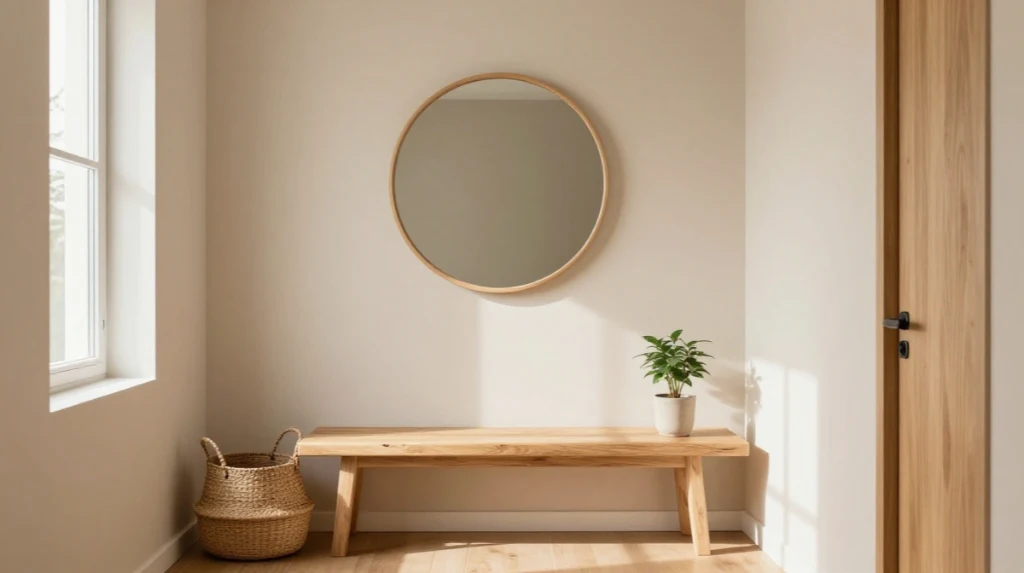
Introduction
Walking through your front door should feel like exhaling. The entryway is the first space you see when you come home and the last one you pass through before stepping into the world, yet it is often the most overlooked room in the house. A cluttered, disorganized hallway can quietly add stress to your day without you even realizing why.
Japandi entryway design offers a simple answer to this problem. By blending Scandinavian warmth with Japanese restraint, this style creates a minimalist welcoming entrance that feels calm rather than empty. It leans on natural materials, soft neutral tones, and thoughtful storage to turn a functional space into something that genuinely feels good to walk through.
This guide walks through 22 practical ideas for bringing Japandi interior style into your entryway, from furniture and lighting to small styling details that make a real difference. Whether you have a spacious foyer or a narrow hallway, there is something here you can use.
What Is Japandi Entryway Design
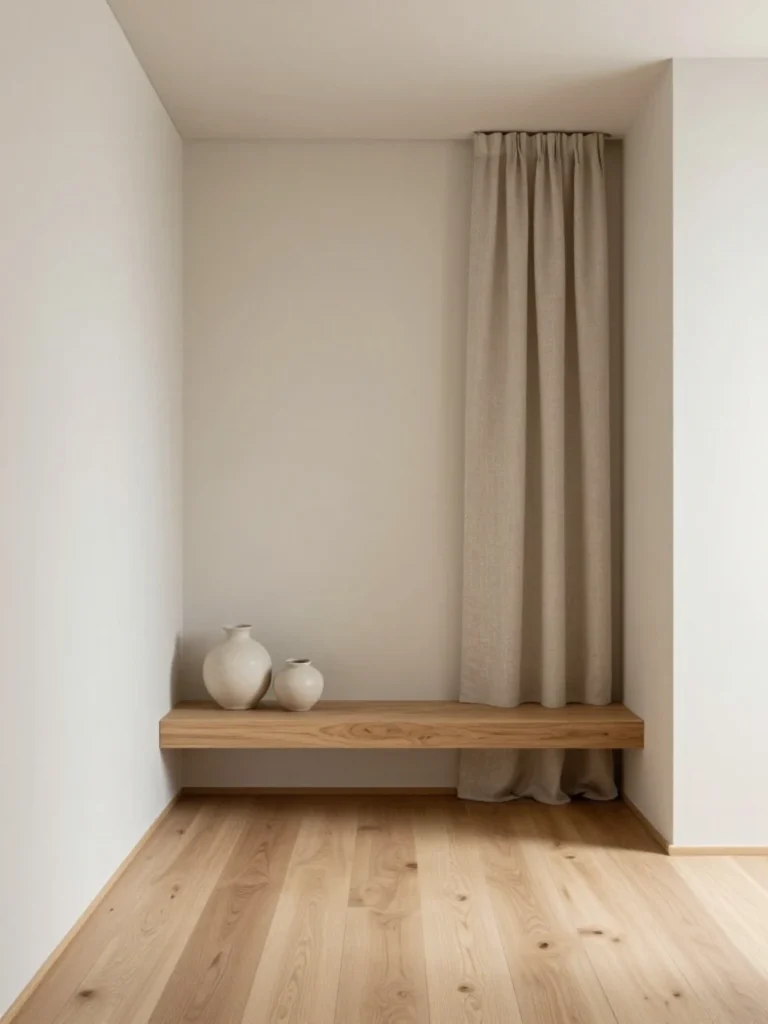
Japandi combines two design philosophies that share more in common than people expect. Scandinavian design brings function, light wood, and everyday comfort, while wabi-sabi design philosophy from Japan values imperfection, simplicity, and quiet beauty. Together they form a style that feels grounded and unforced.
Applied to a hallway, this means fewer decorative objects, more natural materials, and furniture that earns its place through both looks and use. A japandi home entrance is not about owning less for the sake of it. It is about choosing pieces that support a calming neutral color palette and a genuinely useful space.
Choosing a Neutral Tone Entryway Palette
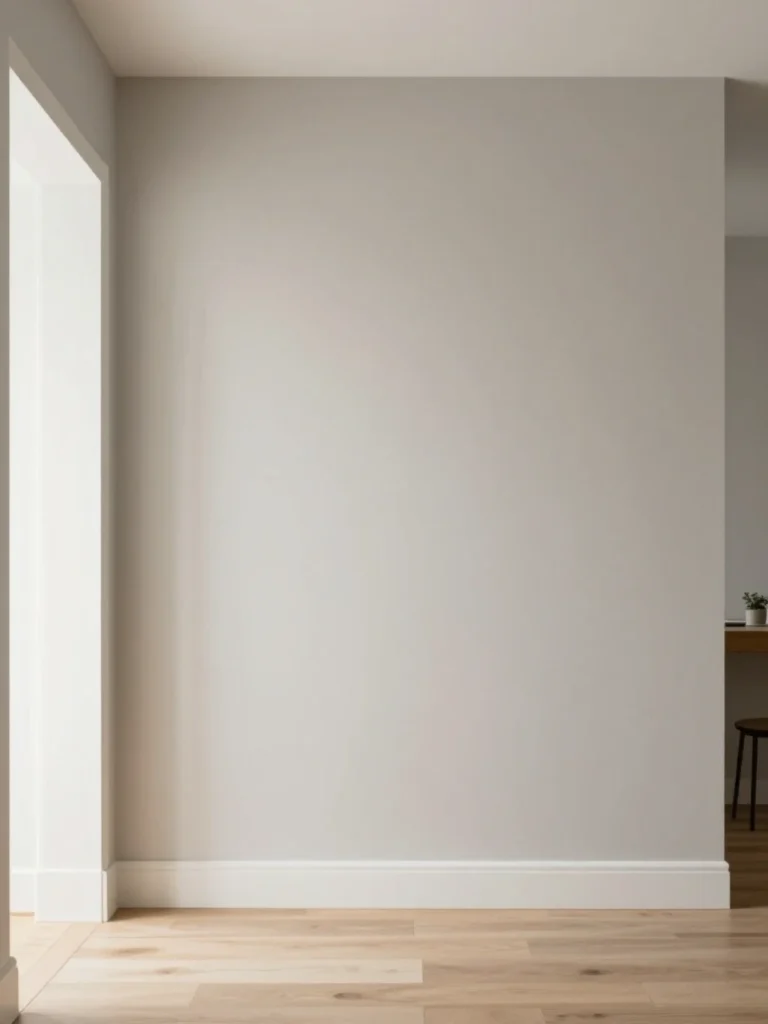
A neutral tone entryway sets the emotional tone for your whole home. Soft whites, warm greige, sandy beige, and muted taupe work together to create a serene entryway atmosphere without feeling sterile. These shades also reflect light well, which helps smaller entryways feel more open.
When picking your palette, choose two or three main tones and let texture do the rest of the work. A muted color entryway does not need to be boring if you layer in wood grain, woven textiles, and stone accents. Test paint swatches at different times of day since natural light changes how neutrals read.
Wooden Entryway Bench Ideas
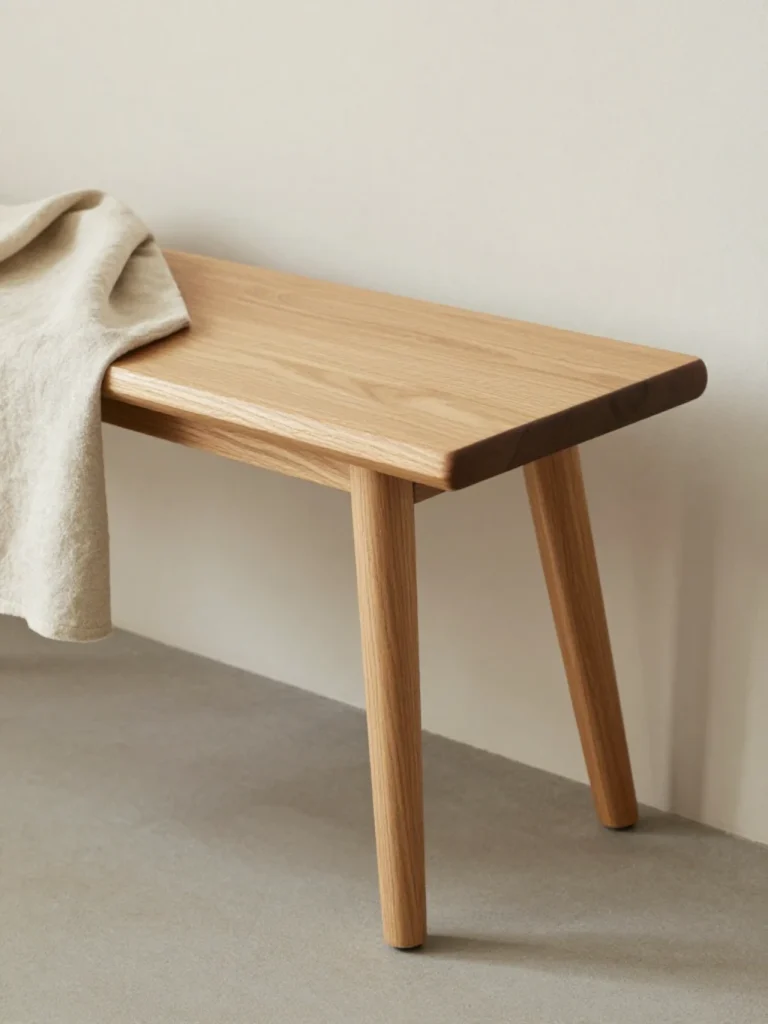
A wooden entryway bench is one of the most useful pieces you can add to this space. It gives you somewhere to sit while putting on shoes and instantly adds warmth through natural wood tones hallway styling. Light oak, ash, and pine are popular choices because they pair well with both pale and darker wall colors.
For small hallways, look for a bench with slim, tapered legs so it does not visually crowd the floor. If storage is a priority, choose a bench with a lift-top seat or built-in cubbies underneath. This keeps everyday items close at hand while still supporting a decluttered hallway space.
Japandi Console Table Styling
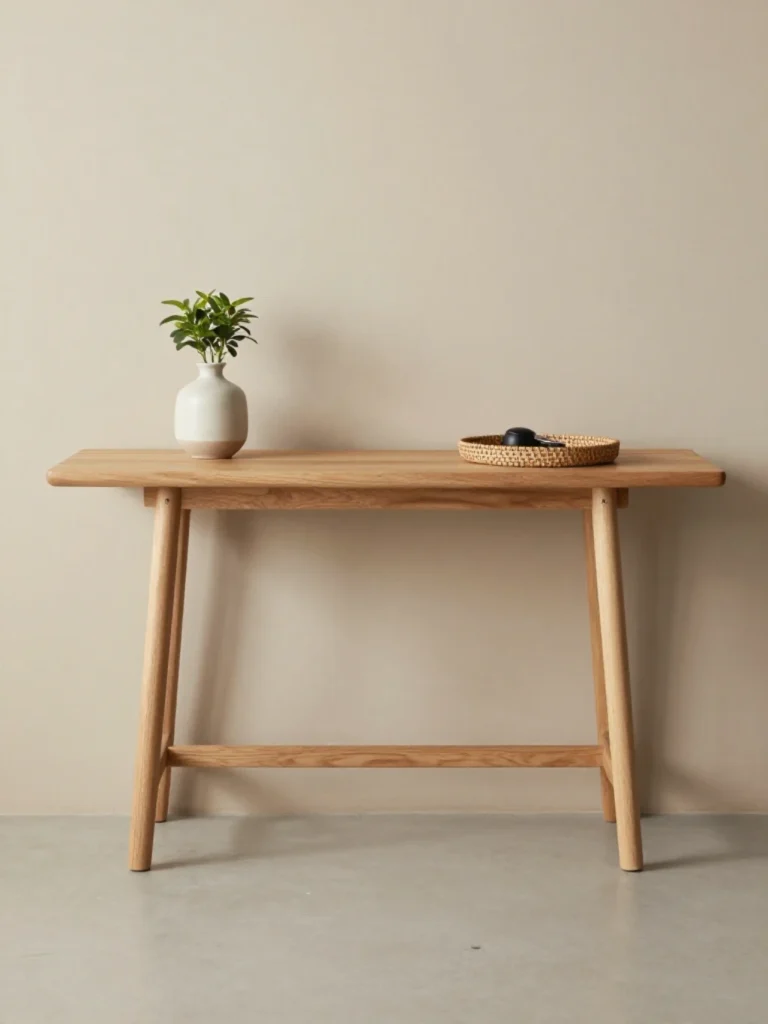
A japandi console table works well in wider entryways where a bench is not practical. Look for pieces with clean lines, rounded edges, and a low profile, since low-profile entryway furniture tends to suit this style better than tall, bulky cabinets. Solid wood or wood veneer with simple hardware keeps the look understated.
Style the top with only a few objects rather than filling every inch of surface space. A small tray for keys, one ceramic vase, and a single plant is usually enough. This kind of curated entryway vignette feels intentional instead of cluttered.
Natural Fiber Rug Entryway Choices
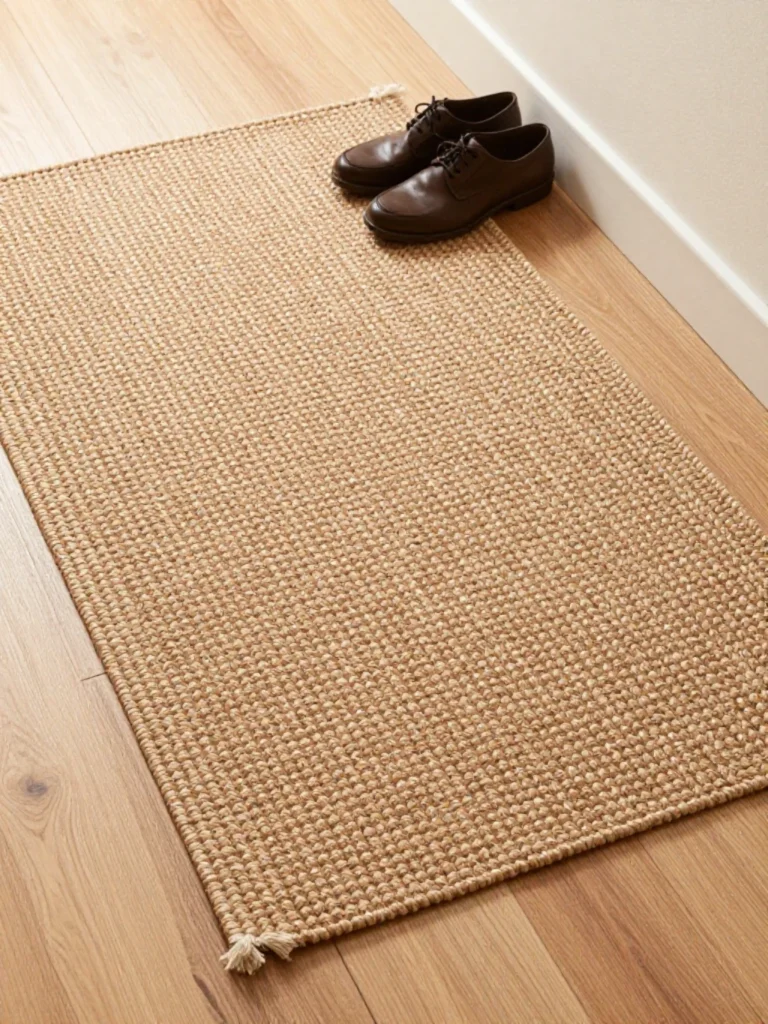
A natural fiber rug entryway adds texture underfoot and helps define the space, especially in open-plan homes where the hallway blends into other rooms. Jute, sisal, and seagrass rugs are durable enough to handle daily foot traffic while still fitting the earthy, organic feel of Japandi design.
Choose a rug that is slightly forgiving of dirt and easy to shake out or vacuum, since entryways see the most wear of any room. A round or runner shape often works better than a large rectangle in narrow hallways. Layering a smaller patterned rug over a plain jute base is a simple way to add interest without breaking the neutral palette.
Minimalist Coat Rack Solutions
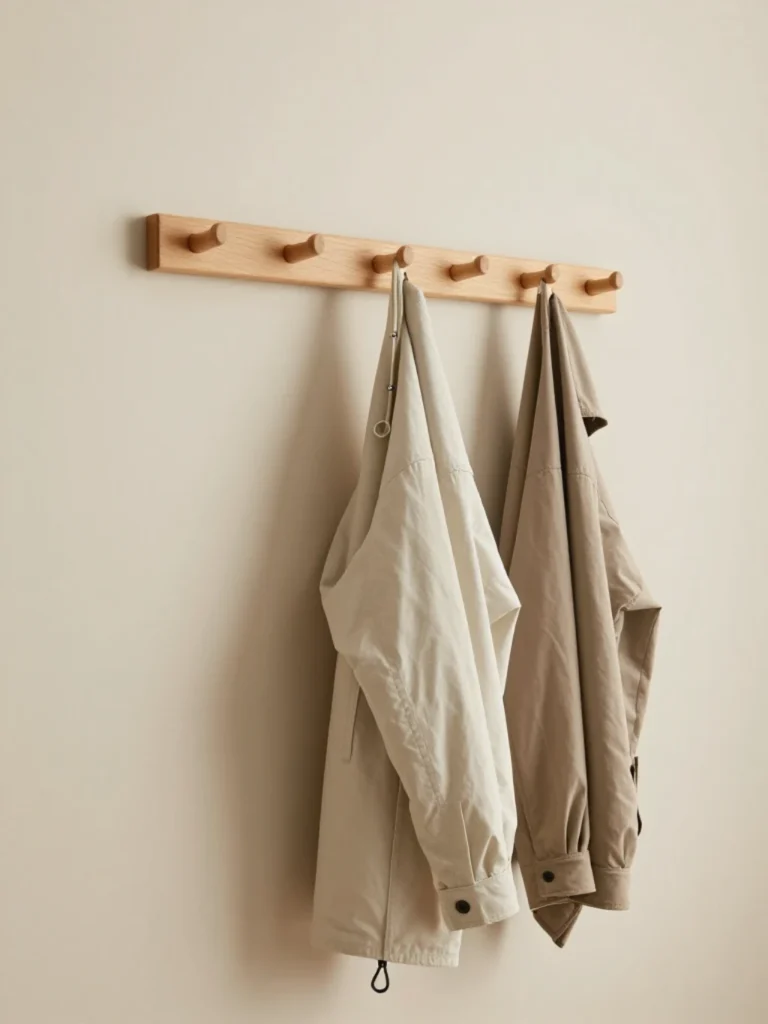
A minimalist coat rack keeps outerwear organized without adding visual clutter to the wall. Wall-mounted wooden pegs are a popular choice because they take up almost no floor space and reinforce the simple, functional feel of the style. Freestanding wooden stands work well too if you prefer something movable.
Limit the rack to daily-use jackets only, and store seasonal or occasional coats in a closet elsewhere. This keeps the entryway looking tidy even on busy mornings. A row of five or six evenly spaced pegs is usually enough for a household of two or three people.
Entryway Shoe Storage Japandi Style
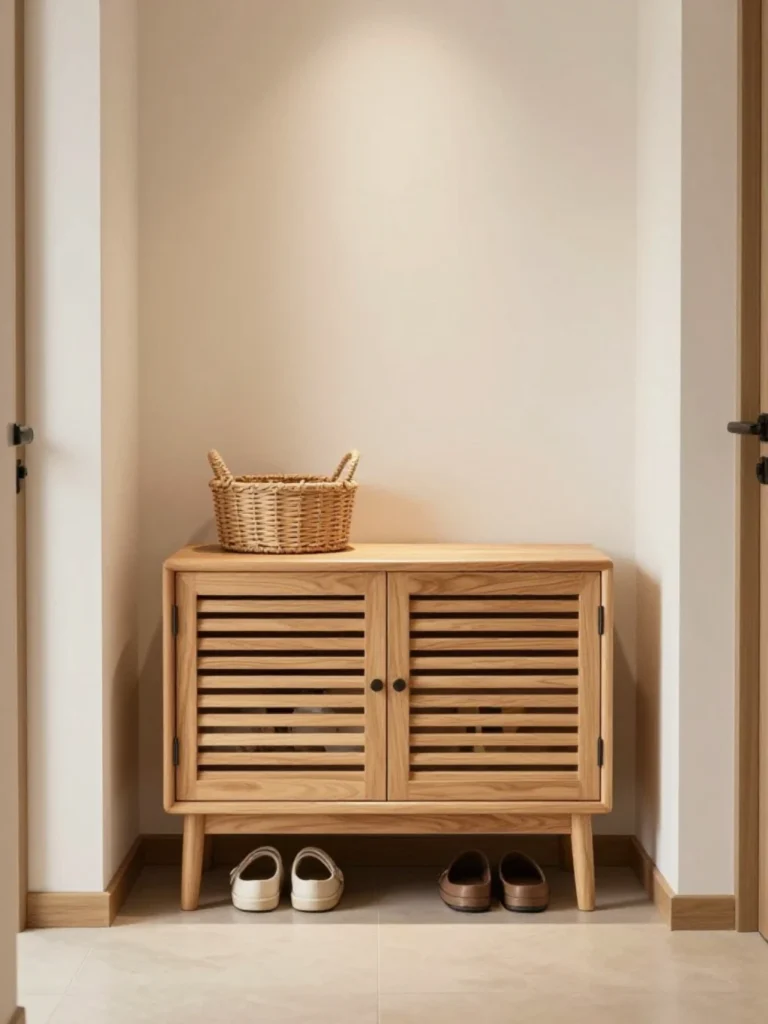
Entryway shoe storage japandi solutions favor closed storage over open shelving whenever possible, since visible shoes can quickly make a tidy space feel messy. Low wooden cabinets with slatted doors allow airflow while keeping shoes out of sight. This is especially useful in humid climates.
If floor space is limited, a slim shoe bench that doubles as seating solves two problems at once. Keep only the shoes you wear regularly near the door and store the rest in a closet. Rotating shoes seasonally also helps prevent the space from feeling overstuffed.
Rattan Entryway Basket Storage
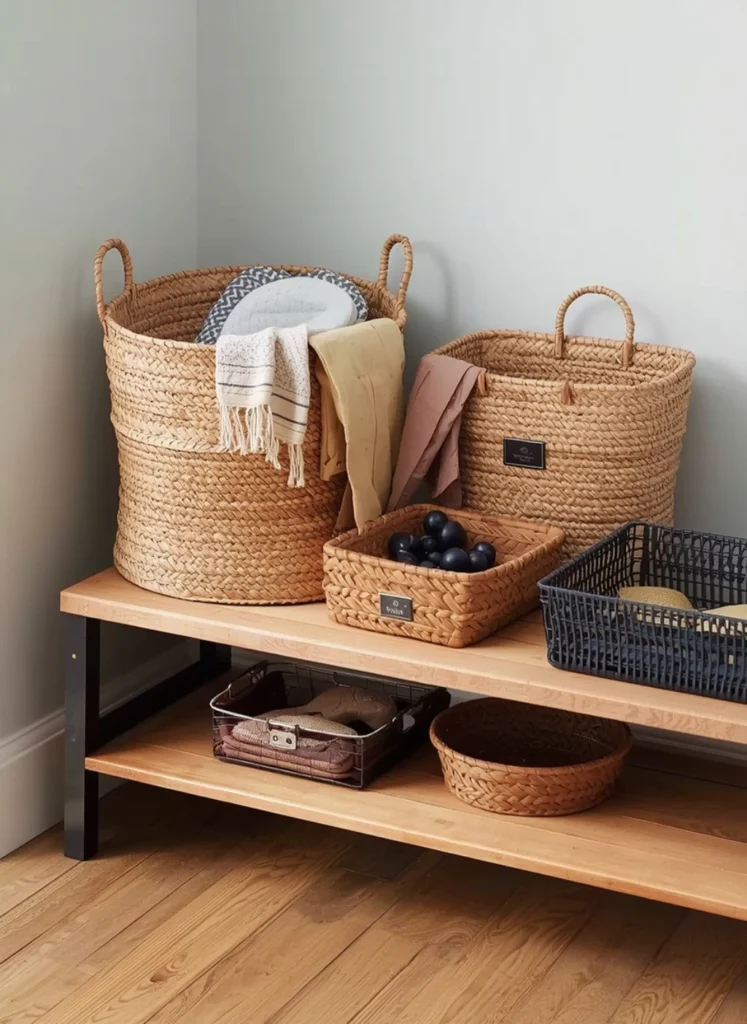
A rattan entryway basket is one of the easiest ways to add texture while solving small storage problems. Baskets work well for gloves, scarves, dog leashes, or mail that tends to pile up near the door. The natural weave brings warmth that pairs beautifully with wood tones and linen textiles.
Choose two or three baskets in slightly different sizes rather than one large bin, since this makes it easier to sort items by category. Place them on a shelf or under a bench rather than directly on the floor when possible. This keeps the entryway simplicity design intact while still being genuinely functional.
Linen Entryway Curtain Ideas
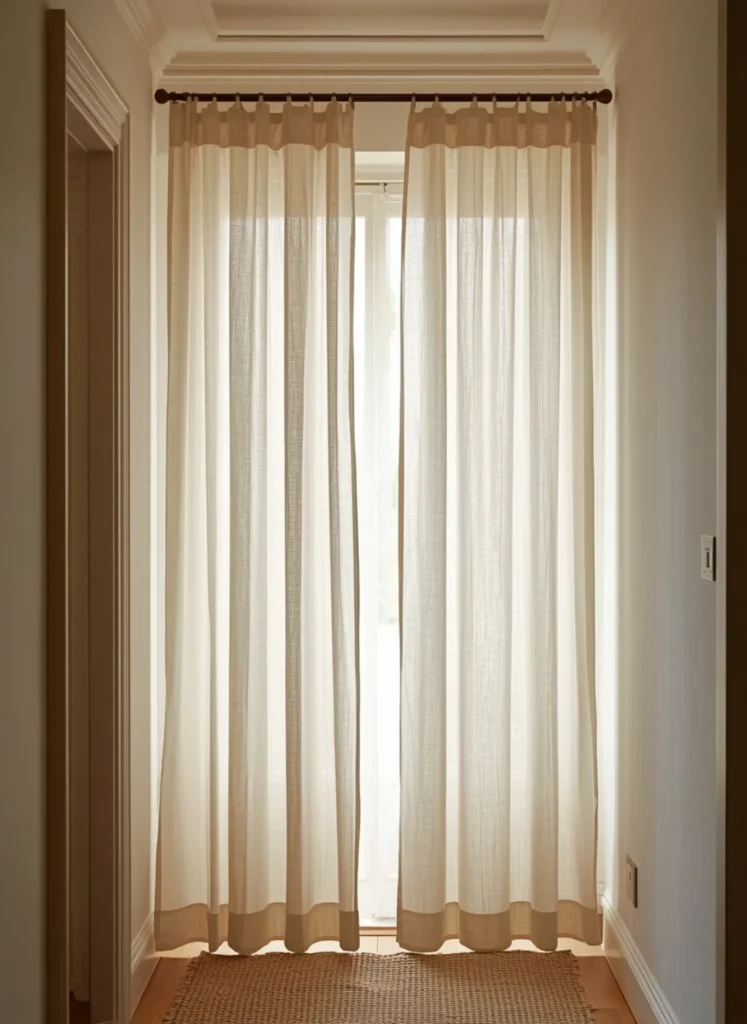
A linen entryway curtain can be a clever solution for hallways that open directly into a living space or need a little privacy from the front door. Unlike a solid door, linen curtains let light filter through while softening the transition between rooms. The relaxed, slightly wrinkled texture of linen also fits the wabi-sabi idea of embracing natural imperfection.
Choose a curtain in a warm off-white, oatmeal, or soft clay tone to stay within the neutral palette. Hang it on a simple wooden or matte black rod for a clean finish. This works especially well in apartments where a full door is not an option.
Japandi Wall Decor Inspiration
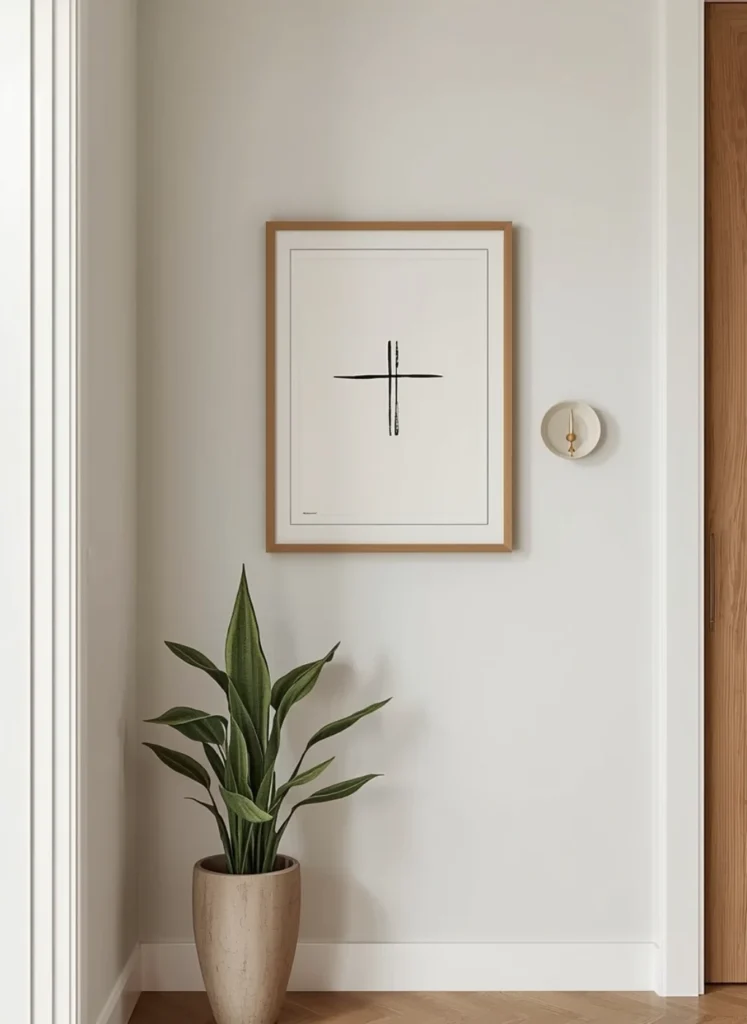
Japandi wall decor favors a handful of meaningful pieces over a busy gallery wall. Think one framed piece of simple line art, a small ceramic plate, or a textured fiber hanging. The goal is to give the eye somewhere calm to rest rather than compete for attention.
Keep spacing generous between pieces, and stick to your established color palette so nothing feels out of place. A single striking piece often makes more of an impact than several smaller ones grouped together. If you are unsure, start with one piece and live with it for a few weeks before adding more.
Woven Wall Hanging Entryway Accents
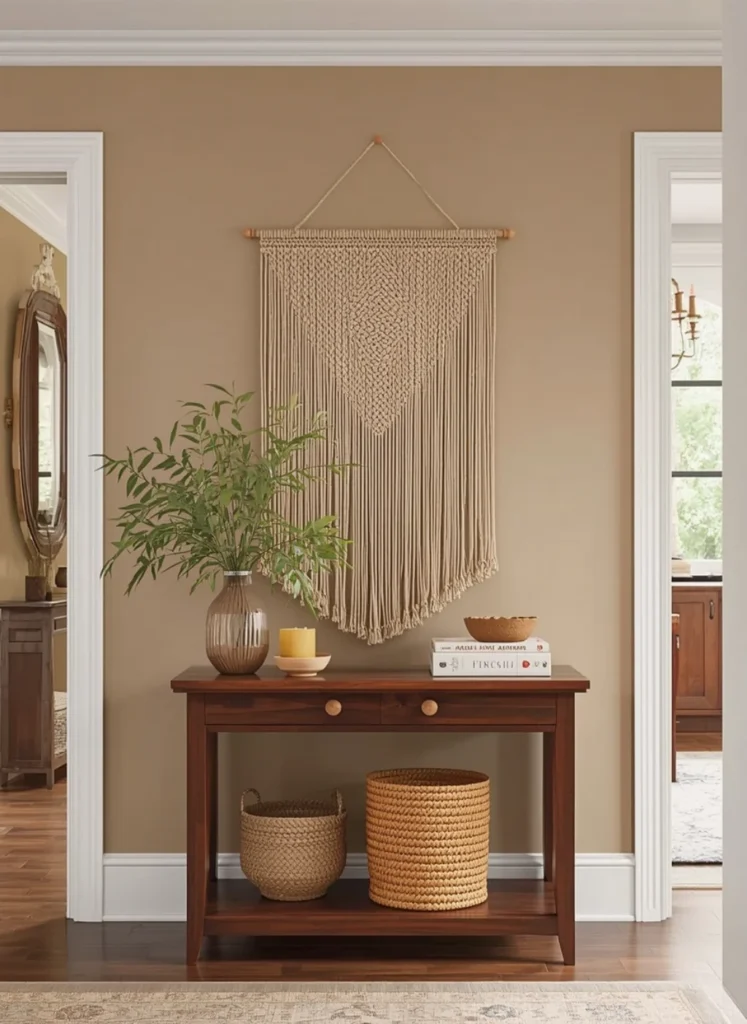
A woven wall hanging entryway accent adds soft texture to an otherwise plain wall without requiring much commitment. Macrame, textured wool, or natural fiber hangings bring a handmade quality that fits the artisan spirit of Japandi design. They also help absorb sound in hard-surfaced hallways.
Hang a wall piece at eye level, ideally above a console table or bench where it becomes a natural focal point. Choose one with texture rather than bold color to keep the look cohesive. A slightly asymmetrical or imperfect weave actually suits this style better than a perfectly uniform one.
Japandi Lighting Entryway Ideas
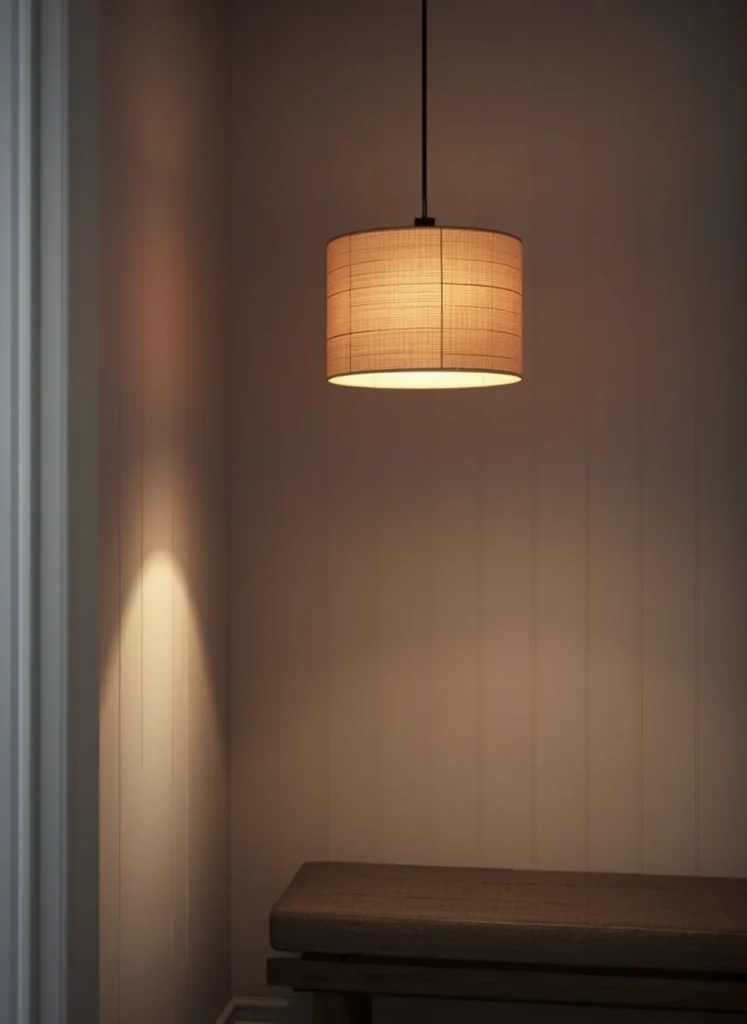
Japandi lighting entryway choices should feel soft and warm rather than bright and clinical. Paper or linen shade fixtures, matte black sconces, and warm-toned bulbs all work well together. Good lighting does more to set the mood of an entryway than almost any other single element.
Layer your lighting where possible by combining an overhead fixture with a smaller lamp on a console table. This creates depth and avoids the flat, harsh look of a single ceiling light. Dimmable bulbs give you flexibility between a bright morning routine and a softer evening welcome.
Pendant Light Hallway Choices
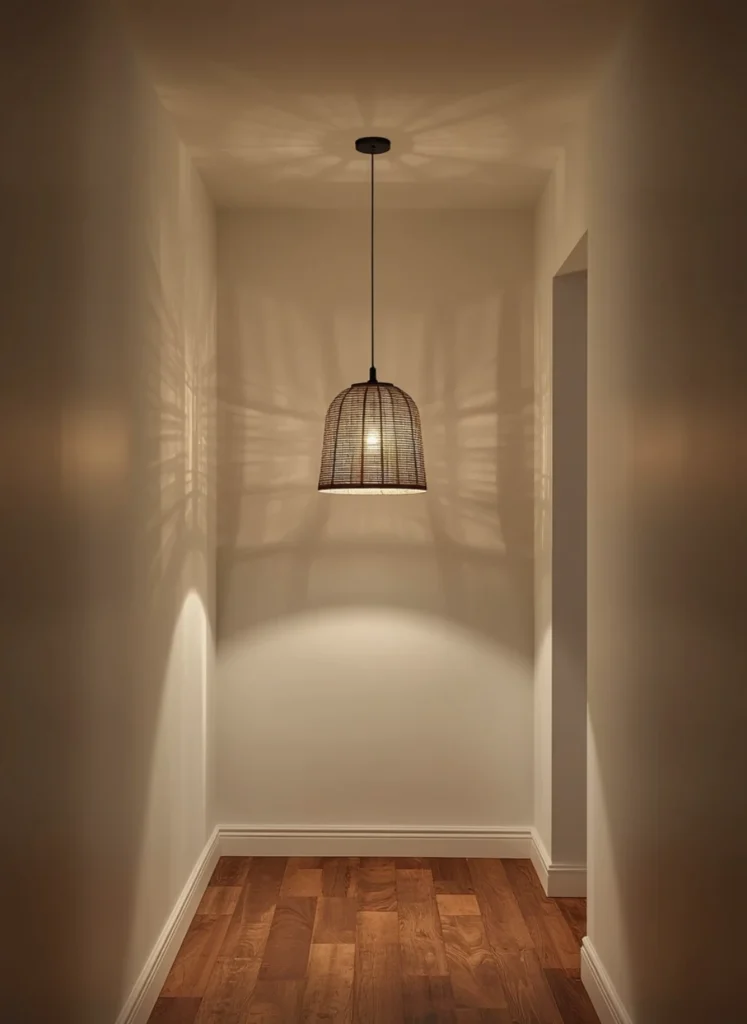
A pendant light hallway fixture works particularly well in entryways with higher ceilings, where it can hang low enough to feel intimate without blocking the walkway. Paper lantern-style pendants and woven rattan shades are common choices that reinforce the natural materials found throughout Japandi spaces.
Measure your ceiling height carefully before installing, since a pendant hung too low can feel like an obstacle rather than a design feature. A general rule is to leave at least seven feet of clearance from the floor. One well-placed pendant is usually enough for a small to medium entryway.
Japandi Mirror Hallway Styling
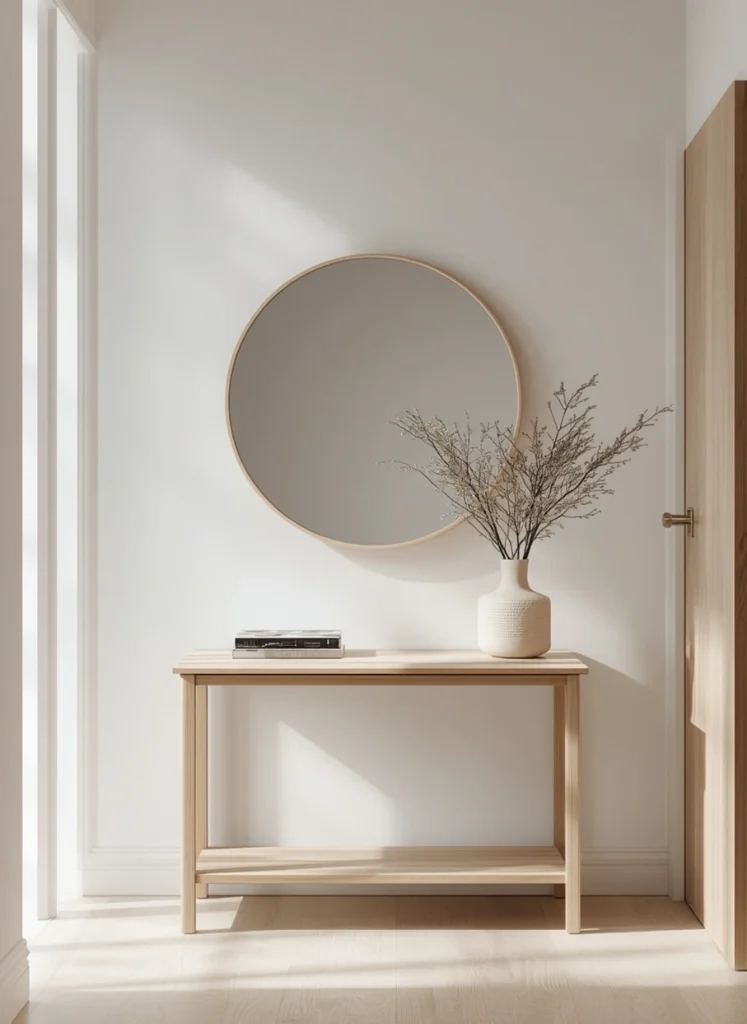
A japandi mirror hallway addition is both practical and visually useful, especially in smaller spaces where it can help bounce light around. Look for mirrors with simple wooden or matte metal frames rather than ornate detailing. Round or softly arched shapes tend to suit this style better than sharp rectangles.
Hang the mirror at a height that works for quick checks before heading out the door, typically with the center around eye level. Positioning it to reflect a window or light source can noticeably brighten a dim hallway. Keep the frame color consistent with your other hardware finishes for a cohesive look.
Bonsai and Entryway Plant Styling
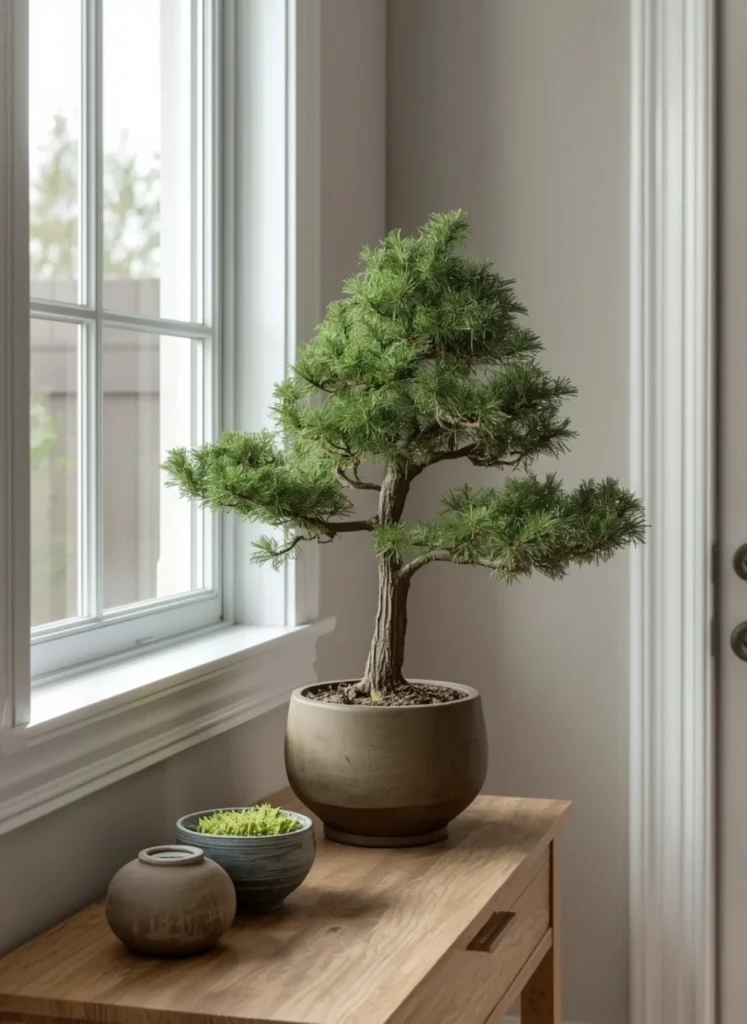
Bonsai entryway decor and other small potted plants bring a living, grounding element to the space. An entryway plant japandi styling approach usually favors one or two well-chosen plants over a crowded collection. Simple ceramic pots in matte neutral tones keep the focus on the greenery itself.
Choose low-light tolerant plants if your entryway does not get much natural sunlight, since this is one of the more common mistakes people make. Snake plants, ZZ plants, and small ferns are forgiving choices for beginners. Water on a consistent schedule rather than guessing, since inconsistent care is the most frequent reason entryway plants struggle.
Terracotta Entryway Accents
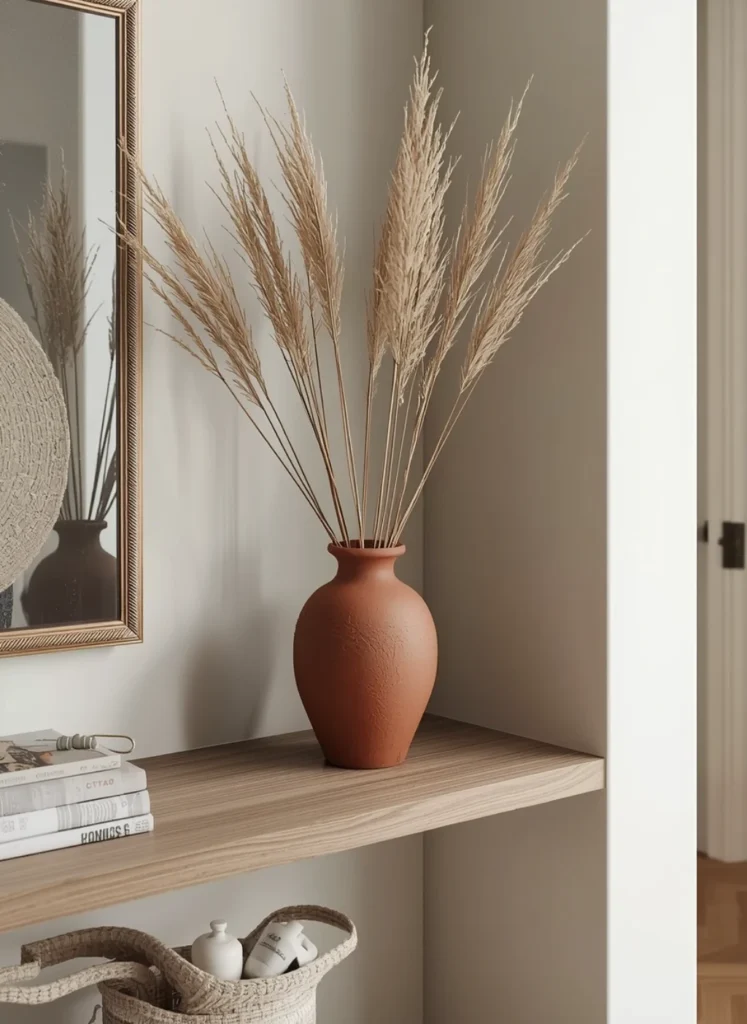
Terracotta entryway accents introduce a warm, earthy tone that pairs naturally with the wood and linen already present in a Japandi space. A single terracotta vase, planter, or small dish can quietly break up an all-neutral palette without clashing with it. The slightly rough, matte finish of terracotta also fits the handmade feel this style leans on.
Use terracotta sparingly rather than throughout, since too much can pull the space toward a different aesthetic entirely. One or two pieces are usually plenty. Pairing terracotta with a dried grass arrangement or a small plant makes the accent feel more finished.
Stone Entryway Elements
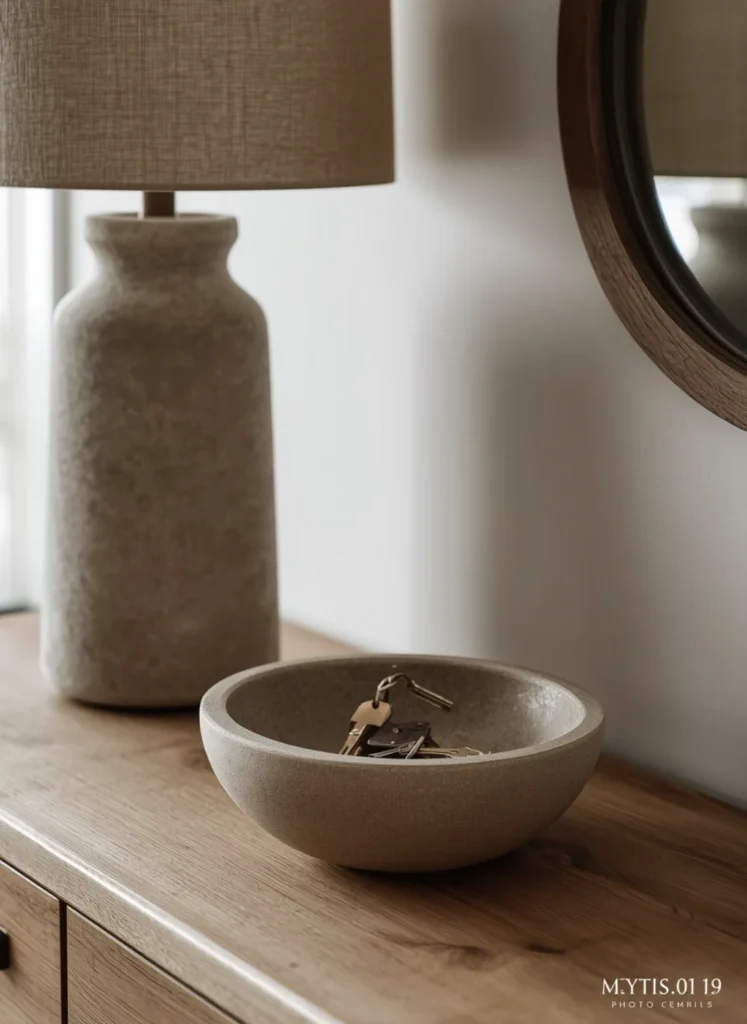
Stone entryway elements such as a small stone bowl, a textured stone coaster for keys, or a stone-topped console add a grounding, tactile quality to the space. These pieces connect the entryway to the outdoors in a subtle way, which fits the nature-inspired roots of both Scandinavian and Japanese design traditions.
Look for stones with a matte, honed finish rather than a glossy polish, since this suits the understated character of Japandi spaces better. A single stone object placed near the door is often enough to add this texture without overdoing it. Combine it with wood and woven materials for a balanced, layered look.
Smoked Oak Entryway Furniture
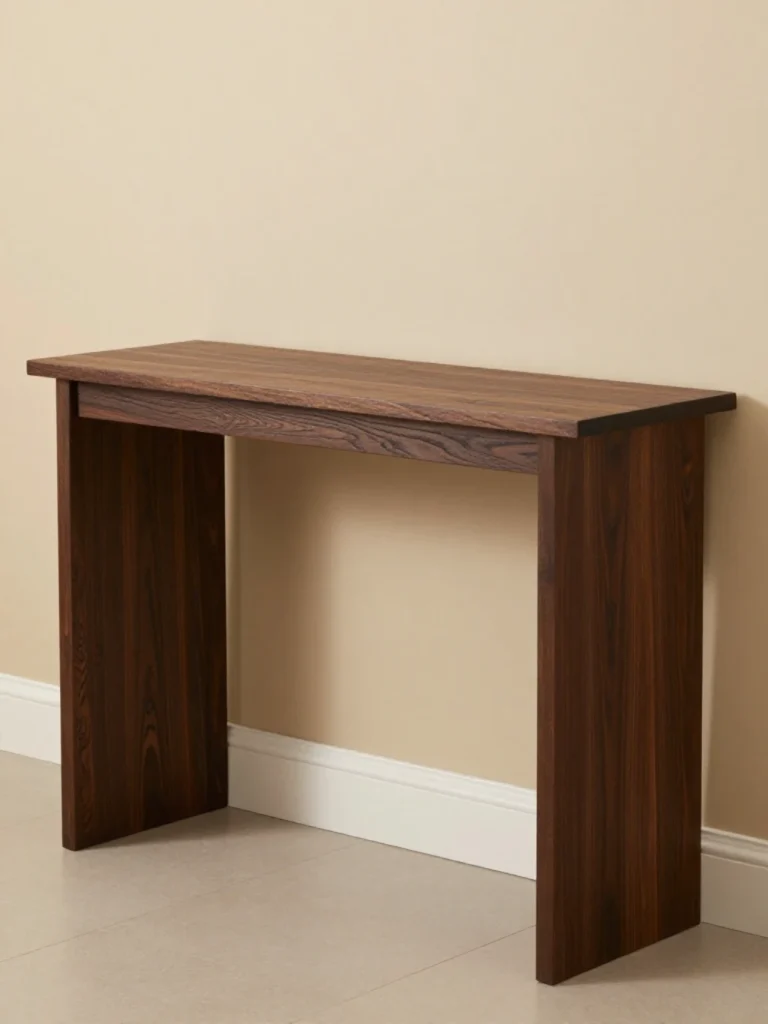
Smoked oak entryway furniture has become a popular choice for anyone who wants the warmth of wood grain with a slightly deeper, richer tone than raw oak. The smoking process darkens the wood while still showing its natural texture, which gives furniture a grounded, slightly moody quality that works beautifully in Japandi spaces.
Smoked oak pairs particularly well with lighter wall colors, since the contrast helps the furniture stand out as a feature rather than blending in. Use it for a bench, console table, or shelving unit as the anchor piece of the room. Balance it with lighter textiles so the space does not feel too heavy overall.
Handcrafted Entryway Furniture Pieces
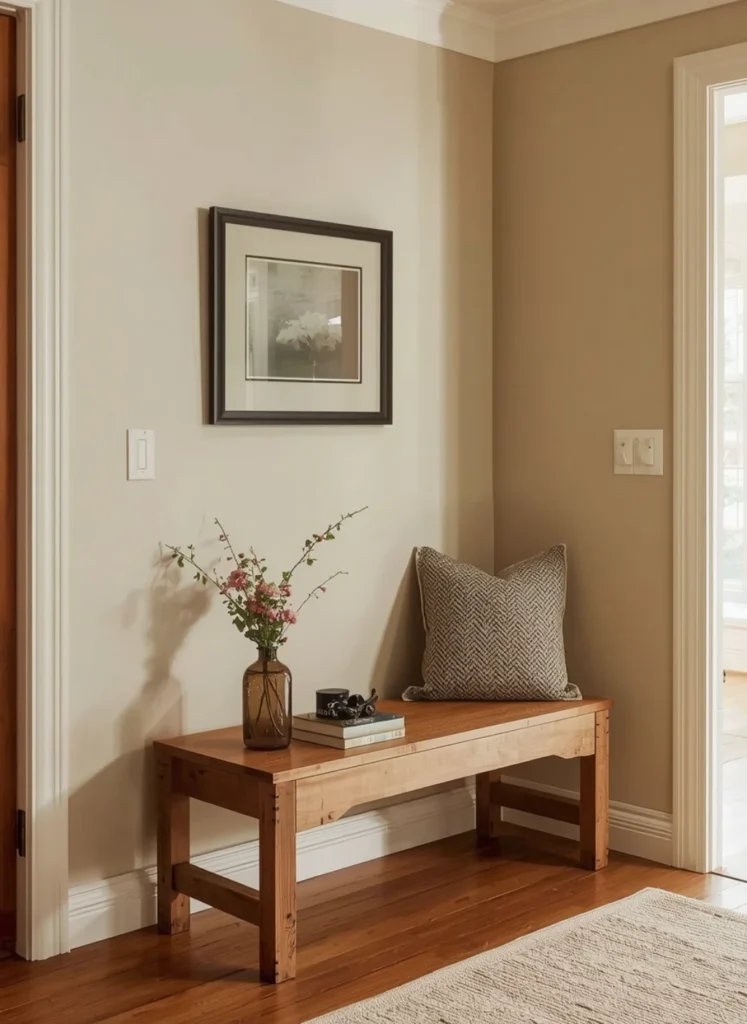
Handcrafted entryway furniture brings authenticity and a sense of individuality that mass-produced pieces often lack. Slight variations in wood grain, joinery, or finish are not flaws in this style, they are part of the appeal, reflecting the wabi-sabi appreciation for natural imperfection.
When shopping, look for local makers or small studios rather than defaulting to big-box options, since handcrafted pieces tend to hold up better over time. Solid wood construction with visible joinery is usually a good sign of quality. A single well-made piece is often worth more, both visually and practically, than several lower-quality items.
Japandi Declutter Entryway Tips
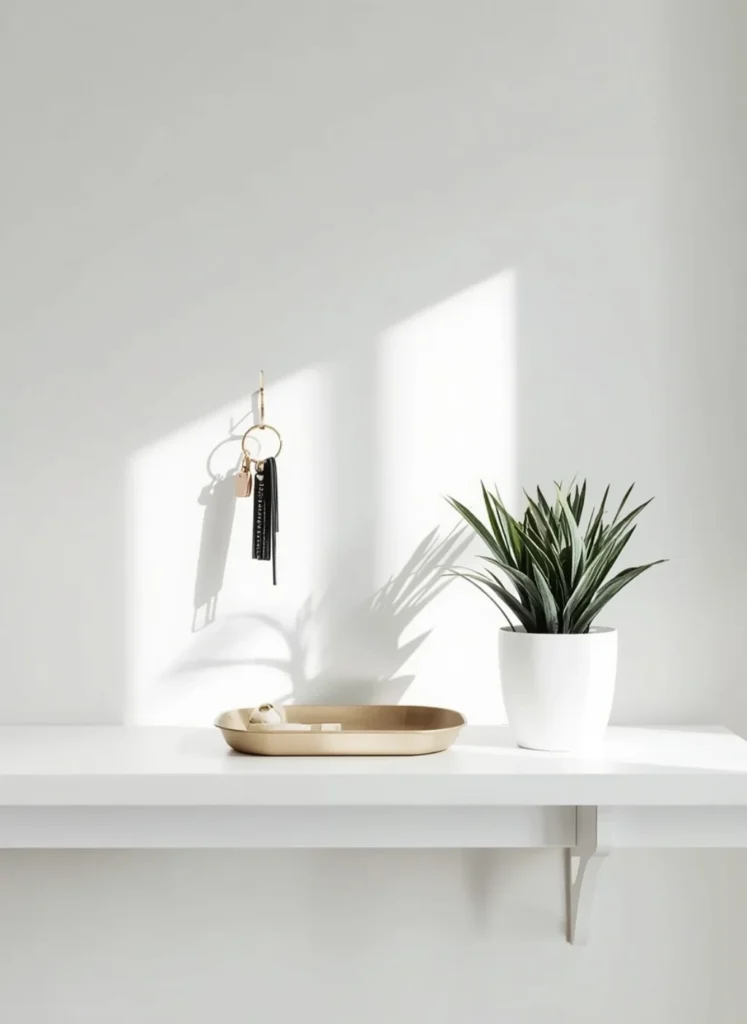
Japandi declutter entryway habits are just as important as the furniture and decor you choose. This style only works if the surfaces stay relatively clear, which means everyday items need a specific home rather than being left out. A tray for keys, a basket for mail, and a designated shoe spot all help maintain this balance.
Do a quick five-minute reset each evening, returning items to their designated spots before the next day begins. Seasonal decluttering, such as swapping heavy winter coats for lighter jackets, also keeps the space from becoming overcrowded. A clutter-free entryway approach is easier to maintain once the right storage habits are in place.
Texture Layering in a Japandi Entryway
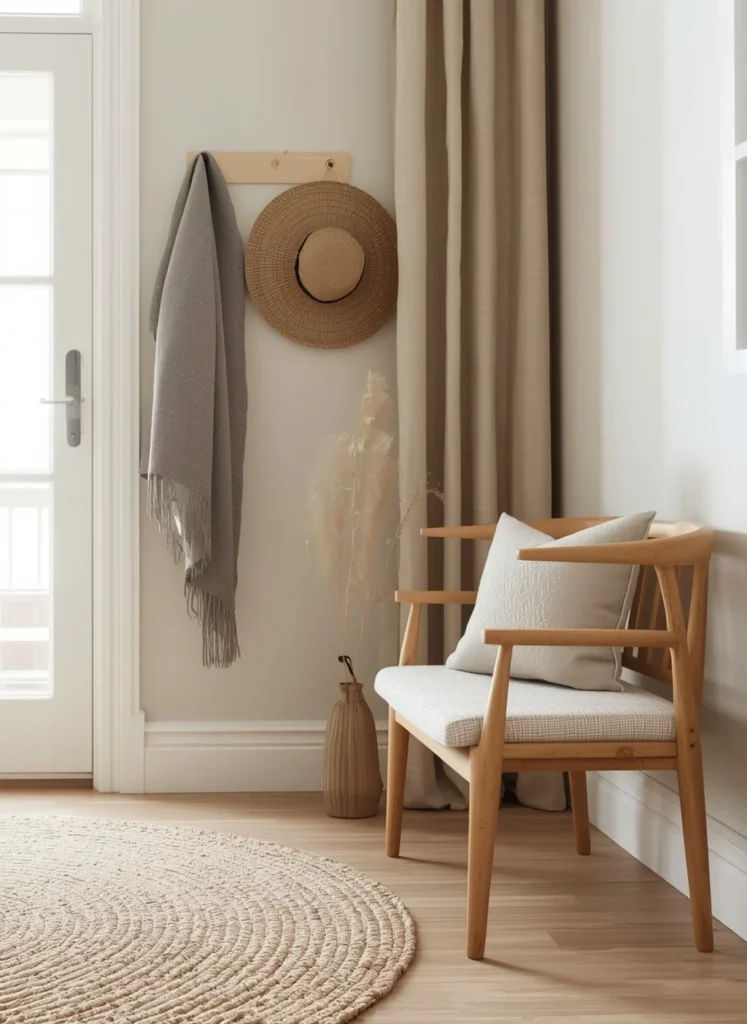
Japandi texture layering is what keeps an all-neutral color palette from feeling flat or boring. Combining smooth wood, rough linen, woven rattan, and matte ceramic creates visual depth even when the color scheme barely changes. This tactile material combinations approach is one of the defining features of the style.
Start with your largest surfaces, such as flooring and furniture, and build texture in layers from there. A wool throw over a bench, a jute rug underfoot, and a linen curtain nearby can all coexist without competing. Aim for at least three different textures in any given entryway for a balanced, layered look.
Common Japandi Entryway Mistakes to Avoid
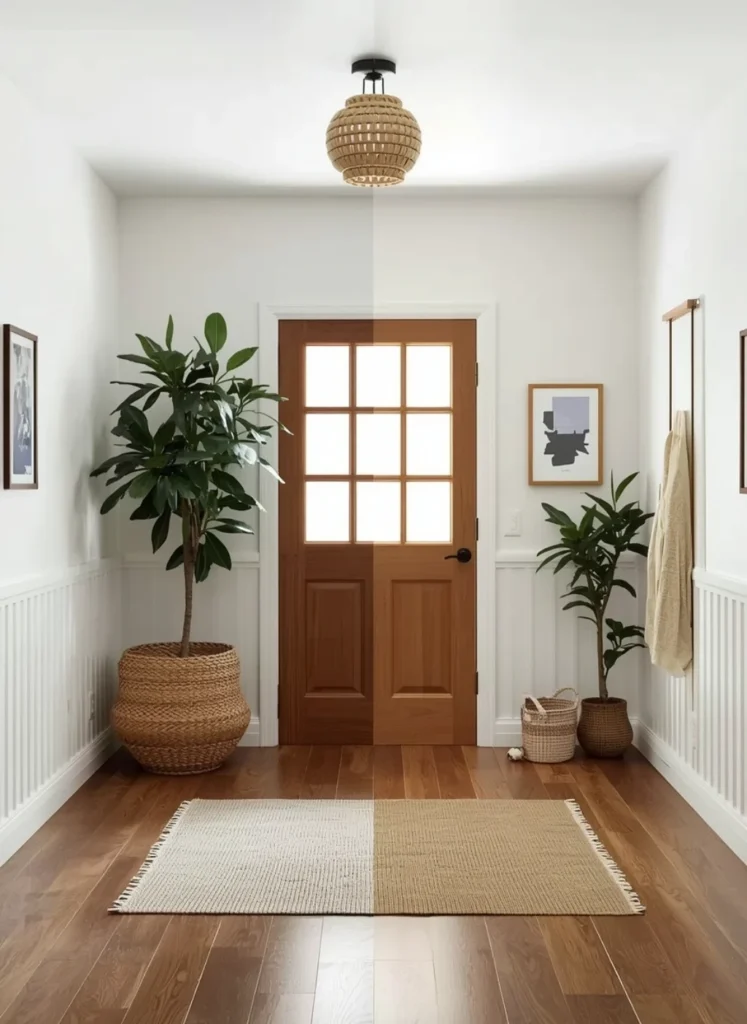
One of the most frequent mistakes is choosing furniture that is too bulky for the space, which works against the minimalist foyer design principles this style is built on. Oversized pieces make even a well-decorated hallway feel cramped. Measuring the space carefully before buying furniture avoids this problem entirely.
Another common mistake is treating “neutral” as an excuse to skip texture altogether, which results in a flat, uninviting entryway rather than a calm entryway aesthetic. Skipping storage planning is a third frequent issue, since a beautiful entryway with nowhere to put shoes or keys quickly falls apart in daily use. Planning storage first and decorating around it tends to produce better long-term results.
Quick Comparison Table
| Element | Best Material | Maintenance Level | Ideal For | Budget Range |
|---|---|---|---|---|
| Wooden Bench | Solid oak or pine | Low | Small to medium entryways | Mid-range |
| Console Table | Wood veneer | Low | Wider hallways | Mid to high |
| Natural Fiber Rug | Jute or sisal | Medium | High foot traffic areas | Budget-friendly |
| Pendant Light | Paper or rattan shade | Low | Higher ceilings | Budget to mid-range |
| Storage Baskets | Rattan or seagrass | Low | Small item organization | Budget-friendly |
| Wall Mirror | Wood or matte metal frame | Low | Dim or small entryways | Mid-range |
| Coat Rack | Wall-mounted wood pegs | Low | Daily-use outerwear | Budget-friendly |
Conclusion
Creating a japandi entryway decor scheme is less about following strict rules and more about choosing pieces that feel calm, useful, and honest in their materials. Natural wood, soft textiles, and a restrained color palette do most of the heavy lifting, while small details like a woven basket or a single ceramic vase add personality without overwhelming the space.
The real value of this style shows up in daily life. A well-organized, uncluttered entryway makes leaving the house easier and coming home more pleasant, which is worth far more than any single piece of furniture. Start with one or two changes from this list, live with them for a while, and build the rest of the space gradually as you figure out what actually works for your routine.
You may also like this: 22 Japandi Dining Room Design Ideas for Effortless Elegance
Frequently Asked Questions
1. What makes an entryway “Japandi” instead of just minimalist?
Japandi combines Scandinavian function with Japanese wabi-sabi philosophy, which means it embraces natural imperfection and warmth rather than pure, cold minimalism. It still uses fewer objects overall, but texture and natural materials keep the space feeling inviting rather than empty.
2. Is Japandi entryway design expensive to achieve?
Not necessarily. Many of the key elements, such as a jute rug, wooden pegs, or a rattan basket, are relatively affordable. The style favors fewer, well-chosen pieces over expensive statement furniture, which can actually make it more budget-friendly than other design approaches.
3. What colors work best for a Japandi entryway?
Soft whites, warm beige, greige, sandy tan, and muted taupe form the core palette. Small touches of terracotta, charcoal, or deep green can be added as accents without disrupting the overall neutral, calming feel.
4. How do I add storage without ruining the minimalist look?
Choose closed storage over open shelving where possible, such as cabinets with slatted doors or benches with hidden compartments. Baskets are also useful since they hide contents while still adding natural texture to the space.
5. Can a small apartment entryway still use this style?
Yes, and it often works especially well in small spaces since Japandi design naturally avoids bulky furniture. A slim bench, a few wall hooks, one plant, and a small rug are usually enough to bring the style into even a narrow hallway.