
Introduction
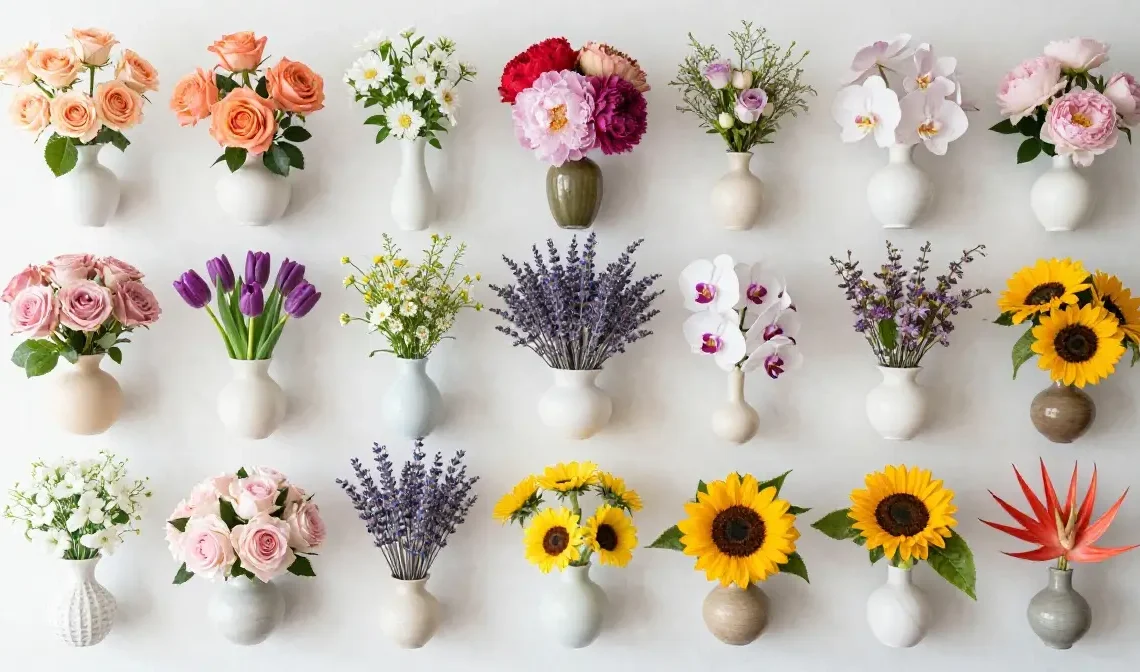
Flower arrangements have long been one of the most timeless and elegant ways to bring life, color, and personality into a home. Whether you live in a compact apartment or a spacious house, the right floral display can completely transform any room and create an inviting atmosphere that reflects your personal style. From classic rose centerpieces placed on a dining table to wildflower bundles tucked into a bedroom corner, flowers speak a language that no other decor element can match. This article presents 22 creative and practical flower arrangement ideas that will inspire you to see your living spaces in a whole new light, helping you craft displays that are both beautiful and meaningful.
Classic Rose Centerpiece for the Dining Table
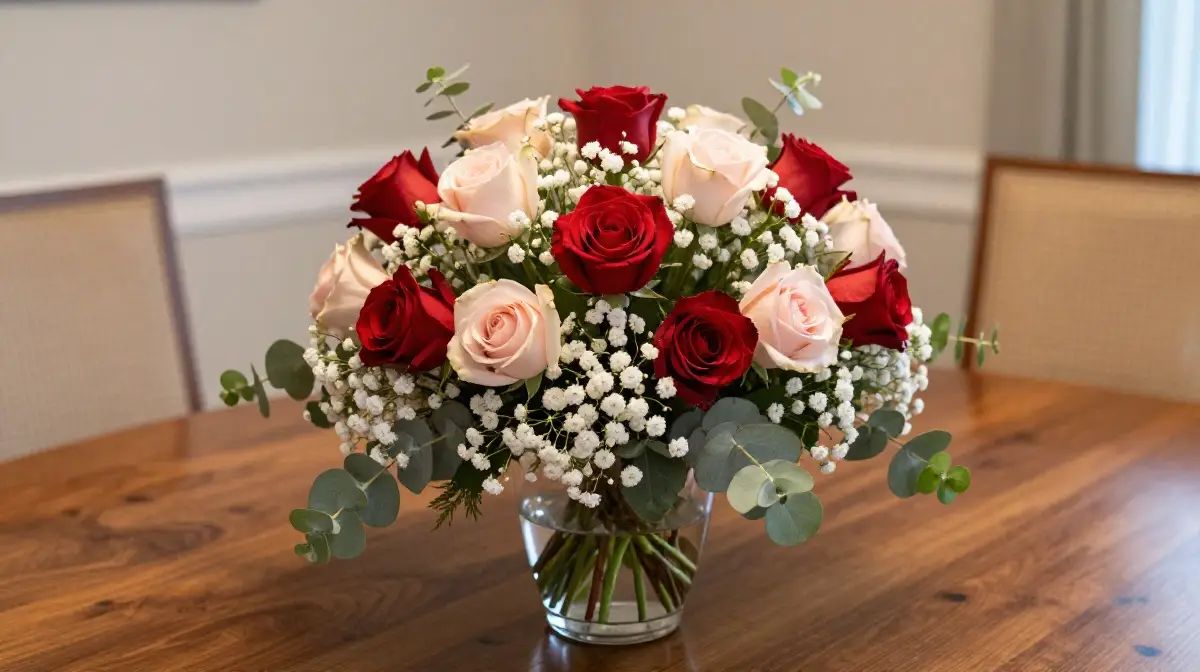
A dining table is one of the most visited spaces in any home, and placing a classic rose centerpiece at its heart instantly elevates the entire room. Roses, available in dozens of colors and sizes, offer unmatched versatility for home decor. A low, wide arrangement of red, blush, or ivory roses in a clear glass vase works beautifully without obstructing conversation across the table. To add depth and dimension, layer the roses with sprigs of baby’s breath or eucalyptus leaves around the base. The arrangement looks best when the vase height stays under one third of the table length, keeping proportions balanced and visually pleasing. Change the water every two days and trim the stems slightly to keep your roses fresh and vibrant throughout the week.
Wildflower Bundles for a Rustic Living Room Feel
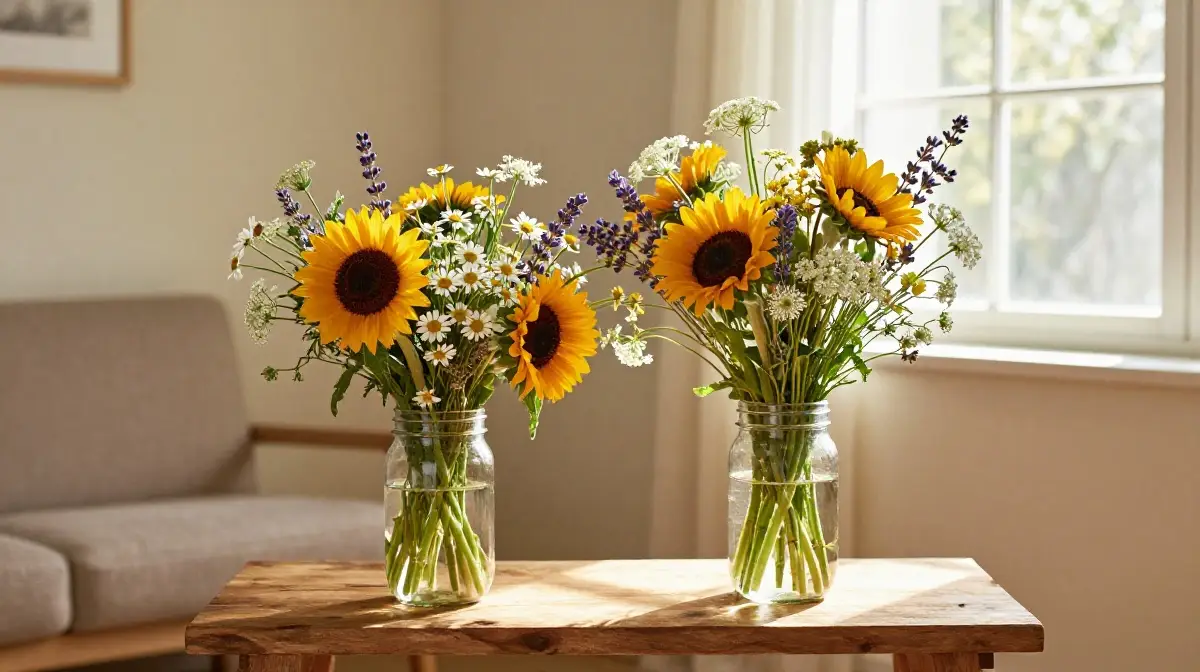
Wildflower arrangements carry an effortless, natural charm that makes any living room feel warm and lived-in without looking overdone. Gather a loose mix of sunflowers, daisies, lavender, and Queen Anne’s lace and place them in a mason jar, a ceramic pitcher, or even a recycled glass bottle for a casual and authentic feel. The key to pulling off this style is intentional imperfection, meaning you want the stems to look gathered from a garden rather than shaped by a designer. Place these bundles on a wooden side table, a rustic shelf, or near a window where natural light can highlight the petals. Wildflower bundles are also excellent for layering with dried grasses and seed pods, which add texture and visual interest. This arrangement style suits homes with farmhouse, bohemian, or country-inspired interior themes especially well.
Minimalist Single-Stem Display for Modern Spaces
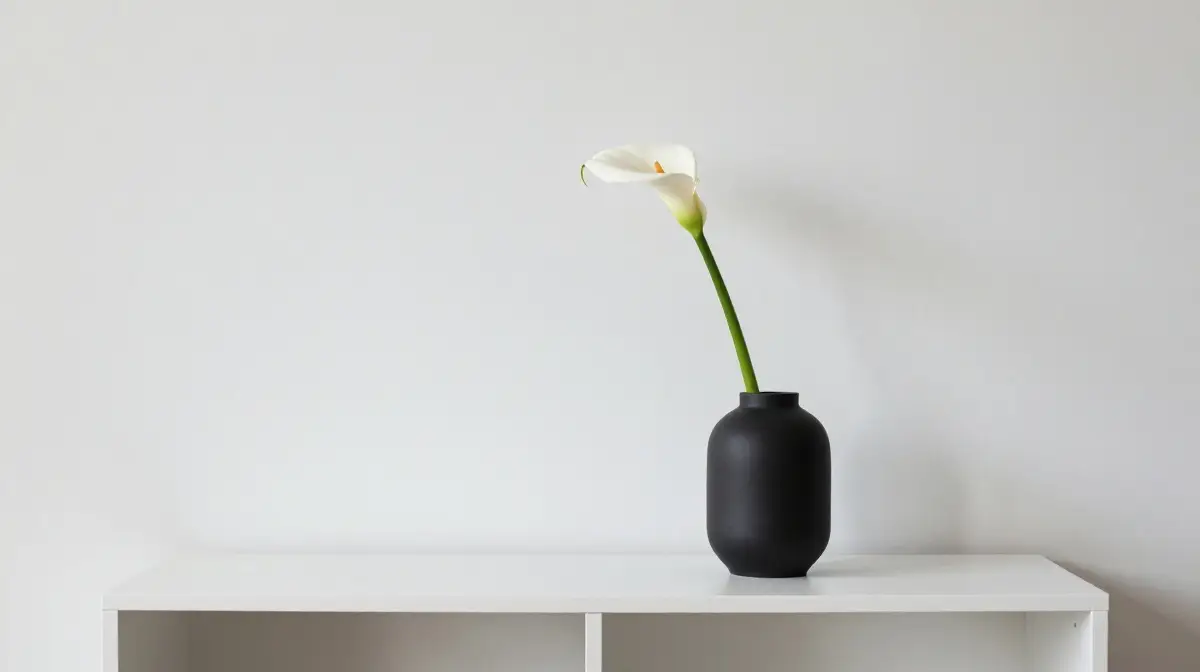
Sometimes one flower says more than a hundred. A single stem arrangement, such as one tall orchid, a single bird of paradise, or a lone calla lily placed in a slim, elongated vase, creates a statement that is clean, sophisticated, and deeply modern. This style works exceptionally well in contemporary homes where the decor follows a less-is-more philosophy. The beauty of single-stem arrangements is that they demand attention without competing with surrounding furniture or artwork. Choose a vase with a strong silhouette, whether matte black ceramic or brushed gold metal, to complement the minimalist aesthetic. Position the display on an entryway console, a bathroom shelf, or a bedroom nightstand for a refined touch that speaks volumes through simplicity.
Seasonal Flower Arrangements to Celebrate Each Month
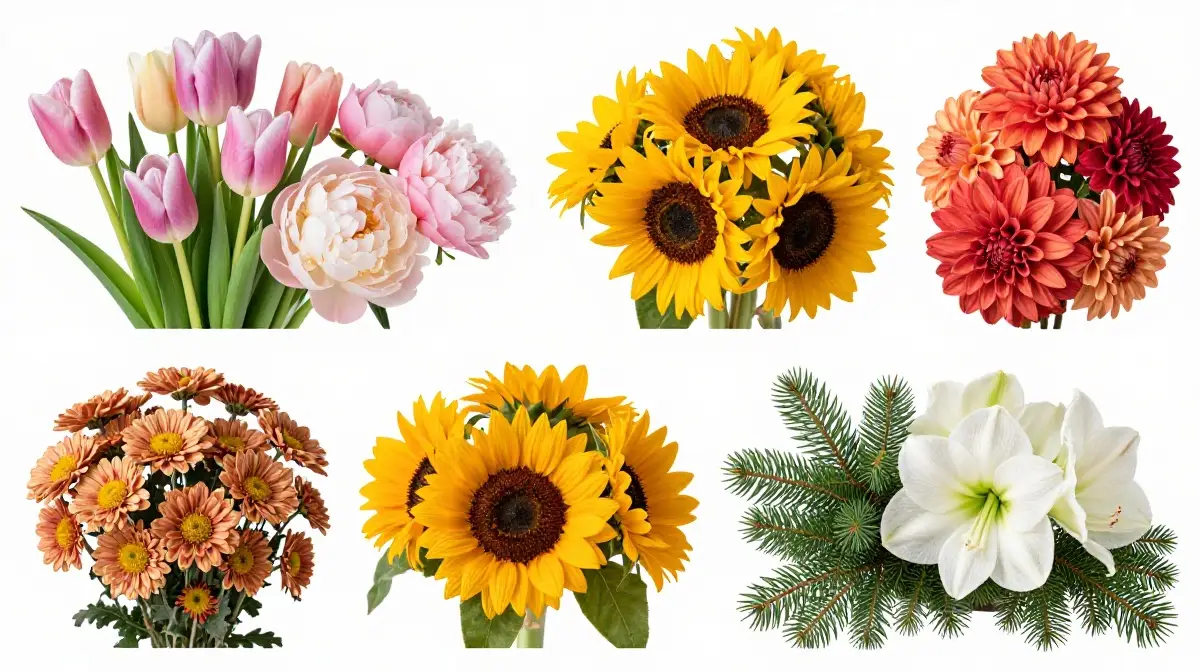
One of the most rewarding approaches to home floral decor is rotating your arrangements with the seasons. Spring calls for cheerful tulips, peonies, and daffodils in pastel tones that mirror the freshness outside your windows. Summer opens the door to bold sunflowers, zinnias, dahlias, and garden roses in vivid reds, oranges, and yellows that radiate warmth and energy. As autumn arrives, chrysanthemums, marigolds, and dried grasses bring in earthy tones that feel cozy and grounding. Winter arrangements featuring amaryllis, holly berries, white roses, and evergreen branches create an elegant seasonal atmosphere that suits both festive occasions and quiet evenings at home. Rotating your flowers seasonally keeps your decor feeling current, intentional, and connected to the natural world around you throughout the year.
Dried Flower Arrangements for Long-Lasting Elegance
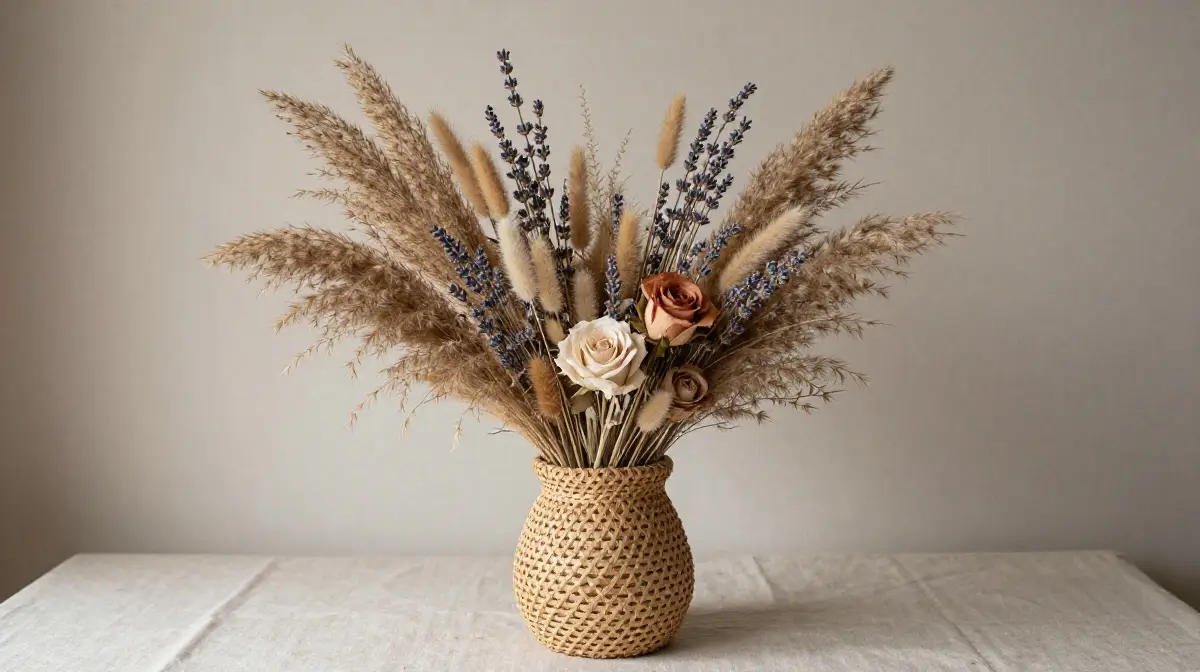
Dried flowers have made a powerful comeback in interior design, and for good reason. Unlike fresh blooms, dried arrangements require no water, no trimming, and no daily maintenance, yet they retain their beauty for months or even years when properly cared for. Pampas grass, dried lavender, bunny tails, lunaria, and preserved roses are among the most popular choices for this style. These blooms bring a romantic, vintage quality to any room and work wonderfully in bohemian, Scandinavian, and modern farmhouse interiors. Display them in a woven rattan vase, a terracotta pot, or a simple white ceramic for a look that feels both organic and artful. Keep dried arrangements away from direct sunlight to prevent fading and from humid areas to avoid moisture damage over time.
Tall Floor Vase Arrangements for Grand Living Rooms
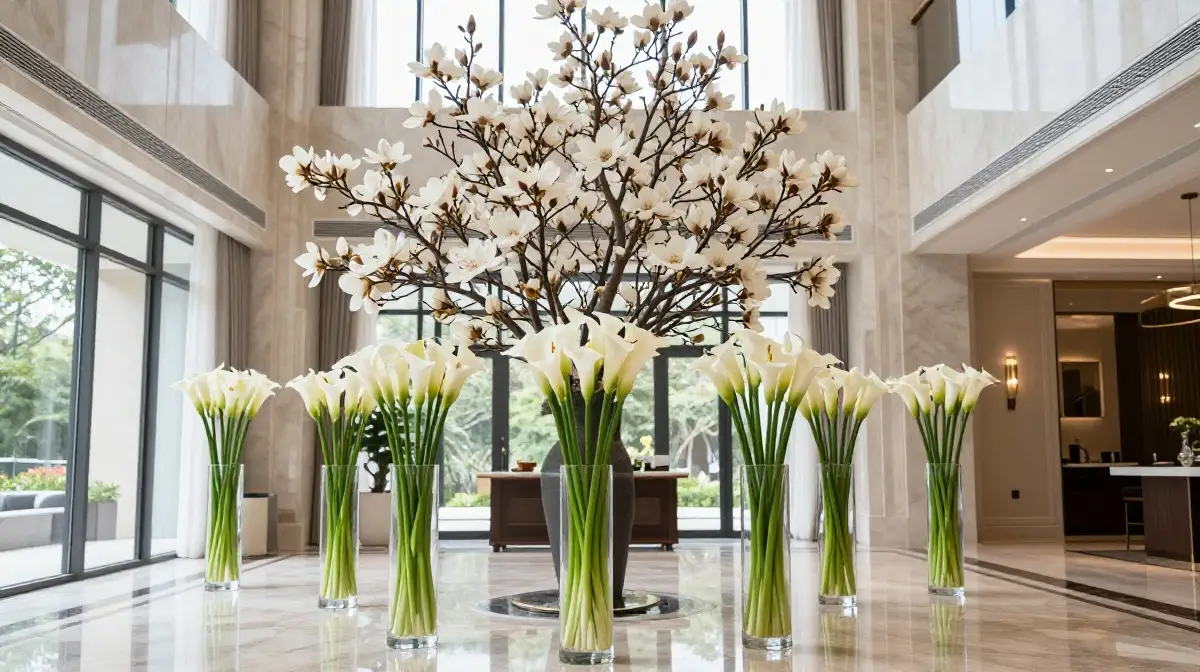
If you have high ceilings or a spacious living room, a tall floor vase filled with dramatic branches, oversized blooms, or architectural foliage can serve as a stunning focal point that anchors the entire space. Branches of cherry blossoms, magnolia, or birch paired with long-stemmed calla lilies or gladioli create an arrangement that feels almost sculptural in its presence. The floor vase itself becomes part of the display, so choose one with a strong shape, perhaps a tall cylindrical ceramic in a neutral or bold tone. Place the arrangement in a corner near natural light or beside a fireplace to maximize its visual impact. This type of display works best when the flowers and foliage are allowed to spill naturally outward rather than being forced into a tight, uniform shape. The result is a look that feels both artistic and luxuriously relaxed.
Colorful Peony Arrangements for the Bedroom
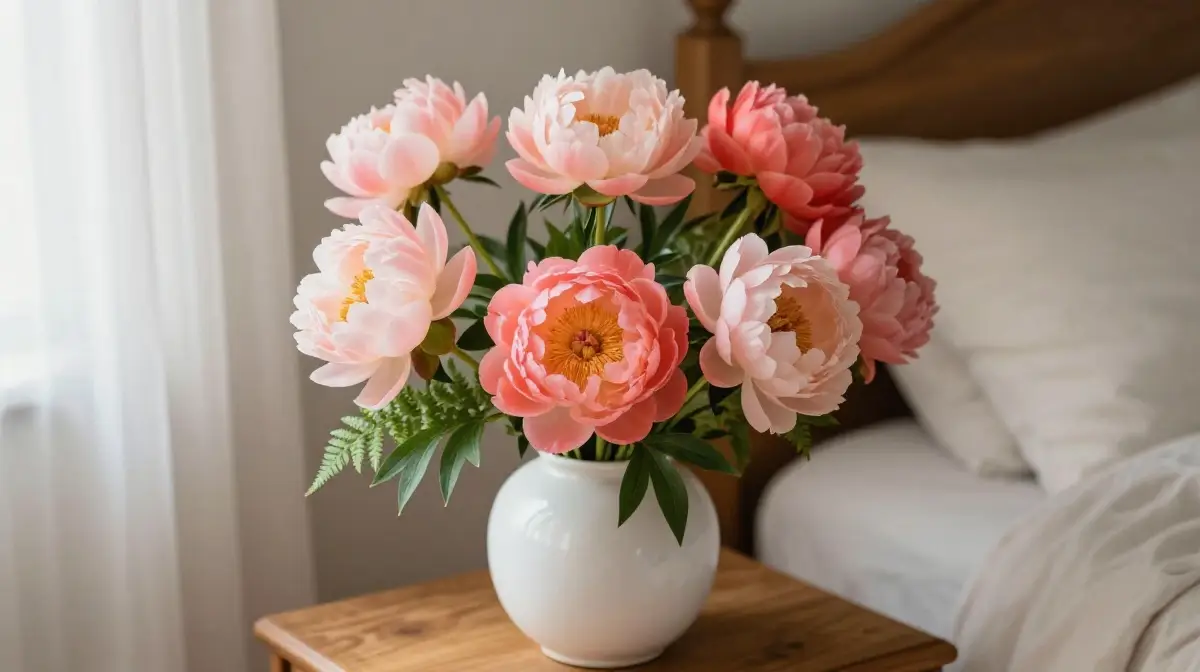
Peonies are arguably the most romantic flowers available, and a soft, full arrangement of them placed in the bedroom creates an atmosphere of warmth and gentle indulgence. Their large, ruffled blooms in shades of blush, coral, cream, and deep burgundy feel inherently luxurious and personal. Arrange several peony stems in a short, round vase and place them on a dresser, nightstand, or windowsill where their fragrance can fill the room naturally. Combine them with soft greenery such as fern fronds or garden mint leaves to add contrast and freshness to the arrangement. Peonies are seasonal flowers that bloom primarily in late spring, so when they are available, buy them a day or two before they are fully open and let them bloom gradually in your space. The experience of watching them open over several days is itself a form of quiet and beautiful home enjoyment.
Kitchen Window Herb and Flower Combination
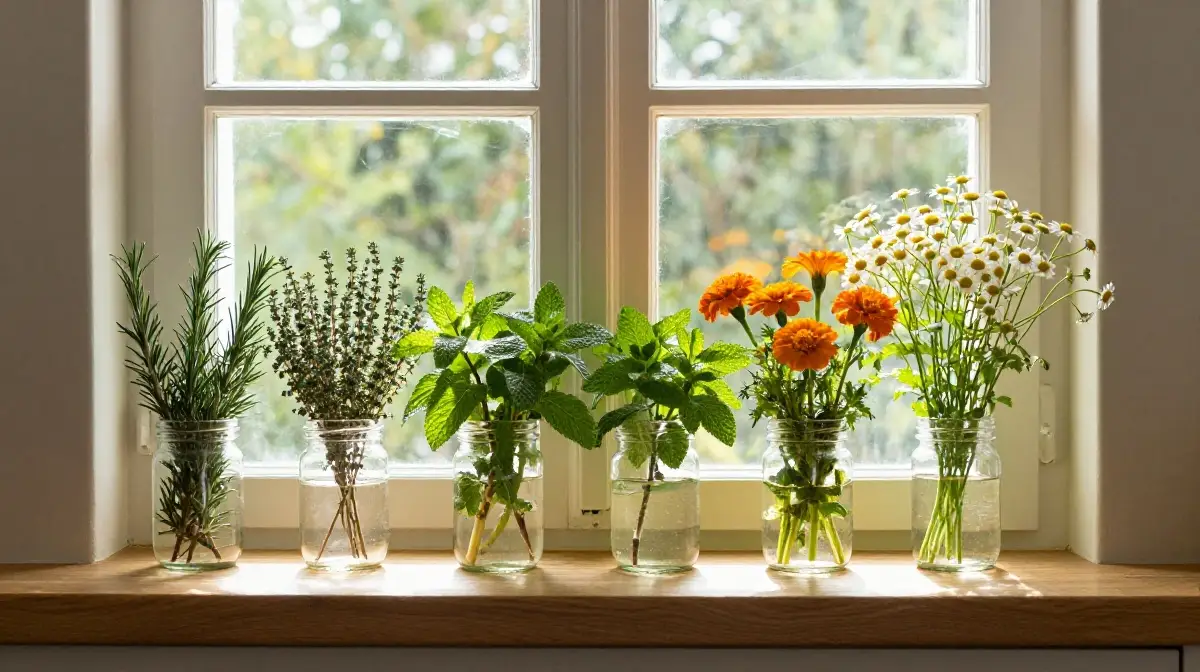
Blending edible herbs with cut flowers is a practical and visually charming idea that works perfectly on a kitchen windowsill. Small bundles of rosemary, thyme, or mint paired with cheerful marigolds, chamomile, or small sunflowers create an arrangement that serves double duty as both decor and pantry resource. Place them in small mismatched jars or recycled bottles for an eclectic, homey look that feels casual and curated at the same time. This type of arrangement benefits greatly from the natural light that most kitchen windows provide, keeping both the herbs and flowers alive longer. The combination of green, fragrant herbs with bright flower petals brings warmth and color to what is often one of the busiest rooms in the home. It also serves as a daily reminder to slow down and notice the small, beautiful things that surround us every single day.
Monochromatic Flower Arrangements for a Bold Statement
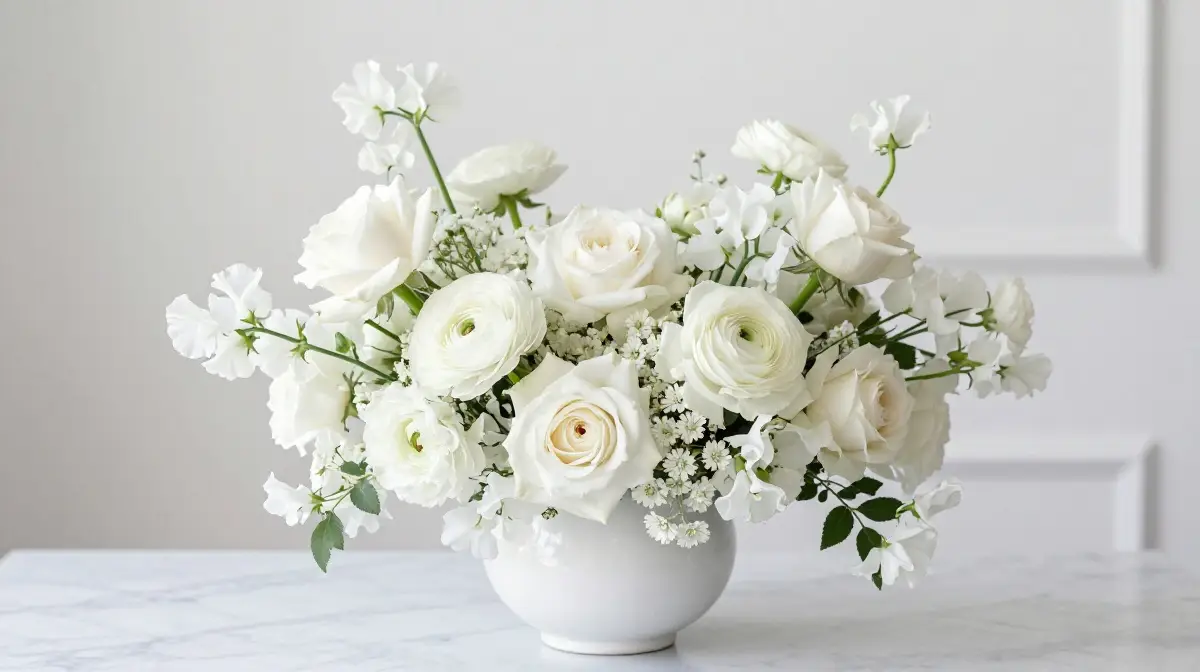
Choosing a single color and layering multiple flower varieties within that hue creates an arrangement that is visually striking and deeply cohesive. An all-white arrangement combining white roses, white ranunculus, white sweet peas, and white gypsophila looks breathtakingly pure and sophisticated, ideal for a formal living room or dining space. An all-yellow arrangement featuring sunflowers, yellow tulips, mimosa, and golden marigolds radiates cheerfulness and energy, making it perfect for a kitchen or breakfast nook. The power of a monochromatic flower arrangement lies in how it trains the eye to appreciate subtle differences in petal shape and texture within the same color family. This approach is also incredibly easy to execute because you do not need to worry about color clashing between different varieties. Simply focus on varying flower sizes and forms to add the visual depth that keeps the arrangement interesting and dynamic.
Hanging Flower Installations for Creative Spaces
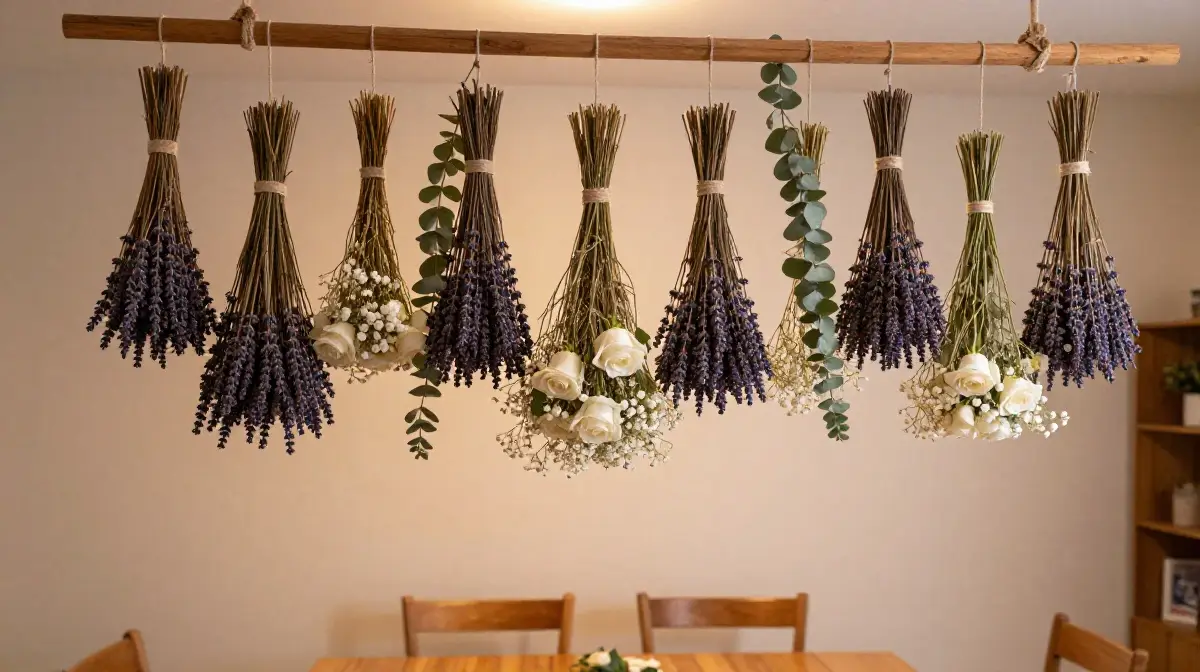
For those who want to take their floral decor beyond the traditional vase, hanging flower installations offer a breathtaking and unconventional alternative. Suspend dried or fresh flowers from the ceiling above a dining table, in a bedroom corner, or framing a window using twine, copper wire, or wooden dowels for a look that feels magical and immersive. Eucalyptus, dried lavender, roses, and baby’s breath all work beautifully in hanging displays, either as individual bundles or woven together into a flowing curtain of botanicals. This style of arrangement transforms a simple room into an experience, creating depth and romance overhead that standard shelf or table displays simply cannot achieve. Hanging flower installations are especially popular for home celebrations and seasonal occasions but work equally well as permanent fixtures in creative, expressive living spaces. Refresh the installation as needed by replacing wilted stems with new or dried alternatives.
Orchid Arrangements for a Luxurious Touch
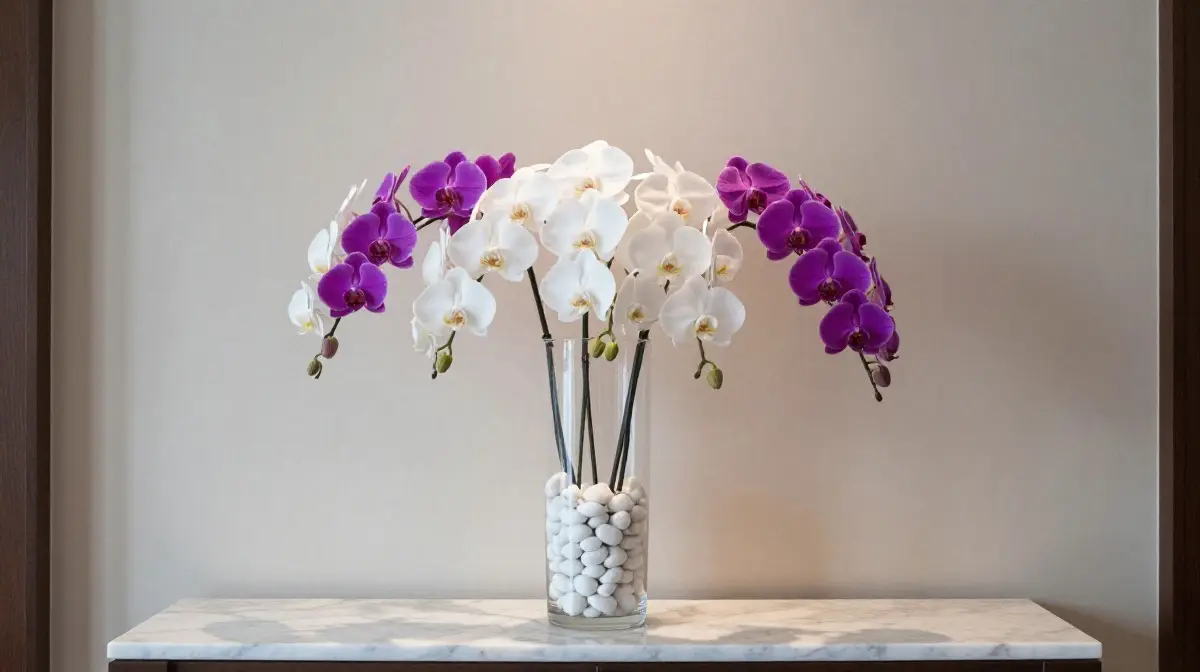
Orchids are among the most elegant and long-lasting flowers available, making them one of the smartest choices for sophisticated home decor arrangements. A single potted phalaenopsis orchid placed on a console table, mantelpiece, or home office desk instantly communicates refinement and attention to detail. For cut orchid arrangements, place several stems in a tall, clear glass vase filled with decorative river stones or smooth white pebbles at the base for an added layer of visual texture. Orchids come in an extraordinary range of colors including white, purple, yellow, pink, and deep burgundy, making it easy to find a variety that complements any interior color palette. They thrive in indirect light and require watering only once a week, making them both beautiful and wonderfully low maintenance for busy households. Their architectural stem structure also makes them ideal for pairing with tropical leaves like monstera for a lush, dramatic display.
Tulip Arrangements in Colorful Spring Displays
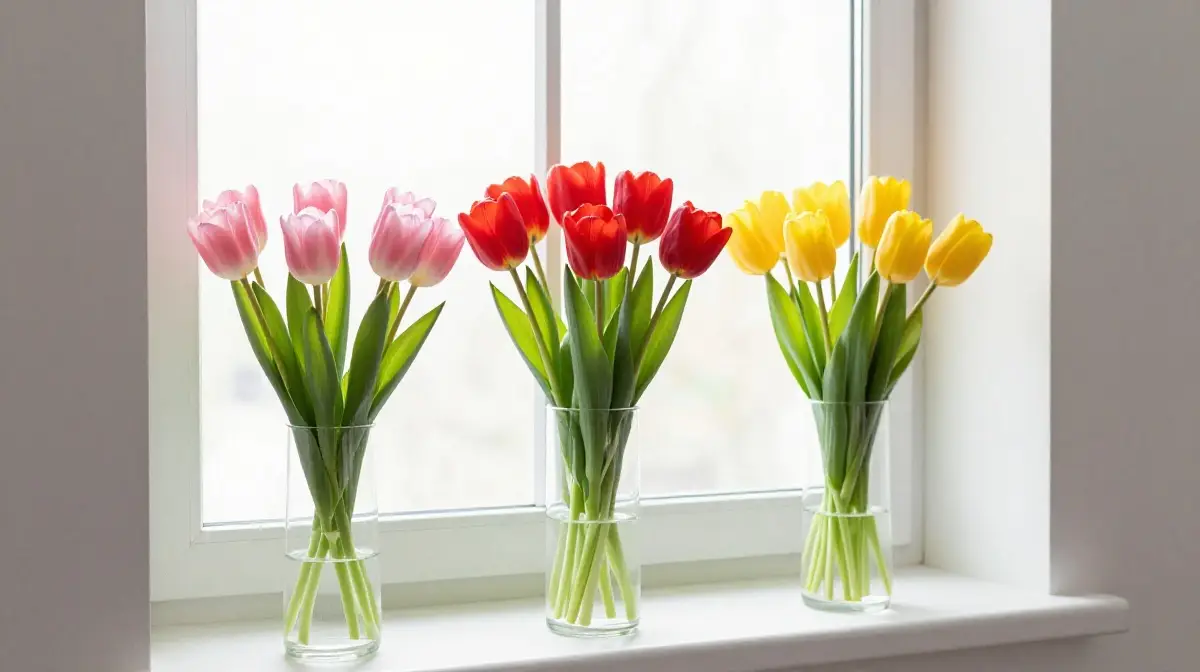
Tulips are among the most joyful and accessible flowers for home arrangements, offering an extraordinary range of colors from the softest pastels to the most vivid jewel tones. A generous bunch of mixed-color tulips placed in a simple glass vase creates an instant mood lift in any room, particularly during the winter-to-spring transition when color is most welcome. Tulips have the interesting quality of continuing to grow slightly after being cut, so your arrangement will naturally shift and evolve over several days, becoming looser and more graceful as time passes. To keep tulips upright longer, add a copper coin or a few drops of vodka to the vase water, both of which are known to slow bacterial growth. Group tulips of a single color together in separate slim vases placed side by side for a modern, gallery-style display that looks curated and intentional. This arrangement style works exceptionally well on a hallway console or a wide windowsill with good natural light.
Sunflower Arrangements for a Cheerful Home Atmosphere
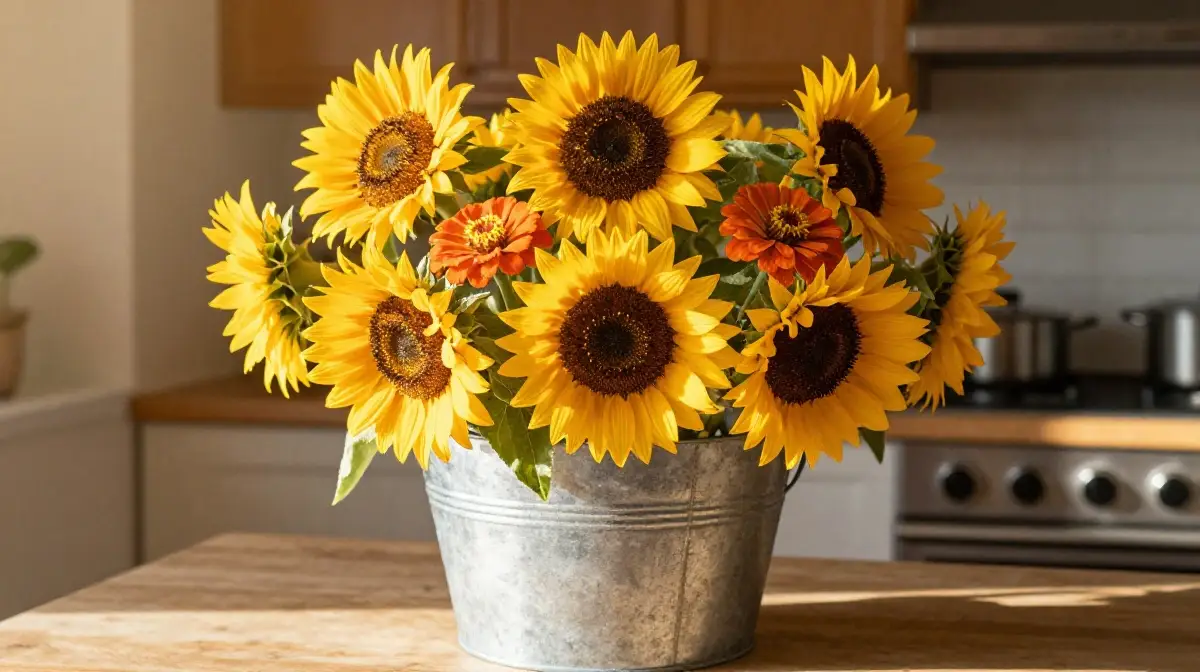
Few flowers bring the same immediate warmth and happiness as sunflowers, making them one of the most beloved choices for home decor arrangements across all interior styles. Their bold yellow petals and strong, tall stems create an arrangement that commands attention and fills any room with natural energy. Place a cluster of five to seven sunflowers in a large ceramic crock, a galvanized metal bucket, or a wide-mouthed mason jar for a look that is both striking and unpretentious. Sunflowers pair beautifully with complementary flowers such as orange zinnias, yellow chrysanthemums, or rust-colored gerbera daisies, creating a warm autumn palette that works from late summer well into the colder months. They are also remarkably long-lasting when kept in clean water with freshly trimmed stems, often staying vibrant for up to two weeks. Displaying sunflowers near a kitchen or living room window where they can catch daylight amplifies their golden, sun-filled character magnificently.
Succulent and Flower Combination Arrangements
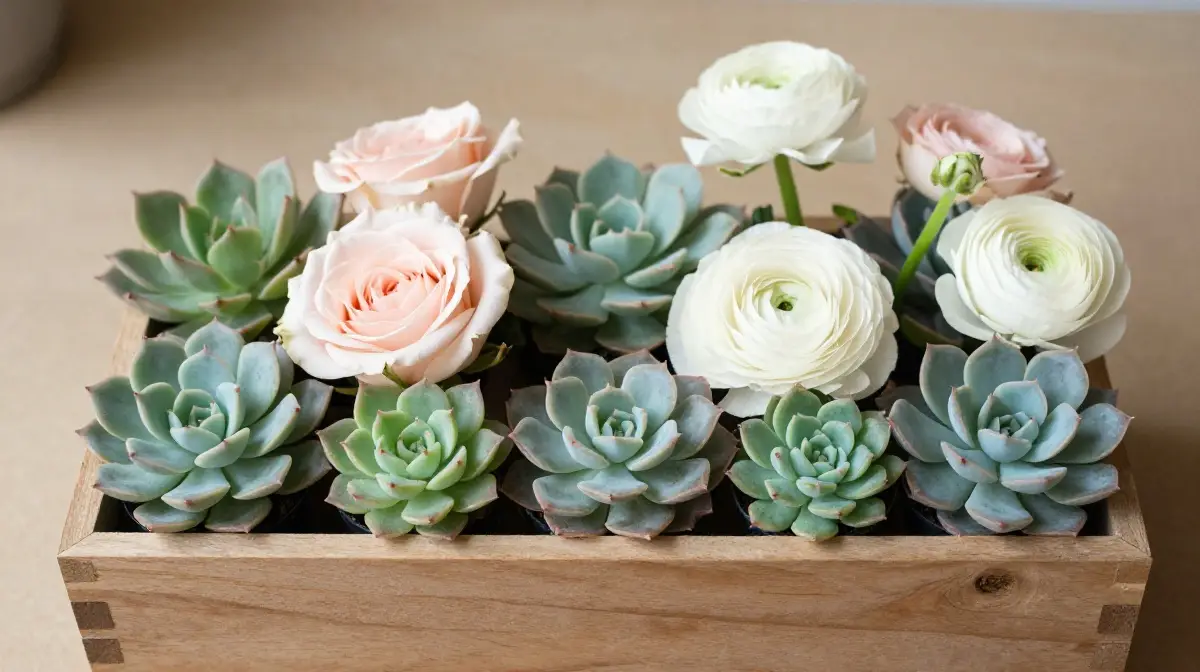
Combining succulents with fresh or dried flowers is a creative and increasingly popular approach that brings together the worlds of floral design and plant decor in one unified display. Succulents, with their sculptural rosette shapes and thick, waxy leaves, add a structural quality to flower arrangements that traditional foliage cannot replicate. Pair small echeveria or hen-and-chicks succulents with garden roses, ranunculus, or hydrangea blooms for a textured arrangement that feels both organic and artfully composed. This combination works particularly well in shallow, wide vessels such as wooden boxes, terracotta trays, or low ceramic bowls that allow the succulents to be displayed at their natural height. After the flowers fade, the succulents can be replanted into soil and enjoyed as a lasting houseplant, making this arrangement style one of the most sustainable choices for the eco-conscious home decorator. The blend of living plants and blooms creates a display that evolves beautifully over time.
Lavender Arrangements for a Calming Bedroom Sanctuary
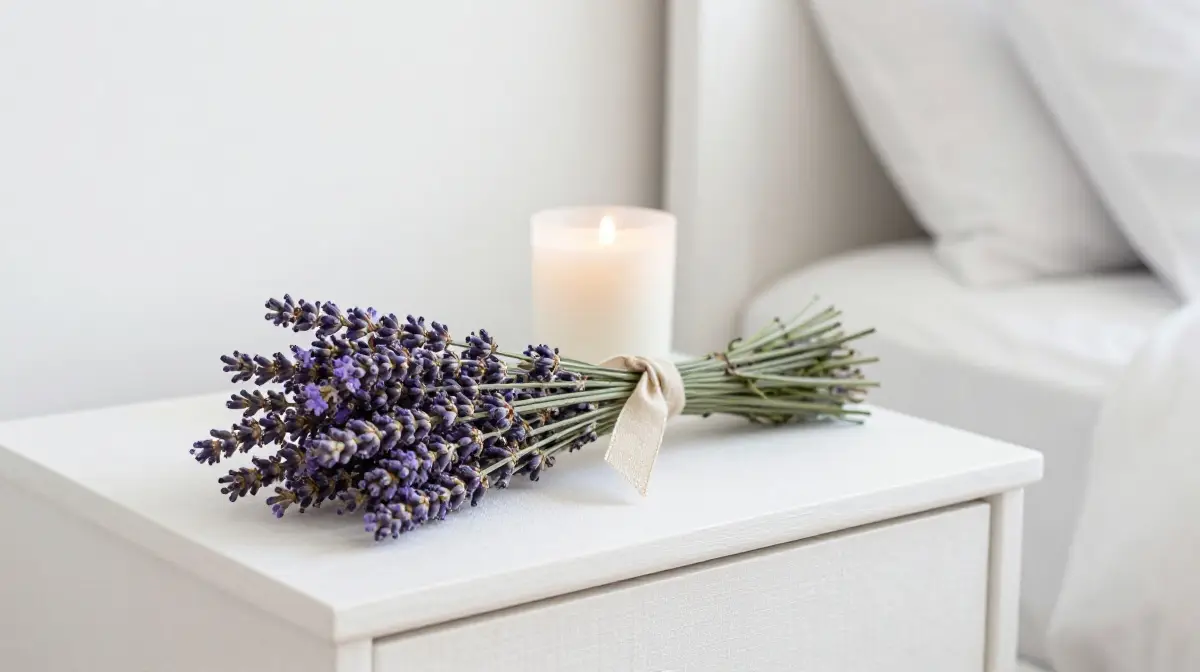
Lavender is not merely a beautiful flower, it is also a natural source of calm, carrying a fragrance that has been shown to reduce stress and promote restful sleep. Placing a bundle of fresh or dried lavender in the bedroom, either alone in a simple vase or combined with soft white roses and eucalyptus, creates an arrangement that is as therapeutic as it is decorative. Fresh lavender bundles look stunning tied with a linen ribbon and laid flat on a windowsill or nightstand, filling the room gradually with their gentle, herbaceous scent. Dried lavender retains its fragrance for many months and can be incorporated into more permanent bedroom arrangements without any concern for wilting or water maintenance. Shades of purple, lilac, and soft grey-blue make lavender an ideal companion for bedroom color palettes that lean toward neutrals, whites, and earthy tones. Few flowers achieve the dual purpose of beautifying a space and genuinely improving the quality of rest within it as effectively as lavender.
Hydrangea Arrangements for a Full and Lush Display
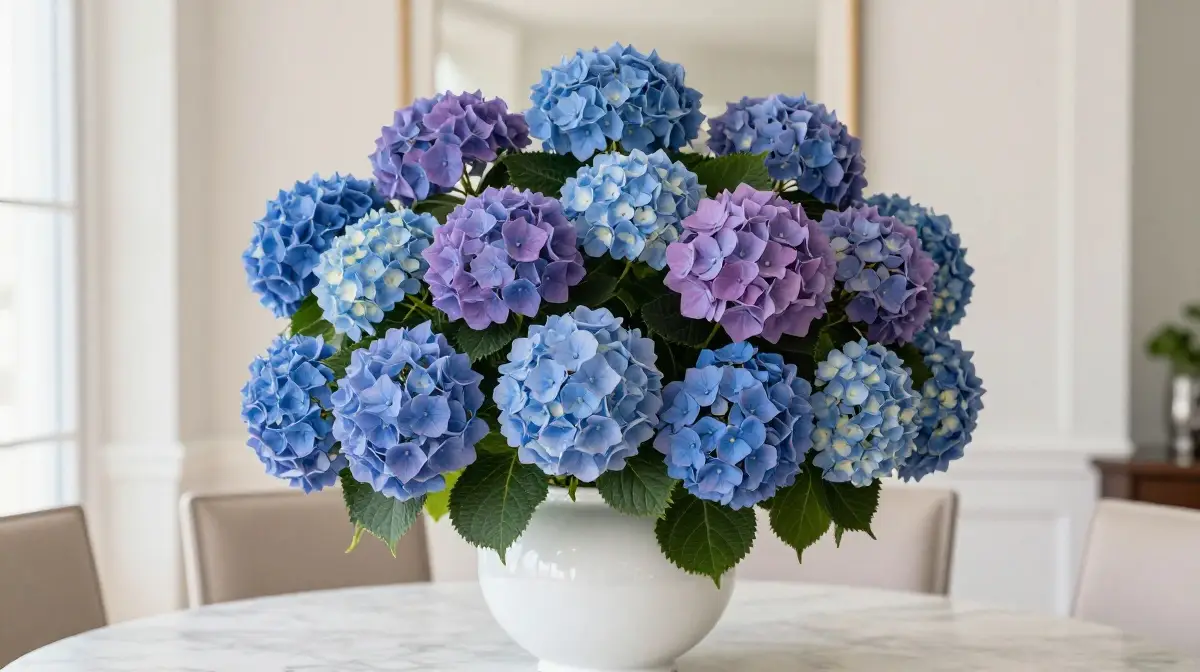
Hydrangeas are extraordinary flowers for home arrangements because of their impressive volume, each single stem producing a large, cloud-like bloom that fills space with very little effort required from the arranger. A handful of hydrangea stems placed in a wide-mouthed vase can create an arrangement that looks abundant and full, even when the total number of flowers is quite small. They come in a wide range of colors including blue, purple, pink, white, and green, and each shade brings a distinctly different mood to a room. Blue and purple hydrangeas feel serene and cool, making them ideal for living rooms and dining spaces, while pink and white varieties carry a romantic, feminine quality that suits bedrooms and entryways particularly well. To keep hydrangeas fresh, submerge the entire bloom briefly in cool water for thirty minutes after purchase, then place them in a vase with cool water that is refreshed daily. Their large scale makes them one of the most impactful flowers available for creating statement arrangements with minimal effort.
Tropical Flower Arrangements for an Exotic Home Atmosphere
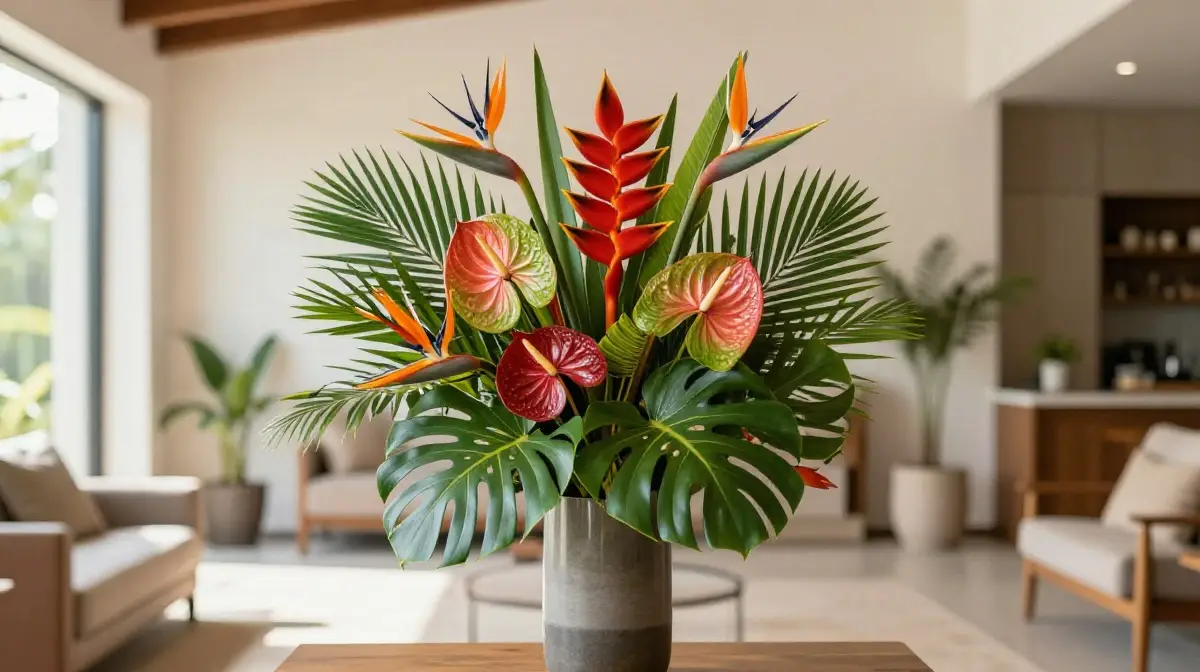
Tropical flowers bring a sense of adventure, boldness, and lush abundance that is unlike any other floral style, making them perfect for homeowners who want their decor to feel vibrant and uniquely expressive. Bird of paradise, anthurium, heliconia, ginger flowers, and tropical orchids are among the most dramatic and visually striking choices available, each one carrying an architectural quality that makes it function almost like living sculpture within a room. Arrange these blooms in a tall, modern vase with large tropical leaves such as monstera, banana leaf, or philodendron to create a display that feels genuinely lush and immersive. Tropical arrangements work beautifully in rooms that receive plenty of natural light and that feature earthy, warm, or nature-inspired color palettes and materials. They are particularly well suited to open-plan living areas, sunrooms, or any space where the homeowner wants to create a bold visual focal point that draws the eye immediately upon entering. These blooms are also notably long-lasting, often remaining fresh for two weeks or more in the right conditions.
Mason Jar Flower Arrangements for Casual Everyday Decor
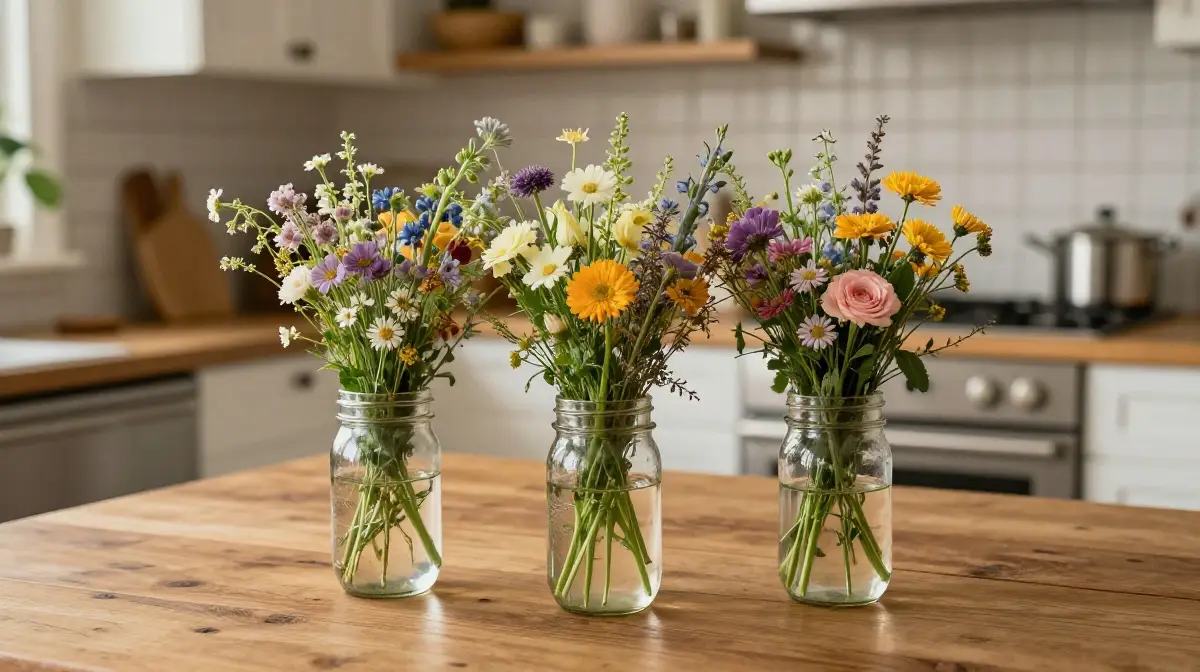
Mason jar flower arrangements represent one of the most accessible, charming, and budget-friendly ways to bring flowers into everyday home life without the need for expensive vases or elaborate design skills. Simply gather a few stems of seasonal flowers, grocery store blooms, or garden cuttings, place them loosely in a clean mason jar filled with fresh water, and the result is an arrangement that looks both intentional and effortlessly casual. The clear glass of the jar allows the stems themselves to become part of the visual display, which adds an extra layer of natural texture to the arrangement. Group three mason jars of varying heights together on a kitchen table, a bathroom counter, or a windowsill, each containing a slightly different combination of flowers, for a coordinated yet relaxed look. This style is especially popular for informal home entertaining, as a row of small mason jar arrangements down the center of a dining table creates a warm, welcoming table setting without any formality. It is also one of the most environmentally friendly arrangement styles, as the jars can be reused endlessly.
Foliage Forward Arrangements Using Greenery as the Star
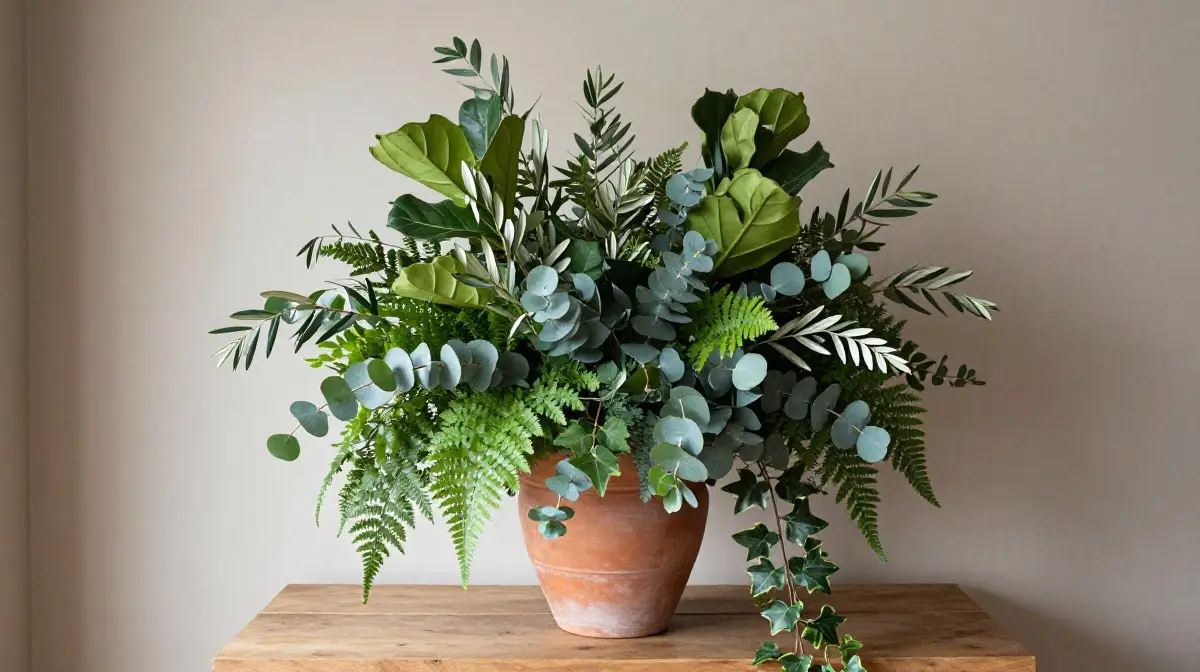
Not every arrangement needs flowers to be beautiful, and foliage forward arrangements prove this point with remarkable elegance. Using various shades, textures, and forms of green leaves as the primary design element creates a display that feels deeply natural, sophisticated, and architecturally interesting. Combine eucalyptus, ferns, fiddle leaf branches, olive branches, and trailing ivy in a large vessel for a lush green arrangement that complements virtually any interior color scheme. The many shades of green present in different foliage varieties, from the silver-grey of eucalyptus to the deep forest green of fig leaves, provide more than enough visual contrast and depth to sustain interest without a single flower being added. Green-only arrangements are particularly practical for homes with pets or young children, as many common flowers carry toxicity risks that popular foliage plants do not. They also last significantly longer than most fresh flower arrangements when given clean water and moderate light, making them a sensible and beautiful long-term decor investment.
Flower Arrangements in Unconventional Containers
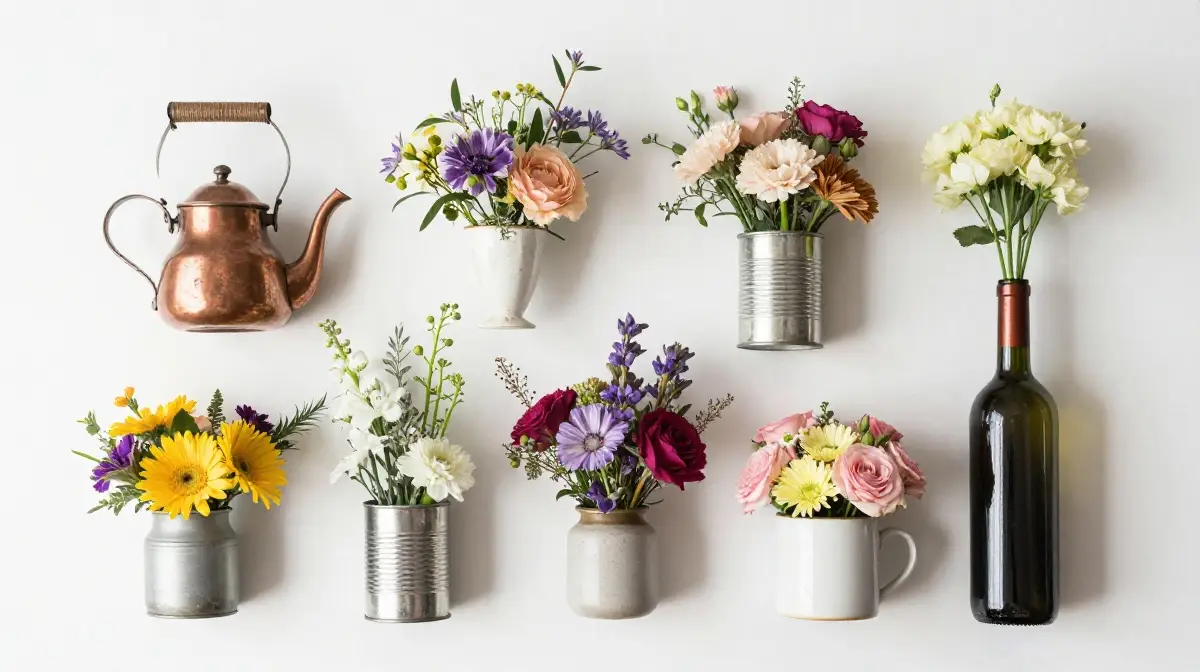
One of the most creative ways to refresh your approach to flower arrangements is to move beyond the traditional vase and explore the decorative potential of unexpected containers found throughout the home. Old teapots, vintage tin cans, wine bottles, wooden crates, hollowed-out books, ceramic mugs, antique copper pots, and even woven baskets lined with plastic can all serve as distinctive and characterful vessels for floral displays. The container you choose communicates as much about your style and personality as the flowers themselves, so selecting something with history, texture, or an unusual shape immediately makes the arrangement feel personal and one-of-a-kind. A cluster of small wildflowers in a painted teacup sitting on a reading table creates an entirely different feeling from the same flowers placed in a crystal vase, yet both are equally valid expressions of floral design. Experimenting with unconventional containers also encourages a more playful, resourceful approach to home decor that values creativity over convention. This is a particularly wonderful activity to explore with children, turning the search for containers into a fun and imaginative household project.
Ombre Flower Arrangements for a Gradient Color Effect
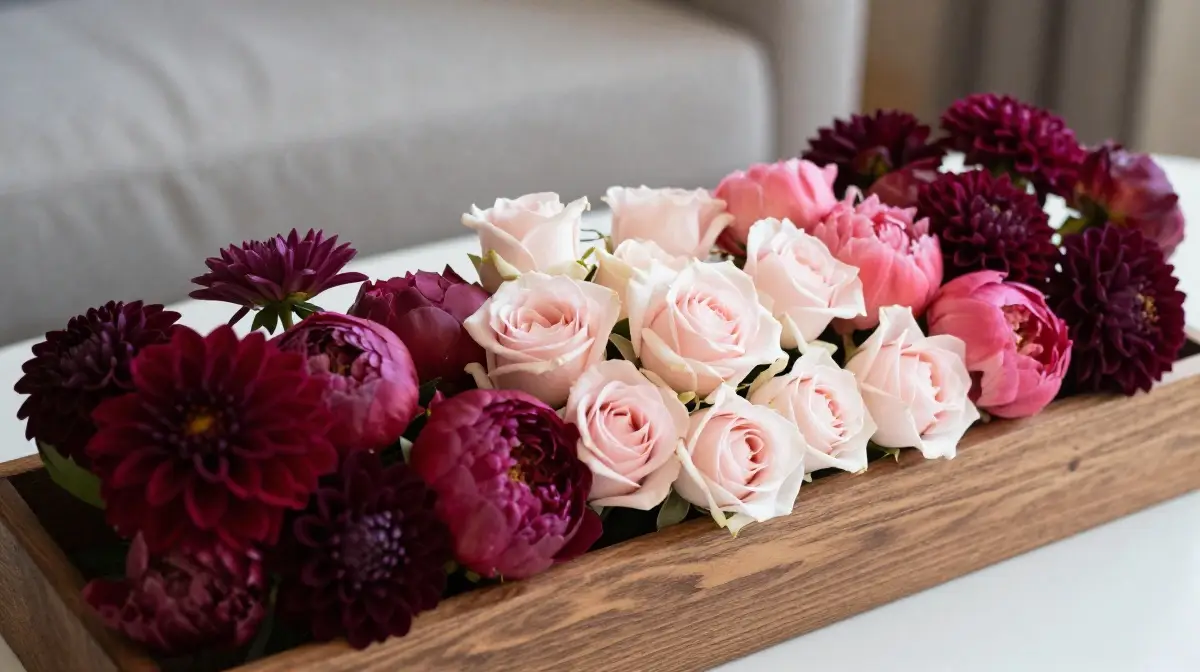
An ombre flower arrangement uses flowers in graduating shades of a single color to create a stunning gradient effect that moves naturally from light to dark or from one related hue to another within a single display. Imagine an arrangement that moves from pale blush roses on one side through deeper pink peonies to rich burgundy dahlias on the other, creating a sweep of color that feels both harmonious and visually dynamic. This technique requires a little planning before you begin, as you need to select flowers in at least three or four graduating shades and arrange them deliberately from one end of the vessel to the other. Wide, rectangular vessels or long wooden troughs work best for showcasing the gradient effect clearly, allowing the color transition to unfold across the full width of the arrangement. Ombre arrangements are particularly popular for dining tables, entryway consoles, and mantelpieces where they can be viewed from the front and appreciated in their full horizontal sweep. They make an extraordinary impression at home gatherings and celebrations and require no special florist training to achieve.
Flower Wall Panels for a Dramatic Home Feature
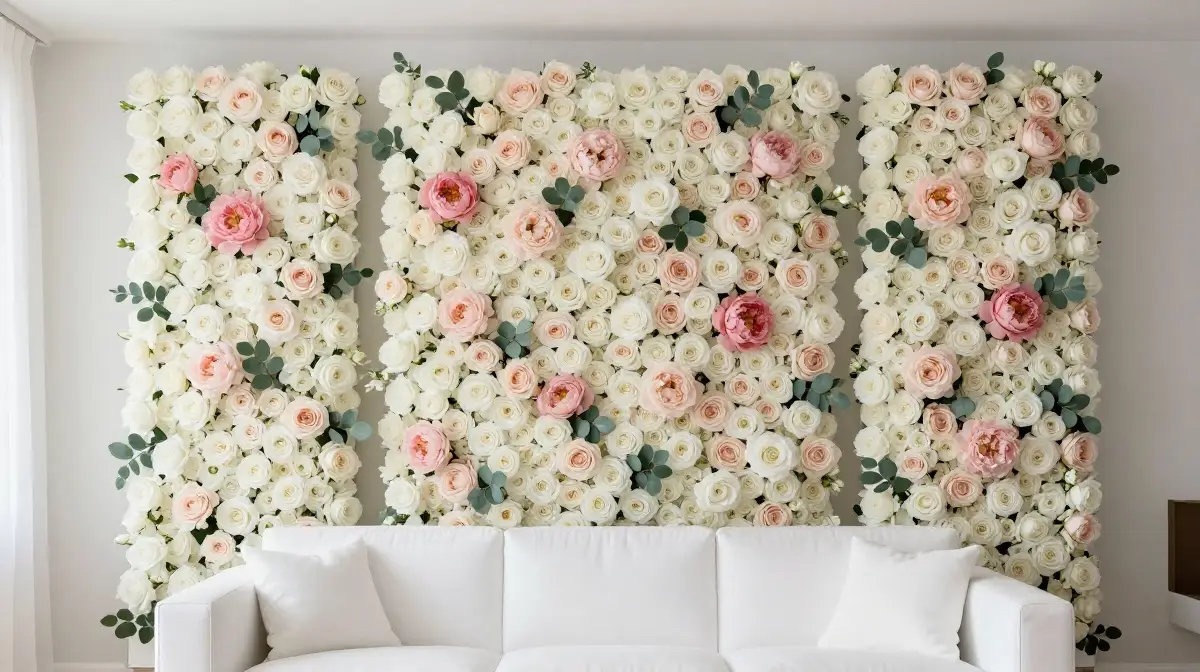
A flower wall panel, whether made from fresh, dried, or high-quality artificial blooms, represents one of the most dramatic and visually impactful statements you can make in home decor. These installations cover an entire wall section or a large framed panel with densely arranged flowers and foliage, creating a backdrop that immediately transforms the character of any room it occupies. Fresh flower walls can be created using floral foam panels into which stems are inserted closely together, while dried and artificial versions can be built more permanently on wire mesh or wooden frames for a lasting display. Roses, hydrangeas, peonies, and eucalyptus are among the most commonly used flowers for wall panels, as their size and petal density allow them to cover large areas efficiently. Place a flower wall panel behind a sofa, above a bed headboard, or in an entryway for a feature that stops every visitor in their tracks. This style has become particularly popular in home photography spaces and social media-friendly rooms where a visually stunning background is a genuine lifestyle asset.
Conclusion
Flower arrangements are one of the most accessible and genuinely transformative elements available to any home decorator, regardless of budget, skill level, or the size of the space being worked with. From the sweeping drama of a tall floor vase to the quiet charm of a single lavender stem on a nightstand, every idea in this collection offers a meaningful way to connect your living environment with the natural world. The 22 ideas presented here span a wide range of styles, moods, and occasions, ensuring that there is a perfect floral approach for every room and every personality. What makes flower arrangements truly special is not the cost of the blooms or the complexity of the technique, but the care and intention behind each display. Begin with one idea that resonates with you most, take the time to enjoy the process of arranging, and allow your home to bloom into a more beautiful and personal space one stem at a time.
You may also like this:22 Shelf Decor Ideas to Style Your Space Beautifully
Frequently Asked Questions
1. What flowers last the longest in indoor arrangements?
Flowers that last the longest indoors include chrysanthemums, alstroemeria, carnations, orchids, and zinnias. These varieties are known for their durability and can remain fresh for ten to fourteen days when stems are trimmed regularly and water is changed every two days. Avoiding direct sunlight and keeping arrangements away from heat vents also significantly extends their vase life and keeps petals looking vibrant.
2. How do I choose the right vase for my flower arrangement?
The right vase depends on the size, style, and quantity of your flowers. Tall cylindrical vases suit long-stemmed flowers like roses and gladioli, while wide-mouthed vessels work better for fuller blooms like peonies and hydrangeas. As a general rule, your arrangement should be approximately one and a half times the height of the vase for visually balanced proportions that feel natural and pleasing to the eye.
3. Can I mix artificial and fresh flowers in one arrangement?
Yes, mixing artificial and fresh flowers is a practical and visually effective technique. High-quality silk or real-touch artificial flowers can be blended with fresh stems to add volume and consistency, especially for blooms that are out of season. The key is to choose artificial flowers that closely mimic the texture and color of the fresh ones for a seamless, natural-looking result that is difficult to distinguish at a glance.
4. What is the best way to keep flower arrangements fresh longer?
Always cut stems at a 45-degree angle before placing them in water, as this increases the surface area for water absorption. Remove any leaves that fall below the waterline to prevent bacterial growth in the vase. Adding a small amount of flower food or a teaspoon of sugar with a few drops of bleach to the water also helps preserve freshness and keep stems nourished for longer periods of time.
5. How many flowers do I need for a good home arrangement?
The number depends entirely on the style and size of your arrangement. A small bedroom vase typically looks beautiful with five to seven stems, while a dining table centerpiece may require twelve to twenty stems for a full and lush appearance. Odd numbers of stems tend to look more natural and visually balanced than even numbers, which can sometimes make arrangements feel too symmetrical and rigid for a relaxed home setting.

1 Comment