
Introdcution
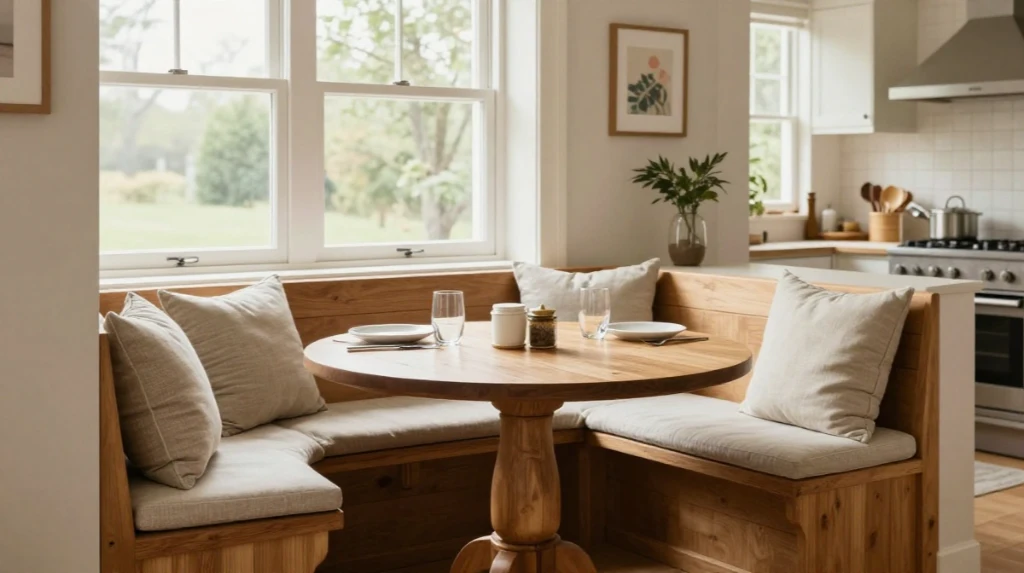
There is something special about a small corner set aside just for meals. It is not always the biggest space in the house, but it often becomes the one everyone gathers around the most. A well-planned dining nook design turns an awkward corner or unused window area into the heart of daily family life.
If you have ever wished your kitchen had a warmer, more inviting spot to sit down for breakfast or a quick dinner, you are not alone. Many homes have leftover space that could easily become a cozy eating area with the right bench, table, and a few thoughtful touches. It does not require a full renovation to make it feel intentional.
This guide walks through 22 dining nook ideas that work for different home styles, space sizes, and family needs. Whether you love a farmhouse look, a modern minimalist corner, or a soft cottage feel, there is an idea here that fits your home and your everyday routine.
Cozy Dining Nook Basics
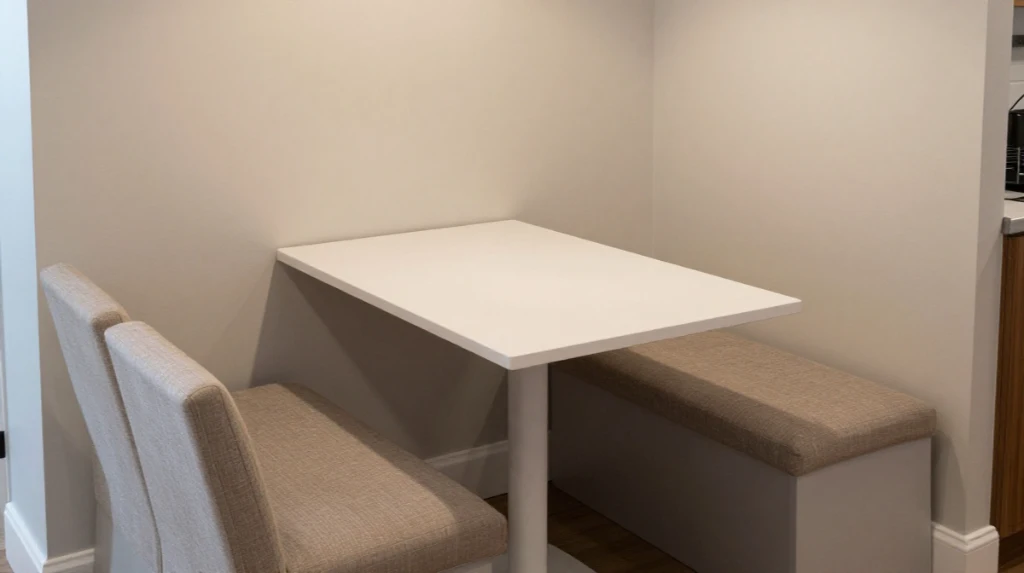
Every good dining nook design starts with understanding the space you actually have. Measure the corner, window area, or wall section you are considering, and think about how many people usually eat together. A nook that fits two comfortably will feel cramped for a family of five, so plan seating around your real daily habits rather than an idea from a photo.
The most successful nooks balance comfort with function. A table that is too deep makes reaching food awkward, while seating that is too low feels impractical for adults. Keep the basics simple at first, then layer in personality once the layout works.
Built-In Bench Seating Ideas
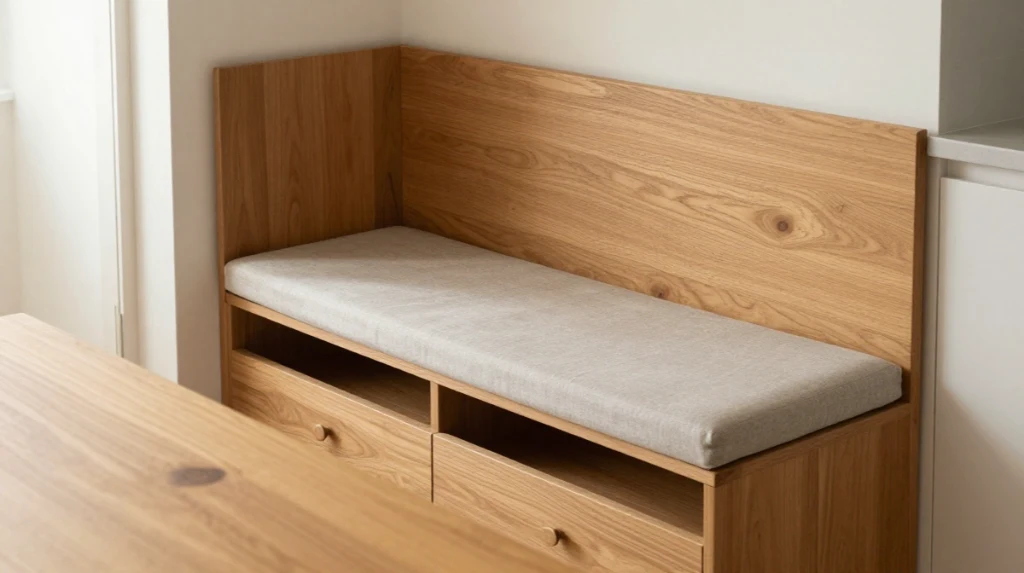
Built-in bench seating is one of the most requested features in a small dining space. It uses the wall as backrest support, which saves floor space compared to chairs on every side. This makes it a smart pick for corners, awkward nooks, or rooms where every inch matters.
A well-built bench also doubles as hidden storage if you build a lift-top or drawer base underneath. This is especially useful for families who need extra space for linens, board games, or kitchen items. Adding a cushioned top keeps the bench comfortable enough for long family meals.
Window Seat Dining Nooks
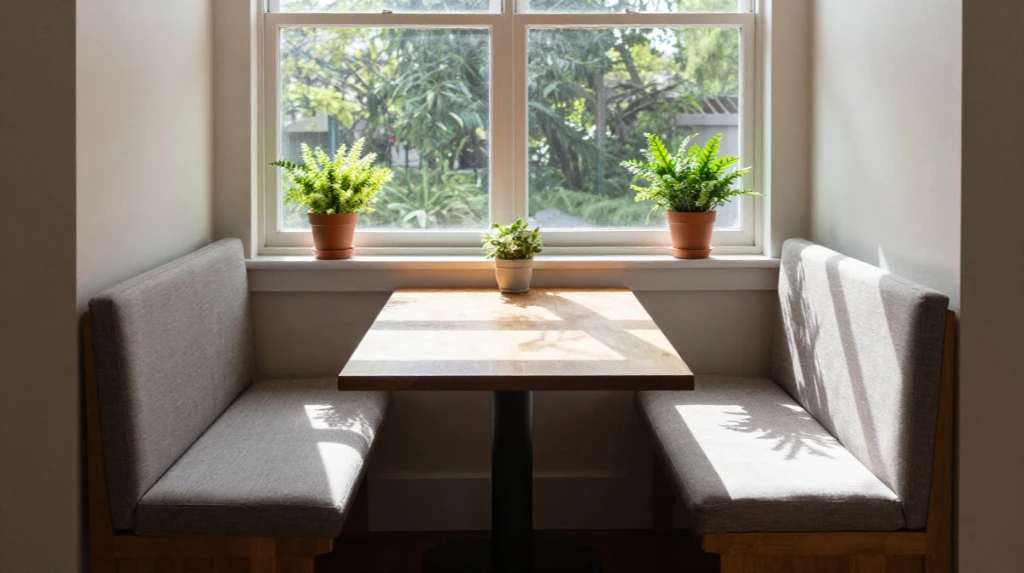
A window seat dining nook takes advantage of natural light and a view, which instantly makes mealtime feel more pleasant. Placing a bench or bay window seating directly under a window turns an often-wasted architectural feature into functional seating. Pair it with a narrow table so the light is not blocked.
Natural light also photographs beautifully, which is part of why window dining nooks are so popular on Pinterest. To keep the space practical, add a washable cushion cover since window seats tend to get more sun exposure and occasional spills.
Corner Bench Dining Sets
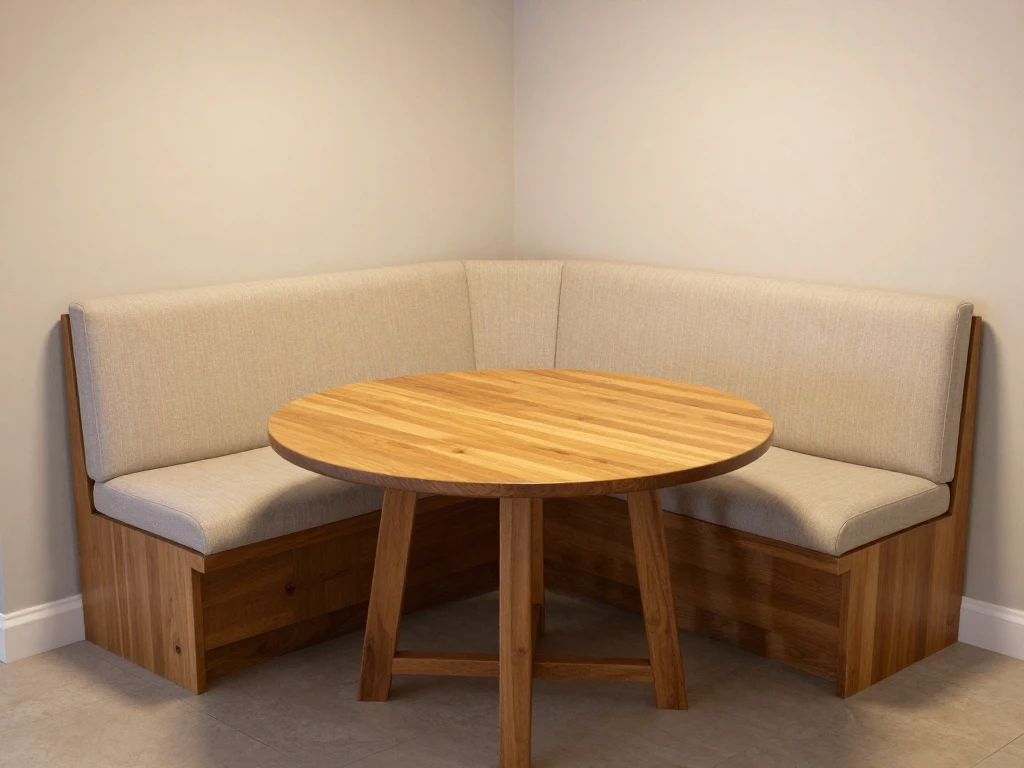
Corner bench dining sets are a popular choice for kitchens with an L-shaped or awkward corner that is otherwise hard to furnish. The bench wraps around two walls, maximizing seating without taking up unnecessary floor space. This layout works well in both small apartments and larger family kitchens.
When choosing a corner bench set, measure the walkway space around the table carefully. You want enough room for people to slide in and out without bumping chairs or nearby counters. A round or oval table often fits corner benches better than a sharp rectangular one.
Farmhouse Dining Nook Style
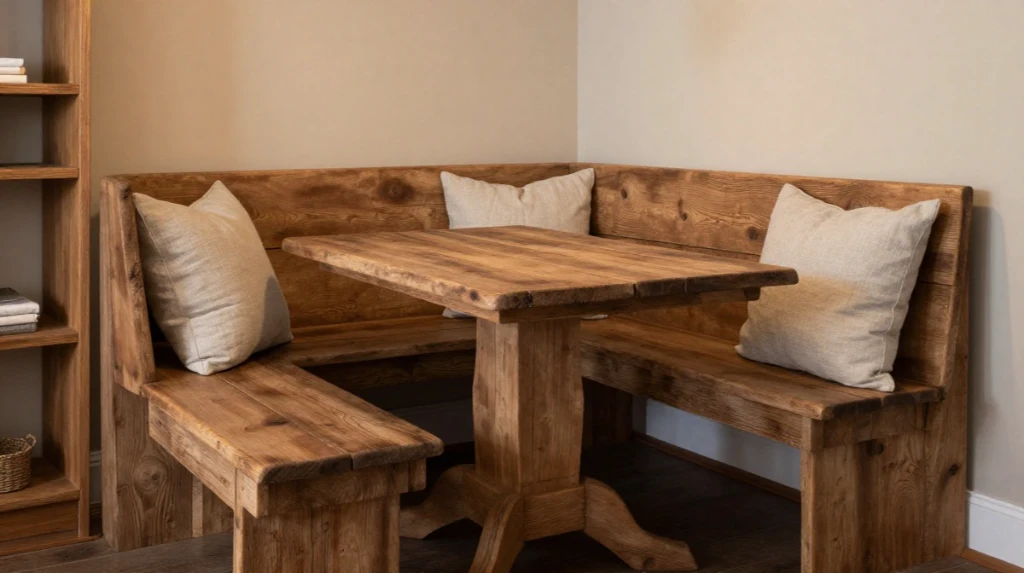
Farmhouse dining nook design leans into warm wood tones, simple lines, and a relaxed, welcoming feel. Think of a wooden bench, a slightly distressed table, and soft neutral cushions. This style pairs naturally with open shelving or a nearby kitchen island for a cohesive farmhouse kitchen look.
Farmhouse nooks tend to age well because the materials are meant to show a little wear over time. A linen or cotton cushion cover keeps the softness without feeling too formal. Adding a woven basket nearby for napkins or extra blankets rounds out the cozy feel.
Modern Breakfast Nook Design
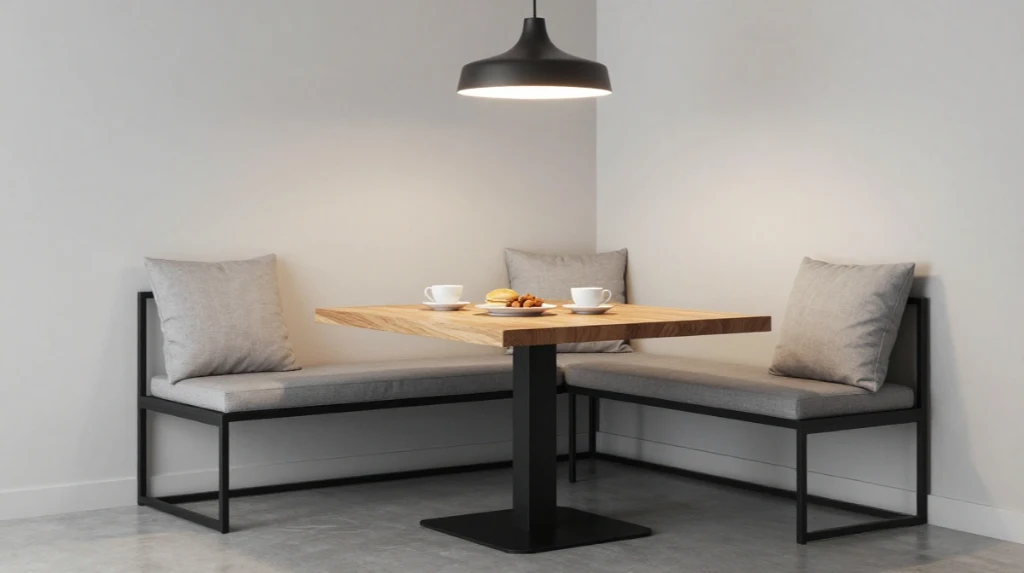
A modern breakfast nook design favors clean lines, simple color palettes, and minimal clutter. Think matte black metal legs, smooth wood tabletops, and bench seating with sharp, tailored cushions. The goal is a space that feels calm and uncluttered, even in a busy kitchen.
Keep accessories minimal in a modern nook so the clean lines stay visible. One statement pendant light above the table is often enough to anchor the space without overwhelming it. Choose durable, easy-to-wipe materials since modern finishes show marks more easily than textured ones.
Rustic Dining Corner Ideas
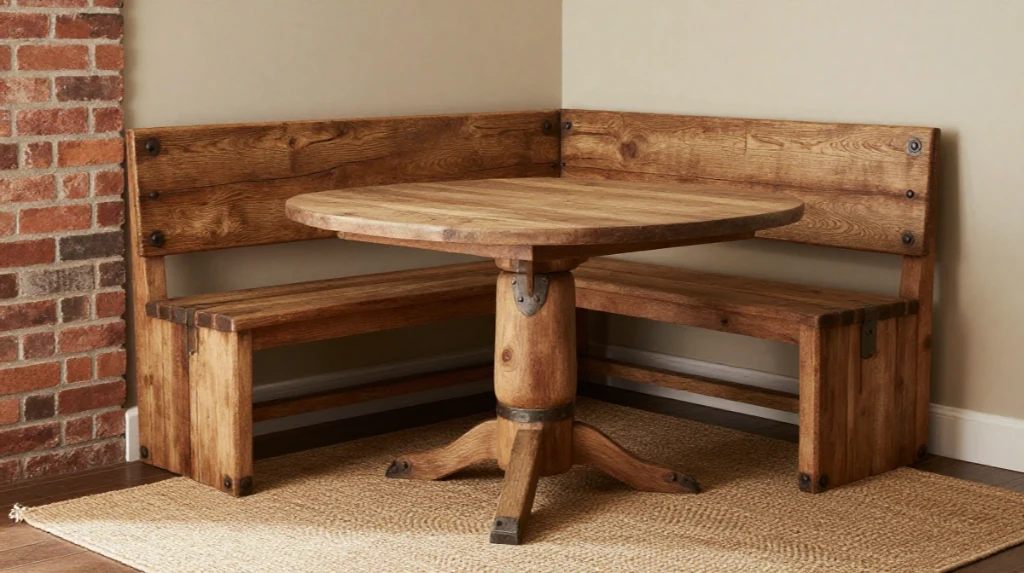
Rustic dining corners use raw or reclaimed materials to create a warm, lived-in feel. Exposed wood grain, iron hardware, and slightly imperfect finishes all support this look. It works particularly well in kitchens with wood beams, brick, or stone accents already present.
To keep a rustic dining corner from feeling too heavy, balance the darker wood tones with lighter cushions or a woven rug underneath the table. Adding a few plants nearby softens the rougher textures and keeps the space feeling fresh rather than dated.
Small Space Dining Solutions
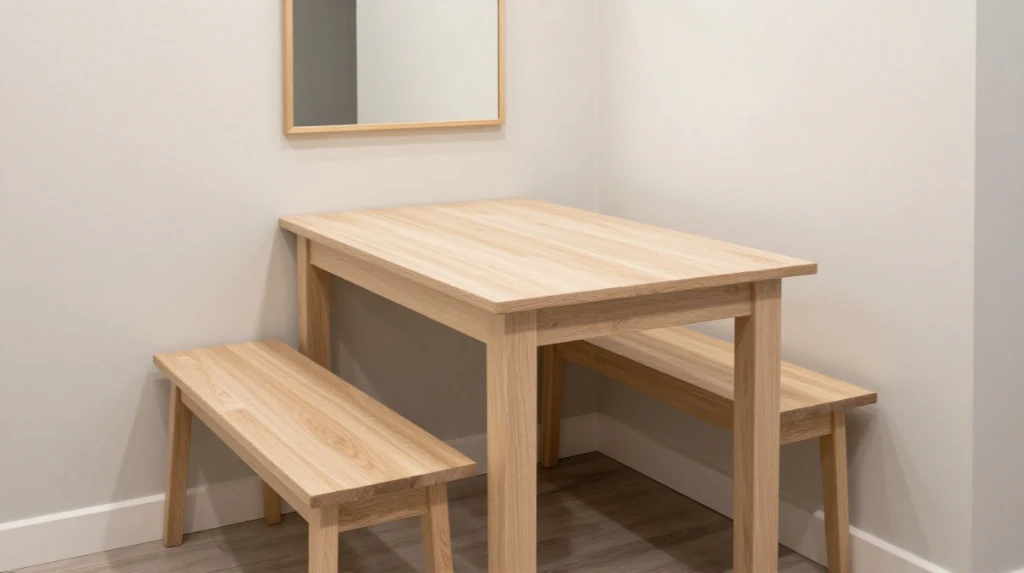
Small space dining calls for furniture that works harder than usual. A drop-leaf table, a bench that tucks under the table when not in use, and wall-mounted shelving all help a tight nook feel organized rather than cramped. Every piece should serve more than one purpose where possible.
Light colors and mirrors can also make a small dining nook feel larger than it is. A mirror placed near the table reflects natural light and adds visual depth. Avoid oversized furniture, even if it looks appealing in photos, since it can make the whole area feel closed in.
Banquette Seating for Families
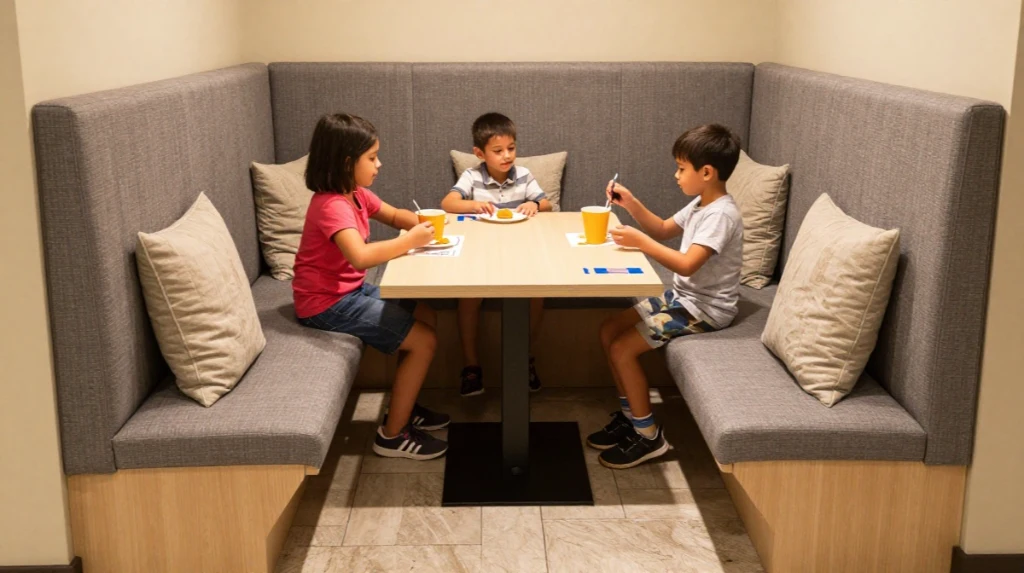
Banquette seating is a padded, bench-style seat often built into a wall or corner, and it is especially practical for families with children. It allows more people to sit comfortably in less space than individual chairs would need. Kids can slide in easily without pulling out a heavy chair.
For family use, choose a durable, stain-resistant fabric for the banquette cushions. Removable, washable covers save a lot of stress with young children at the table. Adding a few throw pillows makes the seat feel softer without sacrificing practicality.
Bay Window Dining Nooks
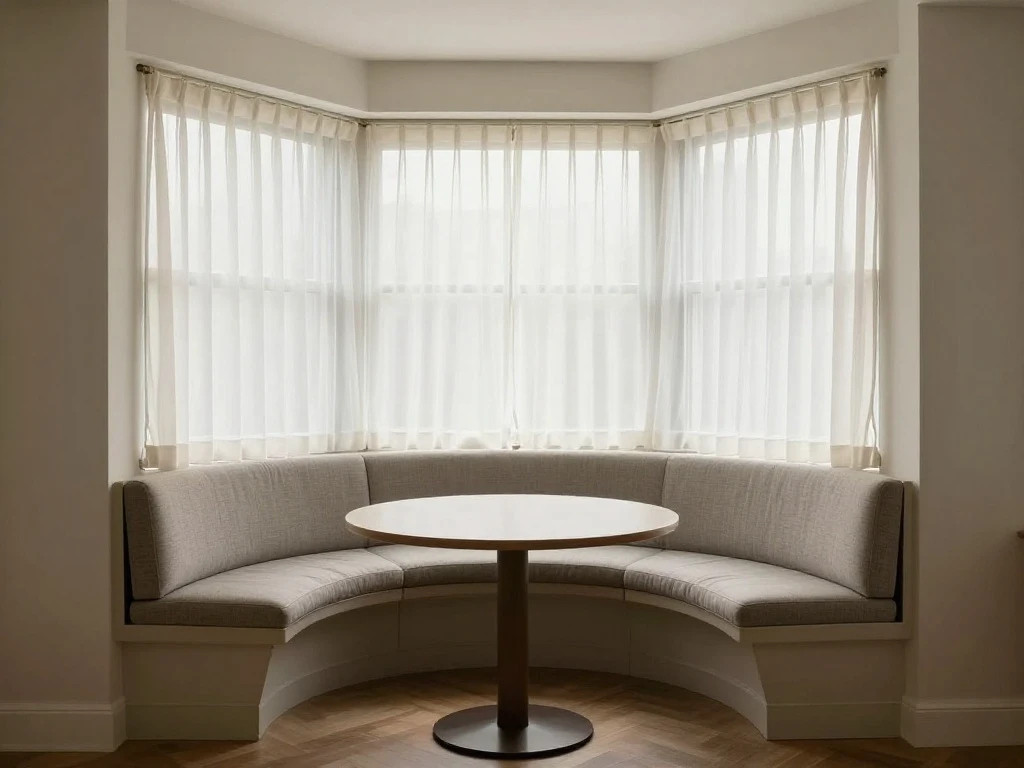
A bay window creates a natural alcove that is almost perfectly suited for a dining nook. The curved or angled wall shape adds visual interest that a flat wall simply cannot offer. Custom-built bench seating that follows the window’s shape makes the most of this unique architecture.
Because bay windows often let in strong afternoon light, sheer curtains help soften glare during meals. A round table usually fits the curved space better than a rectangular one, keeping the flow of the room natural and easy to move through.
Upholstered Nook Seating
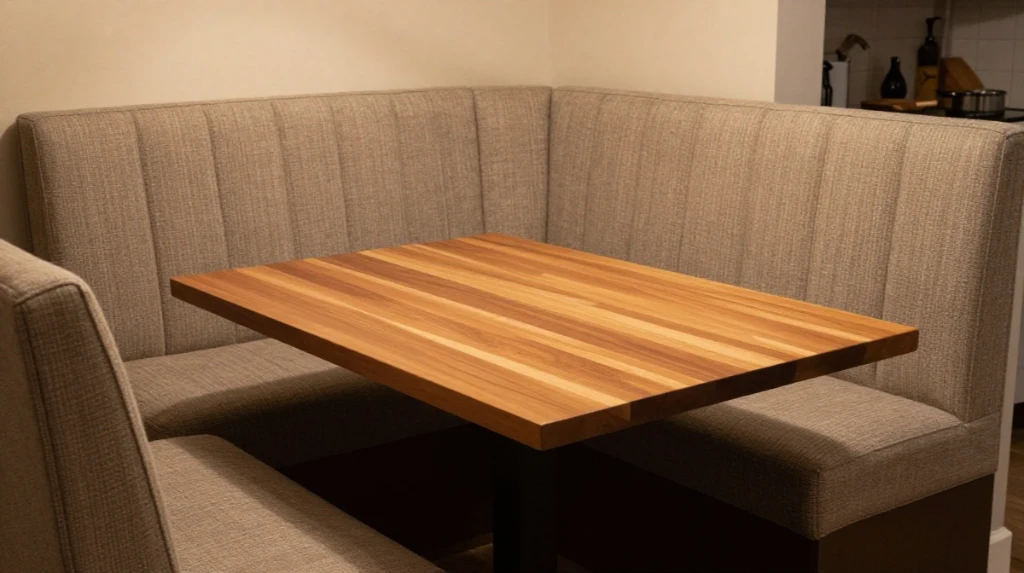
Upholstered nook seating adds a softer, more residential feel compared to plain wood benches. Fabric options like performance velvet or woven textures bring warmth and comfort to an everyday eating space. This works especially well when the rest of the kitchen has a lot of hard surfaces like tile or stone counters.
Choose a performance fabric rated for everyday use, since dining nooks see frequent contact and occasional spills. Testing a fabric swatch with a bit of water beforehand helps you understand how it will hold up long term.
Storage Bench Seating Ideas
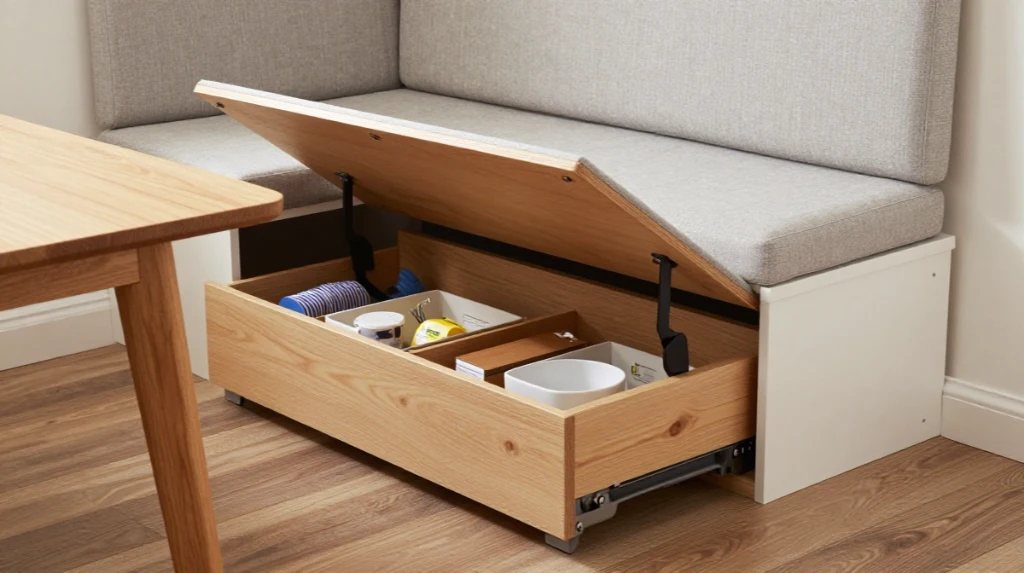
A storage bench turns unused space under the seat into practical square footage. Lift-top benches, drawer-style bases, or open shelving underneath all work depending on how much access you need day to day. This is especially helpful in kitchens without a separate pantry or mudroom.
Keep frequently used items like placemats or napkins in the most accessible section of the storage bench. Heavier or seasonal items can go in harder-to-reach spots. Labeling bins inside the storage area keeps things organized over time.
Wood Dining Nook Designs
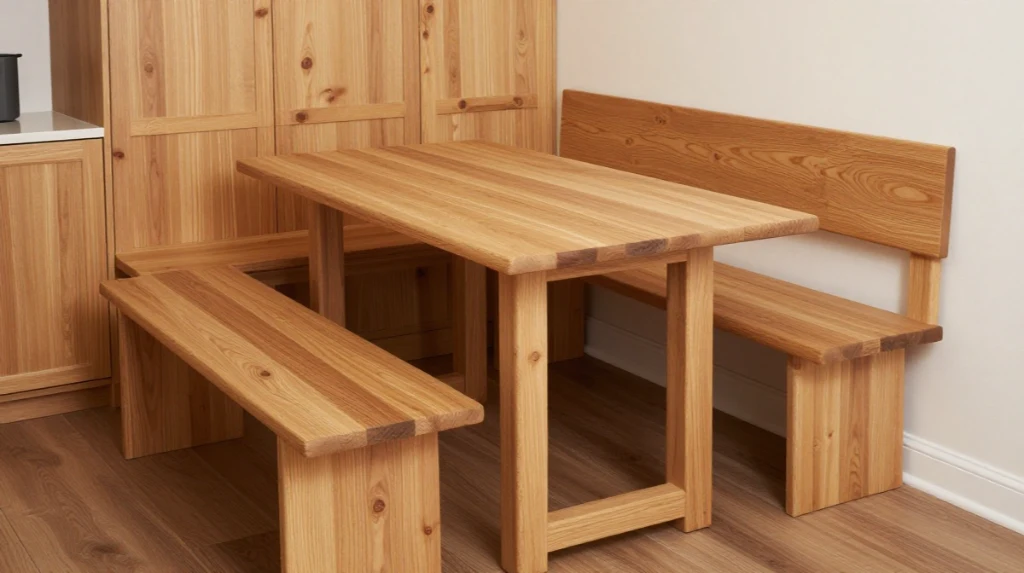
Wood dining nook designs bring warmth and texture that pairs well with almost any kitchen style. Light woods like oak or ash feel airy and modern, while darker woods like walnut add a richer, more traditional feel. The wood tone you choose should generally match or complement your existing cabinetry.
Sealing wood surfaces properly protects them from daily spills and scratches. A food-safe finish on the table and a durable sealant on the bench keep the wood looking good for years. Wipe spills quickly to avoid water rings on unsealed or lightly finished wood.
White Dining Nook Ideas
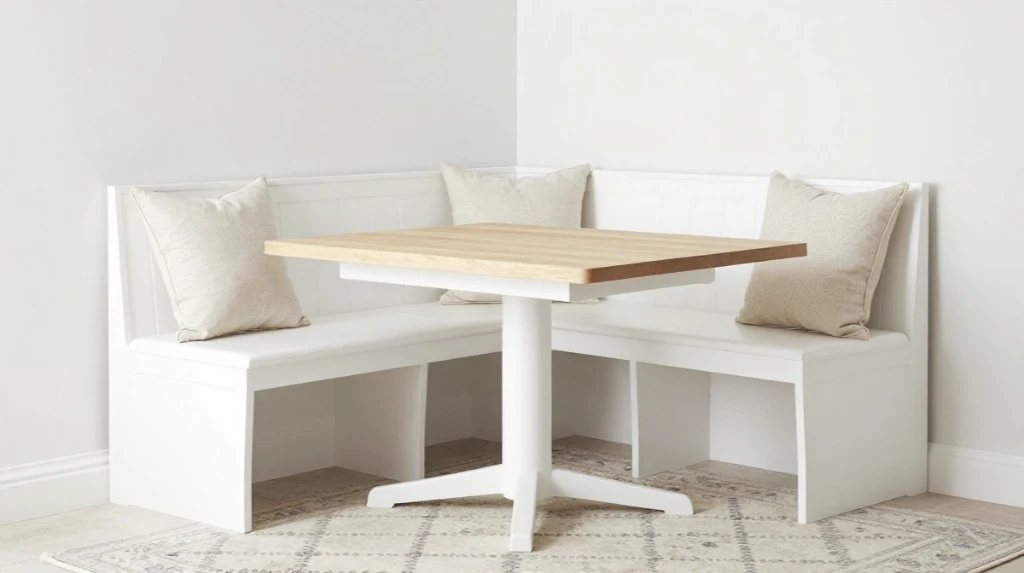
A white dining nook design creates a bright, open feeling, especially in smaller kitchens with limited natural light. White benches, a white or light wood table, and soft neutral cushions all work together to keep the space feeling airy. This palette also makes it easy to add color through seasonal decor.
White surfaces do require a bit more upkeep since marks and scuffs show more easily. Choosing a washable paint finish or a slipcover for cushions makes cleaning simple. A patterned rug underneath can hide minor wear while adding personality.
Kitchen Corner Booth Style
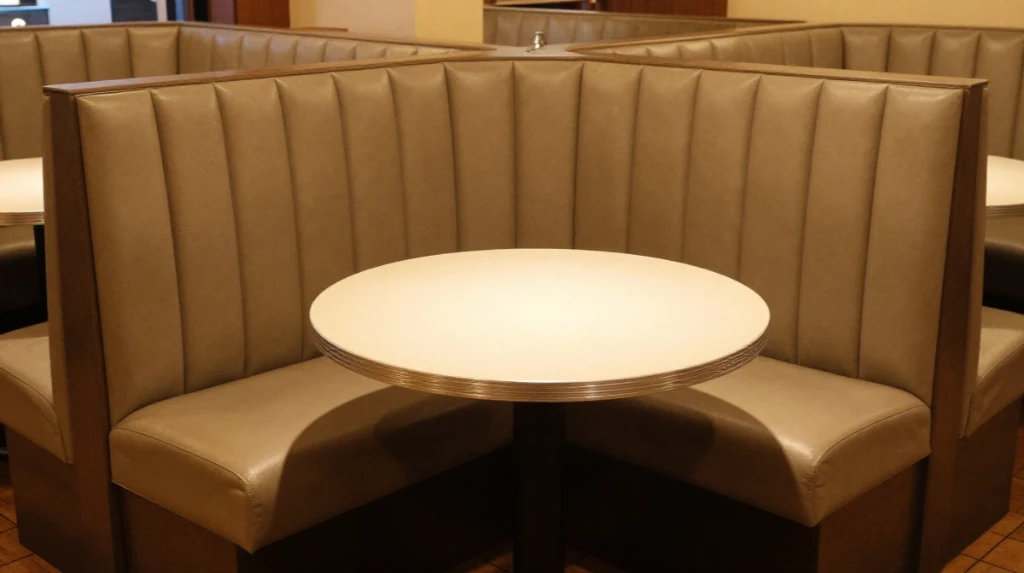
A kitchen corner booth mimics the feel of a restaurant booth, with tall padded seating tucked into a corner. This style creates a defined, cozy dining area even in an open-concept kitchen. It works particularly well when you want to visually separate the eating space from cooking areas without adding walls.
Booth seating benefits from a slightly higher backrest for comfort during longer meals. Adding a table with rounded edges prevents bumps in a tighter booth layout, which matters a lot in households with active kids.
Scandinavian Dining Nook Look
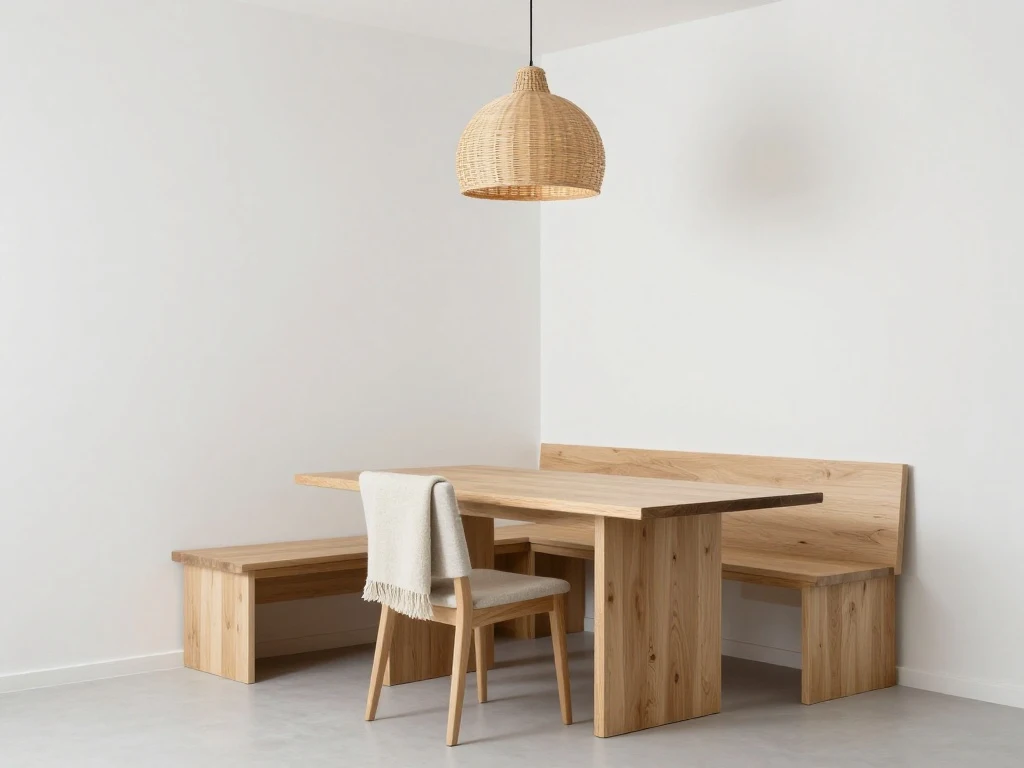
Scandinavian dining nook design favors light wood, simple shapes, and a calm, uncluttered atmosphere. Pale oak benches, white walls, and soft neutral textiles all support this style. The overall feeling should be functional but warm, never sterile or cold.
Layering in natural textures like a wool throw or a woven pendant light shade keeps a Scandinavian nook from feeling too plain. Stick to a limited color palette of two or three tones for the most authentic look.
Boho Dining Nook Ideas
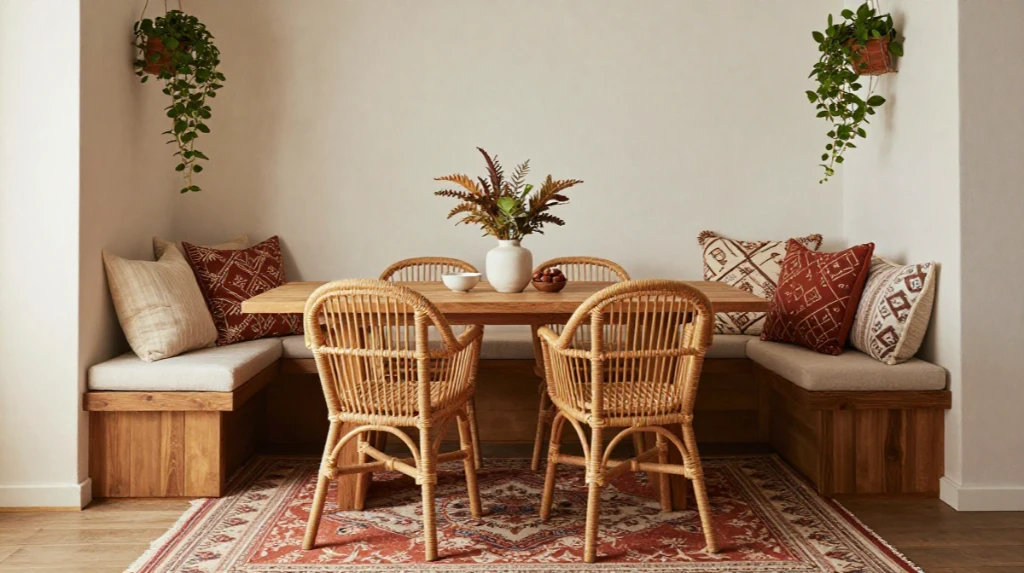
A boho dining nook design mixes patterns, textures, and warm earthy colors for a relaxed, eclectic feel. Think rattan chairs paired with a cushioned bench, layered rugs, and a mix of patterned pillows. This style works well for families who want their dining space to feel personal and collected over time rather than matched perfectly.
Balance the pattern mixing by keeping the wall color and larger furniture pieces relatively simple. Let smaller accessories like cushions, table runners, and hanging plants carry most of the boho personality.
Industrial Dining Nook Design
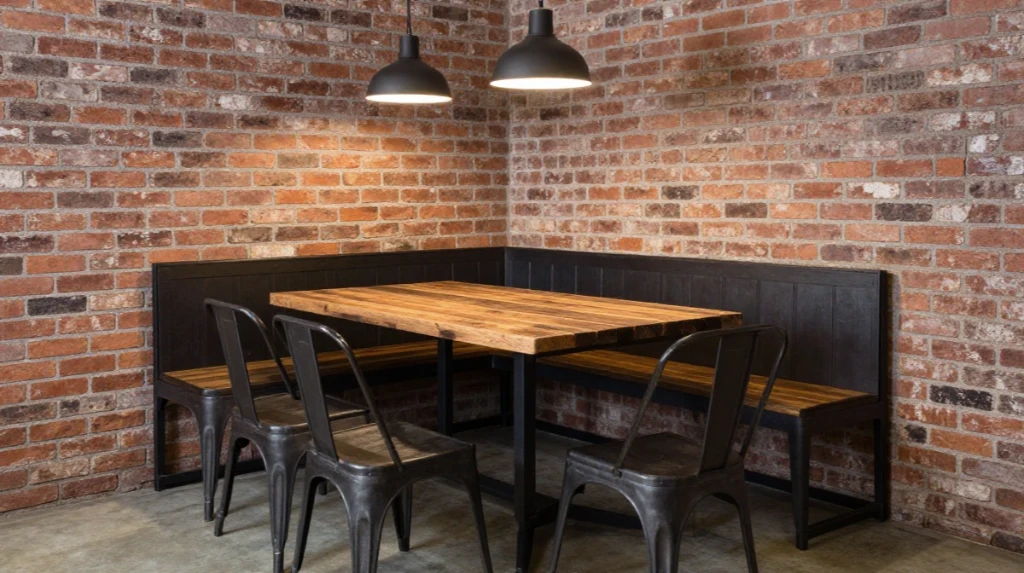
Industrial dining nook design uses raw materials like metal, exposed brick, and dark wood to create a bold, urban feel. Black metal bench frames, a reclaimed wood table, and simple pendant lighting all support this look. It pairs well with kitchens that already have concrete, brick, or metal accents.
Because industrial finishes can feel a bit cold on their own, adding a soft cushion or a warm-toned rug helps balance the hard materials. A few plants also soften the overall look without taking away from the style.
Minimalist Dining Corner Ideas
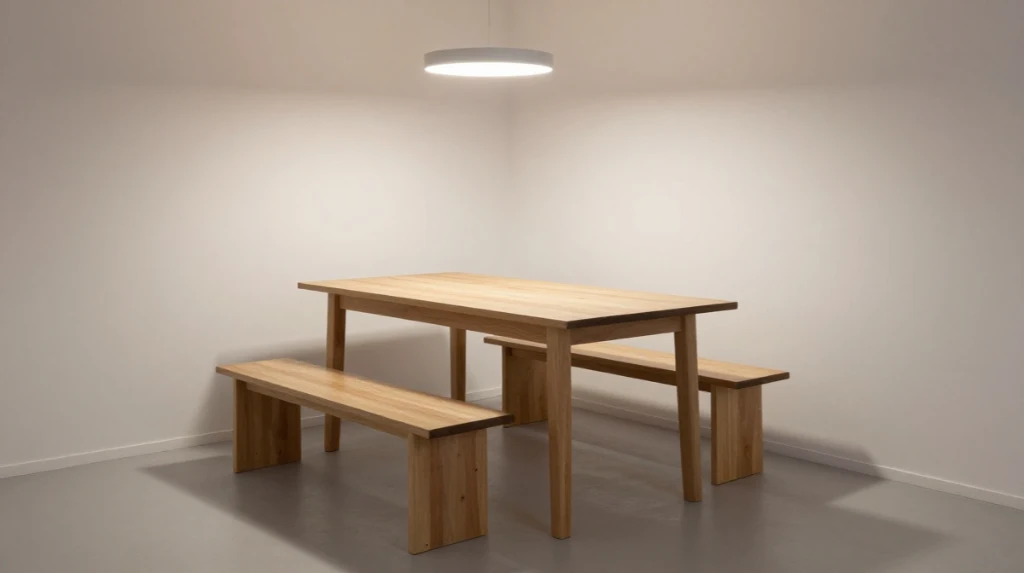
A minimalist dining corner keeps furniture and decor to the essentials, focusing on clean lines and open space. A simple bench, a plain table, and one light fixture are often all that is needed. The goal is a calm space free of visual clutter.
Choose multi-purpose furniture in a minimalist nook so nothing feels excessive. Storage should be built in and hidden rather than displayed, keeping surfaces clear for everyday use.
Vintage Breakfast Nook Charm
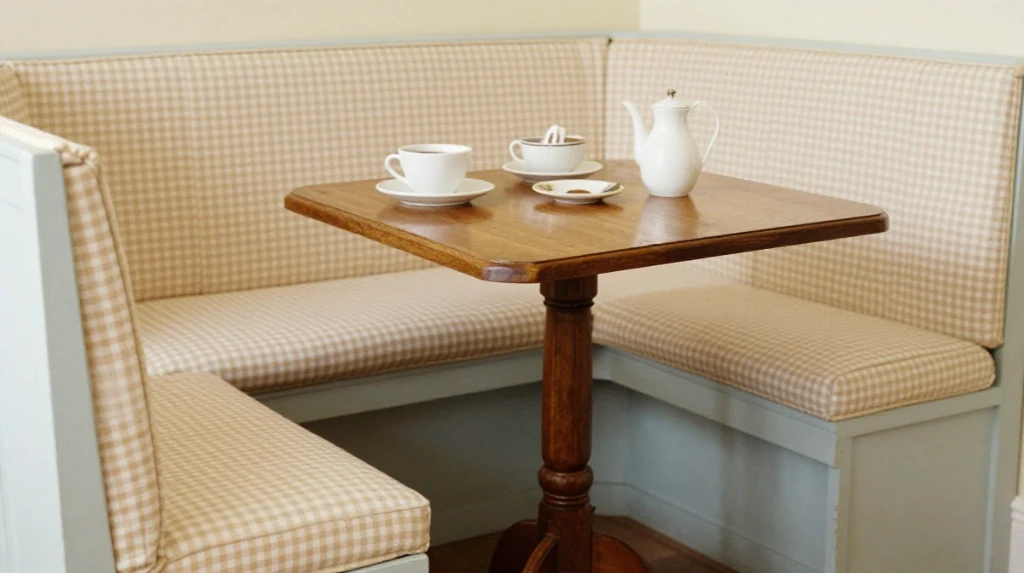
A vintage breakfast nook design brings in older-style furniture, soft pastel tones, or classic patterns like gingham or floral. A repurposed antique table paired with a new cushioned bench often strikes the right balance between old character and everyday comfort. This style feels nostalgic without being outdated.
Mixing one or two genuinely vintage pieces with newer furniture keeps the space functional. Avoid overcrowding a vintage nook with too many patterns at once, since it can start to feel cluttered rather than charming.
Cottage Dining Nook Style
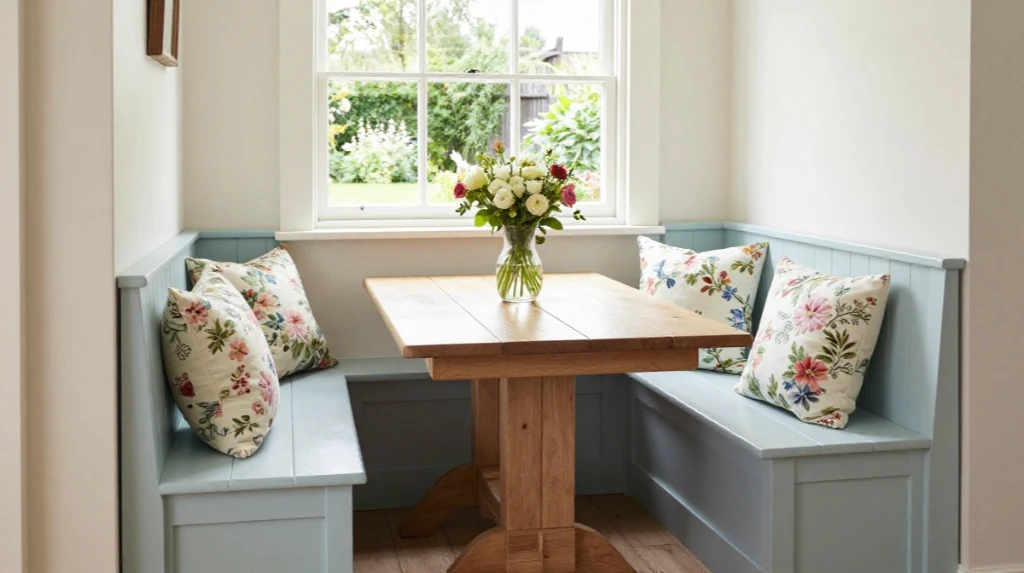
Cottage dining nook design leans into soft colors, floral or gingham textiles, and a gentle, homey feel. White or pastel-painted benches paired with a light wood table create the classic cottage look. Fresh flowers or simple greenery on the table complete the atmosphere.
This style works especially well in kitchens with natural light and a view of a garden or yard. Keep fabrics washable, since cottage-style textiles often use lighter, more delicate-looking patterns that need practical care.
Kid-Friendly Dining Nook Tips
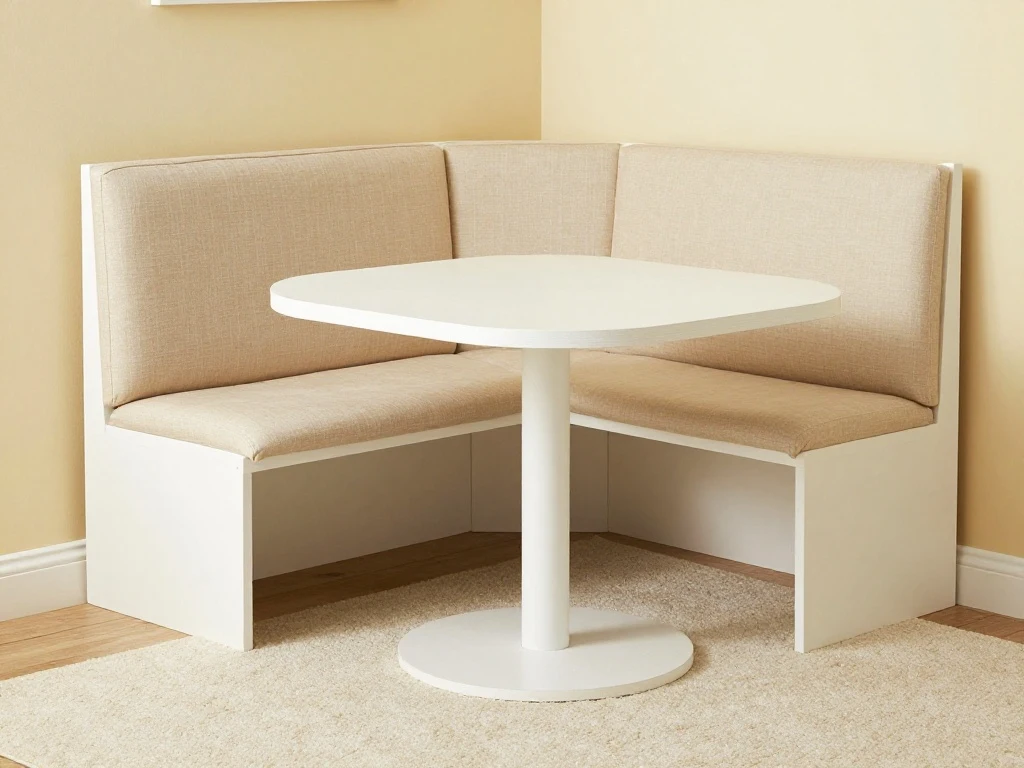
A kid-friendly dining nook design prioritizes durability and easy cleanup over anything else. Wipeable cushions, sturdy table edges, and a stain-resistant finish on the bench all make daily life easier with young children. Booth-style seating also helps keep kids contained and safer during meals.
Keep breakable decor away from the table’s edge and choose a table height that works for both adults and smaller family members. A washable rug underneath catches spills and makes cleanup far less stressful.
Quick Comparison Table
| Nook Style | Best For | Seating Type | Maintenance Level | Ideal Space |
|---|---|---|---|---|
| Farmhouse | Warm, family kitchens | Wood bench | Medium | Medium-large corner |
| Modern | Clean, minimal kitchens | Slim bench | Low | Any size |
| Boho | Personal, eclectic homes | Mixed seating | Medium | Medium space |
| Kid-Friendly | Families with children | Booth or bench | High | Corner or wall nook |
| Scandinavian | Bright, calm kitchens | Light wood bench | Low | Small to medium |
| Vintage | Character-filled homes | Cushioned bench | Medium | Small corner |
| Industrial | Urban, loft-style homes | Metal frame bench | Medium | Medium-large corner |
Common Mistakes to Avoid
One frequent mistake is choosing a bench or seating style that looks charming but doesn’t actually fit the number of people who use the space daily. A nook that seats four comfortably on paper can feel cramped once plates, elbows, and chairs come into play, so it’s worth testing the layout with real furniture before committing to a final design.
Another common issue is poor lighting planning. Many dining nooks end up either too dim for evening meals or lit with a single overhead bulb that creates harsh shadows. Skipping a mix of natural light and warm, layered fixtures often makes an otherwise well-designed corner feel less inviting than it should.
Practical Tips for Getting It Right
Start by measuring the space carefully and accounting for movement room, not just seating room. People need enough space to pull out chairs, slide into benches, and pass dishes without bumping into walls or furniture, so a little extra breathing room around the table goes a long way.
Choose materials and colors that can handle daily wear, especially if the nook will be used for family meals every day. Durable fabrics on cushions, easy-to-clean table surfaces, and warm but practical lighting help the space stay both cozy and functional long after the initial design excitement fades.
Conclusion
A great dining nook design does not need to be complicated or expensive to make a real difference in your home. Whether you go with a built-in bench under a window, a simple corner booth, or a soft cottage-style corner, the goal is the same: creating a comfortable spot where people actually want to sit down together. Small details like cushion fabric, storage, and table shape matter just as much as the overall style you choose.
Take a little time to think about how your family actually uses the space before committing to a look. A nook that photographs well but does not fit your daily routine will not get much use. Choose a style that matches your home, your family size, and how you like to spend time together, and the space will naturally become one of the most-used corners in your house.
You may also like this: 22 Intentional Deck Design Ideas for Functional Outdoor Living
Frequently Asked Questions
1. What is the best size for a small dining nook?
A nook that comfortably seats four typically needs at least six feet of bench space and about three feet of table depth. Measure your walkway space too, so people can slide in and out easily.
2. Are built-in benches more practical than chairs for a dining nook?
Built-in benches usually save space and offer extra storage underneath, making them a practical choice for smaller kitchens or families who need more seating without extra floor space.
3. What fabric works best for dining nook cushions?
Performance fabrics or removable, washable covers hold up best against daily spills, especially in homes with young children. Avoid delicate fabrics that are hard to clean.
4. How do I make a small dining nook feel bigger?
Light colors, a mirror near the table, and multi-purpose furniture all help a small nook feel more open. Avoid oversized furniture that overwhelms the space.
5. Can a dining nook work in an open-concept kitchen?
Yes, a booth-style or built-in bench nook can visually define the dining area without needing walls, helping separate the eating space from the rest of an open kitchen layout.