
Introduction
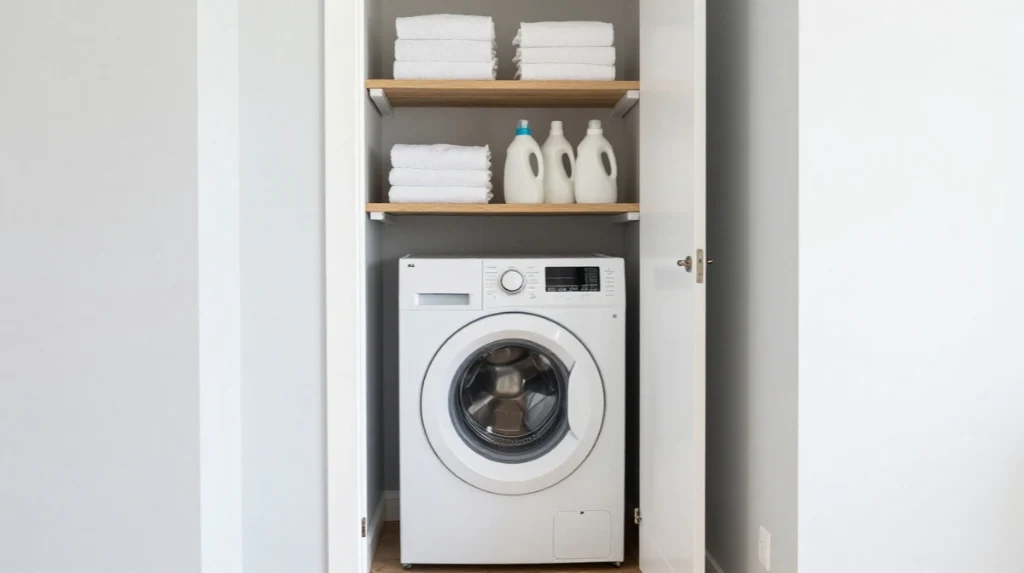
Not everyone has a dedicated laundry room. Many homes and apartments come with just a small closet tucked in a hallway or corner. And while that might feel limiting at first, a well-planned laundry closet design can actually be just as functional and even more organized than a full-sized laundry room.
The trick is knowing how to use every inch of that space wisely. Whether you are renting, renovating, or just trying to refresh what you already have, these ideas will help you turn a basic laundry closet into something that actually works for your daily life.
Stack Your Washer and Dryer Vertically
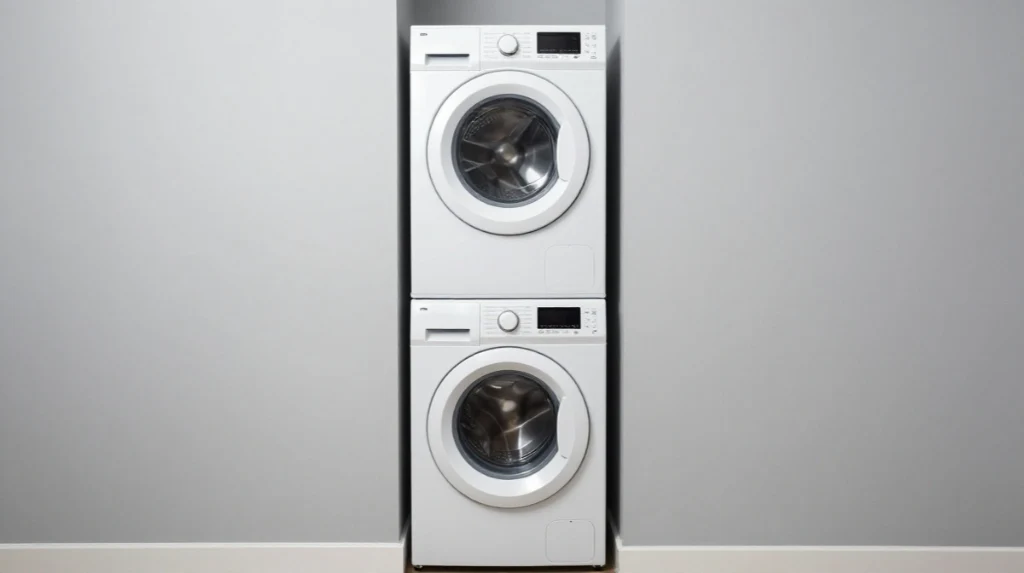
The most effective way to save floor space in a compact laundry room is to go vertical. Stackable washer dryer units are designed exactly for this. Instead of placing your machines side by side, stacking them frees up the floor area around them, giving you room for storage, a small cart, or simply more breathing room.
Front load washers work best for this setup. They are easier to stack safely and tend to perform well in tight spaces. If you already own a top-load washer, a compact washer dryer combo might be a better alternative.
Add a Folding Station Above the Machines
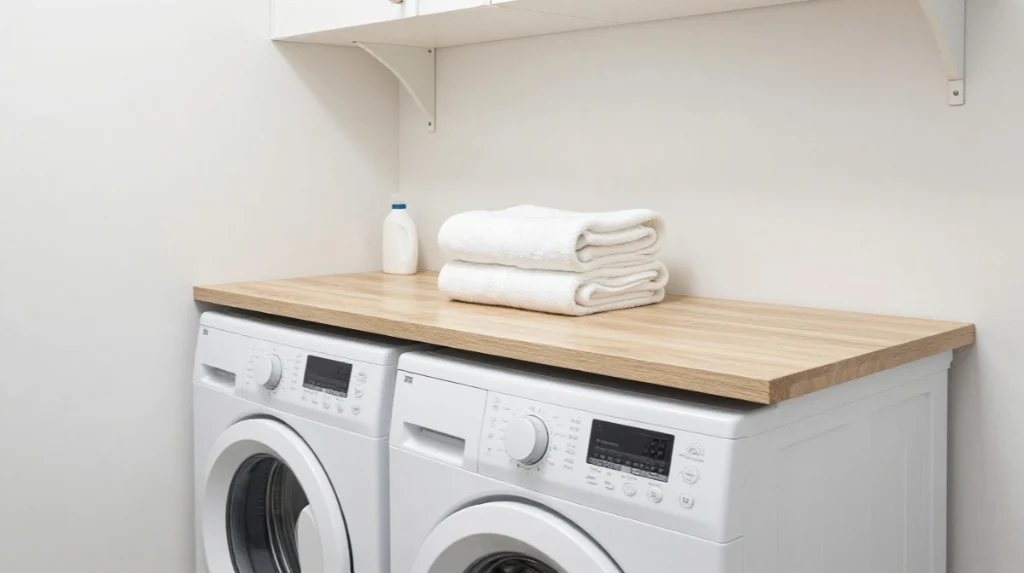
One of the most practical laundry closet ideas is adding a countertop or shelf above your machines at a comfortable working height. This creates a laundry room folding table without taking up any extra floor space.
A piece of butcher block, laminate, or even a thick plywood board with a smooth finish works well here. It gives you a surface to fold clothes, set detergent, and keep things organized without needing a separate room.
Use Bifold Doors to Save Entry Space
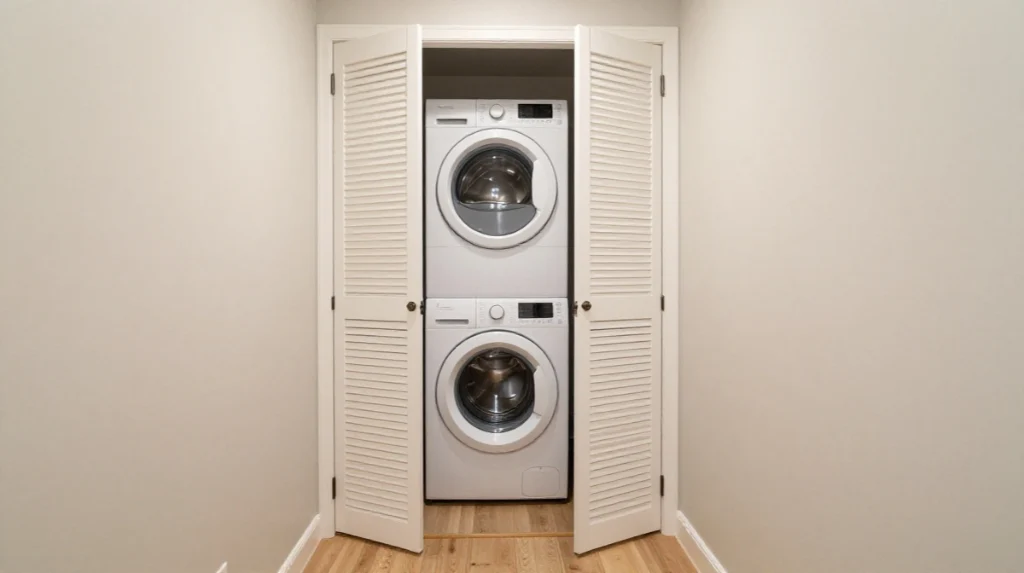
A bifold door laundry closet is one of the most common setups because the doors fold inward and do not swing out into your hallway or living area. This is especially helpful in tight spaces where a standard door would feel awkward.
Bifold doors come in many styles, including louvered versions that allow air to pass through, which also helps with laundry closet ventilation requirements.
Install a Pocket Door for a Cleaner Look
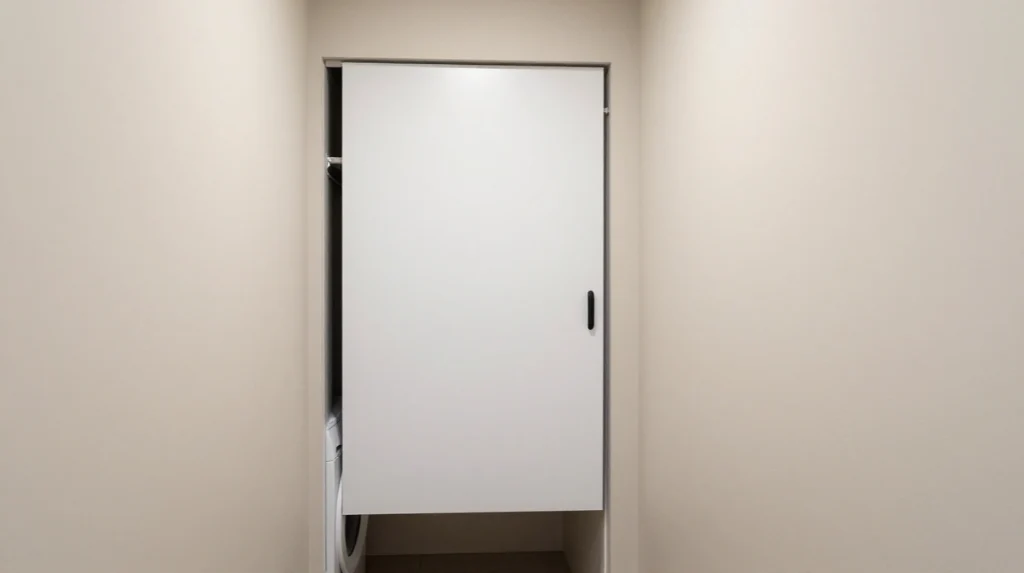
If you want a more polished finish and have the wall space to allow it, a laundry closet pocket door slides directly into the wall. When open, it disappears completely. This gives the area a very clean, minimal look and is ideal for hallway laundry designs where traffic flow matters.
Try Sliding Barn-Style Doors
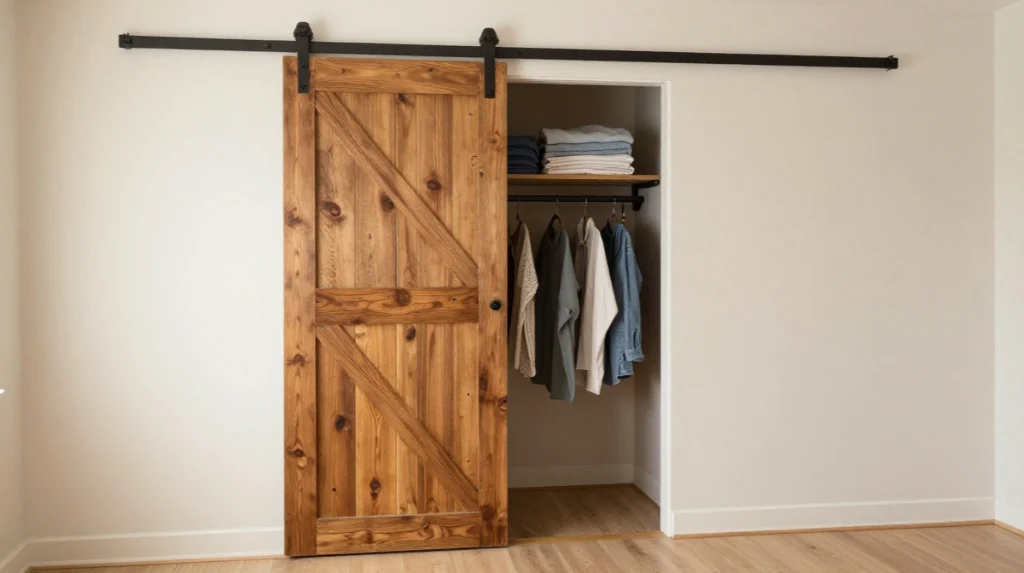
Laundry closet sliding doors, especially barn-style ones, add a visual element that makes the space feel intentional rather than hidden. They work on a mounted track above the opening and are a good fit for laundry rooms that open into a casual living area or kitchen.
They also come in various finishes and materials, so you can match them to your existing home decor.
Hang a Curtain Instead of a Door
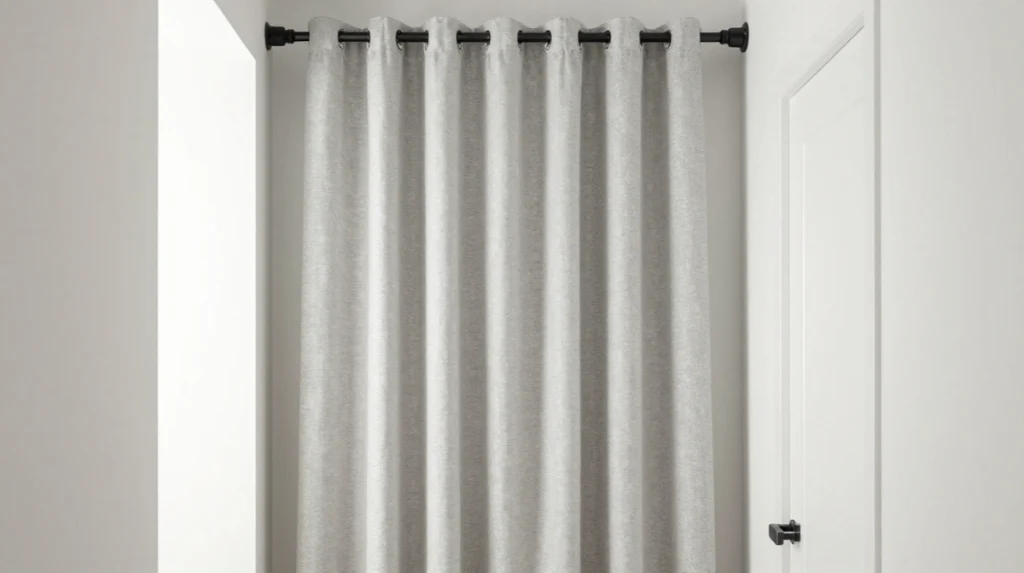
For renters or anyone working on a tight budget, laundry closet curtain ideas are a simple and affordable solution. A heavy curtain on a rod can cover your machines completely and actually looks quite stylish when you choose the right fabric.
Linen, canvas, or patterned fabric all work well. This is also a low-commitment option if you are still deciding on a permanent door style.
Mount Floating Shelves Above the Machines
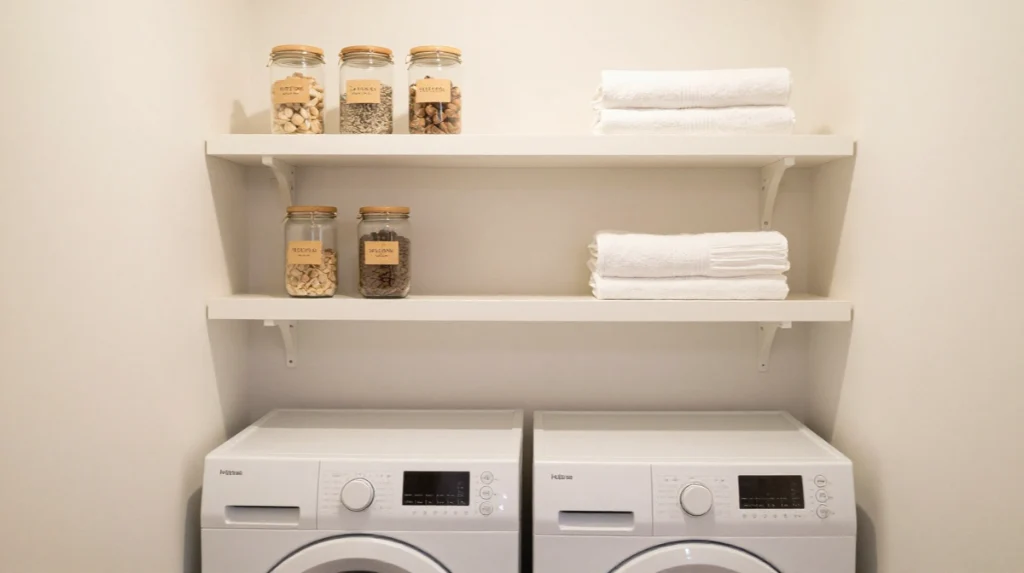
Laundry room floating shelves are ideal for storing detergent, fabric softener, dryer sheets, and other small supplies. They keep things off the machines themselves and create a more organized visual.
Installing two or three shelves above the washer and dryer is usually enough. Leave enough clearance so you can comfortably open the dryer door if needed.
Add a Pegboard for Flexible Wall Storage
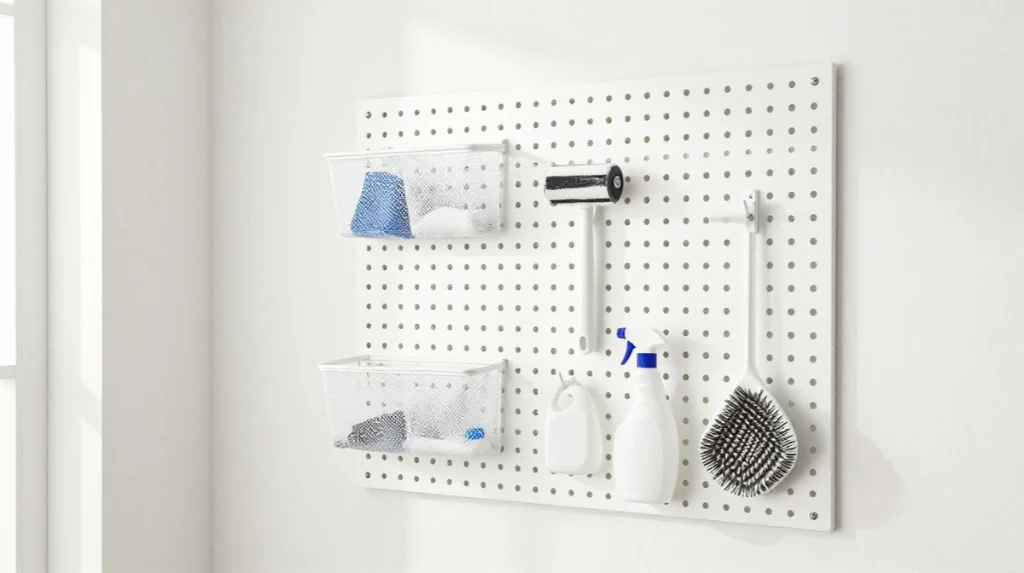
A laundry room pegboard on one side of the closet wall lets you hang hooks, small bins, and accessories in whatever arrangement works best for you. It is inexpensive, easy to install, and extremely flexible since you can rearrange it anytime.
Use it for hanging laundry room hooks and racks, storing small cleaning tools, or keeping mesh laundry bags within reach.
Install Upper Cabinets for Hidden Storage
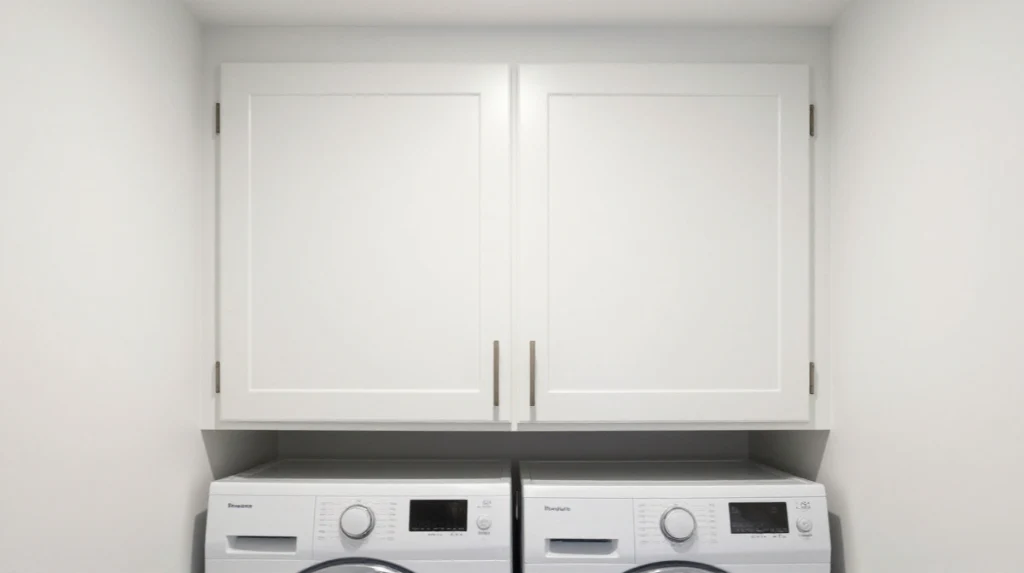
Laundry room upper cabinets give you a clean, closed-off storage space that keeps your supplies out of sight. This is one of the best laundry closet layout ideas for people who prefer a tidy, clutter-free look.
You can find simple flat-front cabinets at most home improvement stores. Paint them to match your walls for a built-in appearance even if they are not custom.
Create a Small Laundry Closet With a Sink
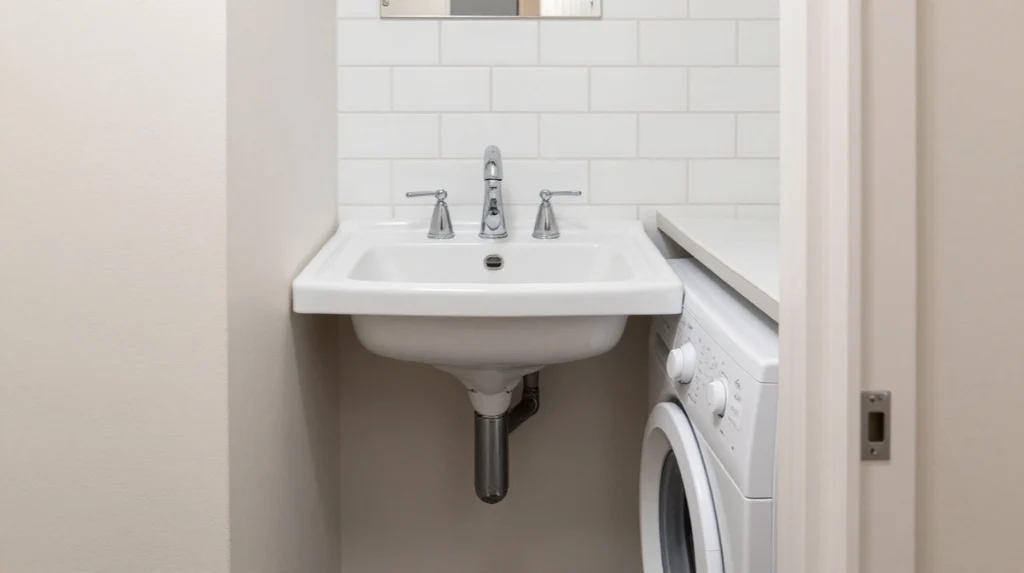
If your plumbing allows it, adding a small utility sink to your laundry closet opens up a lot of functionality. A laundry closet with sink setup is especially useful for hand-washing delicates, pre-treating stains, or cleaning small items without needing to use the bathroom or kitchen sink.
Wall-mounted sinks take up the least amount of room and keep the floor space open.
Use a Pull-Out Shelf for Folding
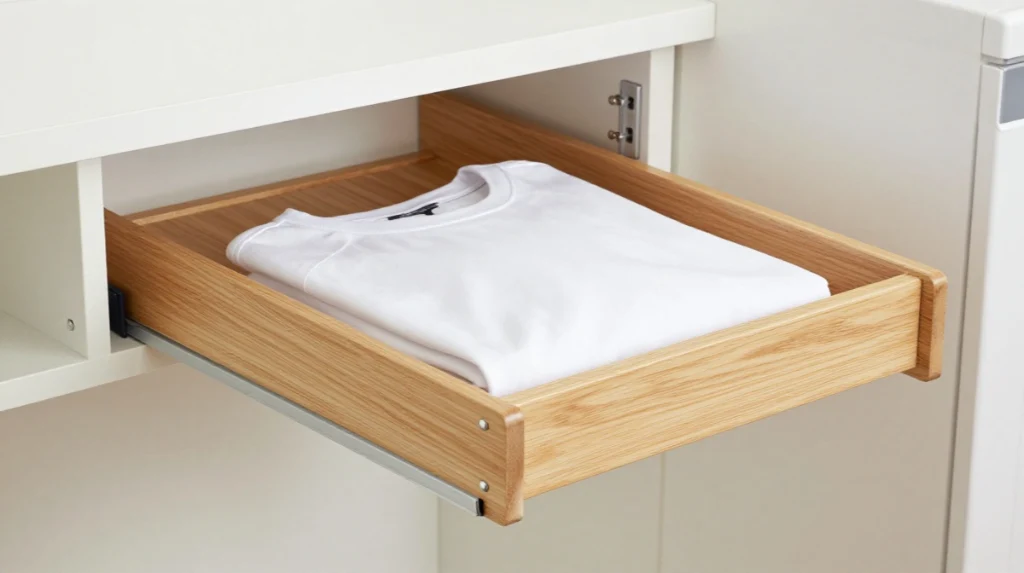
A laundry room pull-out shelf is a smart addition if you do not have the depth for a full countertop. It slides out when you need it and tucks back in when you are done. This is one of those small upgrades that makes a big difference in day-to-day usability.
Organize Dirty Laundry With a Built-In Hamper System
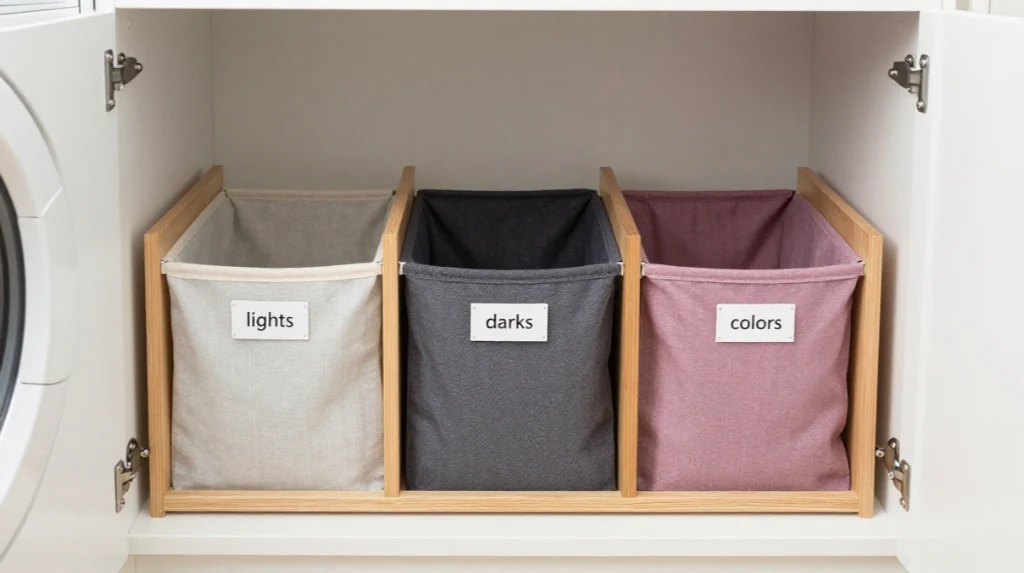
A laundry sorting system built into the closet helps you separate lights, darks, and colors without needing separate hampers cluttering the room. Some cabinet designs include built-in laundry hamper storage ideas with pull-out bins that slide under the counter.
This is especially helpful in family homes where laundry piles up quickly throughout the week.
Add Good Lighting Inside the Closet
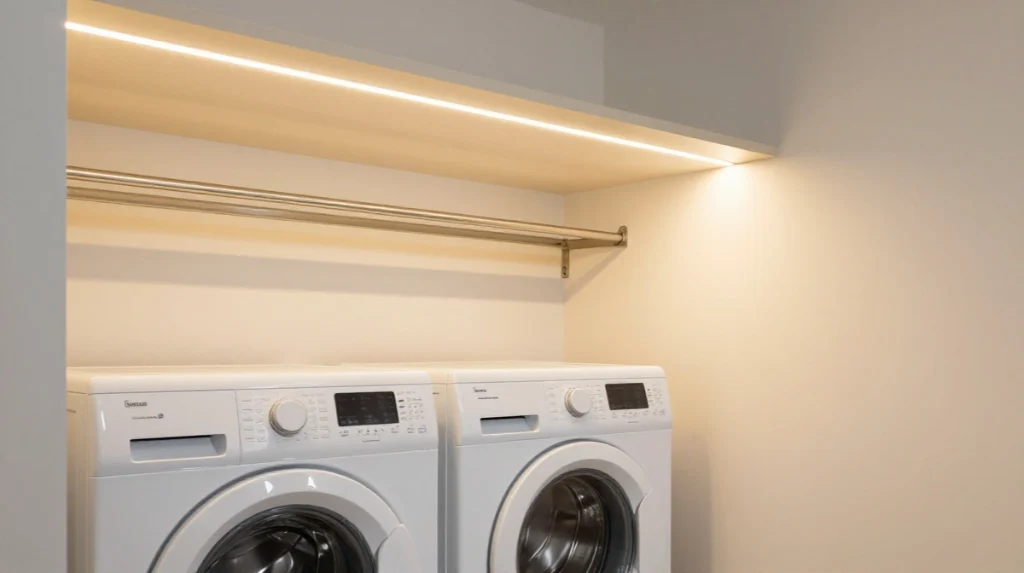
Laundry room lighting ideas are often overlooked but they matter more than people expect. A poorly lit closet makes it harder to spot stains, sort colors accurately, or simply find what you need.
A simple LED strip light along the top shelf, a plug-in puck light, or a small ceiling fixture can make the space feel brighter and more functional. If you are learning how to add lighting to a laundry closet, battery-operated options require no electrical work at all.
Paint the Interior a Light, Fresh Color
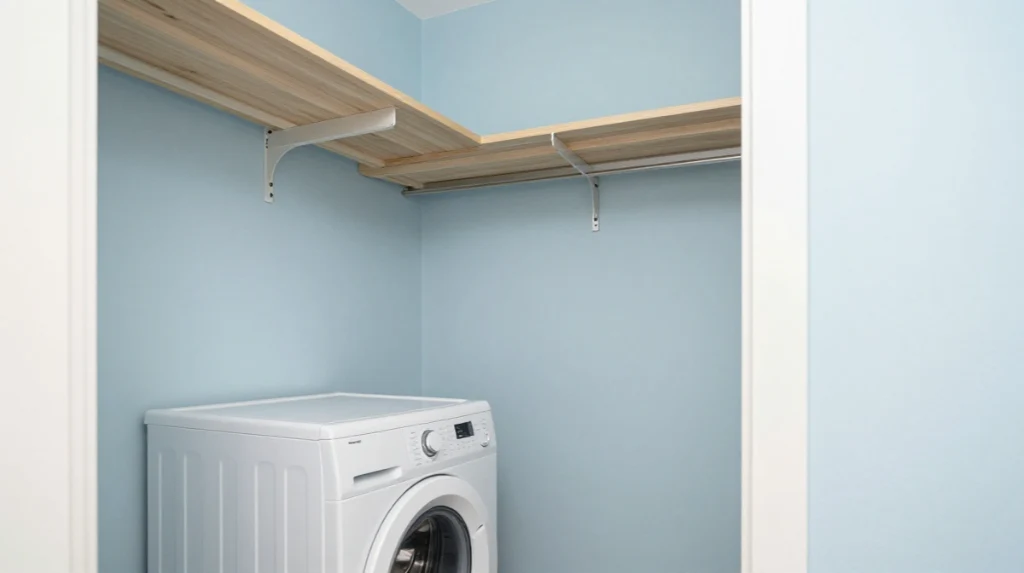
Laundry room paint colors inside the closet space should lean toward light, neutral tones. White, soft gray, pale blue, or warm cream all make a small space feel larger and cleaner.
You can also add a small accent with laundry room wallpaper ideas on the back wall if you want something a little more decorative.
Use a Rolling Cart for Extra Storage
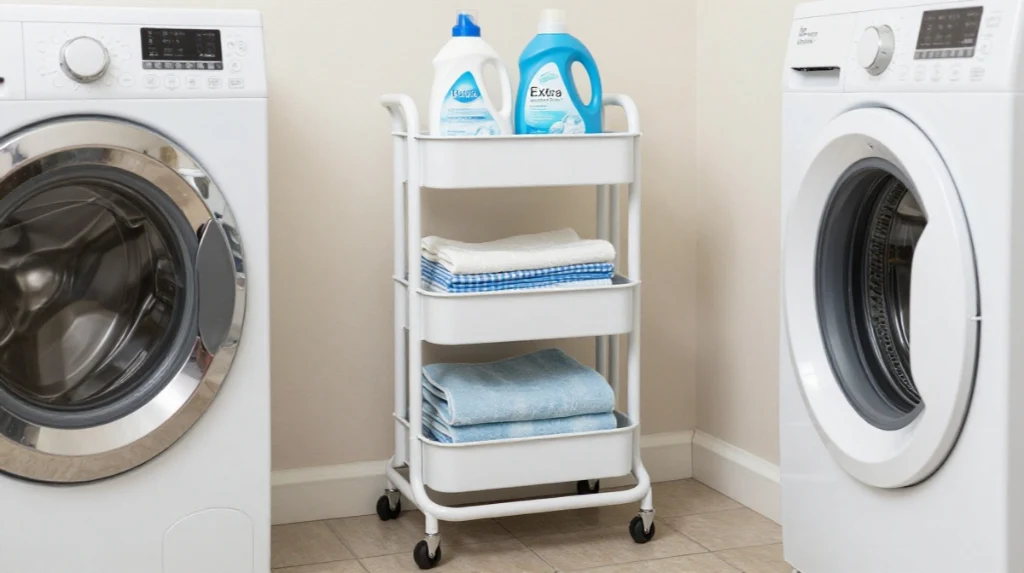
A laundry room rolling cart can slide between the washer and dryer or along the side wall. It provides extra surface area and storage without being permanent. It is also easy to pull out when you need access to the machines for maintenance.
These carts are especially useful in an apartment laundry closet where you cannot make permanent changes to the space.
Install a Rod for Air Drying

A simple rod or tension pole inside your laundry closet can serve as a spot for air-drying clothes, hanging freshly ironed pieces, or keeping delicate items that cannot go in the dryer. This laundry closet rod and shelf combo idea adds function without cost.
Some people also combine this with laundry room hooks and racks on the wall for extra hanging capacity.
Store Your Ironing Board Smartly
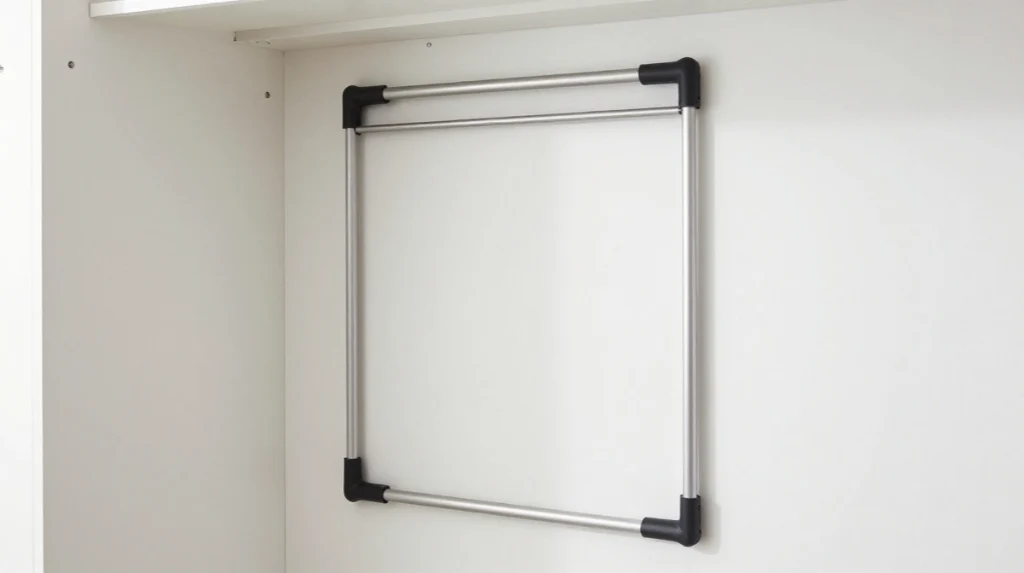
Ironing board storage ideas are one of the most searched topics in laundry organization because an ironing board is bulky and awkward to store. Wall-mounted options that fold flat are the most space-efficient solution.
You can find versions that mount directly to the wall and fold down when in use, which is ideal for a small laundry closet where floor space is precious.
Use the Door Itself for Storage
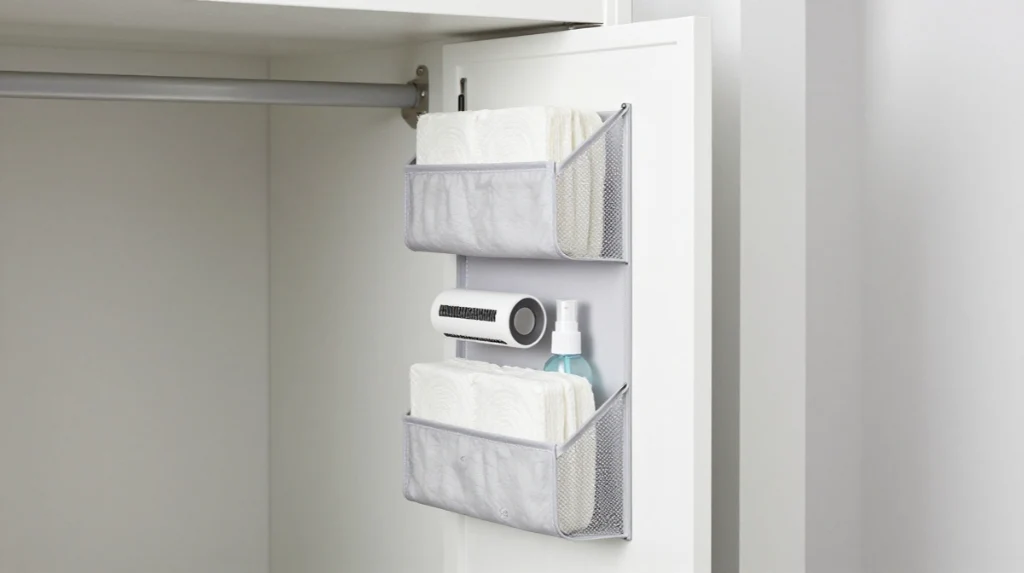
The back of a bifold or pocket door is often wasted space. Adding a small over-the-door organizer or mounted hooks on the inside gives you extra storage for dryer sheets, lint rollers, small spray bottles, or measuring cups for detergent.
This is one of the most underused DIY laundry closet organization ideas and it costs very little to put in place.
Add a Laundry Closet in the Hallway
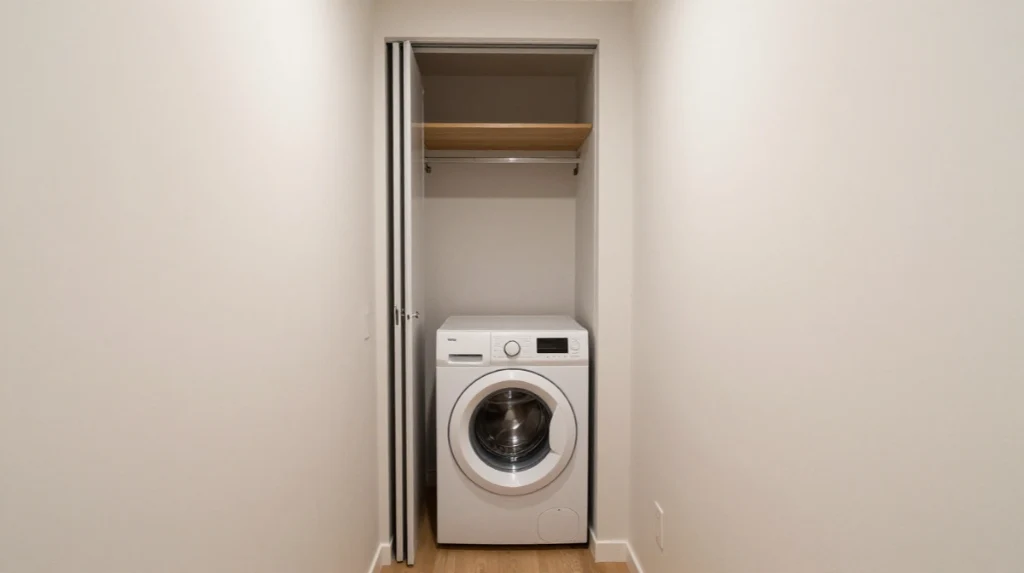
If you do not have a dedicated closet, a laundry room in hallway design can work surprisingly well. A deep hallway closet can house a stackable unit, a shelf above, and even a small curtain or sliding door to keep it out of sight.
This is a popular closet laundry room conversion choice for older homes or apartments where the original layout did not include laundry space.
Choose Tiles That Are Easy to Clean
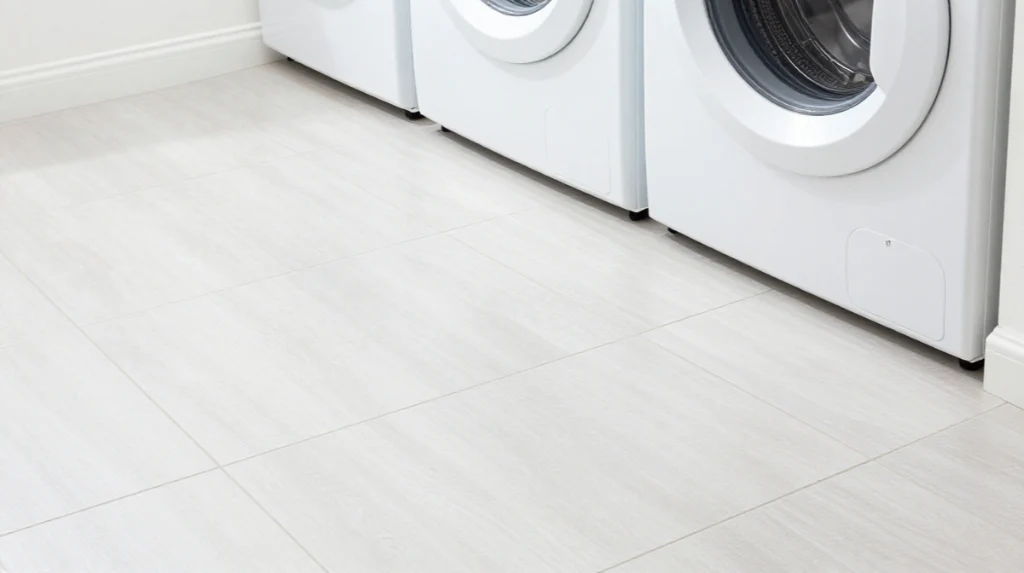
For laundry room tile ideas, practicality matters more than trend. Ceramic or porcelain tiles in light colors are easy to wipe down and hold up well in humid conditions. A small, simple tile on the floor makes the space feel intentional without looking overdone.
Laundry room floor tile for small spaces works best in lighter shades since it keeps the area from feeling cramped.
Go With Open Shelving for a More Accessible Look
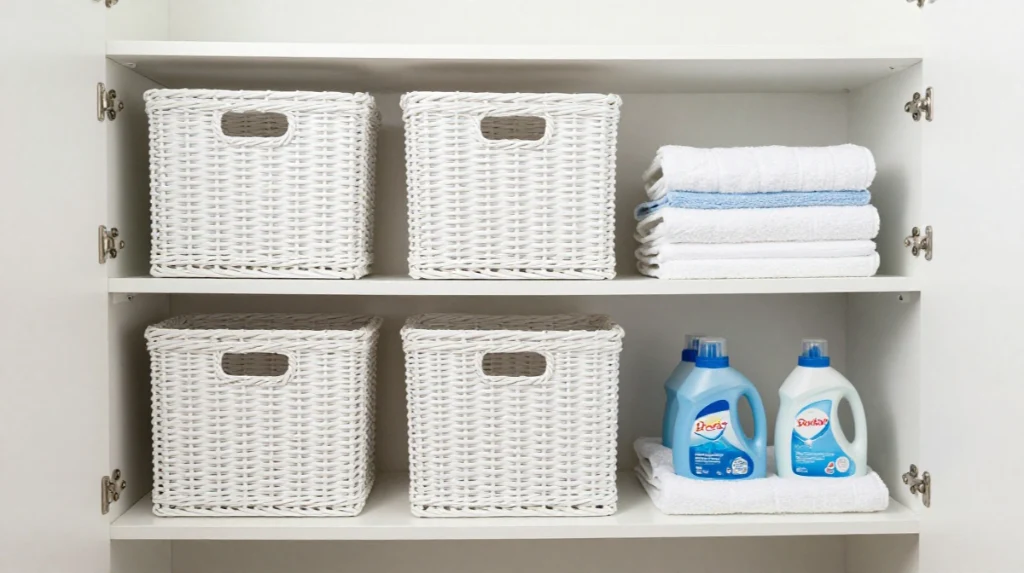
Not everyone wants closed cabinets. Open shelving in a laundry closet keeps supplies visible and easy to grab without opening doors. It also tends to cost less than full cabinet installations.
The trade-off is that it requires more consistent organization since everything is on display. Use matching bins or baskets to keep the look tidy.
Keep Ventilation in Mind From the Start
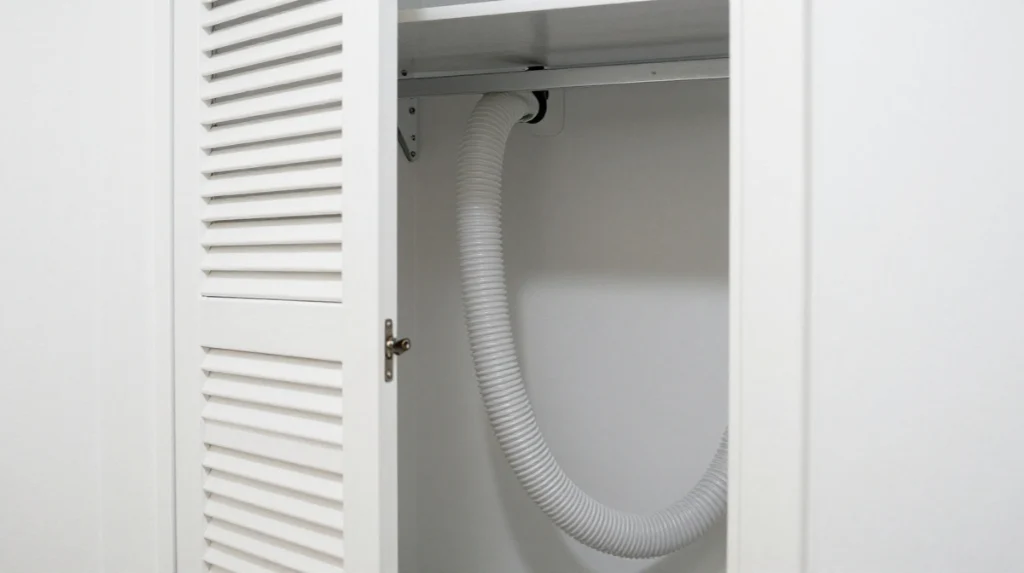
Proper laundry closet ventilation requirements are important for both safety and air quality. Dryers produce heat and moisture, and without proper airflow, this can lead to mold or even fire risk from lint buildup.
Make sure your dryer has an exterior vent path and that the closet has either louvered doors or enough of a gap to allow air circulation. This is a critical step that is easy to overlook during a laundry closet makeover.
Quick Comparison Table: Laundry Closet Design Options
| Feature | Best For | Cost Range | Space Needed | Skill Level |
|---|---|---|---|---|
| Bifold Doors | Small hallway closets | Low | Minimal swing | Beginner |
| Pocket Doors | Clean, modern look | Medium-High | Requires wall depth | Intermediate |
| Sliding Barn Doors | Casual or rustic style | Medium | Wall track space | Beginner |
| Curtain Cover | Renters, budget setups | Very Low | None | Beginner |
| Built-in Cabinets | Maximum hidden storage | High | Upper wall space | Intermediate |
| Floating Shelves | Open, accessible storage | Low | Wall anchor points | Beginner |
| Pull-out Shelf | Folding in tight spaces | Low-Medium | Depth inside cabinet | Intermediate |
Conclusion
A small laundry closet does not have to feel like a compromise. With the right laundry closet design choices, even the tightest space can become efficient, organized, and visually appealing. The key is to think vertically, choose the right door style for your layout, and layer storage intelligently without overcrowding the space.
Whether you are doing a full small laundry room renovation or just making small upgrades over time, every change adds up. Start with what bothers you most, whether that is clutter, poor lighting, or a lack of folding space, and work from there.
You may also like this: 22 Mudroom Laundry Room Design Ideas for Smart Storage
Frequently Asked Questions
1. What is the minimum closet size needed for a washer and dryer?
Most standard washer and dryer units need a closet that is at least 32 to 36 inches wide and 24 to 30 inches deep. Stackable units need less floor space but require enough ceiling height, usually at least 72 to 75 inches.
2. Do laundry closets need ventilation?
Yes. Dryers must vent to the outside to remove heat, moisture, and lint safely. Without proper ventilation, you risk mold buildup, reduced dryer performance, and potential fire hazards from lint accumulation.
3. What is the best door style for a laundry closet?
It depends on your space. Bifold doors are practical and widely used. Pocket doors look the cleanest. Sliding barn doors add style. Curtains are the most budget-friendly for renters.
4. How can I organize a laundry closet on a budget?
Start with floating shelves, pegboard, and over-the-door organizers. These are low-cost options that make a big difference. Adding matching bins or baskets also helps keep things tidy without spending much.
5. Can I add a sink to a small laundry closet?
Yes, if your plumbing allows it. A wall-mounted utility sink takes up the least space. You will need access to water supply lines and a drain, so it works best during a renovation when walls are open.