
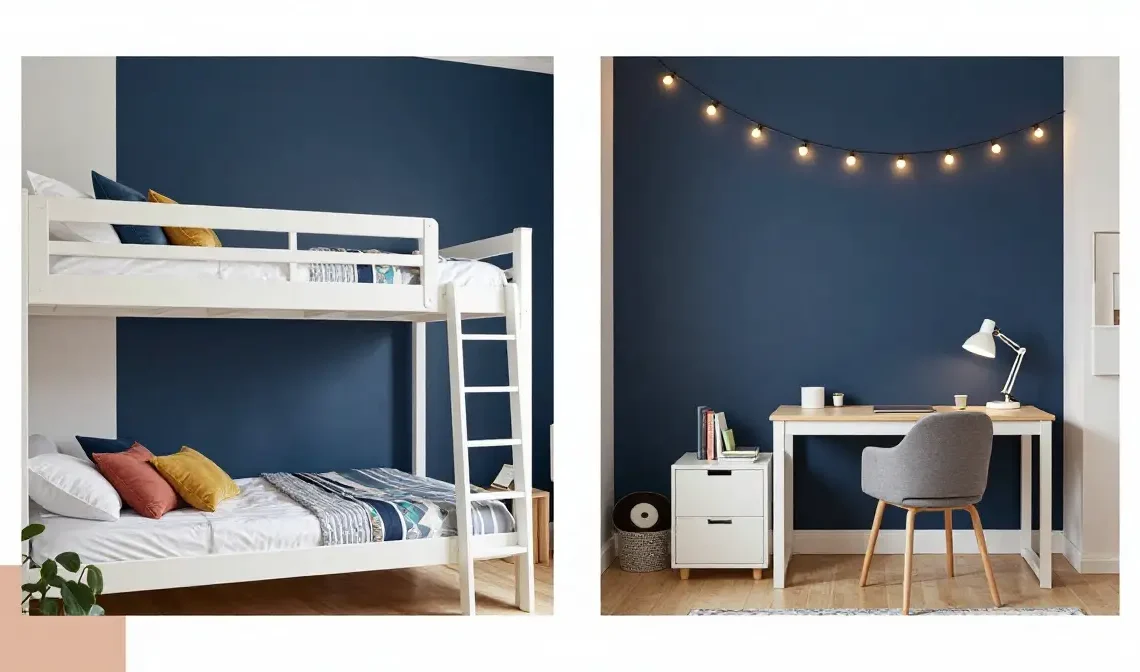
Introduction
There comes a point when your child walks into their old bedroom, looks at the cartoon wall stickers from five years ago, and says, “This does not feel like my room anymore.” It is one of those small but meaningful moments. They are growing up, their taste is changing, and their space should change with them.
Cool bedroom ideas for big kids are not just about making a room look nice. They are about creating a space where a child feels comfortable, expressed, and genuinely happy to spend time. Whether your child is into sports, reading, art, or gaming, the right room design can support who they are becoming.
This guide covers 22 practical and stylish ideas for kids bedroom decor that works for real families, real budgets, and real kids aged roughly 8 to 12. Some ideas are simple weekend projects. Others are bigger transformations. All of them are worth considering.
Add Fairy Lights for a Magical Atmosphere
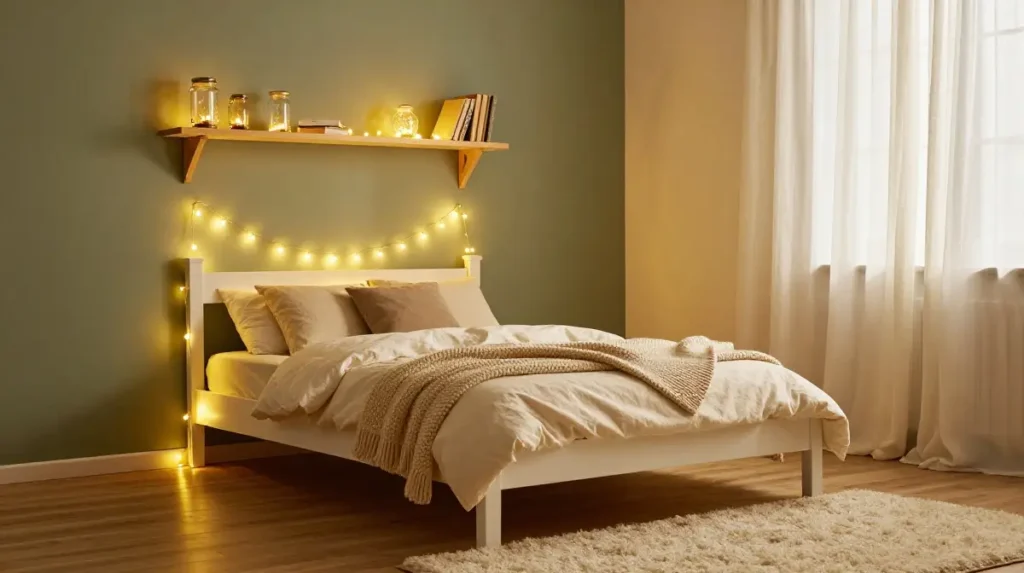
A dreamy big kid’s bedroom with warm golden fairy lights strung along the wall above the bed headboard and draped softly across a wooden shelf. A white or light wood bed frame sits against a muted sage green wall, dressed with cream and warm beige bedding, layered with a chunky knit throw blanket.
Small glass jars and tiny lanterns sit on the floating shelf between books and small decorative items. The floor has natural wood finish with a cream shaggy rug underneath.
Try a Loft Bed to Free Up Floor Space
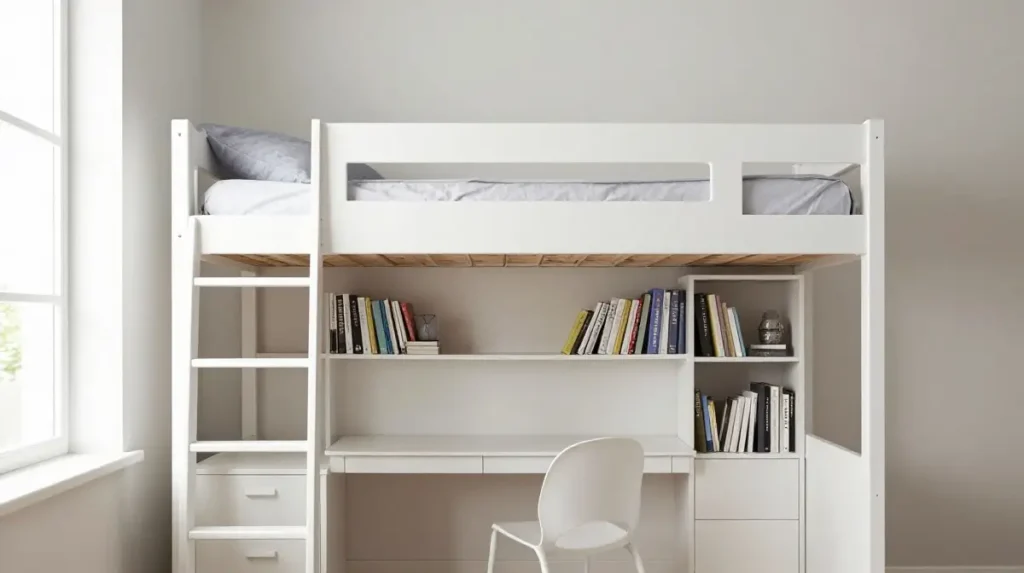
Loft bed designs are a favorite in kids bedroom interior design for a very good reason. By lifting the bed off the floor, you instantly create usable space underneath. That space can become a study area, a reading nook, a small sofa corner, or extra storage.
For big kids who need both a place to sleep and a place to work, this setup is genuinely practical. It makes even a small kids room feel more spacious and purposeful.
Create a Dedicated Study Space
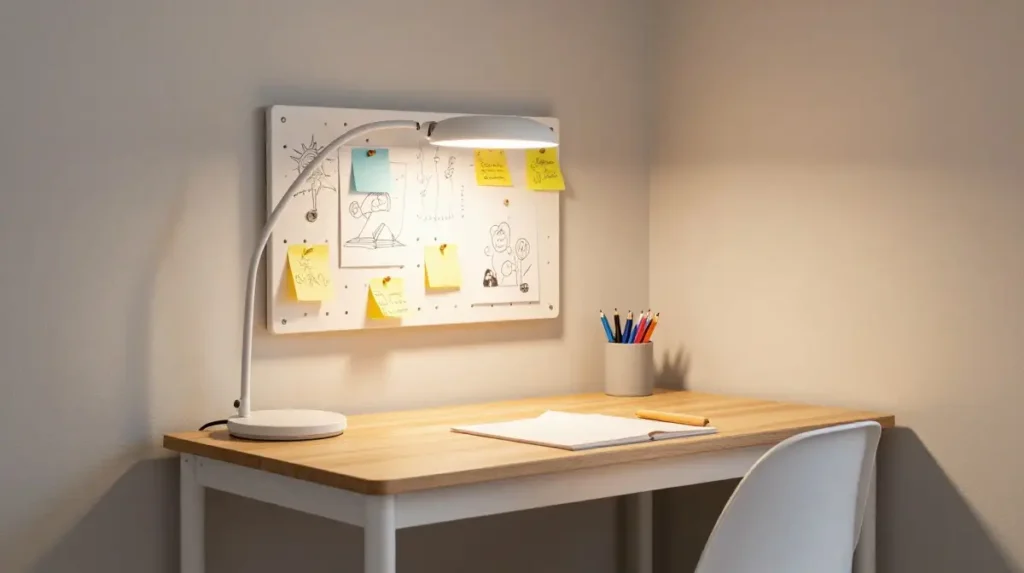
As kids get older, homework becomes more demanding. A proper study nook inside the bedroom helps them focus and builds good habits. You do not need a large desk. A wall-mounted shelf with a chair is enough for most children.
Add a task lamp, a small pinboard for notes, and a cup for pens. Keep it organized and separate from the play area so the brain knows when it is time to work.
Use Bunk Beds for Shared Rooms
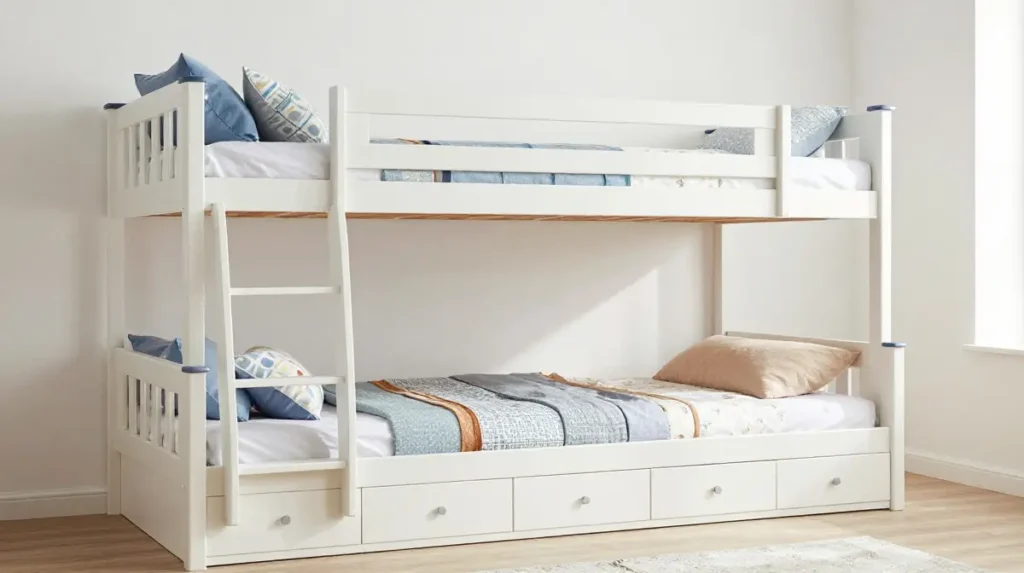
If your children share a room, bunk bed ideas are still one of the smartest solutions available. Modern bunk bed designs are far sleeker than the chunky wooden versions from decades past. Many now come with built-in ladders, storage drawers underneath, and guardrails that actually look good.
A shared kids bedroom can feel cozy and personal for both children when each bunk is decorated individually with their own bedding and small accessories.
Choose a Color Scheme That Can Grow With Them
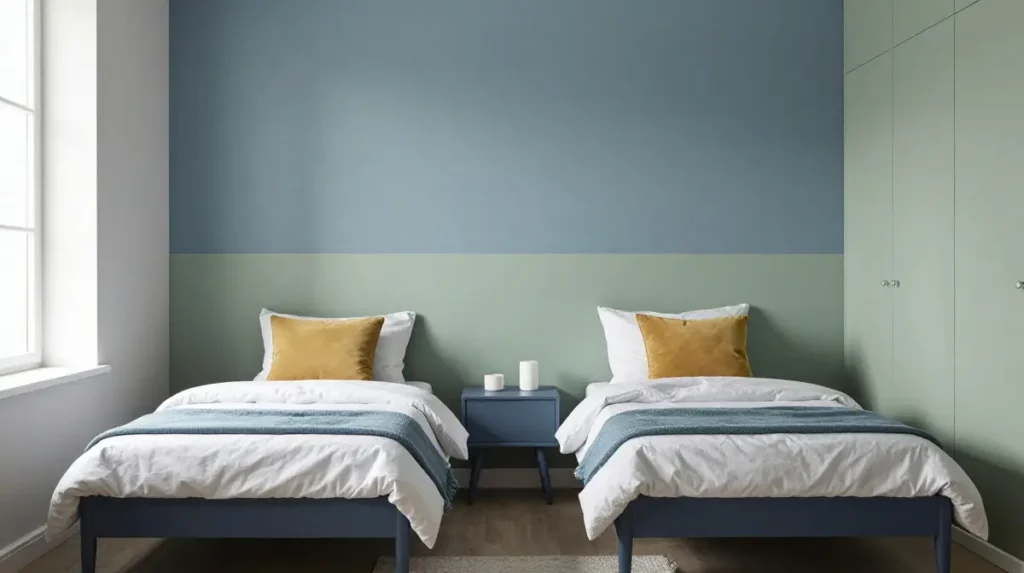
Kids room color schemes matter more than most parents realize. Bright primary colors are fun for toddlers but can feel childish to a ten-year-old. Choosing slightly more sophisticated shades like dusty blue, sage green, warm beige, or muted mustard means the room will still feel relevant in a few years.
Use the bolder colors as accents in cushions or artwork rather than painting all four walls. It makes updating the look much easier later on.
Add Personality With Wall Art
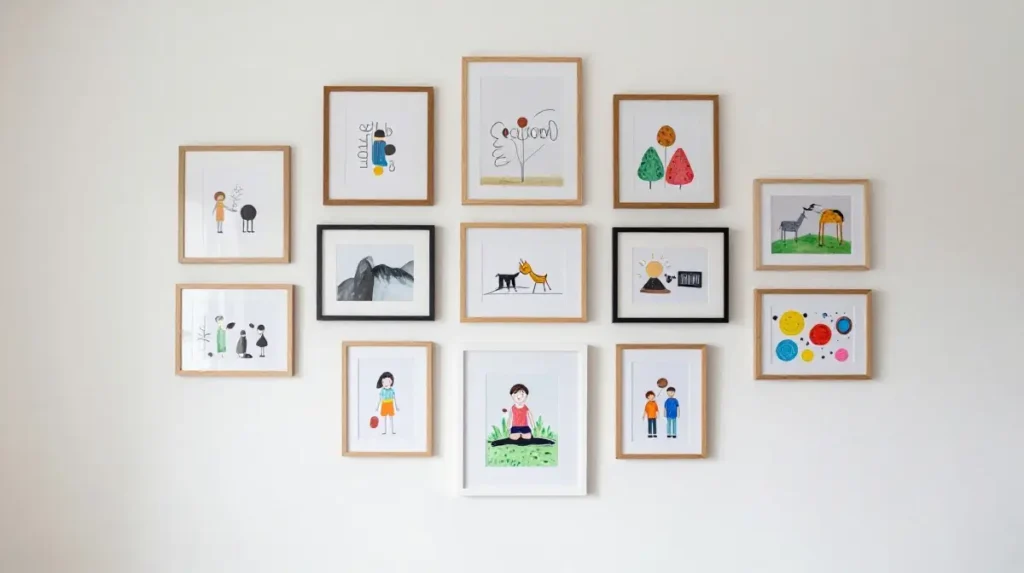
Kids room wall art does not have to be expensive or custom-made. Framed prints, canvas art, removable wall stickers, and even your child’s own artwork can make a wall feel personal and interesting. Let your child choose a few pieces they genuinely love. When kids have input in their room design, they take more pride in keeping it tidy.
A gallery wall with a mix of sizes and frames adds a stylish touch that feels grown-up without being boring.
Build a Cozy Reading Nook
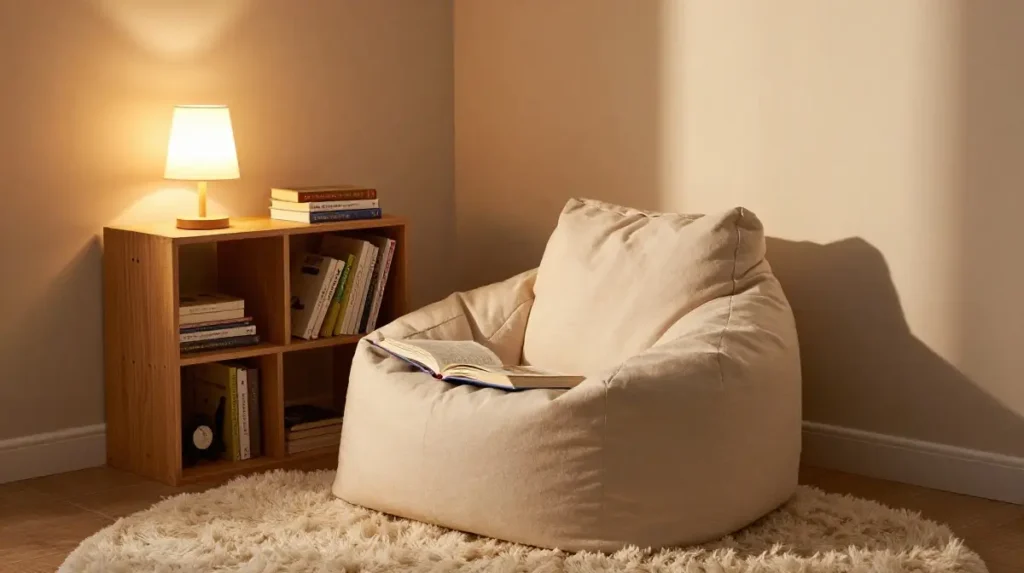
A kids reading nook is one of those features that children genuinely use and love. It does not need to be a built-in alcove. A corner with a bean bag, a small bookshelf, a soft rug, and a good reading light is enough to create a defined space that feels special.
For kids who love books, having a spot that is just for reading makes the activity feel more intentional and enjoyable.
Go for a Galaxy Bedroom Theme

The galaxy bedroom design remains one of the most popular bedroom themes for kids because it works across a wide age range. Deep navy or black walls, glow-in-the-dark stars on the ceiling, a projector lamp, and silver or white accents create a space that feels magical at night and still clean and modern during the day.
It is also a gender neutral kids room option that suits both boys and girls without leaning too heavily in either direction.
Try a Sports Themed Bedroom
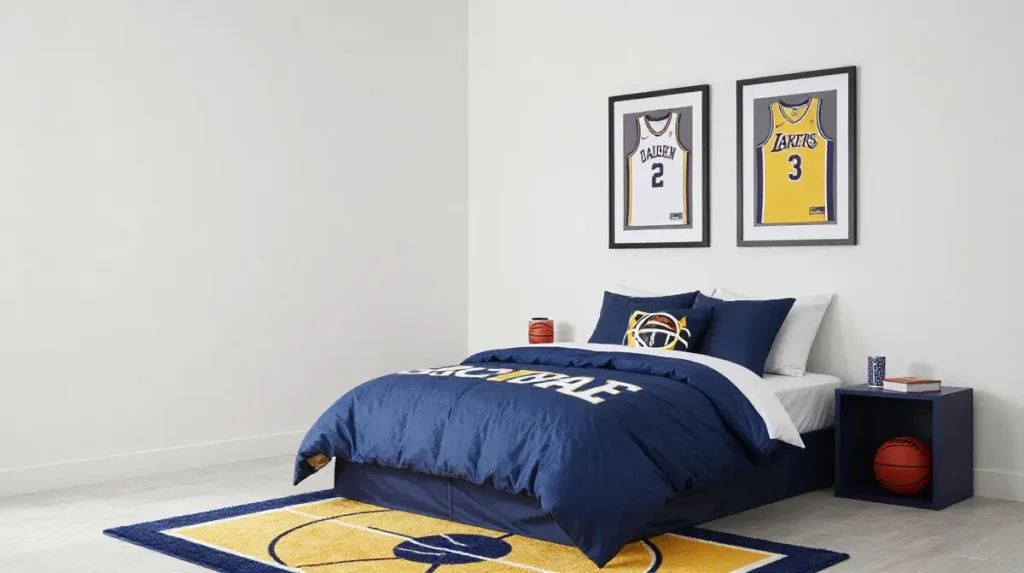
For the athletic child, a sports themed bedroom is a natural fit. The key is to keep it tasteful rather than cluttered. Choose one sport to focus on rather than mixing several. Use the team colors as the main palette, add framed jerseys or prints as wall decor, and keep the furniture clean and simple.
A sports theme can feel genuinely stylish when it is edited well rather than covering every single surface.
Use Wallpaper as a Feature Wall
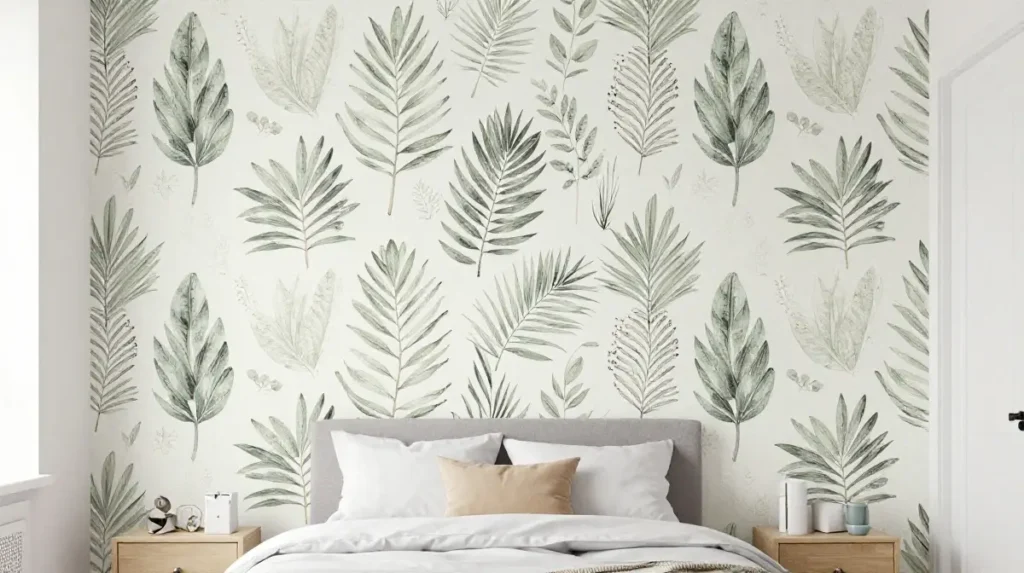
Kids bedroom wallpaper ideas have come a long way. Botanical prints, geometric patterns, city maps, space motifs, and subtle textures are all available at reasonable prices. Peel-and-stick options make the process beginner-friendly and easy to remove without damaging the wall.
Even a single wallpapered wall behind the bed can completely change the character of a room without a full renovation.
Keep Storage Smart and Visible
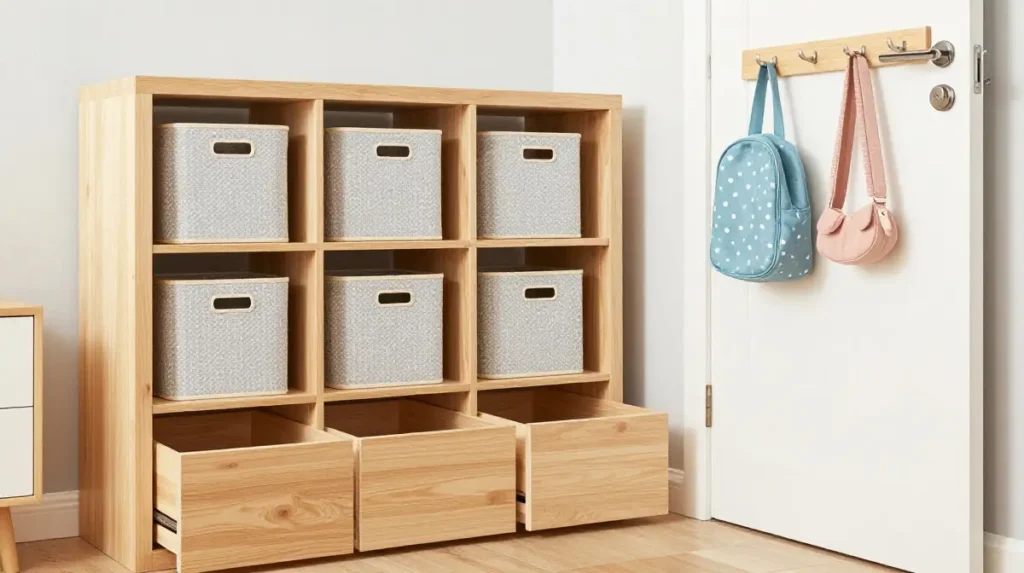
Kids bedroom storage ideas work best when they are easy to use. If the storage system is complicated, children simply will not use it. Open shelving, labeled baskets, under-bed drawers, and hooks on the back of doors are all practical solutions that keep a room tidy without asking too much of a child.
The goal is a system where putting things away takes less effort than leaving them on the floor.
Add Layers With Rugs
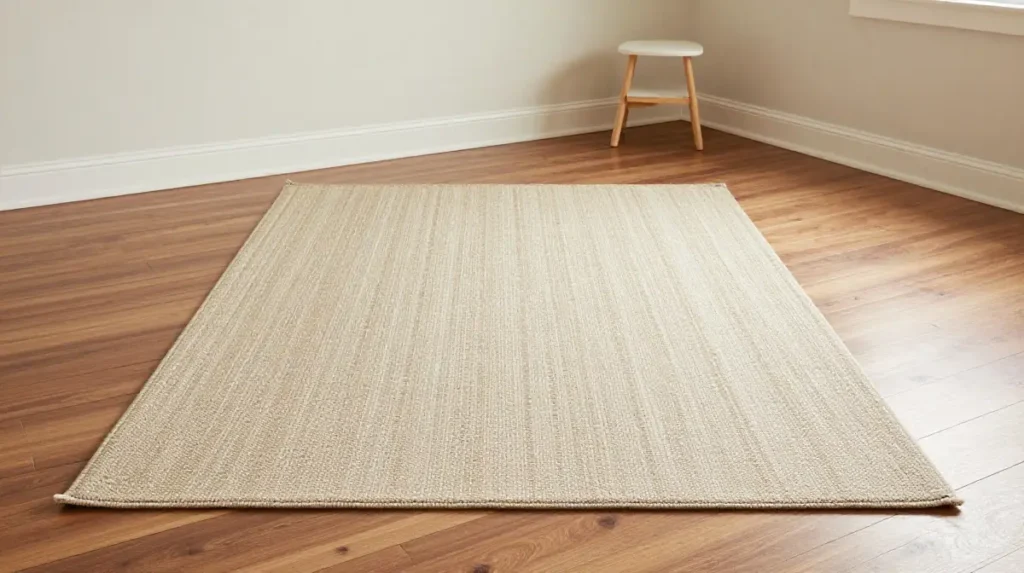
A kids room rug does more than add color. It defines zones within the room, adds warmth underfoot, and reduces noise. In a bedroom with hard floors, a large rug under the bed pulls the whole space together visually.
Choose a rug that is easy to clean. Flatweave or low-pile options are far more practical in a child’s bedroom than deep shag rugs that trap crumbs and dust.
Consider a Jungle Themed Kids Room
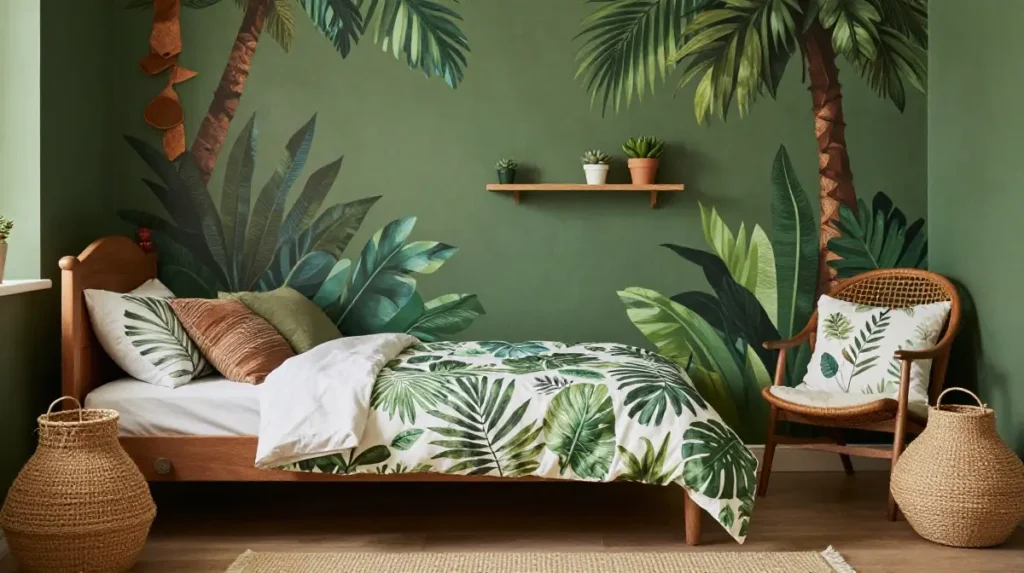
A jungle themed kids room brings nature indoors in a warm, adventurous way. Deep greens, earthy browns, natural textures, and plant motifs create a grounded, calming atmosphere that appeals to kids who love the outdoors and animals.
You do not need real plants everywhere. Printed wallpaper, leaf-print bedding, and a few small potted succulents are enough to establish the theme without turning the room into a greenhouse.
Play With Ceiling Ideas
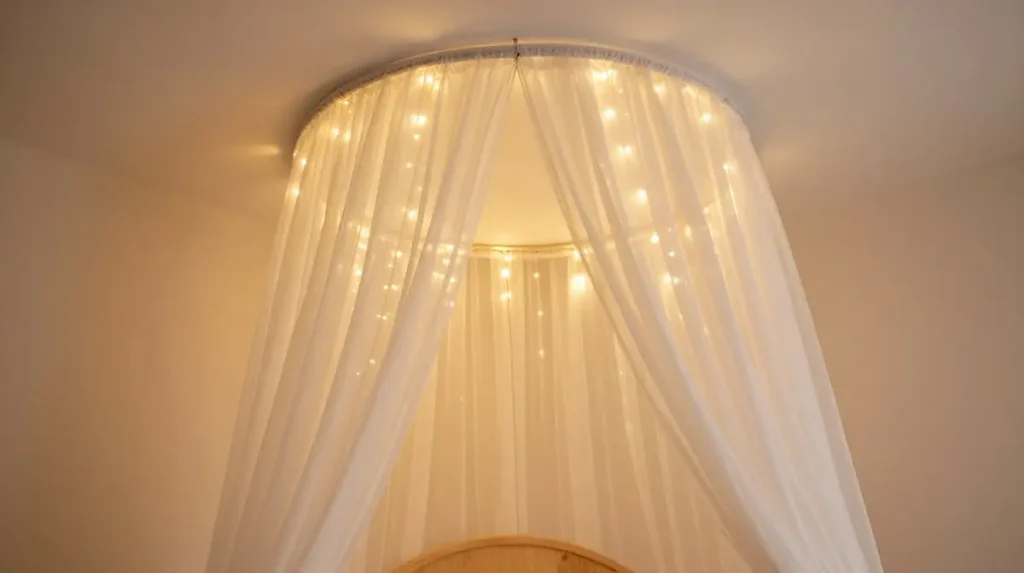
Most parents focus entirely on walls and furniture and completely forget the ceiling. Kids room ceiling ideas like a canopy over the bed, star projectors, painted clouds, or hanging paper lanterns add a layer of visual interest that children notice and love.
A simple fabric canopy draped above the headboard instantly makes a bed feel like a den or hideaway, which appeals strongly to kids of this age group.
Use Light Strategically
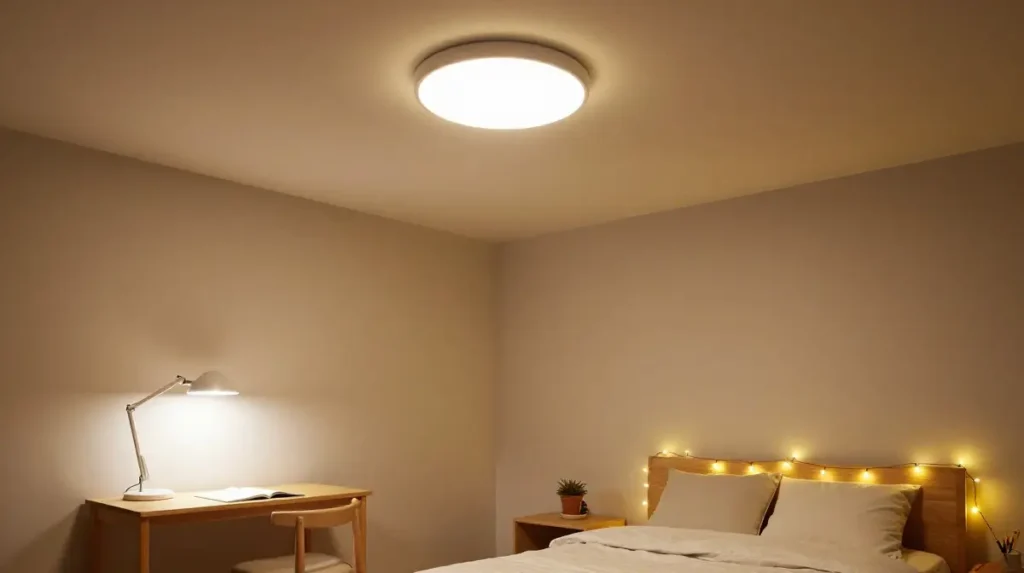
Kids bedroom lighting ideas should cover at least three purposes: general room lighting, task lighting for homework, and ambient lighting for winding down at night. A ceiling light handles the first, a desk lamp handles the second, and a warm-toned bedside lamp or string lights handle the third.
Avoid overly harsh white lighting in the evening. Warm bulbs help children relax before sleep, which genuinely makes a difference in their bedtime routine.
Design a Playroom Bedroom Combo
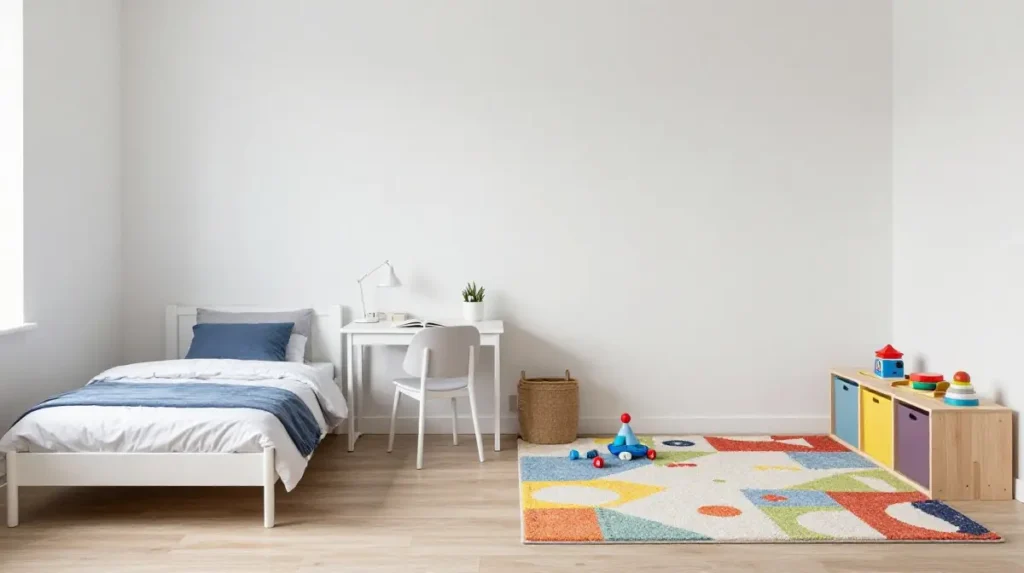
For children who still love active play but also need a proper bedroom, a playroom bedroom combo is worth planning carefully. The key is clear zones. The bed and study area stay on one side, and a defined play area sits on the other, perhaps with a rug to mark the boundary.
As the child gets older, the play zone can be repurposed without redesigning the entire room.
Add a Chalkboard or Pegboard Wall
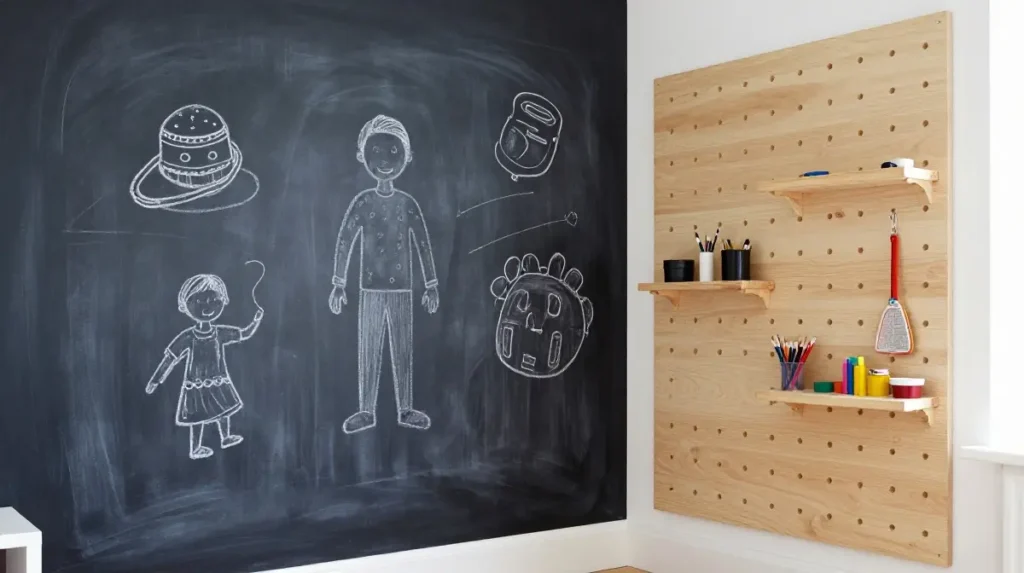
A small chalkboard section or pegboard panel gives kids a functional creative surface. They can draw, write reminders, display artwork, or hang accessories without putting holes in the walls. It is a practical addition that also adds character to the room.
Pegboards in particular are incredibly useful for kids who have lots of small items like art supplies, sports accessories, or collections.
Choose Furniture That Grows With the Child
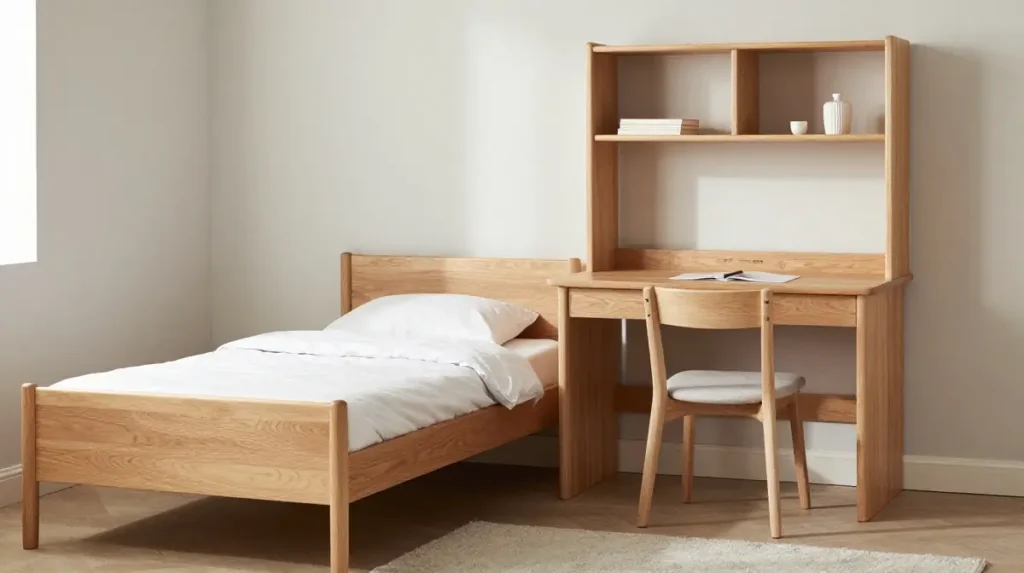
One of the biggest mistakes in kids bedroom interior design is buying furniture that only works for one age. Choosing slightly more mature, simple furniture in neutral tones means the room can be updated with new accessories and bedding rather than entirely new pieces every few years.
A solid wood bed frame, a basic desk, and clean-lined shelving will look appropriate from age 8 through the teen years with only minor styling changes.
Try a Superhero Room Without Going Overboard
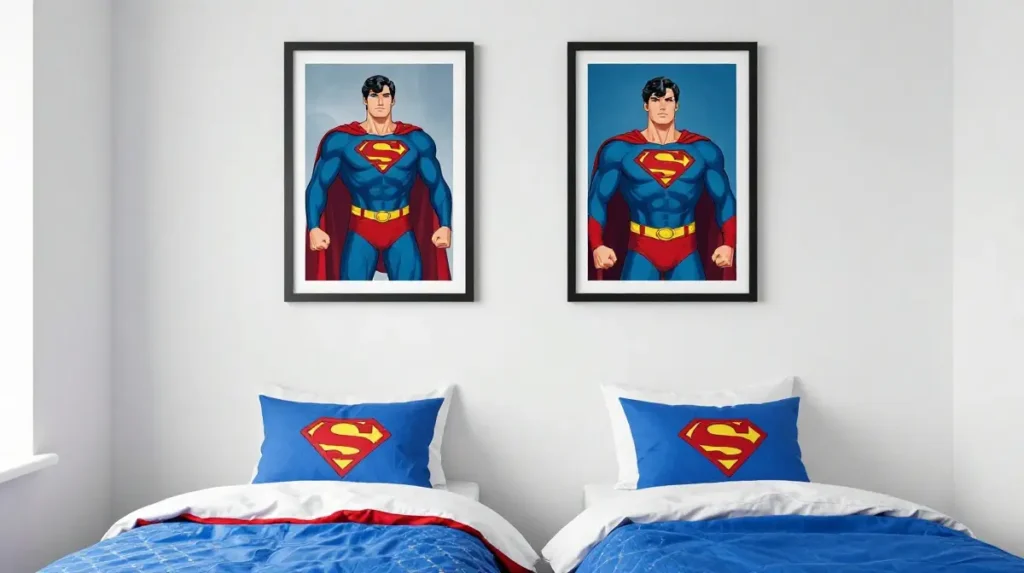
A superhero room decor setup works beautifully when it is done with restraint. Instead of covering every wall with comic book graphics, pick one or two framed poster prints, use the hero’s signature colors in the bedding, and add a small detail like a themed cushion or lamp.
The result feels stylish and personal rather than like a themed hotel room.
Use Curtains to Add Height and Softness
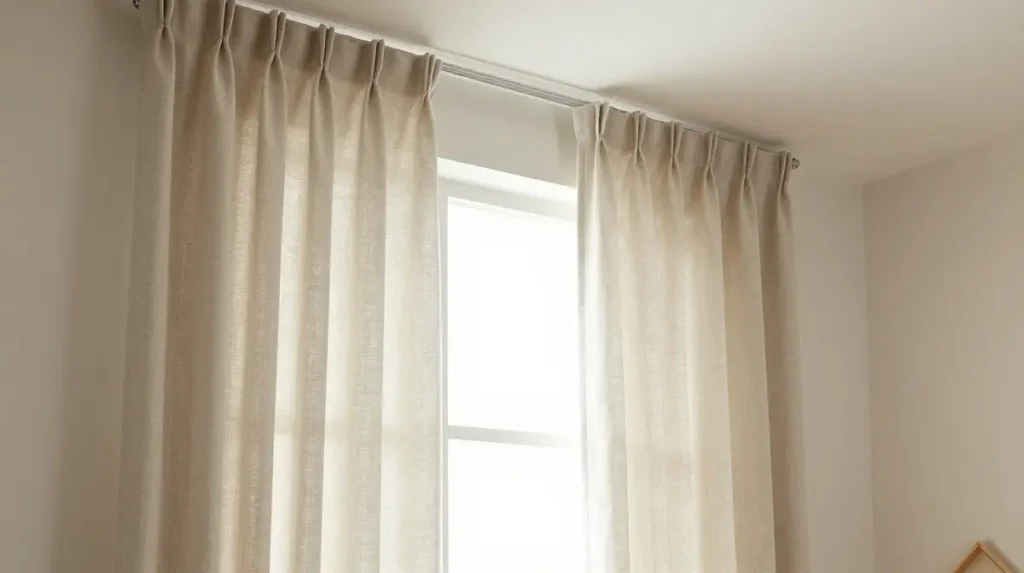
Bedroom curtain ideas for kids rooms are often overlooked. Hanging curtains high above the window frame and letting them fall to the floor makes the ceiling feel taller and the room feel more finished. Soft linen-look fabrics in neutral tones work well with almost any color scheme.
Blackout lining is worth the extra cost in a child’s bedroom because good sleep genuinely affects mood and focus.
Plan a Budget Makeover With Maximum Impact
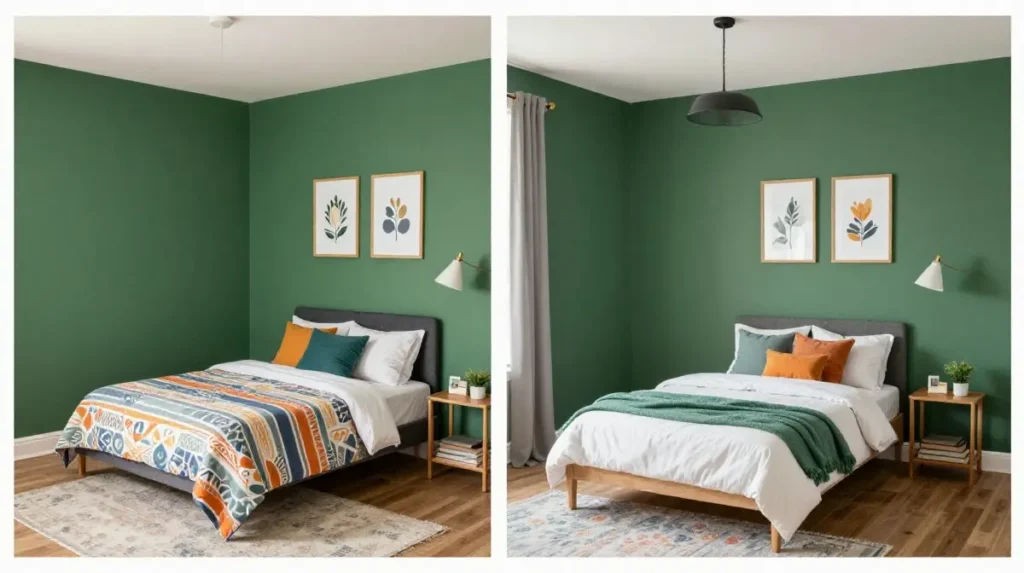
A budget kids bedroom makeover does not require new furniture. Repainting one wall, swapping the bedding, adding new cushions, hanging a few prints, and updating the lighting can completely transform how a room feels for well under a reasonable amount.
Involve your child in the choices. When kids participate in designing their own space, they feel more connected to it and are generally more motivated to keep it clean and organized.
Go Bold With an Accent Wall
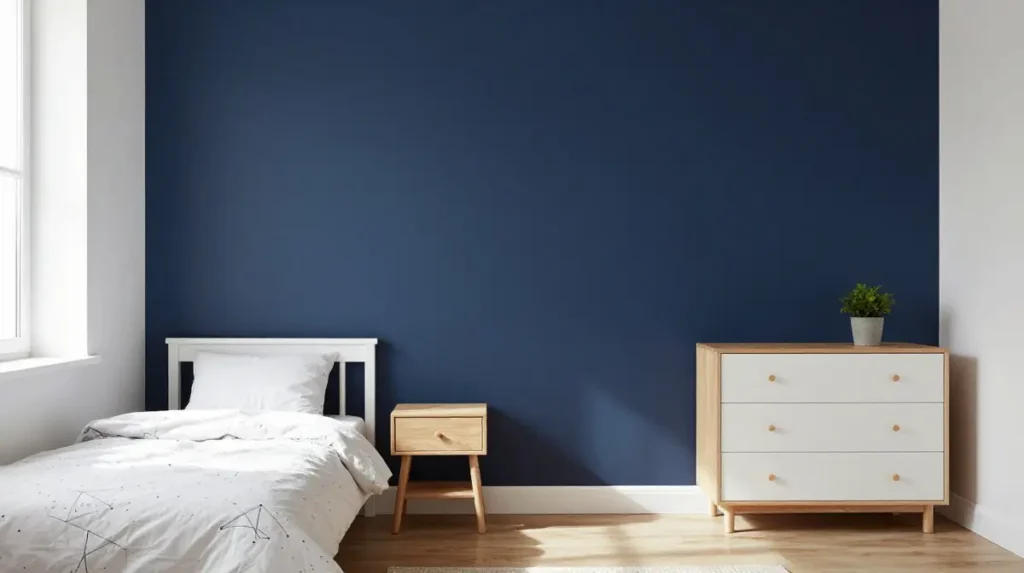
A stylish big kid’s bedroom featuring a single dramatic deep navy blue accent wall behind the bed as the main focal point. The remaining three walls are crisp white, creating a bold but balanced contrast. A low-profile white wooden bed frame sits centered against the navy wall, dressed with clean white and light grey bedding, two simple throw pillows, and a soft textured blanket folded at the foot.
The floor has warm light oak hardwood with a low-pile grey area rug under the bed. Natural soft daylight fills the room from a window on the side wall. The overall mood is calm, modern, and age-appropriate for a child aged 8 to 12. No people.
Conclusion
Designing a bedroom for a big kid is one of those projects that feels small but matters quite a lot to the child living in it. The best approach is always to balance what they love now with choices that will still feel relevant as they get older.
You do not need to spend a fortune or overhaul everything at once. Start with one or two changes, see how the room responds, and build from there. The most important thing is that the child feels at home in their own space.
You may also like this:22 Nancy Meyers Inspired Bedroom Ideas for Cozy Elegant Style
FAQs
1. What are the best cool bedroom ideas for big kids on a budget?
Repainting an accent wall, swapping bedding, adding wall art, and updating lighting are all affordable changes that make a big visual difference without requiring new furniture.
2. What age is considered a big kid for bedroom design purposes?
Generally between 8 and 12 years old. This is the stage when children outgrow younger themes and want a space that reflects their personality more clearly.
3. How do I choose a bedroom theme my child will not outgrow quickly?
Stick to a color-based theme rather than character-based decor. Colors like navy, green, and grey age well, while specific cartoon themes tend to feel outdated within a year or two.
4. How can I make a shared kids bedroom work for two different personalities?
Give each child a clearly defined zone with their own color accents, bedding, and storage. Bunk beds with individual lighting and shelving help each child feel like they have their own space.
5. What is the most practical bed type for a big kid’s bedroom?
A loft bed is ideal for maximizing floor space in smaller rooms. For larger rooms or shared spaces, a standard single bed with under-bed storage drawers is a clean and practical option.

1 Comment