
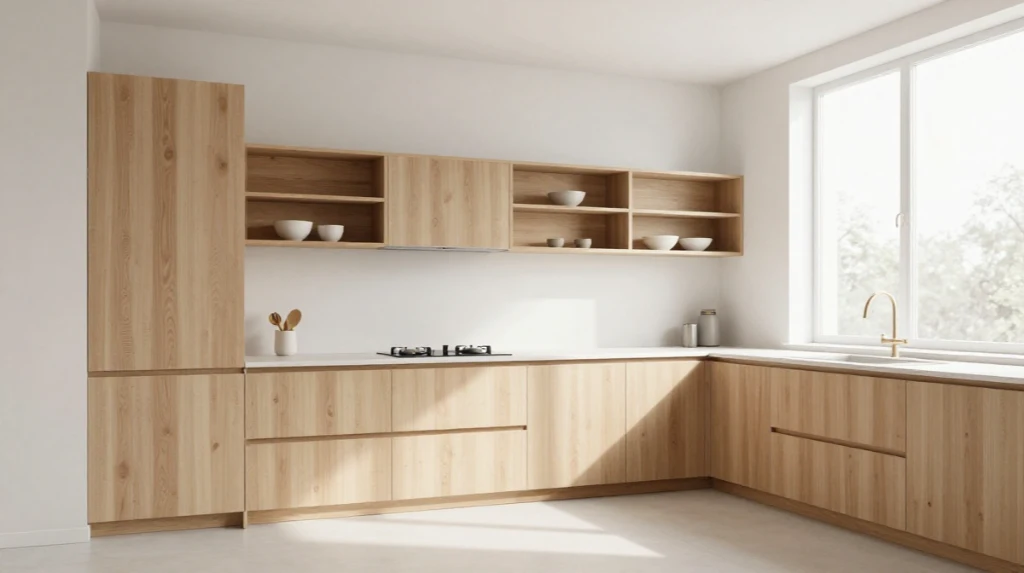
Introduction
Walking into a kitchen that feels calm instead of cluttered can change how your whole day starts. If your current space feels busy, mismatched, or just a little too loud for your taste, you are not alone in wanting something quieter and more intentional.
Japandi kitchen design has become one of the most requested styles for homeowners who want beauty without excess. It takes the warmth of Scandinavian living and blends it with the discipline and simplicity of Japanese design, creating rooms that feel both cozy and composed at the same time.
This guide walks through 22 ideas that show you exactly how to bring this style into your own kitchen, whether you are renovating from scratch or simply updating a few key details.
What Is Japandi Kitchen Design
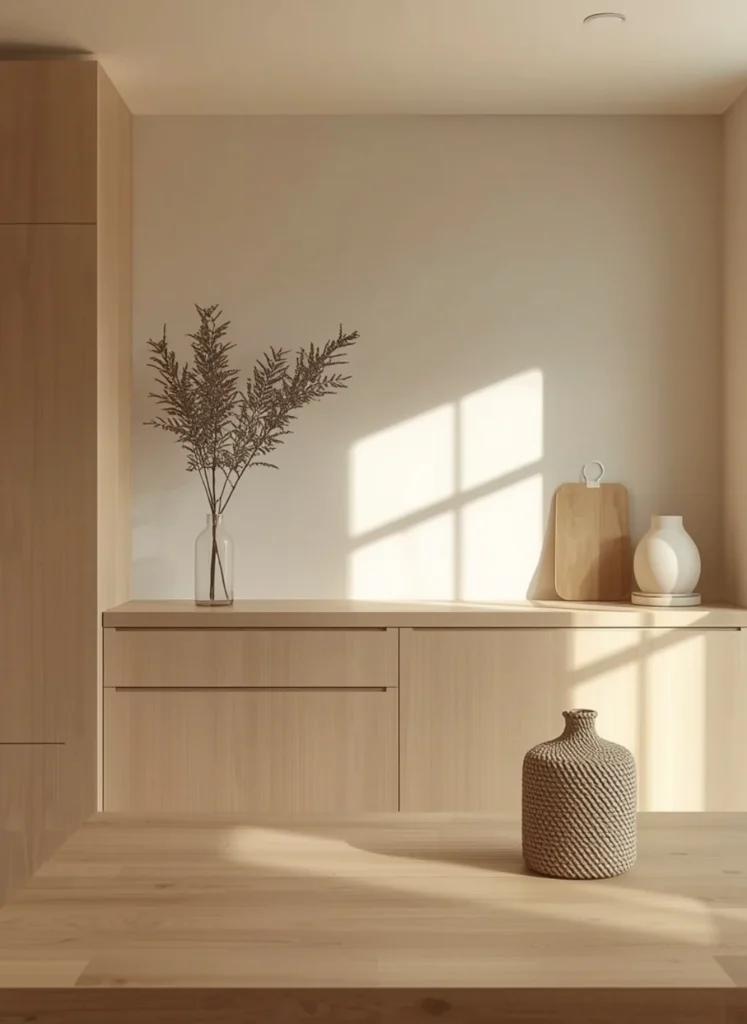
Japandi is a design philosophy built on the overlap between two cultures that value simplicity, craftsmanship, and quiet spaces. It combines Scandinavian minimalism with Japanese restraint, resulting in kitchens that feel uncluttered but never cold. The goal is not to remove personality from a room, but to keep only what truly serves a purpose.
If you are new to this style, start small. Choose one or two elements, like a wood tone or a color scheme, and build the rest of your kitchen around them. This keeps the space cohesive instead of trying to change everything at once.
Neutral Kitchen Palette That Feels Warm
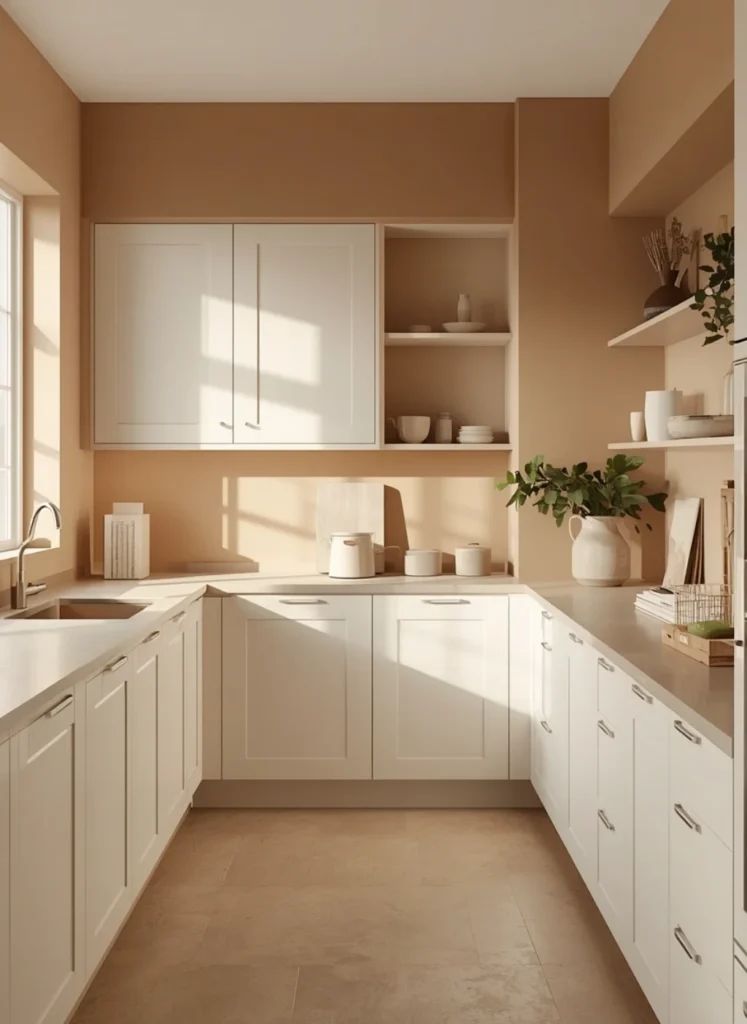
A neutral kitchen palette is the backbone of almost every Japandi space. Think soft whites, warm beige, sand, and muted greige tones layered together instead of a single flat color. This creates depth without adding visual noise, which is exactly the balance Japandi design is known for.
When choosing paint or cabinet colors, test a few samples in your actual kitchen lighting before committing. Warm neutrals can look very different under morning light versus evening light, so it helps to check both before making a final decision.
Natural Wood Kitchen Cabinets
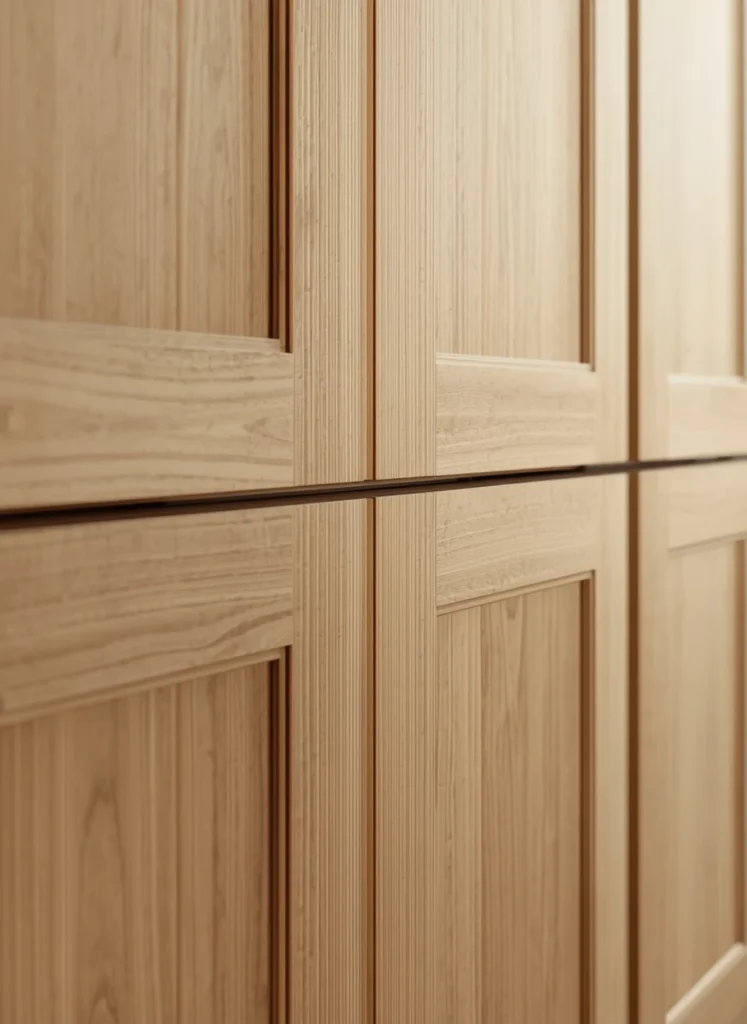
Few things define this style faster than a natural wood kitchen. Light oak, ash, or walnut cabinetry brings warmth and texture into a space that might otherwise feel too sparse. The wood grain itself becomes part of the decor, so there is little need for extra ornamentation.
Choose cabinets with a matte or raw finish rather than high gloss, since shine tends to clash with the calm feel of this style. A light coat of natural oil every year or two keeps the wood looking fresh and helps prevent it from drying out.
Handleless Kitchen Cabinets for a Clean Look
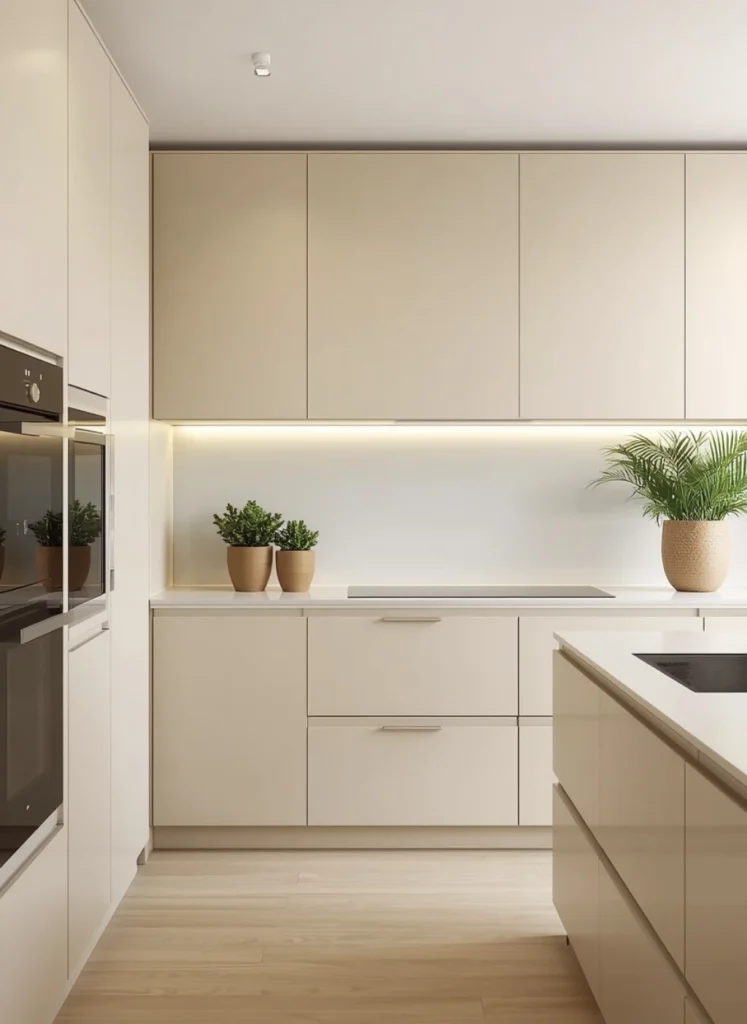
Handleless kitchen cabinets remove one of the biggest visual distractions in a kitchen. Without hardware breaking up the surface, cabinet fronts appear smooth and continuous, which supports the clean line kitchen look Japandi is known for.
Push-to-open mechanisms or recessed grip channels are the two most common ways to skip hardware entirely. If you are renovating on a budget, even swapping bulky handles for slim integrated pulls can make a noticeable difference without a full cabinet replacement.
Stone Kitchen Countertops
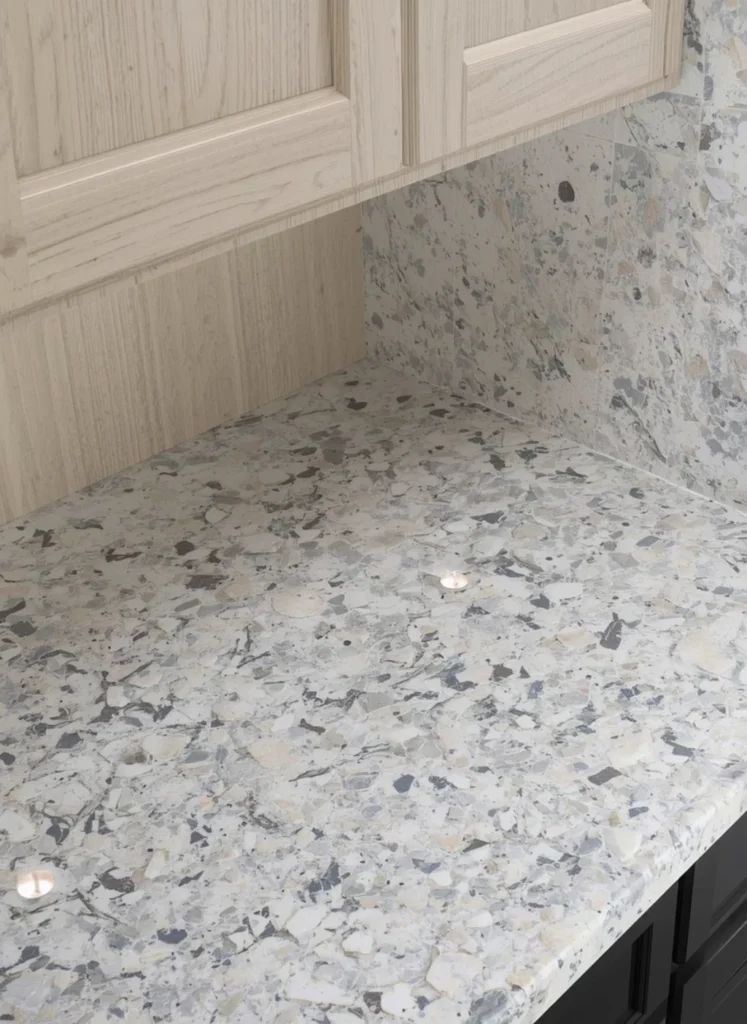
Stone kitchen countertops add a grounded, natural feel that pairs beautifully with wood cabinetry. Honed granite, soapstone, or textured concrete surfaces bring in organic variation without competing with the rest of the room’s simplicity.
Honed or matte finishes tend to suit this style better than polished stone, since a soft sheen feels more in line with organic kitchen materials. Regular sealing, usually once a year depending on the stone type, keeps countertops resistant to staining and everyday wear.
Open Kitchen Concept Layout
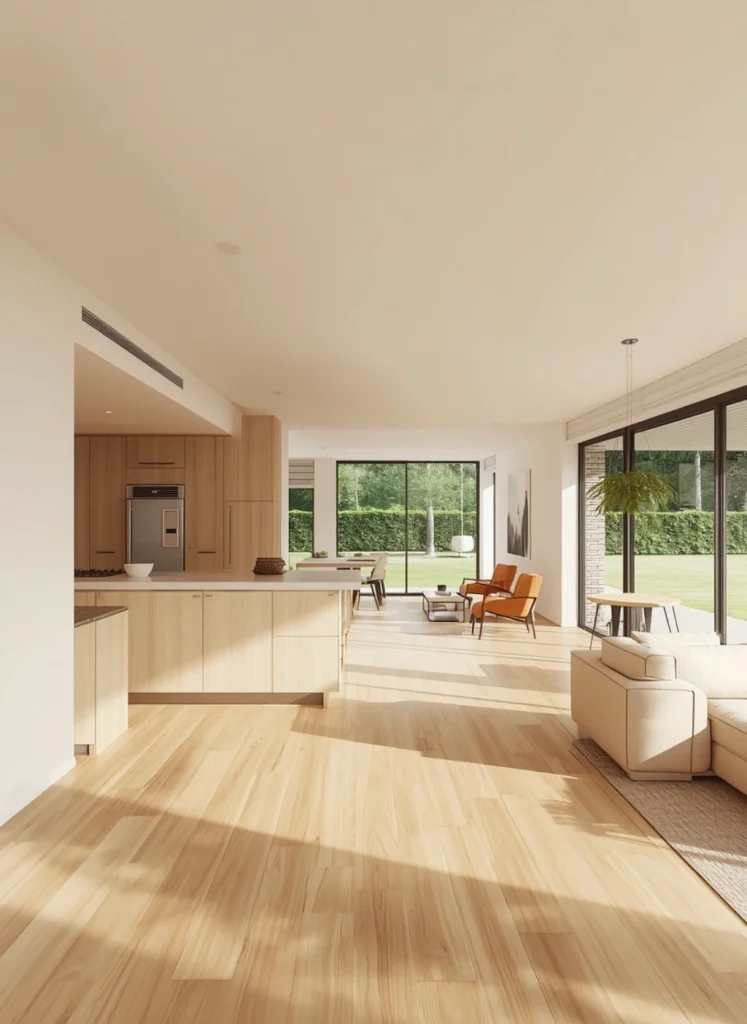
An open kitchen concept allows light and sightlines to move freely between the cooking space and the rest of the home. This layout supports the airy, breathable feeling that Japandi kitchens are known for, especially in smaller homes where separate rooms can feel closed in.
If a full open-plan renovation is not realistic, even removing upper cabinets on one wall or adding a pass-through opening can create a similar sense of flow. Keep countertops clear so the open sightline actually feels spacious rather than busy.
Japandi Shelf Decor and Open Shelving
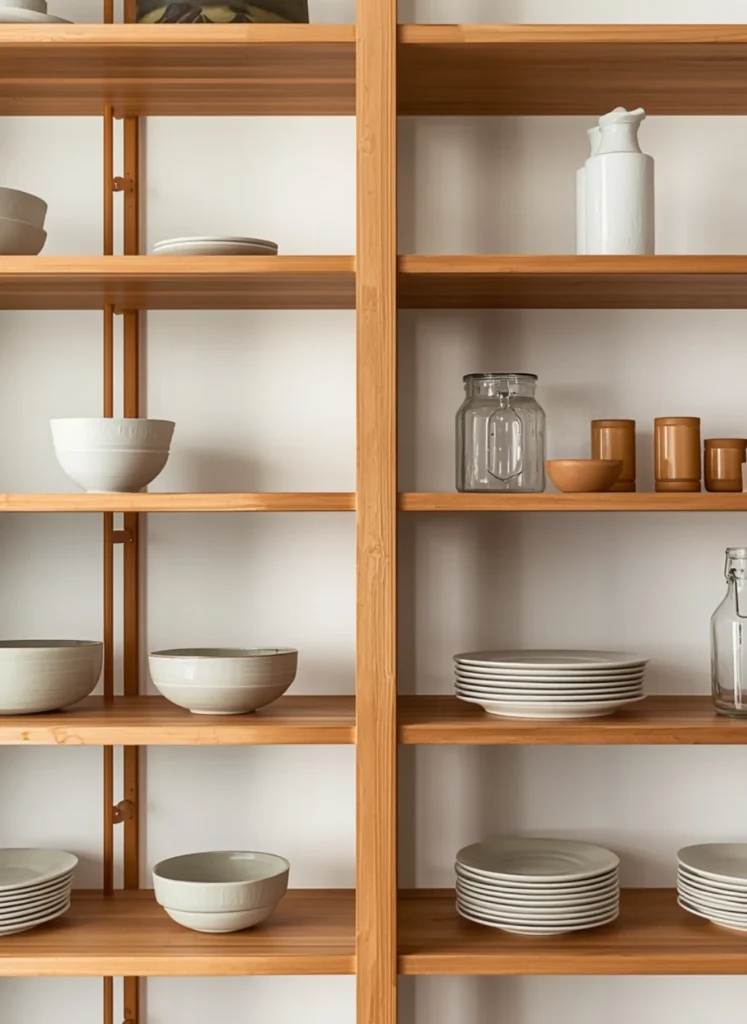
Open shelving gives you a chance to show a little personality while keeping things tidy. Japandi shelf decor typically includes ceramic bowls, simple glass jars, and a small collection of everyday dishware arranged with intentional spacing between items.
Resist the urge to fill every inch of shelf space. Leaving visible gaps between objects is part of what makes this styling feel calm rather than cluttered. Rotate a few pieces seasonally to keep the shelves feeling fresh without adding more stuff.
Wabi-Sabi Kitchen Details
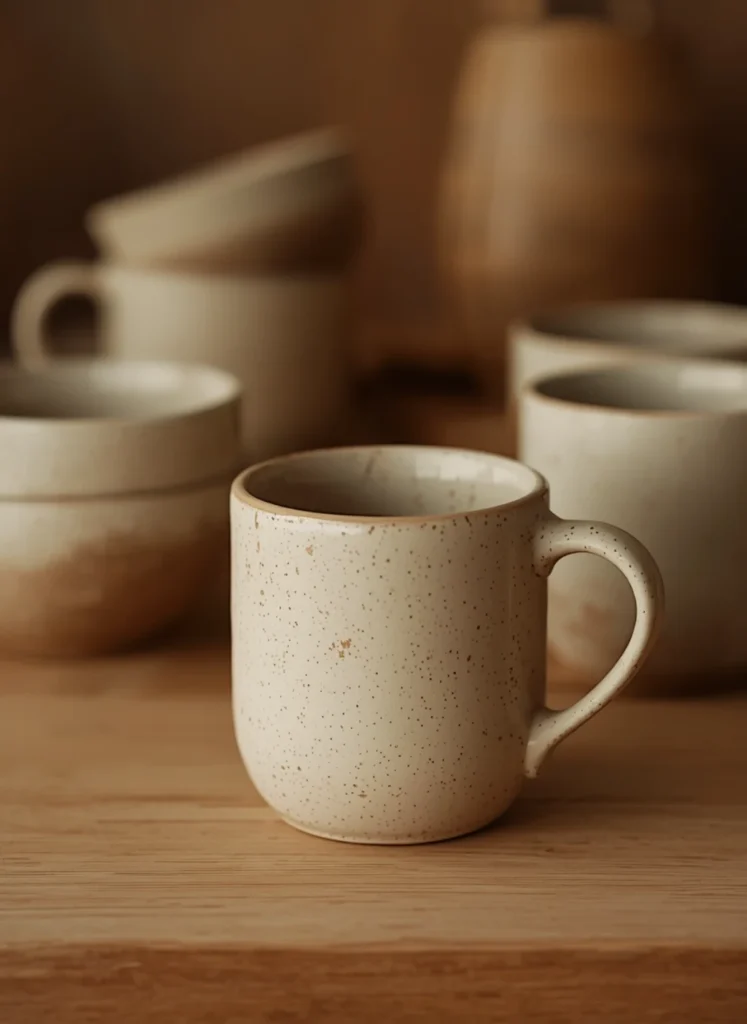
A wabi-sabi kitchen embraces imperfection rather than hiding it. Handmade ceramics with slightly uneven edges, visible wood grain, or a chipped glaze on a favorite mug all fit naturally into this way of decorating. It is a mindset that values character over flawlessness.
Look for local artisans or small pottery studios when shopping for dishware and accessories. These pieces usually carry more warmth and story than mass-produced items, and they fit perfectly into a japandi home decor approach.
Matte Finish Kitchen Surfaces
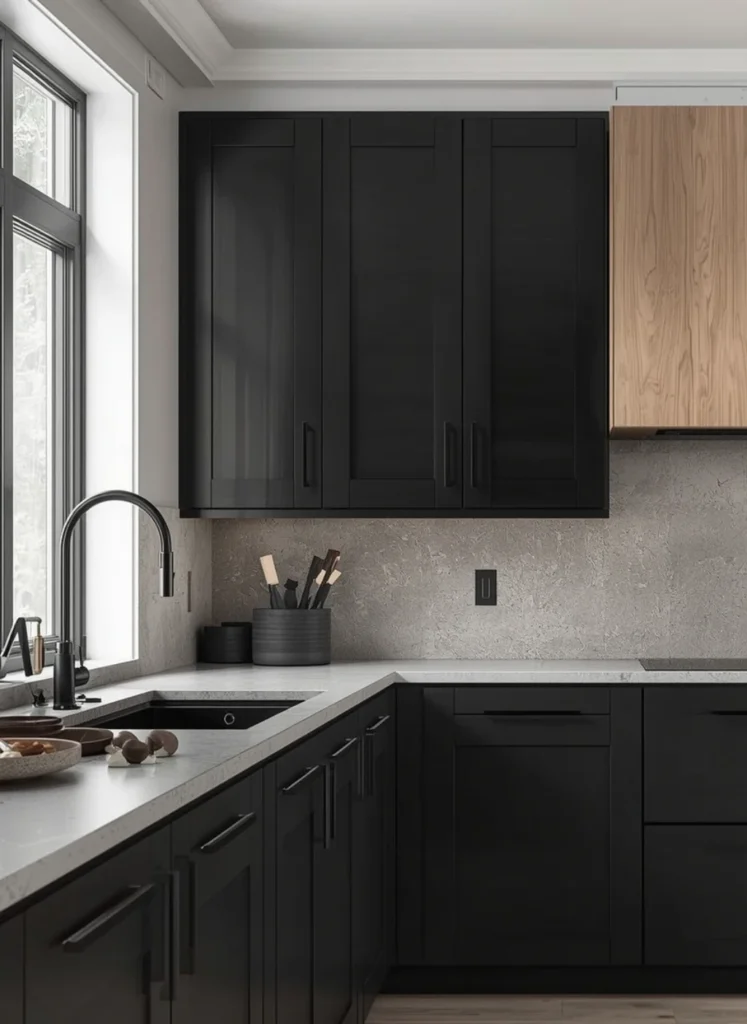
Glossy surfaces tend to feel busy under kitchen lighting, which is why a matte finish kitchen is such a common choice in this style. Matte cabinets, countertops, and even matte black fixtures create a softer, more cohesive look throughout the room.
When mixing finishes, keep at least one material matte to anchor the palette. A fully glossy kitchen can pull attention away from the natural materials that make Japandi feel warm and grounded in the first place.
Muted Tone Kitchen Walls
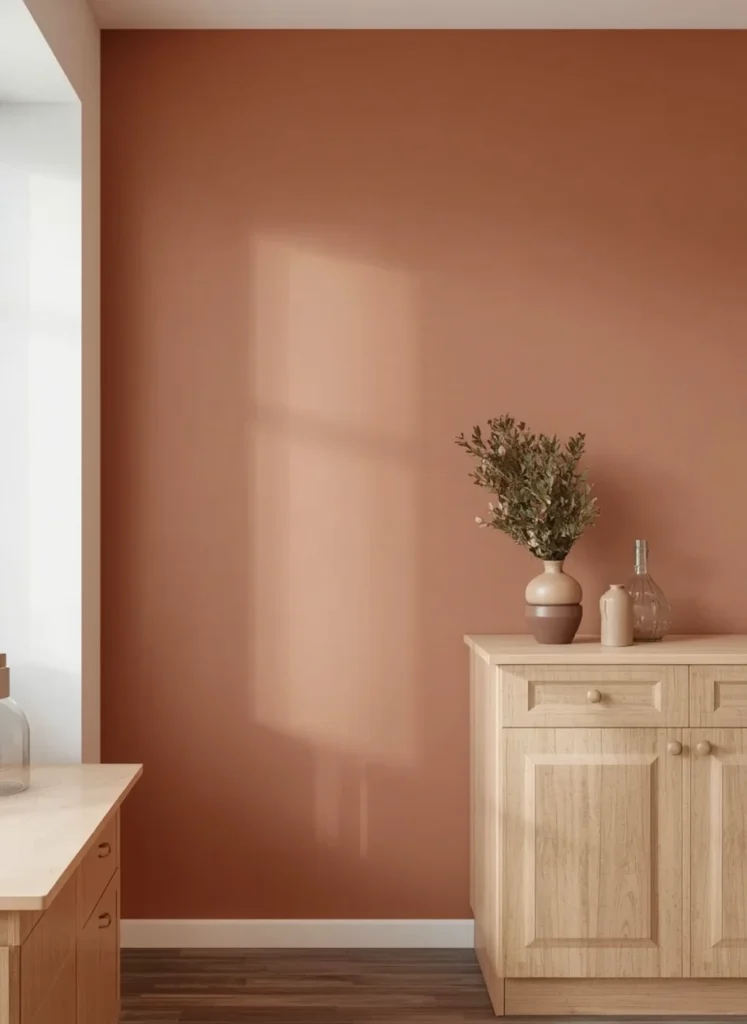
Wall color plays a bigger role than most people expect. A muted tone kitchen wall in soft clay, warm gray, or pale sage creates a quiet backdrop that lets wood tones and textures stand out instead of competing with a bold paint choice.
If you are hesitant to commit to a full wall of color, try painting just the lower half or a single accent wall first. This lets you test how the tone feels in your space before applying it throughout the entire kitchen.
Kitchen Natural Textures and Materials
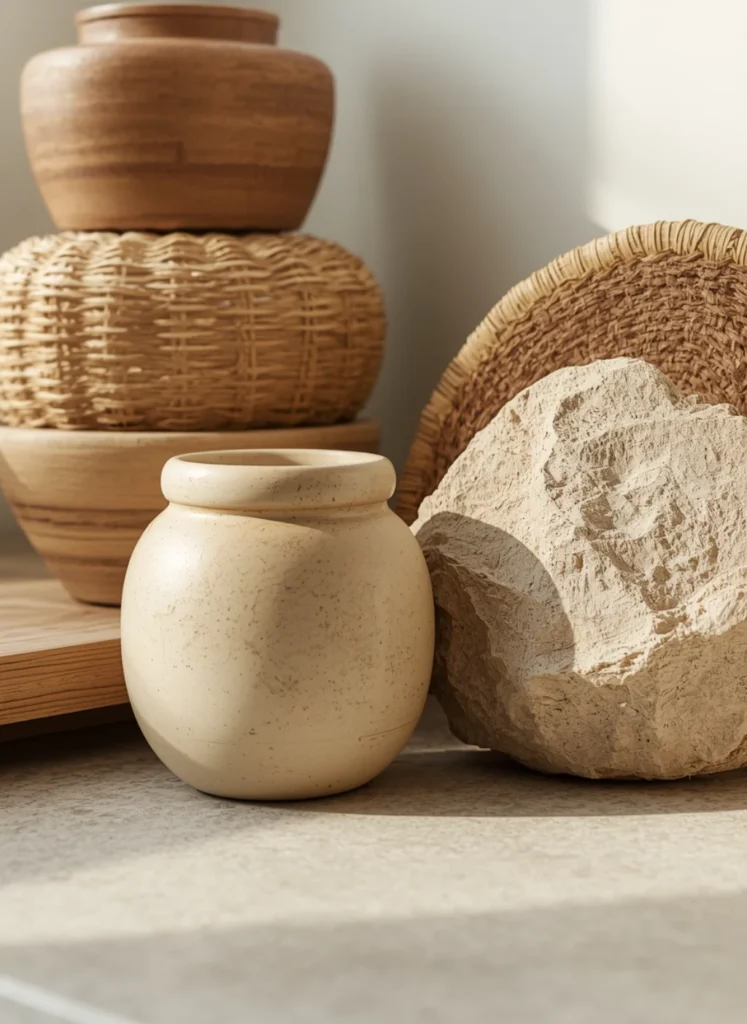
Layering different kitchen natural textures is what keeps a minimal space from feeling flat. Combining smooth wood, rough stone, woven baskets, and matte ceramics gives the eye something interesting to notice without adding clutter or color.
Aim for at least three different textures in any given area of the kitchen, such as a countertop, a backsplash, and a set of open shelves. This variety is what gives Japandi rooms their signature depth.
Indoor Plants in the Kitchen
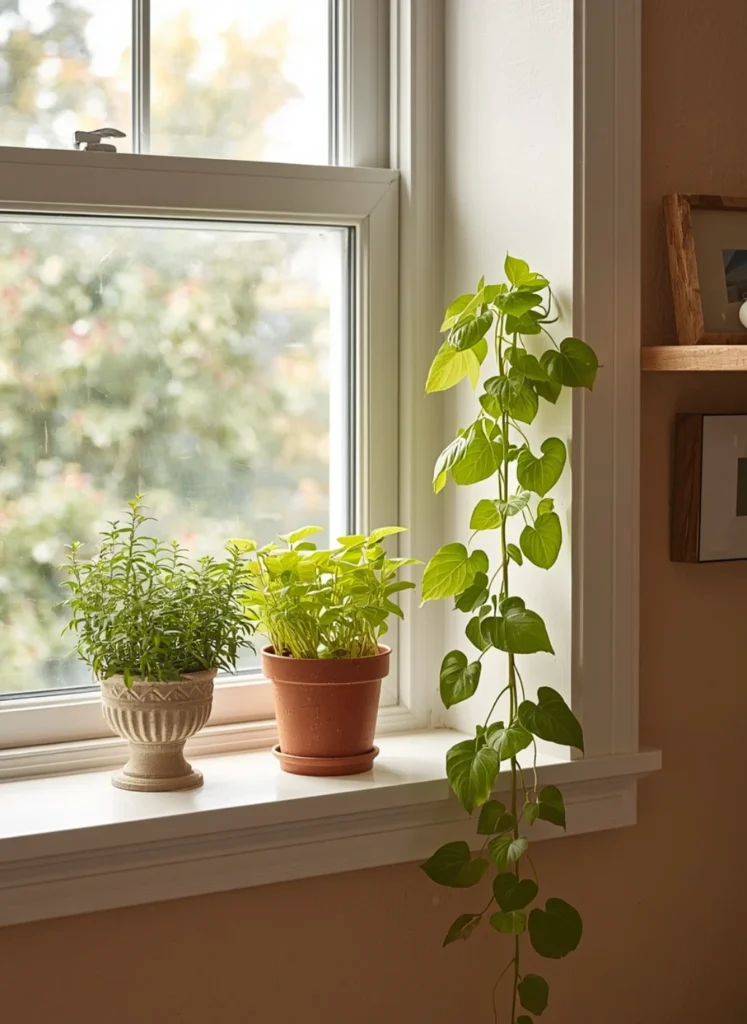
Indoor plants kitchen styling brings a touch of life into an otherwise quiet color scheme. A small potted herb garden on the windowsill or a single trailing plant on an open shelf softens hard lines and adds a bit of natural greenery to the room.
Choose low-maintenance options like pothos, snake plants, or fresh herbs if you are not confident about plant care. These varieties tolerate kitchen humidity and inconsistent watering better than more delicate species.
Clutter Free Kitchen Habits
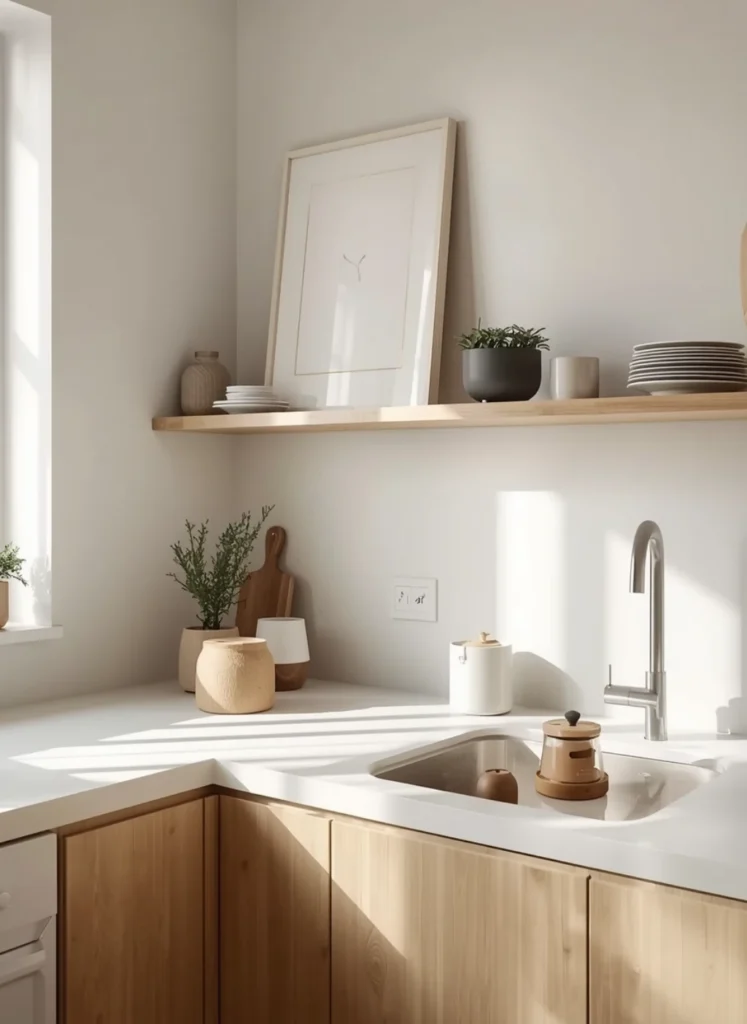
A clutter free kitchen is not just about design choices, it also depends on daily habits. Keeping countertops mostly empty, storing small appliances out of sight, and giving every item a designated home all support the calm feeling this style is built around.
Start with one drawer or cabinet at a time rather than trying to reorganize the whole kitchen in a single weekend. Small, consistent decluttering sessions are easier to maintain long term than one big overhaul.
Japandi Dining Area Nook
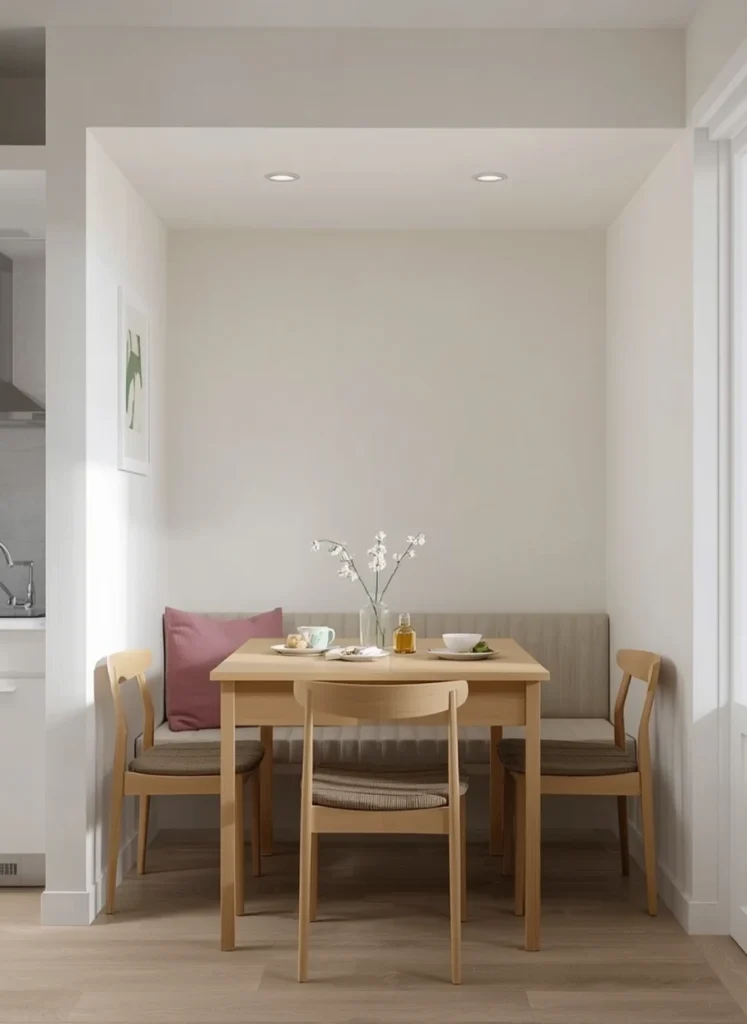
Many Japandi kitchens include a small japandi dining area built into the same open space rather than a separate formal dining room. A simple wood table with a few low-profile chairs keeps the area feeling connected to the rest of the kitchen.
Choose seating with clean, simple legs instead of heavily upholstered chairs. This keeps the visual weight light and prevents the dining nook from feeling disconnected from the rest of the room’s style.
Bamboo Kitchen Elements
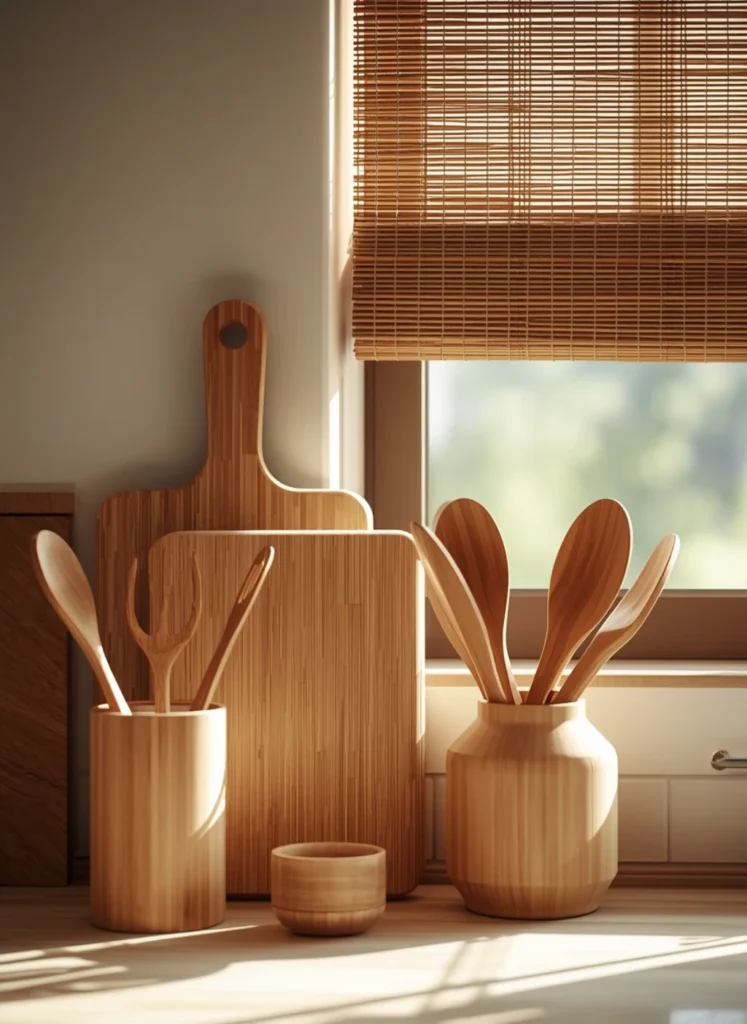
Bamboo kitchen elements are a practical and sustainable way to bring in extra texture. Bamboo cutting boards, utensil holders, and even woven bamboo blinds add warmth while staying true to the natural material palette this style relies on.
Bamboo is also a fast-growing, renewable resource, which makes it a good choice if sustainability matters to you. Wipe wooden and bamboo items dry after use to keep them from warping over time.
Natural Linen Kitchen Textiles
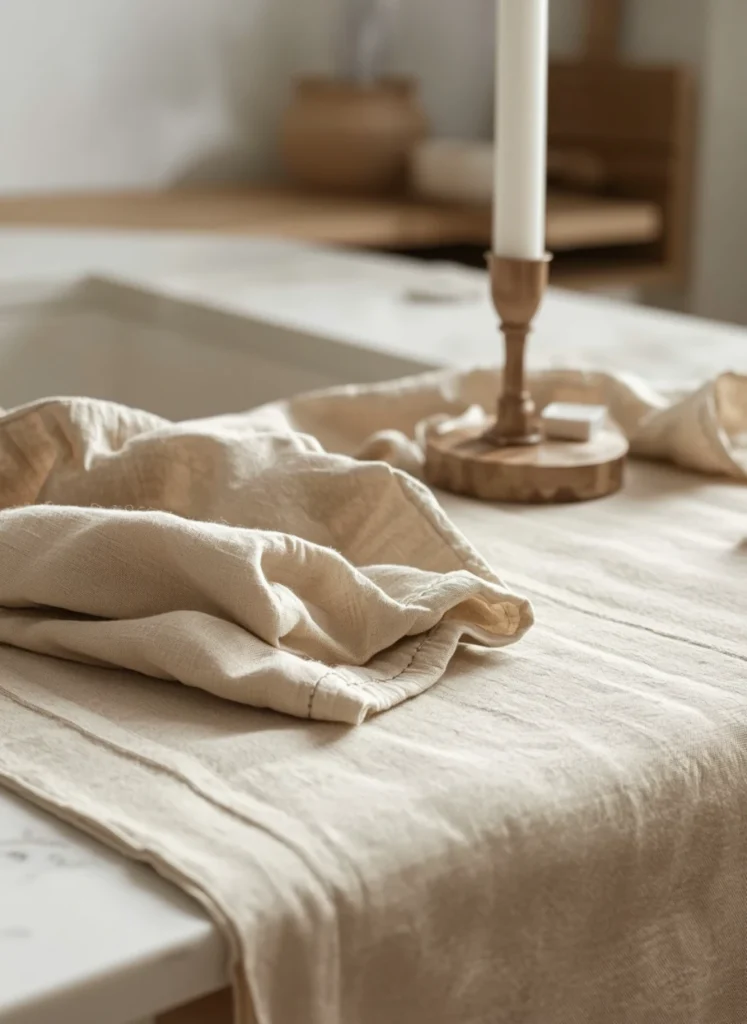
Soft textiles matter more in Japandi kitchens than people usually expect. Natural linen kitchen towels, table runners, and simple curtains add a gentle softness that balances out the harder surfaces of stone and wood throughout the room.
Stick to neutral or muted linen colors rather than bold patterns. Wrinkled, slightly rumpled linen actually suits this style well, since the relaxed texture fits naturally with the wabi-sabi mindset of imperfect beauty.
Artisan Kitchen Accessories
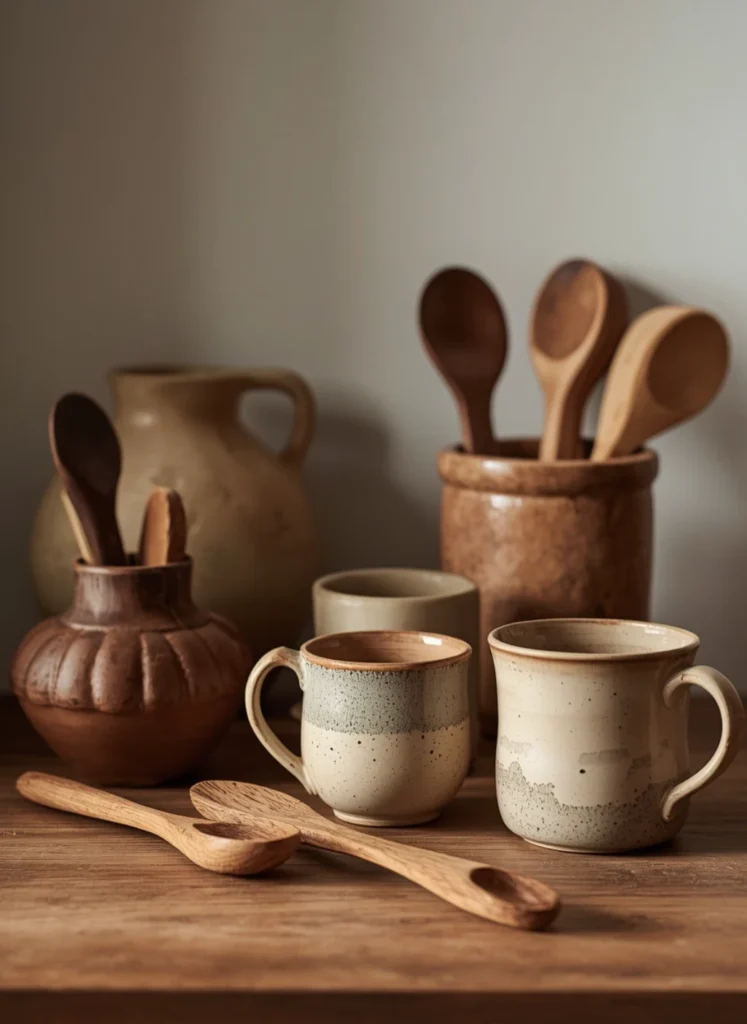
Artisan kitchen accessories, like handmade pottery, carved wooden spoons, or hand-thrown mugs, add character in a way mass-produced items rarely can. These small details often become the most noticed pieces in an otherwise simple kitchen.
Buy a few well-made pieces over time instead of a full matching set all at once. This slower approach usually results in a more personal, collected feel rather than a showroom look.
Japandi Wall Decor
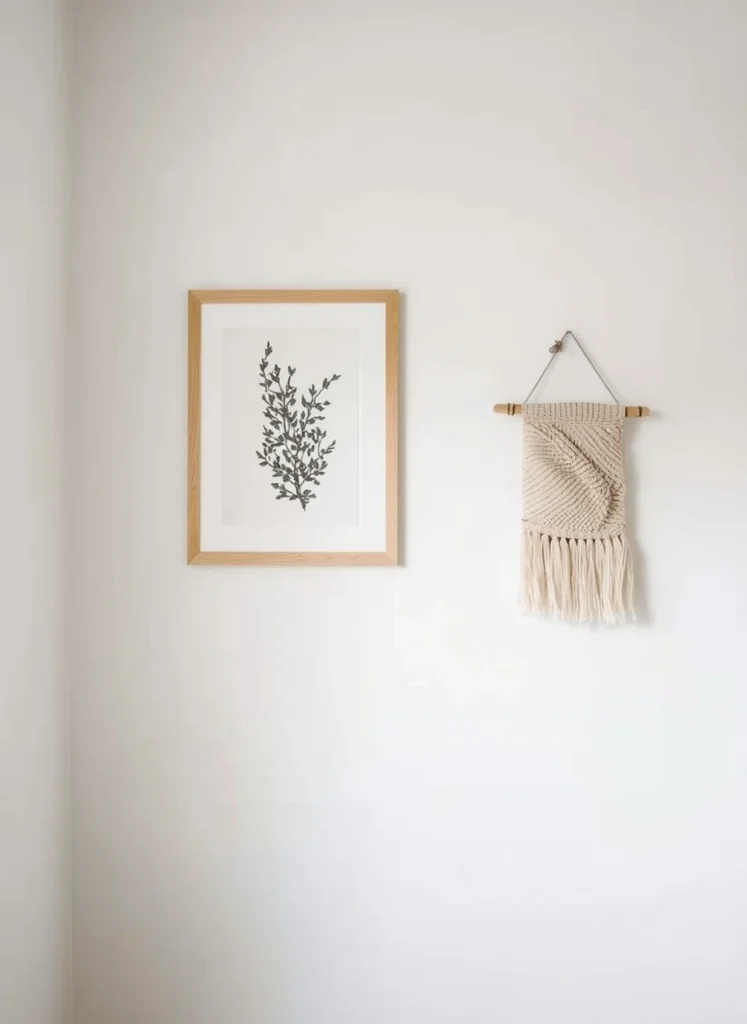
Keep japandi wall decor minimal and purposeful. A single framed piece of natural artwork, a woven wall hanging, or even a small collection of wooden hooks can add visual interest without overwhelming the walls.
Leave generous empty space around any wall decor. Negative space is just as important as the object itself in this style, since it allows each piece to feel intentional rather than crowded.
Light Wood Kitchen Flooring
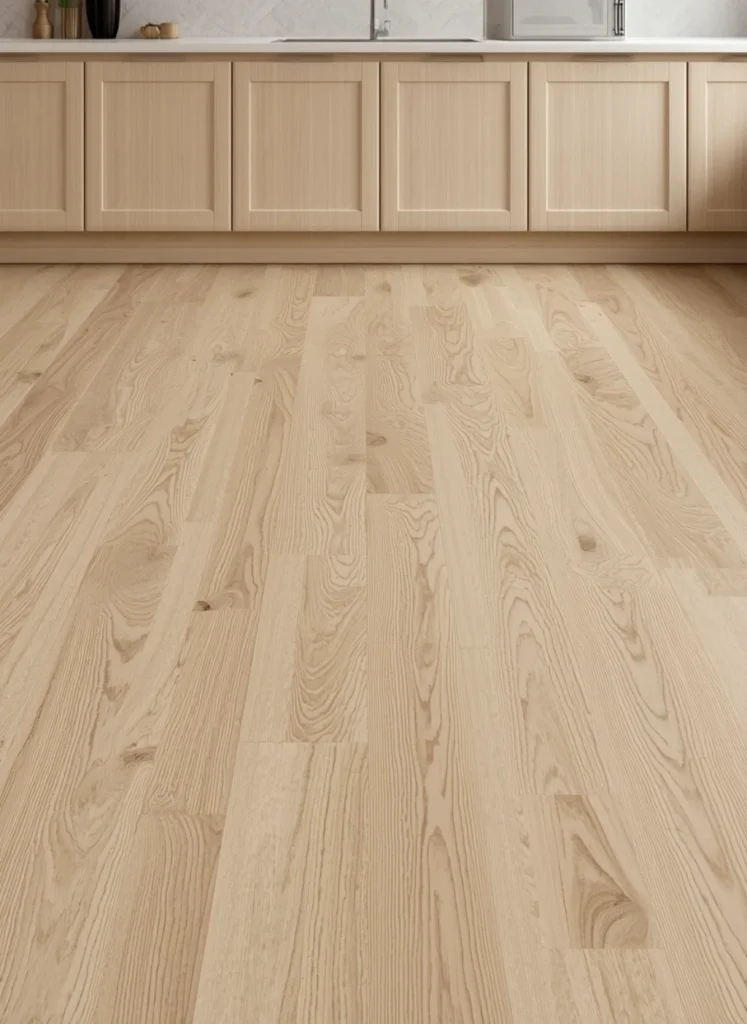
Light wood kitchen flooring, such as pale oak or ash, ties the whole room together and reflects natural light beautifully. It also creates a seamless connection when paired with matching wood cabinetry or open shelving.
If real hardwood is not in your budget, high-quality light wood laminate or engineered wood flooring can achieve a very similar look. Choose a matte sealant finish to avoid unwanted shine underfoot.
Kitchen With Natural Light
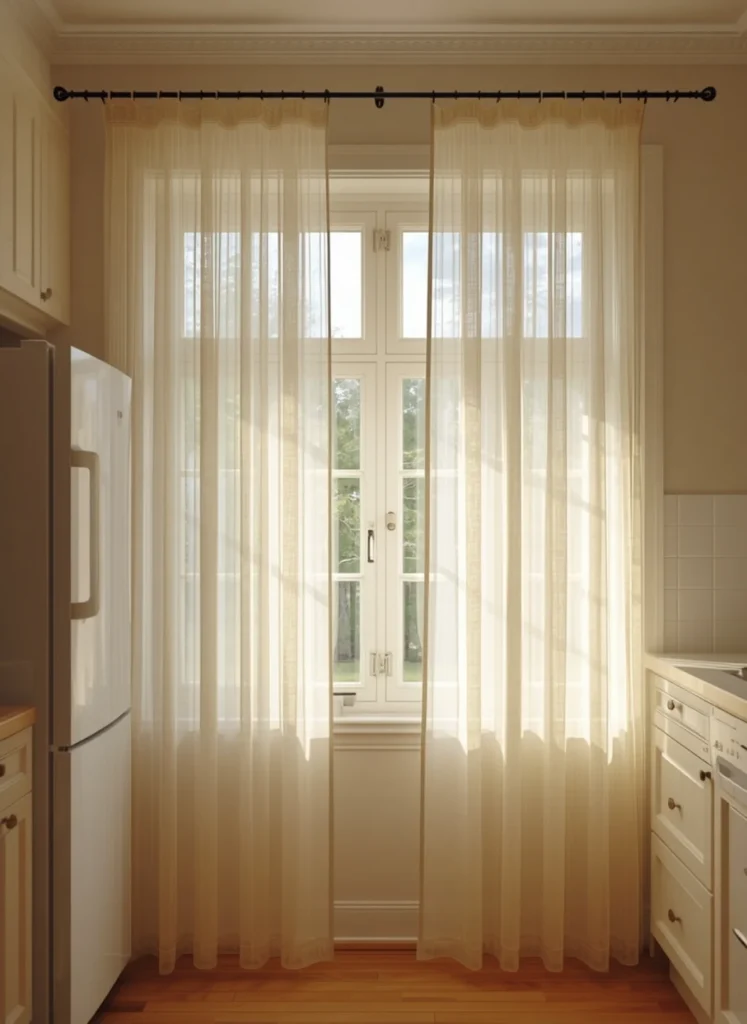
A kitchen with natural light feels instantly calmer, which is a big reason why window placement matters so much in Japandi design. Sheer curtains or simple woven blinds let daylight filter in softly rather than blocking it out completely.
If your kitchen lacks strong natural light, warm-toned LED bulbs can mimic a similar soft glow. Positioning a mirror or glossy backsplash tile strategically can also help bounce existing light further into the room.
Monochrome Kitchen Design Accents
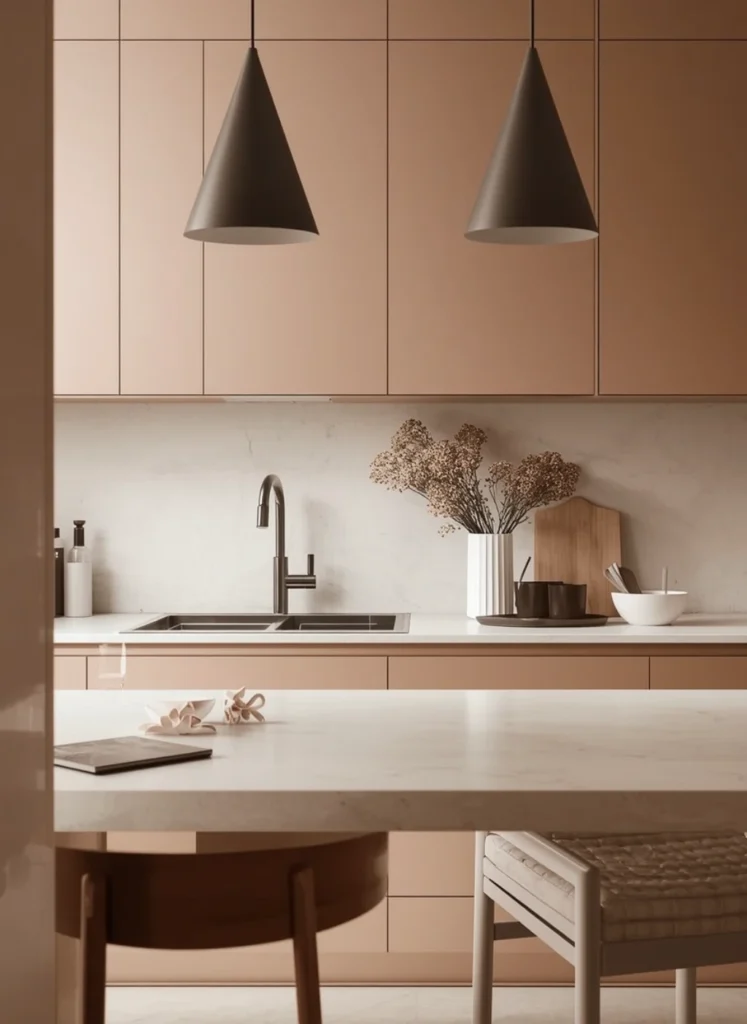
A monochrome kitchen design does not mean the whole room is one flat color. Instead, it means layering different shades of the same tone, like several warm beiges or soft grays, to create subtle contrast without introducing new colors.
This approach makes styling easier over time, since almost any neutral accessory will fit the existing palette. It also keeps the kitchen feeling cohesive even as you slowly add new pieces.
Sustainable Kitchen Design Choices
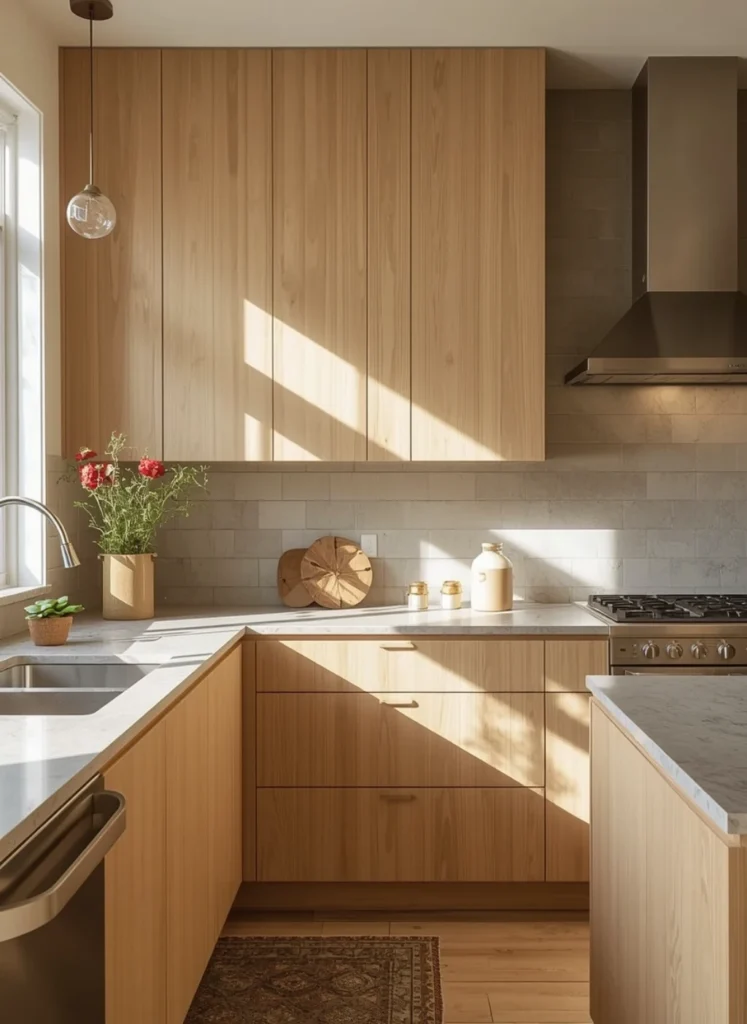
Sustainable kitchen design fits naturally into the Japandi philosophy, since both styles value quality over quantity. Choosing responsibly sourced wood, recycled stone surfaces, and long-lasting materials supports a kitchen that looks good for years rather than needing frequent updates.
When shopping for new fixtures or furniture, ask about the materials and sourcing behind each piece. Investing a little more upfront in durable, well-made items usually saves money and reduces waste over the long run.
Quick Comparison Table
| Element | Common Material | Maintenance Level | Best For | Style Impact |
|---|---|---|---|---|
| Cabinets | Light oak or ash wood | Low to Medium | Small to large kitchens | Warmth and texture |
| Countertops | Honed stone or concrete | Medium | Everyday cooking spaces | Natural grounding |
| Flooring | Light wood or matte laminate | Low | Open concept layouts | Light reflection |
| Shelving | Open wood shelves | Low | Displaying ceramics | Personal styling |
| Textiles | Natural linen | Low | Soft finishing touches | Gentle contrast |
| Accessories | Handmade ceramics | Low | Adding character | Wabi-sabi warmth |
Conclusion
Building a Japandi kitchen is less about following strict rules and more about learning to choose things with intention. Every material, color, and object in the space should feel like it earned its place, whether that is a well-made ceramic bowl or a simple wood cutting board you actually use every day.
You do not need a full renovation to bring this style into your home. Start with one or two changes, like swapping cabinet hardware or adding a few open shelves, and build from there. Over time, these small, thoughtful choices add up to a kitchen that feels genuinely calm rather than simply decorated.
You may also like this: 22 Japandi Bathroom Design Ideas That Blend Style and Serenity
Frequently Asked Questions
1. What makes a kitchen Japandi style?
A Japandi kitchen combines Scandinavian warmth with Japanese simplicity, using natural materials, neutral colors, and clutter-free layouts to create a calm, functional space.
2. Is Japandi design expensive to achieve?
Not necessarily. Many Japandi elements, like decluttering, choosing neutral paint, or swapping hardware, are budget-friendly changes that do not require a full renovation.
3. What colors work best in a Japandi kitchen?
Warm neutrals like beige, sand, soft clay, and muted gray work best, often layered together instead of using a single flat color throughout the room.
4. Can small kitchens use Japandi design?
Yes. Japandi actually suits small kitchens well, since its focus on open layouts, light colors, and minimal clutter helps compact spaces feel larger and more breathable.
5. What is the easiest way to start a Japandi kitchen makeover?
Begin with decluttering countertops and adding a few natural materials, like a wood cutting board or linen towels, before moving on to bigger changes like cabinetry or flooring.