
Introduction
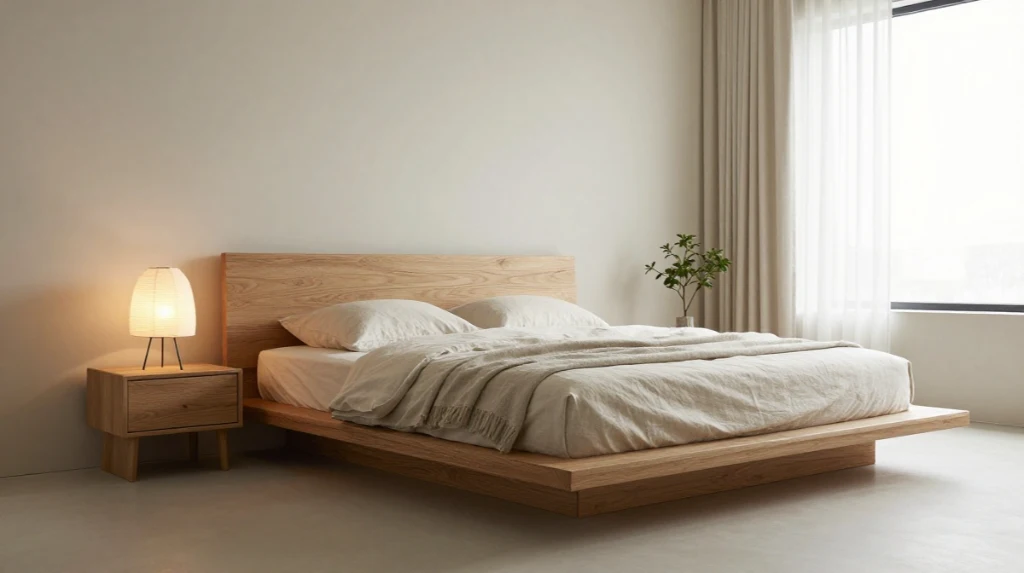
Your bedroom should feel like an exhale after a long day, not another source of visual noise. If you’ve been scrolling through endless design trends without finding one that actually fits how you want to live, modern Japandi bedroom design might be the answer you’ve been searching for.
This style blends Japanese simplicity with Scandinavian warmth, creating spaces that feel calm, grounded, and quietly beautiful. It’s not about filling a room with trendy objects. It’s about choosing fewer, better things that support rest and peaceful bedroom retreat energy every single day.
In this guide, you’ll find 22 practical ideas for bringing this aesthetic into your own bedroom, whether you’re starting from scratch or slowly updating what you already have. Each idea comes with real styling advice so you can move from inspiration to action.
What Is Japandi Bedroom Design
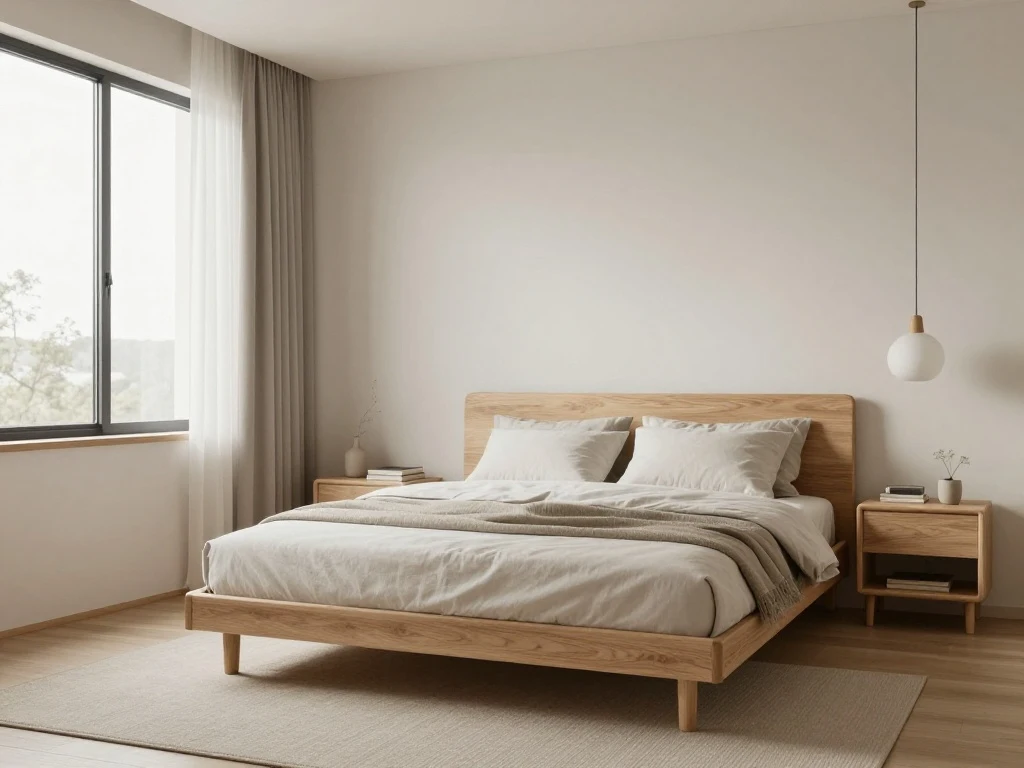
Japandi is a design philosophy that merges Japanese minimalism with Scandinavian coziness. The result is a minimalist interior design approach that values natural materials, muted colors, and functional furniture over decoration for its own sake. Think of it as simplicity with warmth, rather than simplicity that feels cold or empty.
If you’re new to this style, start by identifying what already feels calming in your space and build from there.
Remove anything that feels purely decorative without adding comfort or function. Focus on japandi design principles like balance, natural texture, and open space. A good rule of thumb is to ask whether each item earns its place in the room.
Neutral Color Palette for a Calm Space
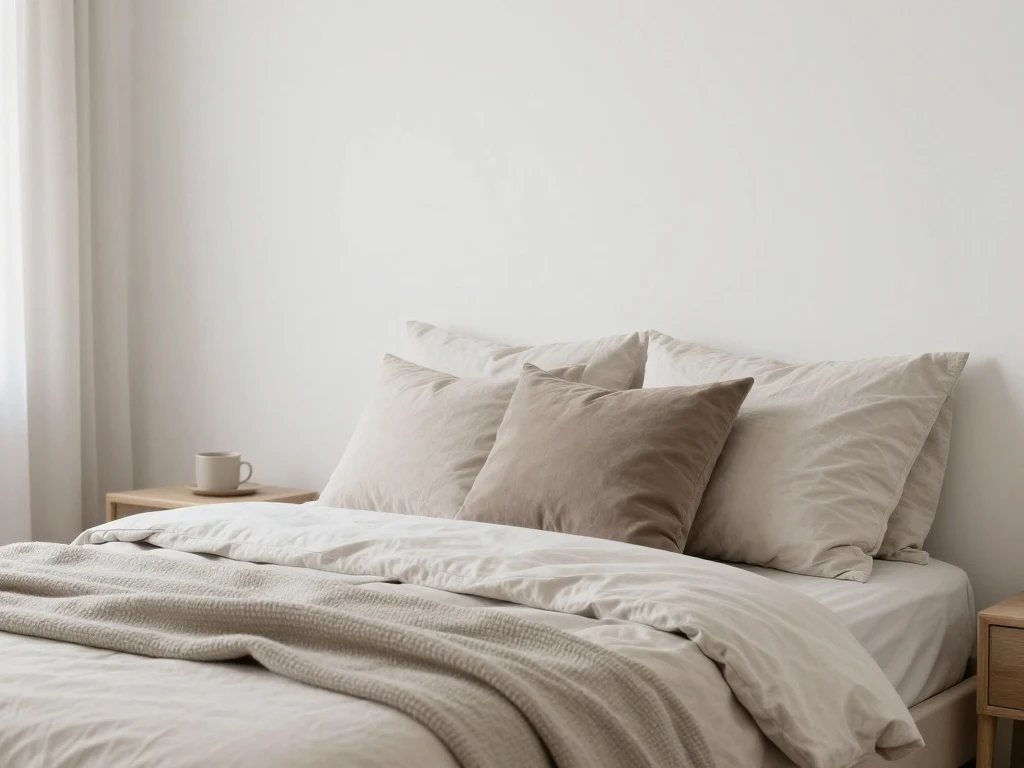
A neutral bedroom palette is the foundation of any Japandi room. Soft whites, warm beiges, greige, and gentle taupe tones create a soothing color scheme that never feels overwhelming. These colors reflect light beautifully and make small bedrooms feel more open.
Choosing the right neutral base makes every other design decision easier.
Test paint samples on your wall at different times of day before committing, since natural light changes how neutrals appear. Layer two or three shades of the same tone family rather than sticking to one flat color. This creates subtle depth without breaking the muted tone bedroom feel.
Natural Wood Furniture Choices
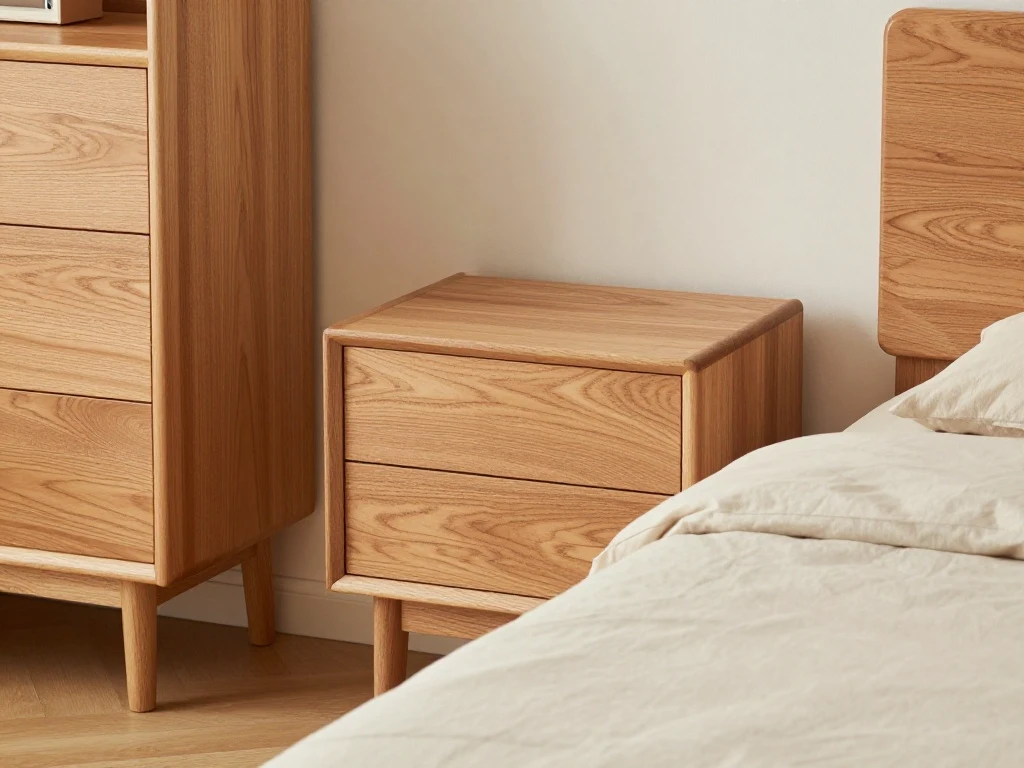
Natural wood bedroom furniture is central to the Japandi look. Light oak, ash, and walnut pieces bring warmth and an organic quality that pairs beautifully with soft textiles. Wood grain adds visual interest without needing bold patterns or busy accessories.
Choosing solid wood over laminate makes a noticeable difference in both look and longevity.
If budget is a concern, start with one statement piece like a nightstand or dresser rather than replacing everything at once. Look for handcrafted bedroom furniture at local makers or secondhand shops for pieces with more character. Wipe wood surfaces with a slightly damp cloth and avoid harsh chemical cleaners to protect the natural finish.
Low Platform Bed Frames
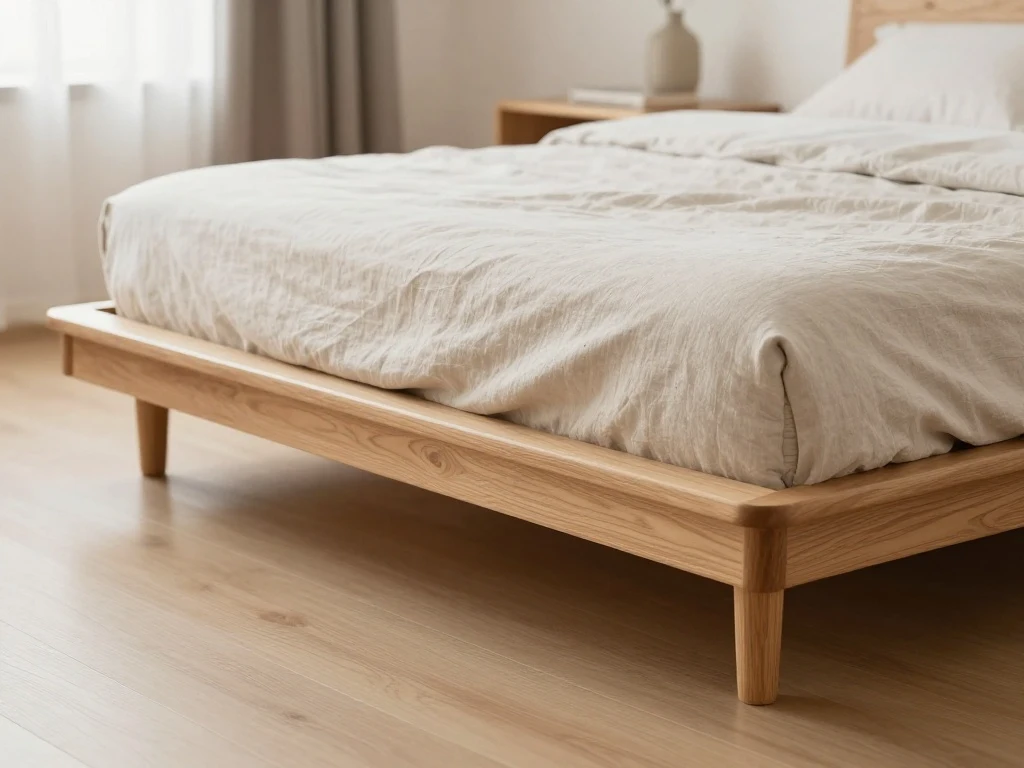
A low platform bed design is one of the most recognizable features of Japandi bedrooms. Sitting closer to the floor, these beds create a grounded, calm feeling and echo traditional Japanese sleeping arrangements. The simple frame also draws attention to the quality of the wood rather than ornate detailing.
This style works especially well in rooms with lower ceilings, since it doesn’t compete for visual height.
Pair a minimalist bed frame with a low dresser and nightstands of similar height for a cohesive look. If you’re worried about accessibility, look for platform beds with a slightly raised profile that still keep the aesthetic. Vacuum underneath regularly since these beds tend to have less clearance for dust to hide.
Wabi-Sabi Inspired Imperfections
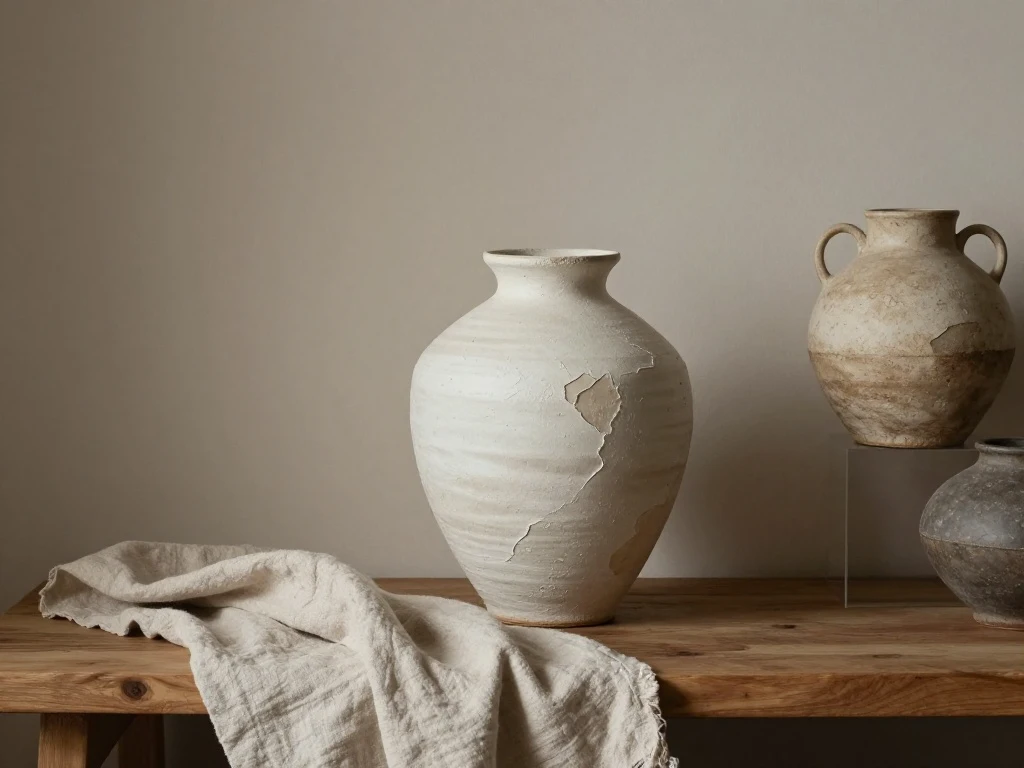
Wabi-sabi interior design celebrates imperfection, age, and natural wear rather than hiding it. A slightly uneven ceramic vase or a linen throw with visible texture fits perfectly into this philosophy. It’s a gentle reminder that a home doesn’t need to look showroom-perfect to feel beautiful.
This mindset can actually take pressure off your design choices.
Instead of chasing flawless symmetry, embrace pieces with visible craftsmanship, like hand-thrown pottery or reclaimed wood. The imperfect beauty aesthetic works best when paired with a fairly restrained color palette so the texture can stand out. Avoid mixing too many “imperfect” statement pieces in one small area, as it can start to feel cluttered instead of calm.
Natural Linen Bedding

Natural linen bedding is a simple upgrade that instantly shifts the feel of a bedroom. Linen has a relaxed, slightly wrinkled texture that photographs beautifully and feels breathable to sleep in, especially during warmer months. It ages well too, often becoming softer with every wash.
This is one of the most affordable ways to bring the Japandi look into an existing bedroom.
Choose stone, oat, or soft sage tones to stay within a warm neutral bedroom palette. Wash linen in cold water and skip the dryer sheets to preserve its natural texture. Layer a lightweight linen duvet with a cotton or wool throw for texture variation without overwhelming the calm tone.
Decluttered and Minimal Layout
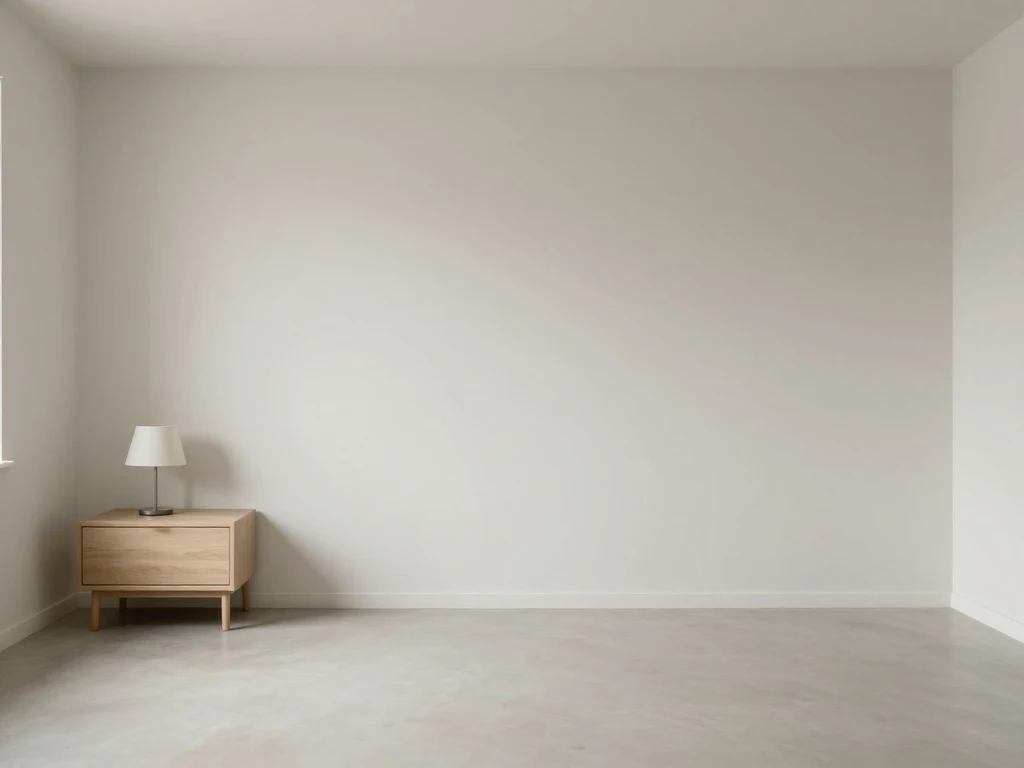
A decluttered bedroom space is at the heart of Japandi living. This doesn’t mean owning nothing. It means keeping only what you use and love, and giving each item a proper place. Visual clutter, even small amounts, disrupts the sense of calm this style is built around.
Start with surfaces, since cluttered nightstands and dressers have the biggest visual impact.
Use closed storage for anything you don’t want on display, like chargers or daily clutter. Aim for clutter free bedroom design by doing a quick five-minute reset each evening. This small habit keeps the room feeling intentional rather than constantly needing a deep clean.
Soft Warm Lighting Ideas
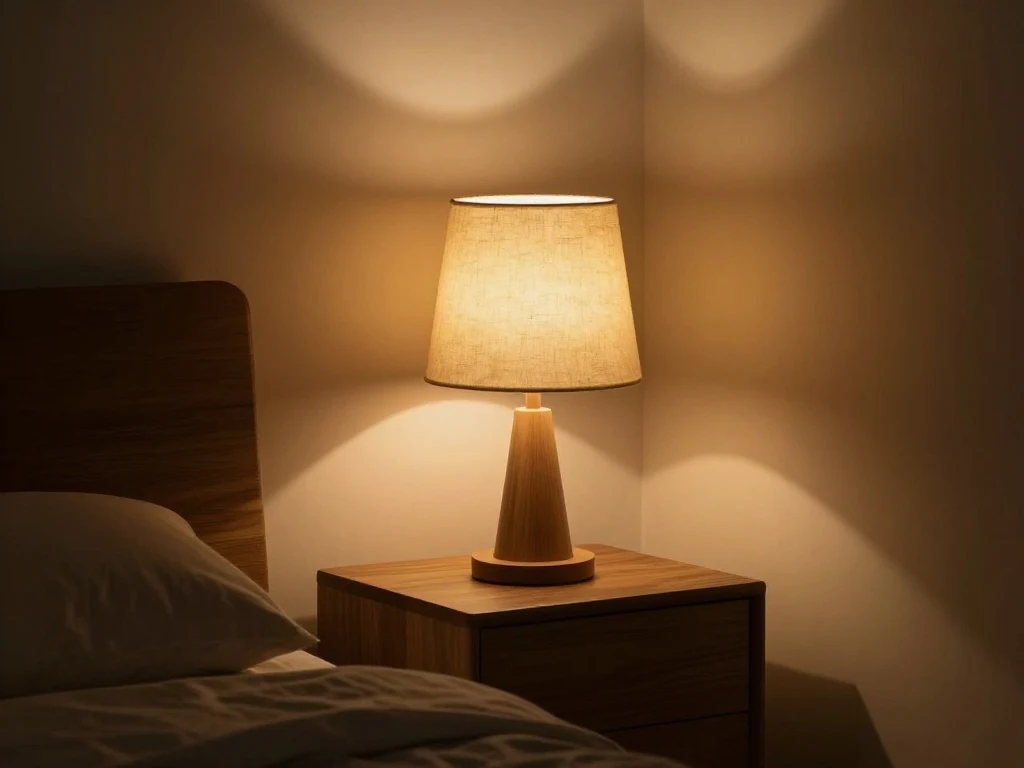
Lighting shapes the entire mood of a Japandi bedroom. Soft lighting bedroom ideas favor warm-toned bulbs, paper or linen shades, and layered light sources over a single harsh overhead fixture. The goal is a gentle glow rather than bright, clinical lighting.
Good lighting can make even a small, simple room feel warm and inviting.
Add a dimmer switch if possible, so brightness can shift from daytime tasks to evening wind-down. A warm ambient lighting setup with a bedside lamp and a floor lamp gives you flexibility without needing an overhead light at all. Choose bulbs around 2700K for a cozy, candle-like warmth.
Indoor Plants and Greenery
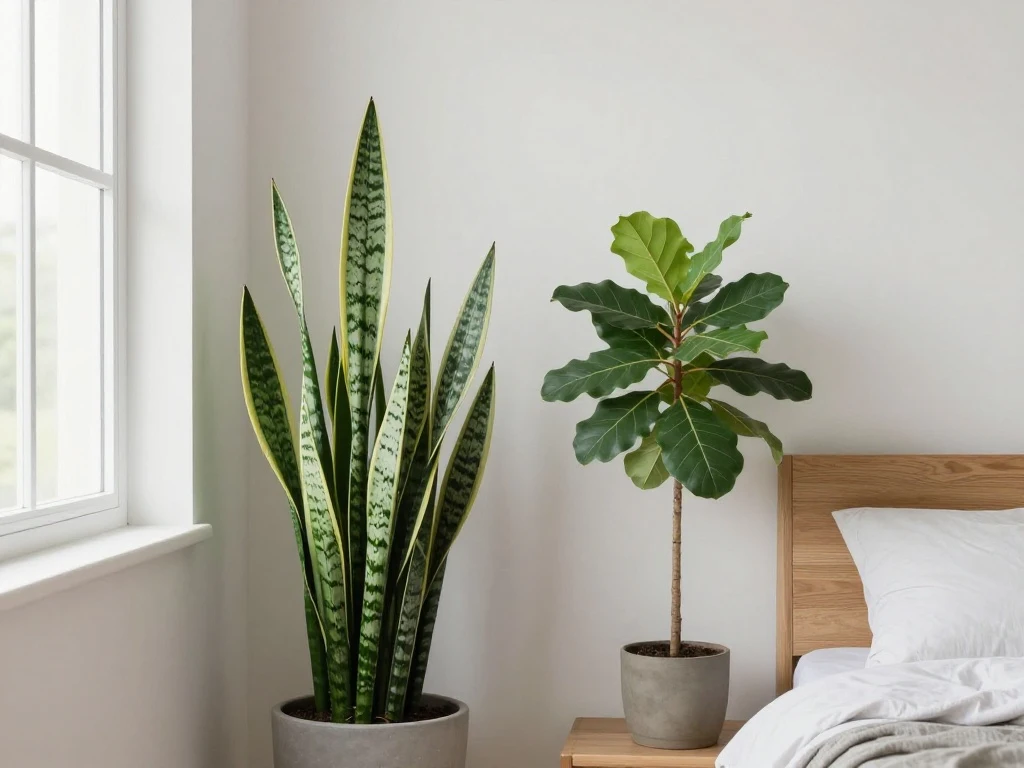
Indoor plant bedroom decor brings life and softness into an otherwise simple space. A single well-placed plant, like a snake plant or a small fig tree, adds organic shape without disrupting the room’s calm. This connects directly to the nature inspired bedroom feeling that defines Japandi style.
Plants also improve air quality, which is a nice bonus for a room meant for rest.
Choose low-maintenance varieties if you don’t have a lot of natural light or time for upkeep. Group two or three plants of different heights near a window rather than scattering single pots around the room. This creates a small biophilic bedroom decor moment without turning your bedroom into a greenhouse.
Bamboo and Rattan Accents
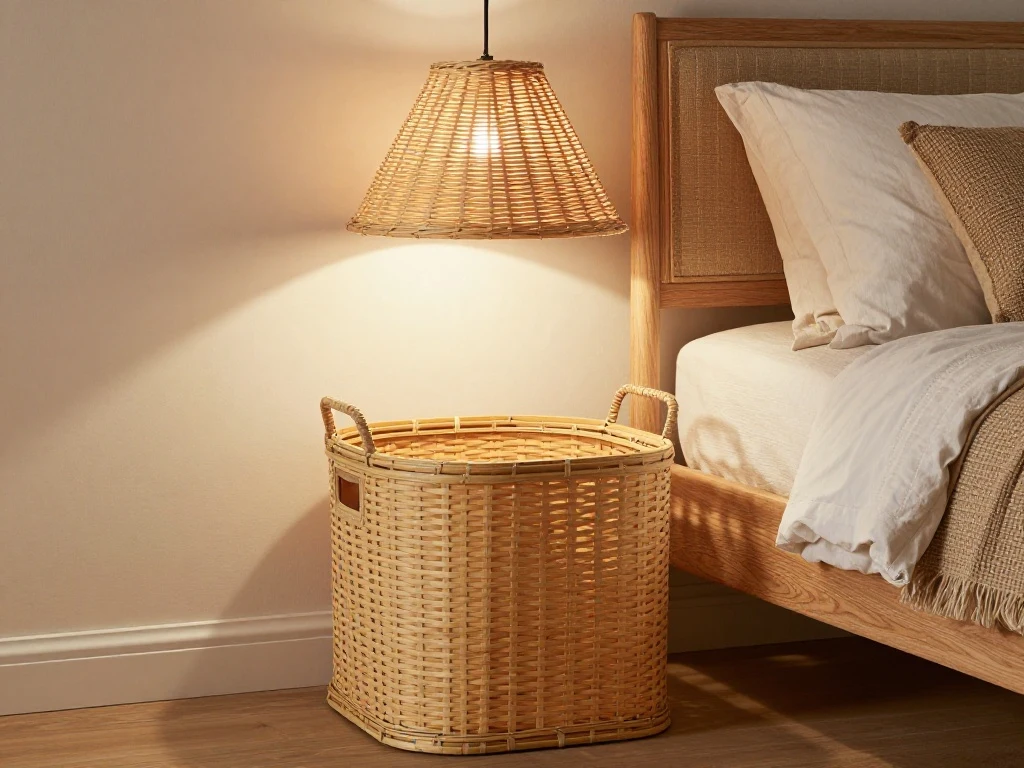
Bamboo bedroom decor and rattan accents add texture and a handwoven quality that pairs beautifully with smooth wood furniture. A rattan lamp shade, woven basket, or bamboo blind introduces natural pattern without needing bold prints or busy artwork.
These materials also help balance heavier wood furniture with something lighter and more breathable.
Use rattan sparingly as an accent rather than the main material throughout the room. A woven storage basket at the foot of the bed is both practical and visually soft. Dust these pieces regularly, since the woven texture can trap more dust than flat surfaces.
Textural Contrast with Layered Fabrics
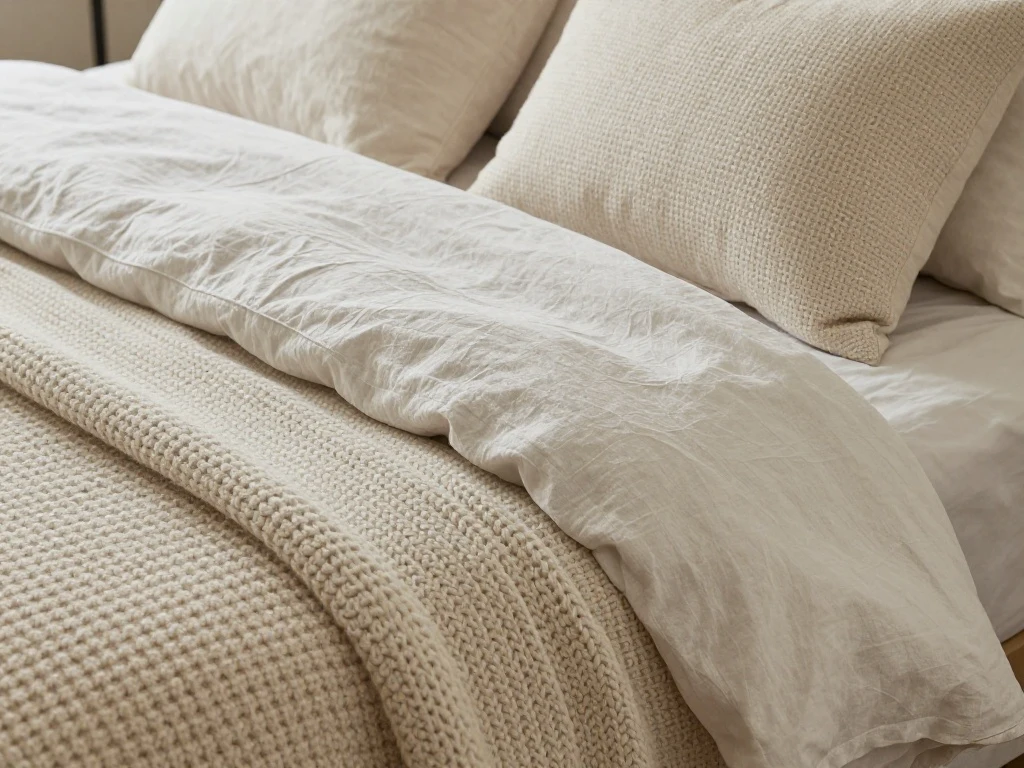
Since Japandi color palettes stay fairly neutral, textural contrast bedroom styling becomes the main way to add visual interest. Mixing linen, wool, cotton, and knit textures keeps a monochrome room from feeling flat or boring.
This layering technique is what separates a thoughtfully designed room from a plain one.
Add a chunky knit throw over a smooth linen duvet for immediate contrast. Mix in a woven wool rug underfoot for warmth and grounding. Keep colors within the same tonal family so the texture, not the color, does the visual work.
Japandi Wall Decor Ideas
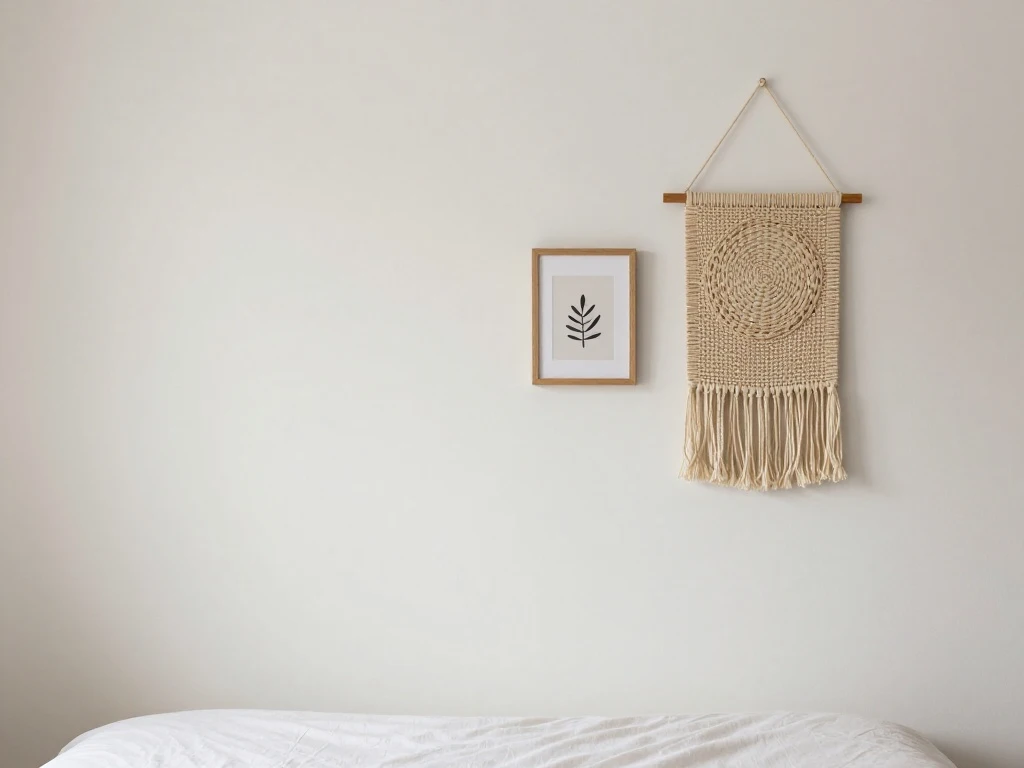
Japandi wall decor favors restraint over abundance. A single framed print, a small ceramic wall hanging, or an empty wall left intentionally bare all fit within this aesthetic. The goal is negative space that lets the eye rest.
This is often the hardest habit to build for people used to gallery walls or maximalist decor.
Choose one or two pieces of art with muted, earthy tones rather than bold colors or busy patterns. Natural materials like wood-framed mirrors or woven wall hangings work particularly well. Resist the urge to fill every wall, since empty space is part of the design, not a gap to fix.
Functional Storage Solutions
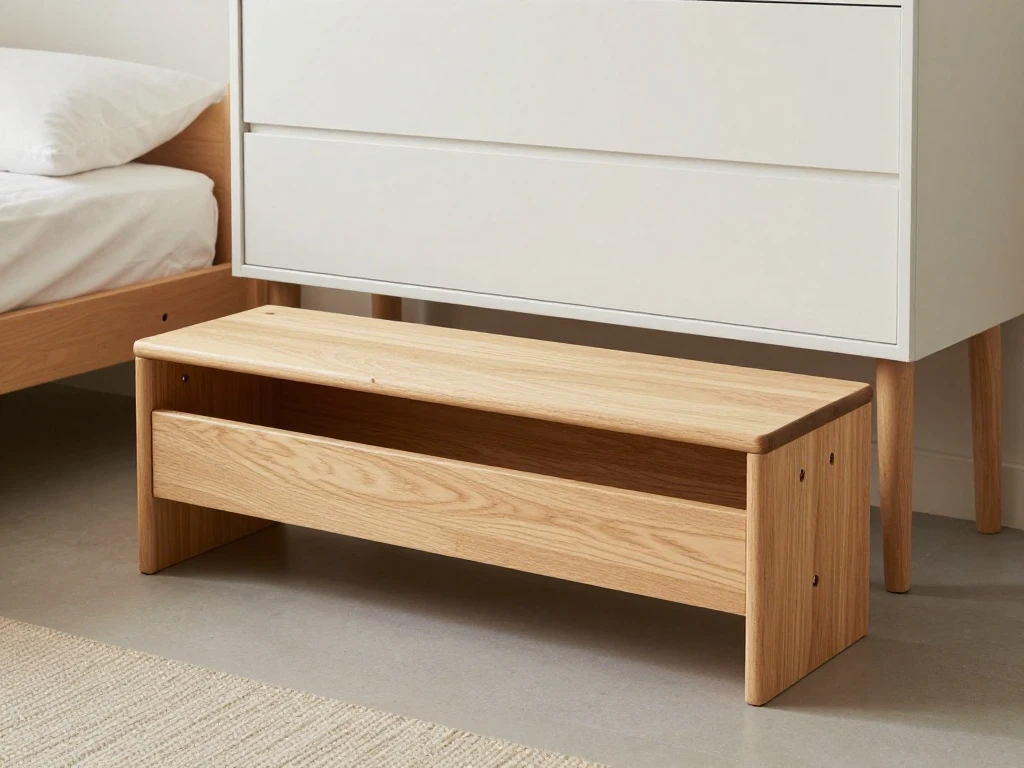
Functional bedroom furniture matters more than decorative furniture in a Japandi space. Every piece should serve a clear purpose, whether that’s a storage bench at the foot of the bed or a dresser with enough drawers to keep things tidy.
Good storage is what actually makes minimalism livable day to day.
Choose furniture with clean lines and simple hardware, or none at all. A simple bedroom furniture approach means fewer pieces that each do more work. Measure your space carefully before buying, since oversized furniture quickly disrupts the open, airy feeling this style depends on.
Handcrafted and Artisan Pieces
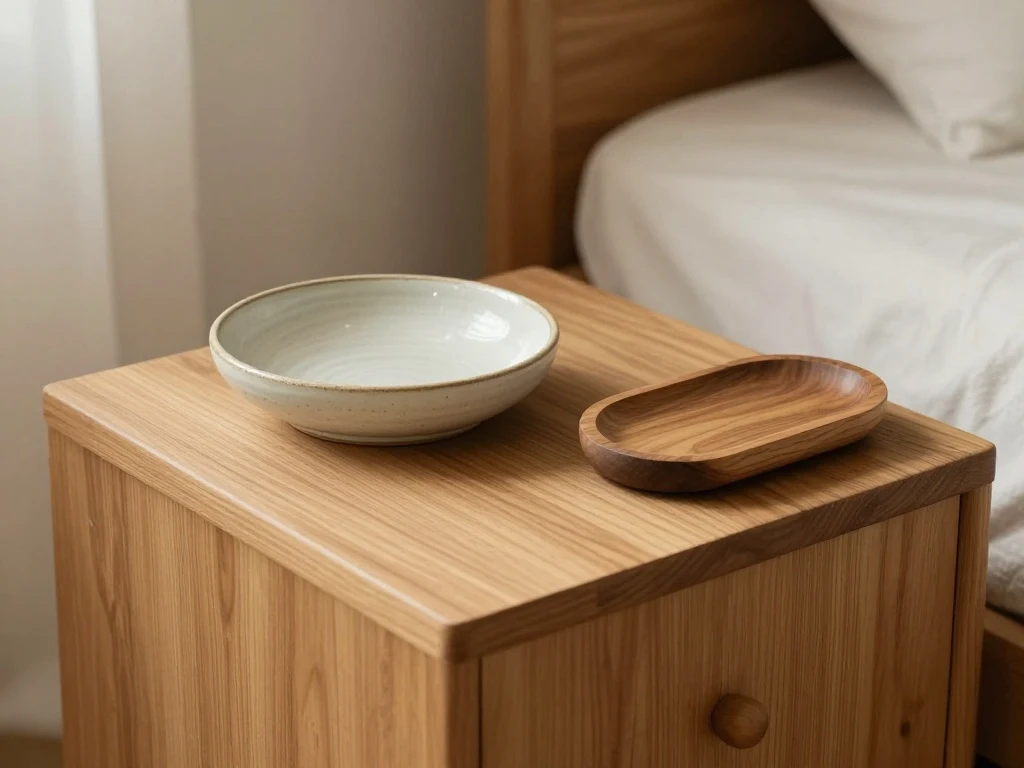
Artisan bedroom furniture and handmade decor bring warmth and individuality into a space that could otherwise feel too uniform. A hand-thrown ceramic dish, a woven basket from a local maker, or a hand-carved wooden tray all add character.
These pieces often carry more meaning than mass-produced decor.
Look for local craft markets or small online shops when shopping for these items. Handmade decor elements don’t need to be expensive to make an impact, even a single small piece can shift the feel of a nightstand or shelf. Rotate a few pieces seasonally to keep the room feeling fresh without buying anything new.
Earthy Warm Tones
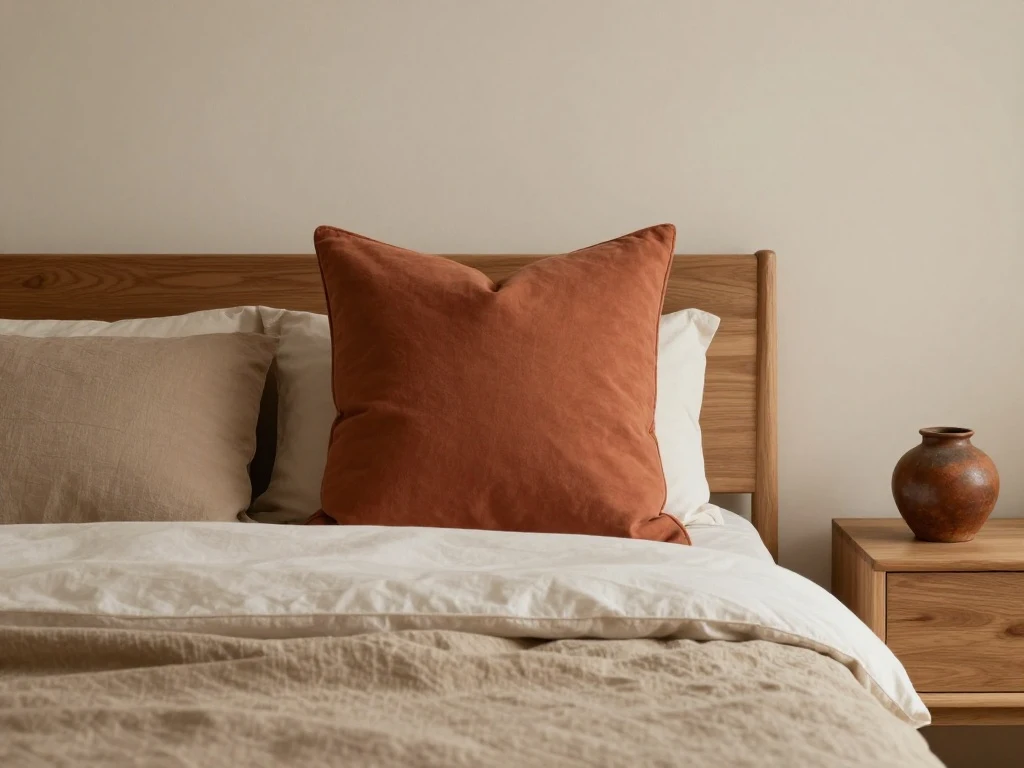
While Japandi leans neutral, earthy warm bedroom tones like terracotta, rust, or soft olive can be used sparingly as accent colors. These shades bring a gentle warmth without disrupting the overall calm palette.
Used correctly, one warm accent color can make a neutral room feel intentional rather than empty.
Introduce warm tones through a single throw pillow, a piece of pottery, or a woven rug rather than painting an entire wall. Keep the warm accent to one or two spots in the room for the best visual balance. This restraint is part of what makes japandi color scheme choices feel so polished.
Muted Color Accents
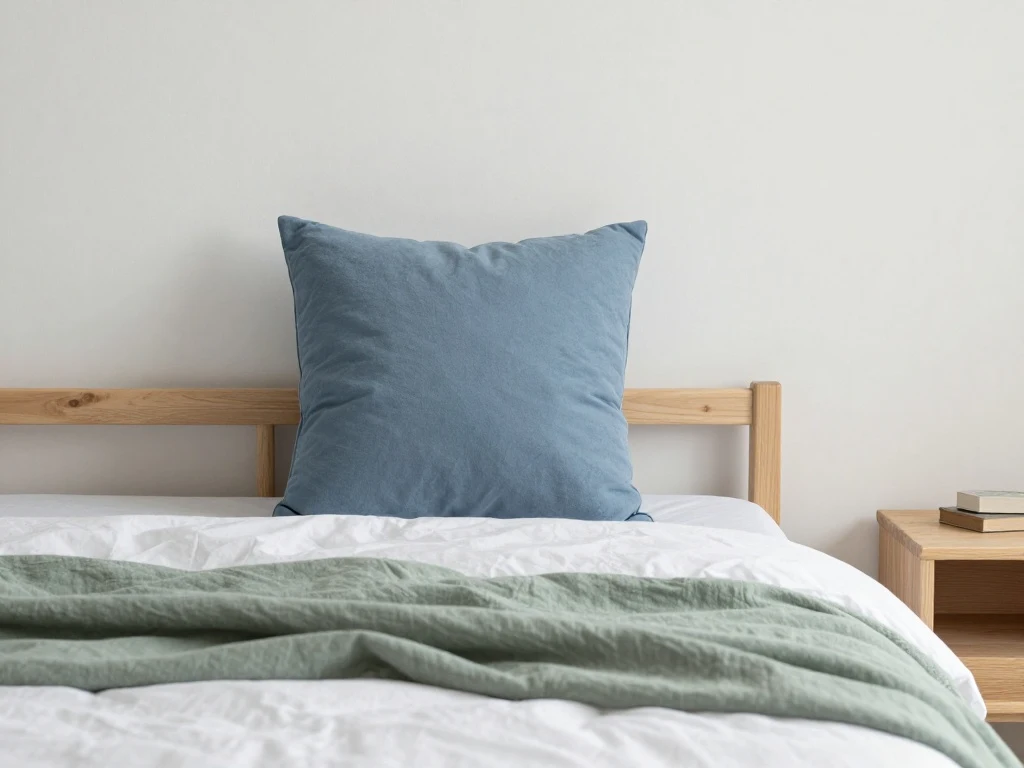
Beyond neutrals, muted color bedroom accents like dusty blue, sage green, or soft clay bring subtle personality into the space. These colors are desaturated versions of brighter shades, which keeps them from feeling loud or distracting.
They’re an easy way to express personal style while staying true to the calm Japandi mood.
Test muted accent colors on a small item first, like a cushion cover, before committing to something larger. Stick to one accent color throughout the room for a cohesive, balanced bedroom interior feel. Avoid pairing more than two muted accents together, since this can start to compete visually.
Sustainable and Eco-Friendly Materials
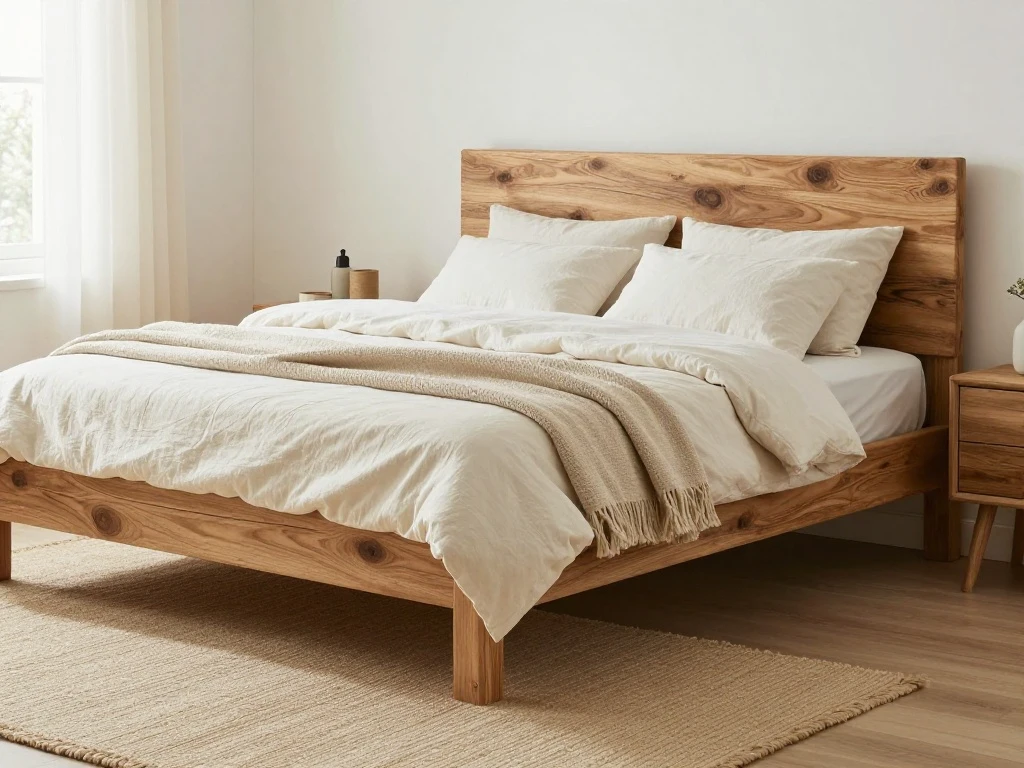
Sustainable bedroom furniture fits naturally into the Japandi philosophy, since both styles value quality over quantity. Choosing solid wood, natural fibers, and pieces built to last reduces waste and supports a slower approach to home decor.
This mindset also tends to save money over time, since well-made furniture rarely needs replacing.
Look for FSC-certified wood or reclaimed materials when shopping for new furniture. Sustainable home decor choices, like organic cotton bedding or natural dyes, are worth the slightly higher upfront cost. Buying fewer, better pieces is itself a sustainable habit, even before considering materials.
Clean Lines and Simple Furniture
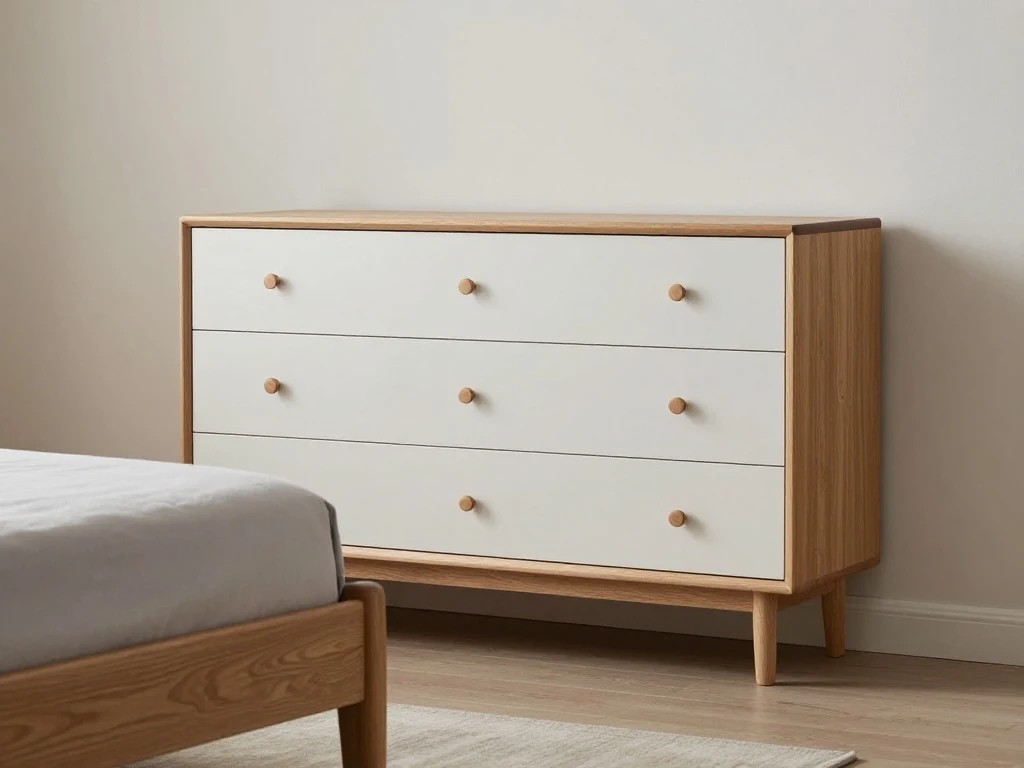
Clean line bedroom design removes ornate detailing in favor of straight edges and simple silhouettes. Furniture with minimal hardware and flat surfaces creates a calmer visual rhythm throughout the room.
This simplicity is what gives Japandi its distinctly modern feel, even though the materials are traditional.
Choose furniture without excessive carving, tufting, or decorative trim. A clean aesthetic bedroom works best when every piece shares a similar visual language, even if the materials vary slightly. If you already own more ornate furniture, consider swapping just the hardware for simple wood or matte metal knobs.
Biophilic Design Elements
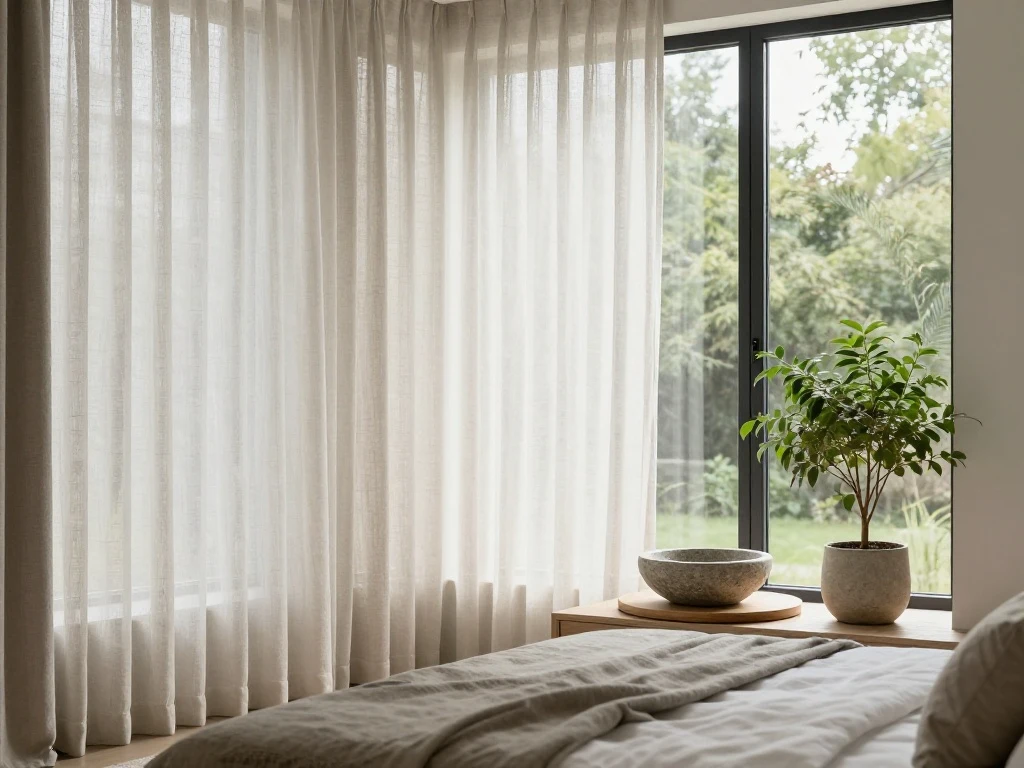
Raw material bedroom design and biophilic touches go hand in hand in Japandi spaces. This includes natural light, plants, wood, stone, and other elements that connect the room back to nature. The goal is a space that feels alive rather than static.
This connection to nature is part of why Japandi rooms feel so restful compared to more sterile minimalist spaces.
Maximize natural light with sheer or linen curtains instead of heavy blackout drapes where possible. Add one or two natural stone or ceramic objects, like a small tray or bowl, to bring in additional texture. A nature connected interior doesn’t need to be complicated, small consistent touches are enough.
Cozy Minimalist Textiles
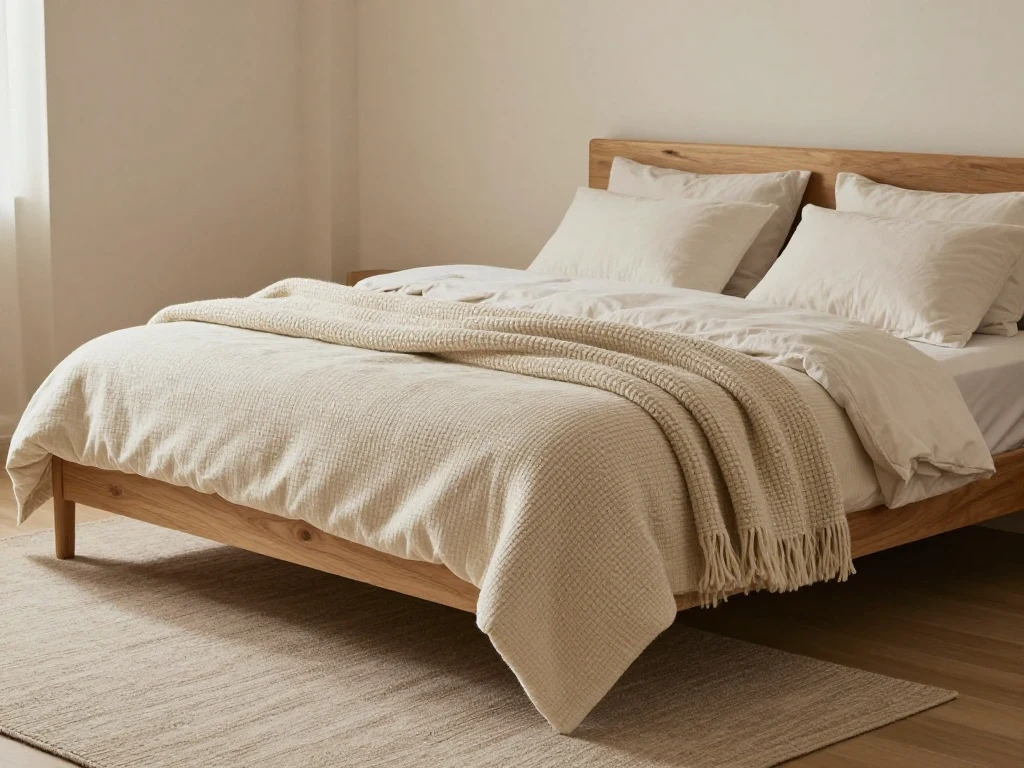
Cozy minimalist bedroom styling relies on soft, tactile textiles rather than decorative clutter for comfort. A chunky wool throw, a textured rug, and a few well-chosen cushions bring warmth into a room without adding visual noise.
Comfort and simplicity aren’t opposites in Japandi design, they actually depend on each other.
Choose two or three textures maximum to keep the layered look intentional rather than busy. A soft neutral walls backdrop makes textiles the visual focus without competing colors. Wash and rotate textiles seasonally to keep the room feeling fresh and cared for.
Quiet Luxury Details
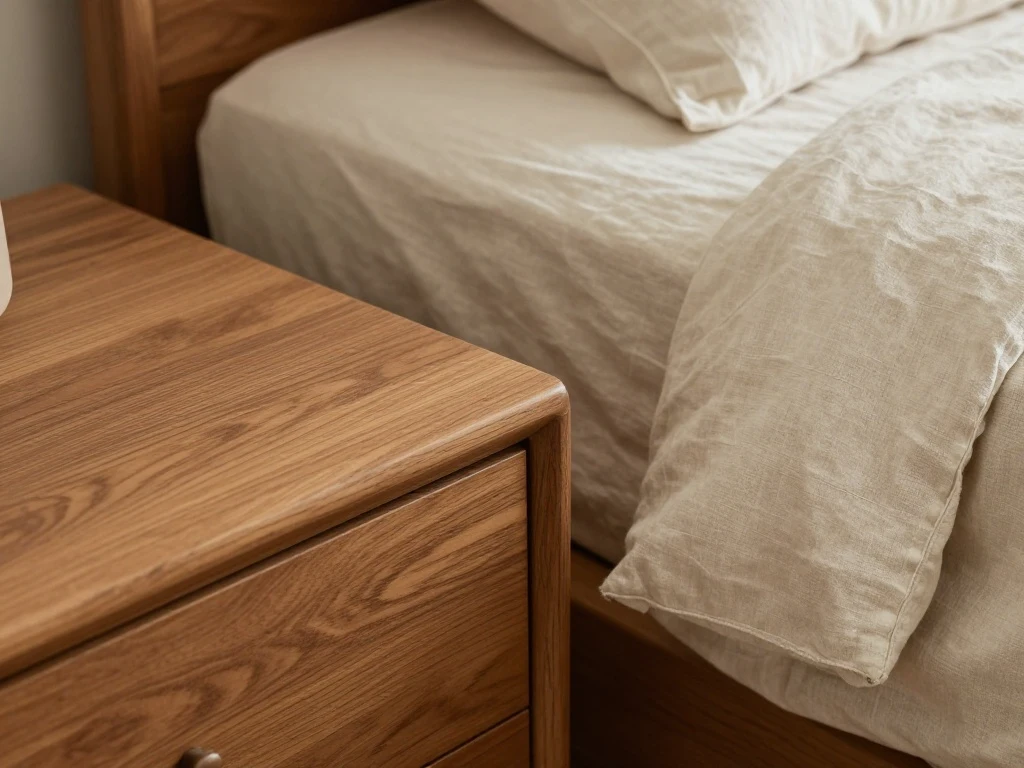
Quiet luxury bedroom design isn’t about visible price tags. It’s about quality materials, thoughtful proportions, and pieces that feel good to use every day. A heavy linen duvet or a beautifully finished wood nightstand often communicates more than an obvious designer label.
This understated approach is part of what makes Japandi feel timeless rather than trendy.
Invest in a few higher-quality pieces, like bedding or a bed frame, rather than spreading a budget thin across many items. Understated bedroom elegance comes from consistency and care, not from flashy accessories. Small details, like well-finished drawer edges, often matter more than people expect.
Small Bedroom Japandi Tips
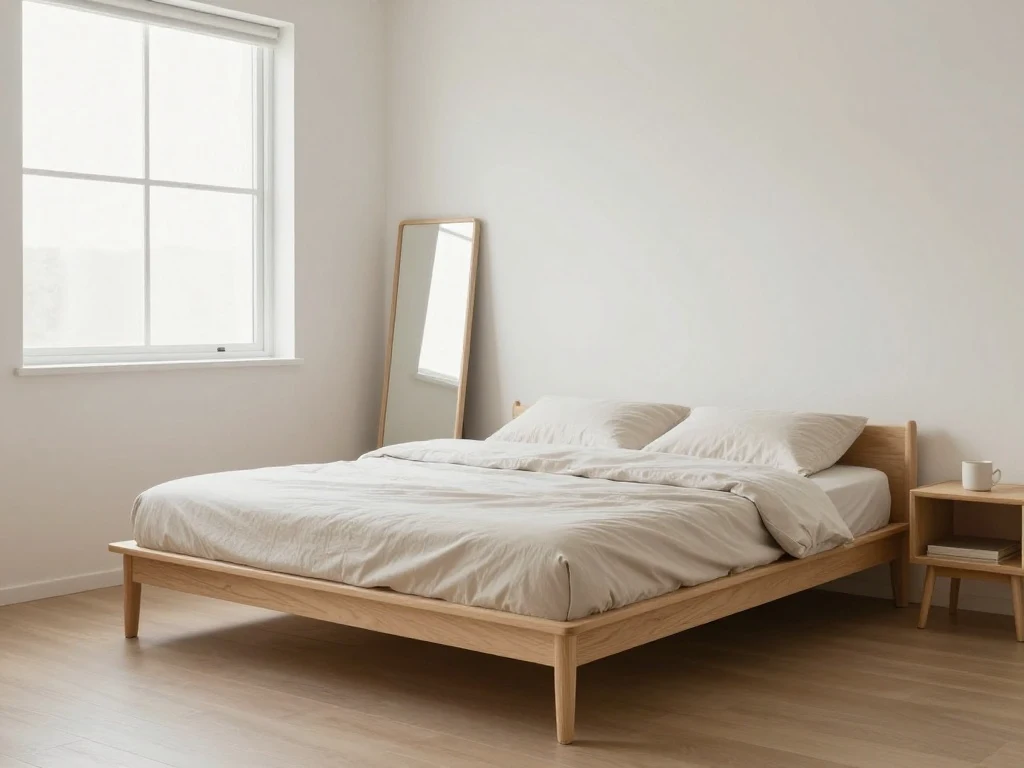
Japandi style works particularly well in smaller rooms because of its focus on open space and simple furniture. A low platform bed design and light color palette both help a small room feel larger and less cramped than it actually is.
Smart choices matter even more when square footage is limited.
Choose furniture with visible legs rather than boxy bases, since this creates a sense of airiness underneath. Mirrors placed opposite windows help bounce natural light around the room. A grounded bedroom design approach, keeping fewer items but ensuring each one is well chosen, works better in small spaces than trying to fit in more storage.
Quick Comparison Table
| Element | Best Material | Maintenance Level | Ideal For | Budget Range |
|---|---|---|---|---|
| Bed Frame | Solid oak or ash | Low | All bedroom sizes | Mid to high |
| Bedding | Natural linen | Medium | Warm climates | Low to mid |
| Storage | Wood with closed doors | Low | Small bedrooms | Mid |
| Lighting | Paper or linen shades | Low | Evening relaxation | Low |
| Rugs | Wool or jute | Medium | Layered texture | Mid |
| Wall Decor | Ceramic or woven pieces | Low | Minimalist walls | Low |
| Accent Furniture | Rattan or bamboo | Medium | Texture balance | Low to mid |
Conclusion
Creating a modern Japandi bedroom design isn’t about following every trend at once. It’s about slowing down, choosing natural materials, and keeping only what genuinely supports rest and calm. From low platform beds to soft linen bedding and warm, layered lighting, each element works together to create a space that feels grounded rather than staged.
Start small if the full transformation feels overwhelming. Swap your bedding, add one wood accent piece, or simply clear your nightstand this week. Over time, these small, intentional choices add up to a bedroom that genuinely feels like a restorative sleep environment, one you’ll actually look forward to coming home to.
You may also like this: 22 Modern Japandi Living Room Design Ideas for a Calm Home
Frequently Asked Questions
1. What makes a bedroom Japandi style?
A Japandi bedroom combines Japanese minimalism with Scandinavian warmth through natural materials, neutral colors, low furniture, and a decluttered, functional layout.
2. Is Japandi design expensive to achieve?
Not necessarily. Starting with a few key pieces, like natural linen bedding or one wood accent item, can bring the look into a room without a full furniture overhaul.
3. What colors work best in a Japandi bedroom?
Soft whites, beige, taupe, and warm greige form the base, with muted accents like sage green, dusty blue, or terracotta used sparingly for contrast.
4. Can Japandi design work in a small bedroom?
Yes, its focus on open space, light colors, and minimal furniture actually makes small bedrooms feel more spacious and calm rather than cramped.
5. What is the difference between Japandi and regular minimalism?
Japandi combines minimalism with natural texture and warmth, using wood, linen, and handcrafted details, while typical minimalism can sometimes feel more sparse or cold.

1 Comment