
Introduction
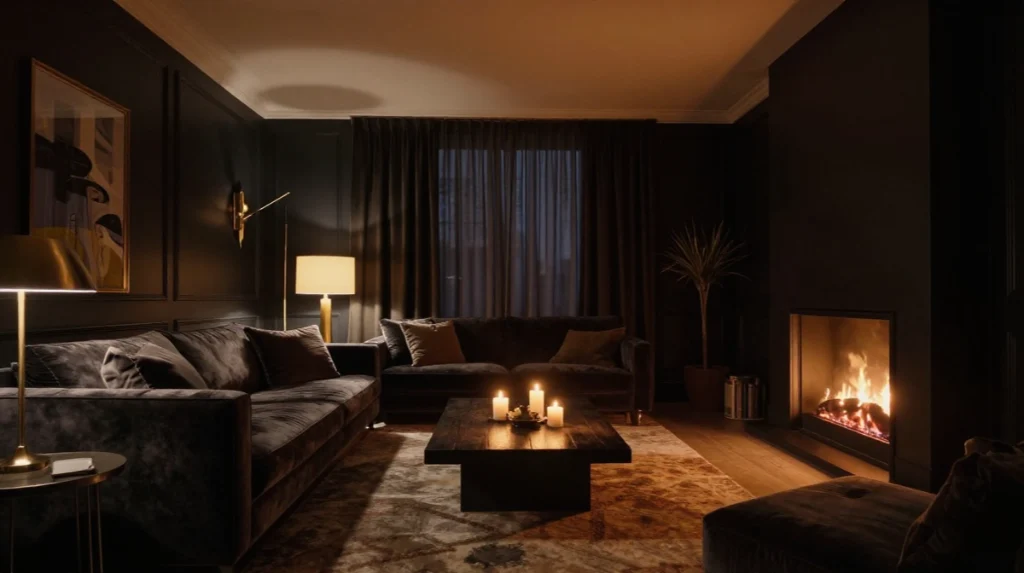
There is a certain kind of room that you walk into and immediately feel something shift. The air feels warmer. The light feels softer. Everything around you seems to say, slow down, you are exactly where you need to be. That is the quiet power of moody living room design.
For a long time, bright white rooms with clean lines ruled the interior world. But more and more people are drawn to something different. Spaces that feel intimate, layered, and full of personality. Rooms that wrap around you like a warm blanket on a rainy evening.
If you have been thinking about giving your living room more depth, drama, and character, this guide is for you. Whether you want deep burgundy walls, dark velvet furniture, or just a cozy reading nook tucked in a corner, there is something here to spark your next move.
What Moody Living Room Design Actually Means
Before anything else, it helps to clear up one common misunderstanding. Moody does not mean dark, gloomy, or unwelcoming.
A moody living room is one that uses deep color tones, rich textures, layered lighting, and thoughtful decor to create a specific emotional atmosphere. It could feel cozy and intimate. It could feel dramatic and sophisticated. It could feel like a quiet escape from the noise of everyday life.
As interior designer Kristi Nelson puts it, moody is truly that — a mood, a vibe, an atmosphere.
Go Bold With Deep Wall Colors
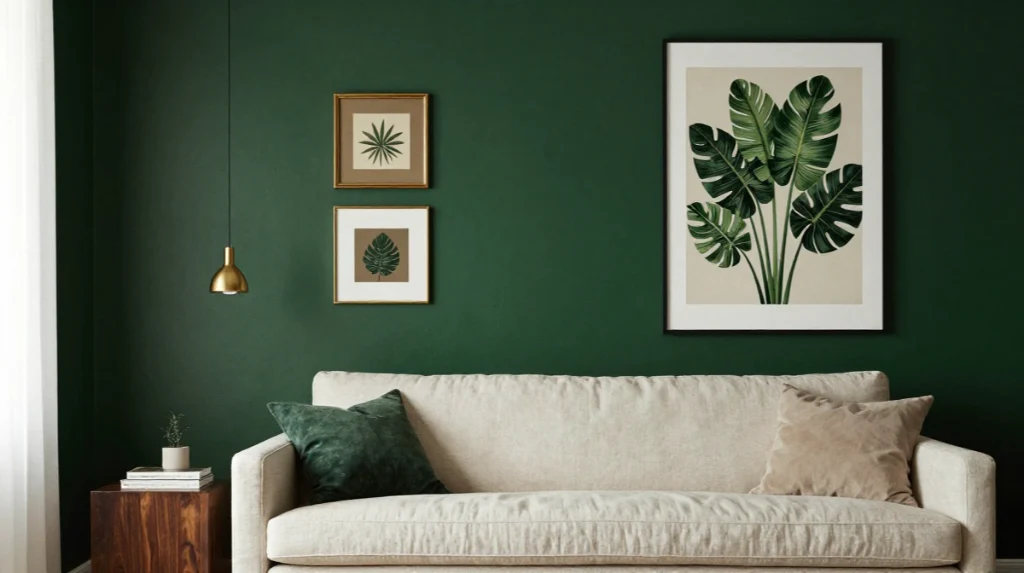
The fastest way to shift the entire feeling of a room is to change the wall color. In moody living room design, the walls do a lot of heavy lifting.
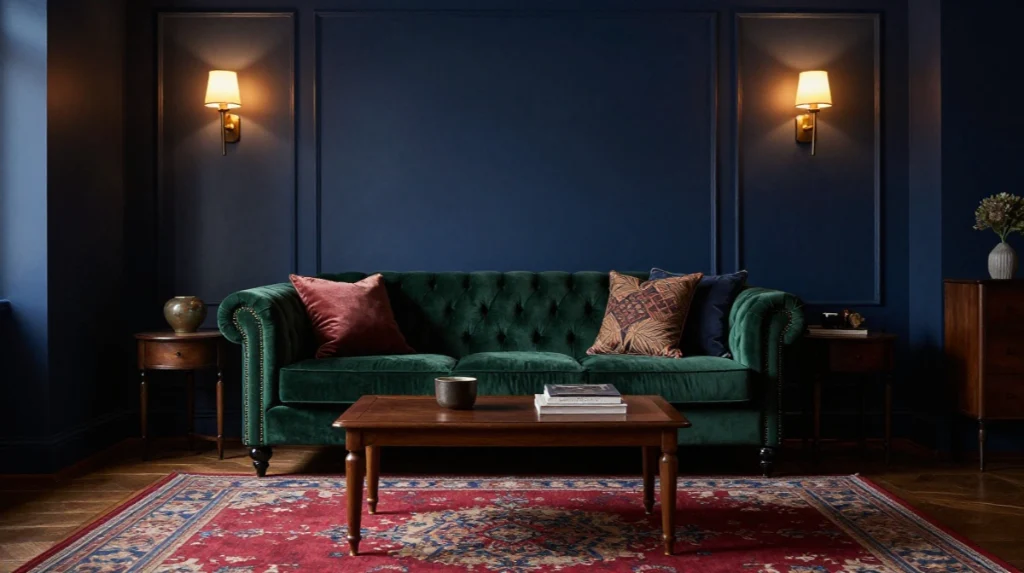
Charcoal living room walls create instant depth and visual warmth. Forest green living room ideas are popular right now for their connection to nature and their rich, enveloping quality. Navy blue living room decor adds a sense of calm sophistication. Deep burgundy living room walls bring drama without feeling cold.
You do not have to paint every wall. A single dark accent wall behind the sofa or fireplace can completely transform the space. Matte finishes work best because they absorb light and create that soft, velvety look rather than a shiny surface that reflects everything.
Layer Your Lighting for Atmosphere
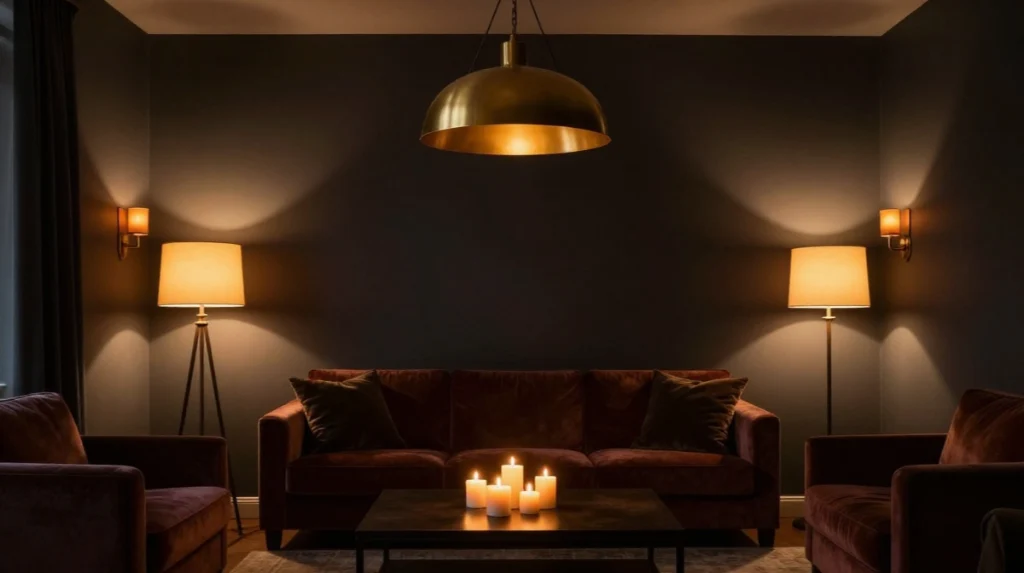
Lighting is the most important element of any moody living room design. Get it wrong and the room just looks dim. Get it right and everything comes alive.
The key is layered lighting. This means combining different sources at different heights rather than relying on one overhead fixture. Think pendant lighting hanging above a coffee table, sconce lighting on the walls, floor lamps in corners, and candle holders scattered on surfaces.
Warm-toned bulbs between 2200K and 2700K cast a golden glow that makes dark walls feel cozy rather than cold. Dimmer switches are worth every penny because they let you shift the mood from bright and functional to soft and romantic within seconds.
Invest in a Plush, Statement Sofa
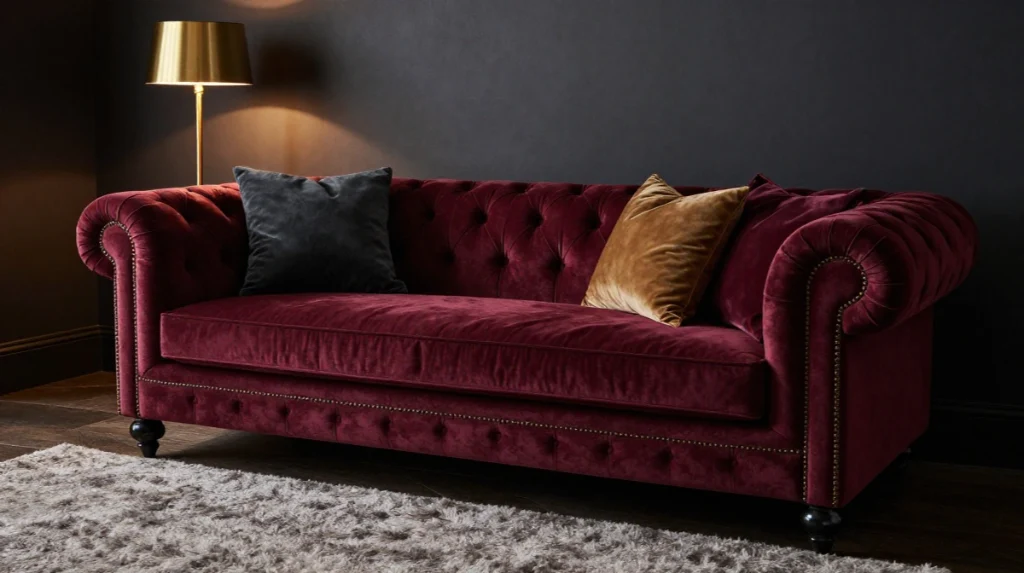
In a moody living room, the sofa is the centerpiece. It needs to feel as good as it looks.
Dark velvet furniture is the go-to choice for this style. A plush dark sofa in forest green, charcoal, navy, or deep burgundy immediately signals that the room means business. Velvet upholstery catches light beautifully and adds that tactile richness that makes a space feel truly luxurious.
A tufted sofa adds a vintage touch that works well in moody eclectic or dark bohemian living room styles. A low-profile sectional in charcoal creates that modern, brooding interior design feel.
Use Rich Jewel Tones Throughout
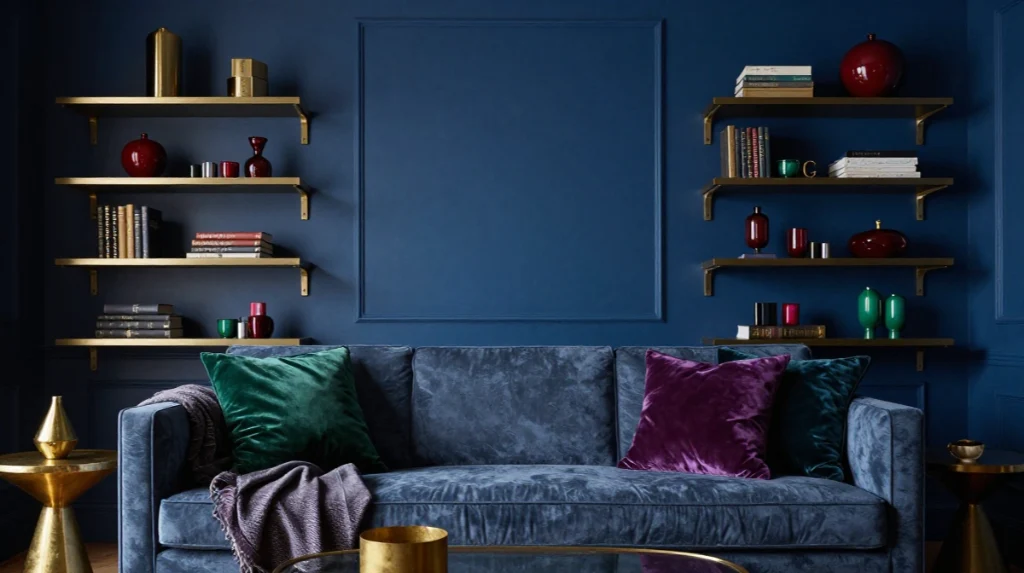
Jewel tone living room design is one of the most rewarding ways to work with color. These are the deep, saturated hues inspired by precious stones: emerald, sapphire, amethyst, ruby.
You do not need to commit to jewel tones everywhere. A rich emerald green velvet cushion, a deep amethyst throw, a sapphire blue rug — even small pops of these colors add visual depth and a sense of luxury.
Rich jewel tones interior design works so well in moody spaces because the colors have warmth underneath them. They do not feel cold or flat. They glow softly in dim lighting, making the room feel alive.
Add Texture at Every Opportunity
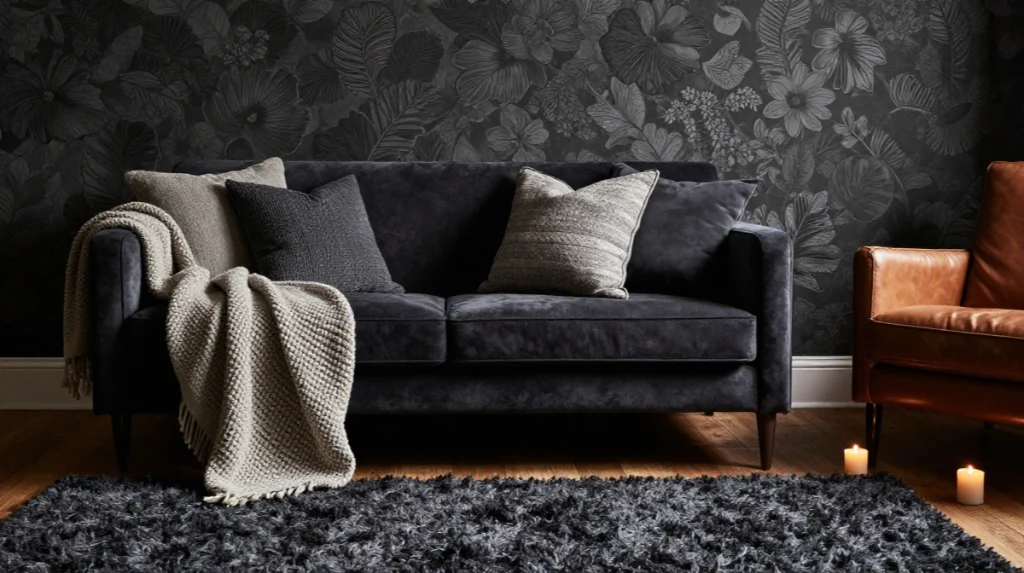
A moody room without texture falls flat. Rich textures are what separate a dramatic room from a merely dark one.
Layered textiles are essential. Stack a plush rug over a flat-woven one for layered rugs that add warmth underfoot. Pile decorative pillows in mixed fabrics — velvet, linen, woven — on your sofa. Drape a heavy throw over an armchair.
Woven textures, leather furniture, tufted accents, and heavy drapes all contribute to that sensory richness. Textured dark walls, whether through wallpaper, limewash paint, or panel molding, add architectural depth that flat painted walls cannot match.
Use Heavy Curtains to Control Light and Drama
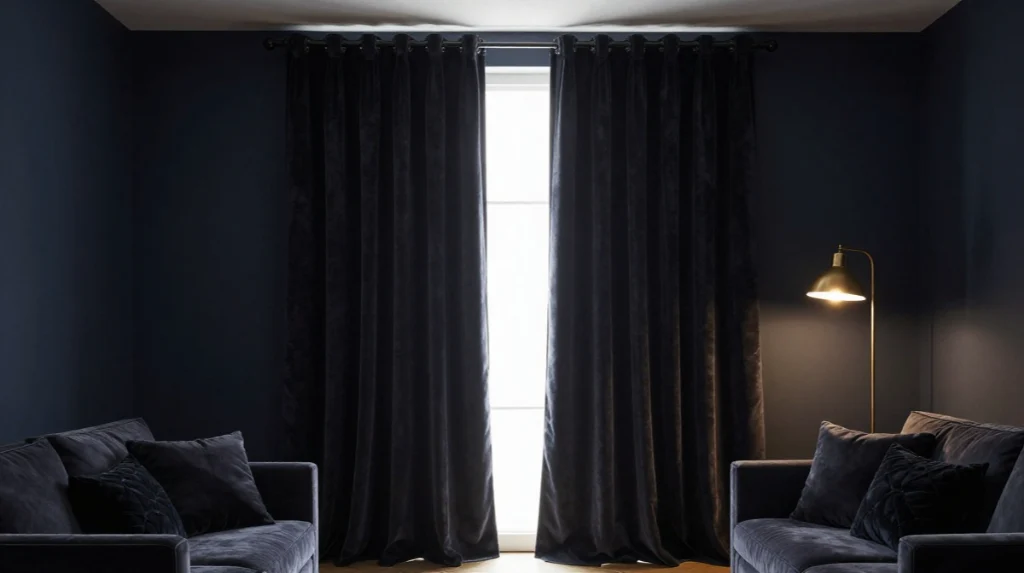
Window treatments do two things in a moody living room. They control how much natural light enters, and they add significant visual weight to the room.
Heavy drapes in dark or richly colored fabrics — velvet, linen, brocade — frame the windows and add height to the room. Choose dramatic curtains that hang from ceiling to floor for the most impact.
In a dark contemporary living room, blackout curtains in charcoal or navy serve a practical purpose too. They let you control the light completely, which is important when you are working with a dark interior color scheme.
Create a Fireplace as the Focal Point
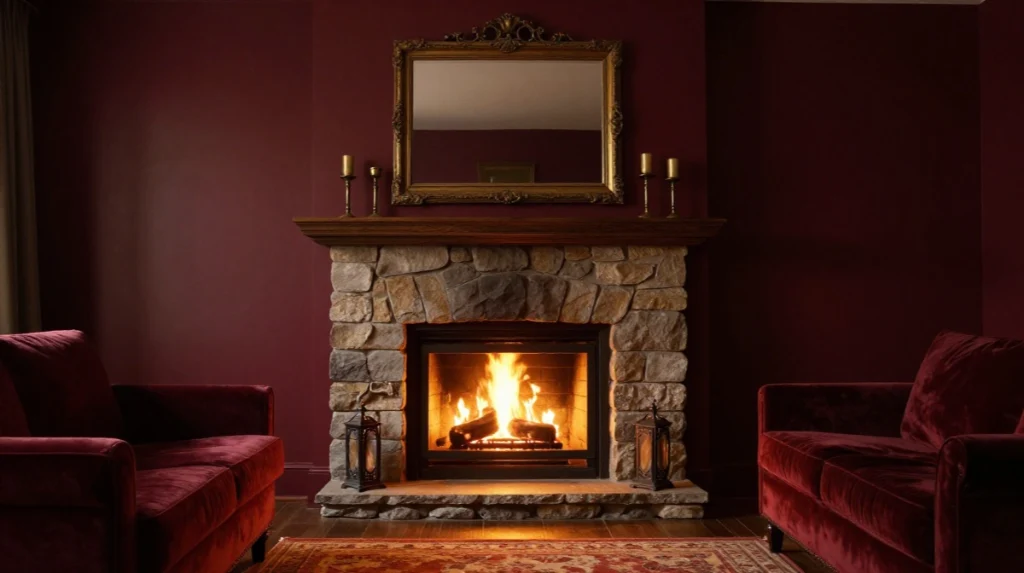
Nothing anchors a moody living room design quite like a fireplace. It provides warmth, visual drama, and that flickering light that makes everything feel more intimate.
Even if your fireplace is simple and neutral, you can style it to feel more atmospheric. A dark mantle with brass accents, layered candle holders at different heights, and a large piece of art or a mirror above it creates a scene that draws the eye immediately.
The fireplace focal point works in almost every moody style, from dark rustic living room designs to moody Victorian living room interiors. If you do not have a fireplace, a collection of large candles in varying heights achieves a similar effect.
Embrace Dark Wood Tones
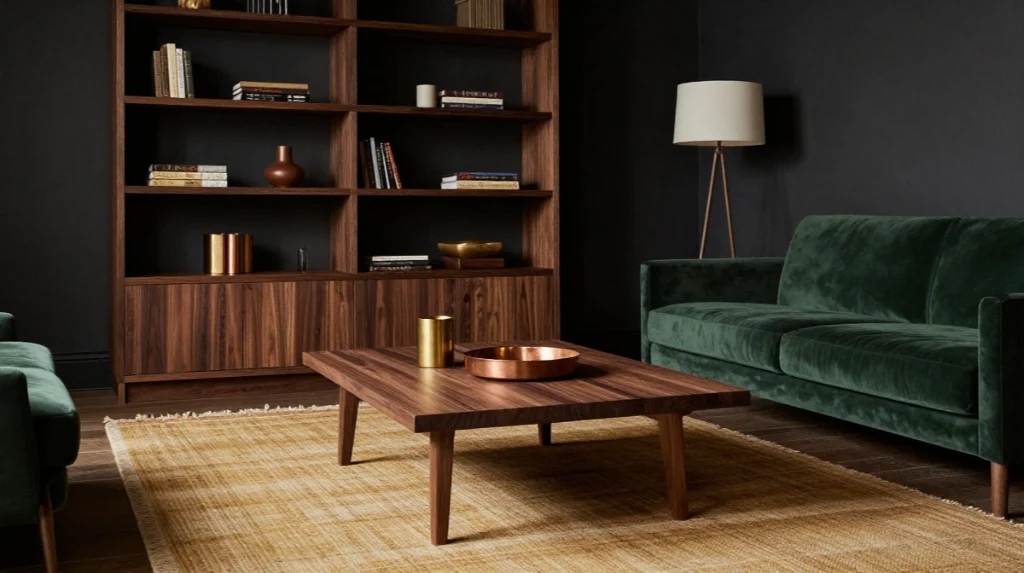
Dark wood living room furniture adds natural warmth to what might otherwise feel like a cold or heavy space. A dark oak coffee table, walnut shelving, or ebony side tables ground the room and create visual cohesion.
Dark wood tones pair especially well with jewel tones and warm metallics. The organic quality of wood also keeps the room from feeling too formal or designed. It adds a sense of history and character.
If you have existing light wood furniture, consider refinishing it or replacing smaller pieces gradually. Alternatively, use dark wood accessories like frames, bowls, or decorative objects to introduce the tone without a full overhaul.
Mix Metallic Accents Thoughtfully
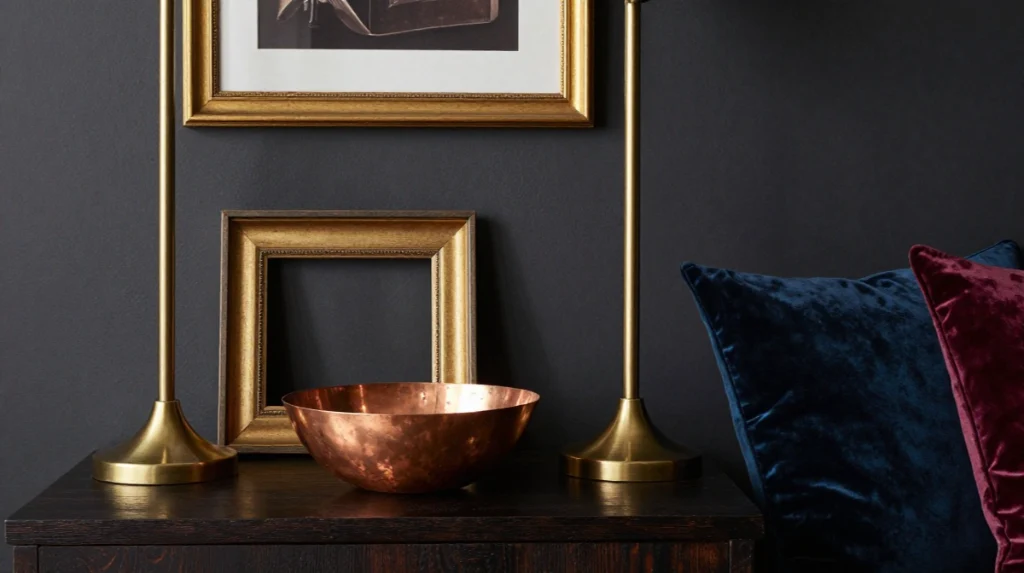
Brass accents and copper fixtures are the warm metallic choices that work best in moody living room design. They catch ambient lighting beautifully and add a subtle shimmer without overwhelming the room.
Picture frames in antiqued brass, lamp bases in brushed copper, side tables with gold-tinted legs — these details add luxury and visual interest without demanding attention.
The key is restraint. A few well-placed metallic pieces make more impact than scattered small items across every surface. Brushed or antiqued finishes feel more appropriate than high-gloss shine, which can read as harsh in a moody setting.
Build a Gallery Wall With Personality
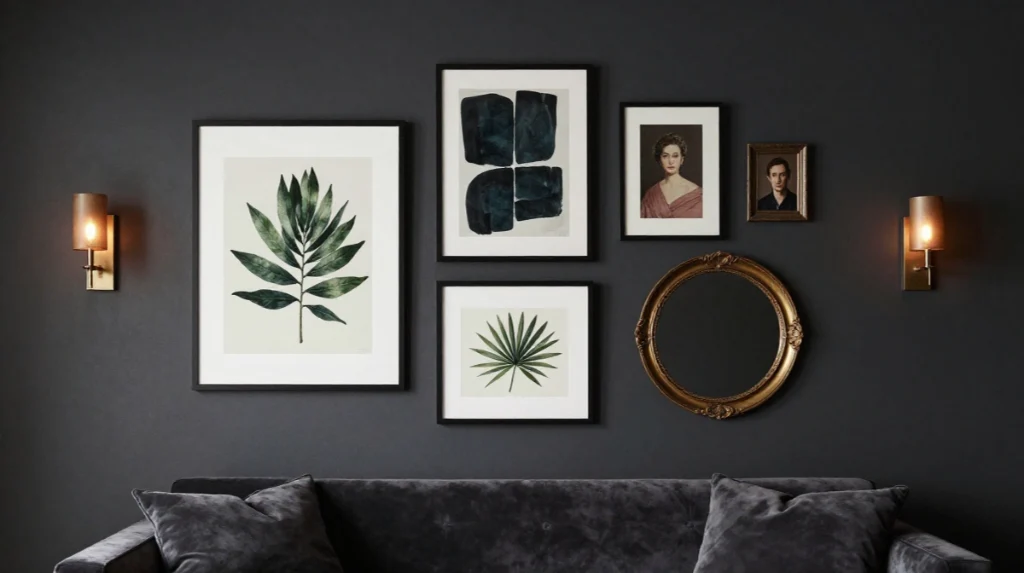
A gallery wall in a moody living room is a chance to show personality and add visual texture at the same time. Oversized artwork, vintage portraits, botanical prints, and sculptural elements grouped together create a collected, layered look.
Choose frames in dark wood or brass for cohesion. Mix sizes and formats — some framed prints, some stretched canvas, perhaps a small mirror — for visual variety.
The dark wall behind a gallery creates a backdrop that makes each piece stand out. This is the advantage of darker living room walls that people do not always anticipate.
Try a Dark or Moody Ceiling
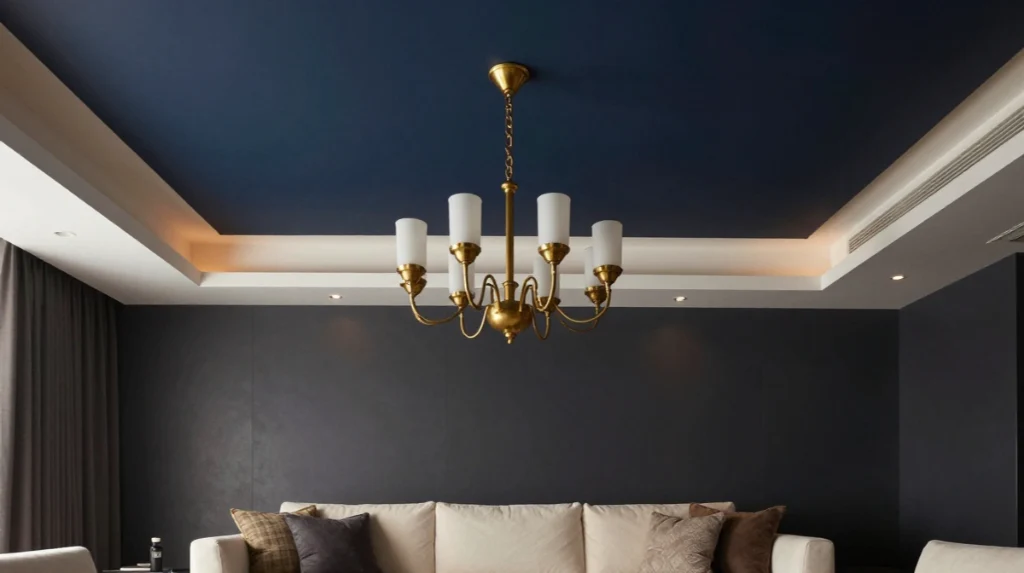
One of the more unexpected moody living room design moves is painting the ceiling a deep, dark tone. A charcoal or navy ceiling draws the eye upward and makes the room feel more intimate and cocoon-like.
This works especially well in rooms with high ceilings, where the dark overhead brings the proportions into a cozier scale. Even painting the ceiling a few shades darker than the walls — rather than going fully black — creates subtle drama.
Pendant lighting or a statement chandelier stands out beautifully against a dark ceiling, adding to the atmospheric interior design effect.
Design a Cozy Reading Nook
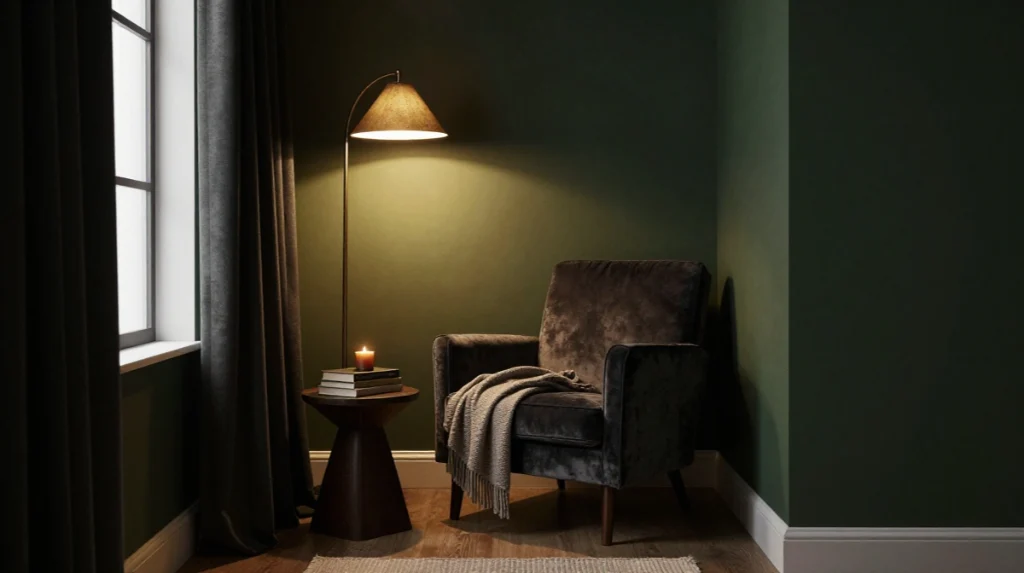
A cozy reading nook is one of the most beloved features of a moody living room, and it does not require a lot of space to create.
A single armchair positioned near a window or in a corner, paired with a floor lamp and a small side table, is enough. Add a soft throw, a stack of books, and a candle nearby.
The intimacy of a small, well-lit nook within a darker room creates beautiful spatial contrast. It gives the room a sense of purpose and coziness that goes beyond just aesthetics.
Choose Sophisticated Built-In Shelving
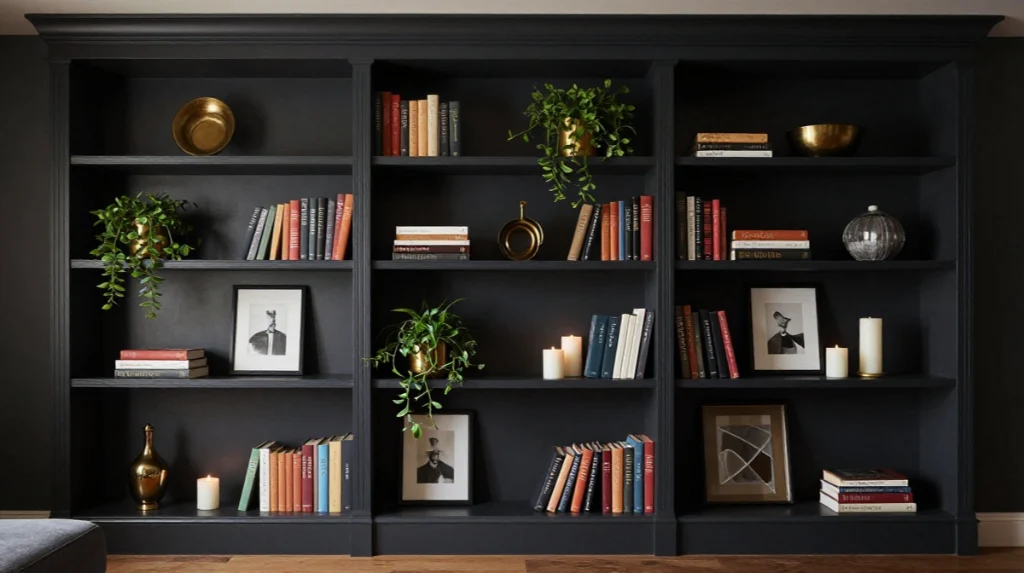
Built-in shelving transforms walls into features and gives you space to display the objects that make the room feel personal. In a moody living room, painted in a dark tone to match the walls, built-ins feel like a natural extension of the room rather than furniture placed against it.
Use them for a book collection display, decorative objects, plants, candles, and art. The layered, collected look of well-styled shelves adds depth and visual richness.
Painting the inside of the shelves in the same dark tone as the walls creates a seamless, sophisticated look.
Add Botanical and Nature-Inspired Decor
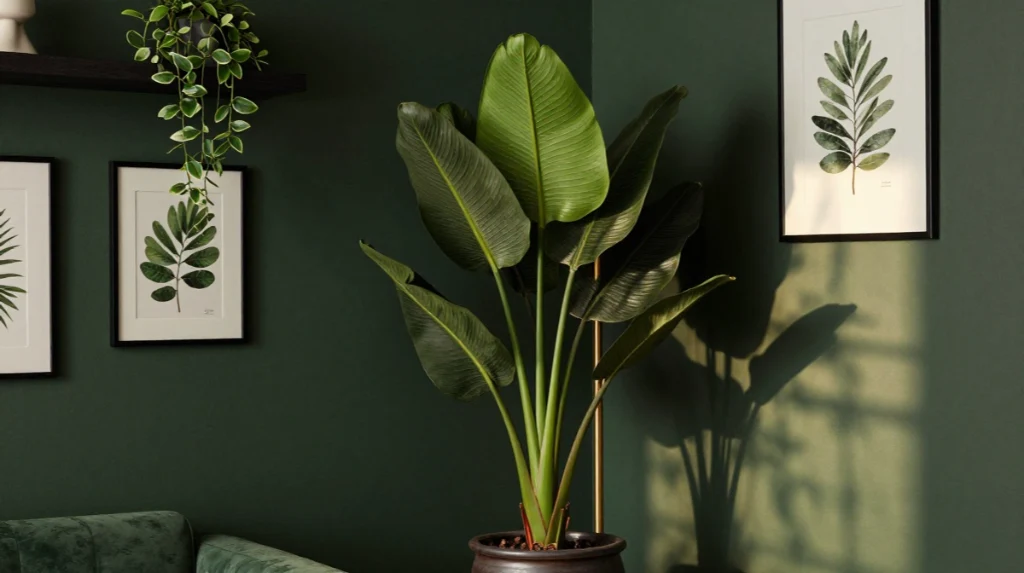
Plants and nature-inspired decor bring life into a moody space without adding brightness. Deep green leaves against dark walls create contrast that feels intentional and beautiful.
Botanical prints on the walls, organic shapes in decorative objects, and trailing plants on shelves all contribute to this effect. Nature-inspired decor softens the drama without undermining the atmosphere.
A large plant in a dark corner with a floor lamp behind it creates beautiful shadow play interior design that adds depth and visual interest in a completely unexpected way.
Layer Rugs for Warmth and Texture
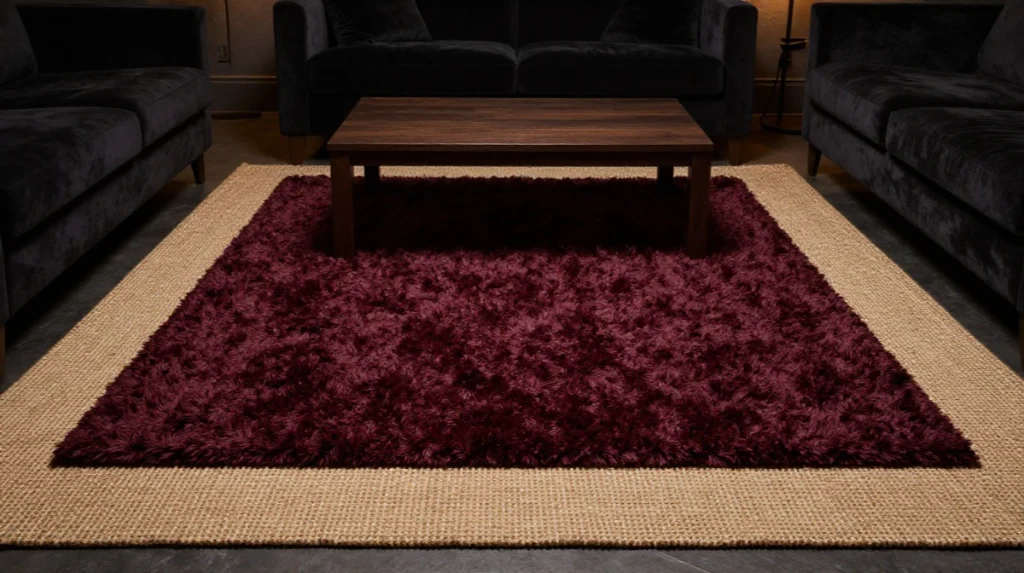
A single rug can feel minimal in a moody living room. Layering rugs adds warmth, texture, and the kind of collected, eclectic styling that makes a space feel genuinely lived-in.
Place a large flat-woven rug as the base and layer a plush or sheepskin rug over the top. This works especially well in dark bohemian living room and moody cottage living room styles.
Plush rugs in deep tones — charcoal, forest green, burgundy — add to the color palette. Natural jute or wool in lighter tones creates contrast that keeps the floor from feeling heavy.
Explore Dark Bohemian Style
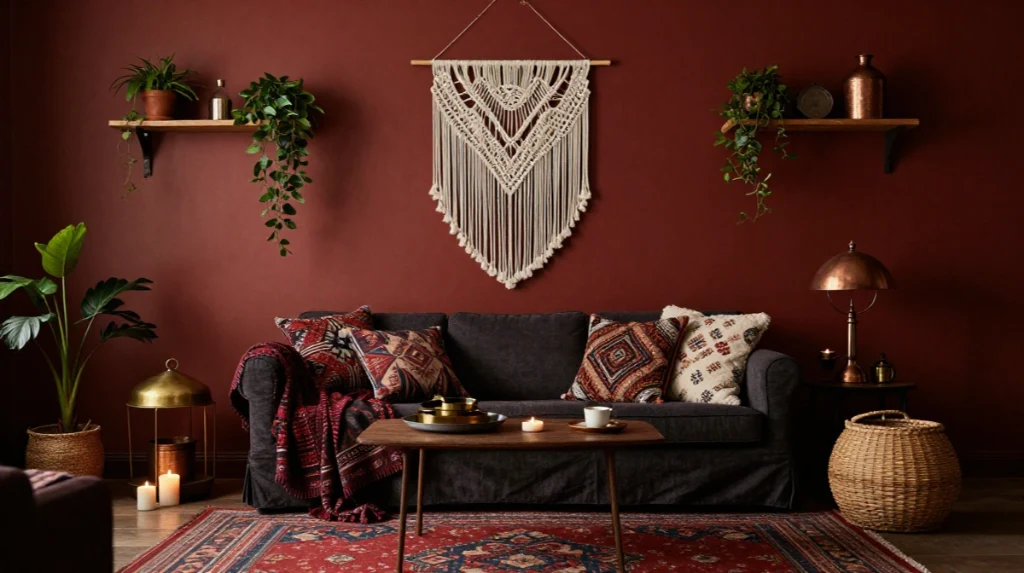
Dark bohemian living room design is one of the most expressive interpretations of the moody aesthetic. It combines rich color, layered textiles, vintage accessories, eclectic styling, and natural materials in a way that feels free and personal.
Think patterned cushions, woven wall hangings, mixed metals, trailing plants, and an overall sense that each piece was collected over time rather than bought as a set.
The moody maximalist decor approach fits naturally here. More is more, as long as each piece adds something to the atmosphere.
Create a Gothic or Victorian-Inspired Corner
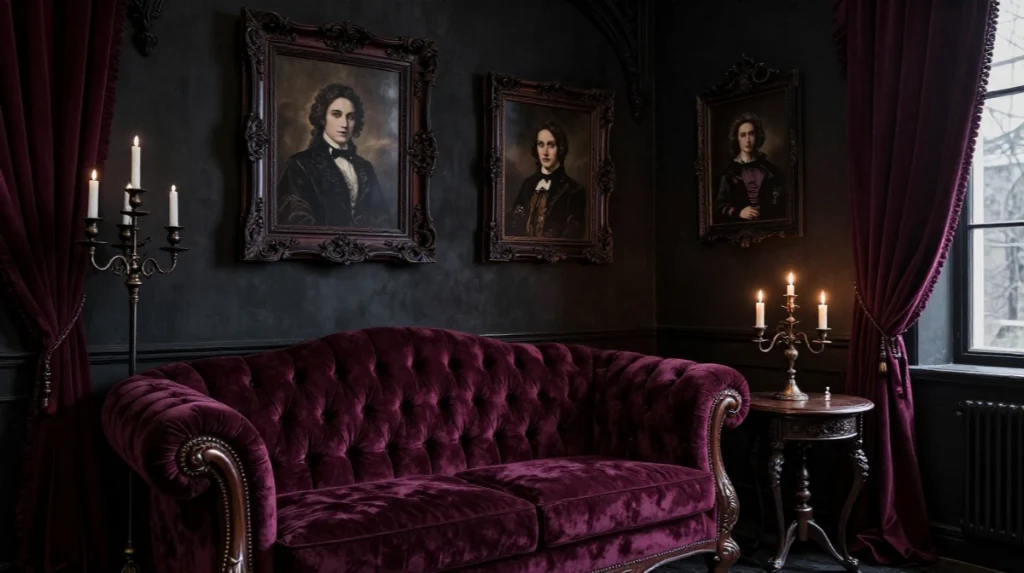
Gothic inspired living room and moody Victorian living room styles use architectural details, antique decor, and dramatic color to create a space that feels deeply historical and atmospheric.
Dark velvet drapes, antique wooden furniture, candelabras, and ornate framing create this effect. You do not need to go fully gothic to use these elements. A single tufted velvet sofa in burgundy against dark walls already nods in that direction.
Bold silhouettes and antique pieces work especially well in rooms with ceiling details or architectural molding, where there is something to emphasize.
Use Warm Charcoal as a Neutral
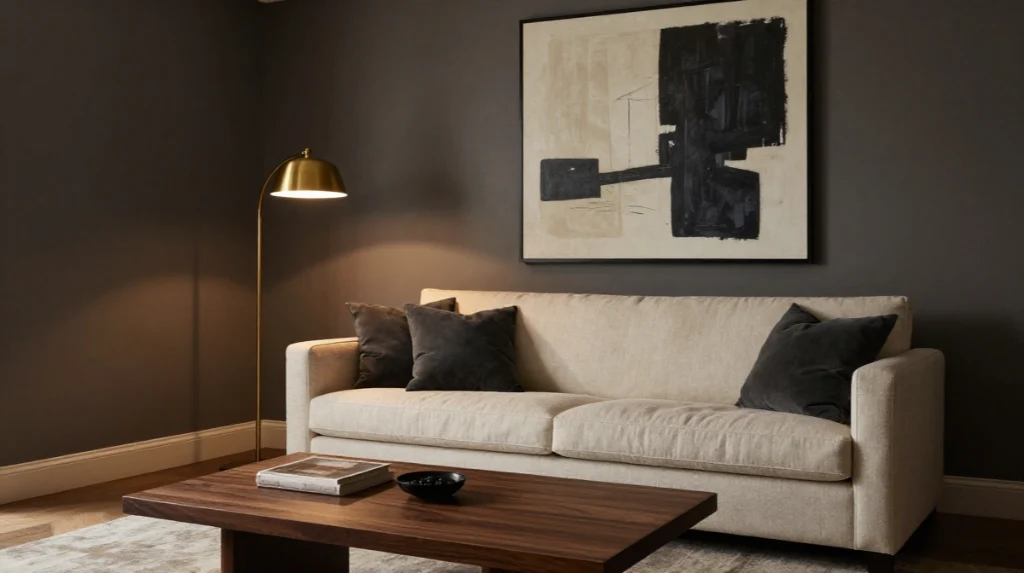
Warm charcoal interiors sit in a comfortable middle ground between full black and grey. They feel sophisticated without being stark, dark without being cold.
Charcoal living room walls work with almost every other color. Pair with warm brass and deep burgundy for a luxurious feel. Add forest green cushions for a more natural tone. Layer with cream and ivory textiles for contrast.
Warm charcoal is also forgiving. It reads differently depending on the light, which means the room shifts slightly throughout the day in a way that keeps it visually interesting.
Decorate for Autumn and Winter Moods
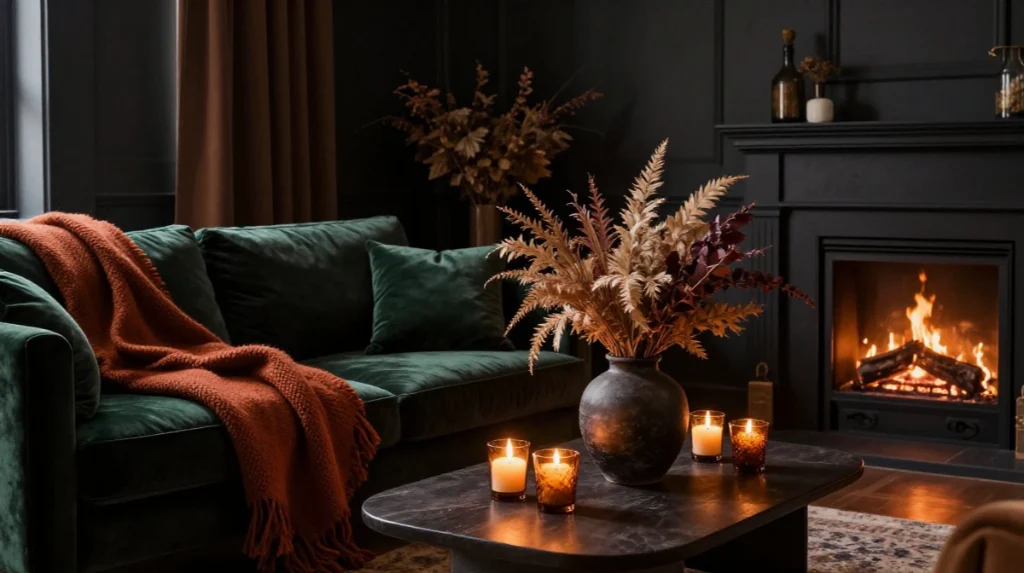
The moody aesthetic naturally suits cooler seasons. A cozy autumn living room version of this style leans into warm tones, extra textiles, and candlelight to create the ultimate seasonal retreat.
Swap cushions for heavier velvet and wool options. Add extra throws to chairs and sofas. Bring in seasonal elements like dried botanicals, dark ceramic vases, and amber glass objects.
The moody color palette home becomes most powerful when it responds to the seasons. This kind of thoughtful seasonal styling keeps the space feeling fresh year-round.
Keep the Decor Personal and Collected
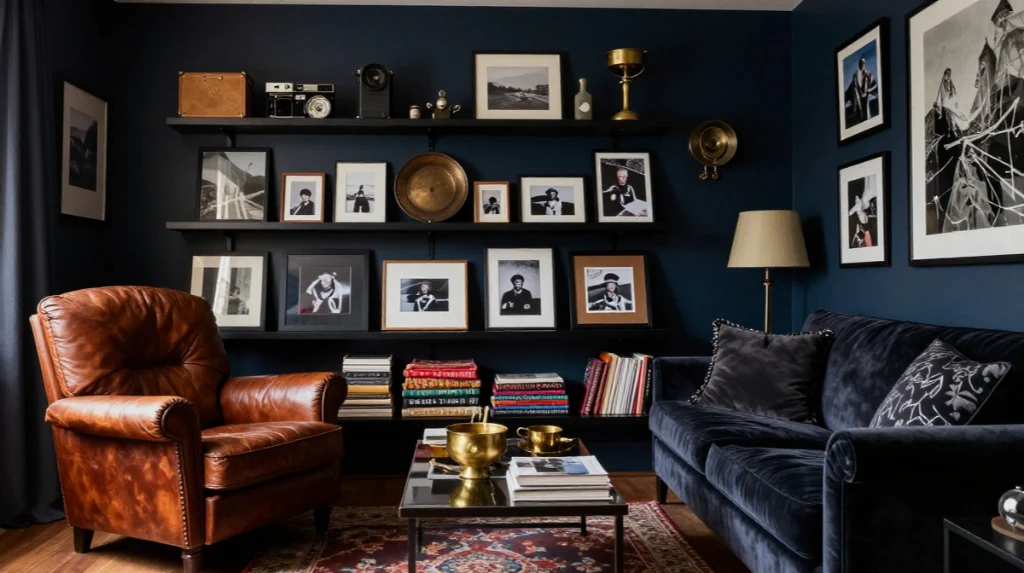
The difference between a moody living room that feels designed and one that feels like a real home is the personal touch. Vintage accessories, travel mementos, inherited pieces, and objects with stories make the space feel genuinely yours.
Avoid matching sets. Avoid buying complete room packages from one retailer. Instead, mix eras, materials, and styles in a way that reflects your actual taste.
Moody eclectic living room design is built on this principle. The beauty is in the mix.
Common Mistakes to Avoid
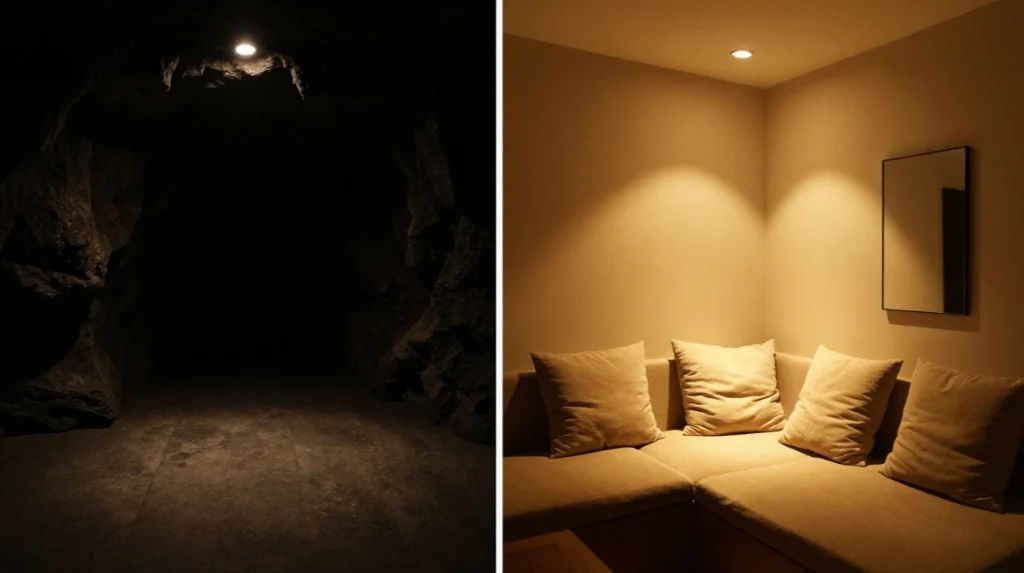
Even with the best intentions, a few common mistakes can undermine a moody living room design.
The biggest one is not enough lighting. Dark walls need multiple light sources to feel cozy rather than gloomy. If the only light comes from one central fixture, the room will feel flat and dim.
Another mistake is going too heavy on dark colors without any contrast. A room that is uniformly dark can feel oppressive. Light through windows, pale textiles, or natural wood tones provide the relief the eye needs.
Overcrowding is also common in maximalist moody styles. Layering is good. Clutter is different. Each piece should earn its place.
Quick Comparison Table: Moody Living Room Styles at a Glance
| Style | Key Colors | Signature Elements | Best For | Lighting Style |
|---|---|---|---|---|
| Dark Bohemian | Burgundy, rust, terracotta | Mixed textiles, plants, vintage finds | Free-spirited decorators | Warm, low, layered |
| Gothic/Victorian | Deep plum, black, forest green | Tufted velvet, antique frames, candelabras | Drama lovers | Candlelit, sconce lighting |
| Dark Contemporary | Charcoal, navy, black | Clean lines, minimal decor, statement art | Modern minimalists | Pendant lights, hidden LED |
| Moody Rustic | Dark wood, warm brown, burgundy | Exposed wood, stone, leather | Cabin and country lovers | Fireplace, floor lamps |
| Dark Maximalist | Jewel tones, deep red, emerald | Gallery walls, layered rugs, mixed metals | Bold, eclectic personalities | Multiple layered sources |
| Moody Cottage | Charcoal, sage green, cream | Floral wallpaper, soft textiles, vintage china | Romantic, nostalgic decorators | Table lamps, candles |
| Warm Charcoal Modern | Charcoal, brass, ivory | Simple shapes, quality materials, brass accents | Those starting with moody style | Dimmers, warm-toned bulbs |
Conclusion
Moody living room design is not about making a room dark or dramatic just for the sake of it. It is about creating a space that feels intentional, personal, and emotionally rich.
Whether you start small with a dark accent wall and a few velvet cushions, or go all in with deep jewel tones and layered textiles, the goal is the same. A room that feels like yours. A space where you genuinely want to spend time.
The best moody living rooms are the ones that feel lived-in and loved. Start with one element that excites you, and build from there.
You may also like this: 22 80s Bedroom Design Ideas for Retro Stylish Vibes
Frequently Asked Questions
1. What colors work best for a moody living room?
Deep, saturated tones work best. Charcoal gray, navy blue, forest green, burgundy, and black are all strong choices. Jewel tones like emerald and sapphire are also popular because they add richness without feeling heavy.
2. Will dark walls make my living room look smaller?
Dark walls actually make a room feel more intimate and cozy, not necessarily smaller. With the right lighting, mirrors, and light-toned furniture or textiles as contrast, the space feels enveloping rather than cramped.
3. What type of lighting works best in a moody living room?
Layered lighting is essential. Combine table lamps, floor lamps, sconces, and candles rather than relying on one overhead light. Warm-toned bulbs and dimmer switches give you full control over the atmosphere at different times of day.
4. How do I add a moody feel without repainting all my walls?
Start with dark furniture, heavy drapes, layered rugs, and rich-toned cushions and throws. A single dark accent wall or moody wallpaper on one wall also makes a strong impact without a full commitment.
5. Is moody living room design expensive to achieve?
Not necessarily. Many of the most effective moody elements — dark paint, candles, layered textiles, thrifted vintage accessories — are budget-friendly. You can build the look gradually by swapping out cushions, adding a dark throw, or changing your light bulbs to warmer-toned ones first.