
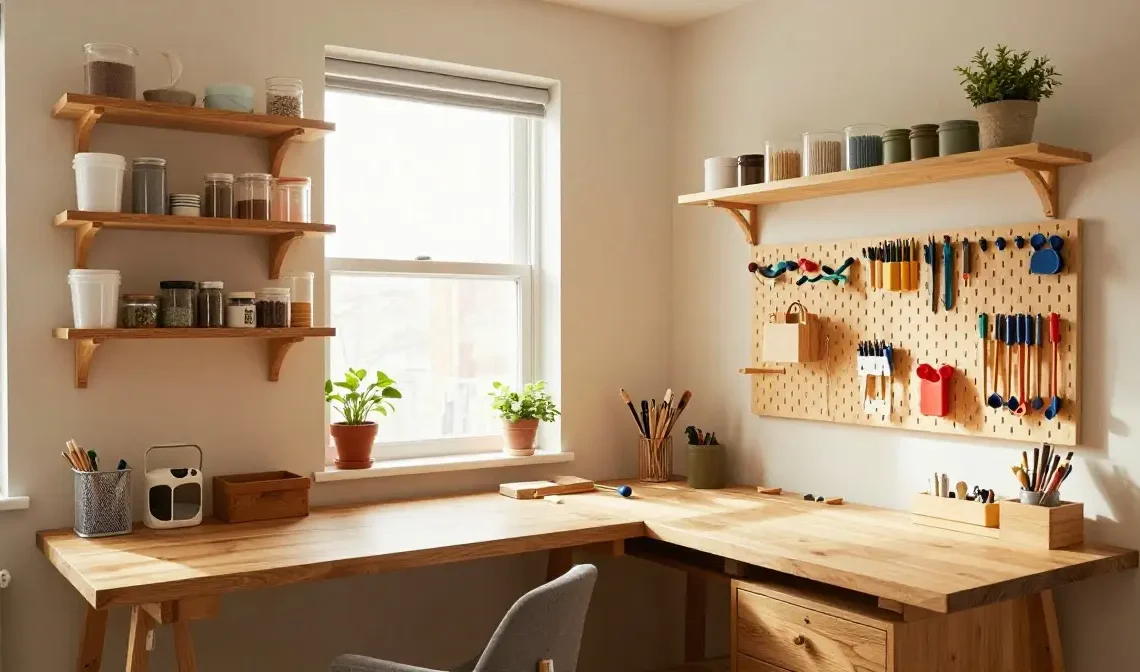
Introduction
You finally have that spare room sitting empty. Or maybe your supplies are scattered across the kitchen table, the living room floor, and three different closets. Either way, you know something needs to change.
A dedicated hobby room is not just a nice idea. It is one of the most practical things you can do for your mental well-being and creative output. When your space is organized, intentional, and built around what you actually love doing, you stop dreading the setup and start looking forward to the process.
Whether you paint, sew, build models, play guitar, or collect rare items, this guide covers hobby room ideas for every budget, every room size, and every type of creative personality. No fluff, no impractical advice. Just real ideas you can actually use.
Start with a Clear Purpose Before Anything Else
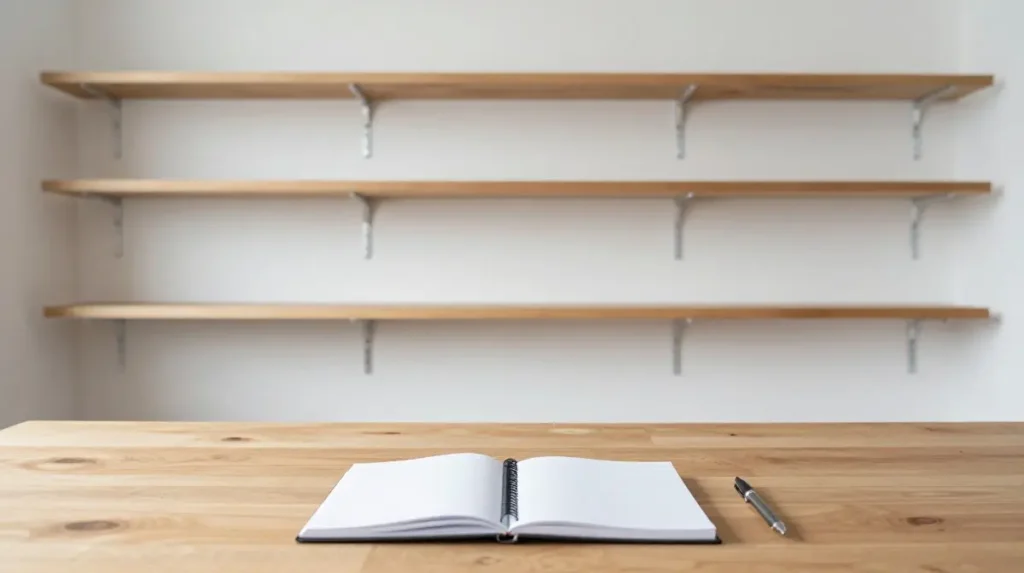
The biggest mistake people make when setting up a hobby room is buying furniture before deciding how the space will function.
Ask yourself one question: what is the main activity this room needs to support?
A sewing room needs long flat surfaces and thread storage. A woodworking setup needs ventilation and a sturdy workbench. A reading room needs soft lighting and comfortable seating. Once you know your primary purpose, every other decision becomes easier.
If you have multiple hobbies, that is completely fine. You just need zone planning, which means dividing the room into sections based on activity type rather than trying to blend everything into one chaotic area.
Use a Pegboard System for Instant Wall Storage
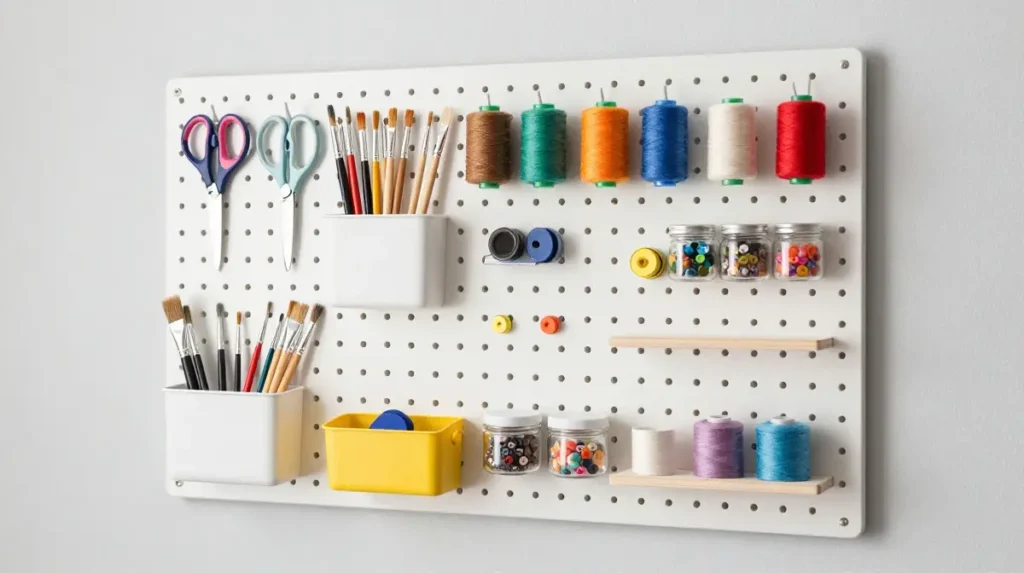
A pegboard organizer is one of the most functional and affordable additions to any hobby room. It keeps tools, scissors, brushes, spools, and small supplies visible and within reach without taking up any floor or desk space.
Paint it to match your hobby room color palette, add hooks in different sizes, and rearrange whenever your needs change. It works beautifully in craft rooms, art rooms, home workshops, and even kids hobby room setups.
Floating Shelves Are Your Best Friend in Small Spaces
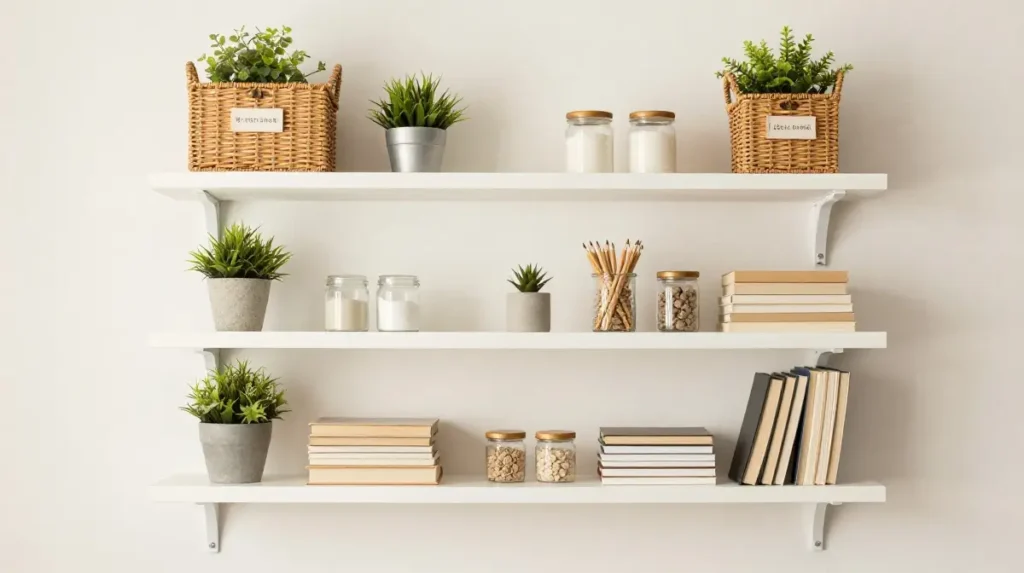
If you are working with a small hobby room, vertical space is everything. Floating shelves along walls let you store supplies, display completed projects, and keep your workspace clutter-free.
Use matching baskets or bins on the shelves for a tidy look. Label everything. A hobby room labeling system sounds basic but it genuinely saves time and reduces frustration, especially if you share the space or have hundreds of small items to manage.
Build a Dedicated Hobby Desk Setup
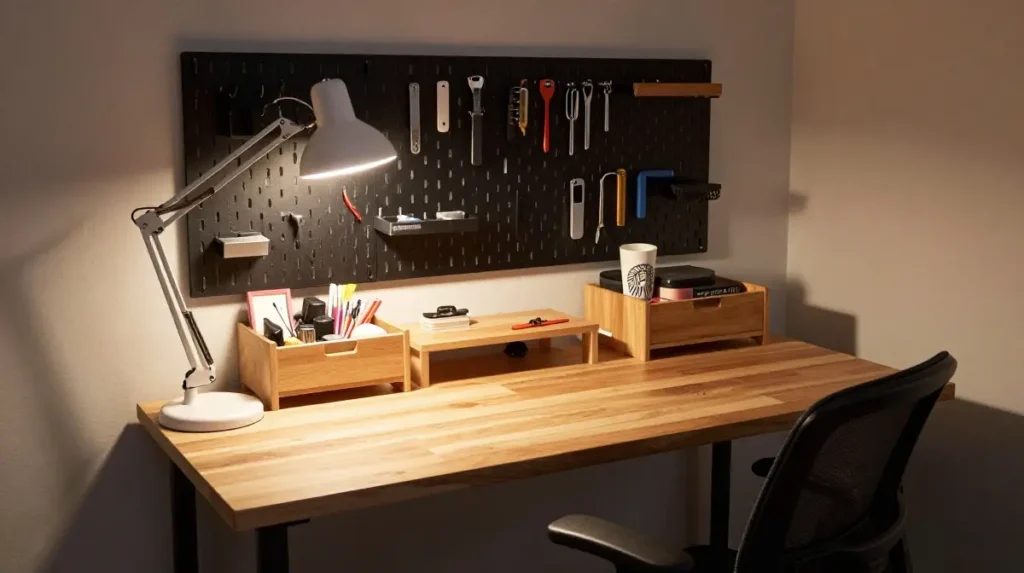
Your desk or worktable is the centerpiece of the entire room. It needs to match your activity level. A painter needs a wide surface with easy access to a sink or cleaning area. A model builder needs a small, well-lit table with drawers nearby. A crafter might want a foldable table that can expand when projects get bigger.
Hobby room desk ideas range from simple IKEA builds to custom-built worktables with built-in storage underneath. Pair your desk with an ergonomic chair and you will notice the difference during long creative sessions.
Maximize a Corner with a Compact Hobby Station
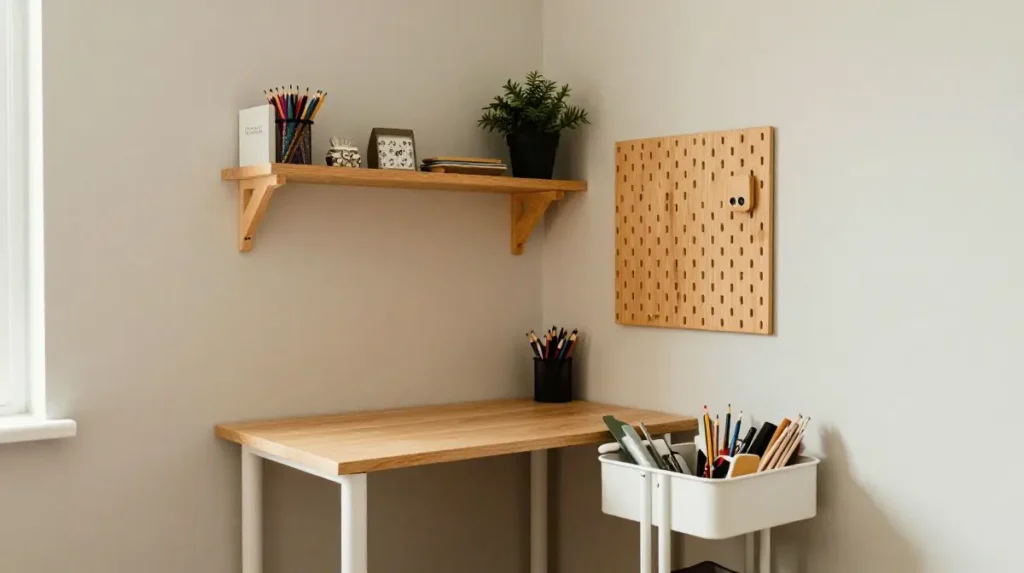
Not everyone has a full spare room to work with. A creative corner at home can be just as functional when it is thoughtfully planned.
A hobby room corner setup typically includes a narrow desk, wall-mounted shelves above it, and a pegboard or magnetic strip on the side wall. Add a small rolling cart beside the desk for extra supply storage, and you have a complete hobby station that takes up less than four square feet of floor space.
Convert a Garage into a Hobby Workshop
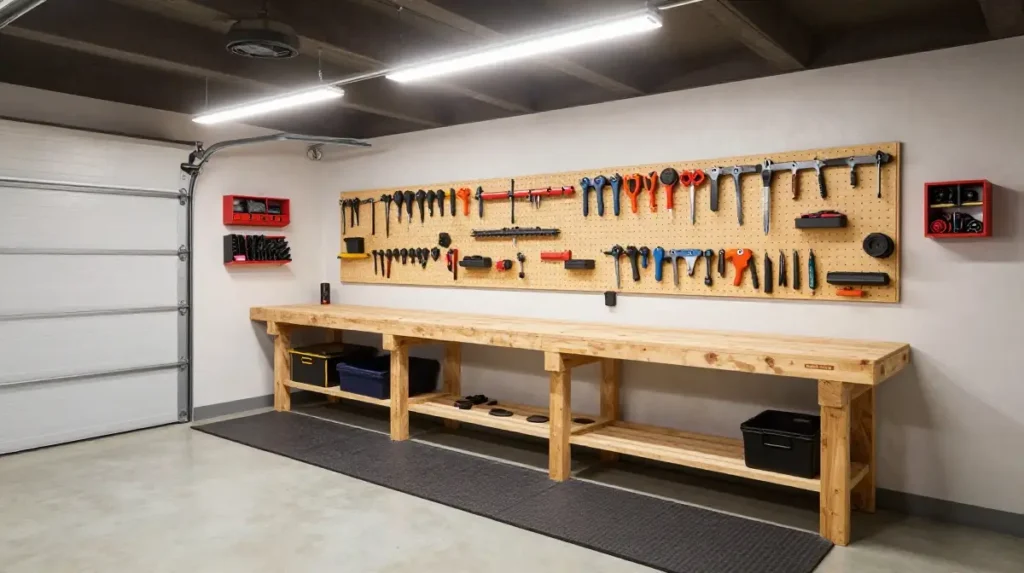
A garage hobby room conversion is one of the most popular routes for people who need serious workspace. The extra square footage, durable flooring, and ventilation make garages ideal for woodworking room setups, home workshops, and larger art projects.
Add proper task lighting, a sturdy workbench, wall-mounted tool storage, and some rubber flooring mats for comfort. Insulation and a small heater or fan make the space usable year-round.
Turn a Basement into a Creative Retreat
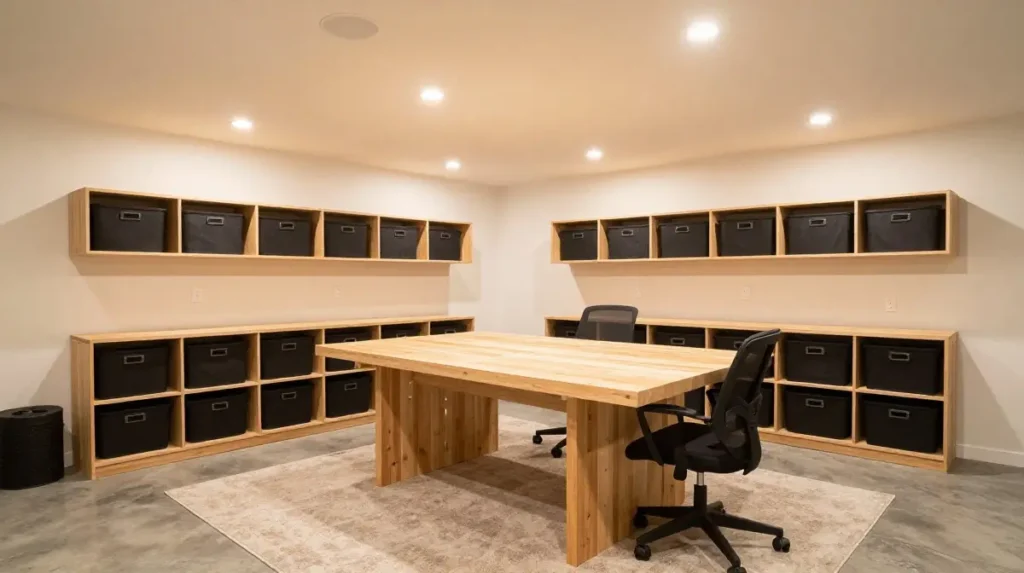
Basement hobby room ideas work especially well for activities that benefit from a quieter, contained environment. Music rooms, painting studios, and model rooms all thrive in basement spaces where noise and mess stay contained.
Focus on good lighting since basements often lack natural light. Install bright overhead LEDs with warm task lighting at your workstation. Add dehumidifiers if moisture is an issue, and use wall storage to keep supplies off the floor.
Transform an Attic into a Cozy Hobby Nook
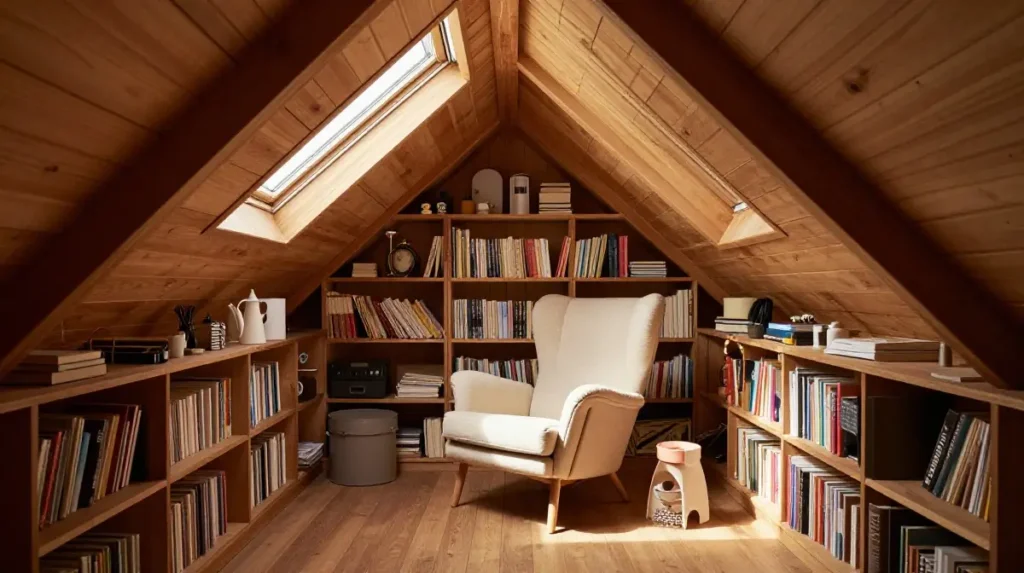
An attic hobby room has a character that no other space in the house can match. The sloped ceilings, natural light from skylights, and general quietness make it perfect for reading room ideas, art room setups, or a zen hobby room where you genuinely feel removed from daily distractions.
Use the lower-ceiling areas for storage and the taller center section for your main workspace. Built-in shelving along the sloped walls makes smart use of otherwise awkward space.
Create a She Shed Hobby Room in Your Garden
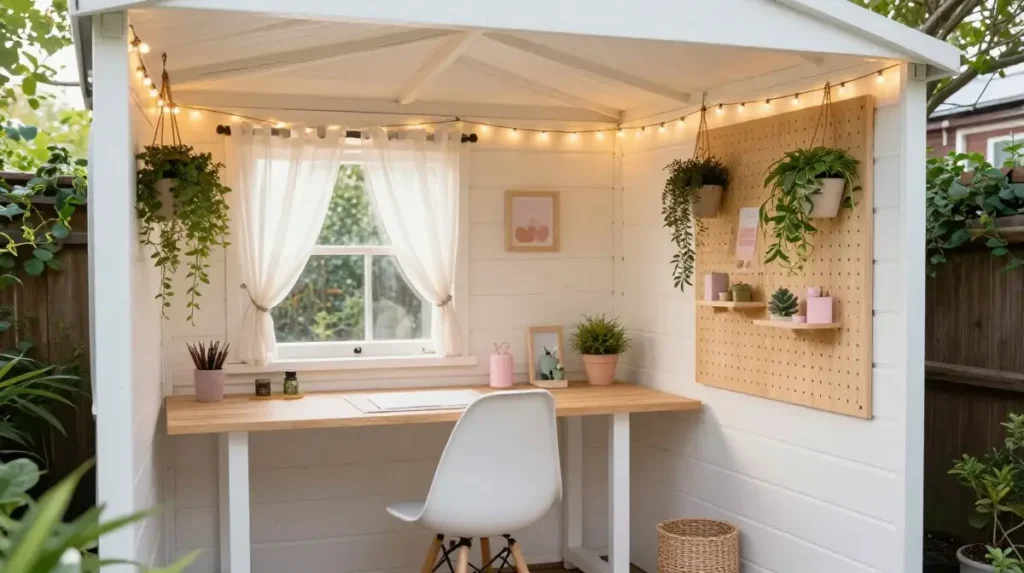
A she shed hobby room gives you complete separation from household noise and interruptions. These small outdoor structures can be fitted with electricity, insulation, and proper ventilation to become fully functional year-round creative spaces.
They work well as sewing room ideas, painting studios, or even quiet music rooms. Decorate the interior with soft colors, hanging plants, and personal touches that make the space feel genuinely yours.
Design a Man Cave Hobby Room for Collectors and Gamers
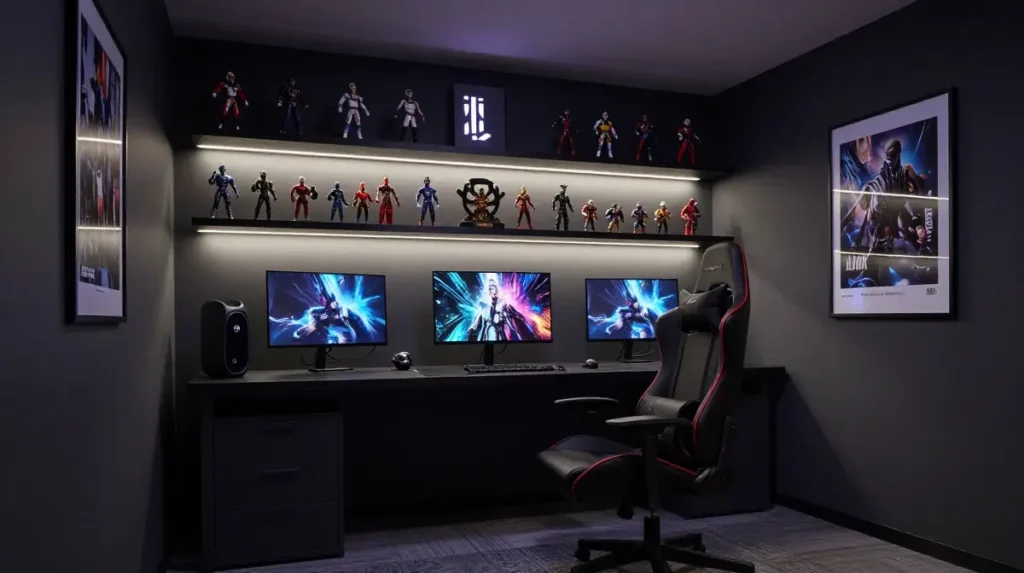
A man cave hobby room tends to focus on display and function equally. Collectibles rooms, game room ideas, and hobby rooms built around specific fandoms benefit from good display shelving, proper lighting for showcasing items, and comfortable seating for longer sessions.
Use dark, moody tones if that fits the aesthetic, or go lighter and more minimal if you prefer a clean backdrop for your collection. The key is that the room reflects what you actually love rather than what looks good in a showroom.
Add Proper Hobby Room Lighting for Every Task
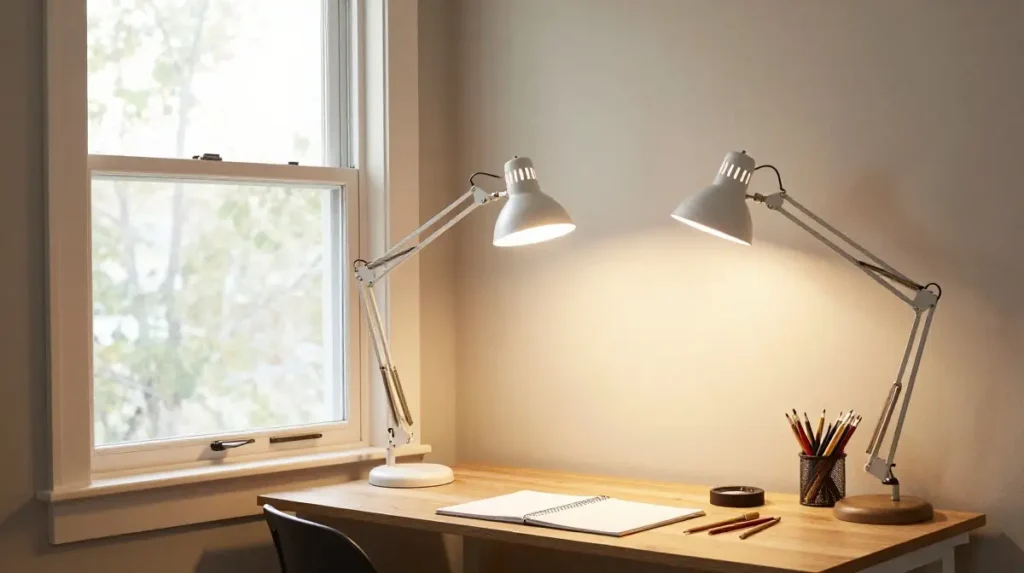
Lighting is the most overlooked element in hobby room design, and it is also one of the most important.
Natural light is ideal when available. Position your main workstation near a window whenever possible. For evening or windowless setups, combine overhead lighting with dedicated task lighting at your desk. Use bulbs with a high color rendering index if your work involves color accuracy, such as painting, textile work, or detailed model building.
Hobby room task lighting on an adjustable arm gives you control over exactly where the light falls without straining your eyes.
Use Modular Storage to Stay Flexible
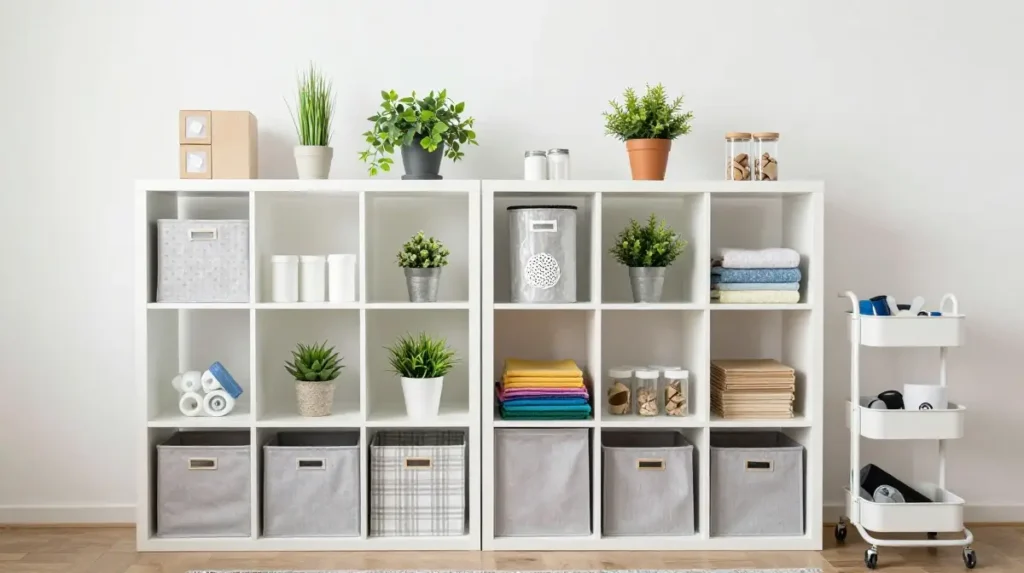
Your hobbies may change. Your projects will definitely grow. Modular storage systems give you the flexibility to reorganize without buying everything from scratch.
Hobby room modular storage options include stackable bins, cube shelving units, rolling carts, and adjustable wall-mounted rail systems. These allow you to reconfigure the room as your needs shift without committing to permanent built-ins.
Set Up a Hobby Room on a Budget
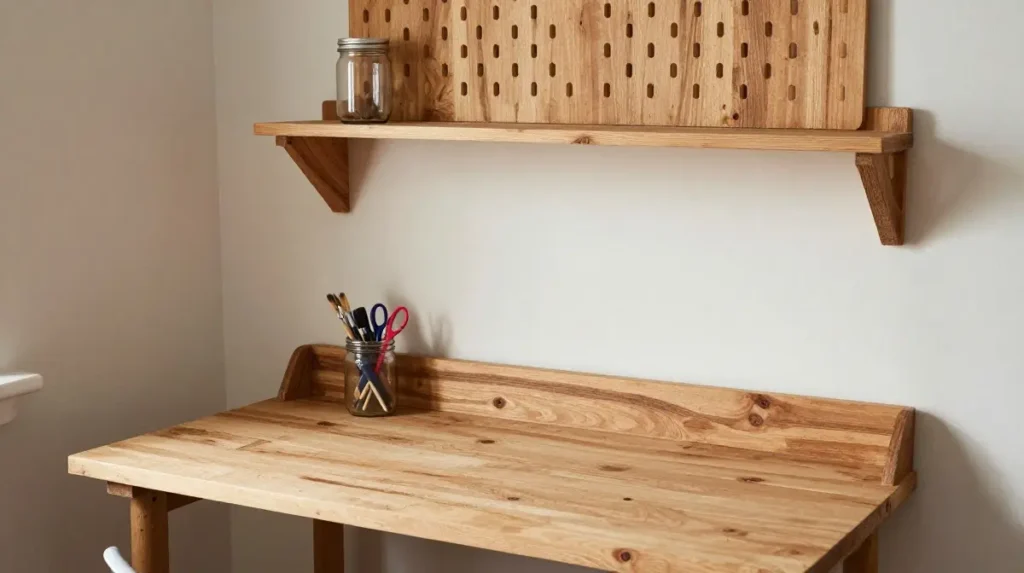
You do not need to spend a lot to build a functional creative space at home. Some of the most well-organized hobby rooms come together with second-hand furniture, DIY shelving, and simple organizational tools.
Start with what matters most, a solid work surface, adequate lighting, and basic storage. Add to it gradually as your budget allows. Budget-friendly hobby room setups often look better than expensive ones because every item earns its place.
Plan Zones for a Multipurpose Hobby Room
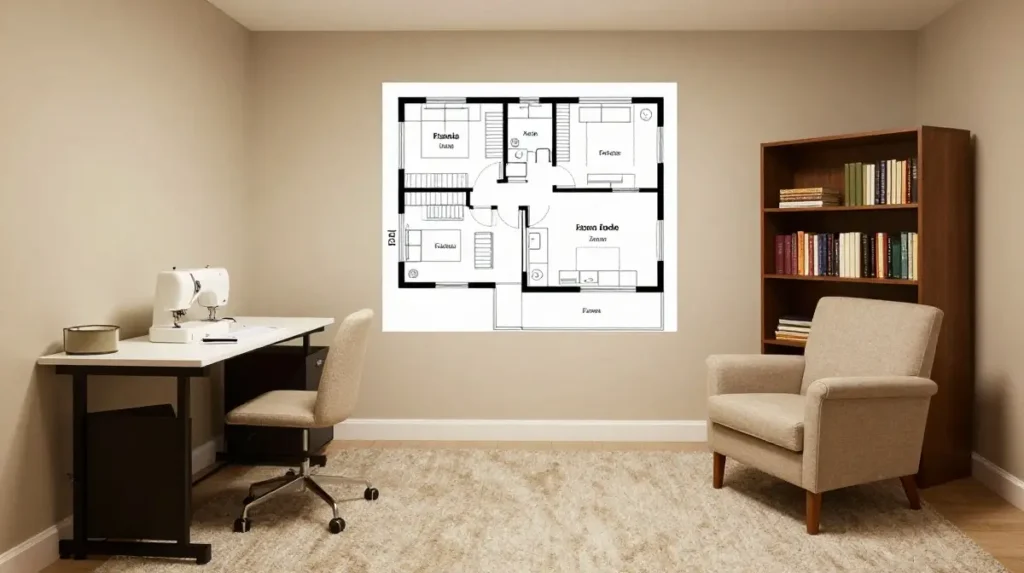
A multipurpose hobby room works best when different activities have their own defined areas. Even a single room can hold a sewing station, a reading nook, and a craft table if the zones are clearly separated.
Use rugs, shelving units, or even the direction of furniture to create visual boundaries between zones. A home office hobby room combo, for example, might have a desk for work on one side and a craft table on the other, with shared storage in the middle.
Add a Gallery Wall to Display Your Work
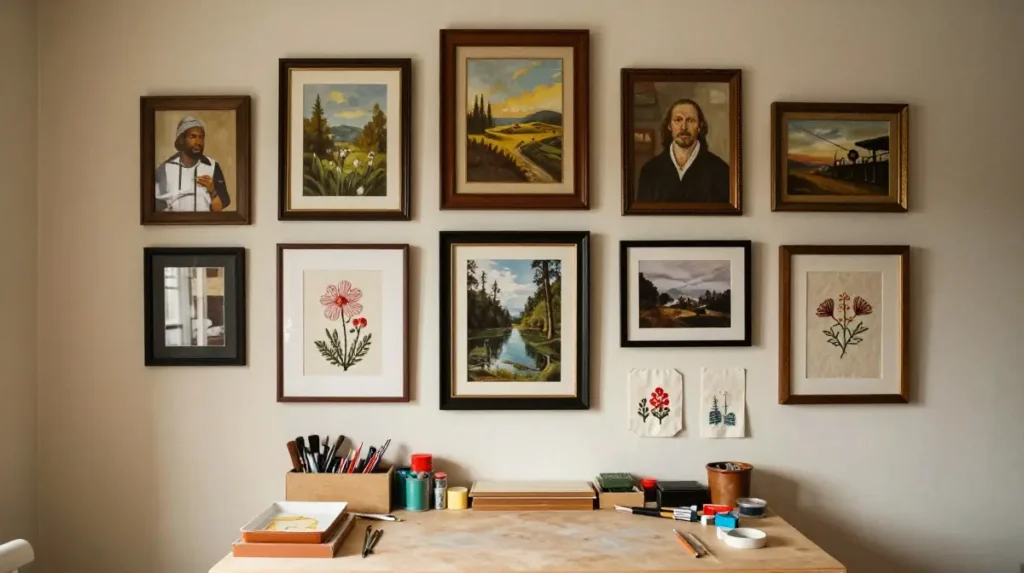
A hobby room gallery wall serves two purposes. It adds personality to the space and it motivates you to keep creating. Use it to display finished paintings, photographs, embroidery pieces, or even maps for travel planners.
Mix frames of different sizes for a relaxed, collected look. Update it regularly as you complete new projects so the wall stays fresh and reflects your current work.
Install a Hobby Room Workbench for Hands-On Projects
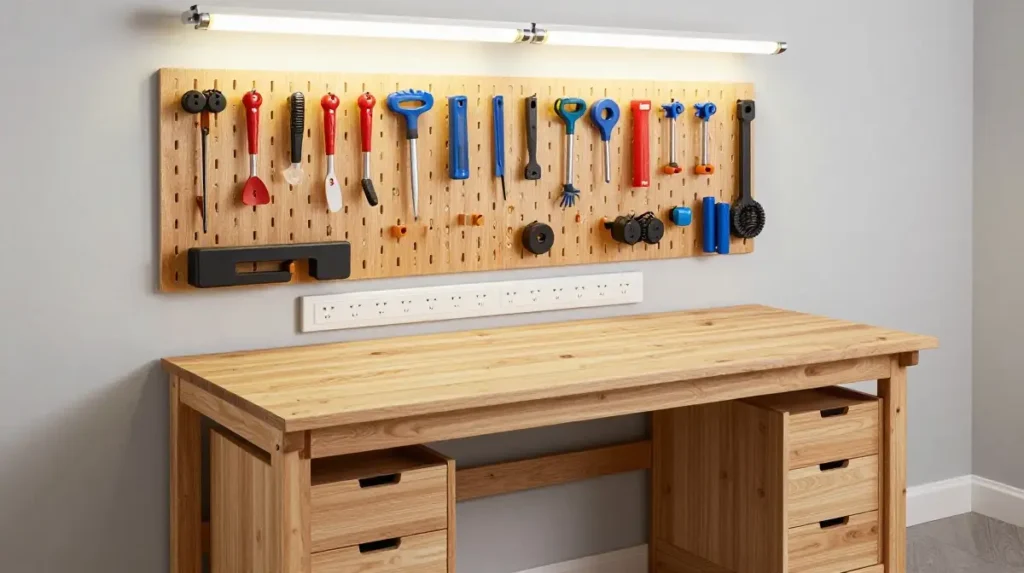
For anyone doing woodworking, model building, electronics, or other hands-on crafts, a proper workbench changes everything. A hobby room workbench should be at the right height for standing or seated work, have a durable surface that can handle tools and materials, and include storage underneath for frequently used items.
Add a pegboard directly above the workbench for tool storage, and install a strip of outlets nearby so power tools and lamps are always within reach.
Use Color Thoughtfully to Shape the Mood
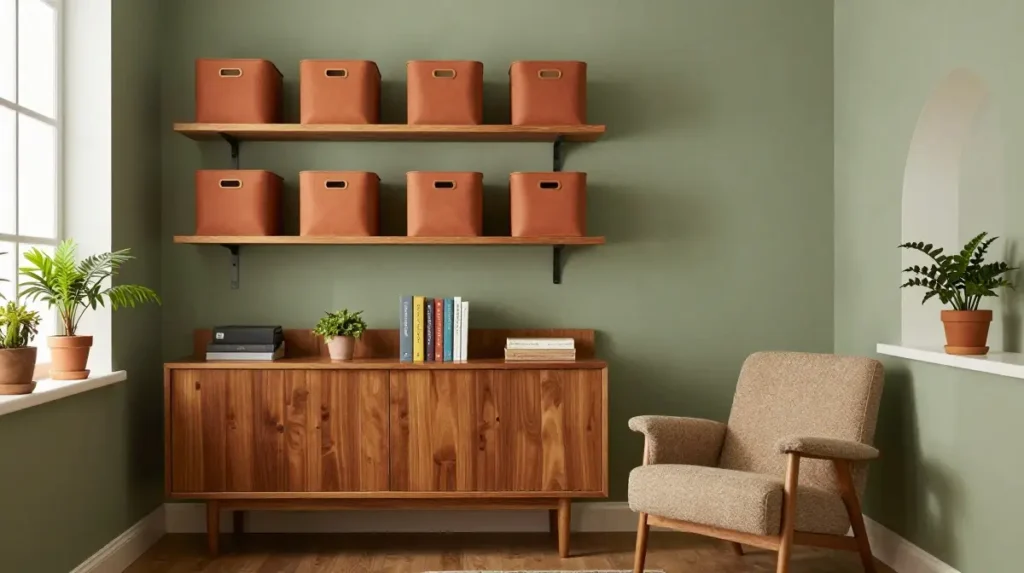
Hobby room color ideas should match the energy you want in the space. Calm blues and greens suit reading rooms, art studios, and spaces where focus and relaxation matter. Warmer tones like yellow and terracotta work well in craft rooms and sewing spaces where energy and creativity are the priority.
Neutral walls with colorful accents through storage bins, artwork, and accessories give you flexibility to change the look without repainting. A well-chosen hobby room color palette makes the space feel intentional rather than accidental.
Incorporate Smart Hidden Storage
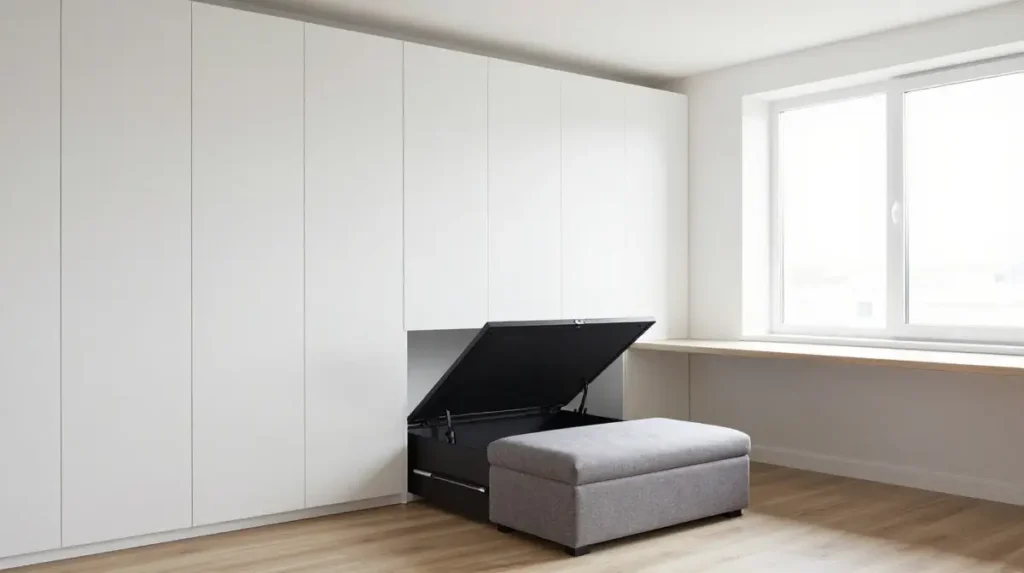
A hobby room with good hidden storage feels clean and organized even when you are mid-project. Use furniture with built-in drawers, ottomans that open for storage, or cabinets with doors that keep supplies tucked away when not in use.
Under-stair space, if available, is ideal for hobby room storage that does not eat into the main working area. Custom built-ins along one wall can hold an enormous amount of supplies while keeping the room looking tidy.
Make Room for Inspiration
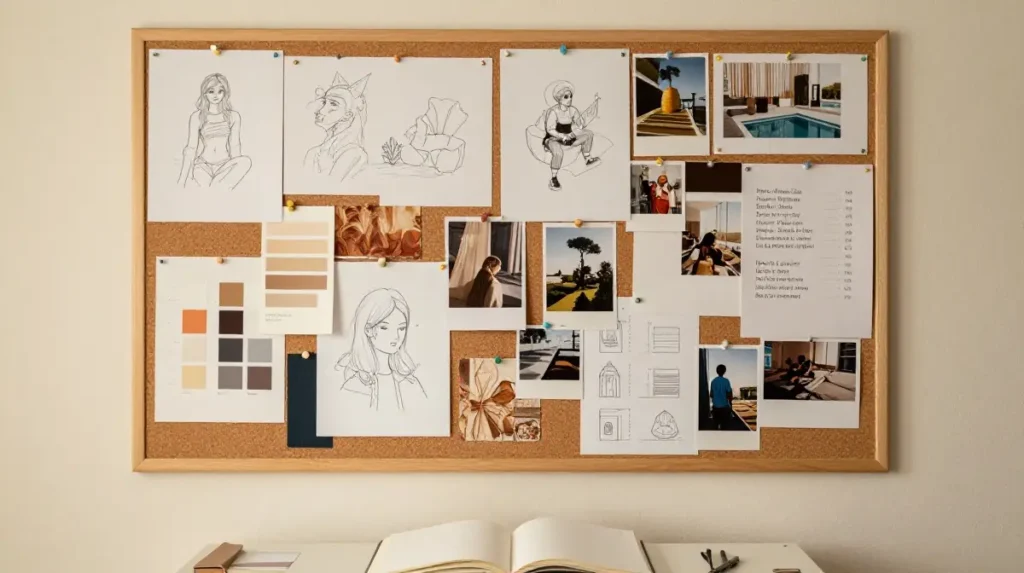
Every productive hobby room needs a space for ideas. An inspiration board, mood board, or even just a section of wall covered in cork or chalkboard paint gives you somewhere to pin references, sketches, color swatches, and ideas you want to try.
This kind of visual anchor keeps you motivated during dry spells and helps you stay focused on current projects without losing track of future ones.
Plan Hobby Room Flooring for Comfort and Function
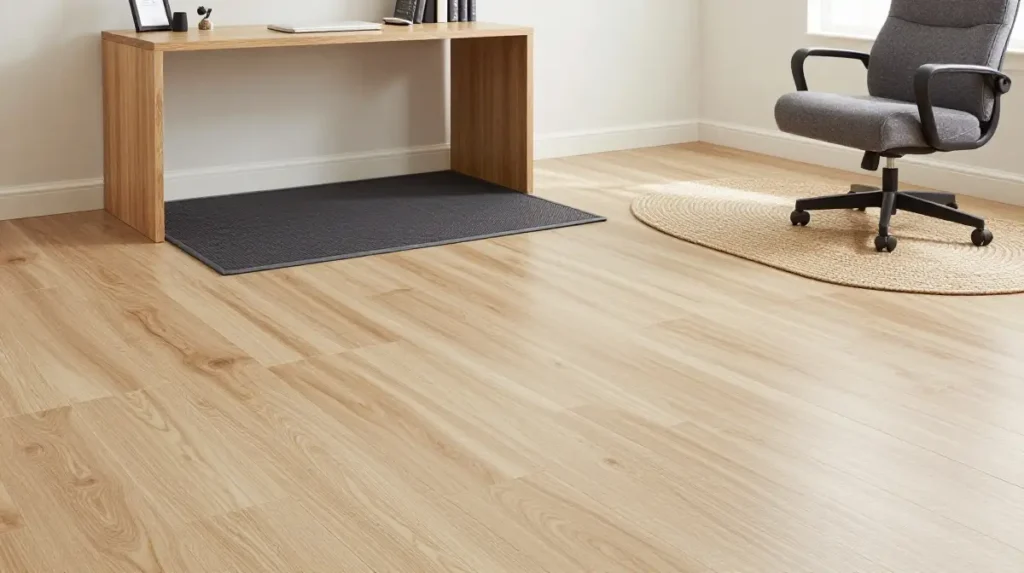
Flooring matters more than most people expect. Hard floors are easier to clean, which is important in craft rooms, art studios, and workshops. Anti-fatigue mats at your main work area make long sessions more comfortable.
For reading rooms or music rooms where comfort is the priority, rugs add warmth and reduce echo. Hobby room flooring should always be easy to maintain and appropriate for the type of mess your hobbies create.
Add a Rolling Cart for Flexible Organization
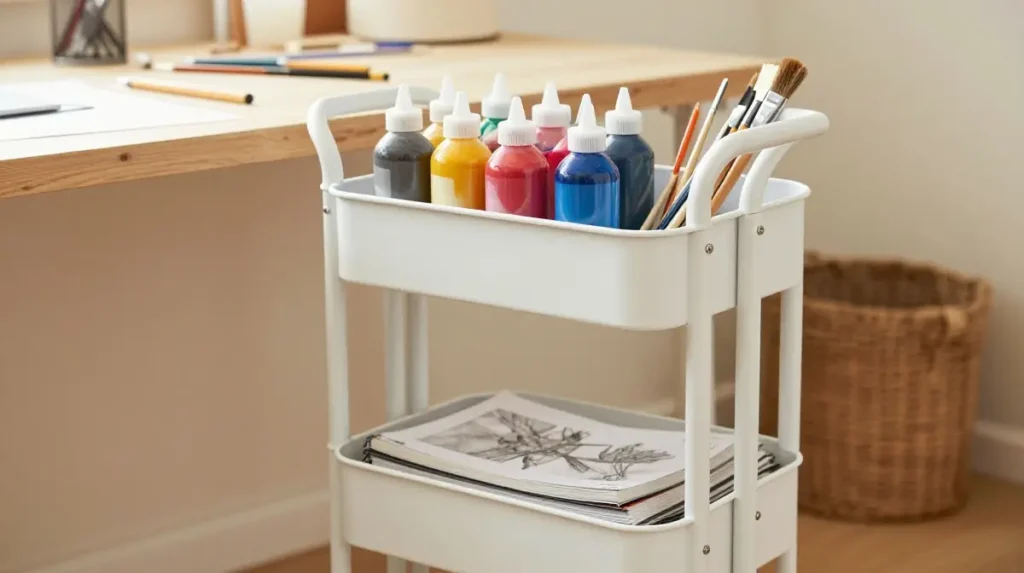
A hobby room rolling cart is one of those purchases that immediately makes sense the moment you use it. It holds current project supplies, moves wherever you need it, and tucks away when not in use.
Use the top tier for active supplies and the lower tiers for less frequently used items. Many craft rooms and art studios keep two or three carts in rotation for different types of projects.
Make the Space Genuinely Comfortable
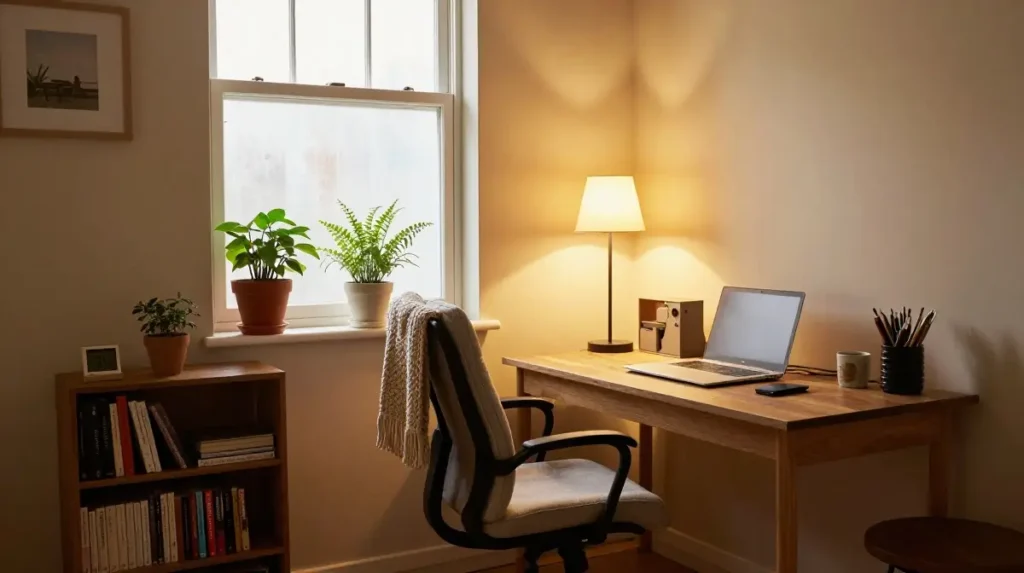
The most functional hobby room in the world will not get used if it is uncomfortable. Add a good chair, make sure the temperature is manageable, bring in a plant or two, and include small personal touches that make you want to spend time there.
A cozy hobby nook is not just about aesthetics. It is about building an environment where you genuinely want to sit down, create, and stay for a while. That feeling is what turns a well-organized room into a space you actually love.
Quick Comparison Table: Hobby Room Types at a Glance
| Room Type | Best For | Key Furniture | Storage Must-Have | Lighting Type |
|---|---|---|---|---|
| Craft Room | Scrapbooking, paper crafts, mixed media | Large worktable, rolling cart | Pegboard, labeled bins | Bright overhead plus task lamp |
| Art Studio | Painting, sketching, illustration | Easel, wide flat table | Open shelving, supply drawers | Natural light plus daylight bulbs |
| Sewing Room | Sewing, quilting, embroidery | Sewing table, ironing board | Thread organizer, fabric bins | Task lighting over machine |
| Home Workshop | Woodworking, electronics, model building | Workbench, tool storage | Pegboard, drawer units | Strong overhead plus adjustable task light |
| Music Room | Guitar, piano, recording, practice | Instrument stand, recording desk | Cable management, sound panels | Warm ambient plus focused reading light |
| Reading Room | Books, journaling, quiet hobbies | Armchair, bookshelf | Built-in or wall shelves | Warm floor lamp or adjustable reading light |
| Collectibles Room | Figures, cards, memorabilia, display | Display shelves, glass cabinets | Dust-proof cases, drawer units | Accent lighting plus overhead |
Conclusion
A hobby room does not need to be perfect to be useful. It needs to be organized enough that you can get started quickly, comfortable enough that you want to stay, and personal enough that it actually feels like yours.
Whether you are converting an attic, setting up a corner in a spare room, or building out a full basement studio, the ideas in this article give you a clear starting point. Start with your main activity, plan your storage around it, and add the personal touches that make the space worth returning to every day.
The best hobby room is the one you actually use.
You may also like this: 22 Home Office Design Ideas for Stylish, Productive Spaces
Frequently Asked Questions
1. How much space do I need for a hobby room?
There is no minimum size requirement. Even a large closet or a small corner can become a functional hobby space with the right storage and layout. A dedicated room gives you more flexibility, but a well-organized corner works just as well for many hobbies.
2. What is the best lighting for a hobby room?
Combine natural light with adjustable task lighting. For detail-heavy work like painting or model building, use bulbs with a high color rendering index so colors appear accurate. Avoid harsh overhead lighting as the only source.
3. How do I organize a hobby room on a budget?
Focus on the basics first: a solid work surface, storage bins, and a pegboard for wall organization. Shop second-hand for furniture, use mason jars for small supplies, and add items gradually as your budget allows. Organization matters more than expensive furniture.
4. Can one room work for multiple hobbies?
Yes, with zone planning. Divide the room into sections based on activity type, use furniture or rugs to create visual boundaries, and keep each zone stocked with only the supplies it needs. A multipurpose hobby room works well when each area has its own dedicated storage.
5. What should I put on hobby room walls?
A pegboard for tool and supply storage, floating shelves for bins and books, and a gallery wall or inspiration board for motivation. Choose wall colors that match the mood you want in the space, and avoid cluttering the walls with items that do not serve a function or inspire you creatively.