
Introduction
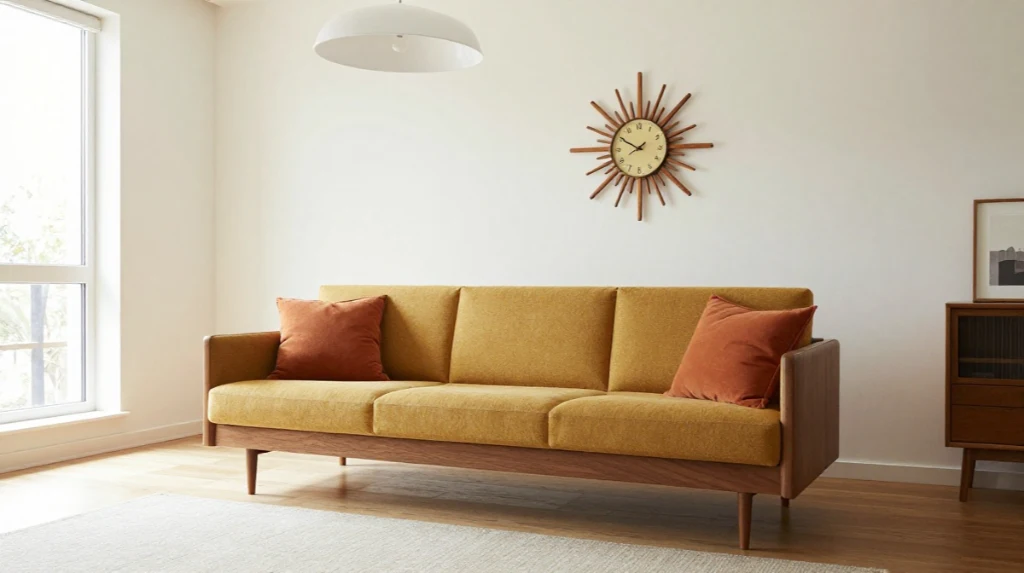
There is something about a mid-century modern living room that feels instantly comfortable, even if you have never lived in one. Maybe it is the warm wood tones, or the way every piece seems chosen with purpose instead of just filling space. Whatever it is, this style has a way of making a room feel calm, grounded, and quietly confident.
If you have been scrolling through inspiration photos and wondering how to bring that same feeling into your own space, you are not alone. Mid-century modern living room design has stayed popular for decades because it balances simplicity with warmth. It is not cold or overly minimal, and it is not cluttered either. It sits right in that comfortable middle ground.
This guide walks through 22 practical ideas for creating a mid-century modern living room, covering furniture, color, lighting, texture, and layout. Each idea includes simple advice so you can actually apply it, whether you are redoing an entire room or just adding a few thoughtful touches.
Warm Wood Tones and Natural Materials
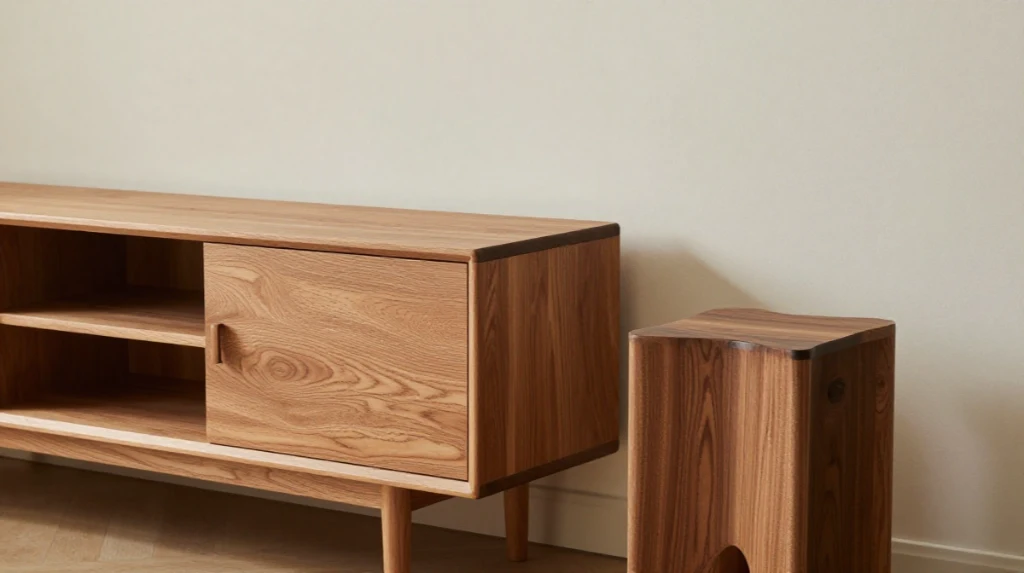
Wood is the backbone of mid-century modern design, and warm tones like teak and walnut wood set the mood for the entire room. These woods bring a natural richness that pairs beautifully with both bold and neutral color schemes. You will notice this material choice in everything from coffee tables to shelving units in classic mid-century interiors.
If you are working with a smaller budget, start with one solid wood piece, like a media console or side table, rather than trying to replace every item at once. Look for pieces with visible wood grain and simple, clean lines. Avoid anything overly glossy or painted, since the natural finish is part of the appeal.
Iconic Furniture Silhouettes
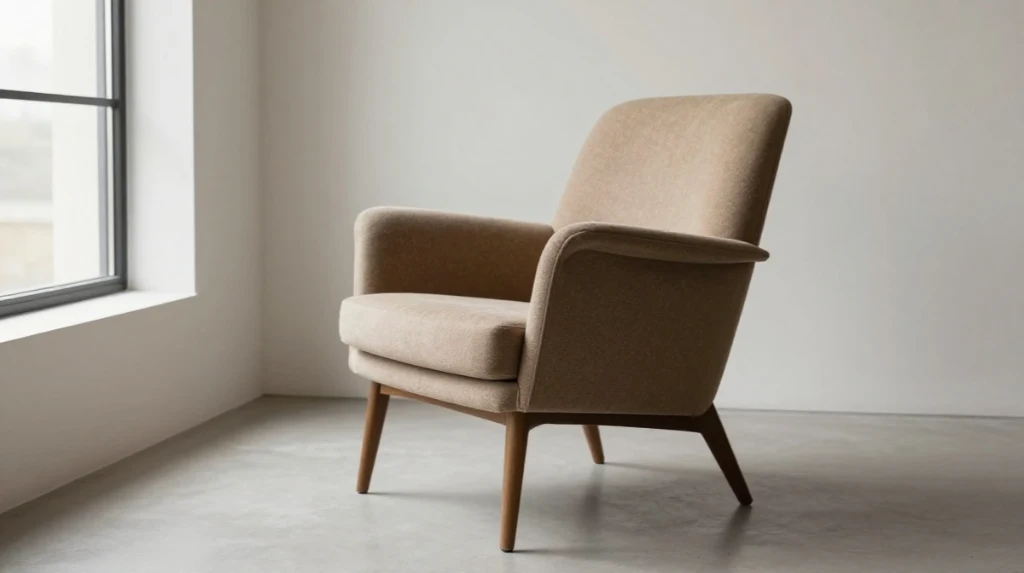
Mid-century modern furniture is known for its organic shapes and gentle curves rather than boxy, rigid forms. Tapered legs, rounded backs, and low, wide profiles are common traits you will spot across sofas, chairs, and tables from this era. This design approach keeps rooms feeling open and light on their feet.
When shopping, look for pieces with hairpin legs or slightly angled wooden legs, since these details instantly signal the style. A single statement furniture piece, like an accent chair with a distinct silhouette, can anchor the whole room without needing a full furniture overhaul.
Low Profile Sofas and Seating
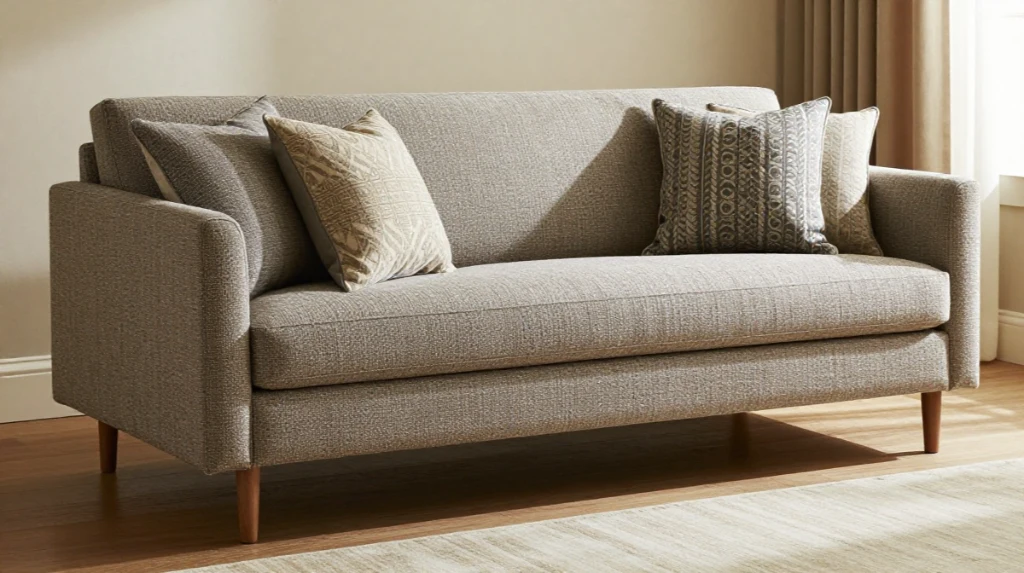
A low profile sofa is a signature feature of mid-century modern living rooms. Unlike tall, overstuffed sectionals, these sofas sit closer to the ground and have slimmer arms and cushions. The result is a room that feels more open and visually spacious, even in smaller layouts.
Tweed fabric or textured wool upholstery works particularly well here, adding depth without looking busy. If comfort is a concern, look for newer reproductions that keep the classic low silhouette while using modern cushion foam for better support.
Statement Accent Chairs
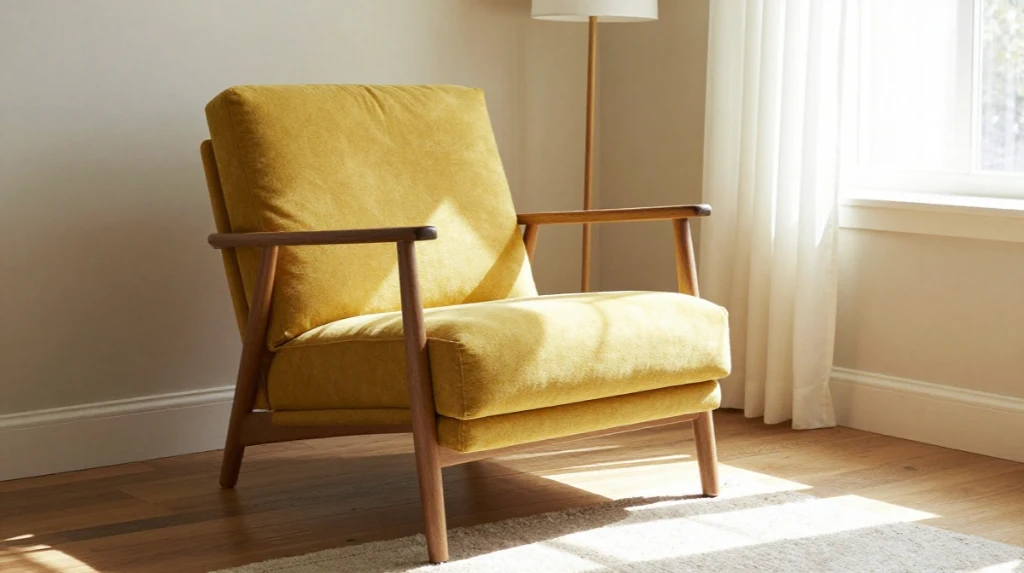
An accent chair is one of the easiest ways to bring mid-century character into a room without committing to a full furniture set. Think curved wooden arms, tapered legs, and a single bold upholstery color that stands out against a neutral backdrop.
Placing one or two accent chairs near a window or reading corner creates a natural conversation area. Rotate the fabric seasonally with a slipcover if you want variety without buying new furniture every year.
Sunburst Clocks and Wall Decor
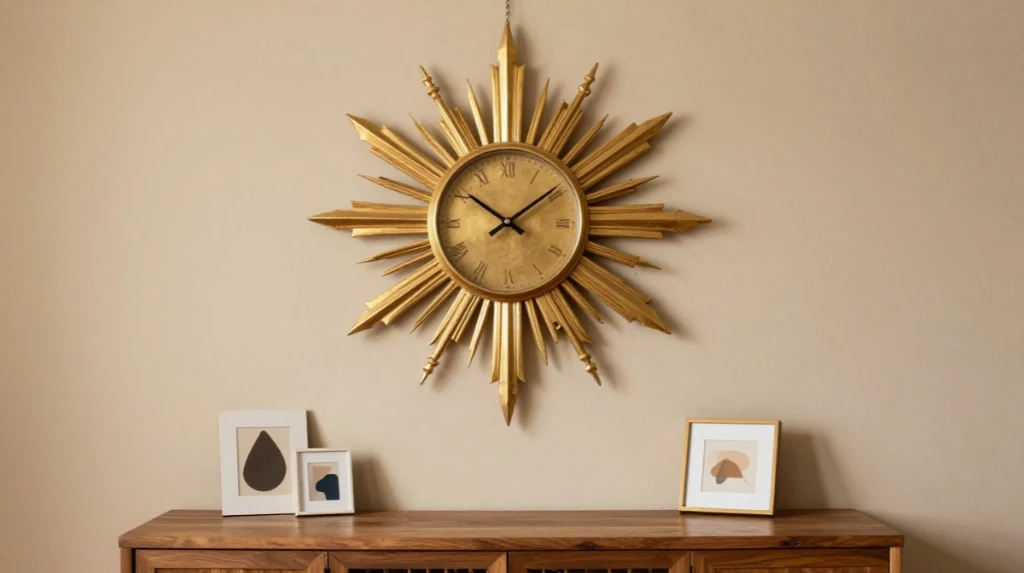
Few decor pieces say mid-century modern quite like a sunburst clock. Its radiating spokes and bold shape make it an instant focal point on an otherwise plain wall. This kind of statement wall art brings personality to a room without requiring much effort.
Hang it above a sofa or fireplace at eye level for the best visual impact. Pair it with one or two smaller abstract art pieces nearby to build a simple, curated gallery wall look rather than leaving it isolated.
Sputnik Chandeliers and Pendant Lighting
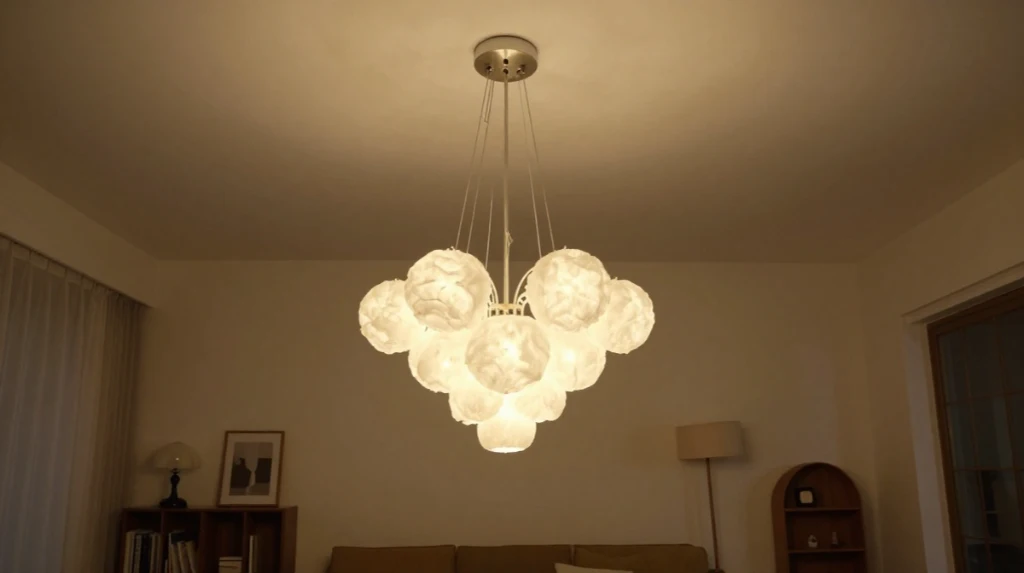
Lighting fixtures from this era tend to have sculptural, almost artistic shapes, and the sputnik chandelier is one of the most recognizable examples. Its branching arms and small round bulbs create a striking silhouette, especially in rooms with higher ceilings.
If a full chandelier feels like too much, a single globe pendant light over a reading nook or entry area offers the same retro charm on a smaller scale. Choose warm-toned bulbs rather than bright white ones to keep the atmosphere soft and inviting.
Bold Geometric Patterns
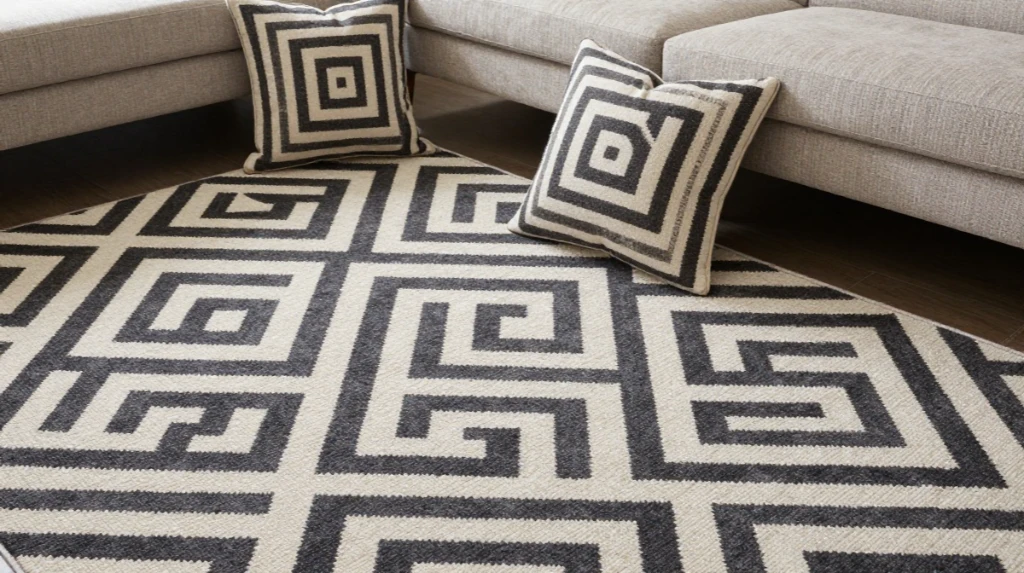
Geometric patterns show up often in mid-century modern textiles, rugs, and wallpaper, adding visual interest without feeling chaotic. Diamonds, triangles, and interlocking shapes were common motifs during this design period, and they still work beautifully in modern spaces.
A patterned throw pillow or an accent rug is an easy, low-commitment way to test this look before going bigger. If you are drawn to a bolder pattern, balance it out with plenty of solid, neutral surfaces elsewhere in the room.
Retro Color Palettes
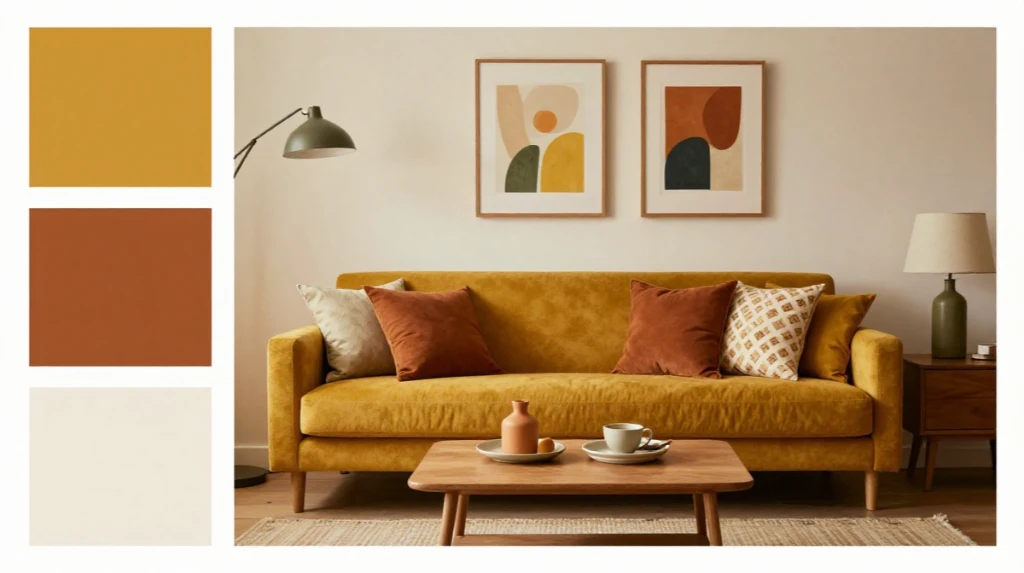
The retro color palette associated with mid-century modern design leans into warm, earthy hues rather than stark black and white. Think mustard, rust, olive, and warm browns layered together in a way that feels cohesive rather than random.
Start small by introducing color through pillows, art, or a single accent chair before committing to a wall color. This lets you experiment with a retro color palette without a major renovation, and you can always build up from there.
Mustard Yellow and Burnt Orange Accents
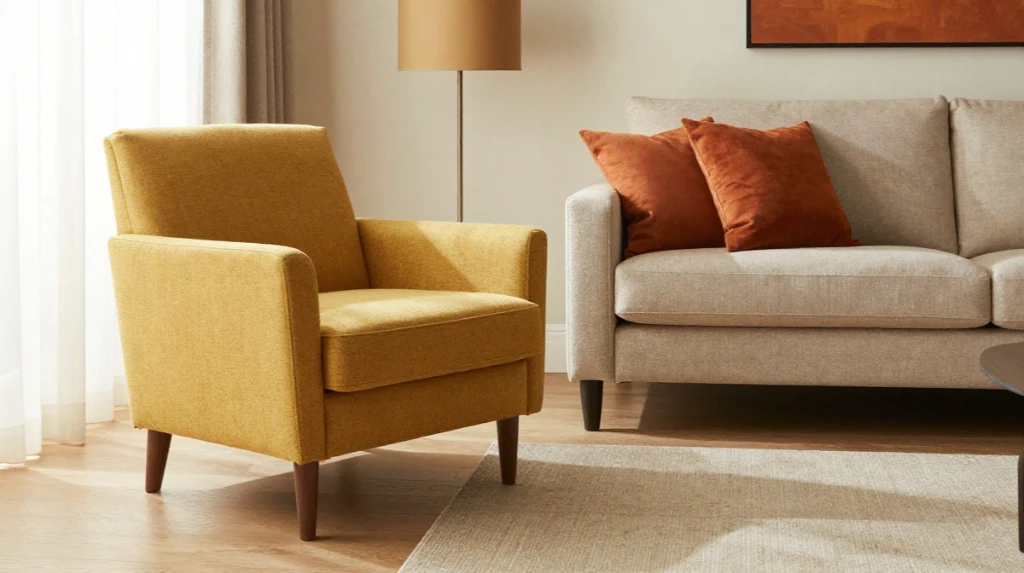
Mustard yellow decor and burnt orange interiors are two of the most recognizable shades from this design era, and they add warmth to spaces that might otherwise feel plain. These colors work especially well against neutral walls and warm wood furniture.
Use them in smaller doses at first, such as a single accent pillow or a piece of pottery, to see how the tone feels in your lighting. Once you are comfortable, consider a mustard accent chair or a burnt orange area rug as a bigger statement.
Avocado Green and Earth Tones
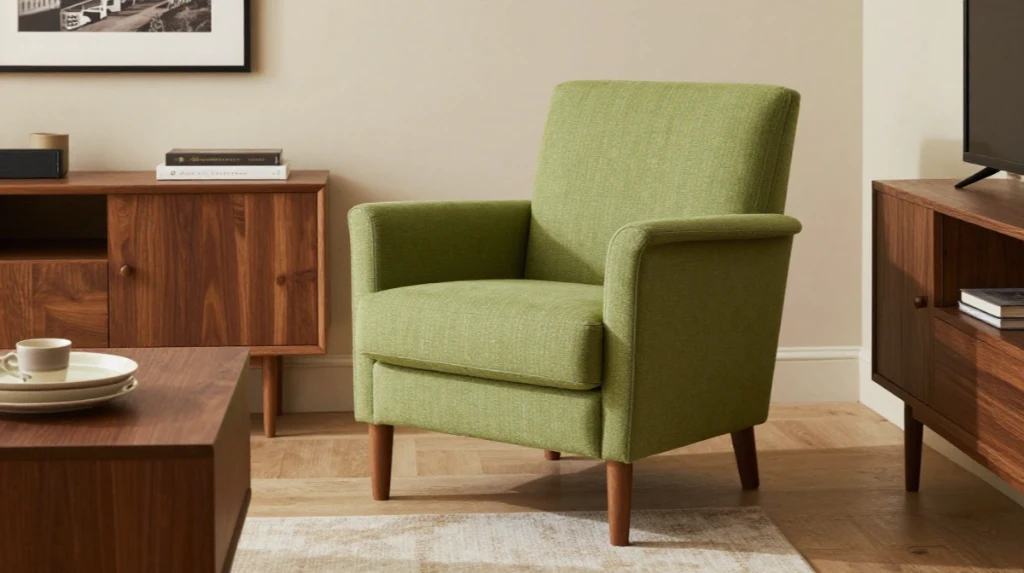
Avocado green accents paired with warm earth tones living room schemes bring an organic, grounded feeling to a space. This particular green has made a strong comeback in recent years, often paired with browns, creams, and burnt orange.
If a full green sofa feels risky, start with smaller items like vases, books, or a throw blanket. Earth tones are forgiving to work with, since most shades naturally complement one another without much effort.
Open Floor Plan Layouts
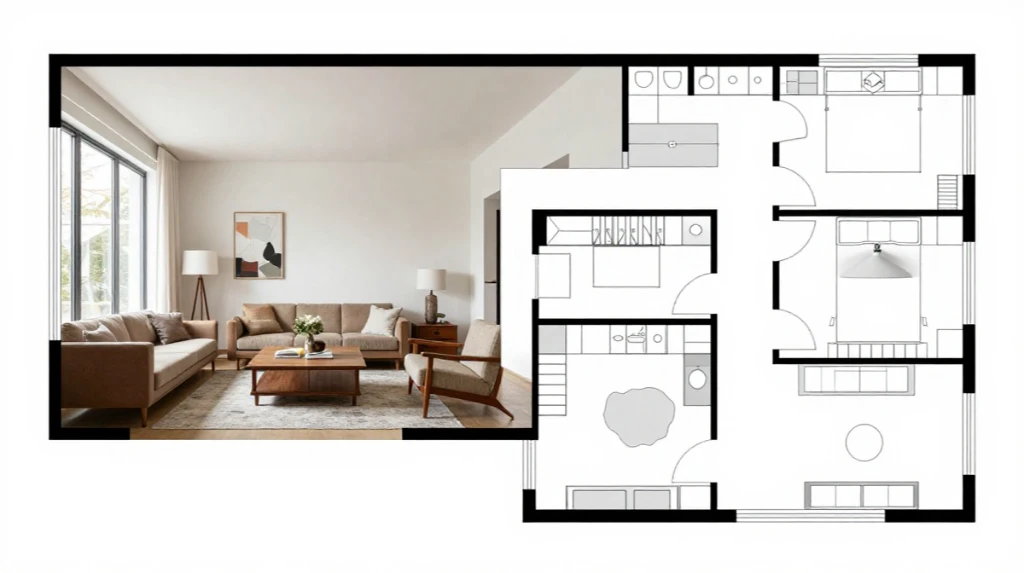
Mid-century modern homes were often designed with open floor plan layouts that connect the living room to the dining and kitchen areas. This creates a sense of flow and makes smaller homes feel more spacious overall.
If your home already has an open layout, use furniture placement rather than walls to define each area. A low bookshelf or a well-placed rug can quietly separate the living room from the dining space without closing anything off.
Floor to Ceiling Windows and Natural Light
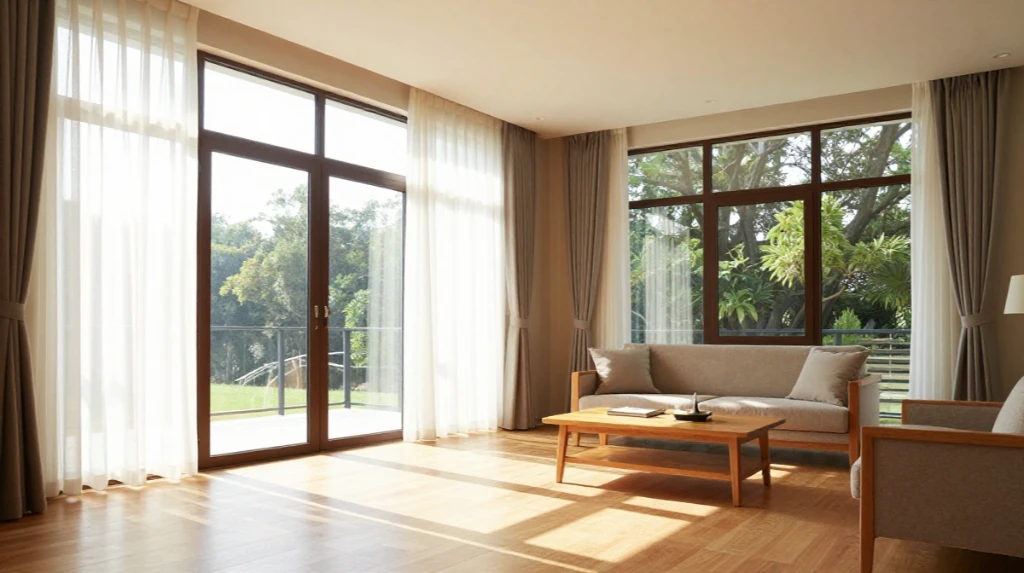
Natural light interiors are central to this design style, and floor to ceiling windows were a common architectural feature in original mid-century homes. Large windows allow the warm wood tones and earthy colors in the room to feel even richer under daylight.
If you do not have oversized windows, keep window treatments simple and minimal to let in as much light as possible. Sheer curtains or none at all tend to work better than heavy drapes for this look.
Terrazzo Flooring Ideas
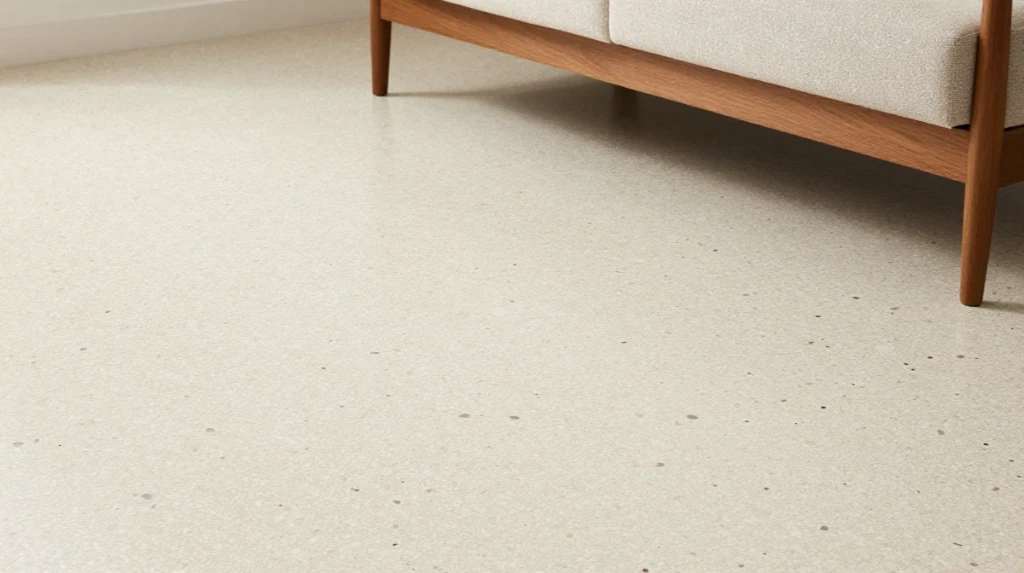
Terrazzo flooring, with its speckled mix of stone chips set into a smooth surface, was widely used during the mid-century period and has returned as a popular flooring choice again. Its subtle pattern adds texture underfoot without overwhelming the room.
If replacing your flooring is not realistic right now, terrazzo-patterned rugs or side tables offer a similar visual effect on a smaller budget. This is a simple way to reference the look without a full renovation.
Shag Rugs and Textured Flooring
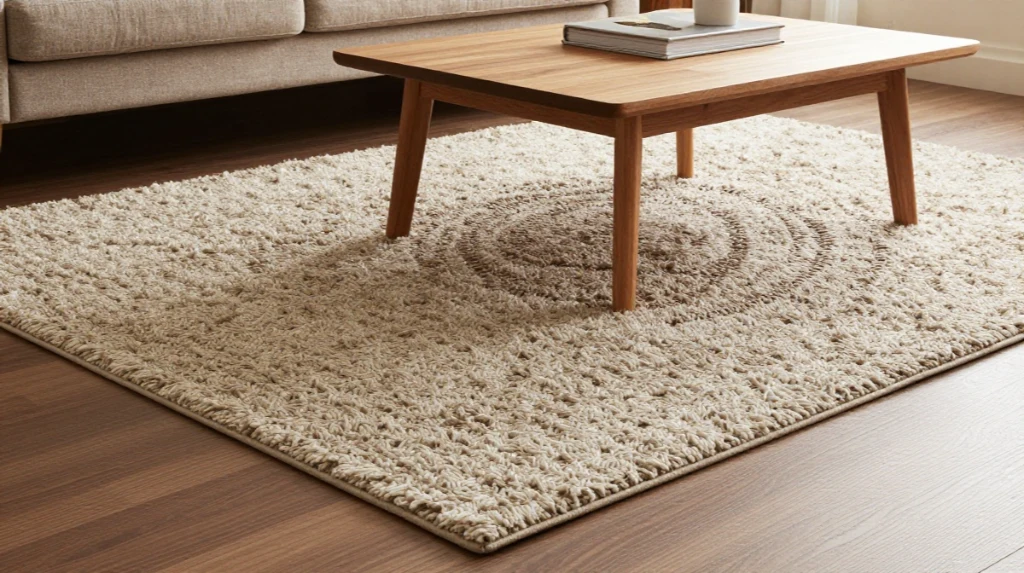
A shag rug living room brings softness and texture into a space that might otherwise feel a little too structured. The deep pile and relaxed texture balance out the clean lines of mid-century furniture nicely.
Choose a shag rug in a neutral or warm tone so it complements rather than competes with your furniture. Place it under the coffee table to anchor the seating area and add a cozy, tactile material mix to the room.
Brass and Copper Hardware Accents
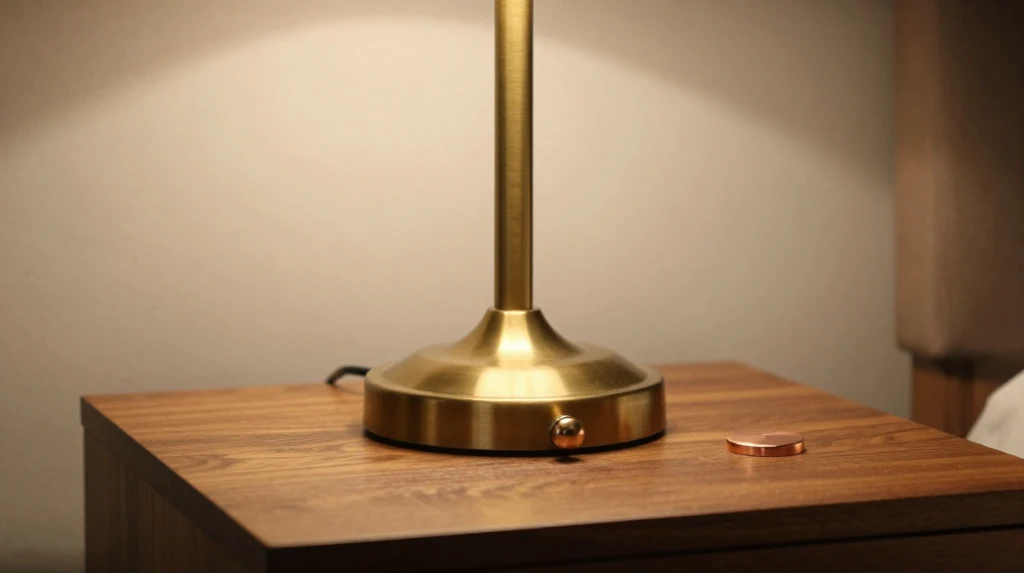
Small details matter in mid-century modern design, and brass hardware accents or copper lighting fixtures add a subtle touch of shine without feeling flashy. These metals were commonly used on cabinet pulls, lamp bases, and furniture legs.
If you want an easy update, swap out plain cabinet handles for brass ones, or add a copper table lamp to an existing side table. These small changes add polish to a room without requiring major renovation work.
Woven Textures and Rattan Furniture
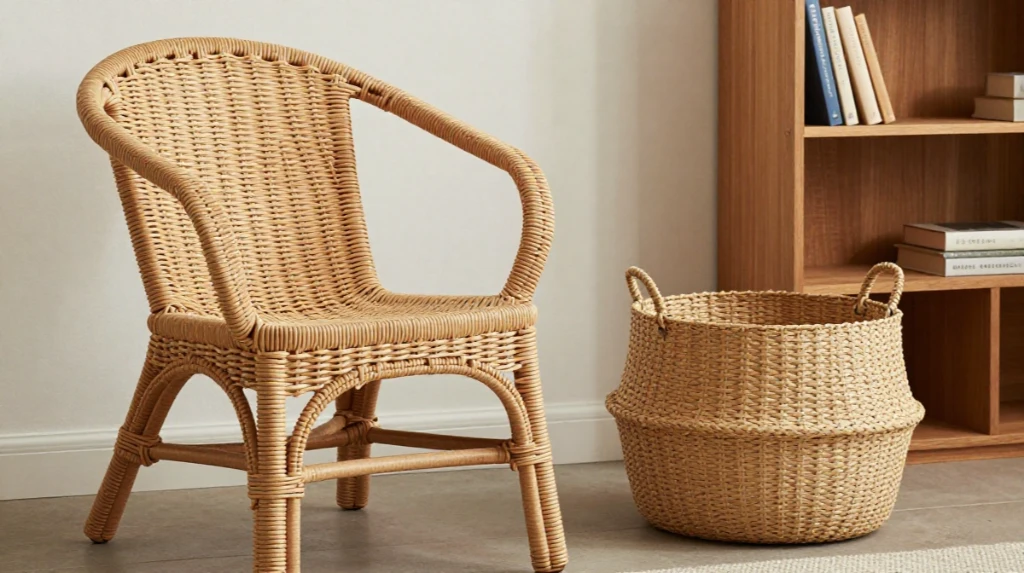
Woven texture decor, including rattan furniture accents, brings a natural, handcrafted feel that softens the more structured wood pieces in a mid-century room. Rattan chairs, baskets, and light fixtures add warmth and a bit of organic charm.
Mix rattan with smoother wood surfaces so the textures play off each other rather than blending together. A woven basket used for blanket storage is both practical and a simple styling upgrade.
Vintage Record Player Corners
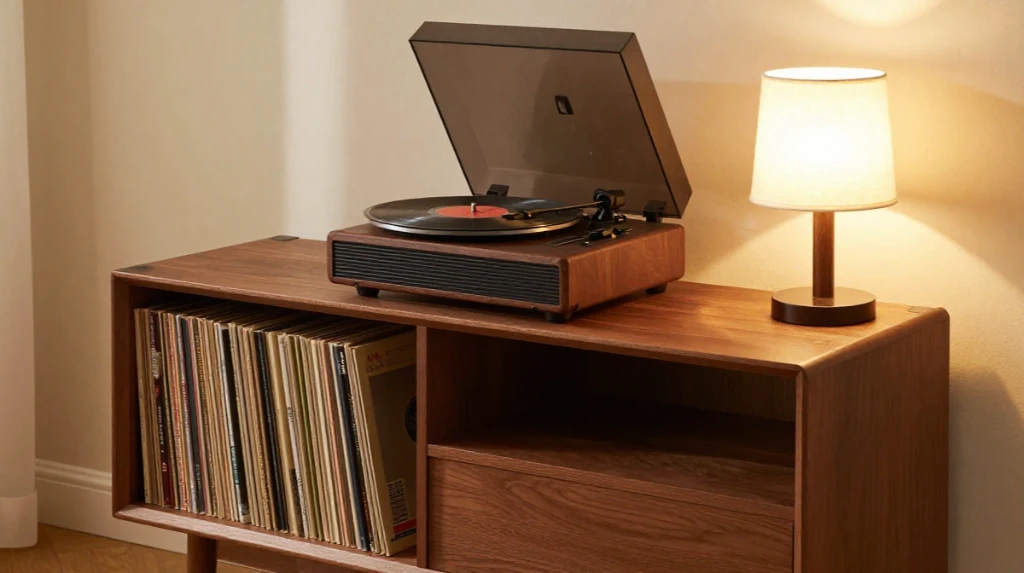
A vintage record player corner is a small but meaningful nod to mid-century culture, blending nostalgia with function. Setting up a record player on a low credenza with a small collection of vinyl adds personality and a sense of lived-in charm.
Keep this corner uncluttered so the setup feels intentional rather than accidental. A single plant or small lamp nearby completes the look without crowding the space.
Conversation Pit Seating Areas
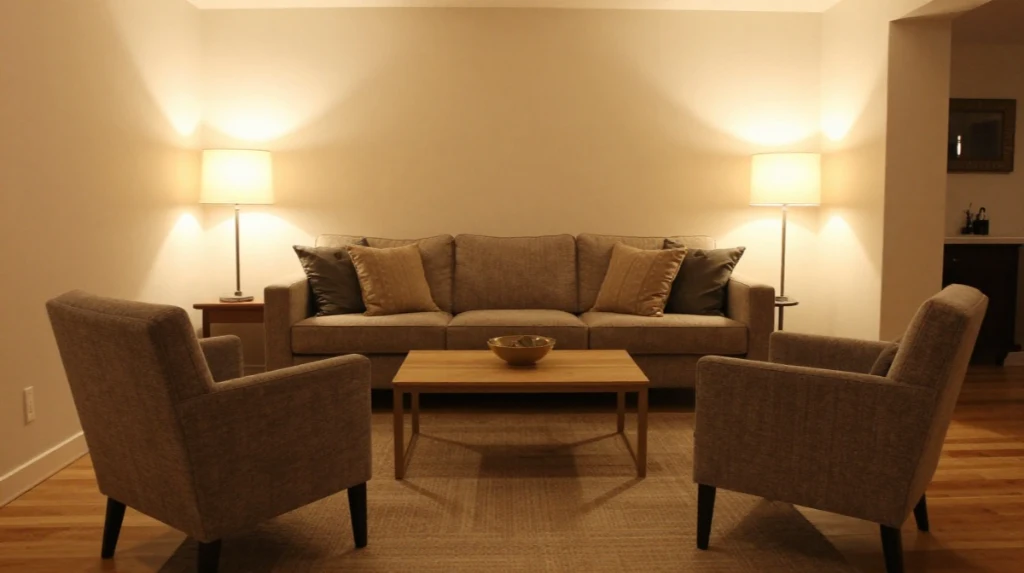
The conversation pit living room concept, where seating is arranged in a sunken or clearly defined circle, was a hallmark of ambitious mid-century home design. While a literal sunken pit is not practical for most homes, the idea of grouping seating to encourage conversation still applies.
Arrange your sofa and chairs facing each other rather than all pointing toward a television. This layout naturally encourages conversation and gives the room a more social, welcoming feel.
Coffee Table Styling Ideas
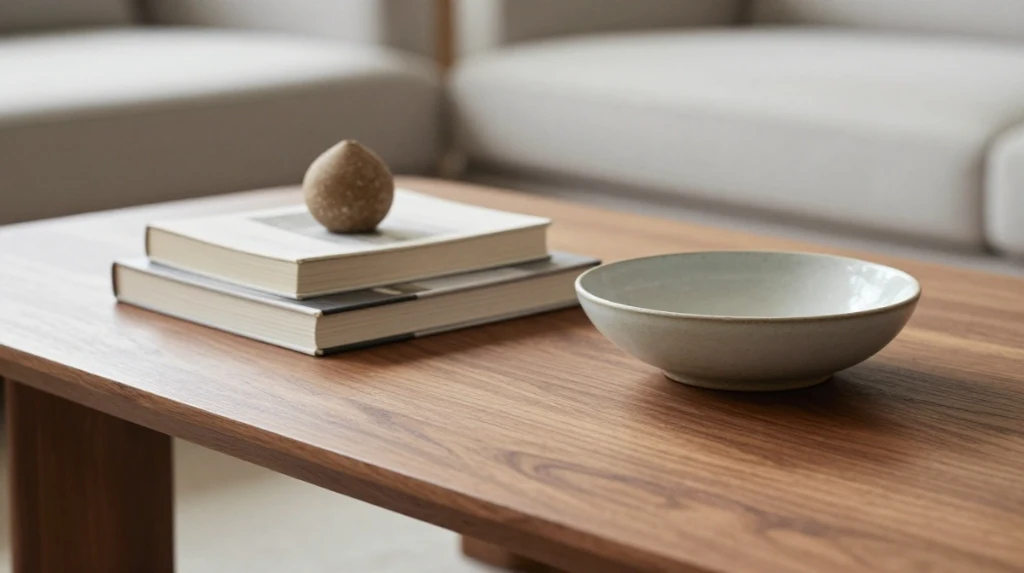
Coffee table styling is where small details bring a mid-century room together. A wood or glass-top coffee table with tapered legs works as the anchor, while a few carefully chosen accessories keep it feeling curated instead of cluttered.
Stick to odd numbers when styling, such as three objects: a stack of books, a small sculptural object, and a low bowl or tray. Leave some empty space on the table as well, since mid-century design favors breathing room over busy surfaces.
Gallery Walls and Abstract Art
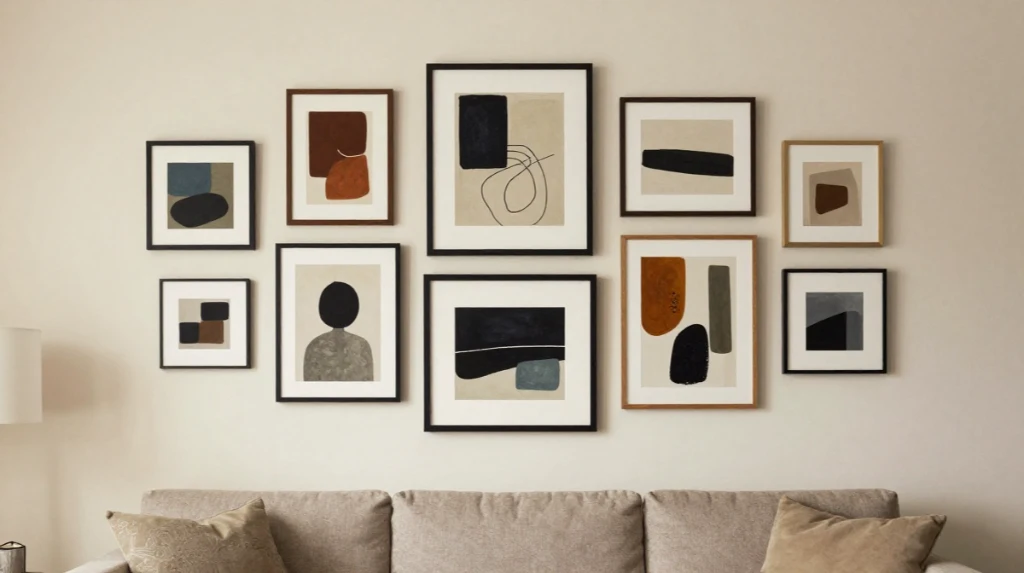
A gallery wall filled with abstract art pieces adds color and personality to a mid-century living room without requiring large furniture changes. Mixing different frame styles and art sizes creates visual interest while still feeling organized.
Start with a focal piece and build outward, keeping a consistent color palette across the pieces you choose. This keeps the gallery wall looking cohesive rather than random, even with different subjects or styles.
Indoor Plants in Retro Style
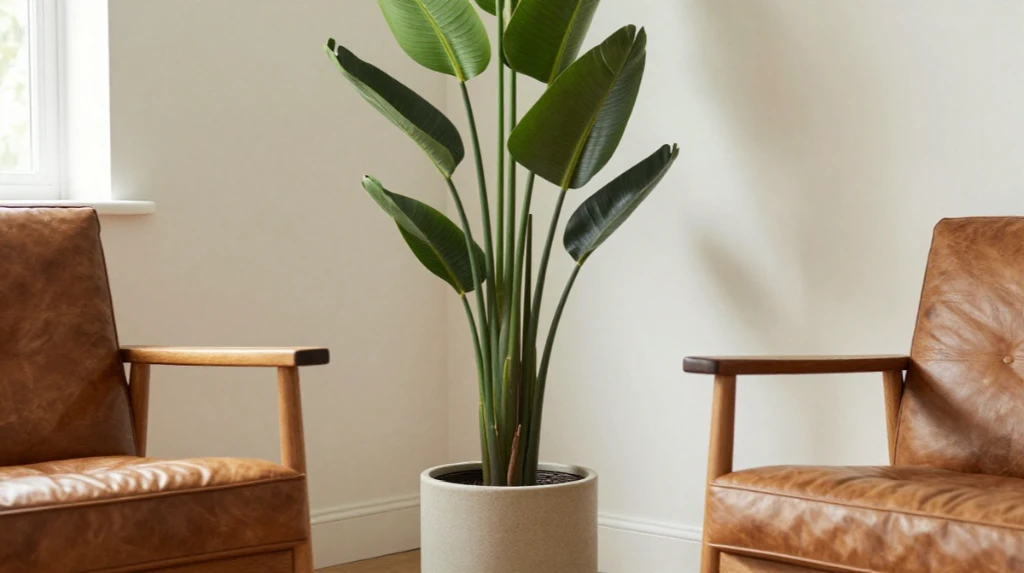
Indoor plants in retro style planters bring life and softness into a room full of clean lines and structured furniture. Tall plants like fiddle leaf figs or snake plants work particularly well in corners, while smaller plants suit side tables and shelves.
Choose planters in ceramic or woven materials to stay consistent with the overall texture and color palette of the room. Rotating plants toward the light every so often keeps them healthy and full.
Blending Old and New Decor
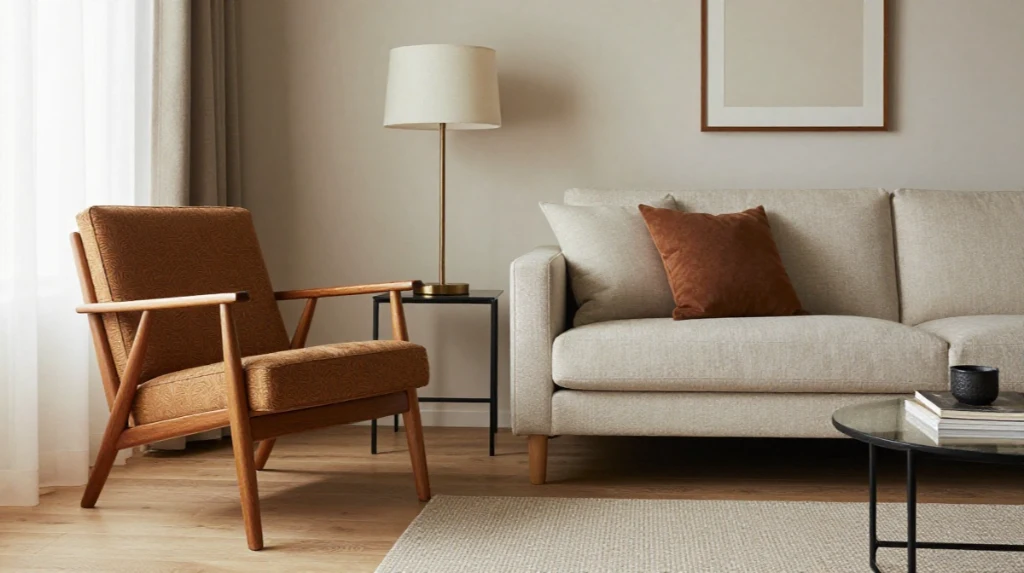
One of the biggest misconceptions about mid-century modern living room design is that everything needs to be an authentic vintage piece. In reality, blending old and new decor, such as pairing a genuine vintage chair with a modern sofa, creates a space that feels collected over time rather than staged.
Mix in a few true vintage or reproduction pieces alongside comfortable modern furniture for everyday living. This approach keeps the room practical for daily life while still capturing the character of the era.
Quick Comparison Table
| Design Element | Best For | Maintenance | Budget Level | Style Impact |
|---|---|---|---|---|
| Low Profile Sofa | Open, airy layouts | Low | Medium-High | Strong foundation piece |
| Sunburst Clock | Empty accent walls | Low | Low | Instant focal point |
| Shag Rug | Cozy seating areas | Medium | Low-Medium | Softens sharp lines |
| Sputnik Chandelier | High-ceiling rooms | Low | Medium | Bold lighting statement |
| Rattan Accents | Adding texture | Low | Low | Organic, natural warmth |
| Accent Chair | Small space updates | Low | Low-Medium | Easy personality boost |
| Terrazzo Rug | Flooring alternative | Low | Low | Subtle vintage texture |
Conclusion
A mid-century modern living room is not about copying a showroom photo exactly. It is about choosing warm materials, clean furniture shapes, and a few meaningful accents that reflect how you actually want to live and relax. Whether you start with a single accent chair or completely rethink your color palette, small, intentional choices add up to a space that feels timeless rather than trendy.
The beauty of this style is its flexibility. You do not need an entire budget overhaul to bring mid-century charm into your home. Start with one or two ideas from this list, live with them for a while, and slowly build a living room that feels both stylish and genuinely comfortable for everyday life.
You may also like this: 22 Primitive Living Room Design Ideas with Rustic Charm
Frequently Asked Questions
What defines mid-century modern living room design?
It combines clean furniture lines, organic shapes, warm wood tones, and a mix of bold and neutral colors, focusing on function and simplicity rather than heavy ornamentation.
Is mid-century modern style expensive to achieve?
Not necessarily. You can start with small updates like accent pillows, a single statement chair, or lighting changes before investing in larger furniture pieces.
What colors work best in a mid-century modern living room?
Warm, earthy tones such as mustard yellow, burnt orange, avocado green, and walnut brown pair especially well with neutral backgrounds and natural wood.
Can I mix modern furniture with vintage mid-century pieces?
Yes, blending old and new decor is common and often creates a more personal, lived-in look than using only one era of furniture.
What is the easiest way to start decorating in this style?
Begin with one focal piece, such as a low profile sofa or a statement accent chair, then build the rest of the room around its color and shape.

1 Comment