
Introduction
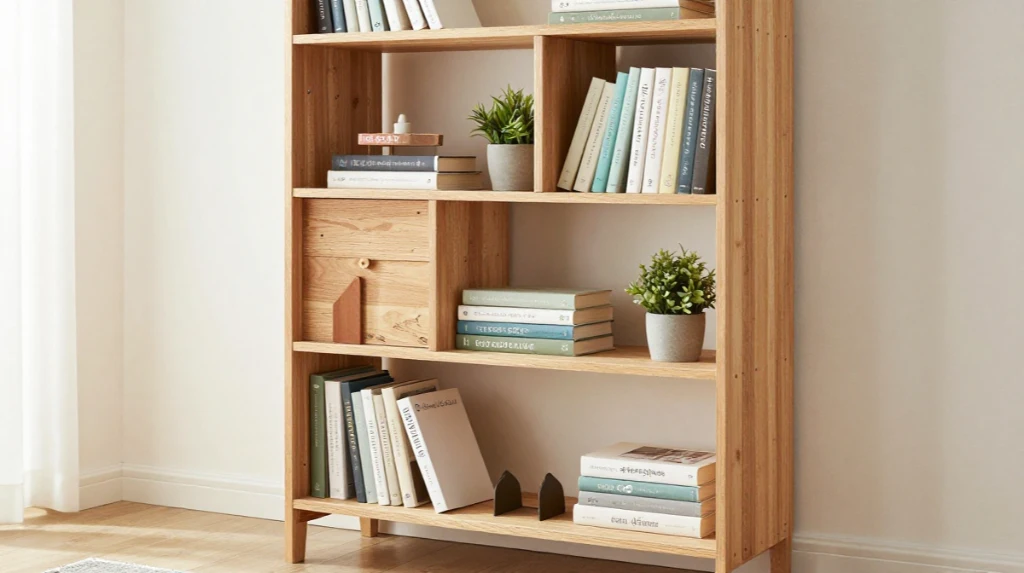
A bookshelf is one of those spots in a home that either pulls a room together or quietly makes it feel unfinished. If yours has turned into a spot where random items land without much thought, you are not alone. Most people fill their shelves with books and odds and ends over the years without ever stepping back to look at the whole picture.
The good news is that learning a few simple bookshelf styling tips can change everything. You do not need to buy new furniture or spend a lot of money. With the right mix of color, texture, and spacing, even a plain bookcase can start to feel like it belongs in a magazine spread.
This guide walks through 22 practical ideas for styling shelves in any room of the house, from a cozy reading nook to a small apartment living room. Each tip is meant to be simple enough for a beginner to try this weekend, whether you are working with a tall built-in bookcase or a single floating shelf.
Start With a Clear Vision for Your Shelves

Before you touch a single book, think about the mood you want your shelves to give off. A home library feel is different from a minimalist bookshelf design, and both look different from a bohemian bookshelf styling approach. Picking a direction first saves you from constantly rearranging things later.
Look at a few photos that match the vibe you like and keep them nearby while you work. This gives you something to compare your shelf against as you go. It also helps you decide which books and objects actually fit the look you are going for.
Sort and Declutter Before You Style

Every good bookcase organization project starts with taking everything off the shelf. Pull each item down and sort it into piles: keep, donate, and store elsewhere. This step feels tedious, but it makes the styling process much easier once you begin placing things back.
Be honest about what you actually use and love. Old textbooks, duplicate copies, and items that no longer match your space can be passed along. A lighter shelf gives you more room to work with when it comes to layering shelf decor later.
Group Books by Color for a Cohesive Look
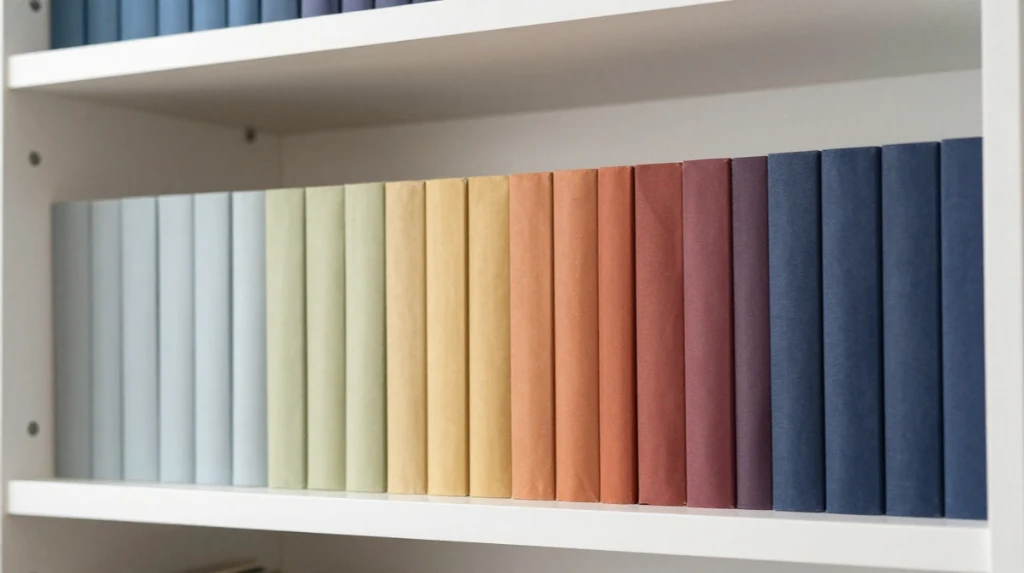
Color coded bookshelf styling is one of the most popular shelf decorating trends, and for good reason. Grouping books by their spine color creates a calm, cohesive feel that photographs beautifully, which is part of why it works so well for Pinterest boards and shelf styling photography.
Start with a simple gradient, moving from light to dark or grouping warm tones together. If some spines feel too busy or mismatched, turn a few books backward so the pages face out for a softer, more neutral texture. This trick is especially useful for anyone chasing a clean, aesthetic bookshelf home look.
Mix Vertical and Horizontal Stacking
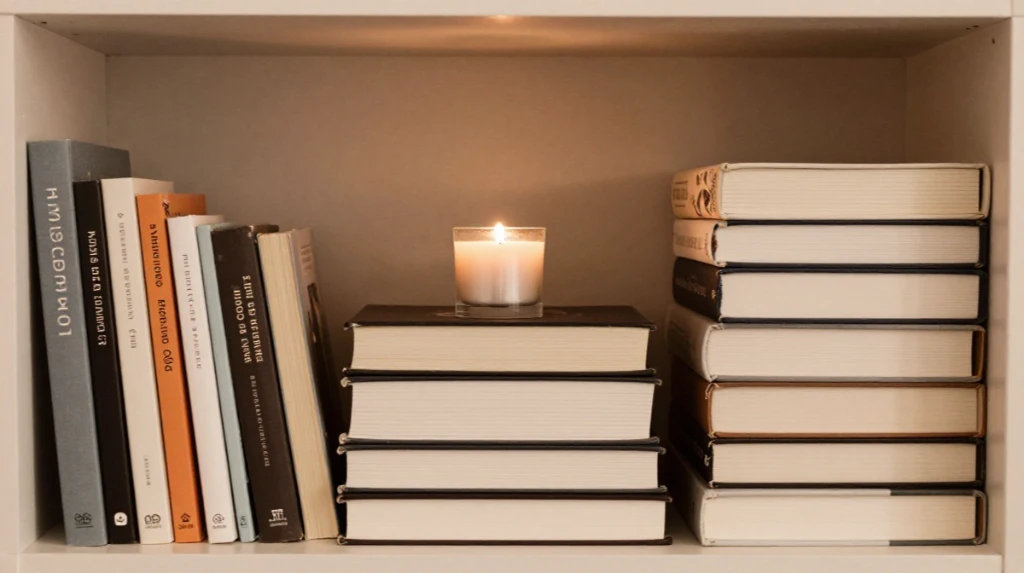
Lining every book up straight on a shelf can look stiff after a while. Mixing vertical and horizontal book stacking adds rhythm and keeps the eye moving across the shelf instead of stopping at one flat row.
A simple way to try this is stacking three or four books flat and placing a small object like a candle or a plant on top. Leave the next section standing upright, then repeat the pattern down the shelf. This kind of layering is a small change that makes a big difference in how finished the whole bookcase looks.
Use Bookends to Anchor Each Section

Decorative bookends do more than keep books from toppling over. They mark clear sections on a shelf and give your eye a place to rest. Choosing the right bookends for shelf styling can also add a hit of personality, whether you like brass, marble, or carved wood.
Try using bookends that match your existing metal finishes, like door handles or lamp bases, so the room feels connected. If a shelf feels too plain, a bold bookend pair can act almost like a small piece of art on its own.
Add Plants to Bring Life to Your Shelves
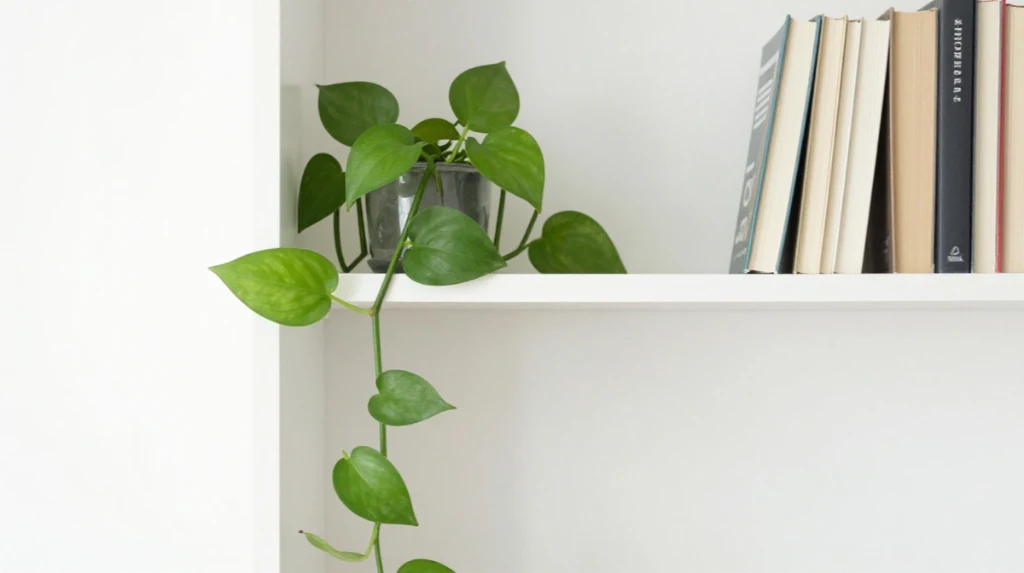
Bookshelf plant ideas are an easy way to soften a room full of hard edges and straight lines. A trailing plant like pothos or a small potted succulent brings in color and texture that books alone cannot provide.
If natural light is limited near your shelves, look for low-light plants or a realistic faux option instead. Let a trailing vine spill slightly over the edge of a shelf for a relaxed, natural feel. This small touch keeps a bookcase from looking too stiff or overly perfect.
Layer Decorative Objects With Your Books
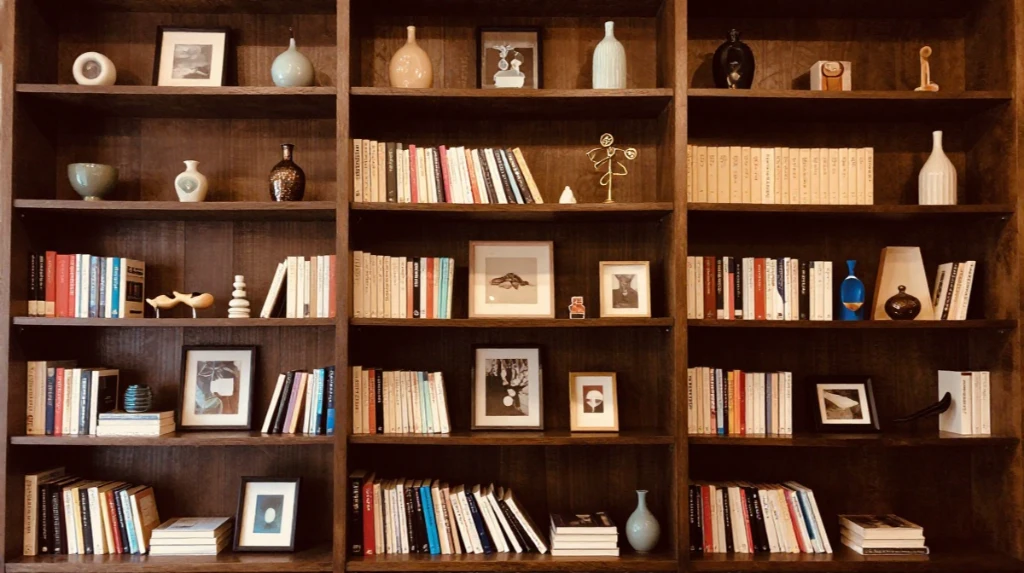
Styling bookshelves with objects is what separates a functional shelf from a truly styled one. Small trays, vases, sculptures, and picture frames all work together to build depth. The trick is choosing pieces that vary in height and shape so nothing feels repetitive.
Try grouping items in odd numbers, like three or five, since this tends to look more natural than pairs. Keep a mix of matte and shiny finishes in the same area so the light catches different textures as it moves across the shelf.
Create Shelf Vignettes That Tell a Story
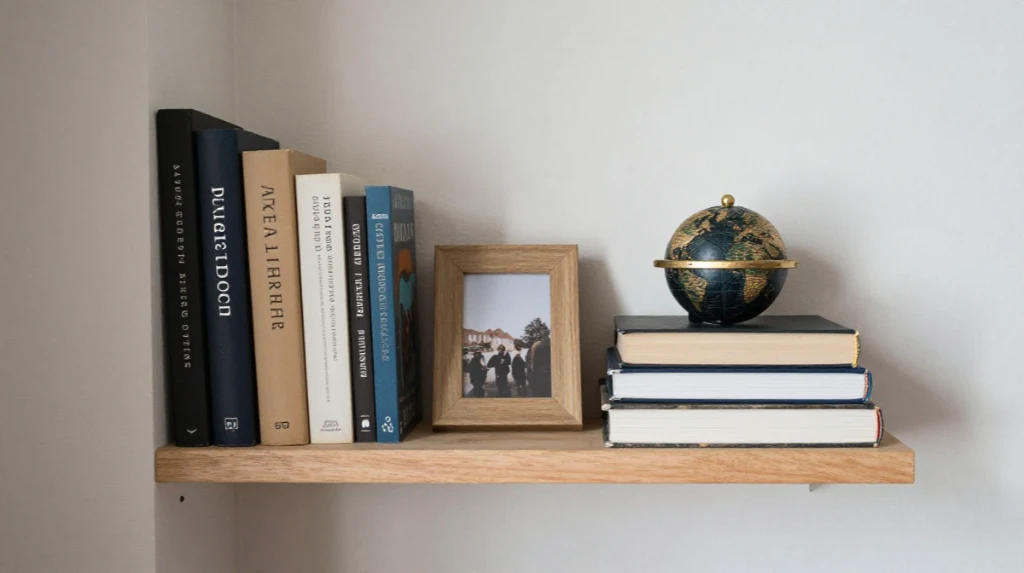
A shelf vignette is a small, curated grouping of items that feels intentional rather than random. Shelf vignette styling might combine a stack of books, a small frame, and one meaningful object, like a travel souvenir or a family heirloom.
Think of each vignette as its own mini scene rather than one long, continuous row. Leave a little breathing room between each grouping so your eye can rest before moving to the next section. This approach works especially well for a curated home library look.
Balance Symmetry and Asymmetry
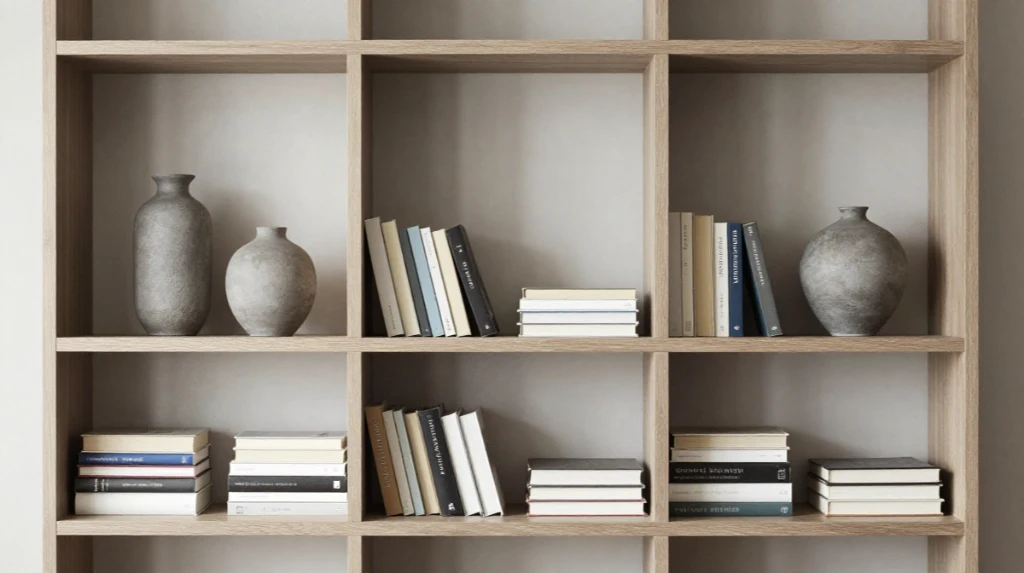
Some shelves look best with a mirrored, symmetrical layout, while others benefit from a looser, asymmetrical arrangement. Shelf balance and symmetry come down to weight, not just object count. A tall vase on one side can be balanced by a stack of books and a smaller object on the other.
If your bookcase has multiple cubbies, avoid repeating the exact same setup in every square. Instead, let similar colors or materials repeat across sections so the whole piece still feels connected, even without perfect mirroring.
Leave Negative Space to Avoid Clutter
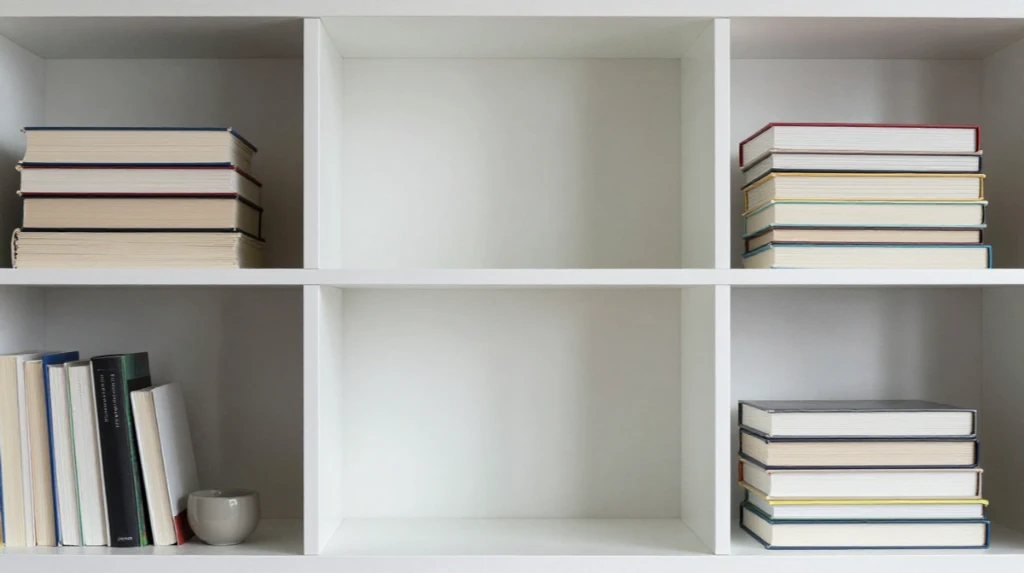
Shelf styling negative space is often the most overlooked part of the process. Filling every inch of a shelf makes it feel busy and hard to look at, even if each individual item is nice on its own.
Aim to keep some shelves at about seventy percent full, leaving open areas where the eye can rest. This is one of the simplest ways to avoid a cluttered bookshelf look without removing anything you love.
Style a Bookshelf Backdrop With Wallpaper or Paint
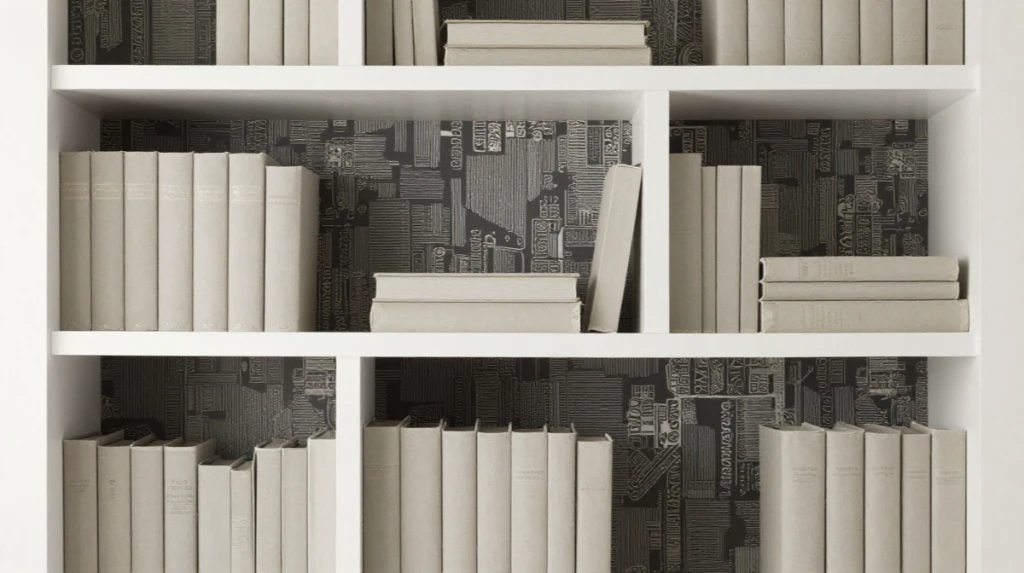
A bookshelf backdrop can completely change the feel of your shelving unit. Adding wallpaper or a bold paint color to the back panel of a bookcase makes the whole piece feel custom, even if it started as a basic flat-pack unit.
Choose a pattern or color that contrasts gently with your books so the backdrop reads as a design choice rather than a distraction. This is one of the more affordable bookcase makeover ideas, since it usually only requires a small roll of wallpaper or leftover paint.
Add Lighting for a Cozy Glow
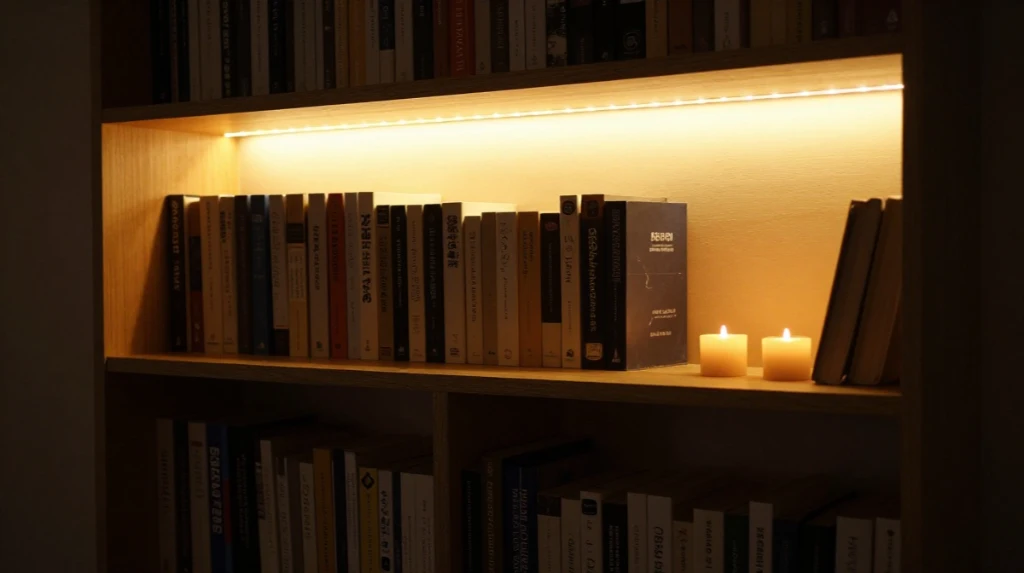
Styling a bookshelf with candles or small lights adds warmth that regular daylight cannot always provide. A slim LED strip tucked behind the front edge of a shelf creates a soft glow that highlights your favorite objects once the sun goes down.
Battery-powered lights are an easy option if you are renting or do not want to deal with wiring. Keep candle placement away from paper and fabric items for safety, and consider flameless candles if the shelf sits close to books.
Display Art and Framed Photos on Shelves
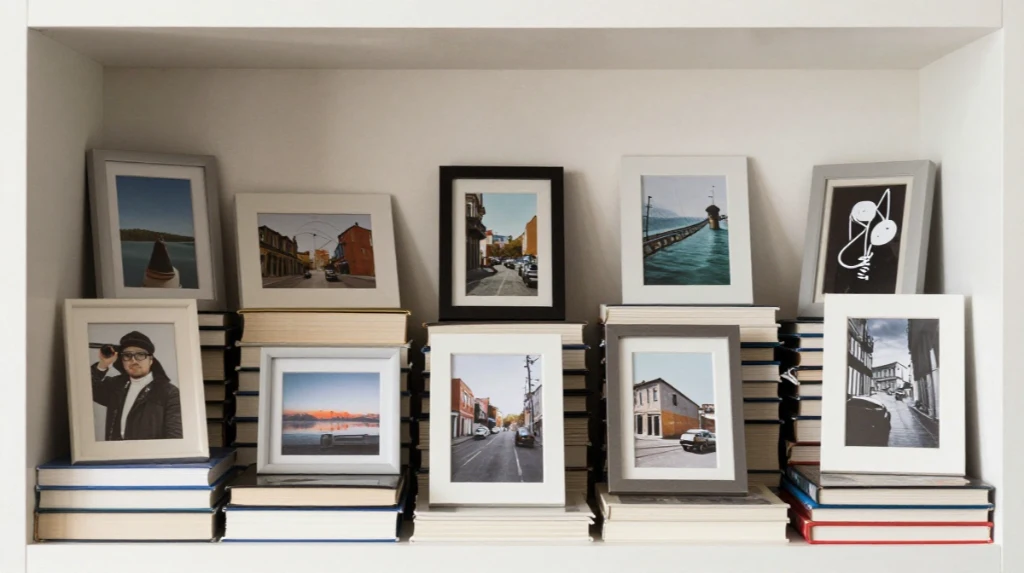
Framed art on bookshelves adds a personal layer that books alone cannot always capture. A small leaning frame in front of a stack of books creates instant depth and works well even in a tight space.
Mix frame sizes and finishes rather than using a matching set. A slightly larger piece can lean against the back of the shelf while smaller frames sit in front, layered like a mini gallery wall within the bookcase itself.
Use Baskets and Bins for Hidden Storage
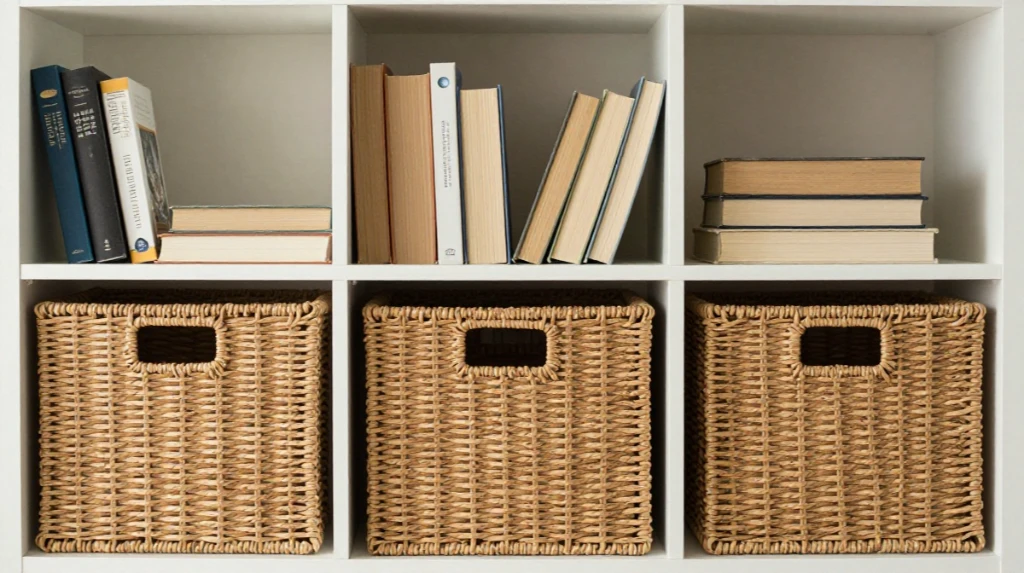
A bookshelf with baskets and bins keeps everyday clutter, like remotes, chargers, or kids’ toys, out of sight without losing shelf space. Choose baskets in natural materials like woven rattan for a warm, textured look that still feels intentional.
Reserve one or two cubbies for hidden storage rather than scattering bins throughout the whole piece. This keeps the styled sections looking polished while still giving your household a practical place for everyday items.
Style a Small Bookshelf Without Overcrowding It
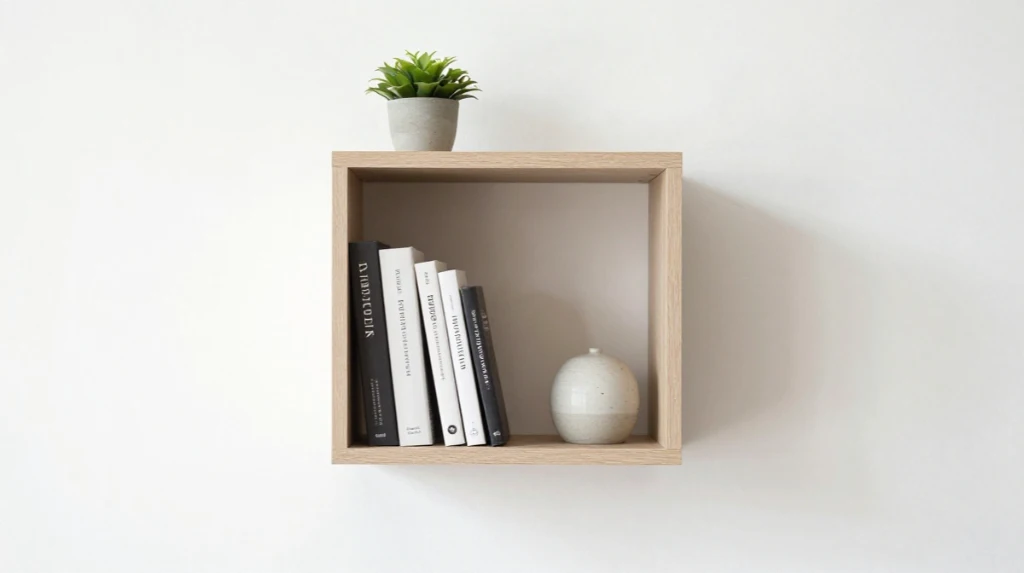
Small bookshelf styling comes down to restraint. With less surface area to work with, every item needs to earn its place. Stick to a tighter color palette and fewer decorative objects so the shelf does not feel cramped.
Vertical stacking tends to work better than horizontal in tight spaces, since it uses height rather than width. A single plant, one small stack of books, and one meaningful object is often enough for a shelf this size.
Decorate a Tall or Built-In Bookcase
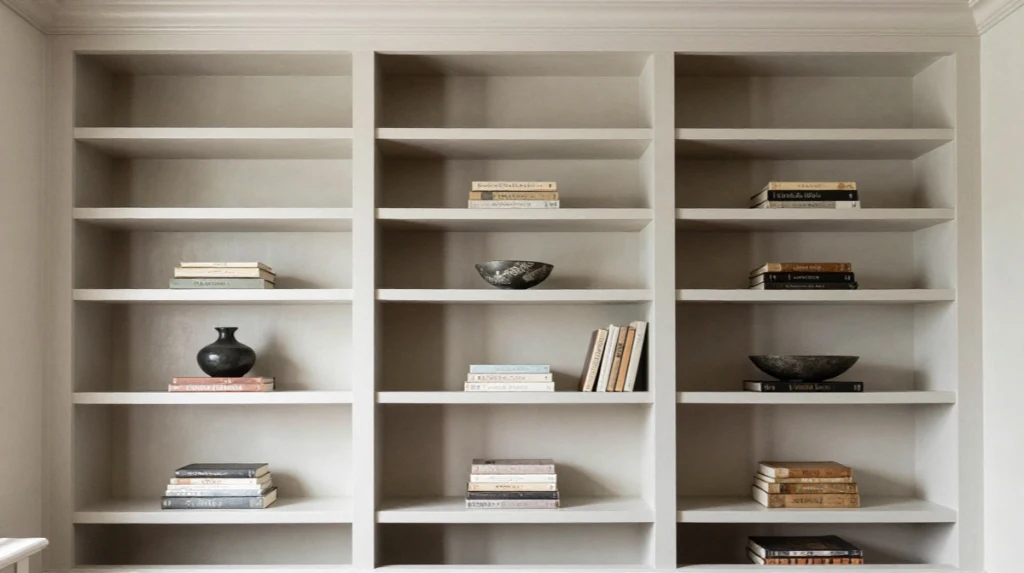
Tall bookcase decorating requires a bit more planning since the eye naturally travels from top to bottom. Save your heaviest, boldest pieces for the lower shelves, both for visual balance and practical safety, and let the top shelves feel a little lighter and more open.
Repeat a color or material every second or third shelf to guide the eye down the whole piece. Without this kind of repetition, a tall built-in bookcase can start to feel like several unrelated shelves stacked on top of each other.
Style Corner Bookshelves Effectively
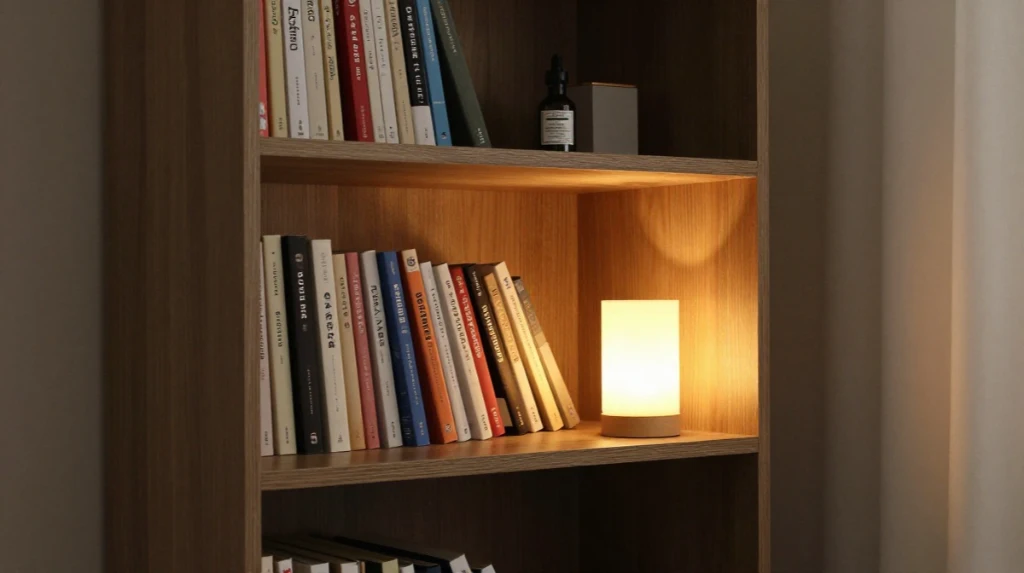
Corner bookshelf ideas need a slightly different approach since the space is often narrower and harder to see straight on. Face your most attractive spines and objects toward the room’s main sightline rather than tucking everything flat against the wall.
Because corners tend to catch less natural light, consider adding a small lamp or warm bulb nearby. This one simple change often makes corner shelving feel far more inviting than it did before.
Create a Minimalist Bookshelf Look
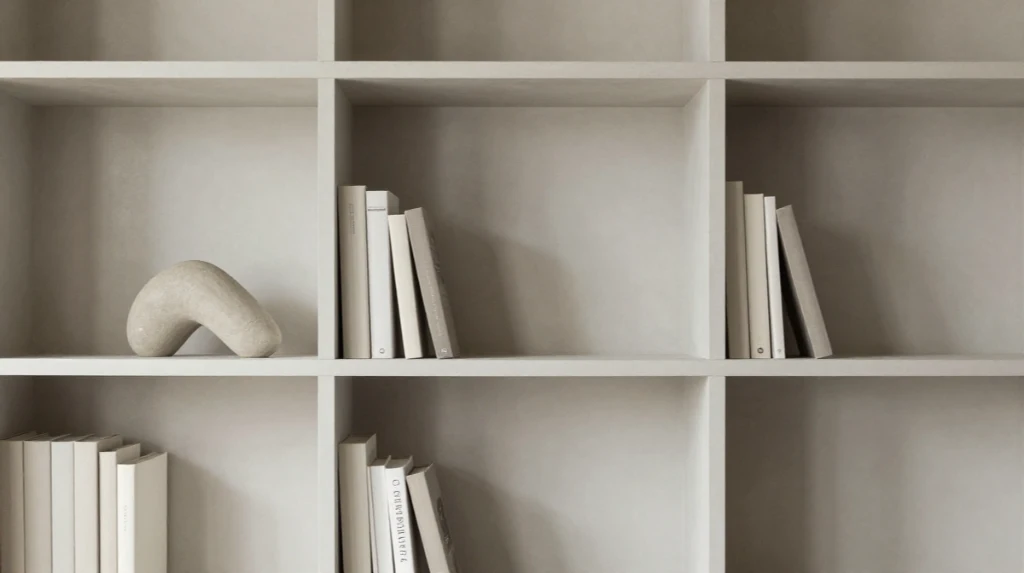
Minimalist bookshelf design relies on restraint and a limited, calm color palette. Stick to neutral spines, one or two accent colors, and plenty of open space between groupings. Every object should feel necessary rather than decorative for its own sake.
Choose a small number of high-quality pieces instead of many small trinkets. A single sculptural object or one well-chosen plant often carries more visual weight in a minimalist setup than a dozen smaller items combined.
Try a Bohemian Bookshelf Style
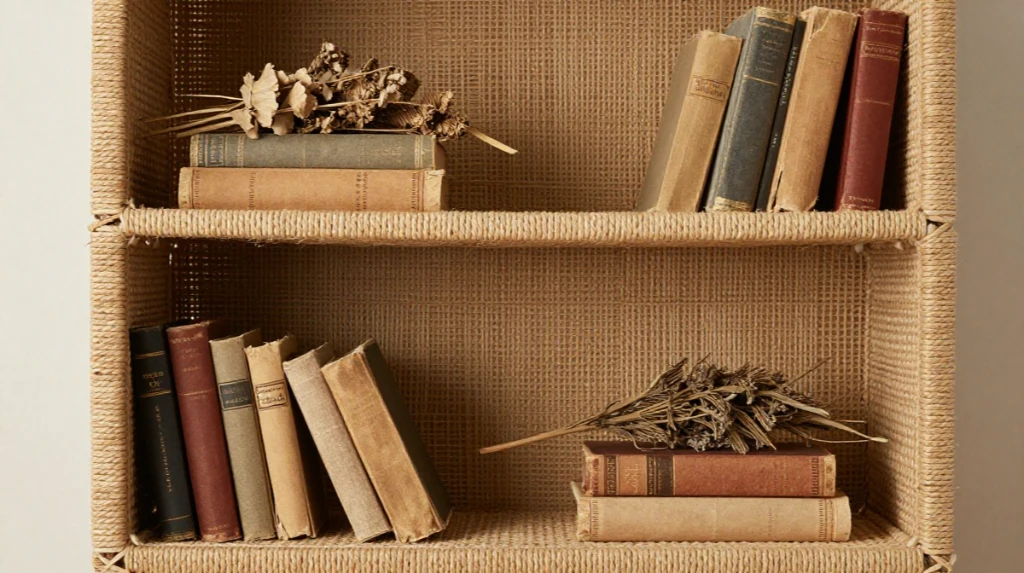
Bohemian bookshelf styling leans into pattern, texture, and a slightly imperfect, collected-over-time feel. Mix woven baskets, textured pottery, and books with worn, well-loved covers rather than pristine matching sets.
Layer in natural materials like wood, rattan, and dried botanicals for texture. Unlike a minimalist setup, a boho shelf can hold more items comfortably, as long as the color palette stays warm and connected throughout.
Style a Bookshelf on a Budget
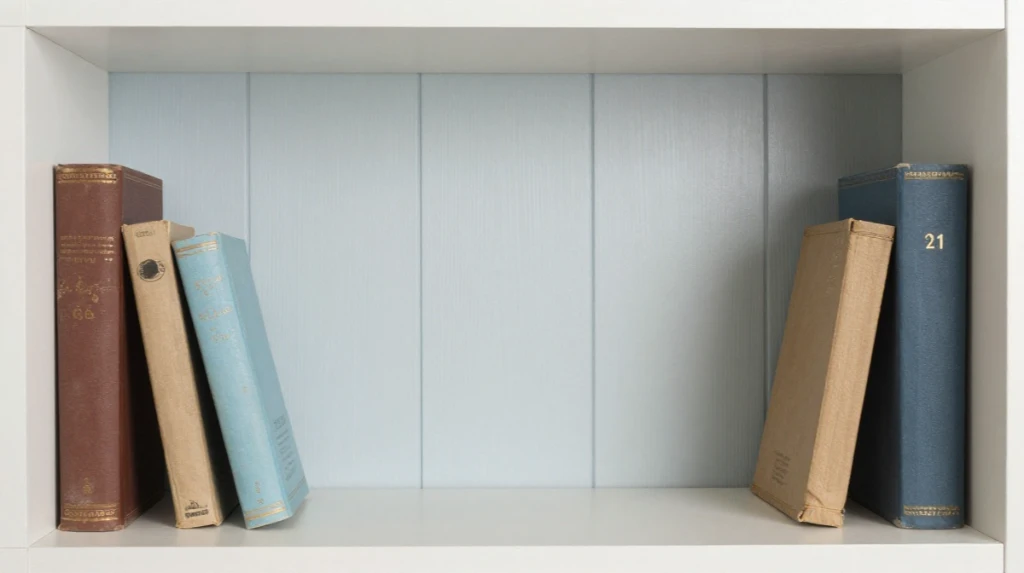
Shelf decorating on a budget does not require new furniture or expensive decor. Rearranging what you already own, borrowing a few plants from other rooms, or turning books to show their pages instead of spines can transform a shelf for free.
Thrift stores and yard sales are great sources for bookends, small frames, and vases at a fraction of retail prices. A can of leftover paint on an old backdrop panel is often the highest impact, lowest cost update you can make.
Organize a Kids Bookshelf for Function and Fun
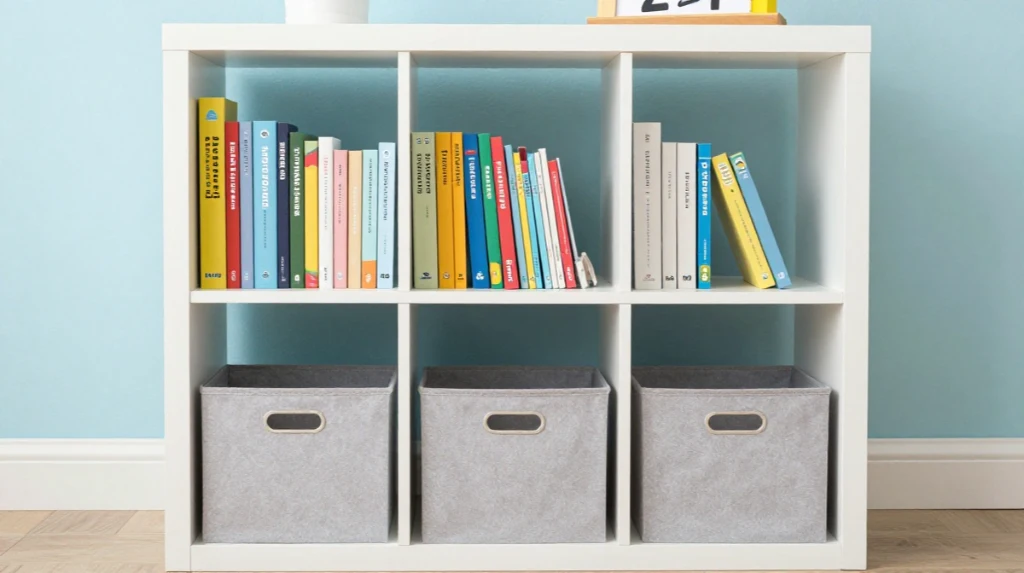
Kids bookshelf ideas need to balance style with real usability, since young children need to actually reach and use the shelf daily. Keep the most-read books at a lower, easy-to-reach height and save higher shelves for decorative items or books that need supervision.
Grouping books by size rather than color often works better for kids shelves, since it keeps things easier to put back correctly. A few labeled bins for smaller items also teach simple organization habits early on.
Refresh Your Bookshelf With the Seasons
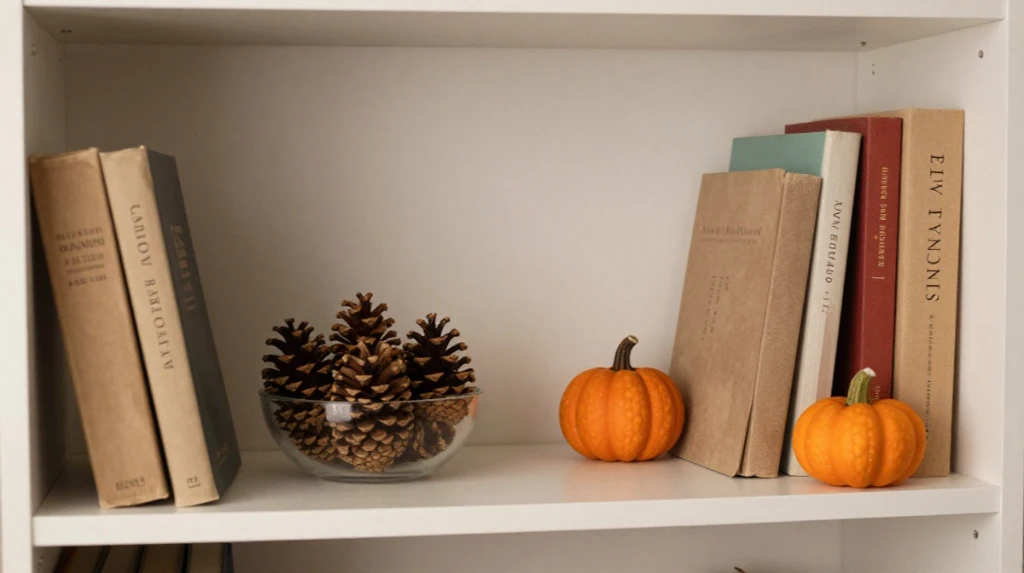
Seasonal bookshelf decorating keeps a space feeling current without a full redo every few months. Swapping out one or two small objects, like a vase of dried flowers in fall or a bowl of pinecones in winter, is often enough to shift the whole mood of a shelf.
Store your seasonal pieces in a labeled bin so they are easy to find again each year. This approach lets you enjoy a bookshelf refresh regularly without buying new decor every time the seasons change.
Quick Bookshelf Styling Comparison Table
| Styling Approach | Best Room | Maintenance Level | Budget Needed | Key Materials |
|---|---|---|---|---|
| Minimalist | Home office | Low | Low | Neutral books, one accent object |
| Bohemian | Living room | Medium | Medium | Woven baskets, dried botanicals |
| Color Coded | Any room | Medium | Low | Existing book collection |
| Backdrop Wallpaper | Built-in bookcase | Low | Medium | Wallpaper or paint |
| Kids Functional | Bedroom | High | Low | Bins, size-sorted books |
| Corner Styling | Small nook | Low | Low | Lamp, faced-out spines |
Conclusion
A bookshelf that actually reflects your taste does not happen by accident, but it also does not require a huge budget or a full weekend of work. Small, thoughtful choices, like grouping by color, leaving open space, or adding one warm light, add up to a shelf that feels finished rather than forgotten.
Pick two or three ideas from this list that fit your current space and start there instead of trying to do everything at once. Once you get comfortable adjusting height, texture, and spacing, styling any bookshelf in your home becomes a habit rather than a chore.
You may also like this: 22 Front Porch Flower Pot Design Ideas to Boost Curb Appeal
Frequently Asked Questions
1. What is the easiest way to start styling a bookshelf?
Take everything off the shelf, sort it into keep and donate piles, and begin again with fewer items. Starting with less makes every other styling step easier to manage.
2. How do I stop my bookshelf from looking cluttered?
Leave some open space on each shelf instead of filling every inch. Grouping items into small vignettes with breathing room between them also helps a lot.
3. Should books be arranged by color or by genre?
Both work well depending on your goal. Color arranging looks more visually cohesive for styling purposes, while genre or author sorting is better if you use the shelf often and need to find books quickly.
4. What are good budget-friendly items for shelf styling?
Thrifted bookends, a coat of leftover paint on the backdrop, and plants borrowed from other rooms can update a bookshelf without any real cost.
5. How can I style a small bookshelf without it looking crowded?
Stick to fewer items, use vertical stacking to save space, and keep your color palette tight. One plant, one small stack of books, and one meaningful object is usually enough for a smaller shelf.

1 Comment