
Introduction
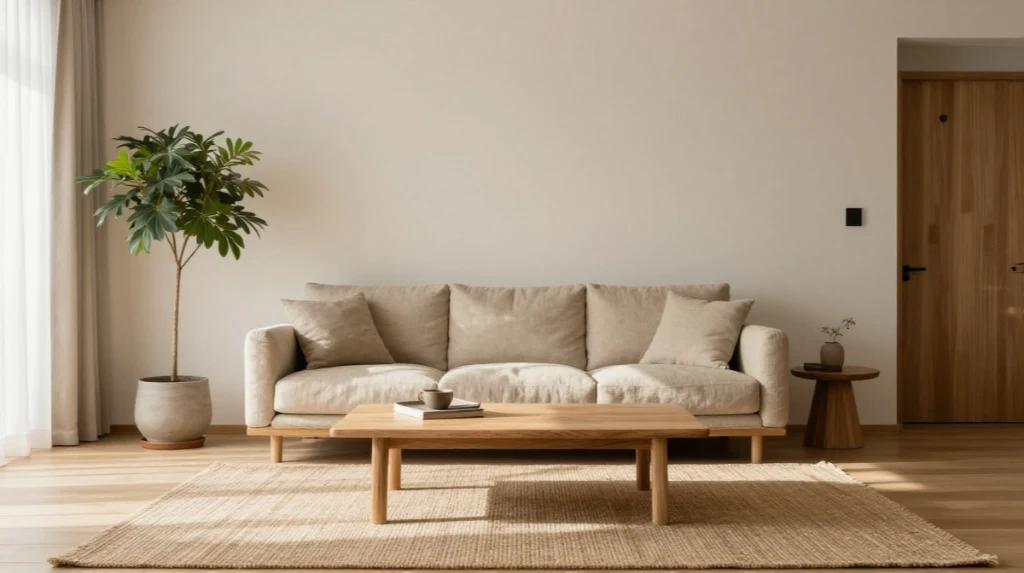
Coming home to a space that feels calm instead of cluttered changes how your whole day settles. If your living room feels busy, mismatched, or just not quite “you,” a Japandi living room design might be exactly the shift you need. It takes the warmth of Scandinavian design and blends it with the quiet simplicity of Japanese interiors, creating a space that feels both grounded and inviting.
This style is not about following strict rules or spending a fortune. It is about choosing fewer things, but choosing them well. Natural materials, soft neutral tones, and a clutter-free layout do most of the work, letting your living room breathe instead of feeling packed with decoration.
In this guide, you will find 22 practical ideas for bringing modern Japandi living room design into your own space, along with simple tips you can actually use, whether you are starting from scratch or slowly updating what you already own.
Neutral Color Palette Foundations
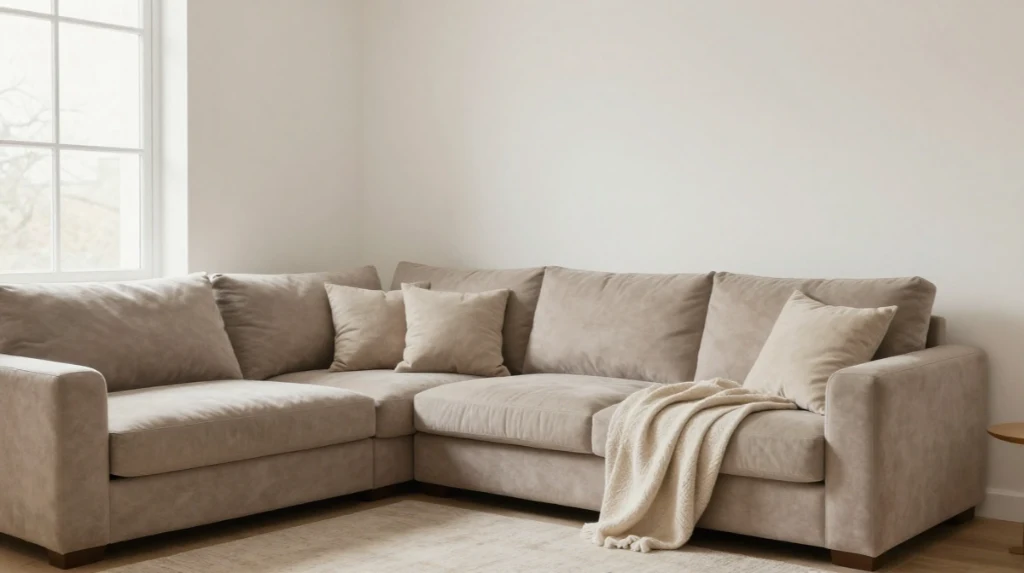
A Japandi living room almost always starts with color, and that color is usually soft and quiet. Think warm whites, soft beige, gentle taupe, and muted greys layered together instead of one flat shade covering everything. This neutral color palette living room approach creates a calm backdrop that lets furniture and textures stand out naturally.
If you are repainting, test a few warm neutrals on your wall before committing, since lighting changes how they look throughout the day. Add depth with two or three shades instead of just one, and save any bolder color for a single small accent like a vase or cushion.
Natural Wood Furniture Choices
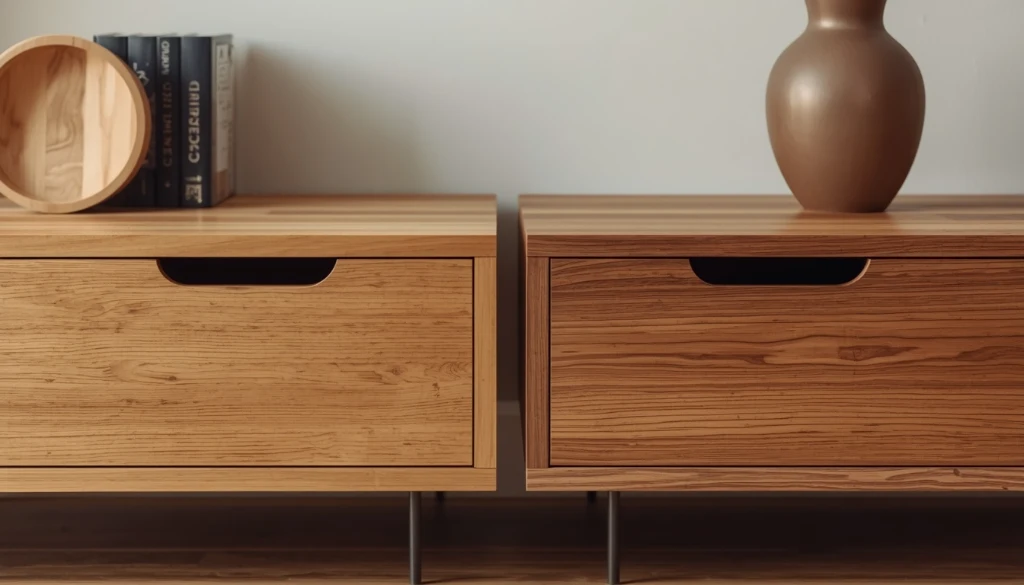
Wood is the backbone of Japandi furniture style, and it shows up in almost every piece worth keeping. Light oak, warm walnut, and pale ash bring a grounded, organic feel that plastic or heavily lacquered furniture simply cannot match. The natural grain adds quiet character without shouting for attention.
When shopping, look for solid wood or good veneer over particleboard, since it lasts longer and ages better. Mixing two wood tones is fine as long as they share warm or cool undertones, so nothing clashes.
Low-Profile Seating and Sofas
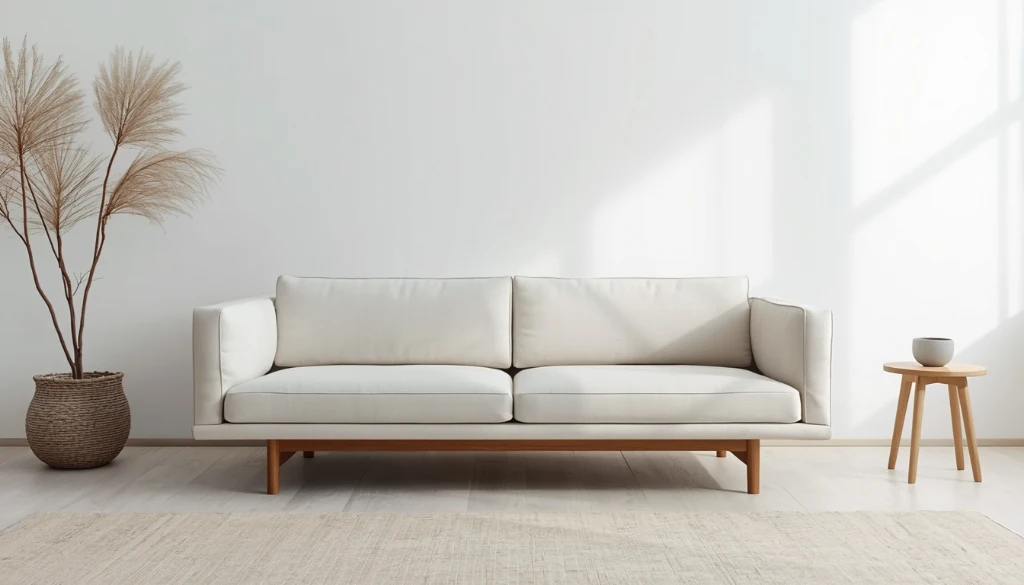
Low-profile furniture living room pieces are a signature of this style, and for good reason. Sofas and chairs sitting closer to the floor create a sense of openness and make ceilings feel taller, even in smaller rooms. This layout also encourages a more relaxed, grounded way of sitting and gathering.
Choose a sofa with simple, straight lines rather than deep tufting or ornate details. Soft, natural fabric in a muted tone keeps the seating feeling calm rather than like a focal statement piece.
Wabi-Sabi Inspired Imperfection
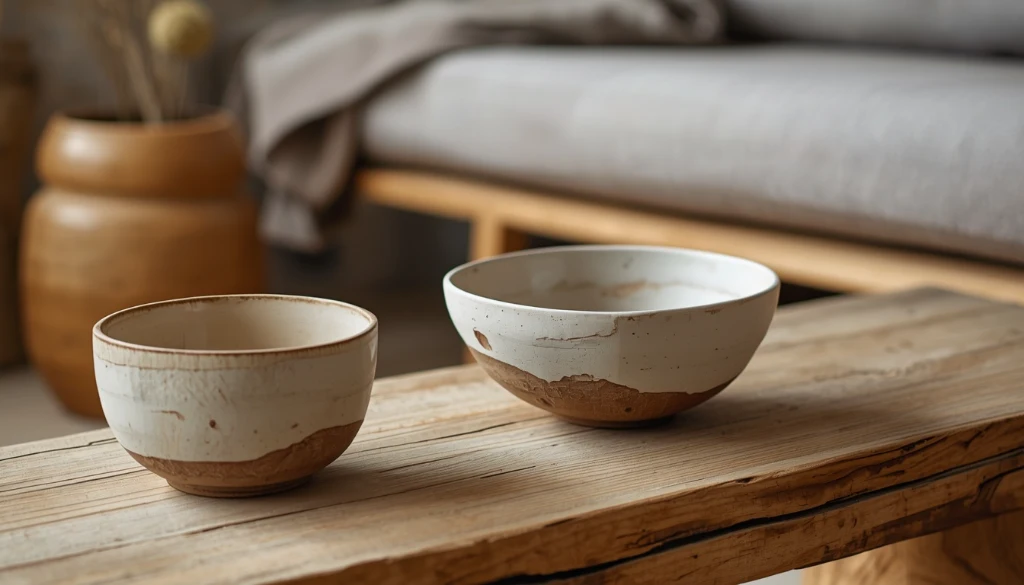
The wabi-sabi aesthetic celebrates imperfection instead of hiding it, and this mindset changes how you choose decor. A slightly uneven ceramic bowl or a wooden bench with visible grain lines is not a flaw here, it is the whole point. This approach makes a room feel lived-in and personal rather than staged.
Skip anything that looks too polished or mass-produced when you can. Handmade pottery, imperfect textures, and natural imperfections in wood or stone all add authenticity that a perfectly smooth surface never will.
Linen and Cotton Textiles
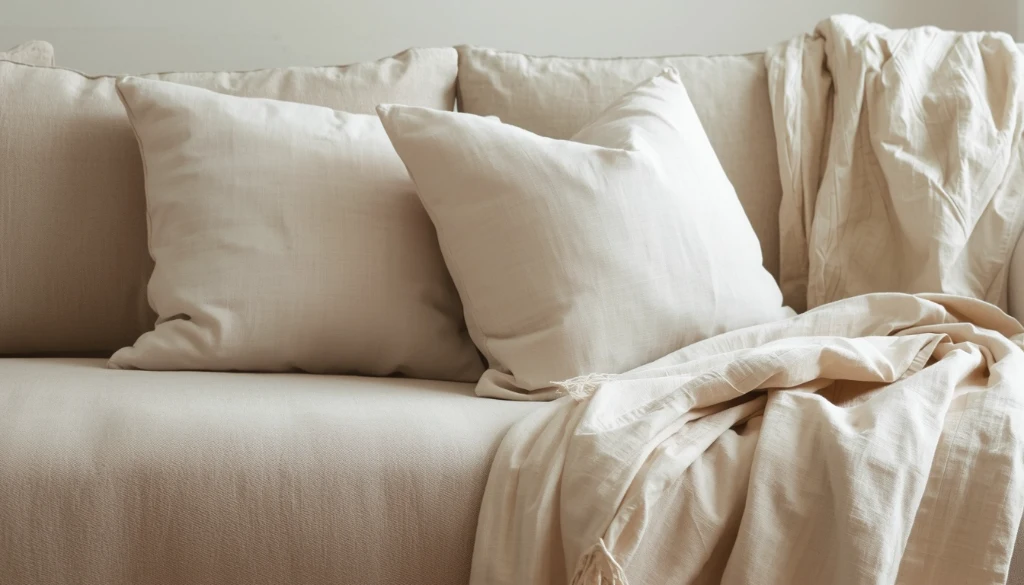
Soft, breathable fabrics carry a huge part of the Japandi feeling. Linen and cotton textiles on cushions, throws, and curtains add gentle texture without adding visual noise. They also feel good to touch, which matters more than people often realize in a living room.
Stick to natural, slightly wrinkled linen rather than stiff synthetic blends, since the relaxed texture fits the aesthetic better. Wash and air-dry linen pieces regularly to keep them soft and fresh looking.
Japandi Coffee Table Styling
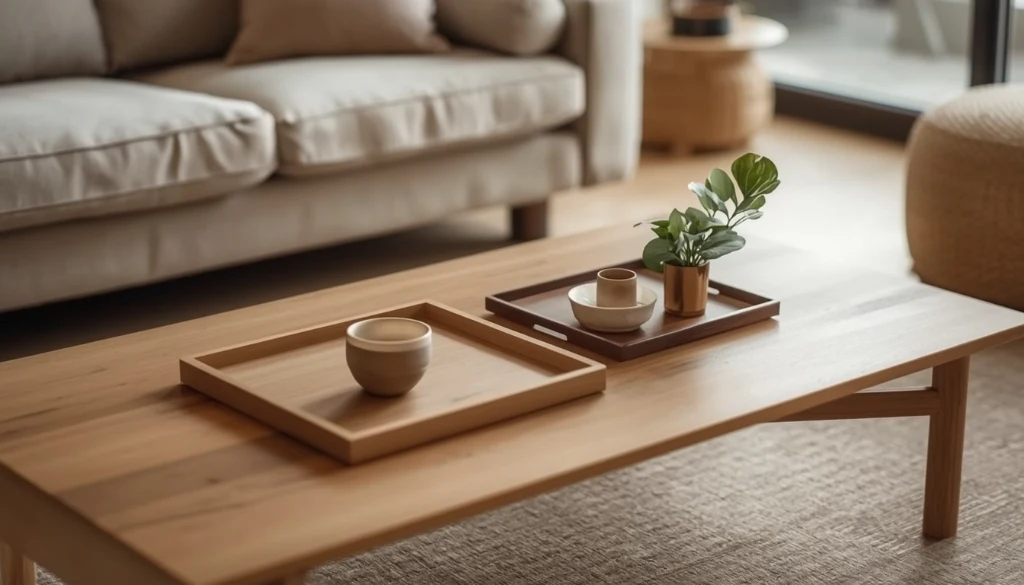
A japandi coffee table ideas approach usually means low, simple wood tables with clean lines and maybe a slight curve. This piece becomes the visual center of the room, so it deserves a little thought even though it should never look overdone.
Style it with just two or three items, like a small tray, a ceramic cup, and a single plant. Leaving open space on the table itself is just as important as what you place on it.
Rattan and Bamboo Accents
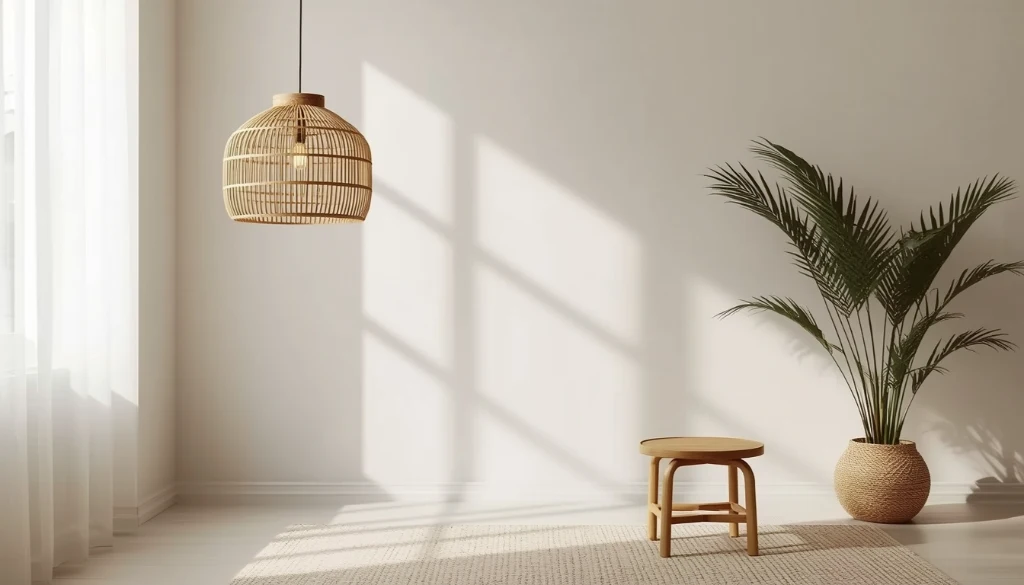
Rattan and bamboo furniture bring texture and a slightly organic, handmade feeling that pairs beautifully with smooth wood and soft textiles. A rattan lamp shade, a bamboo shelf, or a woven side table adds warmth without adding heaviness.
These materials work especially well as smaller accent pieces rather than large furniture items, since too much rattan can start to feel busy. One or two pieces per room usually strikes the right balance.
Minimalist Wall Decor
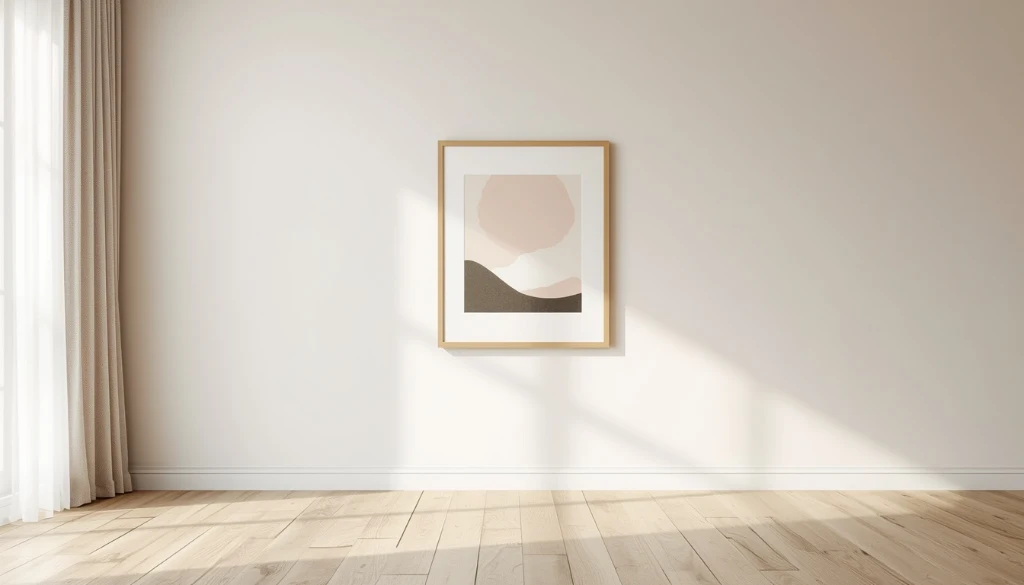
Japandi wall decor ideas favor open space over crowded gallery walls. A single framed print, a small shelf with one or two objects, or even bare wall space can say more than a dozen small frames crammed together.
If you want to hang something, choose one piece with a calm, natural subject like a landscape or abstract line art. Keep frames simple, in wood or matte black, rather than ornate gold finishes.
Indoor Plants and Greenery
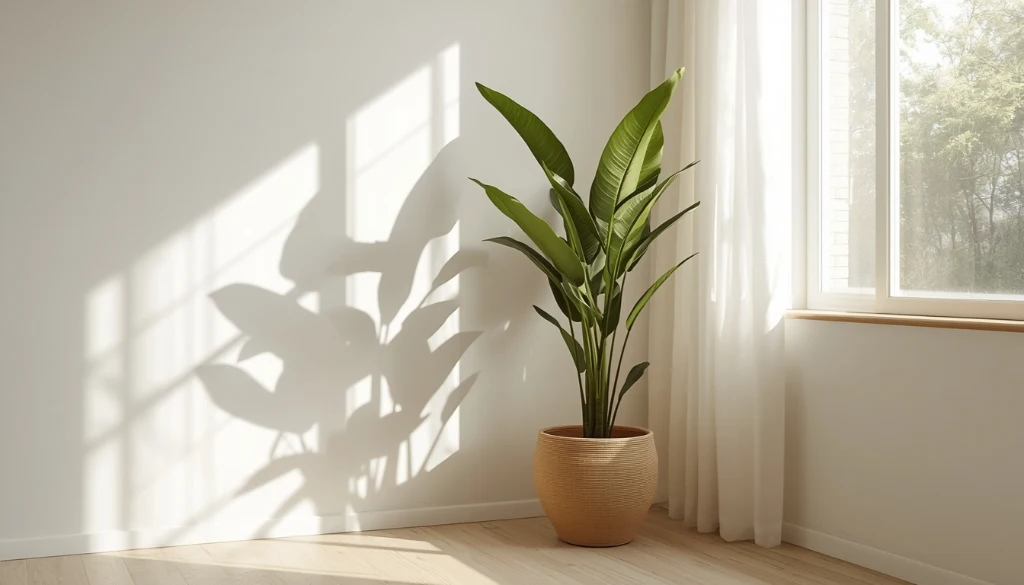
Indoor plants minimalist home styling adds life and softness to an otherwise quiet room. A single large plant, like a fiddle leaf fig or snake plant, does more for the space than several small scattered pots.
Choose plants that are easy to care for if you are new to indoor greenery, since a dying plant works against the calm feeling you are going for. Simple terracotta or stone planters fit the aesthetic better than bright plastic ones.
Japandi Lighting Ideas
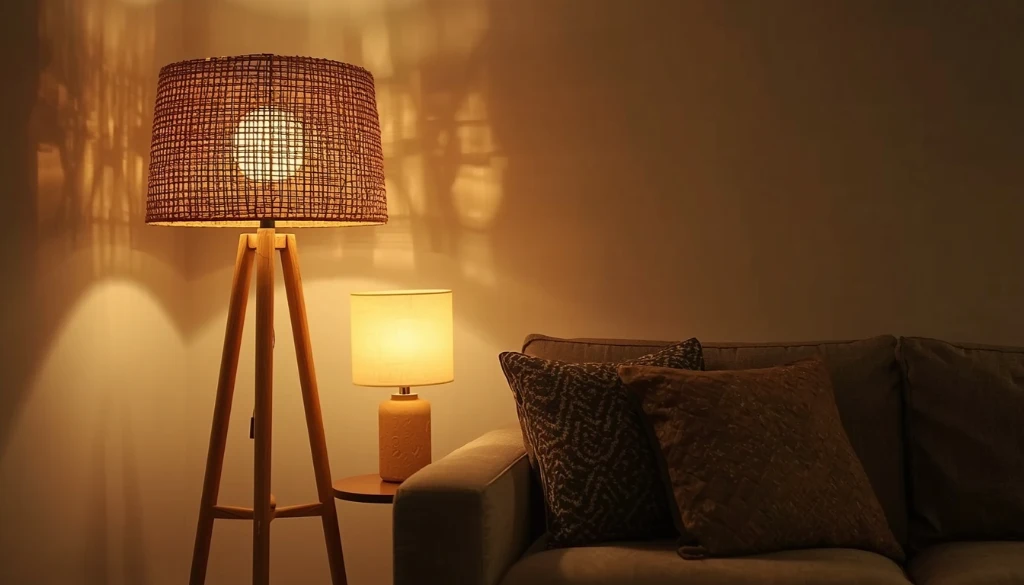
Lighting sets the mood more than most people expect. Japandi lighting ideas usually lean toward warm, soft bulbs, paper or rattan shades, and fixtures with simple, clean shapes. Harsh overhead lighting rarely fits this style well.
Layer your lighting with a floor lamp, a table lamp, and soft ambient light instead of relying on one bright ceiling fixture. Dimmer switches are a small investment that make a noticeable difference in the evening.
Natural Fiber Rugs
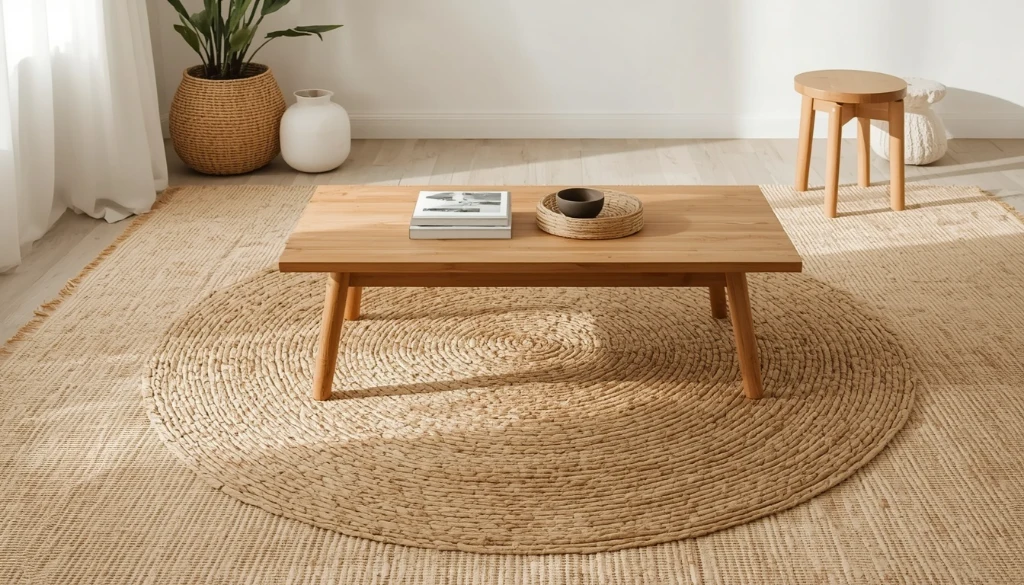
A natural fiber rugs decor choice, like jute or wool, grounds the room and adds texture underfoot. These materials feel more organic than synthetic rugs and tend to age with character rather than looking worn out.
Choose a rug in a neutral or slightly textured pattern rather than a bold print, and size it so your furniture sits comfortably within its edges rather than floating awkwardly outside it.
Clutter-Free Storage Solutions
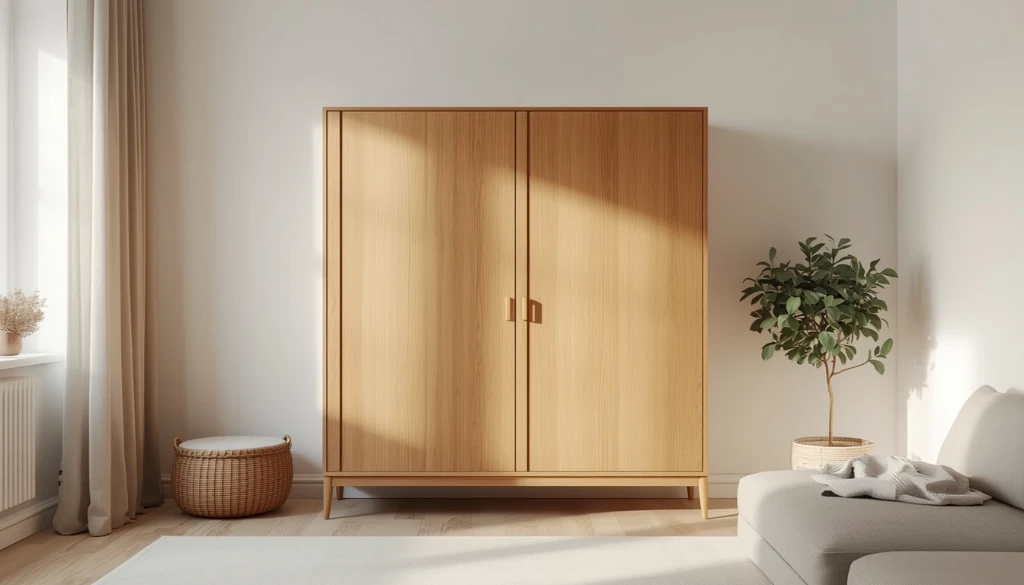
A clutter-free living room is not an accident, it comes from having enough storage for everyday items. Closed cabinets, simple wooden chests, and baskets keep things like remotes, chargers, and blankets out of sight without a mess of open shelving.
Go through your living room once a season and remove anything you have not used recently. This habit alone keeps the space feeling intentional instead of slowly filling back up with clutter.
Layered Textures for Warmth
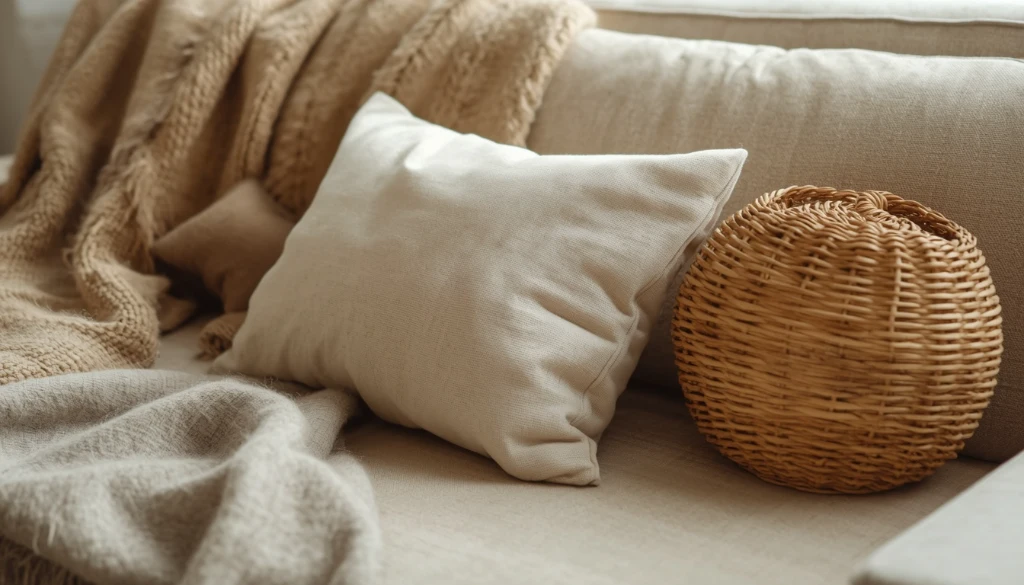
Layered textures interior design is what keeps a neutral room from feeling flat or cold. Combining a wool throw, a linen cushion, a wood side table, and a woven basket in similar tones creates depth through texture rather than color.
When layering, vary the materials but keep the color palette tight. This way the room feels rich and warm rather than mismatched or overly patterned.
Muted Earth Tone Accessories
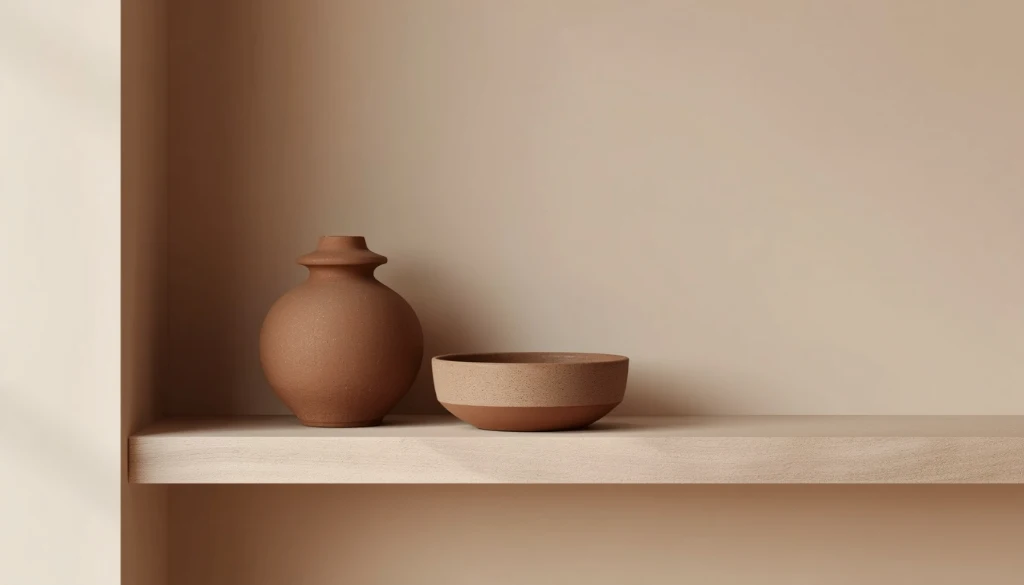
Small accessories in muted earth tones interior shades, like clay, sand, or soft green, tie a Japandi room together without introducing bold color. A ceramic vase, a stoneware bowl, or a simple ceramic tray all work well here.
Buy these pieces slowly instead of all at once. A room built up gradually with things you genuinely like tends to feel more personal than one furnished all in a single shopping trip.
Shoji Screen Inspired Elements
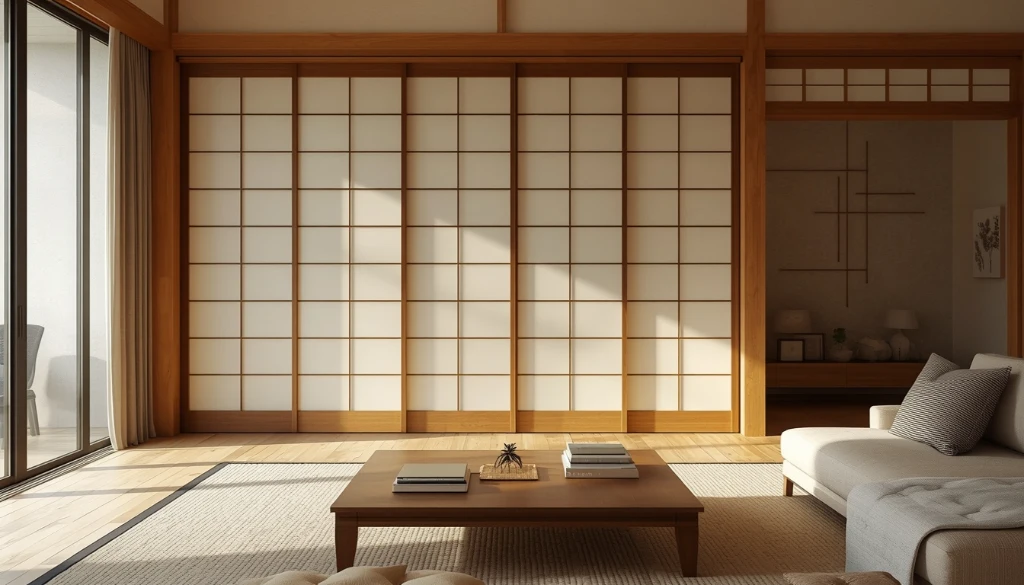
Shoji screen inspired decor brings a Japanese architectural touch into modern homes, often through room dividers, cabinet doors, or window screens with a simple wood-framed, translucent panel look. It softens light beautifully while adding a subtle sense of structure.
If a full shoji screen feels like too much, even one small decorative panel or a similarly styled cabinet front can bring the same calm, filtered light feeling into a smaller space.
Stone and Wood Combinations
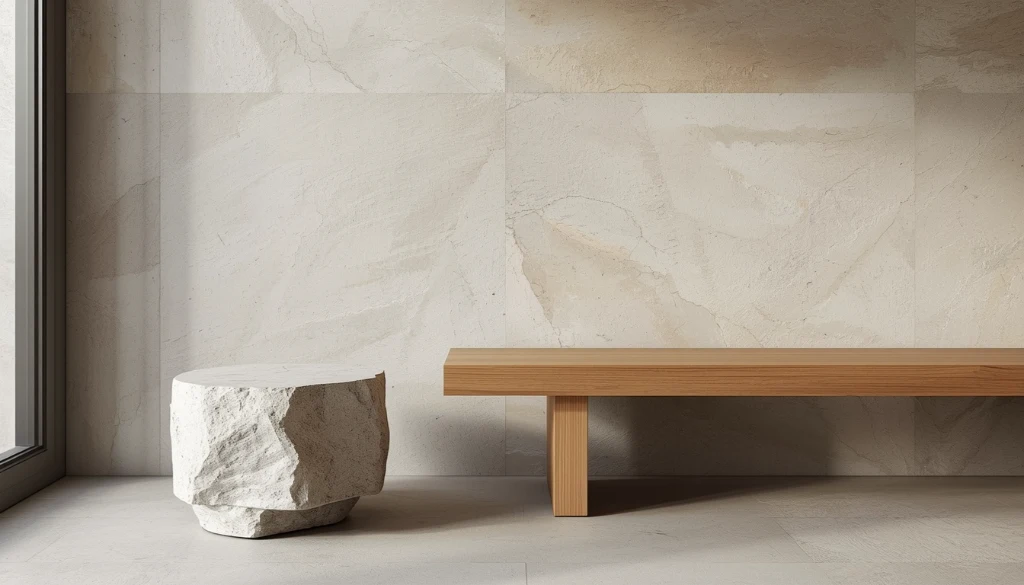
Stone and wood interiors pair two of the most grounding natural materials together. A stone side table next to a wooden bench, or a stone vase on a wooden shelf, creates contrast without breaking the calm, earthy mood.
Look for raw or honed stone finishes rather than polished, glossy ones, since a matte texture fits the Japandi feeling more naturally than a shiny surface.
Handcrafted Home Accents
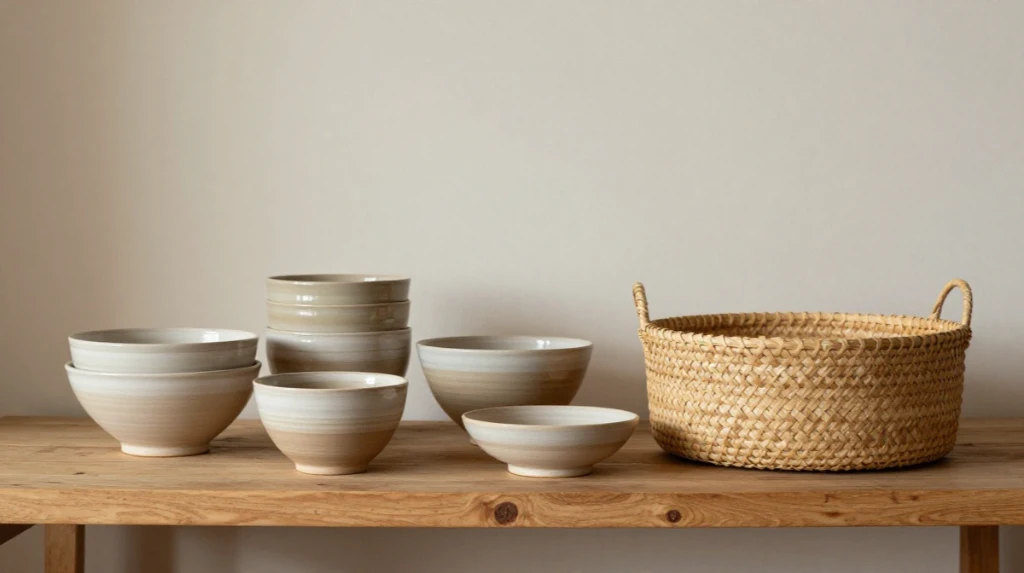
Handcrafted home accents, like hand-thrown pottery or woven baskets, add a personal, artisan quality that mass-produced decor rarely achieves. These pieces often carry small imperfections that make them feel more genuine.
Support local makers or small shops when you can find them, since these pieces often become the ones you talk about and appreciate most in the room.
Open Concept Minimalist Space
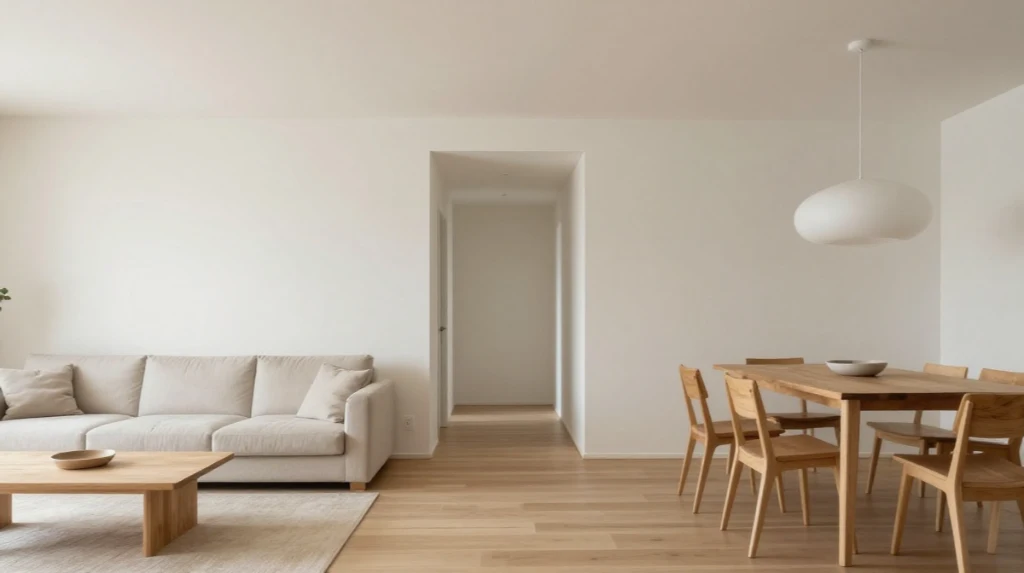
An open concept minimalist space works well with Japandi design because it relies on flow and breathing room rather than walls full of decoration. Furniture is arranged to allow easy movement, with clear pathways instead of tightly packed corners.
If your living room connects to a dining or kitchen area, keep materials and colors consistent across both spaces. This creates a sense of one continuous, calm environment rather than separate, competing zones.
Subtle Pattern Integration
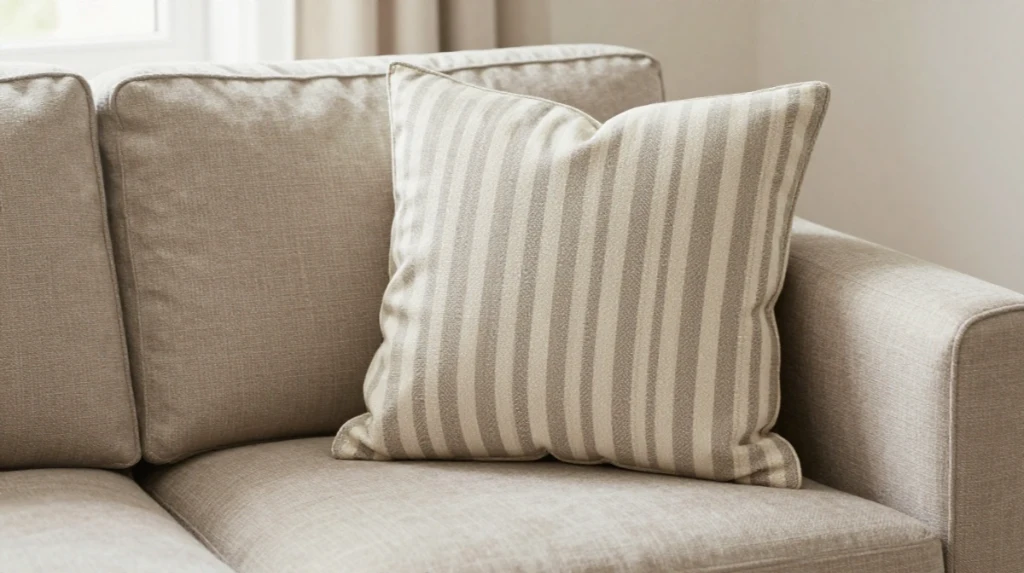
Subtle patterns in interior design, like a soft stripe on a cushion or a faint woven texture in a rug, add interest without disrupting the calm base palette. Bold prints tend to work against the quiet feeling Japandi design is known for.
Limit patterns to one or two items in the room at most, and keep the pattern tone-on-tone rather than high contrast, so it reads as texture rather than decoration.
Matte Finish Surfaces
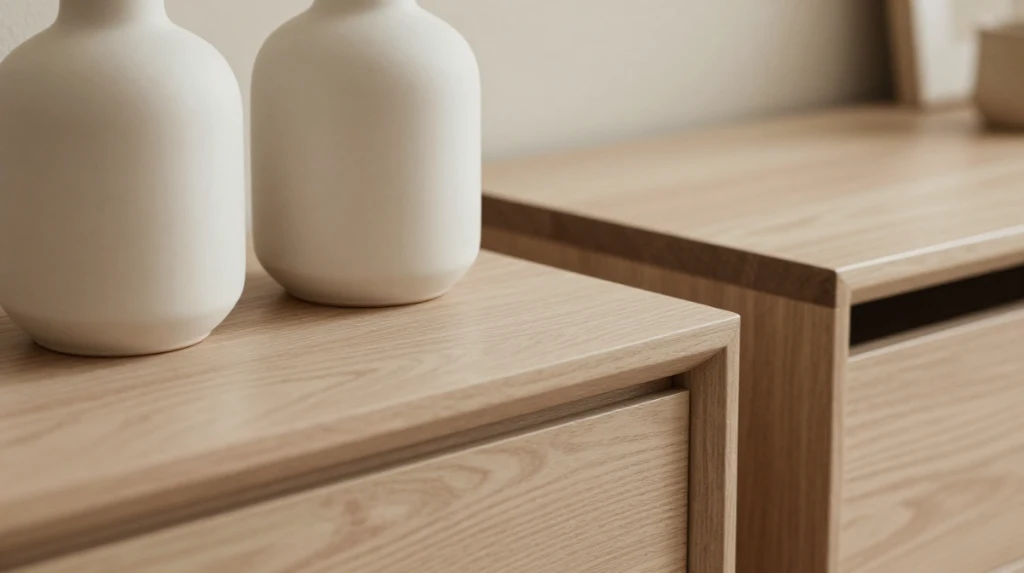
Matte finishes home decor choices, from ceramics to furniture, feel softer and more natural than glossy alternatives. Matte surfaces absorb light instead of reflecting it, which supports the calm, warm mood of the room.
When choosing paint, hardware, or accessories, matte or satin finishes are almost always a safer choice for this aesthetic than high-gloss options.
Monochromatic Japandi Palette
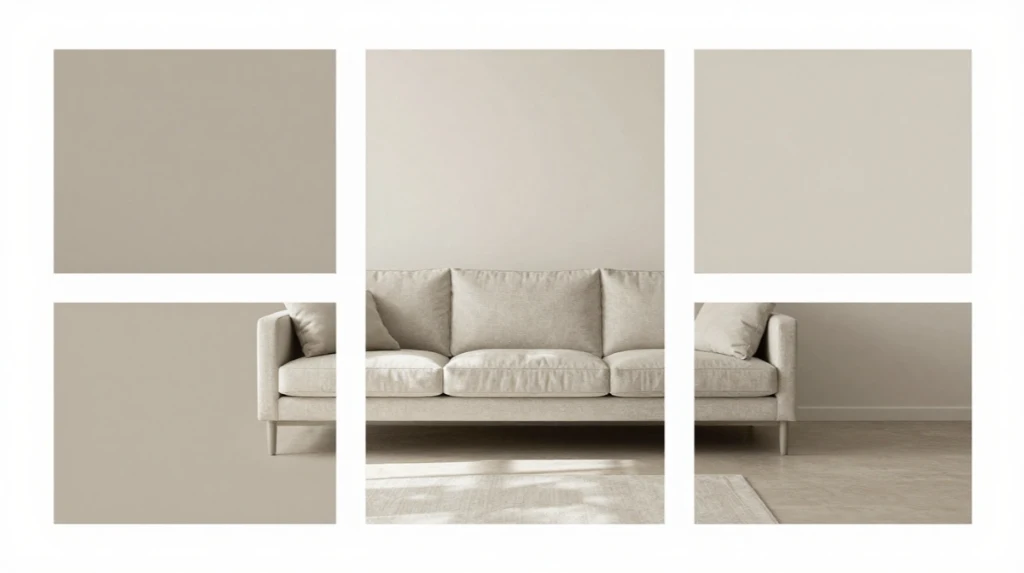
A monochromatic japandi palette uses different shades of a single color family, like various warm beiges or soft greys, instead of many separate colors. This creates a soothing, unified look that still has depth thanks to varying textures and materials.
If a fully monochromatic room feels flat to you, add one small natural element in a slightly different tone, like a green plant or a darker wood accent, to break it up gently.
Biophilic Design Touches
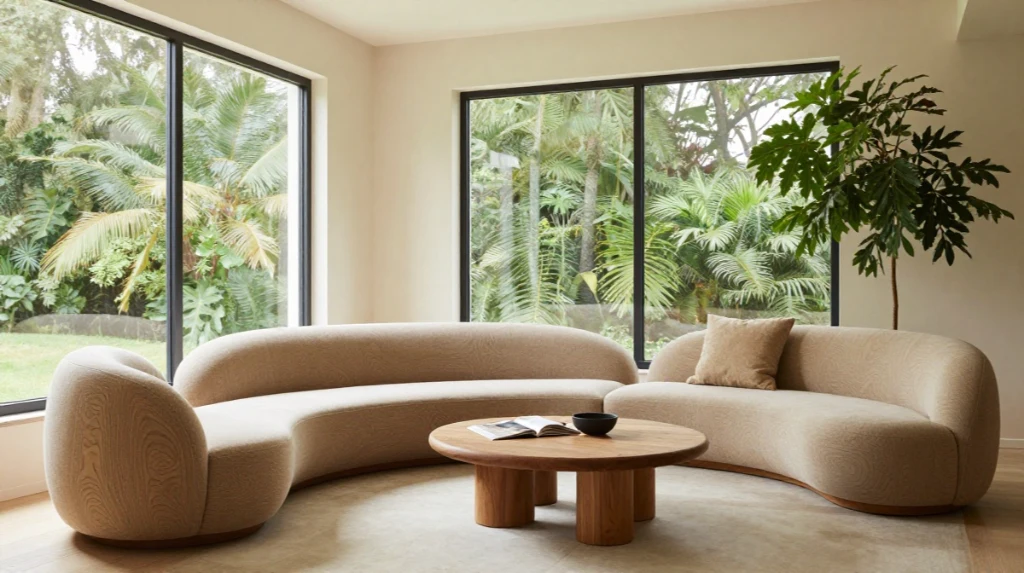
Biophilic design living room elements connect your space to nature beyond just houseplants. Natural light, organic shapes, wood grain, and even the sound of a small tabletop water feature all support this connection.
Position seating near natural light where possible, and choose furniture with organic, rounded edges over sharp angular shapes to reinforce this nature-inspired feeling throughout the room.
Quick Comparison Table
| Element | Best Material | Maintenance Level | Ideal Room Size | Approx. Cost Range |
|---|---|---|---|---|
| Low-profile sofa | Solid wood frame, linen fabric | Medium | Small to large | Mid to high |
| Coffee table | Light oak or walnut | Low | Any size | Low to mid |
| Area rug | Jute or wool | Medium | Medium to large | Mid |
| Lighting | Rattan or paper shades | Low | Any size | Low |
| Storage cabinet | Solid wood | Low | Any size | Mid to high |
| Wall decor | Wood-framed prints | Low | Any size | Low |
| Plant styling | Ceramic or stone planters | Medium | Any size | Low |
Conclusion
A modern Japandi living room design is less about following a strict formula and more about choosing calm over clutter, quality over quantity. When you focus on natural materials, soft neutral tones, and just a little imperfection, the room starts to feel like a place you actually want to spend time in rather than one you simply decorated.
You do not need to change everything at once. Start with one or two ideas from this list, like swapping harsh lighting for something warmer or clearing extra items off your coffee table, and build from there. Over time, these small, intentional choices add up to a living room that feels genuinely peaceful, personal, and easy to live in.
You may also like this: 22 Lemon Centerpiece Design Ideas for Fresh Table Decor
Frequently Asked Questions
1. What makes a living room “Japandi” instead of just minimalist?
Japandi combines Japanese simplicity with Scandinavian warmth, so it uses natural materials, soft textures, and a few imperfect handmade touches rather than a strictly bare or cold minimalist look.
2. Is Japandi design expensive to achieve?
Not necessarily. Since the style focuses on fewer, well-chosen pieces rather than lots of decor, many people find it more budget-friendly over time than constantly buying trendy items.
3. What colors work best for a Japandi living room?
Warm neutrals like beige, taupe, soft white, and light grey work best, often layered together with one small natural accent color like sage green or clay.
4. Can I create a Japandi look in a small living room?
Yes, in fact this style works especially well in small spaces since low furniture, open layouts, and light colors help a small room feel more open and calm.
5. How do I avoid making my Japandi living room look empty instead of minimal?
Focus on texture and warmth through materials like wood, linen, and rattan, and add a plant or handcrafted piece. The goal is calm and cozy, not bare or unfinished.

1 Comment