
Introduction
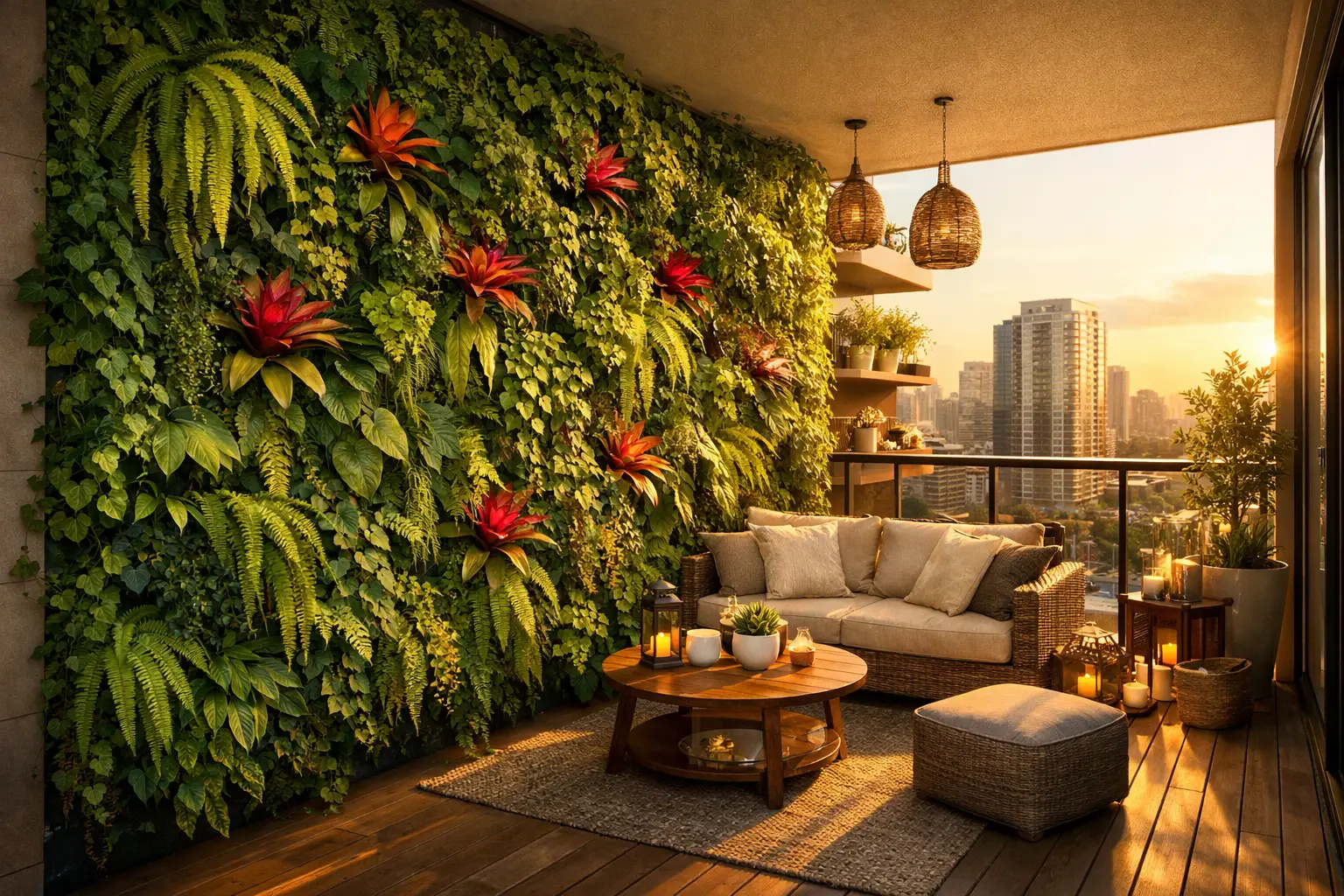
Creating a vertical garden wall in a balcony is one of the most effective ways to transform a small outdoor space into a refreshing green retreat. With urban living becoming more compact, balconies are often limited in size, making traditional gardening difficult. A vertical setup allows you to maximize your space while adding beauty, improving air quality, and creating a relaxing environment. This guide explores practical ideas and simple methods to help you design a functional and visually appealing vertical garden wall in your balcony.
Choosing the Right Vertical Garden Structure
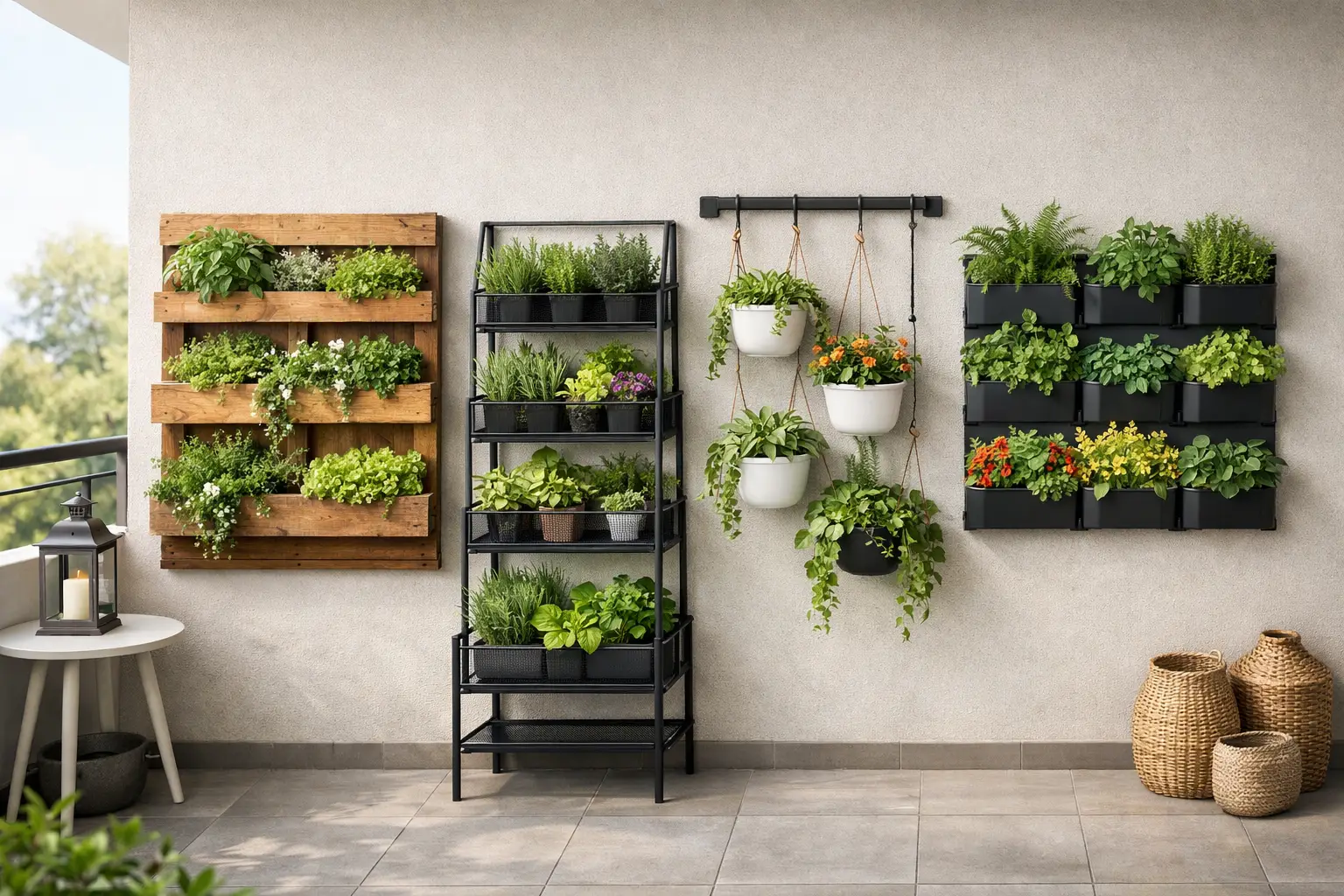
The foundation of any successful vertical garden is selecting the right structure. Depending on your balcony size and design, you can choose from wall mounted planters, wooden pallets, metal frames, or modular panels. Wooden pallets offer a rustic look and are easy to customize, while metal frames provide a modern and durable option. Modular systems are ideal for beginners because they are simple to install and maintain. The key is to ensure the structure is sturdy and can support the weight of soil and plants.
Selecting the Best Plants for Vertical Gardening
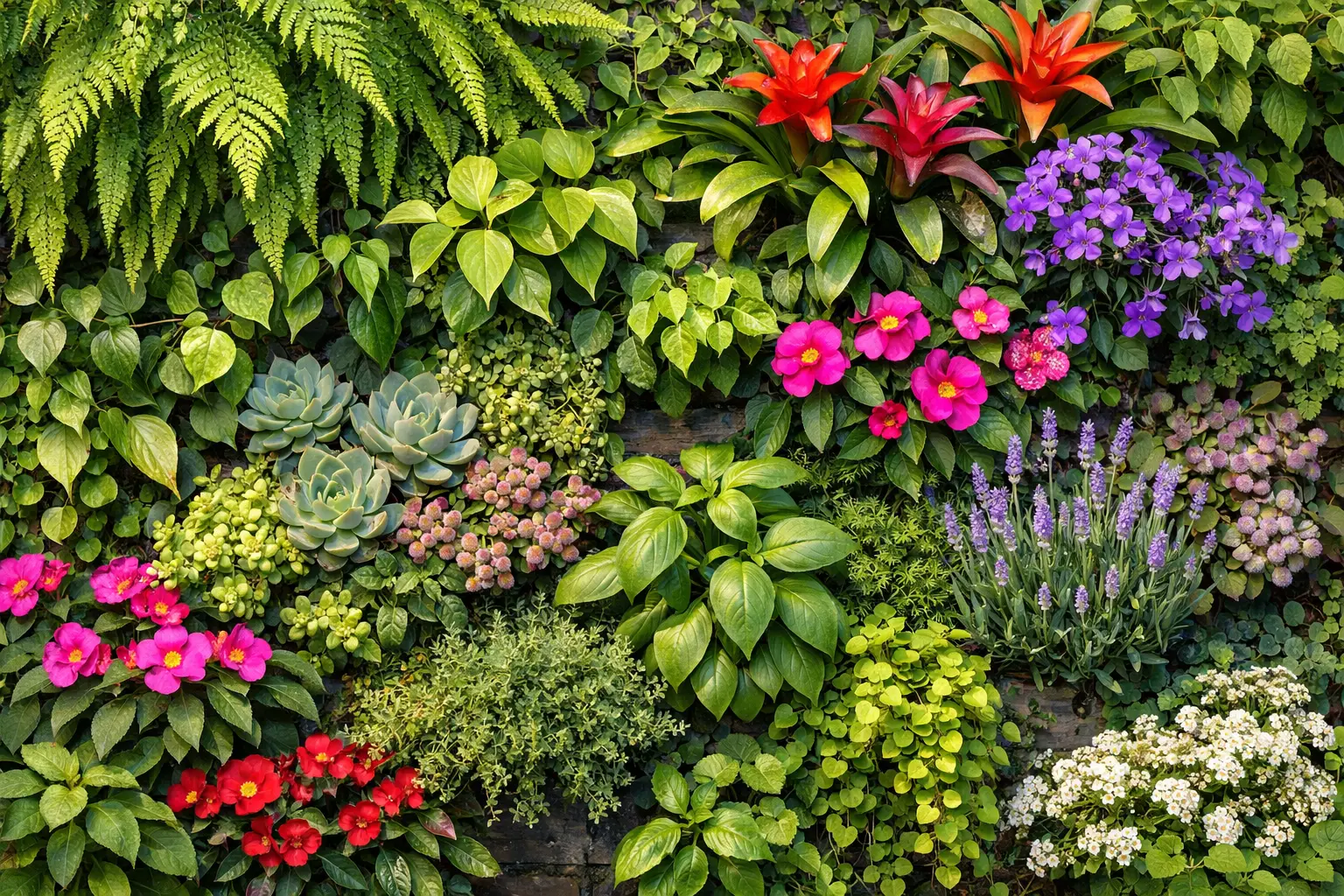
Plant selection plays a crucial role in the success of your vertical garden. Choose plants based on sunlight availability and maintenance level. For low maintenance setups, consider succulents and snake plants. For a lush green look, ferns and pothos work well. If you want functionality, herbs like mint, basil, and coriander are perfect for balcony gardens. Mixing different types of plants adds texture and visual interest to your wall.
Planning Your Balcony Layout Effectively
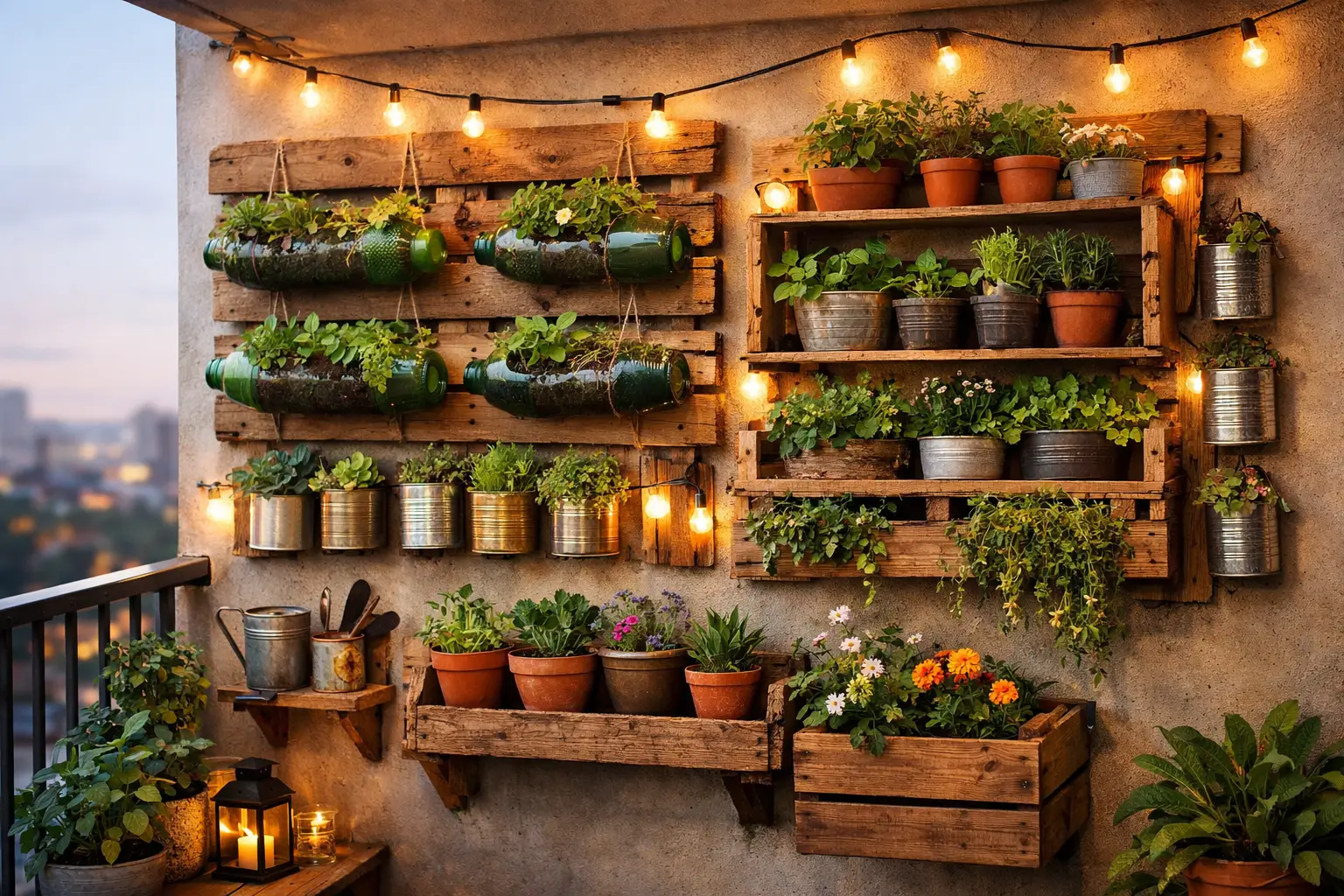
Before installing your vertical garden, it is important to plan the layout carefully. Observe how much sunlight your balcony receives during the day. Position sun loving plants in brighter areas and shade tolerant plants in less exposed spots. Arrange plants in a way that taller ones do not block sunlight from smaller ones. A well planned layout ensures healthy growth and a balanced appearance.
DIY Vertical Garden Ideas for Beginners
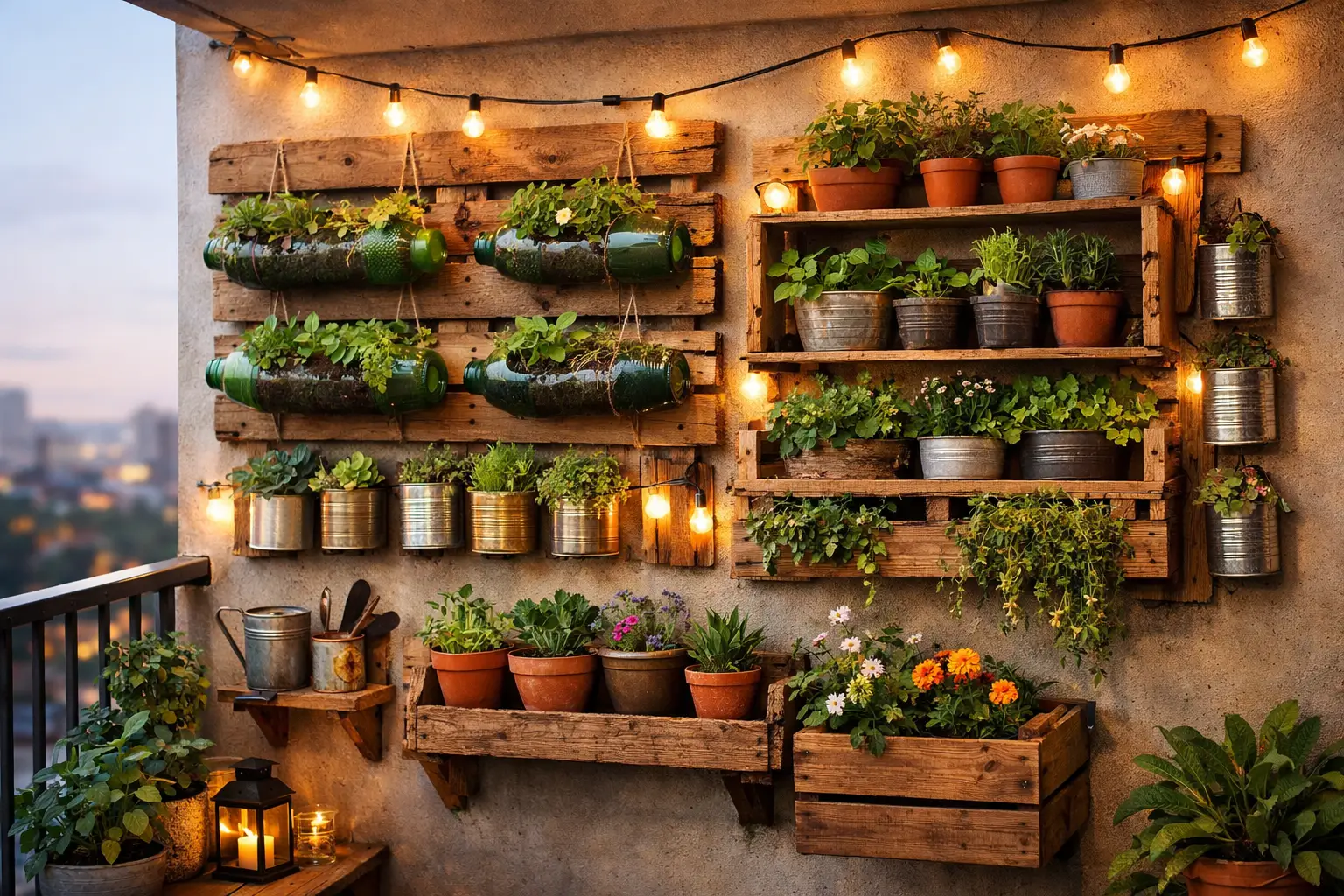
Creating a vertical garden does not have to be expensive. You can use everyday items like plastic bottles, tin cans, and wooden crates to build your setup. For example, cut plastic bottles horizontally, fill them with soil, and mount them on the wall. Wooden crates can be stacked and secured to create multiple layers for planting. These DIY solutions are cost effective and allow for creative customization.
Space Saving Techniques for Small Balconies
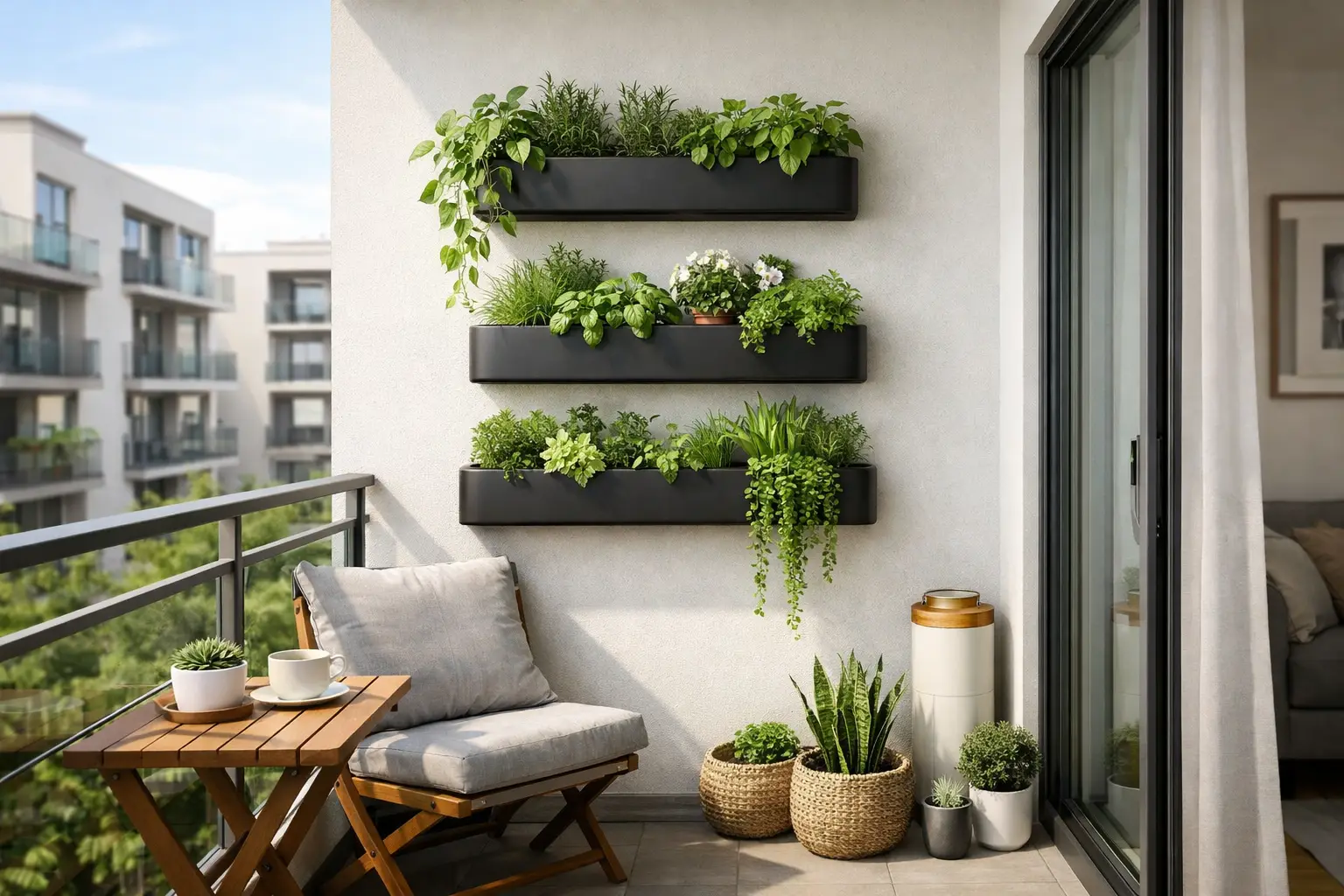
If your balcony is extremely small, focus on compact and efficient designs. Use slim wall mounted planters or vertical racks that take up minimal space. Hanging pots are another excellent option as they utilize vertical height instead of floor space. Folding shelves can also be used to create a flexible gardening system that can be adjusted when needed.
Installing Wall Mounted Planters Properly
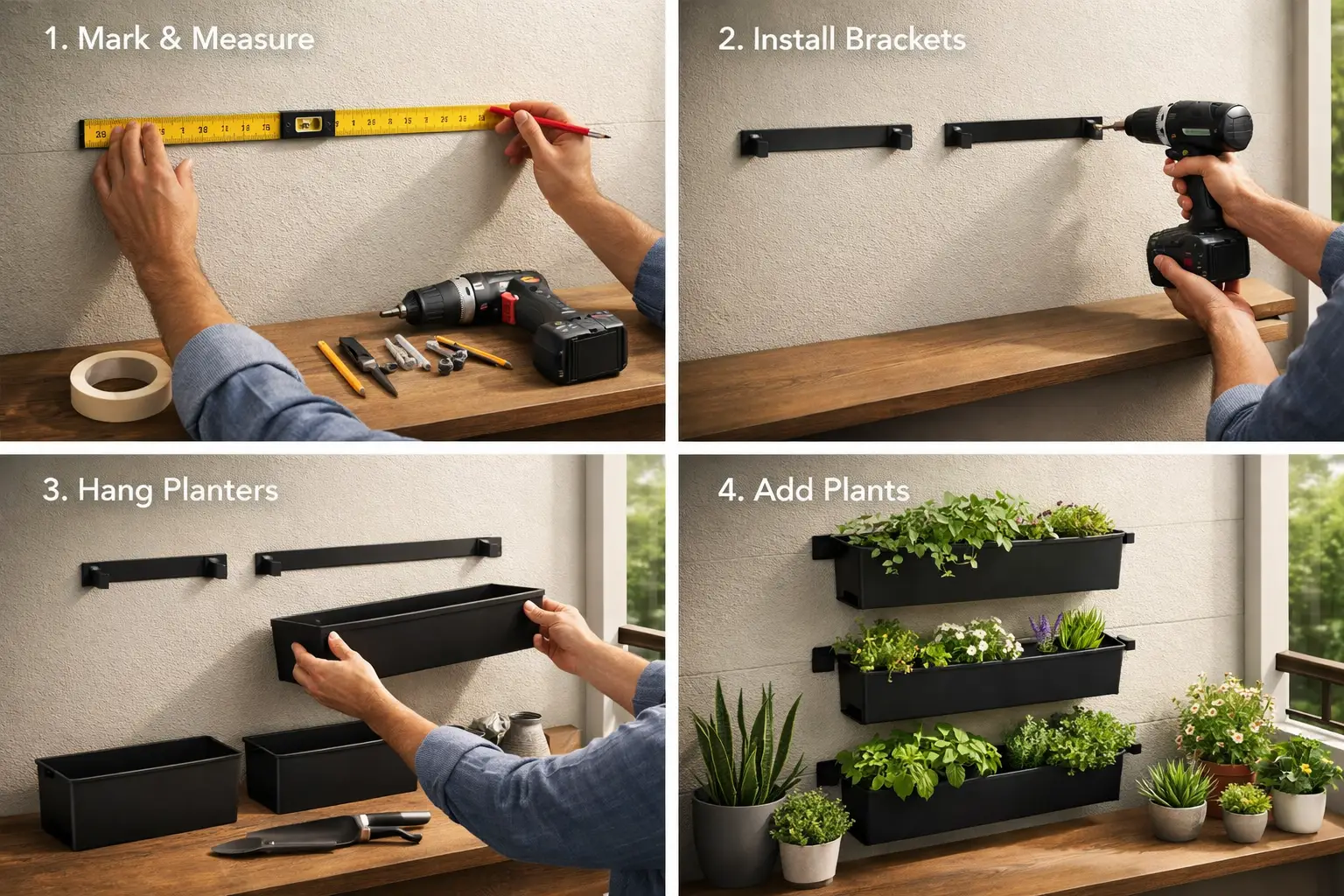
Proper installation is essential to ensure safety and durability. Use strong screws and anchors suitable for your wall type. Make sure the planters are evenly spaced and securely attached. It is also important to leave enough room between rows for plant growth and maintenance. A well installed system not only looks neat but also prevents accidents.
Creative Use of Hanging Pots
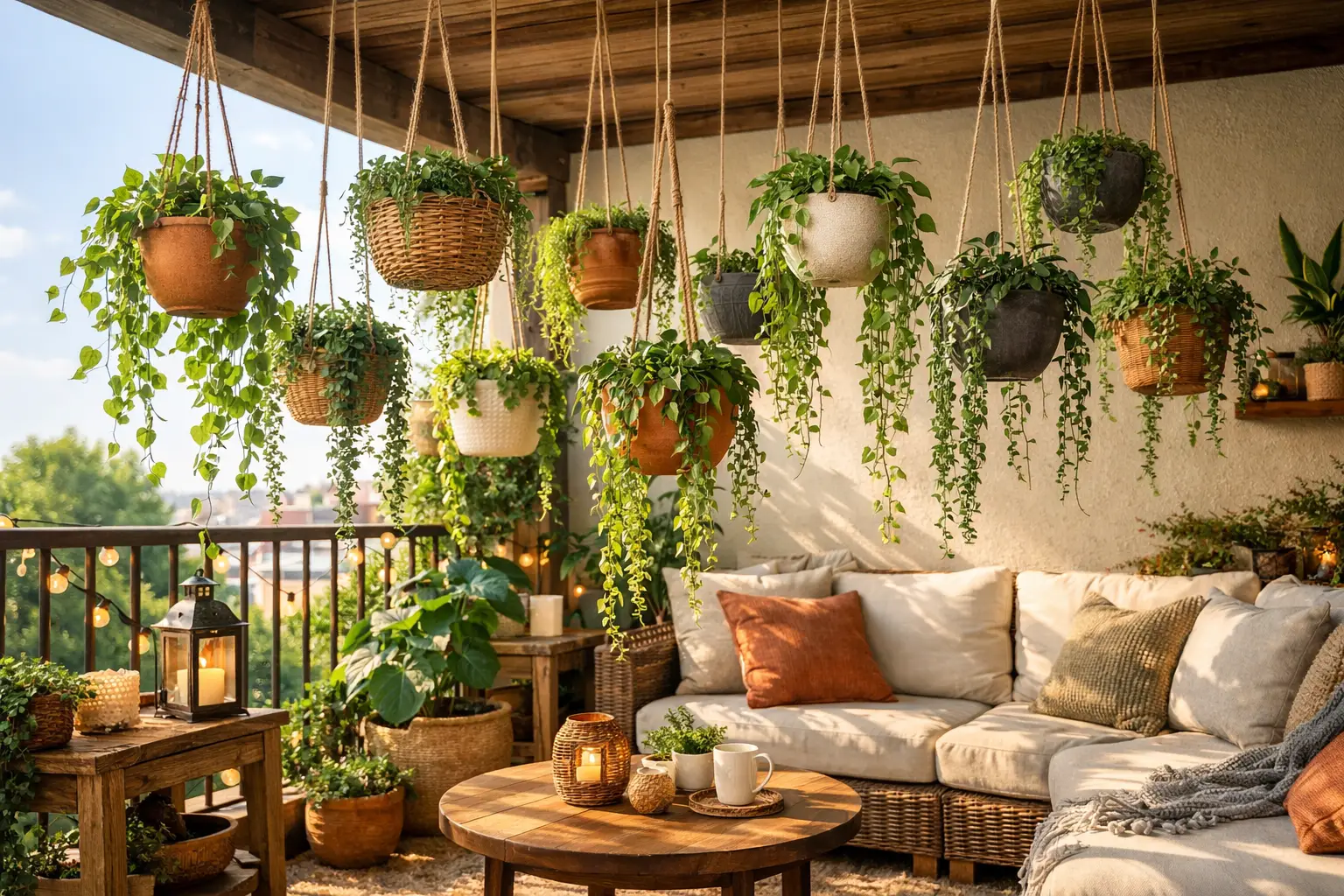
Hanging pots add a dynamic and decorative element to your vertical garden. You can hang them at different heights to create a layered effect. Trailing plants such as ivy and pothos look especially attractive in hanging arrangements as they cascade down naturally. This method adds depth and makes your balcony feel more vibrant.
Using Wooden Pallets for a Natural Look
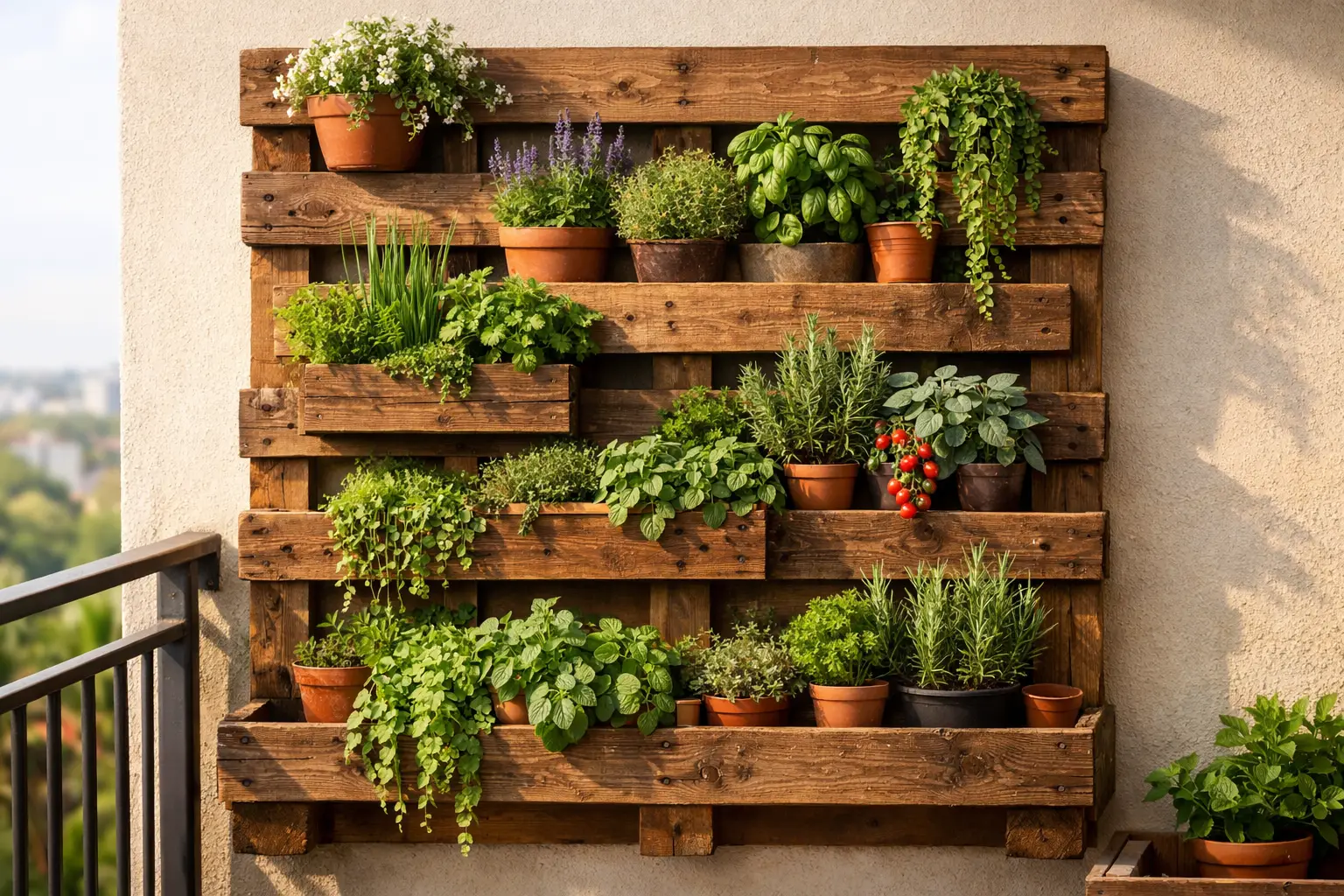
Wooden pallets are one of the most popular choices for vertical gardening. They are affordable, easy to find, and simple to work with. By adding small planters or directly planting into the pallet gaps, you can create a dense green wall. The natural wood texture enhances the overall aesthetic of your balcony.
Modern Metal Frame Vertical Garden Ideas
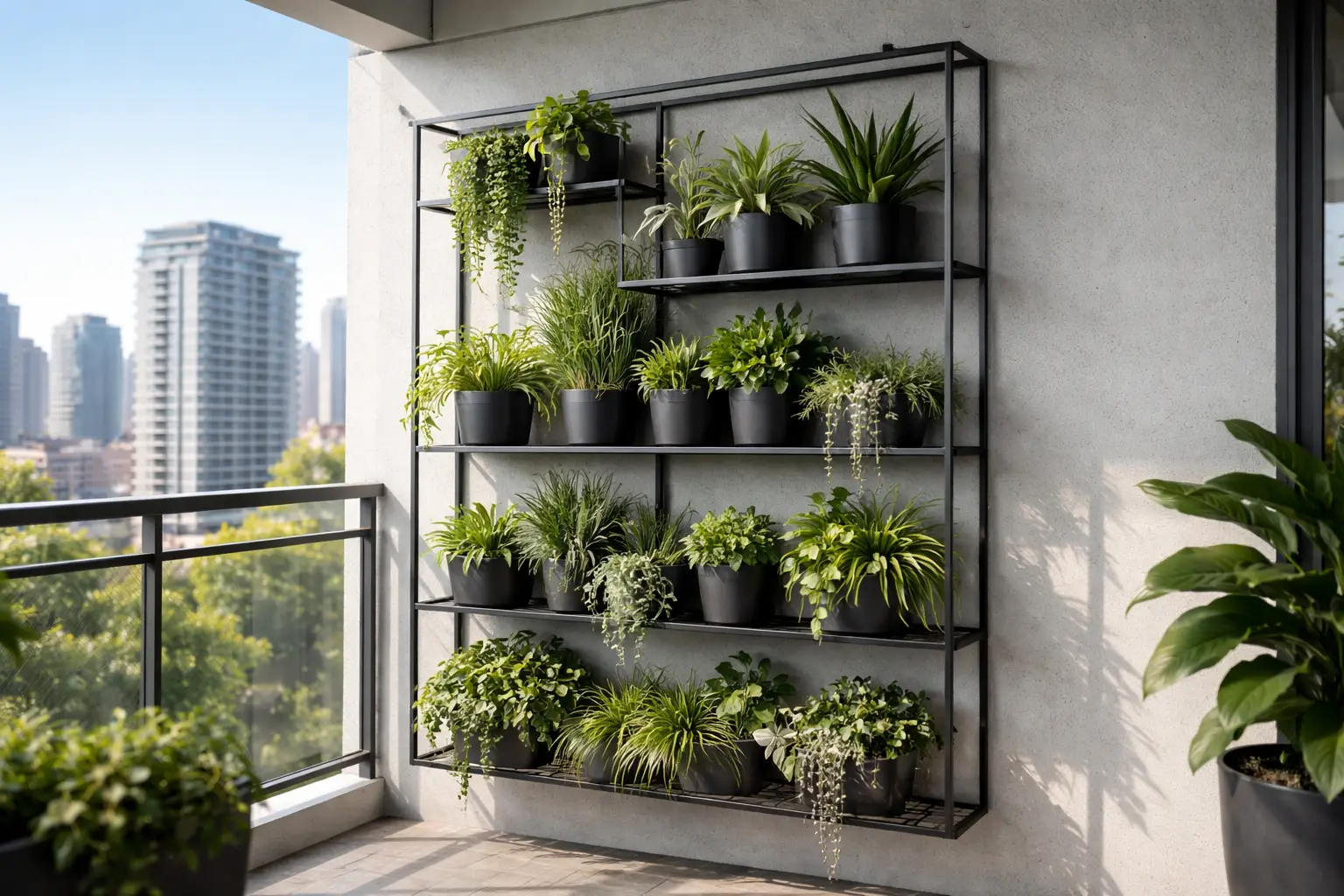
For a sleek and contemporary design, metal frames are an excellent choice. These frames can hold multiple pots and are highly durable. They are ideal for urban settings where a clean and modern look is preferred. Metal structures also allow for easy rearrangement of plants.
Setting Up a Low Maintenance Vertical Garden
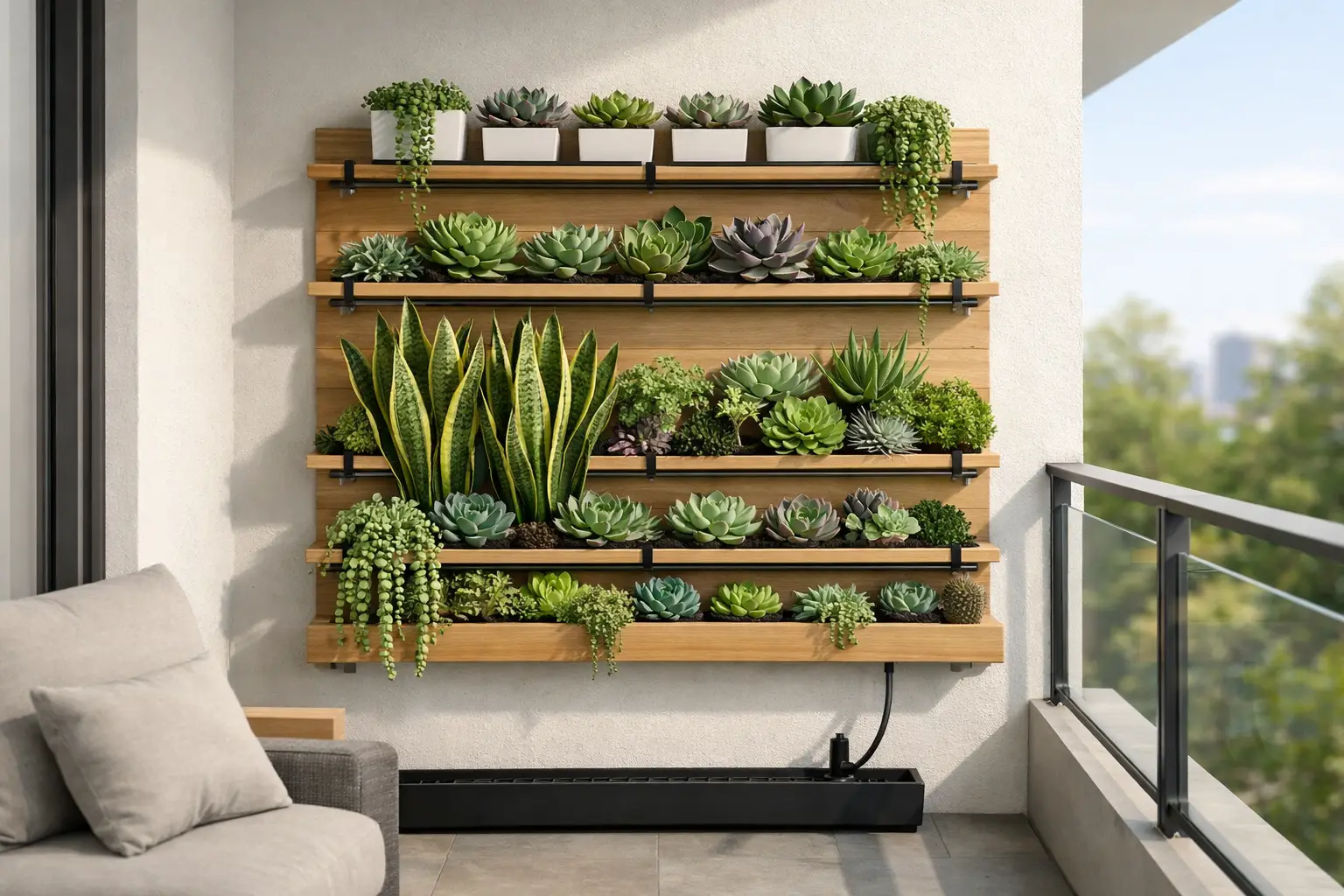
If you have a busy schedule, opt for a low maintenance garden. Choose plants that require minimal watering and care. Use high quality soil that retains moisture and reduces the need for frequent watering. Grouping similar plants together also makes maintenance easier and more efficient.
Adding an Automatic Watering System
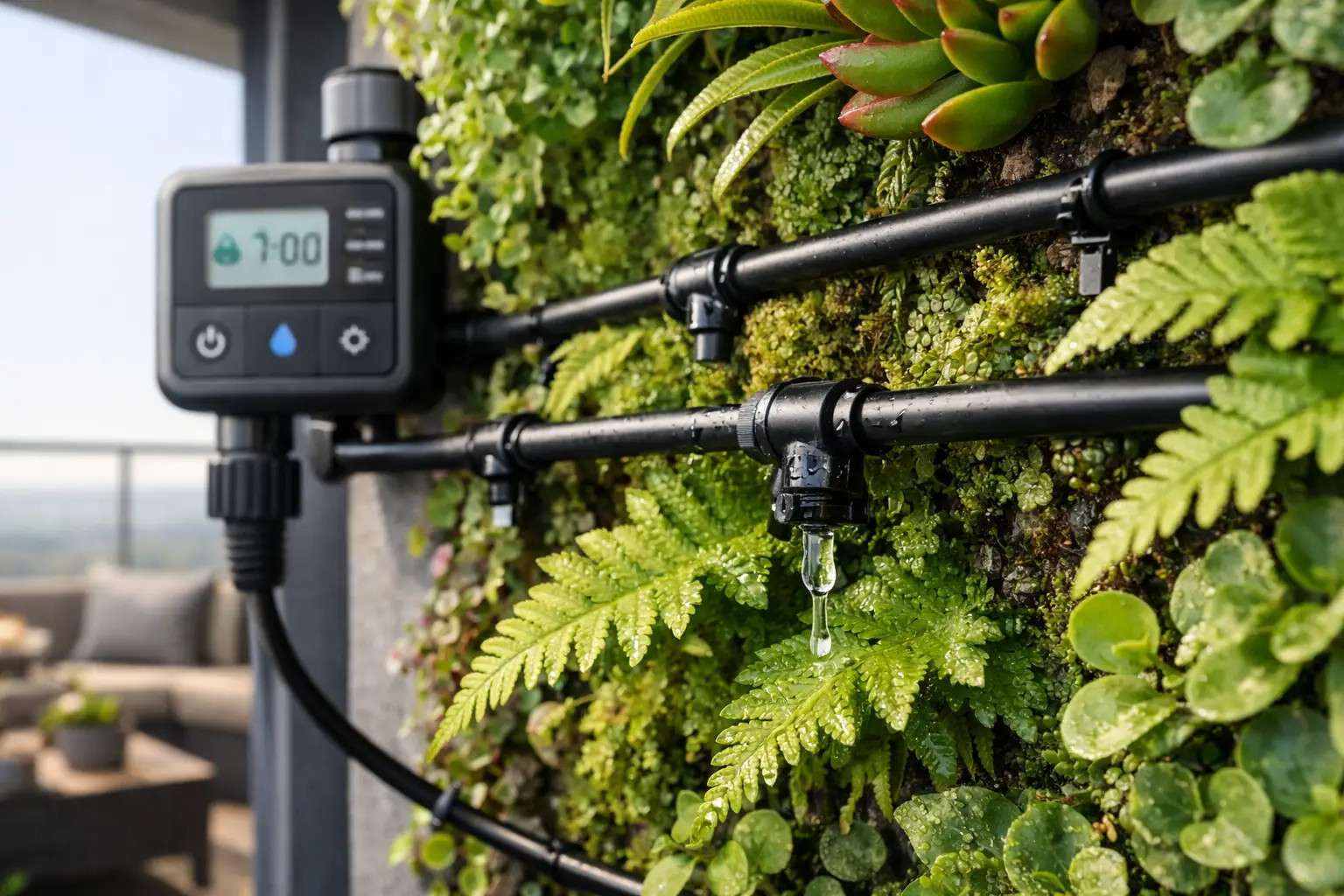
An automatic watering system can save time and ensure your plants receive consistent hydration. Drip irrigation systems are particularly effective for vertical gardens. They deliver water directly to the roots, reducing waste and promoting healthy growth. This setup is especially useful for larger installations.
Enhancing Privacy with Green Walls
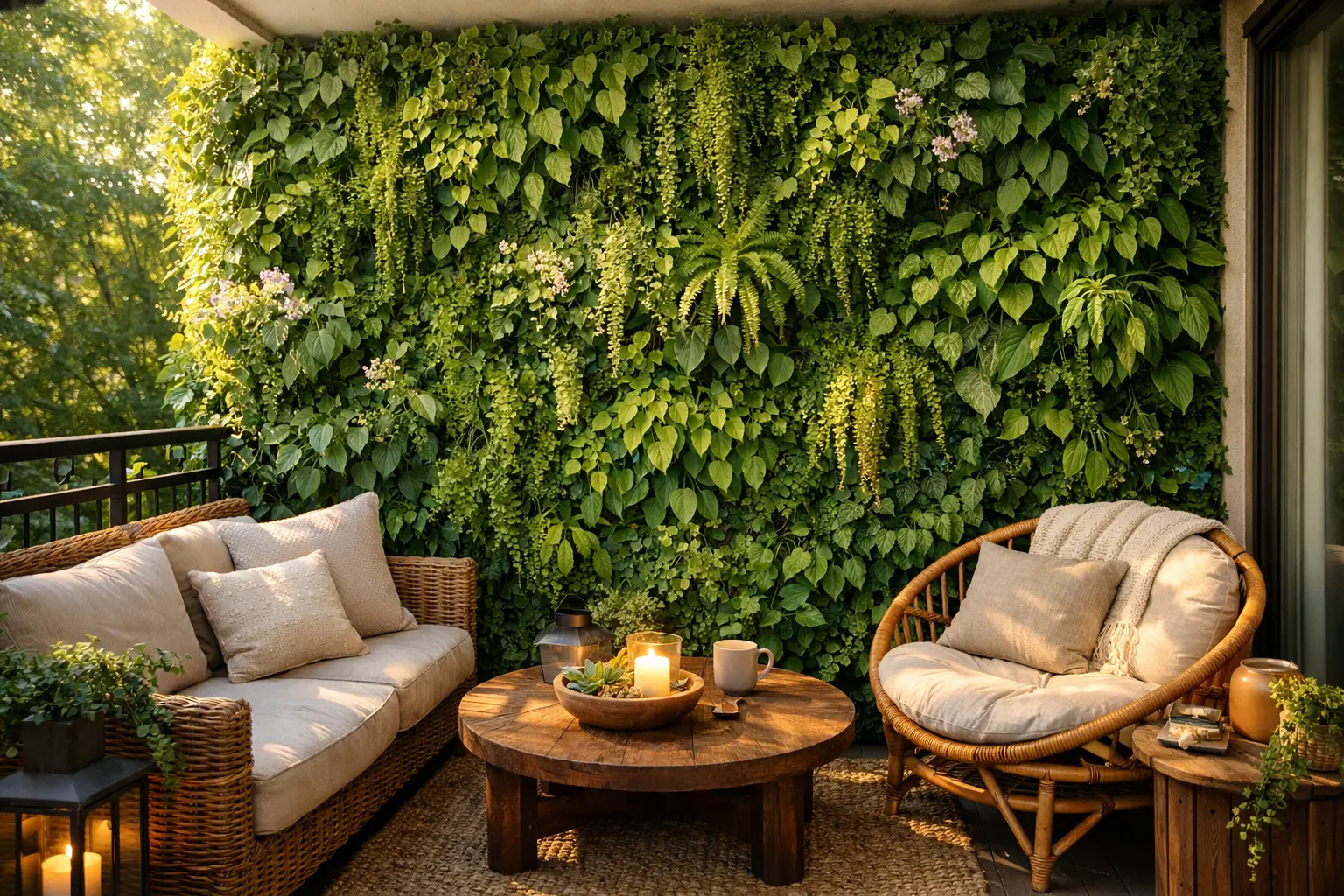
A vertical garden can also serve as a natural privacy screen. By using dense plants, you can block unwanted views and create a more intimate space. This is particularly useful for balconies in crowded urban areas. A green wall not only provides privacy but also reduces noise and improves air quality.
Decorating Your Vertical Garden Stylishly
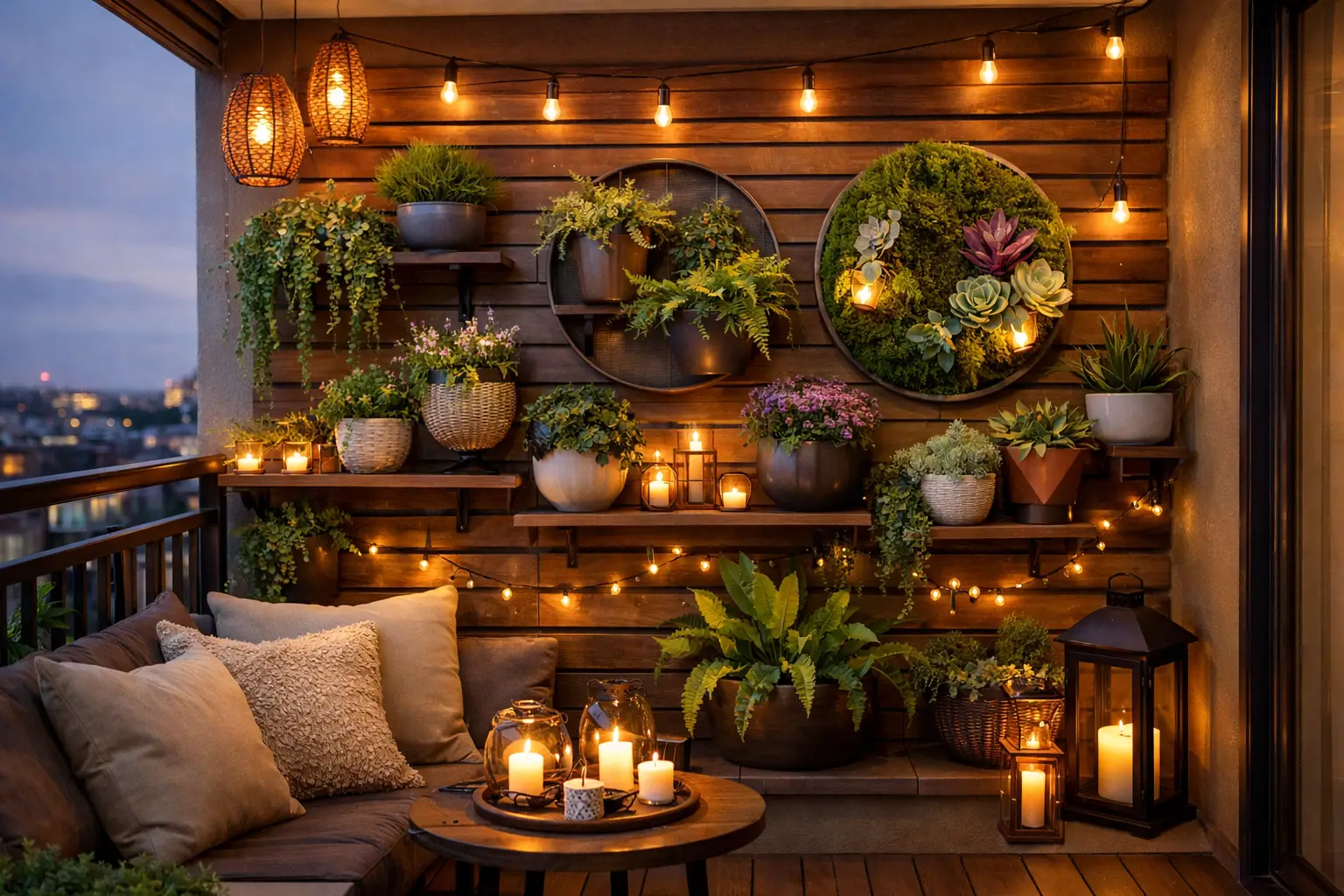
Incorporating decorative elements can elevate the look of your garden. Use colorful pots, add small lights, or include decorative frames to enhance visual appeal. Combining greenery with stylish accessories creates a cozy and inviting atmosphere.
Combining Indoor and Outdoor Greenery
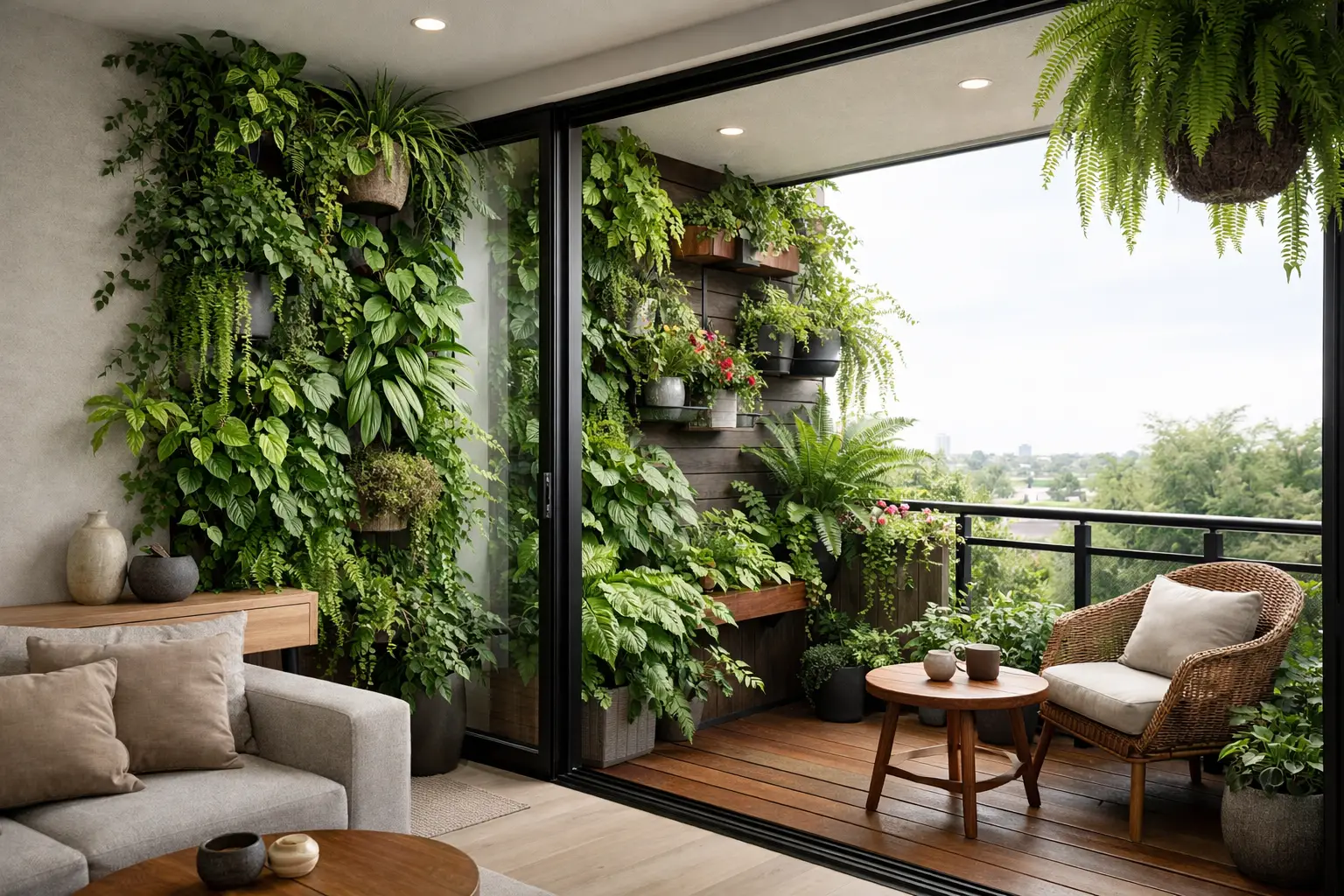
For a seamless look, extend your vertical garden from indoors to your balcony. Use similar plants and design elements to create continuity. This approach makes your living space feel larger and more connected to nature.
Budget Friendly Vertical Garden Solutions
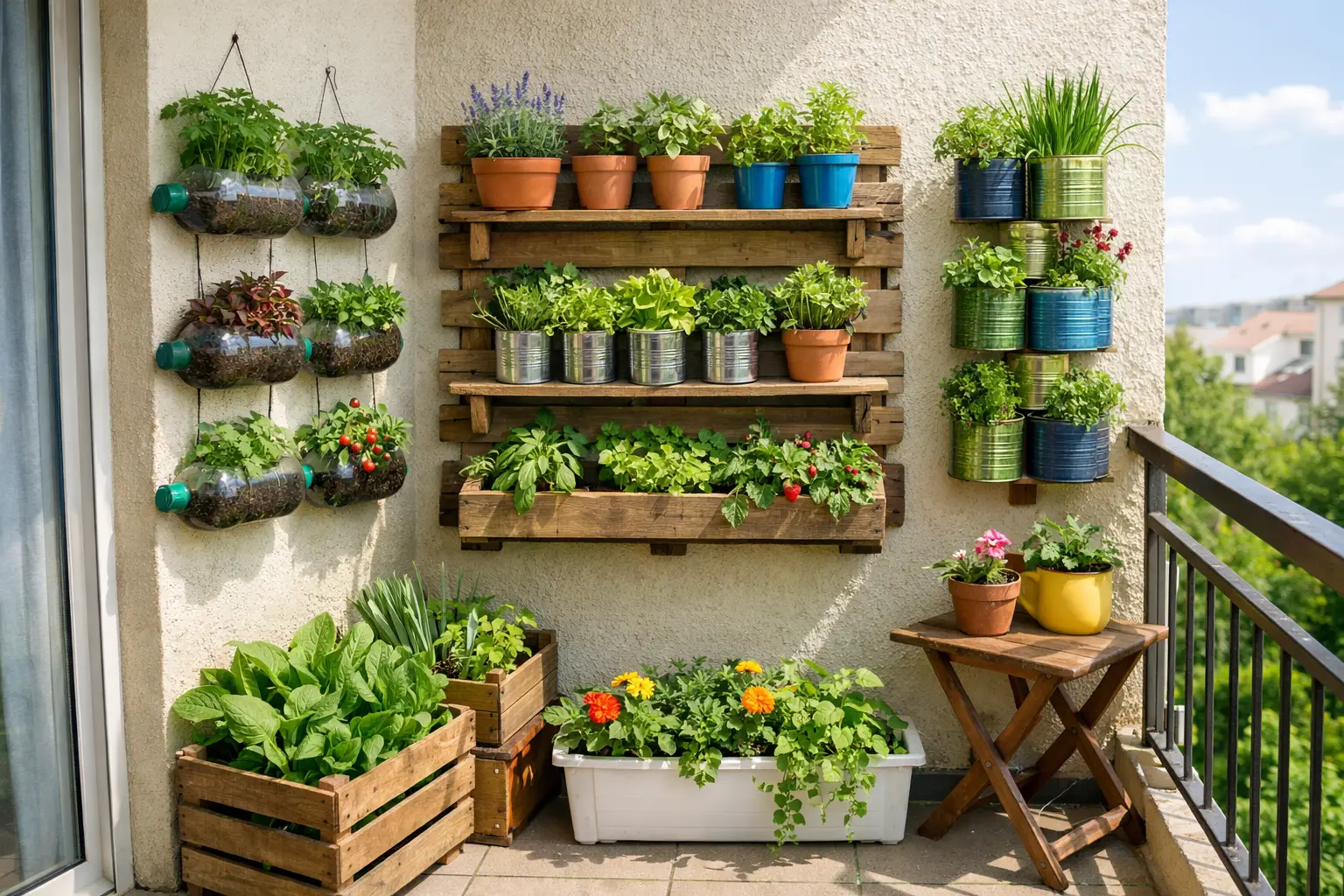
You do not need a large budget to build a beautiful vertical garden. Recycled materials and simple designs can achieve impressive results. Focus on creativity and smart use of resources to create an attractive setup without overspending.
Growing a Vertical Herb Garden
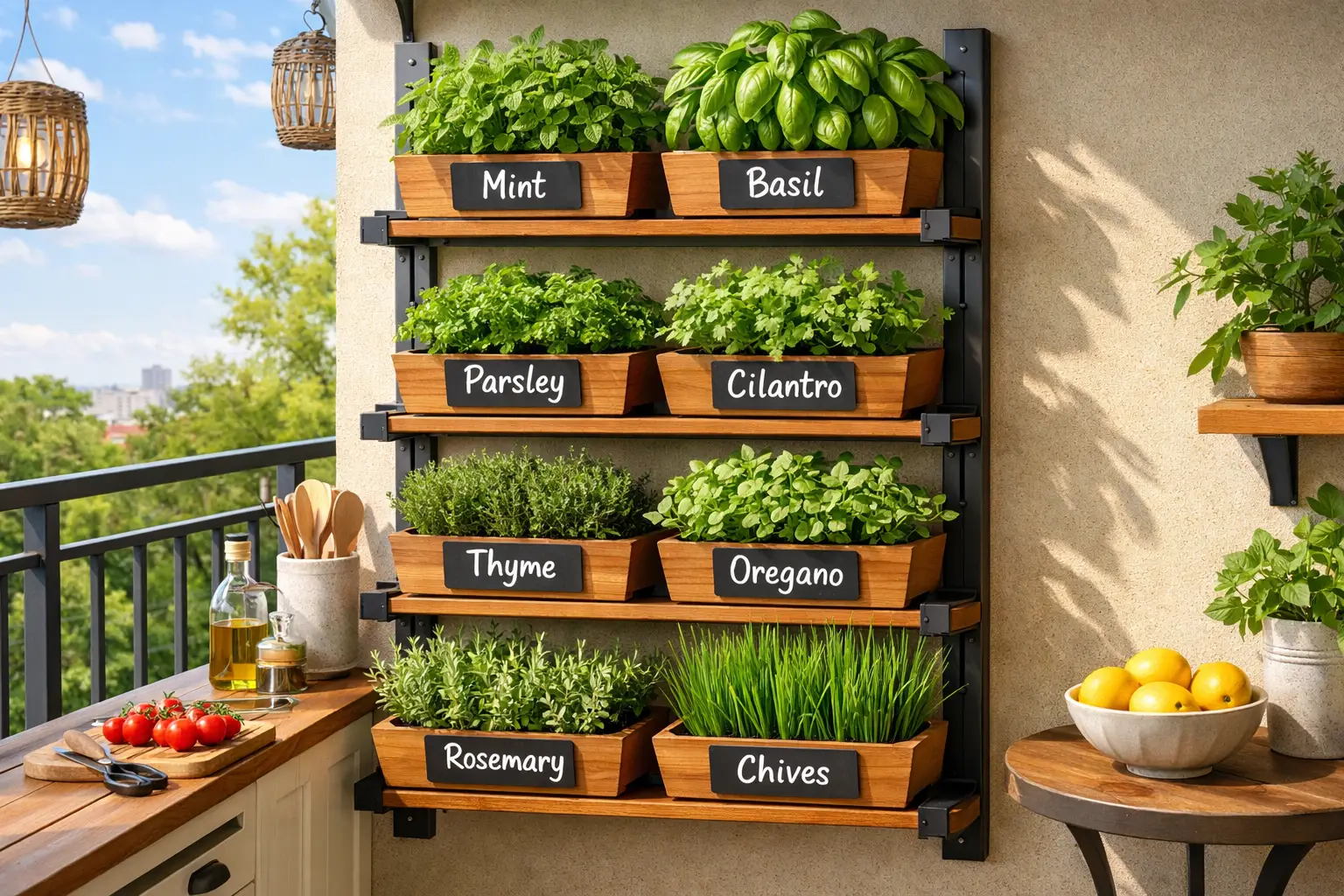
A vertical herb garden is both practical and visually appealing. Growing your own herbs ensures fresh ingredients for cooking and adds fragrance to your balcony. Arrange herbs in an accessible way so they are easy to harvest when needed.
Improving Lighting for Better Growth
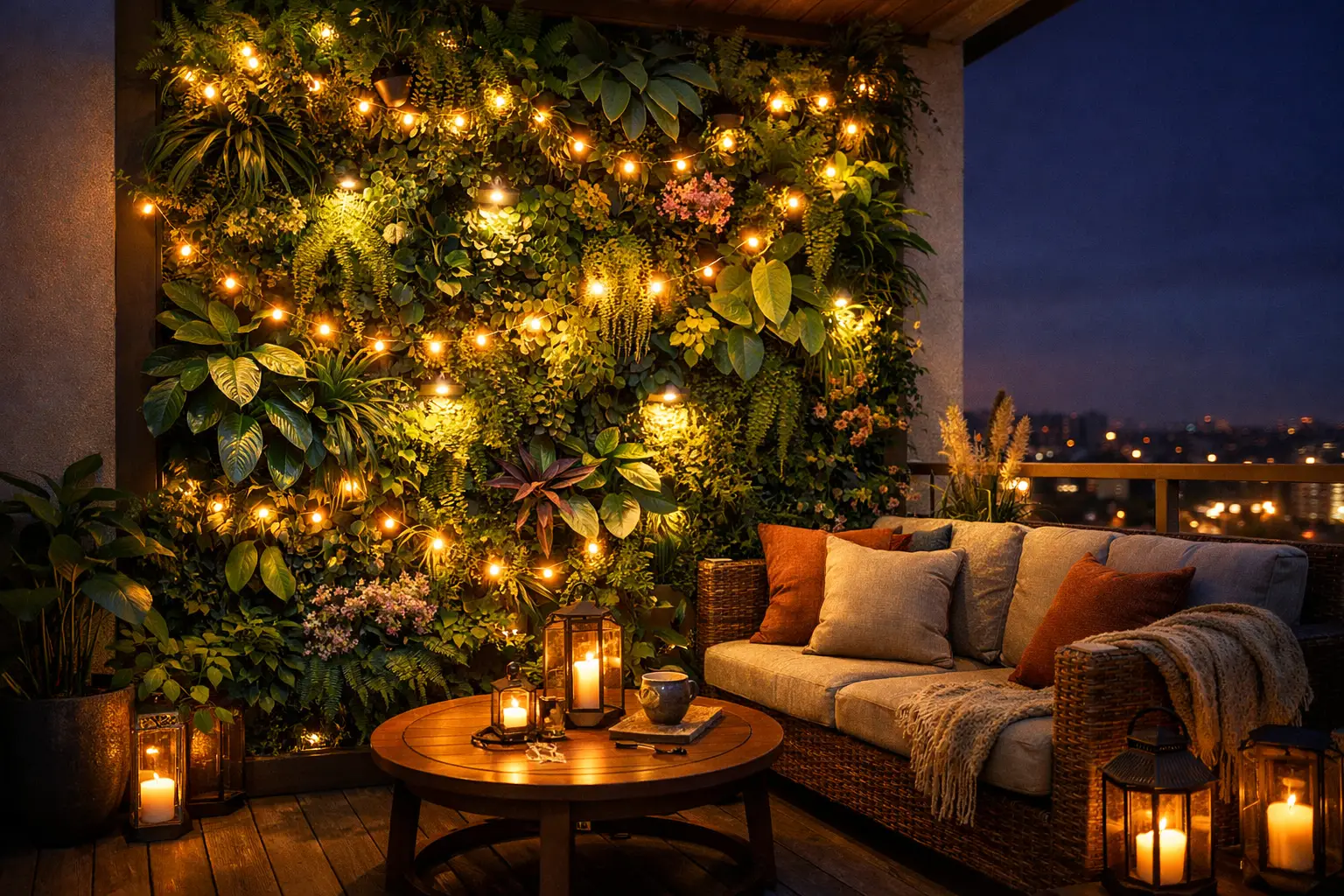
Lighting is essential for plant health. If natural light is limited, consider adding artificial grow lights. Proper lighting ensures that your plants thrive and maintain their vibrant appearance. Evening lighting can also enhance the ambiance of your balcony.
Maintaining a Healthy Vertical Garden
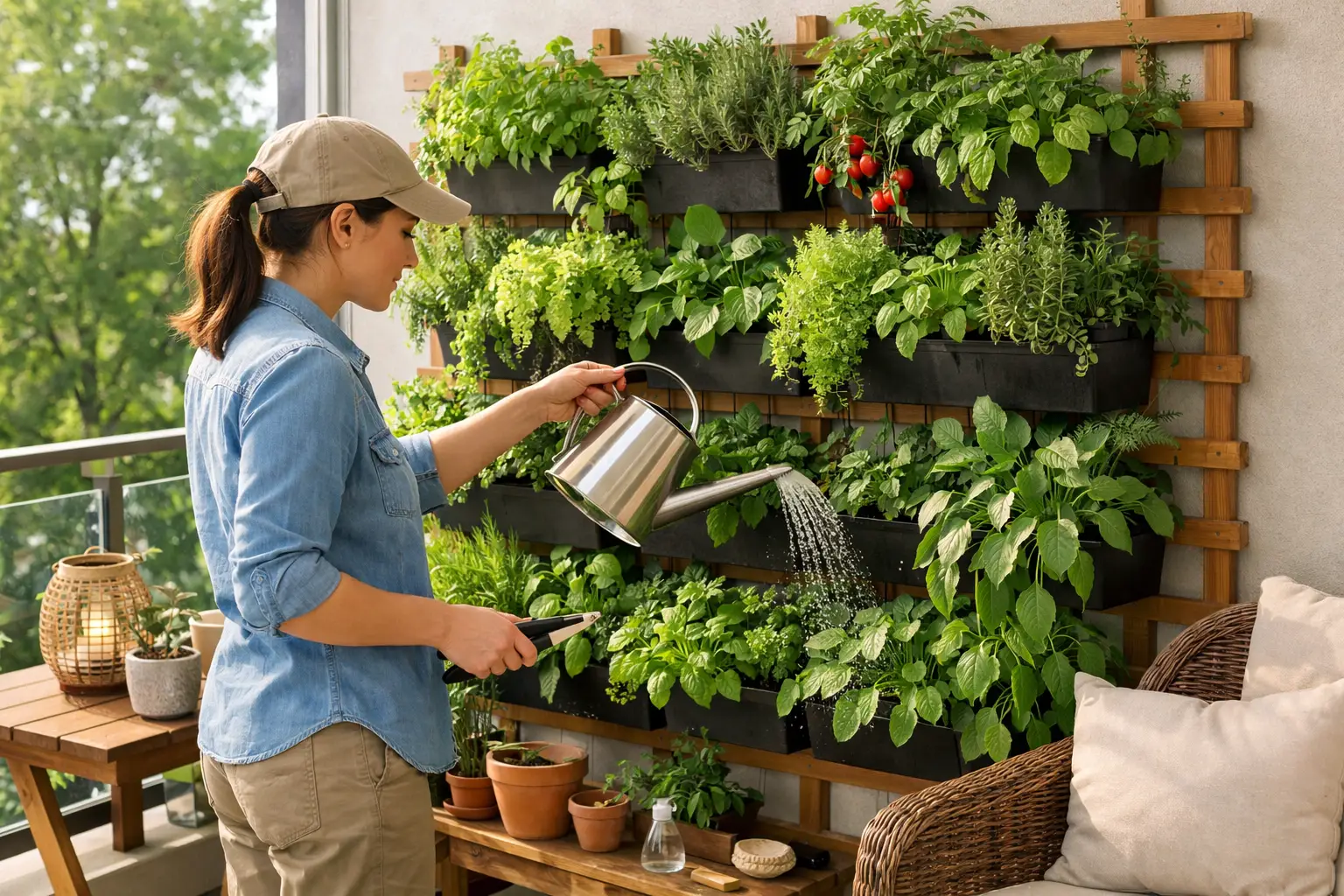
Regular maintenance is key to keeping your vertical garden in good condition. Water your plants as needed, trim dead leaves, and check for pests. Cleaning the structure and replacing unhealthy plants will keep your garden looking fresh and lively.
Conclusion
A vertical garden wall in a balcony is a practical and stylish solution for urban living. It allows you to make the most of limited space while enjoying the benefits of greenery. With the right structure, plant selection, and maintenance routine, you can create a thriving garden that enhances your home environment. Whether you choose a simple DIY setup or a more advanced system, the possibilities are endless.
You can may also like this: 20 Galentine’s Party Decor ideas That Makes the Night Feel Special
FAQs
What is the best structure for a vertical garden in a balcony
The best structure depends on your space and budget. Wall mounted planters and wooden pallets are popular choices for beginners.
Which plants grow best in vertical gardens
Plants like pothos, ferns, succulents, and herbs perform well because they adapt easily to vertical setups.
How often should I water a vertical garden
Watering depends on the plant type and climate, but most vertical gardens need regular but controlled watering to avoid overwatering.
Can I build a vertical garden on a small balcony
Yes vertical gardens are ideal for small balconies because they use vertical space instead of floor space.
How do I maintain a vertical garden wall
Regular watering pruning and checking for pests are essential to keep your vertical garden healthy and attractive