
Introduction
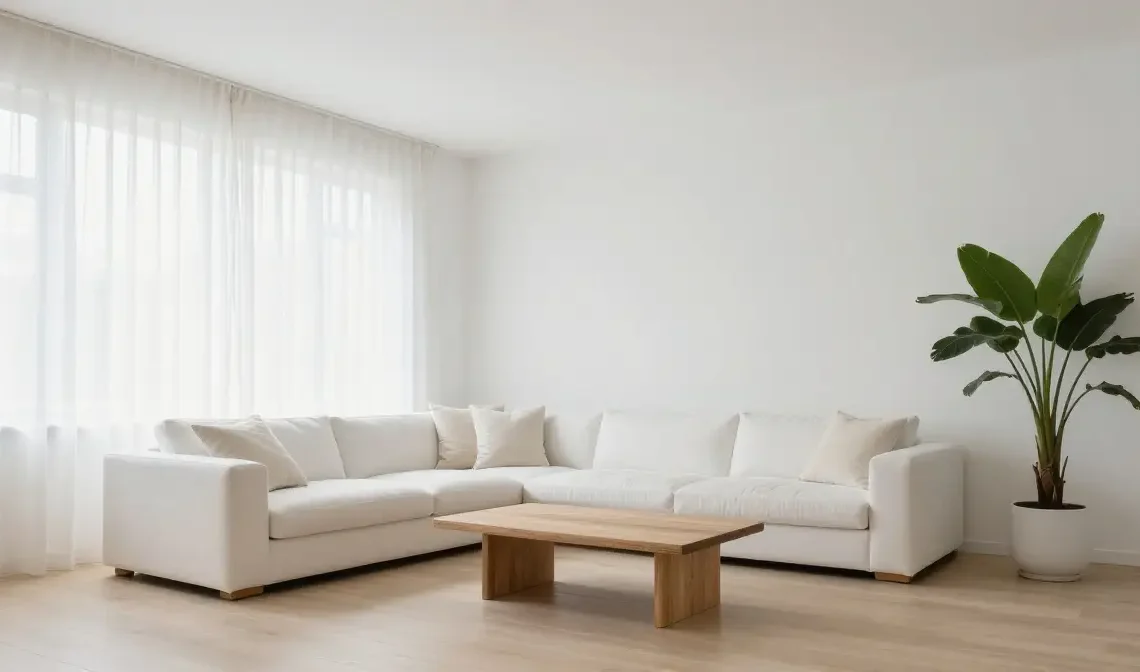
There is something quietly powerful about walking into a white living room that feels open, calm, and completely put together. No visual noise. No clutter pulling your attention in ten directions. Just clean lines, soft light, and a space that genuinely feels like a place to breathe.
Many people assume that a minimalist white living room means cold, sterile, or boring. That could not be further from the truth. When done right, white living room decor feels warm, layered, and full of personality without ever feeling busy. It is one of those rare interior styles that works in small apartments, large family homes, and everything in between.
Whether you are starting from scratch or just looking for simple ways to refresh your current space, these 22 ideas will give you real, practical inspiration you can actually use.
White Walls With Warm Wood Accents
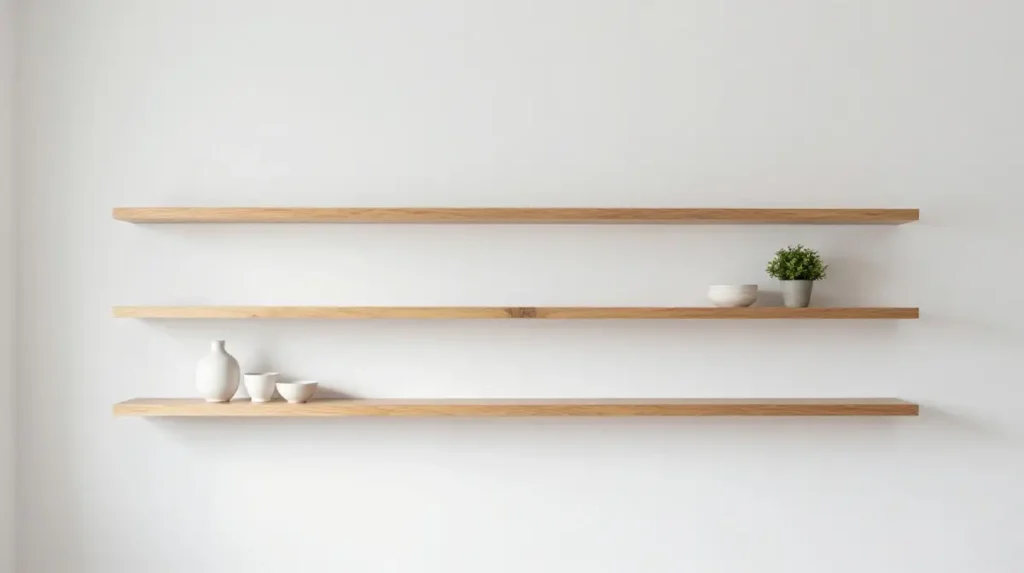
One of the most effective combinations in minimalist home design is white walls paired with natural wood.
A light oak coffee table or wooden shelving against a white backdrop adds instant warmth without adding visual clutter. The contrast feels balanced and grounded rather than cold or empty.
A White Sectional Sofa as the Focal Point
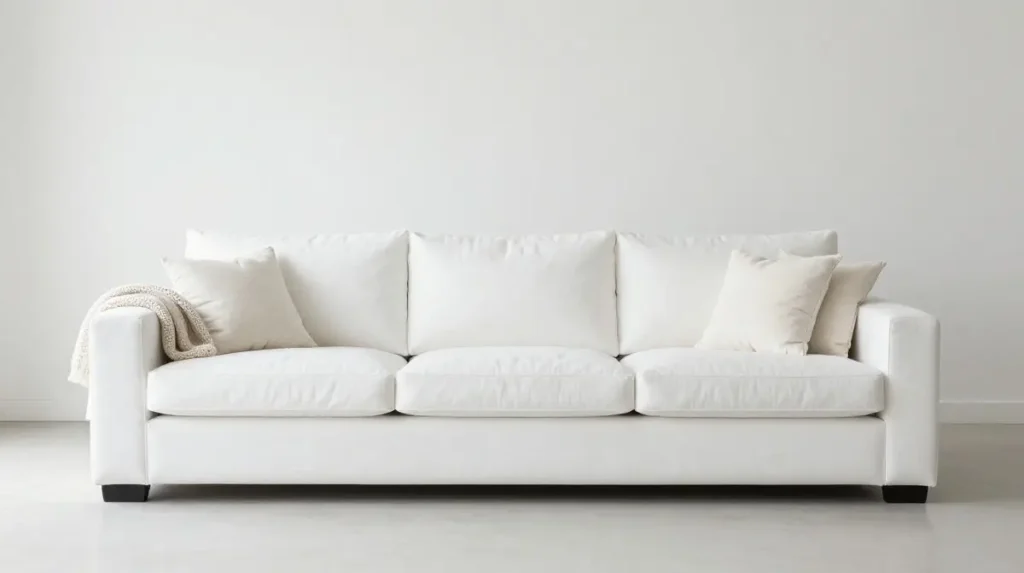
A white sectional sofa is bold but works beautifully in a clean living room setup. Choose a style with simple, straight lines and low-profile legs.
Layer a textured throw and a couple of neutral cushions on top to keep the look soft and inviting rather than flat.
Layered White Textures for Depth
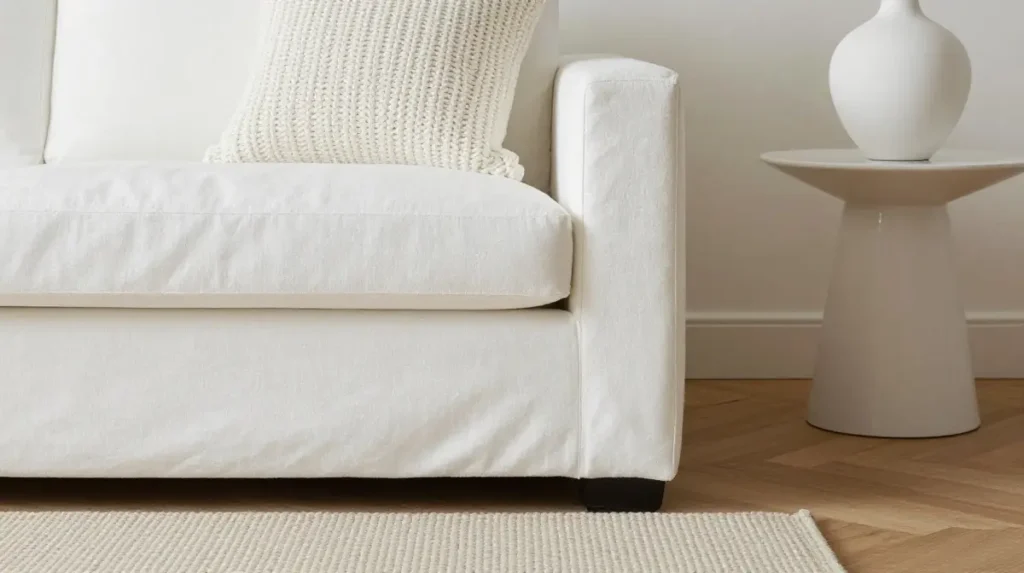
An all-white interior design does not have to feel one-dimensional. The secret is layering different textures together.
Think a chunky knit throw on a smooth linen sofa, a woven rug on polished flooring, and matte walls behind glossy ceramics. Each texture catches light differently, giving the room quiet visual interest.
Minimalist Shelf Decor Done Right
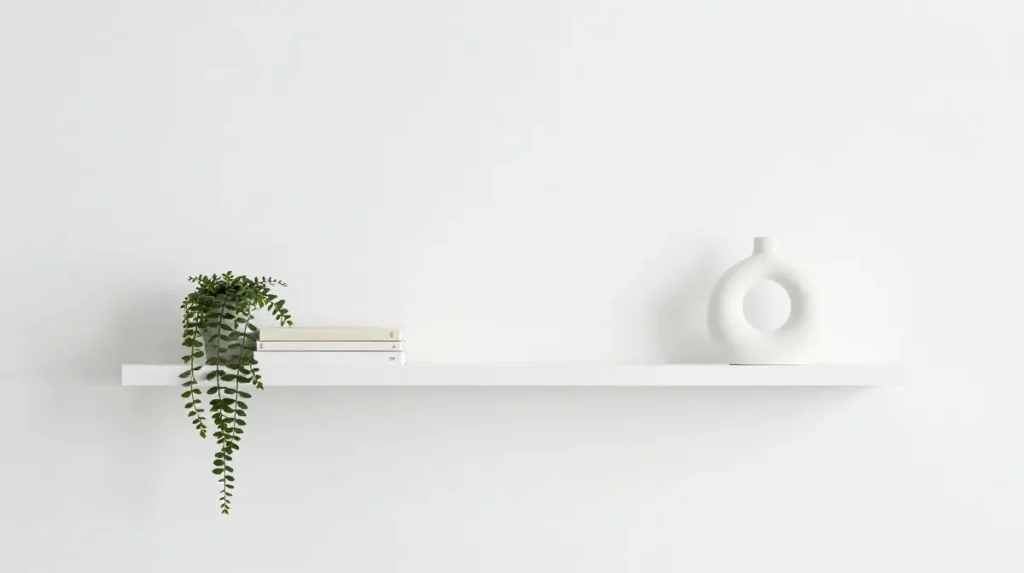
Open shelving in a white room works best when items are carefully chosen. A few books stacked horizontally, a small plant, and one or two ceramic pieces are enough.
Resist the urge to fill every inch. White storage solutions look best when they have room to breathe.
White and Grey Living Room Combination
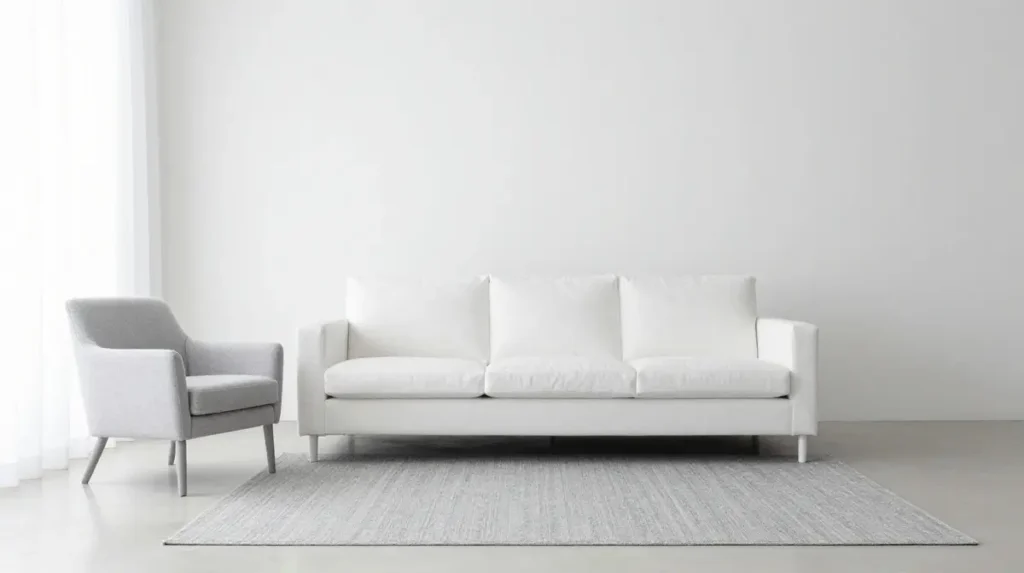
Adding soft grey tones to a white space is one of the easiest ways to create a monochrome living room without feeling stark.
A grey area rug, grey linen curtains, or a stone-coloured accent chair all work beautifully here. The palette stays cohesive while offering enough contrast to feel intentional.
Natural Light as a Design Element
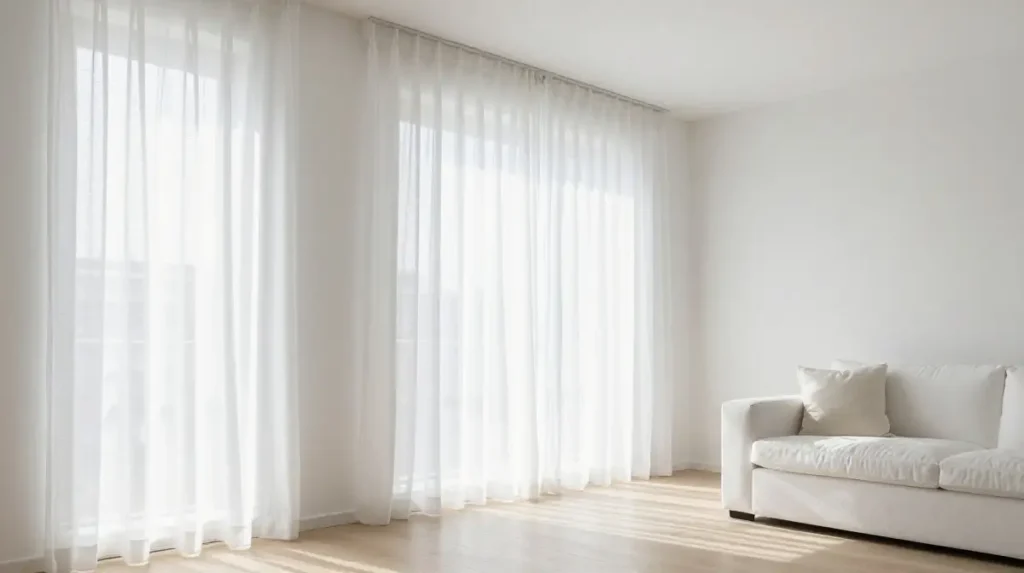
Light-filled room design is central to minimalist white living rooms. If your space gets good natural light, lean into it.
Keep window treatments simple, use white curtain ideas like sheer linen panels, and avoid heavy furniture that blocks light paths. The room will feel bigger and more open almost immediately.
A White Rug to Anchor the Space
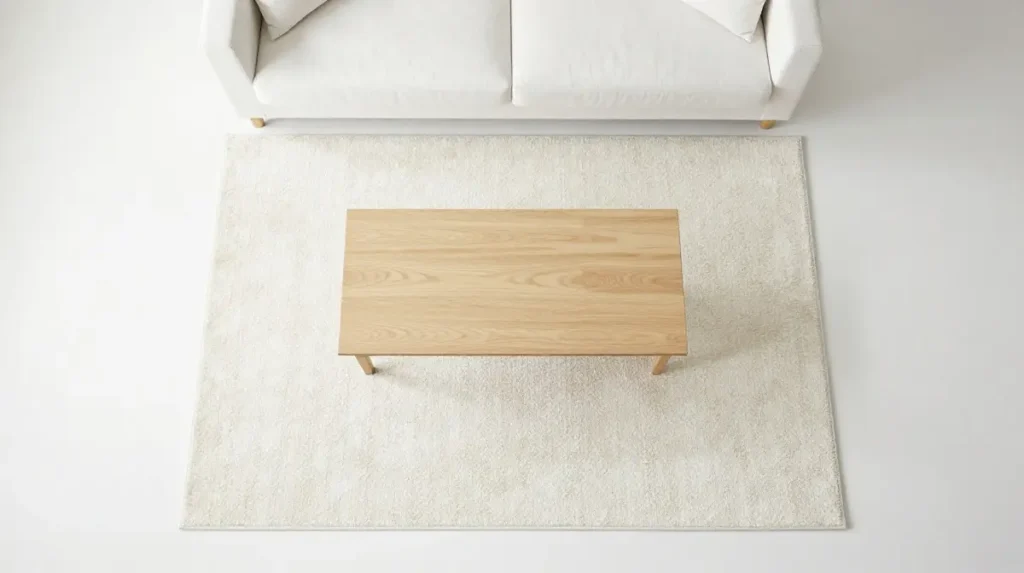
A white rug in the living room ties furniture together and makes the floor feel intentional rather than bare.
Choose a low-pile rug for easy maintenance or a natural fibre option like jute with a white or cream tone for texture. It keeps the neutral color palette consistent while adding softness underfoot.
Minimalist Lighting Ideas That Make a Difference
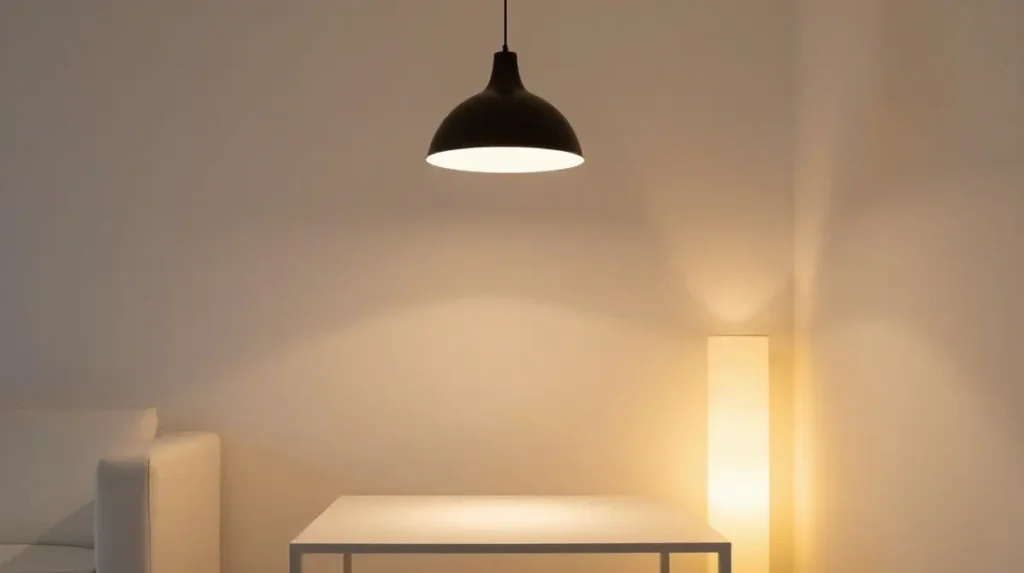
Lighting is often overlooked, but it changes everything in a white room. Pendant lights with a matte black or brushed brass finish add contrast without disrupting the clean home aesthetics.
Floor lamps with simple shapes work well in corners. The goal is warm, layered lighting rather than one harsh overhead source.
White Room With Plants for a Natural Touch
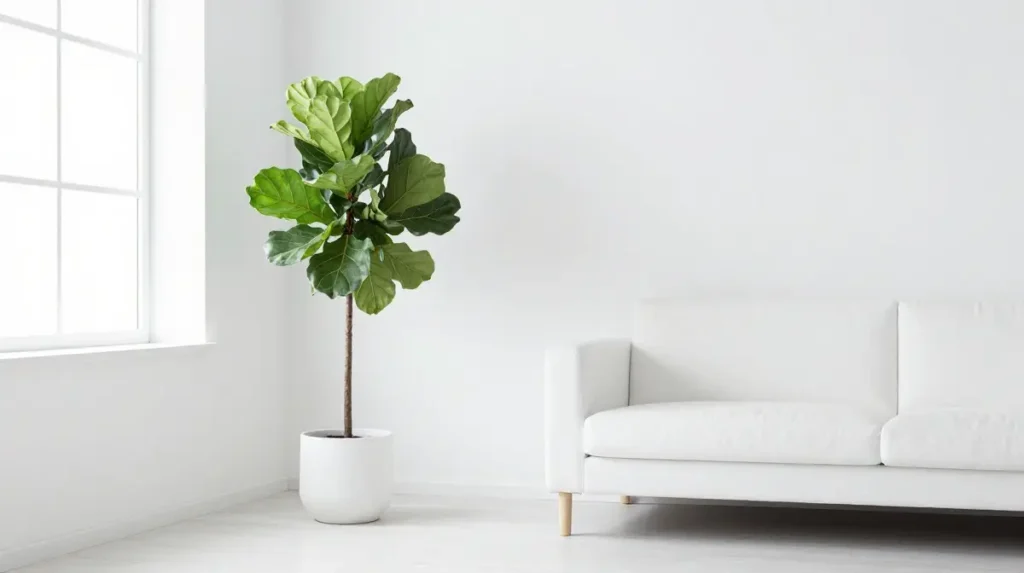
Adding plants to a minimalist white room brings the space to life without adding clutter. A single large leafy plant in a simple white or terracotta pot is all you need. Snake plants, fiddle leaf figs, and peace lilies all look striking against white walls.
This is one of the simplest answers to how to avoid a cold feeling in white rooms.
Japandi Style in a White Living Room
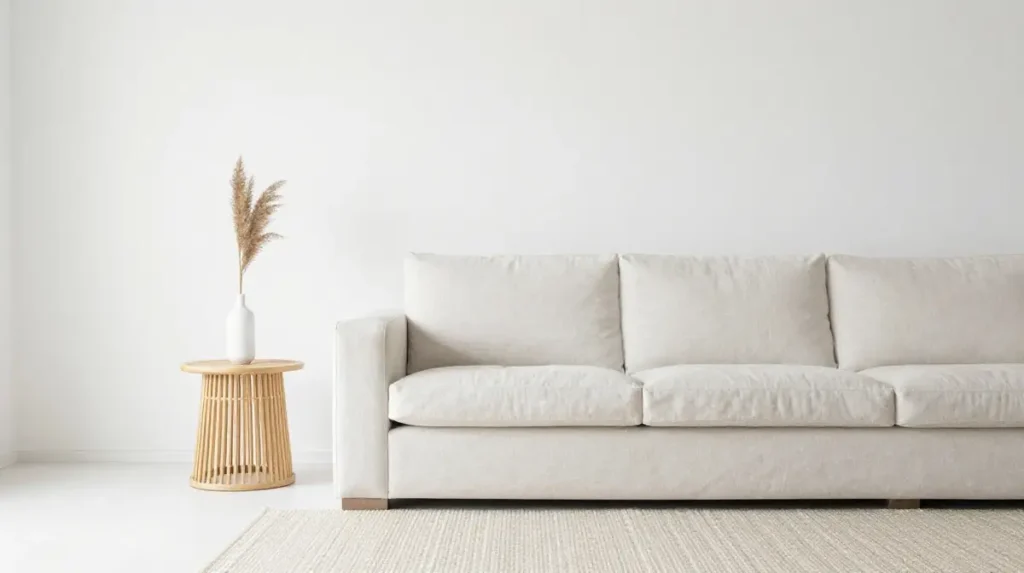
Japandi is a blend of Japanese minimalism and Scandinavian warmth, and it fits perfectly into white living room design. Low-profile furniture, natural materials like bamboo and linen, muted tones, and deliberate negative space all define this style.
If you want a space that feels both calm and considered, this direction is worth exploring.
White Paint Colors That Are Not Flat White

Choosing the right white paint is more important than most people realise. Pure white can look clinical under artificial light. Warmer shades like off-white, cream, or greige give the room a softer feel. Cooler whites with blue or grey undertones work well in rooms with lots of natural light.
Testing a few sample patches before committing will save you a lot of trouble.
Minimalist Artwork Display on White Walls
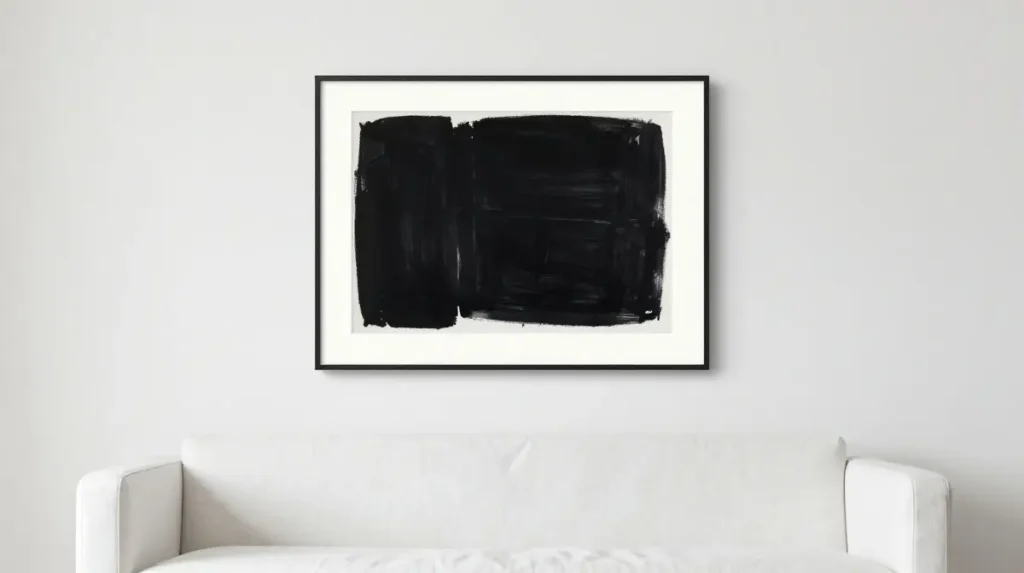
White wall decor does not have to mean filling every surface. In a minimal home, one large piece of art works better than several small ones. Choose something in neutral or earthy tones that complements rather than competes with the room.
Black and white photography, abstract ink work, or simple line drawings all look considered and elegant.
Clean-Line Furniture for a Sleek Look
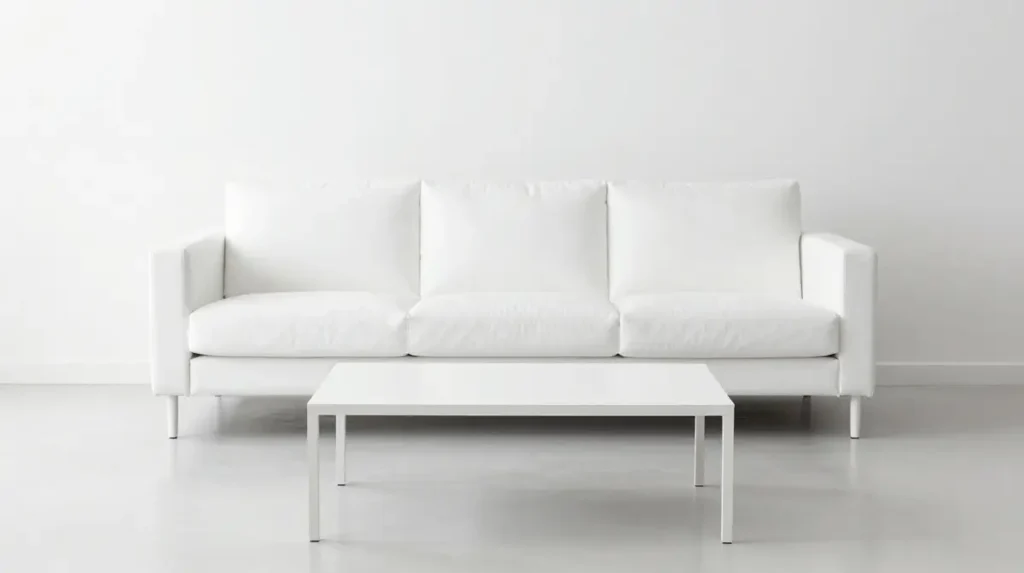
Furniture with clean lines and no unnecessary detailing defines the sleek living room design approach. Avoid ornate carvings, busy upholstery patterns, or furniture with lots of exposed hardware.
Simple shapes, straight edges, and quality materials are what make clean-line furniture feel luxurious rather than sparse.
White Curtains to Frame the Windows
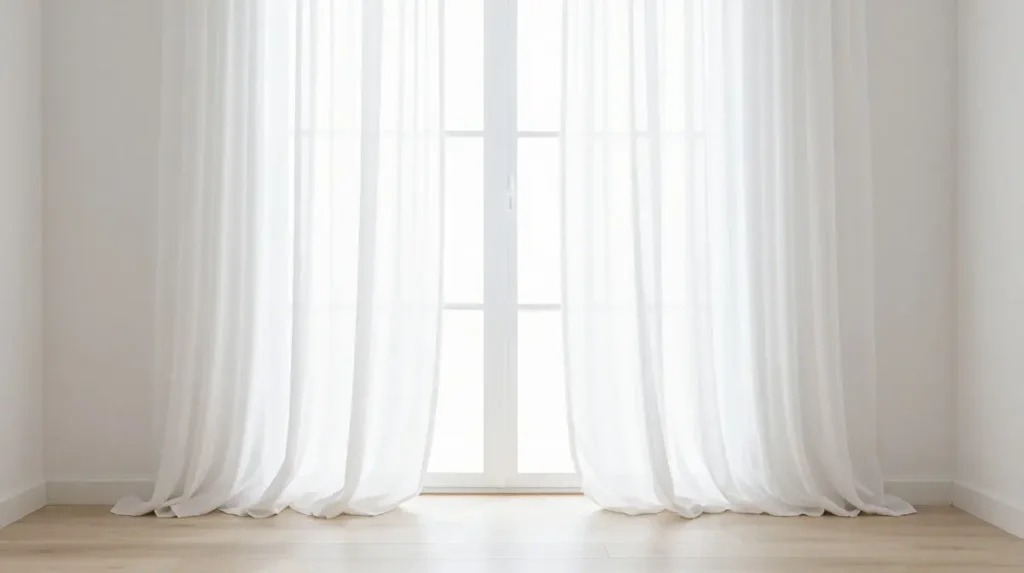
White curtains are one of the most useful tools in a minimalist living room. Floor-length linen or cotton panels that puddle slightly at the bottom create an effortlessly elegant look. They diffuse natural light softly and make ceilings appear taller.
Avoid heavy or patterned drapes, which work against the airy living room ideas you are trying to achieve.
A Simple Coffee Table That Does Not Overpower
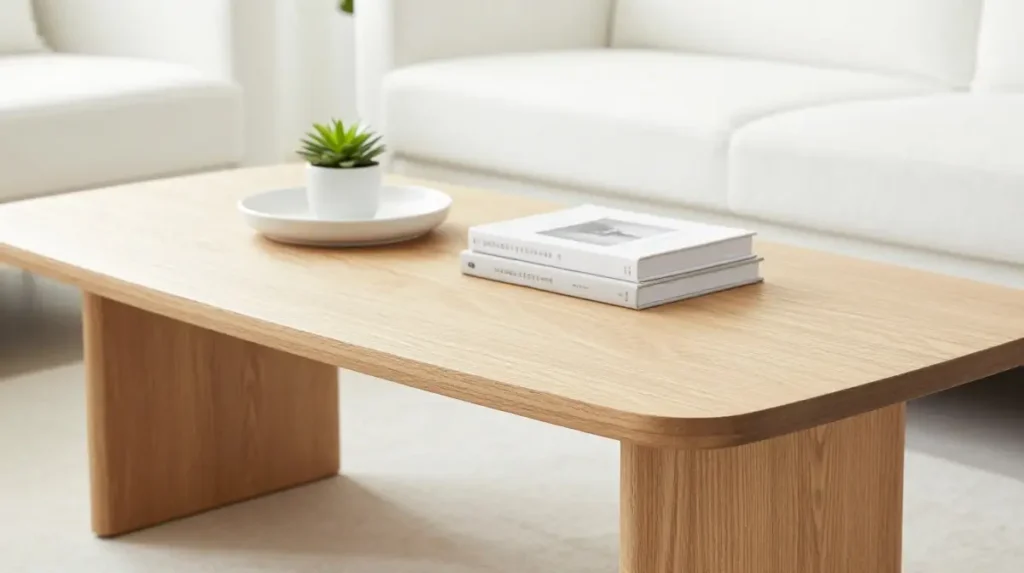
The coffee table is often the most central piece in a living room, yet in a minimal space it should feel light and purposeful.
A glass top with a thin frame, a light oak slab, or a nesting table set in white or natural wood all work well. Keep the surface styling simple: one small tray, a plant, and perhaps one or two books.
Minimalist Cushion Ideas for the Sofa
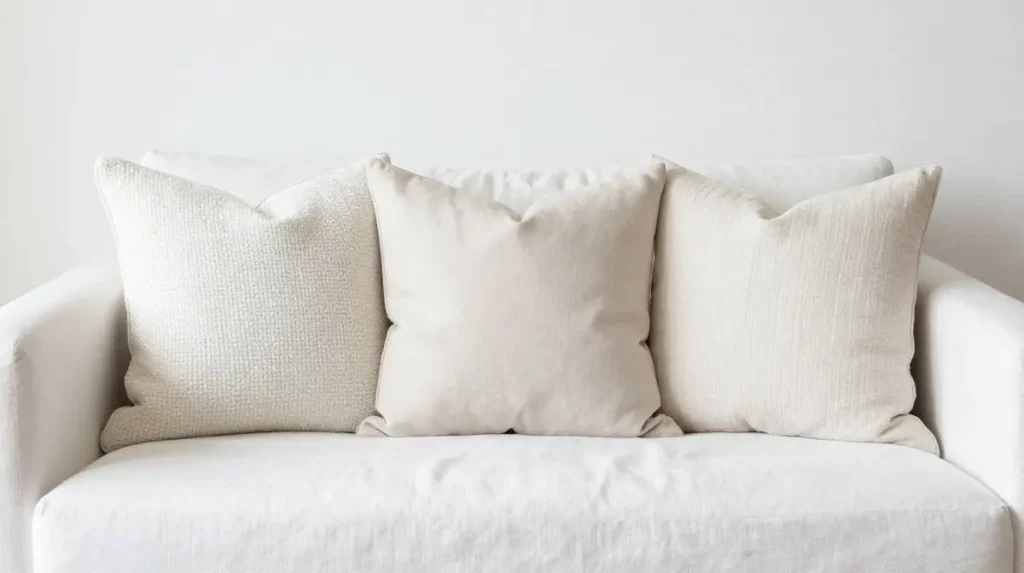
Cushions are an easy way to add texture and softness without overcomplicating the space. Stick to a consistent palette of whites, creams, and warm neutrals.
Vary the textures instead of the colours: a boucle cushion next to a smooth linen one, for example. This keeps the look cohesive while still feeling layered and comfortable.
White Flooring Ideas That Complement the Space
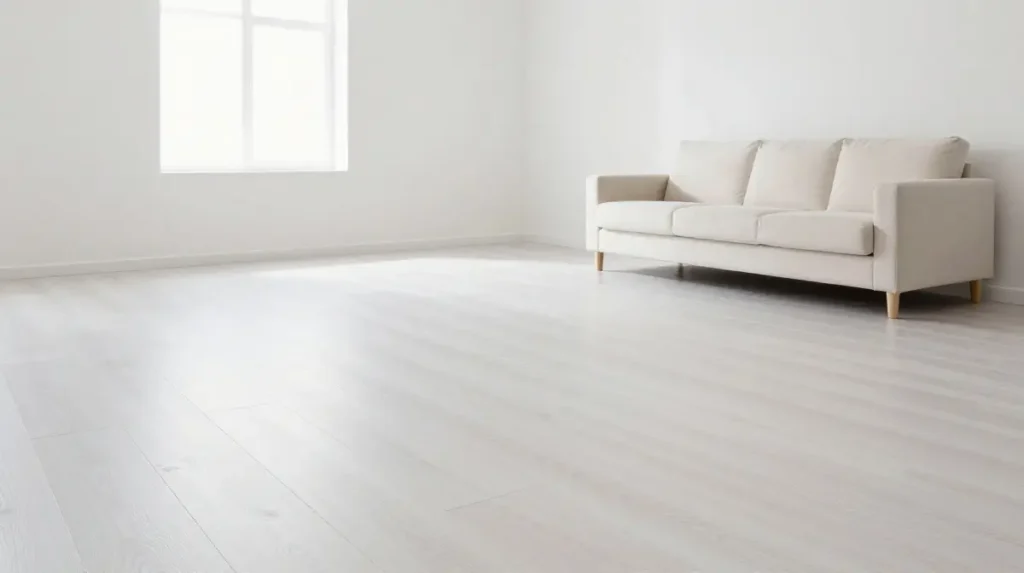
White or light-toned flooring makes a room feel larger and more cohesive when paired with white walls. Pale wood, whitewashed oak, large-format white tiles, or polished concrete all work well.
If your current floor is darker, a large light-coloured rug over the top achieves a similar visual effect without a full renovation.
Cozy Minimalist Space With a Reading Corner
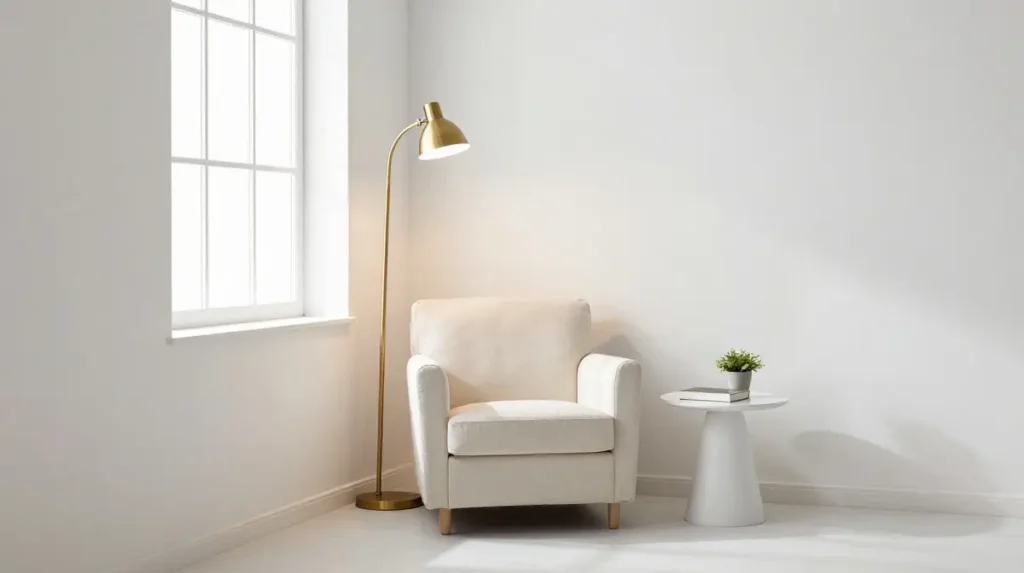
A minimal white living room can absolutely feel cosy. A single armchair in a warm white or cream fabric, positioned near a window with a simple floor lamp beside it, creates a reading nook that feels intentional and inviting.
Add a small side table and one plant, and the corner becomes a proper retreat within the larger space.
Monochrome Living Room With Varied Tones
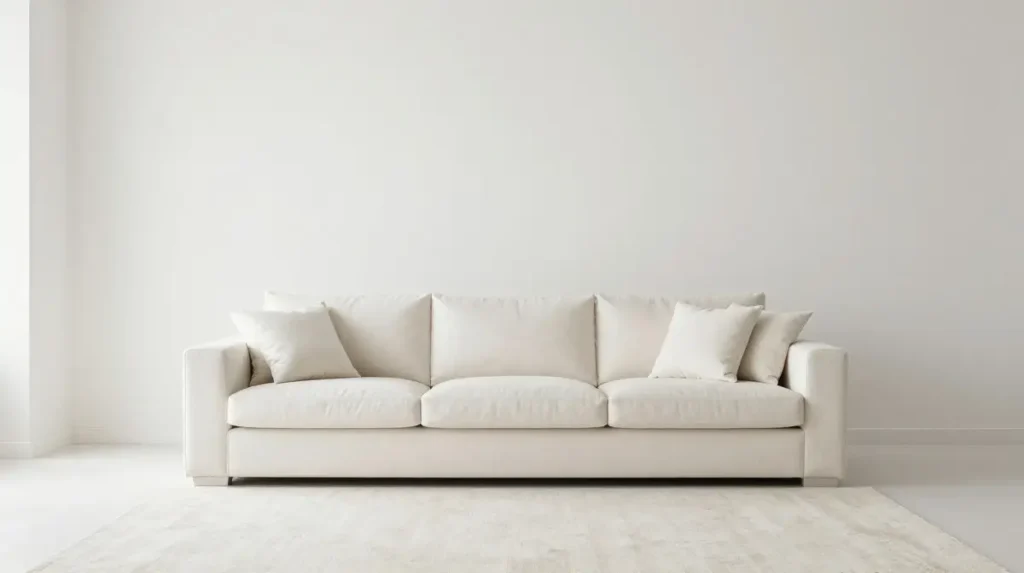
A monochrome white room does not mean everything has to be identical. Mixing warm white walls with a cream sofa, ivory cushions, and an off-white rug creates a layered and sophisticated palette.
The subtle differences between shades keep the eye moving gently around the room without feeling overwhelmed by contrast.
Low-Furniture Living Room for an Open Feel
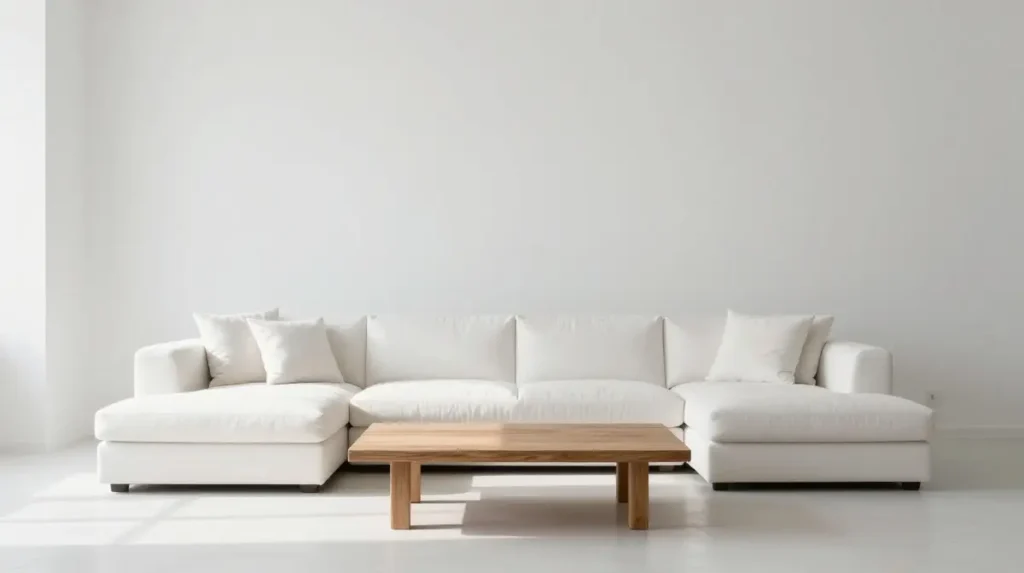
Keeping furniture low to the ground is a classic technique borrowed from Japanese design. A low sofa, a floor-level coffee table, and shelving that stops at mid-height all preserve sightlines and make the room feel more open and less crowded.
This approach is especially effective in smaller spaces where maintaining an open space living room feel matters most.
White Ceiling Design That Adds Height
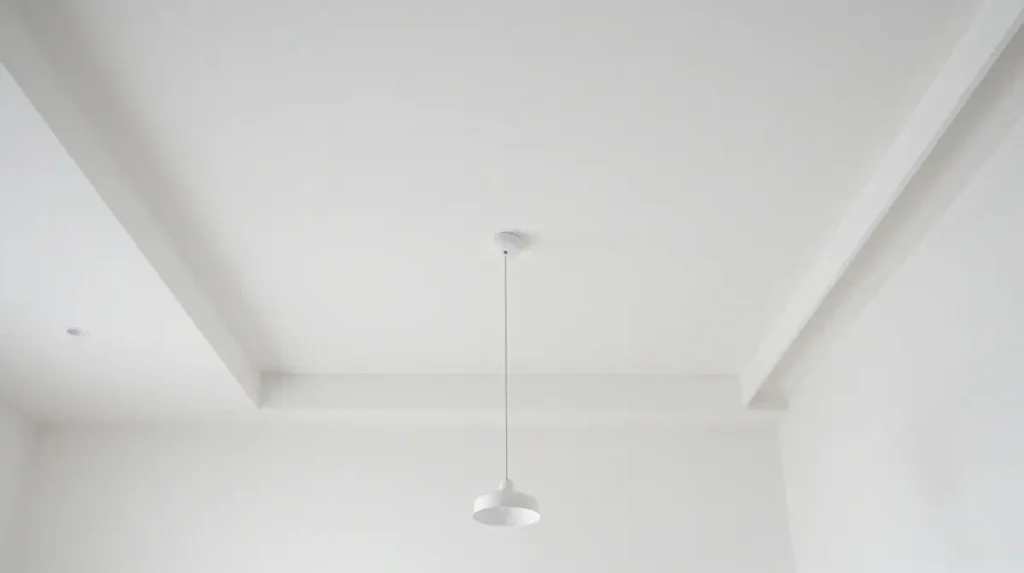
Never ignore the ceiling. A white ceiling with simple detailing like a subtle cornice, a recessed centre, or even just a high-gloss finish versus matte walls creates architectural interest without decoration.
It draws the eye upward, making the room feel taller and the overall proportions more generous.
Luxury Minimalist Living Room on a Budget
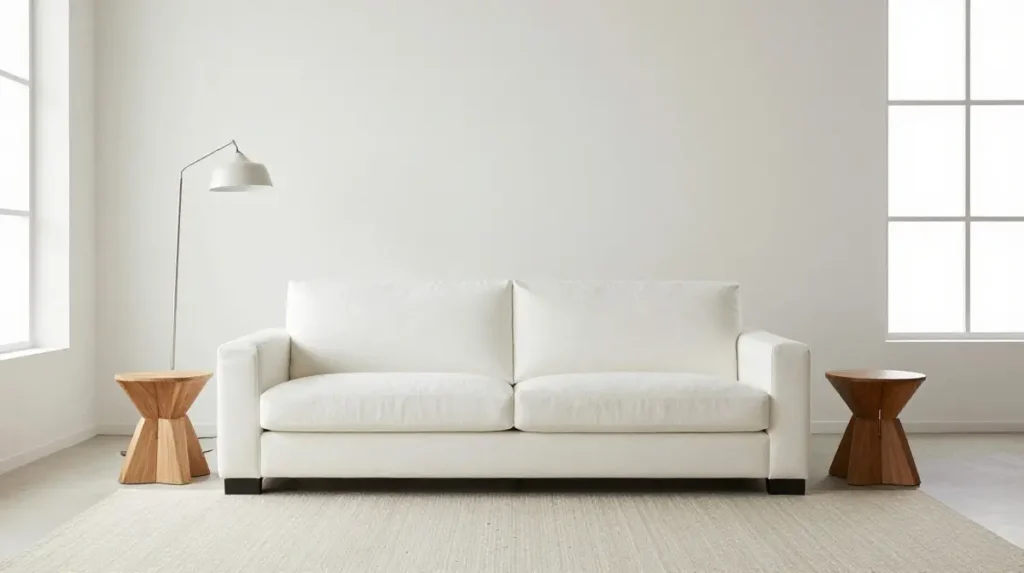
A luxury minimalist living room does not require expensive furniture. Quality over quantity is the guiding principle. One well-made sofa, a real wood side table, and quality lighting will always look better than a room full of average pieces.
Shop secondhand for solid wood furniture, invest in good quality linen textiles, and keep the accessories minimal and deliberate.
Conclusion
A minimalist white living room is one of the most versatile, timeless, and liveable spaces you can create. It does not demand perfection or a large budget. It asks for intention: choosing pieces carefully, leaving room to breathe, and letting the light and texture do the work.
The ideas here cover a wide range of approaches, from budget-friendly updates to full style overhauls. The common thread is simplicity with purpose. Start with one or two changes, see how the room feels, and build from there. A clean, elegant space is closer than you think.
You may also like this:22 Pinterest Worthy Christmas Living Room Ideas for Festive Decor
FAQ
1. How do I keep a white living room looking clean?
Regular light cleaning is easier than one big effort. Use slipcovers on sofas for washing convenience, choose stain-resistant fabrics where possible, and avoid dark-soled shoes near light rugs. A white room is not harder to maintain than any other; it just requires consistent habits.
2. What is the best white paint for a living room?
It depends on your light source. For rooms with warm or limited natural light, choose an off-white or cream with warm undertones. For bright, well-lit rooms, cooler whites like soft grey-white work well. Always test a sample on the wall before deciding.
3. How do I add warmth to a white minimalist room?
Natural wood, linen textiles, warm-toned lighting, and plants are the simplest answers. Even a single warm-toned throw or a wooden tray on the coffee table shifts the feeling of the space considerably.
4. Can a minimalist white room work in a small space?
It works exceptionally well in small spaces. White reflects light, making rooms feel larger. Low-profile furniture and a clutter-free approach preserve sightlines and give the illusion of more square footage.
5. What is the difference between Scandinavian and Japandi white room styles?
Scandinavian design leans toward cosiness, with softer textures, warmer tones, and a more relaxed feel. Japandi is more restrained and deliberate, with lower furniture, fewer items, and a stronger emphasis on calm and intentional negative space. Both work beautifully in white living rooms but achieve slightly different moods.

1 Comment